🌟UK Event & Portrait Photographer🌟Corporate/Headshots🌟Proms🌟Parties🌟Conferences🌟Schools 🌟Photobooth/Studio🌟Loves skiing, Champagne & the seasons!
Joined July 2011
- Tweets 7,612
- Following 1,174
- Followers 509
- Likes 33,881
184 Photos and videos

Frances Newman retweeted

Every. Word. From Nick Ferrari.
Social workers, doctors, teachers - all useless at protecting a baby being tortured and sexually abused by his adoptive parents.
126
645
2,789
34,561
Frances Newman retweeted

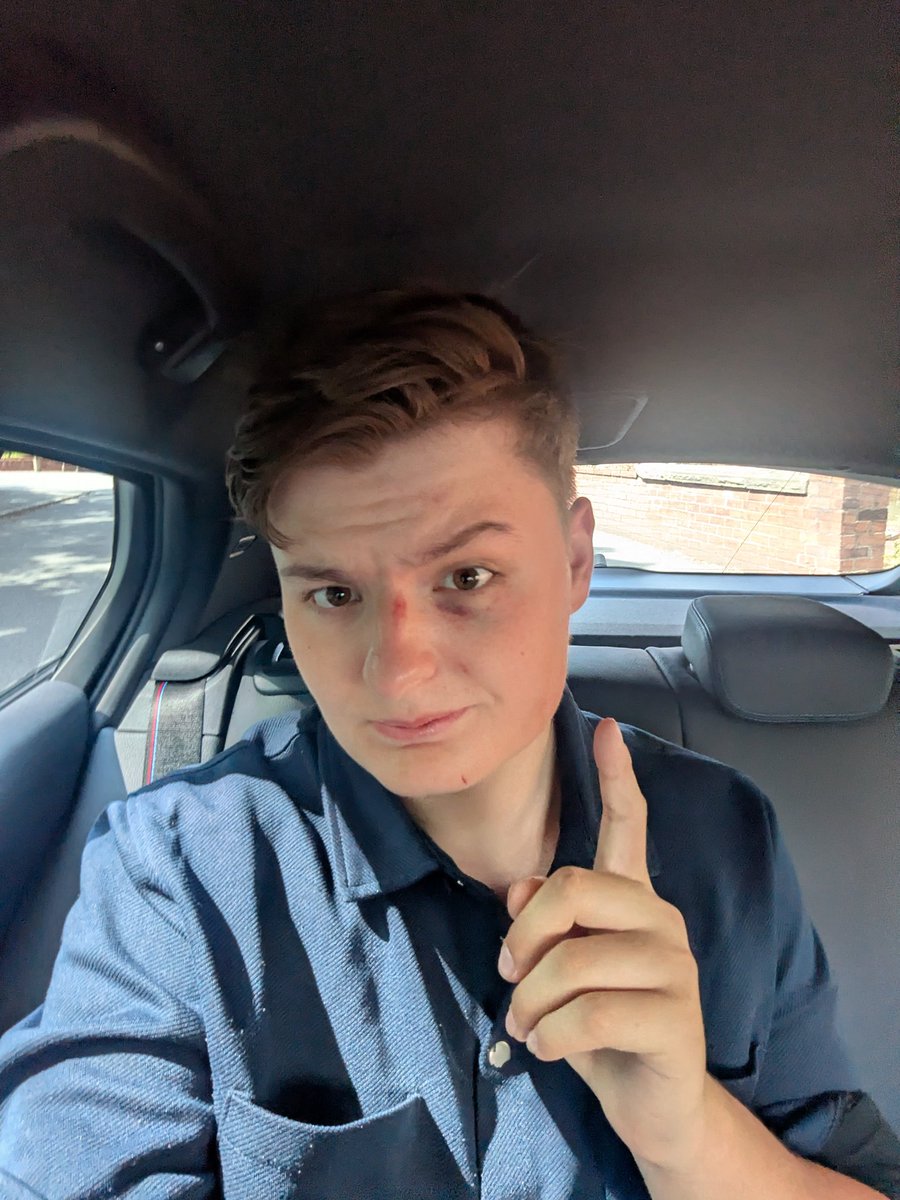
Back in Makerfeild, after my vicious attack in Manchester, just came out of a 30-minute phone call with the police.
They said that this is by far the most high-profile assault case they've seen.
They've identified the stand up to racism activist as the transgender ponytail lefty that some of us have been able to identify.
After reviewing the entire situation,
• Both of the cameras I had on the day have been broken or stolen.
• My phone has been smashed.
• They stole some of my stand equipment, including a banner and a chair.
But we're doubling down.
I've been able to, hopefully by the end of the day, get a team of lads for security.
I'll be organizing a massive day of action for a stand on remigration in the exact same location in Manchester.
This is England. I do not want to become a demographically replaced hellhole.
What I saw that day was a group of migrant lads being egged on by left-wing agitators.
1,856
4,231
28,449
646,348
Frances Newman retweeted

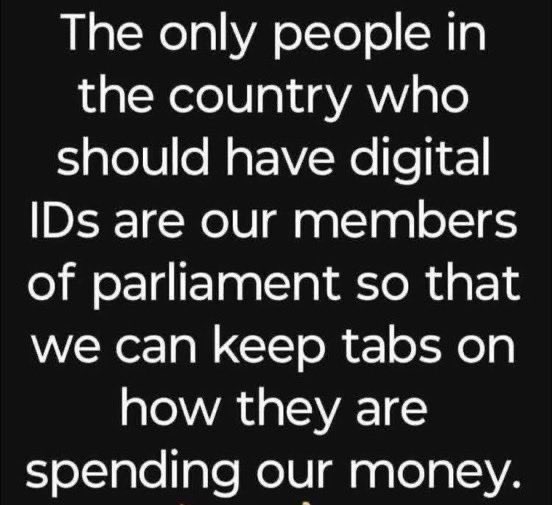
When Labour MPs like @labourlewis & Lib Dem’s like @EdwardJDavey say trans women (males) are no danger to women in changing rooms & bathrooms they always conveniently forget about the 60% plus of those males already in prison who ID as women, in for sexual assault against …Women!

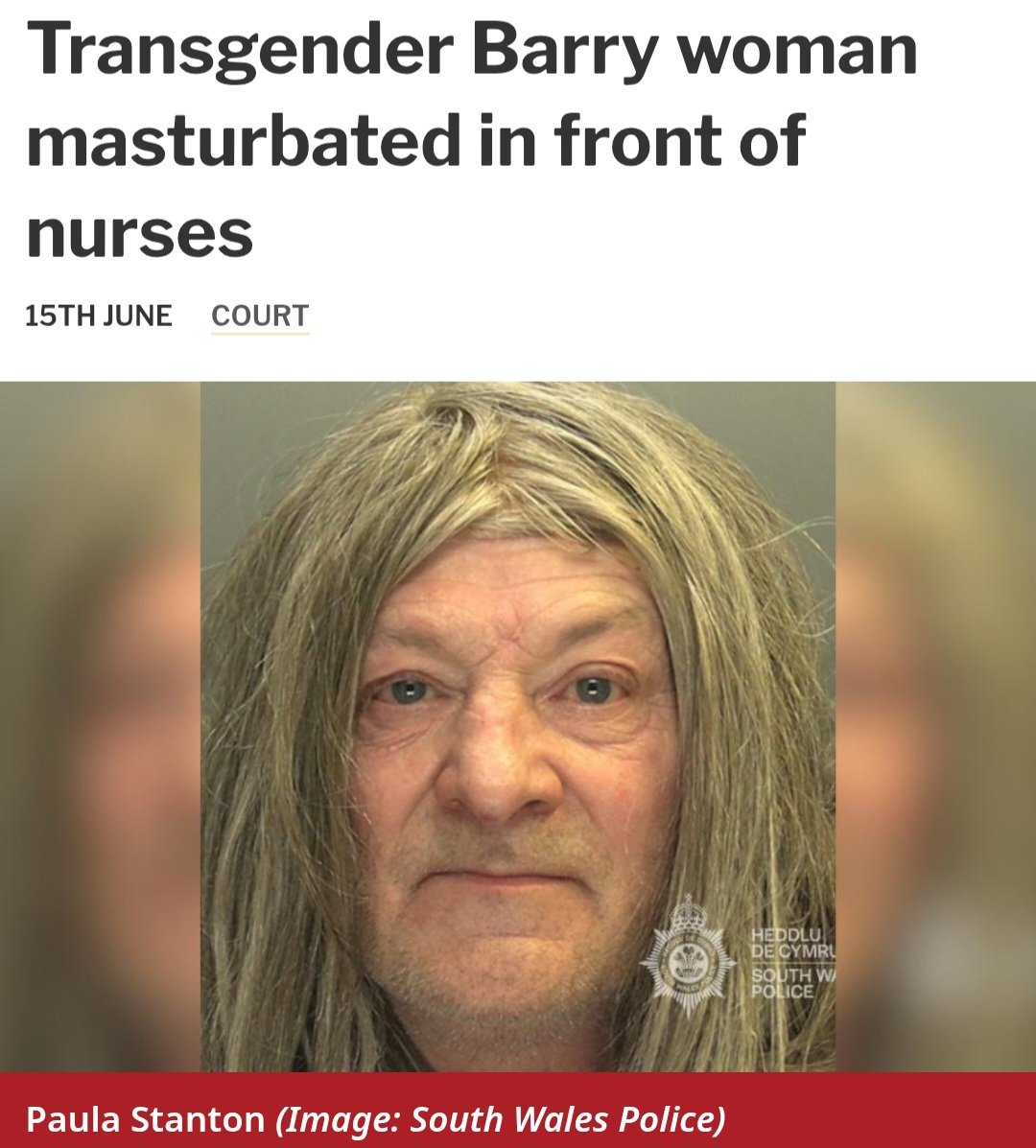
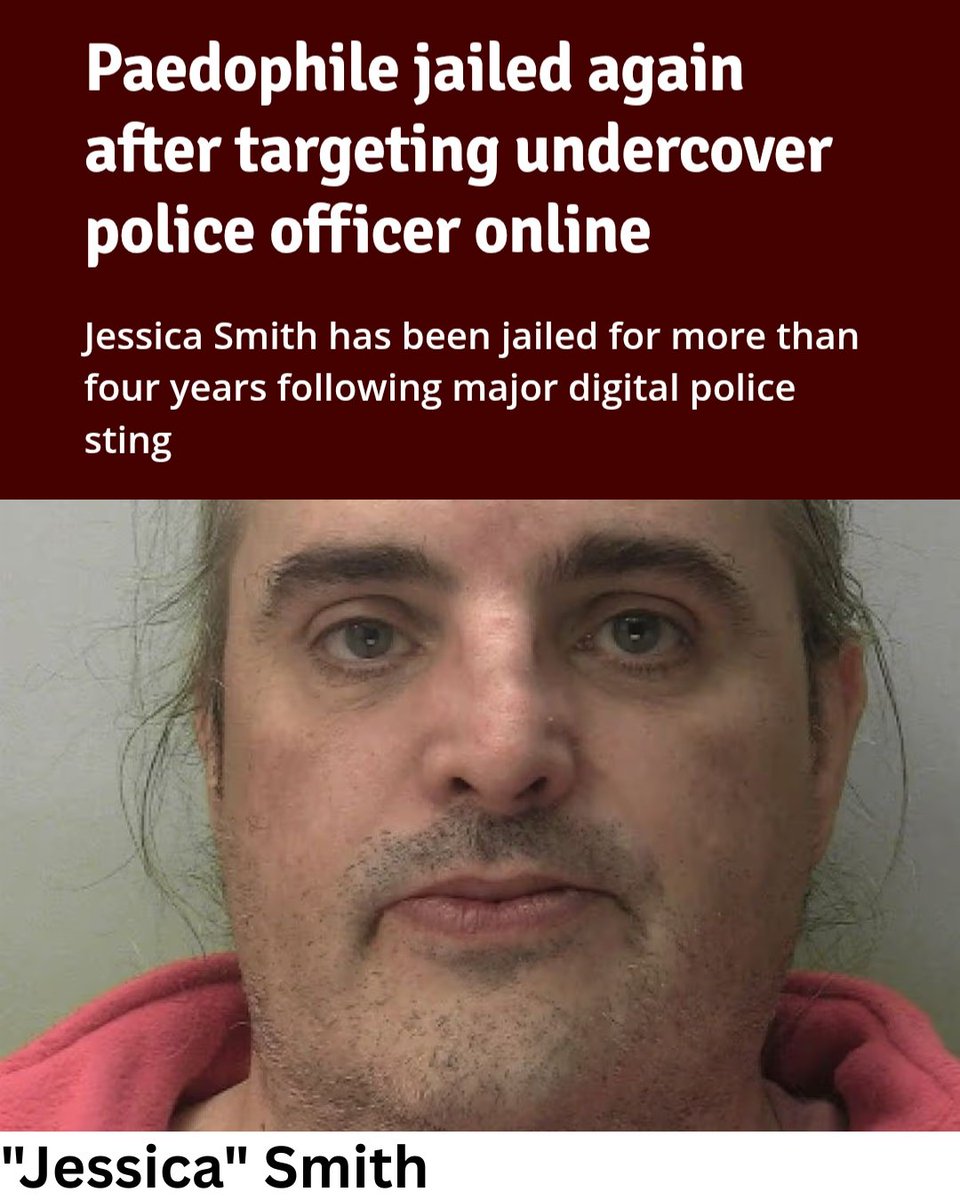
➡️Two men pretending to be women both jailed for sex crimes on the same day in UK.
One for n0ncery.
One for m@sturbating in front of nurses.
And that was just Monday!
It's almost like these men are just raging perverts isn't it.
But OF COURSE it NEVER HAPPENS!
This is trans.
25
609
2,226
23,220
Frances Newman retweeted

11h
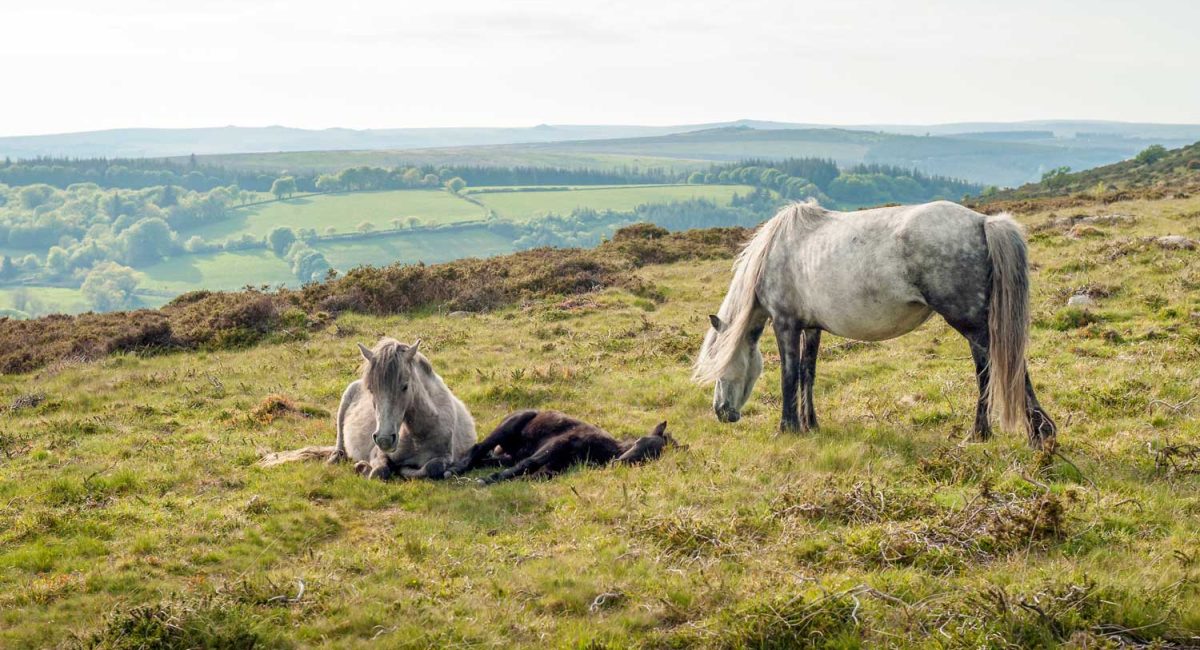
Dartmoor's hill ponies have grazed those commons for longer than there has been a country called England. Fewer than a thousand are left, down from six thousand a generation ago. The United Nations listed them as endangered in 2023. So, naturally, the body charged with protecting nature has decided to get rid of nine in ten of the survivors.
There is a process, obviously.
Natural England's new grazing contracts now count the ponies in the same bucket as the cattle and sheep. A commoner with a fixed quota has a choice: keep a semi-wild pony worth nothing at market, or use the slot for a lamb he can sell. Guess which one survives the spreadsheet. The rest are gathered in the autumn drifts, and with nowhere to put thousands of unhandled moorland ponies, the next stop is the abattoir.
Natural England would like it noted that it has not ordered a cull. It has merely built a machine whose only output is a cull, switched it on, and handed the bolt gun to a farmer so the fingerprints land elsewhere. Very tidy.
And now the funny part. The pony is the best tool on the entire moor for eating Molinia, the coarse purple grass strangling Dartmoor into a brown monoculture. Cattle and sheep won't touch it. The ponies hoover it down and clear the ground for the orchids, the wildflowers and the insects behind them. Remove the ponies and the moor chokes into precisely the lifeless scrubland the contract was meant to prevent.
So the conservation strategy, in full: protect the habitat by deleting the animal that maintains the habitat. A masterclass.
Better still, Natural England's own Fursdon review looked at this exact question and told them, in plain English, not to lump ponies in with cattle and not to cut pony numbers. They read it, praised it, said they fully supported it, then did the precise opposite.
Four thousand years these animals have run Dartmoor with no committee and no contract. They could be gone within one, and the people who did it will write it up as a win for nature.
151
1,780
3,570
40,020
Frances Newman retweeted

Adverts for cosmetic surgeries were banned from targeting under-18s in the UK in 2022.
So you won’t find promos for breast enhancements, nose jobs or even teeth whitening etc that will appeal to under-18s on TV and social media.
So I don’t buy that this is ‘healthy’ or ‘normal’ or ‘supportive’.
It’s something else, much darker.

21
155
804
10,584
Frances Newman retweeted

A woman was arrested in Nottinghamshire for breaching the peace because she was screaming too loudly. She’d just been gang-raped, but the cops didn’t care.
258
3,759
13,230
414,954
Frances Newman retweeted

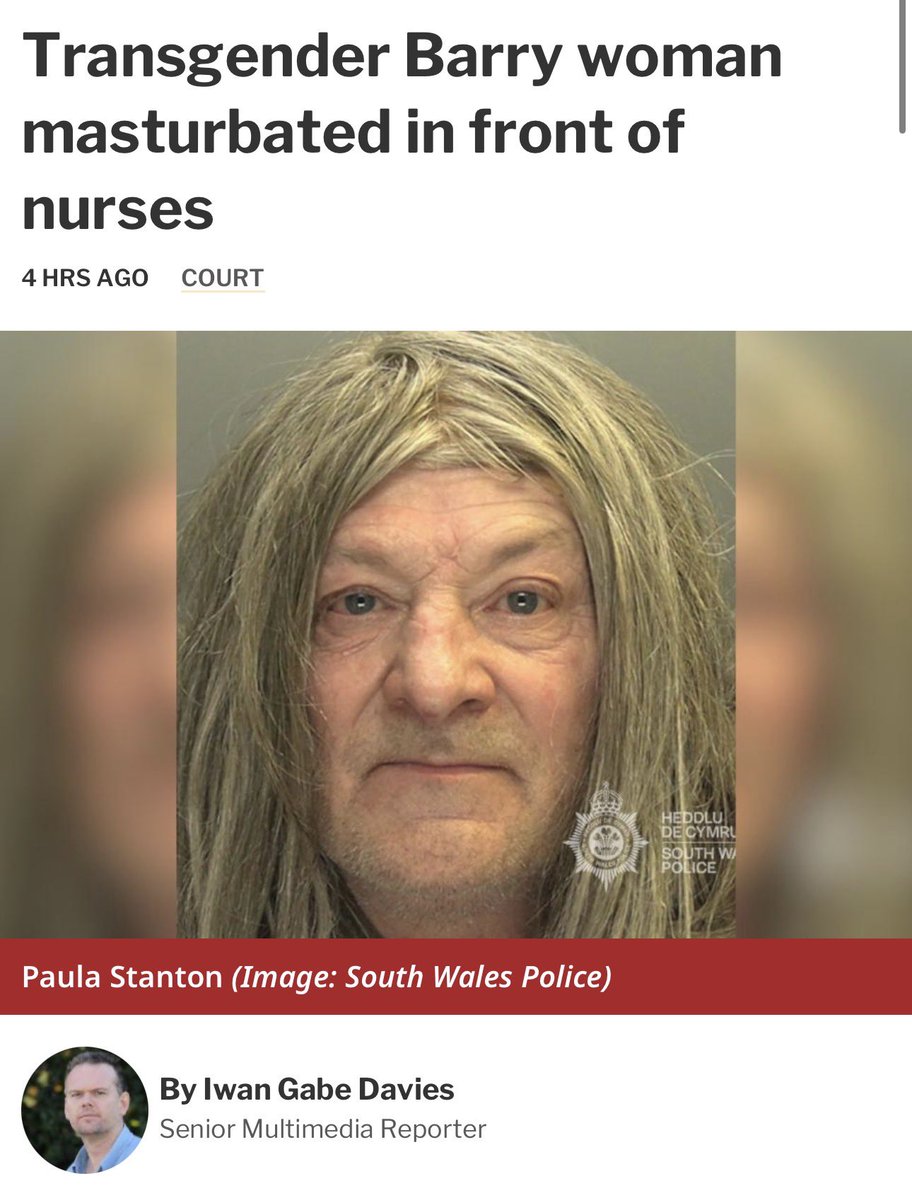
135 British MPs are fighting guidance that would deny ‘Paula’ the right to enter women’s and girls’ changing rooms.
792
5,056
24,490
409,962
Frances Newman retweeted

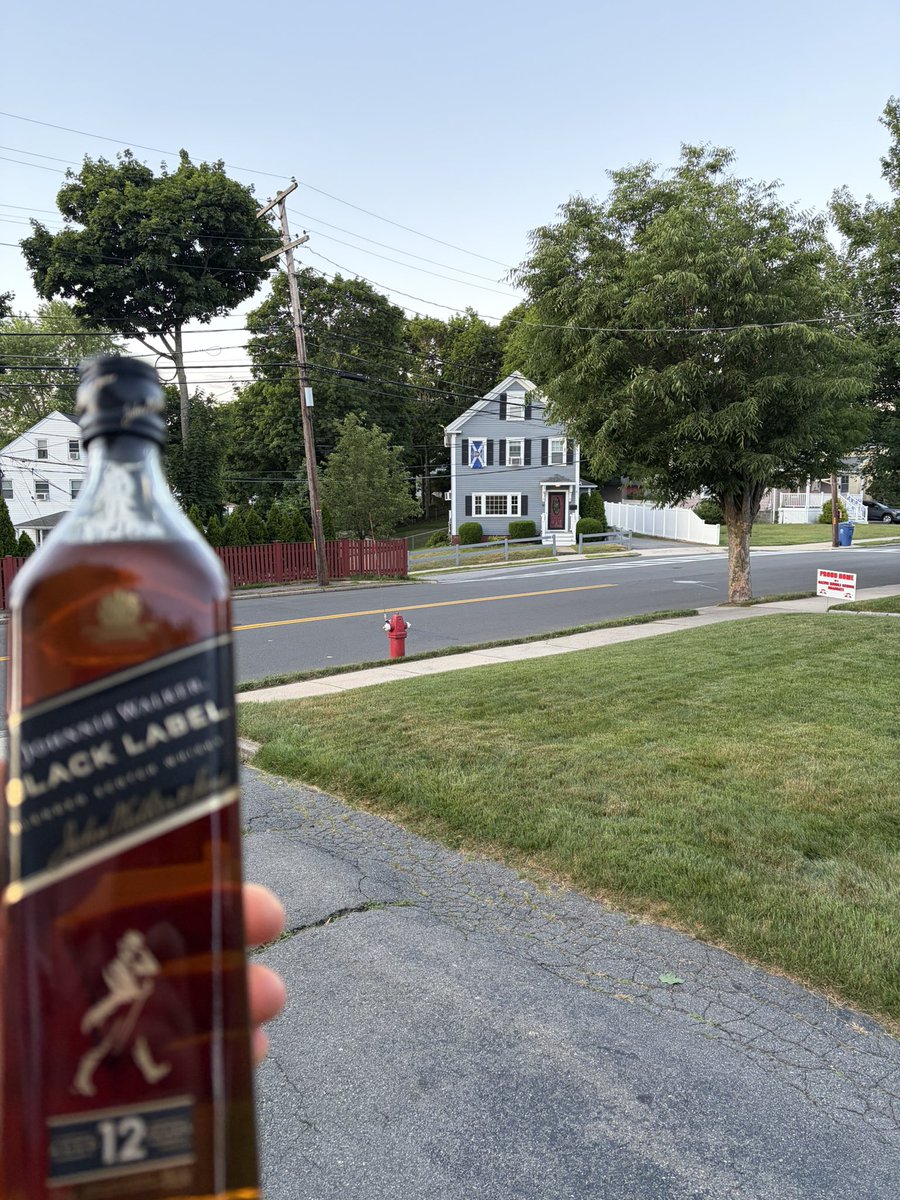
Ah shite, knew today would come.
The sun rises above my town and the lads have moved on. To the house, they’ve bestowed their colors, to me, their last 3 bottles.
700
1,589
49,954
1,069,711


Frances Newman retweeted
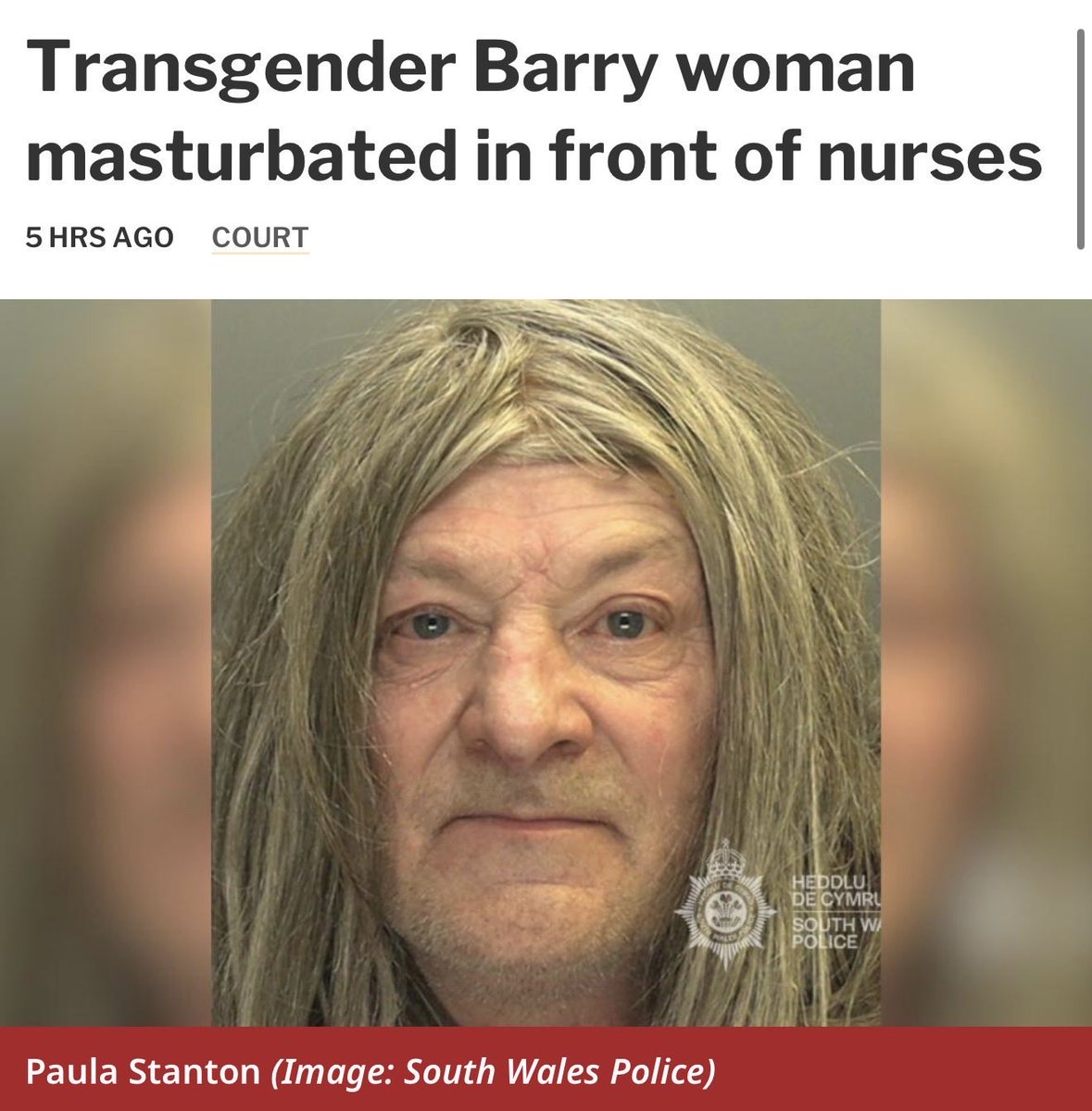
This is ‘Paula’. Every one of the 130 MPs who signed the EDM to reject the guidance on single sex spaces in the UK wants men like Paula to be allowed in female-only facilities.
79
826
2,337
35,973
Frances Newman retweeted

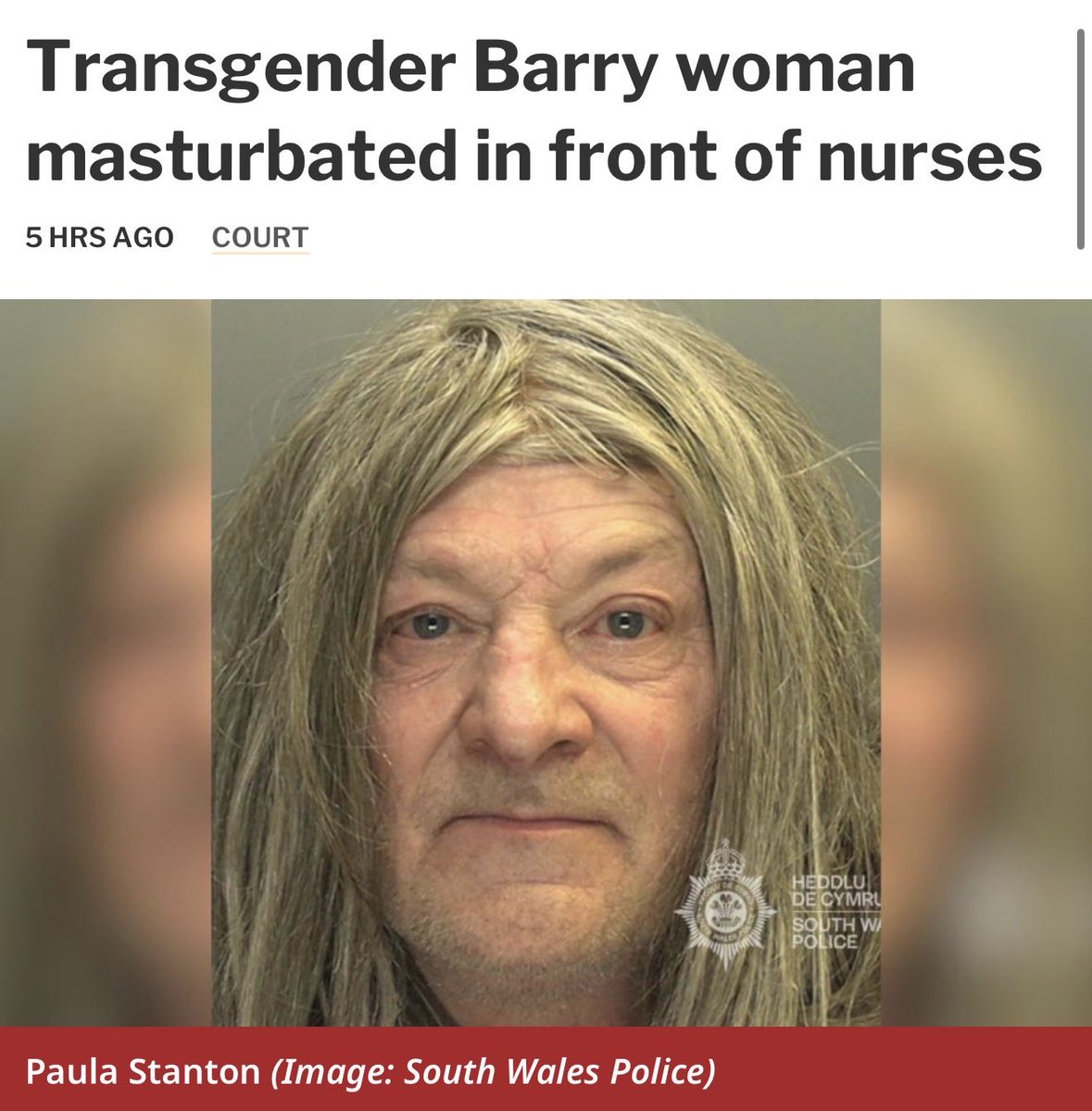
It’s amazing how many men who claim to be women behave like the absolute worst men.
115
625
3,351
22,219
Frances Newman retweeted

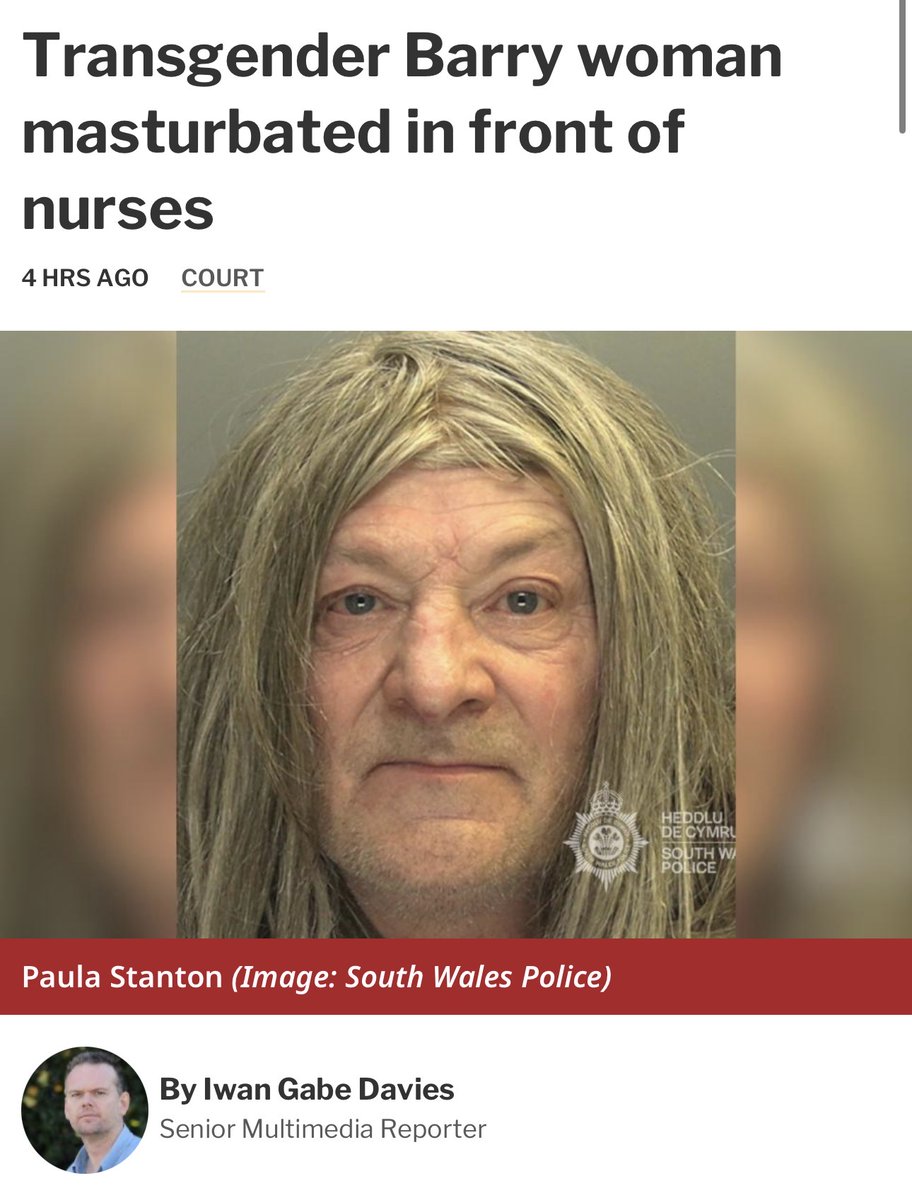
Stories like this make me think that somewhere along the line, I actually died and went to hell. How did so many of my old colleagues and friends stand for this man against their own daughters? How could they happily see my career destroyed on his behalf?
339
1,569
10,447
103,249
Frances Newman retweeted

The replies I saw were unbelievably offensive. They show everyone exactly what this cult of trans is about- You definitely hit a nerve Jan, keep it up. 💞
3
24
126
Frances Newman retweeted

This is possibly the worst crime in modern history.
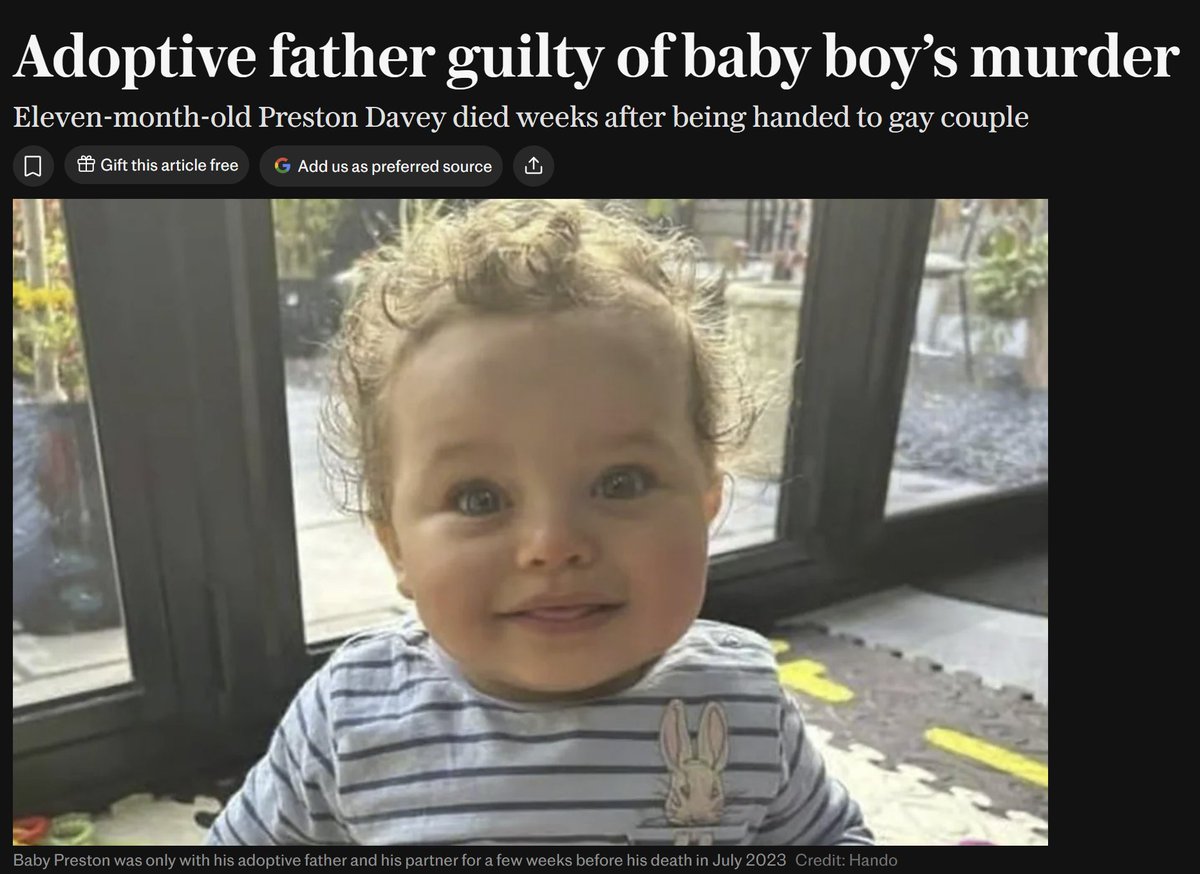
Two men "adopted" a baby.
"A post mortem examination identified more than 30 external bruises, as well as internal bruising to his mouth and throat, internal bruising to his anus, bowel and bladder, lacerations to his anorectum, and a perforated bowel."
"One medical expert gave evidence that a bruise on the baby’s bottom appeared to be a human bite mark."
Think what this poor baby went through. The men who did this should be put to death.
Men should not be able to buy babies. I know that this will cause some anguish to good men who have good intentions, but it's necessary to prevent this happening. This cannot happen again.
1,611
5,080
19,453
484,163
Frances Newman retweeted

Jun 15
I have cried so many tears over the weeks re this case. It is one of the most horrific things I’ve ever read.
Baby Preston Davey was abused to within an inch of his life, & then beyond. For the pleasure of grown men 💔
Jamie Varley and John McGowan-Fazakerley are scum of the earth.
Jamie Varley said “I’m going to hell”.
Yes Jamie - yes you are and I hope that in the meantime, every day of your remaining life is made to be hell on earth.
Preston Davey, you poor innocent little boy. I hope you at least now rest in peace💔🙏🏻👼🏼
The social workers involved in this case must be investigated.
Honestly, my heart & my head hurts 😔

Teacher guilty of abusing and murdering adopted 13-month-old baby boy
gbnews.com/news/preston-dave…
538
1,298
8,507
173,630
Frances Newman retweeted

Jun 15
The person who compiled the music playlist at tonight’s Boston Red Sox game has clearly done their homework 🏴
#WorldCup2026
77
1,103
17,642
829,807
Frances Newman retweeted

Jun 14
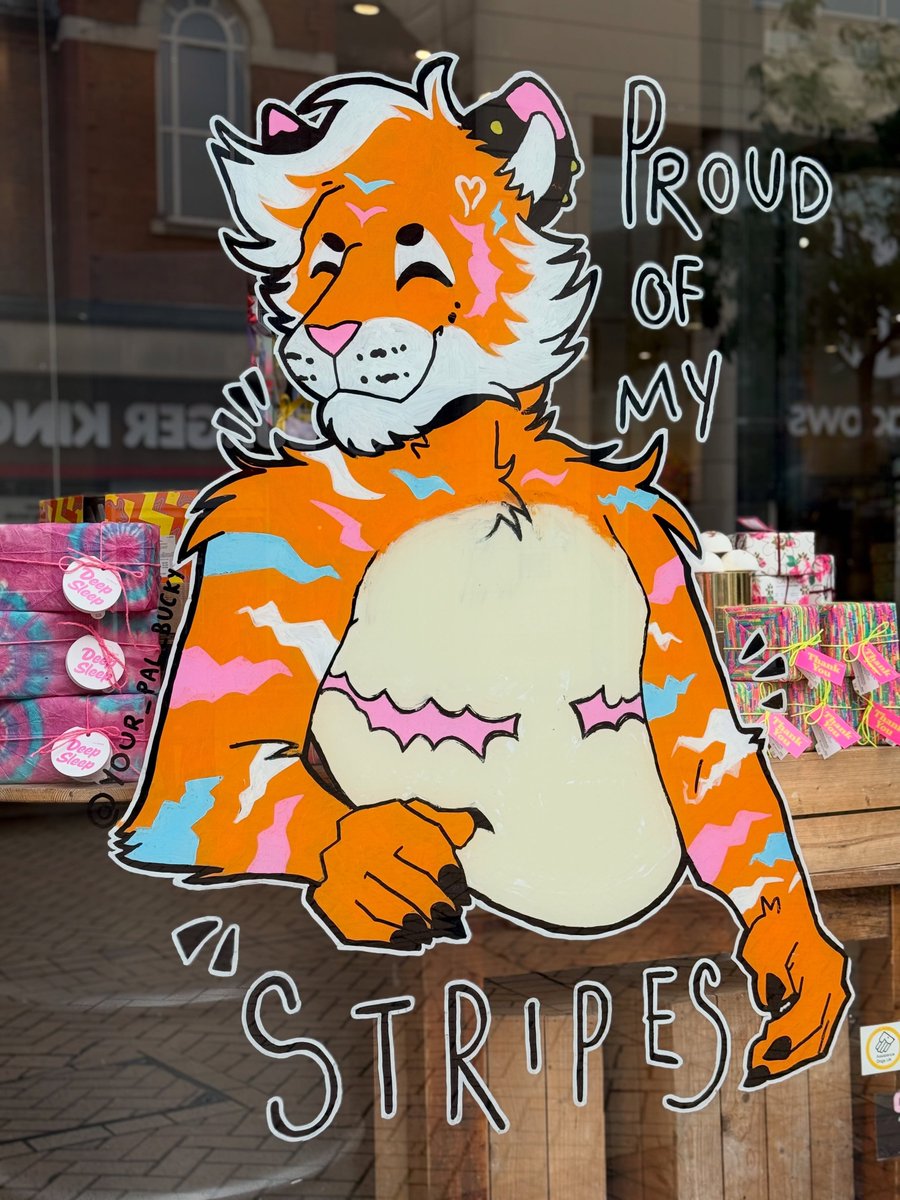
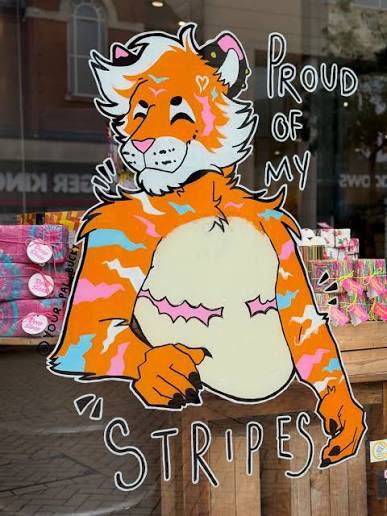
Ugh. This is DISGUSTING @LushLtd. Teenage girls love to shop in your stores and here you are happily encouraging them to CUT OFF THEIR HEALTHY BREASTS in the name of trans pride.
This is beyond repulsive. It's dangerous and sick. No parent should allow their child near your stores.
Please share: #BoycottLushNow
Jun 14

Dear Lush (cc Chelmsford City Council),
As a woman who had half a breast removed last year due to cancer, I am writing to raise my concerns about your “Proud of My Stripes” window display.
I am also, on behalf of other women who have experienced breast cancer, respectfully requesting its removal.
Because mastectomies are not a fashion statement, an identity marker or something to be celebrated.
They are something women undergo because they are ill, because they are frightened, because they are trying to stay alive.
Around 59,000 women are diagnosed with breast cancer in the UK every year. Many will undergo surgery - a mastectomy, lumpectomy or other procedure.
Others choose preventive mastectomies because they carry a high-risk BRCA gene mutation.
If a woman chooses to have her breasts removed to affirm a gender identity, that is her personal choice.
I honestly don’t know the number of women who have elective mastectomies for this reason.
What I do know is that it is a tiny number compared with those for whom breast surgery is medically necessary and not something to be celebrated.
I think I speak for many women who have experienced breast cancer - and for their families - when I say this:
Breast removal surgery is not something I regard as cute, playful or empowering.
Nor is it something I believe retailers should be celebrating.
For that reason, I am requesting that the display be removed and that @ChelmsCouncil apologise for promoting it on social media.
Yours sincerely,
Janet Murray
1,041
5,128
23,235
1,153,925
Frances Newman retweeted

Jun 14
Started in Glasgow back in the 70s a young guy put it up after learning about the "dunce caps" in schools. Council would take it down locals put it back up. It's just Scottish banter it's not a sign of disrespect & should not be taken as such 🏴🤝🇺🇸 Slàinte 🥃
1
5
59
Frances Newman retweeted

Jun 12
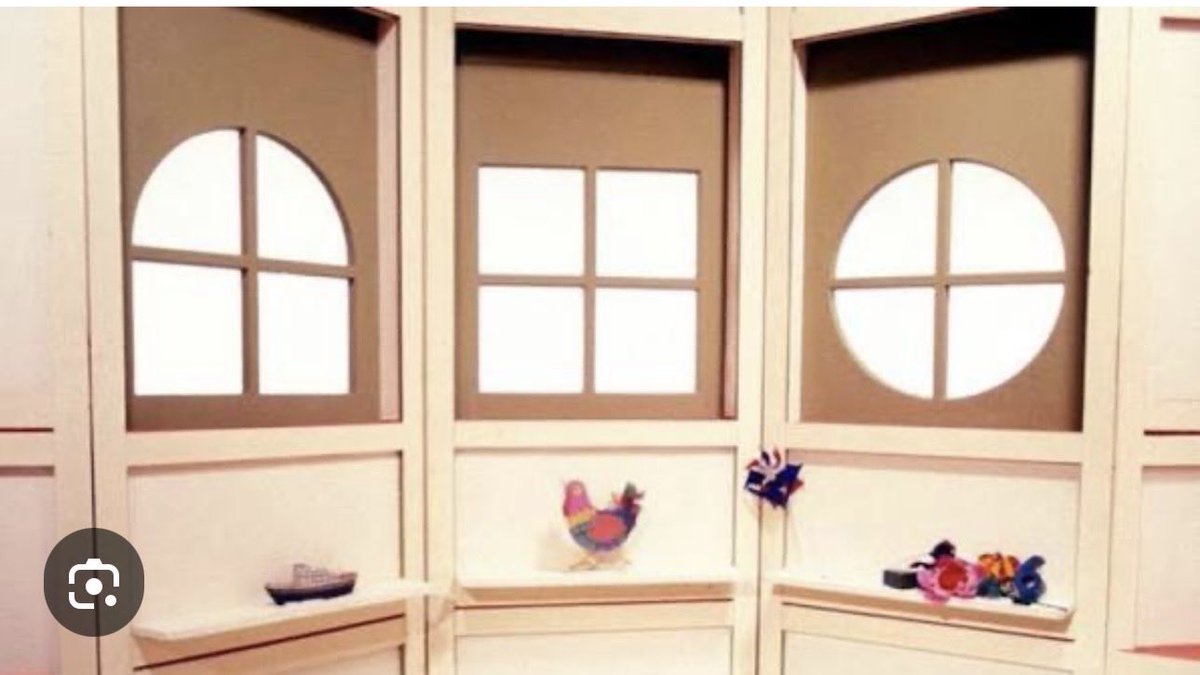
Why the hell am I paying my licence fee for the BBC to have some crap virtual studio that looks like it was designed half an hour ago. The stuff they chuck resources at, and they decide to scrimp on this.
118
14
281
45,973