
The personal account of Roy Green, former Dean of UTS Business School & enthusiast for all things innovation, technology & social change
Joined October 2009
- Tweets 5,717
- Following 783
- Followers 2,280
- Likes 7,834
574 Photos and videos





Jun 1
“Where Germany has a highly decentralised and durable industrial base and stable policy direction, Australia remains somewhat stuck – still debating its future while trying to rebuild the plane mid-flight.” innovationaus.com/understand…
56
Roy Green retweeted

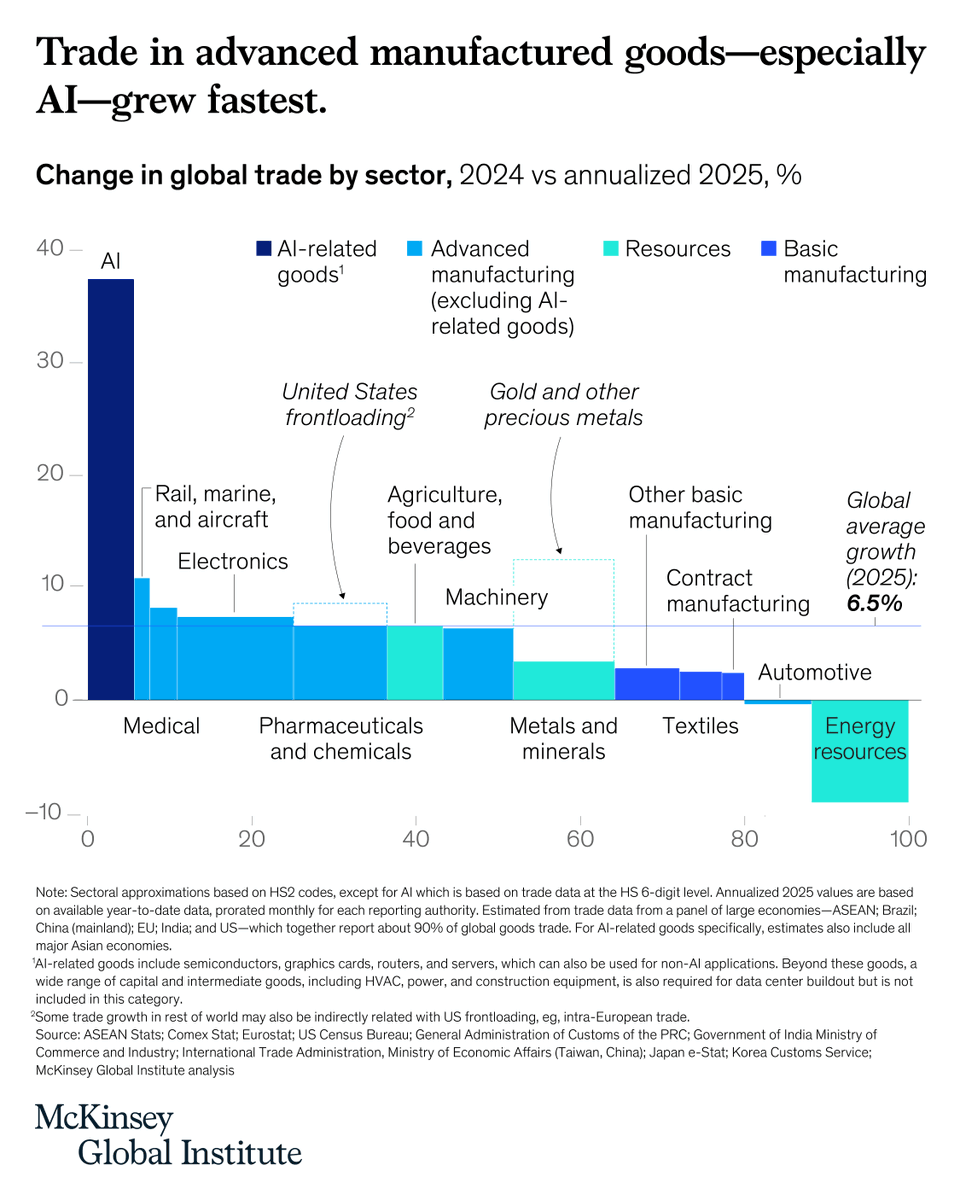
Trade in advanced manufacturing grew rapidly in 2025, showing that longer-term economic forces are shaping trade—even amid tariffs and disruption.
Here’s what business leaders should know about today’s trade landscape: mck.co/GeopoliticsTrade2026
3
8
25
1,612
Apr 16
Net zero transition = new energy infrastructure, grid investment & industrial retooling at scale.
Economic complexity & resilience = sovereign manufacturing capability & uplift in research & technology investment rdasydney.org.au/what-austra… @RDASydney #FMA
2
95
Roy Green retweeted

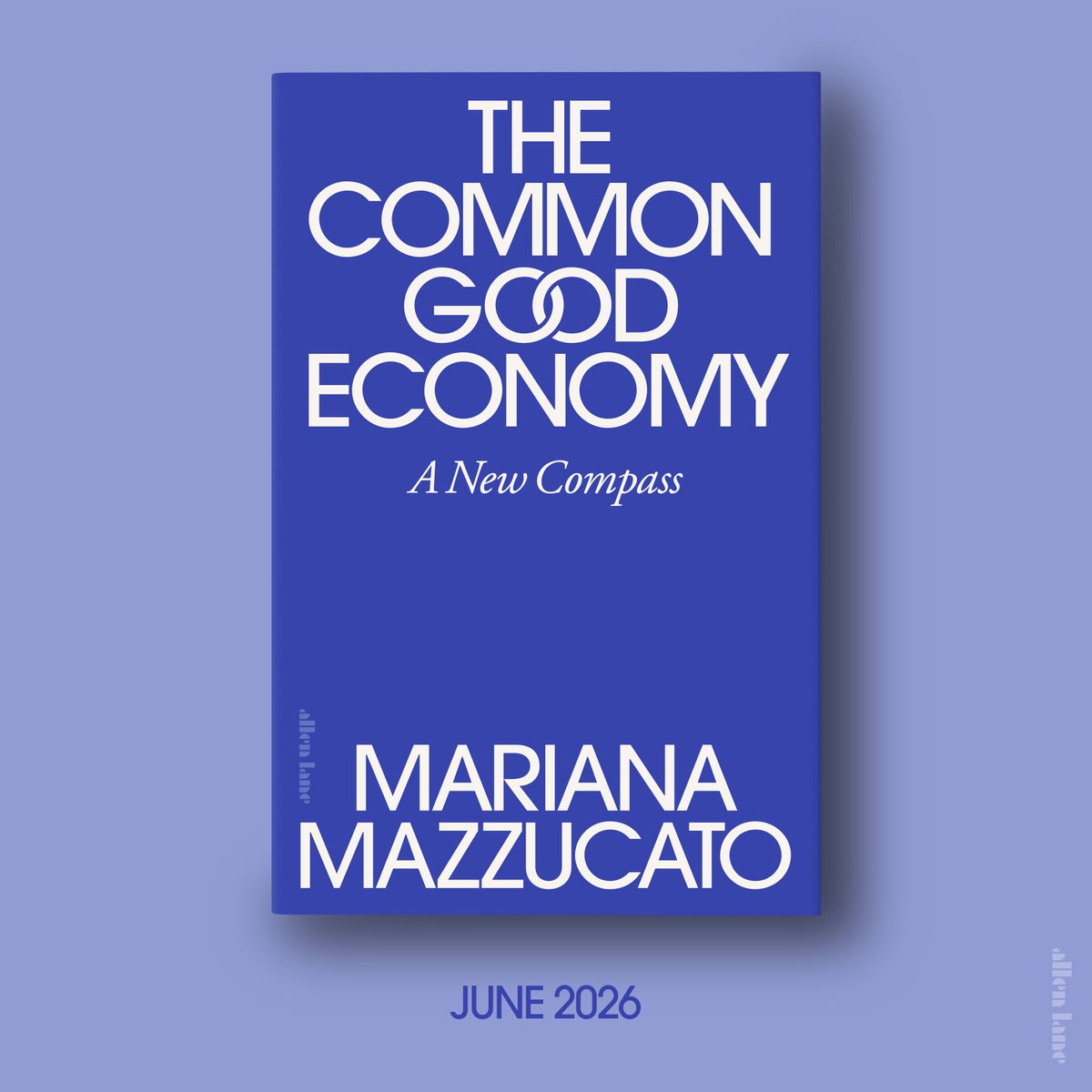
@MazzucatoM's new book provides a new compass for navigating in these troubled times
Apr 4

The 'public good' in economics has been framed as correcting for what the private sector doesn't do. But you cannot do good without a new theory of what good actually is.
Presenting my next book, The Common Good Economy at @HowToAcademy—a practical 'common good compass' to navigate our economies in a radically different direction.
How do we value each other? Set up innovative collaborations? Share knowledge, risks and rewards? The how matters as much as the what.
2 June | 19:00 | St Martin-in-the-Fields | Ticket link below
2
10
992
Mar 25
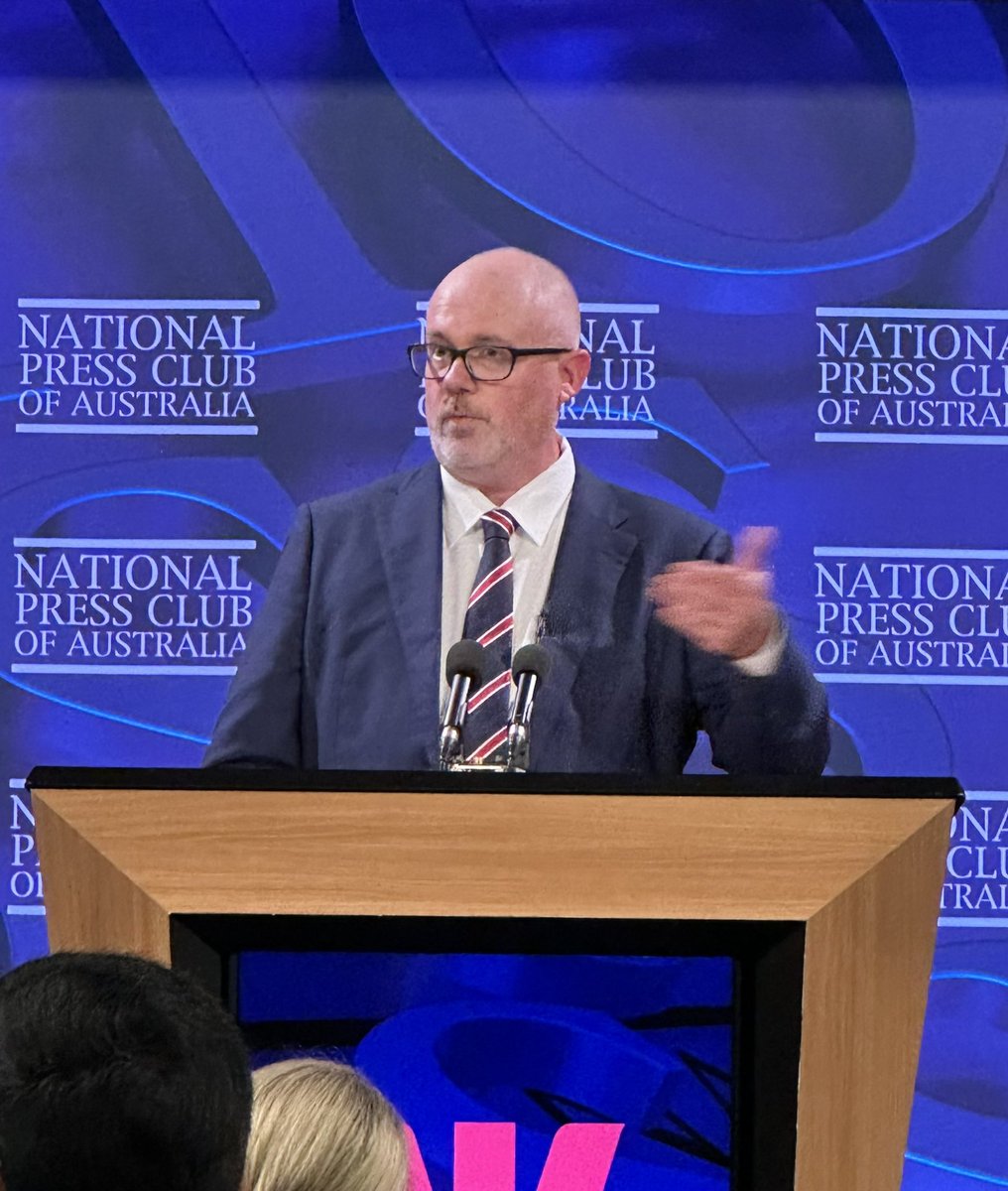
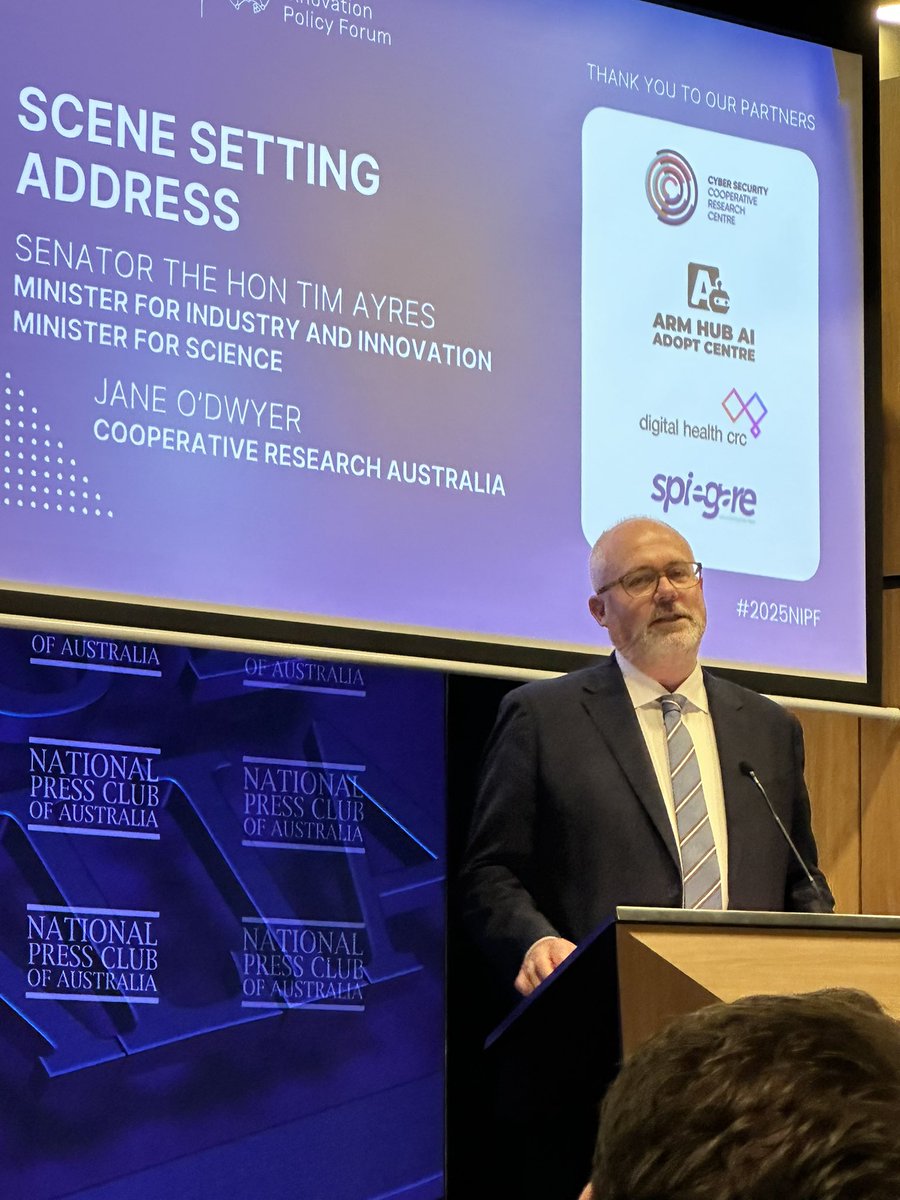
“Industrial policy is security policy. I start from a social democratic understanding of security. A society’s capacity to withstand shocks depends on strong public institutions, social cohesion & a robust industrial base” @PressClubAust minister.industry.gov.au/min… @ayrestim
4
51
Mar 20
“Industrial policy is a necessity, not an obstacle, for Australia's purposeful engagement abroad and an economic tool to lift #productivity and constraints on growth here” Great speech by Industry & #Innovation Minister Tim Ayres 👏
url.au.m.mimecastprotect.com… @AlboMP @ayrestim
6
223
Mar 20
“This is not a story about one industry being disrupted. It is a story about the capital stock of the knowledge economy being repriced in real time” Our take on AI transformation @FinancialReview afr.com/policy/economy/histo…
1
5
77
Mar 20
“The SERD panel has made a welcome contribution to a complex and undervalued policy domain. The government’s task now is to process and integrate this contribution with its wider, transformative vision of a Future Made in Australia” @Innov_Aus innovationaus.com/research-a…
5
92
Roy Green retweeted

Mar 18
Research and innovation has reached a tipping point | Roy Green
#Research #Development #AusTech
buff.ly/7PAwxAG
1
3
111
Roy Green retweeted

Mar 12
Dani Rodrik explains why – and how – policymakers should seek to reconcile competing perspectives on what an economy is for. project-syndicate.org/commen…
1
19
59
22,768
Roy Green retweeted

Feb 18
Since my op-ed in the @FT was published on Monday (ft.com/content/4b51d0b4-bbfe…), there’s been a growing debate about whether we’re beginning to see evidence that AI is boosting productivity.
First, let me be clear that the aggregate productivity data by itself is far from definitive. Even with the new revisions, there is certainly a lot of noise in US productivity numbers. No doubt lots of other factors are at work.
That said, my growing confidence that AI is powering higher productivity draws on evidence from a variety of sources:
1. The stunning capabilities of AI. If anything, I think the past decade of impressive improvements in machine learning and generative AI are still underrated. We are in the early stages of a massive economic transformation: digitaleconomy.stanford.edu/…
2. A growing number of micro studies document double-digit productivity gains in specific applications. @alexolegimas has a great catalog in his blog post: aleximas.substack.com/p/what…
3. My discussions with power users who use AI for coding, customer service, research and other applications, as well as more and more business executives, convince me that the facts on the ground are (finally) changing.
4. Data from our Canaries in the Coal Mine paper show employment changes in occupations most affected by AI: digitaleconomy.stanford.edu/…
5. And now, inklings in the aggregate productivity data are also telling the same story.
These are all consistent with the hypothesis that AI is beginning to have a positive impact on productivity.
The FT put a more definitive headline on my recent piece than I would have liked, but my bet (longbets.org/868/) is that we're likely to see more and more evidence as time goes on, barring some other shocks (e.g. macro mismanagement, trade wars, etc).
As each quarter goes by and we see more data, I continue to update my views.
No doubt, I'm currently out of sync with a lot of mainstream economists on this topic, but that’s ok by me.
26
103
376
88,090
Feb 16
“Australia’s narrow trade & industrial structure means that focusing on the jobs & technologies of the future should be an overriding priority for policy-makers” My take on economic #complexity ranking @Innov_Aus innovationaus.com/australia-… @ayrestim
3
98
Feb 1
“In the post-war period… the US might've got away with dominating not only its hemisphere, but the entire world economy. But those days are gone. We're in a multipolar world now, and we're beginning to see the formation of trade blocs” My take @abcnews abc.net.au/news/2026-01-30/t…
4
74
Roy Green retweeted

Jan 30
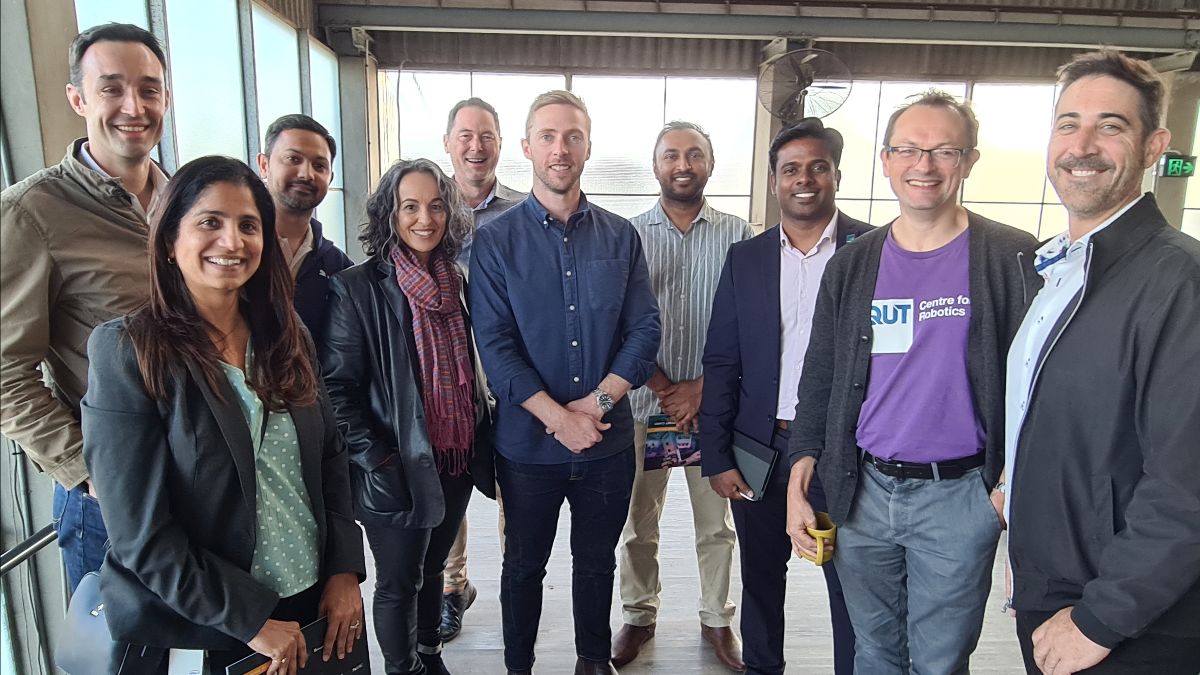
News briefs from ARM Hub & Industry - mailchi.mp/armhub/news-at-ar…
1
1
96
Jan 21
“How much will AI change the world between 2015 and 2045? A lesson from economic history is that
general purpose technologies like the internet take multiple decades to have their full impact” @ChadJonesEcon web.stanford.edu/~chadj/AIan… #AI
5
92
Jan 19
“Essentially, the attachment of policymakers to a doctrine of comparative advantage has allowed the resources sector to crowd out the prospect of achieving competitive advantage in higher value, knowledge-based goods and services” @johnmenadue johnmenadue.com/post/2026/01… #FMA
6
105
Roy Green retweeted

Australia’s economy is too reliant on unprocessed resources. It’s time for mission-led industry policy to build competitive advantage and lift ...
#auspol #Economy #Productivity #IndustryPolicy #FutureMadeInAustralia #PearlsAndIrritations
johnmenadue.com/post/2026/01…
3
6
284
Roy Green retweeted

Jan 18
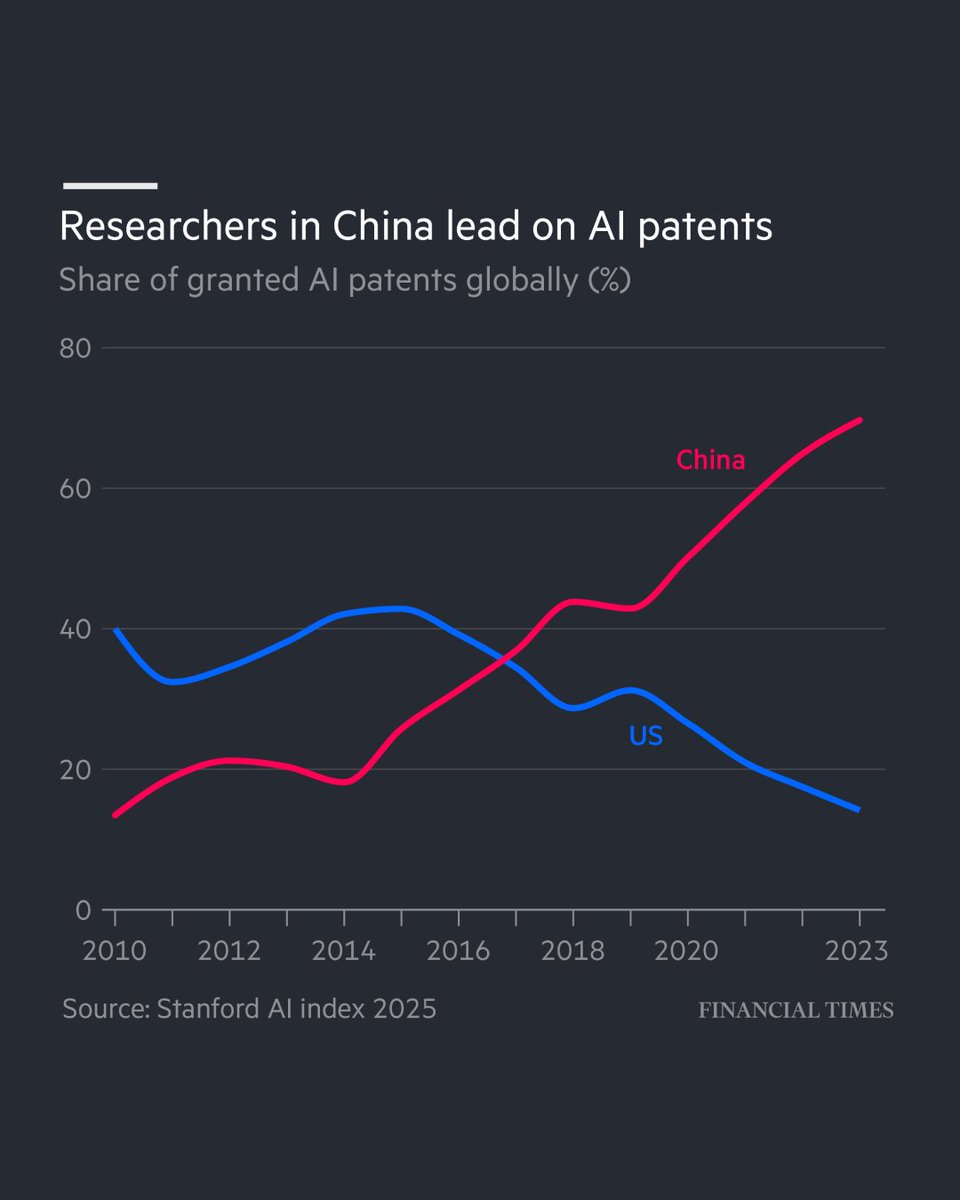
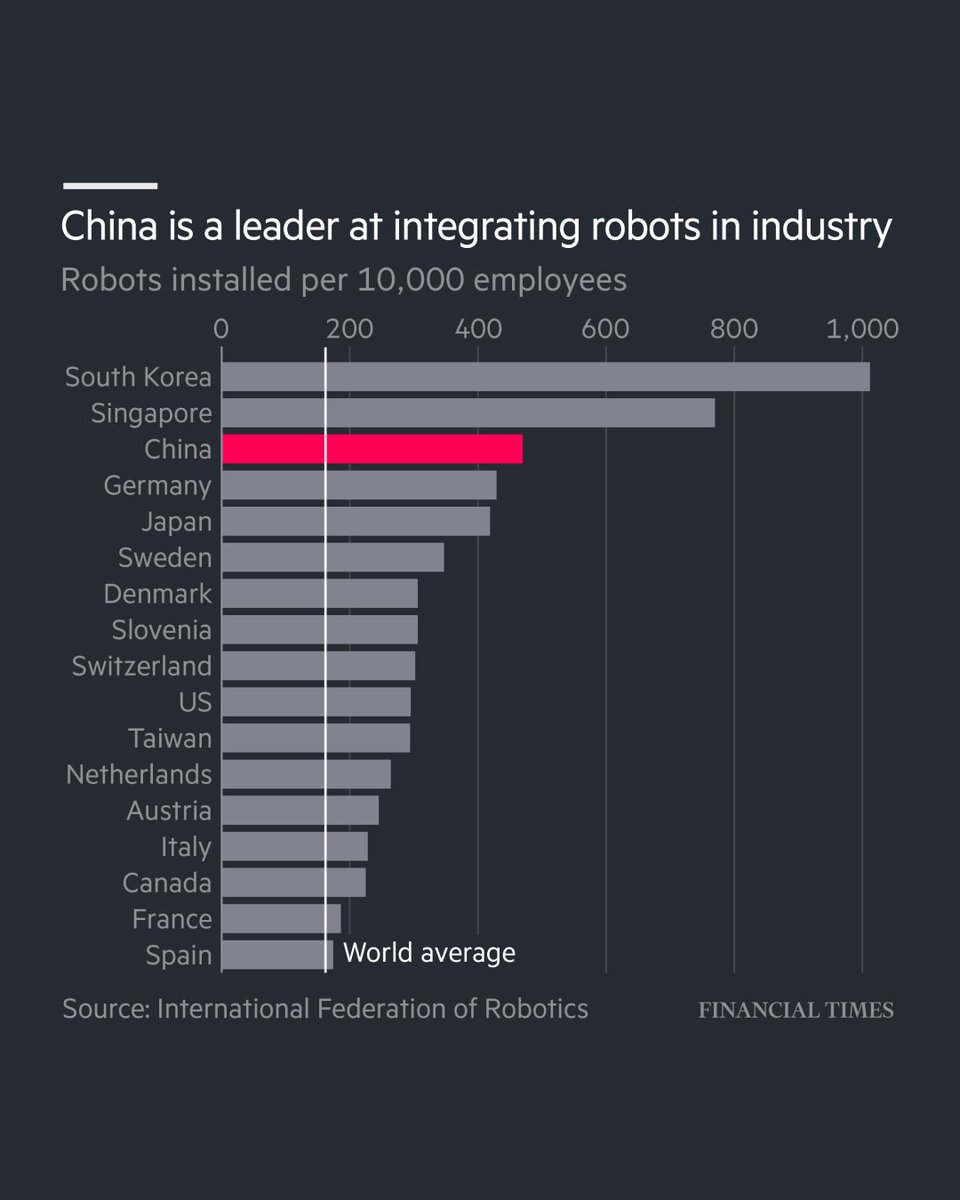
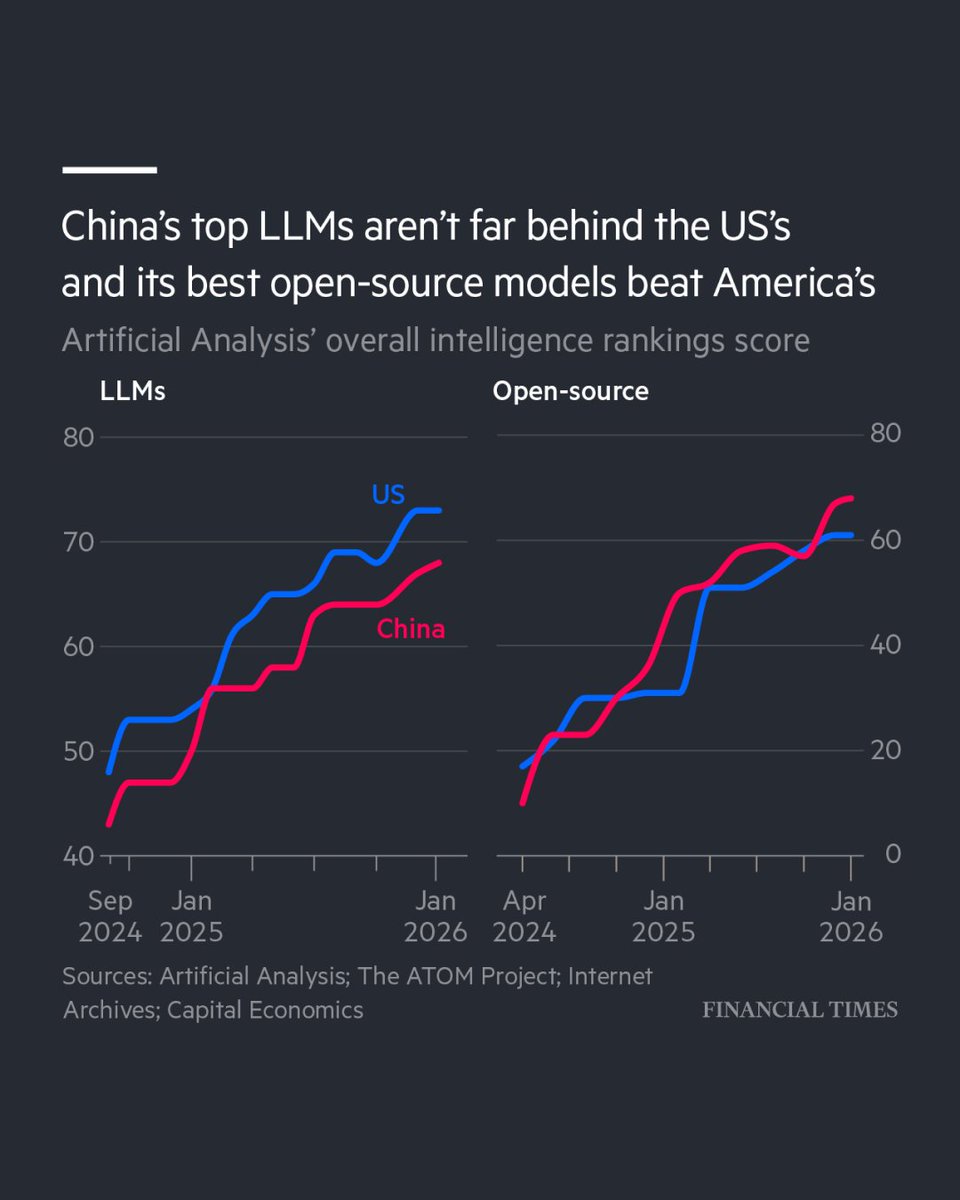
The AI race should be viewed more as a marathon, not a sprint to the most powerful models. And on that basis, I think China will win, writes the FT's economics leader writer Tej Parikh. ft.trib.al/lMtwC0X

36
200
724
96,285
Roy Green retweeted

Jan 18
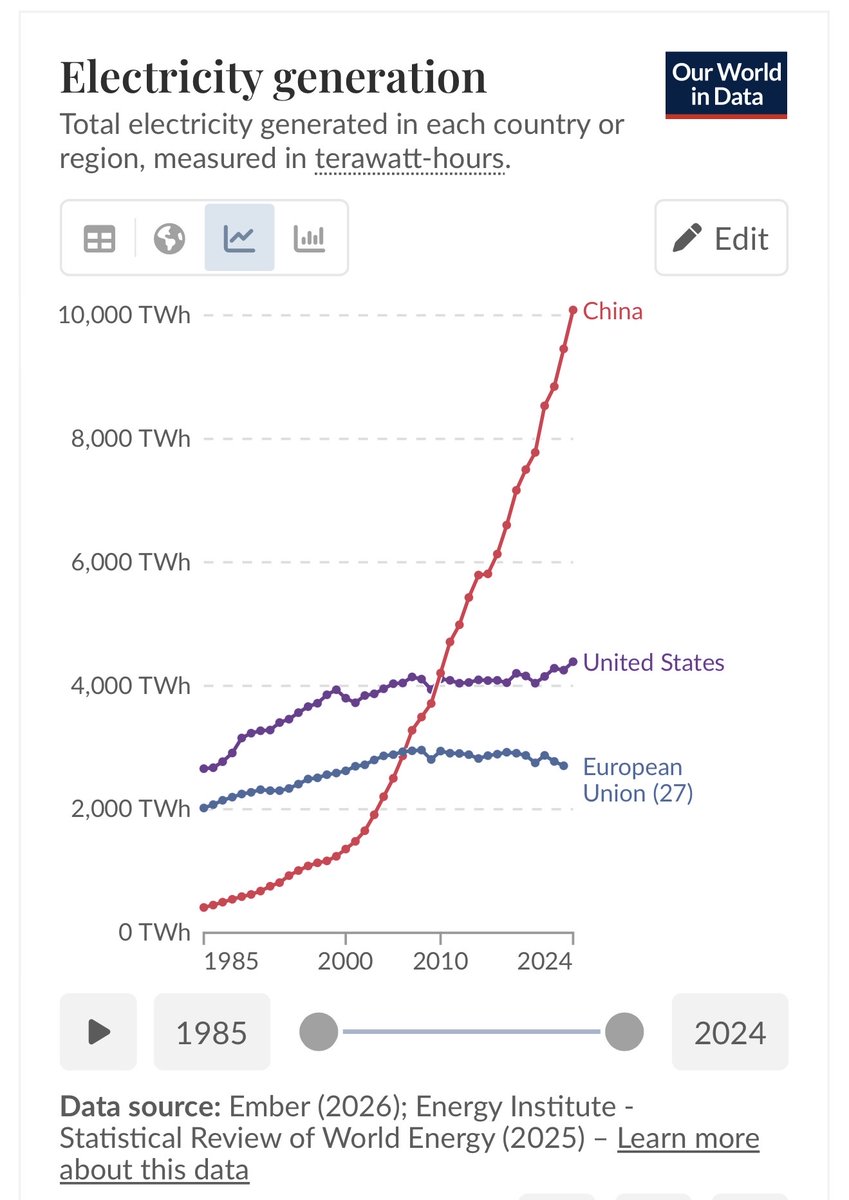
China now generates 40% more electricity than the US and EU combined.
621
2,251
10,548
1,310,946
Jan 16
“The urgent task and opportunity for Australia is to move beyond a preoccupation with comparative advantage and, like other advanced economies, to evolve a mission-led industrial strategy” @Innov_Aus innovationaus.com/what-does-… @AlboMP @ayrestim
4
107