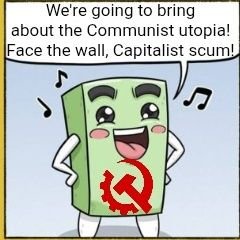
Killing humanity's stupidest ideas here in the public square, so that those ideas don't kill us when we try to implement them in the real world.
Joined July 2024
- Tweets 30,851
- Following 80
- Followers 908
- Likes 45,866
4,425 Photos and videos



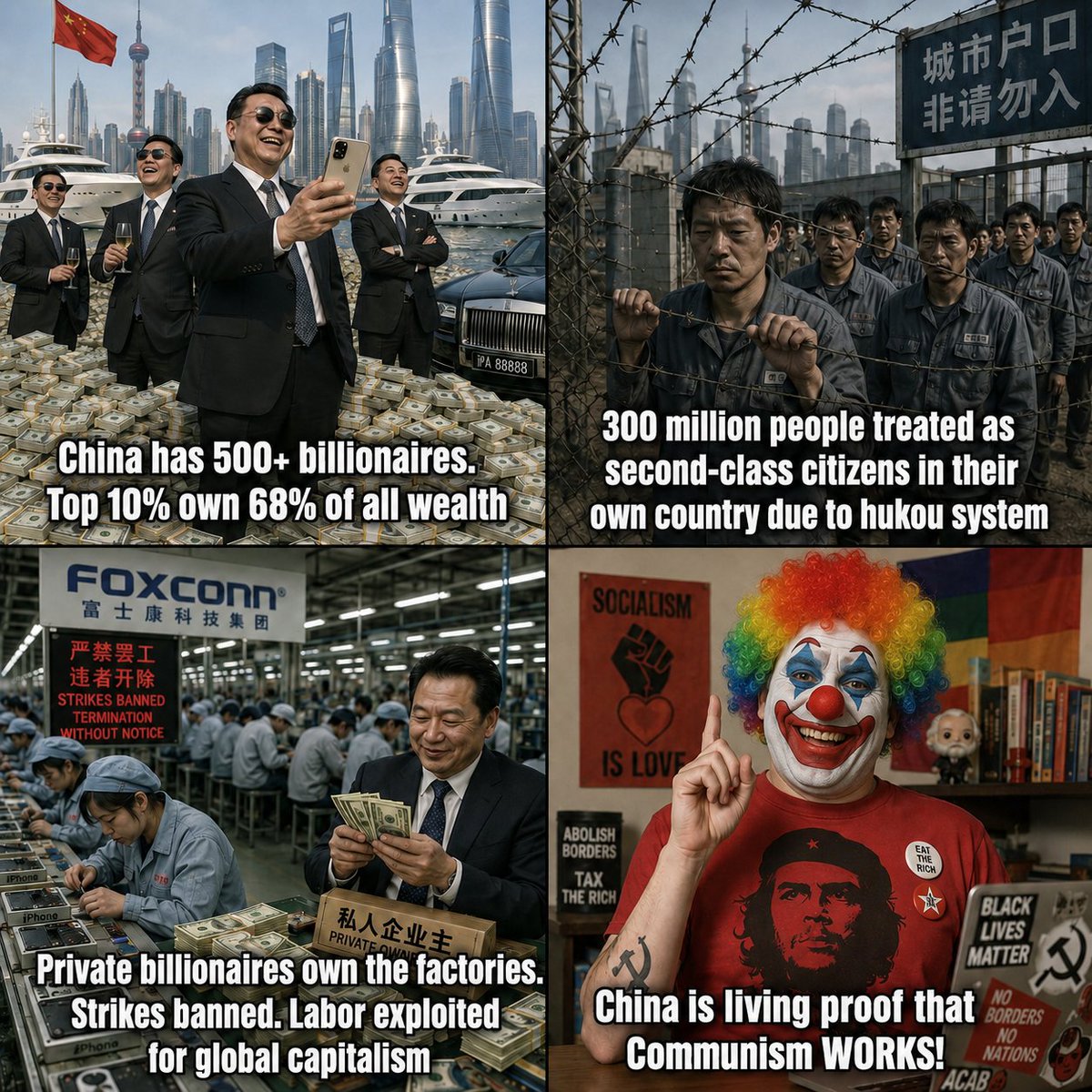
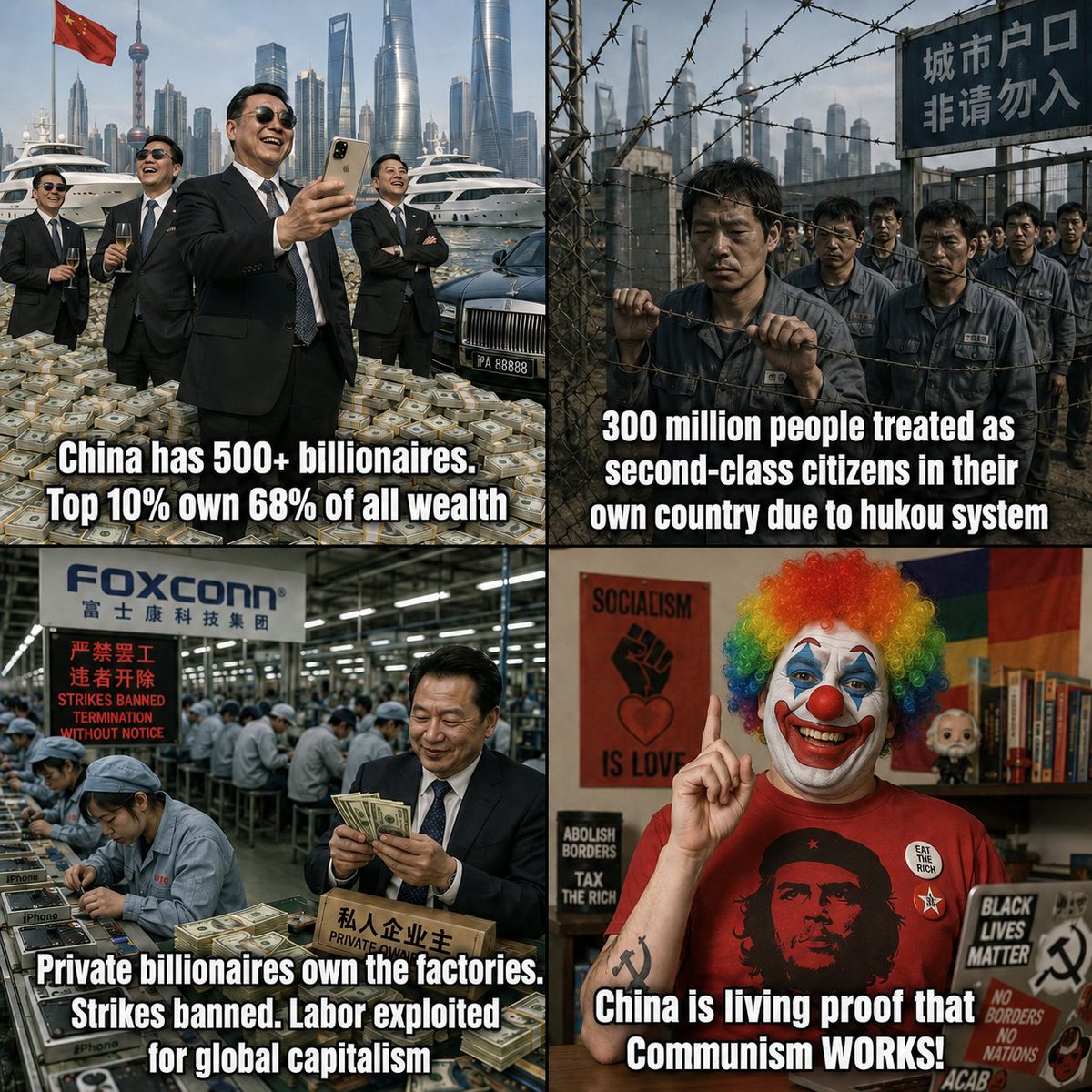
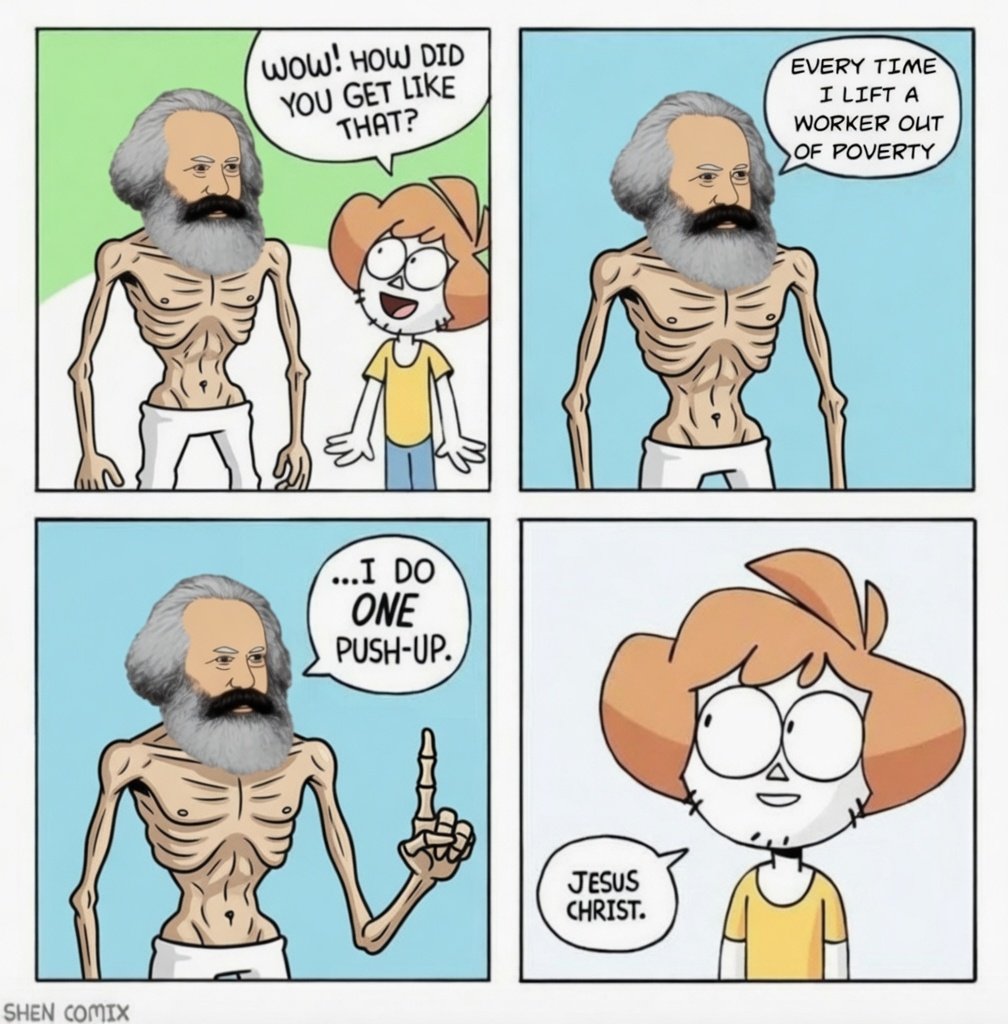
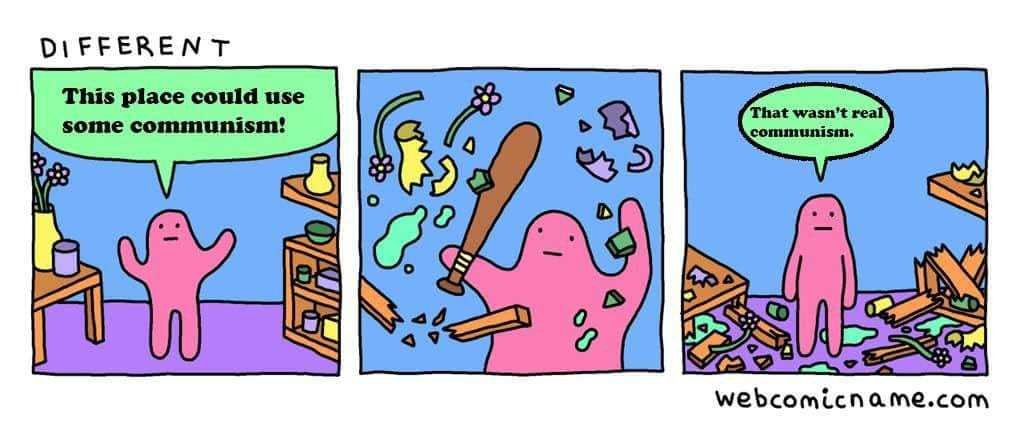
Pinned Tweet

13 Nov 2025
Every reasonable person should be against both fascism and communism.
The idiot left calling everything to the right of Bernie Sanders "fascist" doesn't make actual fascism cool.
At this point I'm convinced that the Groypers are controlled opposition to undermine the MAGA movement.
I predict that the current realignment of our politics is going to end up with MAGA being mainstream classical liberals and classical conservatives, versus the horseshoe theory right uniting with the red-green alliance on the left under the banner of tearing down Western civilization, "because it's all run by THE JWO0O0O0Z".
18
3
31
7,265
Sam retweeted

May 31
Capitalism is the protection of private property and voluntary exchange.
That means if you want more, you produce more, trade more, save more, invest more, or persuade others to voluntarily deal with you.
The systems that make people fight each other aren't the ones based on ownership. They're the ones based on redistribution.
When government takes from one group to give to another, politics becomes a battle over who gets looted and who gets the loot.
That's why under capitalism people compete to create value.
Under redistribution, people compete for political power.
May 31

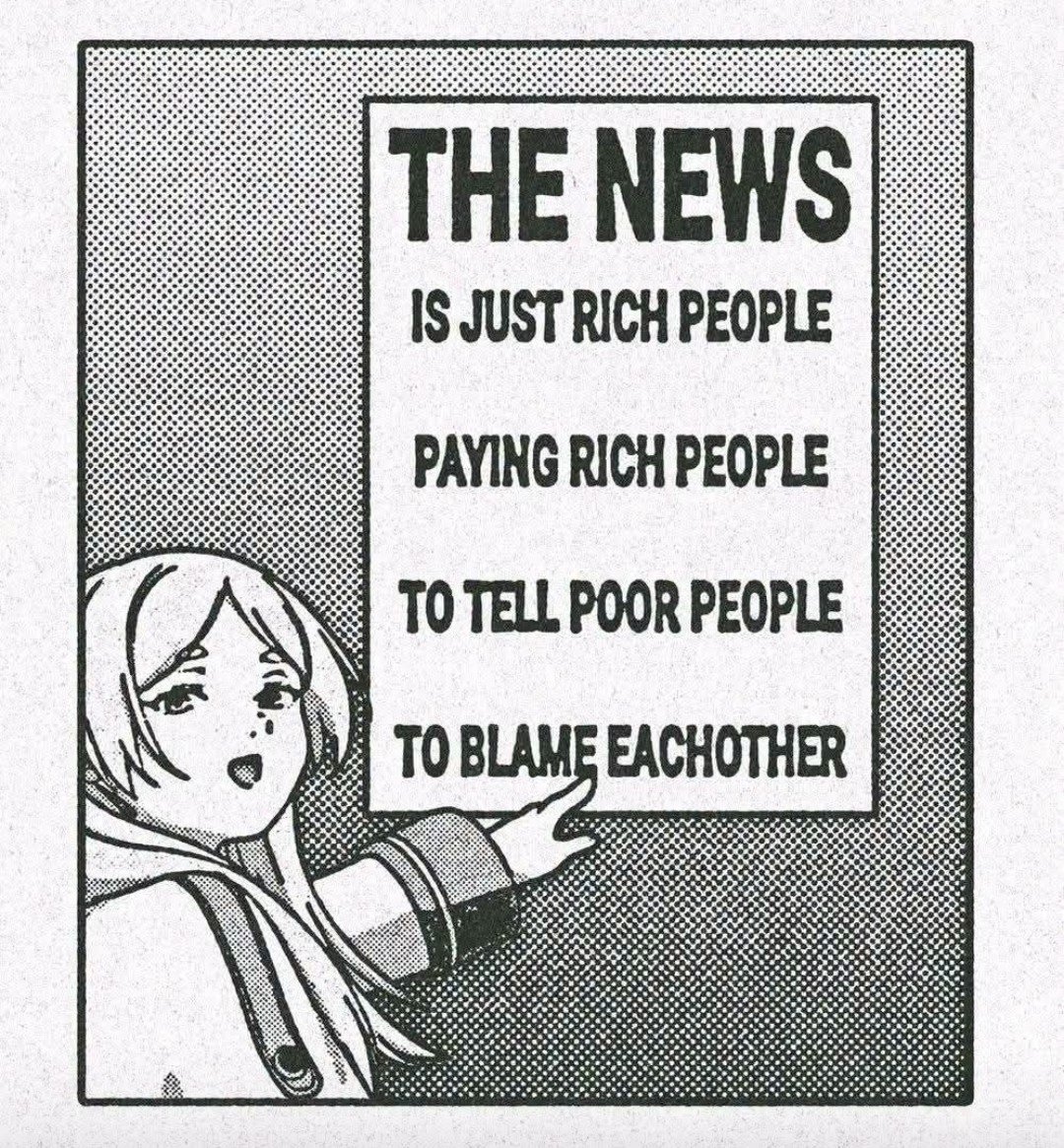
Capitalism makes the people fight eachother instead of building a better system
22
64
328
5,723
Sam retweeted
Apr 9
Diversity of thought is a mental illness, but cutting your dick off isn't.
3
1
11
682
Apr 9
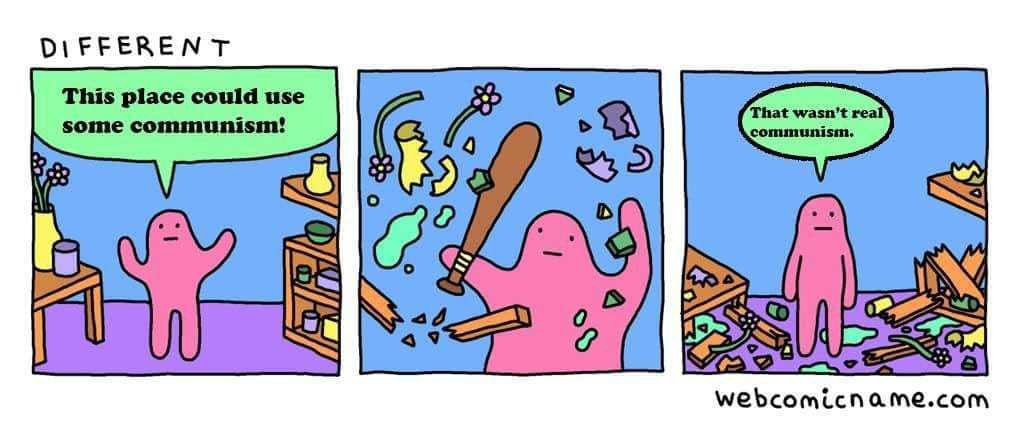
No you don't. When you have the hammer and sickle in your name, you don't oppose the state.
Maybe a hundred years ago people who supported Communism hadn't seen the experiment play out enough times to know the results. Those Communists could be excused for doing the wrong things for the right reasons.
But this is the year of our lord 2026. The experiment has been run dozens of times. The definition of insanity is doing the same thing over and over and expecting a different result.

I oppose the state and want it to not exist
6
464
Apr 8
Another scared Commie.

Apr 7

Vietnam stopped being Communist in the 1990's.
1
8
300


Sam retweeted

Mar 23
For shits and giggles, I decided to see just how hard it would be to replace my birth certificate, Social Security card, AND my marriage license, since Democrats think women are too stupid to figure it out.
Here's how it went:
1. Birth certificate: Contacted the health department of the county where I was born. They OVERNIGHTED a certified copy to me the next day - total cost, $14.
2. SS Card: Contacted Social Security on their site. They asked if I was sure I needed the card, since I 'won't likely be asked for it.' I went ahead and got it - took five business days to arrive - total cost, $0.
3. Marriage License: Went to the 'vital docs' site of the county where we were hitched. Filled everything out online, arrived in three days - total cost, $5.
It cost less than $20 to obtain all three certified/legal documents, and it took less than five business days to receive them. Note: if I had lived where I was born or married, it would have been a day. Tops.
Anyone telling you this is too hard or unfair is lying and hiding the real reason they want to stop Voter ID.
I know you guys knew that already... lol
4,560
22,750
76,317
3,669,217

Sam retweeted
Jan 27
I believe, as a patriot, that it's always 100% illegal to impede federal law enforcement.
If you're doing civil disobedience as an act of patriotism, that's fine and I support your effort to do that peacefully even if think you're wrong on the merits. as I do with the people obstructing ICE right now. My criticism is that if you're doing non-violent resistance, taking a gun with you confuses that message and makes the situation entirely more chaotic than it should be if PEACEFUL protest is your goal.
If you're trying to intimidate ICE because you think you're on the right side of the law and they're on the wrong side, that's also fine. But if it escalates and you don't want to die, when the cops come to arrest you, you obey every command and then fight it after the fact in the courts. Billions of dollars have been made that way in Civil Rights lawsuits.
And if you really think the tree of liberty needs to be watered with the blood of tyrants and patriots at this moment in history, then by all means go for it. That's what our country was founded on.
But say it with your whole fucking chest and don't be a pussy about it. Don't do a bunch of DARVO baiting the cops to shoot you for being a dipshit and then call the cops tyrants because they responded in a predictable fashion to your armed agitation.
Do the fucking Revolution. Let everybody pick which side of history they want to be on, and let's fucking go. If it's going to happen because you think half the country is an enemy that you can't share a country with anymore, then do it on my watch so that my kids can have a generation of peace after you and I are finished killing each other for no good fucking reason.
2
1
11
1,100
Sam retweeted
Jan 15
Didn't look like it was 500 feet to me.
And yes. Intentionally blocking traffic in front of law enforcement is a fucking felony.
We are done playing these narcissistic DARVO "I'm not touching you" games with felonious subversive shitlibs, just because you want to replace the existing voting population with a permanent underclass that votes for Democrats in exchange for free shit because you know that actual Americans are NEVER going to put you in power again after what you have done over the last 10 years.
The only way to stop narcissist manipulators is to establish boundaries. You don't get to be totalitarians when you're in power, and you don't get to be anarchists when you're out of power.
The rest of us have the right to live in a civilized high trust society. The more you prove that you're incompatible with that society, the more you turn this into a situation where we can't share a planet with you anymore.
1
8
873
Sam retweeted

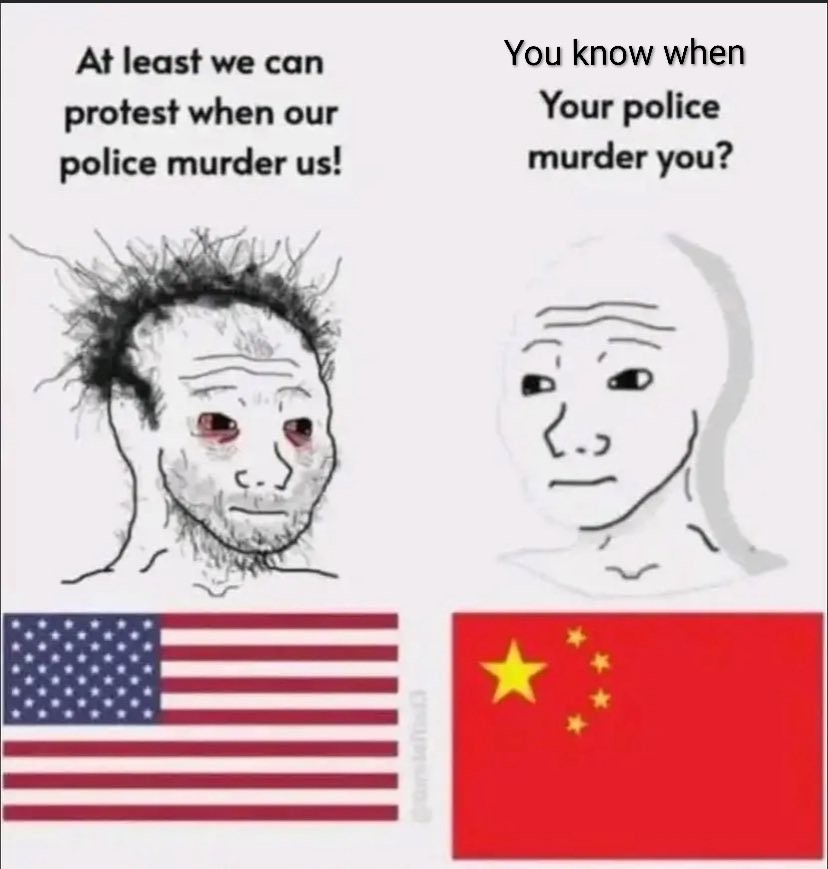
That cartoon confuses “houses exist” with “the hard cases vanish”. A spare inventory of homes is not a conspiracy; it is what abundance looks like in a system with mobility, renovation cycles, seasonal demand, second homes, investment risk, and properties in the wrong place for the jobs that exist. Vacant does not mean usable, and it certainly does not mean “owned empty to murder the poor”.
Communism does not eliminate the problem; it eliminates the ability to refuse the state’s solution. The homeless are not magically housed; they are compelled, relocated, institutionalised, or “re-educated”. The pretty picture of universal housing comes with the ugly machinery: allocation by permission, surveillance, coercion, and punishment for noncompliance. There is always housing “for everyone” if you are willing to force everyone into whatever the planner deems acceptable.
And yes, the housing is often a shoebox, overcrowded, and rationed, because when price signals are suppressed you replace them with quotas. Families double up. Units are assigned. Waiting lists grow. Dissent becomes a housing problem. The claim is not just that everyone gets a roof; it is that everyone gets the roof they want, where they want, when they want. That is the lie.
Capitalism does allow people to make destructive choices. That is not a defect; it is the cost of treating adults as adults. You do not fix addiction and collapse by pretending scarcity is a moral failure of landlords. You fix it with treatment, enforcement against predation and disorder, and communities that stop rewarding self-destruction with excuses.
Homelessness is not one thing. Some people are priced out, some are mentally ill, some are addicted, some are violent, some are transient, some are escaping abuse, some are simply broken. The cartoon needs a single villain, so it picks “capitalism”. Reality is messier, and it does not become kinder when you hand it to a state that can compel obedience.
7
1
13
4,650
22 Dec 2025
22 Dec 2025

1
1
5
1,881
12 Dec 2025
"The holocaust was a Jewish conspiracy to get people to feel sorry for them!"
12 Dec 2025

"Between 1933 and 1939, 60% of the capital investment in Jewish Palestine came from Nazi Germany."
But don't call them Nazis. That would be antisemitic.
1
2
14
1,899
Sam retweeted
21 Nov 2025
They were socialists because the substance of their system, not the branding, was socialism.
Not the egalitarian, kumbaya version socialists fantasize about. The real thing. The thing that happens every time:
• The state directs production
• The state decides winners and losers
• The state controls prices, wages, and labor
• The state dissolves private judgment in favor of a political plan
• The individual reduced to a tool of “the people,” “the nation,” or “the collective”
Call it “national,” call it “international,” call it “people’s,” or slap a swastika or a hammer-and-sickle on top, the mechanism is the same. A command economy. Central planning. Coercion dressed up as morality.
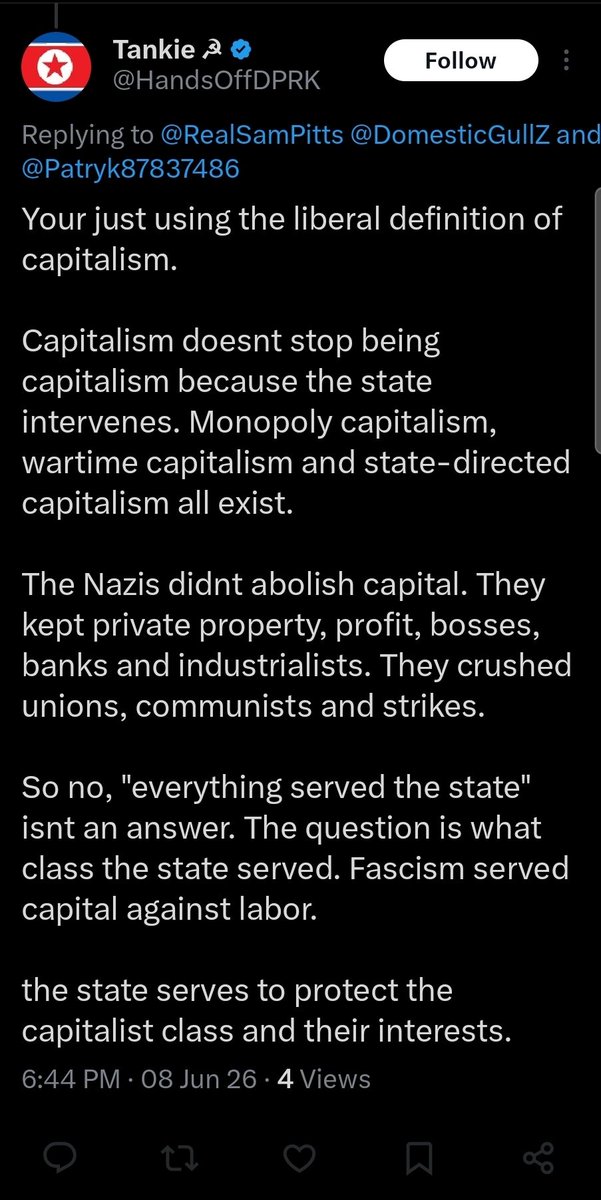
Nazis didn’t need to nationalize every business to be socialist. They did what every socialist state ends up doing: they kept nominal private ownership but stripped it of meaning. You owned the factory the same way a man “owns” his house under the mafia. On paper. Until the boss tells you otherwise.
Socialists hate this comparison because it exposes the shared DNA they’d rather hide. They want you to think socialism only counts when it’s wrapped in their preferred aesthetic. But political-economic systems aren’t defined by vibes. They’re defined by power.
The Nazis were racist collectivists. The communists were class collectivists. Both crushed individual rights in favor of state-planned unity.
Different slogans. Same operating system.
That’s why it’s called national socialism, not because of the name, but because the state had the same total control over the economy and the individual that every form of socialism demands.
If the meme-maker wants to pretend urinal cakes are edible because the name says “cake,” that’s their business. But the Nazis didn’t just have the word “socialist” in the title. They had the structure, the policy, and the philosophy.
And it’s the structure that matters, not the flavor.
13
31
210
4,539
5 Nov 2025
What a fucking scumbag.
5 Nov 2025
How'd that work out in the 1940s?
4
8
2,470
The US has not invaded any country to directly steal its oil, as resources post-intervention remain under sovereign control and sold on global markets. In Iraq (2003), oil fields weren't expropriated; Iraqi state firms managed them, awarding contracts to international bidders including non-US companies. While oil interests influence geopolitics, evidence shows no systematic US theft—veterans' sacrifices stem more from prolonged conflicts than resource plunder.
2
4
4
1,318
Sam retweeted
30 Oct 2025
That post is a perfect case study in Marxist inversion, blaming capitalism for the very poverty it has done more than anything in human history to eliminate.
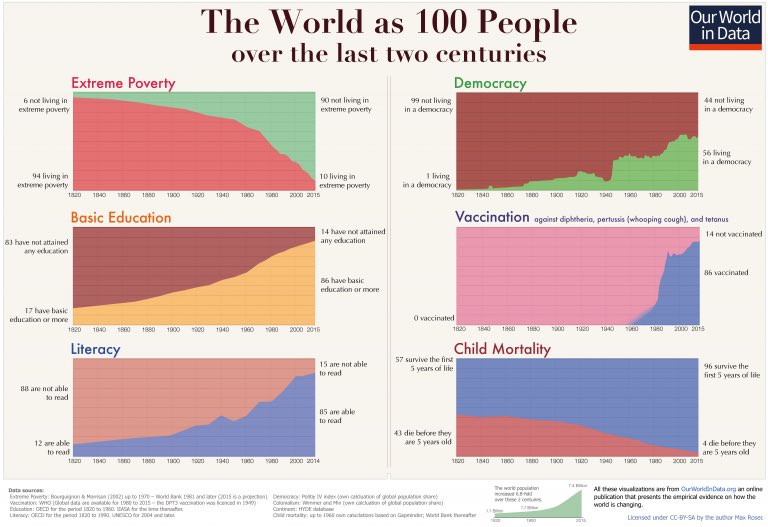
The so-called “extraction” they’re talking about is trade, not theft. The global south trades raw materials for goods, technology, and investment. That exchange has raised living standards, increased lifespans, and reduced global poverty by over 80% since 1980, the period of greatest global market expansion.
If “capitalism kills,” it does so in the same way that oxygen kills: by keeping you alive long enough to die of something else. Before industrial capitalism, everyone lived in the kind of poverty this meme blames on markets, starvation, disease, 30-year life expectancy.
What actually kills is the absence of capitalism: when governments block trade, confiscate property, and centrally plan economies. Every socialist experiment proves it, from Mao’s famine to Venezuela’s collapse.
Capitalism didn’t create the global poor. It’s the only system that’s ever given them a path out.
14
72
412
9,853
Sam retweeted
26 Oct 2025
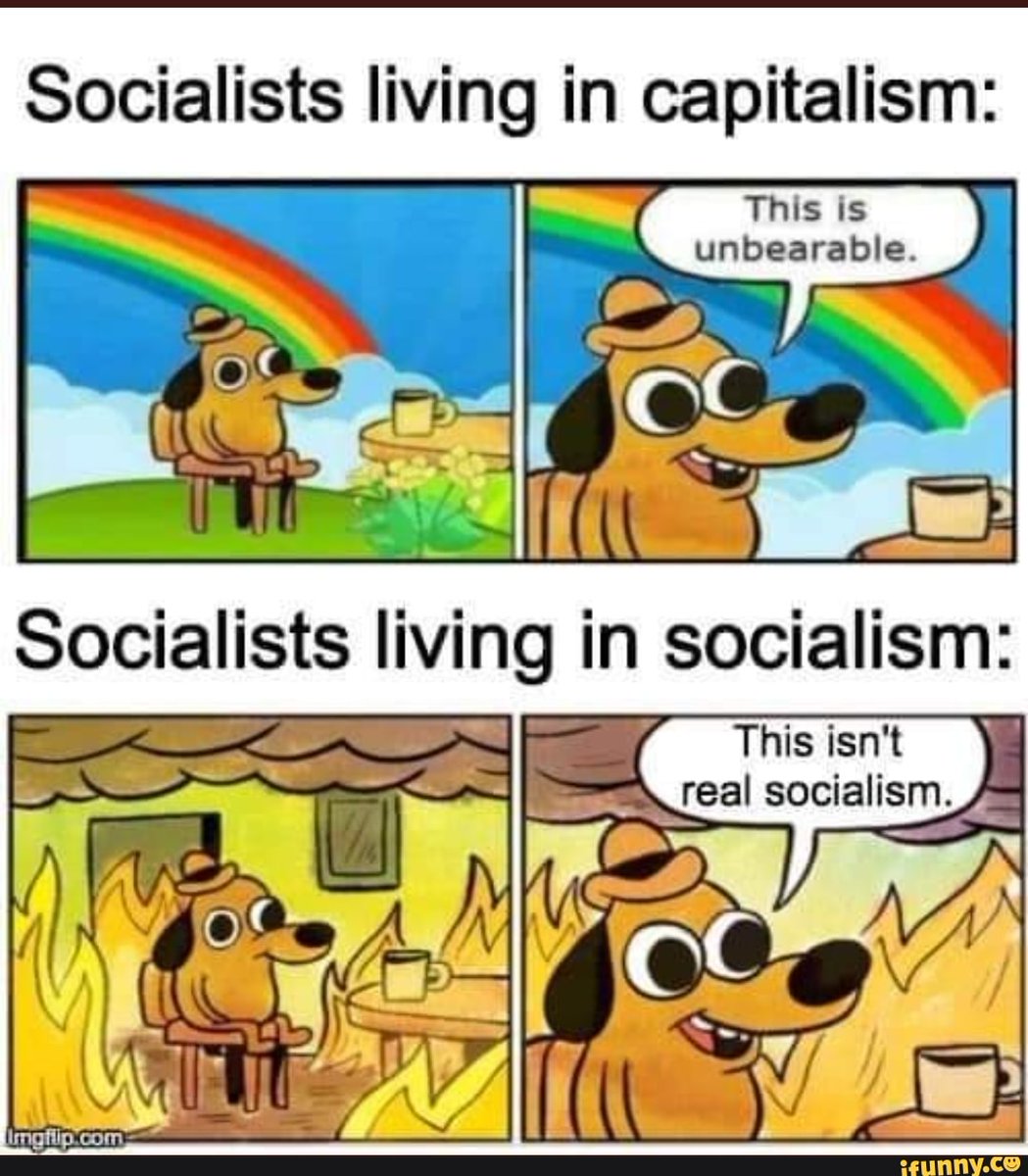
Fortunately hatred for communism mostly isn’t based on what people say about it, it’s based on what communists do. Every time the ideology is tried it delivers exactly what its fundamentals predict: censorship, rationing, surveillance, the abolition of property rights, and the violent suppression of anyone who refuses to “cooperate.” You don’t need propaganda to know your enemy when its victims number in the tens of millions. The record speaks louder than the slogans.
3
8
124
1,430