
Neuro-people doing cellular/circuit/synaptic/translational research on ALS and acute brain injuries using viruses, microscopes, immunology and biochemistry.
Joined September 2020
- Tweets 1,952
- Following 473
- Followers 611
- Likes 1,308
27 Photos and videos
Roselli lab Uni-Ulm retweeted

Jun 13
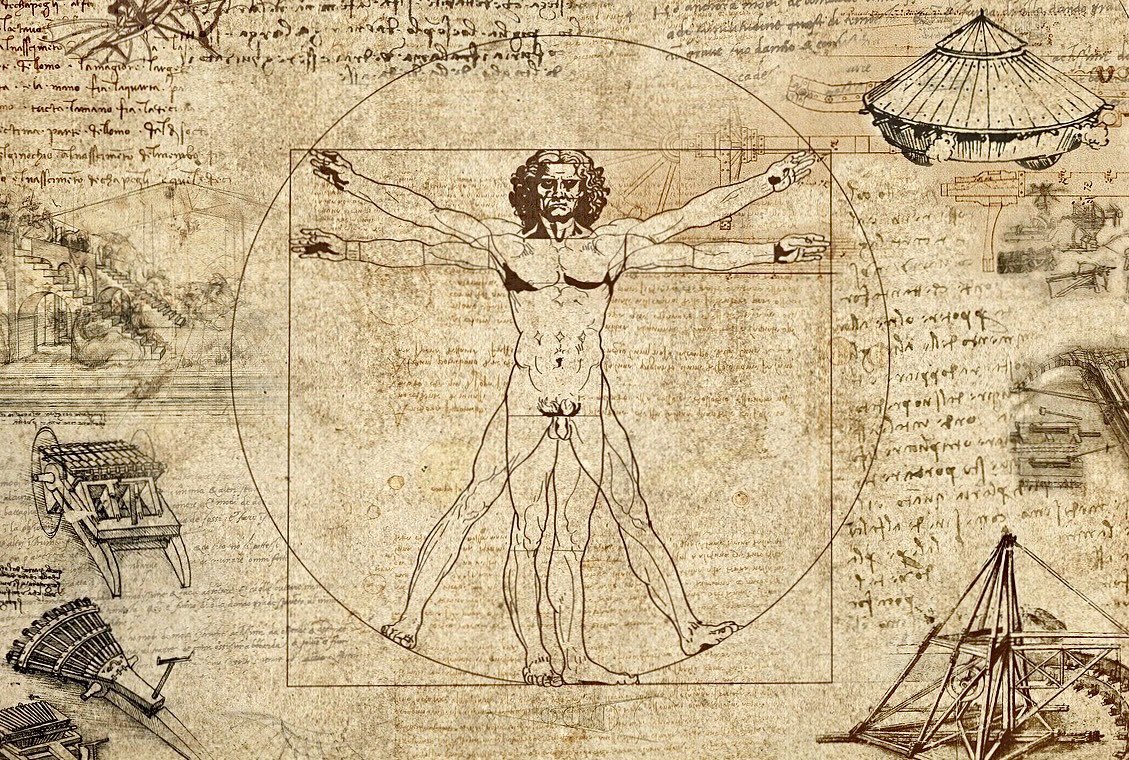
‘Talent hits a target no one else can hit. Genius hits a target no one else can see.’
– Schopenhauer, The World as Will and Representation (1818)
14
79
4,477
Roselli lab Uni-Ulm retweeted

Jun 13
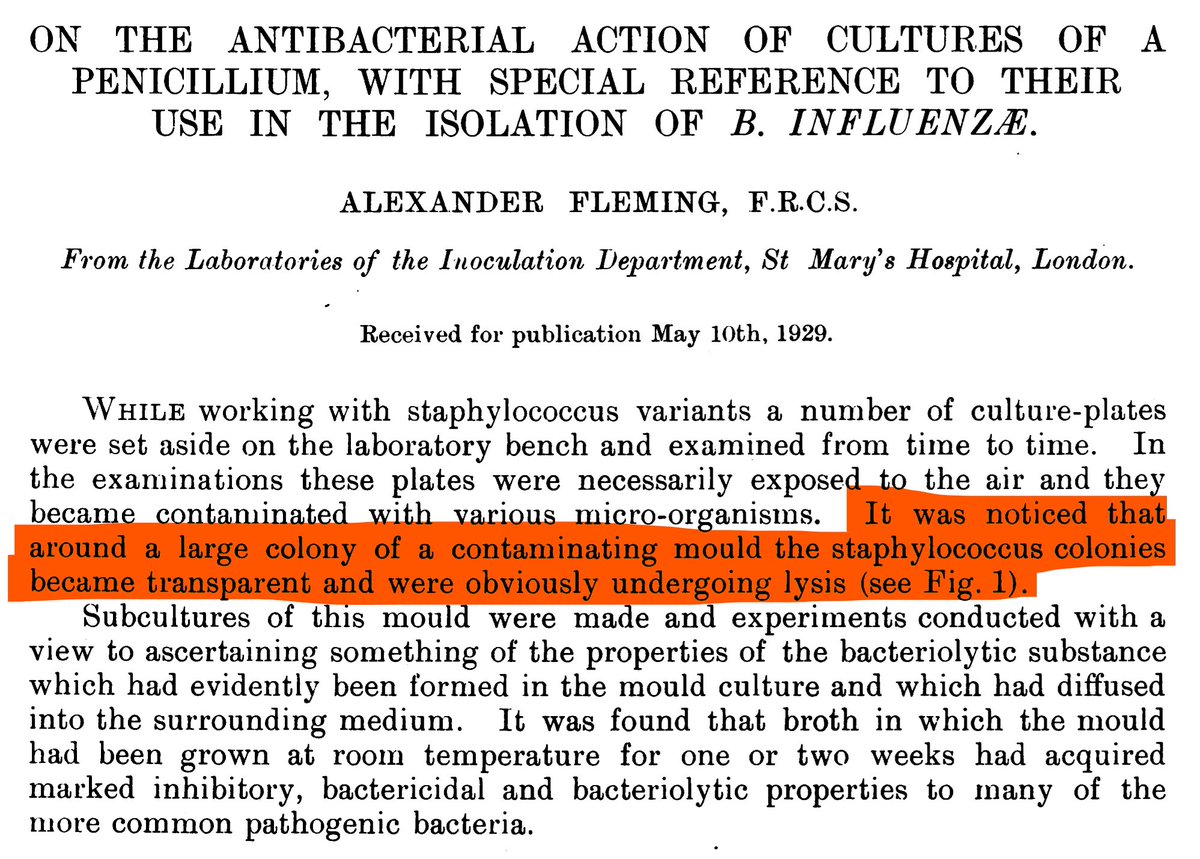
1929: Alexander Fleming calmly discovers penicillin
5
10
79
5,033

See you there! Scientific Program neurotrauma-symposium.org/sc…
43
Roselli lab Uni-Ulm retweeted

Get up close with brain cells with the browser-based MICrONS Explorer: microns-explorer.org/
This #OpenScience data portal contains connectivity and functional imaging data including #ElectronMicroscopy based reconstructions of cortical circuitry from the mouse visual cortex.
5
25
3,210
Roselli lab Uni-Ulm retweeted

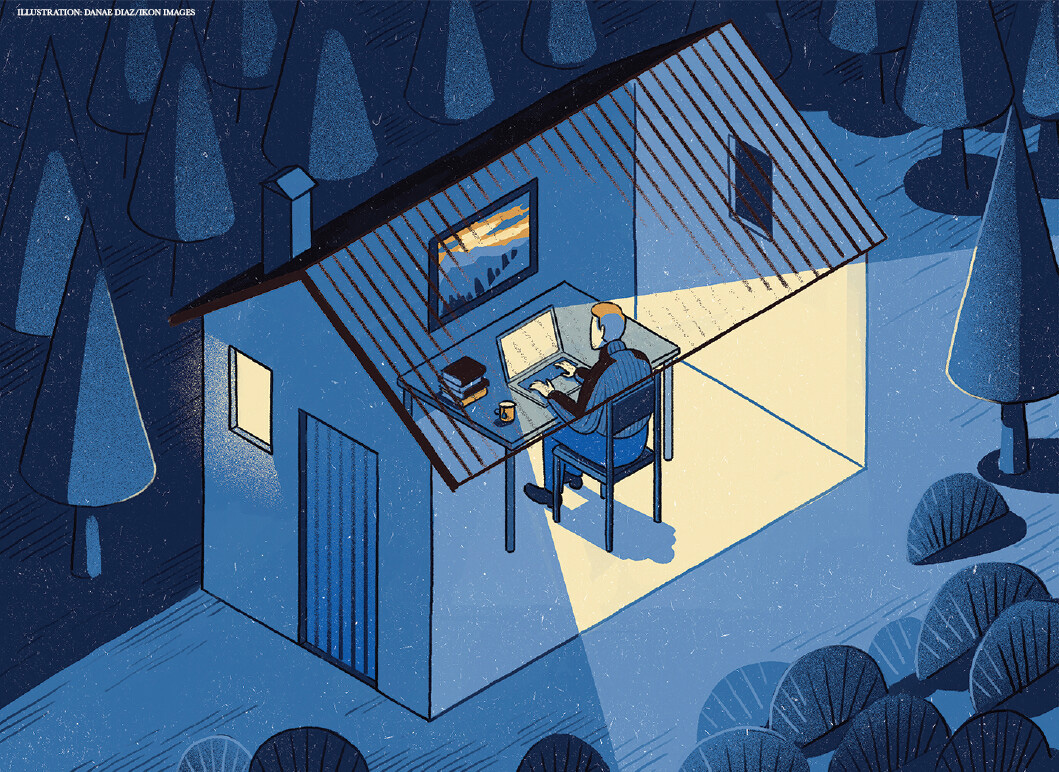
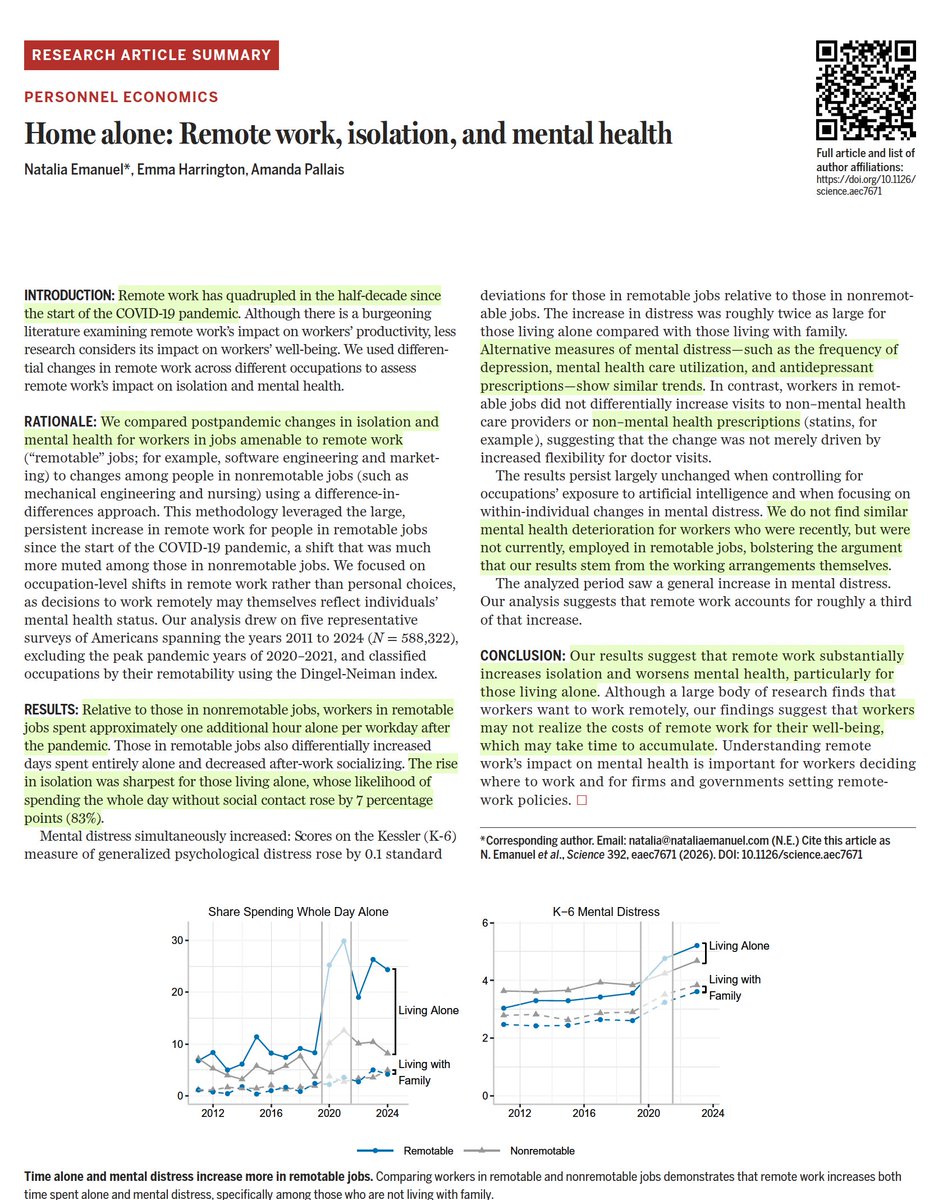
The rise in remote work caused by the COVID-19 pandemic has substantially increased time spent alone and worsened workers’ mental health, according to a new study in Science based on survey data from more than 500,000 Americans.
📄: scim.ag/43O4lws
#SciencePerspective: scim.ag/4x84kkC
24
33
110
26,150
Roselli lab Uni-Ulm retweeted

Jun 4
Home alone. Remote work can adversely influence mental health. A new study @ScienceMagazine
science.org/doi/10.1126/scie…
science.org/doi/10.1126/scie…
47
256
985
101,898
Roselli lab Uni-Ulm retweeted

Very happy to share that the culmination of my PhD work is out in @Nature! With MouseMapper, we can segment organs&tissues across whole mouse bodies and map changes in targets(nerves, immune markers) to the obtained atlas! Hope this will be a useful tool for preclinical research!
May 20

Today in @Nature, we report MouseMapper: foundation-model AI to map disease perturbations across the entire mouse body cell-by-cell.
In obesity, it revealed body-wide inflammation & unexpected facial nerve damage. 🧵👇🔉
nature.com/articles/s41586-0… led by @Dorie00 & @yingchen733
3
20
104
20,663
congratulations!!!!!!
May 13

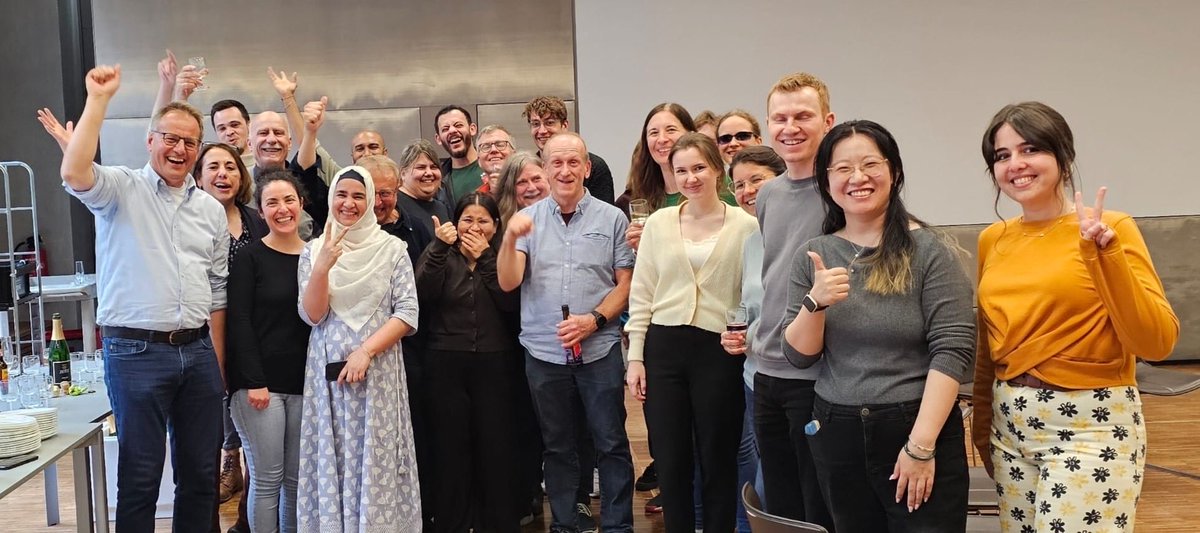
Great news! CRC1506 “Aging at Interfaces” has been renewed. This is exciting for Ulm University and our group. We are happy to continue studying how zebrafish regenerate through enhanced anti-aging mechanisms. Thanks to Hartmut Geiger and his team for their outstanding work!
2
111
Roselli lab Uni-Ulm retweeted

May 10
What does glucagon do in the human brain after a meal?
Using OGTT fMRI glucagon infusion, we found altered responsivity in hypothalamus and reward-related brain regions.
Interesting biology behind glucagon co-agonism.
doi.org/10.1111/dom.70801
@wagrob
@Steph_Kullmann
3
11
542
Hi everyone. We are available to accept applications from students willing to submit a CSC proposal for a lipidomic/metabolomic study. Background in neurodegeneration/neurology/neurobiochemistry necessary. Please contact through institutional email.
1
178
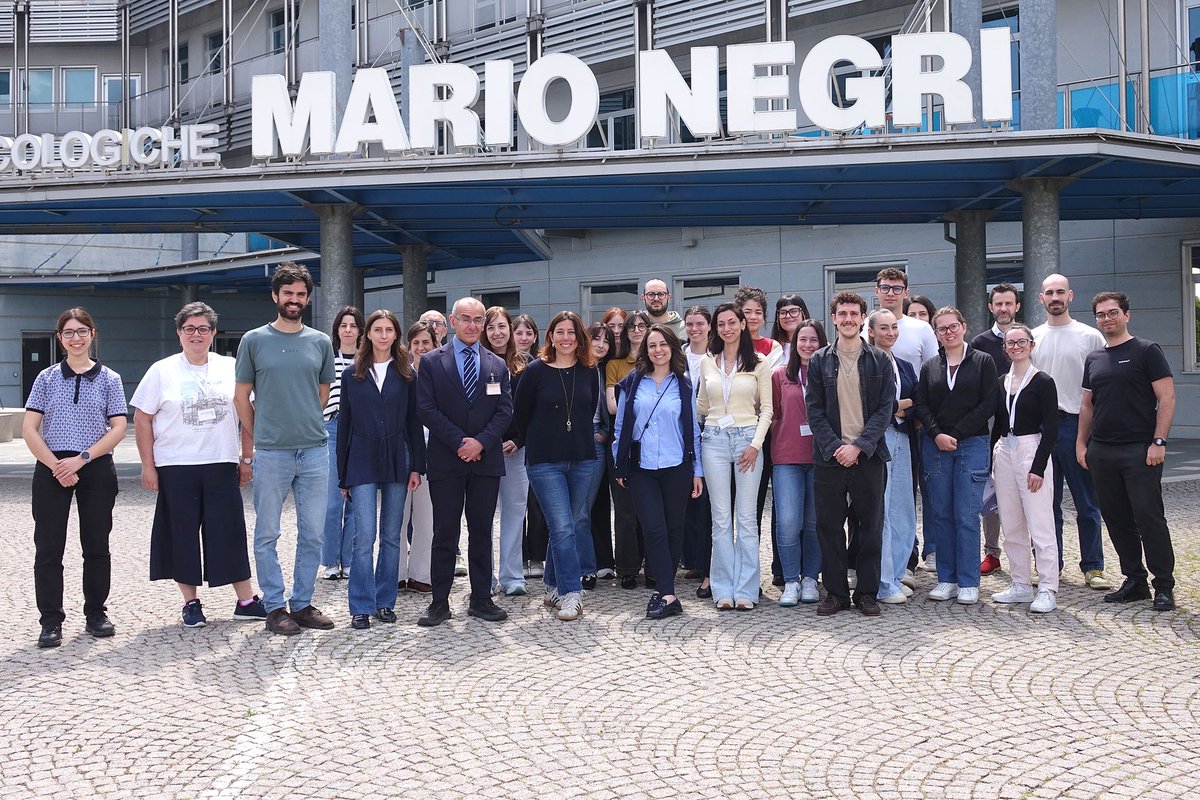
great visit to the Mario Negri Institute, to the formidable Elisa Zanier and the Dept. of acute brain and cardiovascular injury!
1
93
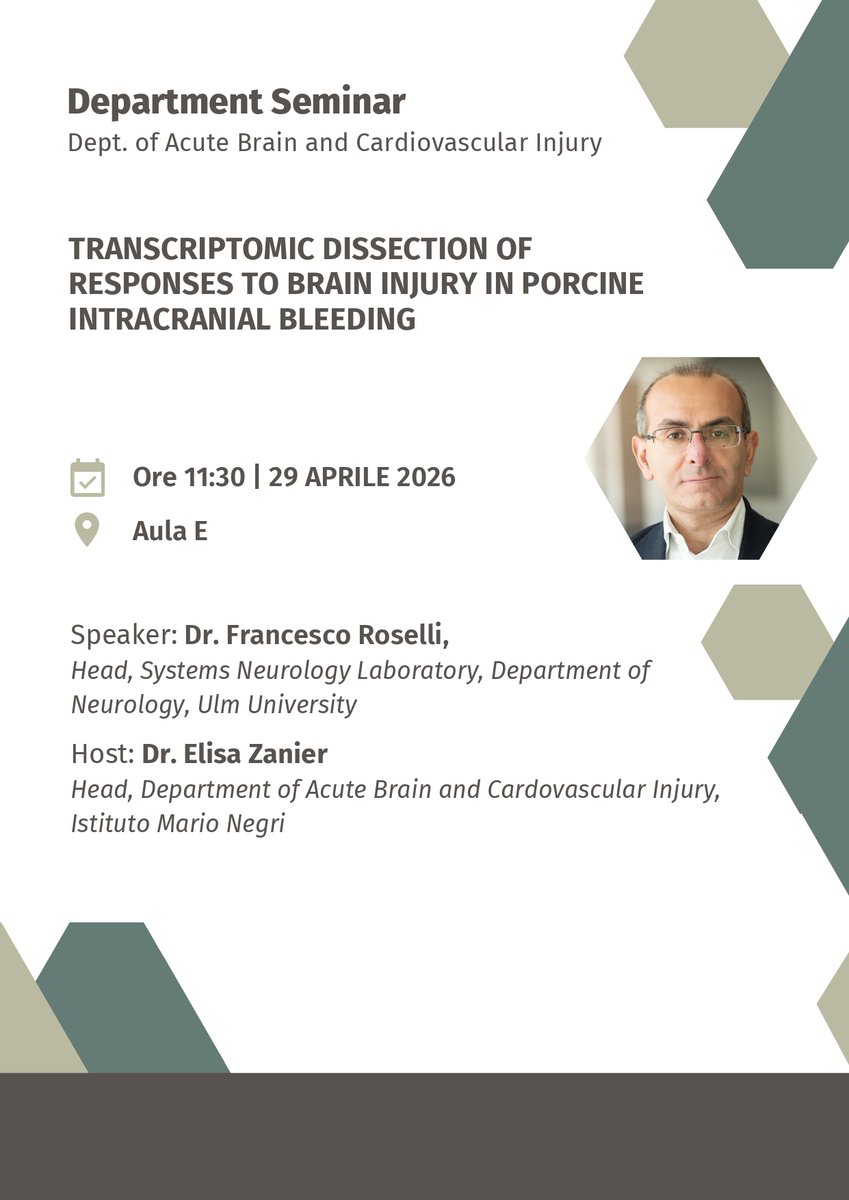
Looking forward to talk at the Mario Negri Institute tomorrow. We present new unpublished work on our forays into large-animal-models of brain injury!
2
90

Roselli lab Uni-Ulm retweeted

Implications for protecting against cognitive impairment following #HeadInjury👇
doi.org/10.1172/JCI199818
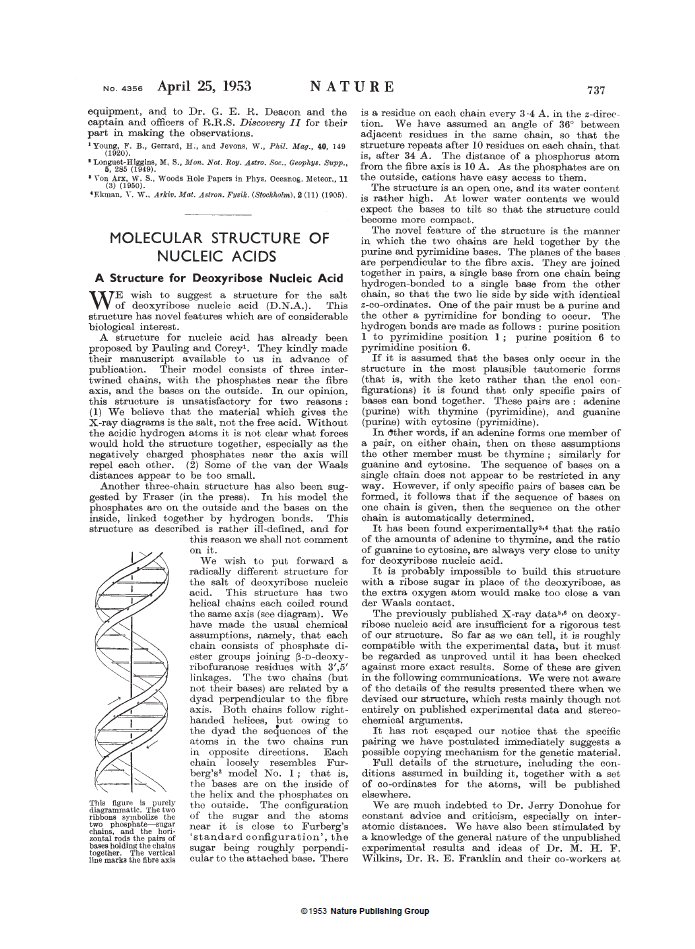
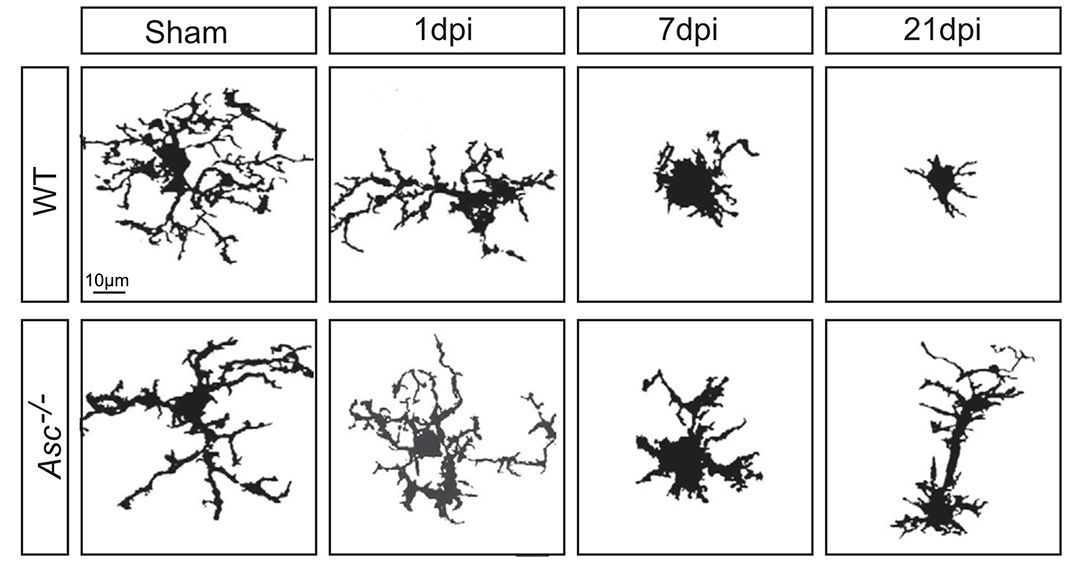
Here, Tao Li @taoli Michael T. Heneka @michael_heneka Sergio Castro-Gomez @CastroGomezSerg & team find the inflammasome adaptor ASC drives long-lasting brain inflammation and cognitive problems after mild head injury in a closed-head injury model.
The figure shows skeletonized activated microglia (Iba1 cells) following closed head injury, with mice lacking ASC show showing preservation of morphological features, particularly at later time points.
2
11
41
2,957
what about inhibition in ALS motoneurons? is it really decreased, and why? what happens if one decreases it even further? do MN really die faster, or not? find it out in our latest JNeurosci paper: jneurosci.org/content/46/15/…
7
767
How and when are synapses lost in TBI patients? We used two new markers of synapses in CSF and wefound two waves of synaptic loss in TBI, one of which inflammation-dependent: jnnp.bmj.com/content/95/12/1…
5
441
RT @BrainPrize: The review article on the 2026 Brain Prize winners' science is out: The cellular architecture of touch and pain, by Profess…
314
time to revisit excitation/inhibition balance in motoneuron disease: what have we actually learned? have a look: sciencedirect.com/science/ar…
1
100
What happens when brain people meet bone people? A study of bones in neurodegenerative disease: insight.jci.org/articles/vie…
1
2
443