
Languages - Laughing - Teaching & Life Long Learning - Swimming - Nature - Animals - Photography - Music - @sophiemvm.bsky.social
Joined March 2016
- Tweets 20,371
- Following 3,178
- Followers 1,217
- Likes 74,962
2,177 Photos and videos




Pinned Tweet

8 Mar 2024
1
14
1,654
Sophie VM retweeted

Jun 10
I’m so excited. My secret (not so secret) observational experiment is about to begin.
This is a once in a lifetime opportunity for wastewater surveillance.
FIFA World cup.
1/
@SecureBio
scientificamerican.com/artic…
64
446
2,245
99,000
Sophie VM retweeted
Jun 10
Not everything will go on our public dashboard, but everything will be shared with Public Health in real time.
I don't know what we will detect, but I’ll bet there will be something that comes along for the games.
Either way, we’ll be watching.
7/7
dholab.github.io/public_viz/…
21
33
653
7,552
Sophie VM retweeted

Jun 9
Can't Touch Your Toes? Follow These Steps
40
1,124
8,278
834,555
Sophie VM retweeted
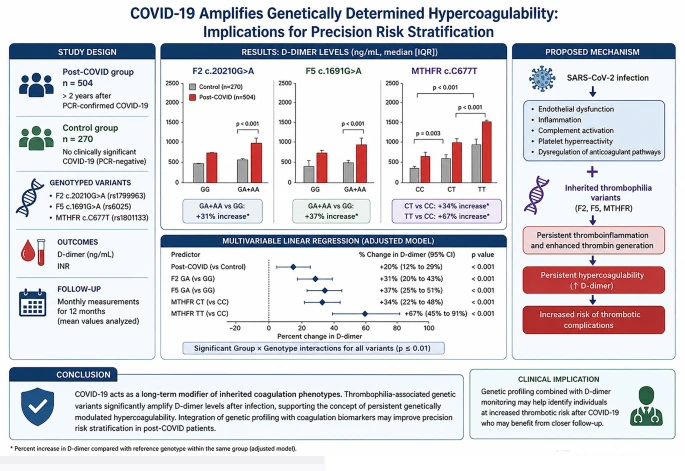
As I’ve always suspected: Genetic predisposition!
Your genes don’t just raise your risk,
🚨They could turn a past COVID-19 infection into a lifelong sentence of dangerous blood clotting!
➡️“COVID-19 acts as a long-term modifier of inherited thrombophilia phenotypes.”
➡️“Incorporating genetic profiling into post-COVID evaluation may enable precision identification of individuals at risk for persistent hypercoagulability.”
🤔Interesting Russian study!
#AvoidSars2 #AvoidReinfections
link.springer.com/article/10…
17
199
520
16,290
Sophie VM retweeted

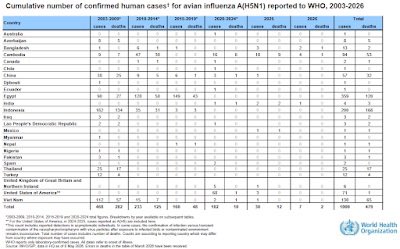
The most interesting thing in this report isn’t the 1,000th H5N1 case.
It’s that WHO quietly documented 10 human infections with novel influenza viruses in just five weeks:
• 3 H5N1
• 1 H5N6
• 5 H9N2
• 1 H1N2v
Across Asia and North America.
12
149
470
25,073
Sophie VM retweeted
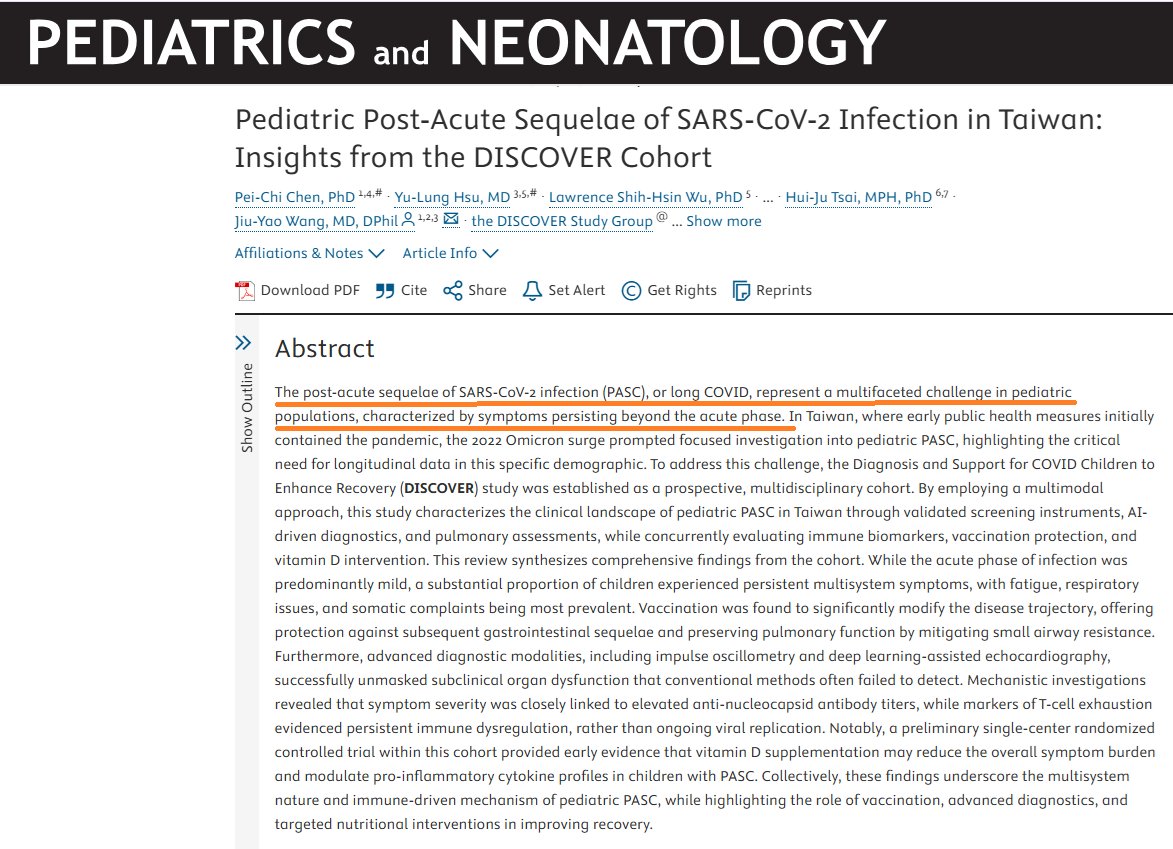
Pediatric Post-Acute Sequelae of SARS-CoV-2 Infection in Taiwan: Insights from the DISCOVER Cohort
🚨We’ve called for caution and we’ll do it again!! #OurChildren #Omicron
Even MILD paediatric COVID isn’t harmless.
➡️INTERESTING new Taiwan DISCOVER cohort (n≈500 kids, mean age7.6ys, post-2022 Omicron):
1. High burden of persistent multisystem symptoms:
- Even though acute COVID-19 was predominantly mild, a substantial proportion of children developed post-acute sequelae of SARSCoV2 (PASC/long COVID) lasting >4 weeks,
- The most common symptoms were fatigue, cough, chest pain, and other somatic complaints,
- Neuropsychiatric issues (sleep disturbances, brain fog, anxiety/depression) affected 5–15% of cases, particularly adolescents, and correlated with reduced quality of life,
2. Subclinical organ dysfunction frequently missed by routine tests:
- Impulse oscillometry detected abnormalities in 74.6% of assessed children (mainly small-airway dysfunction in 62.9%), strongly linked to respiratory symptoms,
- ‼️Conventional spirometry was often normal,
- ‼️AI-enhanced echocardiography (ResNet-50 model, 96.6% accuracy) unmasked subtle cardiac changes not visible on standard echo,
3. Immune-driven mechanism:
- Symptom severity tracked with elevated anti-nucleocapsid IgG titers and a low-grade “cytokine simmer” (elevated IL-2, IL-21, MIP-1α) plus T-cell exhaustion markers (PD-1/PD-L1 correlation),
- No evidence for viral persistence,
4. Vaccination modifies disease course:
- ‼️Fully vaccinated children had significantly lower odds of gastrointestinal sequelae (abdominal pain AOR 0.49; diarrhoea AOR 0.37) and better-preserved pulmonary function (improved impulse-oscillometry parameters),
5. Vitamin D supplementation may show early promise:
- A small single-center RCT (n=33) found 2,000 IU/day for 6 months significantly reduced overall symptom burden (CSSI-24 score), lowered pro-inflammatory cytokines, and favourably altered immune checkpoints and the microbiome, especially in children with vitamin D deficiency plus VDR risk genotypes,
6. Additional risks identified:
-Older age and greater acute-infection severity predicted worse PASC,
- ‼️The cohort also showed an elevated hazard of new-onset allergic diseases (asthma, rhinitis, dermatitis) post-infection.
‼️So, AGAIN, even mild pediatric SARS-CoV-2 infections can trigger long-lasting multisystem damage and impaired quality of life. Persistent symptoms in children must never be dismissed as “just recovery/getting over it” but need prompt specialist evaluation and intervention!
Dammm it….protect our children and don’t relax after at first sight “normal” tests!
#CleanAir #AvoidSars2 #AvoidReinfections
pediatr-neonatol.com/article…
7
118
243
19,233
Sophie VM retweeted

10 Sep 2025
Let's say you're a dairy farmer. You have 100 cows. Each year, about 5 cows die, and another 5 cows are born. Then, along comes a virus. Let's call it "cowvid"...
1/
41
474
1,443
105,182
Sophie VM retweeted

May 30
Good.
I'm glad WHO has warned that Andes Hantavirus may be spread person to person by airborne particles.
That's what they should have done with Covid in Feb 2020.
Then in March 2020 they should have said "Yes. There's no maybe. Covid is spread by airborne particles".
27
426
1,855
18,597
Sophie VM retweeted

May 28
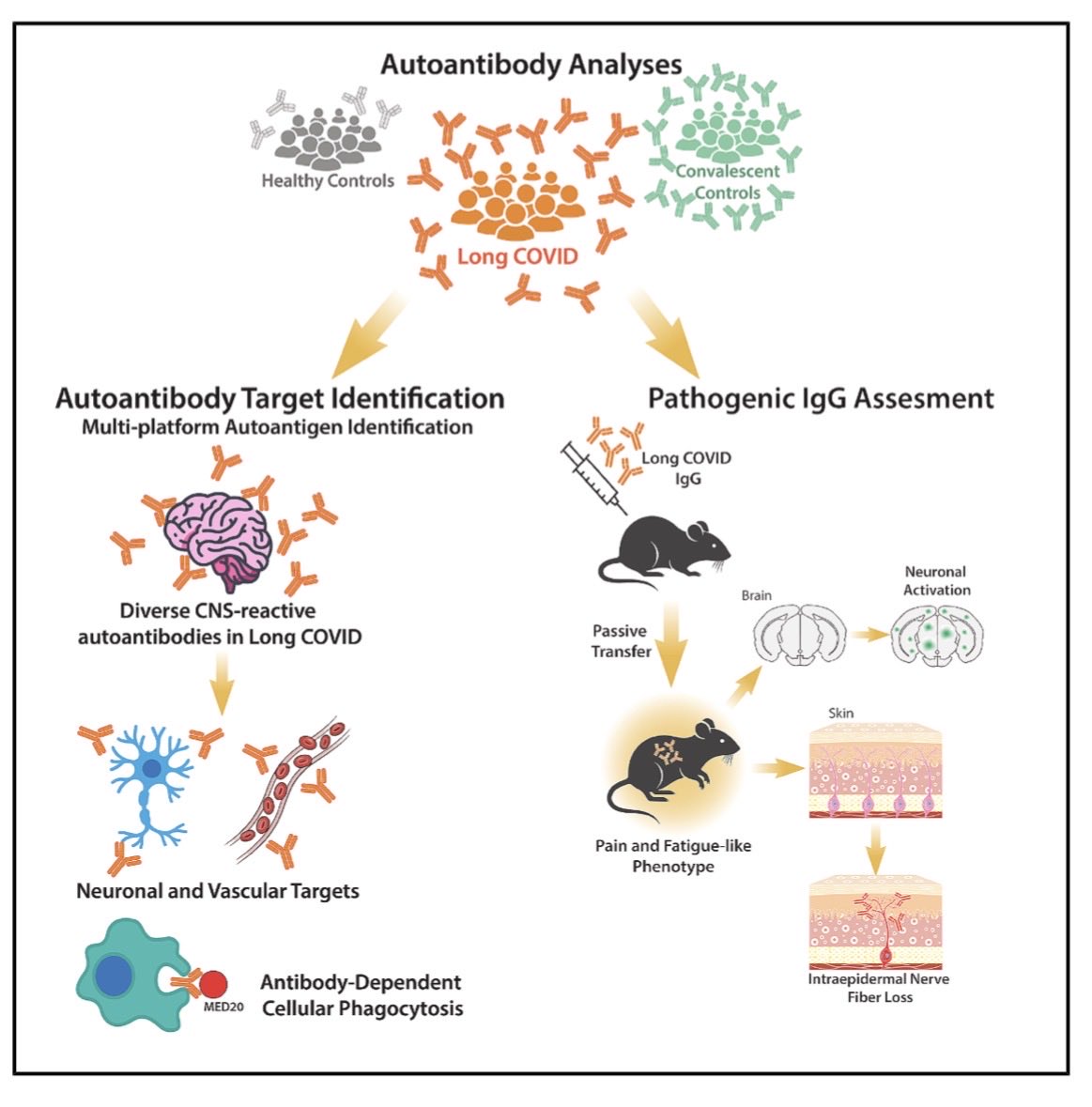
Wonderful day for a new #LongCOVID paper! Thanks to an incredible collaboration with @VirusesImmunity and brilliant work done by @keylas3, we studied the effects of injecting antibodies taken from people with LC into mice compared with what happened
sciencedirect.com/science/ar…
1/
38
244
660
325,167
Sophie VM retweeted

May 26
My concern is that if Bundibugyo Ebola is delaying innate immune detection even slightly, chains could be much harder to catch early because people can stay mildly unwell and mobile for longer before severe symptoms force recognition of underlying disease.
8
53
382
22,364
Sophie VM retweeted

May 27
🚨 A Tiny Pill Could Change Bone Health Forever
Scientists in Japan have developed an experimental pill that may rebuild weak bones and help reverse osteoporosis. Unlike traditional treatments that only slow bone loss, this new breakthrough could help the body create stronger bone tissue again.
Early studies show improved bone strength and reduced fracture risk, giving hope to millions affected by fragile bones and aging-related weakness.
Could the future of stronger bones really fit inside one small pill?
Source:
Kyodo News. Japanese researchers develop experimental osteoporosis pill that may rebuild bone tissue.

11
189
632
23,619
Sophie VM retweeted

May 27
Diese Woche gehts bei viroLOGISCH um den laufenden Ausbruch mit Bundibugyo Ebolavirus.
➡️ Spotify:
open.spotify.com/show/7FXqAH…
➡️ Apple Podcasts:
podcasts.apple.com/at/podcas…
➡️ Podigee:
virologisch.podigee.io
1
37
85
3,707
Sophie VM retweeted

May 25
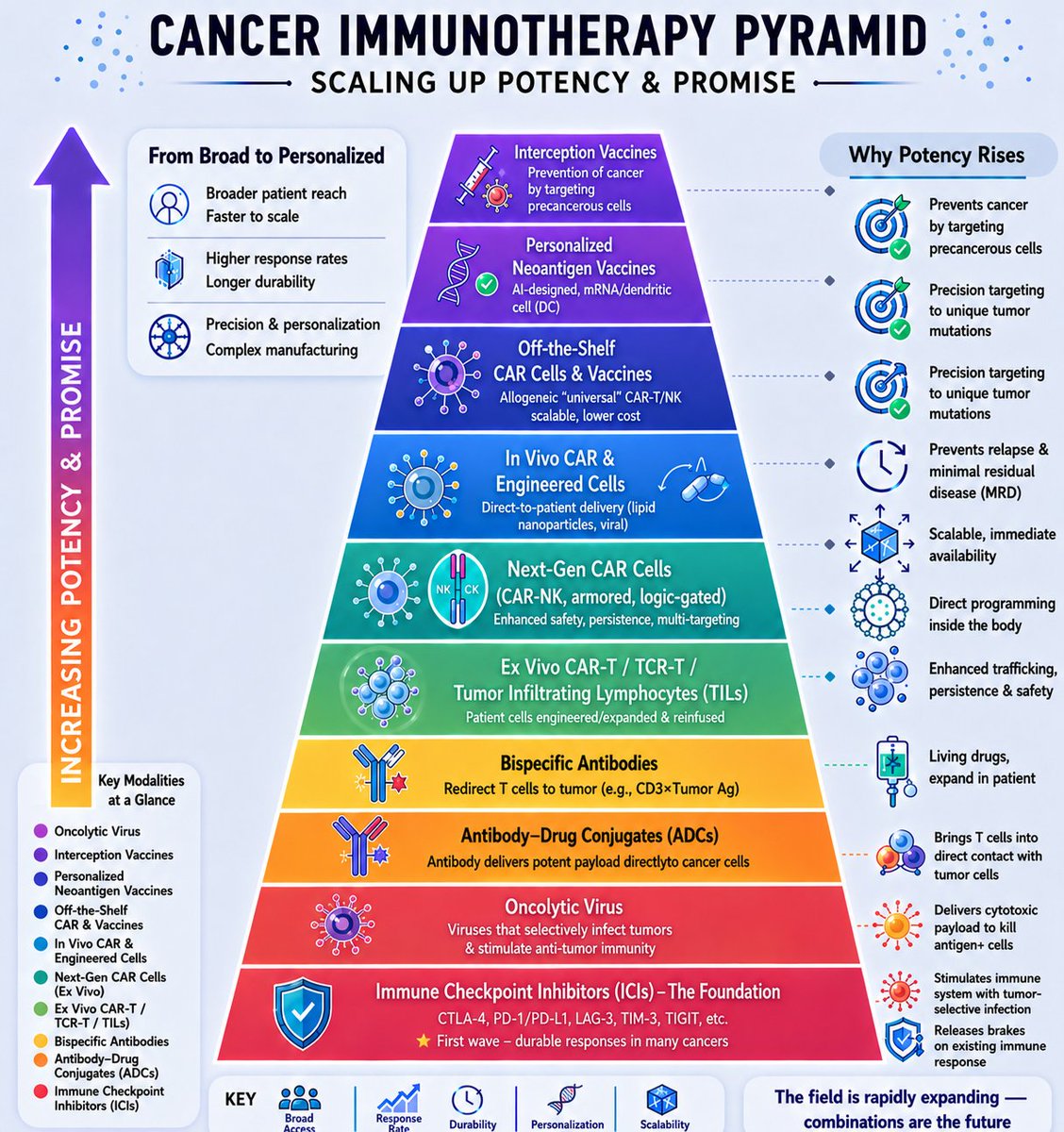
The ramp up of cancer immunotherapy is remarkable. Now we're seeing vaccines achieve some cures or remissions in the most refractory cancers: pancreatic, melanoma, glioblastoma, renal, triple-negative breast cancer.
✓ out the new Ground Truths (link in profile)
65
756
2,571
707,918
Sophie VM retweeted

May 25
Association of long-COVID with major adverse cardiovascular events and mortality: a real-world data cohort study
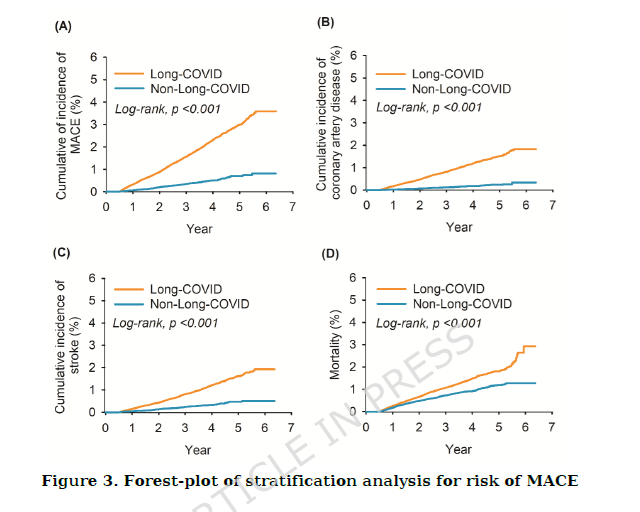
🚨Still not shocked: L0NGC0VID patients are 4.5× more likely to suffer heart attacks, strokes & deadly clots, and 53% more likely to die? WAKE-UP!
➡️Large retrospective cohort study used TriNetX real-world electronic health records (~118 million US patients) to assess long COVID’s impact on cardiovascular outcomes,
➡️ Adults (≥18 years) diagnosed with COVID-19 (2020–2023) were included. The long-COVID group (diagnosed 3–6 months post-infection) was compared with matched non-long-COVID controls after 1:1 propensity-score matching (86,122 per group, balanced on demographics, comorbidities, vaccines, etc),
➡️ Primary outcomes: major adverse cardiovascular events (MACE: coronary artery disease, stroke, myocarditis, heart failure, pulmonary embolism) and all-cause mortality, with follow-up starting 90 days post-index date (mean ~3 years),
➡️Long-COVID patients showed markedly higher MACE risk (HR 4.48, 95% CI 3.95–5.07), driven by coronary artery disease (HR 6.48), stroke (HR 3.46), and pulmonary embolism (HR 4.35),
➡️All-cause mortality was also elevated (HR 1.53, 95% CI 1.38–1.69),
➡️Risks remained consistent across 1- and 3-year follow-ups, age, sex, race, BMI, hospitalization status, antiviral use, and SARS-CoV-2 variant periods (Alpha/Delta/Omicron),
➡️Mechanisms discussed include ACE2-mediated myocardial injury, endothelial damage, chronic inflammation, and autonomic dysfunction,
➡️Pre-existing cardiovascular conditions were excluded to isolate long-COVID effects,
‼️So, patients with long COVID face a substantially elevated risk of major adverse cardiovascular events and all-cause mortality compared to those without long COVID, underscoring the need for vigilant long-term cardiovascular monitoring in this population,
“This multicenter real-world cohort study demonstrates that patients with long COVID have a significantly higher risk of major adverse cardiovascular events (MACE) and all-cause mortality compared with those without long COVID”
#AvoidSars2 #AvoidReinfections #YouOnlyHaveOneHeart
link.springer.com/content/pd…
12
194
411
18,199
Sophie VM retweeted

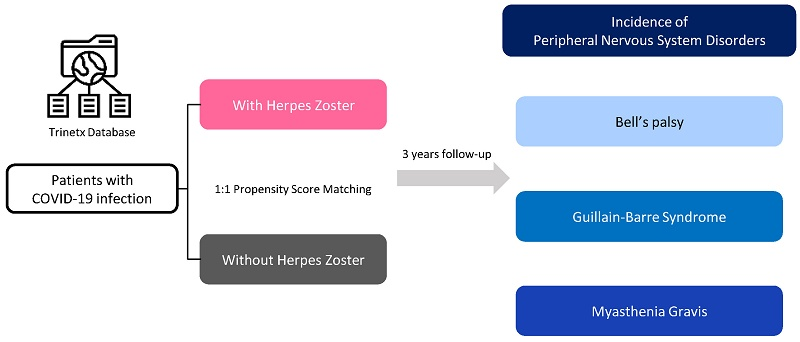
COVID raises your shingles risk.
New data from 110,000 patients out of Taiwan shows that post-COVID Shingles also raise risk of
➡️ Bell's palsy
➡️ Guillain Barré
➡️ Myasthenia Gravis
Worst of all? Neurological vulnerability lasts for at least 3 years. buff.ly/H1N73zd
46
474
1,198
38,649
Sophie VM retweeted
May 23
We have known for a while that #LongCOVID pathobiology for many involves reactivation of various herpesviruses. As we continue to validate this it is great to see this work coming out in collaboration with @VirusesImmunity’s incredible team. Here we
medrxiv.org/content/10.64898…
1/
6
72
290
30,737
Sophie VM retweeted
May 24
Hey.
This is a cause close to my heart.
If you can follow and reshare and stuff, I'd really appreciate it.
❤️

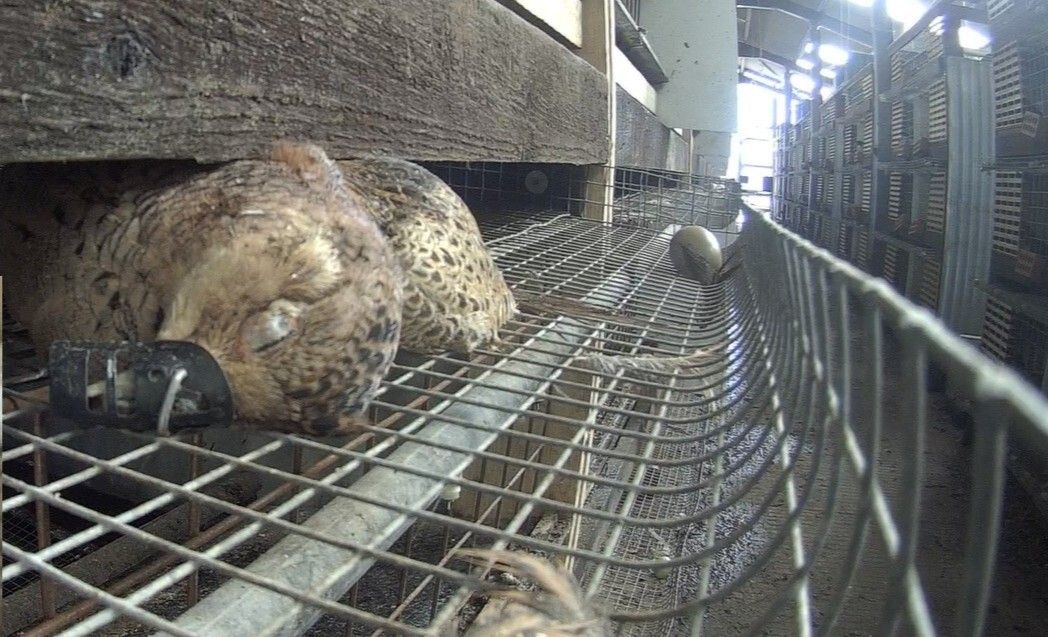
Bred to death.
This shocking image shows a dead female pheasant inside a colony cage. One of countless birds trapped in the industrial factory farming system that breeds tens of millions of pheasants every year, only to be shot for “sport.”
8
108
292
6,376
Sophie VM retweeted

From an autopsy-based case–control study,
"COVID-19–positive cases demonstrated significantly increased reactive gliosis and microglial activation in the olfactory bulb, along with a higher frequency of mild perivascular lymphocytic infiltration in the frontal cortex..
Systemic pathological findings in COVID-19–positive cases were consistent with severe multisystem disease.
[In conclusion,] COVID-19 is associated with region-specific but non-uniform neuropathological alterations dominated by reactive and vascular changes rather than encephalitic processes."
People change after contracting COVID.
'Histopathological changes in the olfactory pathway in COVID-19: An autopsy-based case–control study'
link.springer.com/article/10…
8
129
306
22,260
Sophie VM retweeted

May 20
I’m so incredibly frustrated. We have an outbreak report for the cruise ship, published in NEJM, and great clinical, epidemiological, and genomic reporting, and…
NOT A SINGLE MENTION OF VENTILATION/FILTRATION SETUP ON THE SHIP
Folks, we keep doing this. A lot of MD/PhD coauthors on the “Andes Virus Outbreak Working Group”, and no one with expertise on mechanical systems. And no one on the team even thought to check or investigate it.
It’s malpractice at this point, and I’m not exaggerating in my use of the term. I do investigations in buildings and if I failed to check the status of the mechanical systems I’d be sued. (It’s actually *the first* thing I check)
@NEJM: see our report from The Lancet COVID-19 Commission on this in the thread. Include this in your reviews. Mandate this info in every outbreak investigation report.
The reason I first called the doctor on the ship was because I wanted to see if he could get info on the ship’s systems before he left it, bc I knew the official investigations would miss it. Because they always do.

𝗣𝘂𝗯𝗹𝗶𝗰 𝗛𝗲𝗮𝗹𝘁𝗵 𝗔𝗹𝗲𝗿𝘁𝘀 𝗥𝗲𝗽𝗼𝗿𝘁:
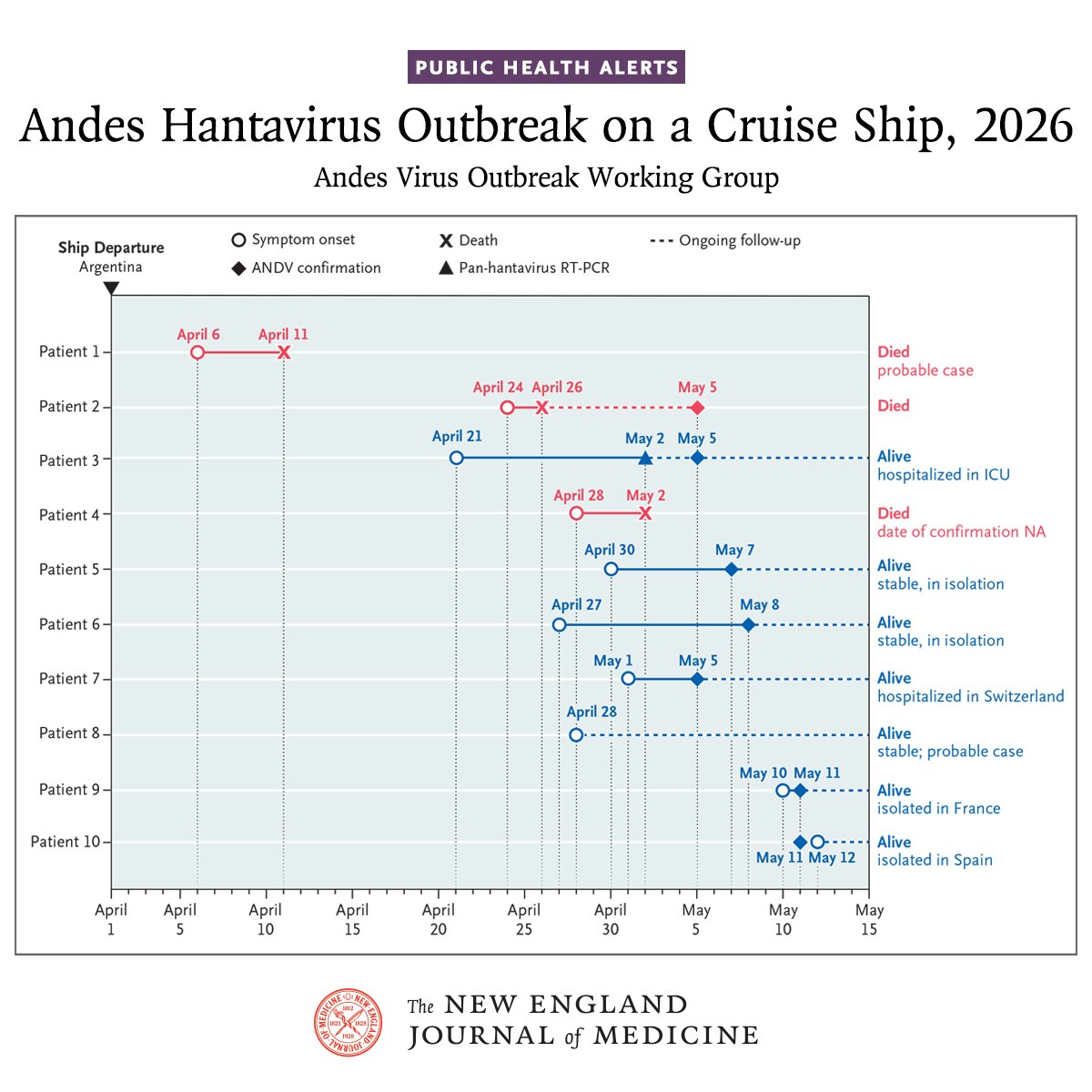
On April 27, 2026, a man (later classified as Patient 3 in the outbreak) was medically evacuated to Ascension Island from the Dutch-flagged expedition cruise ship 𝘔𝘝 𝘏𝘰𝘯𝘥𝘪𝘶𝘴; he had severe acute respiratory infection (SARI) and reported shortness of breath and fever that had begun on April 21. He had signs of pneumonia, although findings on chest radiography were unremarkable. While he was on Ascension Island, his condition worsened, and he was transferred to Johannesburg, South Africa, for ventilator support and intensive care. He was in shock and had acute respiratory distress syndrome; findings on chest radiography were consistent with atypical pneumonia. The differential diagnosis in this clinical context is very broad and includes atypical pneumonias, bacterial or fungal sepsis, and vectorborne diseases such as malaria or dengue. The diagnostic evaluation, including respiratory pathogen panels, malaria smear and antigen, fungal biomarkers, blood cultures, and legionella urinary antigen, was unrevealing.
On May 2, the cruise ship had a total of 147 persons on board, including 88 passengers and 59 crew members, from 23 countries. As of May 13, 2026, a total of 10 cases had been identified (an 11th was subsequently reclassified as not a case), including 3 resulting in death (seen in figure). However, because not everyone on board was tested, 3 deaths among 10 cases may represent an overestimation of the case fatality ratio. All cases to date have been among passengers or crew on board the ship. Beyond the first 3 cases, 7 additional confirmed or probable cases have been identified. A German national (Patient 4) died from a SARI on May 2, and later testing in the Netherlands confirmed Andes virus (ANDV). Two crew members — the doctor on the ship (Patient 5) and an expedition guide (Patient 6) — were medically evacuated to the Netherlands, tested positive by PCR and sequencing for ANDV on May 7 and 8, respectively, and were in stable condition at the time of this report.
Read “Andes Hantavirus Outbreak on a Cruise Ship, 2026,” which includes clinical details, case timeline, genetic sequencing of the virus, and unresolved transmission questions, by the Andes Virus Outbreak Working Group: nej.md/4uQDeMQ
46
398
1,293
152,363
Sophie VM retweeted

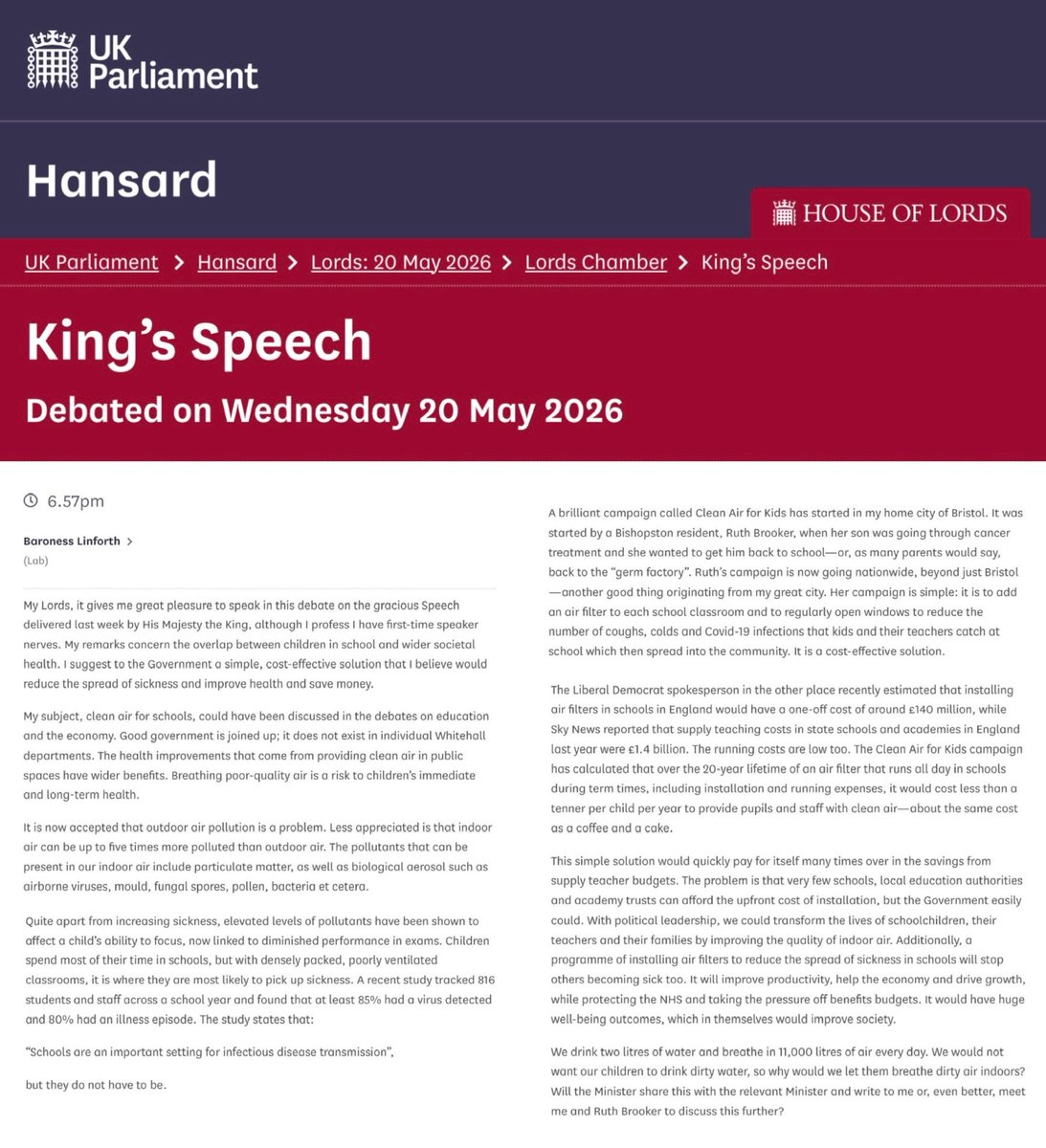
You can read the full text of Baroness Linforth’s wonderful speech in the House of Lords about the urgent need for clean indoor air in schools here ⬇️
hansard.parliament.uk/Lords/…
1
49
130
3,607