Save Our Schools is a coalition of students, parents, educators, and community members working to monitor policy and transparency at the TDSB.
Joined May 2023
- Tweets 4,437
- Following 585
- Followers 1,620
- Likes 631
1,419 Photos and videos

Pinned Tweet

24 Jun 2024
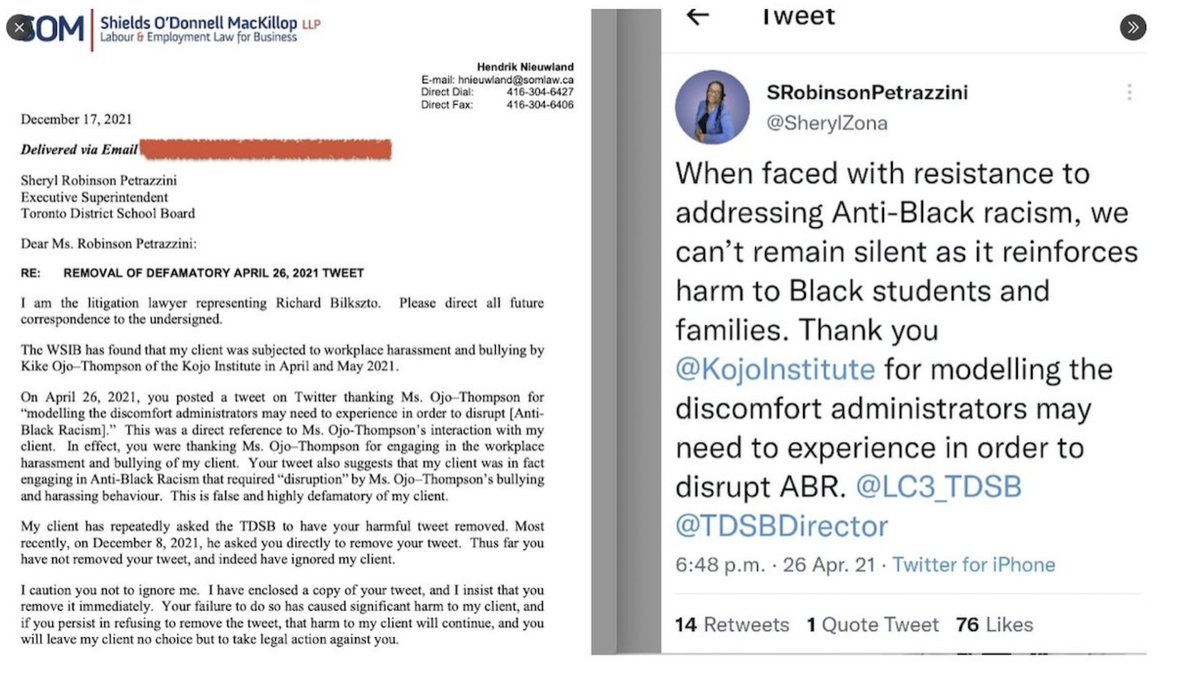
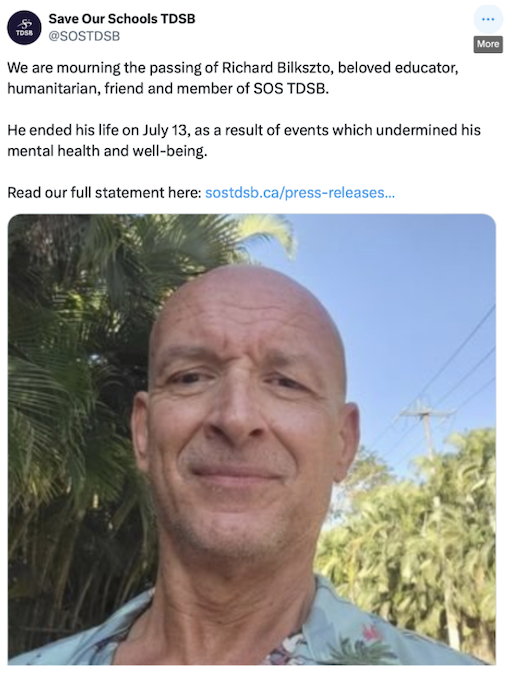
It has been nearly a year since we lost Richard Bilkszto.
Richard was a kind, dedicated educator that cared deeply about ALL students.
He was passionate about adult education and worked diligently to serve those students in the @tdsb @toddsmith @onedu @tdsbdirector
26
134
339
56,378
Save Our Schools TDSB retweeted

19 Dec 2025
This is a very good comment from Ontario Education Minister Paul Calandra on the crazy TDSB event.
58
126
634
33,269
Save Our Schools TDSB retweeted

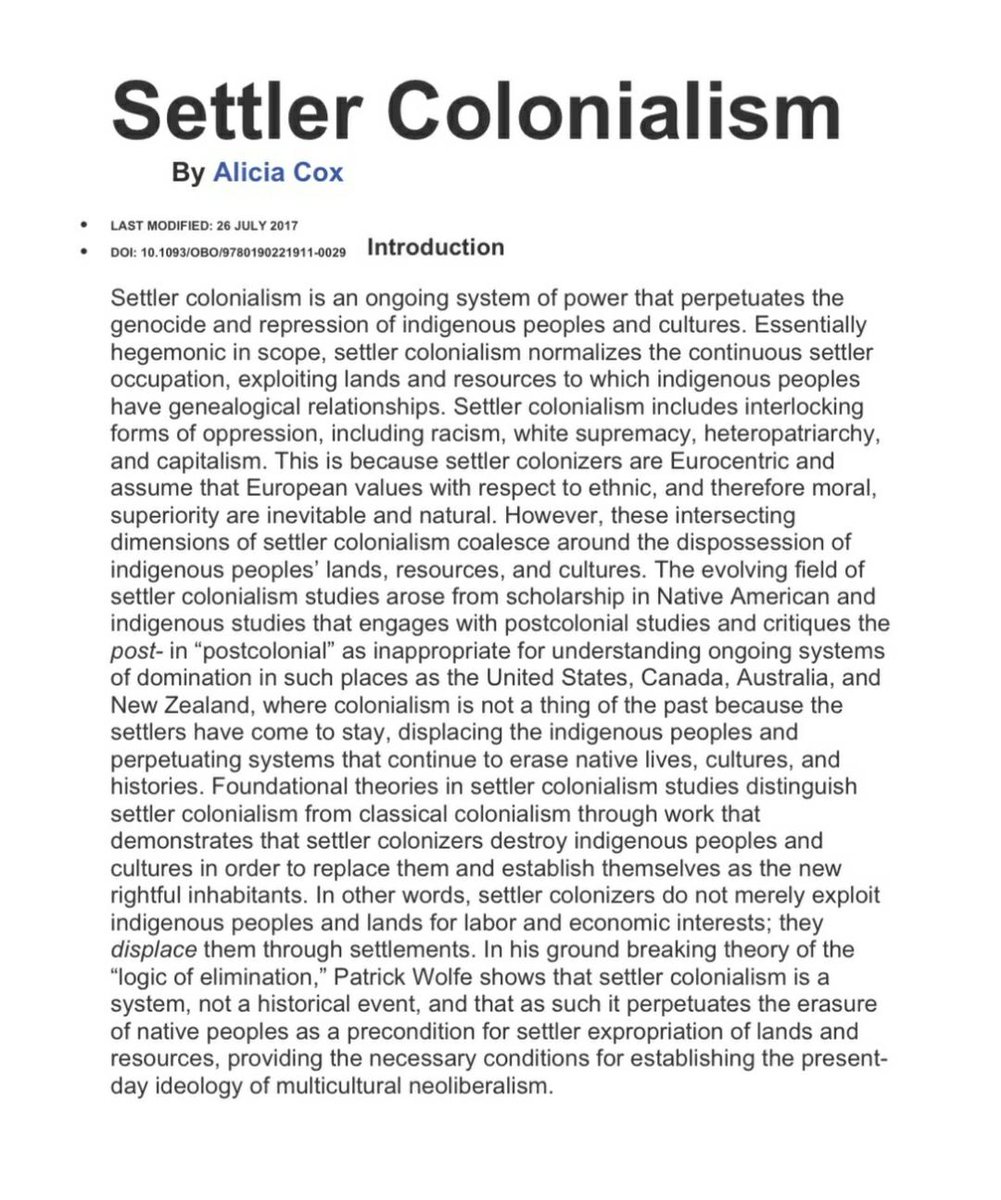
In John Carpay's latest column, he explains why mandatory land acknowledgements are political statements—not neutral facts—and why forcing parents to sit through them violates freedom of expression and state neutrality.
theepochtimes.com/opinion/jo…
9
135
375
18,728
30 Nov 2025
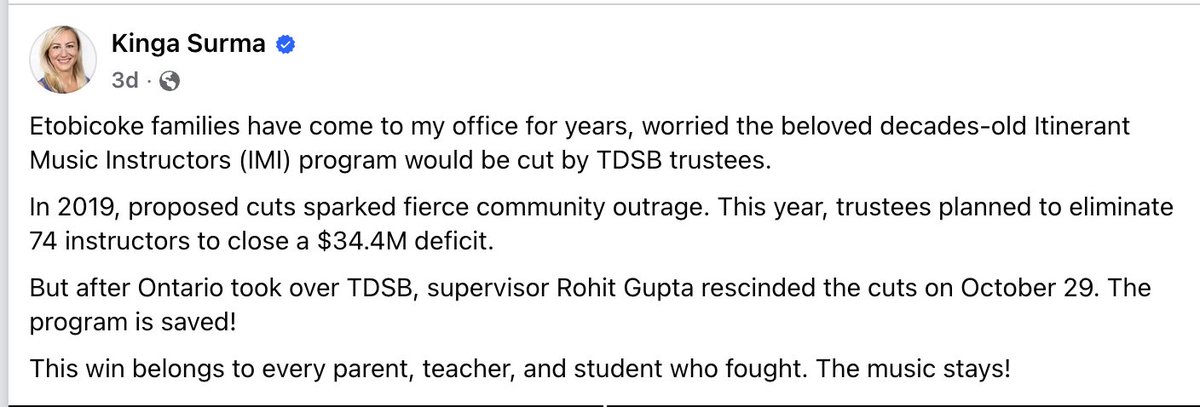
Thank you @KingaSurmaMPP for your advocacy.
Yet another reminder that @TDSB can do better for students and staff under the right leadership.
1
3
757
Save Our Schools TDSB retweeted

24 Nov 2025
Our public education system is stronger thanks to your advocacy.
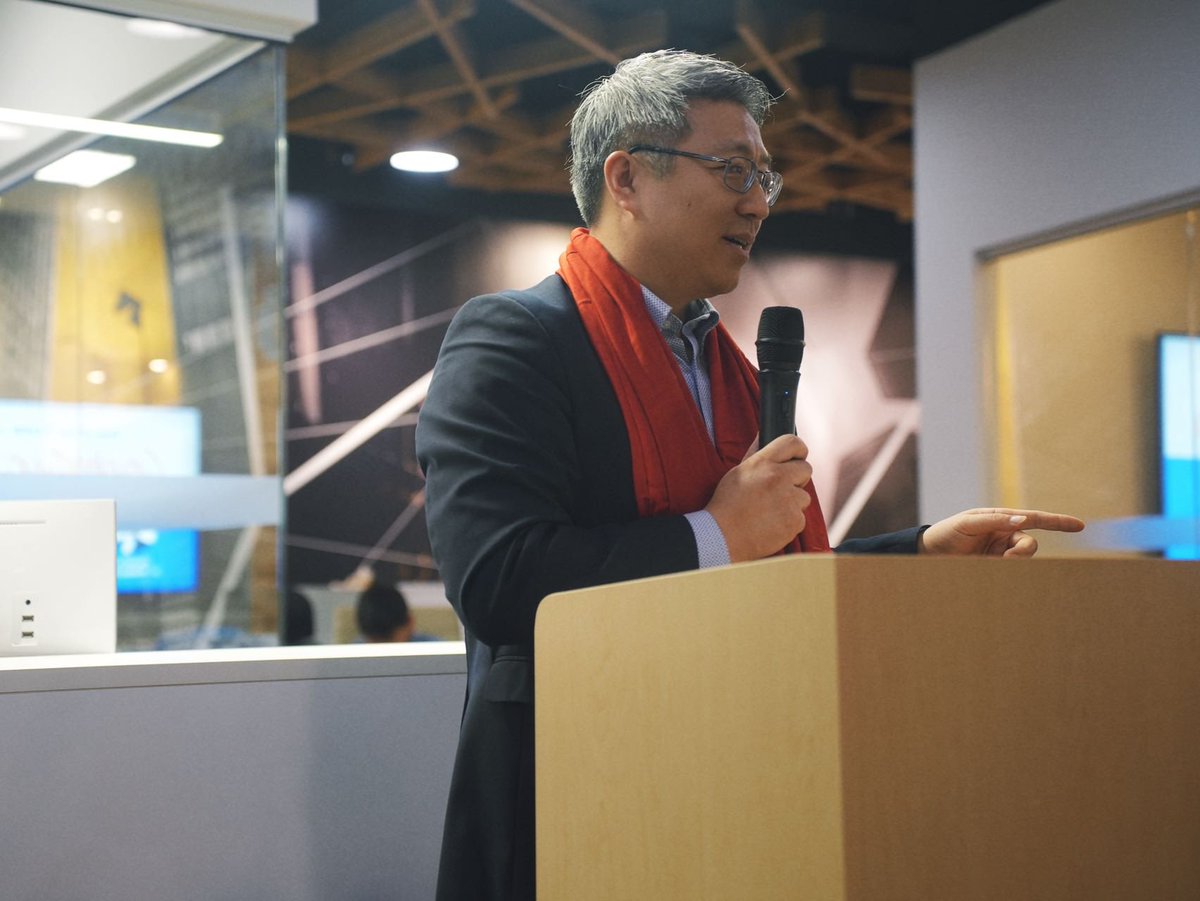
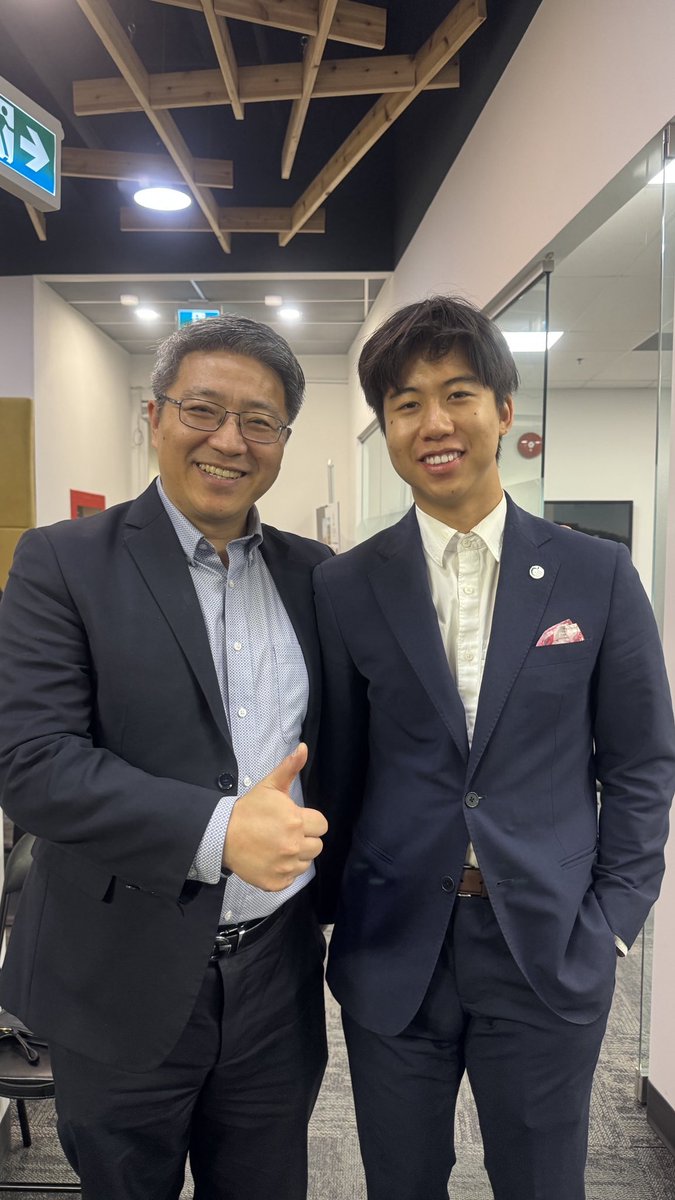
A privilege to bring together parents, students, educators and community leaders for a party to celebrate the end of the TDSB lottery.
Once again, hard work will mean something in Toronto public schools.


2
3
14
1,622
22 Nov 2025
Well. Never thought the day would come where the NDP care about EQAO scores.
21 Nov 2025

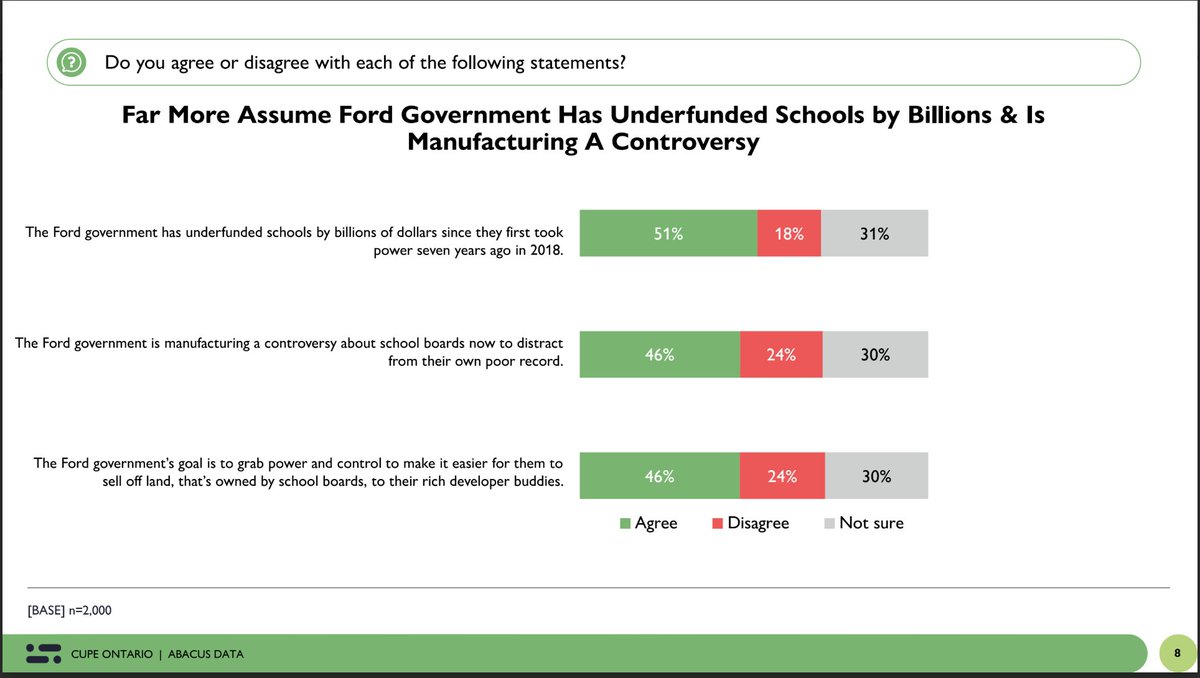
What is Ford hiding?
In 30 years, no government has ever hid the EQAO results no matter how badly they highlight the government's failures.
Having cut $3.1 billion from our children's schools, increased class sizes, & shut off cameras in school board meetings, Ford is now hiding the results of his failures.
#onted #onpoli
7
789
20 Nov 2025
Yes.
20 Nov 2025

Here’s something the general public doesn’t understand.
Bill 33 allows the Minister of Education to direct an investigation of a school board if the Minister has concerns about a matter of public interest.
Matters of public interest include whether school boards, board members and directors of education are carrying out their duties under the Education Act in an appropriate manner.
Previously, the Ontario College of Teachers was tasked with regulating and governing the teaching profession in the public interest.
Does this mean the OCT hasn’t been doing its job?
@SOSTDSB @Teachers__Unite @PaulCalandra @ETFOeducators @osstf @OPCouncil @OCT_OEEO #onted #onpoli
4
1
6
1,056
20 Nov 2025
RT @PaulCalandra: A significant day at Queen’s Park as Bill 33 received Royal Assent.
We’re moving forward with our work to support teach…
8
19 Nov 2025
RT @PaulCalandra: I’m not willing to wait until a school board collapses before action is taken. This approach has failed our system for ov…
20
19 Nov 2025
While @TDSB pats themselves on the back, millions of students had their personal data compromised.
Not a great look.
thestar.com/news/gta/tdsb-an…
1
1
5
458
16 Nov 2025
Spot on.
Note all of the organizations panicking about this “loss of democracy” are those who stand to lose their grip of power on Ontario education.
16 Nov 2025
People are asking for a list of all the problems within Ontario's education system. The following list is not exhaustive, but it highlights some of the major problems. These problems are in no particular order:
1. School board trustees sometimes refuse to follow ministry policies and procedures, and sometimes even ministry directives, which leads to inappropriate or illegal financial dealings ranging from executive pay hikes to violations of the board’s expenses policy, misuse of funds, money not making its way to the classroom as intended etc.
One audit of the TDSB found that trustees had used $3.2 million in funding intended for youth programs to balance its budget in fiscal 2012-13, which is not allowed.
The same audit also found that 45% of board contracts awarded did not use a competitive bidding process as required by the province, and 30% of the expenses claimed were potentially ineligible for refund but were awarded to the claimant, anyway.
Several different reviews also found a "culture of fear, silence, and retribution" in school boards, where employees fear losing their jobs if they don't do what they're told. These reviews conclude that school board trustees are responsible for a large part of this culture because they "meddle" and "interfere" in school board daily operations, especially around hiring and firing, something that is expressly forbidden (unless they are hiring/firing the director of education).
2. School board trustees are sometimes "blindsided" by directors of education who do "end runs" around school board trustees to get their own way or to attempt to do what the ministry of education says. (Directors of education have 2 bosses who often give conflicting advice.)
Sometimes, directors of education also convince boards of trustees to give them large pay raises (using restructuring as the reason), and these pay raises have violated ministry policies. Some trustees have even given directors of education contracts with no end dates, meaning "forever in the role" (until the director of education decides to retire).
3. Boards of Trustees are not conducting performance appraisals on Directors of Education as required, and if they do, the directors of education play a large role (in their own appraisal).
4. The College of Teachers is responsible for self-regulation, but it is not transparent or efficient. The College is also responsible for protecting the public interest, but it is not doing that effectively, either.
In 2011, the OCT was caught allowing the quiet transfer of teachers who were guilty of sexual abuse of students to other schools. It didn't end until the Toronto Star blew the story wide open.
A new issue has now surfaced where the OCT is quietly pressuring teachers to surrender their teaching licenses over alleged freedom of expression violations - without any investigation. Therefore the public has no idea the OCT is doing this. This is also likely a violation of the Canadian Charter of Rights and Freedoms.
5. The Ontario government does not currently have the power to monitor the system well enough.
Previously, neither the NDP, the Liberals or the Conservatives Parties wanted that responsibility, preferring instead to use school board trustees as their "whipping posts" (meaning the government can blame trustees instead of themselves or the lack of funds when there are problems).
Paul Calandra has admitted this and has committed to proper oversight (which means taking power away from school board trustees) and making directors of education toe the line, whether the trustees and unions like it or not.
Some trustees and unions are "screaming" that this is a "loss of democracy" because theses trustees and the unions don't want to lose their power. (They like the system the way it is because they are benefiting from that system.)
6. There is a proveable case of large-scale discrimination in one school board (Peel) and it was being totally ignored for a very long time. Even after a supervisor was appointed and directives laid down, the Board of Trustees still refused to comply with the supervisor and some of the directives.
7. Many reviews and audits in the past 10 years have concluded that most of these issues stem from dysfunction and deficit of leadership capacity on both the elected and administrative sides of the organization - meaning both school board trustees and directors of education are collectively responsible - and the provincial government cannot solve this problem without stripping trustees of their power and making directors toe the line.
8. When people (including employees and trustees) who speak up about these issues, they are are penalized - at an enormous cost to themselves and their families - and the trustees and directors of education who penalize them use taxpayers' money to squash all of these efforts. (Think David vs. Goliath.)
9. Unions are not innocent. They play the exact same political games. They hold kids and parents hostage in order to gain larger salaries for their members, which will bring more money to their "war chest."
Unions even hold teachers hostage in some ways because teachers are required - by law - to belong to a union, and the unions automatically collect 1.3% of a teacher's gross salary (ETFO) and 1.6% of a teacher's gross salary (OSSTF) while storing $300 million in a "war chest" to fight the provincial government. And instead of helping solve these problems, the union executive donate money to pet projects and charities that do not benefit their members or students. Some of the money even goes overseas.
So not only are teachers buying supplies for their own classrooms, they are giving (on average) $1000 a year (to ETFO) and $1400 a year (to OSSTF), plus another $200 a year to the OCT.
This is a legal requirement, whether the teacher wants to belong to - or give - these associations/organizations or not.
10. The unions often run entire slates of candidates for OCT elections, giving them the ability to control the OCT as well.
(Before the OCT was created, school board trustees and teachers' federations made education decisions.)
It's no wonder, then, that the unions are supporting trustees in "fighting" Paul Calandra on the changes he needs to make. (It's also why ETFO has amassed a $300 million dollar "war chest.)
11. There is a lack of proper funding, particularly as it pertains to students with special needs. In order to solve the rising violence problem and escalating mental heath issues within schools, school boards need proper special education funding so they can open more small classes and hire more support staff.
Principals also need to be able to suspend students who misbehave. (There needs to be consequences for inappropriate behaviour. Otherwise, the behaviour will continue.)
There you have it - eleven reasons why @PaulCalandra needs to take power away from school board trustees and get a handle on overseeing the education system.
It's also why I'm fully supportive of @PaulCalandra and his efforts - and why I've written a book about the past 30 years or so in Ontario's education system.
The book is a career memoir. Trust me when I say it's going to be explosive.
People have been asking for my credentials. So here they are:
Ms. Kasman has been a member of the Ontario College of Teachers (OCT) since 1986 and is currently retired.
Until she retired, Ms. Kasman worked as an educator at all levels of the Ontario public school system for 28 years. Ms. Kasman was employed by the Durham District School Board (DDSB) for 18 years as a Teacher, Vice-Principal, and Special Education Facilitator.
Ms. Kasman was also employed by the KPRDSB for a total of 10 years as a Vice-Principal, Principal, Assistant Superintendent of Special Education, Acting Interim Superintendent of Curriculum and Special Education, and was seconded to the Ministry of Education as a Student Achievement Officer for three years.
While at the ministry, Ms. Kasman consulted to four different Toronto area school boards, including Canada’s largest school board, the Toronto District School Board (TDSB), provided constructive feedback on the draft Board Improvement Plan for the TDSB, assisted with a Student Work Study initiative – a preeminent strategy of the Literacy and Numeracy Secretariat – and supportedand guided four different Superintendentsin the Toronto area with the planning, coordination and implementation of the school improvement strategies in their areas.
Ms. Kasman also guided a TDSB System Improvement Team to improved test EQAO test scores, and helped implement a new ministry strategy by co-leading a series of Principal Learning Teams working toward the improvement of internal Instructional Leadership capacity.
While working as the Acting Executive Superintendent of Curriculum and Special Education in KPRDSB, prior to leaving for the ministry, Ms. Kasman won an award – an Education Safety Award presented by the Education Safety Association of Ontario – for managing an exemplary health and safety program and demonstrating an outstanding commitment to creating a workplace culture that made safety a top priority for all staff who had to work with aggressive and violent students.
Ms. Kasman holds an Honours Bachelor of Arts degree from the University of Toronto, a Bachelor of Education degree from the University of Toronto, a Master of Education degree in Theory and Policy Studies from the University of Toronto, participated in continuing professional development opportunities, and obtained various specialist qualifications in the education profession throughout her career, including Principal’s Qualifications and the Ontario Supervisory Officer Qualification and as well as numerous specialist teaching qualifications.
Ms. Kasman has taught both online and face-to-face Additional Qualifications (AQ) courses for two major Canadian universities in Math, Special Education, and Teacher Leadership.
Ms. Kasman has worked as an Adjunct Professor at York University, been a member of the Faculty of Education Candidate Selection Committee at Trent University, and a guest speaker at special education conferences and workshops in Durham Region hosted by international professional organizations dedicated to improving the educational success of children and youth with disabilities, gifts and/or talents.
Ms. Kasman is also an accomplished writer. She has had numerous articles published in professional educational magazines. The New-York Times Bestselling author, Daniel H. Pink, placed Ms. Kasman’s blog on his Reader Recommended List in December 2016.
Recently, Ms. Kasman has been giving media interviews across the province speaking about these issues. You can find links to some of those interviews here:
debbielkasman.com/media
#onted @onpoli @PaulCalandra @fordnation @douglasdowney @lornecoe @SteveClarkPC @SOSTDSB @Teachers__Unite @Educhatter @chris4_reform @Kathleen_Wynne @MaritStiles @krushowy @ColinDMello @isaaccallan @stubbs980 @NeedlesOnNews @HeatheratLFP @gregbradyx
2
15
1,306
Save Our Schools TDSB retweeted

15 Nov 2025
TDSB trustee Dr. Weidong Pei:
I'm a school board trustee and the trustee system has outlived its purpose
"In my view, it is a long-overdue opportunity to modernize an outdated governance model that no longer effectively serves students, parents and educators...Education Minister Paul Calandra’s willingness to review, restructure, or even eliminate the role of trustees is not an assault on democracy. It is an attempt to restore accountability and focus."
Well said, @DrPeiTO!
So happy to see a voice of wisdom and reason alongside mine recognizing the need for a new governance structure for Ontario's education system!
I'm tipping my hat to you, sir!
#onted #onpoli @Teachers__Unite @SOSTDSB @Educhatter @PaulCalandra
thestar.com/opinion/contribu…
4
5
14
1,550
14 Nov 2025
A compelling piece from @DrPeiTO in @TorontoStar this morning about why the trustee governance model needs to change:
thestar.com/opinion/contribu…
2
1
9
469
13 Nov 2025
RT @PaulCalandra: We're giving parents and families a clear, effective way to get timely solutions from their school boards.
We're going…
5

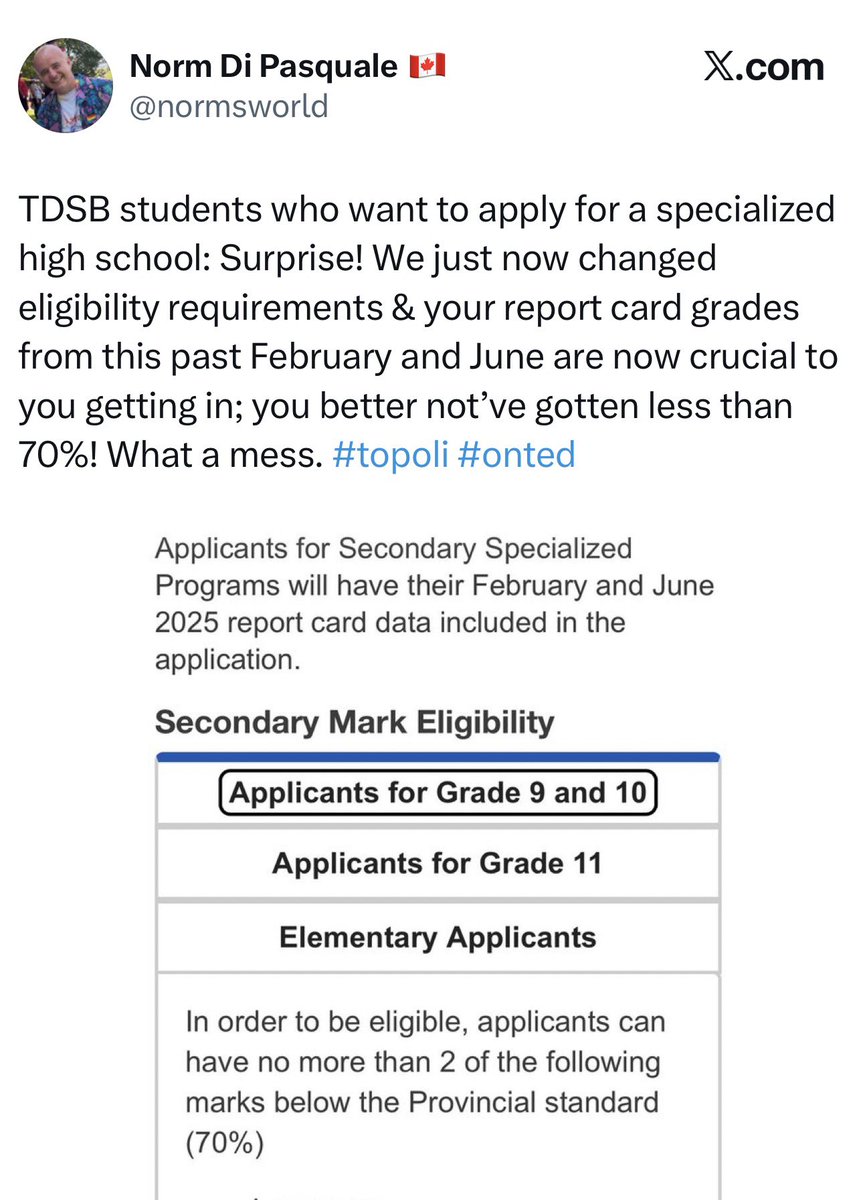
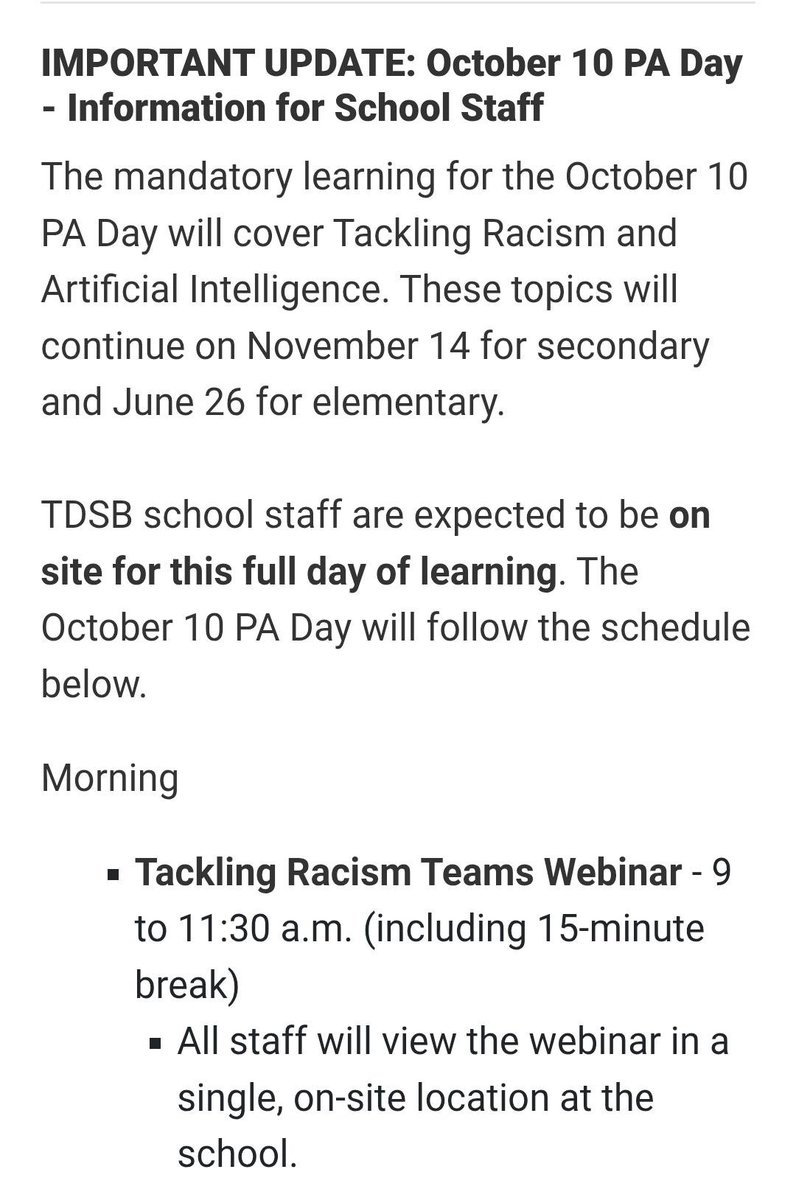
Students who get under 70% should not be admitted into elite specialized schools. This is a laughably low threshold and anyone who complains about it is likely putting partisanship over good educational policy.
8 Nov 2025

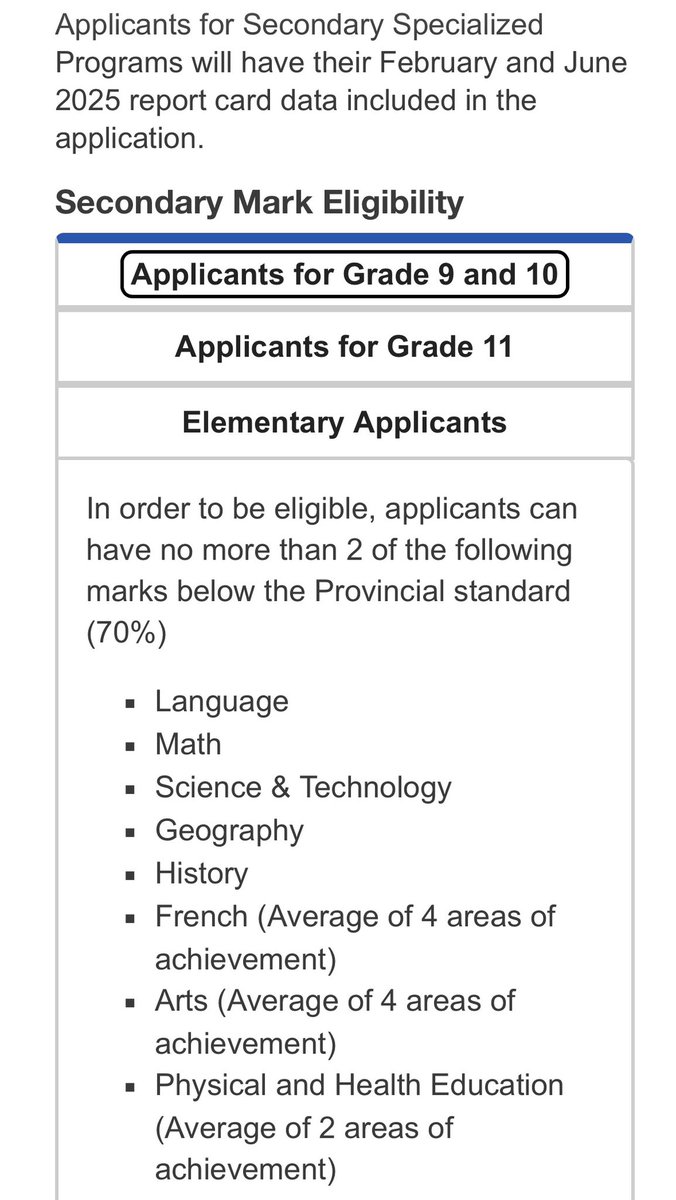
TDSB students who want to apply for a specialized high school: Surprise! We just now changed eligibility requirements & your report card grades from this past February and June are now crucial to you getting in; you better not’ve gotten less than 70%! What a mess. #topoli #onted
13
12
168
16,415
9 Nov 2025
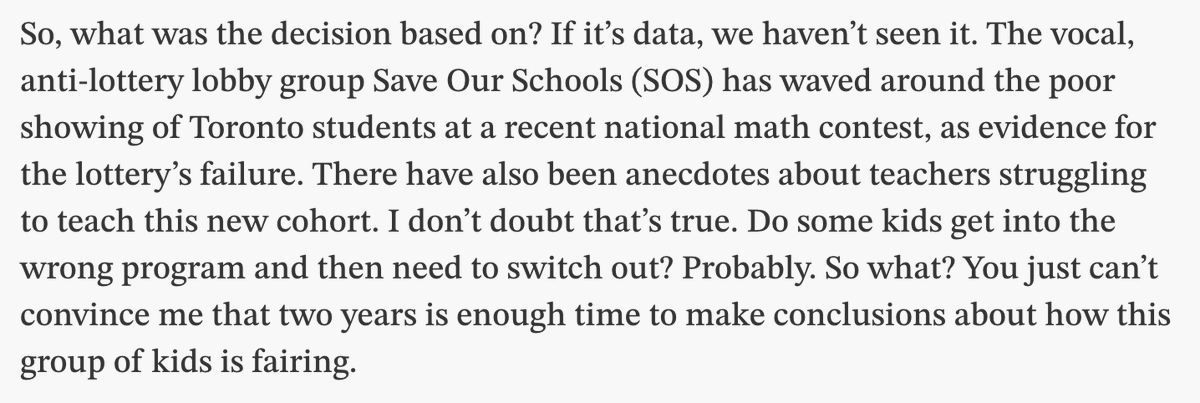
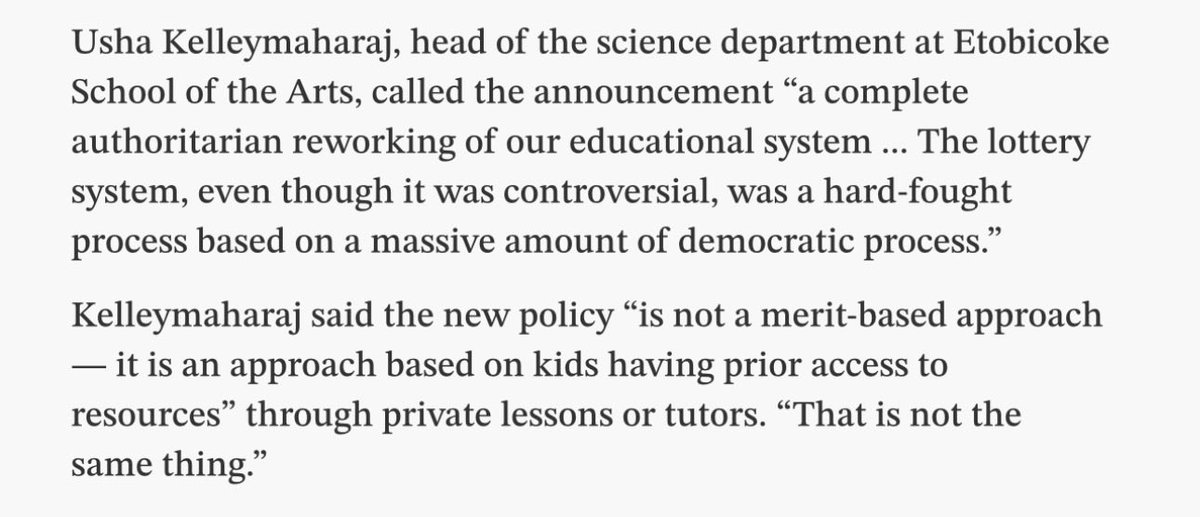
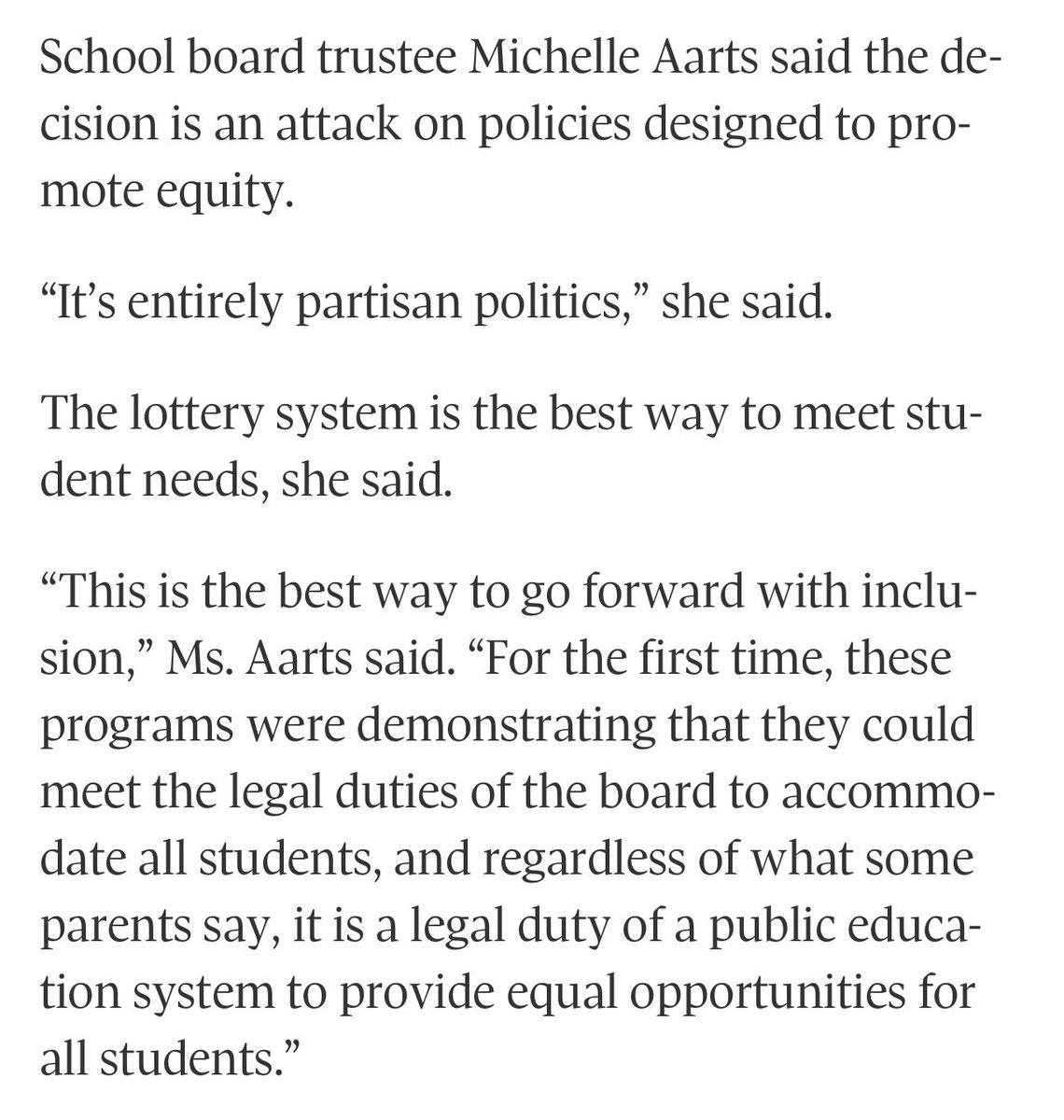
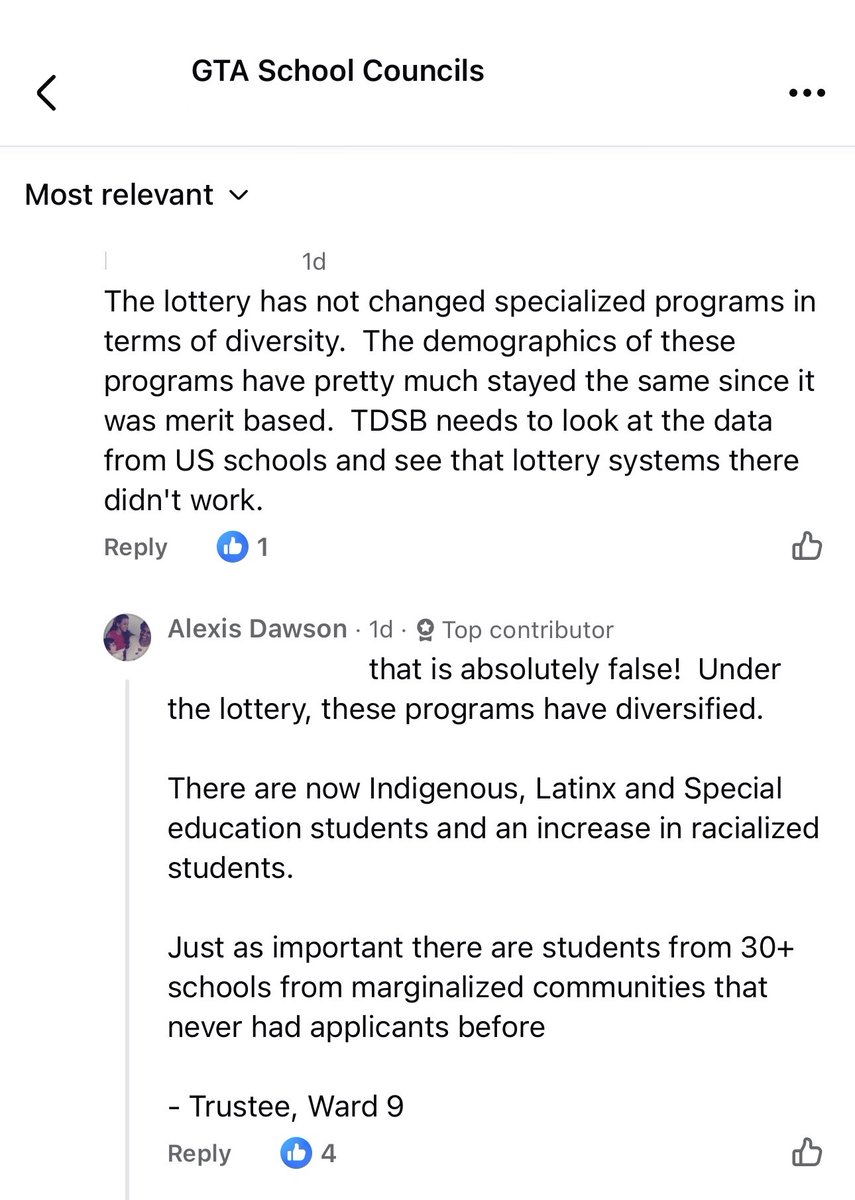
Nothing sums up the radical pro-lottery activists better than this snippet from @normsworld.
They simply don’t care about student achievement.
Norm is actively opposed to having any sort of minimum standard for a rigorous academic program.
5
305
8 Nov 2025
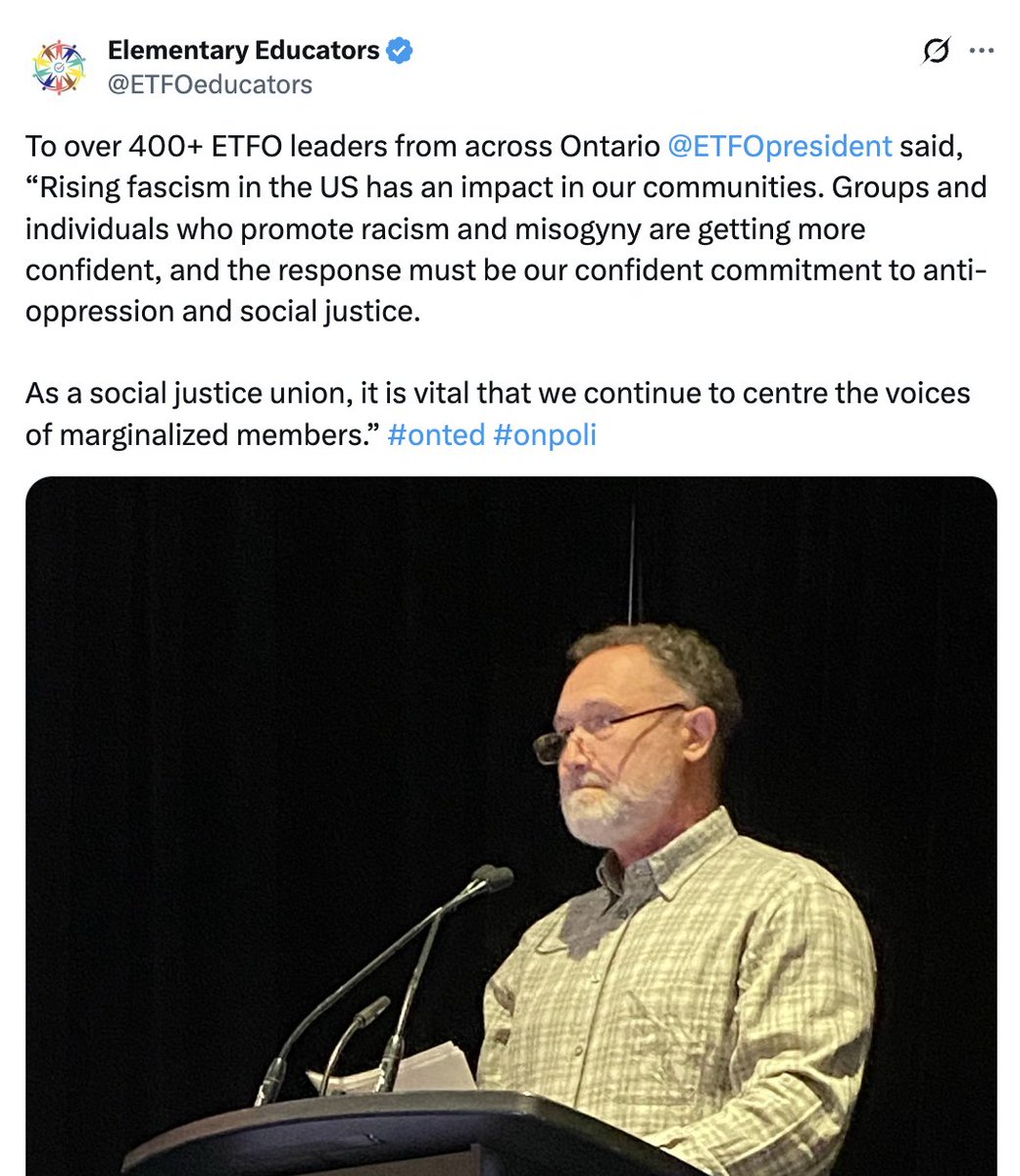
Yes, these unions are definitely credible watchdogs and don’t just represent the interest of a certain group.
Oh wait. Isn’t that the definition of a union?
Bill 33 takes power away from overzealous activist staff and trustees. And that’s good news for Ontario families.
7 Nov 2025

If you care about public education, follow credible watchdogs like @osstf, @ETFOeducators, and @CUPEOntario — and read Bill 33 yourself. The details speak louder than slogans! 9/9 #DougFordIsCORRUPT
6
1
18
919
6 Nov 2025
Who are these “wealthy donors” you speak of?
Please stop peddling conspiracy theories.
5 Nov 2025

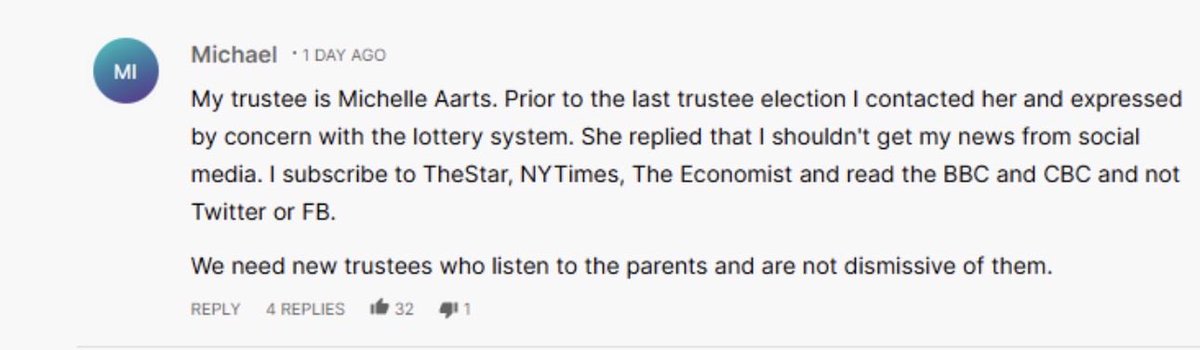
It’s so frustrating. Government is supposed to represent the needs and wishes of the people, not the wishes of a few wealthy donors. Cutting out this consultation is a slap in the face to parents/guardians, educators, and education workers.
1
9
684
4 Nov 2025
Geeee I wonder why.
Could it be because parents don’t like it when the @TDSB consistently puts ideological virtue signaling ahead of student achievement?
torontotoday.ca/local/educat…
1
3
21
777
3 Nov 2025
RT @PaulCalandra: The Near North District School Board is a shining example of a board where trustees pursued personal agendas over student…
9
1
Save Our Schools TDSB retweeted

2 Nov 2025
It was a magical ride with all of you.
Our city, our home, our fans showed up on the grand stage...and we couldn't be prouder.

8,629
10,971
120,917
5,919,347