White Man
Joined October 2022
- Tweets 10,086
- Following 507
- Followers 422
- Likes 9,087
977 Photos and videos





Pinned Tweet

18 Dec 2025
In the realm of traffic systems, the four-way stop intersection can be seen as embodying principles of American individualism and freedom, where priority is determined solely by arrival order in a "first come, first served" manner, reflecting an egalitarian ethos where every driver starts on equal footing without regard to their origin or destination, demanding personal initiative and self-reliance in navigating the moment through eye contact and quick decisions. Conversely, the roundabout aligns with philosophies often associated with European socialism, emphasizing collective flow and interdependence, as right-of-way depends on the positions and paths of all participants, requiring ongoing yielding and awareness of the group's dynamics to maintain harmony, which mirrors a system prioritizing communal efficiency and structured cooperation over unbridled individual assertion.
I reject communism in all its forms.
2
1
5
541

Sam Beckett retweeted

Jun 5
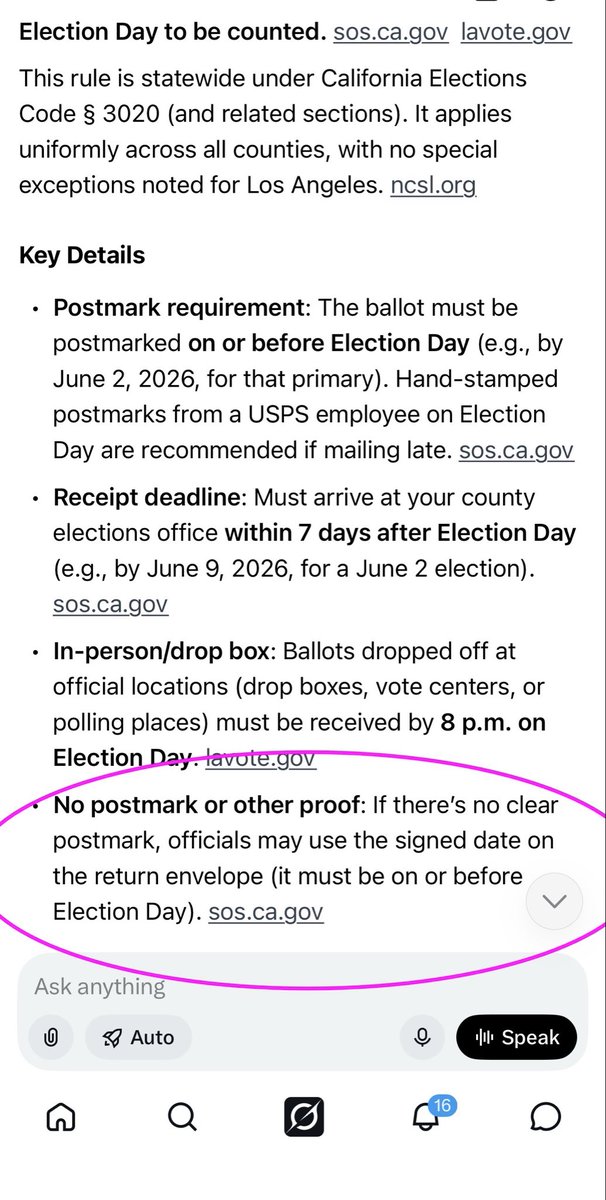
Are you kidding me !!! WTF ......
x.com/i/status/2062329607379…

2
15
26
1,107
Sam Beckett retweeted

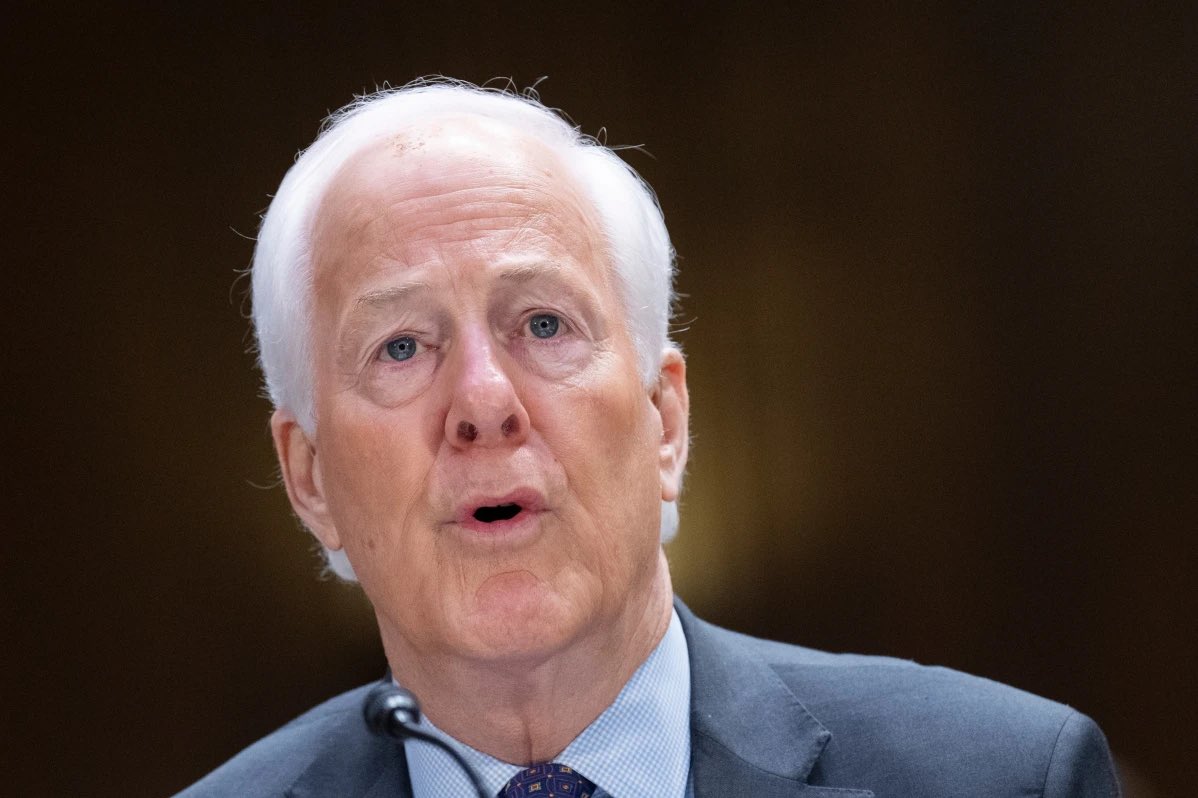
This is John Cornyn.
He received over $2 million from AIPAC and pro-Israel donors.
He just lost his race to Ken Paxton, who has received $0 from AIPAC.
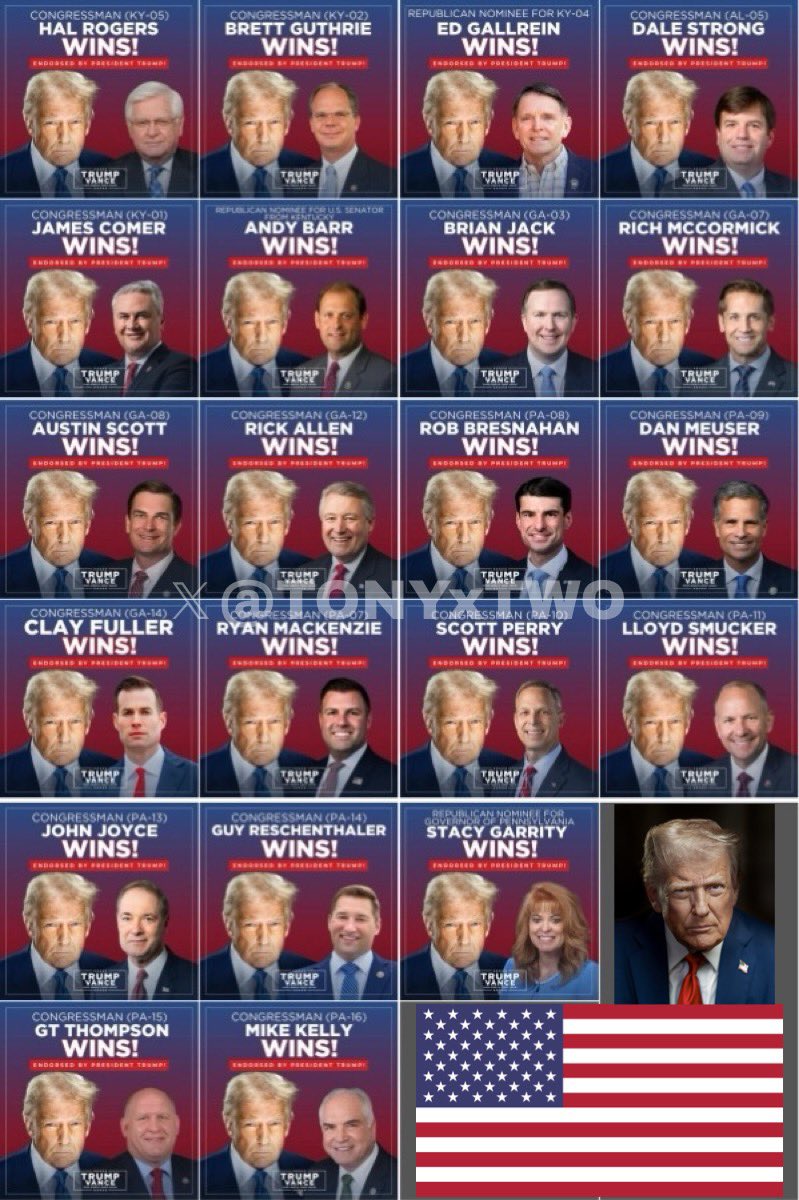
Trump endorsed Ken Paxton. That’s why he won. Trump endorsed Ed Gallrein. That’s why Thomas Massie lost.
215
407
2,747
73,754
Sam Beckett retweeted

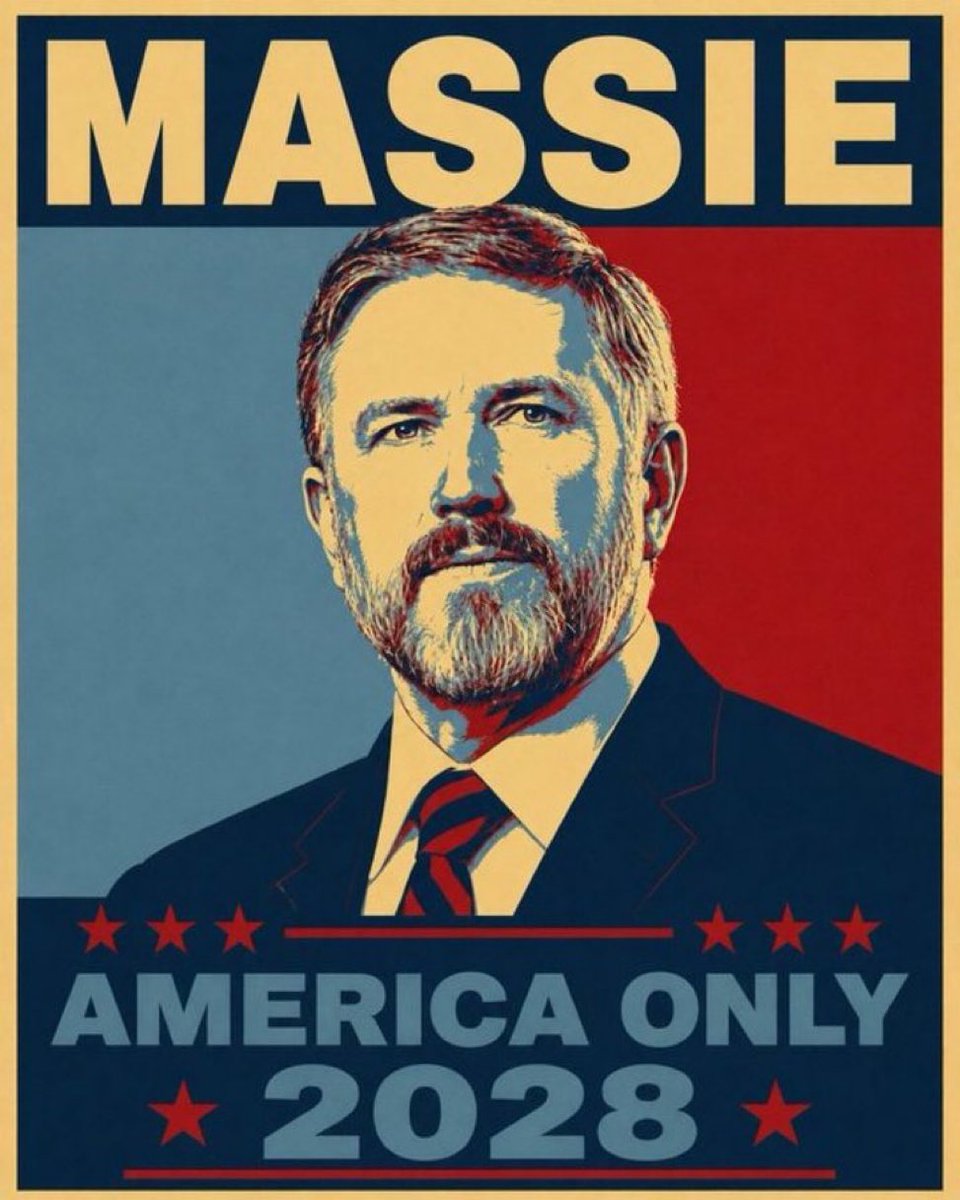
Thomas Massie will NEVER be President.
Libertarians max out at 2-3% of the vote for a reason.
Their policies have been flat-out rejected by the American people.
They’re isolationists who’d happily hand the world over to China while slashing everything in sight—defense, infrastructure, you name it.
Zero broad appeal. Zero coalition. Just pure ideological cosplay that gets crushed every single cycle.
America isn’t buying what they’re selling. End of story. 🇺🇸
733
275
1,034
22,974

I've been a libertarian since I was 19. Thomas Massie was my literal north star of politicians for over a decade. What changed? My understanding of money and capital flows. The more I learned the more his grift became obvious. I'm also no longer a libertarian. It's a neat rhetoric but addresses nothing. This is my research below using an AI framework I built and operate.
How Thomas Massie’s votes during Trump 2.0 directly harmed his Kentucky 4th District constituents:
Voted against Trump’s major tax and spending package (“One Big Beautiful Bill”):
Massie’s spin: “I won’t vote for bloated spending and more debt. Principles over party."
This bill contained critical tax relief, domestic manufacturing credits, and energy production incentives. Northern Kentucky’s manufacturing and logistics hubs in Boone, Kenton, and Campbell counties (Hebron, Erlanger, Covington) would have directly benefited from reshoring and job growth in auto parts, aerospace components, and advanced manufacturing.
Opposed Trump’s tariffs on China and adversarial nations:
Massie’s spin: “Tariffs are taxes on Americans. Free markets and free trade are the answers.”
Kentucky’s steel, aluminum, and auto parts suppliers along the Ohio River and I-75 corridor were getting crushed by Chinese dumping. His repeated “no” votes kept the globalist offshoring incentive alive, directly threatening factories and blue-collar jobs in Gallatin, Carroll, and Boone counties.
Sponsored War Powers Resolution to restrict Trump’s Iran actions:
Massie’s spin: “Congress must check executive war powers. No more endless wars.”
Northern Kentucky has major logistics, trucking, and fuel distribution tied to stable energy prices. Weakening leverage on Iran prolonged supply chain risk and higher diesel/fertilizer costs for local manufacturers and farmers in his district.
Voted against key industrial policy and DPA 303 reshoring measures:
Massie’s spin: “Government picking winners and losers is cronyism. I support small government.”
The 4th District has strong potential in advanced manufacturing and critical minerals. Blocking these tools delayed job creation in economically depressed areas like Grant and Pendleton counties that lost factories during the globalist offshoring wave.
Opposed major border security funding in appropriations bills:
Massie’s spin: “I won’t support bloated omnibus bills with waste.”
Construction, meatpacking, and service industries in Kenton and Campbell counties face direct wage suppression from illegal immigration. His resistance prolonged downward pressure on working-class wages in his own backyard.
Voted against foreign aid packages tied to bilateral energy and security deals:
Massie’s spin: “We shouldn’t be the world’s policeman. America First means no foreign entanglements.”
These packages supported alliances that stabilize energy flows. Kentucky’s agricultural exporters (bourbon, soybeans, tobacco) and energy-dependent manufacturers needed reliable trade routes. His votes undermined the bilateral architecture that would have given Kentucky producers better market access.
Blocked government funding bills containing America First priorities:
Massie’s spin: “I refuse to vote for continuing resolutions that kick the can down the road.”
These bills included tariff enforcement funding, domestic energy production, and manufacturing tax credits. His obstruction delayed practical help for the I-75 manufacturing corridor and Ohio River industrial towns in his district.
Bottom line: Massie consistently wrapped globalist-friendly votes in libertarian rhetoric. He knew the data on offshoring damage and energy vulnerability in Northern Kentucky, yet chose ideological purity over policies that would have delivered real jobs, higher wages, and economic security to his constituents.
285
997
2,977
62,903
Sam Beckett retweeted

He'd be stupid if he wasn't....
4
34
385

Sam Beckett retweeted

May 18
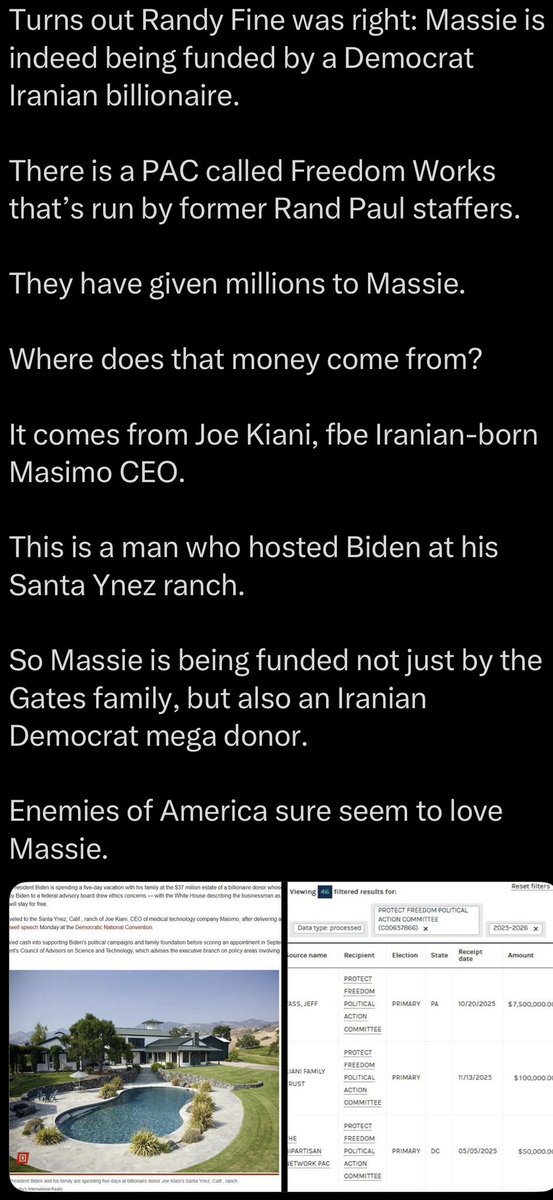
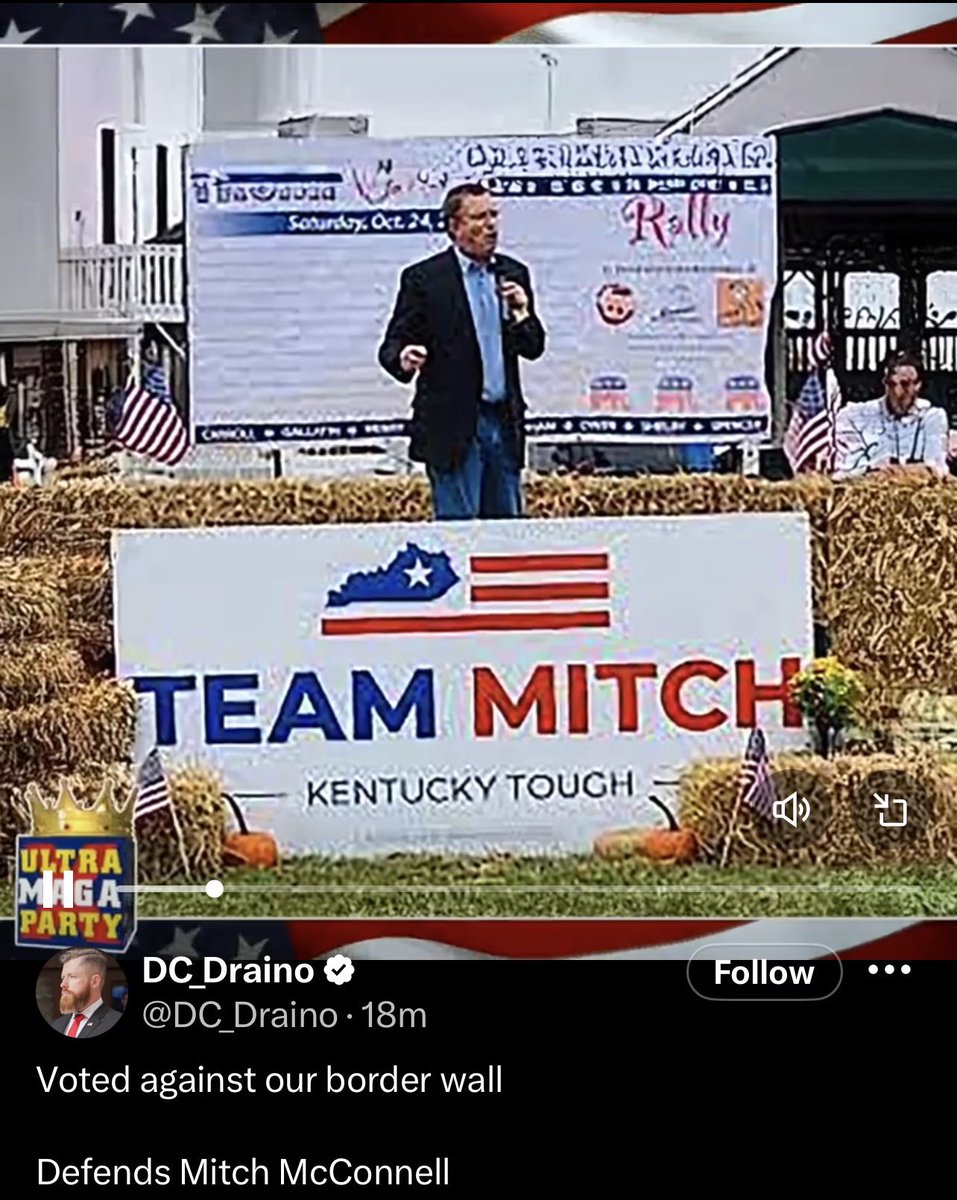
Massie has always been McConnell's waterboy. Used by McConnell to sabotage anti-establishment movements within the GOP base.
x.com/CincinnatusPax/status/…
May 13

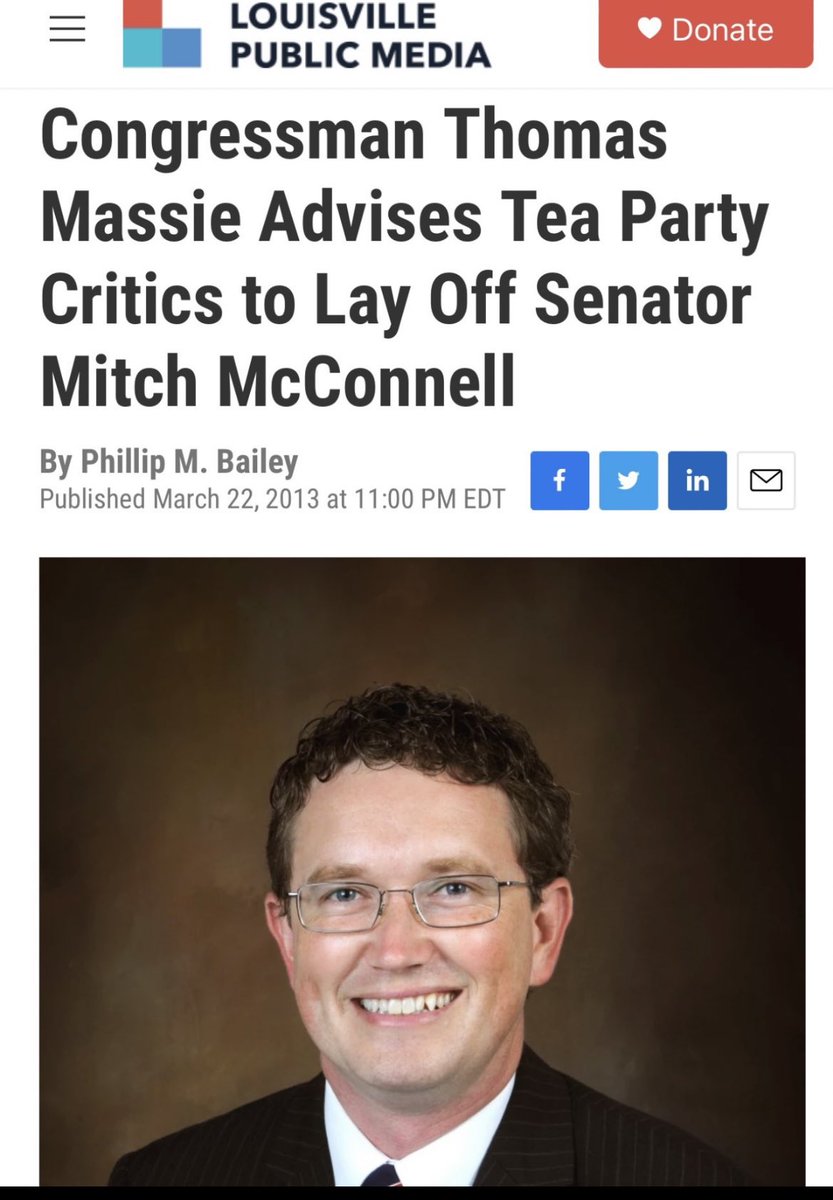
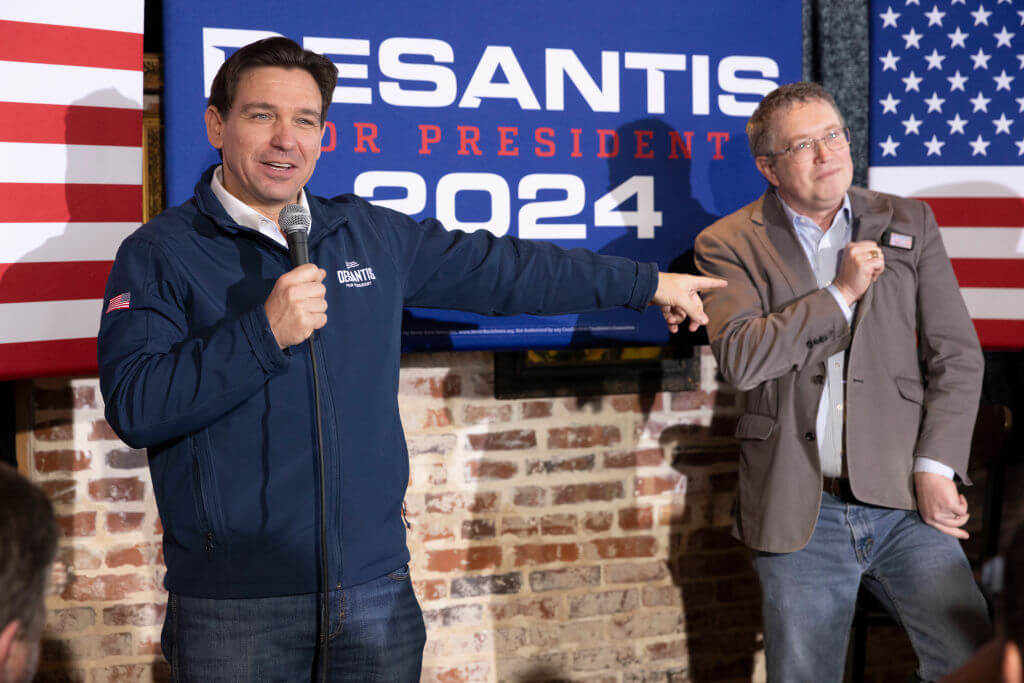
Those who are not new to the GOP have seen Massie's playbook before. He helped McConnell kill off the Tea Party movement. This is the same op against America First. Also the reason he campaigned for DeSantis.
x.com/CincinnatusPax/status/…
8
26
461
Sam Beckett retweeted

May 16
People I used to admire and no longer do:
Candace Owens
Tucker Carlson
Megyn Kelly
Thomas Massie
Brett Weinstein
Ian Carroll
JP Sears
Crazy how much the last 9 months has revealed.
2,043
1,065
11,832
294,294
May 15
She needs to read notes while she tells a personal story from her own experiences. She looks down, 'forgetting her next line,' and reads, 'because... yeah I liked her a lot.'

Candace jokes "I had to basically become a lesbian for a year"and says she was helping Charlie chase a girl he was crazy about before Erika. When the girl would text Charlie, Candace would be the one texting her back. The girl ultimately broke Charlie's heart but she and Candace stayed close.
53
Sam Beckett retweeted

11 Sep 2025
If you believe free speech is for you but not your political opponents, you're illiberal.
If no contrary evidence could change your beliefs, you're a fundamentalist.
If you believe the state should punish those with contrary views, you're a totalitarian.
If you believe political opponents should be punished with violence or death, you're a terrorist.
14,688
135,819
597,246
24,515,345
Sam Beckett retweeted

May 5
It’s illegal to feed wildlife at national parks because they get dependent on handouts and forget how to survive.
Kinda sounds familiar doesn’t it?
706
7,244
62,455
1,041,537
Sam Beckett retweeted

Tucker Carlson literally forgot what he said in his New York Times interview - where he hoped for a future where people are "legitimately revolutionary, maybe even VIOLENT" - he had to DISAVOW IT in the follow-up.
Tucker spews so much BS he can't keep track of it from one interview to the next.
151
692
3,124
100,211
Sam Beckett retweeted

May 4
Tucker Carlson: “I know from people in the White House.”
NYT: “Who?”
Tucker Carlson: “You know? I don’t know who.”
380
648
4,275
187,827
Sam Beckett retweeted

🔥🚨DEVELOPING: Tucker Carlson went to an extreme during his interview with The New York Times. Carlson claims Donald Trump has a “supernatural component” that makes people who get near him submit and went on to claim he believes Trump is casting spells on people and alleges that Trump once placed the same spell on him.
Carlson: “And I think it probably literally is a spell. And the effect is to weaken people around him and make them more compliant and more confused. And I’ve experienced this myself. You spend a day with Trump and you’re in this kind of dreamland. It’s like smoking hash or something. It’s interesting, very interesting.”
1,043
540
3,134
675,776
May 2
You are telling me this ISN'T a leftist? News flash: Tucker never left FOX news.
Tucker claims the words "could this be the antichrist?" never left his lips. NYT shows a clip of him saying exactly that:
31
Sam Beckett retweeted

Tucker claims the words "could this be the antichrist?" never left his lips. NYT shows a clip of him saying exactly that:
701
1,530
8,514
2,117,554
Apr 30
We're drinking for DAC tonight. RIP
Willie, Waylon and Me youtu.be/2fk546kuEGI?si=Ry8J… via @YouTube
1
54