
Surgeon and Creative Writer. Interest:Education and the World, Ex Associate Professor RG Kar Medical College
Joined March 2019
- Tweets 1,621
- Following 1,484
- Followers 397
- Likes 17,970
45 Photos and videos


10
Samik Kumar Bandyopadhyay retweeted

🚨 BREAKING Scientists may have just cracked the code on Alzheimer's and Parkinson's — WITH ONE PILL.
A drug called Buntanetap was just published in a peer-reviewed journal with Phase 3 data.
Phase 3 means that we are on the verge of FDA approval.
It targets the ROOT CAUSE of both diseases simultaneously.
Here's what you need to know 🧵👇
#Alzheimers #Parkinsons
Community note
Buntanetap's published Phase 2/3 Alzheimer's trial missed primary endpoints due to inclusion of non-biomarker-confirmed patients; a pivotal Phase 3 trial is ongoing with completion expected in 2028. The drug is not on the verge of FDA approval. nature.com/articles/s4440… clinicaltrials.gov/study/NCT06709…
190
1,317
4,650
497,208
Samik Kumar Bandyopadhyay retweeted

Jun 1
RAS finally getting drugged is one of the great stories in modern biology, and almost nobody outside oncology understands why it's such a big deal.
YOU'LL LEARN SOMETHING AWESOME TODAY.
i am going to keep this as understandable (and simple) as i can.
OPEN THE THREAD.
🧵
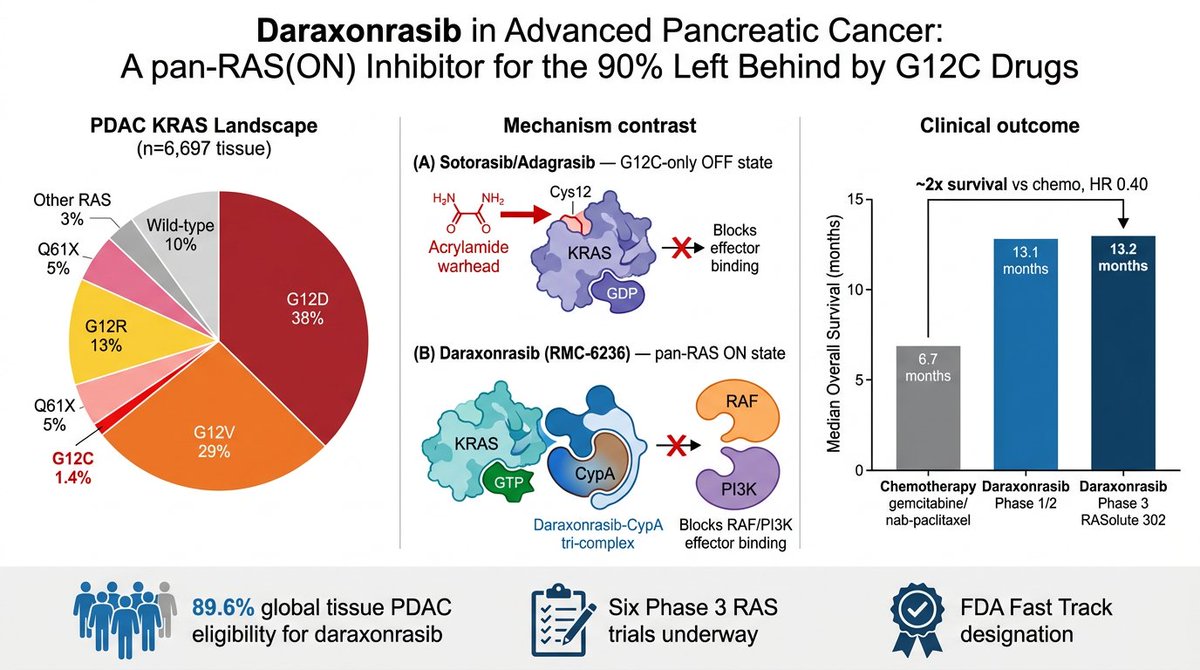

Cheers, chills, and a standing ovation when RASolute 302 showed unprecedented survival on daraxonrasib for patients with progressive pancreatic cancer
Seldom do you sense you’re witnessing a historic moment in cancer care but this feels like ras targeting has arrived
#ASCO26
25
424
1,655
265,403
Samik Kumar Bandyopadhyay retweeted

May 25
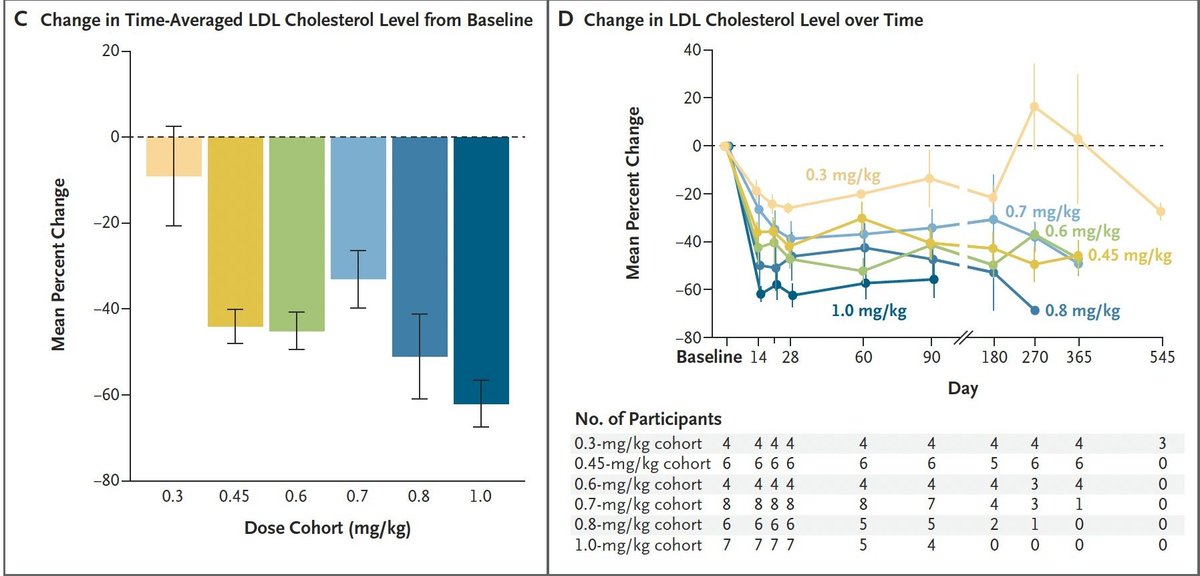
Eli Lilly has done it.
They've gone and made what seems to be a powerful, permanent gene therapy for LDL cholesterol.
That means they'll be able to effectively prevent most heart disease with a single infusion!
557
1,691
15,468
5,775,974
Samik Kumar Bandyopadhyay retweeted

May 16
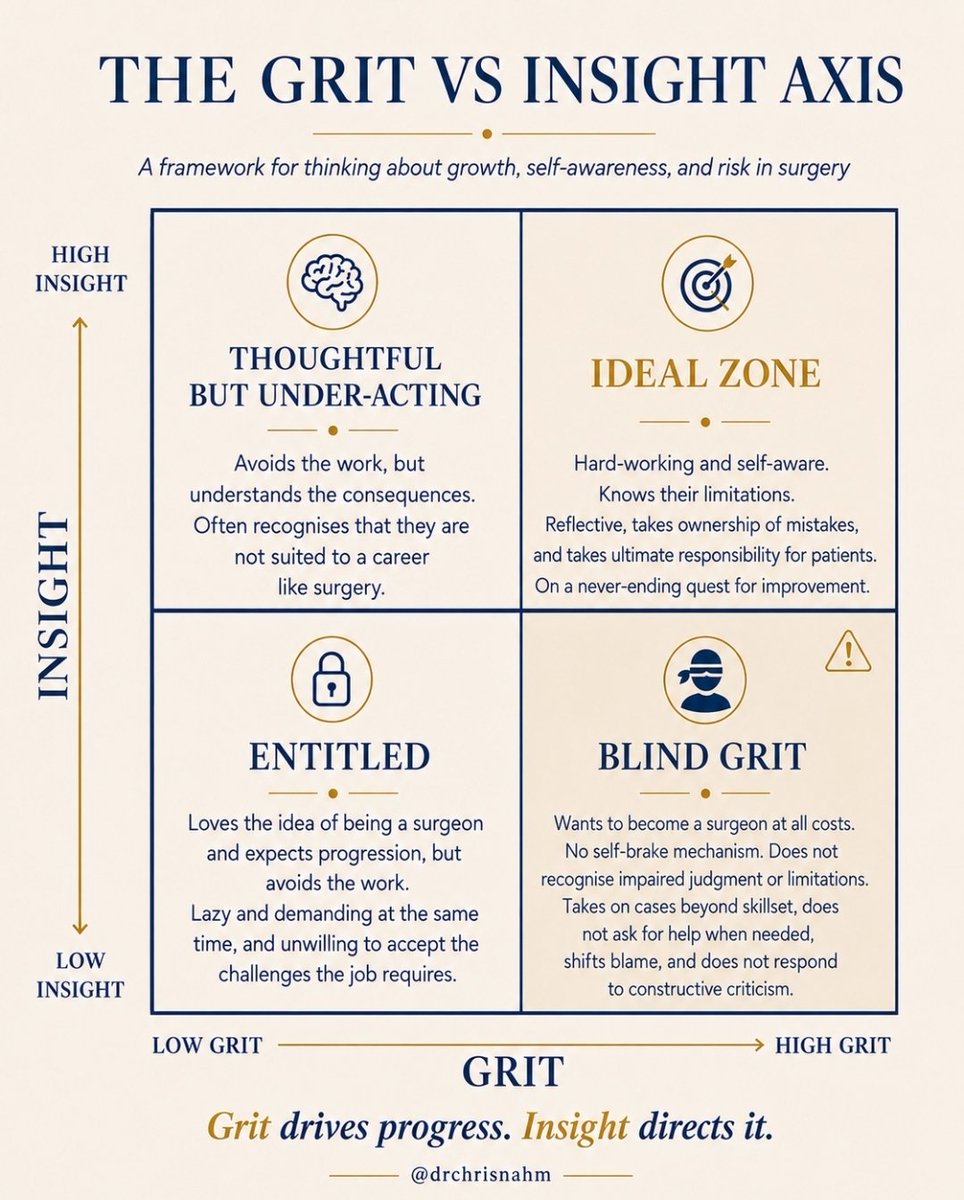
The best surgeons combine grit with insight. It is quite possible to have one without the other. Grit is the ability to keep showing up, persist under pressure, and do the work. Insight is the ability to know your limitations, receive feedback, recognise your weaknesses.
2
7
260
Outcomes after pancreatic resections for secondary tumors in the pancreas: a single-center experience - Journal of Gastrointestinal Surgery jogs.org/article/S1091-255X%…
2
3
426
Survival by treatment recommendation and treatment receipt among older adults with localized pancreatic cancer - Journal of Gastrointestinal Surgery jogs.org/article/S1091-255X%…
29
Multivisceral resection for pancreatic ductal adenocarcinoma with adjacent organ invasion: a propensity score–matched analysis - Journal of Gastrointestinal Surgery jogs.org/article/S1091-255X(…
57
1
63
Samik Kumar Bandyopadhyay retweeted

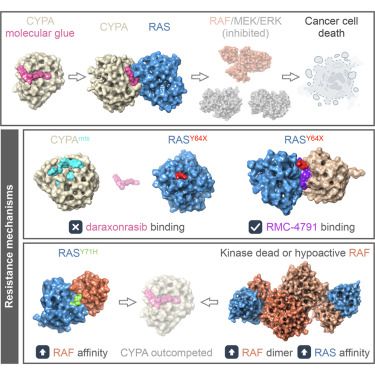
45% of patients on daraxonrasib developed acquired resistance, converging on the same target through different routes. KRAS Y64 mutations disrupt the molecular glue directly. Y71 mutations and hypoactive BRAF enhance native RAS-RAF binding so the inhibitor can't displace it. One protein, multiple escape doors. Cancer is pleiotropic. The chemistry has to be.
15
23
101
40,385

Pancreatic cancer kills most patients within months. We've known which protein is responsible since the 1980s. The problem? It's completely smooth. Drugs need something to latch onto, and this protein has nothing.
For 40 years, every attempt failed.
Daraxonrasib asked a different question: what if we don't latch on? Instead, it recruits another protein to smother it. Sits right on top. Switches it off.
Phase 3 trial: patients lived twice as long. A daily pill instead of IV chemo.
That same protein is broken in 1 in 4 human cancers.
May 12

This April, we got a drug revolutionary in 3 ways: daraxonrasib roughly doubles survival in metastatic pancreatic cancer, cracked RAS, a protein deemed untreatable for decades & pioneered a drug class called molecular glues. Read more in my piece @WorksInProgMag
worksinprogress.news/p/pancr…
- Pancreatic cancer is a particularly tough cancer.
- It's diagnosed late in its progression and it coats itself with tissue that block the immune system from attacking it. This makes immunotherapies, which have been revolutionary in other metastatic cancers (e.g. melanoma) ineffective against it.
- 90% of pancreatic cancer have one mutated protein: RAS. This should make it easily targetable. But ... not so quick! - RAS has a property that has made it "undruggable" for decades: it largely lacks the pockets or grooves that most drugs depend on to bind and act upon their target.
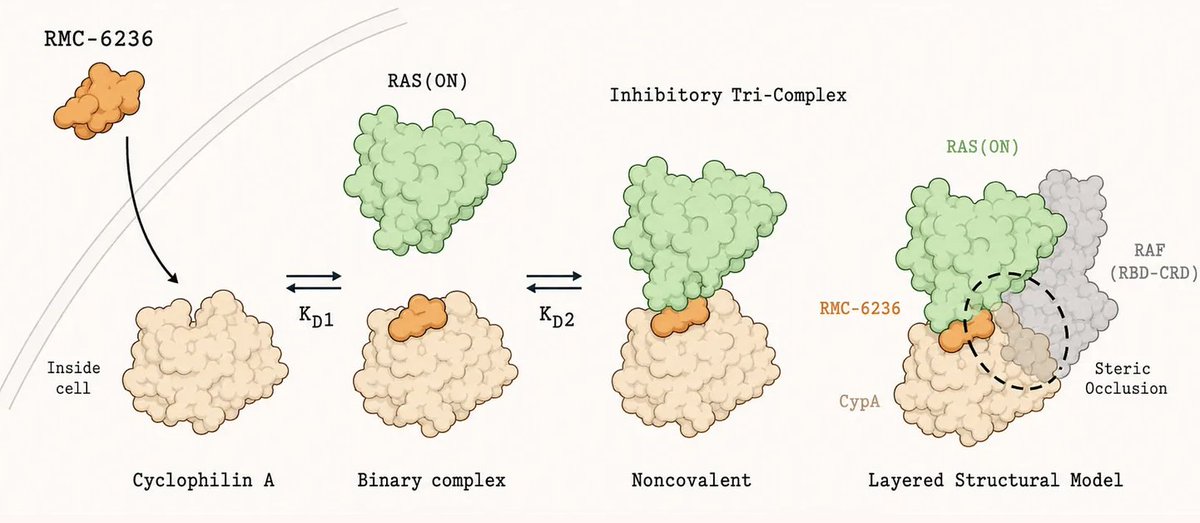
- Molecular glues sidestep the problem entirely. Instead of binding a pocket, daraxonrasib forces two proteins together — locking RAS in its inactive state by wedging a third protein in the way.
- The result: median survival of 13.2 months vs ~6 on standard chemo. Not a cure, but a genuine doubling, delivered as a daily pill.
- The implications go far beyond pancreatic cancer. RAS is mutated in lung, colorectal, and many other cancers. Molecular glues are now being developed against multiple other "undruggable" targets. The assumption that certain proteins are simply beyond reach has turned out, repeatedly, to be wrong.
- The bad news is that most patients eventually develop resistance mutations that vary from patient to patient. In order to deliver a real cure, we need to rethink our regulatory system and make small-n, early stage bespoke trials much easier to run.
10
181
1,044
95,231
Samik Kumar Bandyopadhyay retweeted

May 11
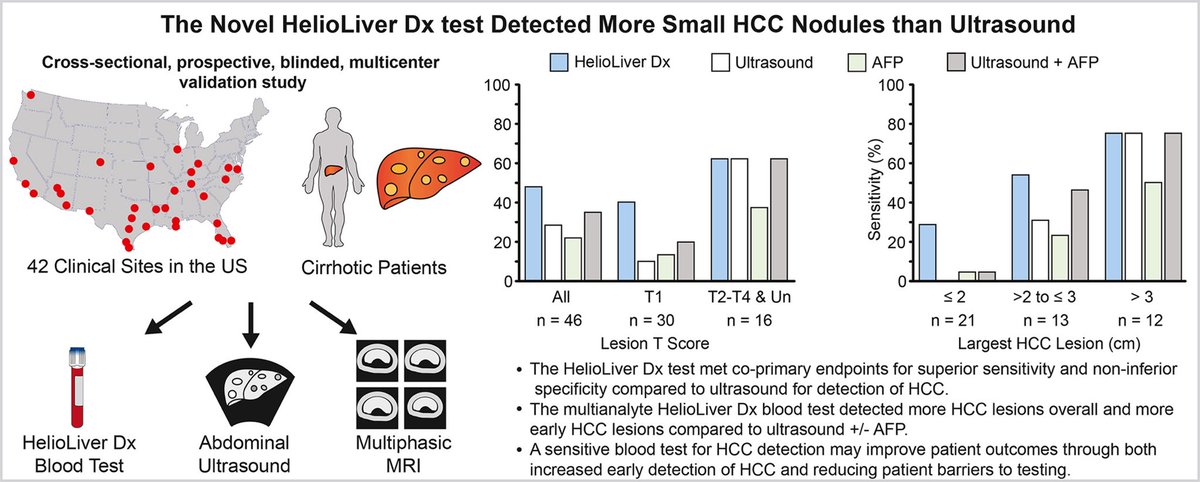
🎯 A potential paradigm shift in early HCC detection! The new CLiMB study in @JHepatology challenges ultrasound-only HCC surveillance.
👉 Overall Sensitivity: HelioLiver Dx blood test (47.8%) vs Ultrasound (28.3%)
👉 Sensitivity for HCC ≤2 cm: HelioLiver Dx (28.6%) vs Ultrasound (0%)
This blood-based approach may help reduce barriers to surveillance and enable earlier detection when curative treatment remains possible.
@ILCAnews @myESMO @ASCO @EASLnews
Full text: doi.org/10.1016/j.jhep.2026.…
#HCC #LiverCancer #Oncology #HelioLiverDx #EarlyDetection
15
28
1,853
Cirrhosis, portal hypertension and hepatocellular carcinoma: a stage-based approach | Nature Reviews Gastroenterology & Hepatology nature.com/articles/s41575-0…
1
69
Cancer-associated fibroblasts regulate DNA repair in pancreatic cancer through NDRG1-mediated R-loop processing | Nature Cell Biology nature.com/articles/s41556-0…
49
Samik Kumar Bandyopadhyay retweeted

1/8
— The First Lesson as a Surgeon, Inherited from Dr. Yamamoto —
🎯 Let’s start with a question.
There’s a small circle drawn on a piece of paper in front of you.
“Put a dot inside this circle.”
How do you do it?
A: Slowly and carefully, making sure it never goes outside.
B: Quickly — just a quick flick, focusing on speed.
Which is the “right” answer?
3
28
93
15,865

FINAL REMINDER: Deadline for applications - 30 April 2026
IHPBA are seeking dedicated and enthusiastic members who are ready to contribute their time, expertise, and passion to help advance our mission.
Apply here: tinyurl.com/Committee-Volunt…
#ihpba #eahpba #ahpba #aphpba
2
3
727
Samik Kumar Bandyopadhyay retweeted

Apr 21
Daraxonrasib gemcitabine/nab-paclitaxel in 1L RAS-mutated mPDAC shows manageable safety profile and encouraging early efficacy signals supporting the initiation of a global 3-arm phase 3 study
👉 aacrjournals.org/cancerres/a…
@OncoAlert #AACR2026
7
30
2,309

Pancreatic cancer has one of the most suppressive tumor microenvironments in oncology.
But two pancreatic cancer results dropped today. Both matter.
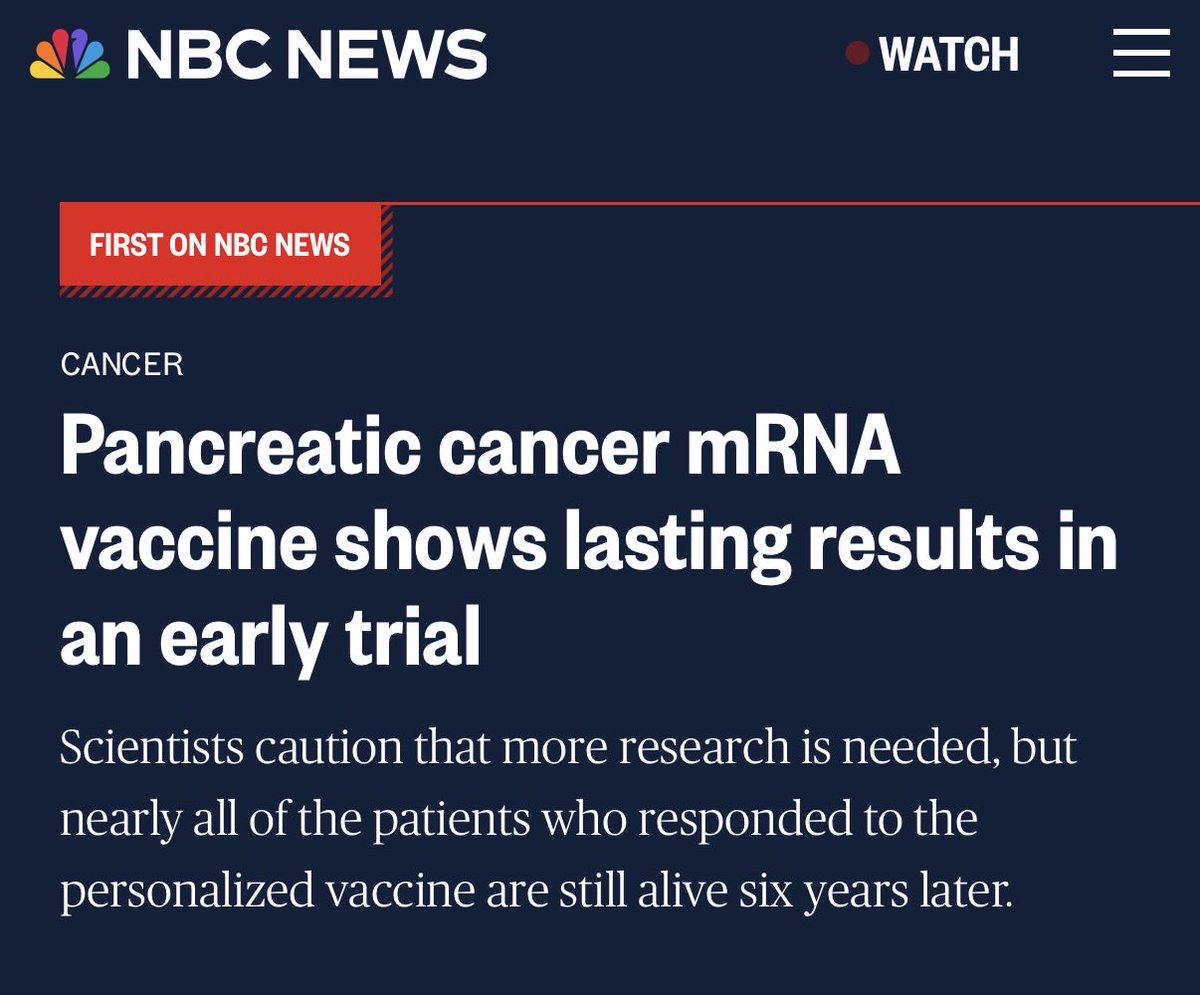
1. BioNTech mRNA neoantigen vaccine: nearly all responders still alive at 6 years. 98% of induced T cells were de novo — the immune system learned to see a cancer it had always been blind to.
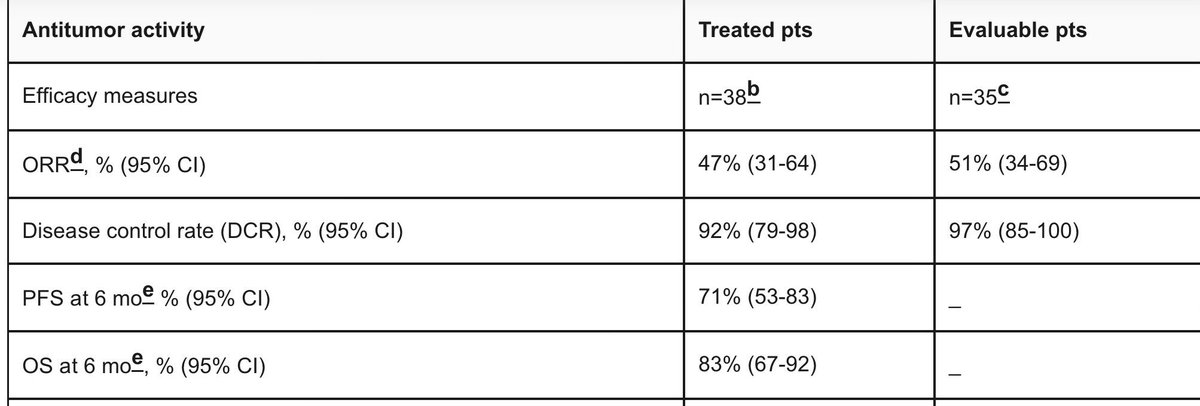
2. Daraxonrasib: 47% ORR, 92% disease control as first-line monotherapy. KRAS G12D, undruggable for 40 years, finally has a drug.
Different mechanisms. Same disease. Both working.
<13% of patients survive 5 years. That number is about to change.
great day for science! 🔥
121
1,708
7,404
547,935
Samik Kumar Bandyopadhyay retweeted
Apr 16
ctDNA in liver-limited mCRC pts undergoing resection after upfront treatment:
✅ ≥50% VAF reduction pre-surgery: improved RFS
🩸 ctDNA post-surgery: strong predictor of recurrence
👉 aacrjournals.org/clincancerr…
@ChiaraCrem1 @VStudiale @martweetings @OncoAlert
10
20
1,706
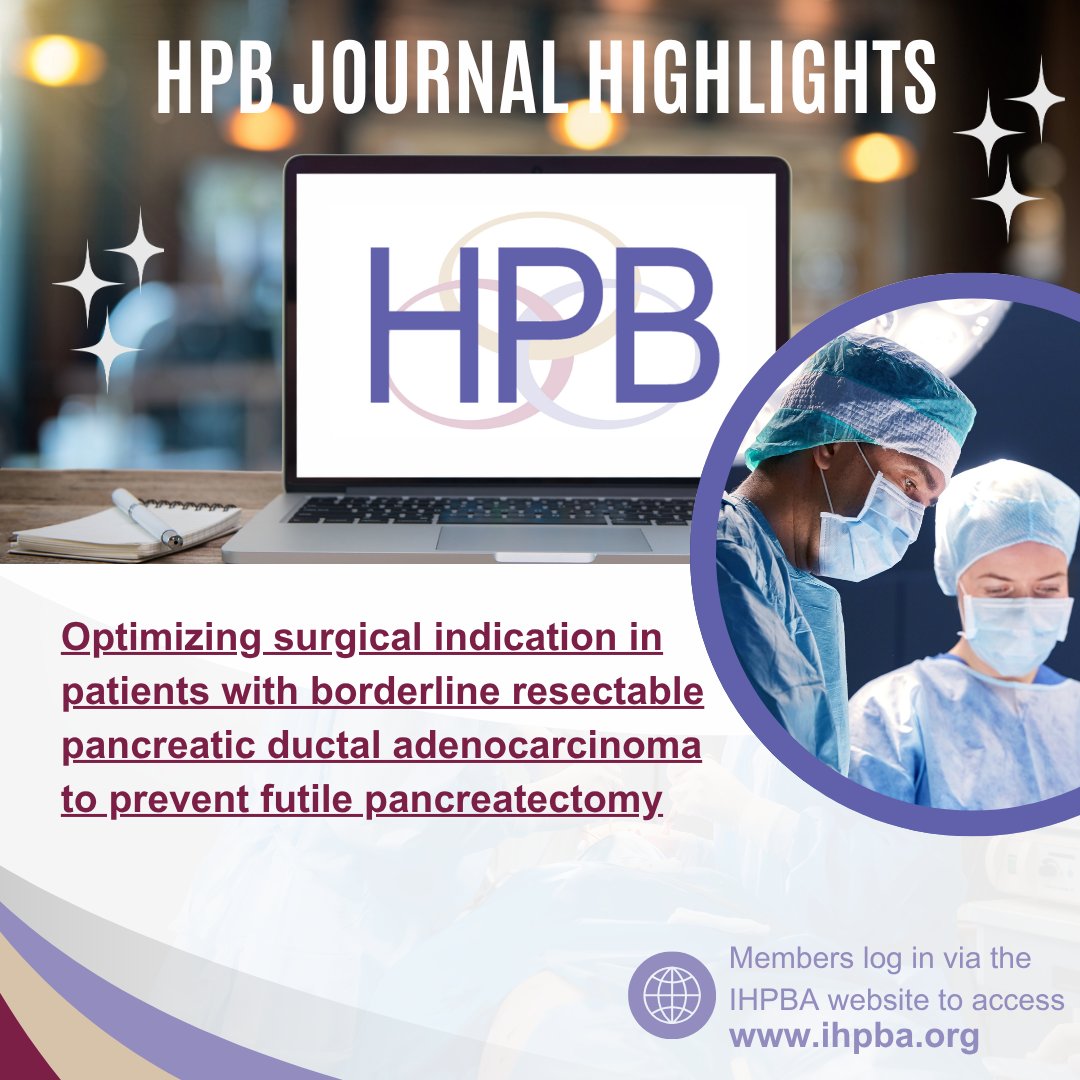
HPB Journal Highlight ⭐️Can CA19-9 guide decisions after neoadjuvant therapy? Elevated post-NAT CA19-9 predicts early recurrence better than imaging, with survival similar to unresected patients. 🔗tinyurl.com/y6dwpyuw
1
9
21
1,402