HODL⭐

Joined January 2021
104 Photos and videos
Sandy retweeted
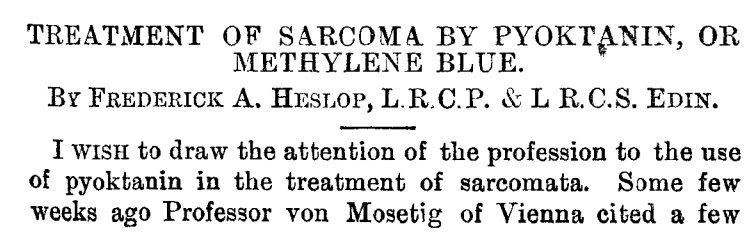
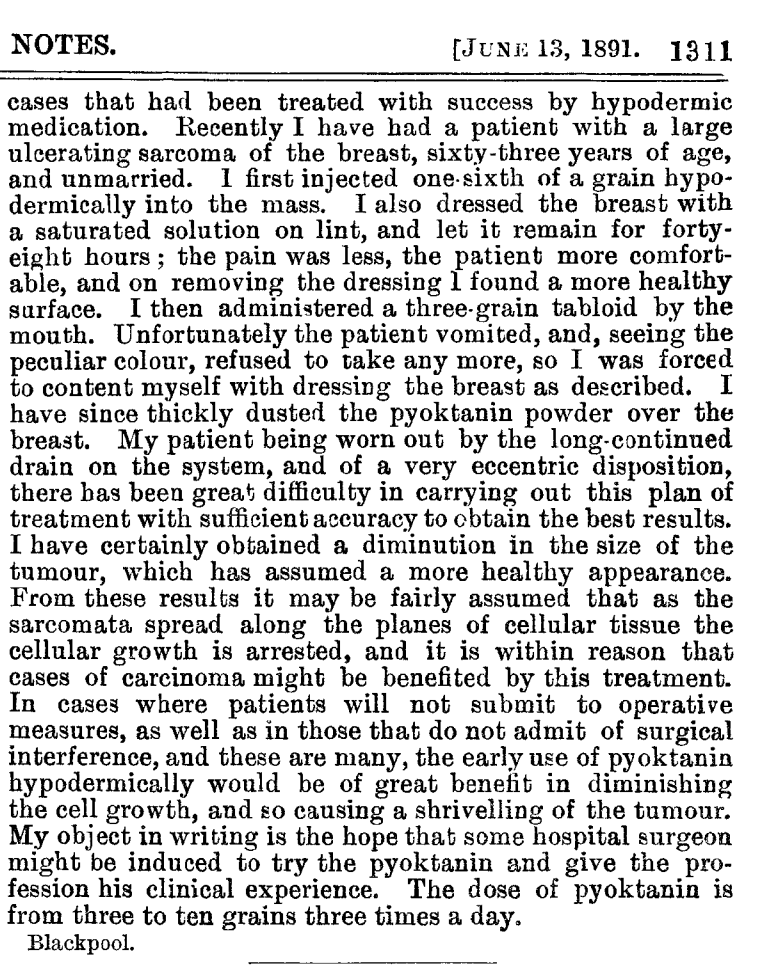
1891 - Methylene blue used to treat breast cancer Doctor injects just 10 mg of methylene blue and notices a remarkable improvement.
How a cheap clothing dye can turbocharge your energy production, bolster your mood and cognition, and prevent disease in the long run Let’s talk about METHYLENE BLUE. How it works [THREAD]
11
52
321
89,608
Sandy retweeted
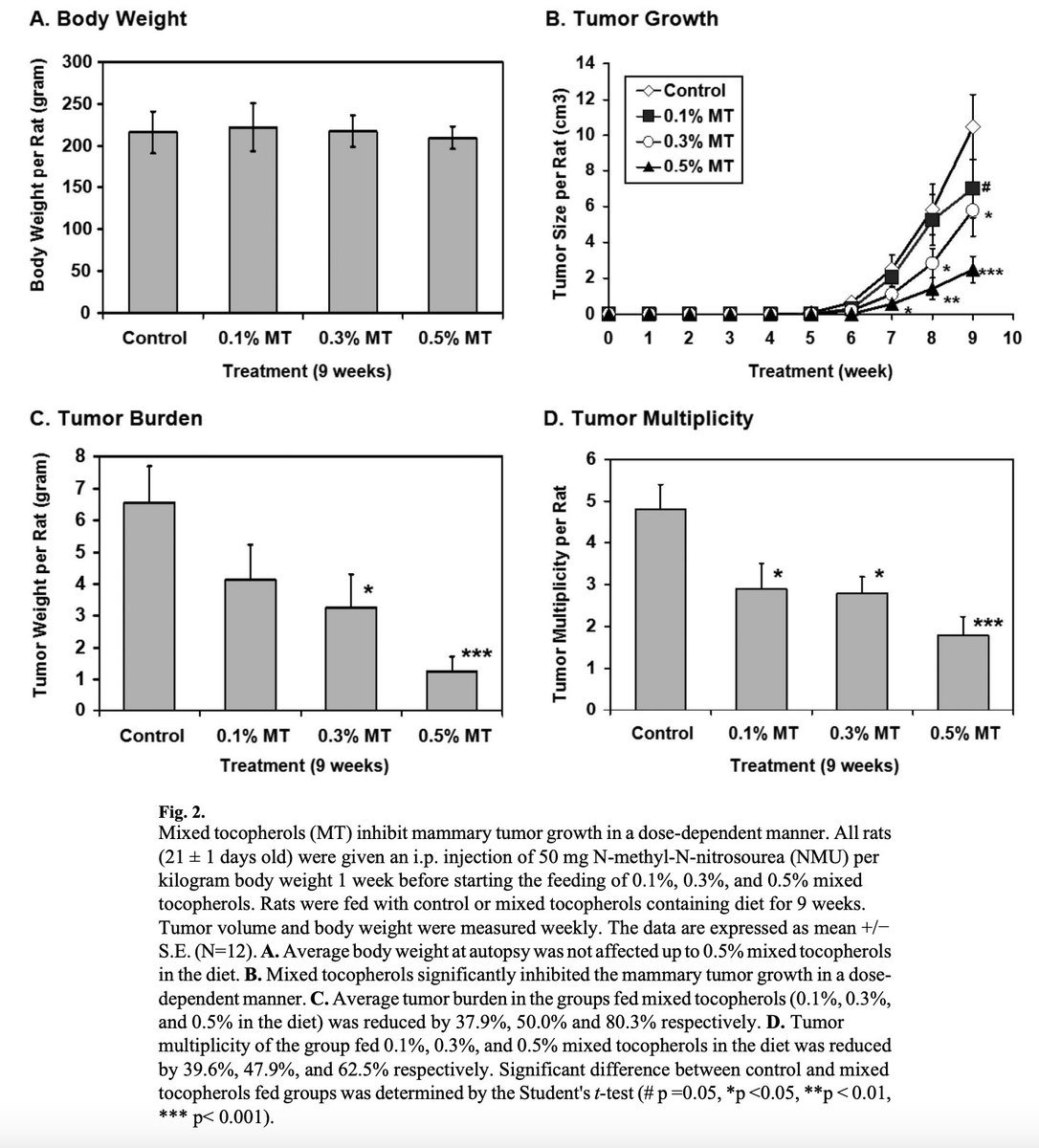
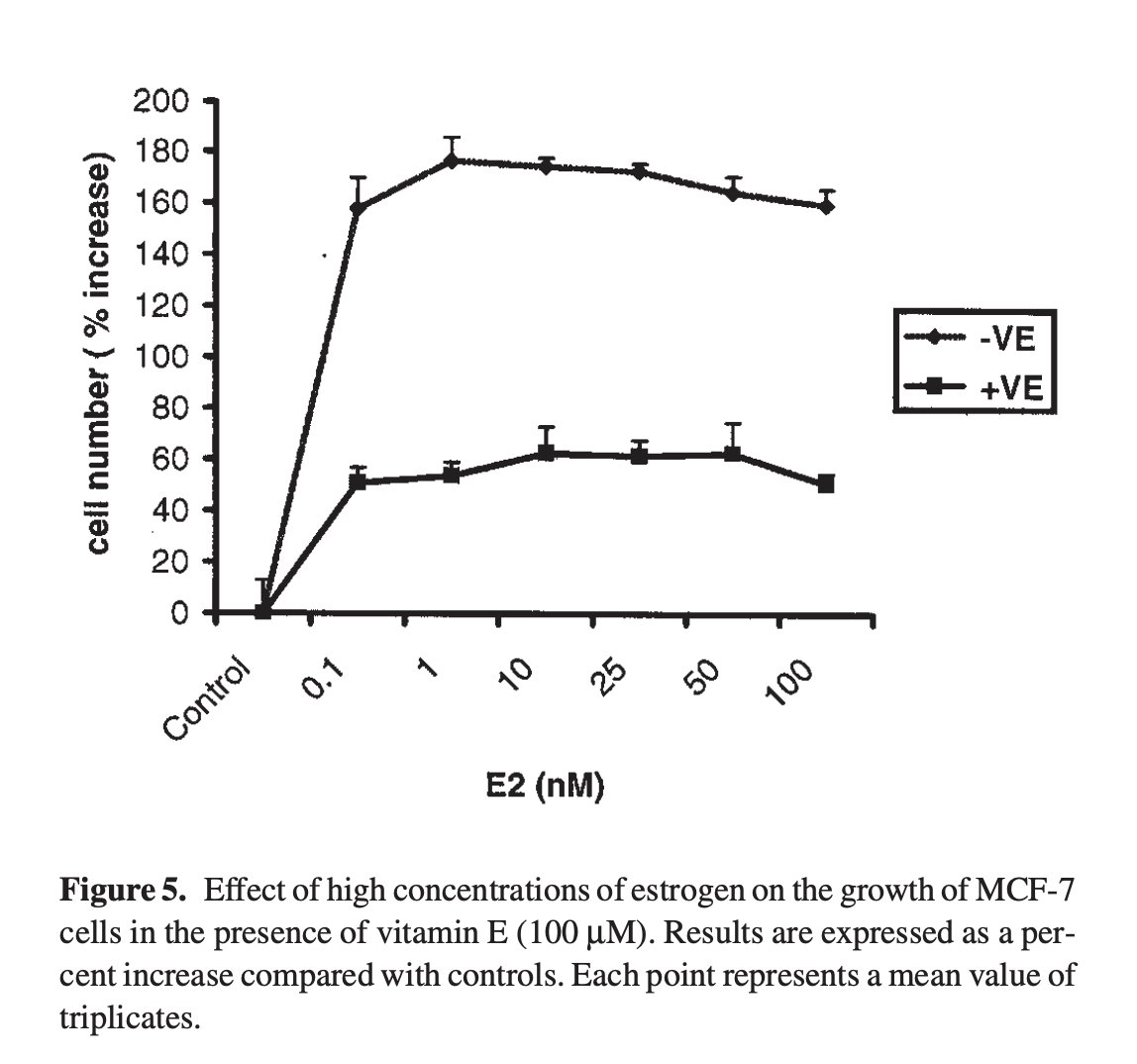
Vitamin E prevents breast cancer. Vitamin E inhibited tumor growth by up to 80% in animals, due to its: ‣ Anti-estrogenic ‣ Insulin sensitizing ‣ Antioxidant ‣ Anti-inflammatory Actions.
Vitamin E reverses estrogen dominance. ⬩Blocks conversion of androgens to estrogen (aromatase inhibitor) ⬩May block estrogen receptor ⬩Inhibits growth of estrogen dependent cancer cells ⬩Protects against PUFA driven inflammation - a key driver of estrogen production
3
41
274
57,336
Sandy retweeted
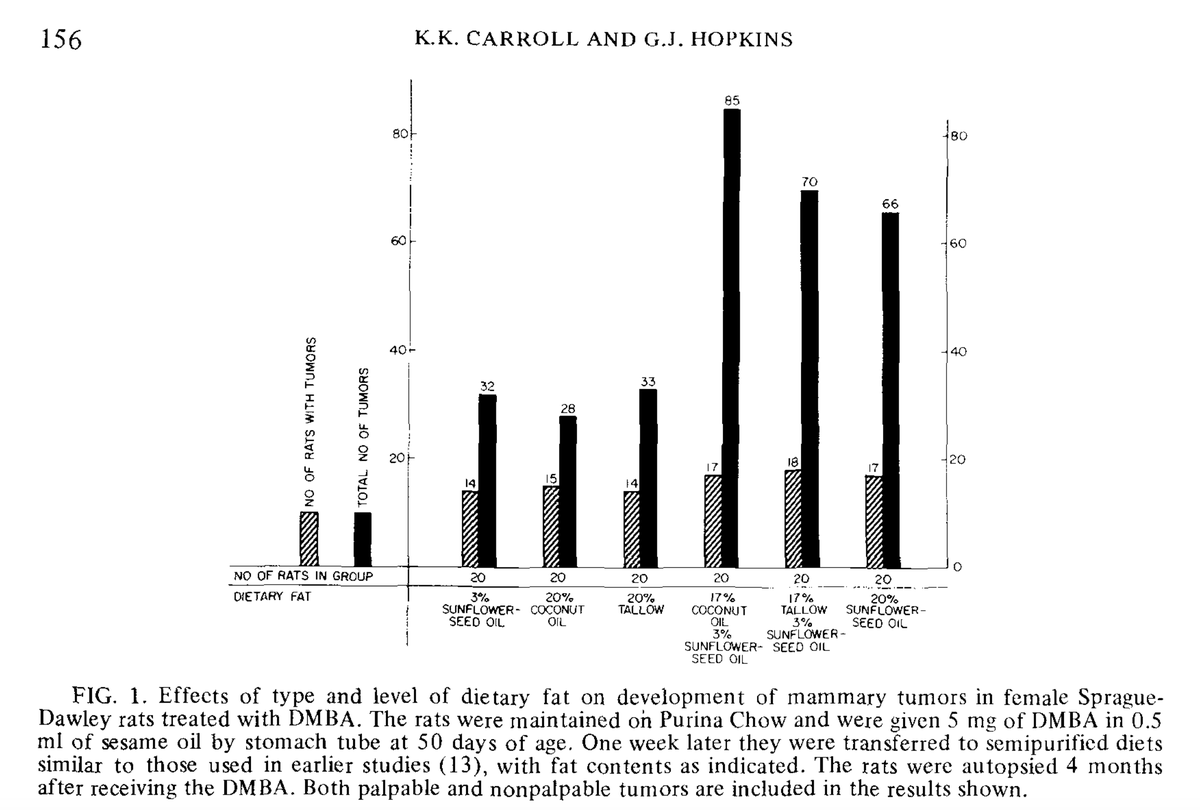
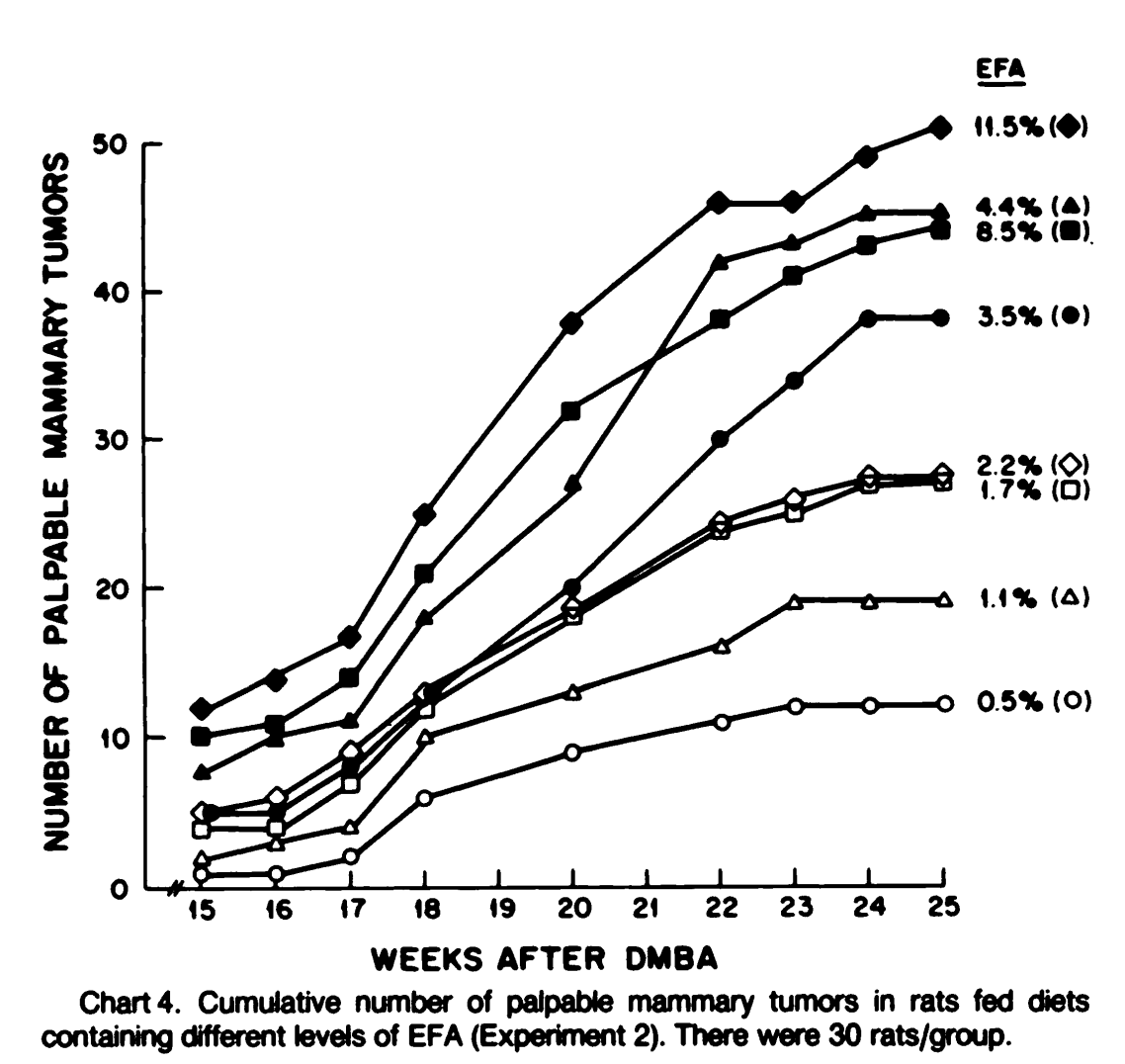
Seed oils increase breast cancer - saturated fat stops it. Replacing coconut oil or beef tallow with sunflower oil more than doubles tumors, even at low amounts (~4% of calories from linoleic acid). Need to highly restrict to prevent.
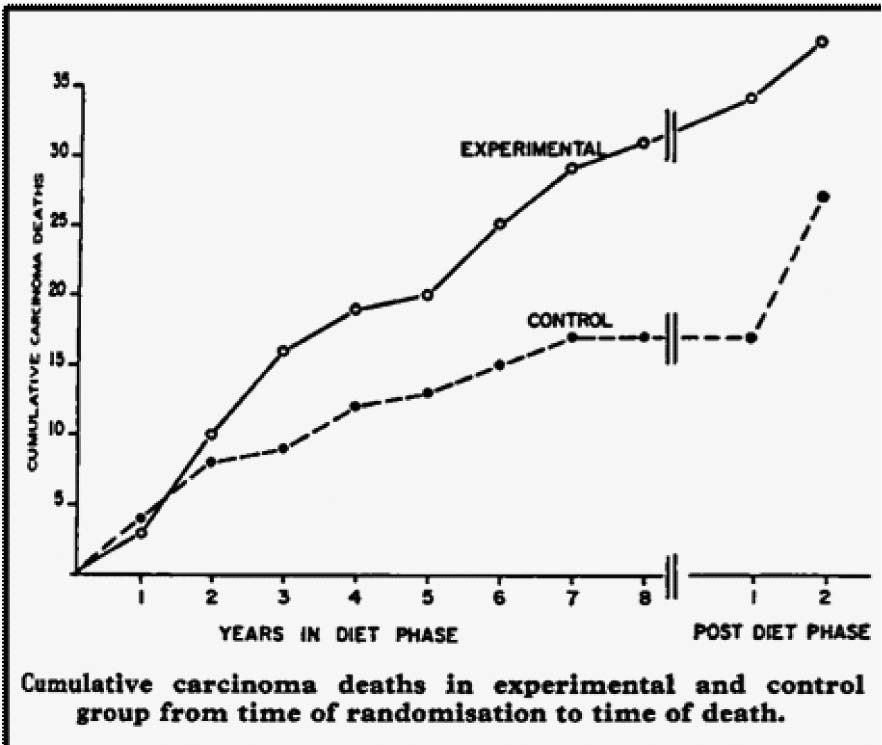
Seed oils cause cancer. An 8 year human study showed that a high seed oil (experimental) diet DOUBLED cancer incidence. These highly unsaturated oils: • Drive inflammation • Create oxidative stress • Poison mitochondria all of which are key in cancer progression.
5
104
556
50,724
Sandy retweeted
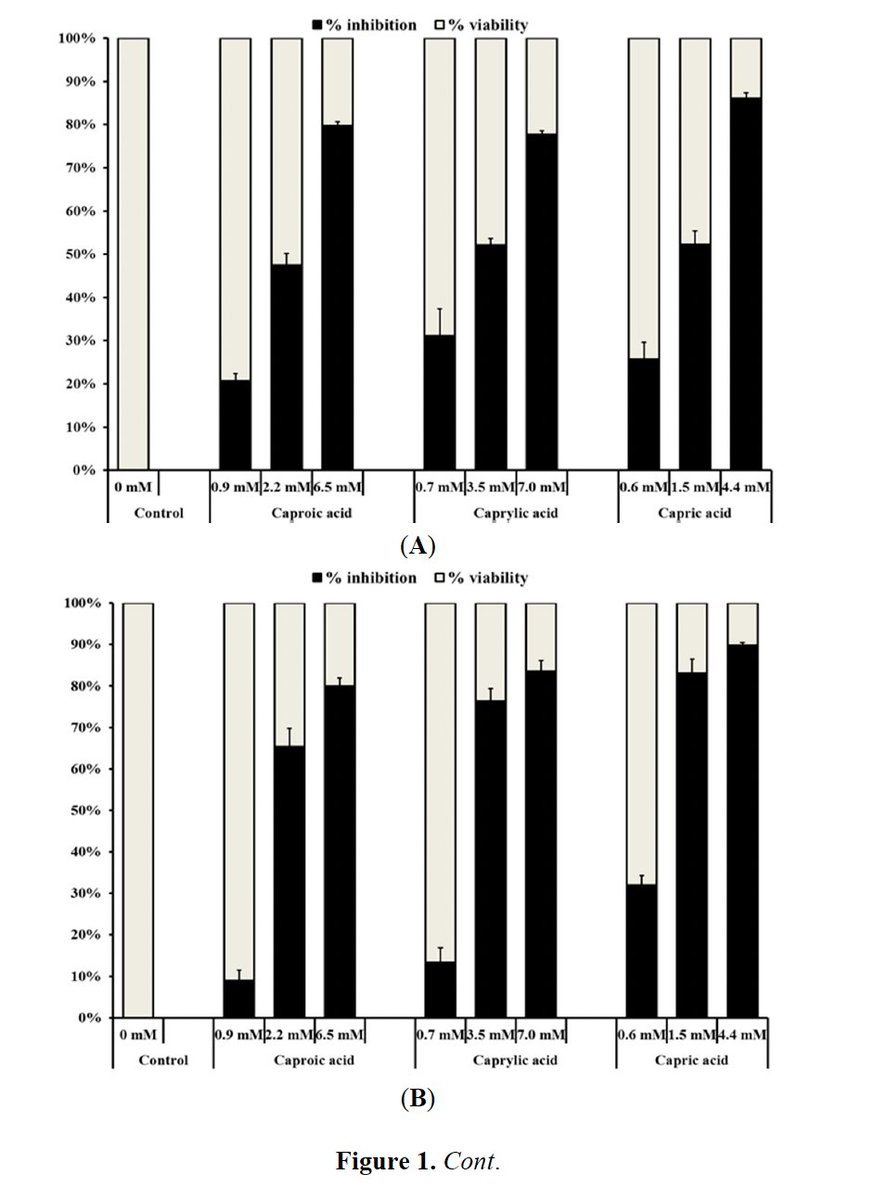
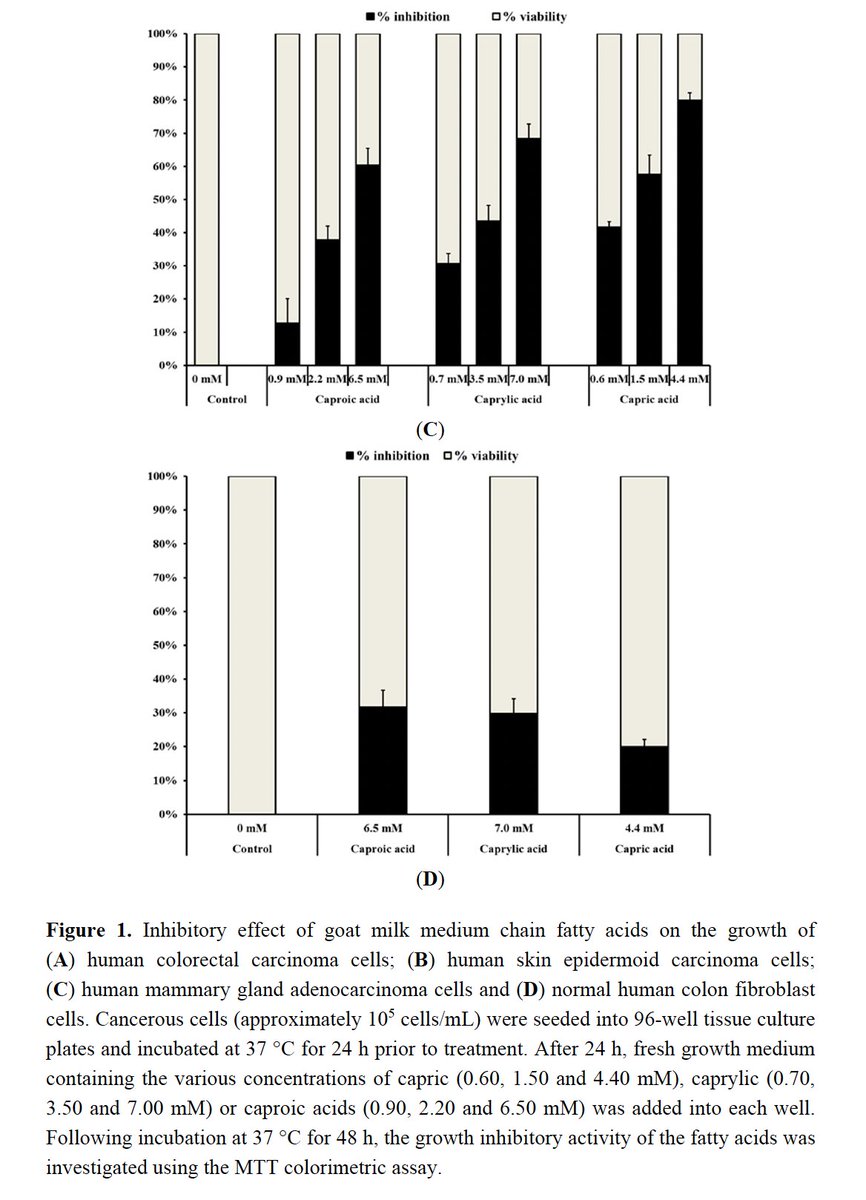
Goat milk fats suppress cancer cell growth. Colon, skin, breast. Medium chain fats (abundant in goat milk) have unique medicinal properties.
6
58
375
29,073
Sandy retweeted
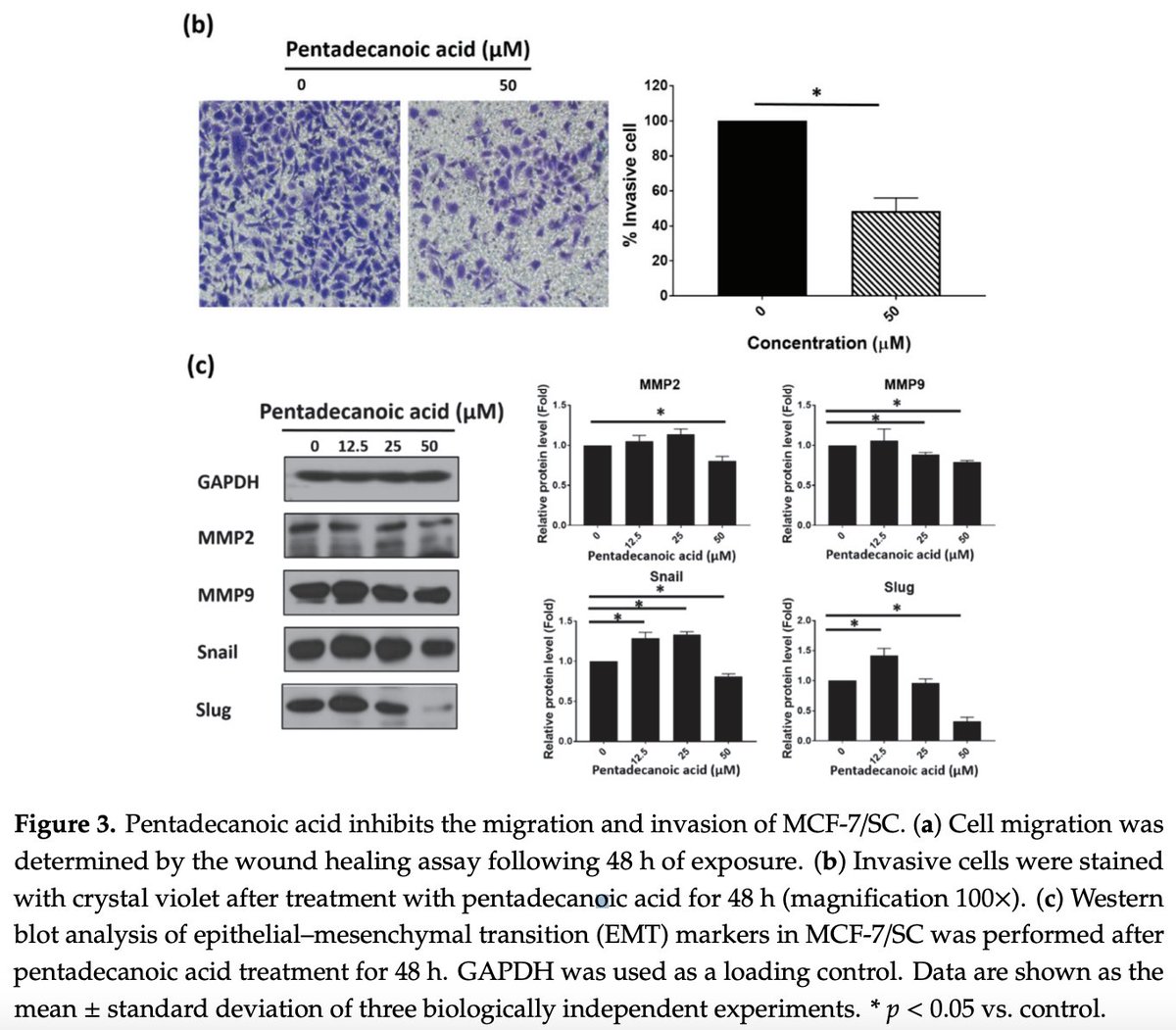
Dairy fat is a potent anti-cancer agent. Pentadecanoic acid is mainly in butter, cheese and ice cream, and: ⬩Crushes breast cancer cells ⬩Reduces signs of metastasis ⬩Protects healthy cells making it a unique, selective anti-cancer tool.
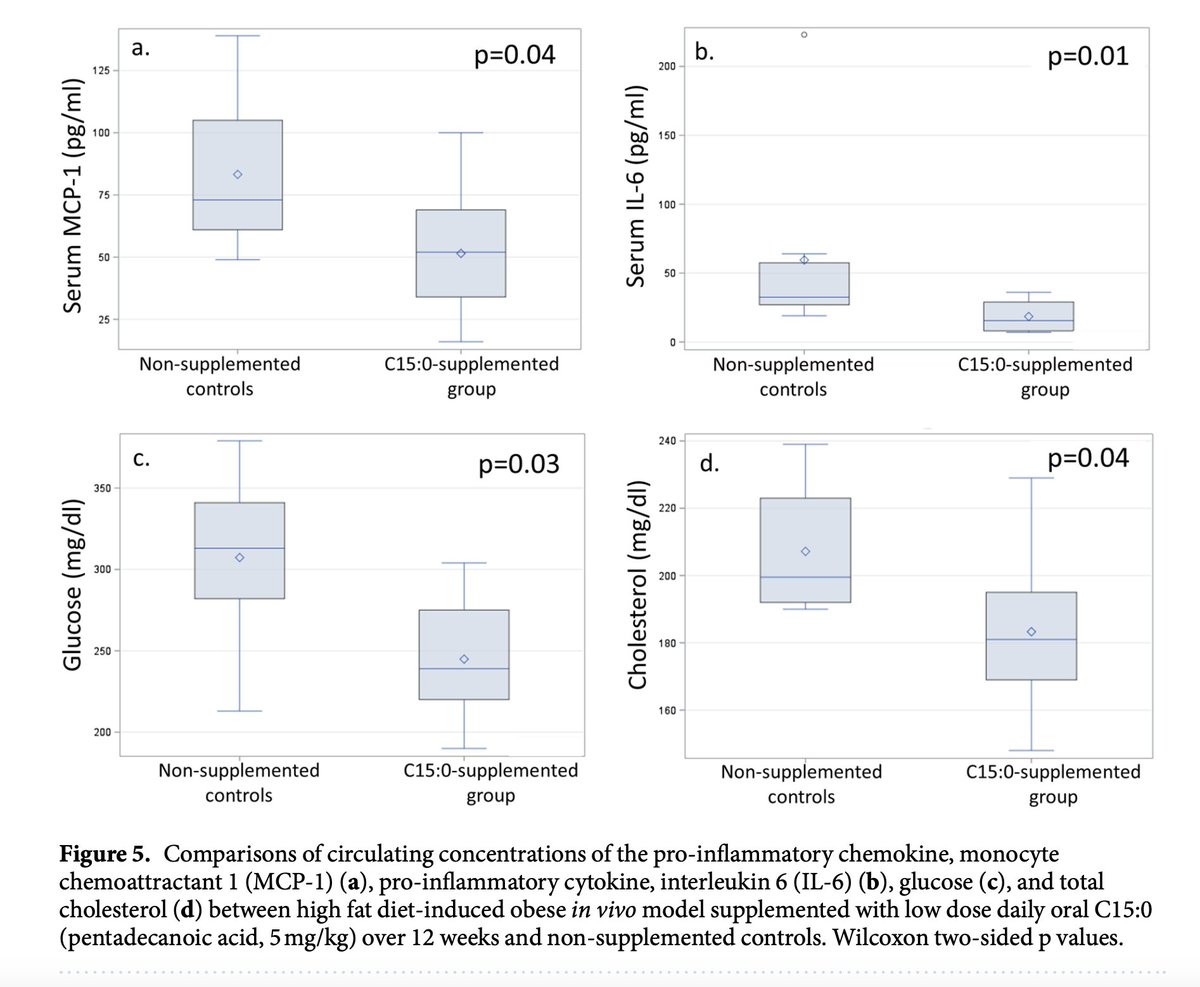
DAIRY FAT lowers inflammation, blood sugar, lipids. C15 is a rare saturated fat found mainly in dairy, recently shown to possibly be essential. ‣ Levels are protective against cardiovascular / metabolic / liver disease ‣ Adding it to the diet improves these markers 🥛🧈🍦
11
50
355
29,404
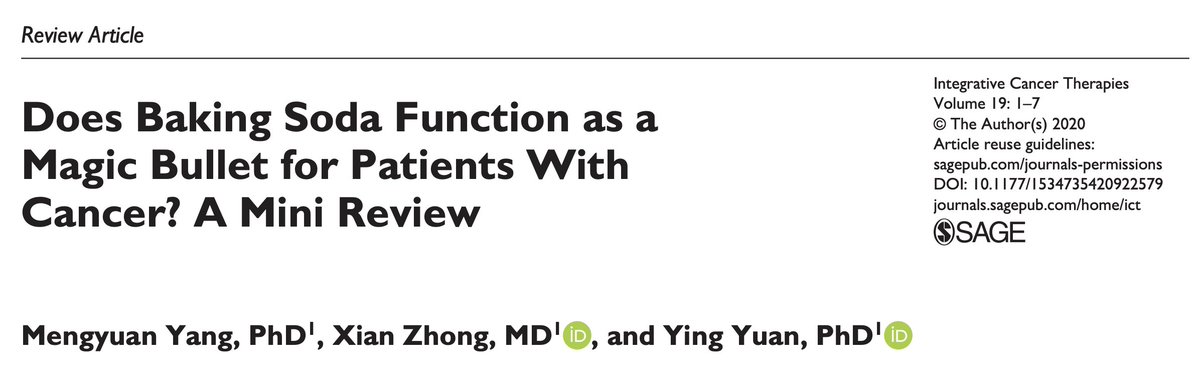
BAKING SODA - a "magic bullet" in cancer? Experiments show it can prevent, treat and supporting the body's ability to destroy it from all angles. One incredible study (PMID: 19276390) showed baking soda was able to reduce the migration of breast cancer cells to the lungs. It also substantially improved survival, doubling the amount of animals who survived to 120 days post cancer. It was able to do this by raising the pH of the tumor, reducing its acidity. The animals treated with bicarbonate (baking soda) had nearly ZERO detectable cancer cells. It inhibited metastasis, which is one of the key events that makes cancer incredibly lethal. A follow up study (PMID: 23936808) showed similar results - baking soda prevented the spread of breast cancer to other tissues. It reduced circulating cancer cells, and when injected into the tumor directly, within hours was able to stop the production of key metastatic enzymes: ➥ Cathepsin 9 - a protease that allows cancer cells to spread ➥ MMP-9 - a collagen degrading enzyme that clears space for cancer to move Other studies (PMID: 22704445) have shown that baking soda can prevent carcinogenesis. Giving animals baking soda prevented prostate tumors from forming and growing. 70% of these animals survived, while all animals without baking soda died. Baking soda also enhances the effectiveness of chemo in animal experiments One study (PMID: 35988781) in colon cancer, once again just drinking water with baking soda was shown to shrink tumor volume when in combination with chemo vs chemo alone. This is true in humans as well. In liver cancer, there is a surgery called TACE - which basically cuts of circulation to a liver tumor and also involved injecting it with chemo (PMID: 27481188). When people are injected with baking soda alongside the TACE (TILA-TACE) their tumor numbers are cut by >50%, and they survive substantially longer. A clear reduction in the tumor. In fact, the acidity of the body is a primary determinant of survival in cancer. The most deadly cancer of all (end stage pancreatic) was slowed with alkalinization (PMID: 32871792). People were given baking soda along with an alkaline diet, and those who sufficiently reduced acidity in the urine (pH >7) had markedly better survival: 25 months on average vs 10 months in the acidic group. One of the main reasons why baking soda can be so helpful is because the immune system responds to changes in pH. Under acidic conditions, it is less active, which allows cancer to thrive. Another study showed a slowing of melanoma growth with baking soda, and this was dependent on the proliferation of CD8 T cells - a critical part of antitumor immunity. One immune cell type here - natural killer (NK) cells, have worsened output of the critical anti-tumor cytokine IFN-γ. This also prolonged their survival. Why is baking soda such a Godsend for cancer? One of the hallmarks of cancer is messed up metabolism - especially glucose metabolism. Since established tumors get very little oxygen, they produce a lot of lactic acid from glucose, and this creates an acidic microenvironment. This acidity: ➥ Slows down metabolism ➥ Suppresses anti-cancer immunity ➥ Promotes angiogenic and metastatic enzymes ➥ Promotes DNA damage The dosage in the animal studies for the anti-cancer effects is commonly ~2-3 tsp for a human. Monitoring urinary pH is customary - below 7 seems to be the hallmark for acidity, above 7.4 is too alkaline.
9
83
478
18,993
Sandy retweeted
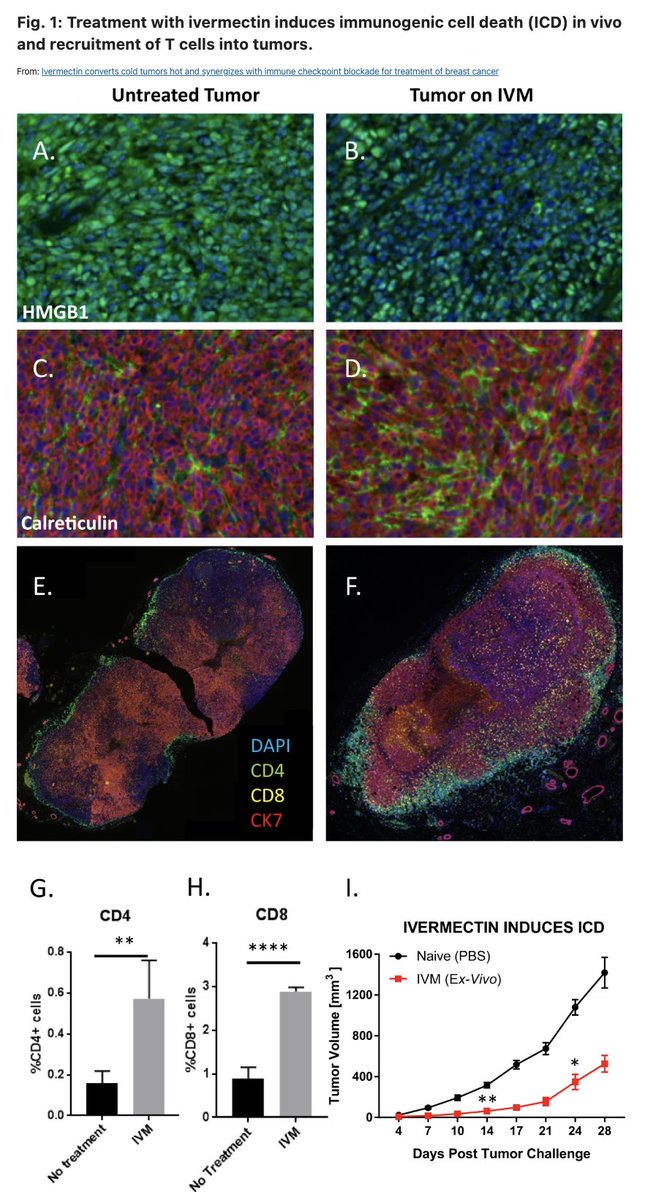
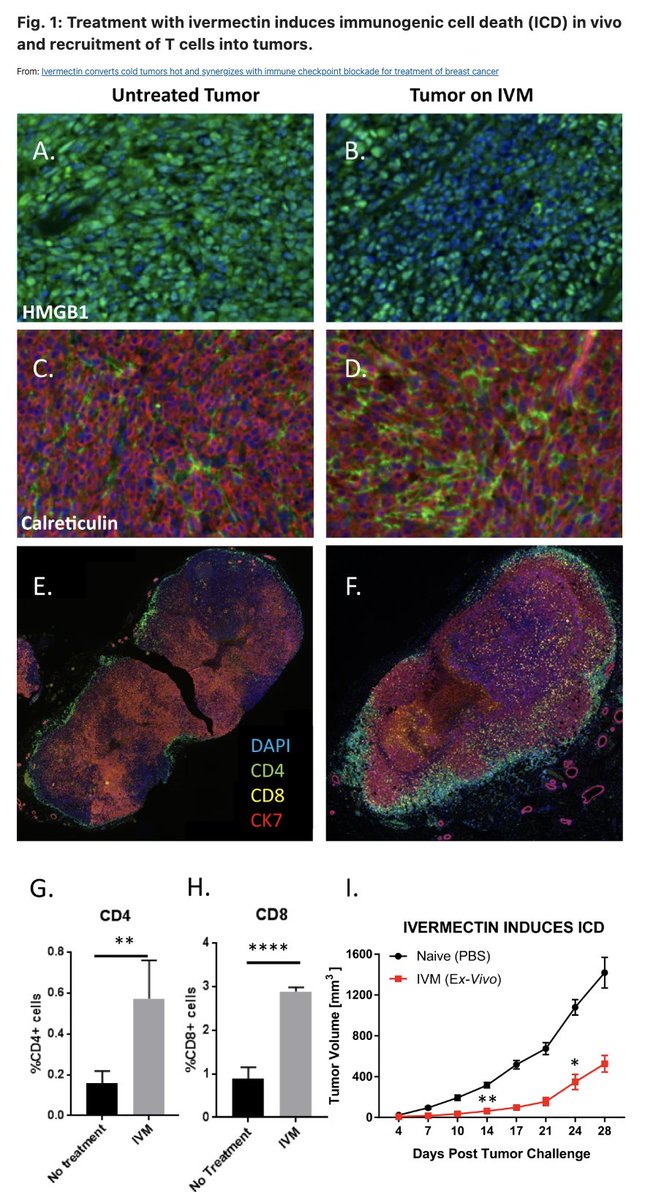
Ivermectin shrinks breast tumors. Ivermectin induced immunogenic cancer cell death (ICD). CD4 & CD8 are markers for immune cells called T cells - as you can see they were in greater amounts around the tumor with ivermectin. This shrank breast tumors in animals. It's also shown effectiveness in reducing cancer spread (metastasis) and directly inhibiting growth pathways.
Replying to @Outdoctrination
A study came out earlier this year in Nature, one of the biggest biology journals on the planet. The big finding was that Ivermectin turned "cold tumors" into "hot tumors" - essentially meaning they were more likely to be seen and destroyed by the immune system. Thus, it induced immunogenic cancer cell death (ICD). CD4 CD8 are markers for immune cells called T cells - as you can see they were in greater amounts around the tumor with ivermectin. This shrank breast tumors. (2/8)
7
174
697
52,575
Sandy retweeted
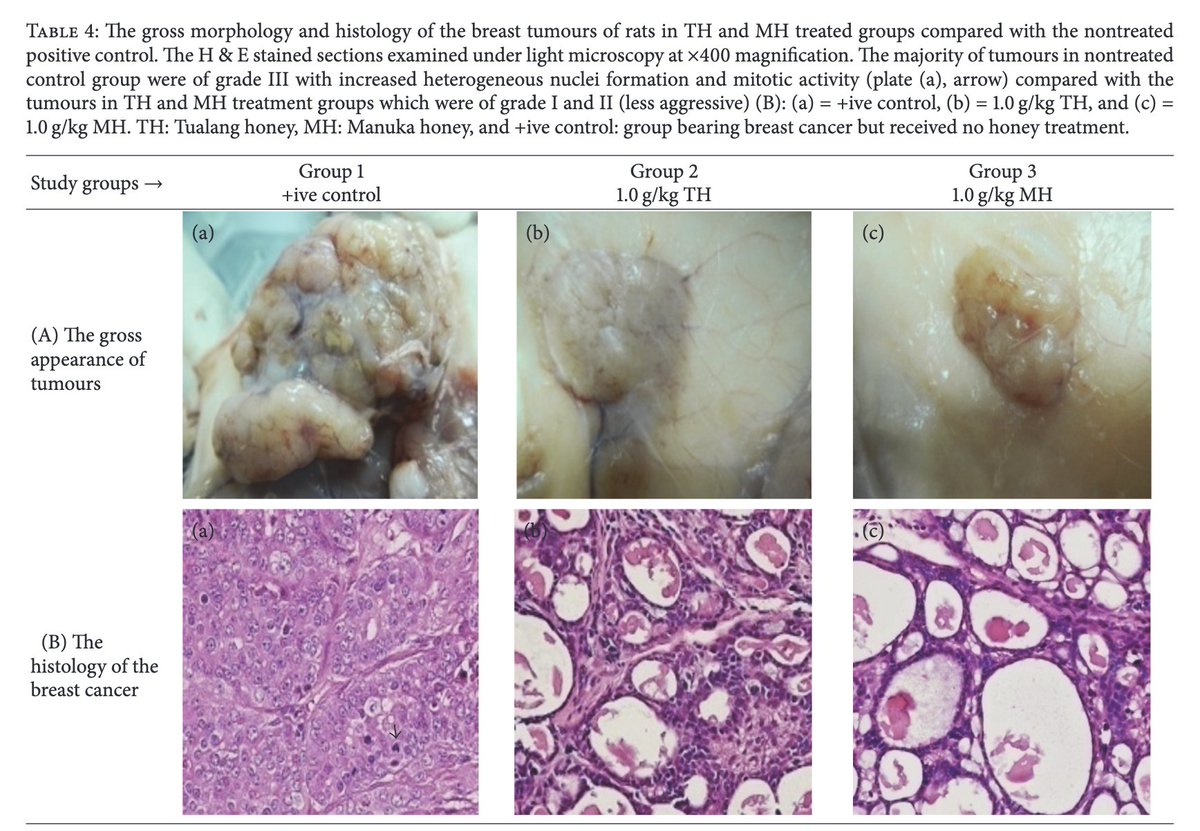
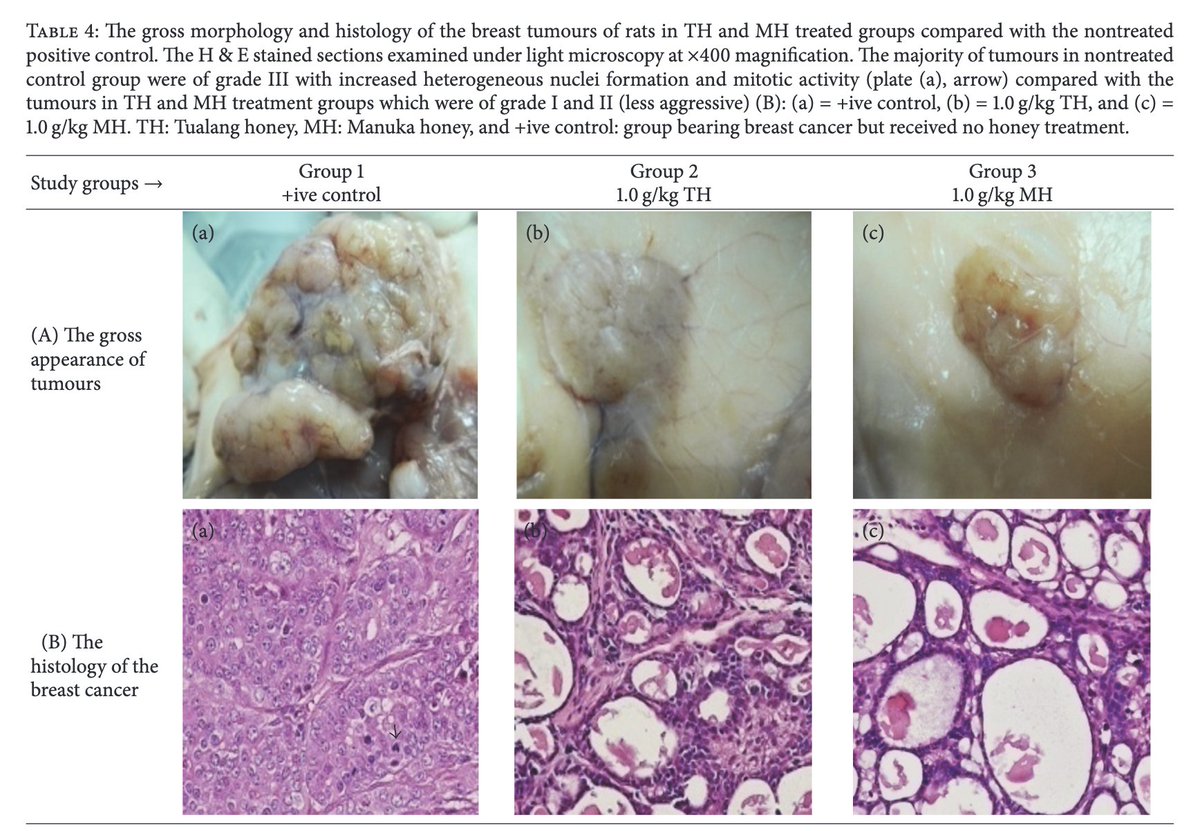
Raw honey shrinks tumors (breast cancer). Cancer thrives in a highly inflammatory and high estrogen environment. Honey reduces the inflammation due to its unique phenolic compounds - in turn lowering estrogen and tumor growth by ~50%.
Replying to @Outdoctrination
Raw honey shrinks tumors (breast cancer). Cancer thrives in a highly inflammatory and high estrogen environment. Honey reduces the inflammation due to its unique phenolic compounds - in turn lowering estrogen and tumor growth by ~50%.
6
98
682
69,765
Sandy retweeted
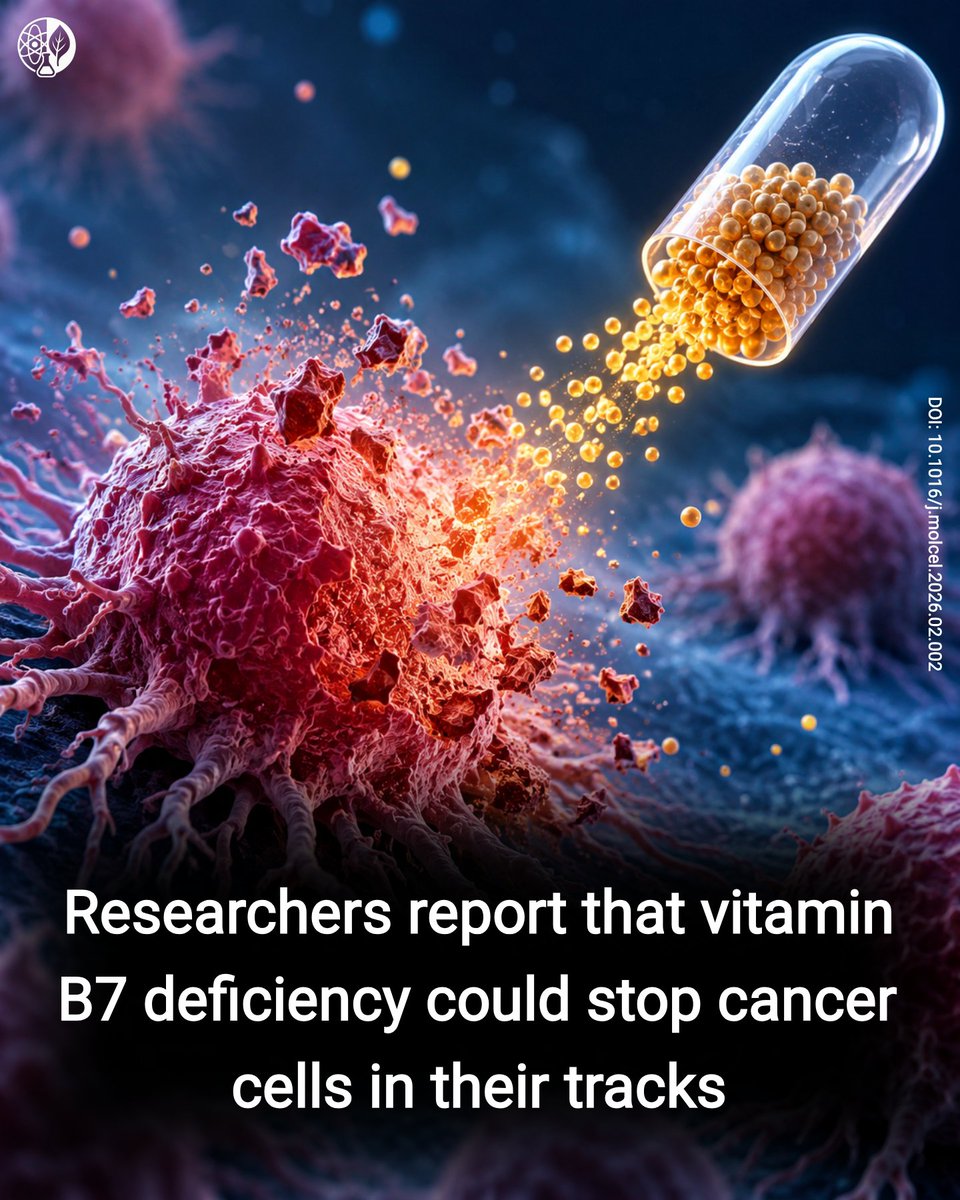
Cancer cells are notorious for consuming massive amounts of nutrients to fuel their rapid, aggressive growth. One of their absolute favorite fuels is an amino acid called glutamine. For a long time, scientists thought that cutting off this glutamine supply would successfully starve the tumors. However, many cancers stubbornly survive this starvation tactic, and a team of researchers has just discovered how they manage this metabolic magic trick. ​ ​A new breakthrough published in the journal Molecular Cell reveals that tumors have an unexpected backup generator. When their primary glutamine supply runs low, cancer cells hijack a common micronutrient: Vitamin B7, widely known as biotin. This vitamin activates a special enzyme that allows the cancer cells to entirely switch their energy source to an alternative fuel. Biotin essentially grants the tumor a "metabolic license" to survive. Without enough biotin in their environment, this emergency backup system completely fails, and the cancer cells stop dividing. ​ ​The researchers also found a fascinating genetic vulnerability tied to this process. A specific gene, which normally acts as a tumor suppressor, controls this complex fuel-switching machinery. When this gene is mutated—a very common occurrence in many types of cancer—the backup generator breaks. These mutated cancer cells lose their metabolic flexibility and become completely trapped in their addiction to glutamine. ​ ​This discovery opens the door to highly personalized and effective cancer therapies in the future. By analyzing a tumor's specific genetic mutations and carefully managing a patient's nutritional intake, medical professionals could soon block these metabolic escape routes. Understanding the precise diet and backup systems of a tumor brings us one vital step closer to outsmarting it. ​Read the original study in Molecular Cell: Lisci M, Vericel F, Liu Y, et al. Functional nutrient-genetic profiling reveals biotin and FBXW7 are essential to bypass glutamine addiction. Mol Cell. 2026; 86(5): 901-916.e10. DOI: 10.1016/j.molcel.2026.02.002
2
5
6
647
Sandy retweeted
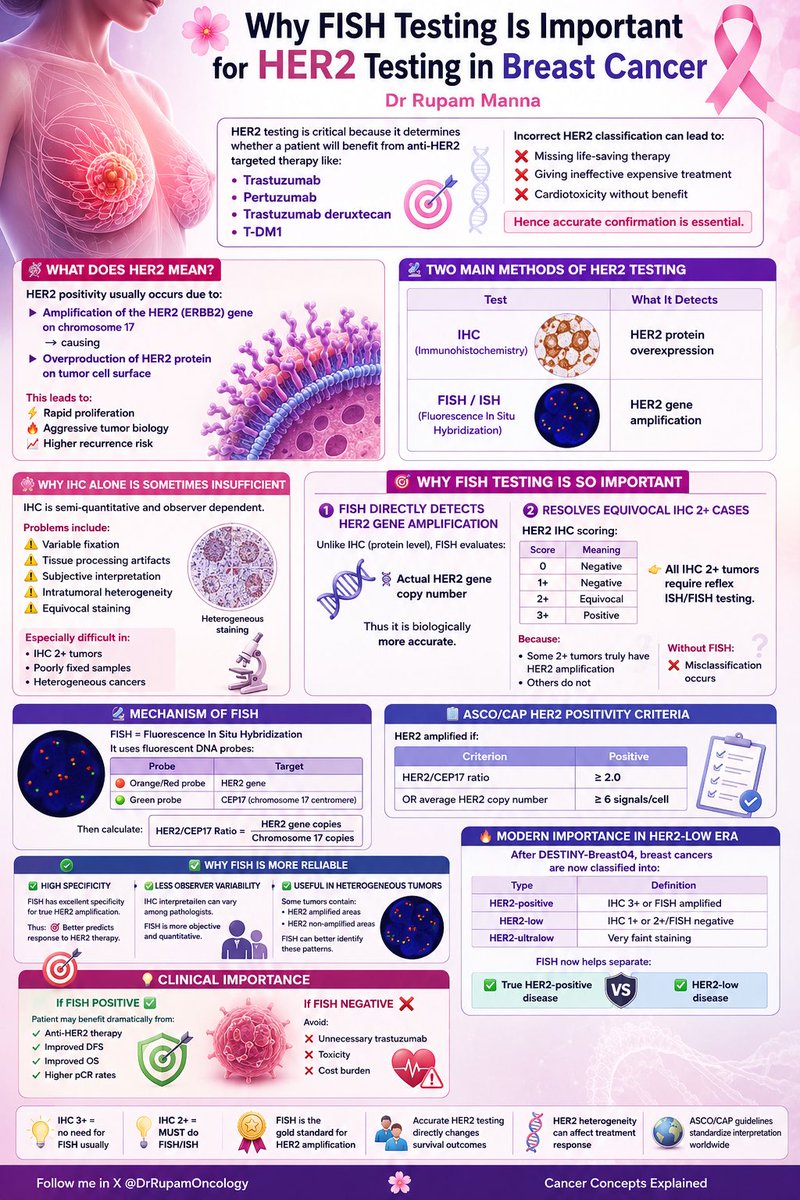
🧬 Why is FISH testing so important in HER2 breast cancer? Because one incorrect HER2 result can completely change a patient’s treatment journey. 🔬 FISH detects true HER2 gene amplification 🎯 Essential for all IHC 2 equivocal tumors 💡 Helps identify patients who truly benefit from trastuzumab-based therapy ⚠️ Prevents unnecessary toxicity and expensive ineffective treatment 🔥 Now crucial in the HER2-low era after DESTINY-Breast04 Precision pathology directly impacts survival in breast oncology. #BreastCancer #HER2 #FISH #HER2Positive #HER2Low #Pathology #MedicalOncology #Oncology #Trastuzumab #CancerEducation #PrecisionMedicine #BreastOncology #CancerResearch #ASCO #DrRupamManna
14
41
1,600
Sandy retweeted
Replying to @Whiplash437
Honeybee venom and melittin suppress growth factor receptor activation in HER2-enriched and triple-negative breast cancer nature.com/articles/s41698-0…

1
2
3
61
Sandy retweeted
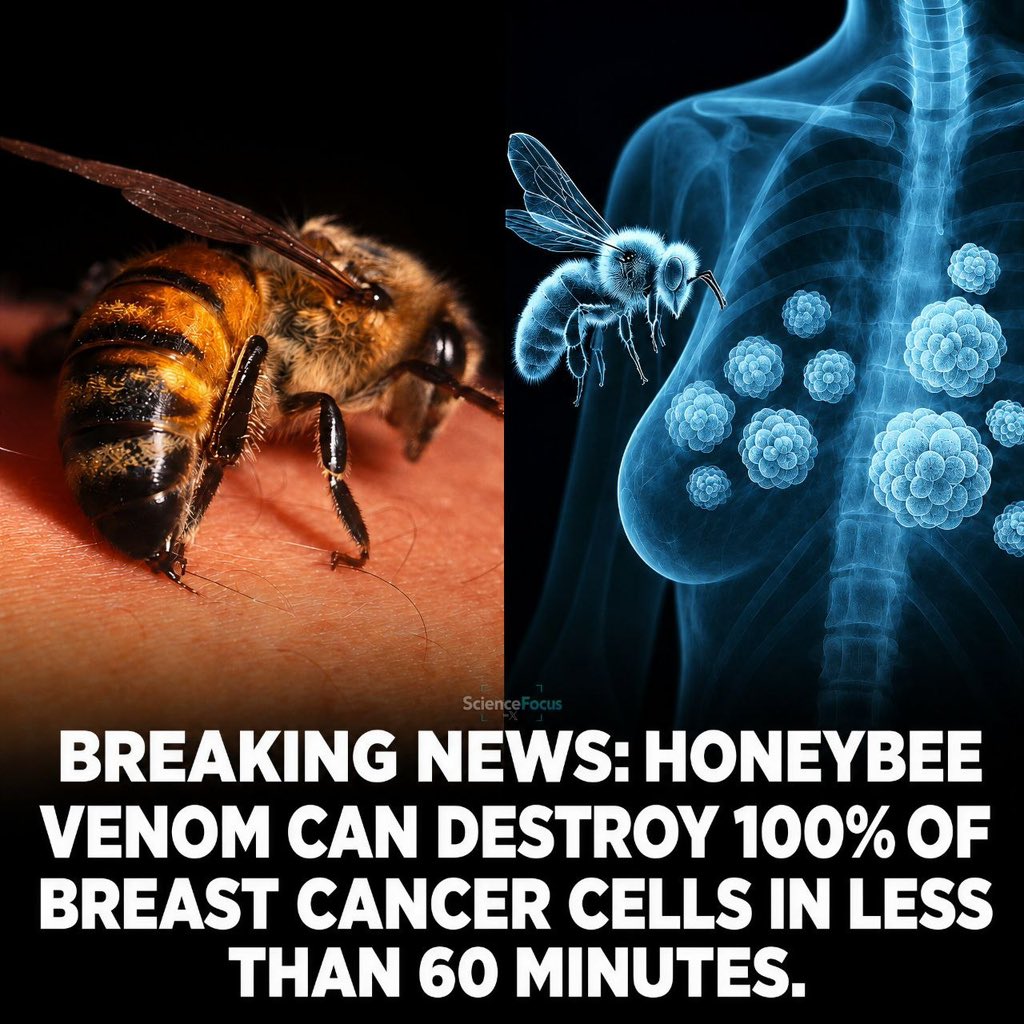
A tiny bee just did what chemotherapy couldn't. Scientists in Australia discovered that honeybee venom can wipe out 100% of aggressive breast cancer cells in under 60 minutes. And the healthy cells around them? Barely touched. The breakthrough came from Dr. Ciara Duffy and her team at the Harry Perkins Institute of Medical Research, working alongside the University of Western Australia. They tested venom drawn from 312 honeybees and bumblebees across Australia, Ireland, and England. The target: triple-negative breast cancer and HER2-enriched breast cancer. Two of the deadliest, most stubborn forms of the disease. The weapon: melittin. The same tiny peptide that makes a bee sting burn. At one specific dose, melittin tore through cancer cell membranes completely within an hour. Within just 20 minutes, it shut down the chemical signals cancer cells need to grow and multiply. Bumblebee venom, which lacks melittin, did nothing. Zero effect, even at high concentrations. Scientists then recreated melittin synthetically in the lab and got almost identical results, meaning no bees need to be harmed to develop the therapy. Published in the peer-reviewed journal npj Precision Oncology, the findings are still early-stage. Human trials haven't happened yet. But one thing is clear. Nature has been hiding answers in plain sight all along, sometimes inside the smallest creatures on Earth. Source: Harry Perkins Institute of Medical Research / npj Precision Oncology (Dr. Ciara Duffy et al.) Science Focus
6
87
175
3,360
Sandy retweeted
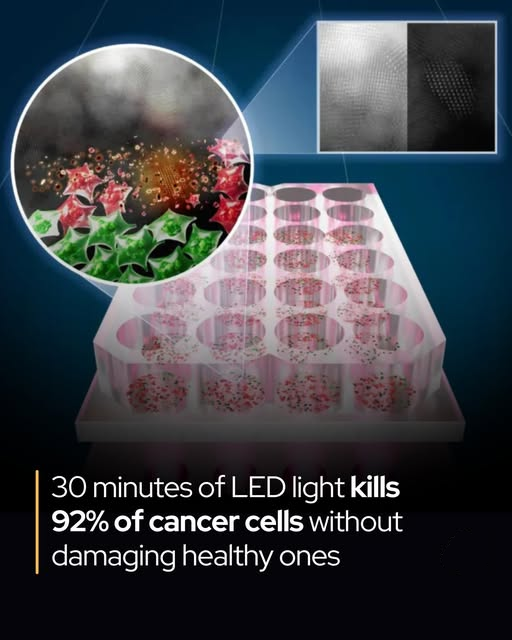
A new light therapy kills 92% of cancer cells in just 30 minutes. Researchers in Texas and Portugal have created a cancer-killing therapy that pairs cheap LED lights with atom-thin tin oxide nanoflakes to wipe out tumors while sparing healthy tissue. The process is photothermal: near-infrared LEDs shine on the tin flakes (SnOx), which absorb the light and warm up precisely enough to cook nearby cancer cells. In lab tests, a 30-minute session destroyed 92% of skin-cancer cells and 50% of colorectal-cancer cells, yet left normal human skin cells untouched—precision that chemo and radiation rarely match. In lab tests, the technique killed up to 92% of skin cancer cells and half of colorectal cancer cells after only 30 minutes of exposure – with no harm to healthy human skin cells. It's the kind of precision that traditional chemotherapy and radiation often struggle to achieve. Unlike earlier photothermal methods that needed costly lasers and exotic materials, this version uses off-the-shelf LEDs and abundant tin, slashing cost and complexity. The team envisions wearable patches for post-surgical cleanup to stop recurrence, plus implantable versions for deeper tumors like breast cancer. The bigger aim: deliver hospital-grade treatment to clinics, homes, and underserved regions worldwide. [SnOx Nanoflakes as Enhanced Near-Infrared Photothermal Therapy Agents Synthesized from Electrochemically Oxidized SnS2 Powders." ACS Nano, 2025]
35
591
1,934
83,786
Sandy retweeted
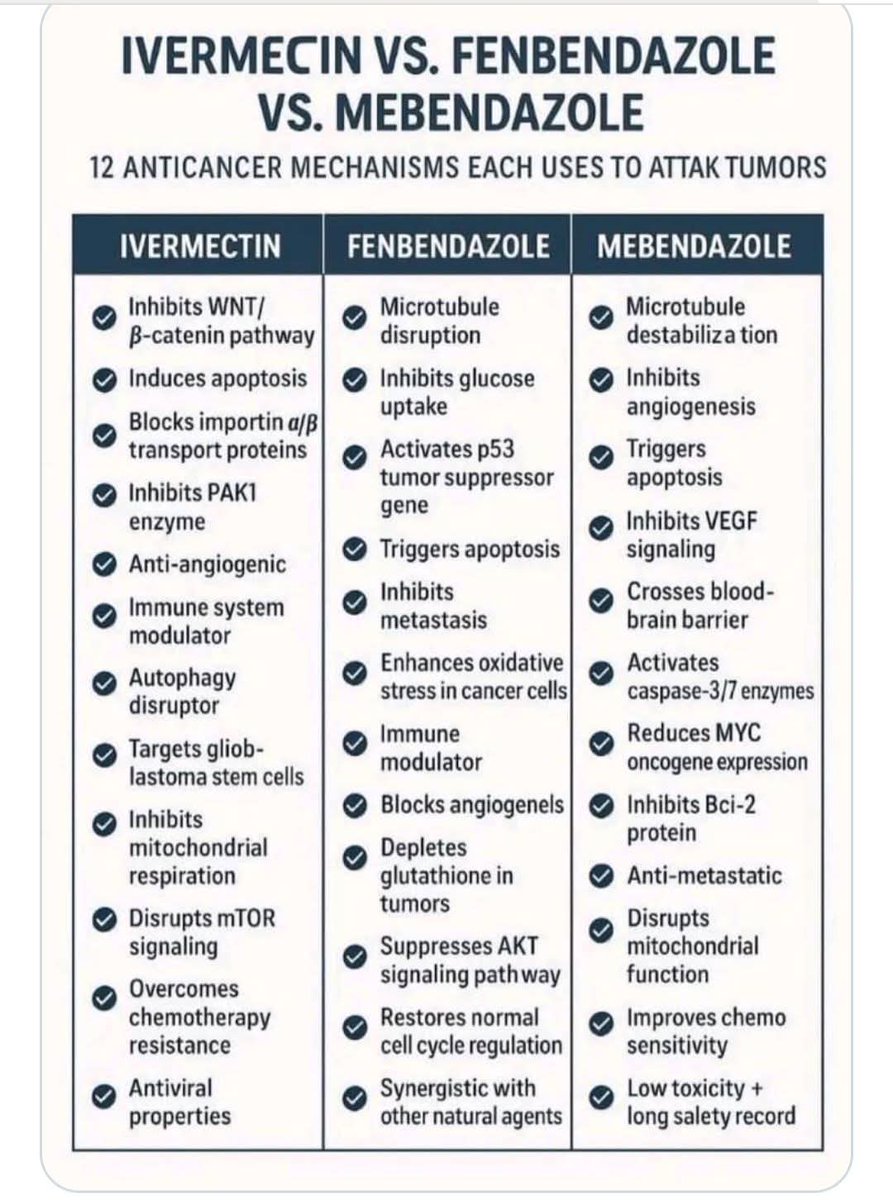
IVERMECTINA VS. FENBENDAZOLO VS. MEBENDAZOLO 12 MECCANISMI ANTITUMORALI CHE OGNUNO UTILIZZA PER ATTACCARE I TUMORI IVERMECTINA Inibisce la via di segnalazione WNT/β-catenina Induce l'apoptosi Blocca le proteine di trasporto importina α/β Inibisce l'enzima PAK1 Anti-angiogenico Modulatore del sistema immunitario Disruttore dell'autofagia Colpisce le cellule staminali del glioblastoma Inibisce la respirazione mitochondriale Disrompe la segnalazione mTOR Supera la resistenza alla chemioterapia Proprietà antivirali FENBENDAZOLO Disruzione dei microtubuli Inibisce l'assorbimento del glucosio Attiva il gene soppressore del tumore p53 Innesca l'apoptosi Inibisce le metastasi Aumenta lo stress ossidativo nelle cellule cancerose Modulatore immunitario Blocca l'angiogenesi Depaupera il glutathione nei tumori Sopprime la via di segnalazione AKT Ripristina la normale regolazione del ciclo cellulare Sinergico con altri agenti naturali MEBENDAZOLO Destabilizzazione dei microtubuli Inibisce l'angiogenesi Innesca l'apoptosi Inibisce la segnalazione VEGF Attraversa la barriera emato-encefalica Attiva gli enzimi caspasi-3/7 Riduce l'espressione dell'oncogene MYC Inibisce la proteina Bcl-2 Anti-metastatico Disrompe la funzione mitochondriale Migliora la sensibilità alla chemio Bassa tossicità lungo track record di sicurezza E tanti (servi volenti o nolenti delle farmaceutiche) continuano a chiamarli ancora antiparassitari per animali.
25
1,289
2,628
58,517
Sandy retweeted
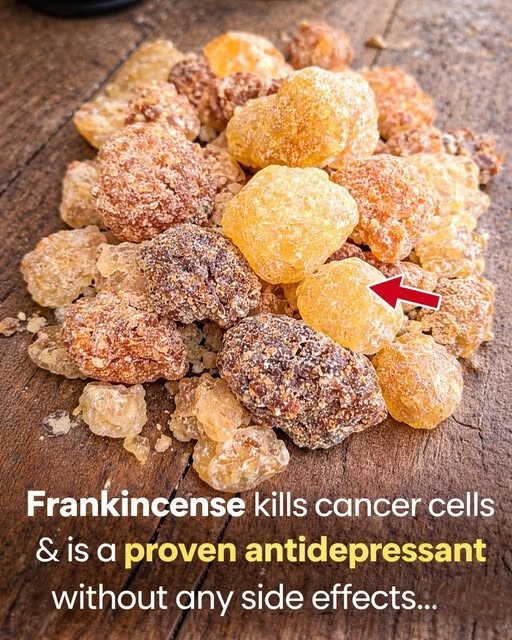
Frankincense & Cancer Cells: Exploring Emerging Research 🌿 Frankincense, derived from the Boswellia tree, has been used for centuries in traditional medicine. Recent studies highlight its potential in cancer treatment, thanks to its active compounds, especially boswellic acids. These compounds may induce apoptosis (programmed cell death) in various cancer cells, inhibit tumor growth, and reduce inflammation, a known risk factor for cancer. Research suggests that frankincense can block cell proliferation and disrupt key signaling pathways involved in cancer progression. Recent findings show promising results: Breast Cancer: AKBA has been found to inhibit growth and trigger apoptosis in breast cancer cells. Colon Cancer: Boswellic acids not only reduce cell viability but also enhance the effectiveness of chemotherapy. Prostate Cancer: Frankincense extract significantly decreases the proliferation of prostate cancer cells. While the initial research is encouraging, more rigorous clinical trials are needed to establish frankincense's efficacy and safety in cancer treatment. Its potential as a complementary therapy offers hope for patients seeking alternative options. #Frankincense #CancerResearch #NaturalMedicine
12
154
412
11,874
Sandy retweeted
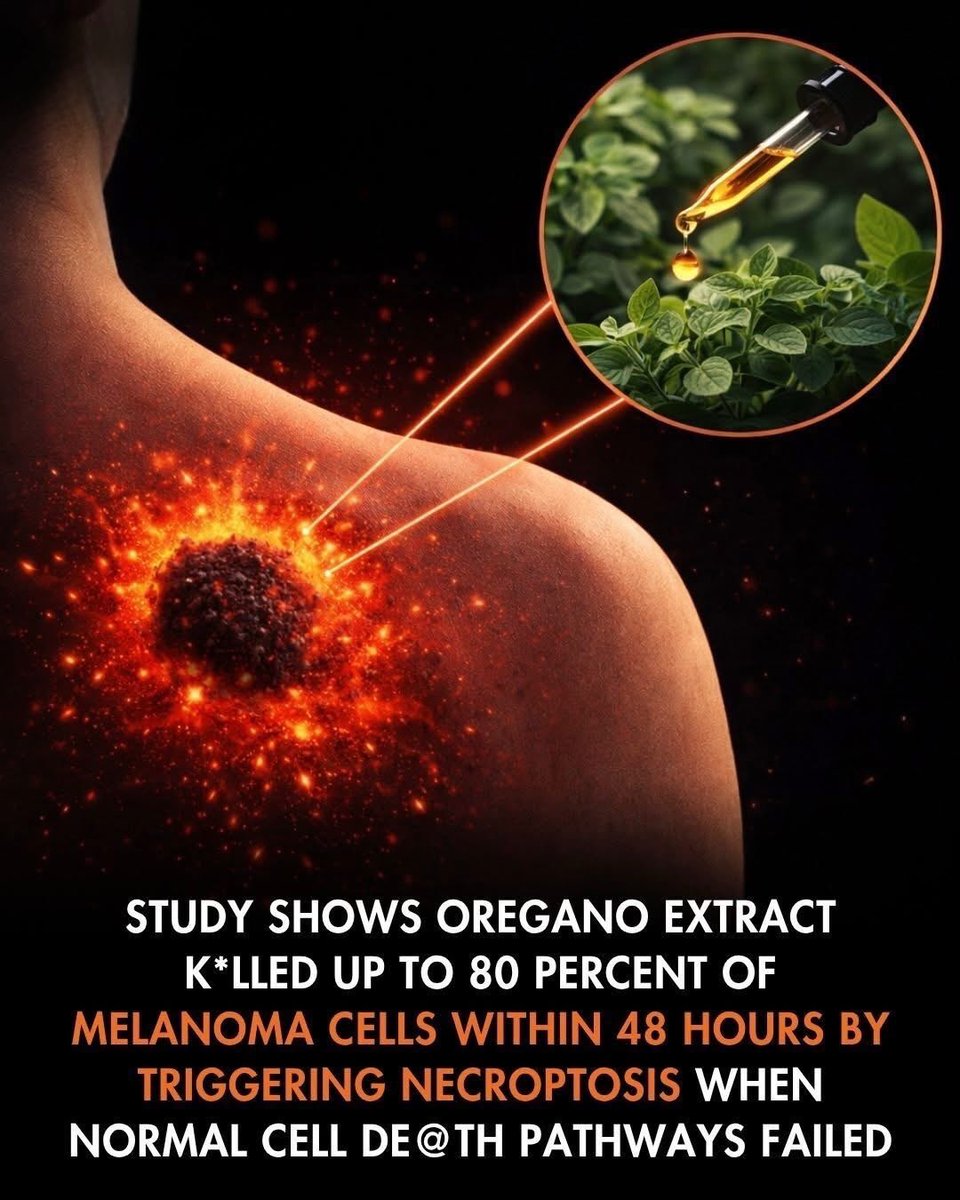
🚨 The Hidden “Self-Destruct Switch” in Cancer… Triggered by a Kitchen Herb? It sounds like something out of a science thriller… but in a lab, researchers made a shocking discovery. A simple extract from oregano didn’t just slow cancer cells — it destroyed nearly 80% of aggressive melanoma cells within 48 hours. And then it got even more unsettling… When the cancer cells refused to die the normal way, the extract appeared to force them into an alternate death pathway — a process scientists call necroptosis. Almost like activating a hidden “backup kill switch” the cells couldn’t escape. Let that sink in… A common spice, sitting quietly in kitchens around the world, showing the ability to push deadly cells toward self-destruction. But here’s the truth: this happened in a lab, not in the human body. It’s not a cure — not yet. Still, discoveries like this raise a haunting question… What other powerful secrets are hiding in plain sight, waiting to be uncovered? Source: Mlcek, J., Rop, O., Balla, S., & Jurikova, T. (n.d.). Origanum vulgare extracts and their anti-cancer activity in melanoma cells. MDPI Foods
2
62
146
3,256
Sandy retweeted
O CÂNCER FOI CURADO HÁ QUASE 100 ANOS COM A FREQUÊNCIA E A ALCALINIZAÇÃO DO SEU CORPO. CURA PROIBIDA – 1931 Em 1931, o cientista alemão Dr. Otto Warburg recebeu o Prêmio Nobel por uma descoberta que poderia ter mudado a medicina para sempre. Ele provou que as células cancerígenas não conseguem sobreviver em um ambiente rico em oxigênio e que a causa principal do câncer é a falta de oxigênio na célula. Em vez de se tornar a base da medicina moderna, sua descoberta foi sufocada. A medicina se afastou da frequência e da energia — e se voltou para a química e o lucro. Esses documentos permanecem escondidos sob a etiqueta “Classificado: 1931.” Porque a verdade sobre a cura nunca deveria ser rentável. Fonte 🧷 MB Technology News
40
1,297
3,415
70,258
Sandy retweeted
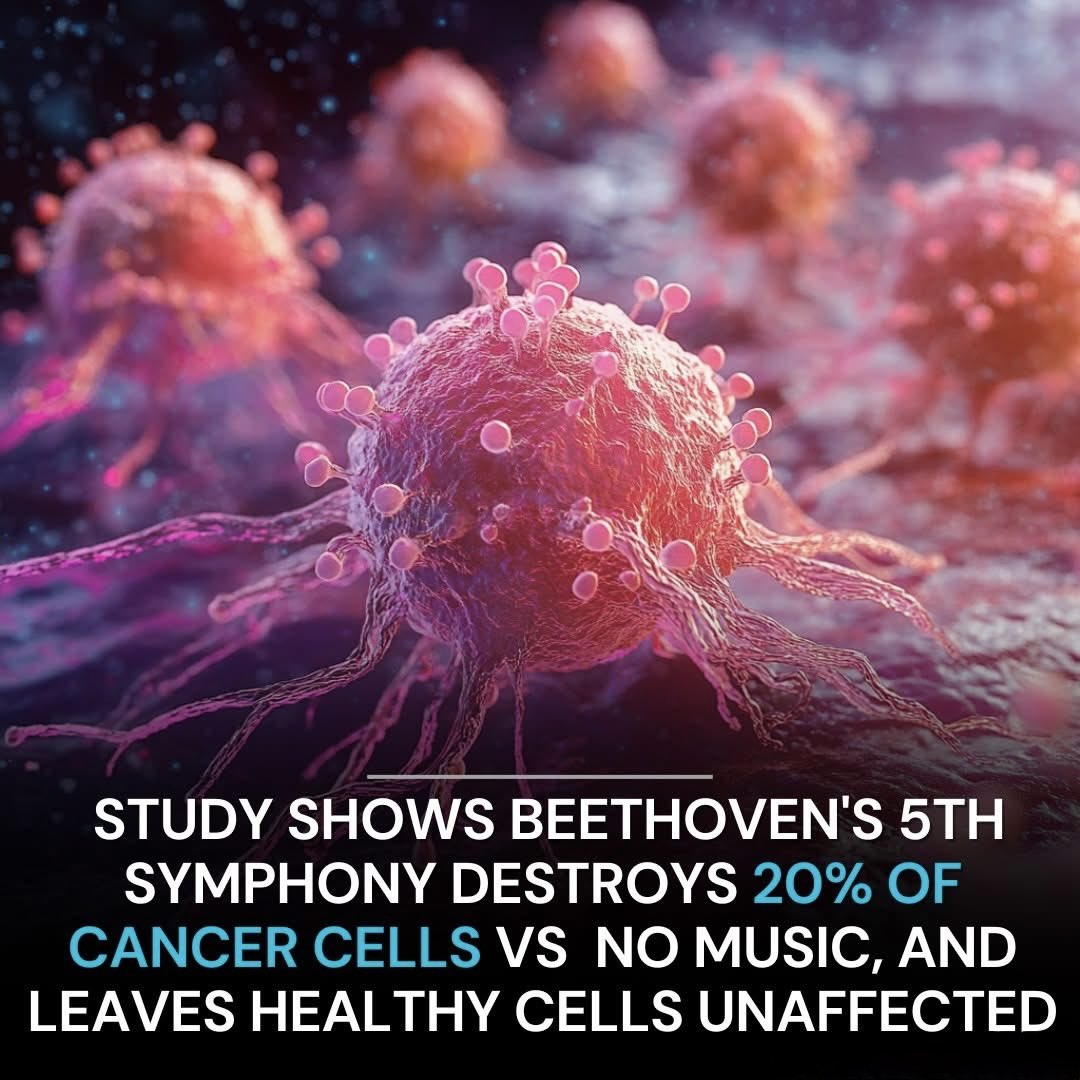
🚨 Research shows music literally has the power to heal. Revolutionary research reveals that Beethoven’s Symphony No. 5 can target and destroy 20% of cancer cells without harming healthy tissue. Researchers at the Federal University of Rio de Janeiro, led by Dr. Márcia Alves Marques Capella, have uncovered a startling intersection between classical music and oncology. By exposing both healthy and malignant cells to various musical compositions, the team observed that Beethoven’s iconic Symphony No. 5 triggered the destruction of approximately one-fifth of the cancer cells. Remarkably, the healthy cells remained completely untouched during the process, suggesting a level of selectivity that is highly sought after in modern medical treatments. The study highlights that not all music yields the same results; while György Ligeti’s "Atmosphères" produced a similar therapeutic effect, Mozart’s "Sonata for Two Pianos" showed no impact on the cell cultures. Scientists believe the secret lies in the specific rhythms and frequencies inherent in certain masterpieces, which may disrupt the biological structure of tumors. This pioneering research paves the way for potential non-invasive therapies, offering a melodic glimpse into the future of cancer care where sound waves could one day complement traditional medicine. source: Capella, M. A. M., et al. (2014). Direct effects of music in cancer cells. Federal University of Rio de Janeiro, Instituto de Biofísica Carlos Chagas Filho.
44
539
1,814
66,734
Sandy retweeted
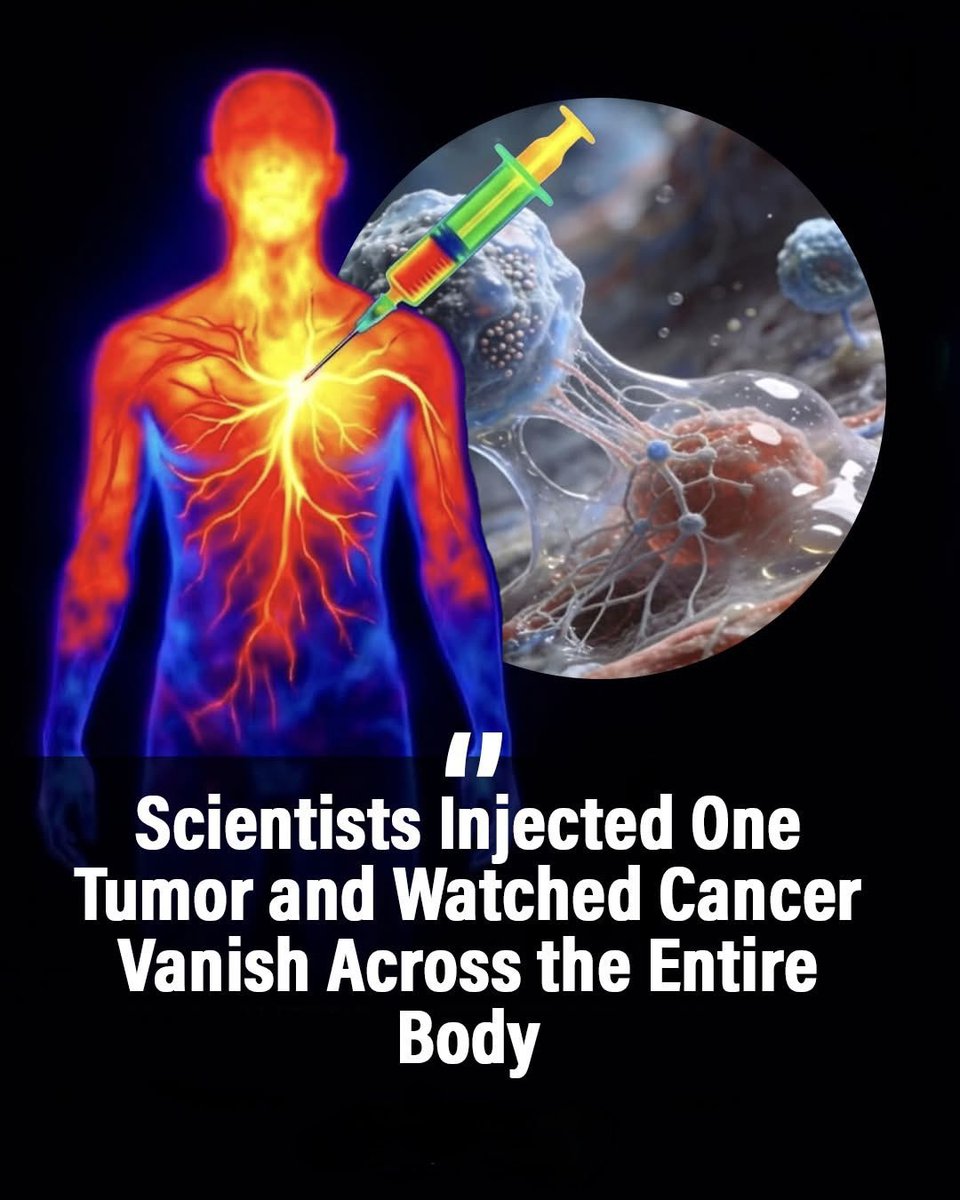
🚨 Breaking Cancer News Imagine this: doctors inject one tumor, and suddenly the body’s immune system starts attacking cancer everywhere. Not just the tumor that got the shot, all tumors in the body. Sounds like science fiction… but early trials suggest it’s real. A redesigned CD40 immunotherapy is being tested. Instead of giving the drug through the bloodstream (which caused severe side effects before), scientists inject it directly into a single tumor. That tumor acts as a training ground for the immune system. Immune cells learn to recognize the cancer and then hunt down other tumors throughout the body. In a small trial of 12 patients with metastatic cancers, six saw their tumors shrink, and two experienced complete disappearance of all detectable cancer. Minimal side effects were reported. One injection, whole-body response — a possible game-changer for cancer treatment. Source: ScienceDaily. (2026, March 15). Inject one tumor, immune system attacks all: Early trial shows promise for redesigned cancer therapy
8
126
400
12,389
Sandy retweeted
JUST IN: Scientists built bacteria that EATS cancer from the inside out. The future of cancer treatment isn't a drug. It's a living organism that devours tumors from the inside. Here's how it works: Solid tumors have a dead center. No oxygen. No blood flow. Just dead cells and nutrients sitting there. Most cancer drugs can't survive in that environment. They get blocked. They break down. They never reach the core where the tumor is most protected. But researchers at the University of Waterloo found something that THRIVES there. It's called Clostridium sporogenes. A bacteria found in soil that loves oxygen-free environments. Researchers send spores directly into the tumor: 1. The bacteria wakes up in the dead, oxygen-free center 2. It starts consuming nutrients and growing 3. It multiplies and COLONIZES the space 4. It eats the tumor from the inside out Then they added something called quorum sensing. Bacteria communicate through chemical signals. When enough bacteria pile up INSIDE the tumor, those signals flip on the oxygen-tolerance gene. This means the bacteria won't activate in your bloodstream. It only activates inside the tumor, where it belongs. Think about what that means. Chemo hits everything. Good cells. Bad cells. Your hair. Your gut. Your immune system. The cancer suffers, but so does the rest of your body. This is different. This is a PRECISION weapon. A living, self-regulating machine that targets only the tumor's environment and ignores healthy tissue. The team is now heading into preclinical trials and testing it on real tumors. We are watching history happen.
173
1,575
4,838
240,202