no interest in sports, identify as an attack chopper hoping to transition to F-22 or SR-71. Pronouns are SOI SOI SOI or rain hellfire.
Joined May 2024
- Tweets 6,758
- Following 707
- Followers 122
- Likes 8,365
303 Photos and videos









Seductive Liquid retweeted

Apr 15
The perfect gift for the hasan piker fan in your life

80
637
21,429
367,659
Seductive Liquid retweeted

Apr 7
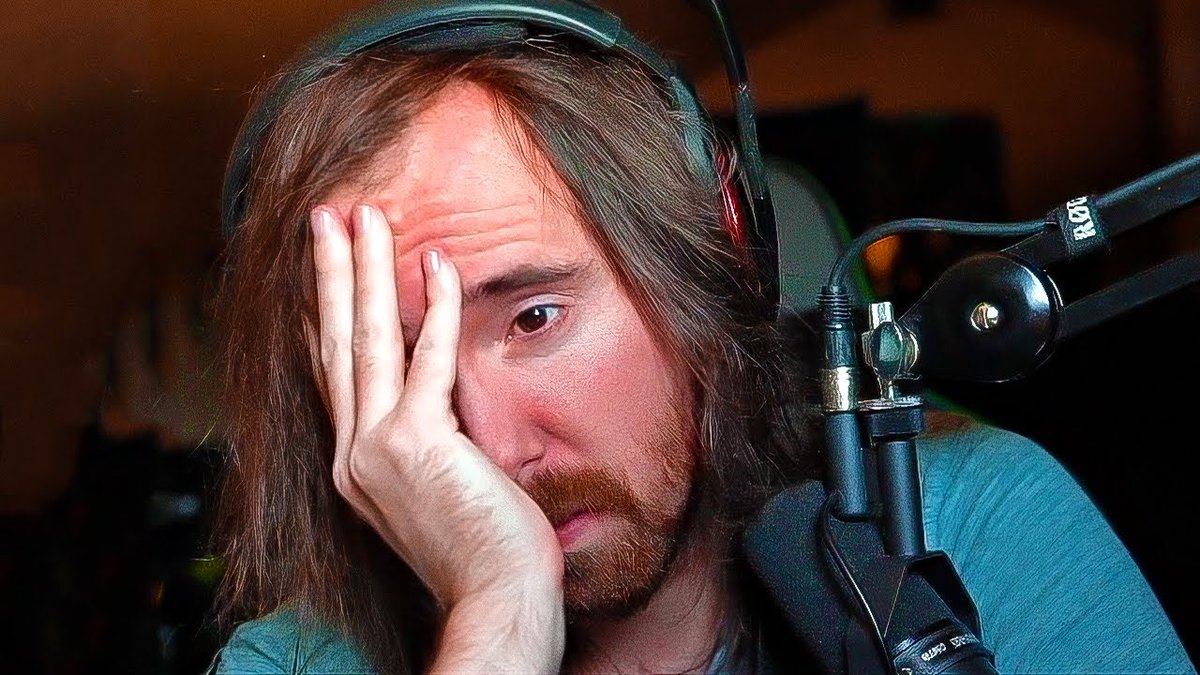
Banned for an entire week because I said I don't give a fuck about the opinions of illiterate third worlders.
Would someone be banned for saying they don't care about what an American's opinion is on the Middle East?
Of course not
Blatant double standard, I didn't break ToS


13,219
12,105
195,181
10,826,823
Seductive Liquid retweeted

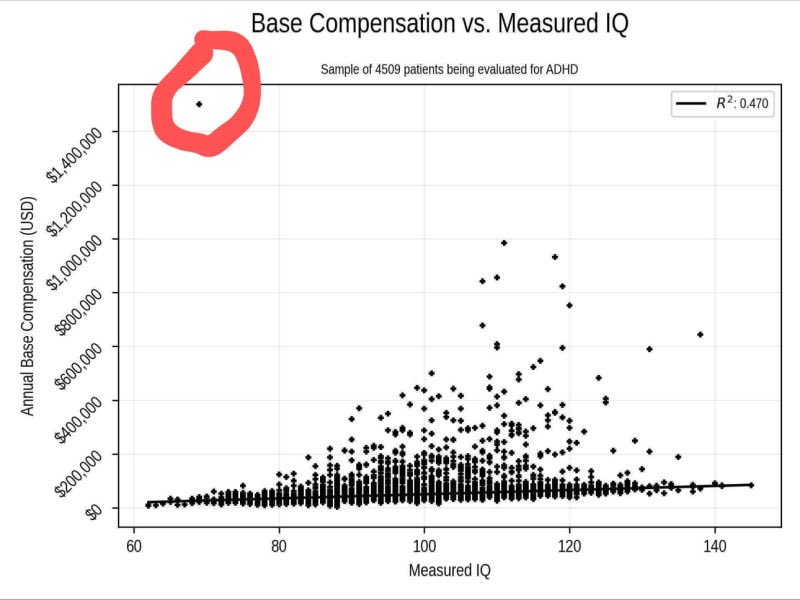
Since that is clearly Hasan Piker, we don't need to imagine.
Mar 20

Imagine how absolutely sublime it must be to be retardmaxxing and rich
80
575
16,394
262,263
Seductive Liquid retweeted

Mar 19
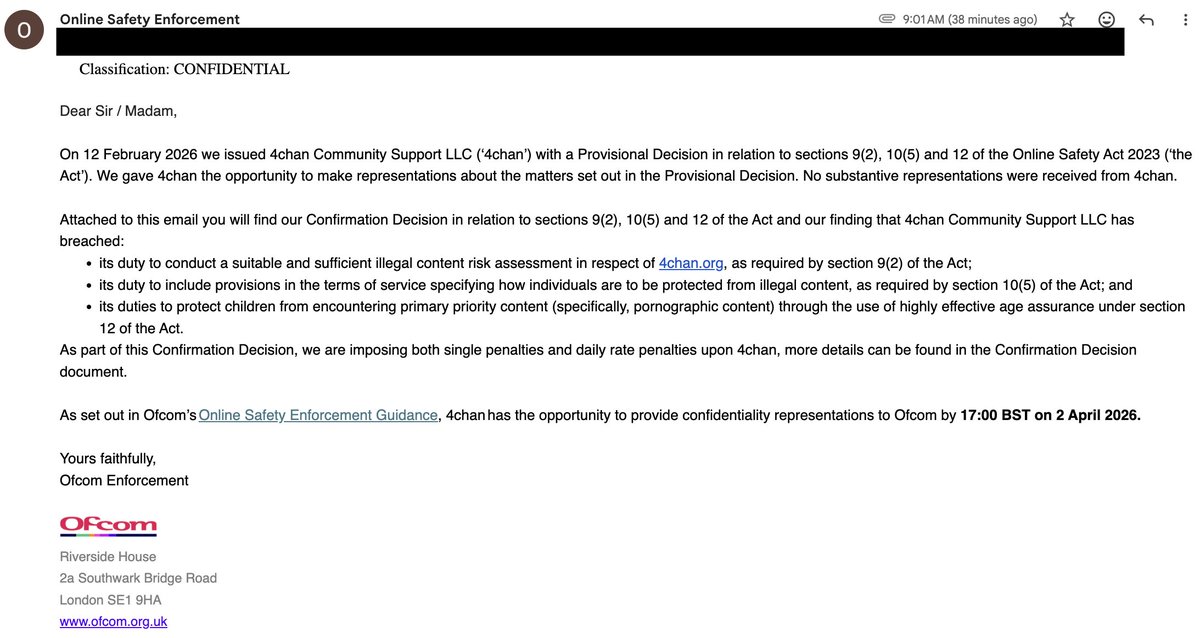
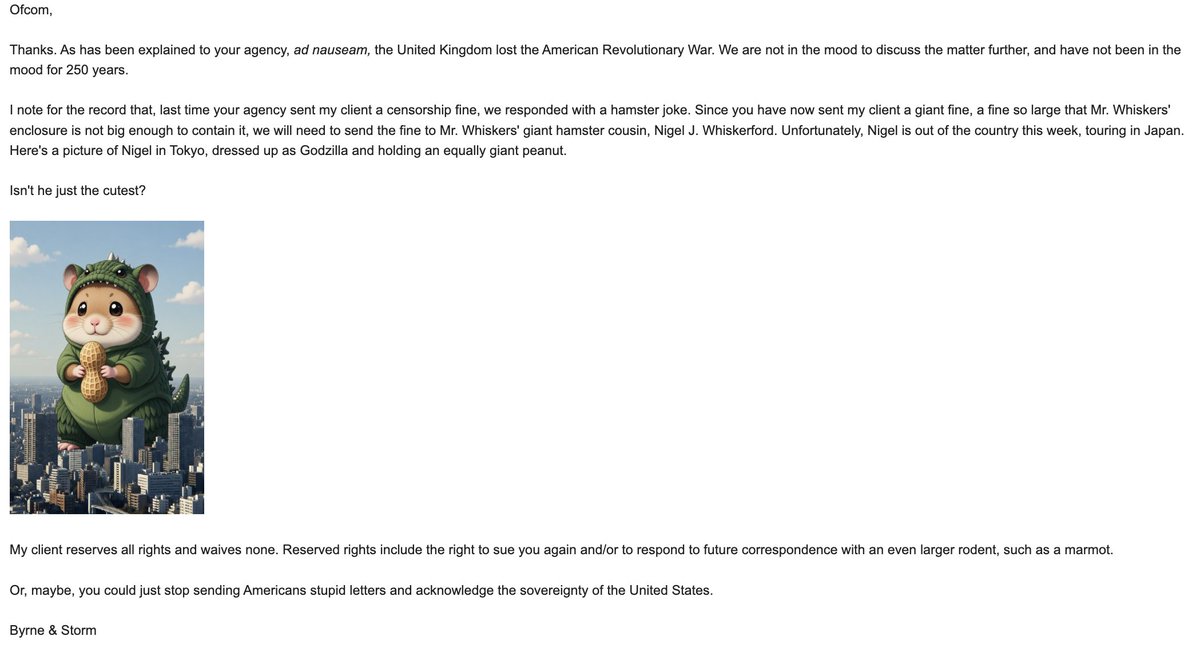
The UK's censorship agency, Ofcom, issued 4chan with a giant fine today.
We responded to Ofcom with a giant hamster today.

683
2,500
20,335
1,350,634
Seductive Liquid retweeted

Mar 19
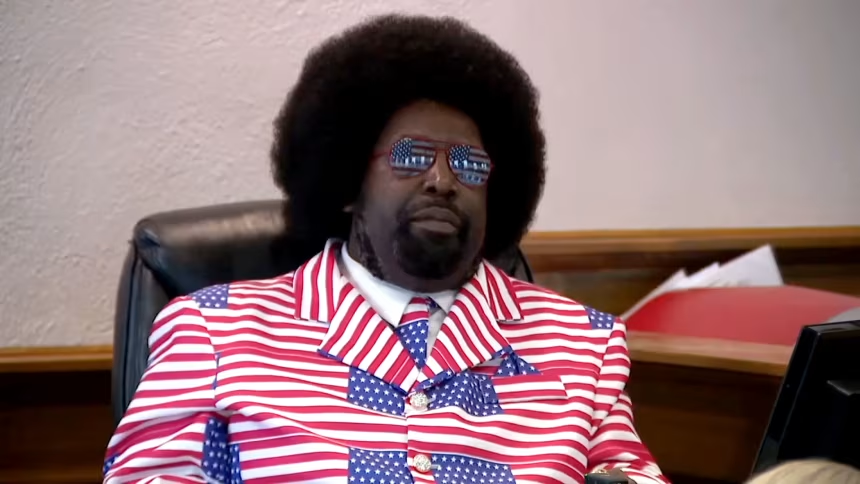
The Afroman Trial.
-Cops raid Afromans house for bullshit reasons.
-Steal money, break his door, fuck his house up.
-No criminality found whatsoever, no charges at all pressed on Afroman.
-Afroman spends the next 3 years making songs that make fun of all the officers involved by name, even using footage of the raid from his own CCTV cameras.
-Songs had titles like "Randy Walters is a son of a bitch" and "Lick Em Low Lisa" accusing one of the officers of being a lesbian and sleeping with the other officers wives.
-During the raid one officer looked like he was about to eat some lemon pound cake sitting on Afromans counter, Afroman made a whole album calling the officer fat.
-The cops get mad and file a lawsuit for defamation.
-Afroman turns up to court in a whole American flag suit.
-Officers performatively mald and cry while listening to the songs really trying to oversell how badly the songs upset them.
-One officer was suing because Afroman made a whole song about him saying he was fucking the officers wife. When the officer was asked if Afroman was really fucking his wife, he said "I don't know". Nuking his own case and establishing that there is a non-zero chance that Afroman might actually be fucking his wife.
-As his only witness for the trial, Afroman brought a deputies EX FUCKING WIFE.
-The jury ruled completely in favour of Afroman.
This entire thing has been a great win for free speech and absolutely fucking hilarious.
1,825
26,001
210,142
12,271,963

Woman unknowingly persuaded by authority figure to move in with trans individual.
Woman bonds, opens up in a way they only would with a biological female due to shared experiences and biology.
Woman discovers the individual is transgender.
Called bigot for being deceived.
147
Seductive Liquid retweeted
Mar 2
NEVER


This #WomensHistoryMonth, join us in celebrating the women who shape Halo in our universe, our studio, and our community. 💚

ALT Image of two Spartans wearing the Women's History Month armor coating.
50
396
11,526
162,507
Seductive Liquid retweeted

I'll have you on my channel shortly and you can say everything you need to say 👍
41
80
1,454
14,420
Seductive Liquid retweeted

Feb 27
A state has a duty to protect its youth, not only physically, but intellectually and morally. When university spaces become arenas where extremist narratives are normalized, romanticized, or disguised as activism, responsible governments reassess risk.
The UAE invests heavily in education abroad because it believes in global exposure, academic excellence, and cross-cultural engagement. Sending students overseas is not a privilege handed out lightly. It is a strategic investment in future diplomats, engineers, policymakers, and innovators. That investment must be matched by an environment that is safe, balanced, and grounded in genuine scholarship.
When certain campuses allow ideological movements to frame terrorism as resistance, glorify violent actors, or pressure students into polarized identity politics, it raises legitimate concerns. Emirati students represent their country’s values of tolerance, coexistence, and stability. They should not be placed in environments where extremist rhetoric is normalized under the banner of free expression.
The UAE’s approach to education has always centered on moderation, institutional stability, and zero tolerance for political Islam networks that exploit youth spaces. If safeguards are insufficient, reassessment becomes a matter of national responsibility. Education abroad must remain an opportunity for growth, not exposure to radicalization pipelines.
Protecting students is not isolationism. It is governance.

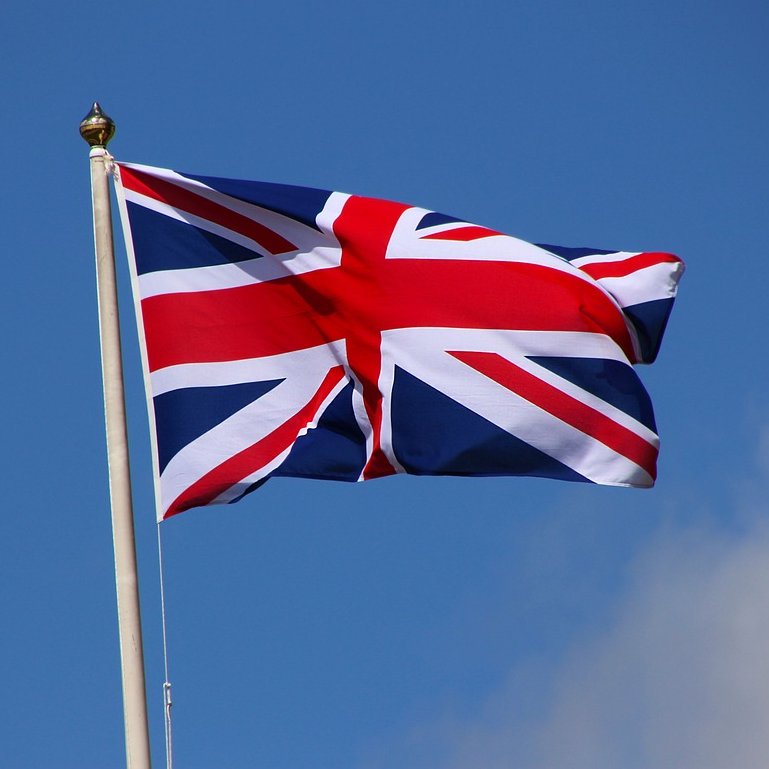
SCARY: 🇦🇪🇬🇧 UAE has cut funding for its citizens to study in the U.K. due to Muslim extremists on British campuses.

103
793
3,326
191,521
Seductive Liquid retweeted

The Left: "Tax the rich!"
The reality: The top 1% in the UK pay over 30% of of the nations collective Income Tax.
1
1
115

Restore Britain is the last and only hope
Feb 24

Important Restore Britain news - we are now well over 90,000 members and on track for 100,000 within two weeks of the party's launch.
I am asking for your help - a big push to get us over the 100,000 line. Send to friends/family.
Let's make history.
restorebritain.org.uk/join_u…

6,383
31,173
188,871
14,119,347
Seductive Liquid retweeted

Feb 24
What if I told you that the rape gang coverup in the UK is exponentially worst than the Epstein stuff?
And yes, the Epstein stuff is pure evil.
183
442
4,822
37,028
Seductive Liquid retweeted

Feb 24
Important Restore Britain news - we are now well over 90,000 members and on track for 100,000 within two weeks of the party's launch.
I am asking for your help - a big push to get us over the 100,000 line. Send to friends/family.
Let's make history.
restorebritain.org.uk/join_u…
1,231
8,239
38,809
15,277,304
Seductive Liquid retweeted

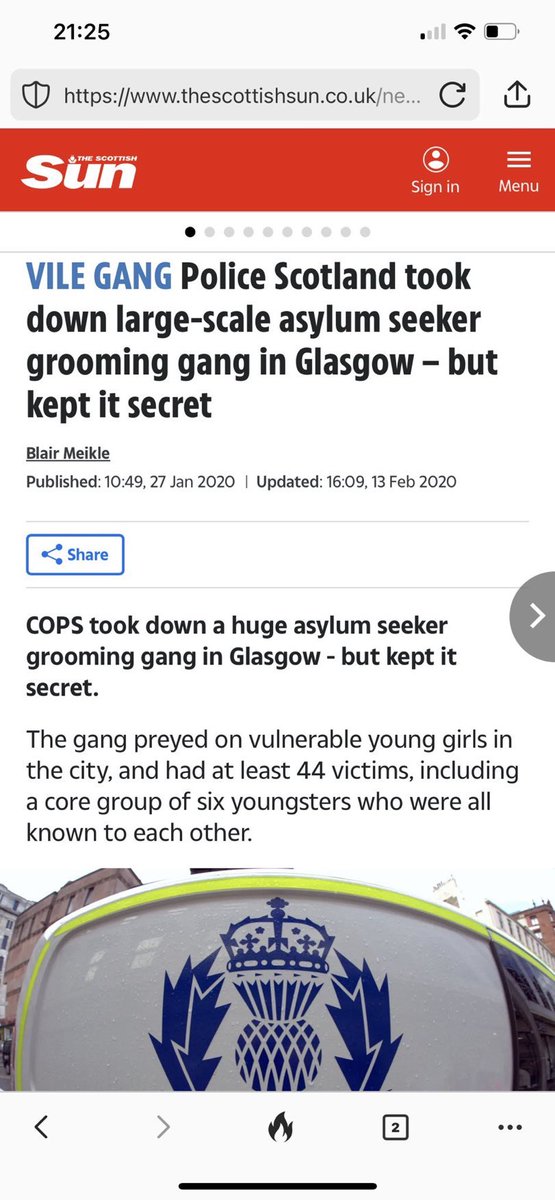
2016 Scotland, hidden from Us, if they’re hiding this, what else are they hiding ?
45 Confirmed Asylum seekers raped at least 44 girls, with one being raped by 28 of them and another by 23
“Of the 44 underage victims, It's believed one may have been abused by 28 men, with another linked to 23.
55 suspected members of the vile group were identified by officers, with 46 positively identified
All were asylum seekers from the Kurdish, Afghani, Egyptian, Moroccan, Turkish, Pakistani or Iraqi communities”
129
1,714
3,080
43,774
RT @LeescoLee3: My latest for @GBNEWS 👇🏻
"Britain’s willingness to turn a blind eye to shariah courts is an unconscionable example of est…
20
Seductive Liquid retweeted

Feb 24
85% of white people want photo ID to vote.
82% of Latino people want photo ID to vote.
76% of black people want photo ID to vote.
How come virtually 0% of House and Senate Democrats want photo ID to vote? 🤔
1,275
12,246
46,929
767,140
Seductive Liquid retweeted

Feb 22
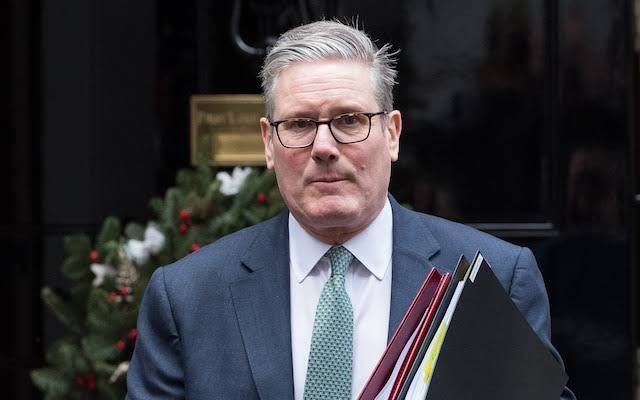
An investigation by the Express has found documents showing that as Director of Public Prosecutions, Keir Starmer oversaw the use of “paedophile Asbos” that allowed suspects to get off with a warning.
A history of protecting paedophiles.
His position is untenable. Resign!
566
4,866
16,460
346,039
Seductive Liquid retweeted

Feb 21
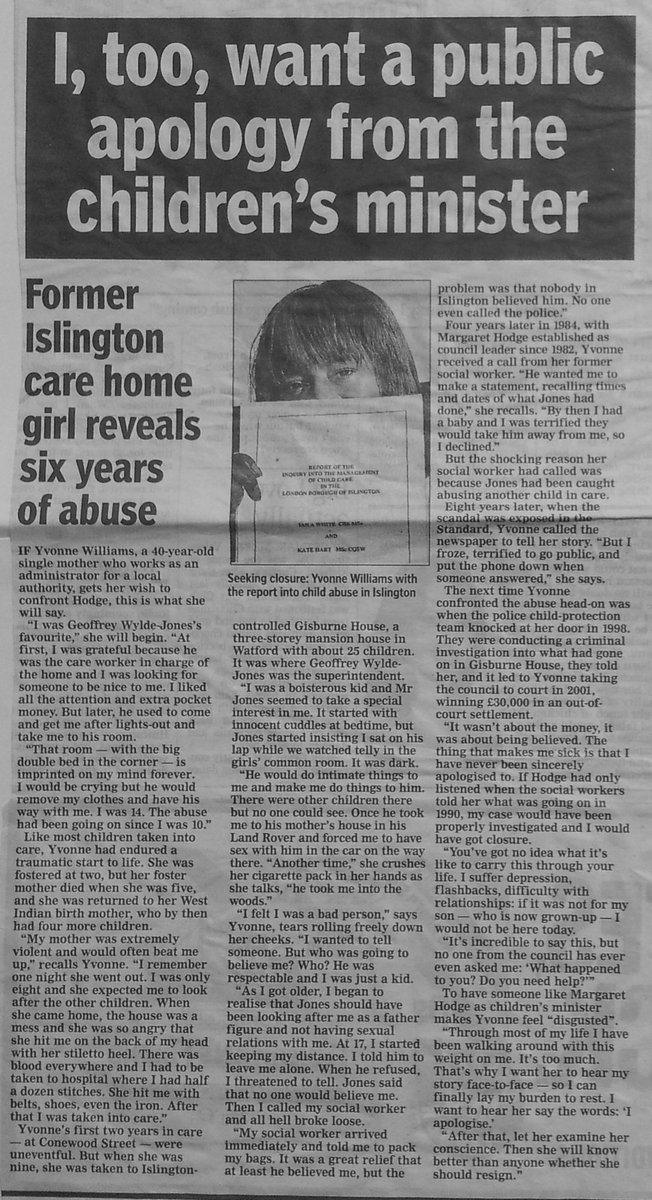
In the 1980s, whilst head of Islington Council, Hodge dismissed ignored claims of a paedophile ring operating in children’s homes under her watch.
She was later appointed as the Labour government’s Minister for Children.
Now, she will be in charge of what you can see online.

106
2,564
5,450
221,277
Seductive Liquid retweeted

Jan 31
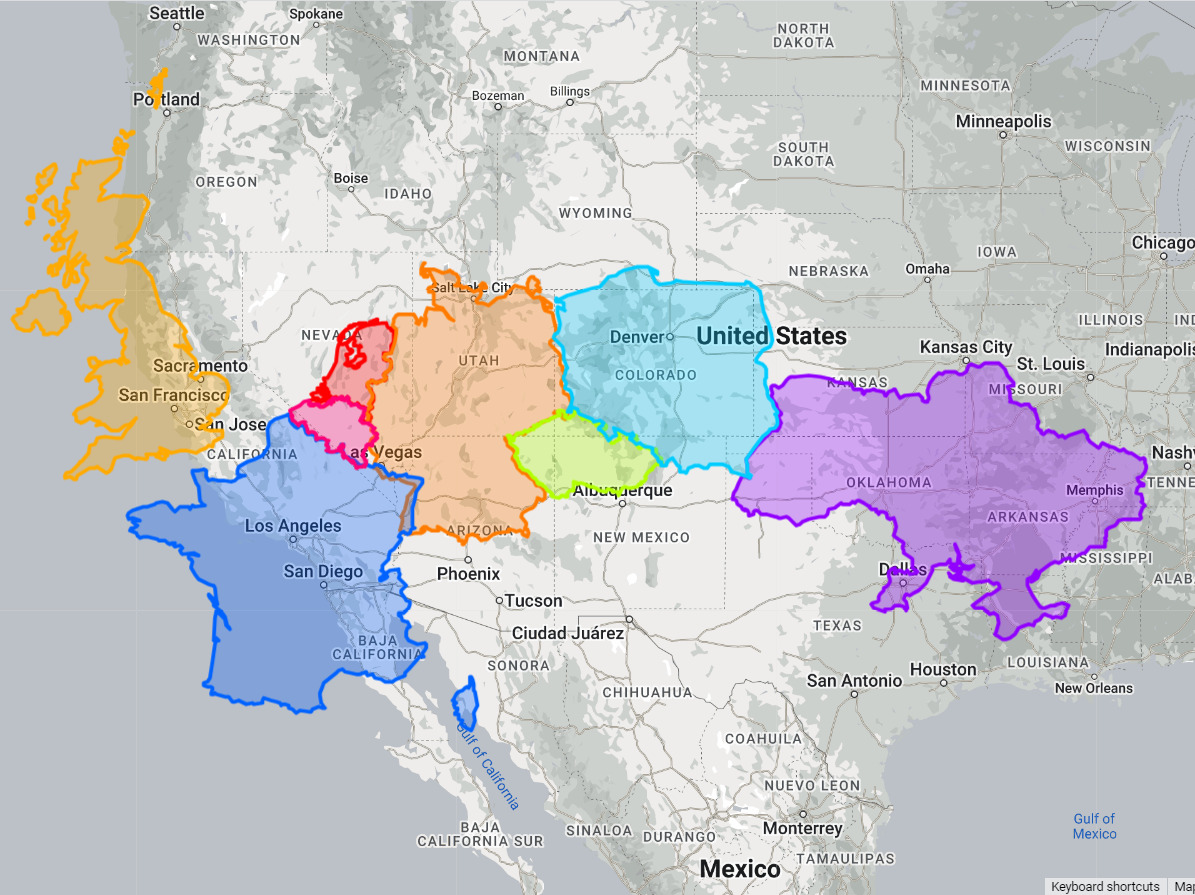
If the US had the pop density of England it would have 4 billion people
Jan 31

If Paris was Los Angeles, the Ukraine War would be going on in Memphis.
61
380
27,683
1,022,318
Seductive Liquid retweeted
Jan 24
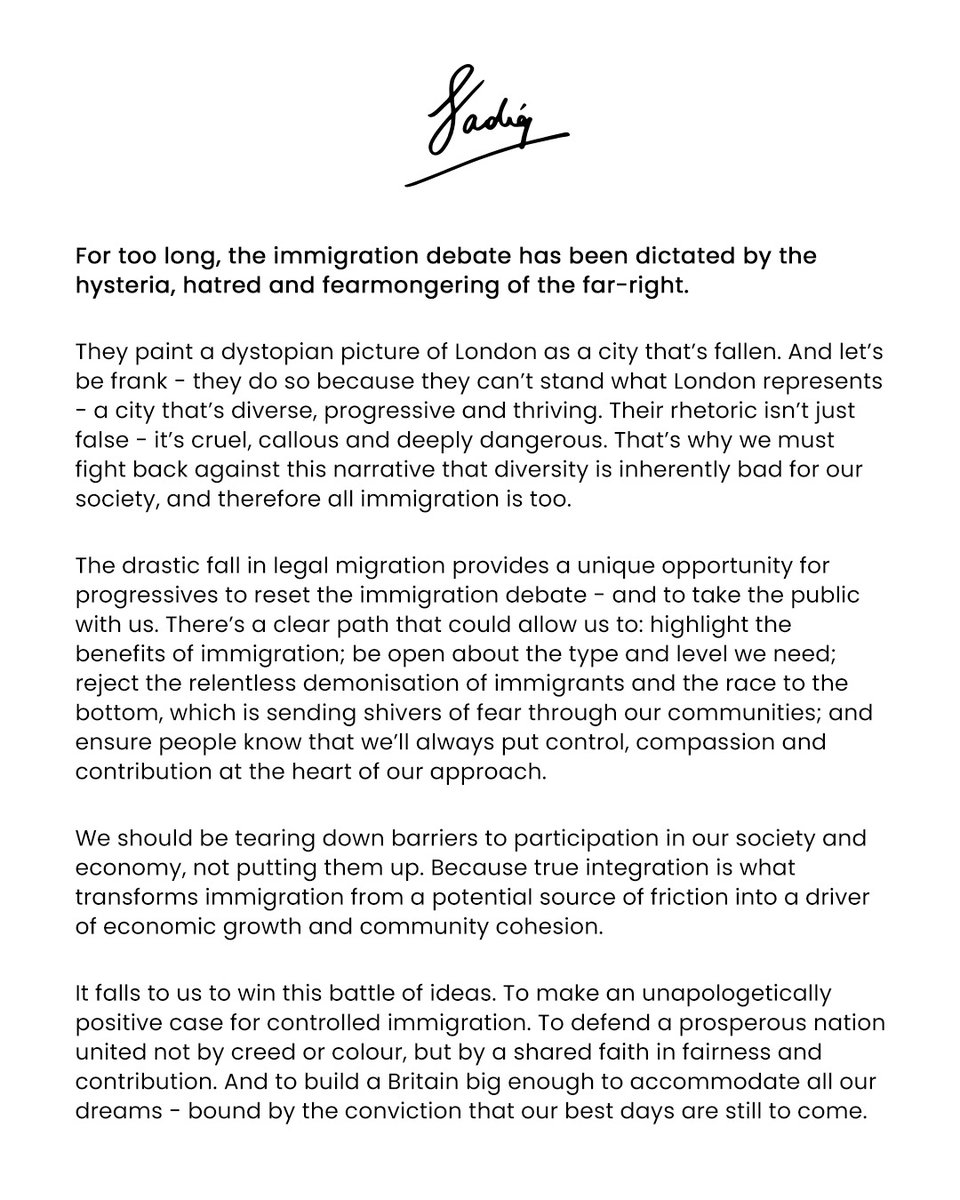
Your city is a crime riddled shitpile and that's coming from someone who lives in Glasgow.

116
401
9,532
146,670