Data sadist. High quality, high variance, galaxy-brained takes. Urbanism, rage against cruelty and inefficiency, scifi/fantasy, stats and programming.
Joined August 2022
- Tweets 5,417
- Following 380
- Followers 117
- Likes 160,873
294 Photos and videos








Pinned Tweet

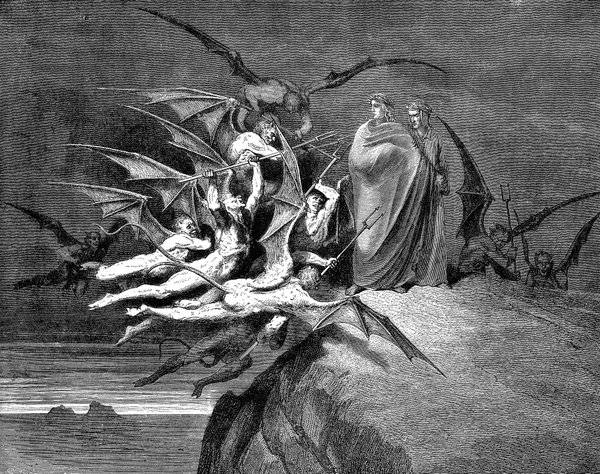
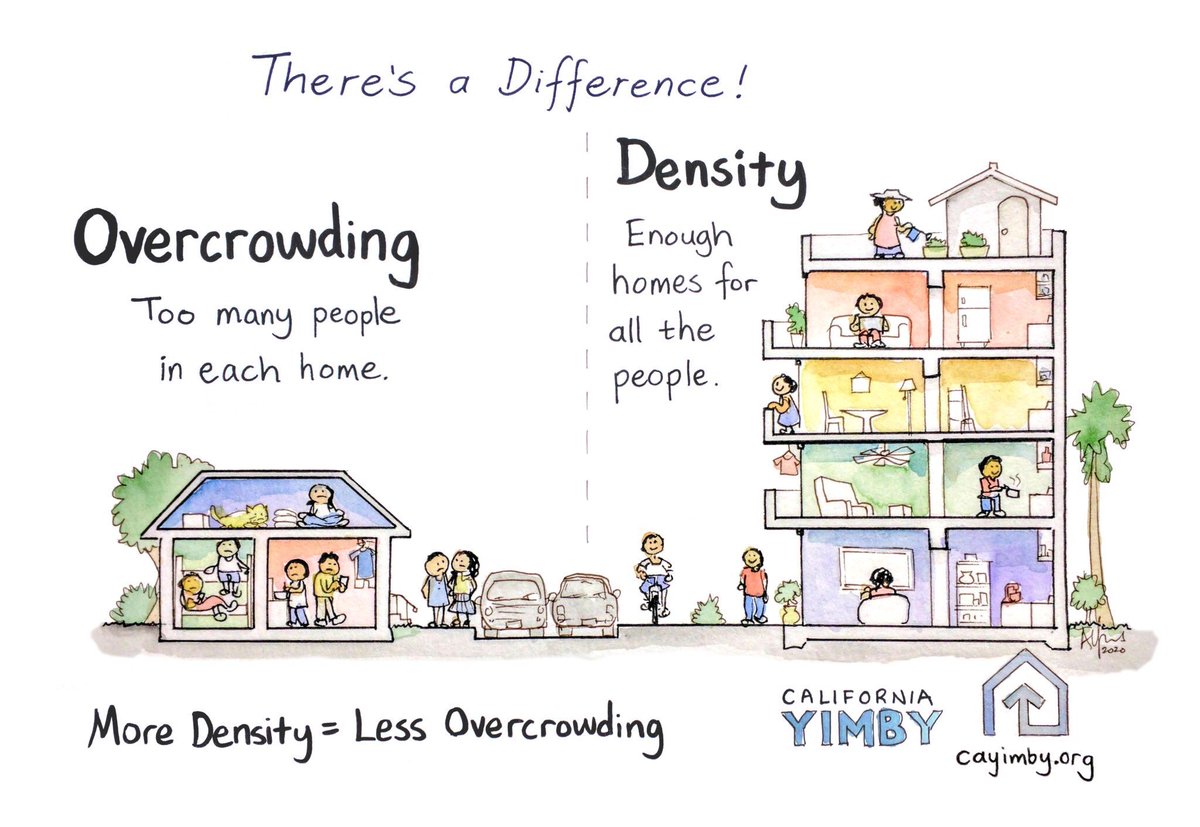
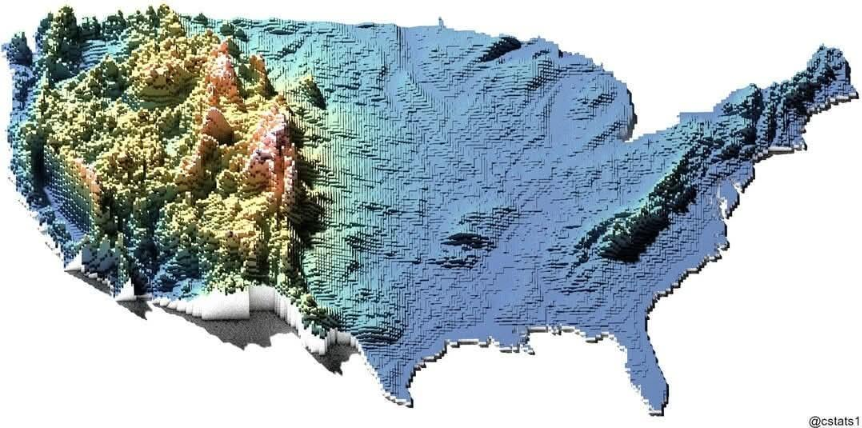
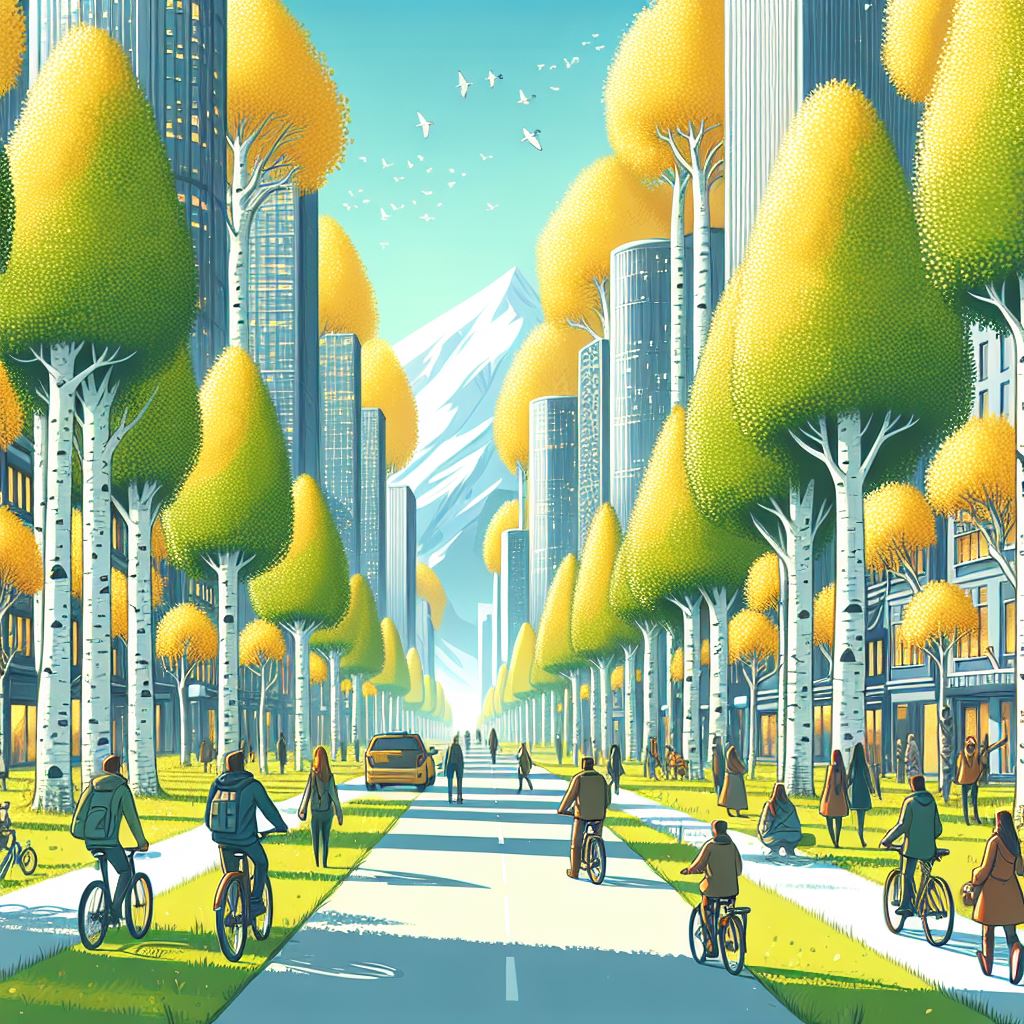
US Cities as inspired by 4th Age YIMBYS in Middle Earth:
1. Denver: Caras Galadhon, in Lothlorien.


1
8
1,952
This implies that pop/rock/rap music is a higher art than the performance of classical works
Jun 15

You can know that literature is a higher, more human, pursuit than music because there’s never been a virtuosic 6 year old novelist
6
🇺🇦🌹🗽🛰️ @SelectStarMan@techhub.social retweeted

Wild animal vaccines are a thing. In 1978, Switzerland airdropped 4,000 vaccine-laden chicken heads from helicopters over the Alps. And it worked: fox rabies was eliminated.
For most of history, our approach to sick wild animals was to treat it as not our problem. Turns out that was a bad idea, because roughly 60% of human infectious diseases come from wild animals.
So scientists got creative. Rabies was spreading through raccoons, foxes and coyotes despite culling hundreds of thousands of them — which, besides being grim, didn't even work. The solution? Hide vaccines inside food and let the animals vaccinate themselves while having no idea they're participating in a public health program.
Switzerland went first. Their method of choice was vaccine-stuffed chicken heads, which were thrown out of helicoters. This eliminated fox rabies from the entire country by 1999.
The US followed with fishmeal blocks dropped near dumpsters to vaccinate raccoons. They now distribute up to 10 million baits a year. This is how Texas wiped out two rabies variants entirely. Vaccinating wild animals is cost effective: every dollar spent saved up to $13 in human treatment costs.
Now we're going further. Australia approved a koala chlamydia vaccine in 2025 (yes, koalas have chlamydia). Researchers are also developing anti-fungal gels for bats.
And we are moving on the "philosophical" dimension too.Disease isn’t bad solely because it threatens a species’s survival but because it causes suffering. Every koala or raccoon that contracts a fatal illness spends days or weeks vomiting, seizing, blind, feverish, or paralyzed. None can hope for treatment. Then, alone and in pain, they die. We can prevent this!
7h

We should be vaccinating wild animals.
60% of all infectious diseases, including Ebola, Lyme disease and rabies, come from animals, mostly wild ones. Vaccinating wild animals would help to control these diseases before they spill over to humans.
worksinprogress.co/issue/why…
Doing it is surprisingly easy and cheap. Switzerland stopped the spread of fox rabies in the 1970s by airdropping chicken heads filled with oral vaccines from helicopters. By 1999, fox rabies had been totally eradicated.
Many American states vaccinate rabies for coyotes by hiding oral vaccines in fishmeal blocks covered in fish oil or vanilla. In Texas, every dollar spent on that program saved between $4 and $13 in human treatment.
But we should also vaccinate wild animals for their own sake! Infectious diseases kill animals in agonizing ways and can drive species to extinction. One fungal disease alone has caused 90 amphibian species to go extinct in the last fifty years.
In 2015, 60 percent of the global saiga antelope population was killed in three weeks by a bacterial outbreak. White-nose syndrome has killed over six million North American bats since 2007.
We could save all these animals from suffering by vaccinating them the way we do pets and humans. It would make the world safer for humans, and *much* better for the animals themselves.
7
41
302
13,106
American cars are too big, I am a certified hater of big cars. But we got this one right.
Jun 14

Why does every car in America have enough cup holders for an entire family?
8
🇺🇦🌹🗽🛰️ @SelectStarMan@techhub.social retweeted

Jun 12
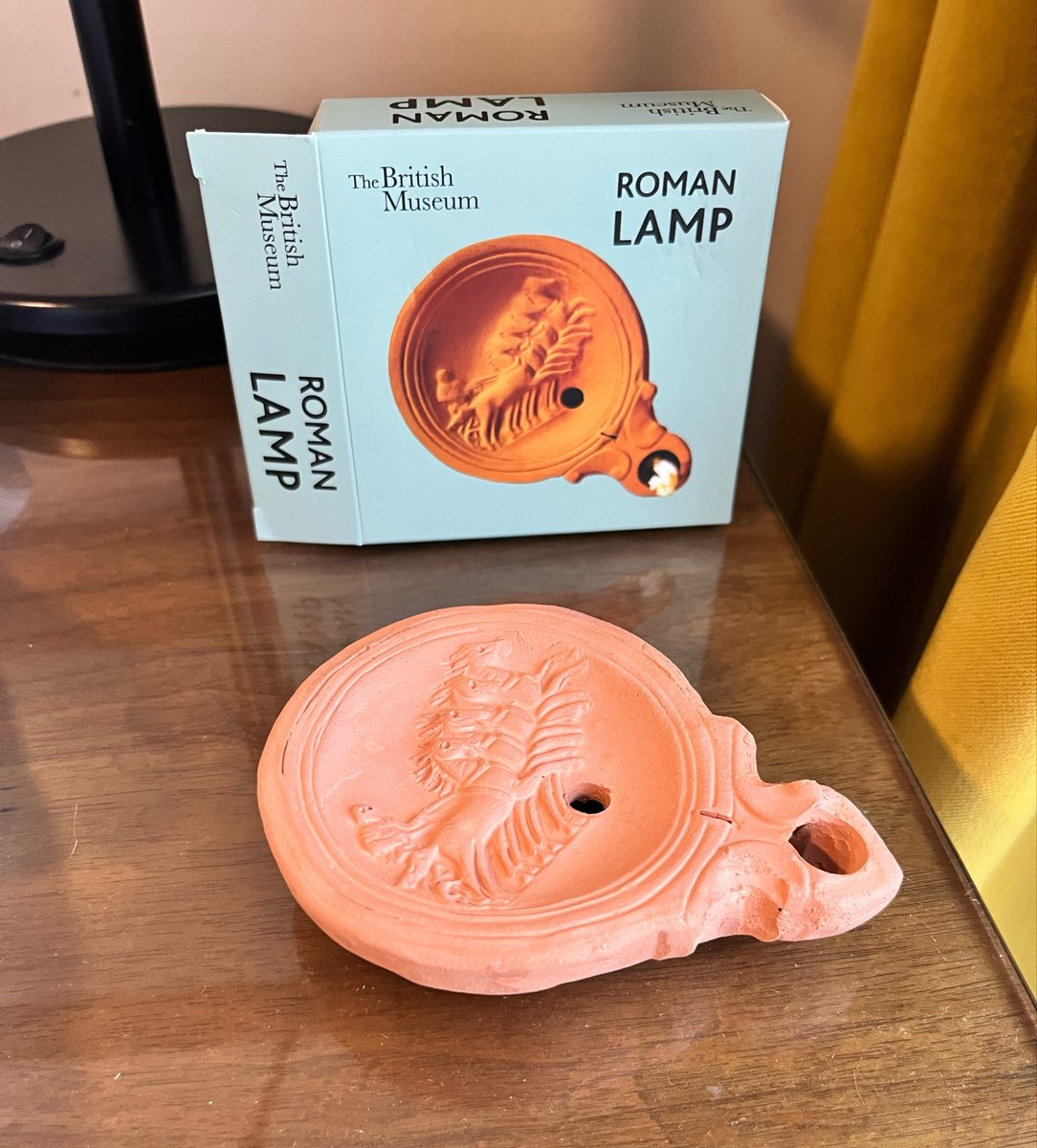
FINALLY museums giving the people what they want: reproductions of the artifacts
234
3,845
91,229
5,544,295
🇺🇦🌹🗽🛰️ @SelectStarMan@techhub.social retweeted

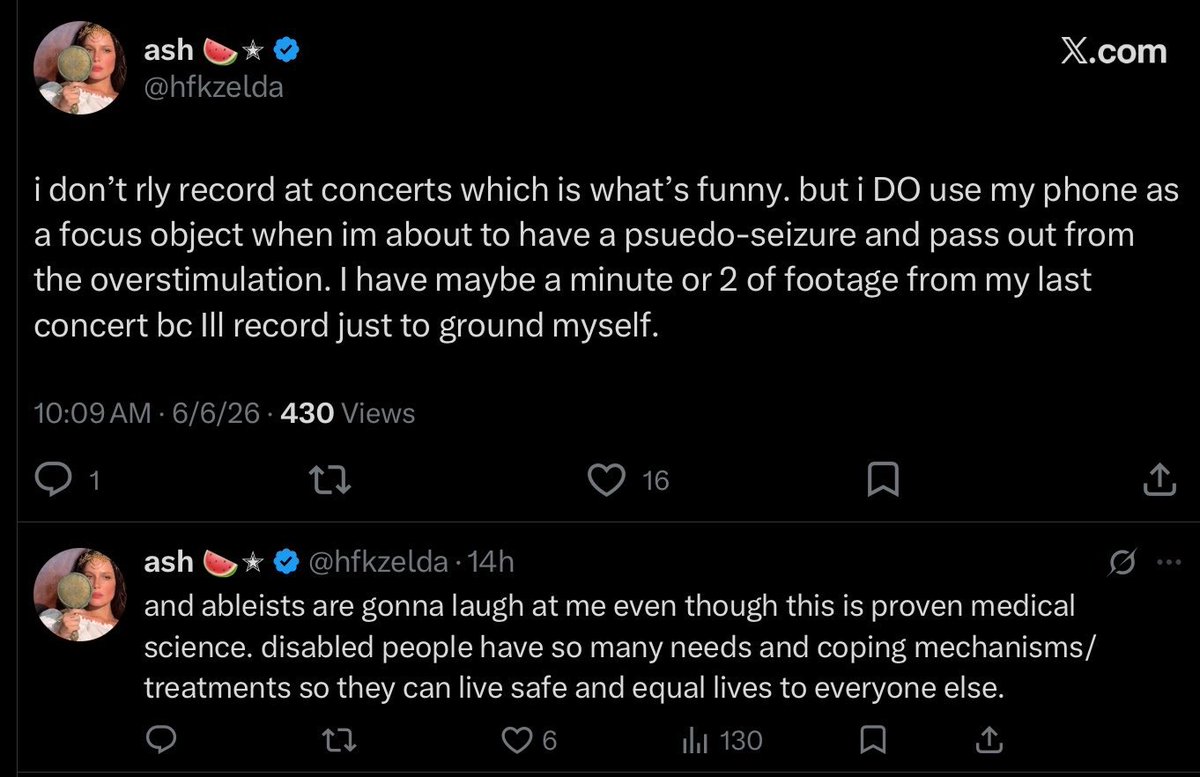
"I will literally have a seizure if I can't look at my phone"
3
5
261
11,414
🇺🇦🌹🗽🛰️ @SelectStarMan@techhub.social retweeted

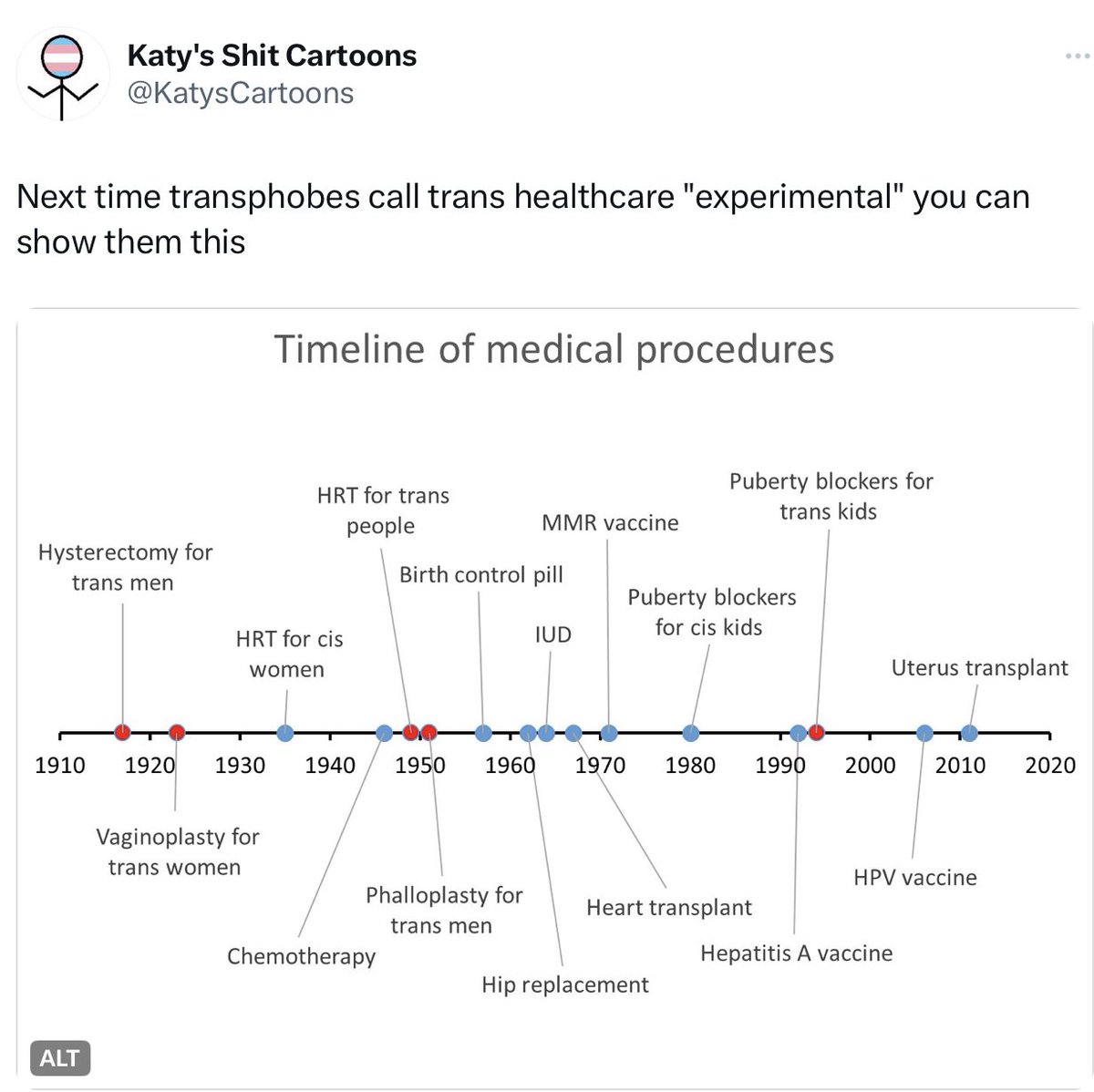

It's weird how "trans" was nowhere to be found in biology, psychology, sociology and philosophy texts until around 10 minutes ago.
And everything written about "trans" since then is incoherent garbage with no empirical support.
55
1,407
9,633
116,374
Fuck this guy

I endorsed Xavier Becerra. That’s why I hope Republican Steve Hilton remains in the top two. The latest vote updates show Hilton will likely beat Steyer.
6
🇺🇦🌹🗽🛰️ @SelectStarMan@techhub.social retweeted

8
369
3,695
64,715
Jun 4

Even I don’t think Hunter Biden is going to save us.
1
61
"Providing Health Care is progressive”
Health Care is economic activity that enriches doctors, and removing progressive regulations that protect worker and tenant health and safety so doctors can get rich faster is reactionary.
Is Rick Scott progressive?

“Building more housing is progressive”
Building more housing is economic activity that enriches developers, and removing progressive regulations that protect worker and tenant health and safety so developers can get richer faster is reactionary.
Is Donald Trump progressive?
1
1
5
1,541
🇺🇦🌹🗽🛰️ @SelectStarMan@techhub.social retweeted

You only think about yourselves.

184
1,553
13,793
284,546
🇺🇦🌹🗽🛰️ @SelectStarMan@techhub.social retweeted

May 14
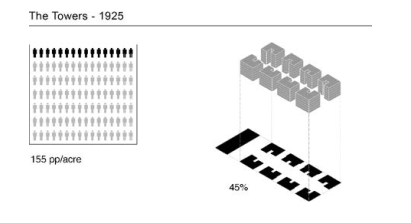
Let's do a little investigation courtesy of "Housing Density: From Tenements to Towers", a presentation by the The Skyscraper Museum by Bloom and Altwicker.
First The Towers in Jackson Heights - a six story 1920s building development... low density?
A very respectable 155pp / acre

1
1
1
144

🇺🇦🌹🗽🛰️ @SelectStarMan@techhub.social retweeted

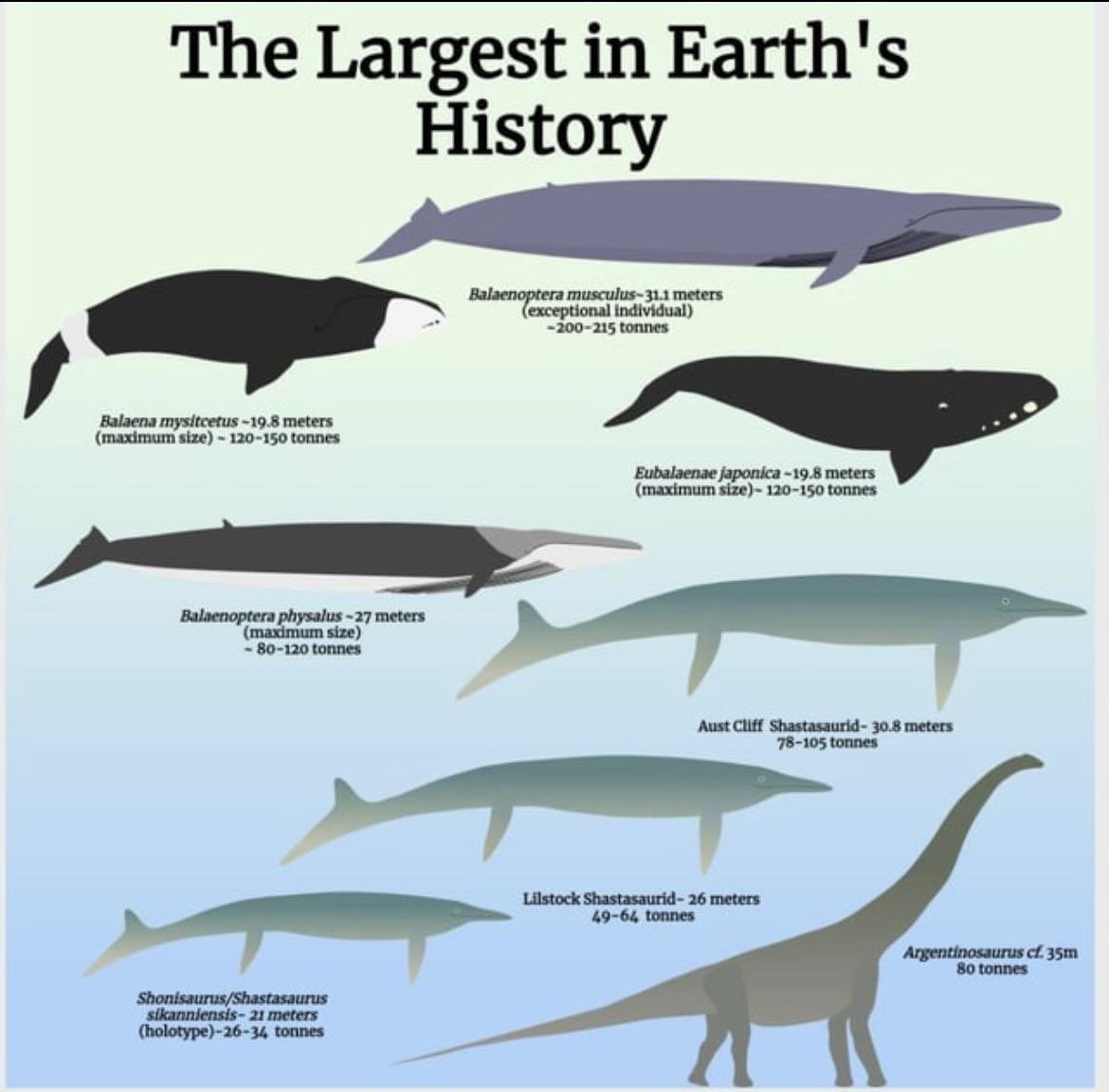
Needs to be marine. Q comes down to predation habits how they scale with size
The largest marine reptiles (icthyosaurs) were macropredators, hunting for big fish. This gets less efficient with size
blue whales’ filter feeding is more efficient with size
qed blue whale = GOAT
3
2
59
18,830
🇺🇦🌹🗽🛰️ @SelectStarMan@techhub.social retweeted

May 27
The weight loss seen with incretin mimetics should be the death knell for the carbohydrate-insulin model. The fact that our most successful non-surgical treatment for obesity INCREASES insulin secretion should tell you what you need to know.
1
5
223
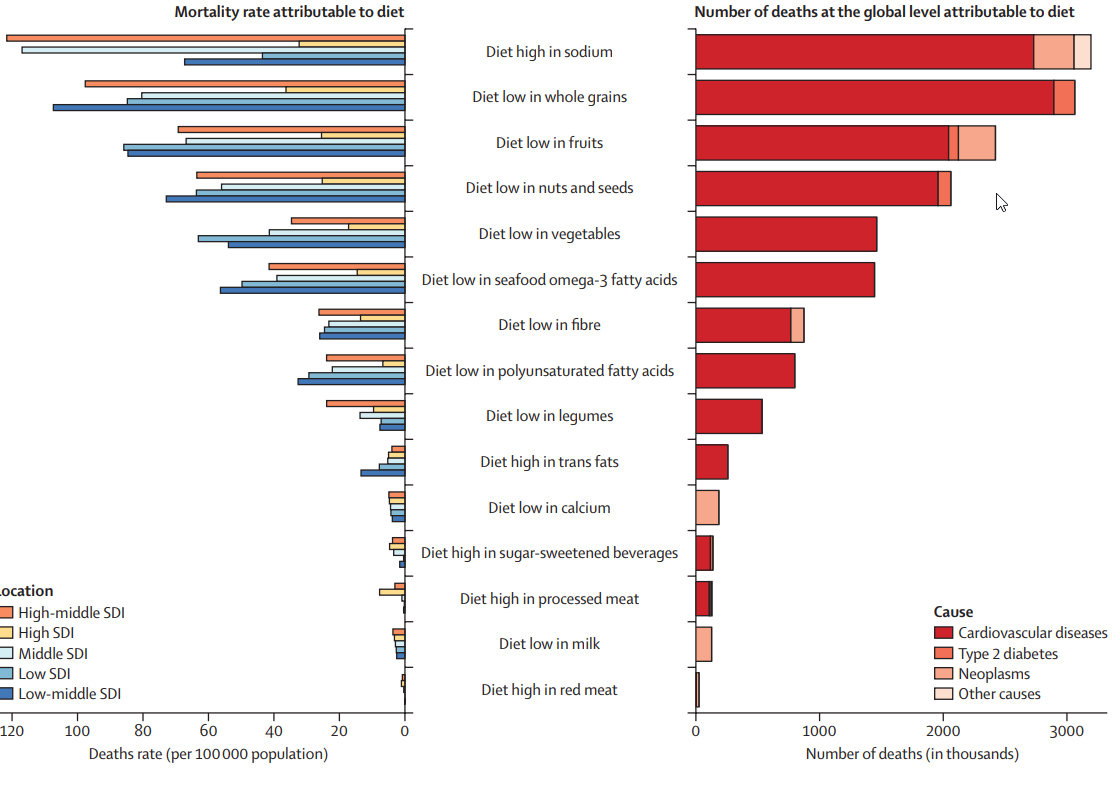
Today in chart gore. Wonderful use of every shade of red, and how are those nation groupings sorted??
May 27

Global Burden of Disease Study - largest nutrition study available
Low intake of whole grains > 3 million deaths
👉 Low intake of fruits > 2 million deaths
thelancet.com/article/S0140-…
28
🇺🇦🌹🗽🛰️ @SelectStarMan@techhub.social retweeted

1
33
720
18,925
🇺🇦🌹🗽🛰️ @SelectStarMan@techhub.social retweeted

May 14
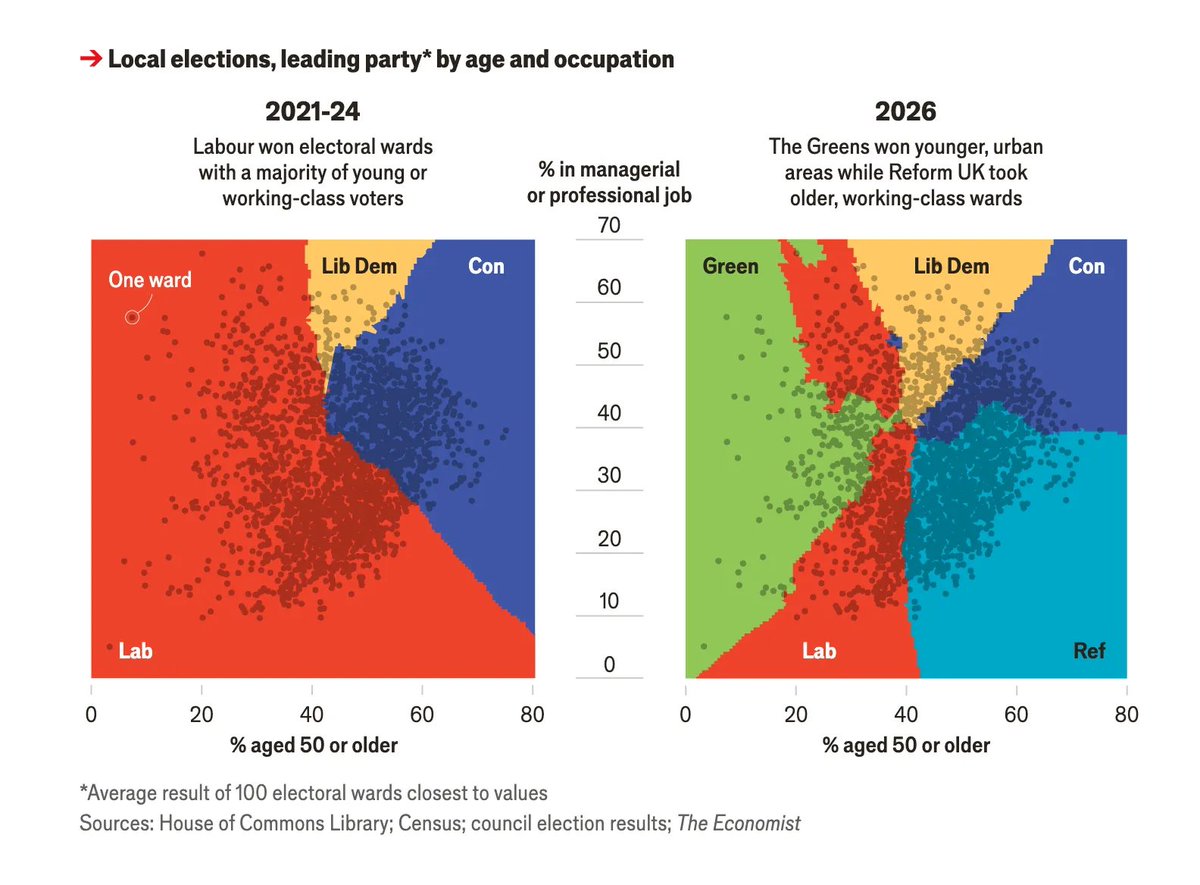
The local elections in one chart. Labour has been squeezed between the Greens in young wards and Reform in older working-class wards
87
511
4,841
689,824
May 6

There is a building in Shanghai, called the “Shanghai Rock Building.” It has a 50-metre artificial mountain built around it, completed around 2003 to improve Feng Shui and provide Mountain Views
41
🇺🇦🌹🗽🛰️ @SelectStarMan@techhub.social retweeted

usually don’t care what celebrities do or think but the singer of Paper Planes ending up like this would be like the guy who did ‘Blood on the Leaves’ becoming a nazi
May 4

Kid Cudi has removed M.I.A. from his tour after she opened for him in Dallas and went on a rant about “illegals” and “being canceled for being a Republican” and how she was performing to a bunch of illegals

15
7
233
11,337