
Advocate for Child Protection and Trauma-Informed Pastoral Care. Clergy-Abuse Survivor. CoFounder of Spirit Fire.
Joined June 2010
- Tweets 69,412
- Following 6,601
- Followers 6,666
- Likes 91,194
8,112 Photos and videos












Teresa Pitt Green retweeted

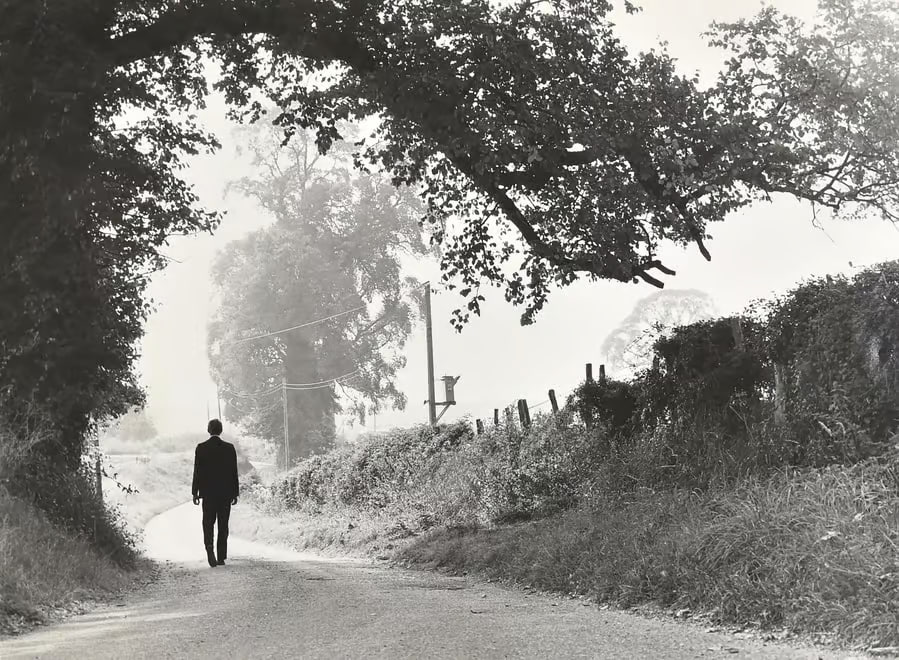
Nothing ever truly ends up quite how we think it will, even when it does.
4
10
82
1,581

Teresa Pitt Green retweeted

Jun 7
“What would life be if we had no courage to attempt anything?”
— Vincent van Gogh

16
362
1,561
20,419
Truth
Jun 7

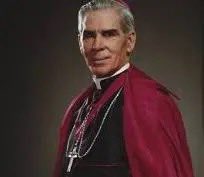
“The power of the rosary is beyond description.”
Archbishop Fulton Sheen
1
46
Recovery does not necessarily find a solution, but requires endurance, best not perfect effort, and sometimes is enriched by loving accompaniment.

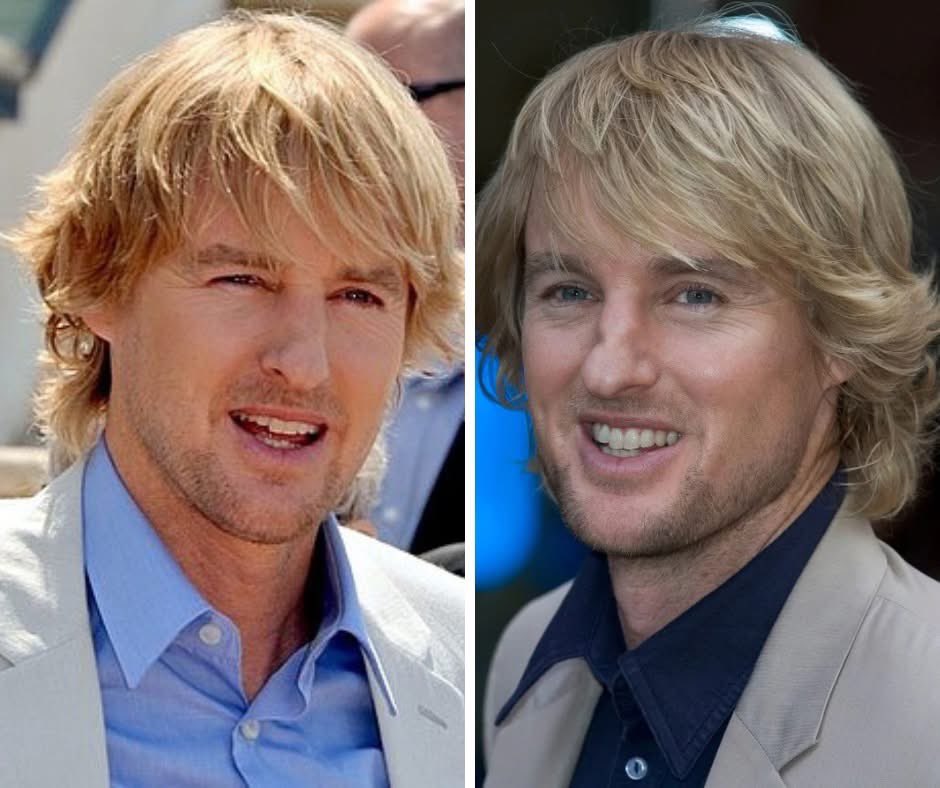
In the summer of 2007, Owen Wilson was one of the most recognizable faces in American comedy Wedding Crashers, Zoolander, The Royal Tenenbaums. He had the particular gift of making difficult things look effortless. That was the craft.
In August of that year, he was hospitalized at Cedars-Sinai Medical Center in Los Angeles. His statement, released the following day, was brief: "I respectfully ask that the media allow me to receive care and heal in private during this difficult time."
He did not elaborate. He did not owe anyone an elaboration.
What happened next was not a dramatic Hollywood recovery arc. It was quieter than that, and more human, and more instructive precisely because of its quietness.
His older brother Andrew moved into his house.
Not for a day or a week for as long as it took. Every morning, Andrew got up when Owen got up. And every morning, before the day had a chance to become overwhelming, Andrew wrote out a small list of simple tasks. Just a few things. Just enough to make the day feel like something that could be navigated rather than endured.
Owen described it years later in a profile for Esquire not at length, not with drama, but with the particular gratitude of someone who knows exactly what a thing was worth. Andrew had stayed, rising with him each morning and writing those little schedules, so that life seemed at first manageable and then, at some point, a long time later, actually good.
Manageable. Then good. That is the actual shape of recovery not a single turning point, but a long sequence of mornings.
Owen has been open about living with depression for much of his life. He understands it the way people understand things they have carried for a long time not abstractly, but in the body, in the weight of certain days. Success doesn't protect against it. Fame doesn't treat it. It operates independently of all those things.
He described it once in terms that anyone who has been there will recognize: certain stretches of life feel like something relentless trying to wear you down. And when it's like that, you just have to hang on and wait for it to pass.
That is not the language of someone who has solved the problem. It is the language of someone who has learned to live alongside it, who has found, through experience, that the wave does eventually move through if you don't let it take you under.
He stepped back from his career to focus on healing. He dropped out of a film he had been set to appear in and spent the time doing the unglamorous, necessary work of recovery. He healed anyway.
He came back to work, to the collaborations he loved, to the particular version of himself he brought to every role. Midnight in Paris gave him one of his finest performances. Loki brought him to a new generation of audiences. The work carried a quality that had always been there but seemed deeper a knowledge behind the lightness, a man who had been somewhere difficult and chosen to keep going.
What Andrew did for his brother in those first months is not complicated to describe. He showed up. He stayed. He got up every morning and wrote out a small list of things to do, so that a day that might otherwise feel impossible felt instead like something with a shape.
That was the whole of it. And it was enough.
Recovery does not require a solution. It requires, first, the ability to get through today. And then tomorrow. And then, at some point a long time later, to find that things are actually good.
Hang on. Wait for it to pass. Let someone write the schedule for the day when you can't do it yourself.
It is simply a man who survived, and a brother who stayed, and the long ordinary work of mornings.
1
1
80
Teresa Pitt Green retweeted

Jun 6
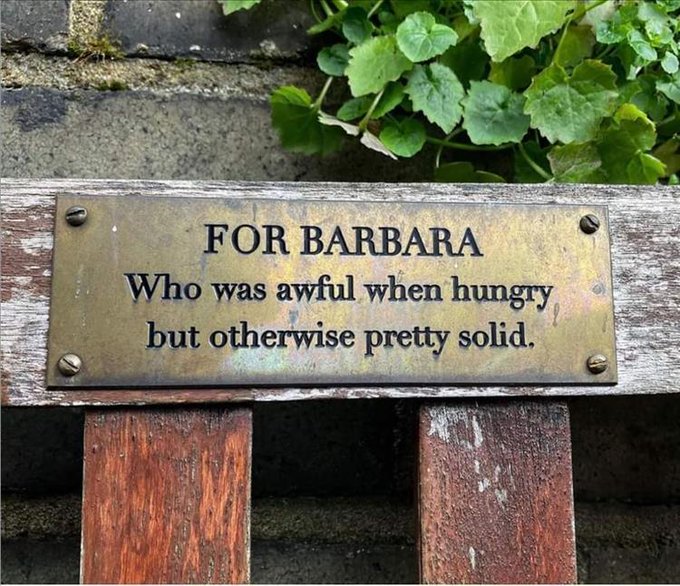
Barbara is all of us
101
4,225
61,752
787,981
Teresa Pitt Green retweeted

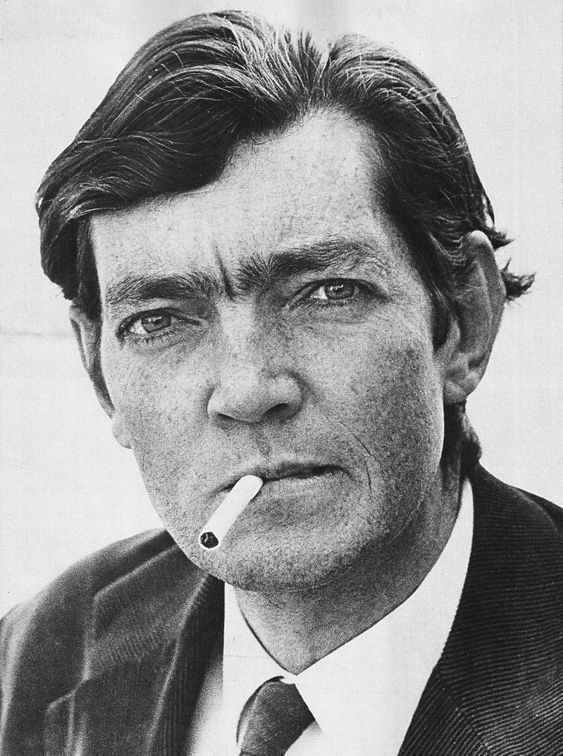
“Of all our feelings the only one which really doesn’t belong to us is hope. Hope belongs to life, it’s life itself defending itself.”
― Julio Cortázar
7
42
164
7,287
Teresa Pitt Green retweeted

Jun 7
Some burdens should not be inherited.🥹
27
614
4,944
590,252
Teresa Pitt Green retweeted

Out of the darkness of my life,
so much frustrated,
I put before you the one great thing to love on earth:
the Blessed Sacrament. . . .
There you will find romance,
glory, honour, fidelity,
and the true way
of all your loves on earth.
-J.R.R. Tolkien
3
109
696
8,070
Teresa Pitt Green retweeted

“If you think the world is selfish and rotten, go to the cemetery at Colleville-sur-Mer overlooking Omaha Beach. See what one group of men did for another on D-Day, June 6th, 1944.” — Andy Rooney
189
4,413
27,109
610,583
Teresa Pitt Green retweeted

Jun 7
On this day in 1535, Sir Thomas More was executed in England. He is today a saint.
The 1966 movie about his life, A MAN FOR ALL SEASONS, is one of my favorites—it's two hours of a man declining to dissolve into the first-person plural, and his final speech in the courtroom when he defiantly using the personal "I" to distinguish his own conscience from others is one of the best 5-10 minutes of any film ever, in my opinion. I recommend giving it a watch.
28
56
580
32,786
Teresa Pitt Green retweeted

I don’t know what she was watching, but having her beside me made playing cello outside in a field in Mayo feel a little less strange
82
410
3,778
52,564
Teresa Pitt Green retweeted

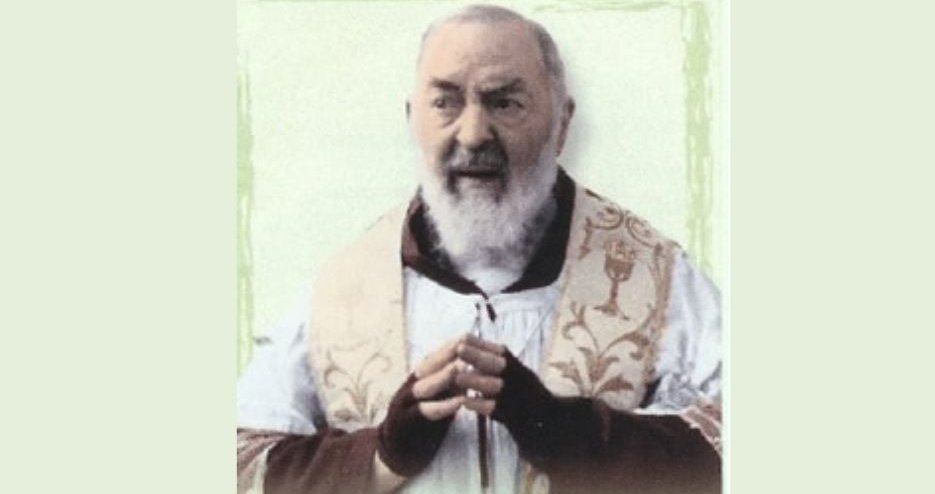
• Padre Pio Prayer:
"Stay with me, Lord,
for You are my life,
and without You,
I am without fervor.
Stay with me, Lord,
for You are my light,
and without You,
I am in darkness.
Stay with me, Lord,
to show me Your will."
54
260
1,349
11,355
Teresa Pitt Green retweeted

May 25
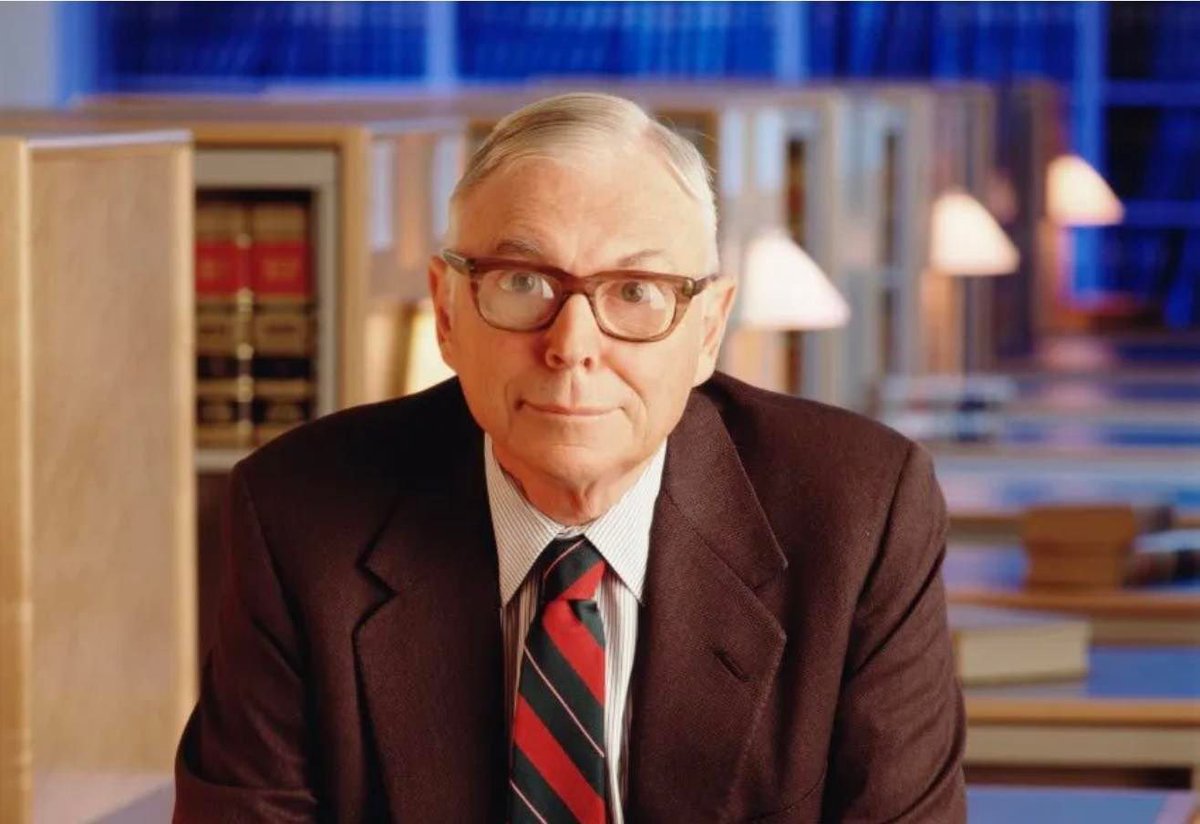
“It's just God's gift. If you're into self-education, there's nothing like reading. Of course, people who do a lot of it have an enormous advantage.”
–Charlie Munger
15
77
563
33,395
Be this guy.
May 19

A Oxford PhD student got flagged for submitting AI-generated work.
His advisor called it the most sophisticated research process he had seen in 20 years.
The student had not used AI to write a single word.
Here is the workflow that got him reported.
He starts every essay with a diagnostic he calls brutal. He dumps his rough argument into Claude and asks one question: what are the three weakest logical jumps in this reasoning, and where would a hostile examiner attack first? The AI does not write his essay. It destroys his draft, and then he rebuilds from whatever survives.
Most students using AI are doing the opposite. They hand Claude a topic and ask it to write. He hands Claude his thinking and asks it to find every place where that thinking falls apart. The difference between those two approaches is the difference between outsourcing your brain and sharpening it.
The second step is the one that made his advisor go quiet. He uploads the five most important papers in his field alongside his draft and asks Claude what claims in his argument contradict or oversimplify what these authors actually found. Most PhD students cite papers they have skimmed once. He cites papers he has been forced to genuinely reckon with, because Claude keeps catching the places where he got them wrong.
The final move is almost unfair. Before he submits anything, he pastes his conclusion and runs one more prompt. He asks what a philosopher of science would say is missing from this argument and what assumptions he is making that he has not defended. His essays come back from reviewers with phrases like unusually rigorous and demonstrates rare critical depth, and his committee has no idea that the depth came from a machine asking him harder questions than any human in his department was willing to ask.
The academic integrity hearing lasted three hours. The panel asked him to rebuild his methodology from scratch in the room. He opened his laptop and showed them exactly how the workflow ran, prompt by prompt. They did not just clear him. They gave him the highest grade in the department's history and asked him to present the process to faculty.
Here is what that story actually means. What took most PhD candidates six months of back-and-forth with advisors, he was compressing into a single session because he had figured out something almost nobody else has. AI does not make your thinking better by replacing it. It makes your thinking better by attacking it faster than any human critic ever would.
He was not using AI to write. He was using it to think harder than he could alone.
The tool is the same one everyone has. The workflow is the part nobody is teaching.
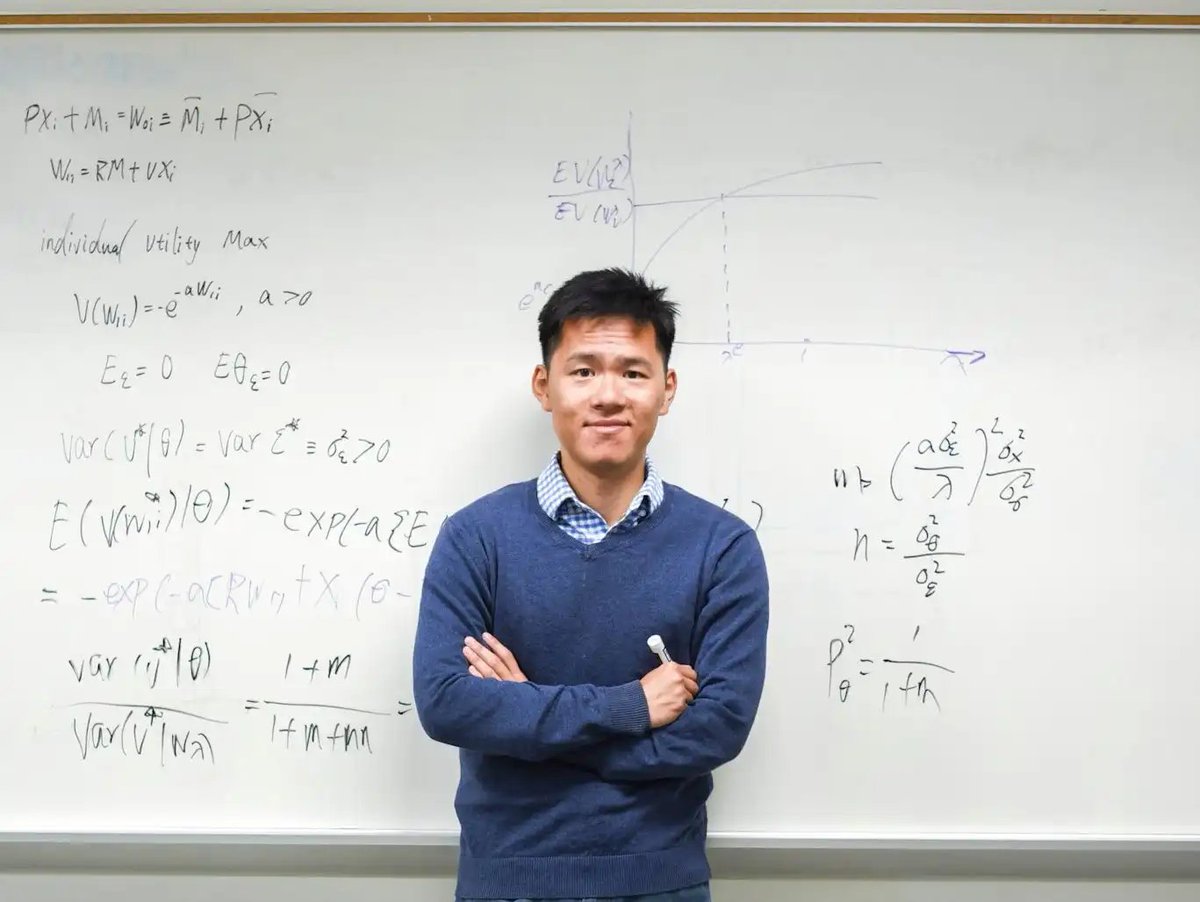
Community note
The depicted story is fabricated; the photo shows Haishan Yang, a University of Minnesota PhD student expelled for allegedly using AI on an exam, not cleared at Oxford for an AI critique workflow. No evidence exists for the claimed events. mprnews.org/story/2025/01/… kare11.com/article/news/l…
96
Teresa Pitt Green retweeted

“Right is right even if no one is doing it; wrong is wrong even if everyone is doing it.”
-Saint Augustine

80
2,390
11,032
124,181
Teresa Pitt Green retweeted

The world's tallest church is about to get its crown.
On June 10, 2026, exactly 100 years after Antoni Gaudí's death, the Sagrada Família will inaugurate the four-armed cross atop the Tower of Jesus Christ.
629
3,688
25,722
3,616,472
“behavioral activation”
May 5

Winston Churchill fought his depression with bricks. He'd lay them for hours at his country home in Kent. He joined the bricklayers' union. And in 1921 he wrote about why it worked. It took psychology another 75 years to catch up.
He called his depression the "Black Dog." It followed him for decades. His method for fighting it back was as basic as it sounds: laying brick after brick, hour after hour.
Churchill spelled out his theory in a long essay for The Strand Magazine. People who think for a living, he wrote, can't fix a tired brain just by resting it. They have to use a different part of themselves. The part that moves the eyes and the hands. Woodworking, chemistry, bookbinding, bricklaying, painting. Anything that drags the body into a problem the mind can't solve by itself.
Modern psychology now calls this behavioral activation. It's one of the most-studied depression treatments out there. Depression sets a behavior trap. You feel bad, so you stop doing things, and doing less means less to feel good about. Feeling worse makes you do even less. The loop tightens until you can't breathe inside it.
Behavioral activation breaks the loop from the action side. You schedule the activity first, even when every part of you doesn't want to. Doing it produces small rewards: a wall gets straighter, a painting fills in, a messy room gets clean. Those small rewards slowly rewire the brain. Action comes first, and the feeling follows.
Researchers at the University of Washington put this to the test in 2006. They studied 241 adults with major depression and compared three treatments: behavioral activation, regular talk therapy, and antidepressants. For the people who were most severely depressed, behavioral activation matched the drugs. It beat the talk therapy. A 2014 review of more than 1,500 patients across 26 trials backed up the result.
Physical work like bricklaying does something extra on top of this. It crowds out rumination, the looping bad thoughts that grind people down during the worst stretches of depression. Bricklaying needs both hands and gives feedback brick by brick: each one is straight or crooked. After an hour you can see exactly how much wall you built. No room left for the mental chewing.
The line George Mack used in his post, "depression hates a moving target," is good poetry. The science behind it is sharper. Depression hates a brain that has somewhere else to be.
1
70
Teresa Pitt Green retweeted

May 3
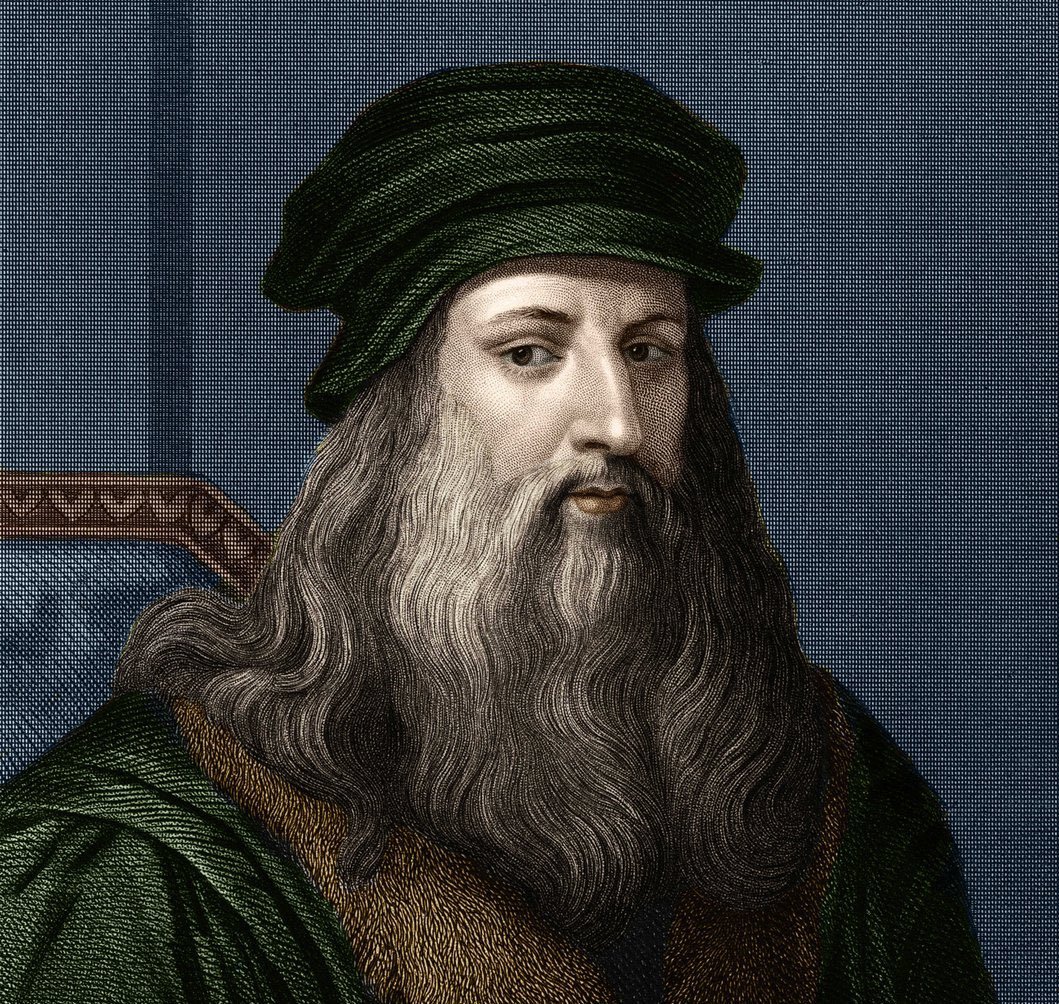
"Not to punish evil is equivalent to authorizing it."
— Leonardo da Vinci
128
4,347
15,890
334,779