
Former Director @icmr_NICPR & CEO @icrcicmr1, Founder @chipfoundation. Cancer researcher. Passionate abt. cancer prevention/survivorship & Digital health.
Joined February 2011
- Tweets 6,932
- Following 767
- Followers 2,753
- Likes 3,665
679 Photos and videos


Pinned Tweet

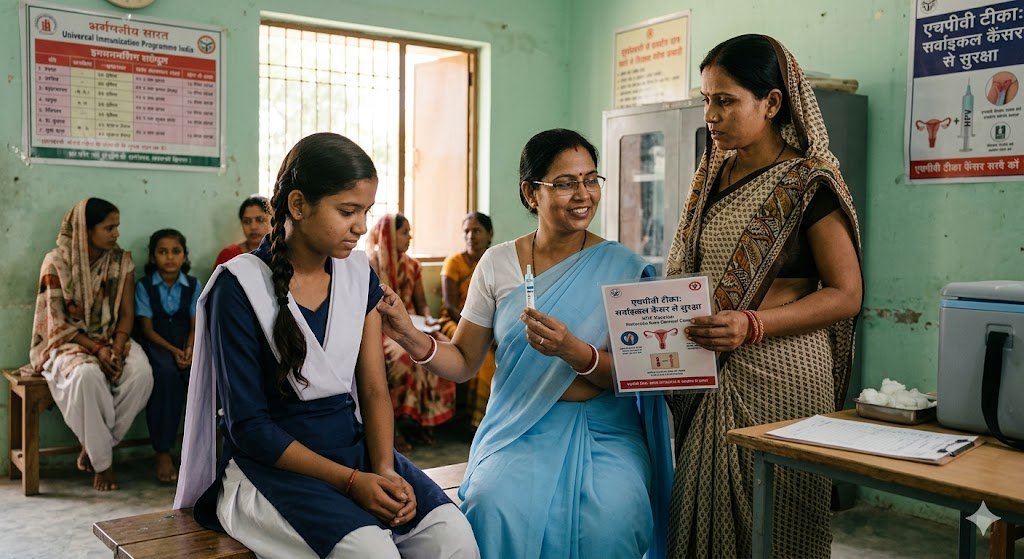
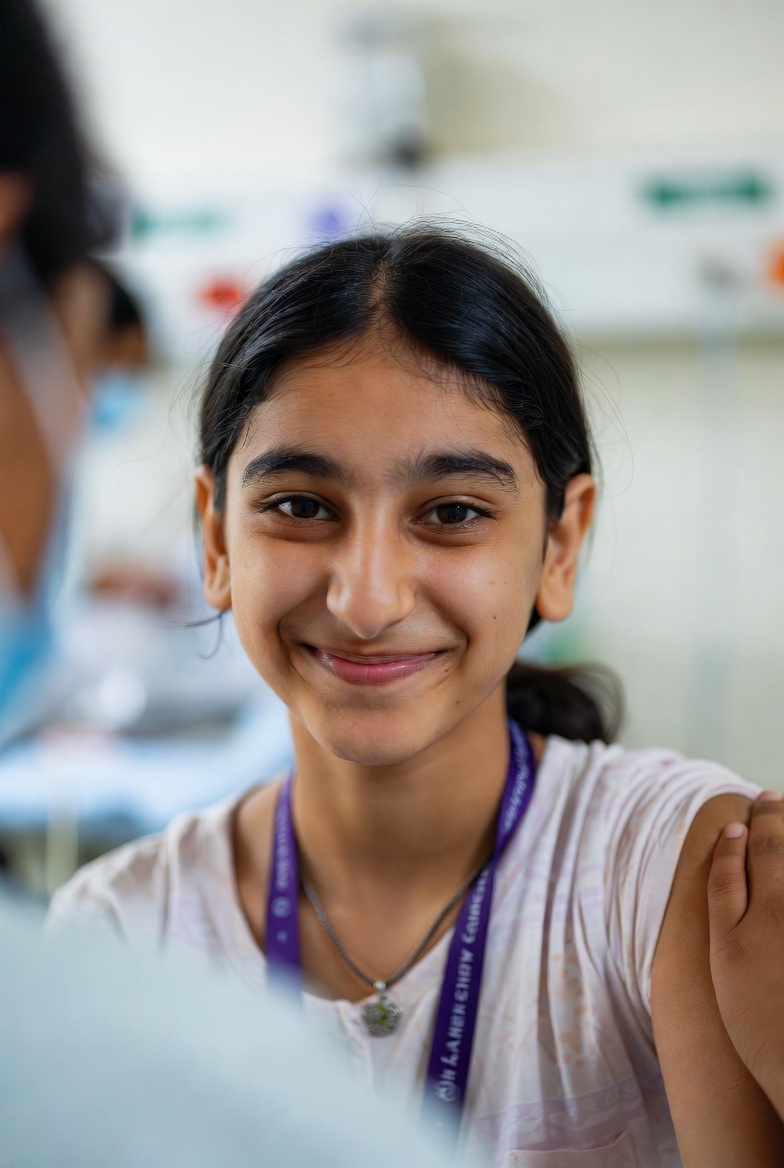
Navigating the last mile of the HPV vaccination programme in India .
'As schools reopen after summer, ideally, Parent-Teacher Meetings (PTMs) should include a briefing by a medical professional.' Peer endorsement in a familiar setting is more powerful than any billboard. @abantika77 and self write in @htTweets. @NiharikaDash14 @DeptHealthRes @MoHFW_INDIA @WHO @gavi @chipfoundation @NIH @theNCI @uicc @CR_UK @JournalCancer @darioT_ @dineshcsharma @Mundra08 @MulaMutha
hindustantimes.com/s/1WVM4h7
1
5
241
The shingles vaccine is a must - and hope the reported risk of reduction in dementia is the icing on the cake!
Jun 15

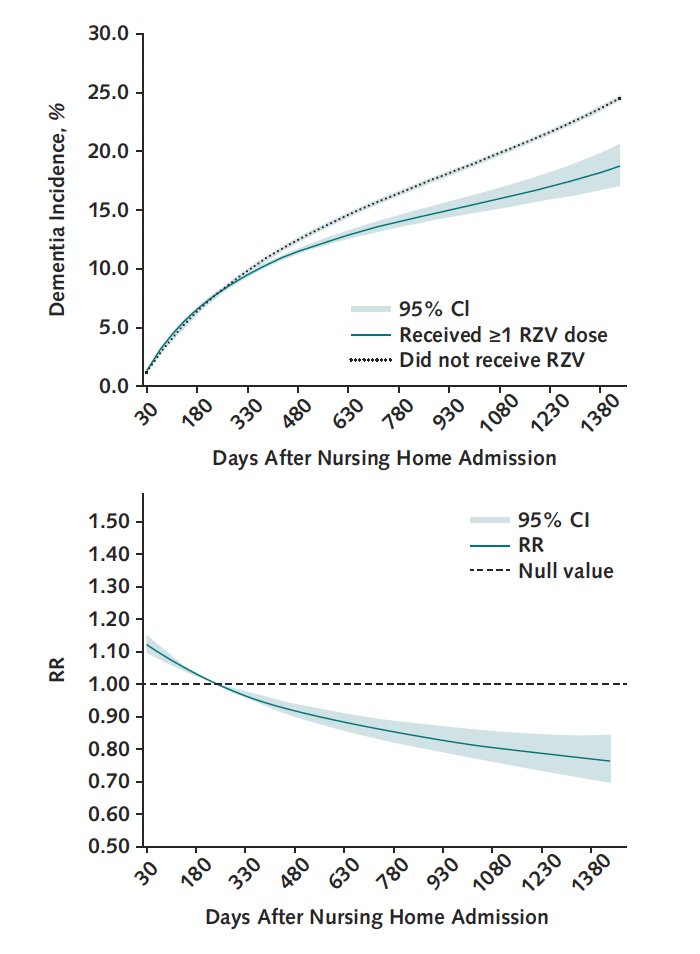
Yet another study shows a 24% reduced risk of dementia after the Shingles vaccine. This one in over 500,000 participants with a recent skilled nursing facility stay, adding to 4 huge natural experiments in 4 countries (US, Canada, Wales, and Australia)
acpjournals.org/doi/10.7326/… @AnnalsofIM
6
143
Ravi Mehrotra, MD (Prevent Cancer) retweeted

Jun 14
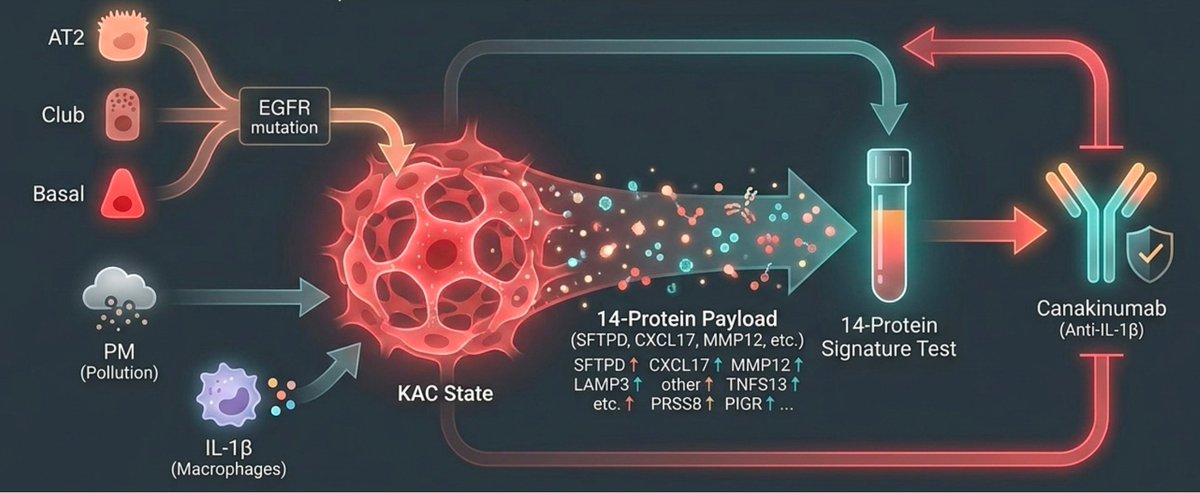
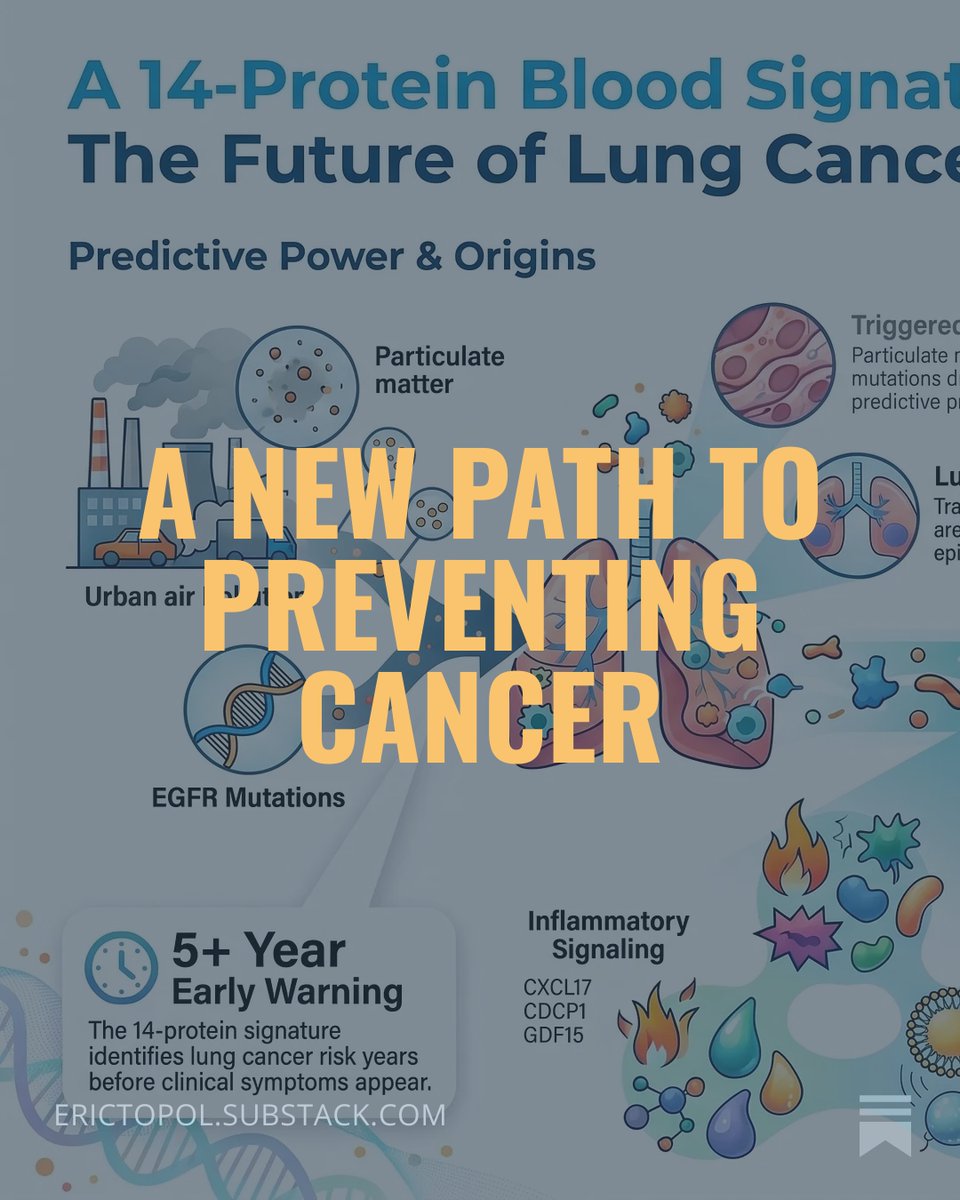
Discovery of a 14-protein biomarker that predicts lung cancer 5.6 years before it is diagnosed, even in non-smokers, and an anti-inflammatory medicine that prevents its progression. And, challenging dogma, the proteins are not coming from cancerous cells!
35
534
2,409
143,812
Ravi Mehrotra, MD (Prevent Cancer) retweeted

Jun 14
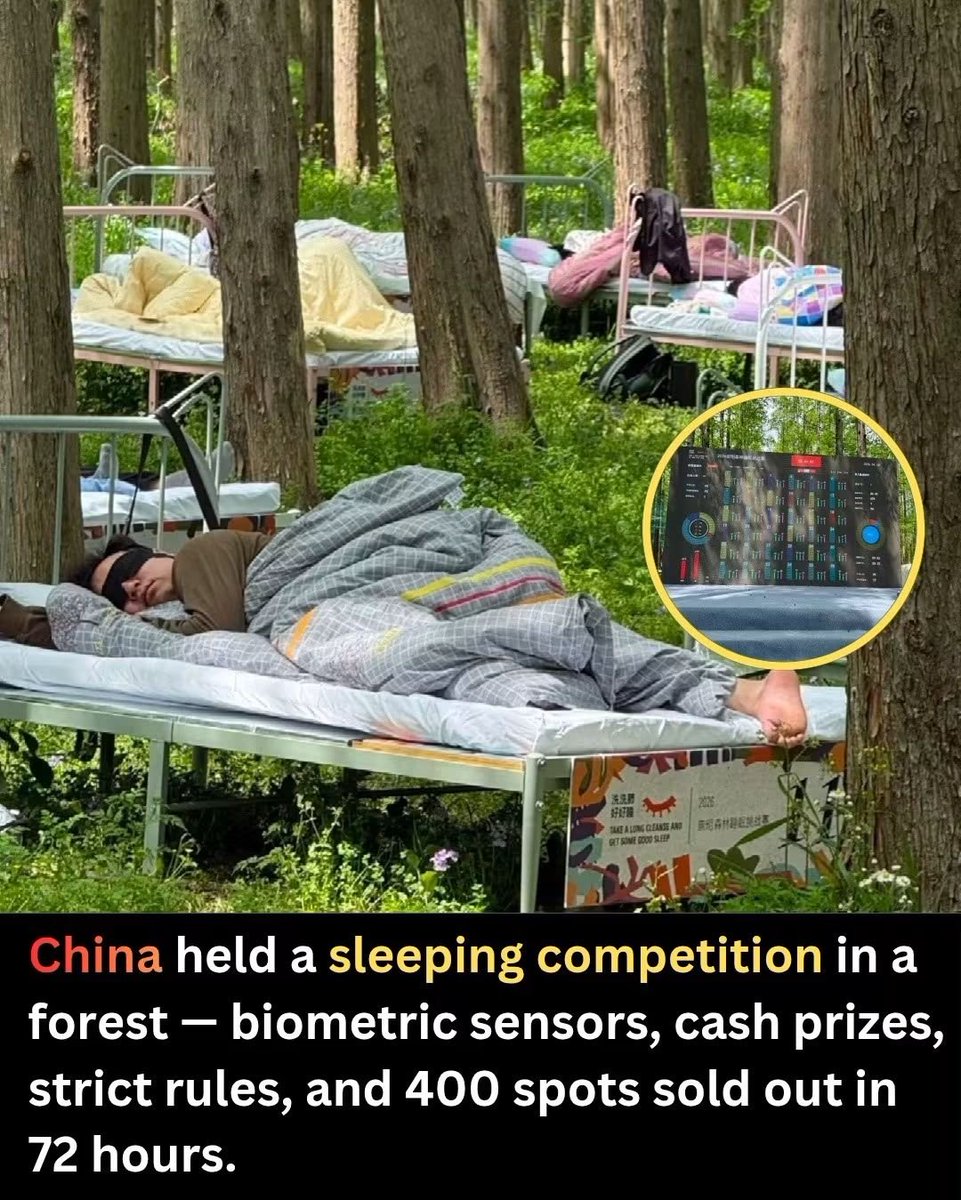
China held a sleeping competition in the middle of a forest — and it sold out in three days.
Participants paid to lie on beds set up between the trees at Dongping National Forest Park near Shanghai. The rules were brutal: no phones, no talking, no food, no bathroom breaks. Leave your mattress for any reason and you're instantly disqualified.
Biometric sensors tracked everyone's heart rate, deep sleep percentage, and how fast they dozed off. A giant live leaderboard displayed the stats in real time — right there in the forest.
The event's official slogan: "The only KPI is to sleep until you wake naturally."
Top prize was 3,000 yuan for the best sleep score. Another 2,000 yuan for whoever fell asleep the fastest. And a shared 10,000 yuan pool for everyone who survived the full session.
All 400 spots sold out in 72 hours. The majority of entrants were under 30.
In a country where 996 work culture — 9am to 9pm, six days a week — is considered normal, an entire generation is exhausted. This competition didn't just go viral because it was quirky. It went viral because millions of people saw it and thought: I would genuinely enter that.
When rest becomes the most radical thing you can do, something has gone very wrong — or maybe very right.
2
8
24
2,564
DYK: Bougainvilleas are named after the eighteenth-century French admiral Louis Antoine de Bougainville, who led a voyage of circumnavigation around the world. lithub.com/colonizing-plants…
32
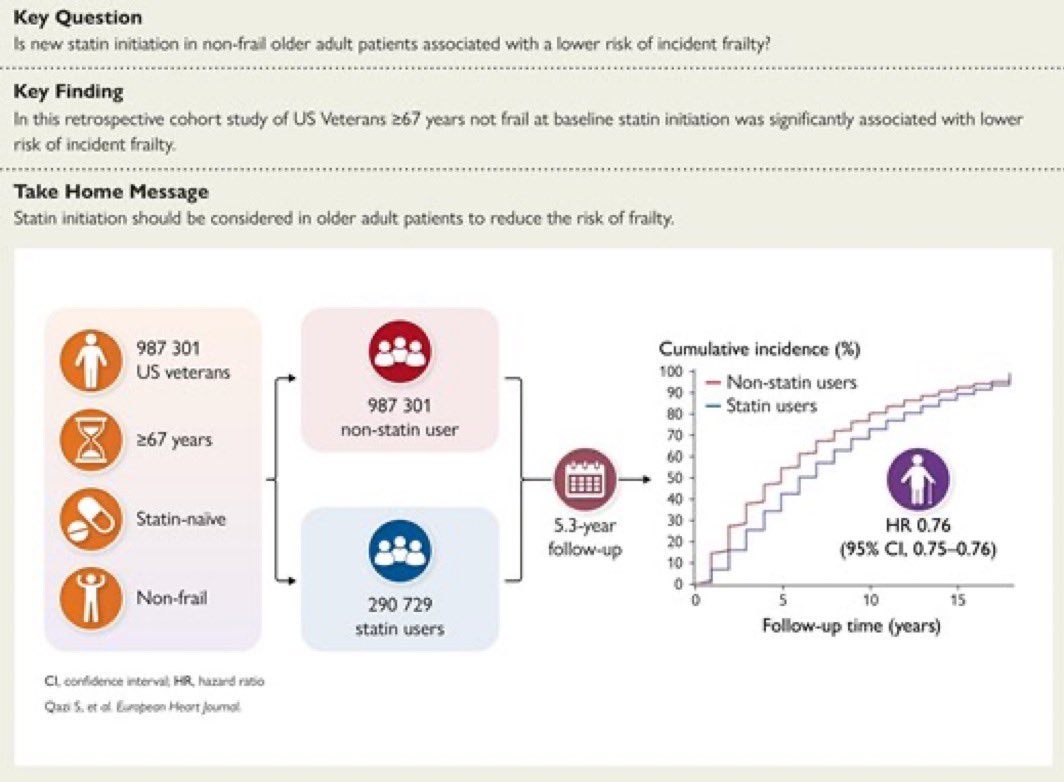
Could statins in older adults reduce fragility and prevent falls?

We prescribe statins to prevent heart attacks and strokes. But could they also prevent frailty?
We already consider statins in older adults for CV risk. This adds another reason to have that conversation.
Frailty prevention may be a statin benefit hiding in plain sight.
2
277
Hope for cancer vaccines - early trials for mRNA vaccine for pancreatic cancer!
Jun 13

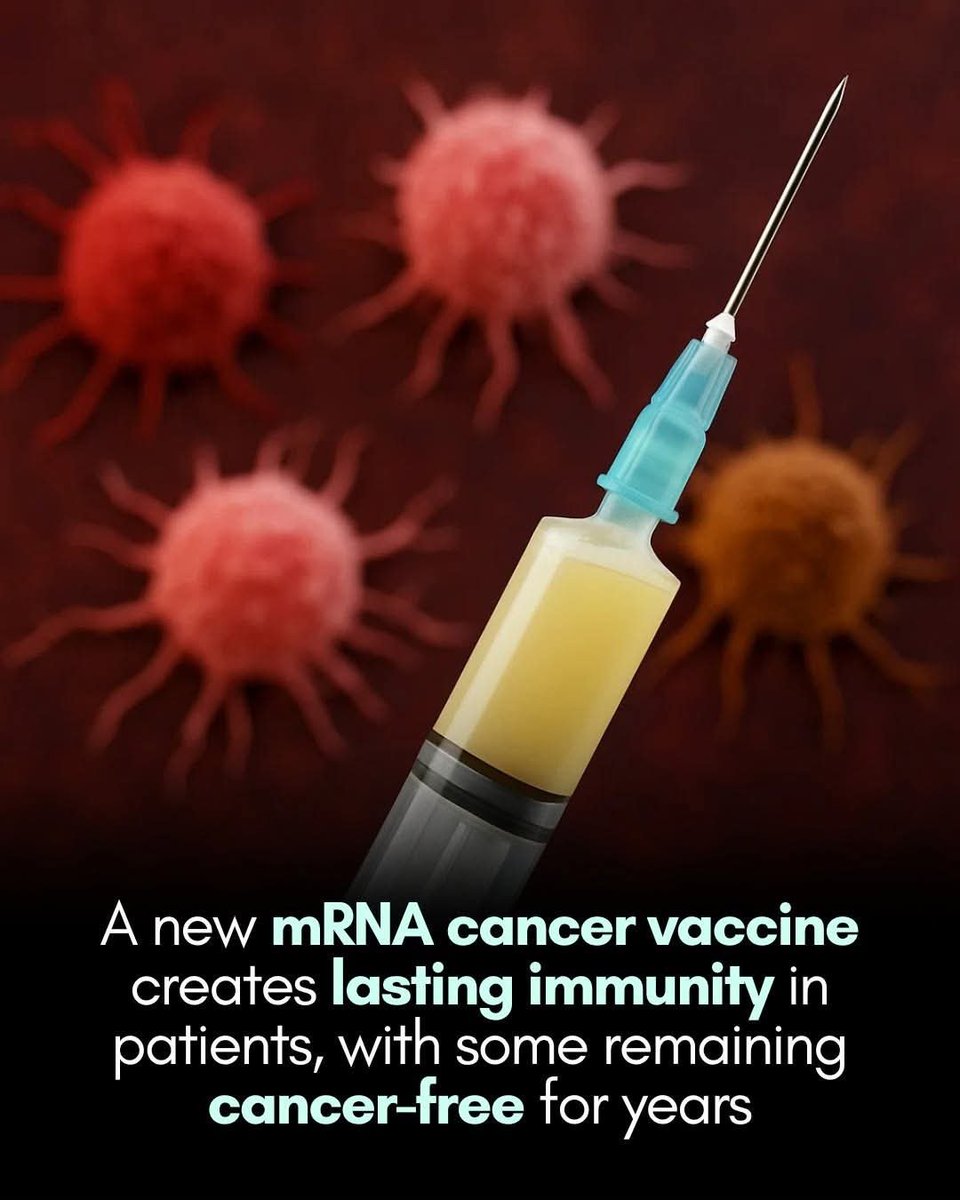
A new mRNA vaccine for pancreatic cancer creates lasting immunity in patients.
A groundbreaking clinical trial has demonstrated that a personalized mRNA vaccine can trigger a long-lasting immune response against pancreatic cancer, one of the deadliest and most treatment-resistant malignancies.
Published in the journal Nature, the Phase 1 study evaluated autogene cevumeran, an investigational vaccine developed by BioNTech and Genentech. Tailored to the unique genetic mutations of each patient’s tumor, the vaccine works by training the body’s immune system to recognize and attack malignant cells. When administered alongside standard chemotherapy and immunotherapy, the vaccine successfully triggered tumor-specific T-cell responses in half of the 16 study participants.
Crucially, patients who mounted this robust immune response experienced a significantly lower risk of cancer recurrence during a three-year follow-up period.
Researchers observed that these vaccine-activated T cells persisted in some patients' bodies for up to four years, proving that mRNA technology can provide durable oncological protection. While pancreatic cancer has historically carried a bleak prognosis, this highly personalized approach offers a promising new frontier.
A larger Phase 2 trial is currently underway, enrolling 260 patients worldwide to determine whether this customized vaccine can fundamentally improve long-term survival outcomes compared to standard care.
source: Sethna, Z., Guasp, P., Reiche, C., et al. RNA neoantigen vaccines prime long-lived CD8 T cells in pancreatic cancer. Nature, 639(1042–1051).
2
1
93
Ravi Mehrotra, MD (Prevent Cancer) retweeted
Jun 13
What if we could predict cancer 5 years ahead and prevent it? A new landmark study shows the way
12
160
568
65,609
Overcoming Cancer vaccine hesitancy:
The Path Forward: Addressing multi-level barriers requires transitioning the vaccine from an optional private luxury to an integrated public health guarantee.
Leveraging the Universal Immunization Programme (UIP): The systematic rollout and integration of India's indigenous, cost-effective HPV vaccine (Cervavac) into the national routine immunization schedule is critical to bypassing financial hesitancy.
School-Based Mobilization: Utilizing schools as the primary immunization hub has proven highly effective in past regional pilots. However, campaigns must actively design outreach strategies to avoid leaving out marginalized or out-of-school adolescent girls.
Reframing the Narrative: Public health communication needs to pivot away from highlighting sexual transmission and instead focus squarely on long-term cancer prevention. Normalizing the shot as a routine shield against a deadly disease—similar to the polio or hepatitis vaccines—helps decouple it from social judgment and taboo.
What are your thoughts?
1
67
Ravi Mehrotra, MD (Prevent Cancer) retweeted

What is SCIMITAR-SA, and how can stakeholders get involved?
SCIMITAR-SA is a research programme working across Bangladesh, India and Pakistan to improve tobacco cessation support for people with severe mental illness.
#SCIMITARSA #MentalHealth #TobaccoControl #NIHR #SouthAsia
2
2
47
Ravi Mehrotra, MD (Prevent Cancer) retweeted
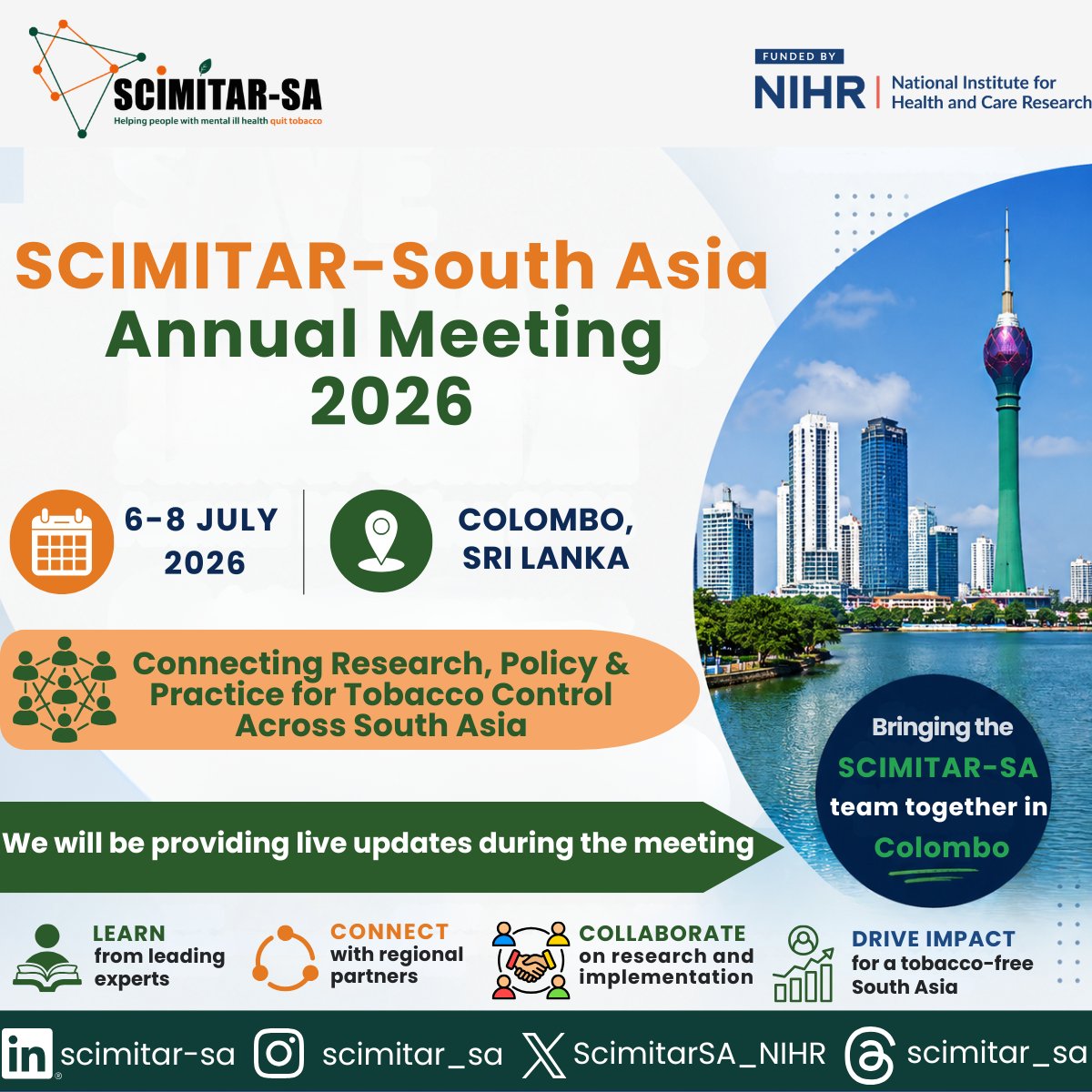
𝐒𝐂𝐈𝐌𝐈𝐓𝐀𝐑-𝐒𝐨𝐮𝐭𝐡 𝐀𝐬𝐢𝐚 𝐀𝐧𝐧𝐮𝐚𝐥 𝐌𝐞𝐞𝐭𝐢𝐧𝐠 2026, 𝐭𝐚𝐤𝐢𝐧𝐠 𝐩𝐥𝐚𝐜𝐞 𝐟𝐫𝐨𝐦 6-8 𝐉𝐮𝐥𝐲 2026 𝐢𝐧 𝐂𝐨𝐥𝐨𝐦𝐛𝐨, 𝐒𝐫𝐢 𝐋𝐚𝐧𝐤𝐚
#SCIMITARSA2026 #AnnualMeeting2026 #Colombo #SouthAsia #TobaccoControl #ImplementationScience #ResearchCollaboration
1
2
2
44

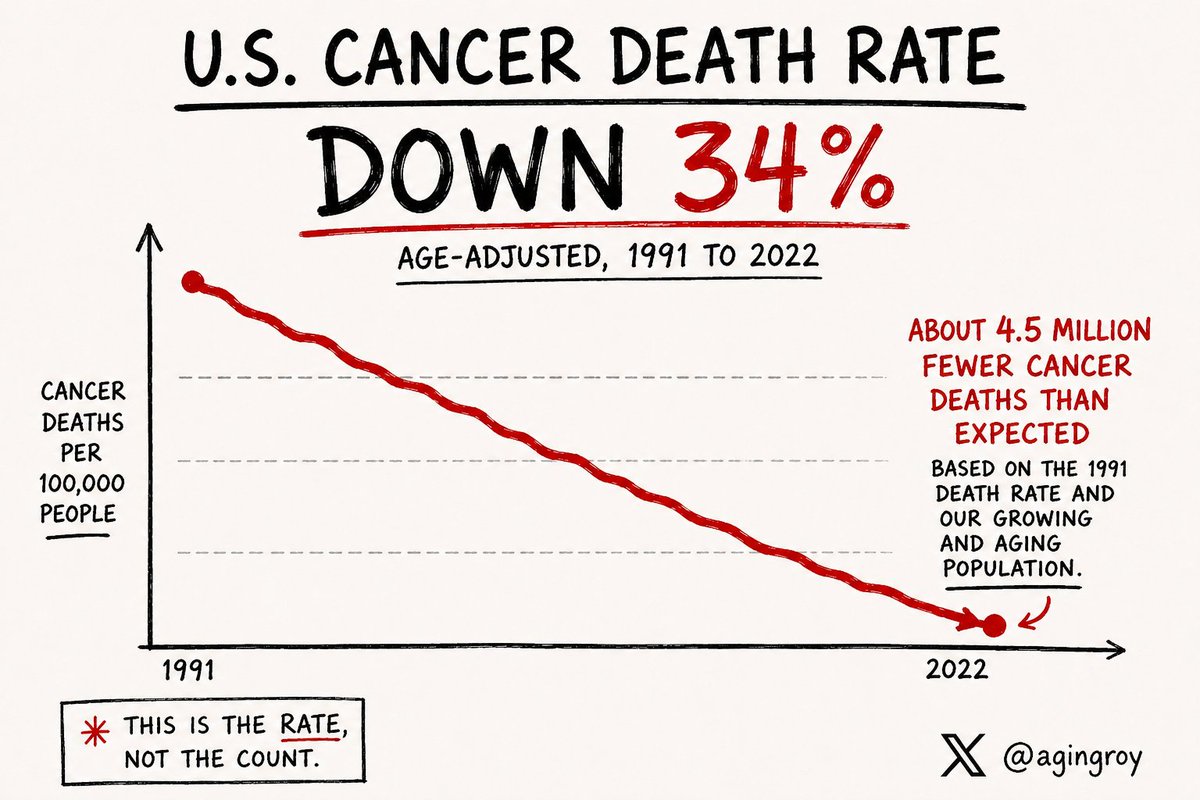
Almost everyone thinks we’re losing to cancer. The age-adjusted death rate says otherwise: down 34% since 1991.
Measured per person and adjusted for age, the US cancer death rate dropped by a third between 1991 and 2022. That adds up to roughly 4.5 million deaths that simply didn’t happen (about 3.0 million men and 1.4 million women).
One caveat. That’s the death RATE per person, not the raw count. The total number of cancer deaths still rises each year because the country keeps getting bigger and older (about 618,000 deaths expected in 2025). Your odds of dying from cancer, though, keep falling.
We bent the curve on the second-biggest killer without ever “curing” cancer.
10
17
79
5,321
Hope ahead for ophthalmic disorders! @agingroy

In 2020, a blind mouse saw again. @davidasinclair's lab at Harvard had reset the age of the cells in its eye with three of the four Yamanaka factors.
Sinclair's argument is that aging is information loss. The youthful settings are still in the cell, buried under noise, and these factors let it read the backup.
On June 9, 2026, a person received that therapy for the first time.
No results yet. Just one patient, and a question that finally has a human to answer it.
2
118
Sharing our HT op-ed on why cancer vaccine uptake is lagging in India and possible corrective steps. Please ensure that any eligible 14-year-old girls in your family and neighborhood get vaccinated at a nearby government facility, if they haven’t.
hindustantimes.com/s/1WVM4h7

Navigating the last mile of the HPV vaccination programme in India .
'As schools reopen after summer, ideally, Parent-Teacher Meetings (PTMs) should include a briefing by a medical professional.' Peer endorsement in a familiar setting is more powerful than any billboard. @abantika77 and self write in @htTweets. @NiharikaDash14 @DeptHealthRes @MoHFW_INDIA @WHO @gavi @chipfoundation @NIH @theNCI @uicc @CR_UK @JournalCancer @darioT_ @dineshcsharma @Mundra08 @MulaMutha
hindustantimes.com/s/1WVM4h7
1
65
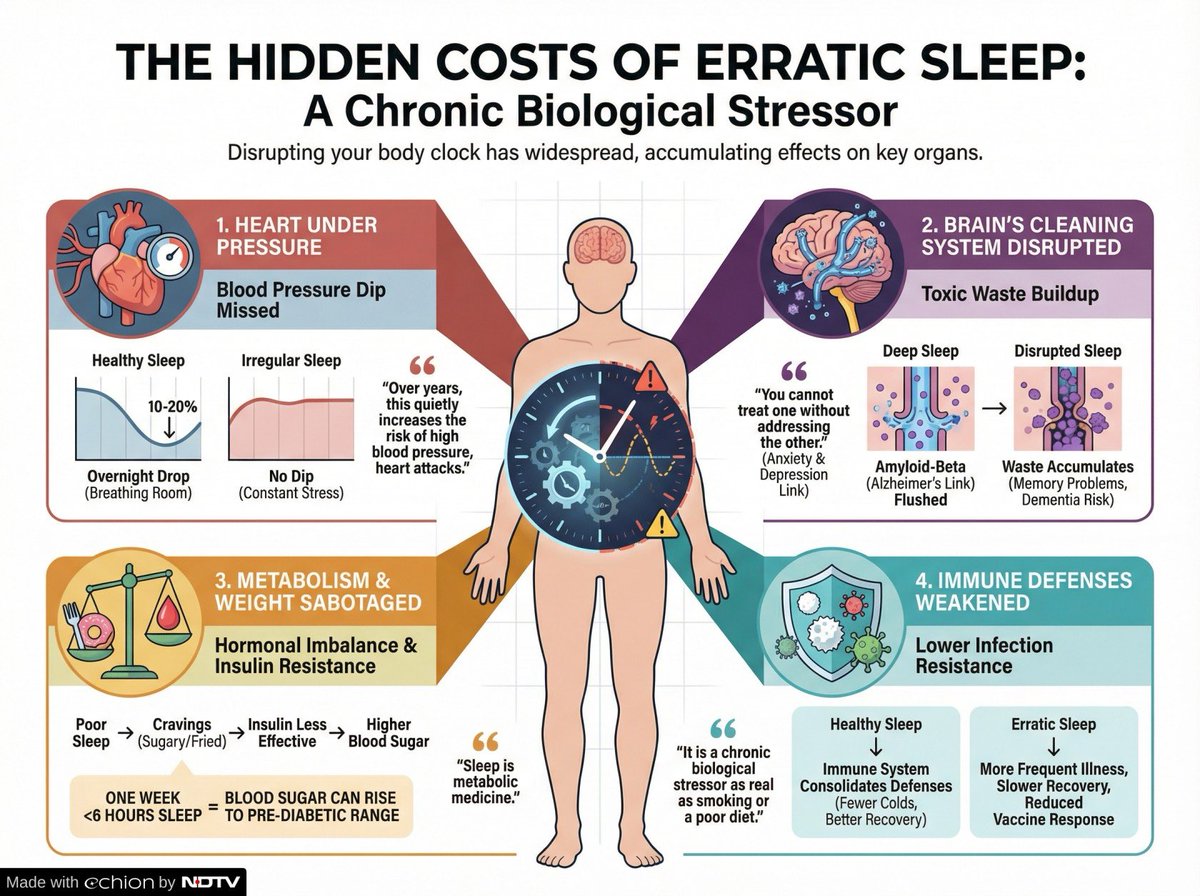
DYK: ‘A study suggests 6.4 to 7.8 hours of sleep each night may be linked to healthier aging.’ eatingwell.com/healthy-aging…
1
142
At its core, this study suggests that when it comes to healthy aging, sleep follows a "Goldilocks principle" — there is a sweet spot where your body functions best, and both too little and too much sleep might accelerate the aging process.
Instead of the generic "everyone needs 8 hours" rule, this research points to a slightly narrower, highly specific window of 6.4 to 7.8 hours (roughly 6 hours and 25 minutes to 7 hours and 50 minutes) as the optimal range for long-term health.
Here is a breakdown of what this actually means for our biology and how to interpret these findings.
1. The "U-Shaped" Sleep Curve
In public health and longevity research, sleep almost always forms a U-shaped curve on graphs. The bottom of the "U" represents the lowest risk for age-related health issues, which sits right in that 6.4 to 7.8-hour window.
Below 6.4 Hours (Short Sleep): Deprives the brain of sufficient deep sleep and REM cycles. This is when the glymphatic system (the brain's waste-clearance mechanism) flushes out cellular debris, like amyloid-beta plaques associated with cognitive decline. Chronic short sleep also keeps cortisol (stress hormone) elevated, increasing systemic inflammation.
Above 7.8 Hours (Long Sleep): While it feels intuitive that more sleep is always better, consistently needing more than 8 hours in older adulthood is often a marker rather than a cause. It frequently signals underlying low-grade inflammation, occult (hidden) cardiovascular issues, or poor sleep quality (where you are in bed longer because your sleep is fragmented and less restorative).
1
136
Ravi Mehrotra, MD (Prevent Cancer) retweeted

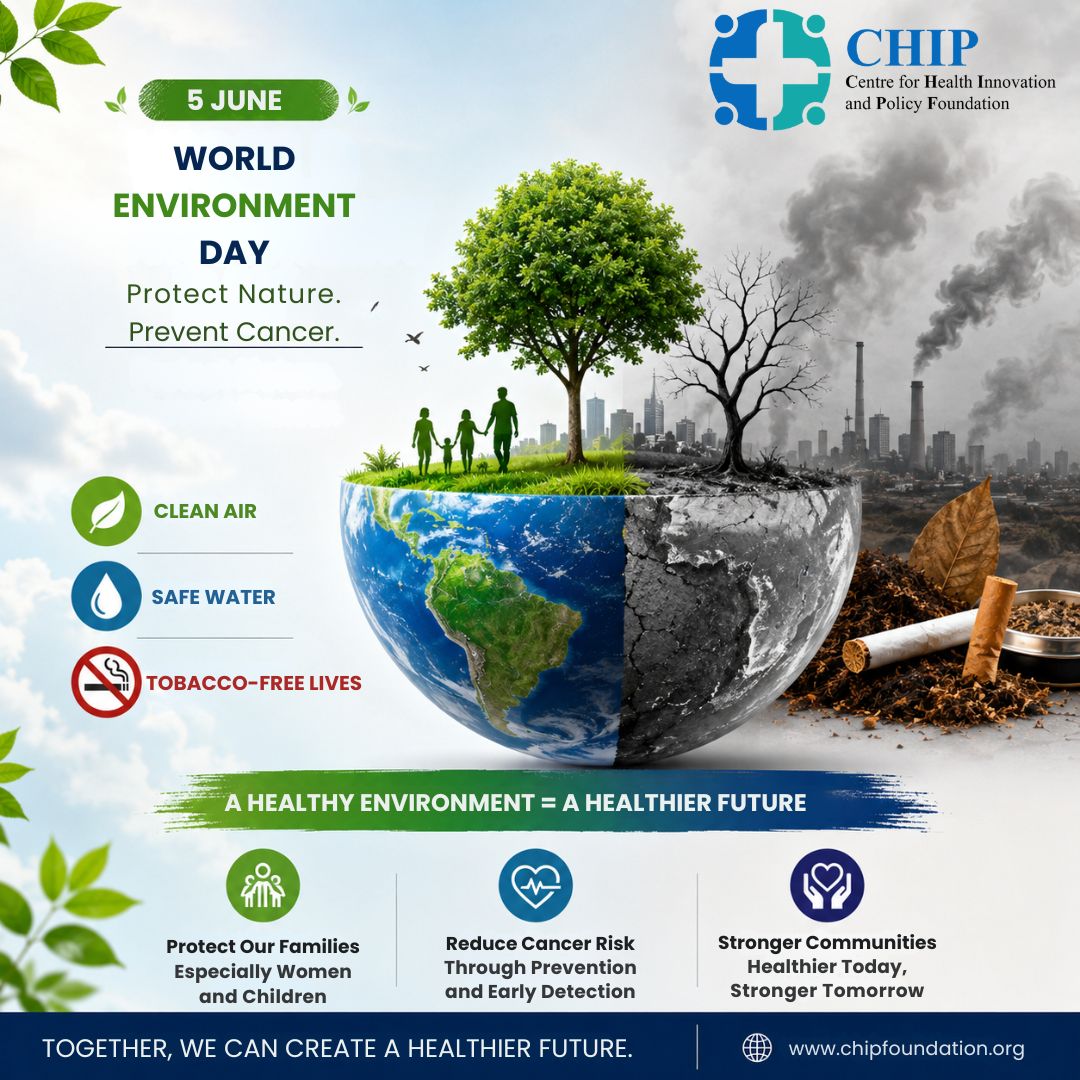
A healthy environment means a healthier future.
Women and children are especially vulnerable to air pollution, second-hand smoke, and environmental hazards. Smoking and smokeless tobacco remain major preventable causes of cancer.
1
1
2
39
Promising in preventing recurrence, for now. Hope therapeutic vaccines work too.

An experimental vaccine from Moderna shows promise in keeping deadly skin cancer from returning for years, according to new clinical trial results. nbcnews.com/health/cancer/pe…
1
1
81