
Unlocking GeoAI breakthroughs for the digital public good - transforming advanced geospatial research into real-world impact. #GeoAI #AIforGood
Joined March 2022
- Tweets 665
- Following 495
- Followers 839
- Likes 204
261 Photos and videos


🎙️ Your Fields of The World podcast playlist:
🌍 Spatial Stack w/Matt Forrest -open.spotify.com/episode/7mO…
🛰️ Satellite Image Deep Learning w/@robmarkcole -open.spotify.com/episode/4ah…
💡 Great Data Products w/@jedsundwall @OurRadiantEarth @source_coop -youtube.com/live/viiPXej01iM…
3
9
425
Join us for a conversation about the world's first #opensource global field boundaries dataset with Spatial Stack's Matt Forrest and our VP of Strategic Innovation Jen Marcus and Director of AI/ML Research @isaaccorley_ #GeoAI #OpenData #collaboration
youtu.be/uZIOjoZAReo?si=UpCn…
1
4
315
Taylor Geospatial retweeted

Jun 10
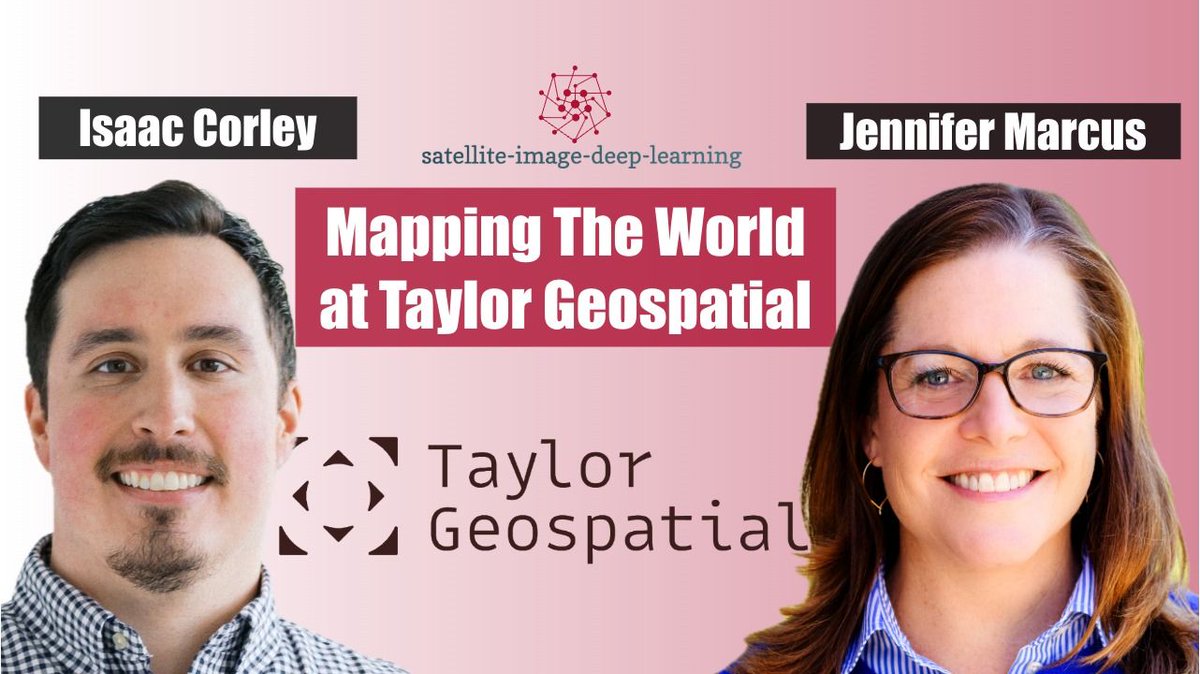
🎙️New Podcast & YouTube: Mapping The World at Taylor Geospatial
2
3
7
1,963
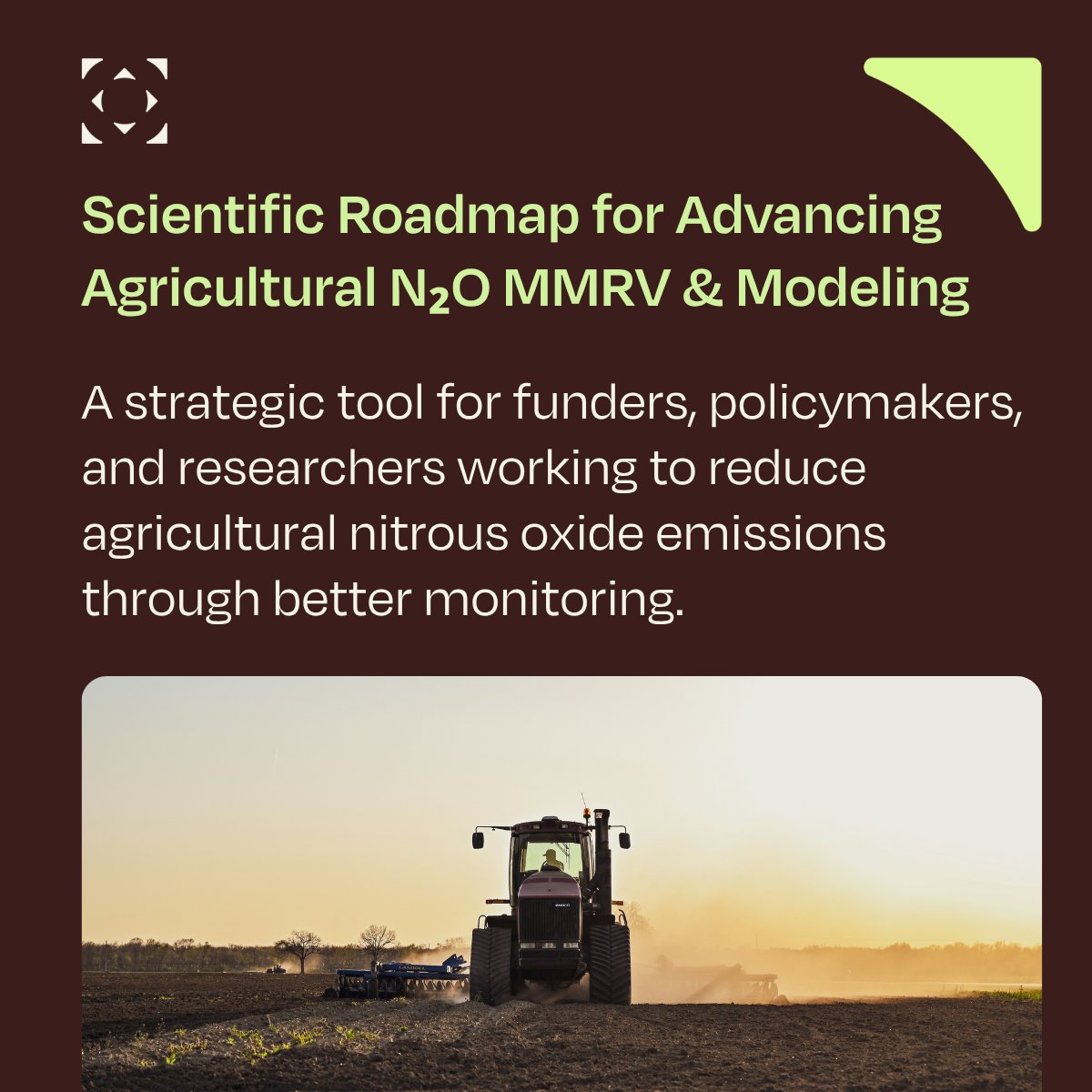
Reflections on Convening a National Roadmap on Agricultural Nitrous Oxide MMRV Research: taylorgeospatial.org/news/co…
#agtech #agpolicy #sustainability #geoai
ALT 𝗦𝗰𝗶𝗲𝗻𝘁𝗶𝗳𝗶𝗰 𝗥𝗼𝗮𝗱𝗺𝗮𝗽 𝗳𝗼𝗿 𝗔𝗱𝘃𝗮𝗻𝗰𝗶𝗻𝗴 𝗔𝗴𝗿𝗶𝗰𝘂𝗹𝘁𝘂𝗿𝗮𝗹 𝗡𝗶𝘁𝗿𝗼𝘂𝘀 𝗢𝘅𝗶𝗱𝗲 𝗠𝗠𝗥𝗩 𝗮𝗻𝗱 𝗠𝗼𝗱𝗲𝗹𝗶𝗻𝗴: A strategic tool for funders, policymakers, and researchers working to reduce agricultural nitrous oxide emissions through better monitoring.
44
Taylor Geospatial, the nonprofit dedicated to advancing geospatial artificial intelligence, has awarded $550,000 each to three projects focused on global food security.
members.techstl.com/geospati… via @TechSTLmo @stlbiznrubbelke
1
77
Via @Mizzou University of Missouri and MU Extension Selected as Awardees in Taylor Geospatials’ Global Geospatial Innovation for Food Security (GIFS) Challenge
engineering.missouri.edu/202…
83
Taylor Geospatial retweeted

How can AI help detect food crises before they escalate?
@HarvestProgram, @ASU, @WashU @FEWSNET are building a GeoAI tool to spot early signs of food system instability in conflict and climate-impacted regions.
Via Taylor Geospatial's GIFS Challenge
go.umd.edu/2bhp
3
3
296
Transforming Global Food Systems: New Geospatial Innovations Aim to Combat Hunger and Sup… reliefweb.int/report/afghani… via @reliefweb
1
38
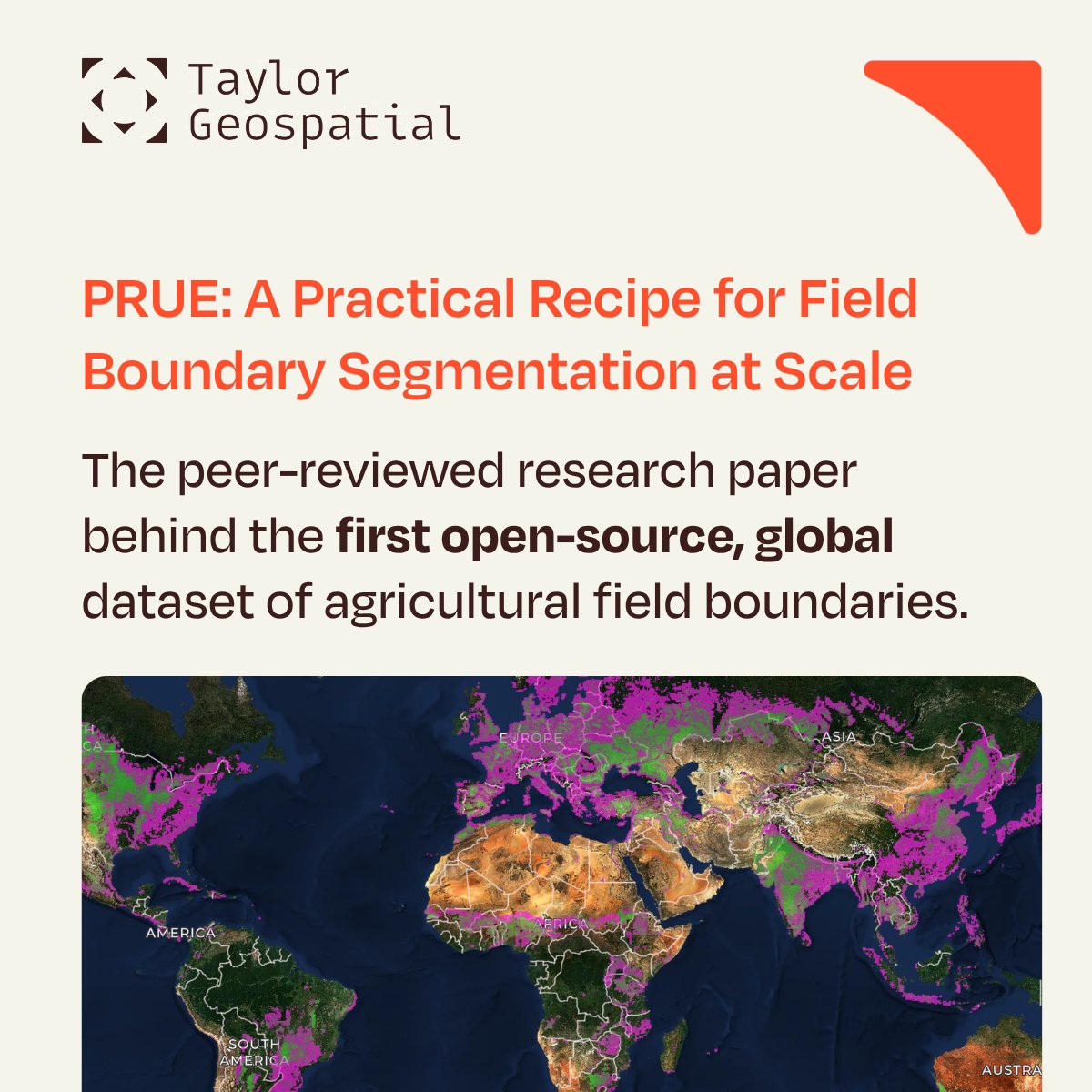
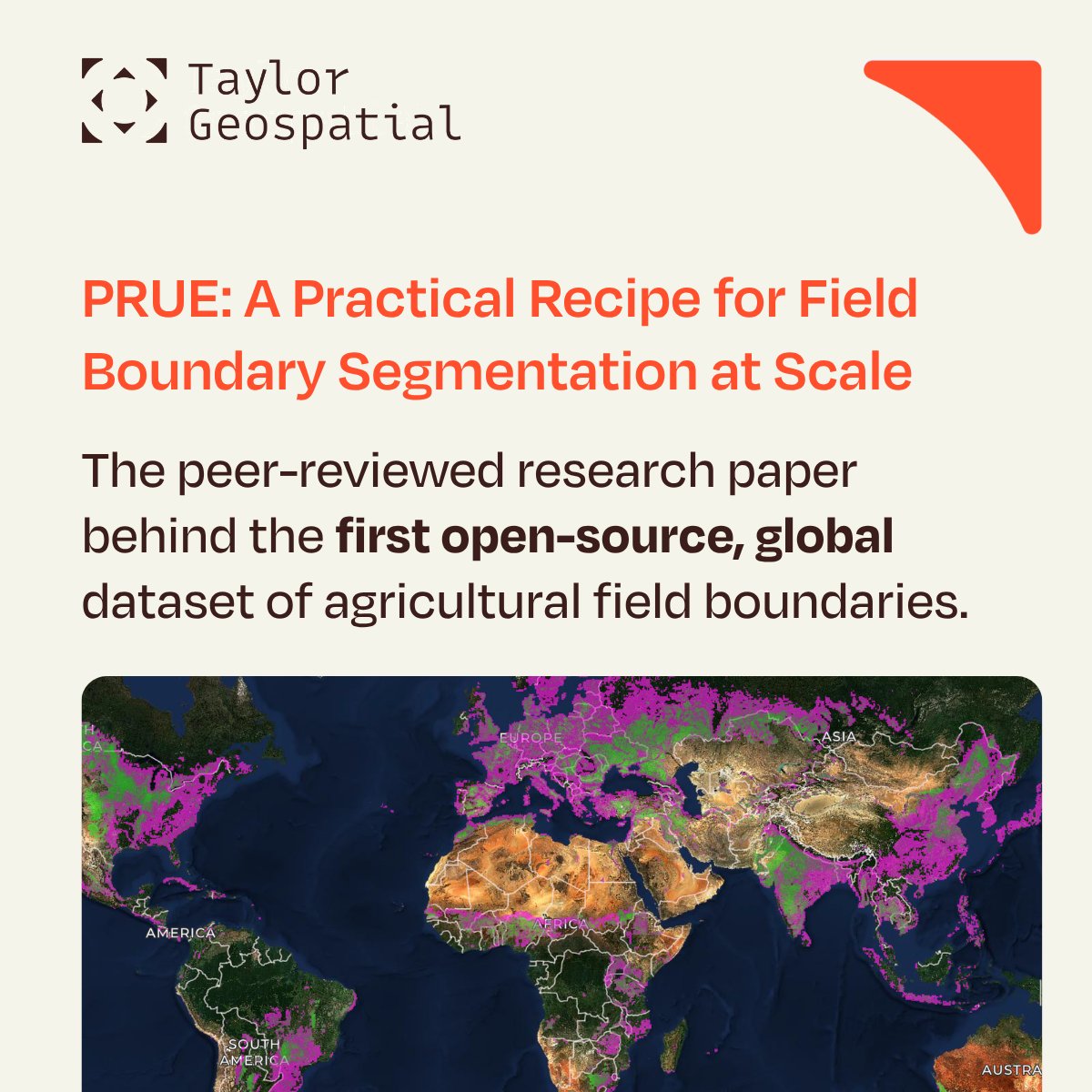
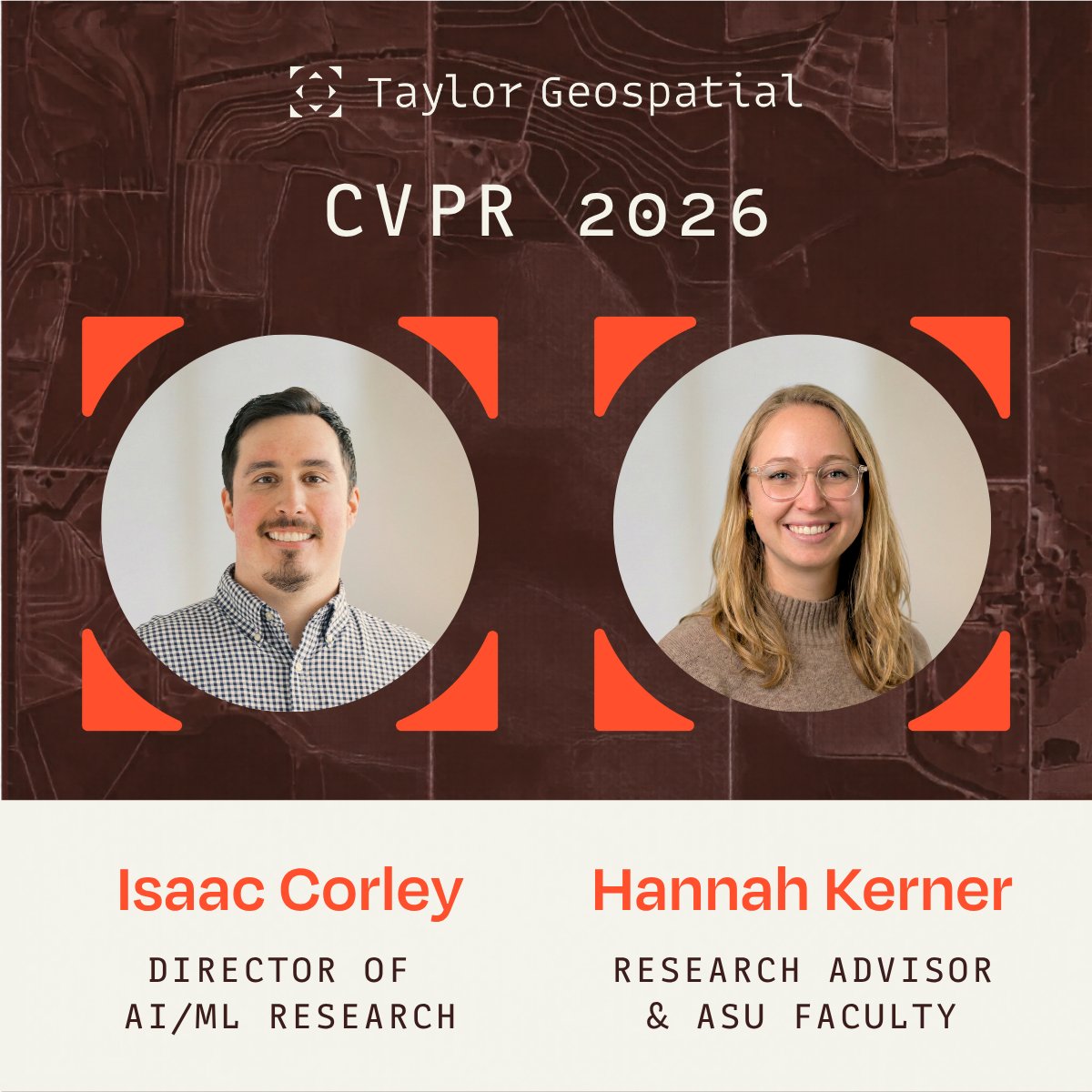
We're excited to be at @CVPR this week with the paper behind the first-ever #OpenSource dataset of agricultural field boundaries at global scale.
Cheers to all the Fields of the World researchers, including our AI director @isaaccorley_.
#FTW #CVPR2026
taylorgeospatial.org/agricul…
1
12
565
Join our Director of AI/ML @isaaccorley_ at the #CVPR2026 Image Matching Workshop on June 4, where he and co-authors examine whether pretrained image matchers can handle cross-modal satellite registration for disaster response. image-matching-workshop.gith…
73
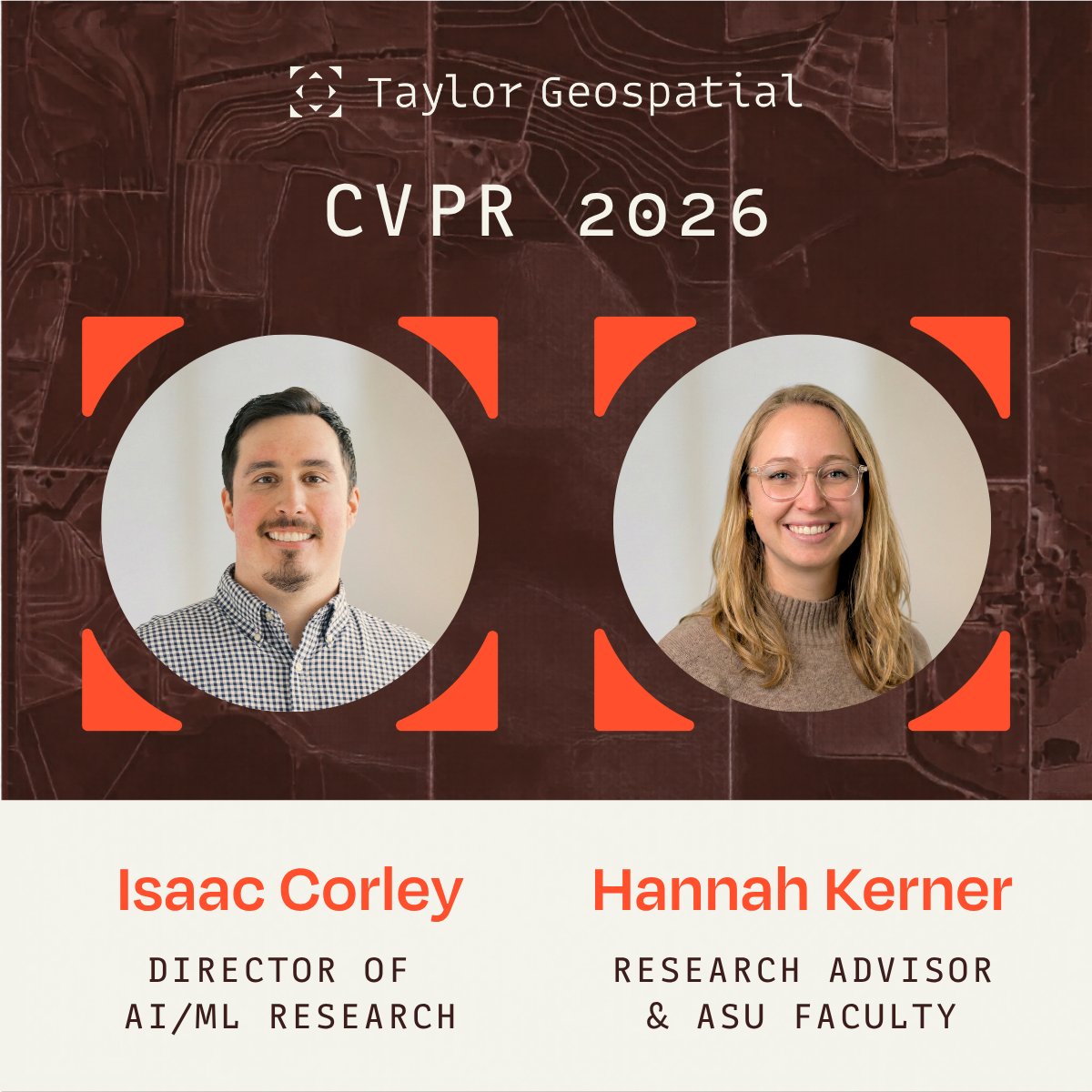
Headed to #CVPR2026? Meet our Director of AI/ML @isaaccorley_ and Research Advisor Hannah Kerner (@ASU). Their research enabled the first-ever #opensource map of agricultural field boundaries at global scale. taylorgeospatial.org/agricul…
1
2
168
Taylor Geospatial retweeted

May 27
The team plans to test the open-source tool in Sudan, Ukraine, Syria, and Haiti, where timely information on crop conditions and food assistance infrastructure can be difficult to access.
Learn more here! 👉taylorgeospatial.org/gifs-aw…
1
1
3
263
Taylor Geospatial retweeted
May 27
NASA Harvest is joining @ASU , @WashU, and @FEWSNET on a new GeoAI project funded through the GIFS Challenge from Taylor Geospatial.
The effort will help detect early signs of food system instability in conflict zones using satellite data and natural-language queries.
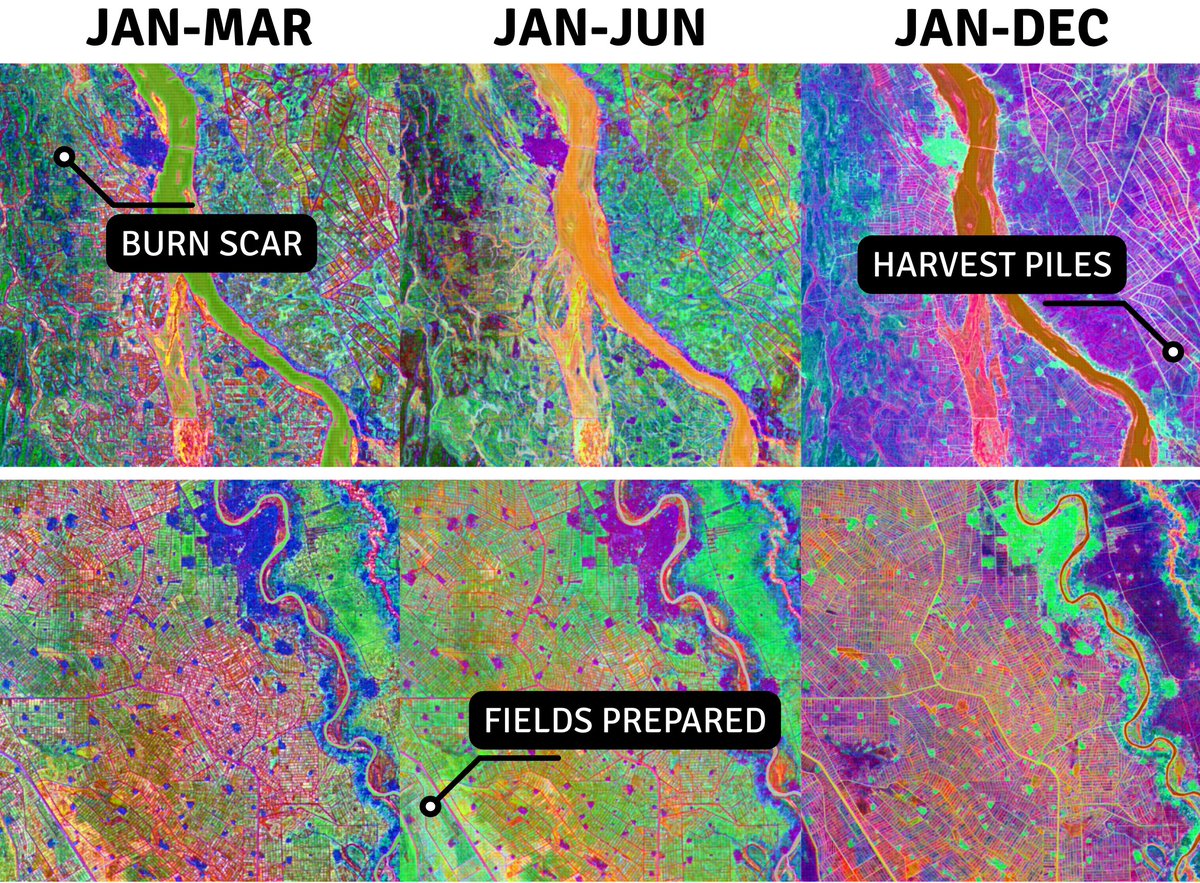
ALT Examples of quarterly, semi-annual, and annual satellite-based embeddings from Al Jazirah, Sudan, in 2024, that allow users to identify critical food security signals, such as burn scars, field preparation, and harvest activity, using natural language. Credit: Arizona State University. Embeddings generated with OlmoEarth.
1
5
13
596
Taylor Geospatial retweeted

Jun 2
Taylor Geospatial names three awardees under its Food Security GeoAI Challenge, each receiving up to $550K in funding over 18 months to build geospatial AI tools. igrownews.com/taylor-geospat… #AgTech #FoodSecurity #PrecisionAg
1
1
83
Taylor Geospatial retweeted

The projects receiving funds are creating new tools to boost crop yield, reduce fertilizer use and improve humanitarian aid. bizjournals.com/stlouis/inno…
1
1
313
Early Warning Signs for Hunger & Malnutrition - Through our GIFS Challenge, @WFP & @REACH_info are turning AI and satellite data into actionable insights for food security. #GeoAI #FoodSecurity #AIforGood
taylorgeospatial.org/initiat… @reliefweb @newhumanitarian @taniakaras @FEWSNET
33
.@Mizzou & @MizzouExtension are developing GeoAI tools 2 help improve nitrogen management, supporting both farm productivity & environmental stewardship.
#GeoAI #Agriculture #FoodSecurity #AIforGood
taylorgeospatial.org/initiat… @chrisClaytonDTN @AgFunder @FarmJournal @SuccessfulFarm
1
74
Through our GIFS Challenge, a team from @ASU, @WashU, @NASA Harvest, & @FEWSNET is developing GeoAI tools to detect early signals of crop instability, helping decision-makers act sooner & more effectively.
#GeoAI #FoodSecurity #AIforGood #EarthObservation
taylorgeospatial.org/initiat…
47
We recently released the first #opensource map of agricultural field boundaries at global scale. 🌎
This paper, accepted to #CVPR2026, is the research that made it possible: arxiv.org/abs/2603.27101
Learn more: taylorgeospatial.org/agricul…
1
12
40
1,783
From Data to Action: How Taylor Geospatial is Transforming Global Food Systems Through GeoAI #GeoAI #GenAI einpresswire.com/article/914… via @ein_news @ASU @UofMaryland @MizzouExtension @mizzou @WFP @UN @washu @NASA @NASAEarth @NASAGoddard @STLPartnership @GreaterSTLinc
1
66