
Idea Generator is about deep value. It gives you access to simple, deep value ideas structured in a risk-managed Portfolio.
Joined June 2012
- Tweets 34,685
- Following 510
- Followers 3,628
- Likes 251
338 Photos and videos



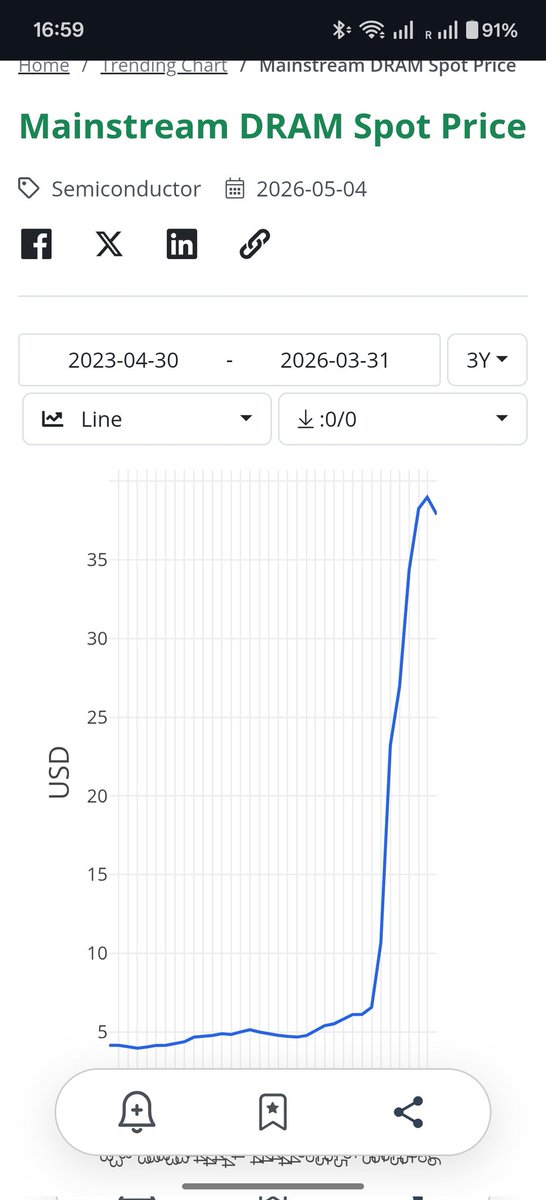
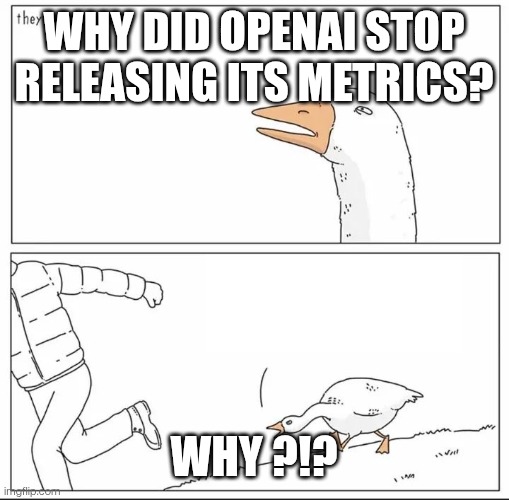



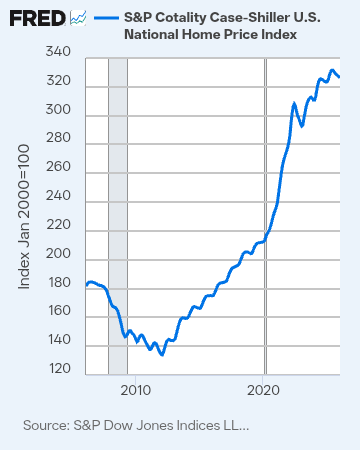
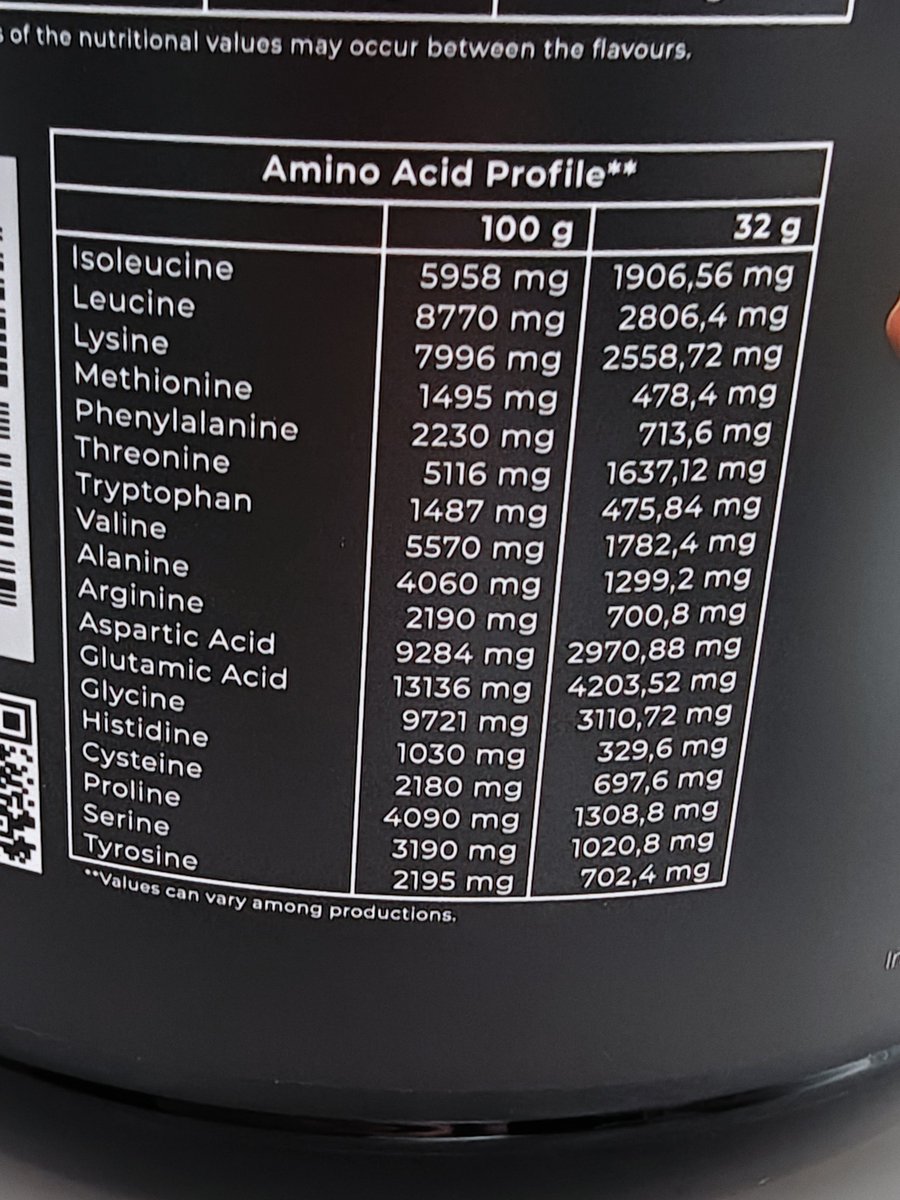




There is the slight chance that the restrictions put on Anthropic are simply corruption to keep OpenAI in the game.
2
2
181
Paulo Santos retweeted
It's notable that my answers are being so suppressed that the counter on the post I'm replying to does even show 1 answer.
I wonder who's doing the suppression, and why. Though it's clear the opinion that the world should respond in kind IS being suppressed.
1
193
Paulo Santos retweeted

Jun 13
The US is doing the VERY unusual step of saying "our best tech is just for us, while your best tech is for everyone".
These models aren't even viable without using foreign tech, for instance from ASML and Japanese companies. But now the US is saying that those same foreigners which supply their tech for this to be possible, cannot use the end result.
Foreign countries, specifically Europe and Japan, have to be STUPID to accept THAT deal.
2
1
1
248
Jun 13
If you still had any doubts about the nature not of the models, but of something else, this should dispel them.
It's not China that the world (ex-US) really needs to worry about, and this makes it quite obvious.
How Europe still regularly plays the role of an anti-China vassal, is a complete mystery.
Jun 13

The US government, citing national security authorities, has issued an export control directive to suspend all access to Fable 5 and Mythos 5 by any foreign national, whether inside or outside the United States, including foreign national Anthropic employees.
The net effect of this order is that we must abruptly disable Fable 5 and Mythos 5 for all our customers to ensure compliance.
Access to all other Claude models is not affected.
We apologize for this disruption to our customers. We believe this is a misunderstanding and are working to restore access as soon as possible.
Read our full statement: anthropic.com/news/fable-myt…
2
253
Paulo Santos retweeted

Jun 13
The US government, citing national security authorities, has issued an export control directive to suspend all access to Fable 5 and Mythos 5 by any foreign national, whether inside or outside the United States, including foreign national Anthropic employees.
The net effect of this order is that we must abruptly disable Fable 5 and Mythos 5 for all our customers to ensure compliance.
Access to all other Claude models is not affected.
We apologize for this disruption to our customers. We believe this is a misunderstanding and are working to restore access as soon as possible.
Read our full statement: anthropic.com/news/fable-myt…
12,054
25,203
85,290
82,961,932
Jun 7
There is also a weaker effect for the Nasdaq, where if the market gapped down on a given day, it's slightly more likely to gap up the next day, and vice-versa (as long as the gap up exceeds 0.2-0.3% or so).
But this is much subtler than the "goes up at night" effect.

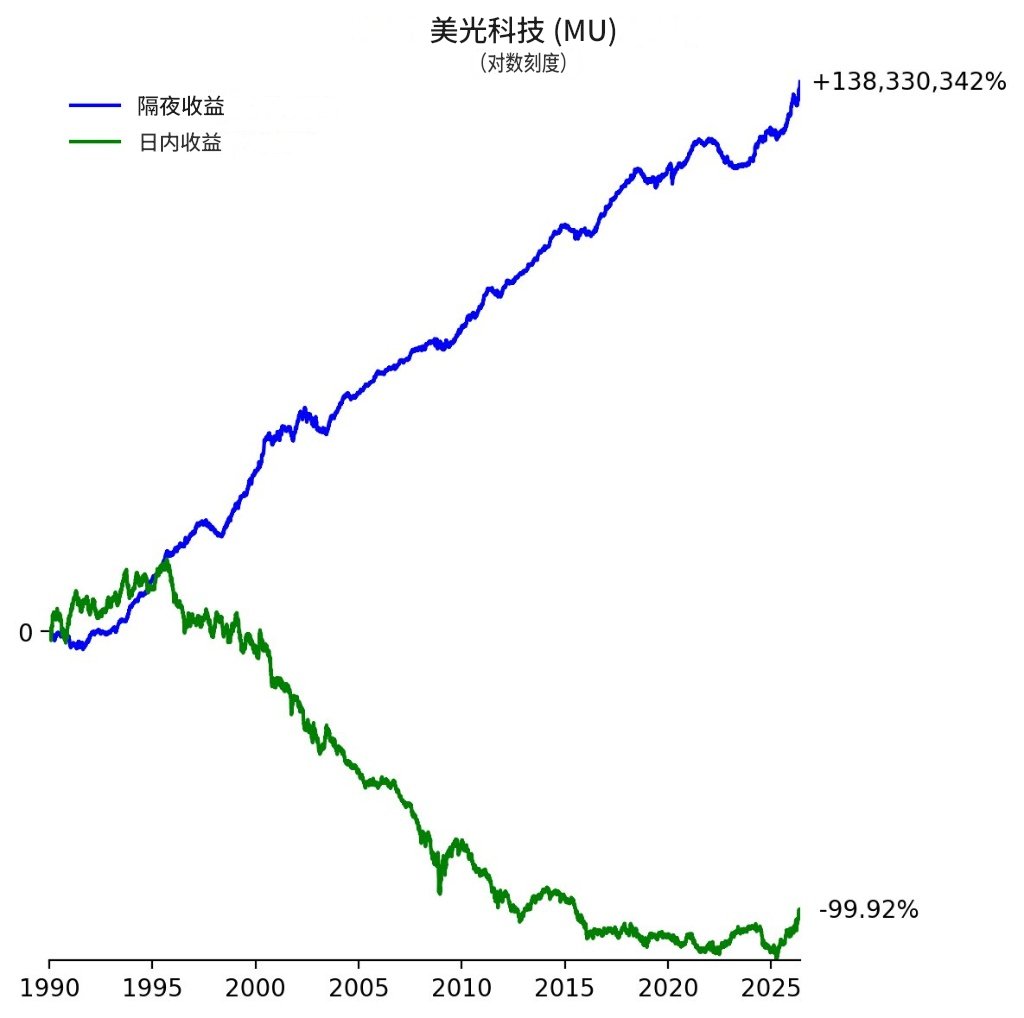
看见一个很离谱的论文……
如果你每天在收盘时买入美光科技,在第二天开盘时立刻卖出,几十年来会获得高达 138,330,342% 的收益。
但如果每天开盘买入,当天收盘时卖出,你的投资最终会几乎全部亏损-99.92%。
作者表示,这一切都是既得利益者的阴谋,所有市场都一样。
是的,包括咱们大 A。

383
Jun 6
Props to Elon for removing his rose-colored leading AI model glasses, and being flexible enough to just shift to renting the compute to a starved market.
This instantly turns huge losses into huge profits at SpaceX.
It won't last long as the prices are senseless, but it will last long enough to create many billions for sure.
1
2
319
Paulo Santos retweeted

Jun 5
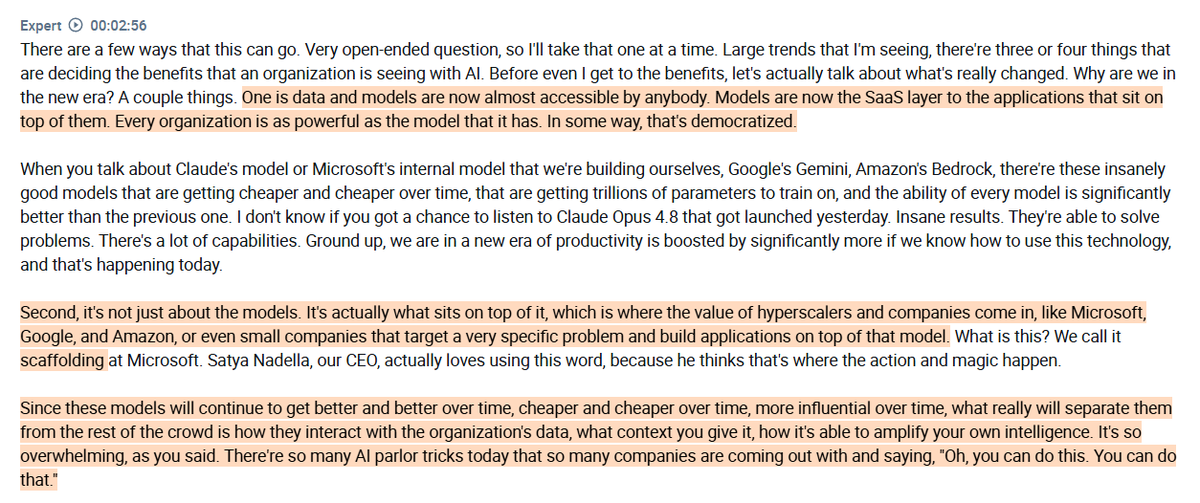
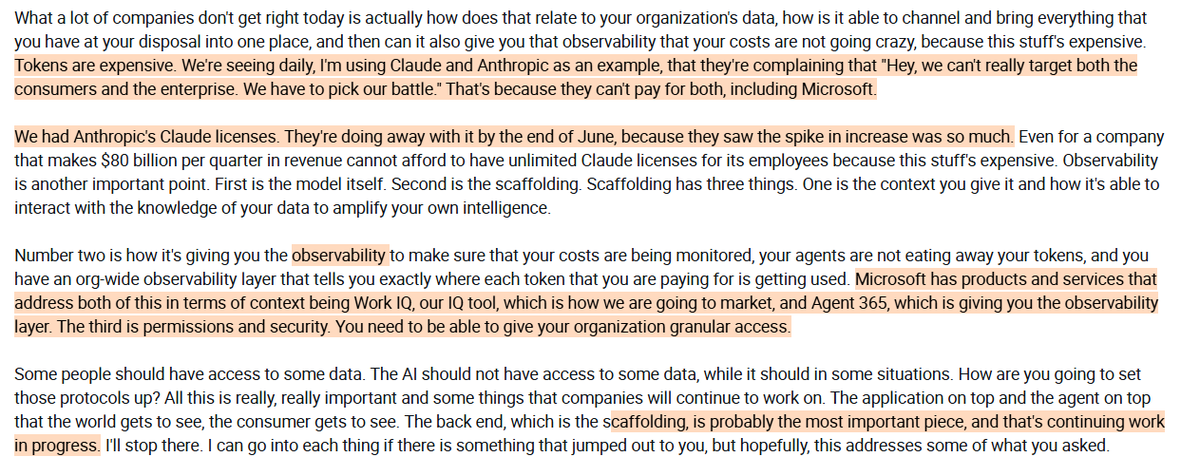
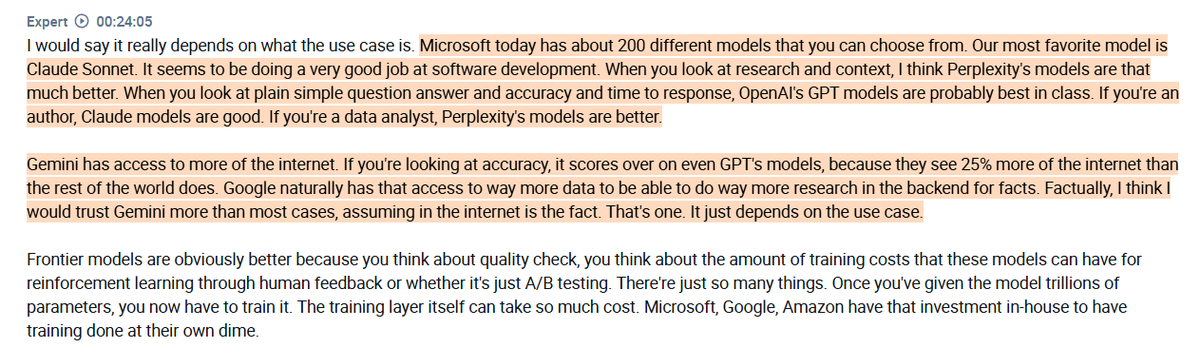
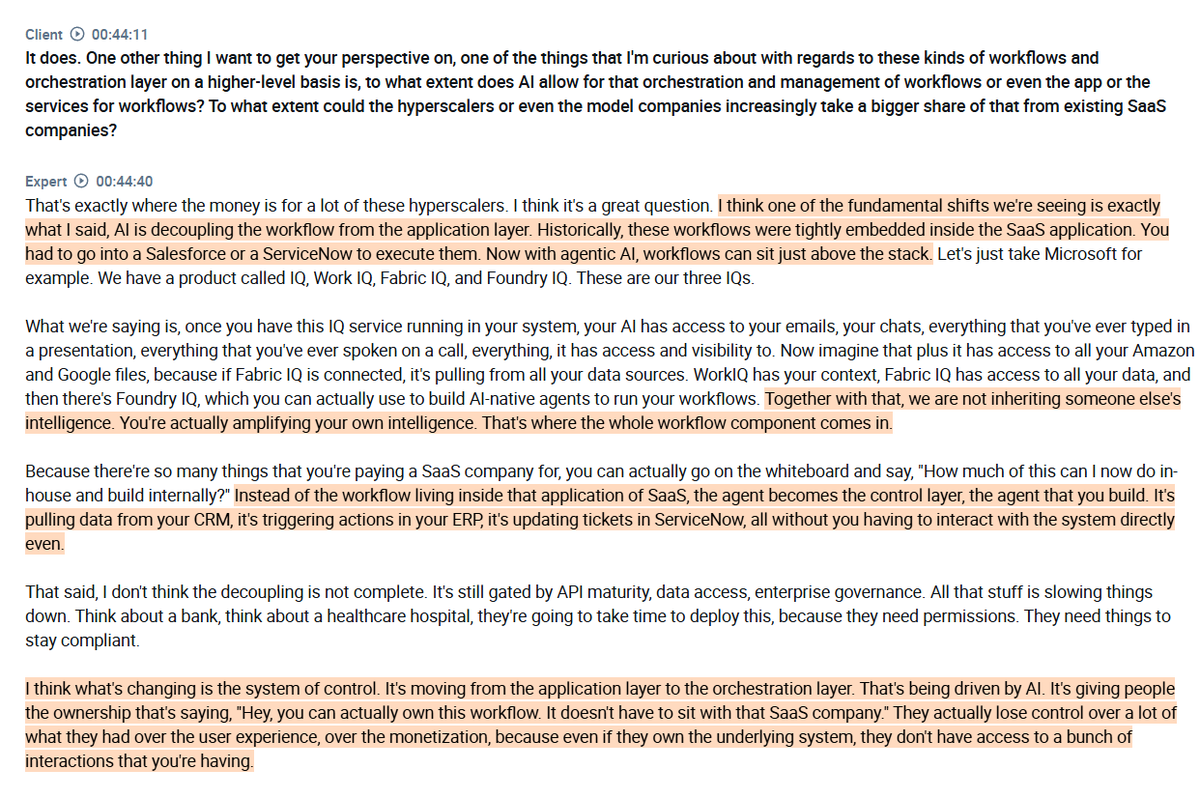
Interview with a $MSFT employee on why the real value in AI is in what gets built on top of the model:
1. He sees the real value sitting not in the models themselves but in what gets built on top of them, what $MSFT internally calls scaffolding, meaning how AI connects to an organization's data, what context it is given, and how well it amplifies the intelligence already inside a business. The expert's view is that as models continue to improve and commoditize, the differentiation will shift entirely to that layer above the model.
2. The expert believes that token costs are a real and often underestimated problem, noting that even $MSFT is pulling back on unlimited Claude licenses because the cost spike became unsustainable. He also mentions that most companies are not getting the data integration piece right, failing to bring everything they have into one place in a way the AI can actually use.
3. Observability is flagged as equally important, with organizations needing a clear view of exactly where every token is being spent before costs spiral out of control. $MSFT is addressing both through Work IQ for context and data integration and Agent 365 for the observability layer, with permissions and security rounding out the three pillars of what the expert sees as the scaffolding that will ultimately determine which organizations get real value from AI and which do not. The expert believes model selection as highly use-case dependent, with $MSFT running 200 models internally.
4. According to the expert, AI is actively decoupling workflows from the SaaS application layer, which historically locked users into platforms like $CRM or $NOW to execute any process. With agentic AI, workflows can now sit above the application stack entirely, with the agent pulling data from a CRM, triggering actions in an ERP, and updating tickets in $NOW system without the user ever touching those systems directly. $MSFT is positioned as exactly this kind of orchestration layer.
found on @AlphaSenseInc
15
27
167
18,428
Jun 5
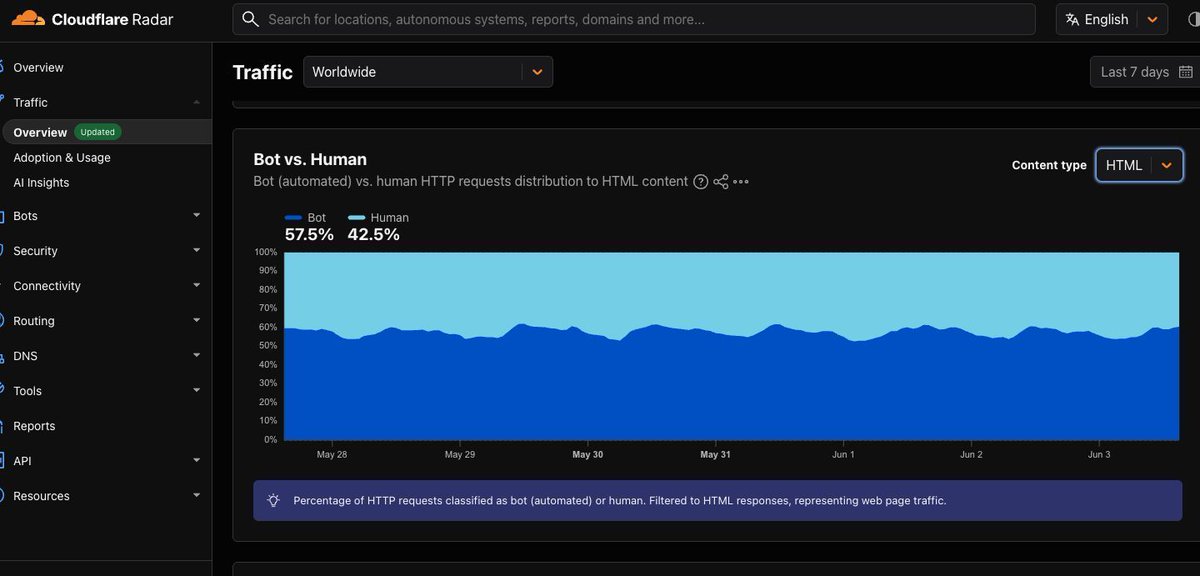
The websites serving these agentic requests are oftentimes making no money from serving them, while the service itself has a cost. Agents don't look at, or click on, advertisements.
Hence, there will unfortunately be pushback.
Worse still, some of those agents will be completing tasks which will make the source websites less useful for paying customers.
AI agents are an incredible development, but they're also a disaster in some ways.
Jun 4

BREAKING NEWS: according to CloudFlare Radar Data, Agentic traffic has SURPASSED human traffic across the worldwide internet for HTML webpages.
273
Jun 5
A huge failure in the golden age of grift. For now, it seems only the nasdaq will be screwed.
Jun 4

*S&P DJI PLANS NO CHANGES TO MEGACAPS INDEX ELIGIBILITY PERIOD
4
863
Jun 4
My variant of this opinion is "for a socialist, it's not enough for socialism to win. It has to be his socialism winning".
Jun 4

The distinction between cronyism, fascism, socialism, and communism is often a matter of political preference, not principle.
In every case, the state is steering. The only real dispute is who gets the favors, who bears the costs, and how much control is exercised openly versus indirectly.
The argument isn't over whether political power should direct economic life. It's over who gets to benefit from directing it.
168
Jun 4
On the first screenshot, this is what I meant by risk management eventually affecting capex, through the restriction in accepting further RPO from just 2 customers, when the existing RPO is already too high.
Jun 4

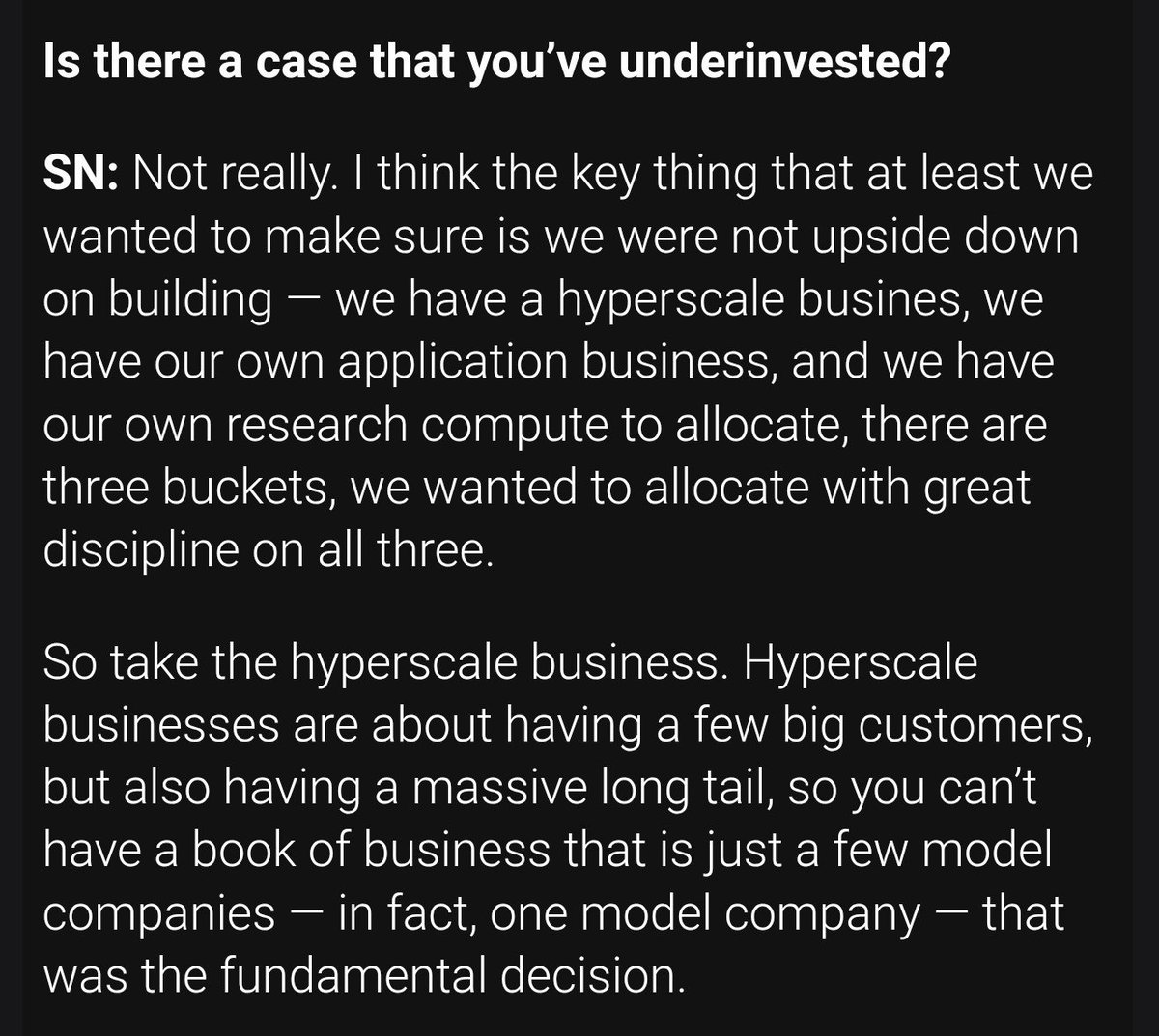
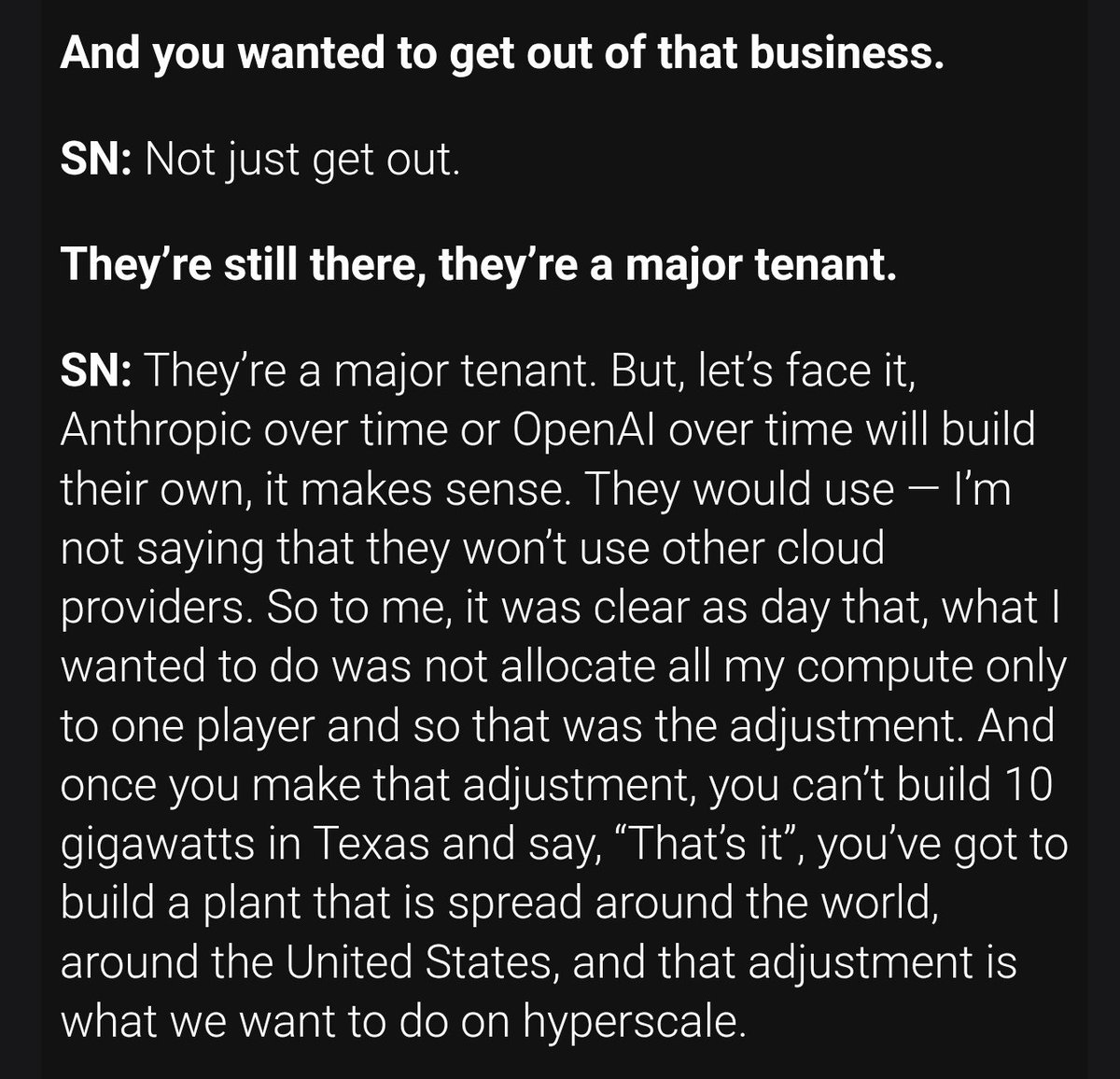
Satya thinks Anthropic and OAI will build their own clouds long-term and therefore they couldn't keep allocating compute to OAI vs. their own products. $MSFT
"let’s face it, Anthropic over time or OpenAI over time will build their own, it makes sense."
X
1
280
Jun 4
In a world first, a company decided to change contracts retroactively. In a normal world, this would be punished exemplary. Contract law and the sanctity of contracts is one of the underpinnings of civilized society as we know it.
151
Jun 4
This will end up like another EU project I participated in a couple of decades ago, with one manager saying to another "I never thought we'd make this much money".

EU's Foreign Policy Kallas: The EU today agreed to provide an extra €100 million to Lebanon's armed forces.
1
2
277
Paulo Santos retweeted
Jun 3
The EU politicians are so dumb, and the fifth column so strong, that like with EVs where Tesla gets lower EV import tariffs in Europe than the Europeans, in this digital sovereignty act US cloud suppliers get higher ratings than European cloud suppliers.
It's very, very hard to overestimate both the stupidity of EU politicians, and the power of the (US) political fifth column in Europe.
1
1
1
236
Jun 3
Oddly enough, stuff and especially services from the US never seem to have this "overcapacity" problem.
One has to give it to the shadowy fifth column cabal in Europe - they're good.

It always astonishes me how there is virtually ZERO public debate - or even public awareness - in Europe about the decisions that will most shape ordinary people's lives.
These days, the EU is drafting a new anti-China legal framework where - quite literally - the more affordable and competitive Chinese products are, the more illegal they'd become.
You'd think EU citizens would want to be informed about such things - as it couldn't be more consequential for their prosperity.
Yet I bet virtually no EU citizen is even aware of it, beyond a vague sense that there is some sort of trade dispute going on.
So what's going on exactly? It all centers around a new legal instrument the EU is drafting called the "overcapacity instrument" (euobserver.com/218003/china-…).
First of all, the very notion of "overcapacity" is pretty ridiculous to begin with, especially the way it's being defined by the EU, as it basically means being competitive enough to export.
By this definition of "overcapacity," pretty much every European industry that's ever run a trade surplus - German cars, French wine, Italian fashion - has been guilty of "overcapacity."
I'm not even exaggerating: if you read this study by the EU Parliament on "Industrial overcapacities, with a focus on China" (europarl.europa.eu/RegData/e…), they define "overcapacity" as building more capacity than your domestic market can absorb. So the moment you build capacity to export abroad, you're in "overcapacity."
Utterly ridiculous.
And what this "overcapacity instrument" is about is creating a permanent legal mechanism for the EU to block Chinese competition across whole sectors of the economy, if they happen to be in "overcapacity."
In effect, this means that if China is competitive globally in a given sector in such a way that it exports a lot, that's proof of overcapacity, and legally it'd mean that the entire sector can be restricted from the EU market.
Which means it really, factually, is a legal framework where the more affordable and competitive your products are, the more illegal they become.
Which is a CRAZY economic concept! 🤦♂️
Please note that it's different from the anti-subsidy legal instrument, which the EU has already put in place in 2023 (the "Foreign Subsidies Regulation": competition-policy.ec.europa…).
This "overcapacity instrument" would be above and beyond this: it wouldn't even matter if a particular sector was subsidized by the Chinese government or not, the mere fact of its competitiveness in exports would be grounds for restrictions in the EU.
It doesn't take a genius to understand how badly this could impact everyday people: this is European consumers being forced to pay more for worse products by law, so that uncompetitive European firms don't have to improve.
Politicians frame it as avoiding a "China shock 2.0" but really this is choosing an even steeper self-inflicted decline than is already the case, where EU citizens would subsidize mediocre EU companies that would have even less pressure to catch up. It's a hidden tax: subsidies for uncompetitive firms paid by consumers instead of governments, which in turn makes them less incentivized to become competitive.
The first "China shock" did de-industrialize Europe somewhat, but at least it made things cheaper for European consumers. If this becomes Europe's response to a second "China shock" not only it'd make everything more expensive but it'd do nothing for EU industry: you don't become competitive by banning the competition...
Look at China itself: the way it industrialized was NOT by banning Western firms but on the contrary by welcoming them strategically and learning from them. You learn to compete by... competing, duh!
What I find most shocking in all of this isn't even the policy itself - you can make arguments for and against protectionism, and reasonable people can disagree.
What's shocking is that virtually no European media outlet is explaining any of this to the public. This is unarguably one of the single most consequential economic decisions the EU will make this decade, affecting the price of everything, and it's being drafted in near-total silence.
No newspaper is running the headline "EU plans to make Chinese goods illegal if they're too affordable" - even though that's essentially what's happening.
But that's what you call a "democracy" with "freedom of expression" these days apparently...
1
224
Paulo Santos retweeted

People don't grasp the sheer speed and scale of Europe's decline.
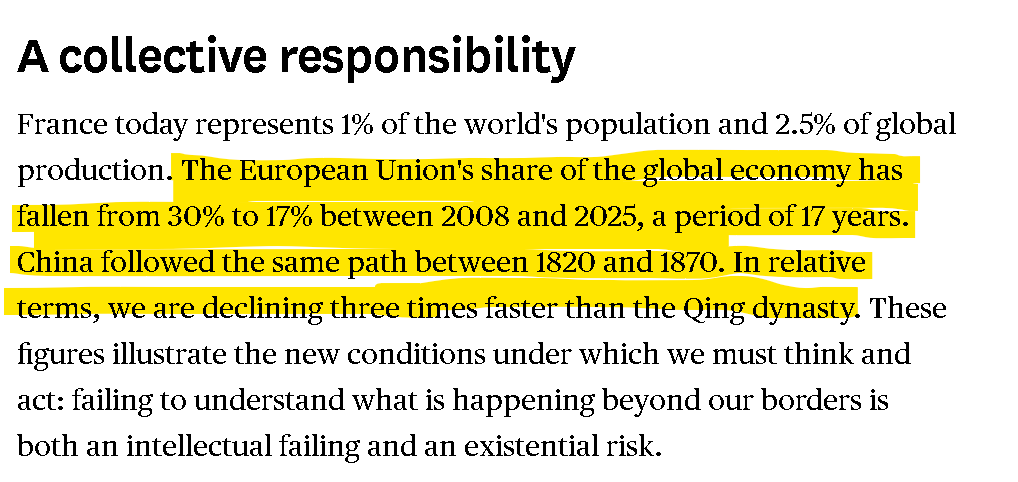
This 👇 is an extraordinary number shared by Luis Vassy, director of Sciences Po (one of France's most famous schools) in this article: legrandcontinent.eu/fr/2026/…
He calculated that the EU is declining 3 times faster than the Qing dynasty at the height of China's century of humiliation.
Back then, it took China 50 years to drop from 30% of world GDP to 17%, whereas it took the EU just 17 years (from 2008 to 2025).
Insane 😢 And, sadly, given the current direction and the EU's systematically suicidal policy choices (latest example: x.com/RnaudBertrand/status/2…), it's just the beginning...
It always astonishes me how there is virtually ZERO public debate - or even public awareness - in Europe about the decisions that will most shape ordinary people's lives.
These days, the EU is drafting a new anti-China legal framework where - quite literally - the more affordable and competitive Chinese products are, the more illegal they'd become.
You'd think EU citizens would want to be informed about such things - as it couldn't be more consequential for their prosperity.
Yet I bet virtually no EU citizen is even aware of it, beyond a vague sense that there is some sort of trade dispute going on.
So what's going on exactly? It all centers around a new legal instrument the EU is drafting called the "overcapacity instrument" (euobserver.com/218003/china-…).
First of all, the very notion of "overcapacity" is pretty ridiculous to begin with, especially the way it's being defined by the EU, as it basically means being competitive enough to export.
By this definition of "overcapacity," pretty much every European industry that's ever run a trade surplus - German cars, French wine, Italian fashion - has been guilty of "overcapacity."
I'm not even exaggerating: if you read this study by the EU Parliament on "Industrial overcapacities, with a focus on China" (europarl.europa.eu/RegData/e…), they define "overcapacity" as building more capacity than your domestic market can absorb. So the moment you build capacity to export abroad, you're in "overcapacity."
Utterly ridiculous.
And what this "overcapacity instrument" is about is creating a permanent legal mechanism for the EU to block Chinese competition across whole sectors of the economy, if they happen to be in "overcapacity."
In effect, this means that if China is competitive globally in a given sector in such a way that it exports a lot, that's proof of overcapacity, and legally it'd mean that the entire sector can be restricted from the EU market.
Which means it really, factually, is a legal framework where the more affordable and competitive your products are, the more illegal they become.
Which is a CRAZY economic concept! 🤦♂️
Please note that it's different from the anti-subsidy legal instrument, which the EU has already put in place in 2023 (the "Foreign Subsidies Regulation": competition-policy.ec.europa…).
This "overcapacity instrument" would be above and beyond this: it wouldn't even matter if a particular sector was subsidized by the Chinese government or not, the mere fact of its competitiveness in exports would be grounds for restrictions in the EU.
It doesn't take a genius to understand how badly this could impact everyday people: this is European consumers being forced to pay more for worse products by law, so that uncompetitive European firms don't have to improve.
Politicians frame it as avoiding a "China shock 2.0" but really this is choosing an even steeper self-inflicted decline than is already the case, where EU citizens would subsidize mediocre EU companies that would have even less pressure to catch up. It's a hidden tax: subsidies for uncompetitive firms paid by consumers instead of governments, which in turn makes them less incentivized to become competitive.
The first "China shock" did de-industrialize Europe somewhat, but at least it made things cheaper for European consumers. If this becomes Europe's response to a second "China shock" not only it'd make everything more expensive but it'd do nothing for EU industry: you don't become competitive by banning the competition...
Look at China itself: the way it industrialized was NOT by banning Western firms but on the contrary by welcoming them strategically and learning from them. You learn to compete by... competing, duh!
What I find most shocking in all of this isn't even the policy itself - you can make arguments for and against protectionism, and reasonable people can disagree.
What's shocking is that virtually no European media outlet is explaining any of this to the public. This is unarguably one of the single most consequential economic decisions the EU will make this decade, affecting the price of everything, and it's being drafted in near-total silence.
No newspaper is running the headline "EU plans to make Chinese goods illegal if they're too affordable" - even though that's essentially what's happening.
But that's what you call a "democracy" with "freedom of expression" these days apparently...
227
1,556
4,274
221,313
Jun 3
Revolut will offer FDIC insured deposits and products in the US.
If Revolut works as well in the US as outside, and it should, US fintechs have a surprise coming (US fintechs and banks seem addicted to high margins).
135