Proud Indian! Proud Human! There's no right or left ideology. Only Truth. Stand with Truth even if you are alone facing world.
Joined April 2025
- Tweets 258
- Following 0
- Followers 143
- Likes 72
27 Photos and videos
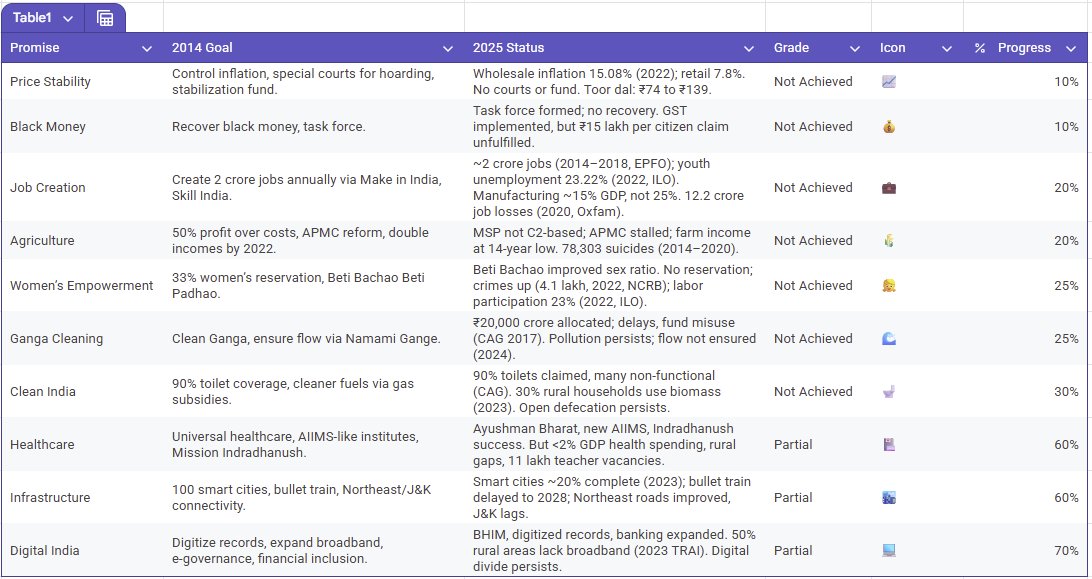
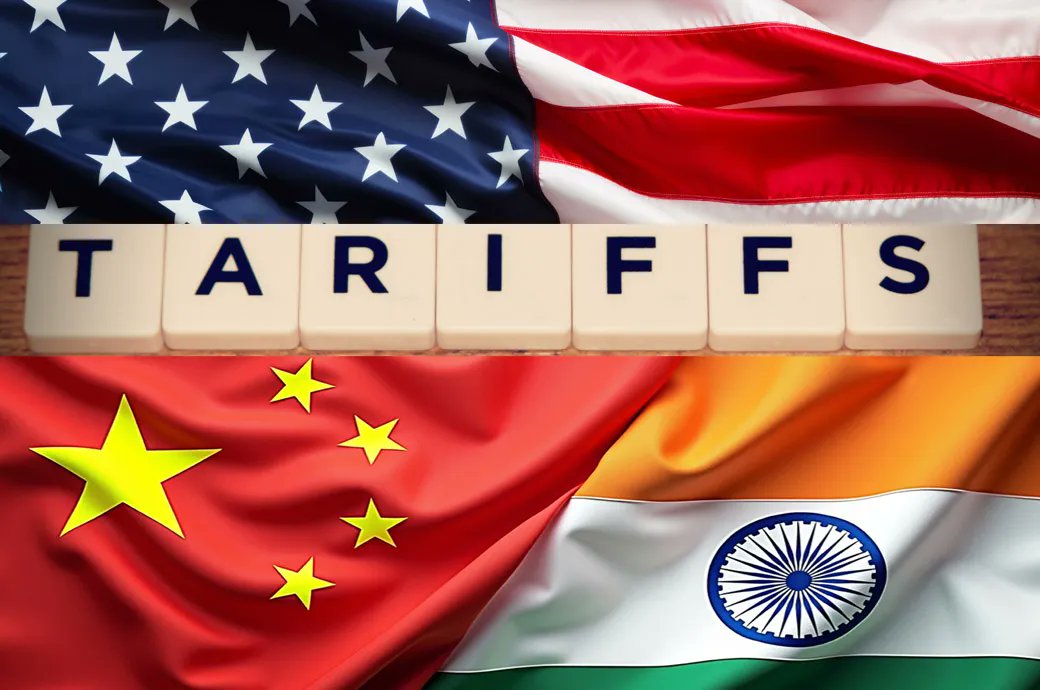
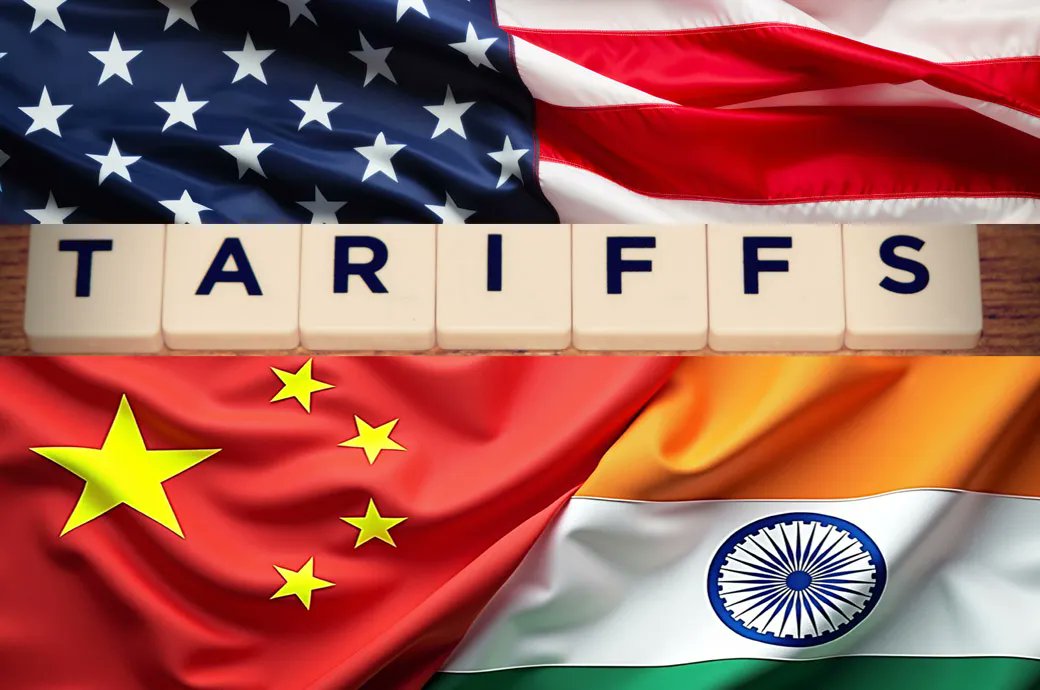
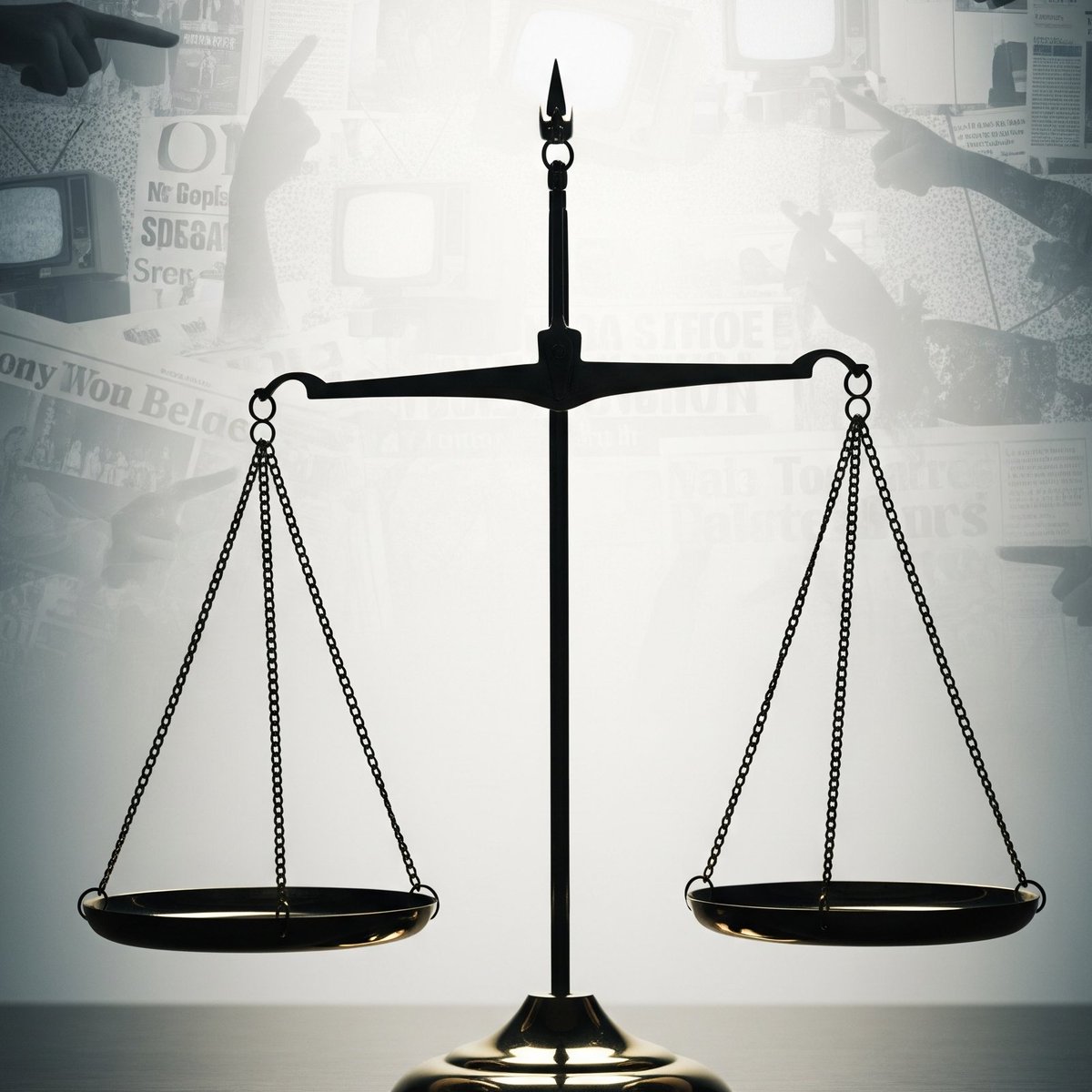

15 Aug 2025
Freedom Forged in Unity: Honoring India’s Diverse Heroes of 1857-1947 #IndependenceDay2025
Read thread 🧵
1/10: On this Independence Day, let’s honor the brave hearts of 1857—Hindus, Muslims, Sikhs, Christians united in the First War of Independence. Mangal Pandey’s spark, Rani Lakshmibai’s valor, & Bahadur Shah Zafar’s leadership dreamt of a free India. Their sacrifice lives in us. #JaiHind
2/10: From 1857 to 1947, freedom fighters dreamt of an India free from chains. Maulvi Ahmadullah Shah’s jihad for liberty, Tatya Tope’s guerrilla war, & Bhikaji Cama’s bold flag hoist in 1907 showed the world our resolve. Every faith, one goal: Swaraj. #IndependenceDay
3/10: Heroes like Azimullah Khan & Begum Hazrat Mahal fought fiercely in 1857. Later, Maulana Abul Kalam Azad’s words inspired millions. They dreamt of an India where all religions thrive in harmony. Their vision is our legacy. #IndiaIndependenceDay
4/10: Warriors like Bhagat Singh, who gave his life at 23, & Kartar Singh Sarabha, martyred at 19, shook the British Empire. Their dream? An India of equality & justice. Let’s live their vision with pride. #FreedomFighters #IndependenceDay
5/10: Freedom fighters like Pandita Ramabai & Annie Besant stirred souls for Swaraj. From organizing women to rallying the Home Rule League, they dreamt of an inclusive India. Their courage reminds us: unity is our strength. #JaiHind
6/10: Gandhiji’s non-violence, Subhas Bose’s Azad Hind Fauj, & Rani Gaidinliu’s tribal resistance in Manipur—each path led to one dream: a free India. Hindus, Jains, Parsis, all stood as one. Their sacrifices gift us today’s freedom. #IndependenceDay
7/10: Facts of valor: 1857 saw 100,000 rebels rise; Quit India (1942) mobilized millions. From Pir Ali’s sacrifice to Bismil’s poetry, Muslims, Hindus, Sikhs dreamt of an India free & united. Let’s honor them by building that dream. #IndiaAt78
8/10: Pioneers like Dadabhai Naoroji exposed British exploitation, while JRD Tata dreamt of an industrialized India. From every faith, our fighters shared one vision: a nation of dignity & progress. Let’s make it real. #IndependenceDay2025
9/10: Dream of 1947 was not just freedom but unity. From Lakshmibai to Azad, Bhagat to Bose, every religion fueled the fight. They fell, but their vision rose. Today, let’s vow to keep India united, vibrant, & free. #JaiHind #IndependenceDay
10/10: As we celebrate 78 years of freedom, let’s remember: our tricolor was woven by sacrifices of all faiths. From 1857’s roar to 1947’s dawn, they dreamt of an India where love triumphs over hate. Let’s live that dream. #India #Unityindiversity
26
38
143
1 Aug 2025
Imagine India as a bustling village of 1.4 billion, its economy a $4 trillion market humming at 6.5% growth—a pace that feels like a slow walk compared to the sprint it needs.
Across the ocean, the US village thrives with an economy eight times larger, its people earning 31 times more per person.
In India, most villagers scrape by with just $3,000 a year to spend, barely enough for life’s basics, let alone luxuries like air conditioners, which are slapped with hefty taxes. These taxes, meant to fund the village, instead spark frustration, pushing the wealthiest—its millionaires—to pack their bags and leave, making India the world’s leader in such exits.
The village’s schools and clinics, vital for a brighter future, starve for funds, trailing global standards. Meanwhile, the leaders tasked with uplifting the village send their own children to private academies or even foreign lands, securing passports to distant shores. This betrayal stings, as trust in public systems fades. Yet, the villagers, hardworking and clever, send billions back home—India leads the world in remittances—but this feels more like a bandage than a triumph.
The village stands at a crossroads. To thrive, it must pour resources into innovation, healthcare, and education. It needs leaders who believe in the village’s future, not just their own. It’s time to craft a new chapter—one where India’s potential shines, driven by a bold, unified plan.
#India #Bharat #Economy2025 #InstaIndia #ViralBharat #India #TrendingIndia #ReelsIndia2025 #IndianCreatives #Motivation
36
103
1 Aug 2025
37
144
31 Jul 2025
#Trump ने #India को कम क्यों आंका? क्या यह एक मिथक है, सच्चाई, या सिर्फ Trump का #tariff game? इस थ्रेड में जानिए।
Thread in Hindi:
1/10इसमें कोई शक नहीं कि भारत के पास अपार प्रतिभा, एक विशाल कार्यबल, और बहुत अधिक क्षमता है। फिर भी, एक महत्वपूर्ण सवाल उठता है: यह वैश्विक आर्थिक मंच पर उम्मीद के मुताबिक हावी क्यों नहीं हो पाया? आइए चीन और मौजूदा व्यापार परिदृश्य के साथ इसके रास्ते की तुलना करते हुए चुनौतियों का विश्लेषण करें। एक थ्रेड। #ThreadOfIndia #IndianEconomy
2/10कहानी समय और फोकस से शुरू होती है। जब चीन 80 के दशक में खुला, तो उसने एकाग्र होकर निर्यात-आधारित विनिर्माण को अपनाया और "दुनिया की फैक्ट्री" बन गया। 1991 में भारत का उदारीकरण महत्वपूर्ण था, लेकिन इससे सेवा-क्षेत्र में वृद्धि हुई, जबकि हमारी विनिर्माण क्षमता पीछे रह गई। #MakeInIndia
3/10यह हमें चीन के "स्मार्ट टैरिफ गेम" पर ले आता है। उनकी रणनीति सिर्फ टैरिफ के बारे में नहीं थी; यह पहले अपरिहार्य (indispensable) बनना था। दशकों तक, उन्होंने वैश्विक आपूर्ति श्रृंखलाओं (global supply chains) में खुद को गहराई से एकीकृत किया, जिससे दुनिया के लिए उनसे अलग होना महंगा हो गया। #SupplyChain #Geopolitics
4/10जब व्यापार युद्ध (trade wars) शुरू हुए, तो चीन तैयार था। उन्होंने रणनीतिक जवाबी कार्रवाई की, टैरिफ लागत को कम करने के लिए सरकारी सब्सिडी का इस्तेमाल किया, और नई निर्भरताएं पैदा करने के लिए भविष्य के उद्योगों (जैसे EVs, solar panels) पर हावी होने के लिए दोगुनी मेहनत की। #China #TradeWar
5/10अब वैश्विक बदलाव पर गौर करें। संरक्षणवादी नीतियां, जैसा कि वर्तमान US प्रशासन के दृष्टिकोण में दिखता है, इन supply chains को बाधित करने और manufacturing वापस लाने का लक्ष्य रखती हैं। इससे वैश्विक आर्थिक संघर्ष पैदा होता है, लेकिन दूसरे देशों के लिए एक बड़ा अवसर भी बनता है। #Economy #USA
6/10यही वह "China 1" अवसर है जिसकी बात हर कोई भारत के लिए करता है। जैसे ही कंपनियां चीन से अपना जोखिम कम करना चाहती हैं, भारत एक तार्किक विकल्प है। लेकिन हम अब तक एक सरल "प्लग-एंड-प्ले" रिप्लेसमेंट नहीं हैं। क्यों? #ChinaPlusOne #Opportunity
7/10आंतरिक चुनौतियों ने, खासकर धर्म के खेल ने, हमारी प्रतिक्रिया को धीमा कर दिया है। सुधारों के बावजूद, इंफ्रास्ट्रक्चर (ports, power), जटिल नौकरशाही ('red tape'), और नीतियों में असंगति जैसी बाधाएं, चीन की दक्षता की तुलना में बड़े पैमाने पर manufacturing निवेश को एक मुश्किल प्रस्ताव बनाती हैं। #Infrastructure #Investment
8/10"मैनपावर और टैलेंट" का तर्क भी सूक्ष्म है। हमारे पास लाखों लोग और प्रतिभाशाली इंजीनियर्स हैं, लेकिन बड़े पैमाने पर कुशल व्यावसायिक श्रम (skilled vocational labor) की कमी है। चीन ने लाखों लोगों को विशेष फैक्ट्री-लाइन और तकनीकी भूमिकाओं के लिए प्रशिक्षित किया, यह एक महत्वपूर्ण अंतर है। #SkillIndia #SkillGap
9/10इसलिए, आगे बढ़ने के लिए एक नई प्लेबुक की आवश्यकता है। इसका मतलब है आक्रामक, निरंतर फोकस: धर्म का खेल न खेलें। धर्म को राष्ट्र और व्यक्तिगत विश्वासों से दूर रखें। विश्व स्तरीय इंफ्रास्ट्रक्चर युद्ध-स्तर पर बनाएं। सरल, स्थिर, और पूर्वानुमेय नीतियां बनाएं। बड़े पैमाने पर उद्योग-जुड़े स्किलिंग प्रोग्राम्स चलाएं। सिर्फ कागज़ पर नहीं, बल्कि ज़मीन पर भी व्यवसाय करने में आसानी पैदा करें। #indianembassyattack
10/10निष्कर्ष रूप से, भारत वास्तव में "असफल" नहीं हुआ, बल्कि उसने पहली manufacturing लहर को चूक दिया जिसका चीन ने फायदा उठाया। वर्तमान वैश्विक पुनर्संतुलन एक दूसरा मौका देता है, जो शायद और भी बड़ा है। इसे पाने के लिए हमारी अपार क्षमता से मेल खाने वाली साहसिक और निर्णायक कार्रवाई की ज़रूरत है। #ThreadOfIndia #FutureOfIndia
39
101
31 Jul 2025
What made #India downplayed by #Trump? Is it myth, reality or just a Trump #tariff game?
Uncover in thread 🧵
1/10 India has no doubt immense talent, a massive workforce, & huge potential. Yet, a critical question arises: why hasn't it dominated the global economic stage as predicted? Let's analyze the challenges, comparing its path with China & the current trade landscape. A thread. 👇 #ThreadOfIndia #IndianEconomy
2/10 Story starts with timing & focus. When China opened up in the 80s, it single-mindedly pursued export-led manufacturing, becoming the "world's factory." India's liberalization in 1991 was crucial but led to service-sector growth, while our manufacturing potential lagged. #MakeInIndia
3/10 This brings us to China's "smart tariff game." Their strategy wasn't just about tariffs; it was about becoming indispensable first. For decades, they deeply integrated into global supply chains, making it costly for the world to decouple from them. #SupplyChain #Geopolitics
4/10 When trade wars began, China was prepared. They retaliated strategically, used state subsidies to absorb tariff costs, and doubled down on dominating future industries (like EVs, solar panels, batteries) to create new dependencies on their technology. #China #TradeWar
5/10 Now, consider the global shift. Protectionist policies, exemplified by the current US administration's approach, aim to disrupt these chains and bring manufacturing back. This creates global economic friction but also a massive opportunity for other nations. #Economy #USA
6/10 This is the "China 1" opportunity everyone talks about for India. As companies look to de-risk from China, India is the logical alternative. But we are not yet a simple "plug-and-play" replacement. Why? #ChinaPlusOne #Opportunity
7/10 Internal challenges have slowed our response especially Religion game. Despite improvements, hurdles in infrastructure (ports, power, logistics), complex bureaucracy ("red tape"), and policy inconsistency make large-scale manufacturing investment a difficult proposition compared to China's efficiency. #Infrastructure #Investment
8/10 The "manpower & talent" argument is also nuanced. We have millions of people & brilliant engineers, but there's a gap in skilled vocational labor at scale. China trained hundreds of millions for specific factory-line and technical roles, a crucial difference. #SkillIndia #SkillGap
9/10 So, the path forward requires a new playbook.
It means aggressive, sustained focus on:
✅ Don't play Religion game. Stay away from Religion mixing nation and personal beliefs.
✅ World-class infrastructure on a war footing.
✅ Simplified, stable, and predictable policies.
✅ Massive, industry-linked skilling programs.
✅ Creating ease of business on the ground, not just on paper. #indianembassyattack
10/10 In conclusion, India didn't necessarily "fail" but missed the first manufacturing wave that China capitalized on. The current global realignment offers a second chance, perhaps an even bigger one. Seizing it requires bold, decisive action to match our undeniable potential. #ThreadOfIndia #FutureOfIndia
30
81
18 Jul 2025
A targeted systematic propaganda which were spread to target Muslims in India during Covid-19. Learn here in thread 🧵 how different it could have been handled.
1/10 Significant ruling by the HC: Concluded that there was no role or evidence to suggest the Tablighi Jamaat congregation in early 2020 caused the spread of COVID-19 in India. This warrants serious reflection on how the event was portrayed and handled. #TablighiJamaat #indianembassyattack #HC #Court #Justice #India #Minorities
2/10 Early in the pandemic, the TJ event was amplified by sections of media & some authorities as a primary source of spread, often with communal overtones. This narrative led to widespread stigmatization of the Muslim community, affecting livelihoods & social cohesion.
3/10 What should have been done differently? A focus on transparent, evidence-based public health messaging, emphasizing universal precautions and avoiding the singling out of any particular community or event, would have been more effective and equitable.
4/10 The congregation occurred before the full scale of the pandemic and the severity of transmission were widely understood. Blaming an early gathering in a country with massive population density and limited testing at the time lacked scientific rigor and fairness.
5/10 Who will return the lost 5 years to those who faced social ostracization, business losses, and endured the trauma of being unfairly targeted? The impact on individuals and the community was profound and long-lasting, extending far beyond just the initial lockdown.
6/10 The HC's conclusion underscores the danger of sensationalized reporting and the amplification of unverified claims, especially during a crisis. Responsible journalism and evidence-based communication are paramount for public trust and social harmony.
7/10 Lesson for authorities: Public health responses must be guided by scientific evidence and principles of equity and justice. Singling out communities fosters mistrust and hinders effective pandemic management.
8/10 Lesson for media: The power of the narrative is immense. Responsible reporting requires verifying information, avoiding generalizations, and being mindful of the potential for social polarization, especially during sensitive times.
9/10 Lesson for society: We must be vigilant against the spread of misinformation and resist the urge to assign blame based on identity. Critical thinking and empathy are crucial for navigating crises as a united nation.
10/10 The HC ruling serves as a reminder of the importance of due process, evidence, and the upholding of fundamental rights, even amidst a public health crisis. Let this be a learning for a more just and informed society. #Justice #LessonsLearned #India
nationalheraldindia.com/nati…
19
51
15 Jul 2025
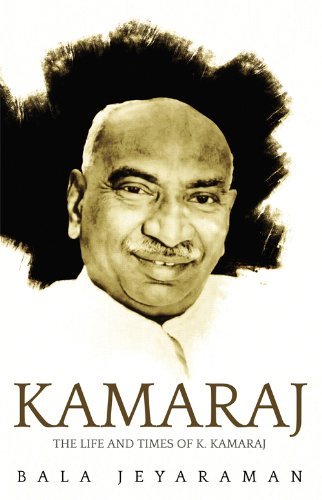
Today, India remembers one of its most remarkable leaders, K. Kamaraj, on his birth anniversary. He was a humble freedom fighter, a visionary Chief Minister of Madras State, & the legendary 'Kingmaker' of Indian politics. Let's explore the thread of his incredible legacy. 👇 #ThreadOfIndia #Kamaraj #Kingmaker
2/6 Born into a humble family in Tamil Nadu, Kamaraj-ji was a true man of the people. Throughout his powerful career, he was renowned for his extraordinary simplicity, integrity, and selflessness, earning him the title "Karmaveerar" (Man of Action). #Simplicity #Integrity #Inspiration
3/6 His greatest gift to India was arguably the Midday Meal Scheme. As Chief Minister, he pioneered this revolutionary idea to provide free lunches in schools, believing that a hungry stomach cannot focus on learning. His motto was "Education for All." 🍛📚 #MiddayMealScheme #EducationForAll
4/6 The impact was transformative! The scheme dramatically increased school enrollment and reduced dropout rates, especially among the poor and marginalized. It fought malnutrition and laid the foundation for Tamil Nadu's future success in education and human development. A truly visionary policy! #TamilNadu #SocialJustice
5/6 In national politics, he was the humble giant behind the famous 'Kamaraj Plan,' which proposed that senior leaders resign from ministerial posts to work for the party's grassroots organization. He always prioritized service to the nation over the perks of power. #IndianPolitics #SelflessService
6/6 K. Kamaraj's life is a powerful thread in India's story, demonstrating how simple, honest governance focused on education can empower generations. His birthday is rightly celebrated as 'Education Development Day' in Tamil Nadu. A true nation-builder! 🙏 #ThreadOfIndia #KamarajJayanti #Leadership
18
33
26 Jun 2025
Lessons from India's 🇮🇳Bullet train work delay as a result from blockade from China 🇨🇳 highlighting key concerns about strategy.
Let's take a closer look at problem and its solutions in this thread 🧵
1/10 India’s tech dream can’t rely on China or USA or any third country! Self-reliance is the game-changer. Build our own tech like boring companies, self-owned technology. China’s blockade on rail tech shows why. #India #viksitbharat
2/10 Problem: China blocks bullet train tech! India’s $15B Mumbai-Ahmedabad project faces delays due to reliance on Chinese firms. Japan’s help isn’t enough—Atmanirbhar Bharat is the answer. #MakeInIndia #BharatRising
3/10 Problem: Textile industry lags! India’s textile exports ($37B, 2023) dwarfed by China’s $290B. We import Chinese machinery—dependency kills growth. #NewIndia #IndiaFirst
4/10 Problem: Manufacturing stuck at 14% GDP! China’s at 30%. Make in India failed to cut reliance on Chinese inputs (98% of electronics imports). Foreign reliance = strategic risk. #ViksitBharat #MakeInIndia
5/10 Problem: Religion politics distracts! BJP’s divisive focus pulls India from tech goals. China’s laser-focus on innovation (23% global patents) outpaces India’s 0.7% R&D spend. #BharatRising #NewIndia
6/10 Solution: Build India’s tech! Like Elon’s Boring Company, dig tunnels for urban mobility. Develop indigenous bullet train tech—DRDO can lead, cut China reliance. #IndiaFirst #MakeInIndia
7/10 Solution: Revive textiles! Invest $10B in R&D for smart fabrics, AI looms. China’s textile dominance came from state push—India can match with PLI schemes. #ViksitBharat #BharatRising
8/10 Solution: Boost manufacturing! Raise R&D to 1.8% GDP like USA. Tata’s $5B chip fab shows the way—scale it for electronics, autos. No more Chinese parts! #MakeInIndia #NewIndia
9/10 Solution: Ditch religion politics! Focus on tech, jobs like China’s 2014 chip plan ($150B). Unity drives innovation—Modi must prioritize economy over division. #IndiaFirst #ViksitBharat
10/10 India, be a tech titan! Learn from USA’s IP focus, China’s scale. Build boring tech, textiles, chips at home. Self-reliance = superpower status! #MakeInIndia #BharatRising
1
84
25 Jun 2025
9 May 2025

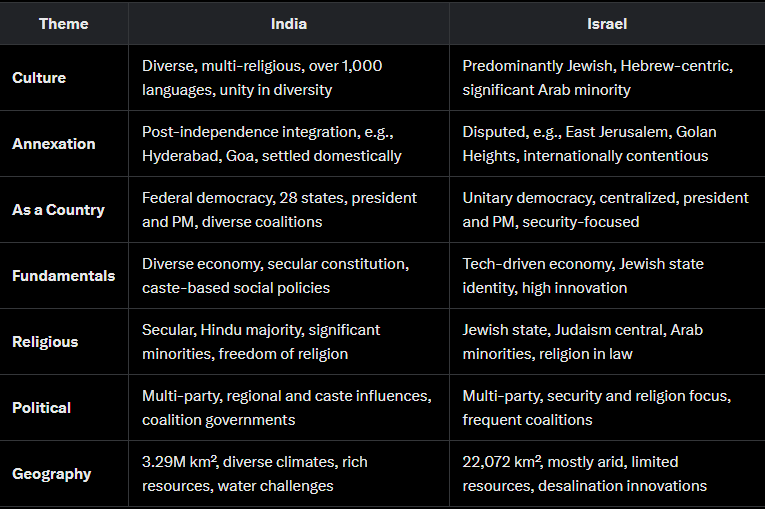
#India 🇮🇳 ≠ #Israel 🇮🇱
Learn here how?
1. Research suggests India and Israel differ significantly in culture, with India being more diverse and Israel centered on Jewish identity.
2. India is on self land from centuries and Israel on disputed annexed territories.
3. India is a federal democracy and Israel a unitary one (leaned to bias), reflecting their size and governance needs.
4. India's secular, multi-religious society contrasts with Israel's Jewish state identity, influencing their religious and political landscapes.
5. Geographically, India is vast and diverse, while Israel is small and arid, shaping their economic and environmental challenges.
6. Majority population of Indian treats and respect Cows but majority in Israel has different opposite views.
7. India is not involved in killing innocents especially Children and women purposely however Israel has been caught red hands in recent history.
1
124
14 May 2025
Analysis of Islamophobia and Muslim Unity Post-2025 India-Pakistan Conflict . Read here🧵
1/4. Research suggests Islamophobia in India has increased after the 2025 India-Pakistan conflict, with reports of hate-filled songs, online campaigns, and violence targeting Muslims.
2/4 It seems that Muslims in India openly came in support of India 🇮🇳during the conflict, condemning the Kashmir attack and showing solidarity with the Indian army, though specific instances vary.
3/4 Evidence leans toward hateful narratives on social media and real-world incidents, with 21 reported anti-Muslim violence cases post-conflict, but counter-narratives of unity exist.
4/4 A systematic approach, including stricter laws and education, is needed, with the government urged to adopt zero-tolerance policies against hate speech and violence.
A detailed analysis to follow and how to tackle it.
#india #IndianArmy #Islam #Muslim #islamophobia #Modi #BJP #Congress
62
9 May 2025
#India 🇮🇳 ≠ #Israel 🇮🇱
Learn here how?
1. Research suggests India and Israel differ significantly in culture, with India being more diverse and Israel centered on Jewish identity.
2. India is on self land from centuries and Israel on disputed annexed territories.
3. India is a federal democracy and Israel a unitary one (leaned to bias), reflecting their size and governance needs.
4. India's secular, multi-religious society contrasts with Israel's Jewish state identity, influencing their religious and political landscapes.
5. Geographically, India is vast and diverse, while Israel is small and arid, shaping their economic and environmental challenges.
6. Majority population of Indian treats and respect Cows but majority in Israel has different opposite views.
7. India is not involved in killing innocents especially Children and women purposely however Israel has been caught red hands in recent history.
1
186
9 May 2025
Comprehensive Analysis of India-Pakistan Conflict and Arms Dynamics 🌏⚠️✈️🪖
India-Pakistan tensed situation can be seen more than war as a testing ground for Rafale and J-10 jets, reflecting China's rising arms exports and Indo-Pacific rivalries, driving global arms markets amid demographic growth
Read analysis below for insights:👇
The India-Pakistan conflict, particularly centered on the disputed Kashmir region, has evolved into a complex geopolitical arena with significant implications for global security, military technology, and economic trends. This analysis explores the conflict as a testing ground for weapons and warplanes, China's pivotal role, its connections to broader regions like Taiwan and the Indo-Pacific, and the future of the arms market influenced by demographic factors. The following sections provide a detailed breakdown, drawing on recent data and trends as of May 9, 2025.
India🇮🇳-Pakistan🇵🇰 Conflict: A Testing Ground for Military Hardware
The ongoing tensions between India and Pakistan, marked by historical wars and recent skirmishes, have positioned the region as a real-world testing ground for advanced weaponry. Recent military developments, as reported by Reuters, highlight significant upgrades:
India's Acquisitions: India has inducted 36 French-made Rafale fighter jets, with additional orders for its navy, and secured Russia's S-400 mobile anti-aircraft missile system. It has also acquired drones like Israel’s Heron Mark 2 and U.S. Predator drones, enhancing its aerial and missile capabilities.
Pakistan's Acquisitions: Pakistan has received China's J-10 warplanes, equipped with PL-15 missiles, and China's HQ-9 missile system, based on Russia’s S-300. It has also acquired Turkish Bayraktar TB2 and Akinci drones, diversifying its arsenal.
China's Involvement and U.S.-European Monitoring
China's role in this dynamic is central, with its arms exports to Pakistan being a significant factor. According to the South China Morning Post, China supplied 81% of Pakistan’s arms imports from 2020 to 2024, up from 74% in the previous period, with systems like J-10 jets and HQ-9 missiles enhancing Pakistan's capabilities. This relationship is strategic, aligning with China's broader goal to counter India's growing ties with the U.S. and expand influence in South Asia.
Connections to Taiwan and the Indo-Pacific
The India-Pakistan conflict is part of a broader geopolitical landscape, with parallels to Taiwan and the Indo-Pacific. China's assertiveness in the Taiwan Strait, including military drills, mirrors its support for Pakistan, both serving as strategic counterweights to U.S. influence. The U.S. Embassy in the Philippines outlines the U.S. Indo-Pacific strategy, emphasizing partnerships with India to maintain a free and open region, countering China's rise.
China's Global Arms Exports
China's arms exports are a growing component of its global strategy, ranking fifth globally with a 5.9% share from 2020 to 2024, according to SIPRI. Pakistan remains the largest recipient, but China is diversifying, as seen in sales to Bangladesh and Myanmar (ChinaPower Project). The Jamestown Foundation notes that while China's exports declined 31% from 2017 to 2021, it is exporting indigenously developed technologies like J-10 jets, challenging Western suppliers.
Future Trends: Demography and Arms Sales
The future of the arms market is likely influenced by demographic and economic trends, particularly in South Asia and the Indo-Pacific. In South Asia, India and Pakistan have large, growing populations—India being the most populous country globally, and Pakistan also expanding rapidly. This, combined with economic growth, may drive increased defense spending, as both seek to modernize militaries to secure borders and maintain regional influence.
The Indo-Pacific, with over 4 billion people, is experiencing rapid urbanization and rising middle classes, potentially increasing demand for military hardware to protect economic interests. Market reports, such as Fortune Business Insights, project the small arms market to grow from $9.46 billion in 2024 to $12.32 billion by 2032, with a CAGR of 3.35%, driven by geopolitical instability and self-defense needs. IMARC Group estimates the firearms market reaching $67.5 billion by 2032, with North America leading due to gun culture, a demographic factor.
In South Asia, the Market Research Future notes a projected market size of $15,438.2 million by 2032, driven by rising terrorist attacks and drug trafficking, reflecting demographic pressures. The Global Market Estimates highlights civilian demand for sports and self-defense, influenced by population density and security concerns.
Way Forward and Implications
The way forward for India and Pakistan involves managing tensions while modernizing militaries, but the risk of escalation remains high, given nuclear capabilities and recent escalations, as per The Belfer Center. In the Indo-Pacific, the U.S. and allies will likely strengthen partnerships with India, Japan, and Australia, while China deepens ties with Pakistan and others, as seen in U.S. Department of Defense commitments.
Globally, the arms market will see increased demand in regions with demographic growth and economic development, shaping strategic landscapes. This interconnected dynamic underscores the need for diplomatic efforts to prevent escalation, while acknowledging the economic and demographic drivers of military spending.
Sources: Webs and news portals.
#IndiaPakistanTensions #IndianDefence #KashmirConflict #MakeInIndiaDefence #BharatSecurity #IndiaChinaRivalry #IndianAirForce #IndoPacificStrategy #ChinaArmsExport #TaiwanTensions #GlobalArmsRace #NuclearRisk #Geopolitics2025 #USChinaRivalry #MilitaryTech #DefenceInnovation #FighterJets #DroneWarfare #ArmsMarket #CyberWarfare #SouthAsiaSecurity #BeltAndRoad #GlobalSecurity #AsiaPower #DefenceNews #WorldPolitics #IndiaPakistanWar #IndiaPakistanWar2025 #IndianNavy #IndianAirForce #PakistanBehindPahalgam #Pakistan
191
8 May 2025
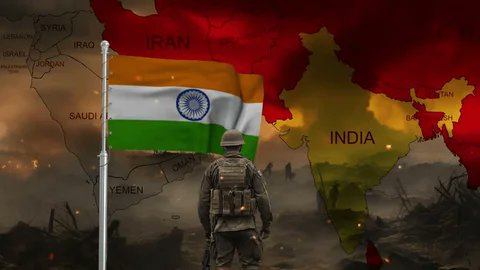
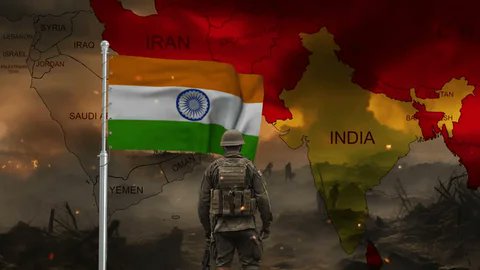
As border tensions simmer, India's spirit stands firm yet seeks peace. Our soldiers guard with courage; let's honor them by fostering unity & dialogue. #India #war @ThreadofIndia
41
Thread of India retweeted

7 May 2025
Operation Sindoor briefing done by two women officers from two different religions- Col Sofiya Qureshi and Wg Cdr Vyomika Singh. Excellent messaging.
1,380
6,704
45,061
3,239,702
7 May 2025
Did you know there are timeless rules for ethical warfare? Discover how protecting civilians, preserving homes, and seeking peace shape conflicts like India-Pak, with the Indian Army fighting terrorism justly.
#WarRules #Curious #India #Pakistan #War #IndiaPakistanWar
1/12 Humanitarian rules of war demand mercy & justice: protect civilians, spare property, fight wrongdoings like terrorism. Let’s explore these in India-Pak tensions, with Indian Army battling terror ethically. #WarRules #FightTerror
2/12 War is justified only to defend or stop oppression. Fighting terrorism, a grave wrong, is a duty. Indian Army’s Kashmir ops protect civilians from attacks, upholding justice against terror groups. #DefendRight #IndiaPakistan
3/12 Non-combatants must be safe: no harm to children, women, elderly. Spare worshippers. Terrorist attacks on civilians are unjust. Indian Army’s targeted ops fight this wrong, unlike terror groups. #CivilianSafety #StopTerror
4/12 Never harm women, children, elderly, or sick. History condemns killing non-fighters. Mumbai 2008 attacks were a terrorist wrong. Indian Army protects innocents, fighting terror with ethics. #ProtectLife #AgainstTerrorism
5/12 Don’t destroy homes or fields: no burning villages or crops. It’s wrong to ruin livelihoods. Indian Army’s 2016 surgical strikes hit terror camps, sparing civilian areas, fighting terrorism justly. #SaveEnvironment #AntiTerror
6/12 Treat prisoners & wounded humanely: no torture or execution. Kindness to captives is right. Indian Army must uphold this, fighting the wrong of terrorist cruelty. Ethical warfare defeats terror. #PrisonerRights #FightWrong
7/12 Ban mutilation & cruelty: no barbaric acts like burning. History rejected such wrongs, even under attack. Terrorist beheadings are evil. Indian Army’s discipline fights terror humanely. #NoCruelty #EthicalFight
8/12 Forcing beliefs or attacking faiths is wrong. Protect religious sites & minorities. Terrorist shrine attacks (e.g., Uri 2016) are unjust. Indian Army safeguards Kashmir’s diversity, fighting terror’s wrongs. #Freedom #StopTerror
9/12 India-Pak tensions, esp. in Kashmir, face terrorism by groups like Lashkar-e-Taiba, spreading wrong through violence. Indian Army’s 2019 Balakot strike targeted terror, sparing civilians, fighting injustice. #CounterTerror #Kashmir
10/12 Indian Army fights terrorism—a global wrong—while protecting civilians & following humanitarian rules. India & Pak must spare innocents & property, battling terror ethically for justice. #IndianArmy #FightTerrorism
11/12 Peace is the goal, but fighting wrong like terrorism is a must. Historical treaties show peace works. India & Pak need dialogue to end terror, with Indian Army securing borders justly. #Peace #CombatTerror
12/12 Timeless rules: protect innocents, preserve life, fight terrorism, seek peace. Indian Army’s ethical stand against wrong reflects this. Let’s battle terror and build peace for humanity! #Justice #IndiaPakistan
199
1 May 2025
Indian Caste Census 2025 can be game-changer! Here’s how it can transform India for the better, focusing on justice & equality.
10 points to spark hope!
1. Accurate caste data will pinpoint marginalized groups, ensuring scholarships, jobs & healthcare reach those who need them most. Bihar’s survey showed 2/3 are marginalized—imagine this nationwide! #InclusiveIndia #DataForChange
2. Refines reservations, ensuring benefits hit the right communities, not just dominant sub-castes. Courts want this data—let’s make quotas fairer! #ReservationReform #EqualityForAll
3. Transparent data amplifies voices of SC, ST, OBC communities. Bihar’s census sparked job demands—expect more representation & power! #VoiceForTheVoiceless #CasteMatters
4.Highlights gaps in education, income & jobs. ST rural households earn 65% of general category—census can guide aid to close this gap! #EndInequality #EconomicJustice
5. Inclusive Development Plans infrastructure & services for all castes, tackling segregation. Data ensures no community is left behind in India’s growth story! #BuildForAll #UrbanRuralUnity
6. Public caste data curbs corruption in benefit distribution. Bihar’s survey ignited debate—govts will be held accountable! #TransparentIndia #NoMoreFavouritism
7. Fueling Research Scholars & activists get solid data to study caste dynamics, pushing evidence-based policies. Knowledge is power for change! #ResearchForJustice #CasteStudies
8. Healing Social Divides Openly addressing caste disparities can unite India toward equity. Ignoring caste won’t erase it—facing it can! #UnityInDiversity #HealIndia
9. Caste data shapes fairer electoral strategies, boosting marginalized representation. Every voice counts in a stronger democracy! #DemocraticIndia #VoteForChange
10. A Step Toward Unity By tackling inequalities head-on, the census can foster a fairer, more inclusive India. Let’s use it to build a nation for all! #IndiaForAll #CasteCensusNow
11. The 2025 Caste Census isn’t just numbers—it’s a chance to rewrite India’s future with justice & equality.
#CasteCensus2025 #SocialChangeIndia #castesensus #Caste #CasteCensus2025 #SocialJustice #India #India #China #Tarrif #USA #Politics #BJP #Congress #ThreadOfIndia #Democracy #Truth #Human #Indian #Waqf #Waqfbill #Parliament #Judiciary #Constitution
36
28 Apr 2025
Decoding Pahalgam 🇮🇳: A Thread Inspired by Dr. Vikas Divyakirti
1/20 It's crucial to analyze this beyond immediate condemnation. Let's dissect the potential motives and implications. #PahalgamAttack #Kashmir
2/20 Analysis highlights the importance of not reacting impulsively. Our understanding must be nuanced, avoiding generalizations about entire populations. #KashmirIssue #StrategicThinking
3/20 One key question raised: who benefits from this violence? Certainly not the Kashmiri Muslim population, whose economic prosperity is increasingly tied to tourism. #KashmirTourism #EconomicImpact
4/20 The surge in J&K tourism, providing employment to previously marginalized youth, directly contradicts the aims of such attacks. Disrupting this progress seems to be a primary goal. #DevelopmentNotDestruction
5/20 The analysis pointed towards a well-planned operation, likely by trained individuals originating from across the border. This suggests a specific agenda and external involvement. #CrossBorderTerrorism
6/20 While public sentiment in Pakistan may not support such acts, the analysis hinted at the potential motives of the Pakistani army, especially given their internal challenges and desire to maintain influence. #PakistanPolitics #Geopolitics
7/20 The timing of the attack, coinciding with Pakistan's internal political dynamics and upcoming elections, raises questions about potential diversionary tactics. #ElectionStrategy #RegionalInstability
8/20 The Baluchistan incident was mentioned as a possible example of such diversion. Understanding these regional linkages is vital for a comprehensive analysis. #Baluchistan #SecurityAnalysis
9/20 The strained relationship between Pakistan's current army chief and Imran Khan was also highlighted as a relevant factor in the broader context. #InternalConflicts #PowerDynamics
10/20 The analysis suggested that the army might perceive a benefit from continued conflict, reinforcing its role and importance within Pakistan. #MilitaryInfluence #ConflictNarrative
11/20 Crucially, the speaker noted that Kashmiri Muslims themselves are largely against this violence, evidenced by their protests and condemnation from Indian Muslim organizations. #KashmiriSentiment #PeaceEfforts
12/20 Internalizing the narrative that blames the local population plays directly into the hands of the perpetrators. We must resist such generalizations and focus on the external actors. #AvoidGeneralizations #TargetedResponse
13/20 India's measured response, avoiding communal unrest despite the attacks, was commended. This reflects a mature and strategic approach. #ResponsibleGovernance #NationalUnity
14/20 The suggested solution wasn't solely military escalation, but also strengthening security and actively promoting tourism to undermine the terrorists' objectives. #CounterTerrorismStrategy #EconomicEmpowerment
15/20 Maintaining harmony and avoiding the trap of insecurity and division within India is paramount. The goal of such attacks is often to sow discord. #SocialCohesion #Resilience
16/20 The "spoiled neighbor" analogy underscores the need to address the external threat without resorting to internal blame or widespread conflict. #Diplomacy #StrategicPatience
17/20 War should always be a last resort, with ethical considerations at the forefront. The focus should be on targeted action against those responsible. #EthicalConsiderations #PeacefulResolution
18/20 Economic measures and international cooperation are crucial tools in resolving such conflicts, often proving more effective in the long run than military solutions alone. #EconomicDiplomacy #InternationalRelations
19/20 Ultimately, a comprehensive and multi-faceted approach, addressing both security concerns and the socio-economic well-being of the local population, is the path forward. #HolisticApproach #SustainablePeace
20/20 Analysis must be informed, nuanced, and focused on long-term solutions that prioritize peace and stability for all. #CivilService #Leadership #AnalyticalThinking
youtube.com/watch?v=UsCyfHdE…
51
26 Apr 2025
The only fear an enemy country after a terror attack can have to see India United more than ever. All sects and religions across nation and parties stand united, fighting against the plot of terror. India demands justice.
14