
Group Leader @emblebi | Former postdoc in @getz_lab @broadinstitute | Former PhD student @sangerinstitute | Lineage tracing, cancer genomics, human development
Joined November 2019
- Tweets 392
- Following 326
- Followers 1,064
- Likes 491
60 Photos and videos
Pinned Tweet

5 Nov 2024
Very happy and excited to announce that I'll be starting my own research group at @emblebi! The group will focus on lineage tracing, somatic evolution and the origins of cancer. Interested in doing a postdoc in the group or know someone who is? Please reach out!
41
31
262
28,414
Tim Coorens retweeted

3 Jul 2025
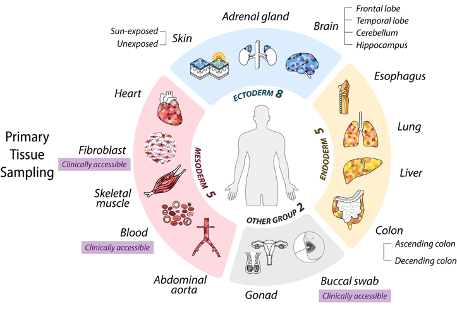
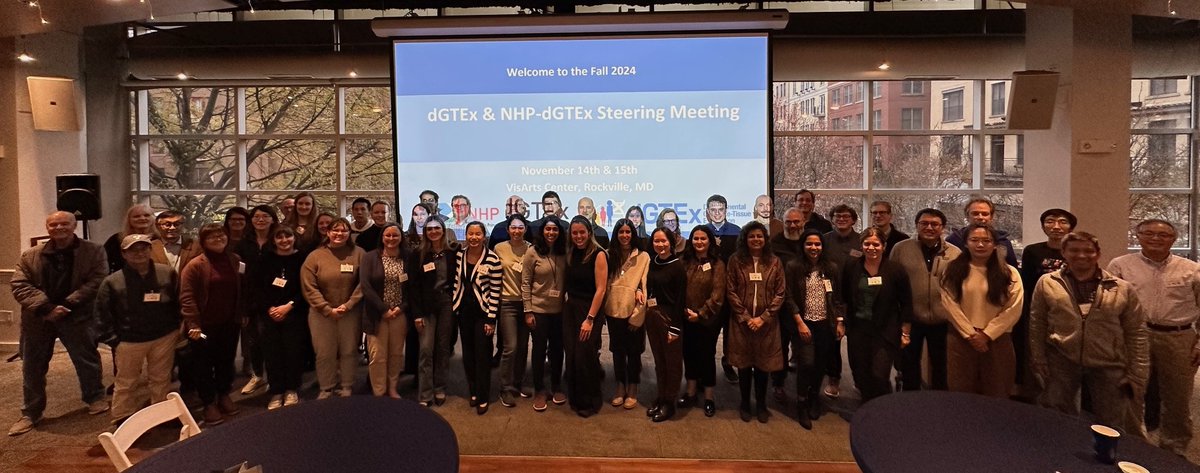
🧬 The SMaHT marker paper is now live in @Nature
This landmark study characterizes somatic variation across 19 tissue types from 150 nondiseased donors, laying the groundwork for future discoveries in health, aging, and disease.
Read the full paper: nature.com/articles/s41586-0…
1
8
16
2,851
3 Jul 2025
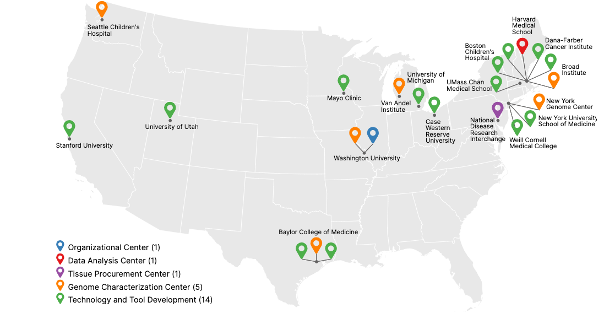
The cells in our bodies constantly acquire mutations. But what are the patterns of mutations across tissues? How do mutations in normal cells lead to disease? These and other questions we will tackle within the SMaHT Network, now described in @Nature
nature.com/articles/s41586-0…
4
41
130
13,732
3 Jul 2025
This effort would be impossible without the work of many hundreds of people, including the scientists, the NIH staff, and - of course - the donors and their family. A very exciting time to study somatic evolution and I can't wait to see what the next years bring.
1
2
388
3 Jul 2025
Last but not least, if you're interested in somatic mutations, new technologies and computational genomics - we're hiring a postdoc in my brand new lab @emblebi!
Reach out if interested or you have any questions, and apply here: embl.wd103.myworkdayjobs.com…
4
481

Tim Coorens retweeted

28 May 2025
Thrilled to see #SAVANA out in @naturemethods🥳 SAVANA detects haplotype-resolved somatic SVs and copy number aberrations (SCNAs) and infers tumour purity & ploidy in clinical samples using long-read sequencing with or WITHOUT a matched germline control 👇nature.com/articles/s41592-0…
3
28
134
9,934
Tim Coorens retweeted

21 May 2025
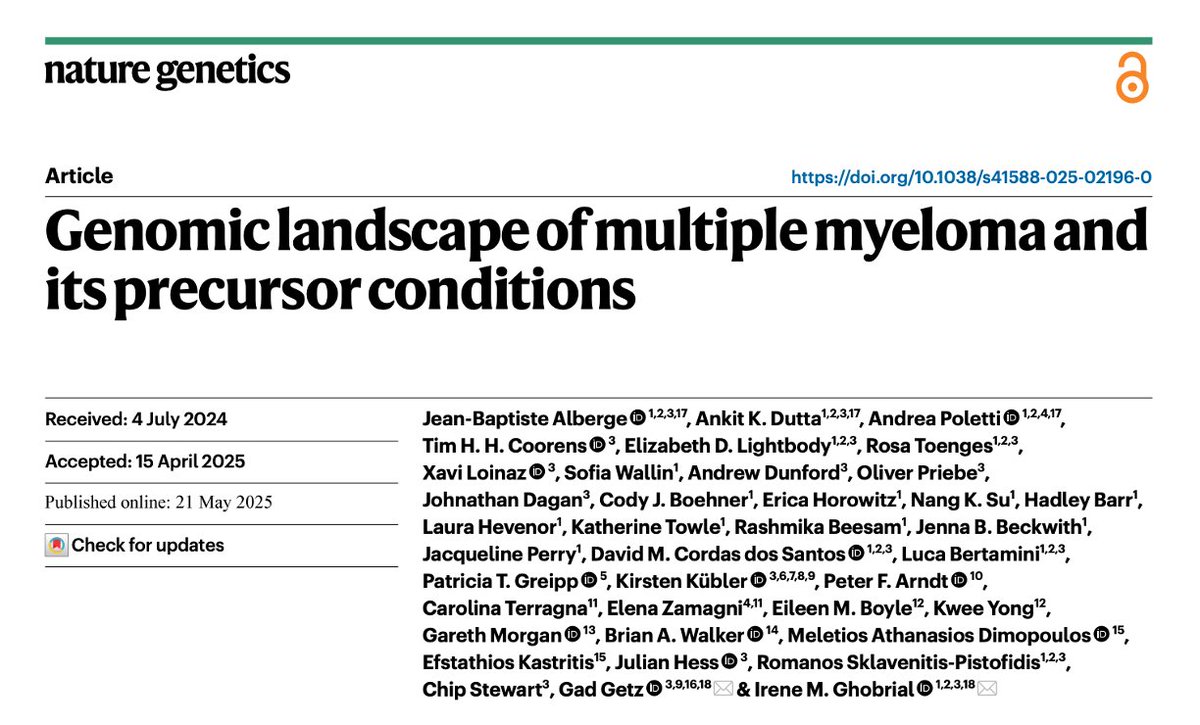
1/ 🧵Check out our new study in @NatureGenet, which examines how precancerous conditions (MGUS/SMM) evolve into Multiple Myeloma, and offers new computational methods to predict progression risk and model cancer evolution.
doi.org/10.1038/s41588-025-0…
6
25
76
10,156
Tim Coorens retweeted

7 May 2025
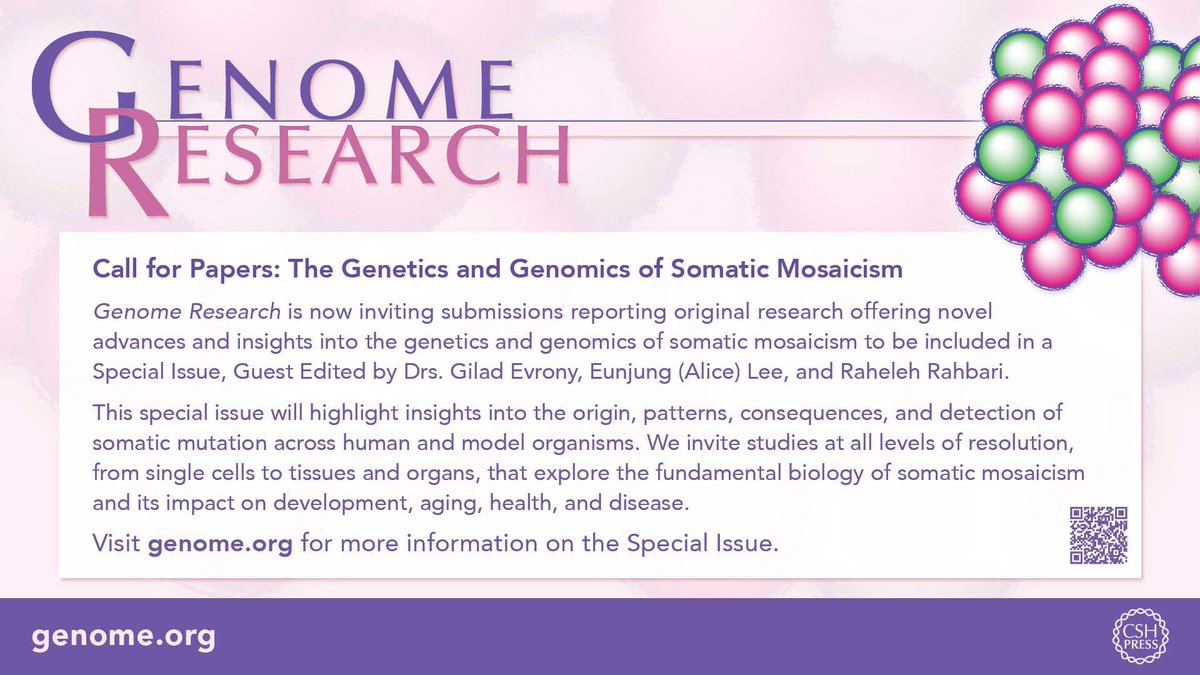
Call for Papers! @genomeresearch is now encouraging submissions for a Special Issue on The Genetics and Genomics of Somatic Mosaicism, Guest Edited by Drs. @giladevrony, @EAliceLee2, and @R_Rahbari. tinyurl.com/Call-for-papers-… #BOG25 #KSMosaicism25 #MITS25 #somaticmosaicism
16
37
11,302

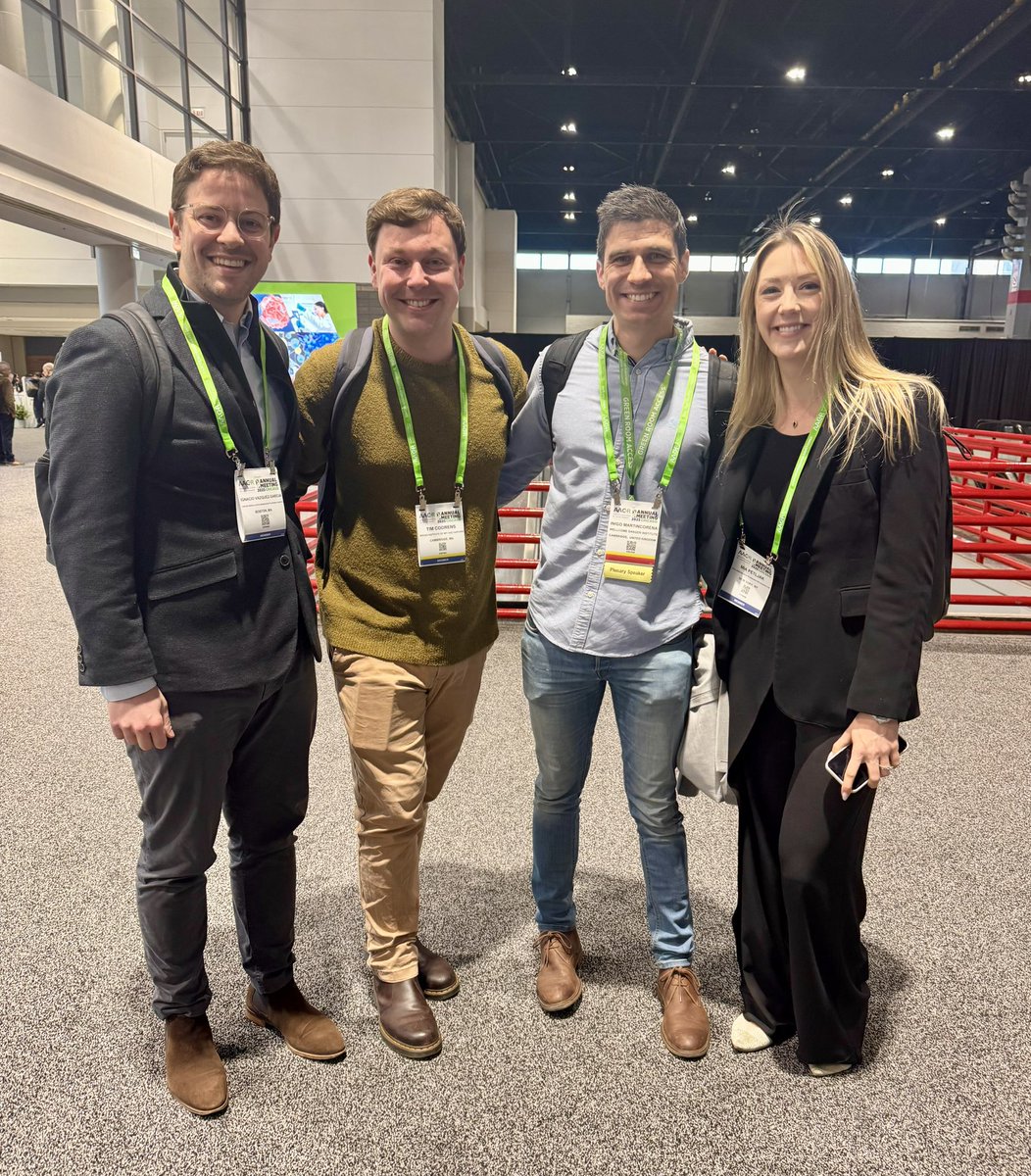
@AACR Seeing friends and gushing about our shared love for DNA 🤓🧬😃🤟@TimCoorens @imartincorena @ivazquezgarcia #AACR25
2
21
1,309
🚨OPEN POSTDOC
POSITION in our brand new lab space by Madison Sq NYC ! 🌆🧬🔬
Do experiments, learn computation, and uncover drivers of a major mutational process affecting >50% of cancers, driving therapy resistance & impacting immunotherapy responses👇
med.nyu.edu/research/postdoc…
3
19
48
11,005
Tim Coorens retweeted

26 Mar 2025
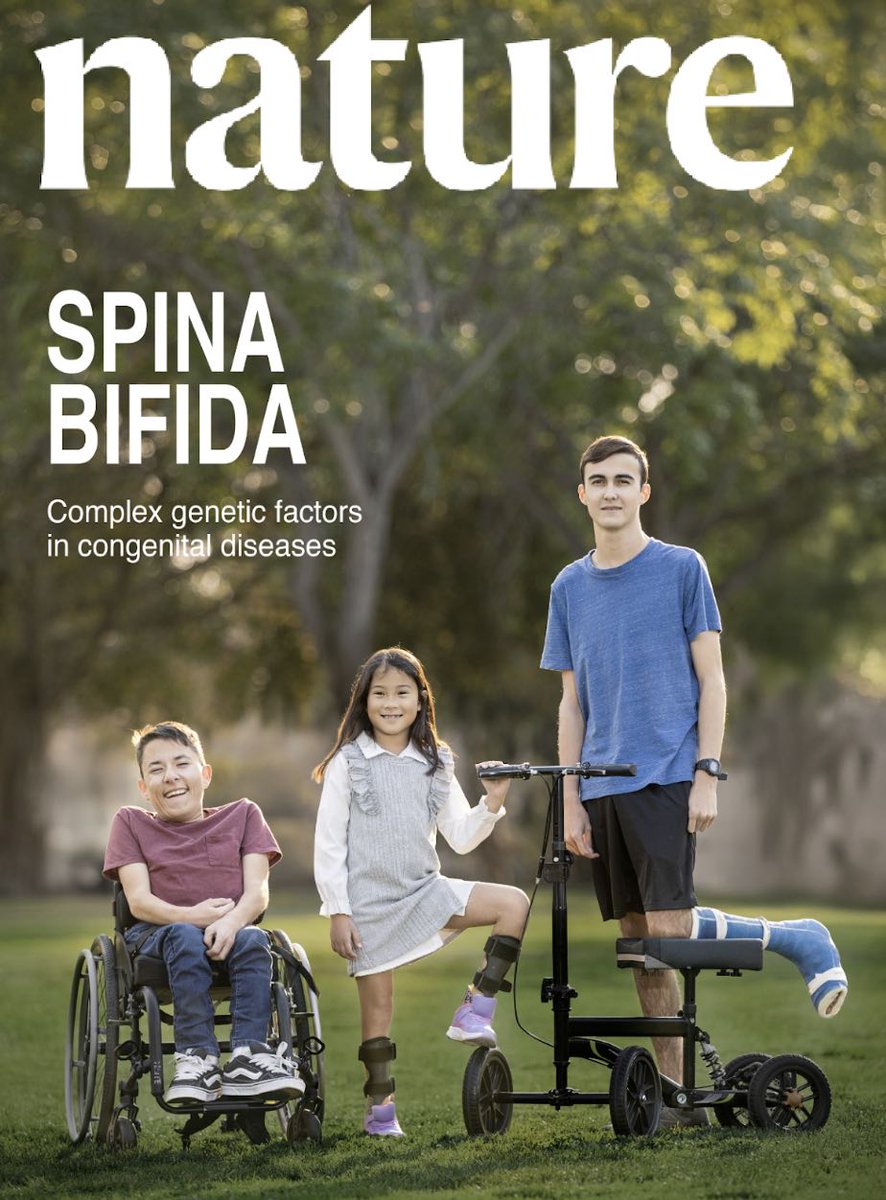
Check out our new paper in @nature nature.com/articles/s41586-0…. We report genetic mechanisms of neural tube defects in patients. Spina bifida is also known as meningomyelocele (MM). Prior family-based and association studies found few linked genes, so we took a different approach.
5
27
112
12,483
Tim Coorens retweeted

19 Mar 2025
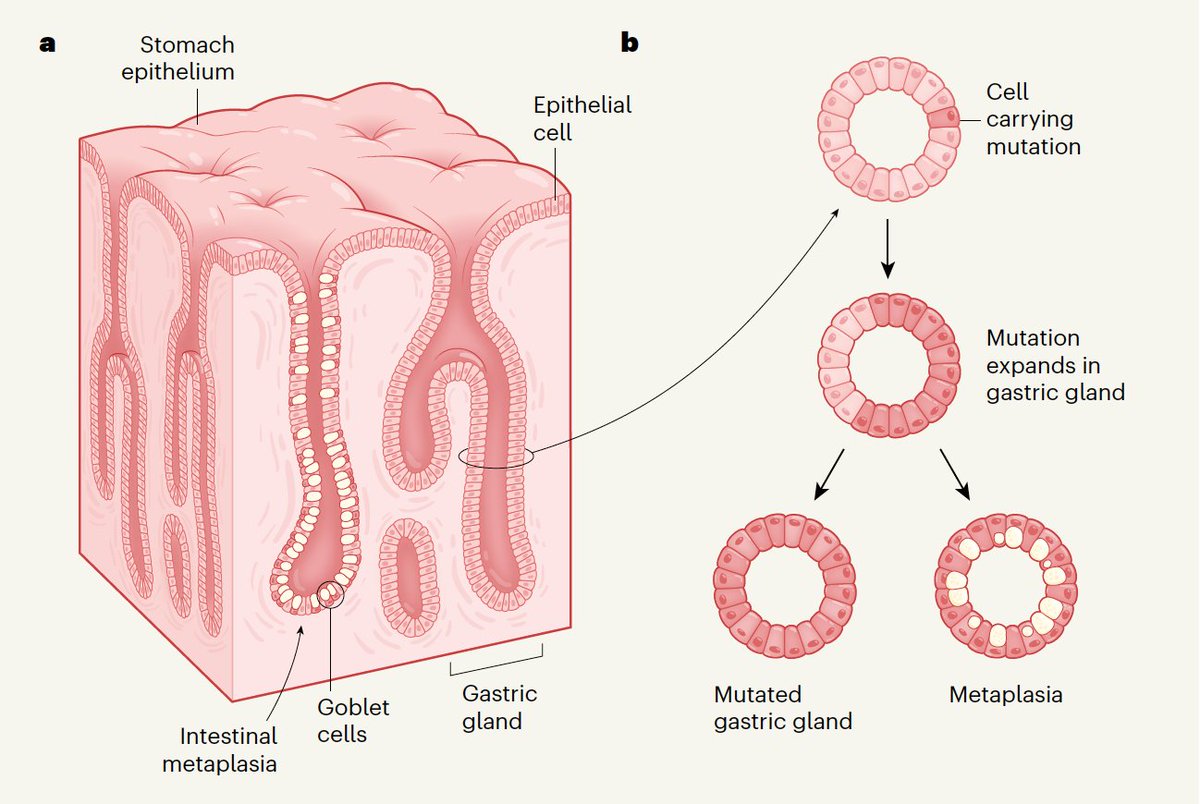
This new paper @Nature today on the genesis and evolution of stomach cancer goes against the alt-model
nature.com/articles/s41586-0…
nature.com/articles/d41586-0…
1
13
33
13,114
Tim Coorens retweeted

20 Mar 2025
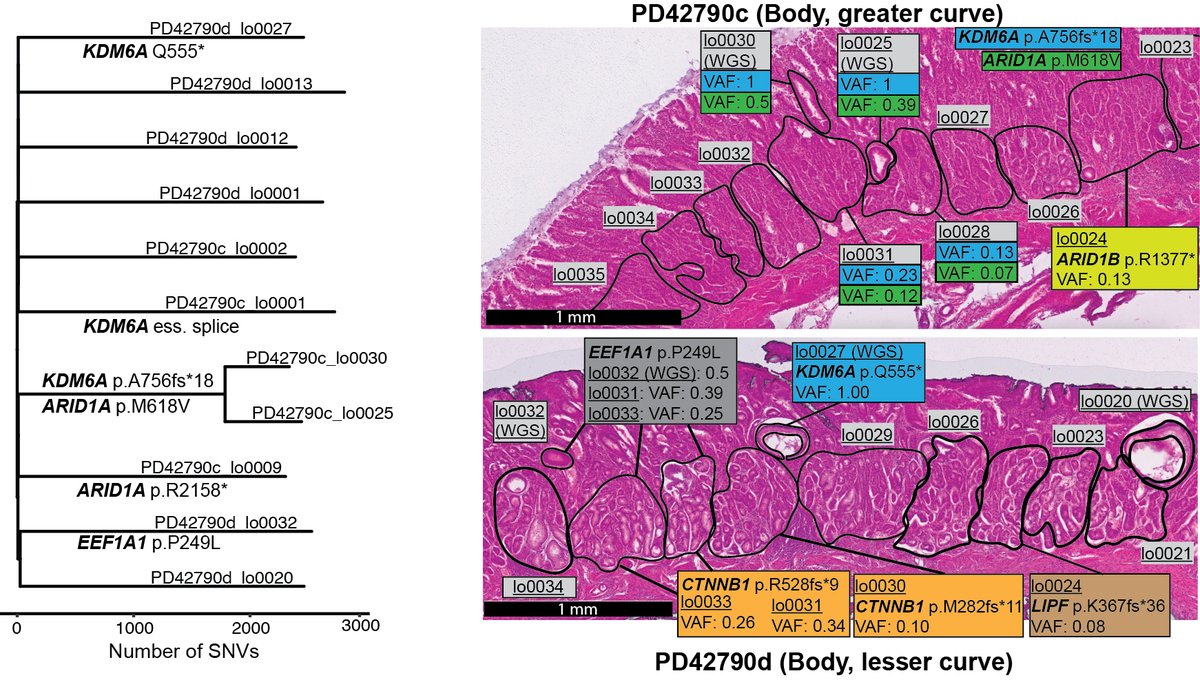
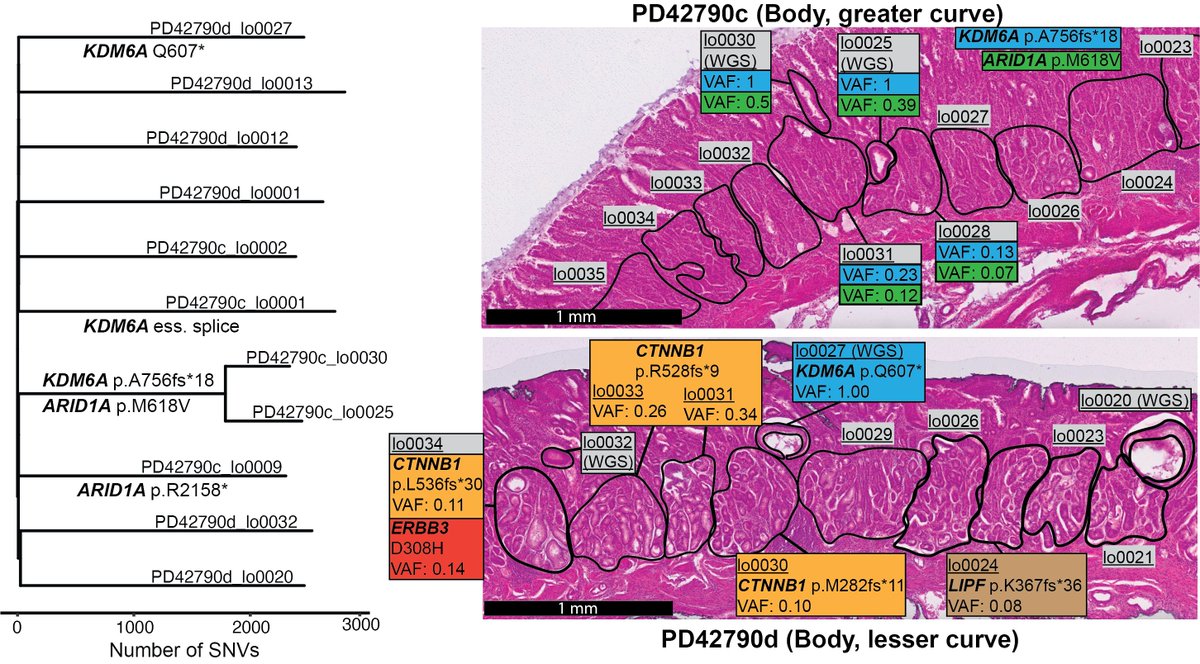
For the first time, scientists have analysed mutations in stomach lining tissue to reveal the earliest stages of cancer.
The team also uncovered a potential new cause of stomach cancer, which needs further research 🔎
sanger.ac.uk/news_item/earli…
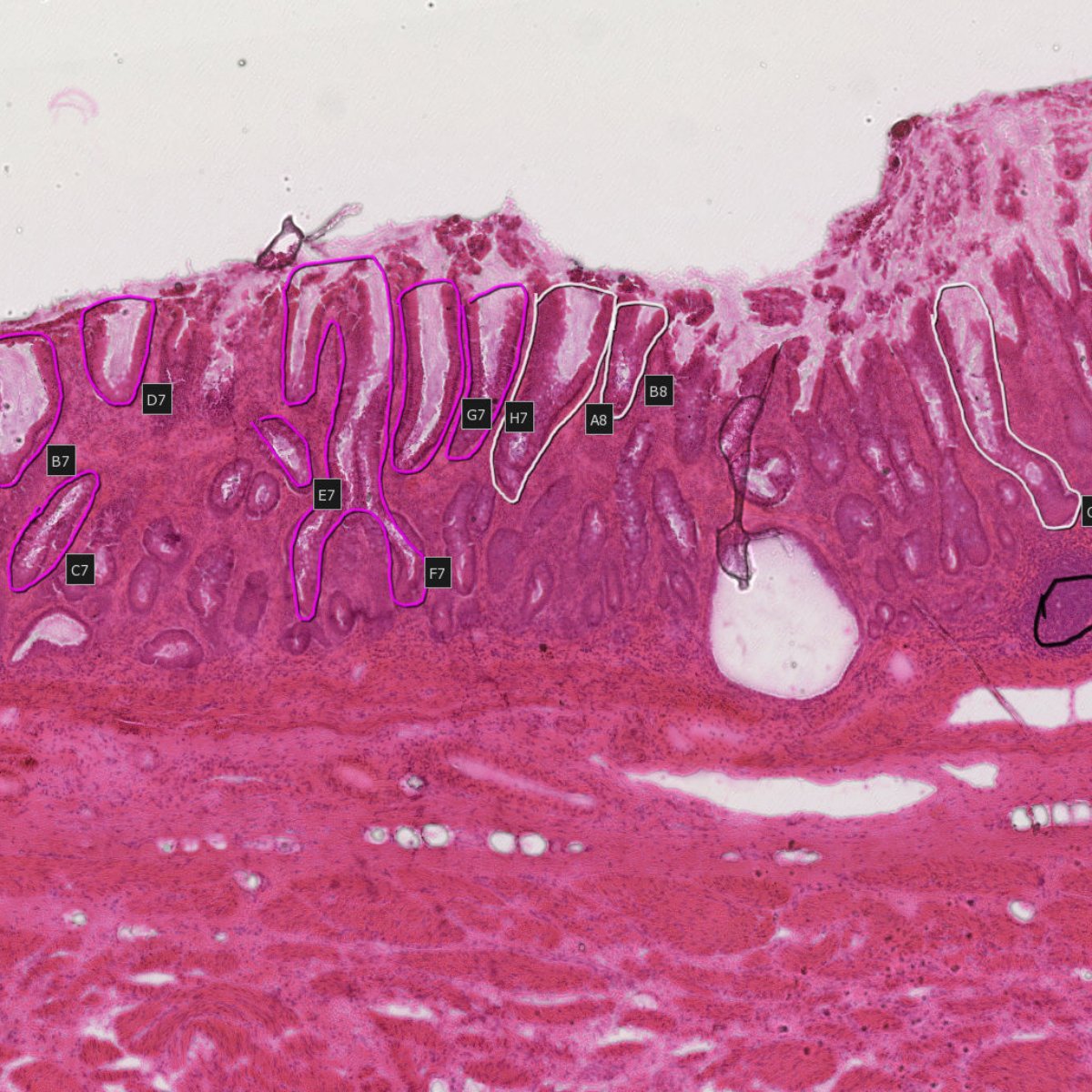
ALT Histology images of stomach lining tissue samples, some of which have highlighted sections showing where cells were extracted to be sampled. Credit: Grace Collord
1
7
12
3,795
Tim Coorens retweeted

17 Mar 2025
Happy to see our new paper out! A great collaboration with @jeshoag. We collected sequential sperm samples separated by decades, and used high-fidelity sequencing to measure germline mutation rates in individual men.
nature.com/articles/s41467-0…
17 Mar 2025

New paper from my group and @giladevrony’s!
nature.com/articles/s41467-0…
Historically we measured new mutations in humans using trio studies (parents and offspring). This taught us that on average new mutations increase in offspring with paternal age.
These trio studies showed that mutations in sperm account for 80% of new mutations in humans! These are responsible for our genetic diversity and many genetic diseases. But these studies measure population averages rather than the rate of mutations in individual men.
To address this, we recalled men who had banked sperm from an average of 19 yrs ago (up to 33 yrs)- to provide a new sperm sample. Applying recent advances in DNA duplex sequencing and whole-genome sequencing to these paired samples, we measured a mutation rate for each man.
Mutational patterns seen by direct sperm sequencing matched incredibly well to prior trio studies. And in two men, we found that mosaicism of embryonic mutations hardly changed in sperm with age, indicating remarkable stability of spermatogonial stem cell pools over decades.
We thank our amazing collaborators and funding from @NICHD_NIH. See also exciting recent preprints by @R_Rahbari and @aaronquinlan!
1
4
16
2,441
20 Mar 2025
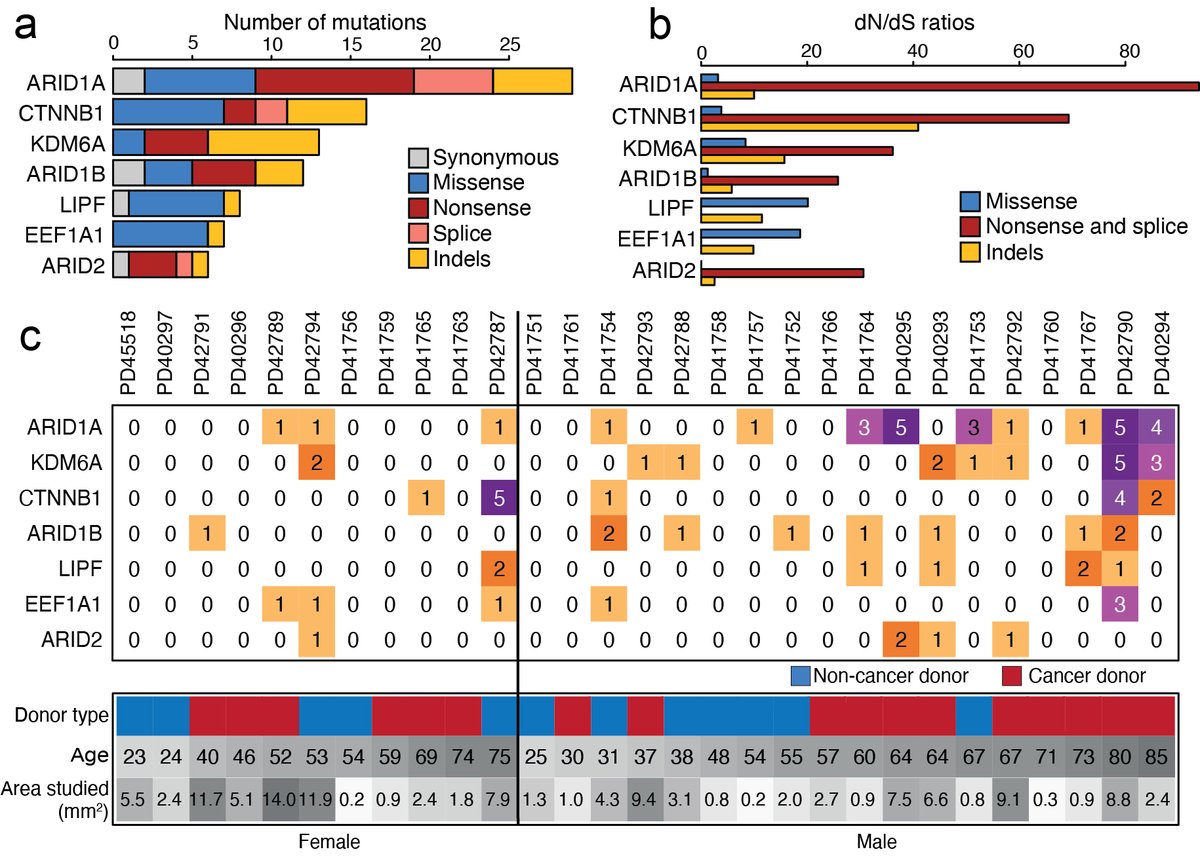
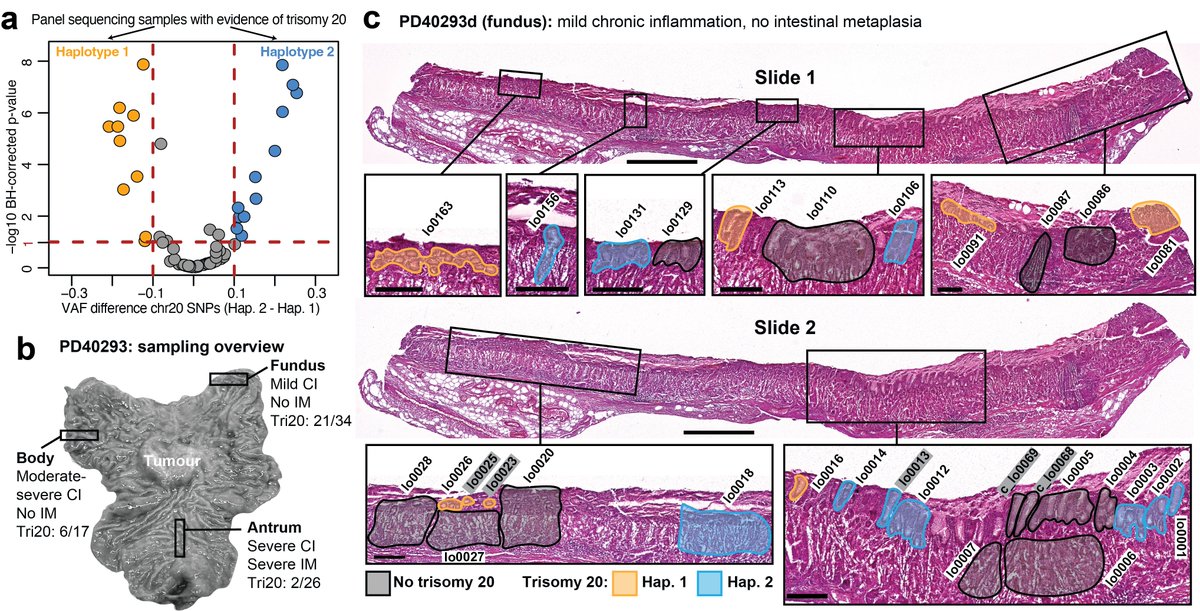
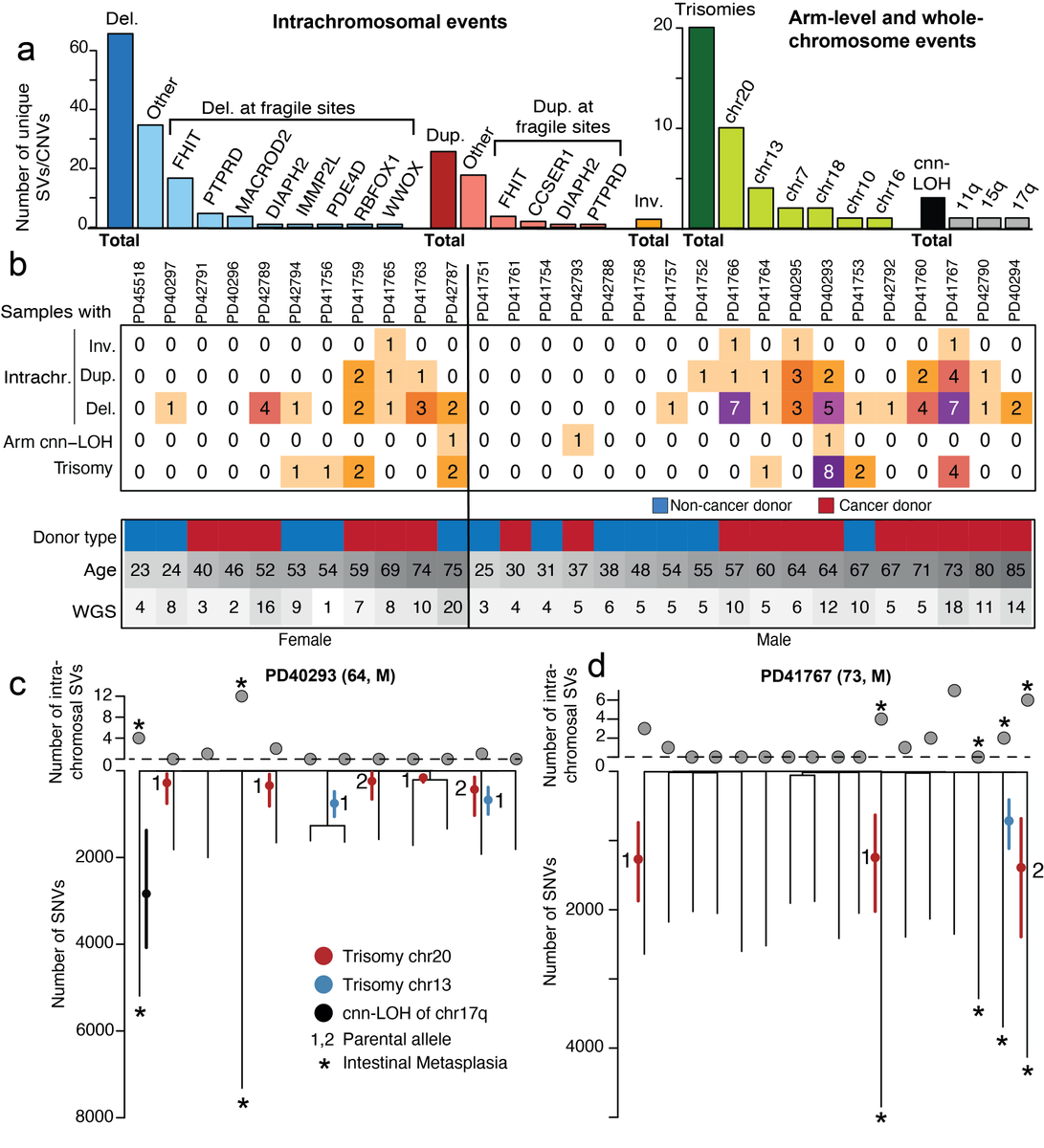
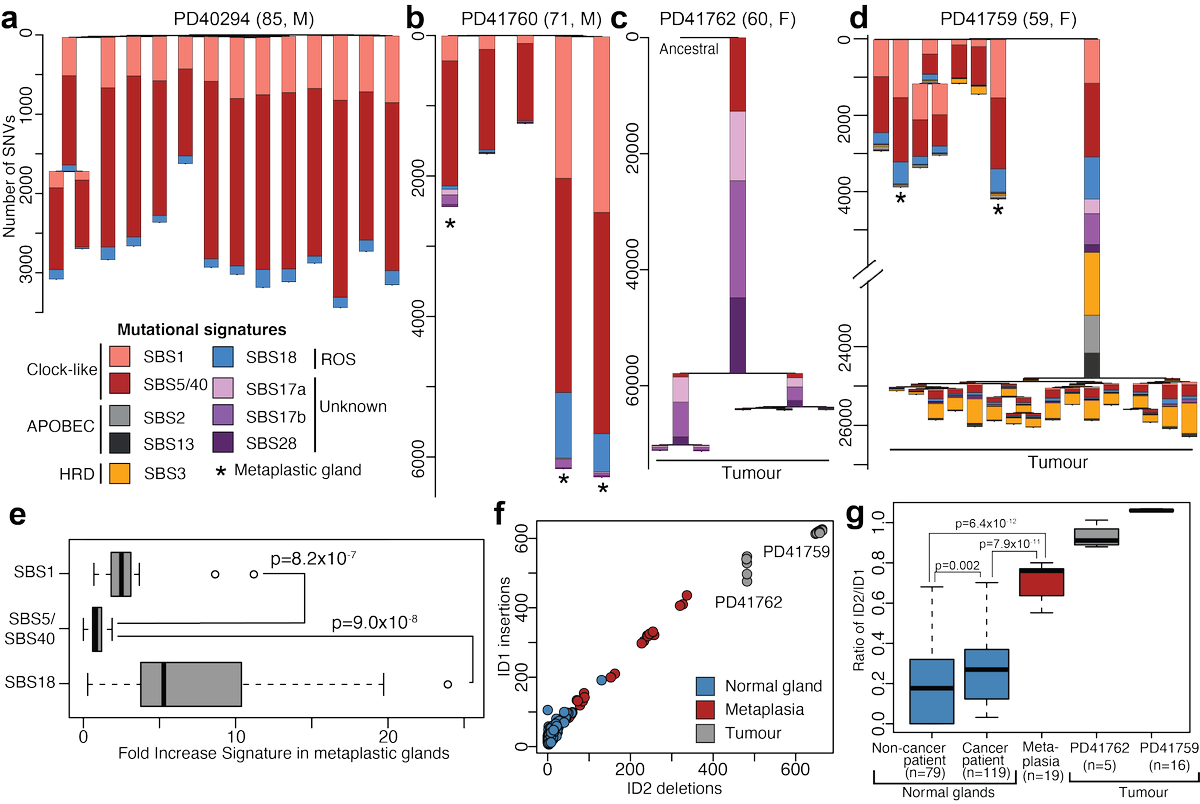
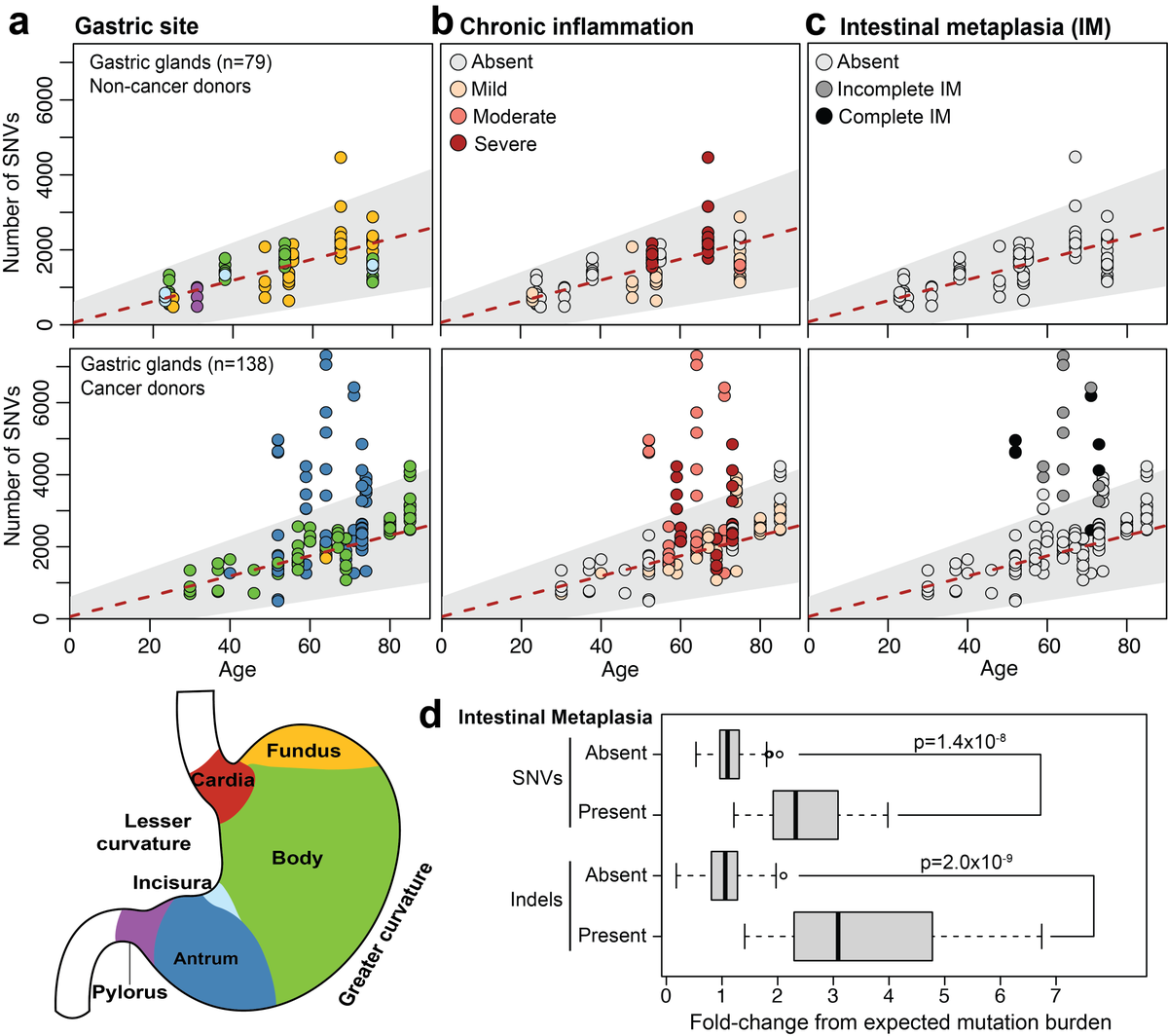
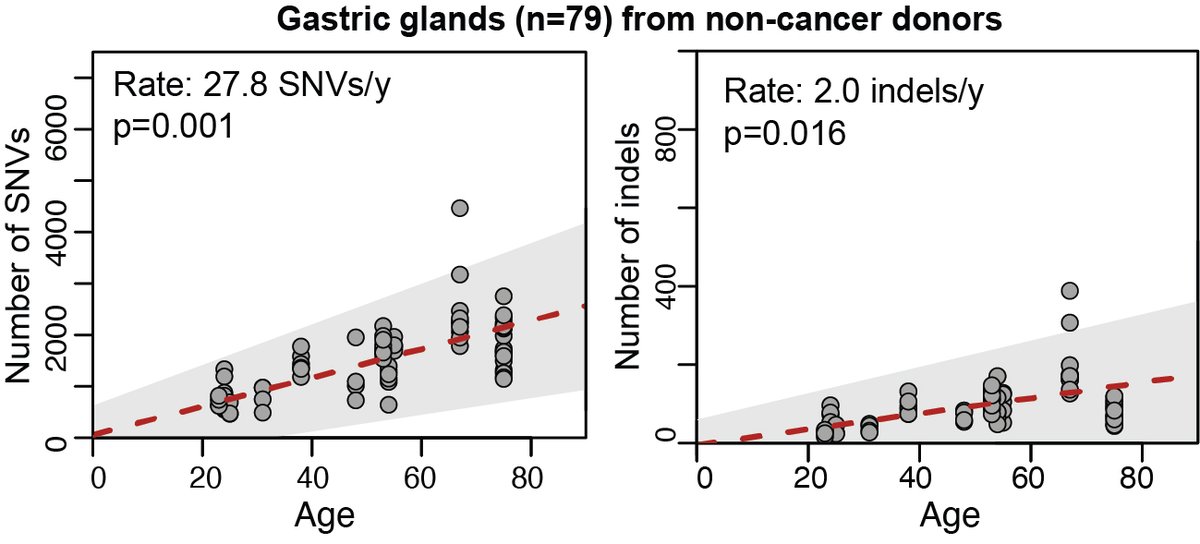
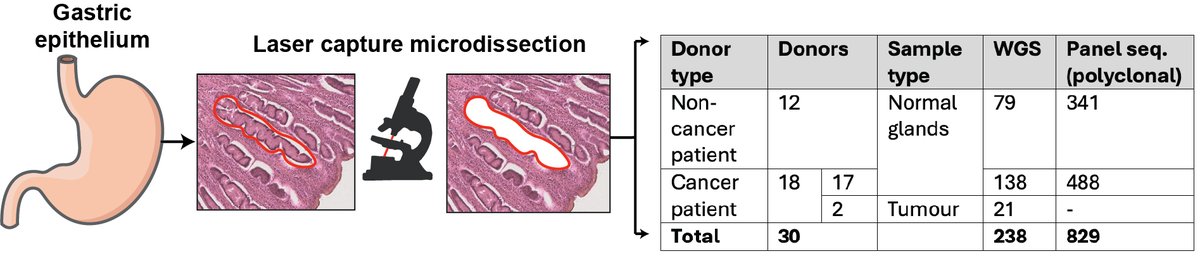
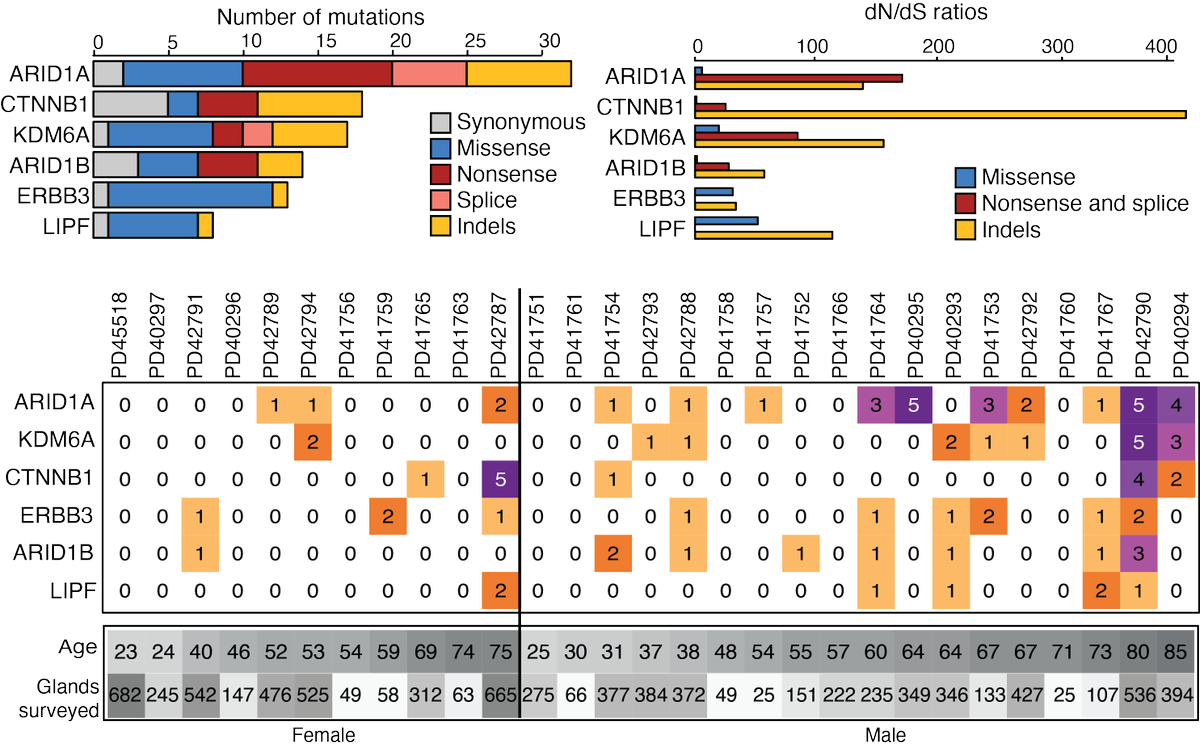
The stomach is an organ unique in its function, environment and exposures. How does this affect the mutations that normal cells in the stomach acquire? What does this reveal about the origins of stomach cancer? These questions and more in our Nature paper:
nature.com/articles/s41586-0…
3
31
98
8,247
20 Mar 2025
In short, the normal stomach shows a landscape of somatic mutations with many differences from those of other organs. Our findings provide insights into intrinsic and extrinsic influences on somatic evolution in the gastric epithelium in healthy, precancerous and malignant states
1
1
250
20 Mar 2025
Thanks to all the donors and their families for making this study possible. And many thanks to Grace Collord, @KSaebParsy, Peter Campbell, @imartincorena, SY Leung, Mike Stratton and all other co-authors.
1
244