Land and food rights, agriculture, globalization. Researcher, writer, father, Red Sox fan. Author: "Eating Tomorrow." Investigative journalist.
Joined September 2016
- Tweets 10,500
- Following 1,501
- Followers 8,636
- Likes 5,312
721 Photos and videos



Pinned Tweet

29 Sep 2025
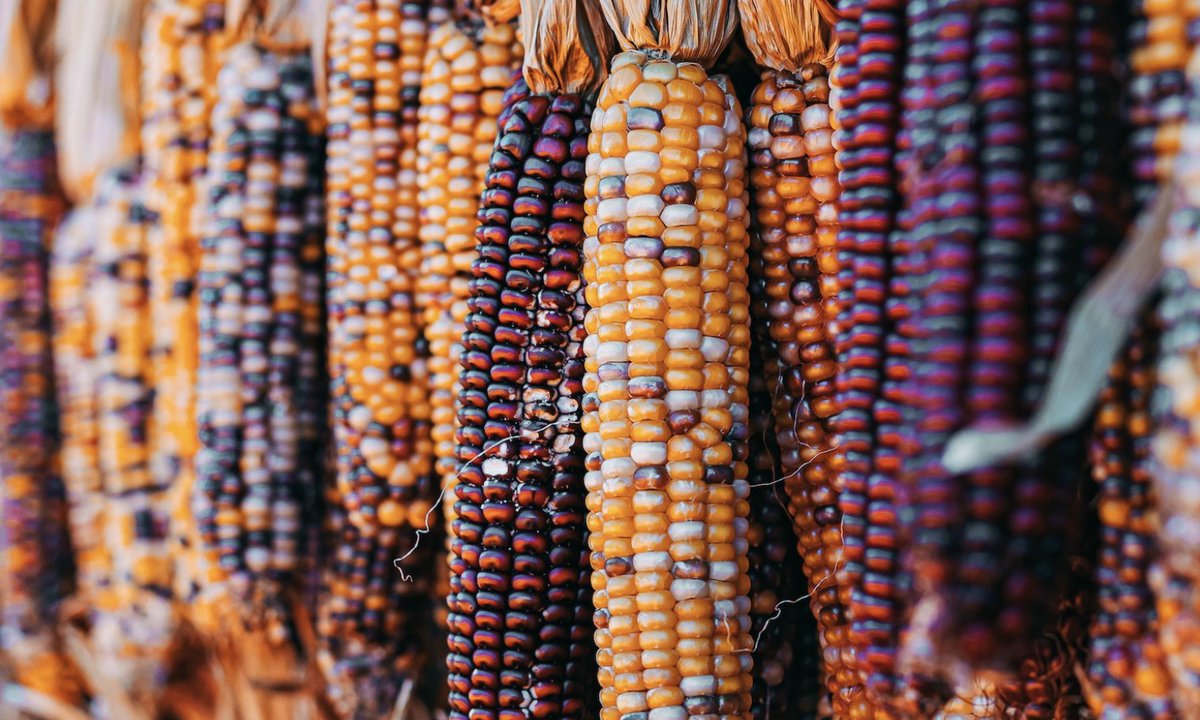
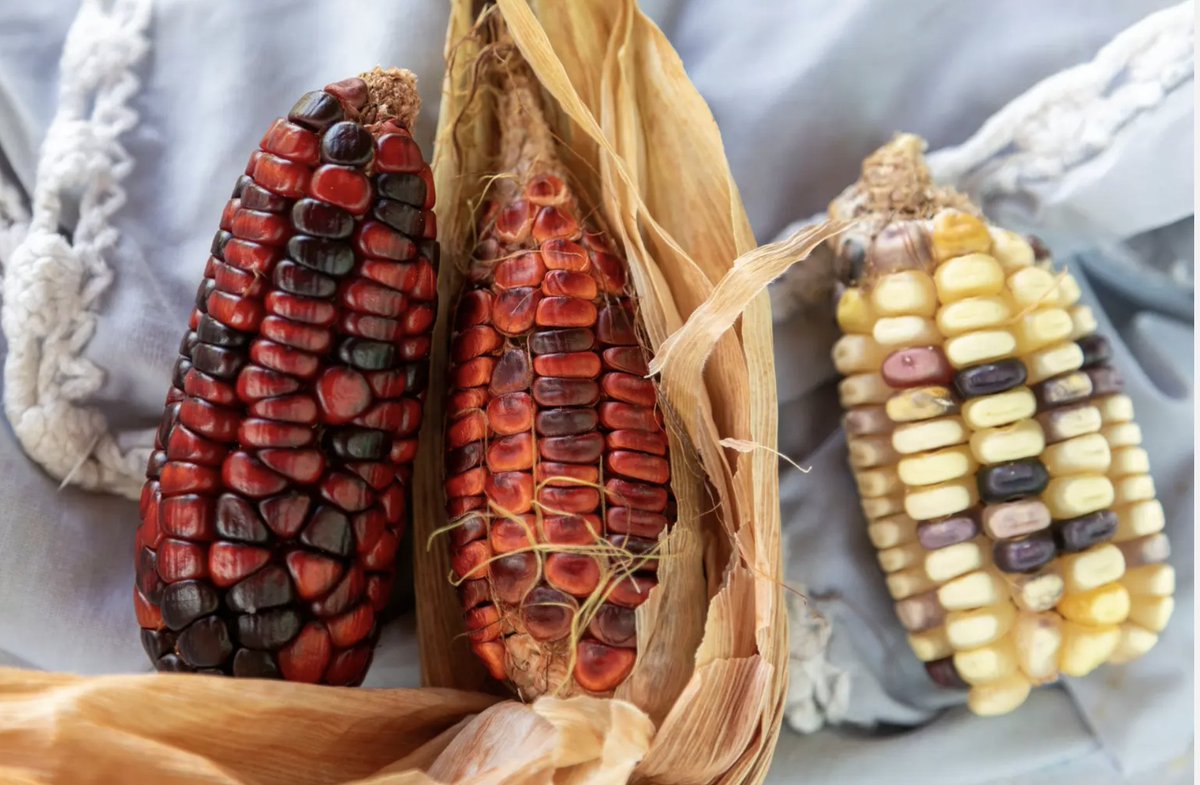
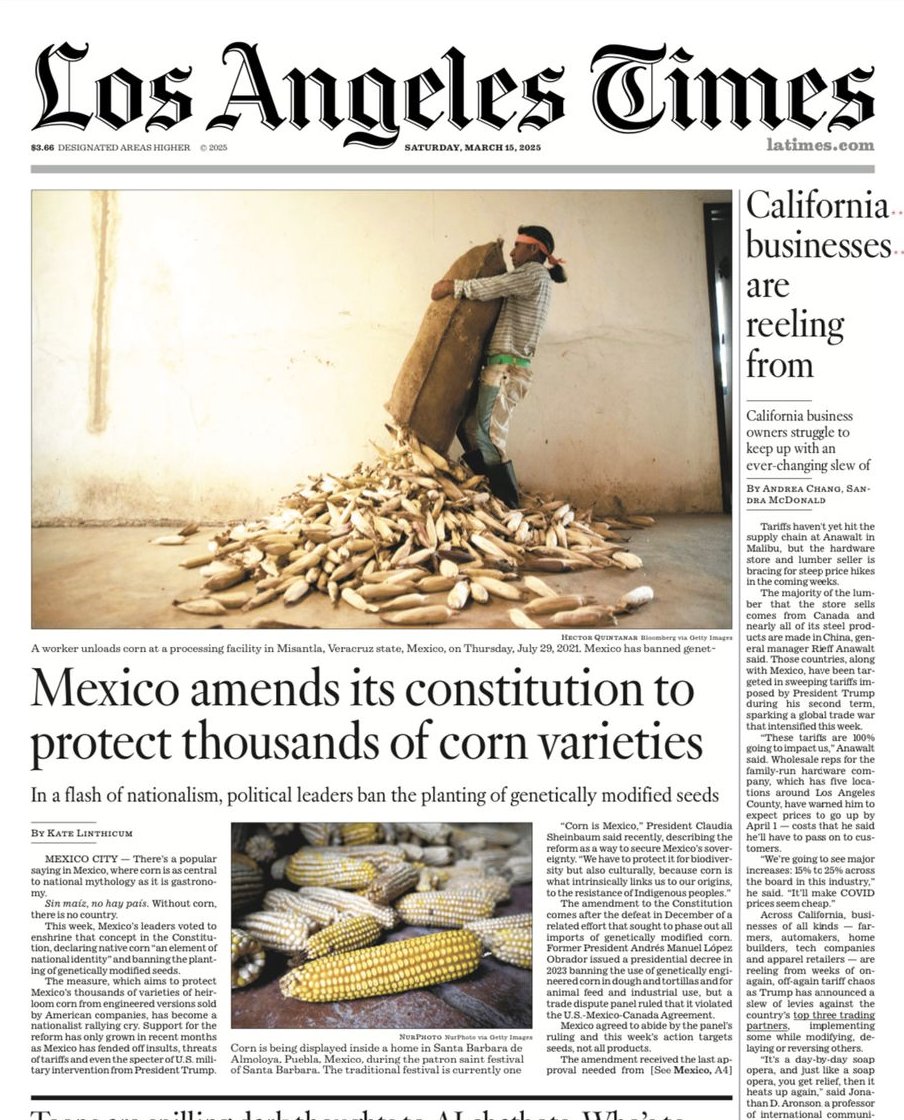
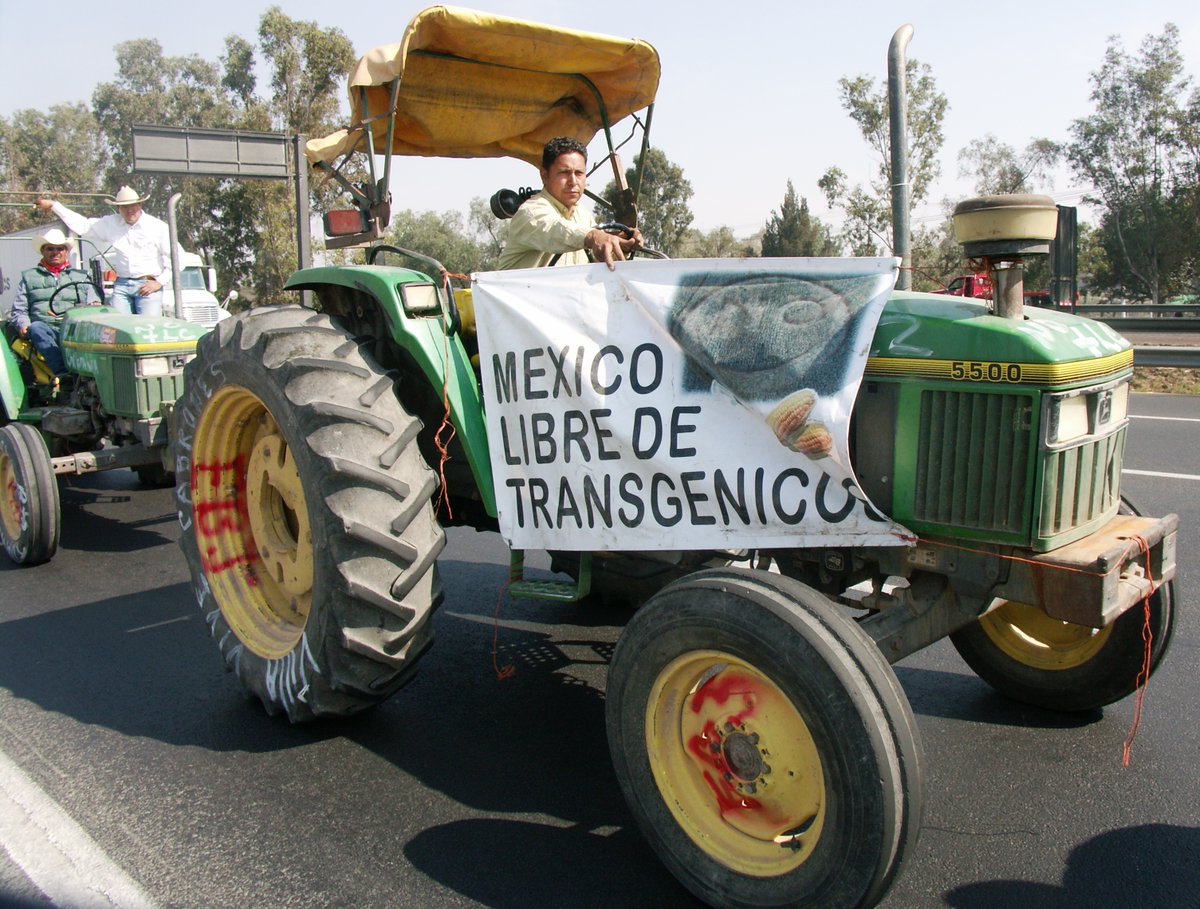
Mexico Celebrates Maize, Resistance to GM Corn
National Maize Day marks 12 years of Mexico's ban on GM cultivation @sinmaiz_sinpais @viaorganica @foodtank @StacyMalkan @GRAIN_org @Afsafrica @IATP @drvandanashiva @realorganicproj @FundAgroecology @NnimmoB
equ6u.r.a.d.sendibm1.com/mk/…
2
6
21
1,002
Timothy A. Wise retweeted

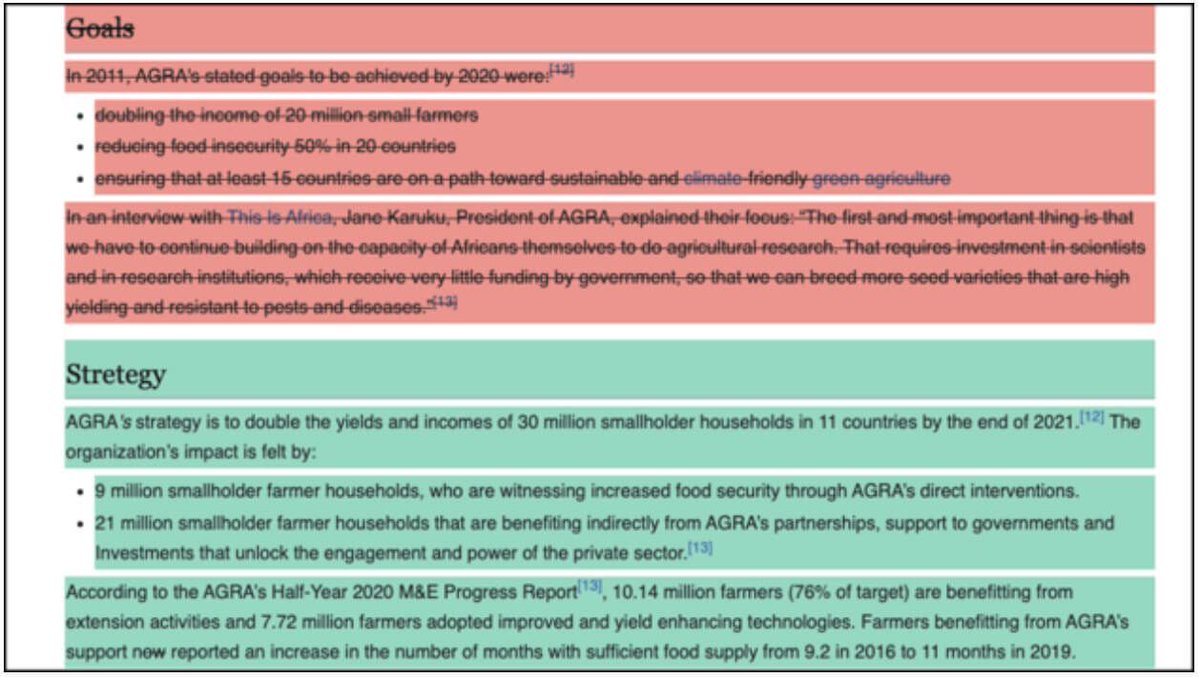
The Gates Foundation, and the Alliance for a Green Revolution in Africa, don't seem to like it when they're held to their own standards. Tim Wise reports on the fate of an independent evaluation of their African work. theelephant.info/analysis/20…
59
134
6,980
Timothy A. Wise retweeted

Mar 24
.@gatesfoundation-linked sock puppets removed independent analysis of @AGRA_Africa failures by @TimothyAWise as well as a critical report by the @oak_institute & materials from the @Afsafrica.
See: @theelephantinfo: theelephant.info/analysis/20…
@Mittaloak @StacyMalkan @USRightToKnow @agrawatch
8
6
498
Timothy A. Wise retweeted

Mar 25
With the rise of internet search engines driven by artificial intelligence, Wikipedia’s objective summary pages are a primary source for AI’s own summaries, which now often appear at the top of search results. Powerful governments, corporations, and individuals have taken notice, leading to PR schemes such as that of Portland Communications to remove critical material. To Wikipedia’s credit, AGRA’s edited page was reverted after TBIJ exposed the violations of its terms of use. But this one secret network is likely only the tip of a large iceberg of efforts to put a chill into public criticisms of the powerful.
Read Analysis: theelephant.info/analysis/20…
@TimothyAWise @sinmaiz_sinpais @foodtank @realorganicproj @TBIJ @jkobuthi @realoyungapala @johngithongo
Photo: unsplash / Hitesh Choudhary

1
4
249
Feb 28
Coretta Scott King and Jesse Jackson: Champions of Economic Justice
This includes my 1988 article on Rainbow Economics in Jackson's presidential campaign.
dollarsandsense.org/coretta-…
1
83
Timothy A. Wise retweeted

Feb 14
Amen. I've talked to @TimothyAWise about this, especially about damage done in #Rwanda , which Kagame offers up as a petri dish for every scheme Gates and Davos come up with. He wrote a book that's an antidote, "Eating Tomorrow: Agribusiness, Family Farmers, and the Battle for the Future of Food." thriftbooks.com/w/eating-tom…
4
13
1,061
Timothy A. Wise retweeted

5 Dec 2025
Conversation about the Resistance of Mexico to GMOs
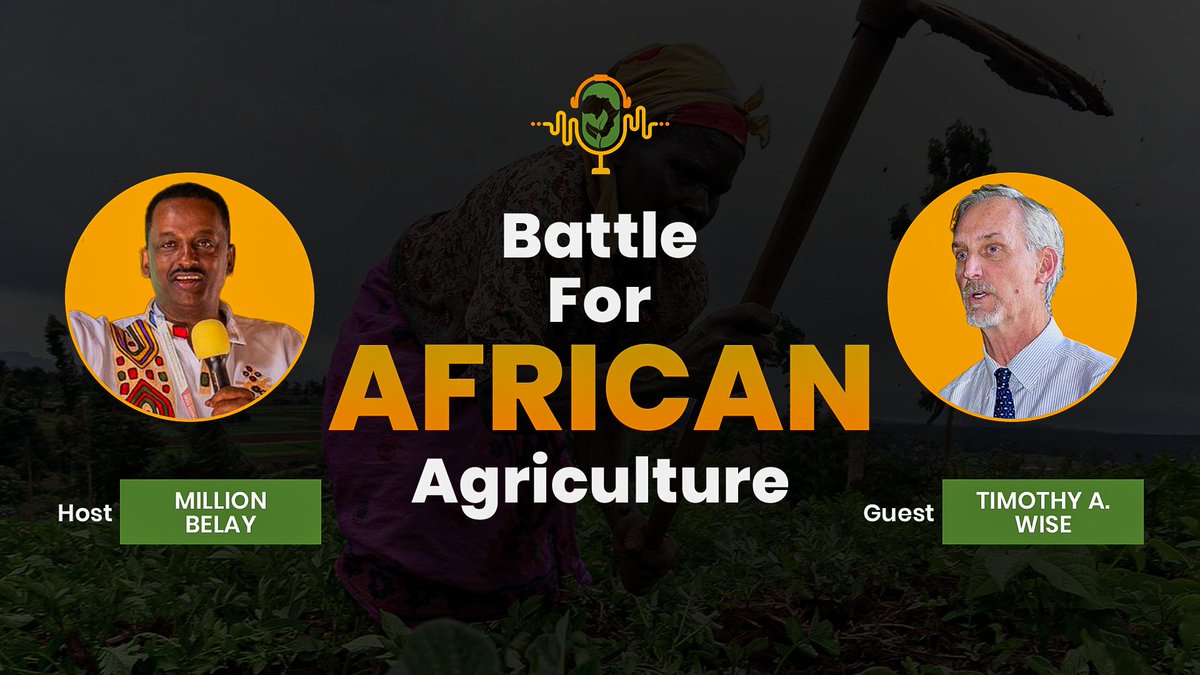
A major focus of this week’s episode of the Battle of the African Agriculture Podcast with @TimothyAWise a renowned food policy researcher and author of the book Eating Tomorrow, is Mexico’s historic and hard-won resistance to genetically modified (GM) maize. He explains how Mexican farmers, scientists, and civil society successfully challenged powerful U.S. agribusiness interests, defended their native maize diversity, and safeguarded their food system through science, constitutional protections, and unwavering mobilisation. Their victory offers important lessons for Africa as GMO pressures intensify, showing that protecting indigenous crops like Ethiopia’s teff and sorghum is possible and essential for the future of our food sovereignty.
Additionally, the conversation focuses on high-input industrial agriculture driven by the Alliance for Green Revolution in Africa (AGRA) continues to shape food policies across African countries, yet it consistently fails the small-scale farmers who feed our continent exposing its flaws.
Based on his extensive research across Malawi, Zambia, Tanzania, Kenya, and beyond, we explore how corporate influence continues to distort agricultural policy and why hunger persists despite high investments. Tim emphasises that agroecology is a proven, scalable alternative that is already improving yields, restoring soils, lowering costs, and strengthening climate resilience for an African food future rooted in sovereignty, ecological integrity, and farmer-driven innovation.
Watch the full episode on YouTube, or listen on RSS, Spotify, or Apple Podcasts through the links below.
YOUTUBE - youtu.be/mWnFSclDgBs
RSS - rss.com/podcasts/battle-for-…
SPOTIFY - open.spotify.com/episode/6Za…
APPLE - podcasts.apple.com/ug/podcas…
4
9
485
Timothy A. Wise retweeted

5 Dec 2025
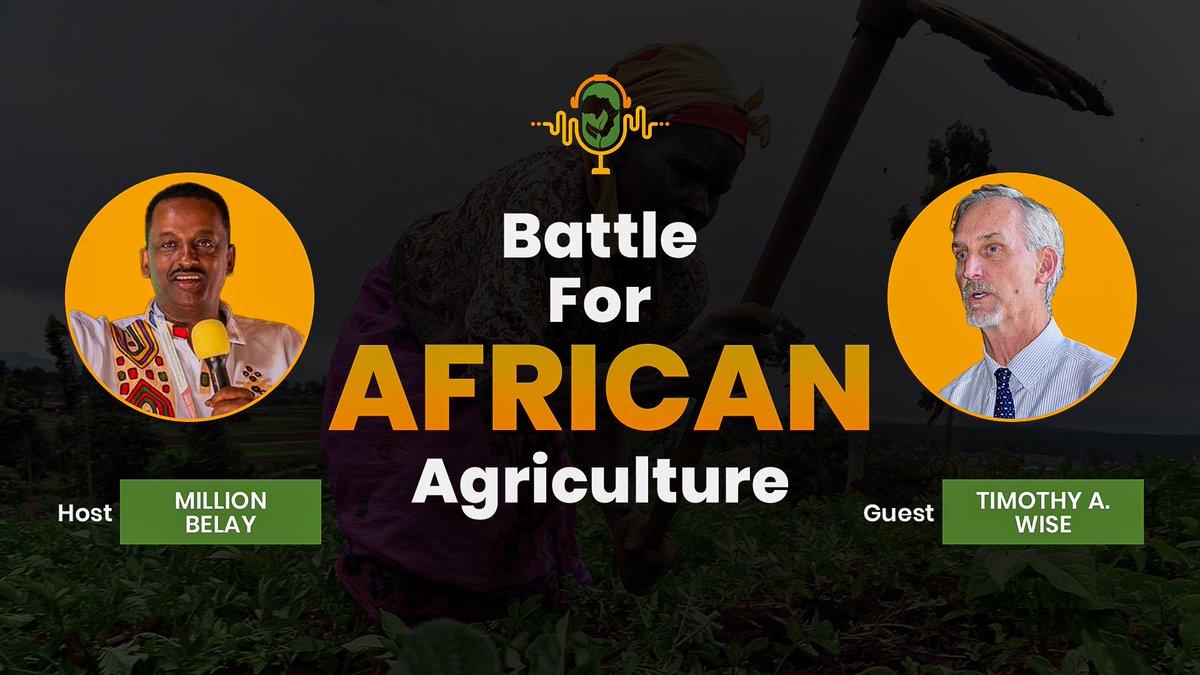
𝐓𝐡𝐞 𝐁𝐚𝐭𝐭𝐥𝐞 𝐟𝐨𝐫 𝐀𝐟𝐫𝐢𝐜𝐚𝐧 𝐀𝐠𝐫𝐢𝐜𝐮𝐥𝐭𝐮𝐫𝐞 𝐏𝐨𝐝𝐜𝐚𝐬𝐭 || 𝐄𝐩𝐢𝐬𝐨𝐝𝐞 𝟏𝟔 - 𝐖𝐢𝐭𝐡 𝐓𝐢𝐦𝐨𝐭𝐡𝐲 𝐀. 𝐖𝐢𝐬𝐞
In this episode of The Battle for African Agriculture, Dr. Million Belay speaks with Tim Wise @TimothyAWise, Senior Research Fellow on global food policy at Tufts University and author of the influential book Eating Tomorrow: Agribusiness, Family Farmers, and the Battle for the Future of Food. Wise’s work documents how the “Green Revolution” model, built on commercial seeds, synthetic fertilizers, and industrial farming, has repeatedly failed to support the very small-scale farmers who feed most of the Global South. Drawing on decades of research in Mexico, India, Malawi, Zambia, Tanzania, and Kenya, he explains why governments continue to back expensive, ineffective high-input systems despite clear evidence that locally driven, low-cost ecological approaches perform better. “Corporate power dominates the policy sphere,” he notes, showing how agribusiness interests, donors, and philanthropies shape agricultural policy while rural communities remain trapped in hunger.
The conversation examines AGRA, the Alliance for a Green Revolution in Africa, created in 2006 by the Gates and Rockefeller Foundations. Wise reflects on his landmark study revealing that AGRA did not double yields or incomes as promised, and that food insecurity actually increased in several countries where AGRA programs were concentrated. Despite billions in investment, Wise concludes that “the model is failing on its own terms.”
The episode also highlights hopeful examples of resistance and renewal. Wise recounts Mexico’s powerful struggle to protect native maize from GMO contamination, a fight that led to a ban on GMO maize cultivation and even a constitutional amendment safeguarding this cultural and ecological heritage. He draws parallels with crops like teff and enset in Ethiopia, emphasizing the cultural and environmental importance of indigenous varieties.
In closing, Tim points to agroecology as a proven, scalable alternative already improving yields, restoring soils, lowering costs, and strengthening climate resilience. “The alternatives are everywhere,” he says, offering a compelling vision of an African food future rooted in sovereignty, ecological integrity, and farmer-led solutions.
Listen to the full conversation on YouTube, Apple Podcasts, Spotify and across all our social media platforms.
Subscribe. Share. Engage.
YouTube
youtube.com/watch?v=mWnFSclD…
Spotify
open.spotify.com/episode/6Za…
Apple Podcast
podcasts.apple.com/us/podcas…
12
14
843
15 Oct 2025
El contexto de las protestas de agricultores en #Mexico del comercio injusto. @sinmaiz_sinpais @Enroluque @anec @viaorganica
EE.UU. castiga a México con algo más que aranceles via @Truthdig truthdig.com/articles/eeuu-m…
2
3
174

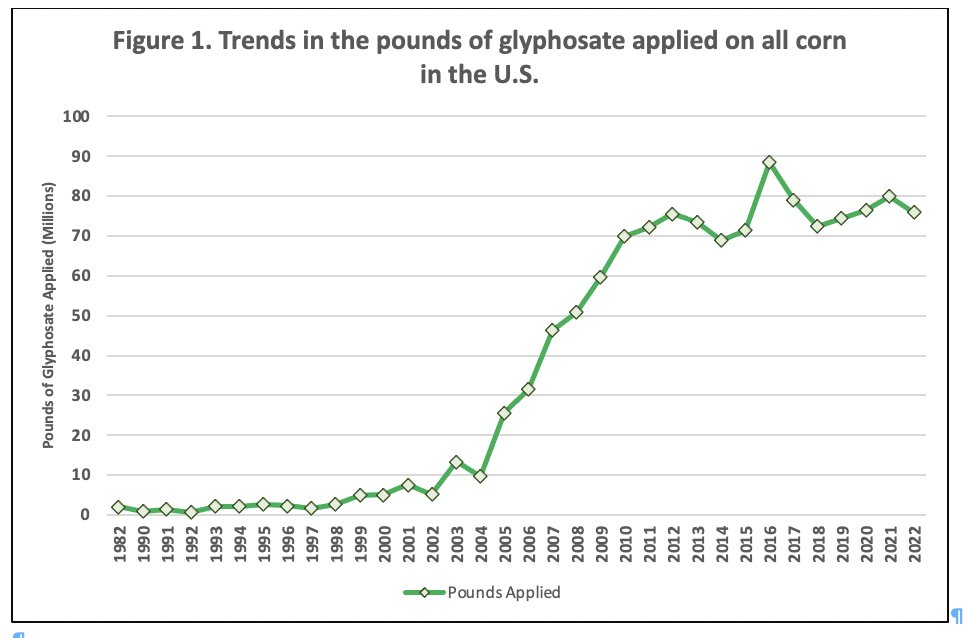
Today’s @nytimes letters’ page is full of letters from a range of experts excoriating Michael Grunwald’s recent piece defending #glyphosate’s safety. Grunwald is accused of parroting chemical companies’ talking points and falling for corporate propaganda nytimes.com/2025/10/11/opini…
11
10
1,283
Timothy A. Wise retweeted

8 Oct 2025
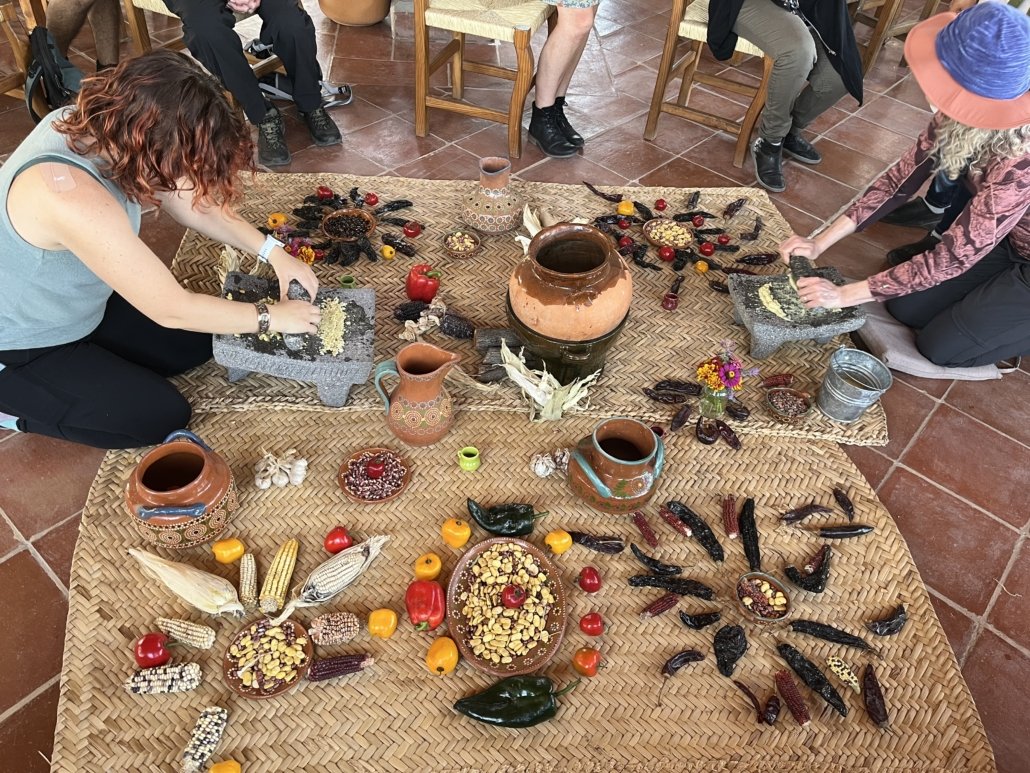
"En ningún otro lugar encontré una resistencia más creativa y efectiva al agresivo impulso de Monsanto por conquistar el mundo con sus cultivos transgénicos que en México".
🖊️@TimothyAWise sobre su libro "Comiendo mañana" en @viaorganica
viaorganica.org/mexico-celeb…
6
6
455
Timothy A. Wise retweeted

2 Oct 2025
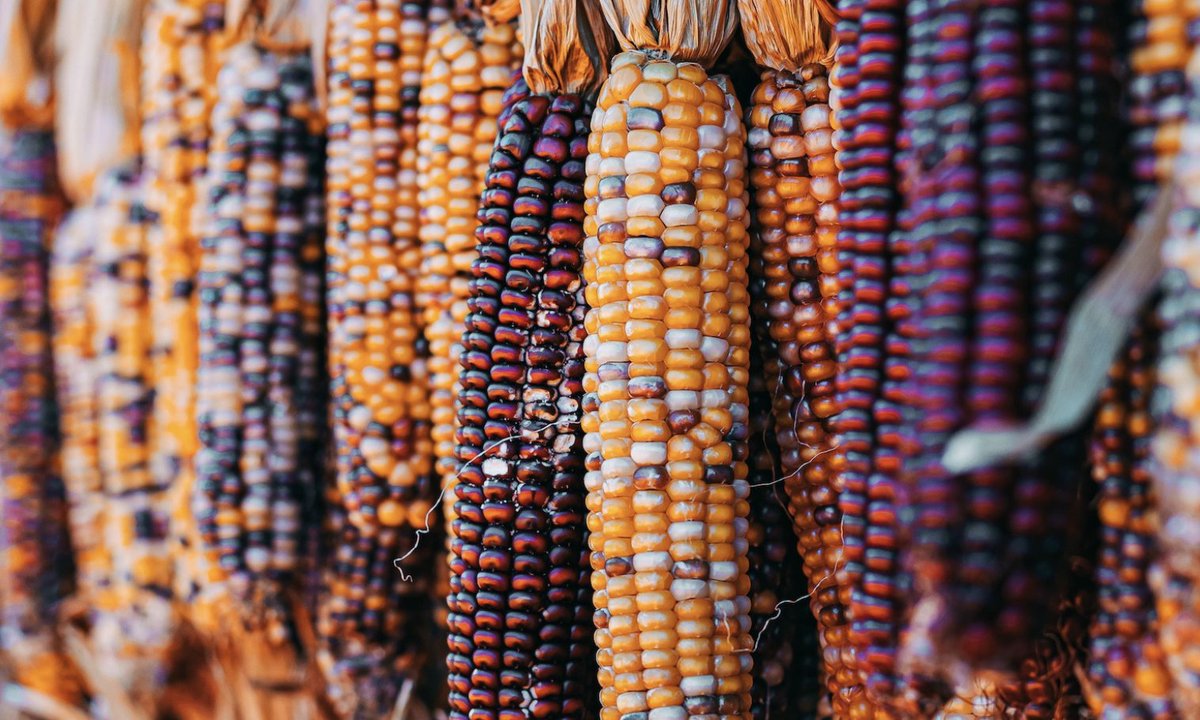
This week, #Mexico celebrated National Maize Day, honoring the country's treasured crop. People also commemorated the 12-year anniversary of the judicial ruling that halted the experimental planting of GMO corn in the country.
@TimothyAWise
Read more: equ6u.r.a.d.sendibm1.com/mk/…
2
5
167
💚🌽 During her visit to Mexico, Jane Goodall congratulated Mexico on its success in resisting #Monsanto - one of the most powerful companies in the world - and its repeated efforts to plant #GMO corn.
#SinMaízNoHayPaís #JaneGoodall #DíaNacionalDelMaíz
27 Sep 2025

💚🌽 En su visita a México, Jane Goodall resaltó la defensa legal de la Demanda Colectiva que ha frenado los intentos de Monsanto para sembrar maíz genéticamente modificado.
#SinMaízNoHayPaís #JaneGoodall #DíaNacionalDelMaíz
2
9
26
1,367
25 Sep 2025
Beneath the surface of Iowa’s water crisis - Great report from @careygillam for @newlede on agricultural pollution. Nitrate levels double the allowable limits in Raccoon River. @StacyMalkan @IATP @FarmActionUS youtu.be/VqRHVXjghKM?si=COZD… via @YouTube
1
3
206
26 Aug 2025
Sub-Saharan Africa has seen a 66% increase in hunger since @AGRA_Africa began in 2006, adding 100 million to Africa’s hungry. Senegal has cut hunger in half. Brazil cut hunger dramatically. Time to change course, #Africa. @Afsafrica #afsforum2025 @NnimmoB nation.africa/africa/opinion…
7
168
25 Aug 2025
Hungry for change, not @AGRA_Africa's green revolution. AGRA promised to cut hunger in half, but two decades & billions of dollars later, #Africa is hungrier than ever. Africans deman change at this year's #afsforum2025. @Afsafrica @GRAIN_org @StacyMalkan nation.africa/africa/opinion…
10
12
1,031
The 1st MAHA report explicitly identified impacts of pesticides like #glyphosate on children's health. The draft 2nd one offers ZERO follow-up. "The MAHA Commission has turned its back on Americans desperate for action to combat the overuse of pesticides." centerforfoodsafety.org/pres…
1
7
17
711
Timothy A. Wise retweeted

20 Aug 2025
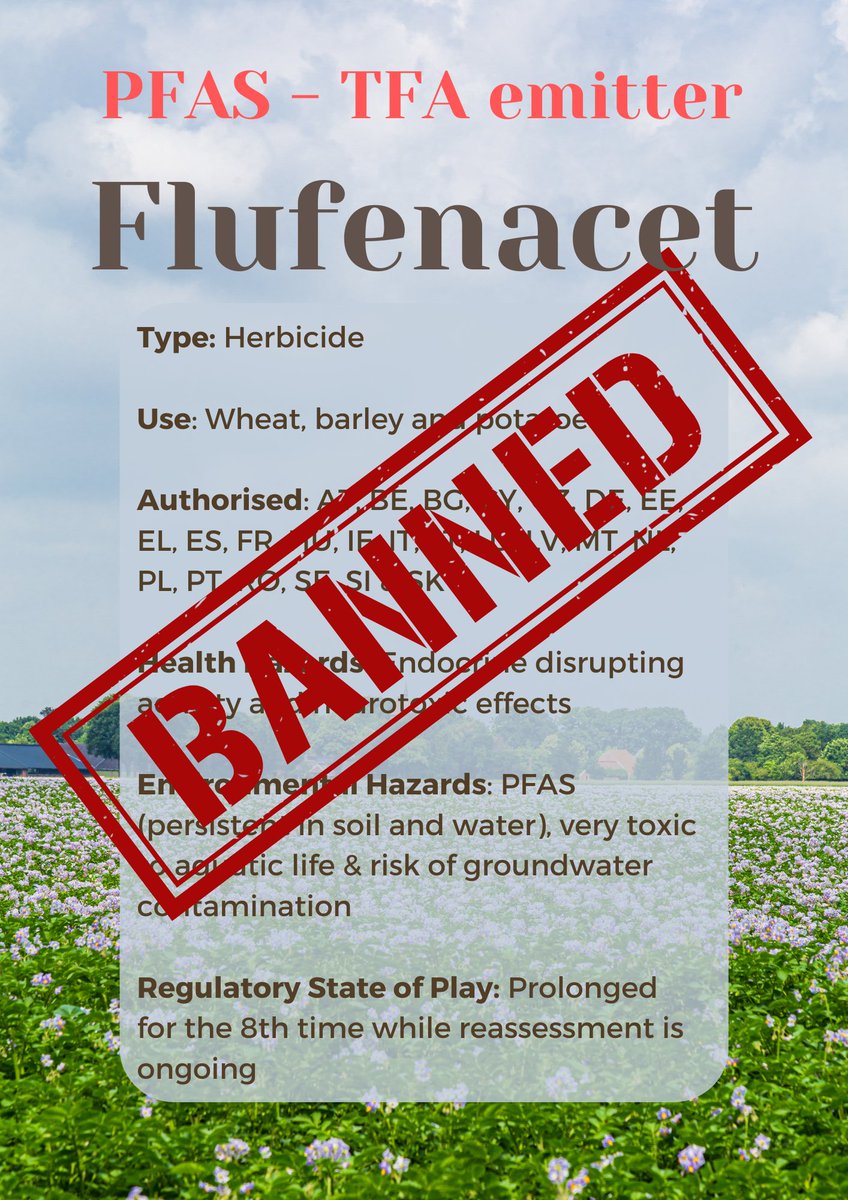
🚜 EU Member States agreed to ban the endocrine-disrupting #PFAS #pesticide flufenacet. We applaud this decisive action, which aligns with the EU's requirement to protect human health and the environment.
pan-europe.info/press-releas…
1
14
26
719
Timothy A. Wise retweeted

21 Aug 2025
Regenerative agriculture certifier Regenified is trying to build premium markets for non-GMO corn grown by the group’s certified farmers. In the process, they want to build more direct farmer-to-brand supply chains for regeneratively produced crops. non-gmoreport.com/articles/r…
1
3
12
924