
I am a doctor passionate about calligraphy! Perhaps the only one in the world.
Joined November 2023
- Tweets 3,327
- Following 256
- Followers 72
- Likes 5,461
Photos and videos
Sadly cost barriers hit patients who need care most (we see this in gynecology too). Delayed care = worse outcomes 👏👏👏

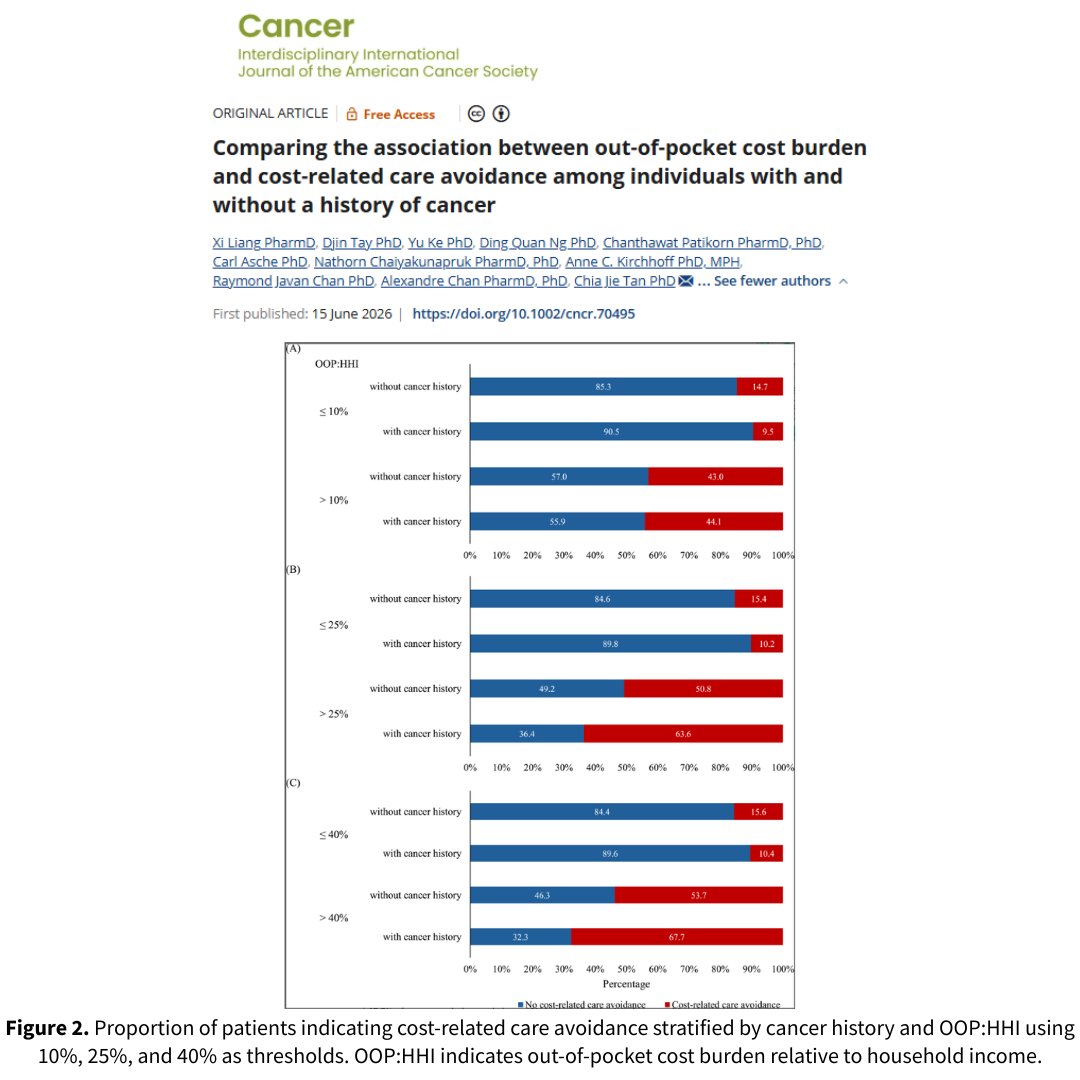
🏥 When health care costs rise, some patients may forgo needed care.
New research found higher out-of-pocket costs were associated with cost-related care avoidance among adults with and without a history of cancer.
Read the full study:
acsjournals.onlinelibrary.wi…
@OncoAlert
4
Published ≠ proven. Clinical trials exist for a reason. Just saying ;)
Jun 14

🚨 BREAKING NEWS
A new cancer protocol using Ivermectin, Ketogenic Diet, Fasting & Fenbendazole was published September 2024.
Peer-reviewed. Published. Real.
The 7 Therapeutic Hybrid Model for Cancer Treatment:
💊 Vitamin C, D, Zinc
💊 Ivermectin
💊 Fenbendazole, Mebendazole & DON (Glutamine antagonist)
🥩 Fasting Ketogenic Diet Ketone Metabolic Therapy
🏃 Press Pulse Therapy, Endurance Exercise, Hyperbaric Oxygen
🧠 Methylene Blue, CoQ10, Niacin, Magnesium, Vitamin E
(Yes, all 7 are in the protocol – with exact dosages)
The rule:
Follow for at least 12 weeks.
Doesn't matter what cancer you have.
Why haven't you heard this on the news?
Because it's generic. Off-patent. Unprofitable.
Big Pharma doesn't make money from this.
You do the math. 💰
Julia Mitchell retweeted

Involuntary feedback responses reflect a representation of partner actions
elifesciences.org/articles/1…
2
4
1,345
Julia Mitchell retweeted

Physics laureate Anton Zeilinger followed his curiosity to India where he discussed the possibilities of parallels between eastern philosophy and quantum mechanics with the Dalai Lama.
Watch our 2022 interview: bit.ly/3x2yTOi

ALT Anton Zeilinger in a laboratory setting
14
40
173
11,936
We need EVIDENCE-based medicine - where are the RCTs? Anecdotes aren't proof... just saying ;)
Jun 14

“I had a patient with Parkinson’s that was barely mobile. After a few weeks of high-dose Ivermectin...she was playing golf a week later…”
~Dr William Makis
Neurological Diseases such as Parkinson's & Alzheimer's improve rapidly on Ivermectin Therap
3

Jun 15
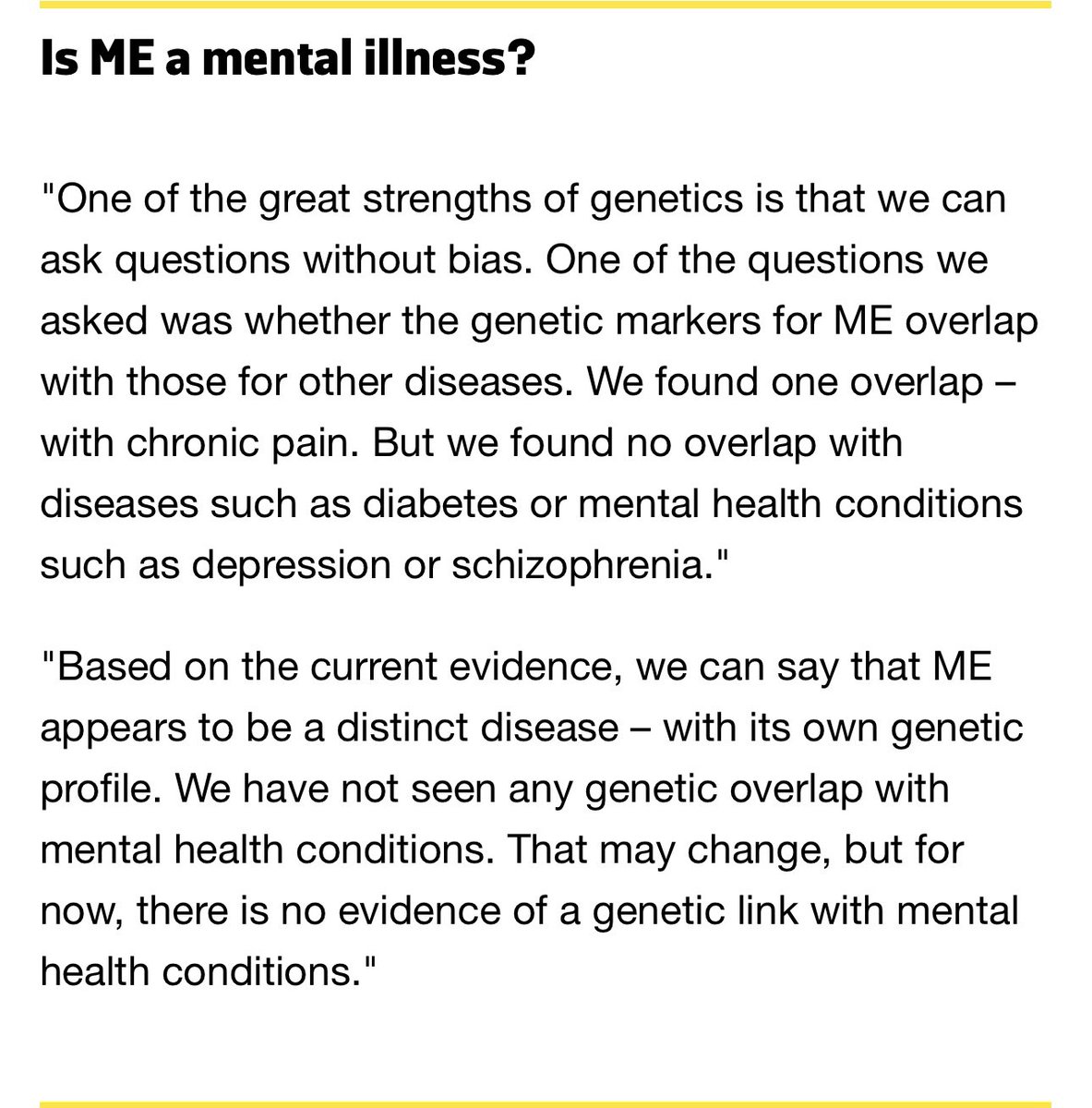
DecodeME proves ME/CFS is biological not psychological! Like endometriosis - dismissed until we proved you CAN see it on ultrasound. Just saying 😉
7
Jun 15
VAERS is passive surveillance (anyone can report anything). A report does NOT mean the vaccine caused it 👍

And these numbers are conservative.
15
Julia Mitchell retweeted

Jun 14
World-first: therapy to make cells young again trialled in a person - A participant in a landmark clinical trial has been given a cellular-reprogramming treatment that aims to rejuvenate damaged cells in the eye
nature.com/articles/d41586-0…
1
1
1
36
Julia Mitchell retweeted

Jun 14
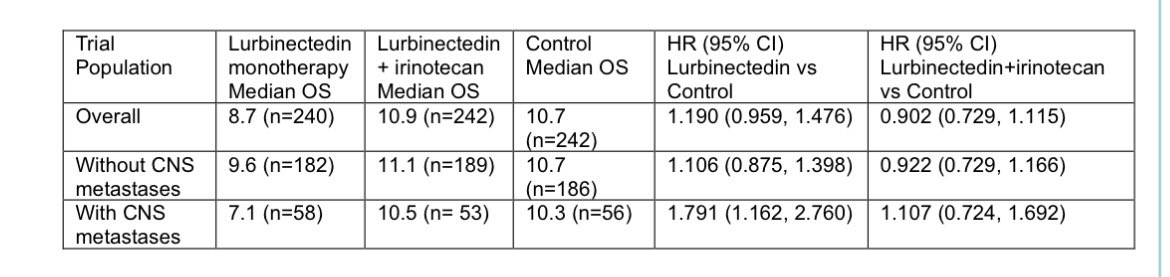
Puzzling update to Jazz up our World Cup weekend with sobering results of the confirmatory LAGOON trial not showing superiority of neither lurbi alone (in fact trending worse OS) nor lurbi/irinotecan vs SOC chemo (topo or irinotecan).
What does this do to current 2nd line lurbi approval and enthusiasm in maintenance setting w starlatamab looming large and new ADCs trying to take a big bite of small cell in the meantime?
Sounds like this is more of a murky LAGOON… not the blue one might have hoped for…
prnewswire.com/news-releases…
4
7
30
5,630
Jun 14
RT @kaclk: Good for Canada I guess, but I’m pretty sure sure the UK also has a health care crisis so not a great look when your limited doc…
1
Julia Mitchell retweeted

Jun 13
Doctors, the opportunity has never been better to build your own practice.
Not sure where to start?
@Mav_Med is launching soon with my exact playbook-full of my biggest mistakes so you don’t have to make them!
Jun 12

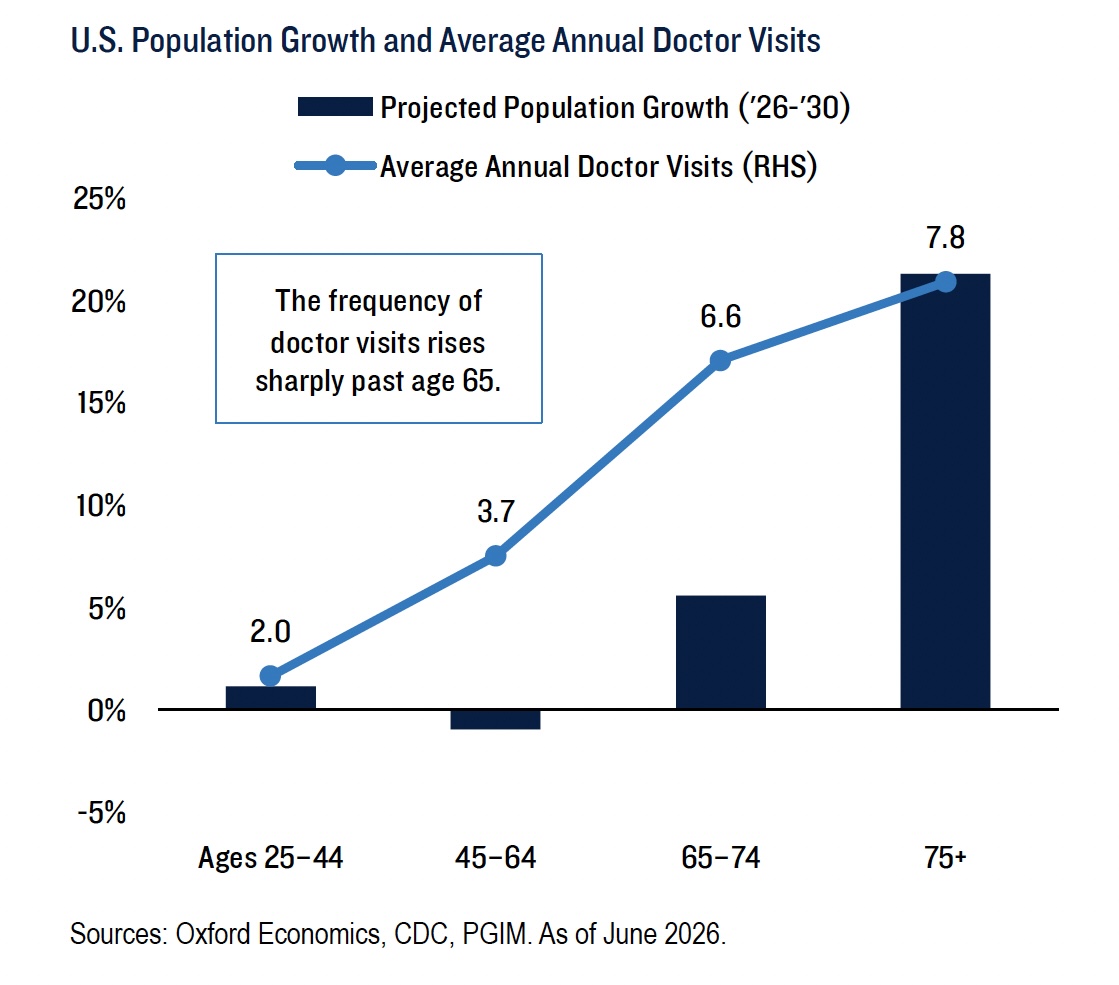
The 75 population grows 20% by 2030 and visits doctors nearly 4x more than the 25-44 group. That's the entire medical office bull case in two numbers. Supply is constrained by construction costs and regulation.
🔗 hcre.short.gy/7KbRPz
3
10
31
3,084
Julia Mitchell retweeted

Jun 13
One realization I’ve had while building Respocare Connect AI:
When people first see patient records, clinical events, documents, notes, scans, and reports being captured and organized, they often assume we’re building another administrative platform.
We’re not.
The data isn’t the product.
The intelligence is.
A blood test isn’t just a document.
A SOAP note isn’t just text.
A CT scan isn’t just a file.
These are clinical events.
Each one represents a moment in a patient’s journey.
The reason we capture and structure those events isn’t to create another place to store information. Healthcare already has plenty of places to store information.
The purpose is to give our agentic clinical assistant the context it needs to reason.
Agentic AI is only as good as the memory and context surrounding it.
When an AI can understand a patient’s longitudinal history, connect clinical events across time, retrieve the right evidence, and behave within governed clinical boundaries, something powerful happens:
Information becomes intelligence.
That’s why we’ve spent so much time thinking about clinical events, memory, retrieval, behavior, and governance.
Not because we’re building a better filing cabinet.
Because we’re building a system that can help clinicians make sense of an ever-growing mountain of clinical information.
The future of healthcare AI won’t belong to the companies with the most data.
It will belong to the companies that can transform data into trustworthy clinical intelligence.
That’s the difference.
3
2
51
Jun 14
"Accept less or leave" for health pros keeping us safe. What a choice. No wonder talent goes where it's actually valued 👍
Jun 13

I mean, what could go wrong? I'm sure the bureaucrats know how to supervise them. So many experts in government....
21
Jun 14
Spot on - you have to measure tools on what they're FOR. We don't judge an endometriosis ultrasound on whether the image is 'prettier' - we judge on diagnostic accuracy 👍
Jun 13

@""LLMs outperform OpenEvidence" is really "Frontier models write more skimmable answers to questions people ask chatbots""linkedin.com/pulse/llms-outp… on @LinkedIn
28
Jun 13
We need to teach that vaccines DO work. Misinformation like this puts real patients at risk.

To push the vaccines, everyone lied by claiming it would prevent COVID transmission. This lie fueled profound discrimination against the unvaccinated.
Here I show why vaccines keep failing to prevent transmission so this lie can never be used on us again
midwesterndoctor.com/p/why-d…
18
Julia Mitchell retweeted

Now online: Mitochondrial Imaging Detects Early Cardiac Changes Following Cancer Immunotherapy doi.org/10.1158/1078-0432.CC…

3
4
203
Julia Mitchell retweeted

An excellent source to quote from the DecodeME study of DNA from 000s of ppl, next time some so-called expert claims mental illness is driving #mecfs:

3
8
264
Jun 13
Careful with cherry-picked data. Statins DO have their place when appropriately prescribed. Just saying ;)
Jun 13

🚨 SHOCKING: Statins will go down as one of the most overprescribed drugs in human history.
Dr. Jeffrey Barke, MD just exposed the truth that Big Pharma doesn’t want you to hear. This drug — literally designed to lower cardiovascular risk — does the exact opposite in millions of people:
Increases new-onset Type 2 Diabetes risk by 46% (METSIM study)
Every 30mg drop in cholesterol = 22% HIGHER all-cause mortality
LDL below 70mg/dL = 3X higher stroke risk
Adds only 3.2 days to your life on average
Meanwhile it’s linked to:
Muscle destruction (rhabdomyolysis)
Dementia & cognitive decline
Cancer
Heart failure
Neuropathy
Autoimmune disease
Depression & Parkinson’s
Common statins being pushed on millions right now: Crestor • Lipitor • Zocor • Pravachol • Livalo • and more
Cholesterol is not the enemy. It’s essential for your brain, hormones, and cell membranes.
12
Julia Mitchell retweeted

Jun 13
And for further context:
The proposed long term capital gains will get taxed at a 30% floor.
This is equivalent to the average tax rate paid by someone on $225,747 pa taxable income (excluding Medicare levy)
1
1
2
21
Julia Mitchell retweeted

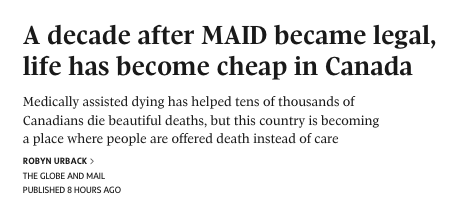
This piece is hyperbolic, devoid of connection to healthcare in Canada. 16 million attend the ER/year where we don't do MAID. That alone contradicts the "life is cheap" suggestion, as almost all of healthcare is to preserve life and limb. 👇👇👇
We dedicate great expense and effort so that life is not "cheap".
Let's for sure critique MAID, but let's keep it linked to reality.
The statement MAID is evolving into "an on-demand service for nearly anyone experiencing illness" is journalistic recklessness and bizarre for those Canadians that actually attend to real patients in real hospitals and real clinics.
The cheapening of this discourse happens when it's suggested the 3 million people with hearing loss in Canada are opting or thinking about MAID when one man with hearing loss (and mental illness) received MAID. I do find it highly questionable a mentally ill man with hearing problems received MAID, and the House of Commons testimony in this case lacks hundreds of relevent data points to conclude what really happened and why.
To say "this country has become a place where death has become the solution to suffering" is shameful and untruthful. I haven't seen this suggestion in clinical reality. What I have seen is thousands of real patients with serious and disabling illness fight, and fight, and fight on to live - supported by a legion of nurses, doctors and other health professionals. It's not true Canada just kills people who have an illness or suffering.
Critique MAID, but keep it honest and linked to reality. @RobynUrback
theglobeandmail.com/opinion/…
44
79
252
10,054