
Joined March 2009
- Tweets 65,736
- Following 535
- Followers 1,196
- Likes 27,444
1,659 Photos and videos

Val Dobson retweeted

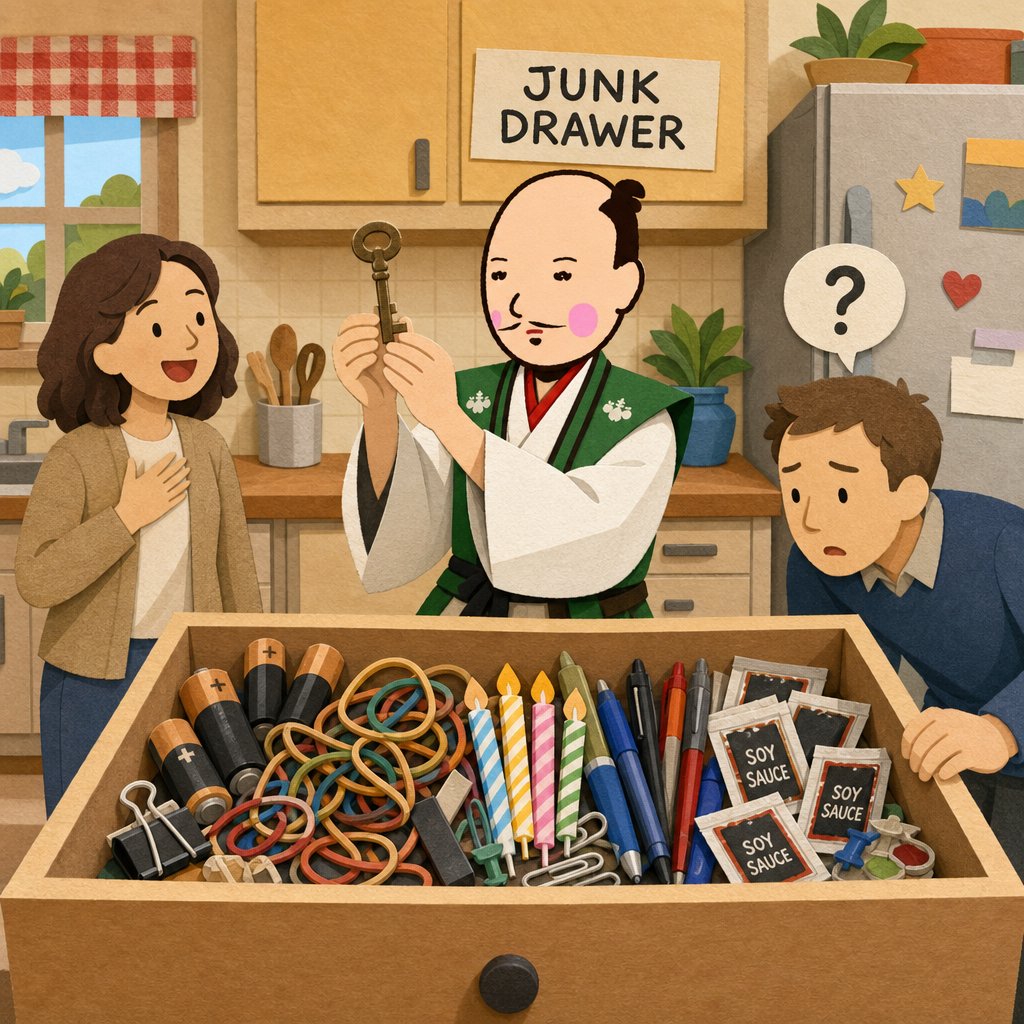
I requested a simple band of rubber from my host. She gestured to a drawer, and the very gesture told me everything I needed to know about American chaos.
One drawer. Every household. Always in the kitchen, and it holds the same things in every home in the nation: batteries of unknown charge. Rubber bands. A screwdriver too short for any screw. Birthday candles. Soy sauce packets. Three pens, one of which works. And a key.
The key is the part I cannot release. I have now surveyed eleven households. ALL have the key. NONE know what it opens.
"What does this open?" I asked Sue, holding it up.
"No idea. Been there since we moved in."
"Then why keep it?"
She looked at me as if I had proposed burning a shrine. "You can't throw away a KEY."
She is right. I felt it the moment she said it. A key answers to a lock somewhere. To discard it is to abandon a door you may never find. Eleven households, each guarding one orphaned promise, between the candles and the takeout menus.
In Japan, we made a national art of putting things in their proper place. I assumed the junk drawer was that art's absence. Wrong. The junk drawer IS the proper place — for things whose place has not yet been revealed. Not disorder. Faith, with a handle.
I confess my crime. I once organized Dale's junk drawer while waiting for him. Small bins. Categories. He opened it, stood silent, and said, "Where's the thing?" He could not name the thing. He knew only that it could no longer be found. I had alphabetized a treasure map. We do not speak of it.
The drawer does not need order. It needs to be opened with hope, and closed with acceptance.
I keep a junk drawer of my own now. This week it accepted a battery, a twist tie, and a key I found in the yard. I do not know what the key opens.
Into the drawer it goes. Someday, the door will announce itself.
148
534
4,828
63,158
Finally!

Millionaire arrested in hunt for ‘Putney pusher’ who shoved jogger into path of bus in 2017.
metro.co.uk/2026/06/15/milli…
17
Val Dobson retweeted

My autistic daughter has a few specific interests, and repeatedly watching her favourite documentaries about these interests on YouTube is one of the main way she is able to emotionally regulate and ground herself. Are the government going to ban that?
51
83
1,041
21,900
File this under "But we didn't mean THIS!"

Apple built this exact tool in 2021. Within weeks, security researchers showed it could flag innocent people's content. Apple killed it 16 months later. The UK just gave tech companies three months to build it anyway, threatening prison for executives who refuse.
The proposal is for something called client-side scanning. End-to-end encryption (the technology that protects your WhatsApp or Signal messages) works by scrambling your messages on your phone before they leave it. Nobody intercepting them can read them. Client-side scanning changes that sequence: your phone checks every image and message against a database of prohibited content before encrypting it. The lock stays in place, but the inspection happens first. When the government says "scan for nude images," technically they mean "scan everything."
The people who invented internet security have already ruled on this. Ronald Rivest helped create RSA encryption, the system behind every padlock icon you see in a browser. Whitfield Diffie invented public-key cryptography, the math that all web security is built on. In October 2021, both co-signed a paper with twelve other leading cryptographers, concluding that device-level scanning undermines security for everyone while giving law enforcement only unreliable gains. Once that infrastructure is on every phone, any government can point it at whatever they decide to ban next.
The EU spent three years trying to pass something identical. Germany blocked a Council vote in October 2025. On March 26, 2026, the European Parliament voted 307 to 306 to reject it. One vote. German federal police data from those debates showed roughly 48% of the 300,000 chats reported annually under existing scanning rules were false positives, innocent people's messages treated as criminal evidence.
There is one more consequence the announcement left out. The government wants to block nude images on children's devices but not adults'. Enforcing that line means every device in the UK needs to know whether its owner is a child. The only way to do that is mandatory age verification. Signal pointed out where this lands: every UK resident would need to prove their identity just to communicate privately. That means 67 million people submitting identification to use software they already own.
The EU rejected this by one vote two and a half months ago. The UK is now attempting it alone.
12
Val Dobson retweeted

Morning @DavidLammy my trial last week was delayed …. because the printer wasn’t working properly.
The other week another trial I was in was delayed for 4 hours because the prosecution hadn’t edited the victims video evidence.
I could go on but trust me- the backlog is not caused by juries!
14
138
544
22,985
Val Dobson retweeted

"Sky News has verified the identities of everyone from the school who was killed. 120 students, 73 boys & 47 girls, aged from 6 to 13, & 26 teachers, who were killed in the strike".
@Chesh reports on the primary school bombed by the US. 120 children & 26 teachers, all murdered.
85
3,456
6,258
231,060
Val Dobson retweeted

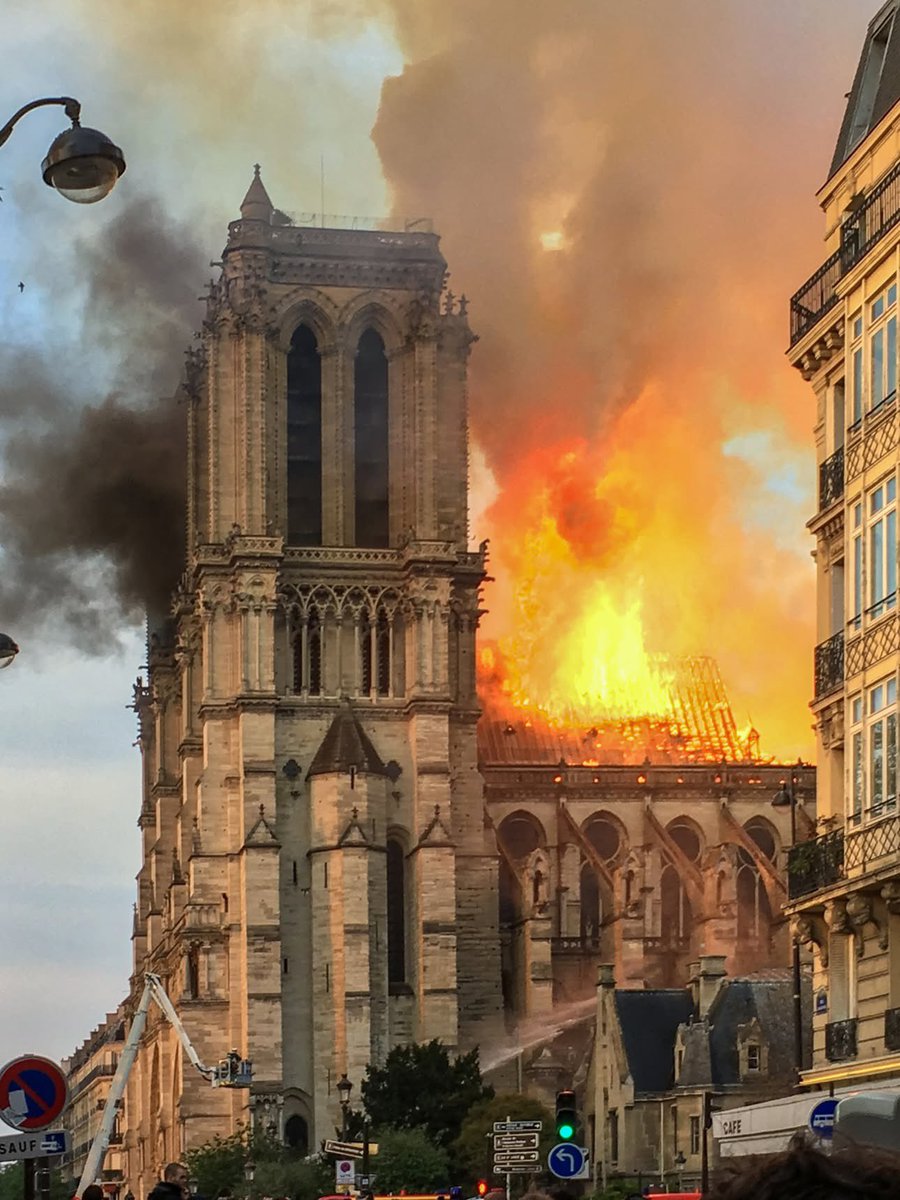
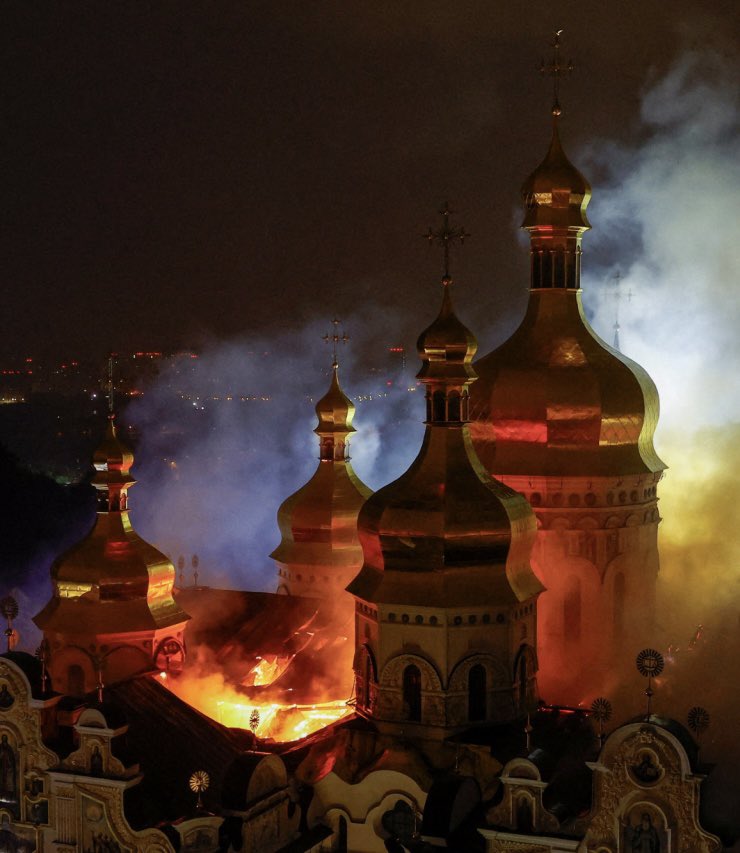
When Notre-Dame burned in 2019, the world stopped.
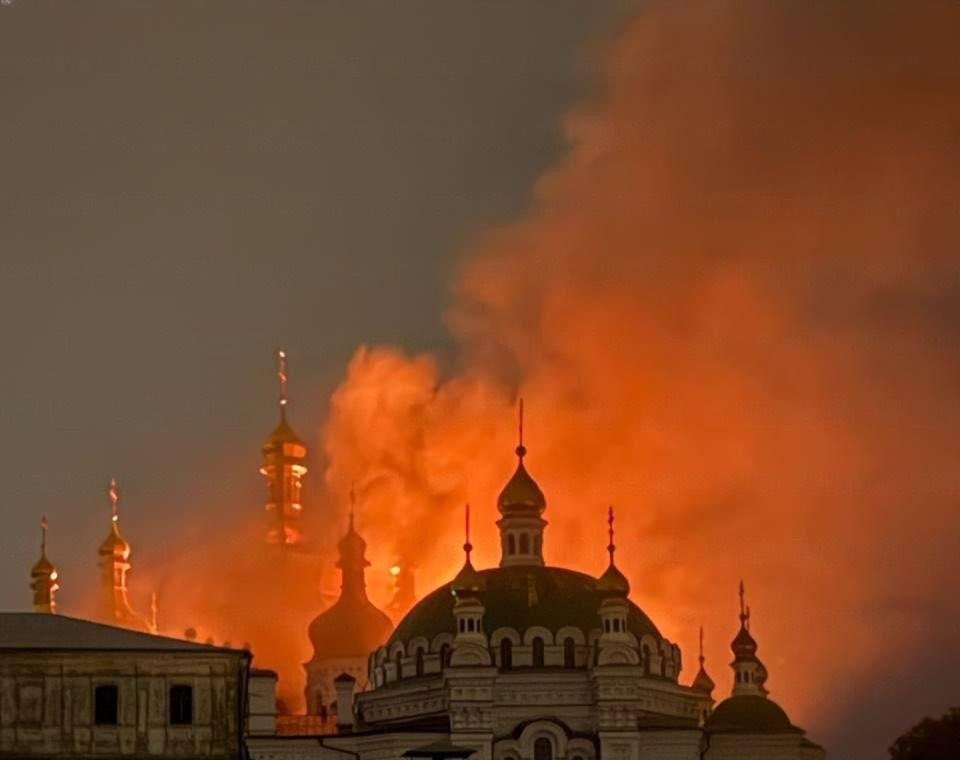
Today, Russia damages Kyiv Pechersk Lavra, a monastery nearly 1,000 years old and older than Notre-Dame itself.
A thousand years of history deserves the same attention, the same sympathy, and the same protection.
296
6,538
17,920
164,649
Val Dobson retweeted

I've made this point before, but after the last few days I feel it's definitely worth mentioning it again. My living and benefits arrangements are literally the cheapest option. Mam and dad do ALL of my care, and I live with them so I don't claim housing benefit, or local authority care assistance. If I was in a car Home, it would cost a hell of a lot more than what I currently get in benefits. And if I was to think about the extremely remote possibility of employment, the support I would need, including transport and I support worker to assist me would again far exceed the amount I currently get.
I know some of you already know this, and I'll promise I'll stop saying it the moment the political class stops attacking us.
Right, I probably won't mention the topic again for a few days, I've been trying to relax, not get stressed. As you can tell, that's gone very well indeed!
24
72
476
7,217
Val Dobson retweeted

When Roy Williamson wrote these words and this music 59 years ago he couldn’t have imagined these scenes & this level of power & international respect. What a legacy for Roy & for Ronnie Browne. 💪🏴💪. #TeamScotland
x.com/theawayfans/status/206…

To understand why the song is spine tingling you need to know the story. Flower of Scotland beautifully told in this thread.
12
42
816
Val Dobson retweeted

🚨 Kyiv is under a massive Russian air attack right now. One of Ukraine’s most sacred landmarks - the historic Kyiv-Pechersk Lavra - is on fire. Putin sends his birthday wishes to Donald Trump.


142
1,190
3,473
239,109
Val Dobson retweeted

The Lavra is arguably Kyiv’s most important Christian holy site.
Russia - “based defender of Christianity” according to the biggest morons in history - struck it tonight.
6
21
96
1,313
Val Dobson retweeted

Jun 12
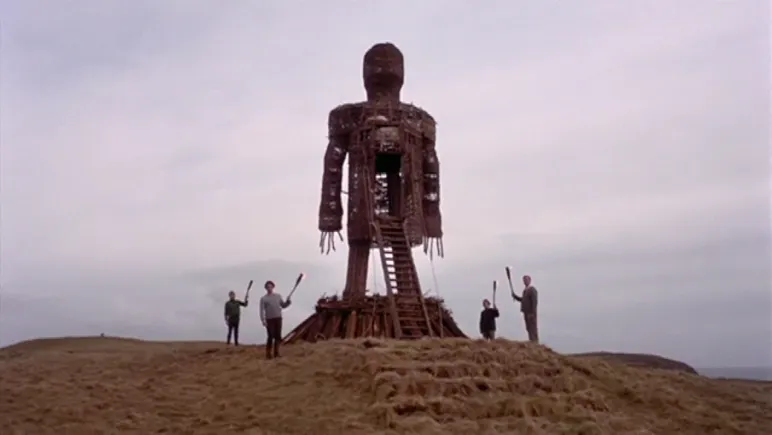
Russell T Davies’ Tip Toe is framed as an urgent, ripped-from-the-headlines polemic on modern radicalization.
But look closer at the narrative machinery and it’s not political drama at all - it’s a paranoid, inverted folk horror, and has more in common with The Wicker Man.
3
9
65
9,549

23h
Was watching the local news (actually half-watching, as I was busy stuffing fish and chips down my gob) and caught an item about a Reform council banning Pride decorations and events on council premises. One of the visuals was a professionally-made street banner reading #LoveLivesHere
WTAF, I thought, chip half-way to my mouth, what does that even mean? Apart from signalling the council's self-satisfied virtue to everyone of course. Love doesn't exist on its own, a sentient creature needs to experience it. You can't induce love by putting up a stupid banner!
The phrase is totally meaningless, empty of substance - you may as well say #MildPeevishnessLivesHere Which might even be true for a second or two if you were walking down the street and saw it.
And if the council is going to stop spending money on such stupidities, well, hooray!
Now back to my chips.
1
34
Val Dobson retweeted
Jun 14
1
8
Val Dobson retweeted

Jun 13
Un tipo tiene a unos escoceses de vecinos en un Airbnb y está mañana les preparo un asado para que coman algo antes de irse al estadio (está bastante lejos de la ciudad) y los locos en agradecimiento le dieron una entrada y se lo llevaron al estadio con ellos. Los amo
46
1,199
53,398
739,631
Val Dobson retweeted

Jun 14
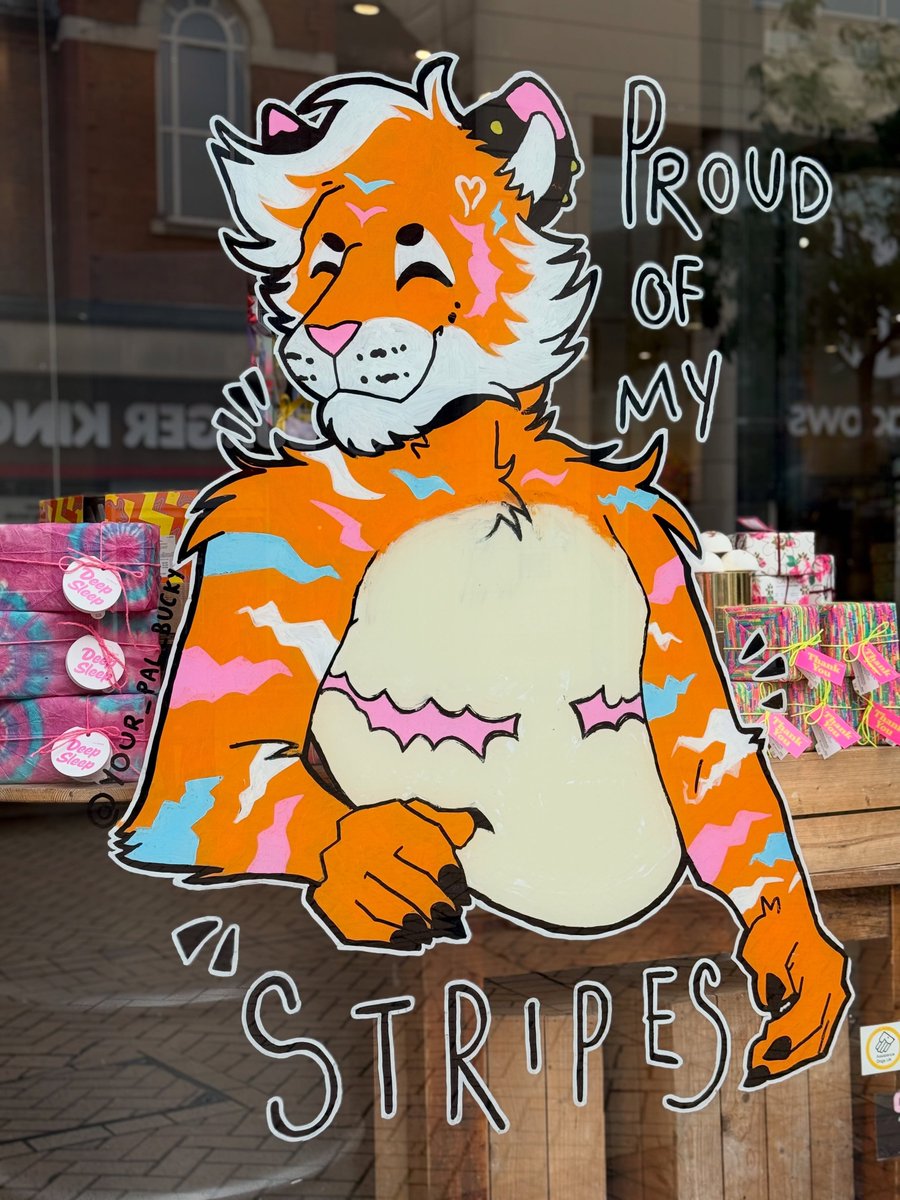
As a woman who had half a breast cut off to remove cancer last year … I look at this and think ‘piss off’

172
504
5,393
190,493
Val Dobson retweeted

Jun 14
“Shut up, traitorous appeaser. You will pay the price eventually. Tick f***ing tock.” Online posts this week called for my execution, my home to be burnt down & my kids hurt. The far right want to freeze their critics into silence. They will never win.
belfasttelegraph.co.uk/sunda…
833
513
1,858
112,048
Val Dobson retweeted
Jun 14
Dear Lush (cc Chelmsford City Council),
As a woman who had half a breast removed last year due to cancer, I am writing to raise my concerns about your “Proud of My Stripes” window display.
I am also, on behalf of other women who have experienced breast cancer, respectfully requesting its removal.
Because mastectomies are not a fashion statement, an identity marker or something to be celebrated.
They are something women undergo because they are ill, because they are frightened, because they are trying to stay alive.
Around 59,000 women are diagnosed with breast cancer in the UK every year. Many will undergo surgery - a mastectomy, lumpectomy or other procedure.
Others choose preventive mastectomies because they carry a high-risk BRCA gene mutation.
If a woman chooses to have her breasts removed to affirm a gender identity, that is her personal choice.
I honestly don’t know the number of women who have elective mastectomies for this reason.
What I do know is that it is a tiny number compared with those for whom breast surgery is medically necessary and not something to be celebrated.
I think I speak for many women who have experienced breast cancer - and for their families - when I say this:
Breast removal surgery is not something I regard as cute, playful or empowering.
Nor is it something I believe retailers should be celebrating.
For that reason, I am requesting that the display be removed and that @ChelmsCouncil apologise for promoting it on social media.
Yours sincerely,
Janet Murray
614
2,435
14,270
1,946,789
Val Dobson retweeted
Best decision I’ve made today was watching FIFA with my family and a bunch of drunk Scotland supporters (who might as well be family by now)
19
29
1,276
71,411