
Fixing hidden tech misalignment, unlocking growth. 🇺🇸 AI Advisor. @TinySeedFund mentor. Investor: @1SecondEveryday, @shiratronics_i, @empower_sleep
Joined April 2007
- Tweets 17,752
- Following 1,271
- Followers 1,685
- Likes 21,203
1,238 Photos and videos
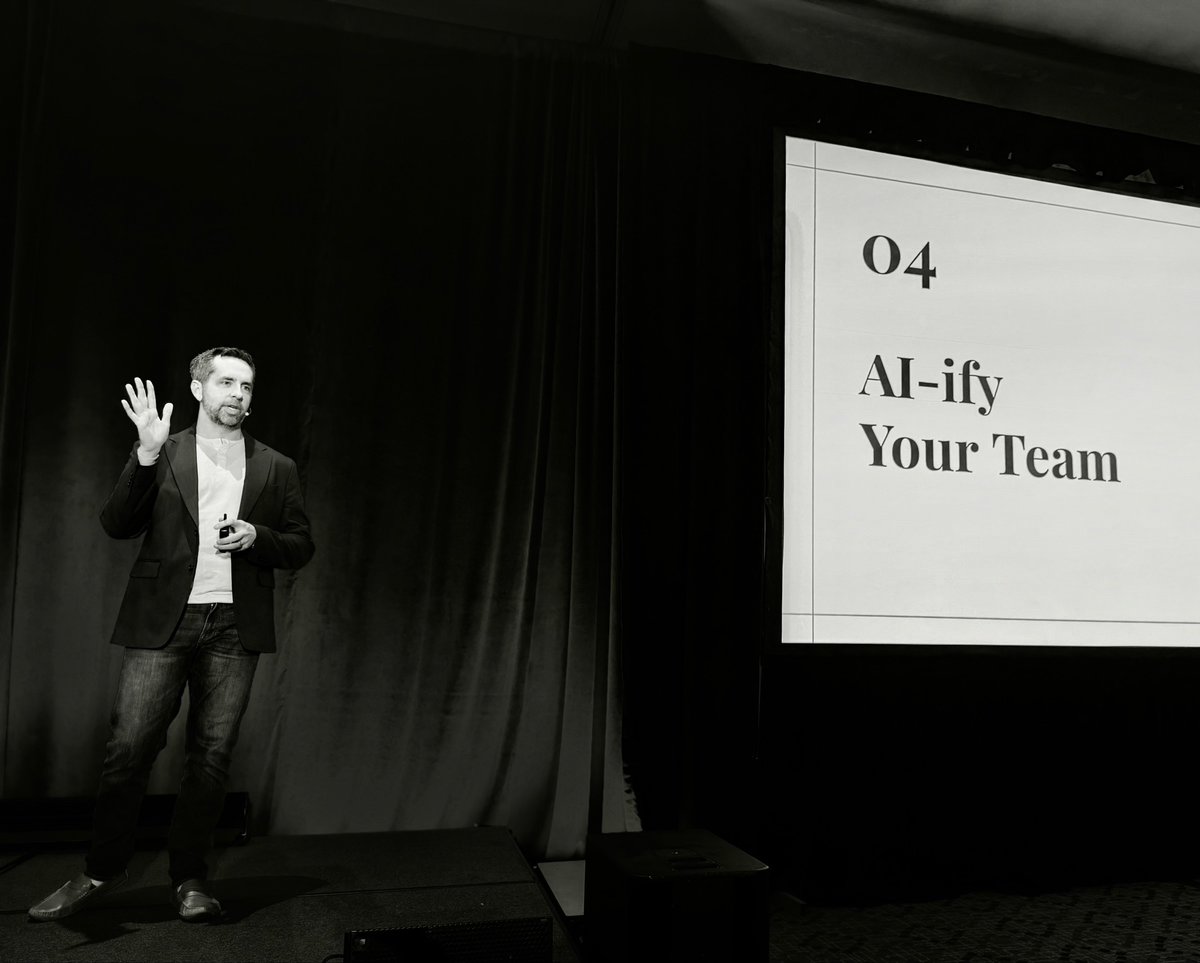
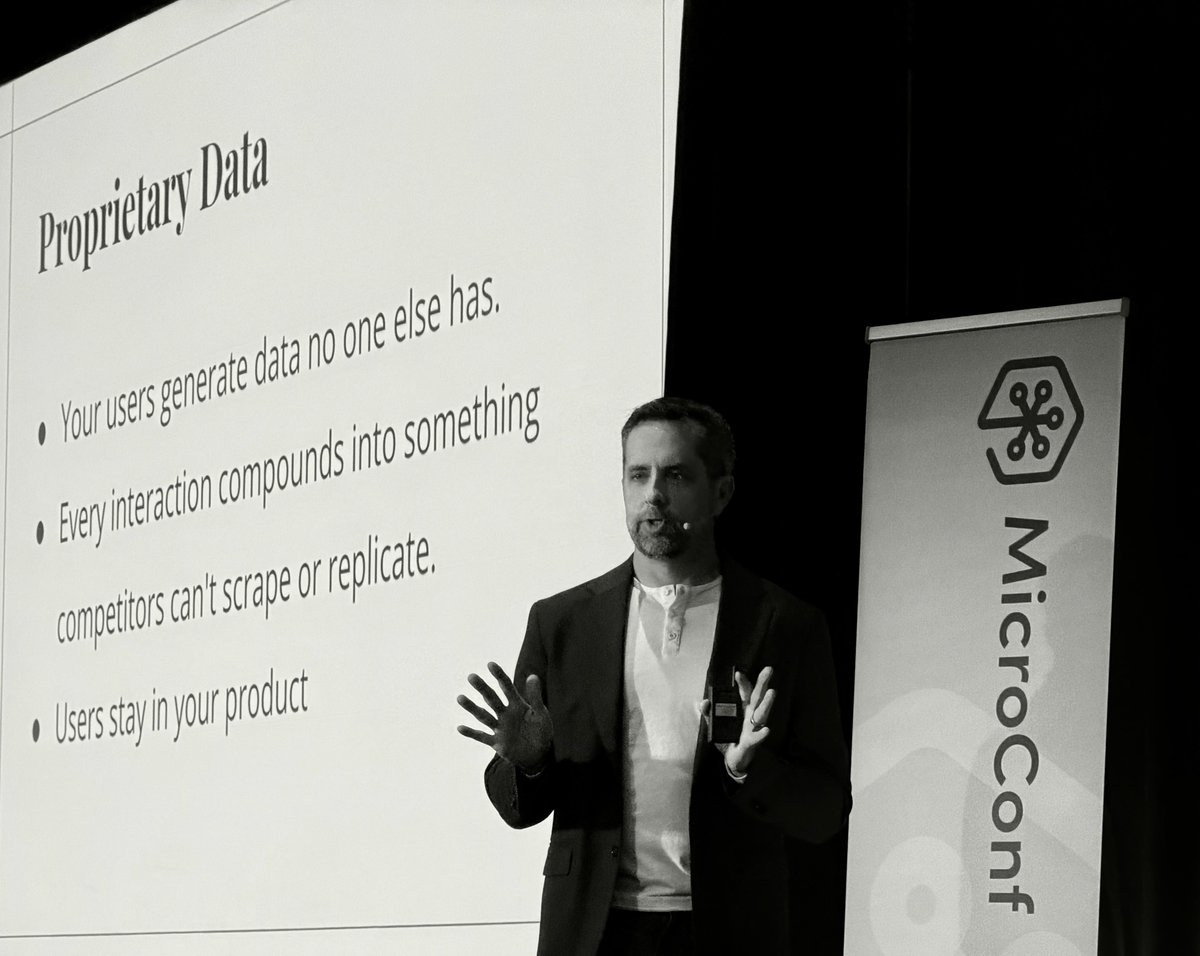
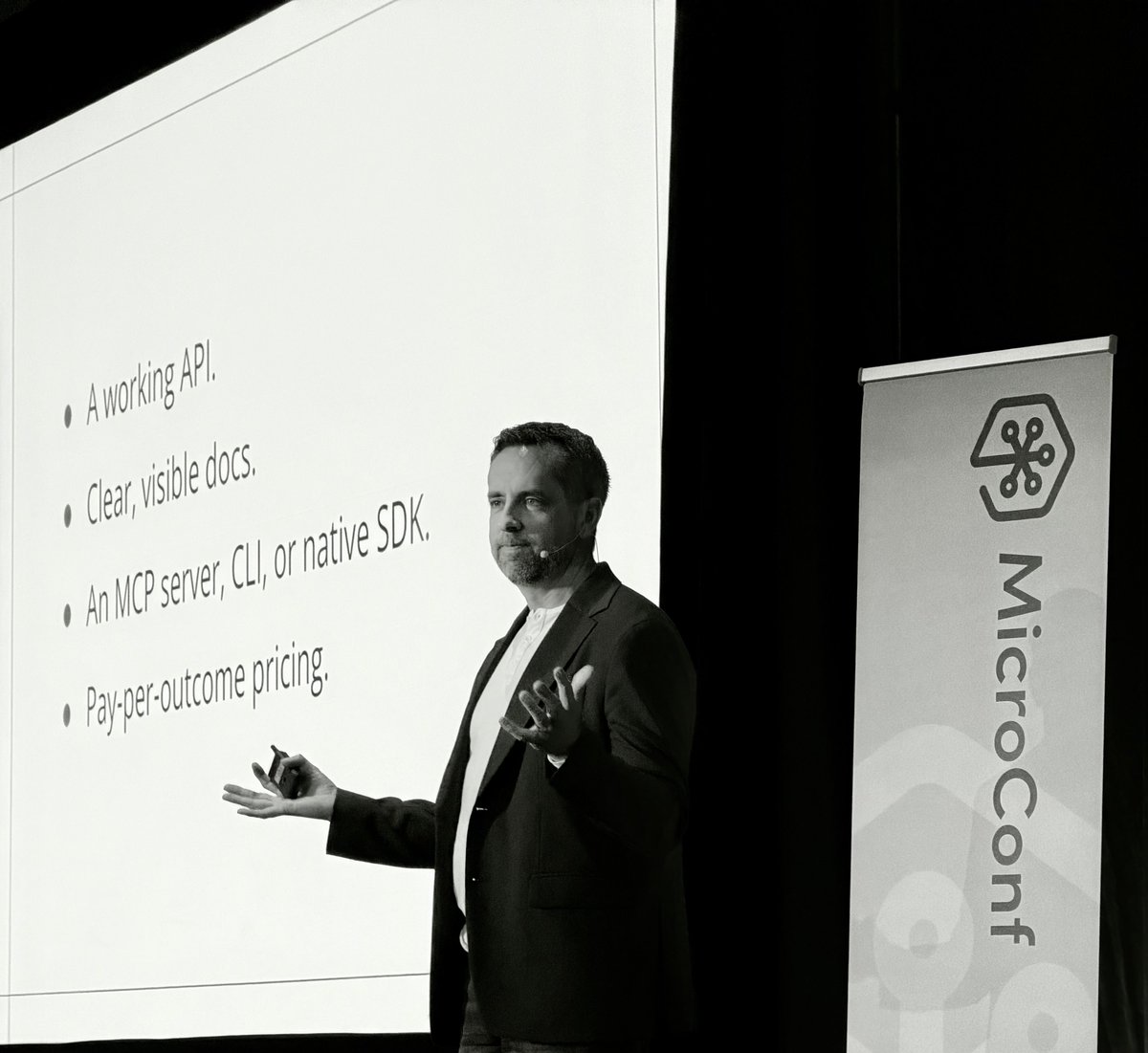
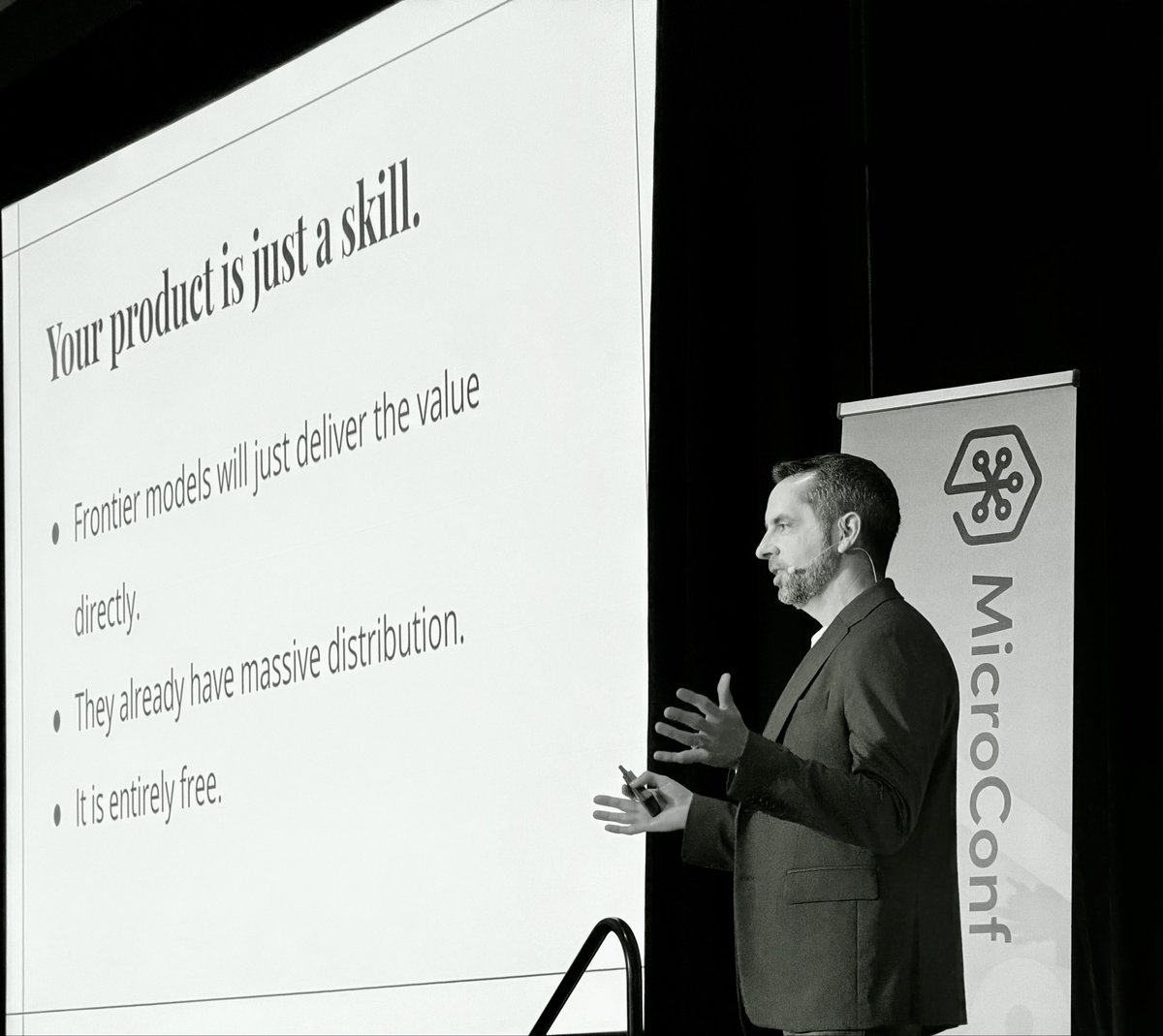
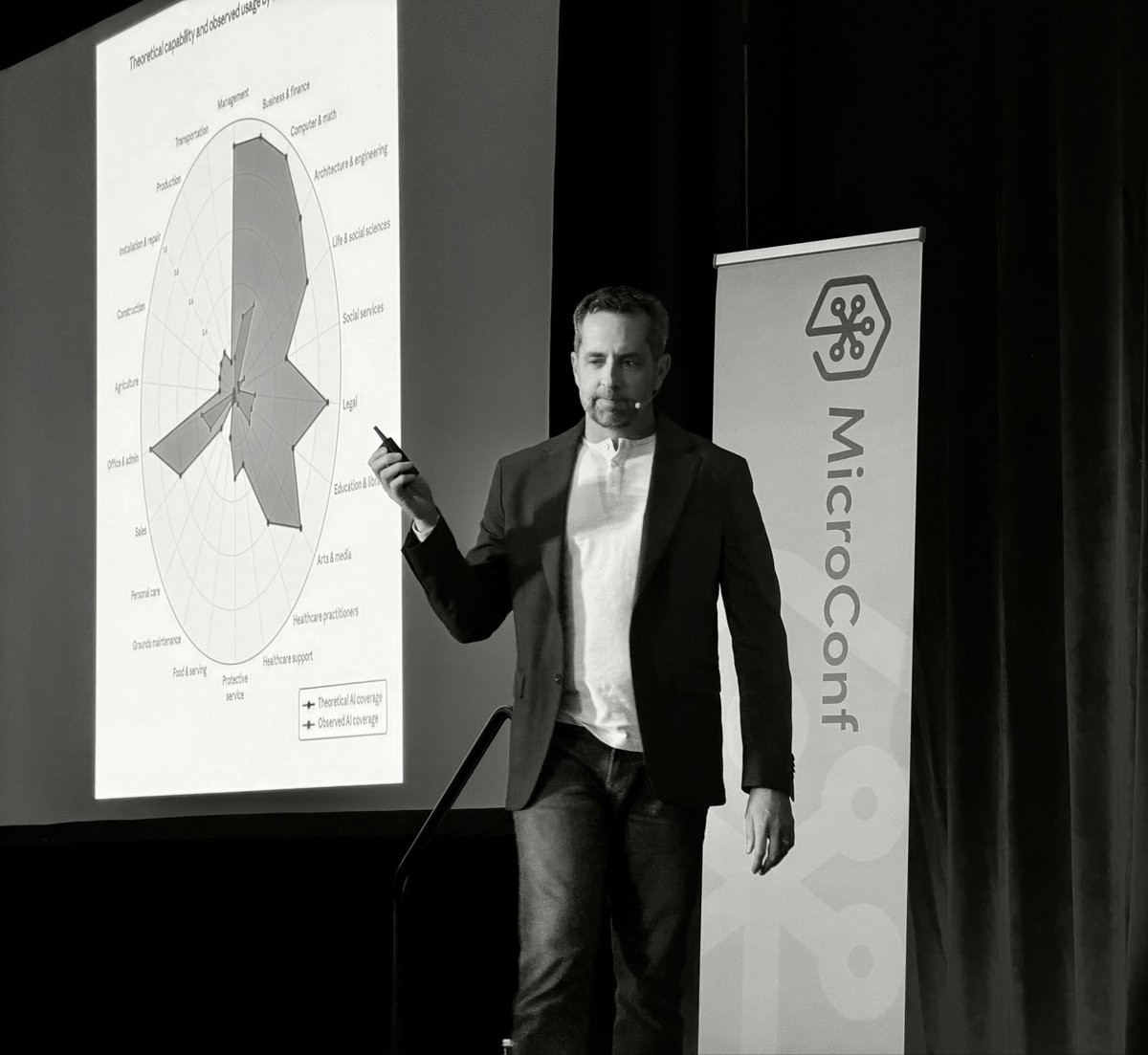
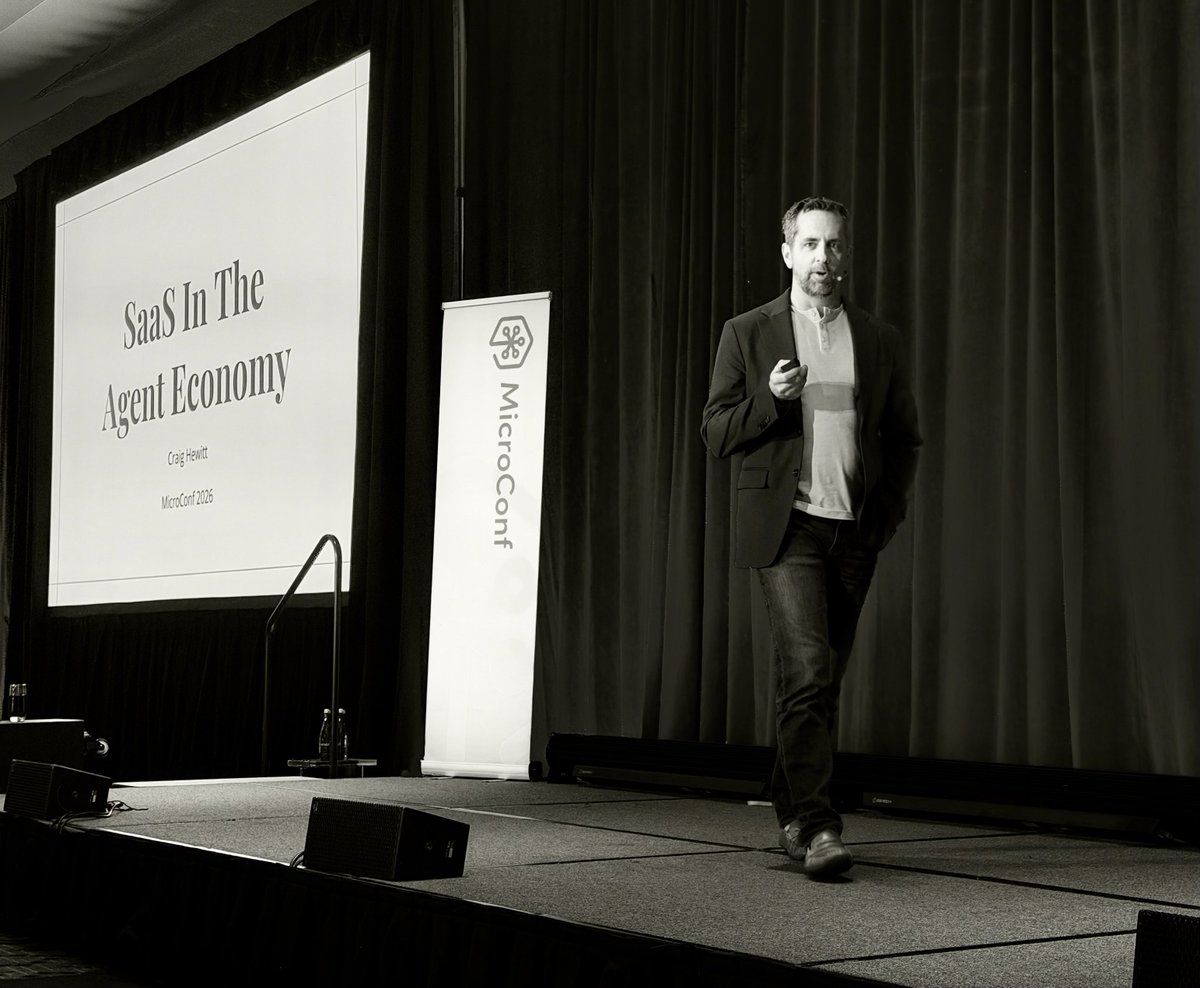
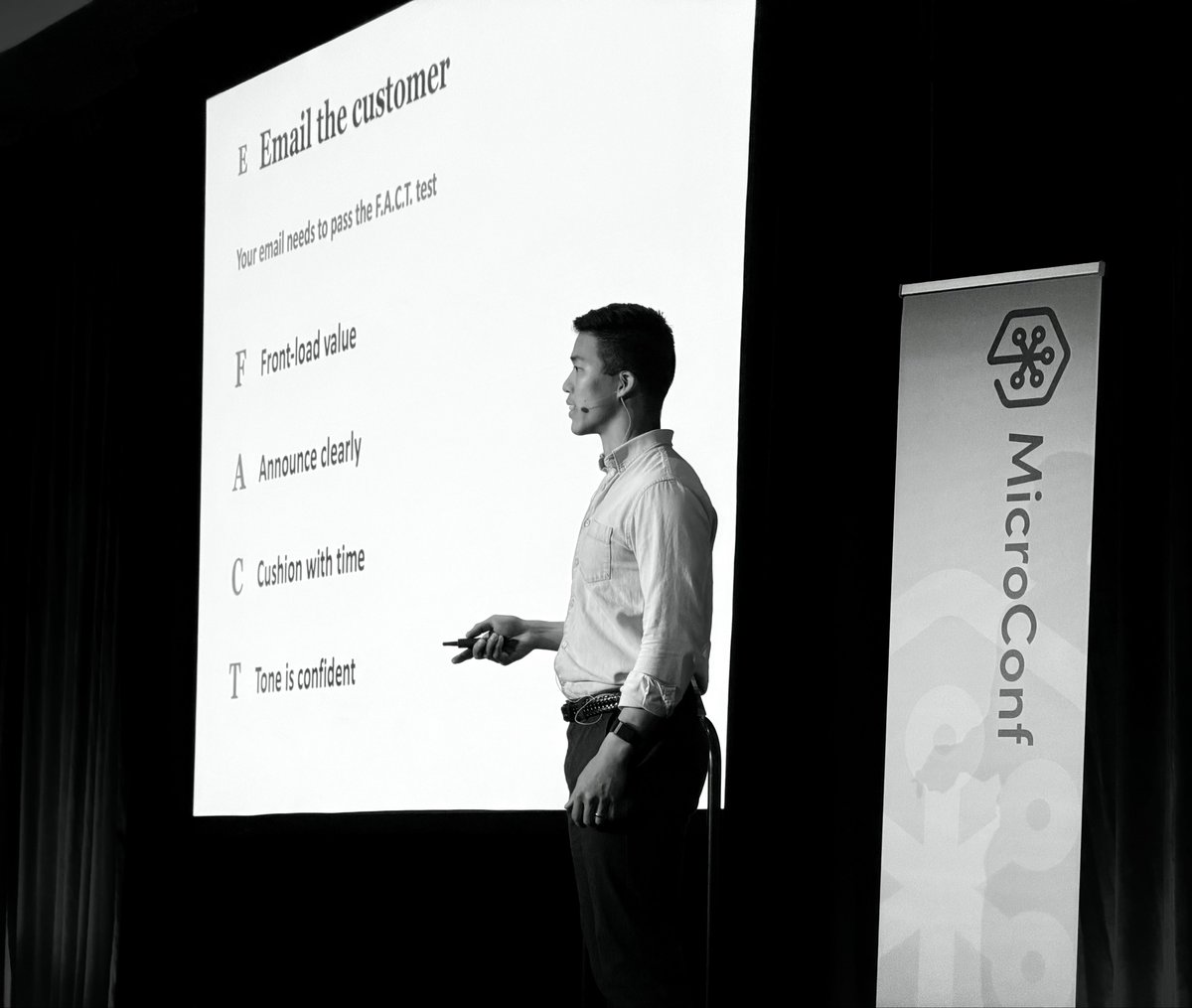
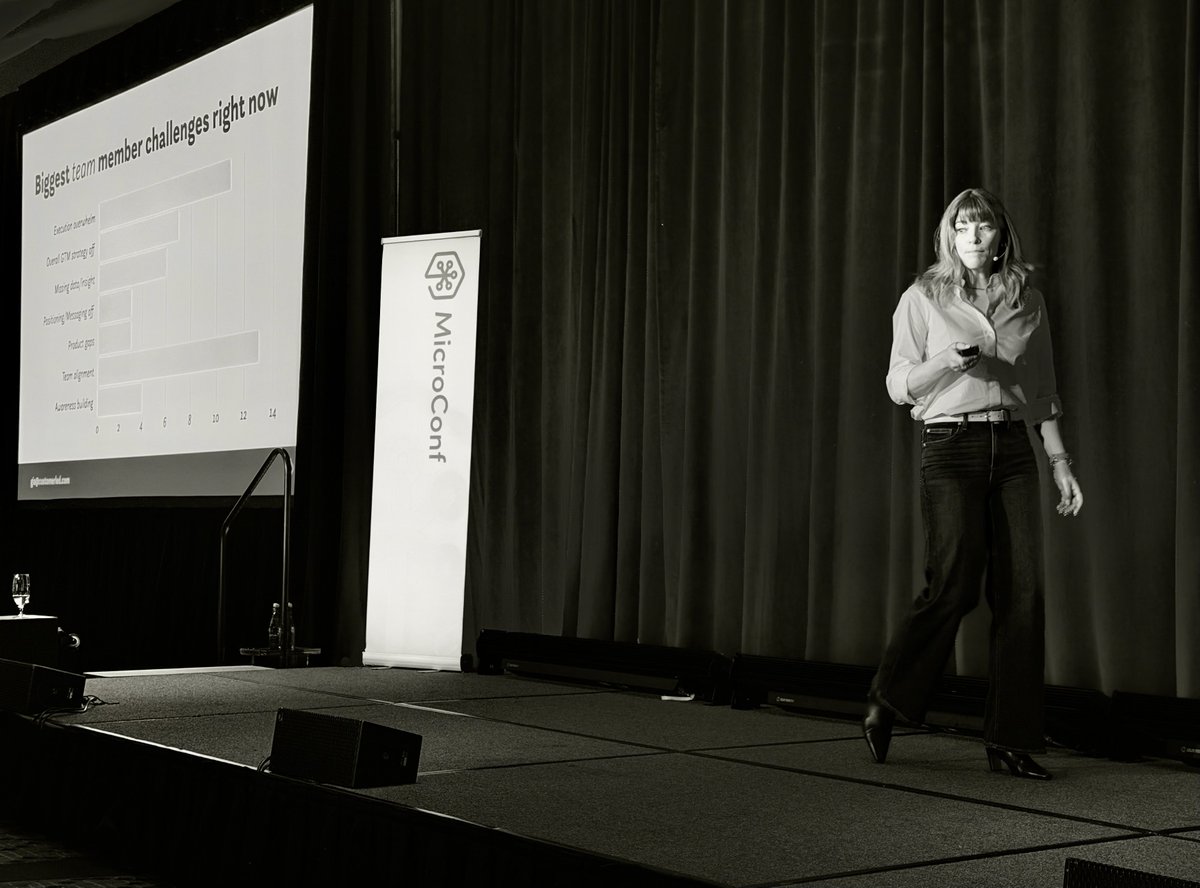
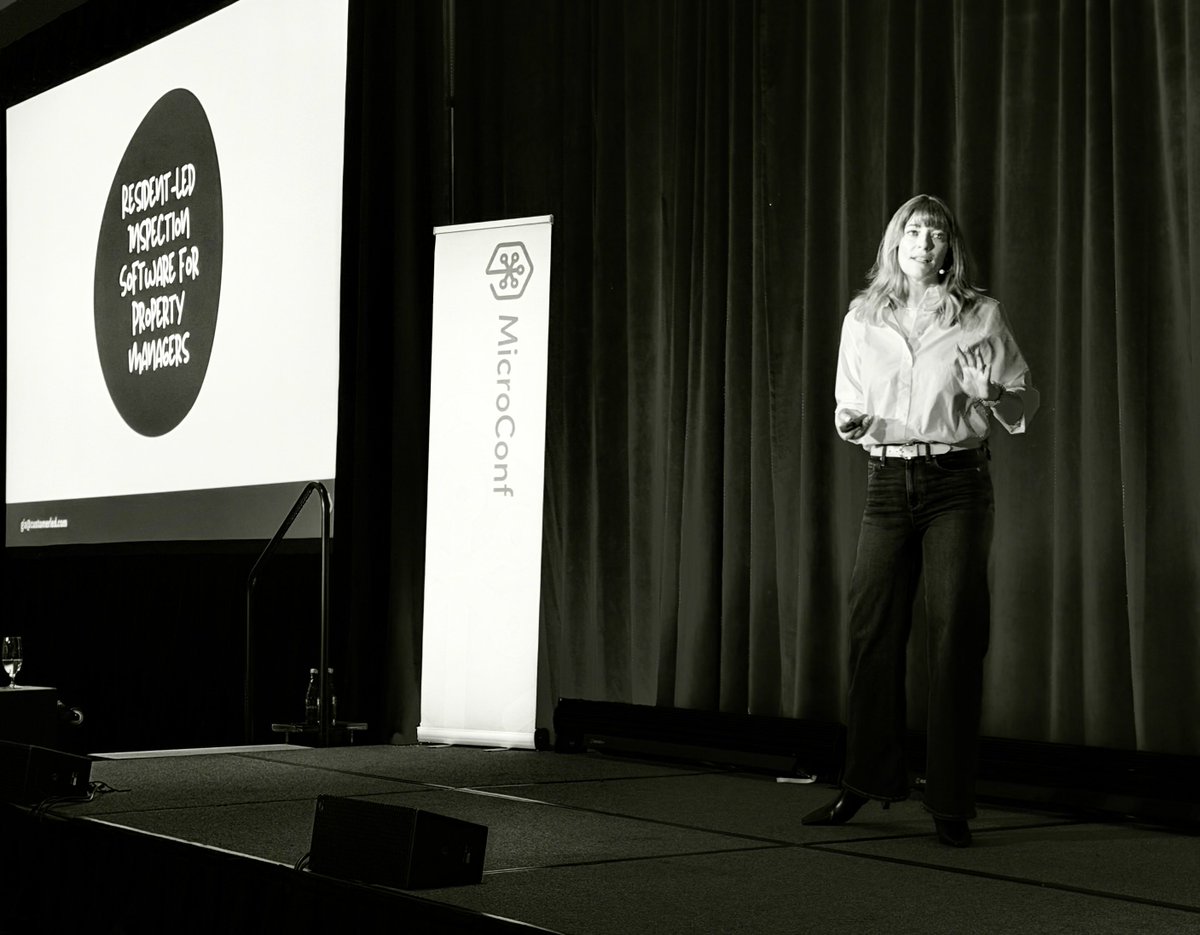
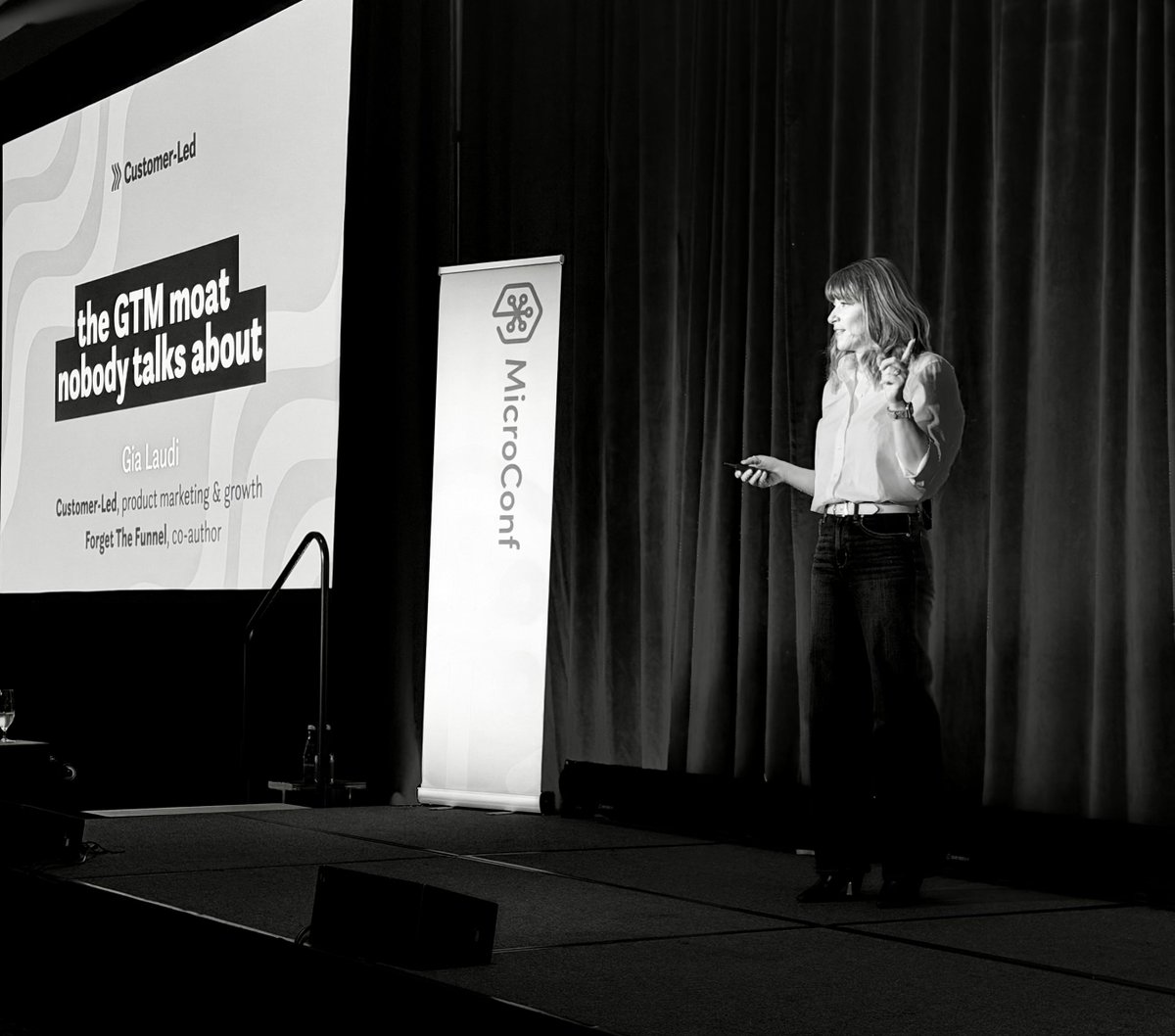
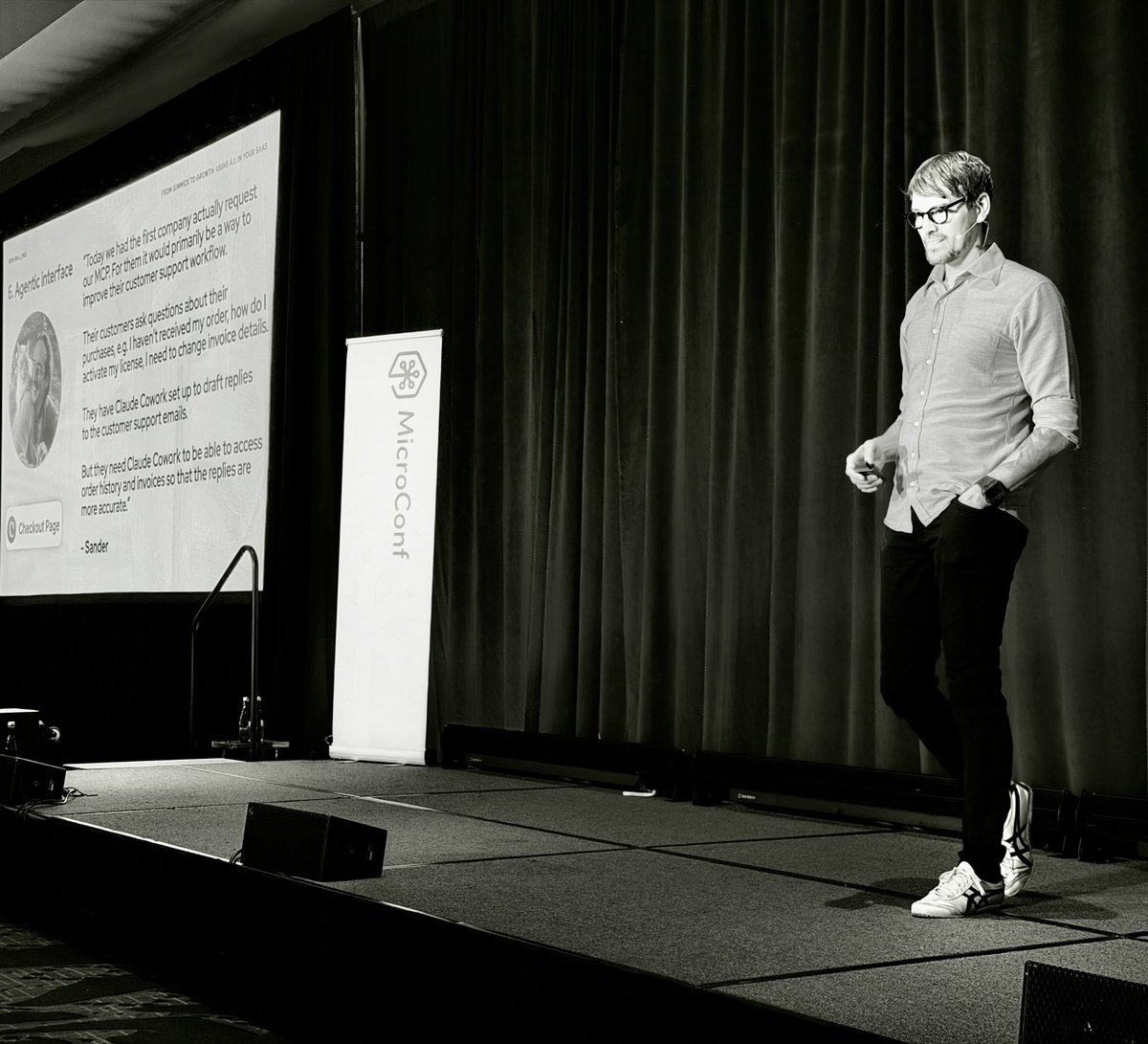
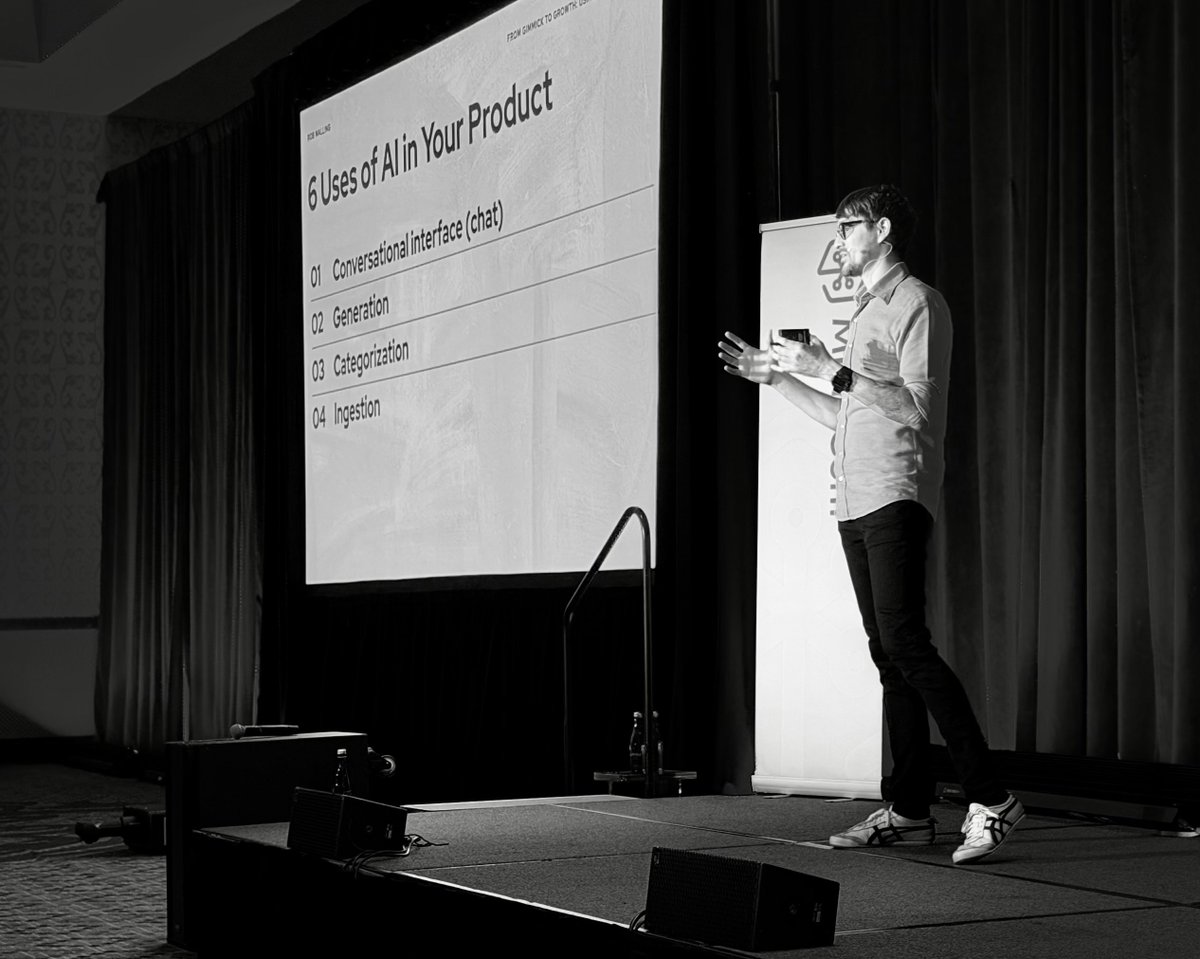
A founder hopped on the roundtable, shared his screen, and just talked to his agent like a designer on the other end of the line. Move that bar three pixels left. Fix the color. Expand the FAQ. The agent captured intent in real time, structured it into a punch list with screenshots, and handed it to Claude Code to implement.
Two design choices make it work. It uses OpenAI's real-time speech-to-speech API, so the agent responds conversationally while the call is still happening. And it doesn't try to be a developer — its job during the call is to listen, understand, and confirm. Implementation happens after.
His bet on where the interface to a coding agent is going: voice on a live screen, not a chat window with pasted references. The keyboard is a bottleneck.
The current product-feedback loop — meeting, notes, ticket, sprint, build, review, ship — takes days at best. This cuts it to hours.
Notes from this week's Executive AI Roundtable — four other systems CEOs are running today, plus the discipline for deciding which loops to flatten with AI and which to keep human:
movingavg.com/essays/ai-harn…
#AI #AIAgents #AIRoundtable
1
1
12

Jun 13
The frontier models barely came up at this week's roundtable. What kept surfacing instead was the harness operators are building around AI — the audit loops, the rating systems, the voice interfaces, the orchestration patterns that let one agent grade another's work.
One CEO blocks two hours every Friday and has Claude review every conversation from the week, then hand back a prioritized list of new skills to add to his library or edits to the ones already there. The same AI that handles the day-to-day work audits how it happened and proposes what to formalize. The system gets sharper with every pass.
The model is commoditized. The harness isn't.
Notes from this week's Executive AI Roundtable — five systems operators are running today, plus the molasses problem at scale:
movingavg.com/essays/ai-harn…
#AI #ClaudeCode #AIRoundtable
42
Jun 12
Amazon reportedly set up an internal token-usage leaderboard for AI. Employees responded by writing agents that just burn tokens to climb it.
The moment a metric becomes a target, it stops measuring what you wanted. Token usage becomes a terrible proxy for business value the second anyone is trying to win.
CEOs moving teams onto Claude Team for the visibility run straight into this. The dashboards tell you who's using AI a lot. They don't tell you who's getting paid back for it.
What actually closes the 4x gap between you and your engineering team is messier and more human — and it doesn't measure as cleanly as token counts.
Full roundtable writeup — including a 12-seat Claude Team rollout at Telos Labs with the dashboard numbers, the pricing trap that lands around $1,000 per developer in real usage, and the one-on-one question that reframes the burden of proof:
movingavg.com/essays/closing…
#AI #ClaudeCode #EngineeringLeadership
87
Jun 11
Trade secrets only exist as long as you don't disclose them to a third party without an agreement.
Paste a process into a free chat tool and you've published it. The legal protection evaporates the moment you hit submit, regardless of the vendor's intentions.
Most small companies aren't going to enforce their IP in court. But most have one or two things — a manufacturing process, a customer list, a model of how a product actually works — they'd rather not hand to a competitor through a general-purpose AI.
A model running entirely on your own machine, no network calls, is treated by trade-secret law the same way an Excel spreadsheet is. You haven't disclosed anything. The trade secret survives.
Notes from an Executive AI Roundtable on the four ways AI quietly goes wrong inside small companies:
movingavg.com/essays/where-a…
#TradeSecrets #AIGovernance #CEOs
33
Jun 9
The CEO thinks the team adopted AI because the company bought Copilot.
The team thinks they adopted AI because there's a ChatGPT tab open in a browser.
Neither matches what AI adoption looks like in 2026 — agents that enhance or replace workflows, systems that improve over time, continuous learning at the organization level.
That hidden tech misalignment is what keeps mid-market companies at stage one. At an Executive AI Roundtable, a strategy advisor put it bluntly: $50-100M companies paying an extra $5 a month per license for "a shitty version of AI."
Why most are stuck — and what operator-class actually looks like:
movingavg.com/essays/stage-o…
#AIAdoption #AIRoundtable #CEOs
49
Jun 9
A SaaS founder asked his freelancer to add two columns to a BigQuery table. Reply: "great, I'll cover this with our other contractor tomorrow." The work would land sometime next week.
The same change handed to AI with the right access would have shipped before the Slack typing indicator stopped.
That gap — human time vs AI time — was the through-line at this week's roundtable. The orchestration skill it forces on founders used to live only inside Fortune-50 CEOs' heads.
Notes from the session:
movingavg.com/essays/bootstr…
#AIRoundtable #Bootstrappers #AIAdoption
1
1
48
John M. P. Knox retweeted
If you’re a @tinyseedfund founder and I’m not following you on here feel free to give me shit and I will 😂🙏
1
2
9
712
Jun 7
An attendee at our AI roundtable described what happens without a written policy:
"They go home and use Claude or ChatGPT, do the work themselves, and bring back the result. They're celebrated for it."
The risk-takers find a way. The cautious half of the company sits out — they don't know what's sanctioned, so they default to nothing.
Drawing the line does two things at once: it pulls the risk/reward conversation above the surface (which tools, which data, which tasks), and it tells the people waiting for permission that they have it.
Free tool to draft that policy — ten minutes, six sections, your leadership and counsel refine from there:
movingavg.com/ai-policy-gene…
#AIpolicy #AIgovernance #CEOs
1
74
John M. P. Knox retweeted

Jun 4
“This IPO creates more exit value than every VC-backed IPO of the last decade combined”

🚨 do you understand what just happened with the SpaceX IPO..
Fidelity quietly dropped its minimum account requirement from $500,000 to $2,000 - a 99.6% cut that lets millions of small retail investors in days before the biggest stock debut in history.
The catch is who they need to sell to.
- SpaceX reserved up to 30% of the offering for retail, far above the usual single-digit share
- Selling within the first 15 days triggers Fidelity penalties up to a permanent IPO ban
- At a ~$1.675T pre-money valuation this IPO creates more exit value than every VC-backed IPO of the last decade combined
- The xAI side lost $6.4B from operations in 2025, dragging a Starlink-powered company billions into the red
They opened the gates right when the smart money needs someone to sell to. Read the prospectus before you become it.
4
1
37
17,499
Jun 4
Microsoft killed Claude Code inside one of its product groups. The tool wasn't canceled because engineers disliked it. It was canceled because they used it too much.
Uber burned through its entire $3.4B 2026 AI budget in four months. Nvidia's VP of applied deep learning told Axios: "For my team, the cost of compute is far beyond the costs of the employees."
The story underneath the adoption numbers: companies that deploy AI without a defined job end up with the line item but no measurable output. "Token maxxing" — using AI as much as possible regardless of why — is the failure mode at scale.
The companies getting returns look small, narrow, and boring on the outside. Each deployment starts with a hypothesis.
Five patterns from a year of advisory work, plus what to ask before you authorize the next AI initiative:
movingavg.com/essays/why-ai-…
#AI #AIStrategy #CEO
89
Jun 4
The dashboard tells you who's using AI. Conversation tells you whether they're using it well.
That's the move I keep seeing in CEO one-on-ones — *"What could you not use AI for this week?"* The question surfaces the gaps a dashboard can't see: the mental blocks, the comfortable corners, the places where someone is reaching for Postman when Claude could write the script.
Anthropic ships analytics on Claude Team and Enterprise — WAU, top connectors, suggestion-accept rate for Claude Code, a spend leaderboard. Those answer the *who* and the *how much*. They don't answer the *whether*.
The full decision matrix — Pro vs Team vs Enterprise, where each tier pays off, and the seat-count thresholds where you're forced to move — with direct citations to Anthropic's docs:
movingavg.com/essays/claude-…
#AI #Claude #CEO
29
John M. P. Knox retweeted

Jun 2
Profitability means the business is operating on its own without you working for free.
Or minimum wage.
Or having to take out a loan in 4 months.
Careful before you say “we’re profitable.”
longform.asmartbear.com/rame…
3
25
1,579
Jun 2
Most founders hire developers to free up their time, not to act as a human reference library and arbitrator of taste.
But that's what happens when nobody on the team can predict what you'd decide. Every question routes back to you.
The fix is non-obvious: become more predictable, on purpose. When someone asks you a question, explain how you arrived at the answer, not just the answer itself. Three things happen. Your team learns your business. Your reasoning gets sharper. And they build a working model of your thinking.
The goal: anyone on your team could mostly predict how you'd answer.
The three layers underneath agile most teams skip, the "should" diagnostic for spotting wishful thinking, and the specific decision thresholds I use — timeboxing, spending, when to escalate:
movingavg.com/ios-best-pract…
#Leadership #FounderLife #EngineeringLeadership
26
Jun 1
If a human is the API between two models, the human is the bottleneck.
A founder at this week's roundtable described what deep AI delegation actually looks like: Claude calling Codex as a sub-agent, planning agents orchestrating execution agents, no human approval in the middle. "I don't want to work for the AI. So I have the AI work for the AI."
Most companies haven't gotten there. They're still in step-by-step approval mode, telling themselves it's safety when it's habit. Ten human bottlenecks gating one fast model.
Roundtable notes on the productivity-vs-value gap:
movingavg.com/essays/ai-prod…
#AIWorkflows #AIStrategy #ExecutiveAI
2
91
Jun 1
Past 30 people, every company already has the situations an AI policy is supposed to govern.
Someone in operations refuses to use AI. Someone in engineering thinks a colleague is letting AI do their job. Someone in product shipped AI-generated work to customers.
The conversations are happening — underground. A written policy brings them above ground, where leadership can weigh benefits against risks instead of arbitrating rumors after the fact.
Built a free tool: ten minutes, six sections, draft AI use policy your leadership team and counsel can refine.
movingavg.com/ai-policy-gene…
#AIpolicy #CEOs #AIgovernance
32
May 31
Every role now has an AI layer. The only question is how thick that layer is.
I put the hire-or-automate question to four founders at a MicroConf roundtable. Each landed at a different point on the slider — one told his developer, "We can hire this person. Or I can pay you more money."
Notes from the session on managing a workforce that's part human, part agent:
movingavg.com/essays/managin…
#AIStrategy #Hiring #MicroConf
34
May 30
Most leaders learned the Kodak story as they missed digital.
There's a sharper version: Kodak was in the chemical business. Digital photography wasn't going to save them — the chemicals stopped getting bought.
The same trap is open now. Companies adopting AI are full of software engineers who refuse to add AI to their idea of how great software is made. They're chemists watching imaging move on.
Notes from this week's roundtable on the productivity-vs-value gap:
movingavg.com/essays/ai-prod…
#AIStrategy #SoftwareEngineering #AIAdoption
49
May 29
A founder told my roundtable he'd built an AI prioritization system "in a fit of rage."
Three times in one week, his team had tackled work in completely the wrong order. So one afternoon he sat down with Claude: 12 weighted criteria, AI handling the judgment calls, a Python script applying scores hourly across every task in the company.
Top 5 priorities are now live for every person, every meeting, every board. Then he productized it for a client. Tokens turned into revenue.
Most AI work ships faster output. His system ships value — by encoding what his company actually values into the tooling.
This week's roundtable on the productivity-vs-value gap:
movingavg.com/essays/ai-prod…
#AIStrategy #FounderLife #ExecutiveAI
62
John M. P. Knox retweeted

May 27
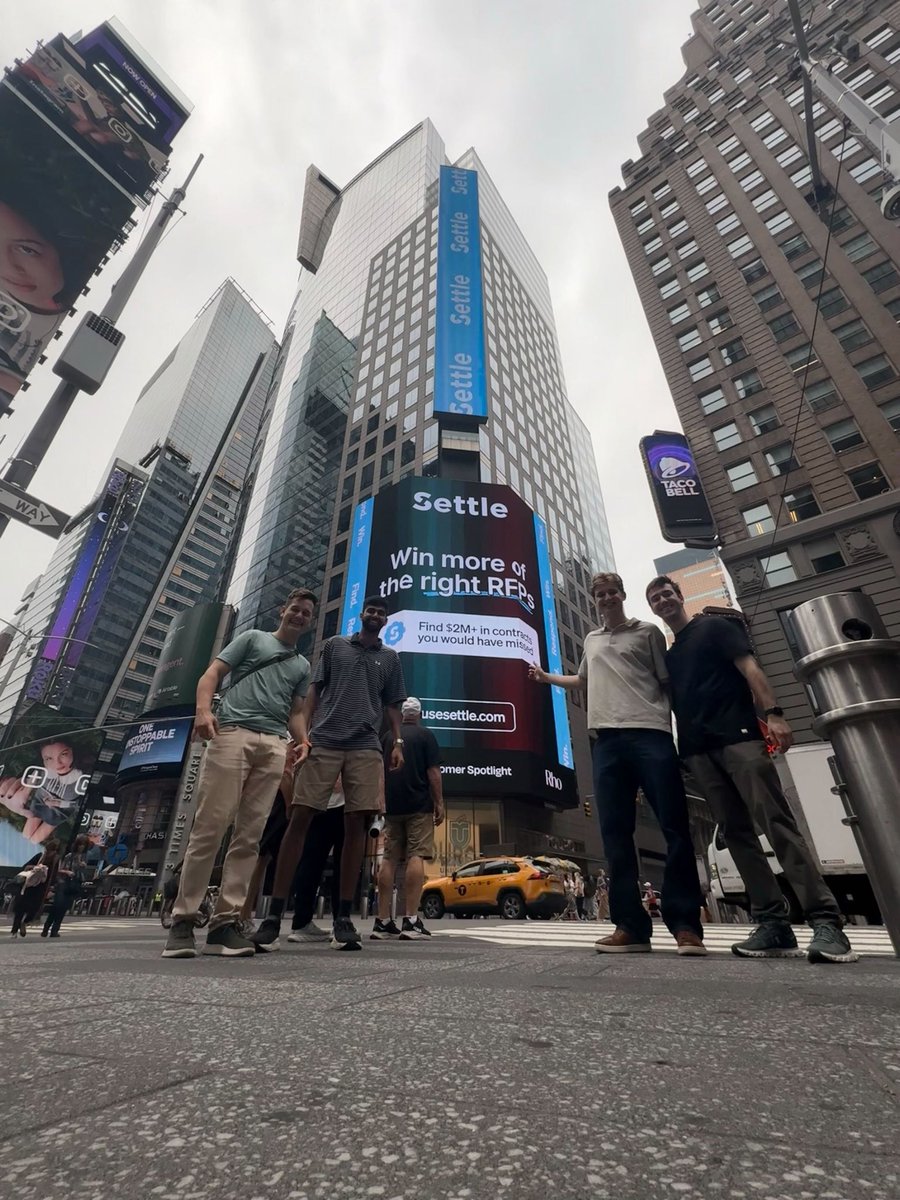
First TinySeed company with a Times Square Billboard! Whoop!
4
4
24
2,162
May 27
Give the right developer a coding assistant and watch them ship in a day what used to take a week.
Give the same tool to a developer who doesn't know what your company is building or why, and you'll get a week's worth of confidently-wrong pull requests in a day.
The amplification cuts both ways.
AI coding tools are icing on the same cake agile was. The cake is the foundation — right people, the right training, a business they actually understand. Skip it, and the most useful new technology in a generation will magnify exactly the gaps you were hoping it would paper over.
What comes before the tools:
movingavg.com/ios-best-pract…
#AI #AICoding #SoftwareDevelopment #Leadership
24