
Husband | Dad | Cancer Biologist | Educator | Director; Center for Inquiry, Research, & Scholarship (CIRAS) @presbycollege | PhD @MCG_AUG
Joined June 2012
- Tweets 7,145
- Following 988
- Followers 1,850
- Likes 13,519
1,294 Photos and videos






Pinned Tweet

13 Jul 2024
I’m happy to announce that I’ve been named Director of @presbycollege’s new Center for Inquiry, Research and Scholarship (CIRAS). Our goal is further bolster a research and scholarship culture among our talented PC faculty and students. 1/n
🧵
presby.edu/about/2024/07/12/…
6
1
24
3,031
It still baffles me that MAGA got peptides and the Left got mRNA in the divorce.
May 17

Guys, this is why companies spend a lot of resources doing rigorous internal testing for protein quality. You cannot trust the claims from vendors, you'll hear plenty of horror stories from people who have been in the industry long enough.
Now apply this thinking to grey market peptides.
69
Austin Young Shull is also at 🟦 ☁️ retweeted

May 17
Guys, this is why companies spend a lot of resources doing rigorous internal testing for protein quality. You cannot trust the claims from vendors, you'll hear plenty of horror stories from people who have been in the industry long enough.
Now apply this thinking to grey market peptides.
May 17

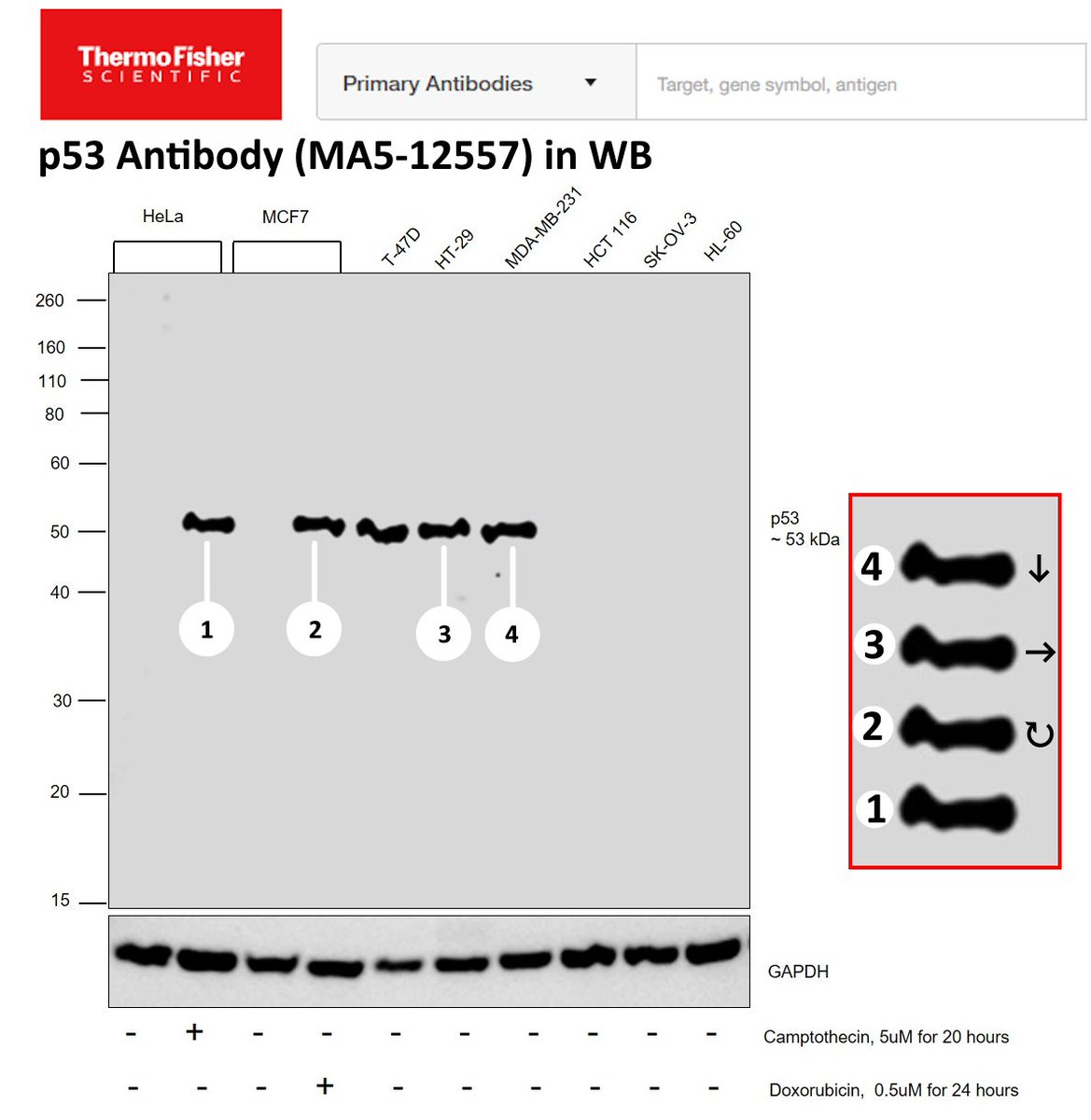
Surprised to discover that Thermo Fisher appears to show a fake western blot for the validation of one of their p53 antibodies. I've added a diagram to show the very similar bands. This does not appear to be one of the "published figures", but their own internal data.
2
19
142
22,765
At @presbycollege, the professor of the year has the privilege to give the commencement address. I was given that privilege this year.
Here is the YouTube of my speech. I hope it provided a level of encouragement for the 2026 class & for anyone else.
youtu.be/KDJEh3PYT4o?si=BmE0…
1
4
344
Austin Young Shull is also at 🟦 ☁️ retweeted

Apr 30
Someone should come up with an exchange rate between these two currencies.

190
277
8,643
385,054
Austin Young Shull is also at 🟦 ☁️ retweeted

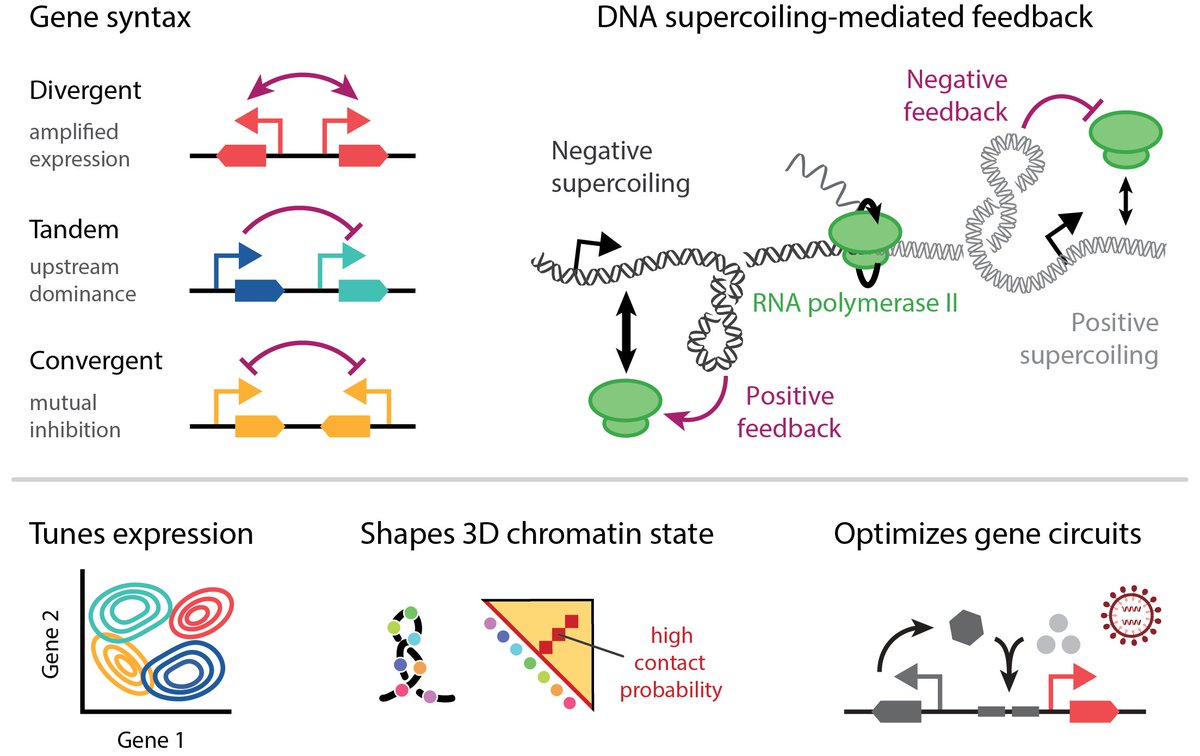
Could the folding of synthetic gene circuits in 3D shape how genes are expressed? Today @ScienceMagazine we report on the role of gene syntax in shaping feedback between transcriptional activity and genome folding for advanced circuit design🧵 (1/n)
20
149
560
47,202
Austin Young Shull is also at 🟦 ☁️ retweeted

Apr 26
Colorectal cancer rates in adults under 50 have doubled since the late 1980s.
One in five colorectal cancer diagnoses now occurs in someone under 55, up from one in ten in 1995.
A new study highlights the most concrete factor responsible for this trend.
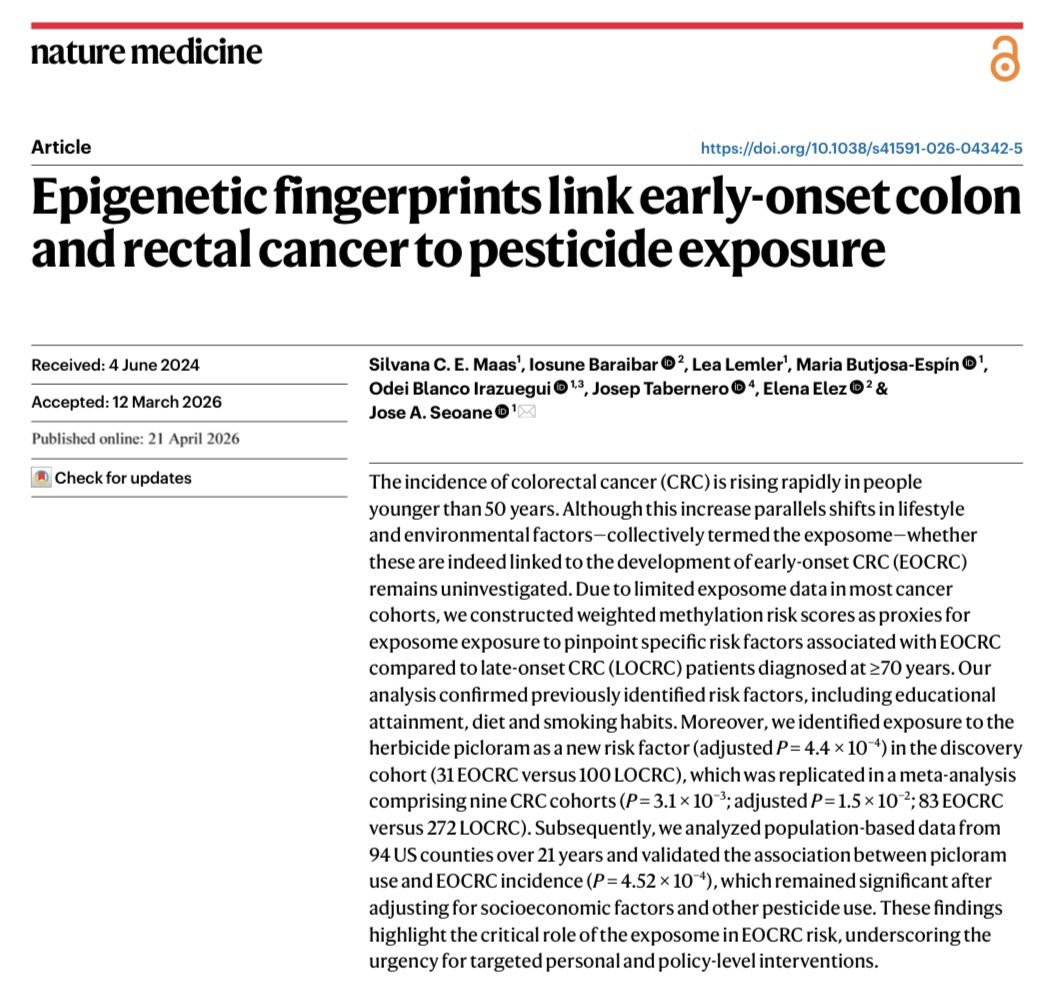
Using DNA methylation profiles as molecular records of lifetime exposure, the authors compared cancer patients under 50 with patients over 70 and identified the herbicide picloram as a significant new risk factor.
There are converging lines of evidence.
The picloram exposure signature was significantly elevated in early-onset tumor tissue and replicated across nine independent patient cohorts. Across 21 years of US county-level data spanning seven states, higher picloram use tracked higher early-onset CRC incidence, and the signal held after adjusting for income, education, and the use of other pesticides.
Picloram associated tumors also showed a distinct molecular profile, with APC mutations at 74% versus 90% in low-exposure tumors, suggesting these cancers follow a different biological pathway than classical CRC.
Picloram entered commercial use in 1964. Patients now diagnosed in their 70s were already adults before meaningful exposure was possible. Patients now diagnosed in their 30s and 40s were exposed across childhood and adolescence, the developmental windows when epigenetic programming is most plastic.
This study delivers the first triangulation of molecular, ecological, and temporal evidence pointing at a specific environmental driver of one of the steepest cancer trends in modern epidemiology.
45
525
2,243
347,288
Austin Young Shull is also at 🟦 ☁️ retweeted

Apr 25
AI finding out that humans are more concerned about fake AI papers than fake human papers.

5
13
113
7,767
Austin Young Shull is also at 🟦 ☁️ retweeted

Apr 21
BALDWIN: Do you think NIH should fund less cancer research?
RFK Jr: No, they should fund more, and one of the few agencies that got a raise in the budget proposal was NCI
BALDWIN: And that increase is less than $1 million for an institute with a $7 billion budget. That's a .01% increase. It wouldn't even cover the cost of one additional grant.
21
651
3,744
156,820
Run, don’t walk to apply to be a part of Katherine’s lab.
Apr 11

Looking for a postdoc position and attending AACR in San Diego? I'll be there, too, and the lab is actively recruiting! Send me an email with your CV and cover letter, and I’ll follow up if there is a mutual fit. See more about our research at airdlab.com.
2
261
Listen, I get that it's April Fools Day, but we need this.

The Orange Cat Brain Atlas is here. 🧠🐈
Today, we published the first comprehensive cellular map of the orange cat brain. The new atlas reveals a single, specialized neuron responsible for behaviors like staring at walls, knocking objects off tables, and the 3am "zoomies."
3
168
I was today years old when I realized why the single cell analysis developers named the program "Seurat."
3
263
A natural outcome of thinking that all education is based on a 50 minute lecture that occurs 3 times a week.

"Imagine a humanoid named Plato."
Melania Trump says humanoid educators will offer "instantaneous" access to the classical studies for students and help create a "more complete person."
1
75
NVIDIA's labs I guess

Jensen Huang just called the exact top of the pharmaceutical industry.
Not a pivot. Not a disruption.
An extinction event.
Huang: “Where do I think the next amazing revolution is going to come? And this is going to be flat out one of the biggest ones ever. There’s no question that digital biology is going to be it.”
The medical establishment has spent centuries playing a chaotic game of trial and error.
We’re about to mathematically engineer the human operating system.
Huang: “For the very first time in human history, biology has the opportunity to be engineering, not science. When something becomes engineering, not science, it becomes less sporadic and exponentially improving.”
Biology is no longer the dark art of random discovery.
It’s a predictable, compounding execution loop.
Translate the chaotic variables of chemistry into the laws of computer science and you stop waiting for accidental breakthroughs.
You simply compute the cure.
That line should terrify every pharmaceutical executive alive.
Huang: “It can compound on the benefits of the previous years. And every researcher’s contributions compound on each other.”
For decades, drug discovery has been an isolated, artisanal process.
One lab. One team. One molecule. Years of blind iteration.
The algorithm just shattered that entire bottleneck.
Every failed protein fold, every successful synthetic molecule instantly trains the foundational model.
Makes the next iteration mathematically smarter.
Huang: “We’re going to have incredible tools that bring the world of biology, which is very chaotic and constantly changing and diverse and complex, into the world of computer science. And that is going to be profound.”
Incumbent pharma looks at the human body and sees an unmanageable wall of variables.
Engineers look at that exact same body and see raw data waiting to be compiled.
No longer guessing how a molecule will react in the physical world.
Running millions of zero-cost simulated iterations before a single test tube is ever touched.
Rip the chaotic friction out of the physical lab and drop it directly into a massive GPU cluster?
The timeline to map, edit, and optimize the biological machine doesn’t shrink.
It collapses.
2
162
My favorite part of this discourse isn't the clickbait-esque claim (some of y'all obviously aren't LinkedIn enough), but the pearl clutching indignation people are having over such an *gasp* audacious claim.
Mar 10

BREAKING: Claude can now research like a Stanford PhD student.
Here are 9 insane Claude prompts that turn 40 research papers into structured literature reviews, knowledge maps, and research gaps in minutes (Save this)

157
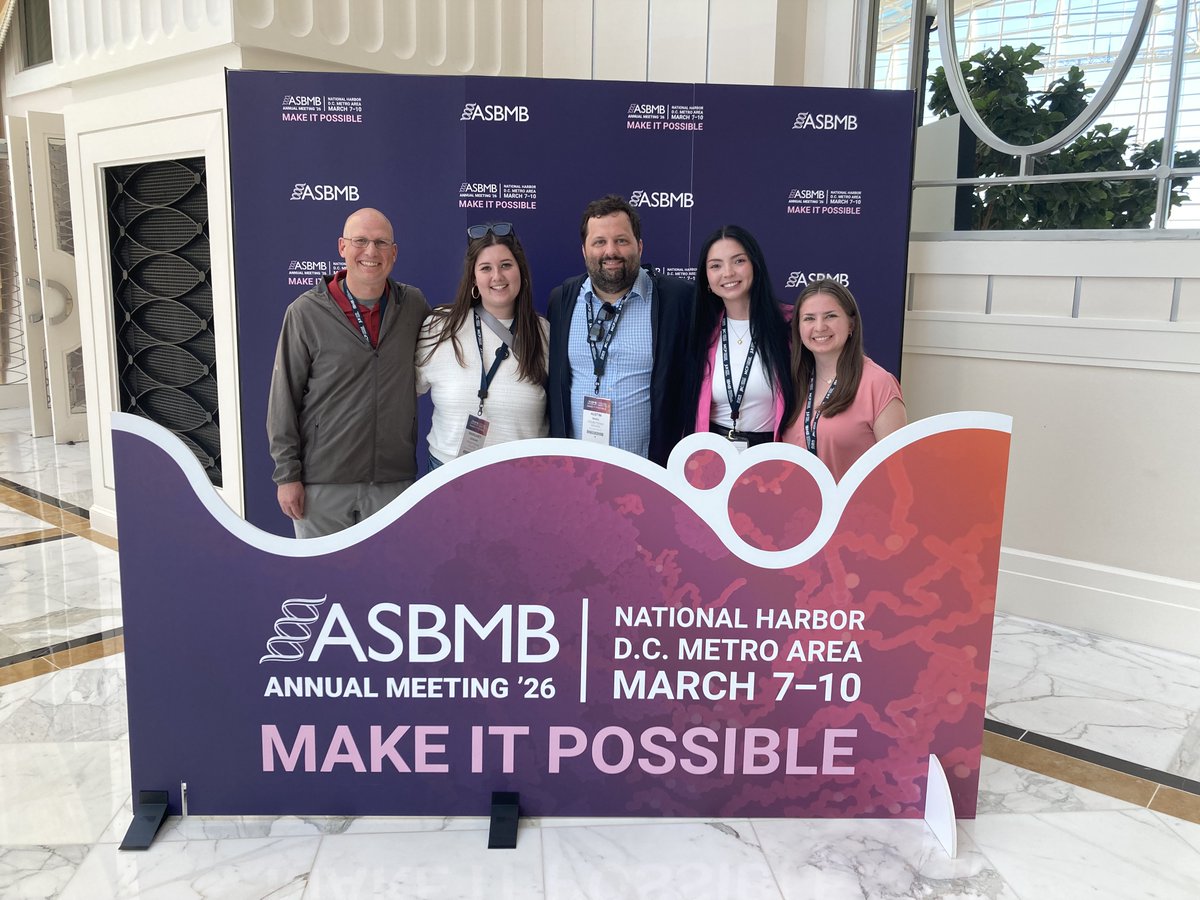
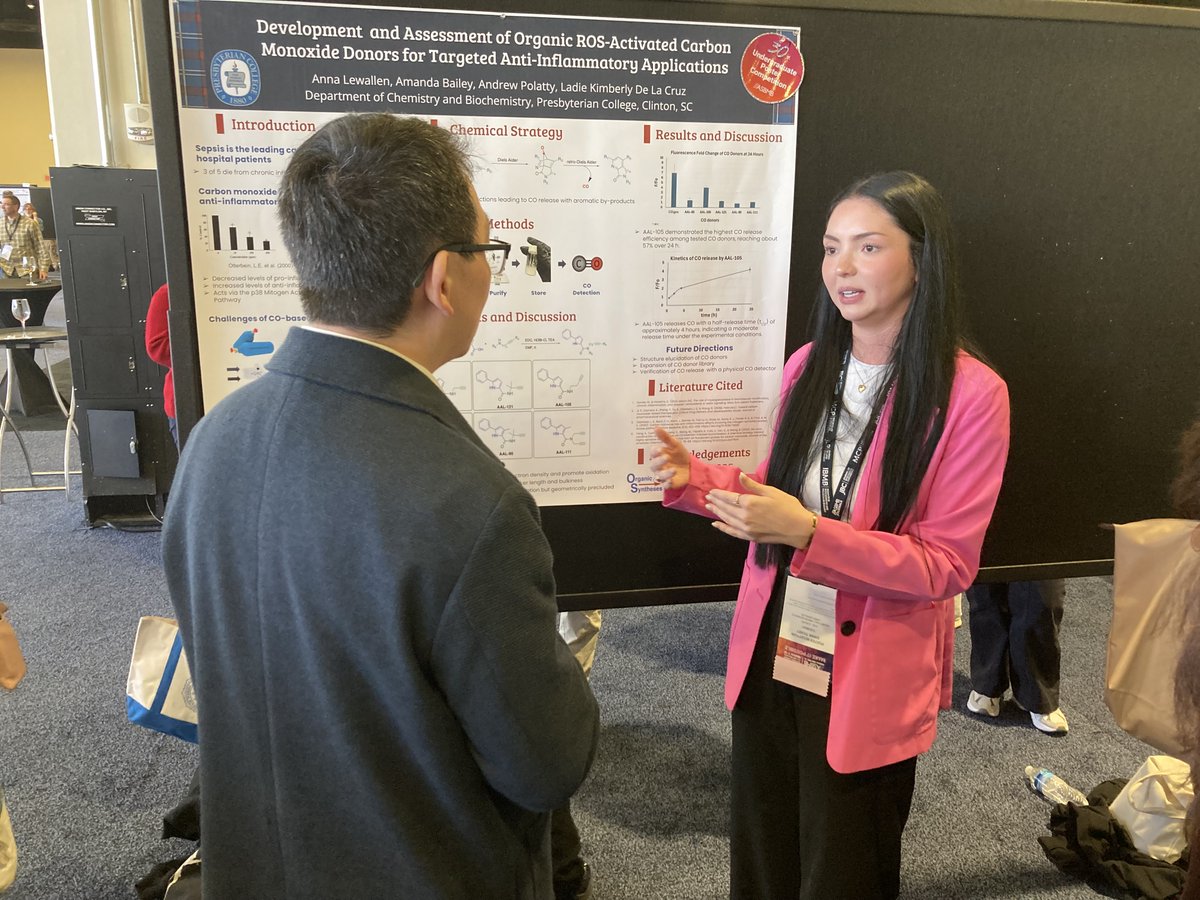
That's a wrap for @presbycollege at the 2026
@ASBMB Annual Meeting.
Being among the brightest minds in science, ASBMB provides a community where great discussions can be had between scientists at every career stage. And for that, I am thankful that we were able to take part.
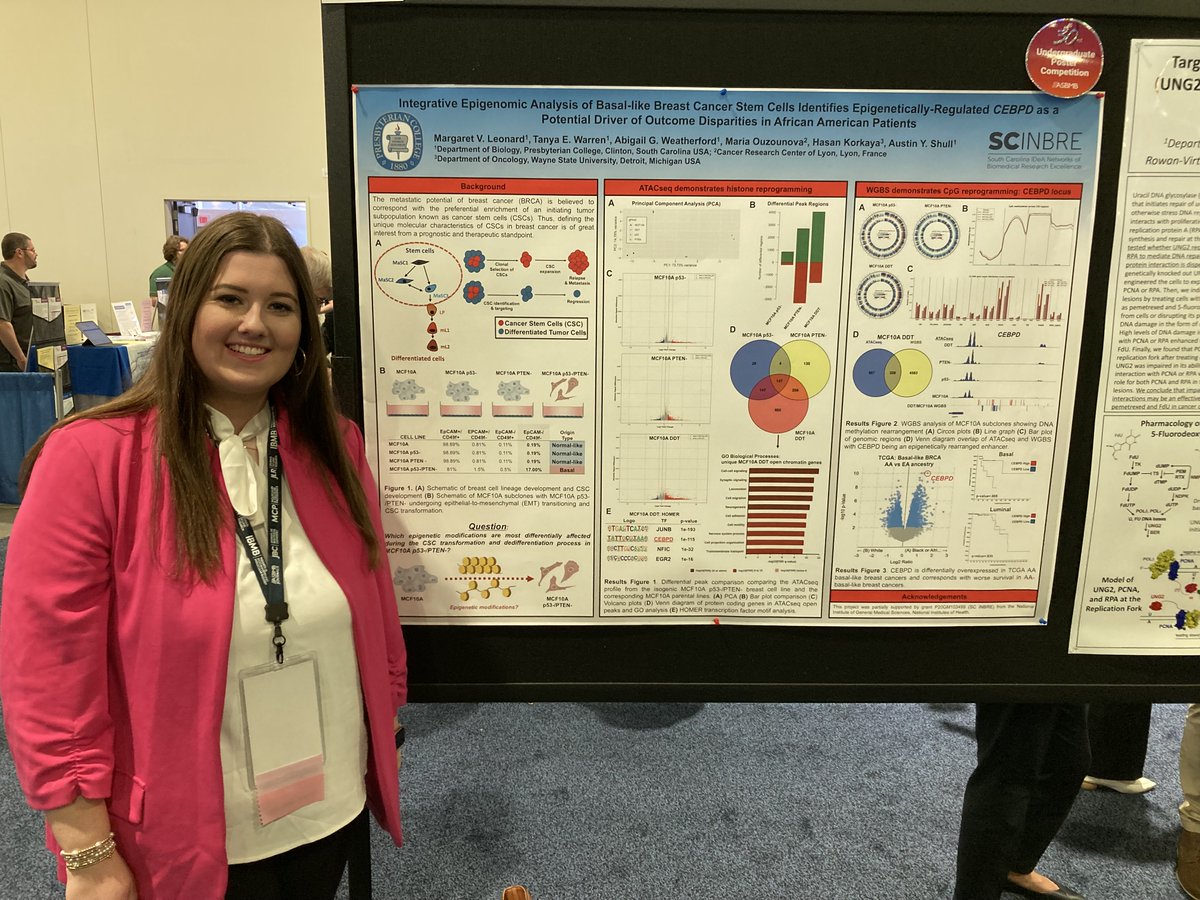
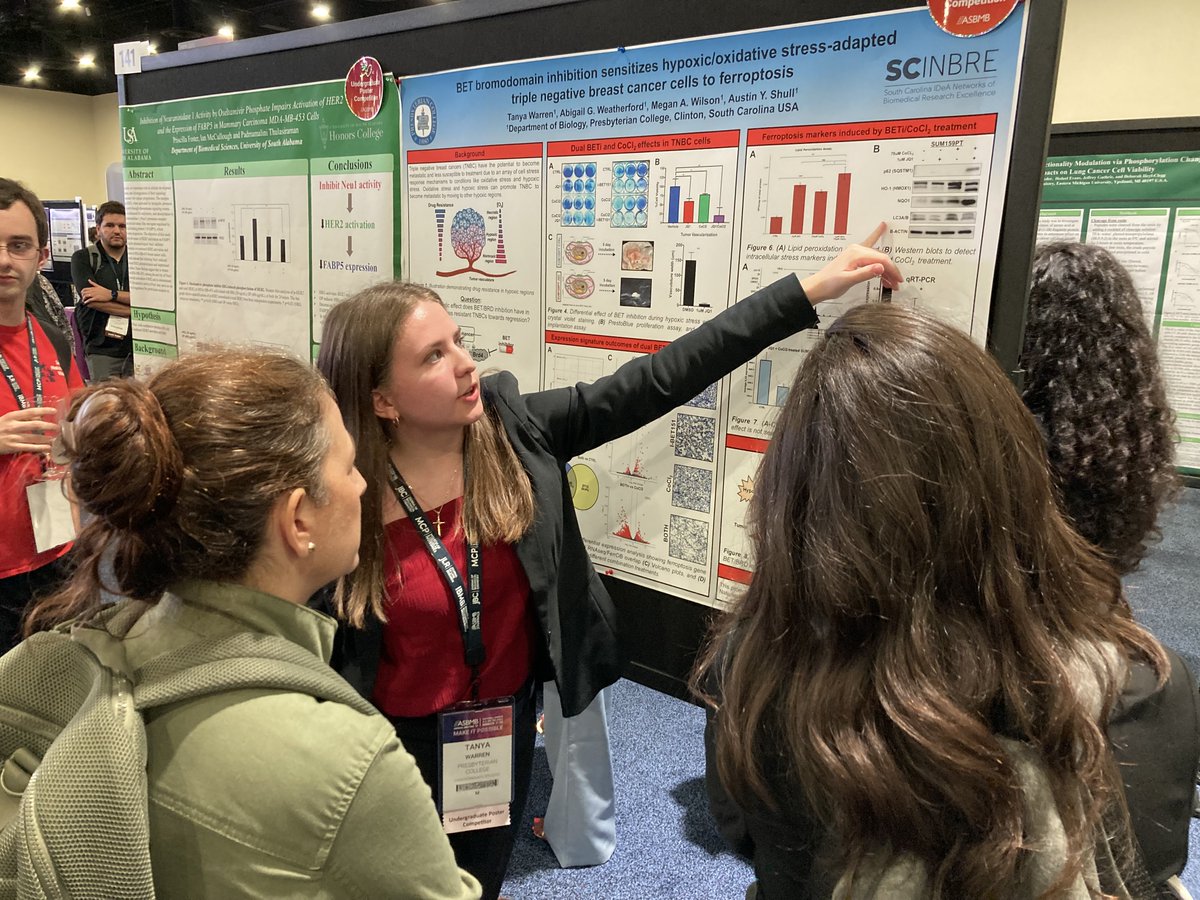
2
3
257
I'm heading out for #ASBMB26 tonight. Looking forward to seeing all of my science people, even if it's for the first time! 🫡
6
194
Austin Young Shull is also at 🟦 ☁️ retweeted

Undergraduate educators, introduce your students to the wealth of information inside the Allen Brain Cell Atlas with our new student-friendly guide! alleninstitute.org/resource/…
13
73
4,362
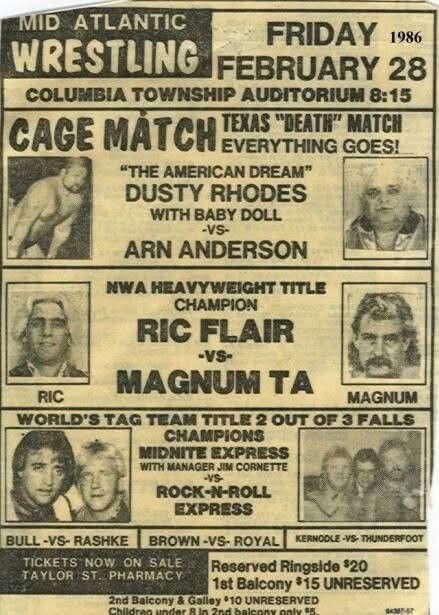
Back when my dad could purchase Tylenol and his wrestling tickets all at the same place.
Feb 28

JCP @ Columbia, SC – Township Auditorium – February 28, 1986 (4,500 ; sell out; the first sell out in Columbia since 1981)
@TheArnShow @RicFlairNatrBoy @therealmagnumta @RealRickyMorton @TheJimCornette
141