460 Photos and videos
Pinned Tweet

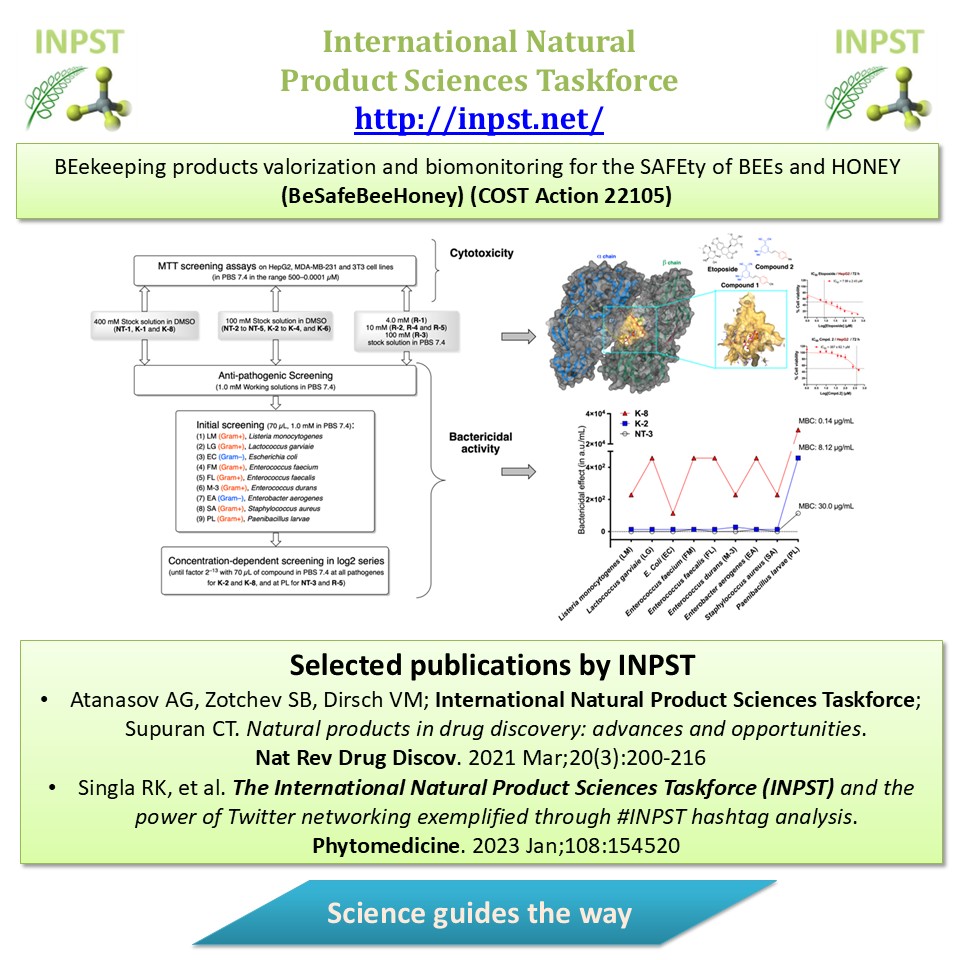
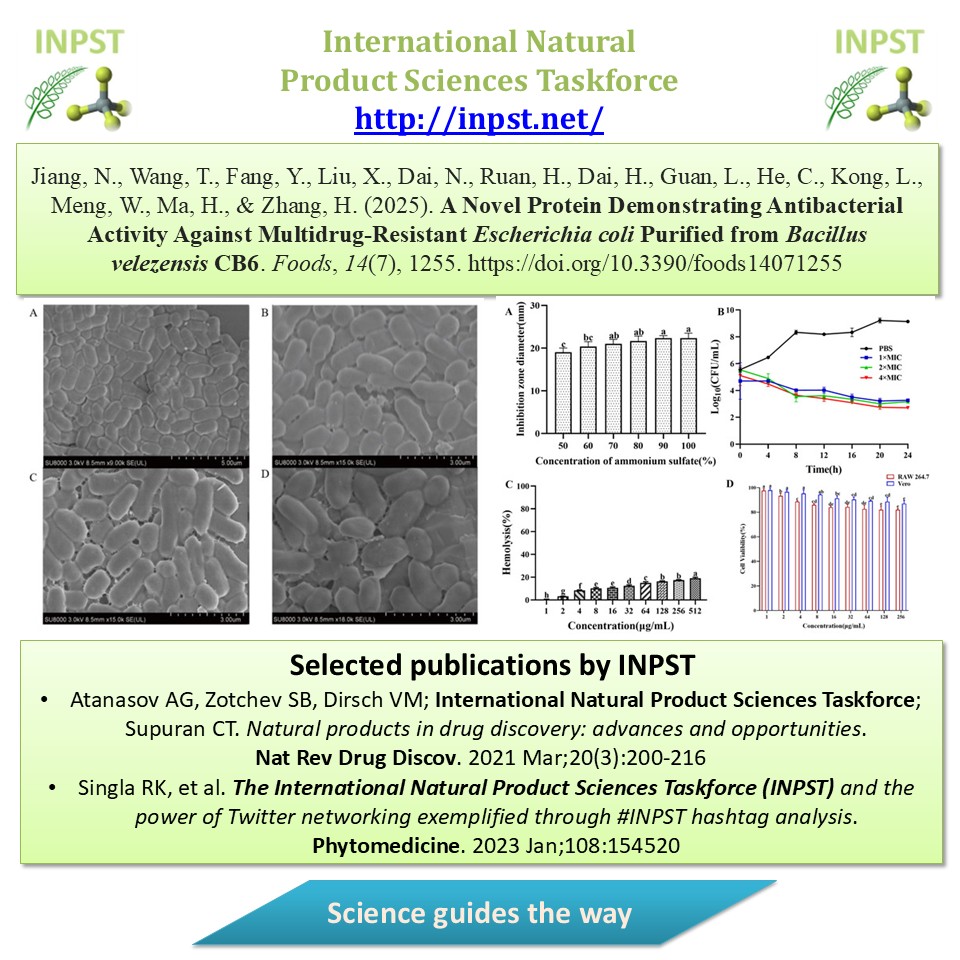
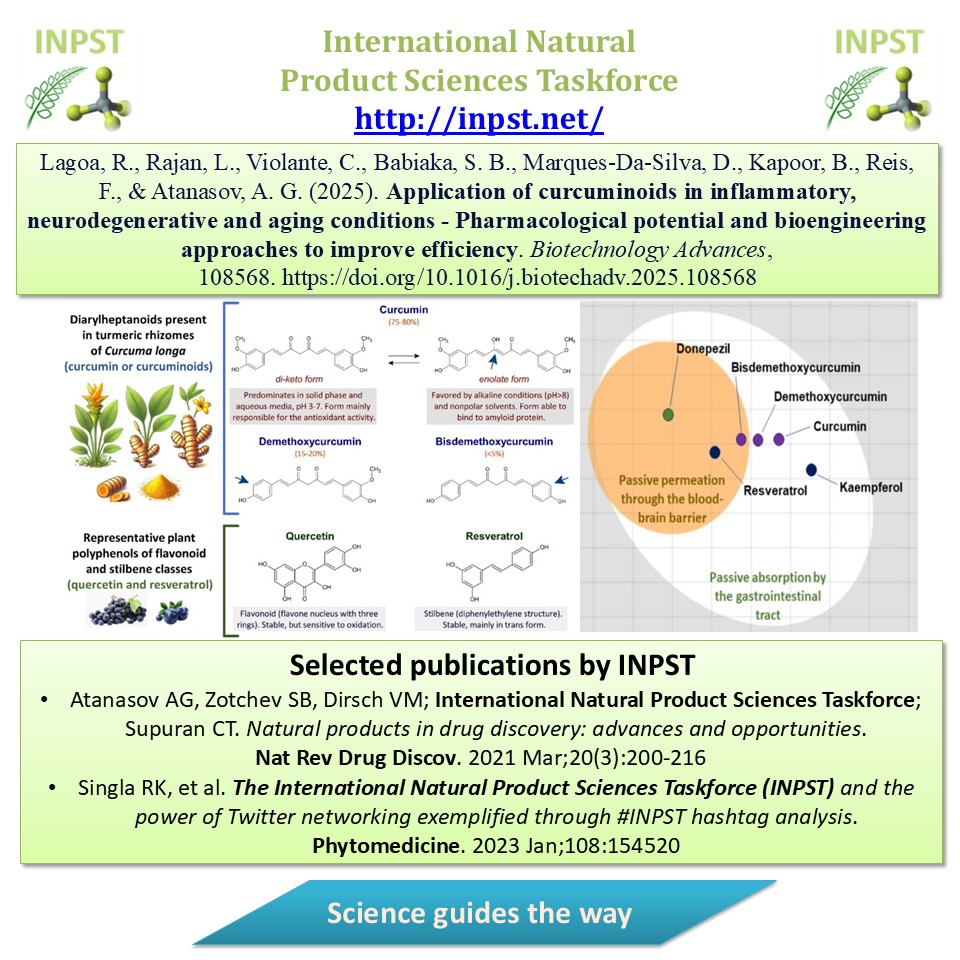
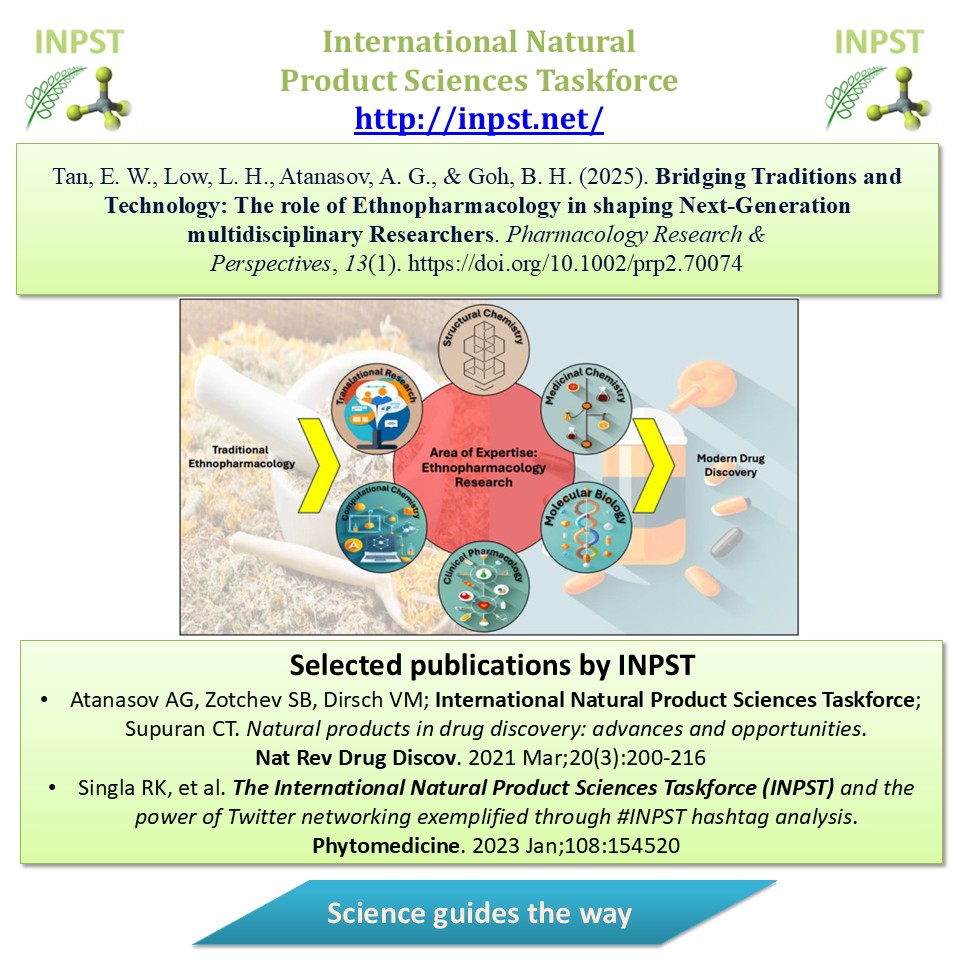
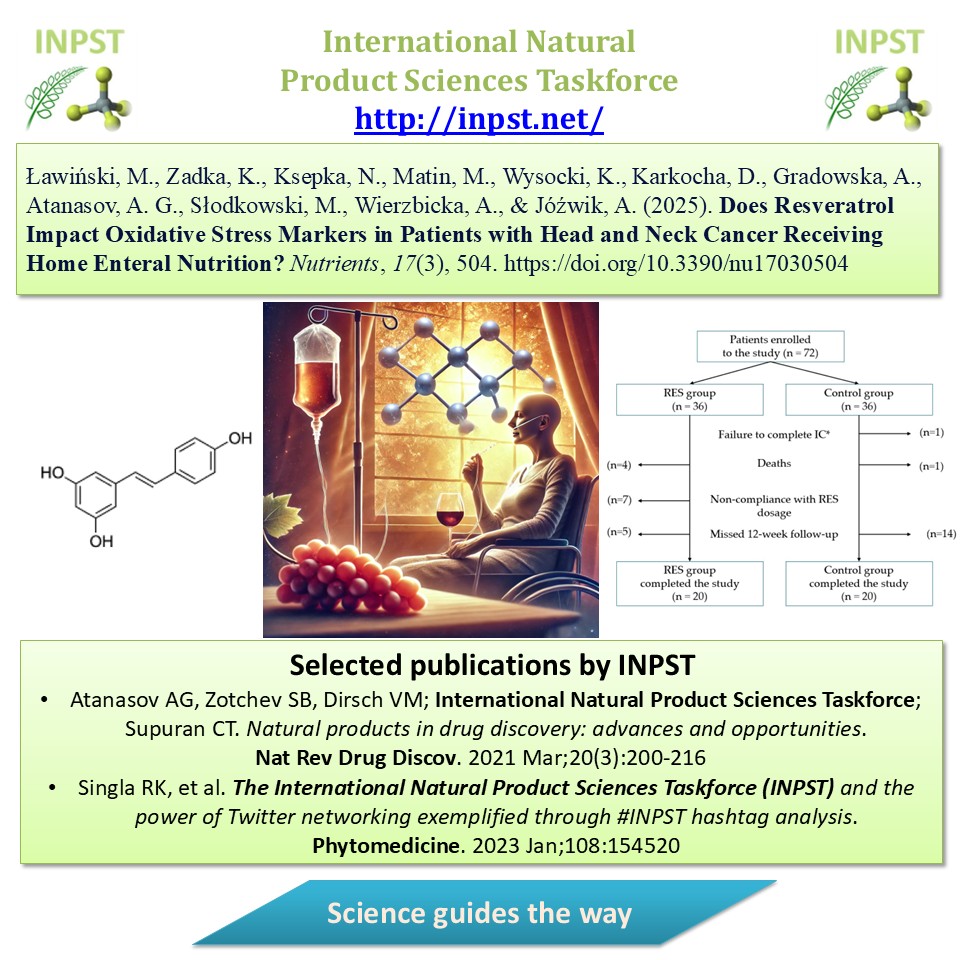
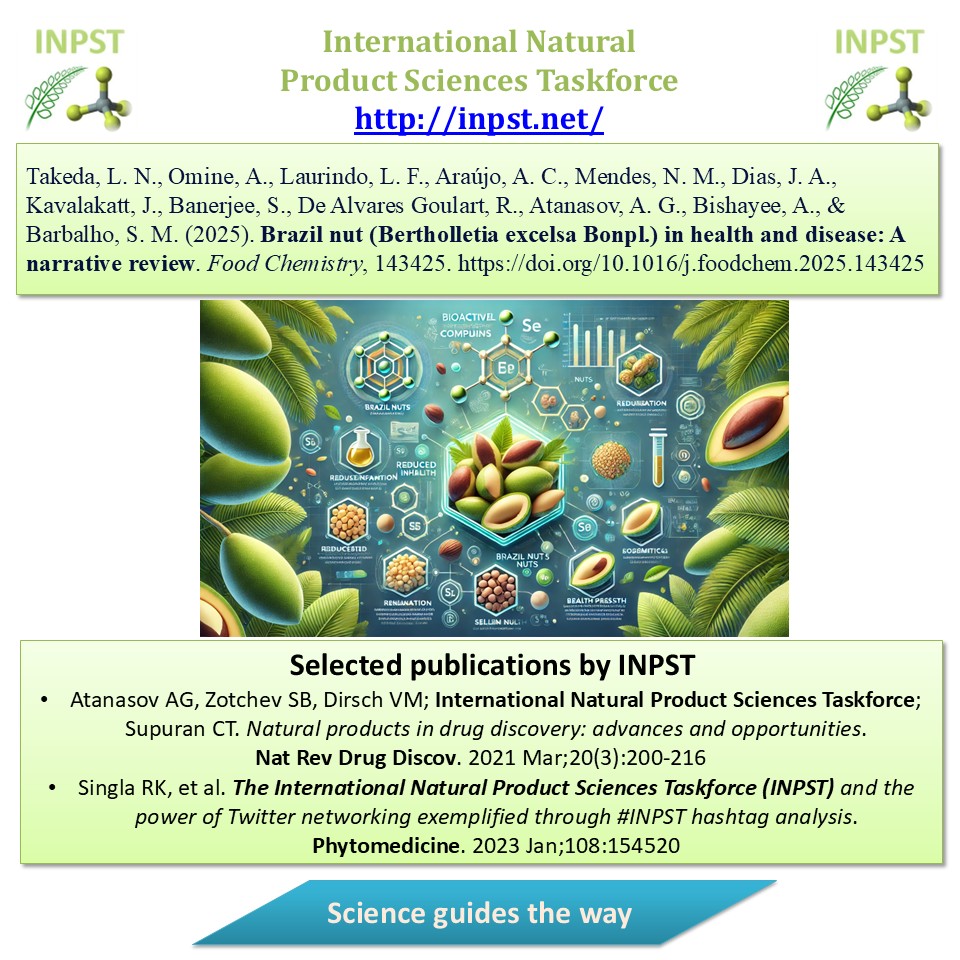
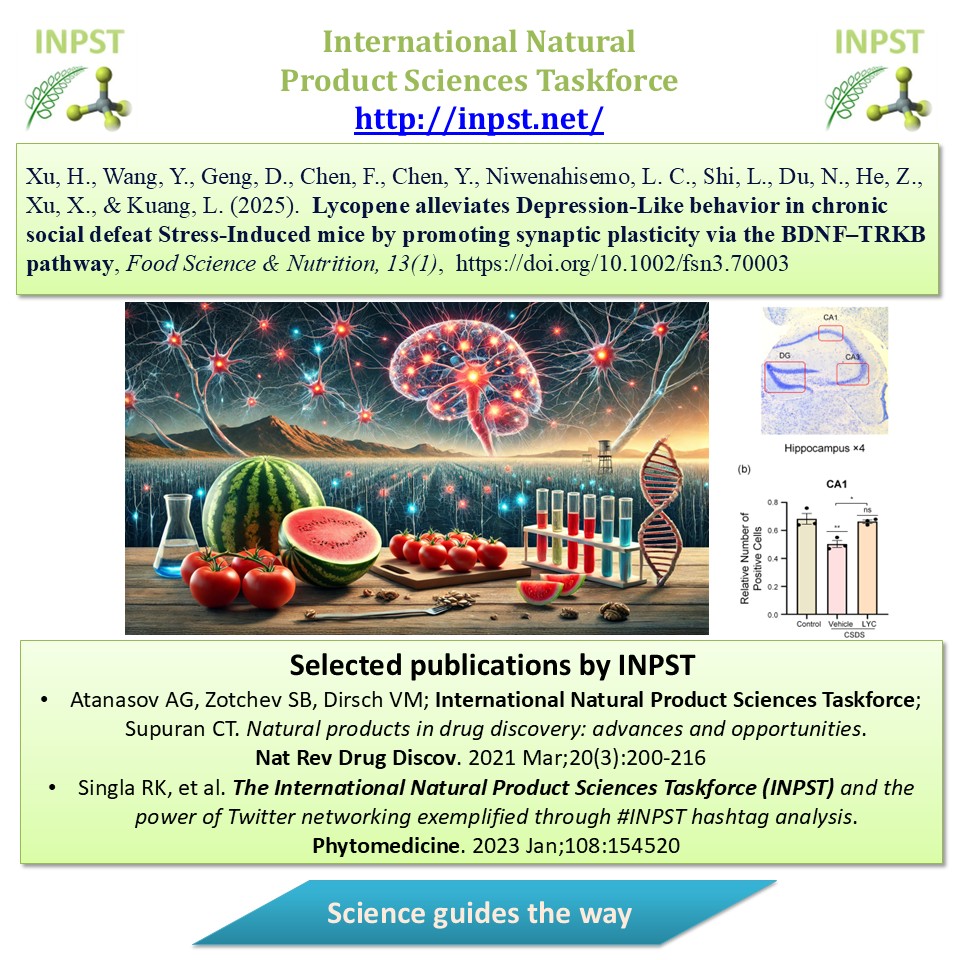
The excellent outcome of #INPST-based collaborative work
#NaturalProducts #DrugDiscovery
By: @_INPST @_atanas_ @univienna @LBG_research @FrancescaGiamp5 @Bio_Lab_UNIVPM @DHPSP @maciejbanach @ilkay_E_ORHAN @BgSciencesBAS @docmmiller @UNI_FIRENZE @NatRevDrugDisc @MedUni_Wien
28 Jan 2021

Natural products in drug discovery: advances and opportunities - a new review published today from @_INPST go.nature.com/2YmK1kb @_atanas_ Readcube version rdcu.be/cem6r
30
313
295
International Natural Product Sciences Taskforce retweeted

Jun 10
HT: @DrRPalmquist
Jun 9

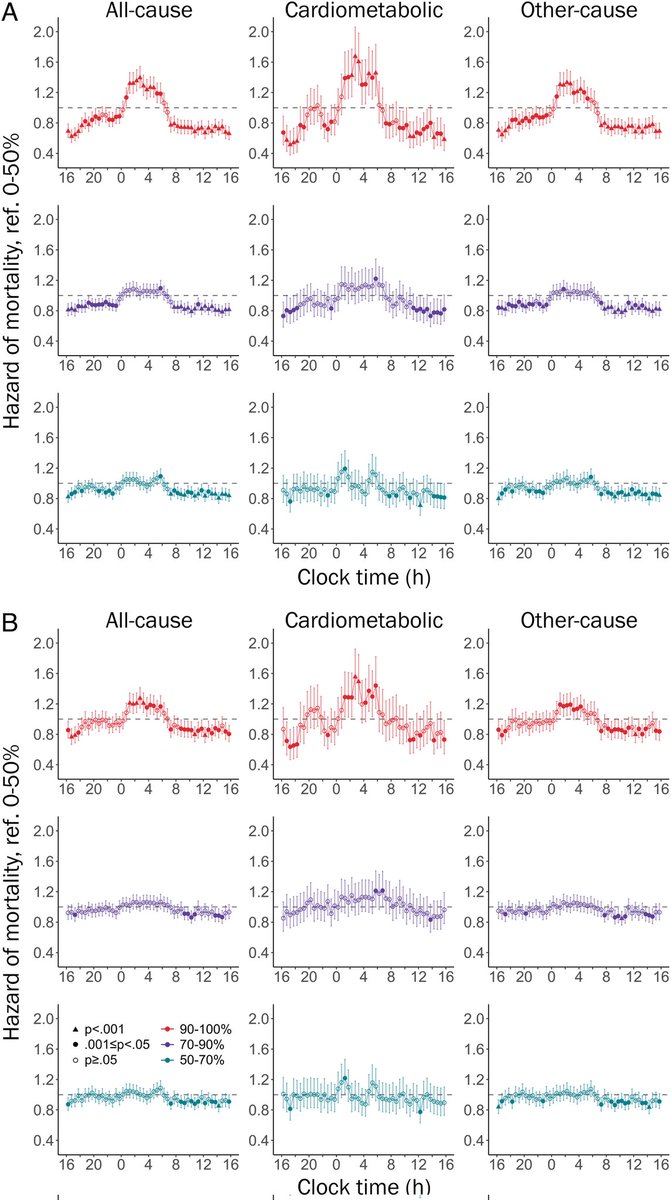
Brighter nights & darker days predict higher mortality risk: A prospective analysis of personal light exposure in >88,000 individuals
⚠️ Exposure to brighter nights & darker days causes circadian disruption, which accompanies poor health outcomes that increase mortality risk.
▶️ Individuals w/brighter day light had incrementally lower all-cause mortality risk, & those w/brighter night light had incrementally higher all-cause mortality risk, compared to individuals in darker environments.
✅️ Avoiding night light & seeking day light may promote optimal health & longevity.
pnas.org/doi/10.1073/pnas.24… @HealthyFellow
@ChrisSylvain @DHPSP @DrRPalmquist @tatiann69922625
@LoriShemek @guani_vic @drfherediaz
4
6
214
International Natural Product Sciences Taskforce retweeted

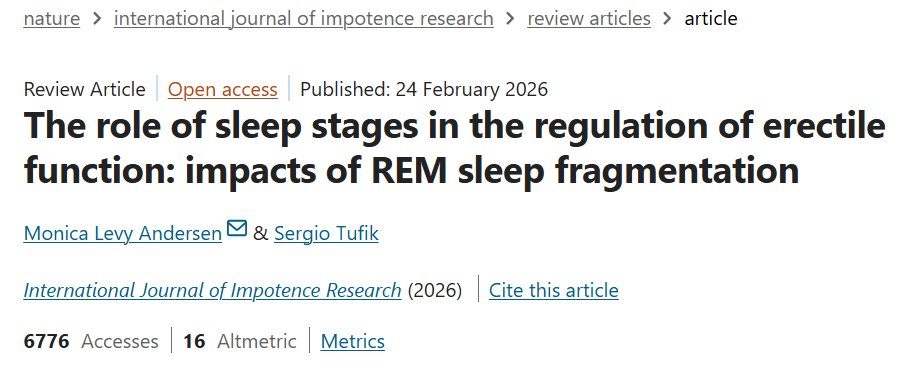
Sleeps problems can lead to erectile dysfunction (ED) 🛌💤
Disrupting REM sleep can lead to ED by impairing vasodilation, spiking sympathetic activity, and causing neuroendocrine issues. Prioritizing sleep quality is key to mitigating ED.
nature.com/articles/s41443-0… @_atanas_
1
3
40
International Natural Product Sciences Taskforce retweeted

Jun 10
日光浴最強
夜ライト(電気)明るいのはダメ。
自律神経関係に関連するからかな
Jun 9
Brighter nights & darker days predict higher mortality risk: A prospective analysis of personal light exposure in >88,000 individuals
⚠️ Exposure to brighter nights & darker days causes circadian disruption, which accompanies poor health outcomes that increase mortality risk.
▶️ Individuals w/brighter day light had incrementally lower all-cause mortality risk, & those w/brighter night light had incrementally higher all-cause mortality risk, compared to individuals in darker environments.
✅️ Avoiding night light & seeking day light may promote optimal health & longevity.
pnas.org/doi/10.1073/pnas.24… @HealthyFellow
@ChrisSylvain @DHPSP @DrRPalmquist @tatiann69922625
@LoriShemek @guani_vic @drfherediaz
5
20
713
International Natural Product Sciences Taskforce retweeted

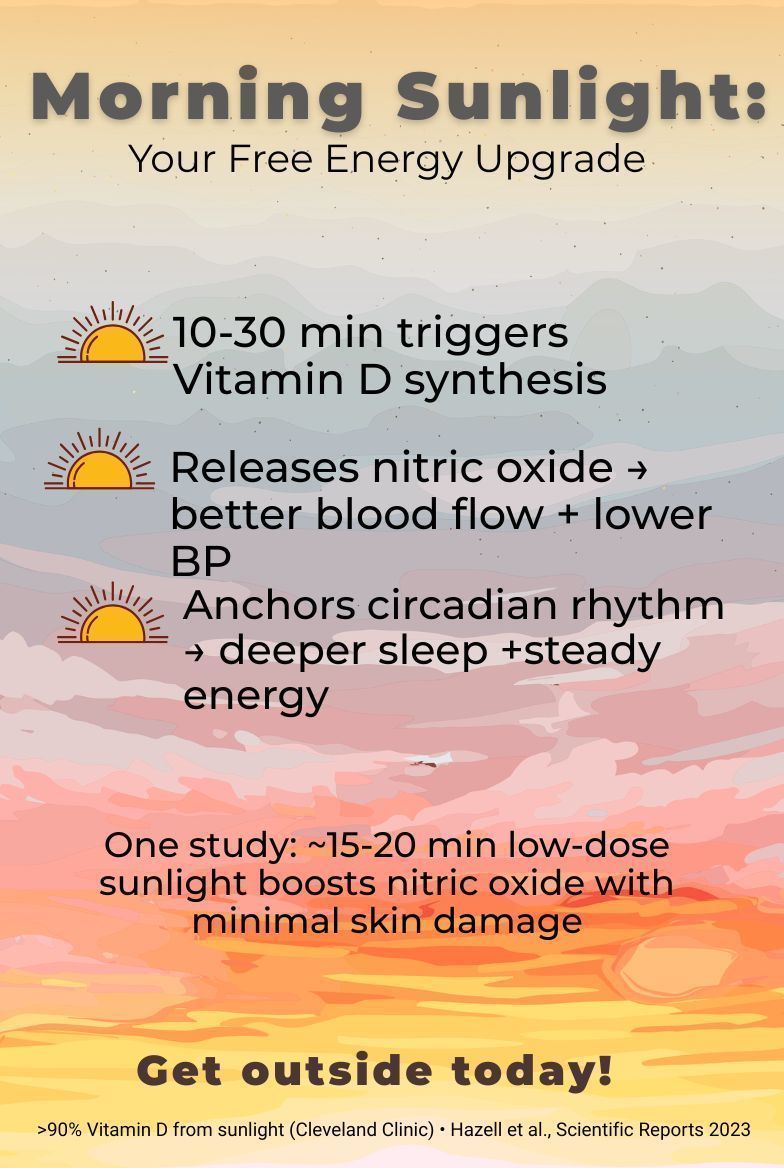
🚨 Think your morning coffee powers your day? Wrong.
It’s sunlight!
Just 10-30 minutes of morning sunlight triggers vitamin D synthesis, releases nitric oxide for better blood flow.
It also lowers BP, and anchors your circadian rhythm for deeper sleep & steady energy.
A study showed low-dose sunlight (equivalent to ~15-20 min UK midday exposure) boosts nitric oxide in skin cells with minimal damage. Your body’s free heart-health upgrade.
Plan:
Get outside today, before the sun becomes too hot. Stay hydrated too!
What's your sunlight ritual? Drop it below 👇
Sources:
Greater than 90% of vitamin D comes from sunlight (Cleveland Clinic).
Low-dose daylight induces nitric oxide release (Hazell et al., Scientific Reports 2023).
#SunlightHealth
#VitaminD
#CircadianRhythm
4
12
31
435
International Natural Product Sciences Taskforce retweeted

I must say I'm surprised of the outcome.
Thanks!
1
3
4
67
International Natural Product Sciences Taskforce retweeted

Jun 12
Will be eating today’s tin of Sardines out in the sun. Tomorrow’s Mackerel tin, ditto. 😉
4
7
114
International Natural Product Sciences Taskforce retweeted
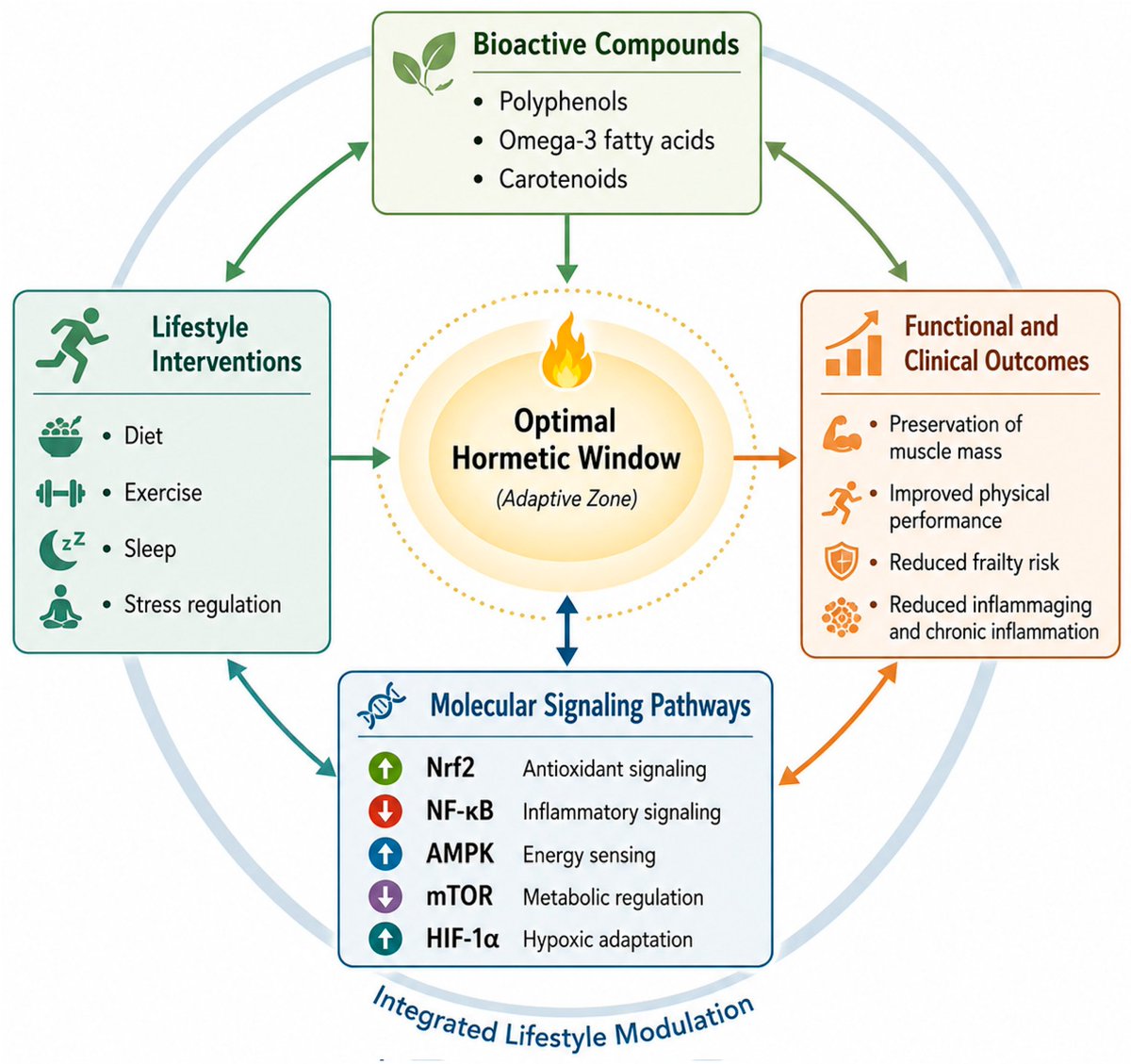
Inflammaging and Sarcopenia as Interconnected Hallmarks of Aging: Integrative Roles of Bioactive Compounds and Lifestyle Interventions
▶️ Age-related functional decline is increasingly linked to chronic low-grade inflammation (inflammaging) & sarcopenia, two interconnected processes contributing to frailty, metabolic dysregulation, & impaired physical function.
✅️ Natural bioactive compounds & lifestyle-based interventions represent promising approaches for targeting biological processes implicated in inflammaging & sarcopenia.
✅️ This review highlights the importance of adaptive redox regulation, metabolic resilience, & evidence-based lifestyle strategies in healthy aging.
mdpi.com/2072-6643/18/12/192… @HealthyFellow
@DHPSP
Conceptual schematic framework illustrating hypothesized and partially evidence-supported interactions among lifestyle interventions, bioactive compounds, molecular signaling pathways, & functional outcomes in healthy aging. The figure is intended for conceptual interpretation & does not imply direct causal relationships for all depicted interactions.
4
35
64
3,485
International Natural Product Sciences Taskforce retweeted

Jun 12
Yes, randomized, double-blinded, and placebo-controlled
4
7
95
International Natural Product Sciences Taskforce retweeted

Jun 13
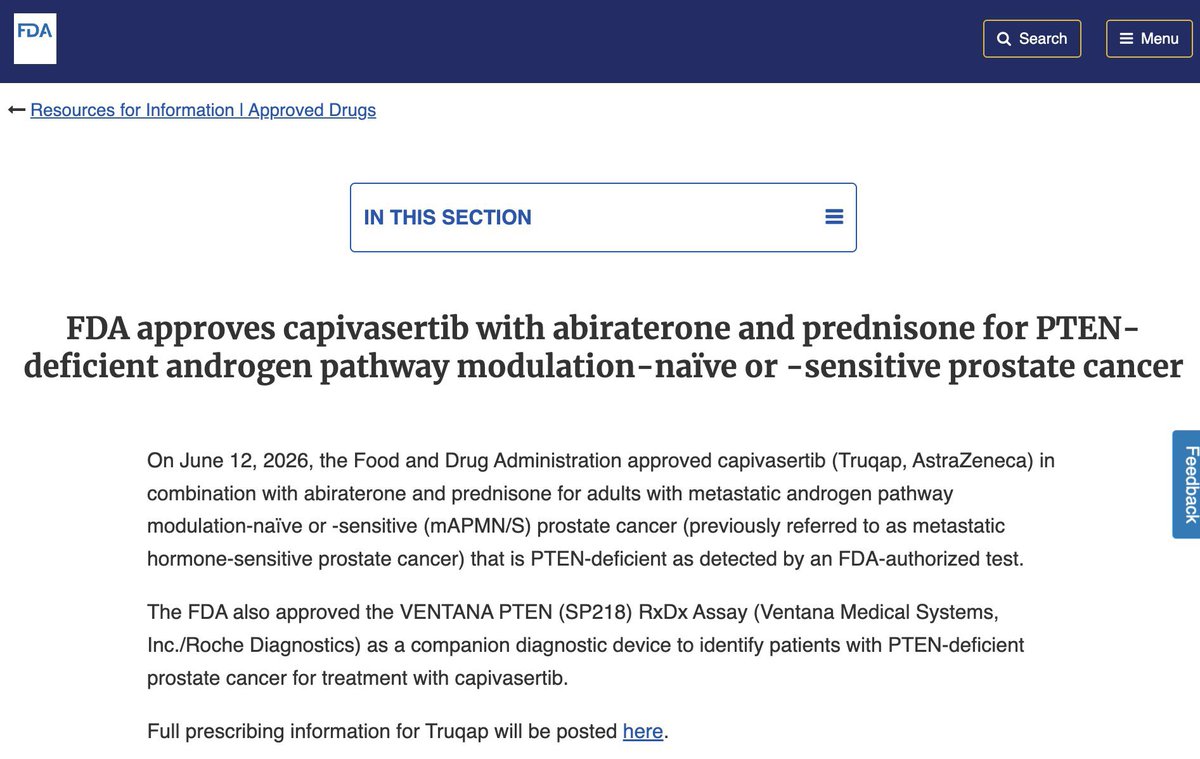
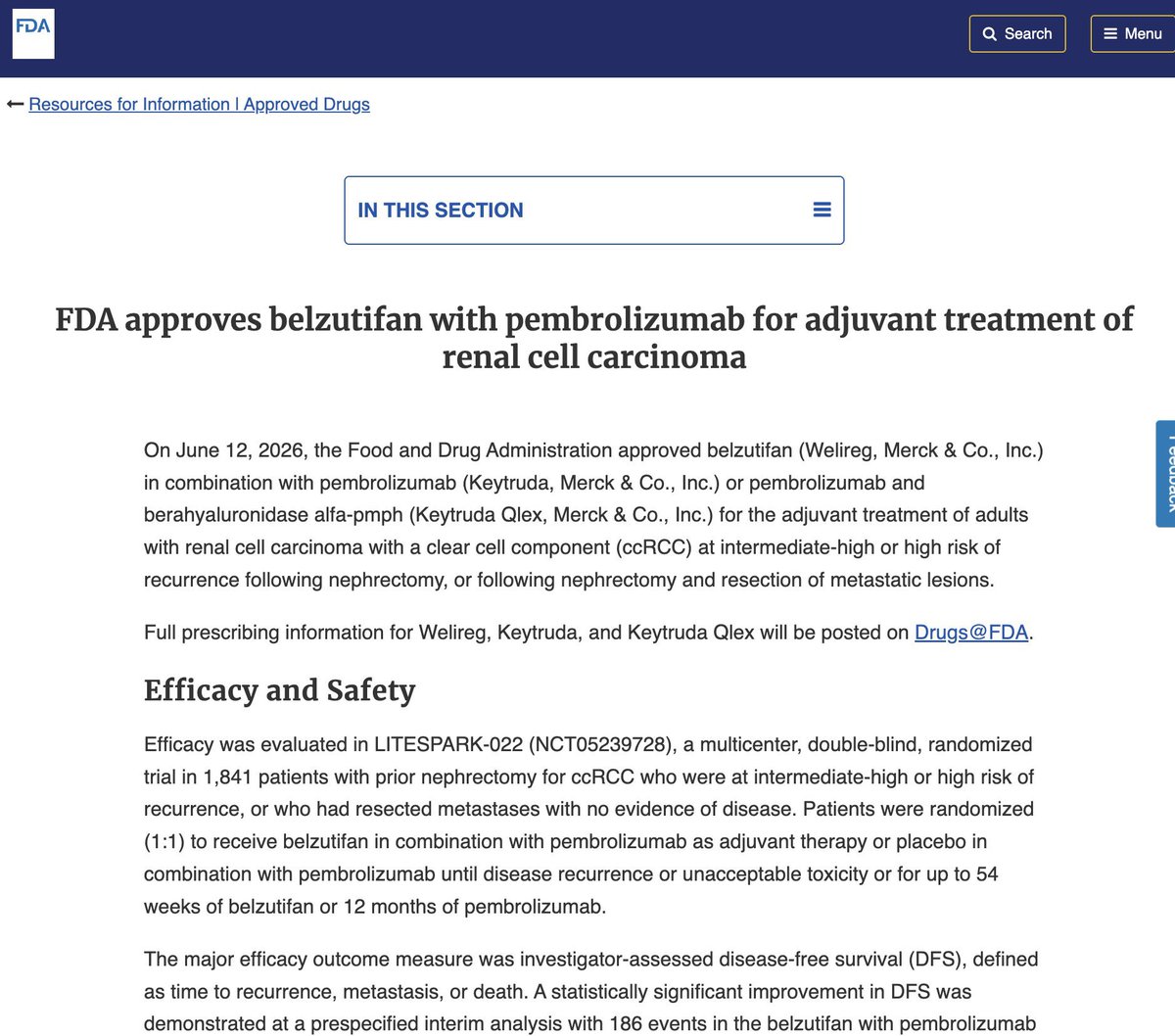
Bir günde iki FDA onayı.
Prostat kanserinde capivasertib kombinasyonu.
Böbrek kanserinde belzutifan ve pembrolizumab kombinasyonu.
Her iki çalışmada da @AnkaraUni olarak yer almaktan büyük mutluluk duyuyoruz.
Bugün en büyük teşekkür hastalarımıza ve yakınlarına.
Bilime inandıkları, güvendikleri ve bu yolu bizimle yürüdükleri için.
Çünkü bilim, onların cesaretiyle ilerliyor.
@US_FDA @OncoAlert @AnkaraUni @Ankaratip1945 @yekeduz_emre @necdetunuvar @ZehraAycan4
9
69
3,207
International Natural Product Sciences Taskforce retweeted
Jun 12
Probably you mean "Cannabinoid receptors as novel targets for the treatment of melanoma." FASEB J. 2006 Dec;20(14):2633-5.
One needs to be careful with this paper because the efficacy study was done in mice, and there is some errors in the presented data
faseb.onlinelibrary.wiley.co…
1
4
11
135
International Natural Product Sciences Taskforce retweeted

Jun 13
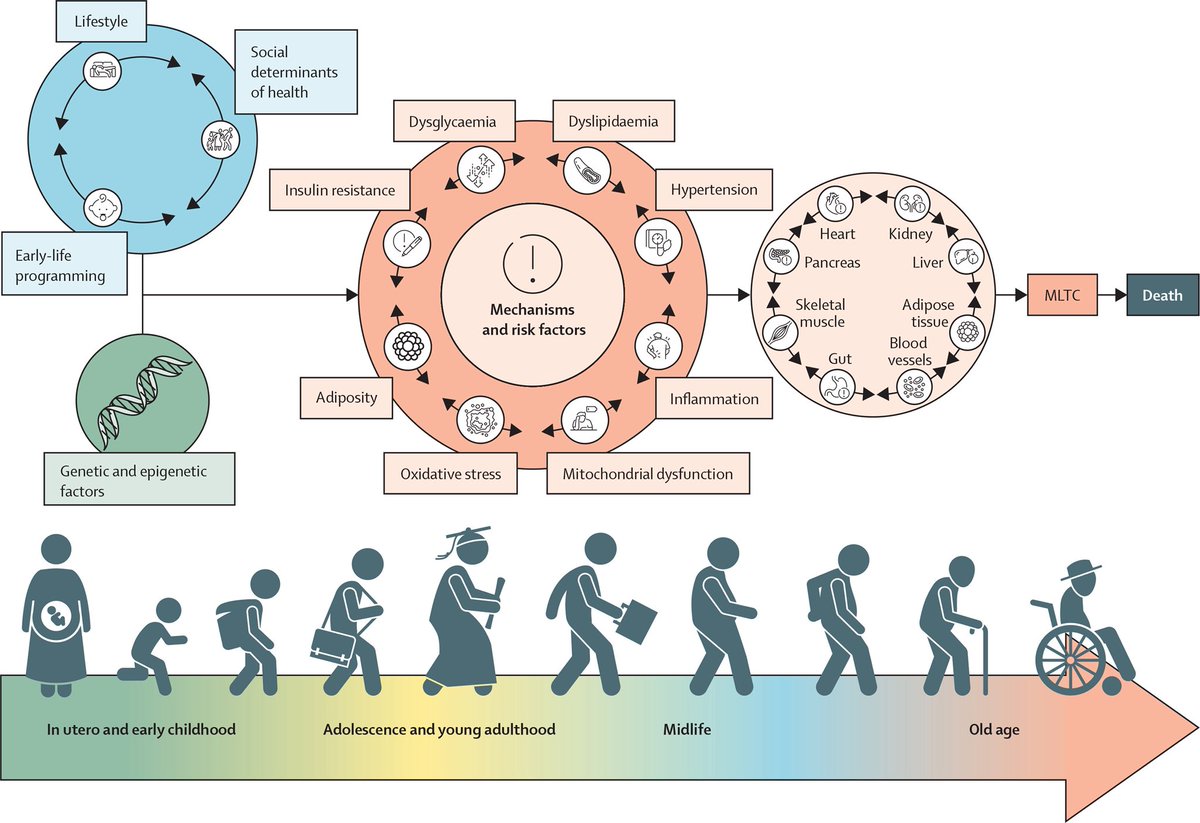
Moving beyond single-disease approaches, integrating multiomics biomarkers and life-course perspectives could enable earlier, more precise prevention and treatment strategies for cardiometabolic multiple long-term conditions.
New research in @TheLancet reveals that conditions like type 2 diabetes, heart disease, chronic kidney disease, and fatty liver disease don't develop in isolation - they're driven by shared biological mechanisms including insulin resistance, chronic #inflammation, and ectopic fat deposition.
The study highlights how social determinants of #health, early-life nutrition, air pollution, and even endocrine-disrupting chemicals #interact with genetic susceptibility to accelerate disease clustering.
thelancet.com/action/showPdf…
1
20
35
1,190
International Natural Product Sciences Taskforce retweeted

3
6
60
International Natural Product Sciences Taskforce retweeted

Spermidine Mitigates Immune Cell Senescence and Boosts Vaccine Responses in Healthy Older Adults—A Pilot Study
onlinelibrary.wiley.com/doi/…
6
38
1,598
International Natural Product Sciences Taskforce retweeted
Jun 11
Taking the middle road, short duration sun exposure can have endothelial benefits as well as the obvious of endogenous vit D production. I do 20min front and back on sunny days even in winter if the wind is low enough. And even though there is no vitamin d production happening.
1
3
6
119
International Natural Product Sciences Taskforce retweeted

To further understand why I am researching the Parkinson's gene even though I don't have Parkinson's disease but do have MECFS. I asked Gemini to explain how the LRRK2-G2019S mutation can cause problems even if they don't have Parkinson's.
"People who carry the LRRK2-G2019S gene mutation do not always develop Parkinson’s disease. The mutation displays incomplete penetrance, meaning only a fraction of carriers will actually manifest clinical symptoms of the disease in their lifetime. Furthermore, carriers can absolutely experience inflammatory issues linked to this gene without ever developing full-blown Parkinson's disease. [1, 2, 3, 4, 5]
The LRRK2 enzyme is highly active in immune cells. The G2019S variant creates a hyperactive "gain-of-function" enzyme that actively drives systemic and tissue-specific inflammation. [1, 6, 7]
Understanding the Parkinson's Risk (Penetrance)
The risk of developing Parkinson’s disease for a G2019S carrier depends heavily on age, ethnicity, and other environmental or polygenic modifiers: [2, 8, 9, 10, 11]
Lifetime Probability: Studies estimate that only about 26% to 43% of LRRK2-G2019S carriers will develop Parkinson's disease by late adulthood (age 80). [12]
Age-Dependent Risk: The risk accumulates as a person grows older. It is roughly 15% at age 60 and rises to around 32% by age 80 according to longitudinal tracking data. [8, 13]
The Majority Avoid PD: This means more than half of the individuals harboring this specific mutation will live their entire lives without experiencing the motor deficits or neurodegeneration of full-blown Parkinson's disease. [1, 2, 14]
Inflammatory Issues Without Parkinson's
Because the LRRK2 gene plays a vital role in regulating the body's immune system, carriers frequently experience heightened inflammatory profiles, even if their brains remain perfectly healthy. Research from organizations like the Michael J. Fox Foundation confirms that asymptomatic G2019S carriers often have elevated inflammatory markers in their blood that mirror the profiles of fully diagnosed Parkinson's patients. [3, 4, 15, 16, 17]
The gene can manifest in several non-neurological inflammatory ways:
Inflammatory Bowel Disease (IBD): The LRRK2 gene is genetically cross-linked with Crohn's disease. Asymptomatic G2019S carriers exhibit immune cell dysregulation in the gastrointestinal tract, leading to a higher incidence of gut inflammation and pathology. [3, 18, 19]
Hyper-Reactive Microglia: Microglia are the resident immune cells of the central nervous system. The G2019S variant reprograms cellular metabolism, causing these cells to adopt a permanent "pro-inflammatory phenotype". This leads to an overproduction of aggressive inflammatory cytokines (like TNF-$\alpha$) even in the absence of active neurodegeneration. [20, 21, 22]
Altered Infection Responses: Historically, this mutation may have persisted evolutionarily because it boosts the innate immune response. Asymptomatic carriers show a hyper-inflammatory response to bacterial or viral threats, allowing them to clear certain peripheral infections more efficiently than non-carriers, but at the cost of chronic tissue inflammation. [3, 19, 23]
If you are exploring this due to personal or family health history, let me know if you would like info on clinical trials targeting LRRK2 activity, or if you want to know about genetic testing options for Parkinson's. [7, 24]
[1] academic.oup.com
[2] michaeljfox.org
[3] parkinsonsnewstoday.com
[4] michaeljfox.org
[5] michaeljfox.org
[6] frontiersin.org
[7] youtube.com
[8] pmc.ncbi.nlm.nih.gov
[9] pmc.ncbi.nlm.nih.gov
[10] pmc.ncbi.nlm.nih.gov
[11] blog.23andme.com
[12] jamanetwork.com
[13] neurology.org
[14] pmc.ncbi.nlm.nih.gov
[15] pmc.ncbi.nlm.nih.gov
[16] ncbi.nlm.nih.gov
[17] ohri.ca
[18] pmc.ncbi.nlm.nih.gov
[19] https://scienceofparki
1
2
7
448
International Natural Product Sciences Taskforce retweeted
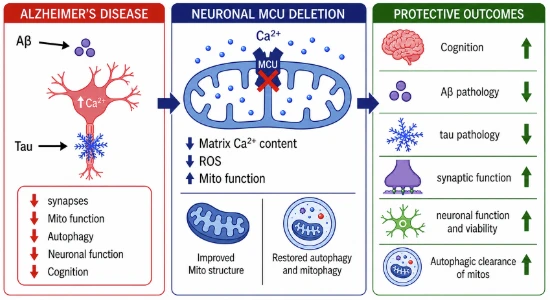
Genetic ablation of neuronal mitochondrial calcium uptake impedes Alzheimer’s disease progression
link.springer.com/article/10…
19
45
4,052
International Natural Product Sciences Taskforce retweeted

Jun 11
⚠️⚠️⚠️
Jun 11

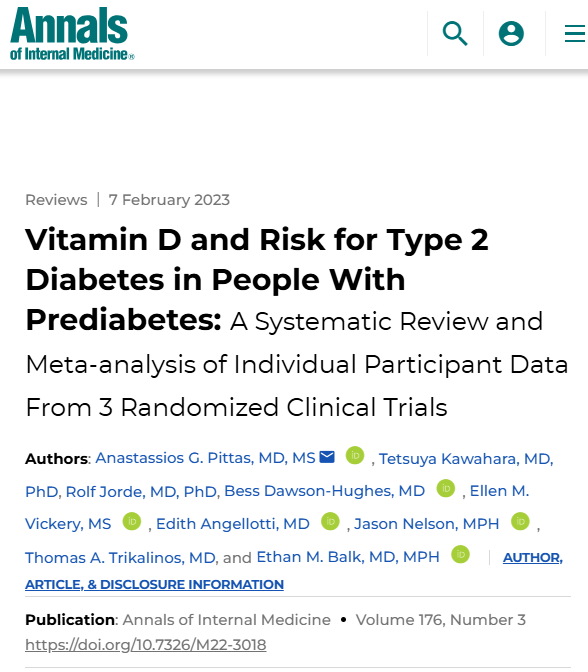
In adults with prediabetes, vitamin D reduced progression to type 2 diabetes. 🧵 11 @GamerPhilDoc @Dinesh_Kumar78 @bagan00 @_MCRicardo_ @Dra_TeraizaMesa @VicenteLozadaB @DrPeterBagshaw @chriss20x
3
5
200
International Natural Product Sciences Taskforce retweeted
Jun 12
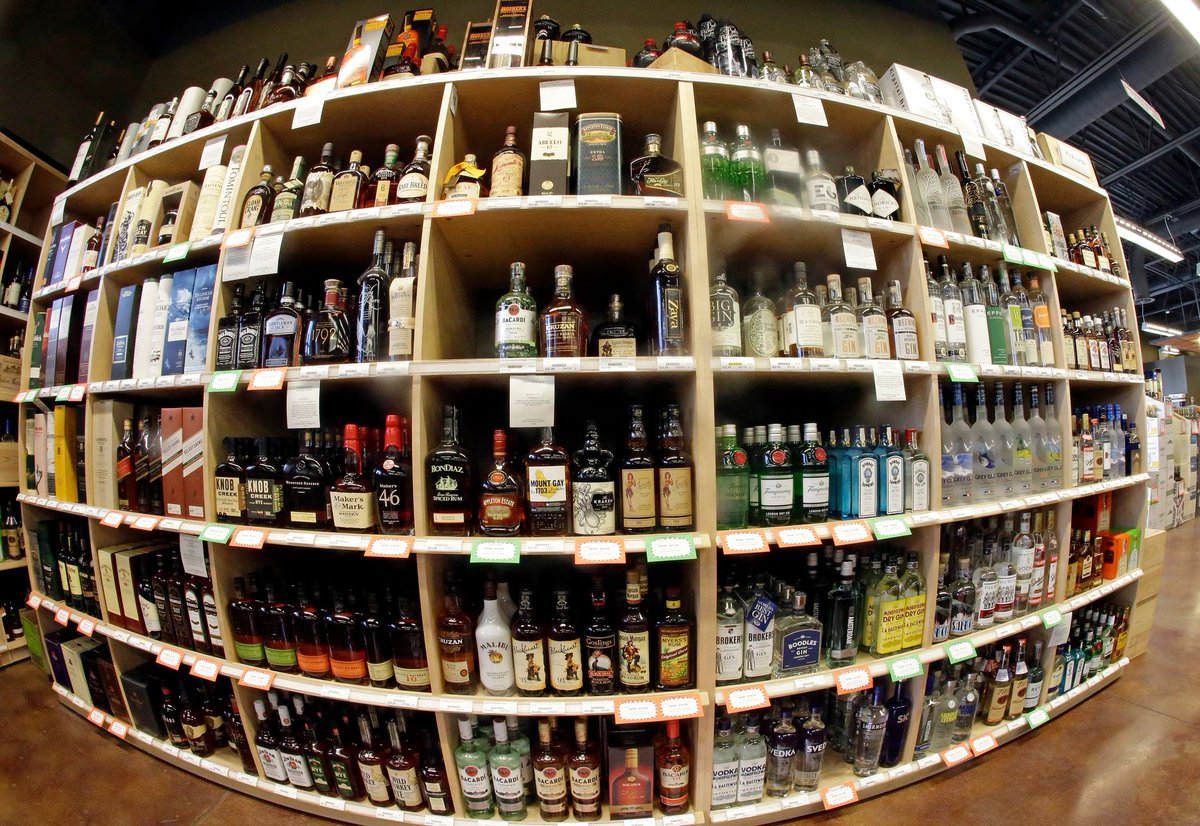
PAHO wants higher taxes to curb harmful consumption of #alcohol and sugary drinks.
The Pan American Health Organization @pahowho says levels of health taxes on alcohol and #sugar sweetened beverages in the Americas remain too low to significantly reduce consumption and prevent non-communicable diseases #NCDs, even as the region records some of the highest consumption levels in the world.
guardian.co.tt/news/paho-wan…
8
15
570
International Natural Product Sciences Taskforce retweeted
Jun 12
This article looks wonderful for me (amateur physiology mechanisms nerd). Just read the first bit & 👍.
I’ve become fascinated w/mechanisms of near infrared light supercharging Mitochondrial function & citric acid cycle recently. As well as the UV impact on NO & endothelium.
3
5
69
International Natural Product Sciences Taskforce retweeted

Jun 12
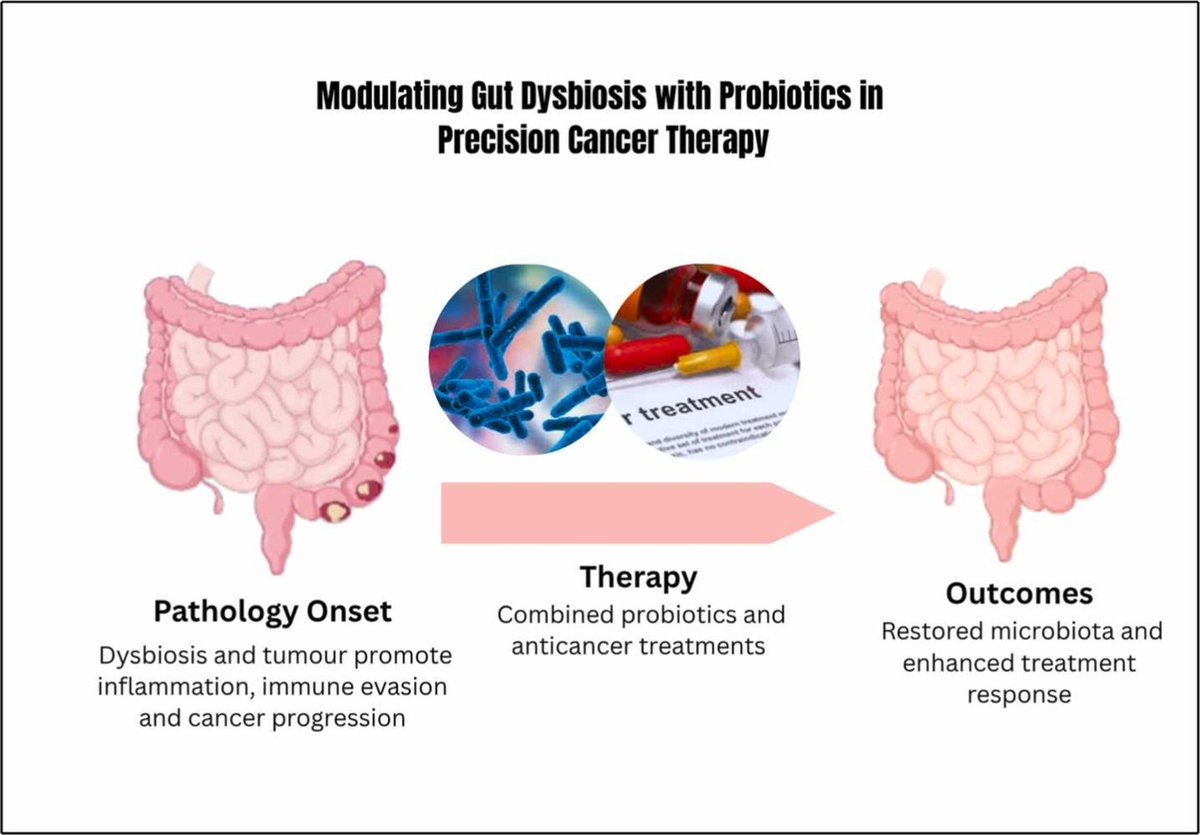
Gut microbiome dysbiosis and cancer: A systematic review on the emerging role of probiotics in oncology
✅️ Probiotics appear to be a promising adjunct for supportive care in selected cancer pathways, particularly for GI toxicity & perioperative outcomes. Strain-defined, adequately powered trials with harmonized endpoints are needed to inform guideline-ready use.
Highlights:
▶️ Probiotics may reduce severe diarrhea during fluoropyrimidine/irinotecan therapy
▶️ Pooled evidence suggests fewer nausea/vomiting, bloating & anorexia w/probiotics
▶️ Perioperative probiotics/synbiotics may speed GI recovery after GI cancer surgery
▶️ RCTs suggest fewer postoperative infections & shorter stay after CRC surgery
▶️ Trials show reassuring safety; rare serious infections may occur in high-risk patients
sciencedirect.com/science/ar… @DHPSP
1
17
43
2,481