Joined April 2022
- Tweets 1,069
- Following 91
- Followers 38
- Likes 1,581
82 Photos and videos





Good morning and happy democracy day.
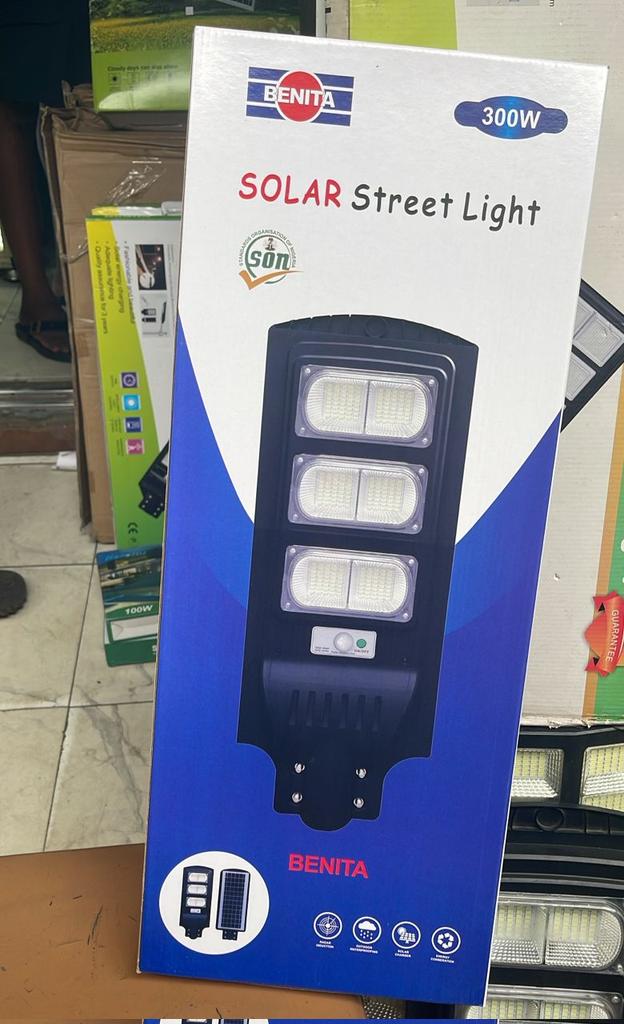
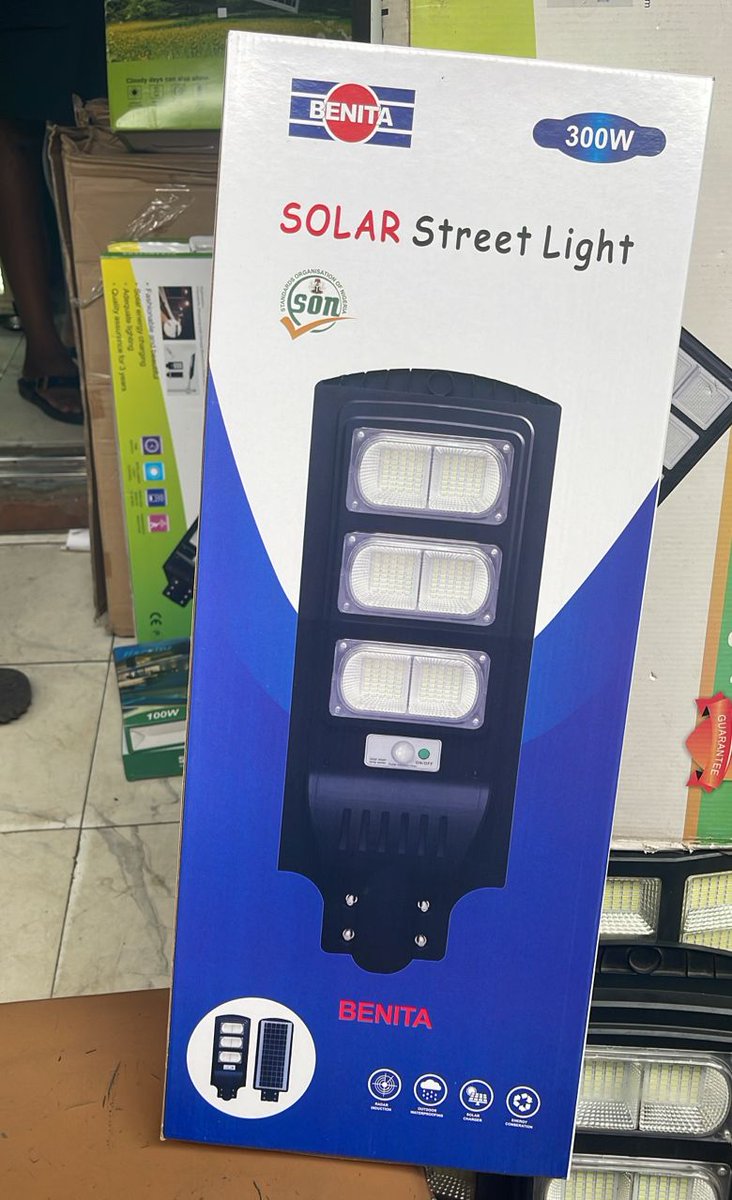
1: We have officially launched SHOPR by @bangonigeria that helps you buy food commodities at farmers’ prices today.
2: Today is special because it is a journey of democratizing access to affordable food commodities with creative delivery solutions. @Tolu_7085 @ThisIsAdemuyiwa @chief_agbabiaka @lollylarry1 @Deen_PR @megaunit111 @Nig_Farmer @Nupenchii_ @akinwale_cfi
3: Kindly shop this morning and expect it delivered to you later in the day via
shopr.bango.ng
17
102
153
8,245
Nigerians pls share this to VENDORS.
2: The Renewed Hope Youth Festival 2026 is requesting for Vendors to participate in our upcoming Democracy Day.
3: Date: June 12,2026.
4: Venue: MKO Stadium, Abuja.
5: Registration: check the flyer attached.
-(a): Vendors: bit.ly/rhyfvendors
-(b): OPEN to all @APCYouthWing @APCNewMedia @nentawe1 @OMOtheDr @Dr_A_Mustapha @dayoisrael @otegaogra @Yeribaaba @YusufAsunmogejo @OgbeniAdugbo @ummuh_Zahra @Bayo_Bilisi @iamAhmadOlolu @gabriel_bolatit @HighChiefOkoro @DE_ONLYQUEEN
#RHYF2026 #DemocracyDayEdition
#RenewedHopeYouthFestival

10
117
150
3,563
Simplicity Aluta (Mercy) retweeted

With respect, this post raises valid pains but suspends logic for emotion and selective facts. Reforms are not “reckless punishment”, they are necessary corrections to decades of unsustainable distortions.
Now, let us examine your points with evidence, not assumptions, as it appears to me, no any logical or factually grounded counter has been offered, just heat.
Point 1 - “Strips benefits, offers virtually nothing”:
False. The FG has deployed massive palliatives: N5bn per state in food/fertiliser, expanded cash transfers (HoPE-CT/NG-CARES reaching millions), ₦25k wage awards, pension support, and NELFUND student loans (hundreds of billions disbursed to over a million students). CNG initiatives are rolling out conversion centres and stations nationwide to cut transport costs. These are documented bridges, not “nothing.” World Bank and IMF have noted these efforts alongside stabilisation gains.
Point 2 - No investments, factories, or electricity:
The savings and new revenues are funding real infrastructure. Coastal Highway, Sokoto-Badagry Expressway, AKK Gas Pipeline, rail expansions, PHC revitalisation (thousands upgraded), and power reforms under the Electricity Act enabling states/private players. CNG push is creating jobs in conversion and maintenance. IMF 2025 Article IV praises bold reforms (subsidy removal, FX unification) for improved resilience, revenue, and investor confidence. No “Industrial Revolution” overnight, structural change takes time, but direction is clear. Pre-reform trajectory was fiscal collapse.
Point 3 - Wealth transfer to elites:
Increased FAAC allocations have enabled many states to pay salaries consistently (impossible pre-2023 in several cases) and fund projects. Yes, governance challenges and leakages exist, so it is in order to demand accountability. But dismissing all as “private pockets” ignores visible projects, tax reforms for equity, digital registries for transparency, and private sector responses (NGX rally on reform signals). Local Government autonomy ruling further decentralises development. Not perfect, but not “purely wealth transfer.”
Point 4: Hardships & “Suffering without purpose”:
Hardships are real; inflation, fuel costs hit hard. No denial. But calling it purposeless ignores expert consensus: World Bank notes reforms stopped Nigeria from “fiscal cliff” and created space for people-centred actions (social safety nets, food inflation fight). IMF highlights stabilisation, growth potential, and resilience. Electricity/security are inherited multifaceted problems; efforts like CNG/gas value chain and state police pushes address them. Reversing to old subsidy regime solves nothing, it returns debt and shortages.
I agree, implementation can and must improve, better targeting, communication, anti-corruption. But your response presents a one-sided “elitist, futile” narrative that downplays necessity and documented progress.
True reform serves people long-term by fixing fundamentals. Painful? Yes. Reckless? No. Evidence shows deliberate direction with light ahead for those who see beyond immediate emotion.
Disagree on gaps? Fair game. But let’s engage facts, not suspend logic. Demand better execution from all leaders across all levels of government, without cherry-picking.
Jun 4

Reforms itself is not the issue. I have no fundamental objection to reforms or the urgent need for better revenue generation which is the sole aim of tinubus reforms, none of them ensures lives of Nigerians will be better than he met the country. What I have consistently highlighted and what remains deeply troubling is the reckless manner in which these reforms are being implemented.
True reform should serve the people, not punish them. Yet this administration has pursued a one-sided approach that fails on every critical measure:
1. It strips ordinary citizens of the few benefits they once received from the country, subsidies, palliatives, and basic protections of lives and properties, while offering virtually nothing in return.
2. It has failed to channel the savings and new revenues into direct, visible investments that create jobs and build industries. Billions are being “saved” or raised, yet there is no corresponding explosion in manufacturing, agriculture value chains, solid minerals processing, or public works that put money directly into pockets of citizens who are ready to work hard. Where are the factories? Where is the Industrial Revolution ? Where is the electricity compared to other countries that tax as high as Nigeria is currently taking from citizens that get absolutely nothing in return as a citizen?
3. It simply hands over the additional funds as increased allocations to the same political class that has repeatedly proven it cannot be trusted with public money. We all know what happens next: the funds disappear into private pockets, inflated contracts, and patronage networks. This is not economic reform, it is purely wealth transfer from struggling citizens through stripped benefits and x10 taxes to political elites who use the money to buy cars for party faithfuls and political allies
life is becoming measurably harder for the average person. Fuel prices have soared, inflation has crushed purchasing power, electricity remains a joke in 2026, and taxes are being piled on an already impoverished population. Meanwhile, the political class and their cronies grow richer. And more taxes and borrowings ate still coming
This is suffering without purpose.
There is no discernible light at the end of this tunnel bro, only deeper darkness for the masses while the elites feast.
Until a government shows the political will to balance its revenue drive with genuine industrialisation, job creation, and protection for the vulnerable, it can not be in the interest of the masses. Right now tinubus reform is working against them.
The tragedy is not that we are reforming. The tragedy is that we are reforming in the most painful, elitist, and ultimately futile way possible.
If atiku, Obi or whoever also campaigned about these reforms, I have no problems with them, my sole problem is this type of implementation, it’s shady and only benefits politicians, this cannot be the only way, and these old politicians are not the only ones, the fact that these are our major options alone saddens me, security is literally in shambles, as an insider what I know about the insecurity breaks my heart daily. And we have not even seen the worst, but the government could care less. 😞
40
243
553
29,993
Simplicity Aluta (Mercy) retweeted

The IGP crack team has arrested Ifechukwu Dennis who originated the fake voice that he passed on to his gullible targets as President Tinubu’s voice. Dennis was arrested in Benin. The police will issue an official statement.
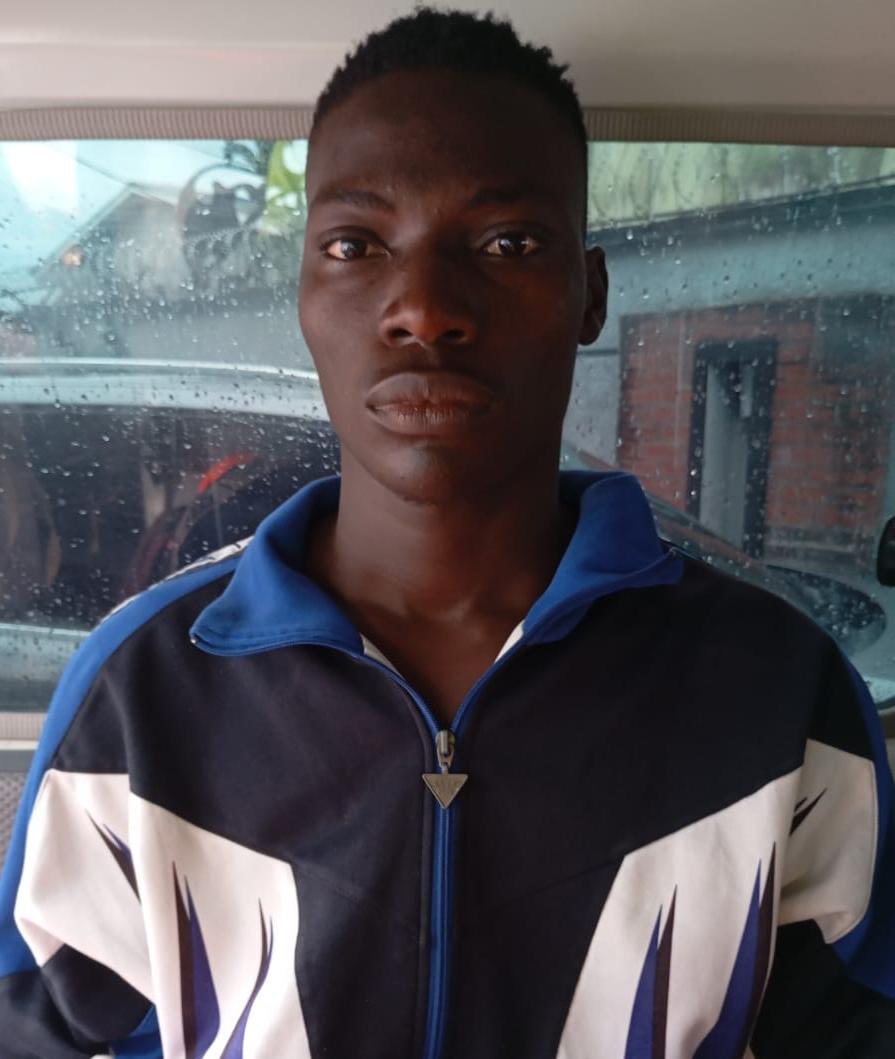

A tech expert has just traced the origin of the fake AI voice note attributed to President Tinubu and revealed the true identity of suspected mastermind of the fake voice note: IFECHUKWU DENNIS.
@OfficialDSSNG
@PoliceNG
5,669
1,152
3,059
1,402,582
ORIIRE LOCAL GOVERNMENT, OYO STATE: FAAC DISBURSEMENT
1: Orire LGA has been receiving an average of N485 million monthly from FAAC.
2: Question: no primary school renovation, no security etc.
3: May I suggest to @FIUNigeria to use Orire LGA as a model for local government allocation Utilization
4: Transparency shouldn’t be optional. These funds should be utilized as it should be
5: What are you doing with your security votes?
-(a): You don’t have vigilante groups, no security vehicles, no health care centre, despite the revenue you receive from the FG not Tinubu.
6: Wet the ground for the people, Chairman.
7: If insecurity persist despite these allocations, then accountability questions are inevitable
8; The era of “we don’t know what happened to the money” is OVER.
@icpcnigeria
210
798
1,700
122,894
Simplicity Aluta (Mercy) retweeted

Today, I had the honour of being elected Chairman of the Budget and Administration Committee of the United Nations.
My profound appreciation goes to President Bola Ahmed Tinubu, GCFR and the good people of Nigeria for this historic achievement.
80
196
750
25,255
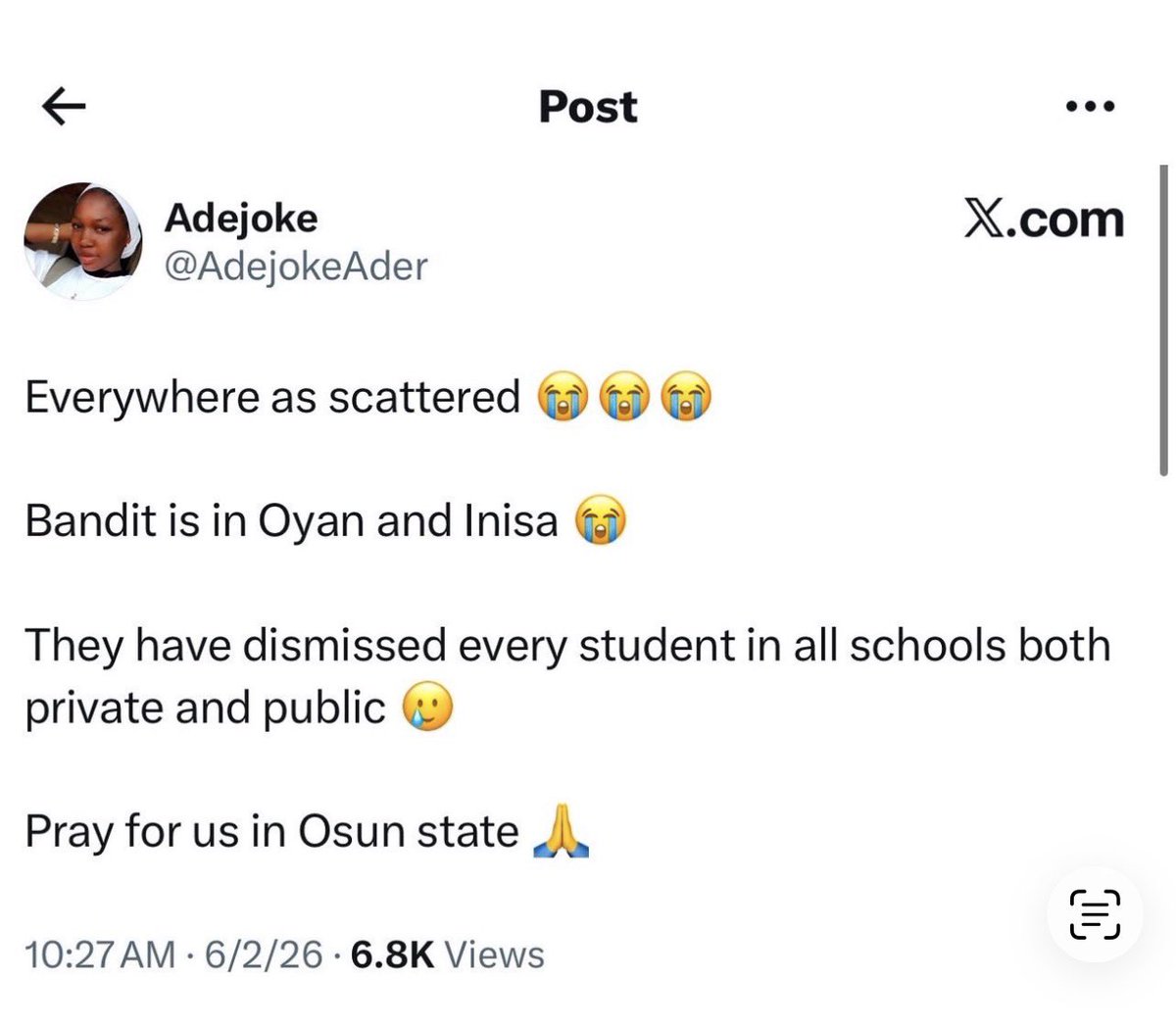
This is no more ordinary.
2: A coordinated misleading information is unleashed by certain elements to cause chaos in Nigeria.
3: @OfficialDSSNG should chat with @AdejokeAder pls. @Osun_PoliceNG @chief_agbabiaka @NPF_NCCC @aleeygiwa @TunjiDisu1 @PoliceNG_CRU @PoliceNG @AAdeleke_01
63
210
452
108,653
@DeltaPoliceNG @NPF_NCCC pls chat @Buchi_Laba to help you @Brightgoldenboy @aleeygiwa @Princemoye1 Asaba must be safe ooooo
1
8
17
1,218

Special new month wishes to all. Mercy and luck shall locate us. Shalom. Ire ooooo.
1
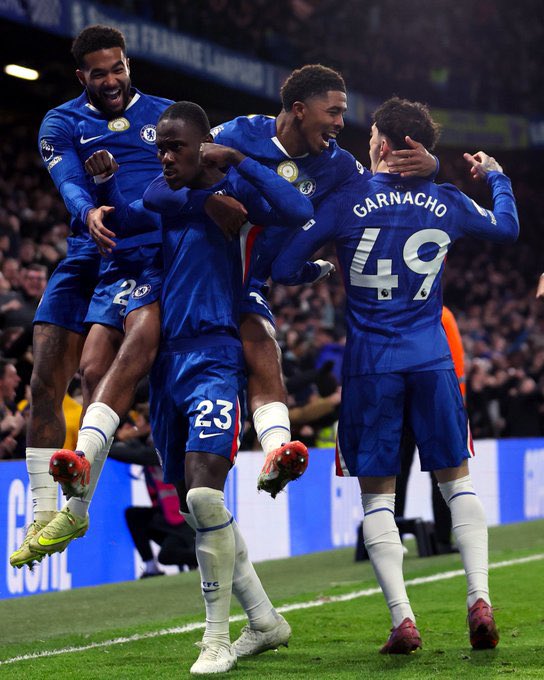
To all Arsenal fans, well done,.... You tried but, premier league no be .... @Arsenal @ChelseaFC
12
FG not Tinubu has approved a sweeping nationwide sports infrastructure overhaul aimed at restoring Nigerian facilities and allowing Uyo Stadium to breathe.
2: Project Implementation: Pitch and Tracks; overhaul of dressing rooms.
-(a): conversion of 200 bed athletes hostel into a modern, hotel-style facility, alongside the construction of two new training pitches
-(b): Installation of VIDEO ASSISTANT REFEREE (VAR) Technology, modern floodlights and electronic advertising boards.
3: Benefits:
-(a): Jobs creation
-(b): Attracting International competition to Nigeria. That is increasing IGR for hotels and tourism. @ShehuDikko @BukolaOlopadee @NatSportsComm @thezarmeen @Better_Kaduna @Tony4PBAT @PBATMediaCentre @BamgboseAk47824 @dnalliance01 @iknowwhatayam @alhajingod @salakwa1 @Alpha_Yom
25
200
514
20,948
Kindly inform our parents, guardians, uncles and sisters who are under the Defined Benefit Scheme managed by @PTADNigeria to enroll for PENCARE for the free healthcare program.
2: Govt cares for them @nhia_nigeria @Fmohnigeria
6
115
220
7,344
From the desk of a reliable mentor @woye1

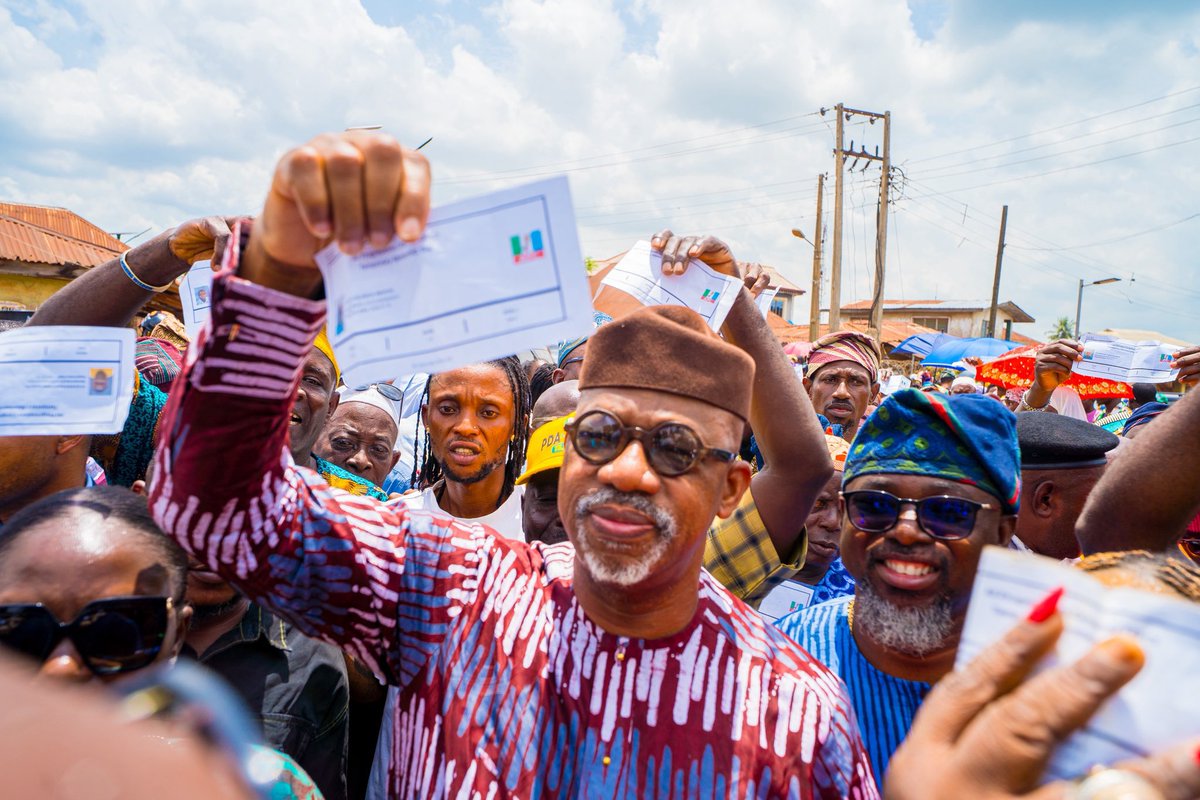
Ogun East Senatorial APC Primary:
1: Consensus has been the key process in determining the winner of APC Ogun East Senatorial Primary election.
2: In 2022-2023, several key figures in the @OfficialAPCNg stepped down or persuaded by the party leadership to withdraw their aspirations to allow our leader @JustusOGD to emerge as a CONSENSUS ticket of Ogun East candidate for APC.
-(a): Senator Lekan Mustapha was the incumbent Senator then. He was seeking re-election too.
-(b): Our revered Kabiyesi Awujale intervened on behalf of OGD supported by @DapoAbiodunCON to persuade the Serving Senator Lekan Mustapha to forget his ambition.
-(c): Dayo Ogunjebe and Funmilayo Idris, the Senatorial candidates of Action Alliance and Action Democratic Party respectively stepped down from the race and defected to APC. This is what @DapoAbiodunCON did to make sure OGD won election.
3: Same method that @JustusOGD benefited by knocking out Senator Lekan Mustapha now is alien to you. Haba Ba mi ooooo.
4: Ogun East will never change the CONSENSUS method and the people have decided that @DapoAbiodunCON should be the CONSENSUS candidate for Ogun East Senatorial District.
5: I am supporting @DapoAbiodunCON because he was instrumental to the candidacy of @JustusOGD then and he should also be a beneficiary of today’s Ogun East Senatorial primary election of APC.
6: Congratulations in Advance @DapoAbiodunCON
7: a new day in Ogun East @AdeolaYAYI @Ola_Of_Ogun1 @TimiOgundare @timmy_lawal @Aloiba01 @Alakanni1234 @dnalliance01 @mrolamidedavid @bayalsa27 @Dapo_Okubadejo @HonKasunmu @SulaiOdus @MrAdeolaAdeniyi @Hodex007 @gbengasaka @confindence24 @Seunfunmi_mi @greatkumah @segunolaleye82 @Aremofarms @Kola_Tewogbade @kolawolesahee12 @Alakatunde @tunji_bolaji @aladetai @iamAhmadOlolu @Yeribaaba @Diorthecurator @D_shegz @deyemidada
1
23
Hmmmm.
Apr 2

Headless mob lawyer dun fold after reading very sound legal positions above his pay grade.🤣🤣🤣🤣🤣🤣🤣
56
Simplicity Aluta (Mercy) retweeted

If u see this tweet, kindly RT and comment.
It is as if I know exist on this app again.
I av been shadow ban
10
22
30
639
I celebrate a man of sagacious capacities, ..... Llnp... May You succeed and Nigeria inclusively.
Mar 29

My dear fellow Nigerians,
Today, as I clock another year in the journey of life, I'm filled with joy and gratitude for the opportunity given me to serve this great nation. I want to take this moment to thank Nigerians for their messages, show of love and prayers on the occasion of my 74th birthday. I thank all our citizens for their patriotism, solidarity and support for our administration.
To those who have taken space in newspapers or paid for air time on radio and television to wish me well, I thank you immensely.
I must thank my wife, First Lady Oluremi Tinubu, for her kind and loving words. I also thank Vice President Kashim Shettima for all he said about me.
Consistent with my tradition over the years to mark my birthday in line with the mood of the nation each year, I resolved to also observe this year's birthday low key.
As I mark this special day, I am reminded of the challenges we've faced since we initiated our reforms. I'm glad that our sacrifices have not been in vain as we can see some glittering light at the end of the tunnel, despite the temporary setback caused by ongoing Middle East crisis.
The credit for the positive outcomes we have achieved does not belong solely to me, our Renewed Hope team and to our government. We achieved the gains together.
As we march towards the third anniversary of our administration, it is my deepest conviction that we shall succeed in building a brighter future for our citizens and future generations.
We are determined to confront some of the challenges we face today, and with your continued support, we shall overcome.
Let us continue to work together to build a stronger, prosperous and more resilient nation that will make Nigeria the pride of Africa.
Thank you all, and happy 74th birthday to me!
Bola Ahmed Tinubu
President of the Federal Republic of Nigeria
10
This is my thinking, aside that, nothing more. Well done my leader @woye1
Options for Lower Fuel price: livelihoods Improvement & lower food inflation %.
2: FG not Dike-si-Mba1 can lower fuel prices by reducing taxes, levies or providing incentives on crude oil supplied to the Dangote Refinery and other local refineries in consultation with the National Assembly
-(a): The President will send an executive bill Reducing the identified taxes for six months.
-(b): let us assume the war will last for six months.
3: Direct government intervention on taxes is more SUSTAINABLE than direct consumption SUBSIDIES to keep prices low.
4: President should mandate @NUPRCofficial to implement Section 109 of the PIA 2021 act.
-(a): To direct oil companies operating in Nigeria to supply CRUDE OIl to LOCAL REFINERS before EXPORTING.
5: Full implementation of the FEC not Tinubu’s approval to sell CRUDE OIl in NAIRA to local refiners.
6: CONSTRAINTS: Oil majors are acting on “existing contractual obligations to International traders & financing agreements making it difficult to implement Nos 5”. @NUPRCofficial should be forceful to ask for “OPEN BOOKS For VERIFICATION”. Una go catch them.
7: taxes from @nimasaofficial @NUPRCofficial @NMDPRA_Official etc can be reduced.
8: Question: should we ask @NMDPRA_Official to resume issuance of import license on fuel imports? @FinMinNigeria @NGRPresident @NGRSenate @HouseNGR @Senator_Akpabio @Speaker_Abbas @femigbaja @hmokunola_
9: I am here to learn guys.
1
8
Fact, but, many of them are far from sound ideologies and steadfastness. Yet, they want to lead. Lol
1
11