
Learner | @TISSpeak l Former LAMP Fellow to @cpjoshiBJP @PRSLegislative l Best Fellow, Media For Social Change Fellowship @YESFoundationIN
Joined April 2017
- Tweets 4,627
- Following 1,435
- Followers 203
- Likes 94,060
383 Photos and videos



Jun 12
End of an era for New Zealand Cricket
Jun 12

One of our greatest ever, signing off.
Kane Williamson has announced his retirement from international cricket effective immediately.
Head to nzc.nz/news to read more.

10

Jun 9
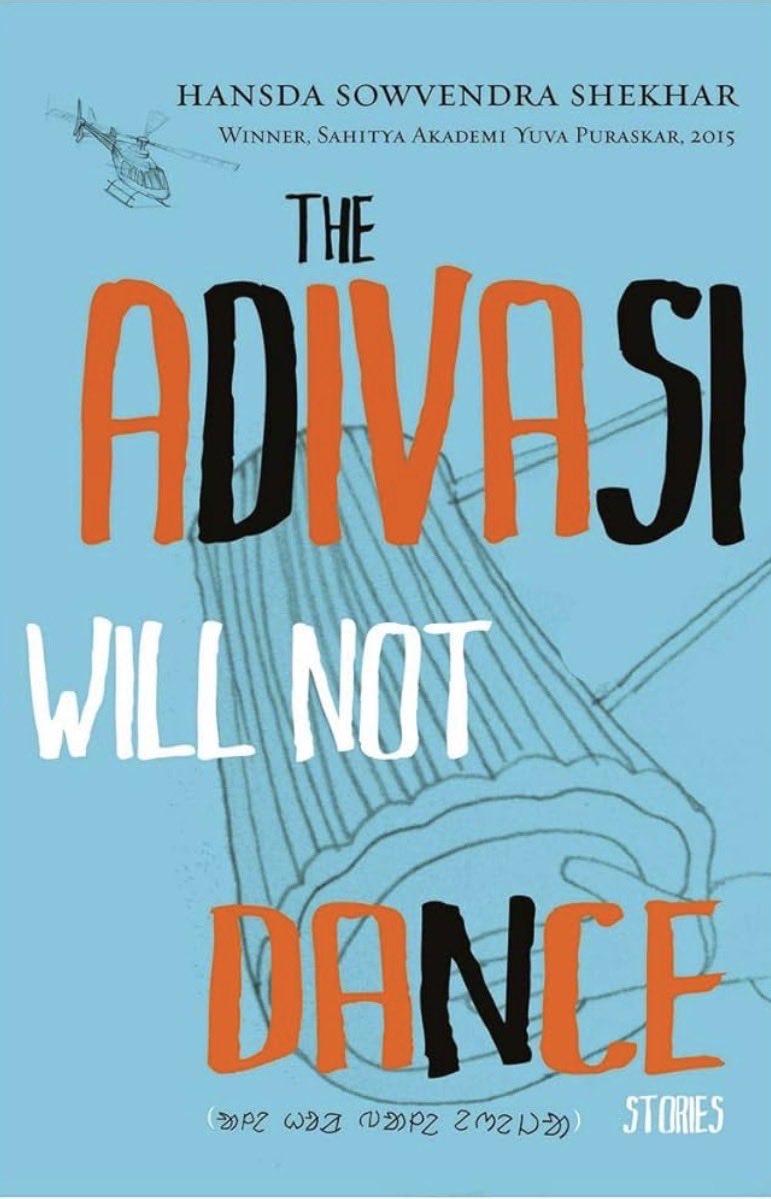
This is a very disturbing incident and deserve not only condemnation but strict action against the perpetrator. Few years ago, I read a book ‘Adivasi Will Not Dance’. There is a chapter mentioning, sexual exploitation of a minor girl by an RPF personnel at railway station.
(1/n)
1
26
Jun 9
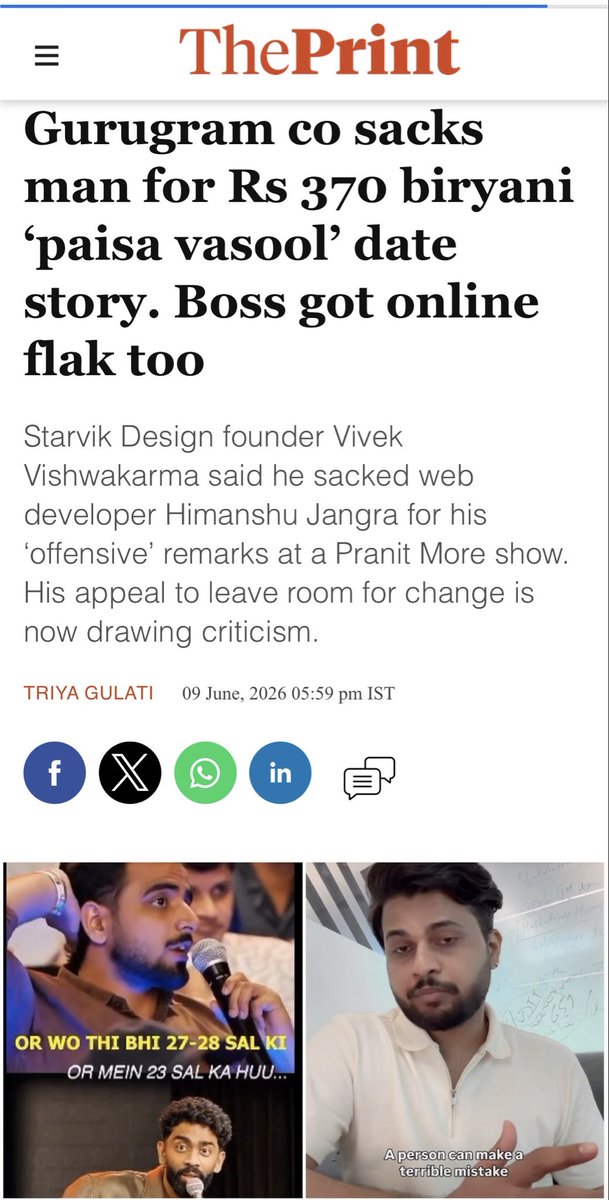
In the incident, an RPF personnel sexually exploit a minor girl in exchange of ₹50 and two bread pakodas. Seeing women as a commodity and the portrayal for gazing by the entertainment industry is a matter of grave concern. Sometime back, we all saw indecent remarks at IGT.
(2/n)
1
46
Jun 9
This is a sad reality of our society that such things are not getting condemnation but people are enjoying as comedy. #Biryani370 #comedy #women #pranitmore @Rj_pranit #Gurgaon
111
Monu Singh retweeted

Jun 5
I visited the southernmost tip of India.
I stood at Indira Point. I walked under trees that have stood for centuries. I dove into coral reefs among the most vibrant on earth.
And I sat with the people who live there. Tribal communities, whose land is being taken away by violating the Forest Rights Act. Settlers, many of them former soldiers, placed on these islands by the Indian government, who aren’t getting fair compensation.
The Modi government and BJP tells you Great Nicobar Project is about defence. It is not.
Expand INS Baaz - we will back the government fully. The Navy has been asking for expansion for five years - it has been ignored.
They tell you it is about a transhipment port. It is not. India is already building one in Kerala, which is on the mainland.
What it actually is: 1.5 crore trees felled. Coral reefs erased from official maps. Soldiers and tribals displaced - so one businessman can build hotels and casinos on India’s most irreplaceable ecological land.
Every young Indian I have spoken to understands this. You know that no amount of profit is worth destroying what can never be recovered.
I stand for ecologically balanced development. These islands can be the most extraordinary sustainable destination the world has ever seen. That is the India worth fighting for.
#GreenOverGreed
#NicobarMatters
#WorldEnvironmentDay
1,906
11,595
36,517
1,356,831
Monu Singh retweeted

Check out the incredible final moments of Praggnanandhaa taking down World no.1 Magnus Carlsen with the Black pieces in Round 8 of Norway Chess 2026!
With this win, Pragg becomes the first Indian (and possibly in the world) player who defeated Magnus Carlsen in Classical Chess twice in the same tournament! What a moment for Indian Chess.
58
872
5,100
221,803
May 31
Back-to-back two IPL trophies for RCB. What a superb performance by the team. Congratulations💕.
King Kohli, as always, delivered on the important day with a fifty in the final.
Ee Sala Cup Namdu
@RCBTweets @IPL @BCCI @imVkohli #iplchampion #RCB #ViratKohli #RajatPatidar #IPL2026
292
May 27
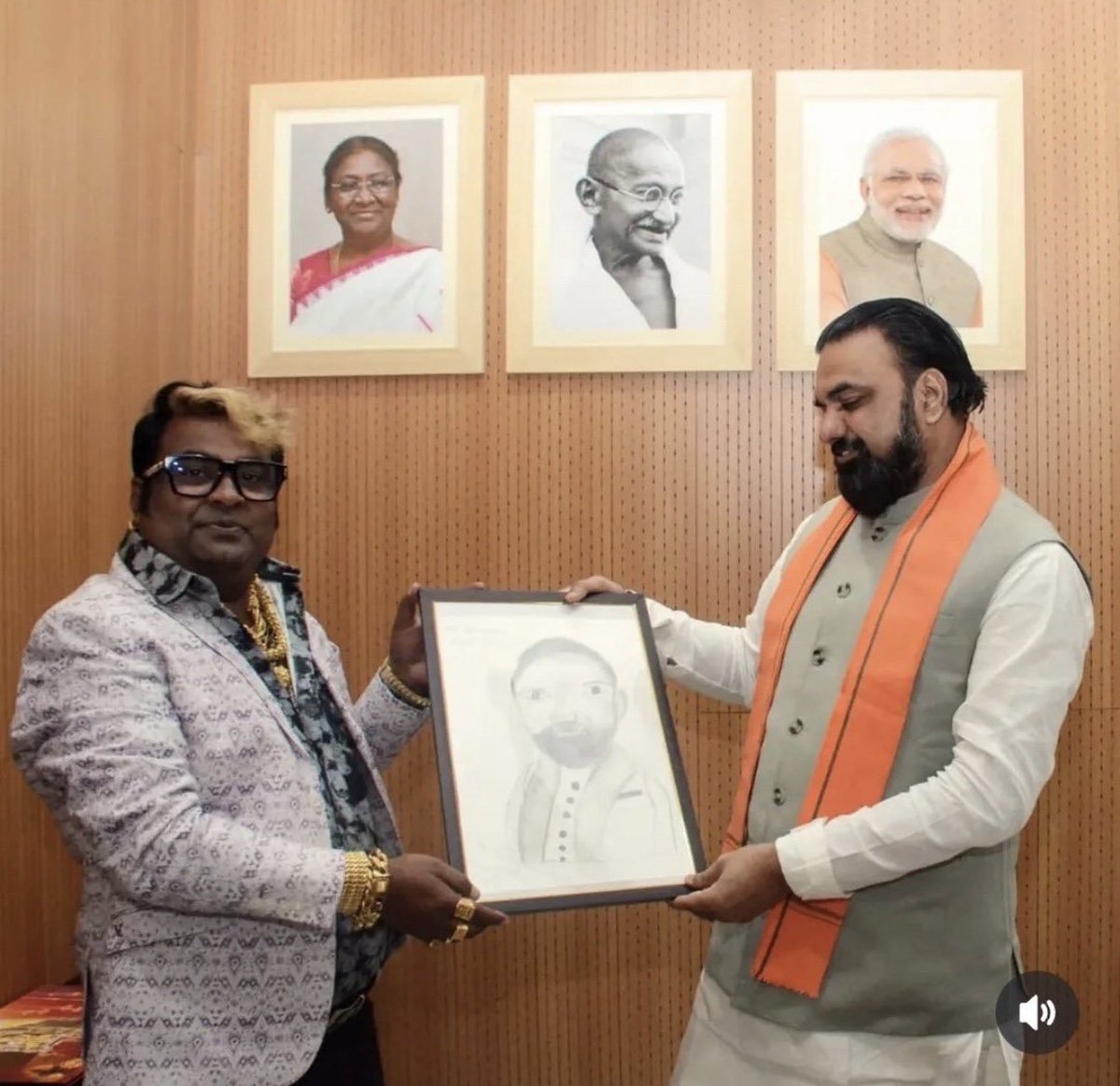
This sketch has full potential to give competition to the OG painting by Majnu Bhai.
CM Samrat Choudhary seems to be surprised after receiving the sketch. Mr. Shrivastava needs to be given credit for having the courage to give the sketch. @samrat4bjp #BJP #SamratChoudhary #Bihar
88
Monu Singh retweeted

May 23
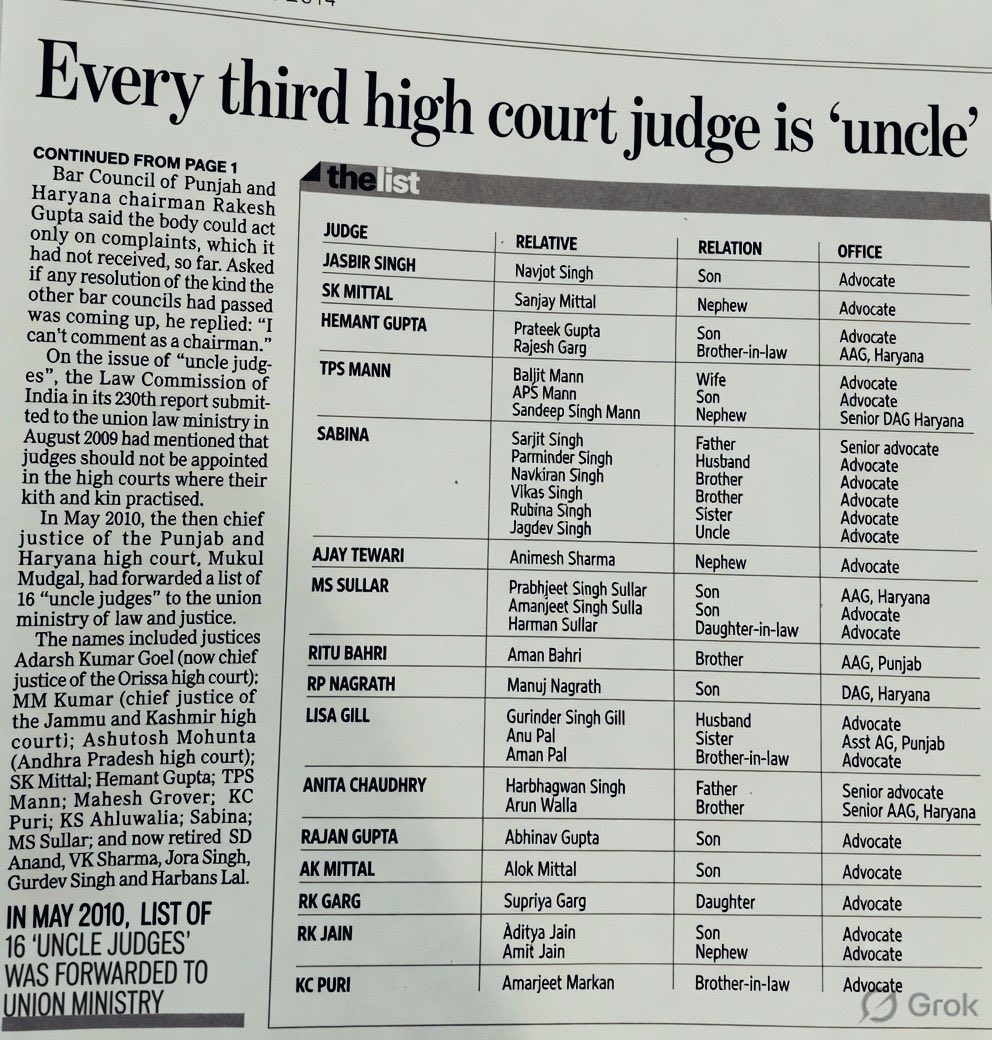
INDIA’S JUDICIARY: Every 3rd High Court Judge is an “Uncle”
This 2010 exposé on Punjab & Haryana High Court is damning proof of deep-rooted nepotism and shameless family favoritism.
Sons, nephews, wives, brothers, sisters & in-laws — all practicing as advocates in the SAME court where their relative sits as a Judge.
A list of 16 such “Uncle Judges” was officially forwarded to the Union Law Ministry.
Just look at this table. Clear, blatant conflict of interest. How the can justice be delivered fairly when family members argue cases before their own “Uncle”?
The Law Commission and Bar Council flagged this years ago. Nothing changed.
This uncle culture has destroyed public faith in the judiciary. Merit is dead. Nepotism rules.
We need ruthless reforms NOW:
- Ban close relatives from practicing in the same court
- Mandatory public declaration of family links
- Strict penalties for violations
Enough is enough. The temple of justice has become a family business.
192
3,011
5,643
154,462
May 23
This act raises questions over discipline
1
43
May 23
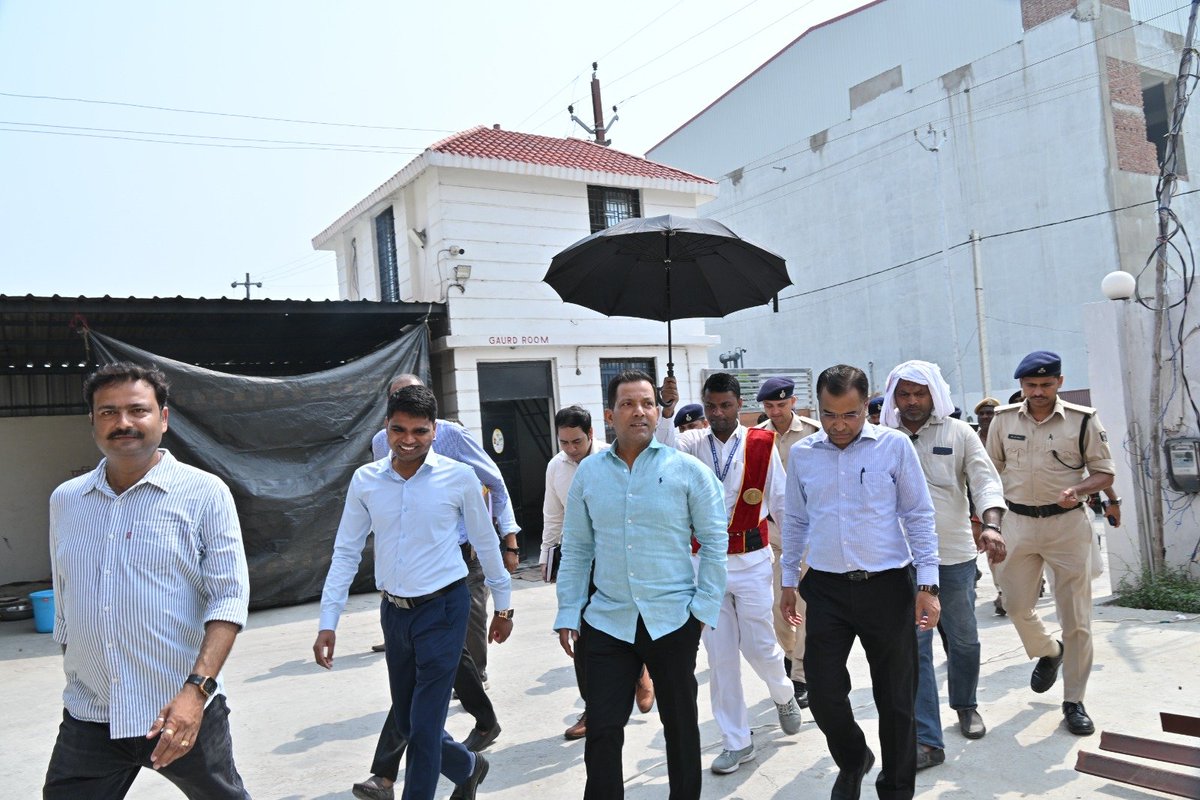
Bureaucrats are living the ultimate life in this heat. There is a dedicated person in a particular dress to hold an umbrella for the Babu. #Bureaucrats #SarkariBabu #Summer #Heat #Umbrella
31
May 21
Gujarat Model.
Jal Jeevan Mission se piped drinking water nhi pahunch paya hai kya @CMOGuj @PMOIndia @Bhupendrapbjp @narendramodi #Gujarat #GujaratModel

#WATCH | Gujarat: People of Valsad face severe water shortage. They are stepping down into wells which are more than 45 feet deep with the help of ropes to get water.
13
Monu Singh retweeted

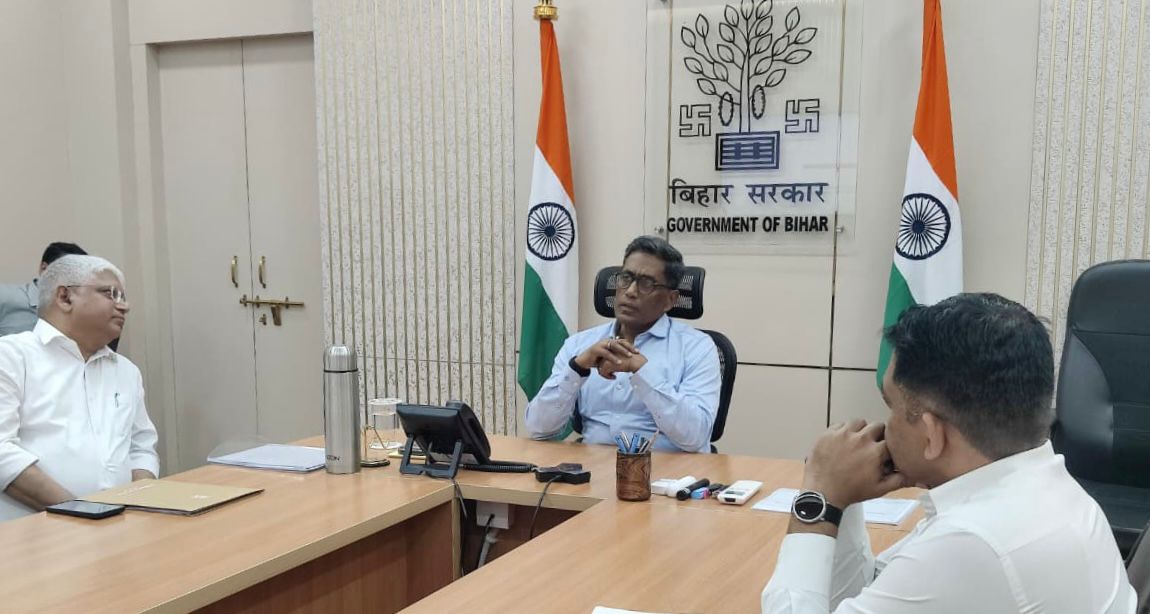
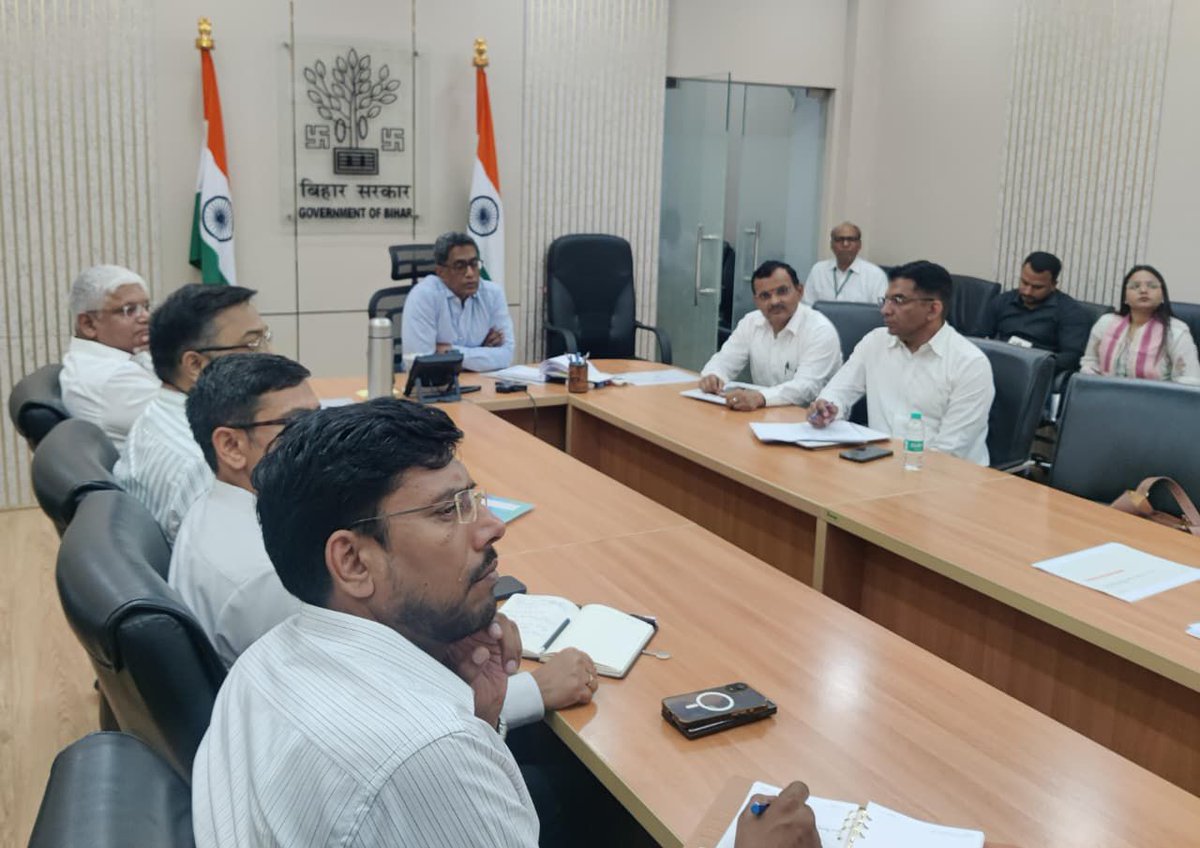
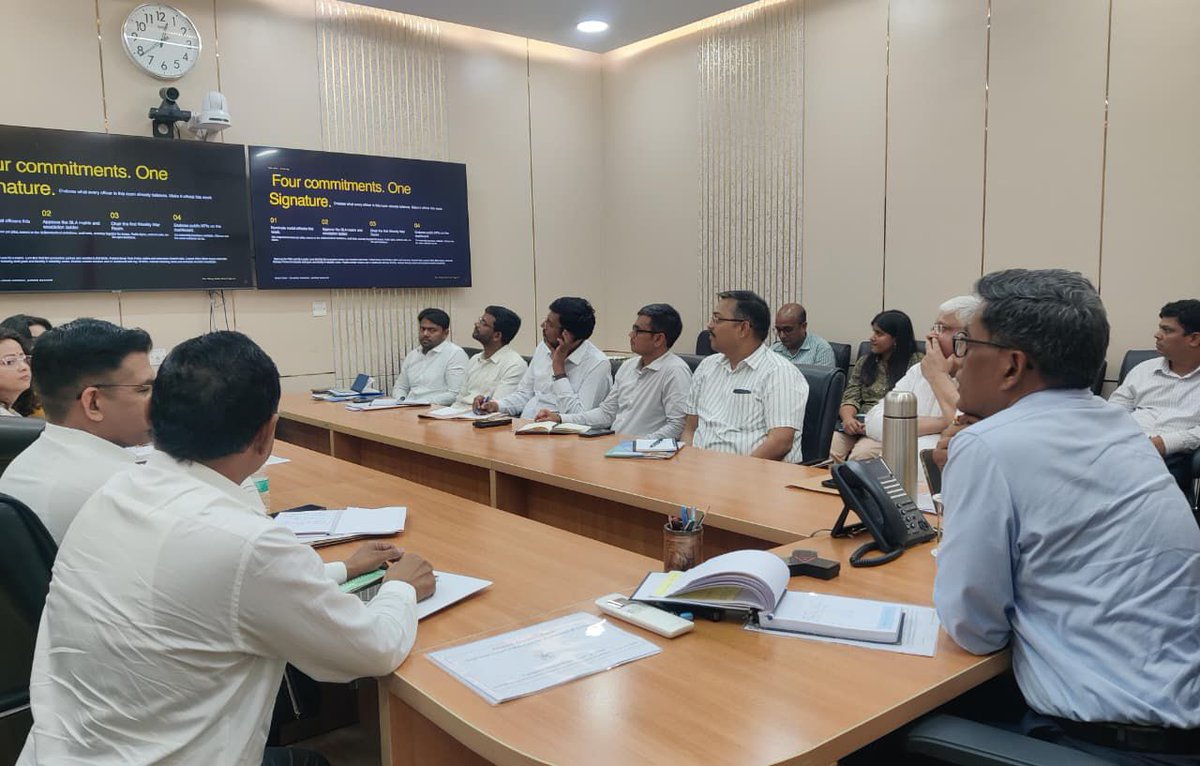
“ब्रांड बिहार” सिर्फ एक अभियान नहीं, बल्कि नए बिहार की नई पहचान है।
मुख्य सचिव कोषांग के तहत शुरू की गई यह रणनीतिक राज्य-व्यापी पहल बिहार की वास्तविक प्रगति, जमीनी बदलावों और नई संभावनाओं को एक सशक्त पहचान देने की दिशा में महत्वपूर्ण कदम है। (1/2)
#BrandBihar
#InvestInBihar
8
54
124
3,865
May 14
This is why, India win lots of medals at Olympics, Asian Games and Commonwealth Games. #Sports
indianexpress.com/article/ex…
26
May 13
Another hundred by Virat Kohli. With the passing of time, he is becoming more and more dangerous. #viratkohli @imVkohli #ipl #RCB
184
Monu Singh retweeted

While India Focused on Elections, a Nuclear Milestone Moved Its Thorium Dream Closer to Reality
India reached a key milestone when its commercial-scale fast-breeder nuclear reactor became operational. Yet the achievement received little attention, partly because the country at the time was fixated on impending state elections.
Russia is the only other country operating commercial-scale fast-breeder reactors. In fact, it has two: the BN-600 and BN-800 reactors at Beloyarsk.
France (Superphénix), the U.S., and Japan (Monju) previously built commercial-scale breeders but eventually decommissioned them because of recurrent technical problems and soaring costs. China is currently constructing its own, the CFR-600.
But India’s 500 MWe Prototype Fast Breeder Reactor (PFBR) at Kalpakkam represents a major leap toward commercial viability. By “breeding” more fissile material than it consumes, the PFBR serves as a bridge to eventually tapping India’s massive thorium reserves — the world’s third largest.
India appears to have learned from the failures of the French Superphénix and Japanese Monju breeders, whose problems centered on the liquid-sodium coolant system.
Although India’s PFBR also uses liquid sodium coolant, it employs a “pool-type” design, generally considered safer and more stable than the “loop-type” designs used in the earlier failed reactors. In a pool-type reactor, the entire primary cooling system — including the pumps, heat exchangers and core — is submerged in a single large tank of sodium, reducing the risk of external leaks.
16
216
941
43,592
May 8
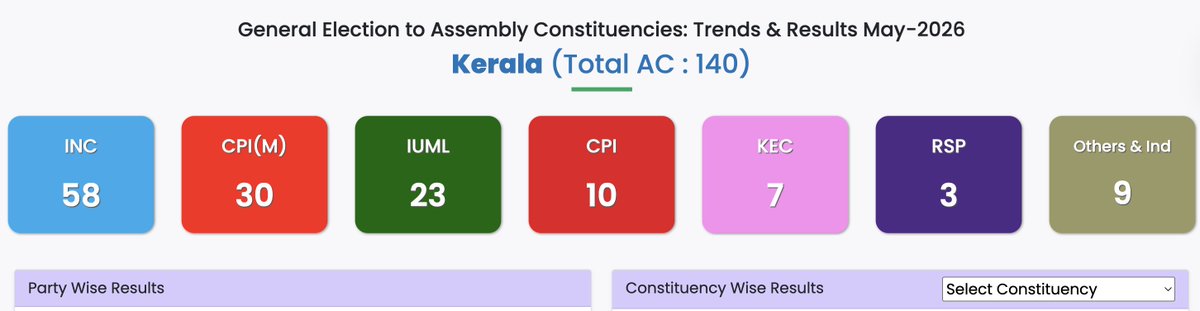
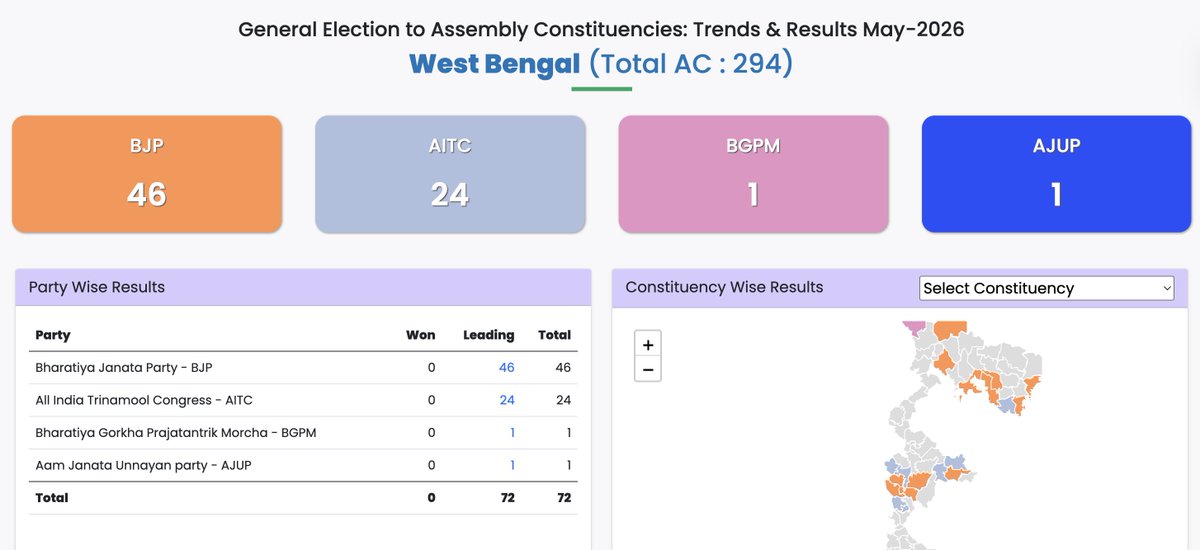
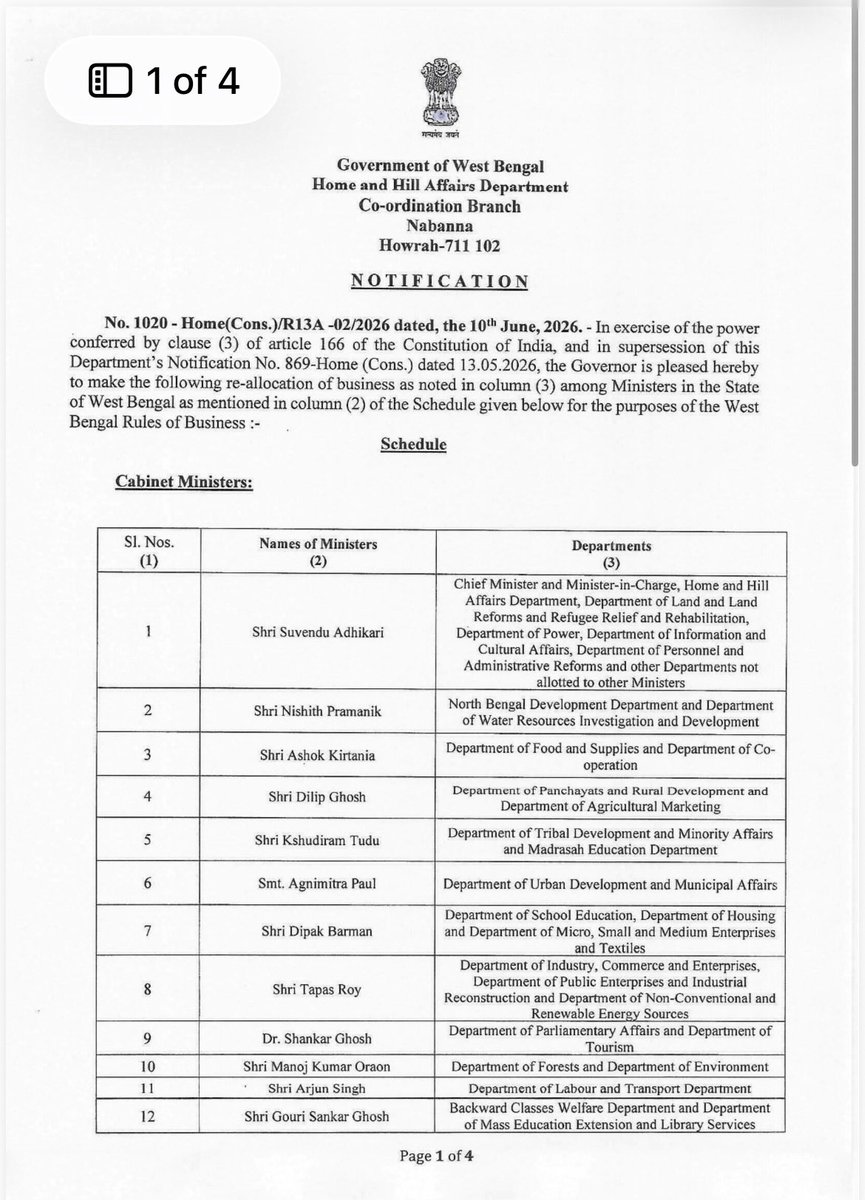
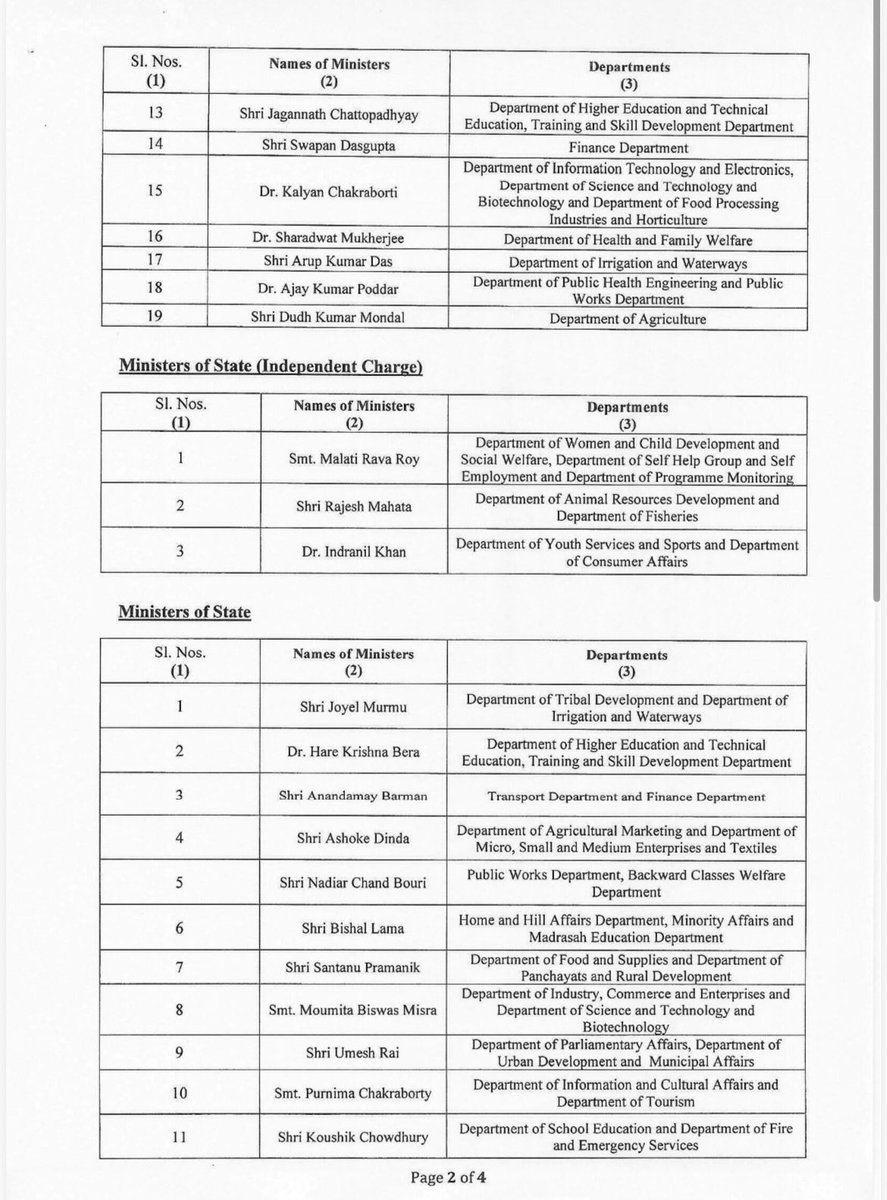
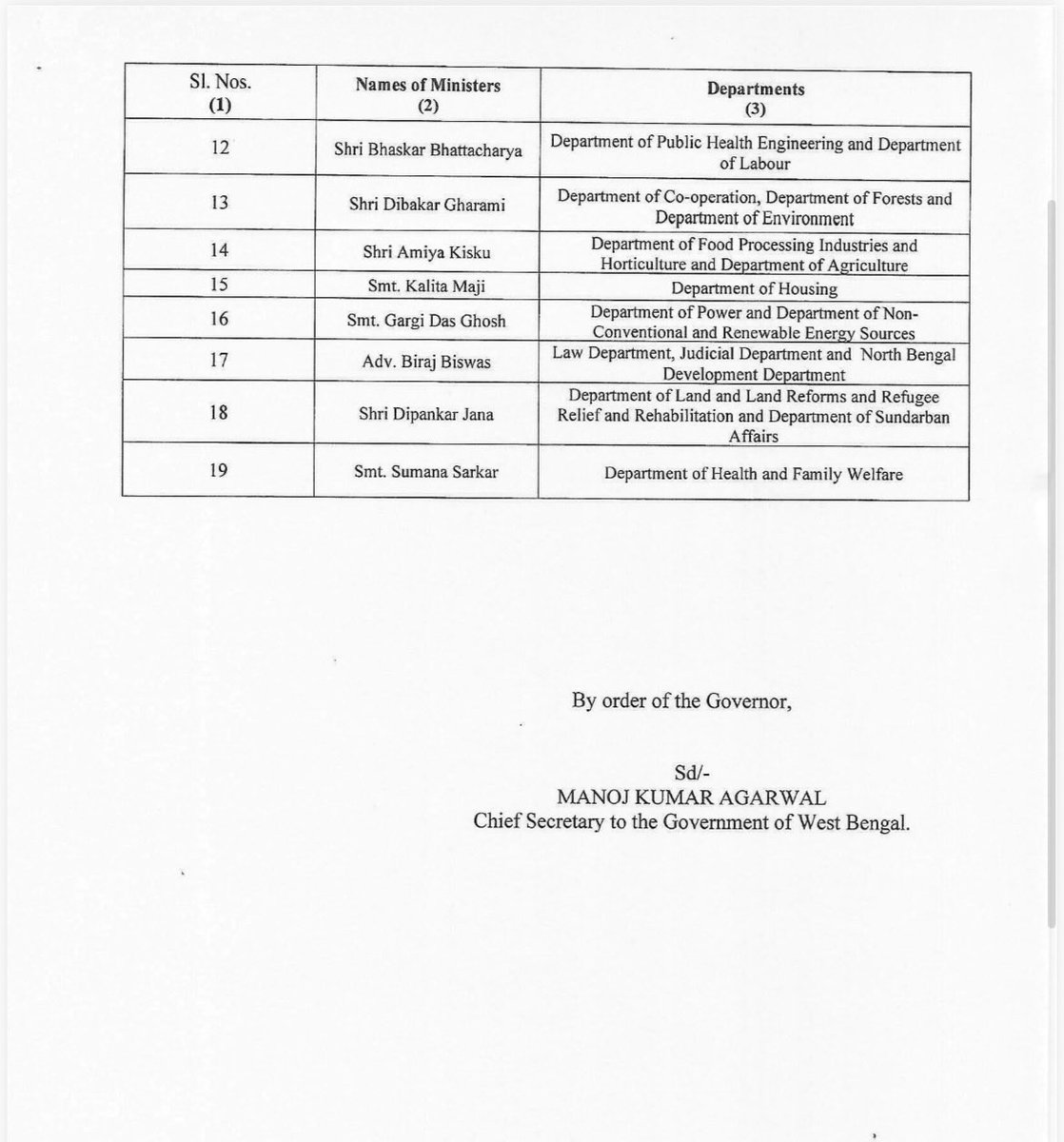
Suvendu Adhikari has been elected Leader of BJP’s Legislature Party and he is set to become BJP’s first CM in West Bengal. #westbengal #suvenduadhikari @SuvenduWB
16
May 5
Congress workers are also heaving a sigh of relief after TMC's loss.
May 5

Greatest example of BJP restoring democracy in Bengal.
Congress workers in Karim Pur, Nadia have finally reclaimed their party office from years of TMC occupation.
Rahul Gandhi continues to support Mamata TMC, while on the ground, Congress workers were struggling under TMC pressure.
With BJP coming to power and fear reducing, Congress workers are now able to take back what was theirs.
Yet Rahul Gandhi shows no concern for his own cadre.
In the end, it is BJP’s governance that creates space even for Congress workers to function, which is why many Congress voters eventually shift towards BJP, while Rahul keeps blaming EVMs instead of introspection.
RT because media won’t tell you this.
33
May 4
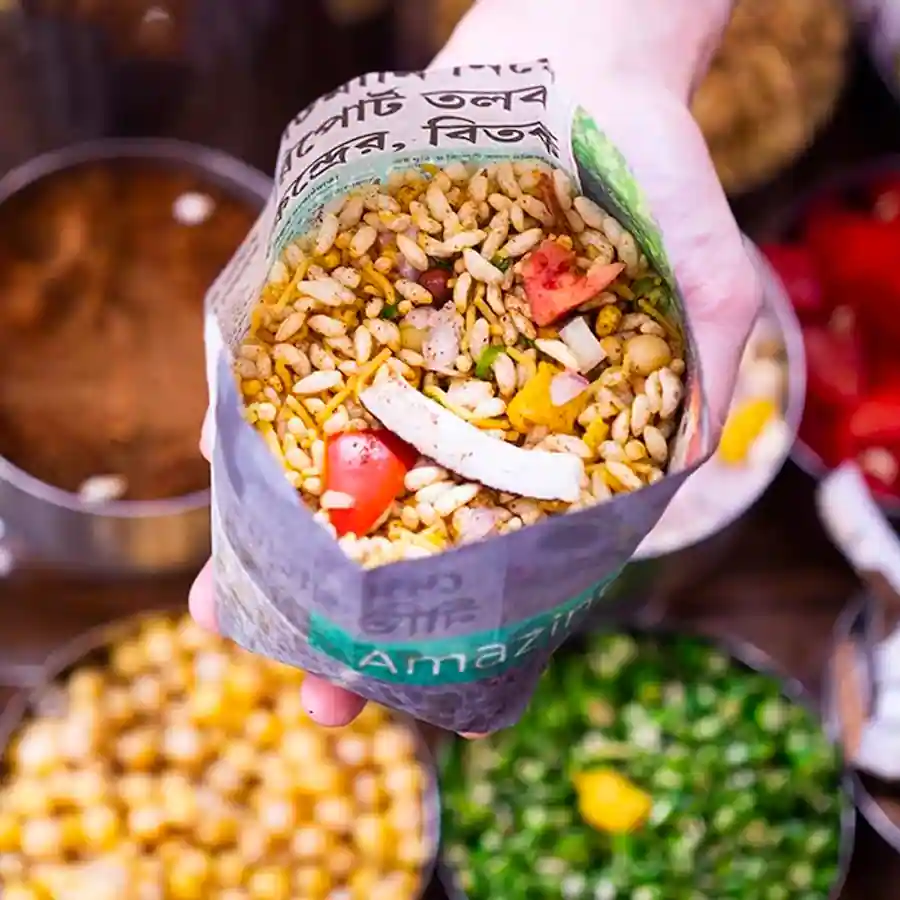
Jhalmuri - National Snack of India
#WestBengalLegislativeAssemblyelection2026
#WestBengal #BengalVoteCounts #BengalVerdict
27