
Nace, crece y se reproduce.
Joined August 2012
- Tweets 40,263
- Following 2,606
- Followers 917
- Likes 50,405
2,567 Photos and videos













R Aren Alejo Vazqa, agentic CEO retweeted

May 1
Mathematical Maps - “Reality Maps” Paradigms, Outlines, Expression(s), Systems Poetries, Expression/Non-Expression, Object(s), Principalities, And the STUFF Kingdom of Knowledge. Creative Math and Art. Permission to Copy and Sharing
2
28
406
726,389
R Aren Alejo Vazqa, agentic CEO retweeted

Jun 13
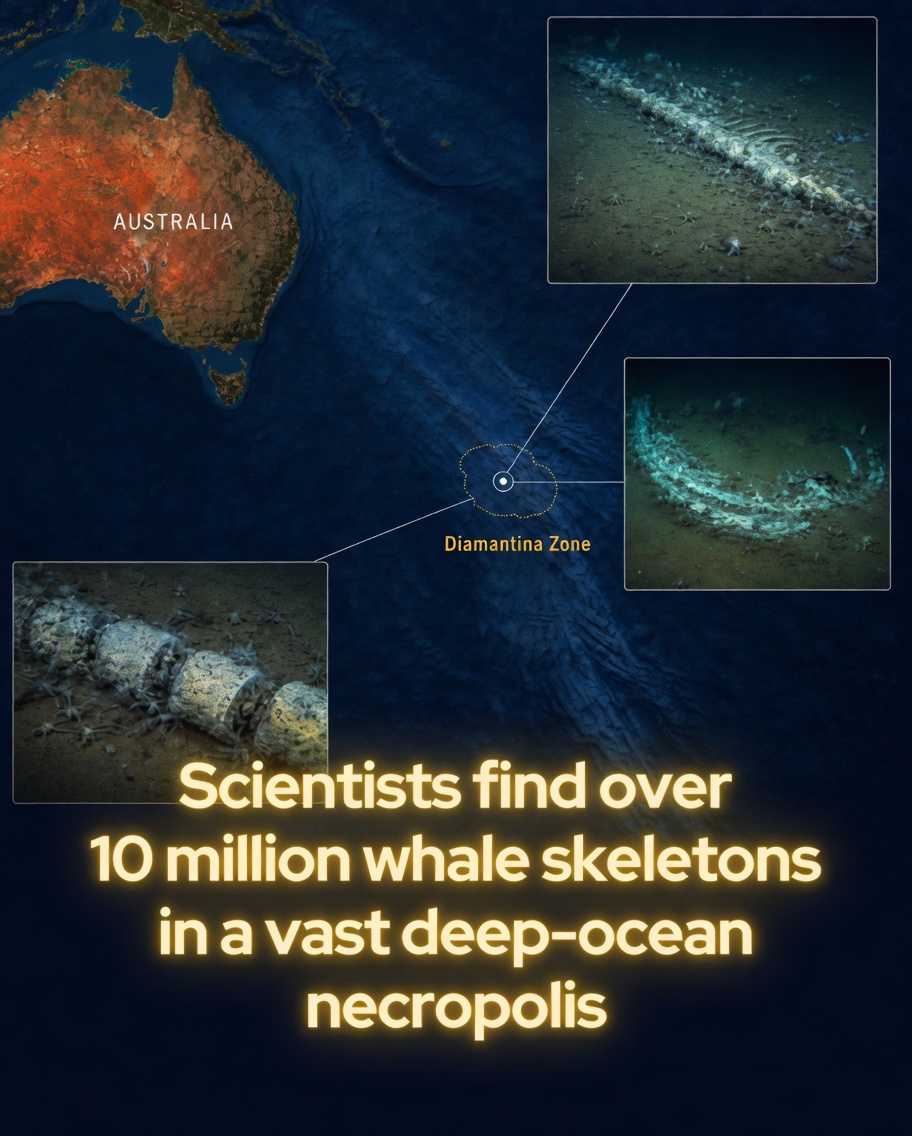
Scientists have uncovered one of the largest known animal graveyards on Earth, a massive “whale necropolis” on the deep ocean floor of the southeastern Indian Ocean. Located in the remote Diamantina Zone, this site contains evidence of whale carcasses accumulating for at least 5.3 million years.
Using the crewed deep-sea submersible Fendouzhe, researchers conducted 32 dives in 2023 along a 1,200-kilometer stretch of seafloor at depths ranging from 4,616 to 7,001 meters. They documented 476 fossil whale-fall sites and five active modern whale carcasses. Based on observed densities reaching up to 760 individuals per square kilometer, the team estimates the entire zone may hold more than 10 million whale skeletons.
Whale falls create rich oases in the nutrient-poor deep sea. A single carcass can support specialized communities, including bone-eating worms (Osedax), brittle stars, anemones, and microbes, for decades. The Diamantina Zone’s V-shaped topography, low sedimentation rates, and protective mineral crusts have preserved both modern and ancient remains exceptionally well, including fossils from living beaked whale species and extinct taxa such as the newly described Pterocetus diamantinae.
This extraordinary concentration likely results from the region serving as a key feeding ground for deep-diving beaked whales, combined with seafloor features that funnel sinking carcasses into the same areas. The discovery provides a unique window into cetacean evolution and highlights how whale falls have sustained complex deep-sea ecosystems over millions of years. It also represents a significant, previously unquantified carbon sink on the seafloor.
The deepest active whale-fall ecosystem ever recorded was found here at nearly 6.8 km depth, setting a new benchmark for such communities.
[Peng, X. et al. (2026). A 5.3-million-year-old deep-sea whale necropolis in the Diamantina Zone. Nature. DOI: 10.1038/s41586-026-10546-z]
23
193
897
49,725
R Aren Alejo Vazqa, agentic CEO retweeted

Camouflage of the leaf tailed gecko
📹 vanessafdeztho
28
145
1,378
75,751


VRMアバターと Three.js で簡単に3Dゲームを作り始められるスターターテンプレート「vrm-game-starter」を公開しました!
✅ Three.js (WebGPU)
✅ 物理エンジン不要のキャラコン・Foot IK
✅ .vrmをドロップするだけでアバター差し替え
✅ ゲーム内レベルエディタ付き
#threejs #MadeWithVRM #vroid
2
13
76
12,606
R Aren Alejo Vazqa, agentic CEO retweeted
After 2,457 episodes in 49 seasons, Super Sentai, the Japanese precursor to Power Rangers, finally ended its 50-year weekly run in February.
This is from the last day.
10
68
371
26,264
R Aren Alejo Vazqa, agentic CEO retweeted

Jun 13
¡Zas!
Lo que no dicen en las mañaneras.
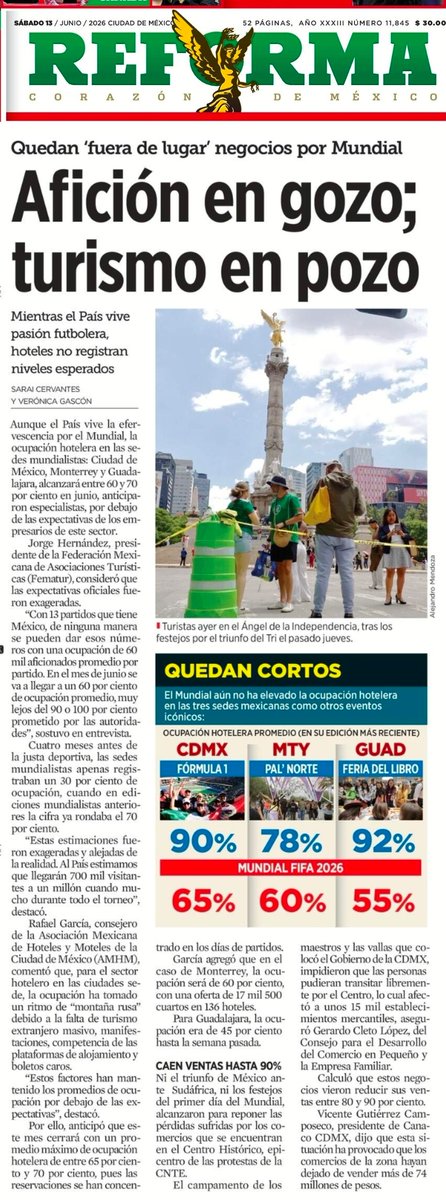
El Mundial que iba a "transformar" la economía.
Los hoteles al 65% en CDMX, comercios del Centro perdiendo hasta 90% de ventas, y la CNTE bloqueando todo.
Así luce el "legado" del que presumían.
Eso sí, las vallas del gobierno sí llegaron puntuales.
13
588
876
12,531
R Aren Alejo Vazqa, agentic CEO retweeted

30 años del mismo grupo en el poder, le pasan factura a la Ciudad de México 🇲🇽
.
Mantenimiento casi inexistente
.
Sin obras viales
.
Gastos superfluos e innecesarios como pintar de morado
.
Falta de agua en muchas zonas y otras inundadas
.
172
3,040
5,357
88,489
R Aren Alejo Vazqa, agentic CEO retweeted

Pablo Picasso dijo una vez: "Mi madre me dijo: si eres soldado, te convertirás en general. Si eres monje, te convertirás en Papa. En cambio, yo era pintor y me convertí en Picasso".
15
227
1,994
127,932
R Aren Alejo Vazqa, agentic CEO retweeted

Jun 13
The sooner you know, the better

70
2,744
22,412
352,286

A reminder that jobs for 3D artists are not only in the game or VFX industry. Lots of other industries need 3D work and provide a more stable work environment. Your name will never be on a blockbuster but your will have a steady income. You decide what live you want to live but stop saying 3D sucks because layoffs in the gaming industry
8
13
153
6,337
R Aren Alejo Vazqa, agentic CEO retweeted

Jun 13

2
9
199
5,542
R Aren Alejo Vazqa, agentic CEO retweeted

Studio Ghibli's 'PONYO' is now playing in select US theaters through June 17th!
1
12
105
9,328
R Aren Alejo Vazqa, agentic CEO retweeted
Iridescence of a Mexican black king snake
📹 karim_wildlife
105
1,006
8,166
160,083

When you have no idea of how a thing is made, "everything seems like a nail for your hammer". 😂🤣
It's like saying that the hard thing about making a novel is typewriting. 🤷🏽♂️🤦♂️

Higgsfield just announced Higgsfield Games, a prompt-to-multiplayer product that can build and deploy 2D or 3D games with generated characters, props, and settings.
Build and deploy multiplayer games from one prompt, in any genre, 2D or 3D.
The hard part in any game project was turning an idea into code, assets, physics, multiplayer, and launch, and Higgsfield compresses that into one prompt.
Claude Fable 5 reason through the game idea while Higgsfield MCP calls the tools that build characters, props, environments, and playable structure.
8
R Aren Alejo Vazqa, agentic CEO retweeted

Jun 13
Clara Brugada como Jefa de Gobierno no hizo nada con las coladeras en Tlalpan. Claudia Sheinbaum en seis años tampoco. Y Gaby Osorio ni lo pidió. Este es el resultado:
167
3,590
8,017
97,120
R Aren Alejo Vazqa, agentic CEO retweeted


10
25
178
3,027
R Aren Alejo Vazqa, agentic CEO retweeted
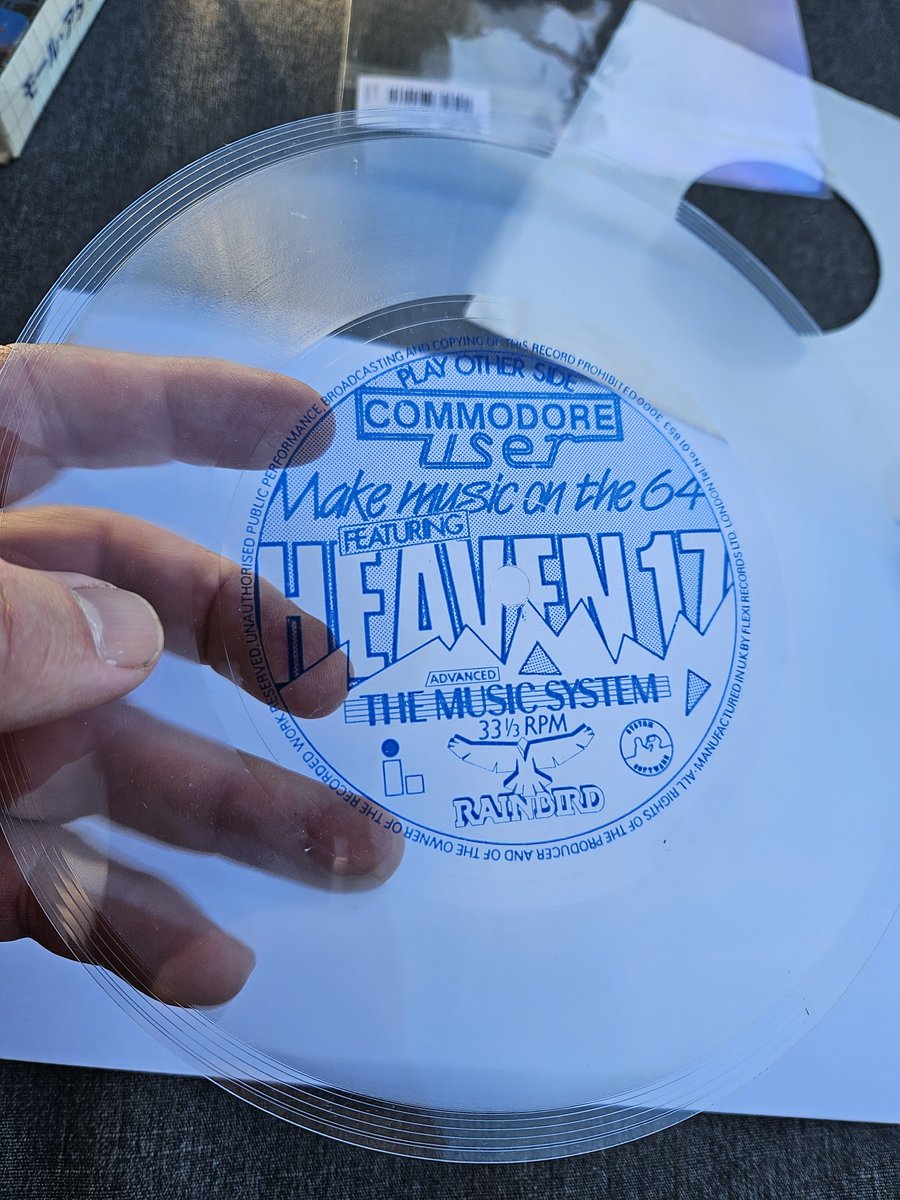
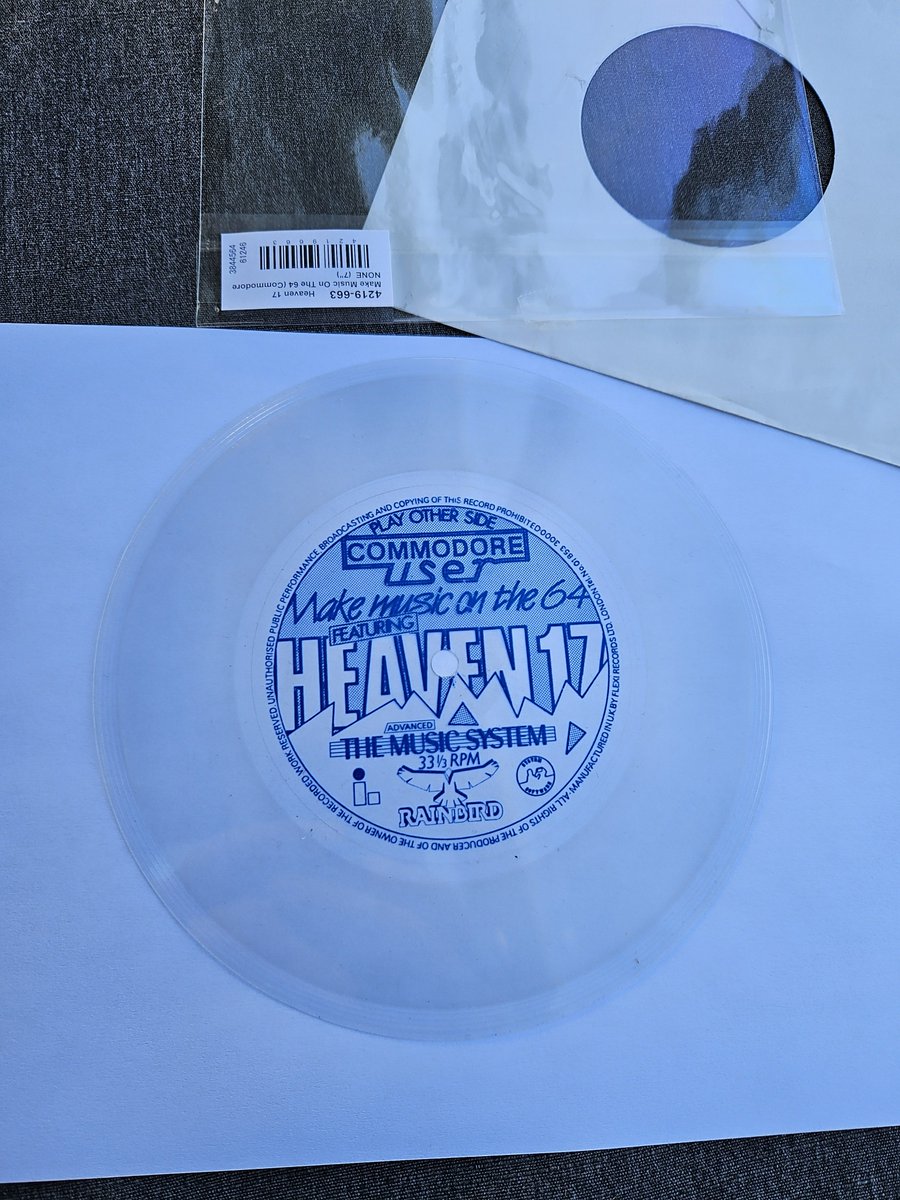
Just arrived today at the Commodore Computer Museum🕹️
A rare 1986 Commodore User magazine flexi-disc featuring Heaven 17 and Rainbird's Advanced Music System for the C64.
This translucent 7" promo showcases the SID chip's musical potential — straight from the January '86 issue.
Did you own this back in the day?
2
4
29
1,439
R Aren Alejo Vazqa, agentic CEO retweeted

Jun 13
Claudia Sheinbaum se burla de las madres buscadoras diciendo que había más gente de la comisión de búsqueda de víctimas que madres buscadoras manifestantes por el mundial, ¿De qué se ríe la presidenta?
980
4,387
11,214
210,725
Ahora si @Claudiashein hizo un enorme ridículo al agredir y reprimir a un grupo totalmente pacifico con sus comunicados violentos y amenazas públicas del uso de la fuerza estatal en lugar de dar solución. 🤷🏽♂️🤦♂️😷😷
Jun 13

¿Quien la pasó mal es quien quiere que le vaya mal a México?
¿Es neta que las madres buscadoras quieren que le vaya mal a México? Estas declaraciones van a quedar como algo muy bajo en la historia de este país.
La historia va a decir que este país miró más un espectáculo que duró un mes, que ver por darle justicia a cientos de miles de madres a quienes les desaparecieron a sus hijxs.
#MundialDelDespojo
8
R Aren Alejo Vazqa, agentic CEO retweeted

Jun 13
¿Quien la pasó mal es quien quiere que le vaya mal a México?
¿Es neta que las madres buscadoras quieren que le vaya mal a México? Estas declaraciones van a quedar como algo muy bajo en la historia de este país.
La historia va a decir que este país miró más un espectáculo que duró un mes, que ver por darle justicia a cientos de miles de madres a quienes les desaparecieron a sus hijxs.
#MundialDelDespojo
64
1,002
3,171
33,725