
On-chain futures for GPU hours. Making compute a tradable commodity through Blockchain infrastructure.
Joined October 2025
- Tweets 394
- Following 141
- Followers 56
- Likes 14
17 Photos and videos


Mar 8
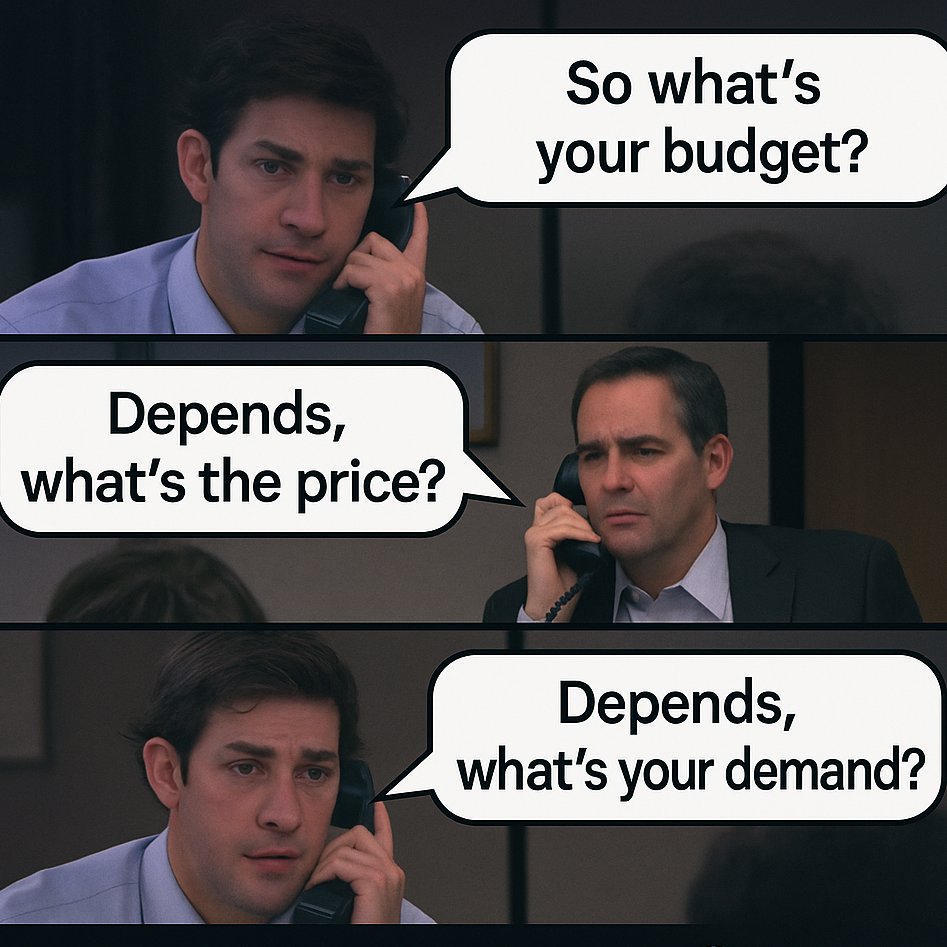
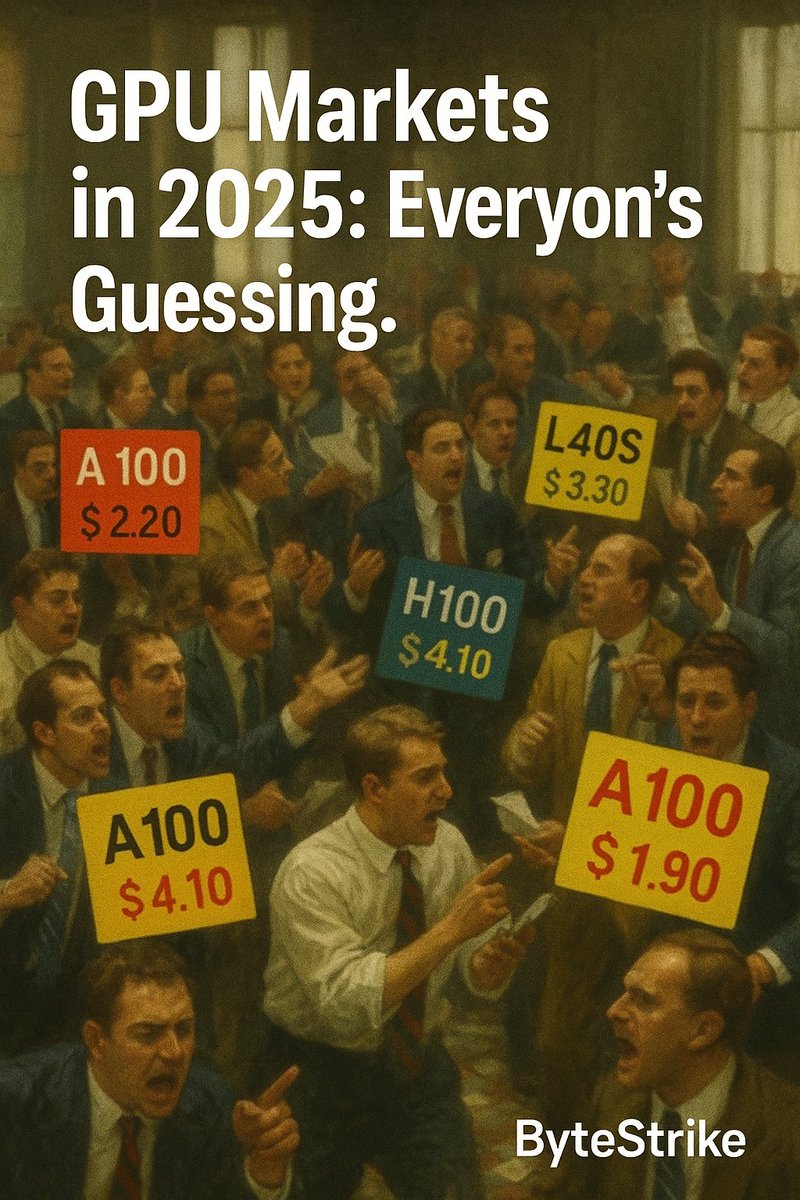
The Problem: GPU Pricing is Chaos
$AMZN, $MSFT, $GOOGL, $META, $NVDA operators face the same nightmare:
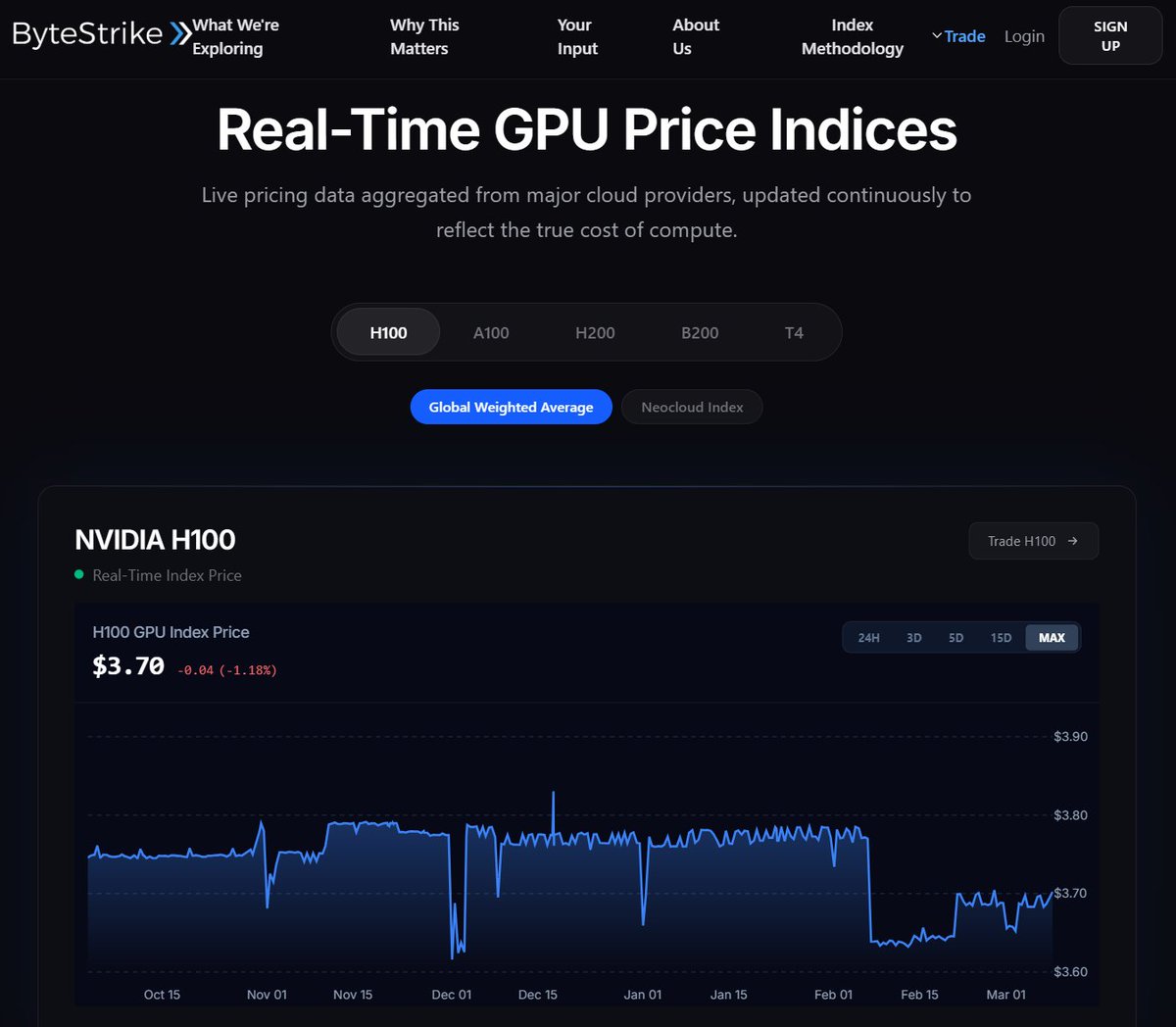
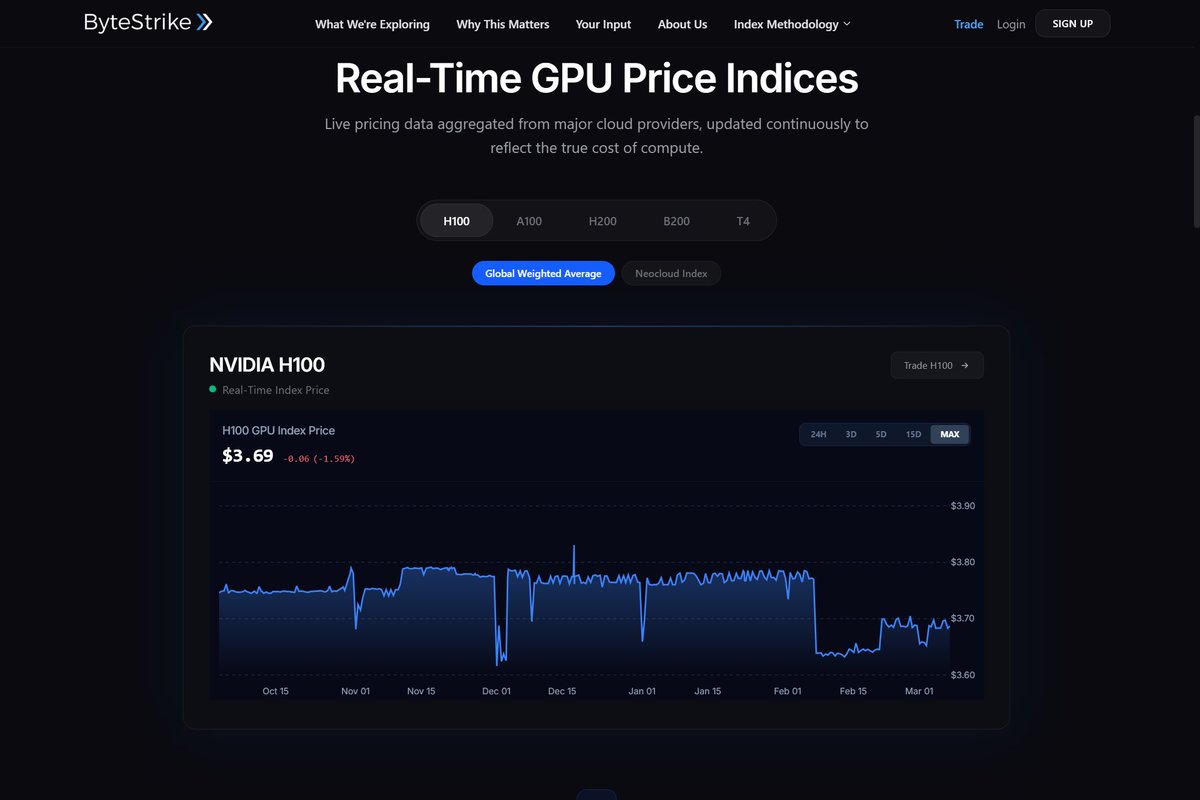
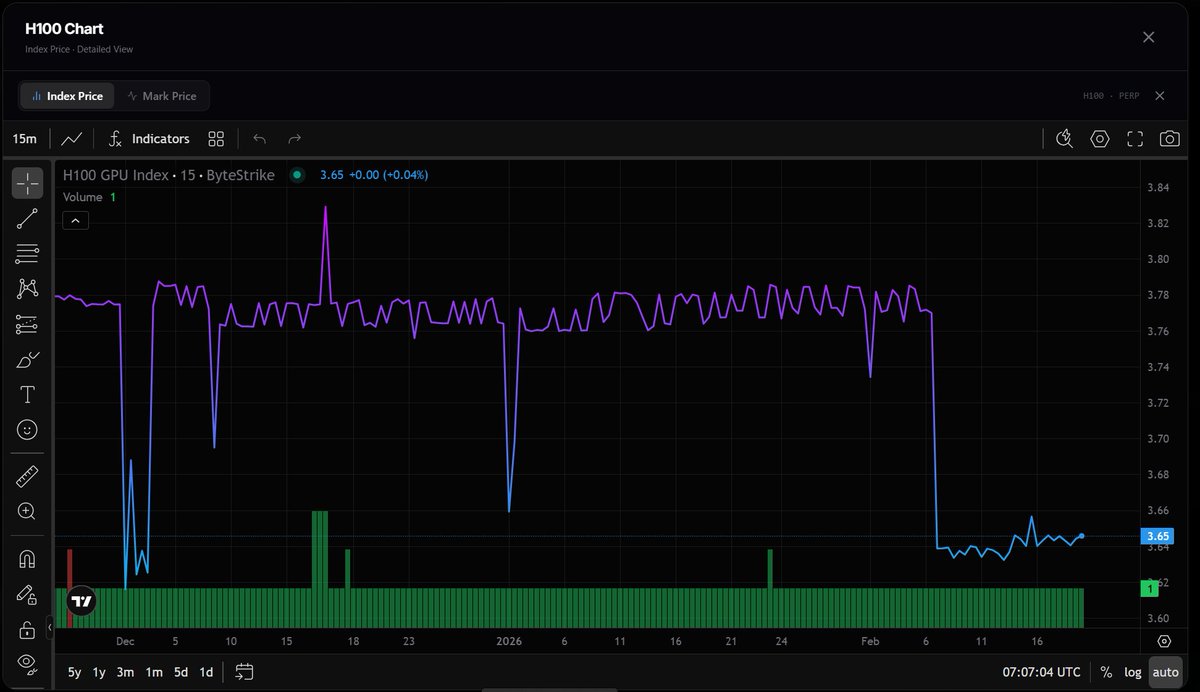
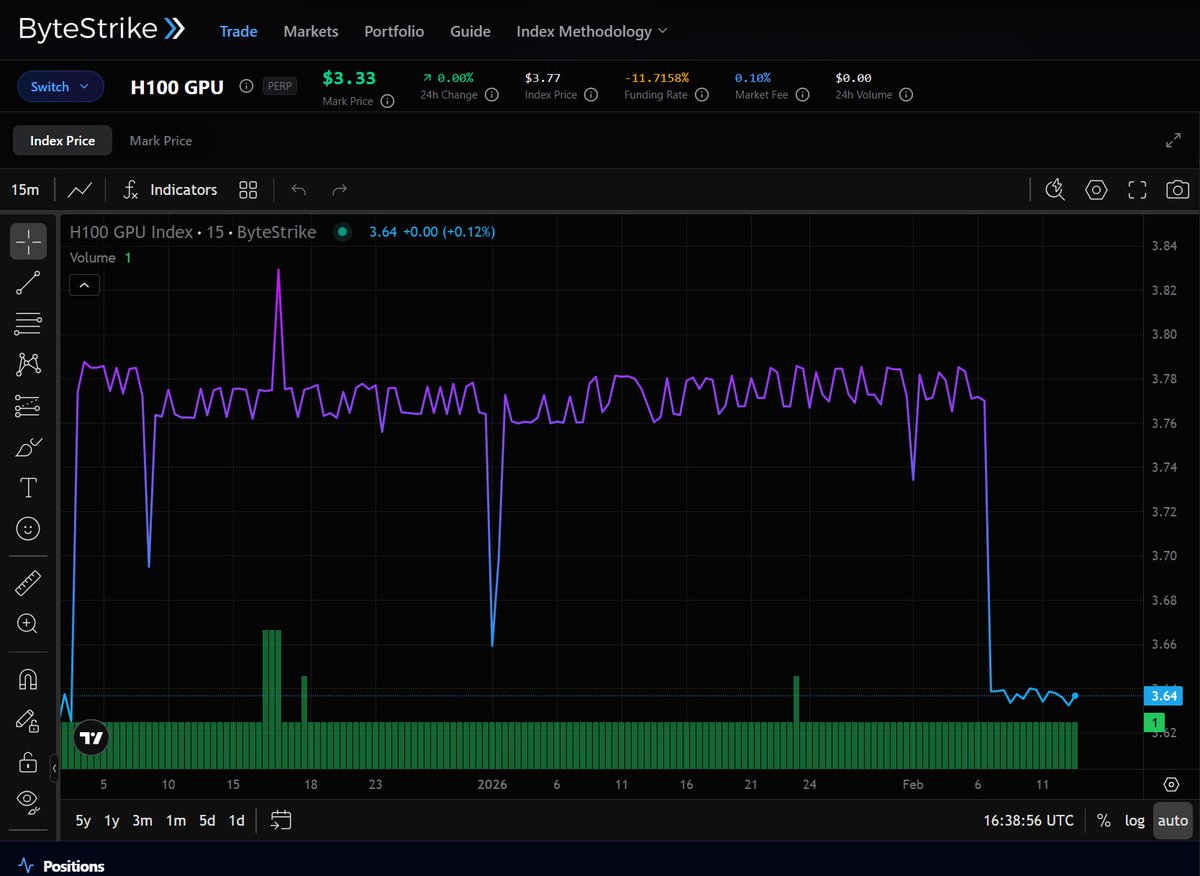
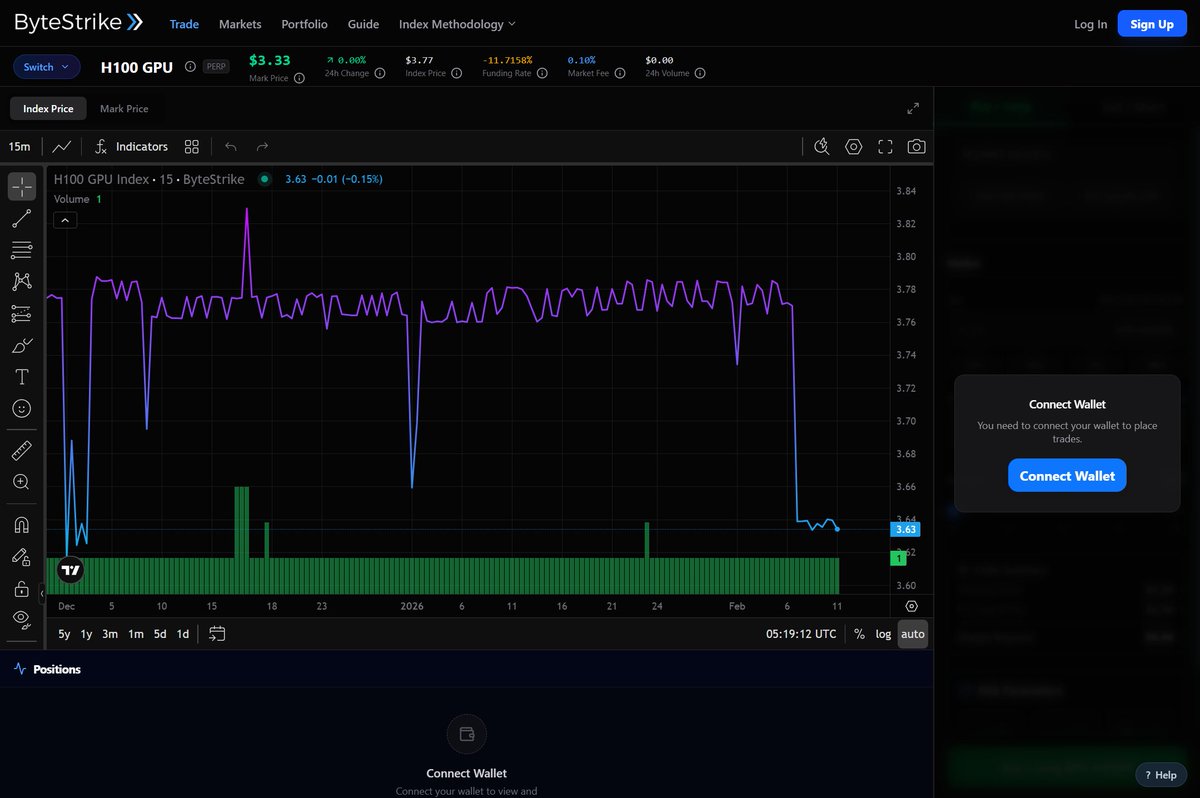
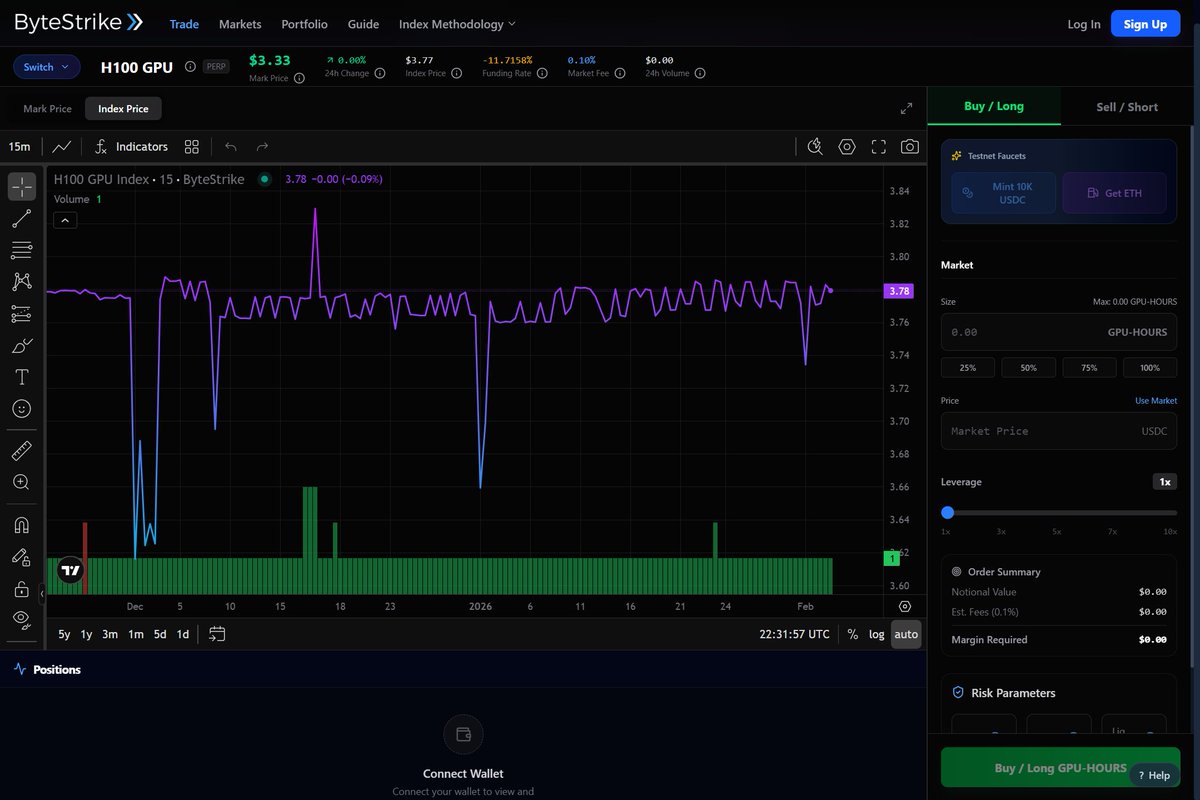
• H100 rentals swing $3.78/hr → $3.10/hr (18% drop)
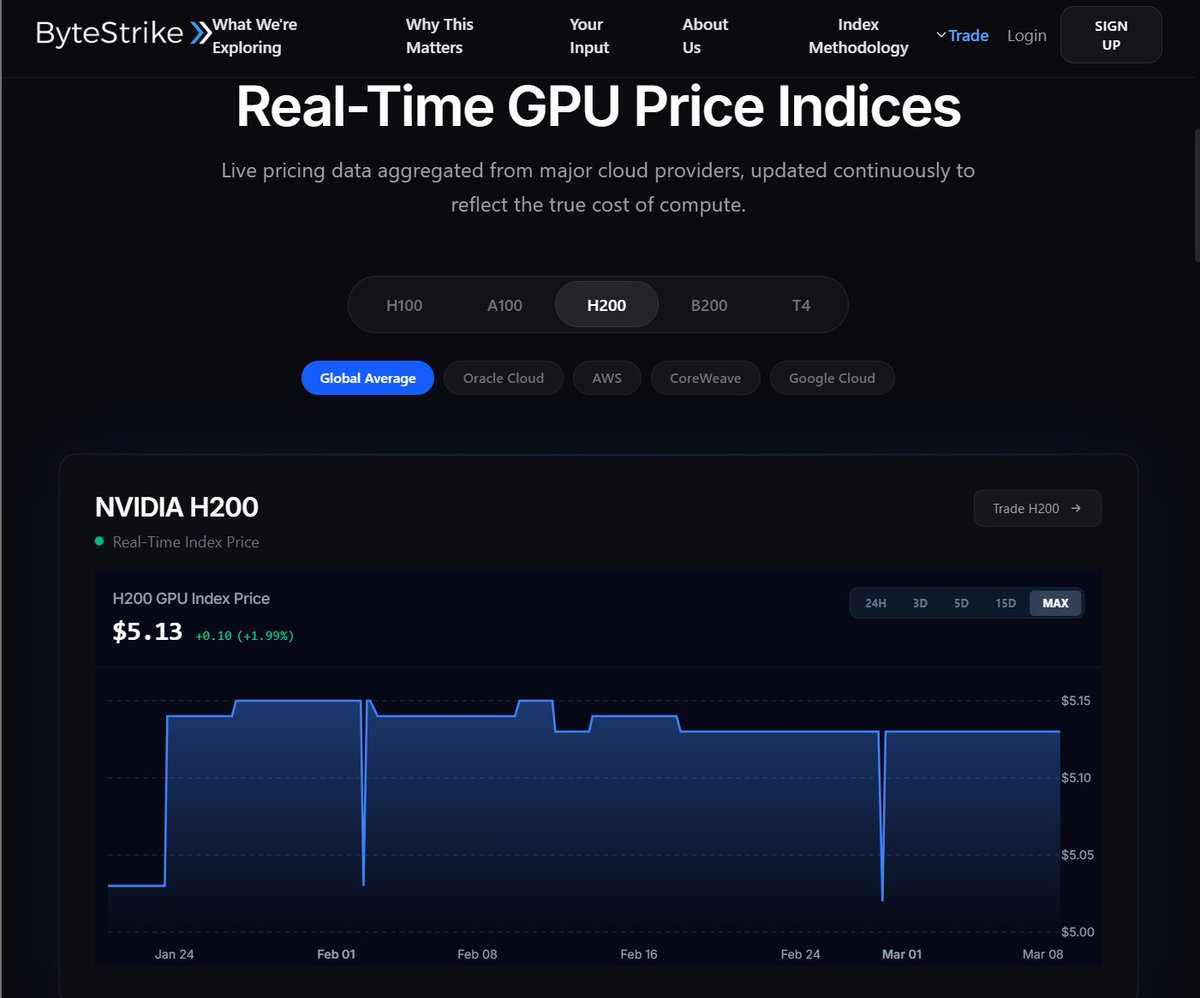
• H200: $5.13/hr avg, spiking to $5.50
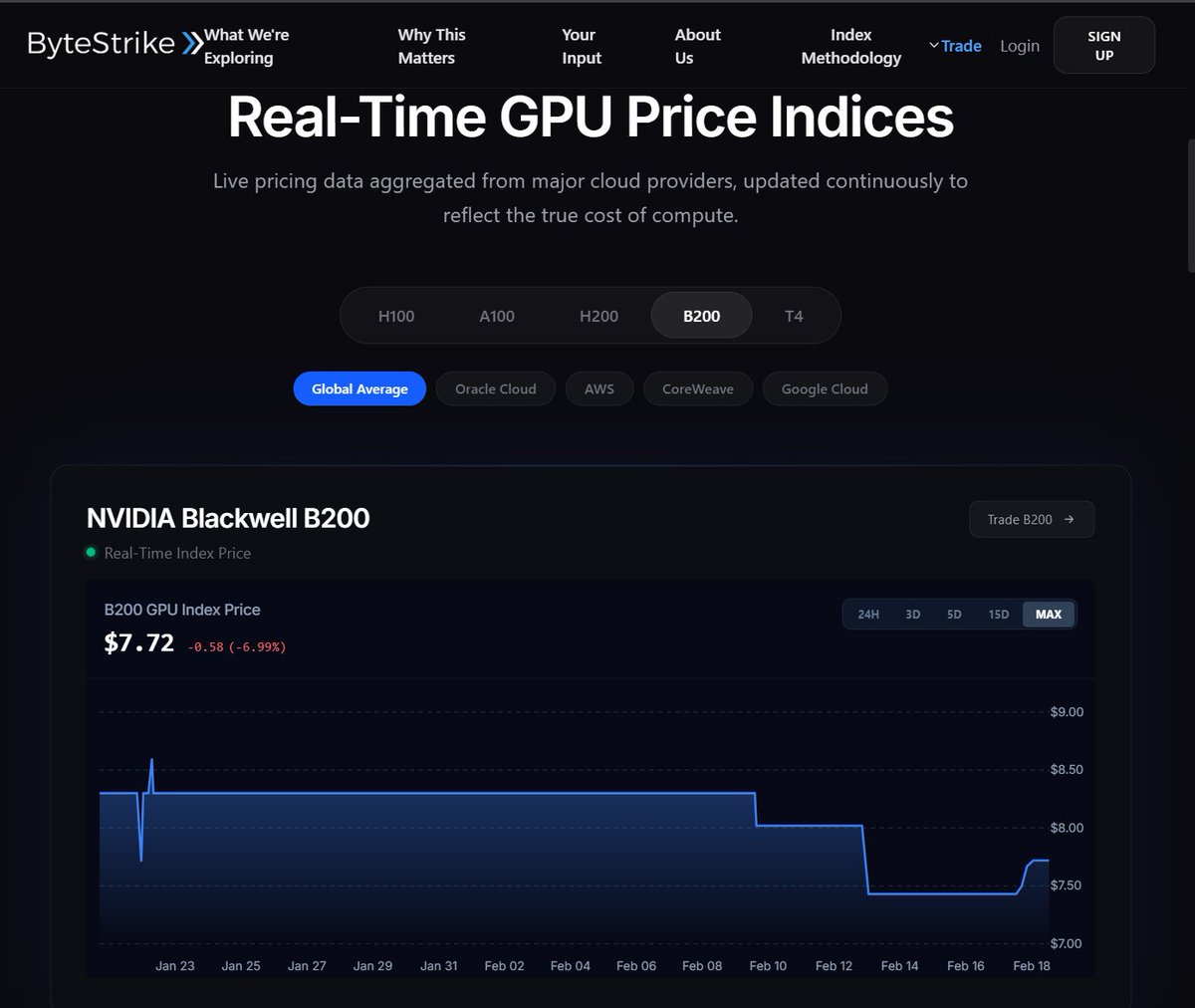
• B200: $7.72/hr and climbing
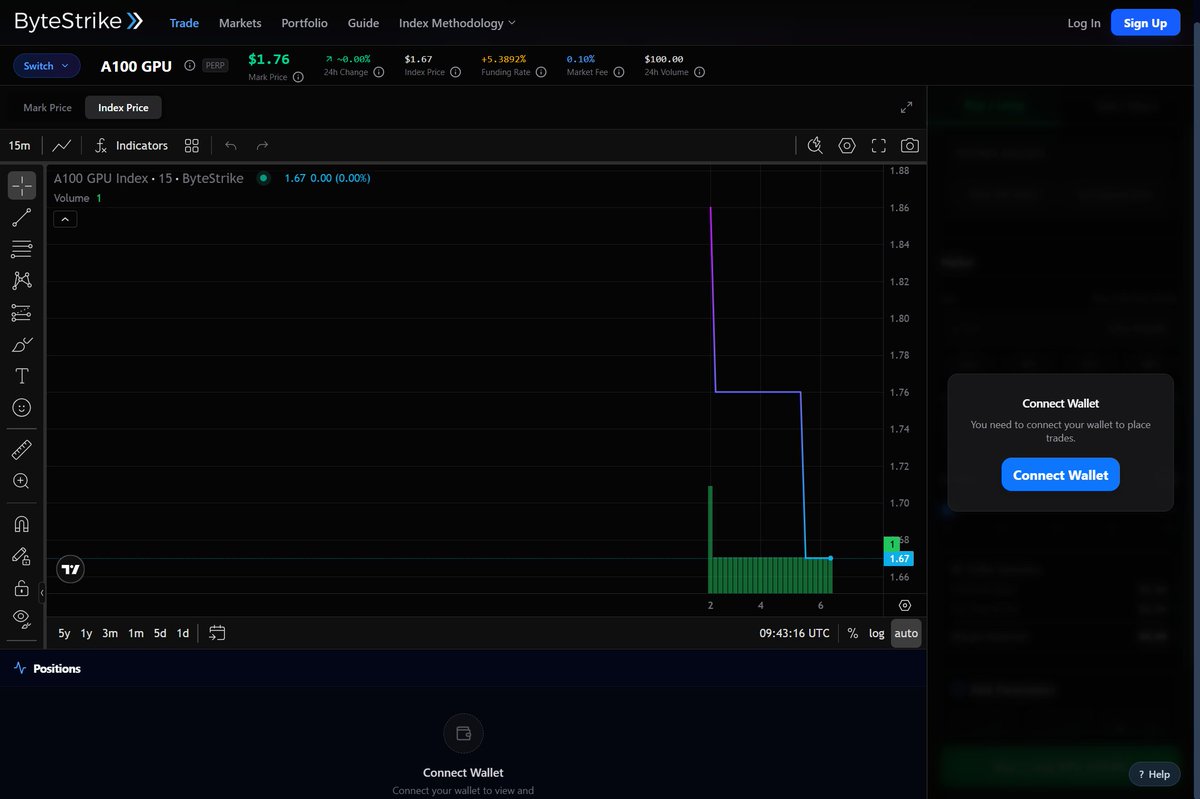
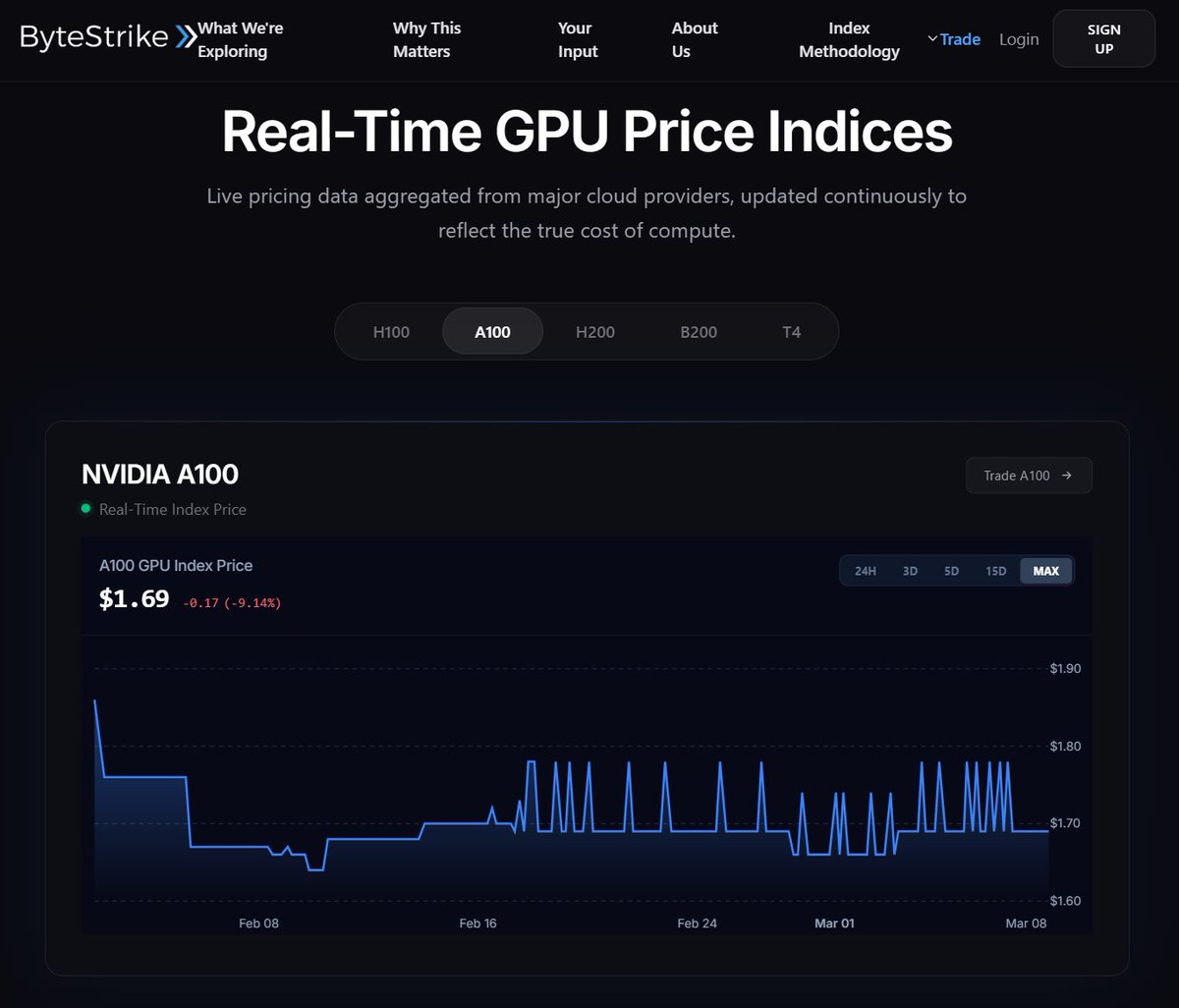
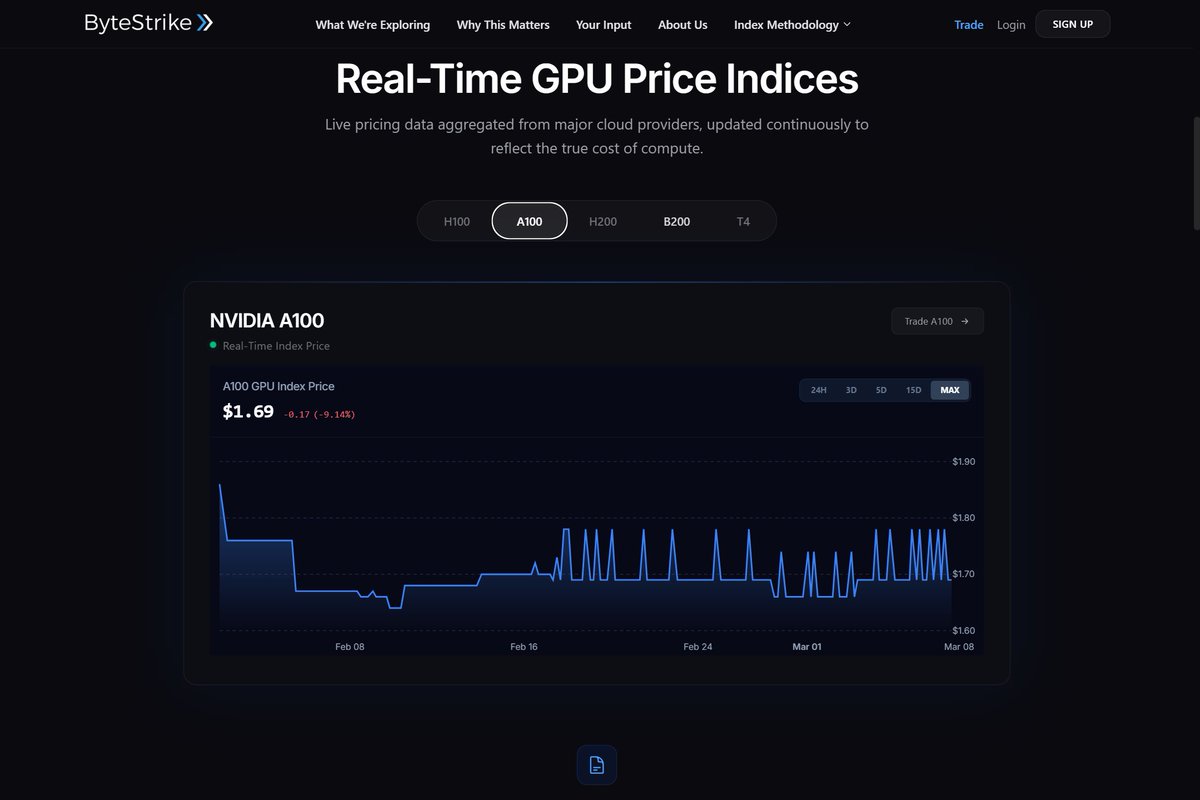
• A100 legacy: $1.69/hr
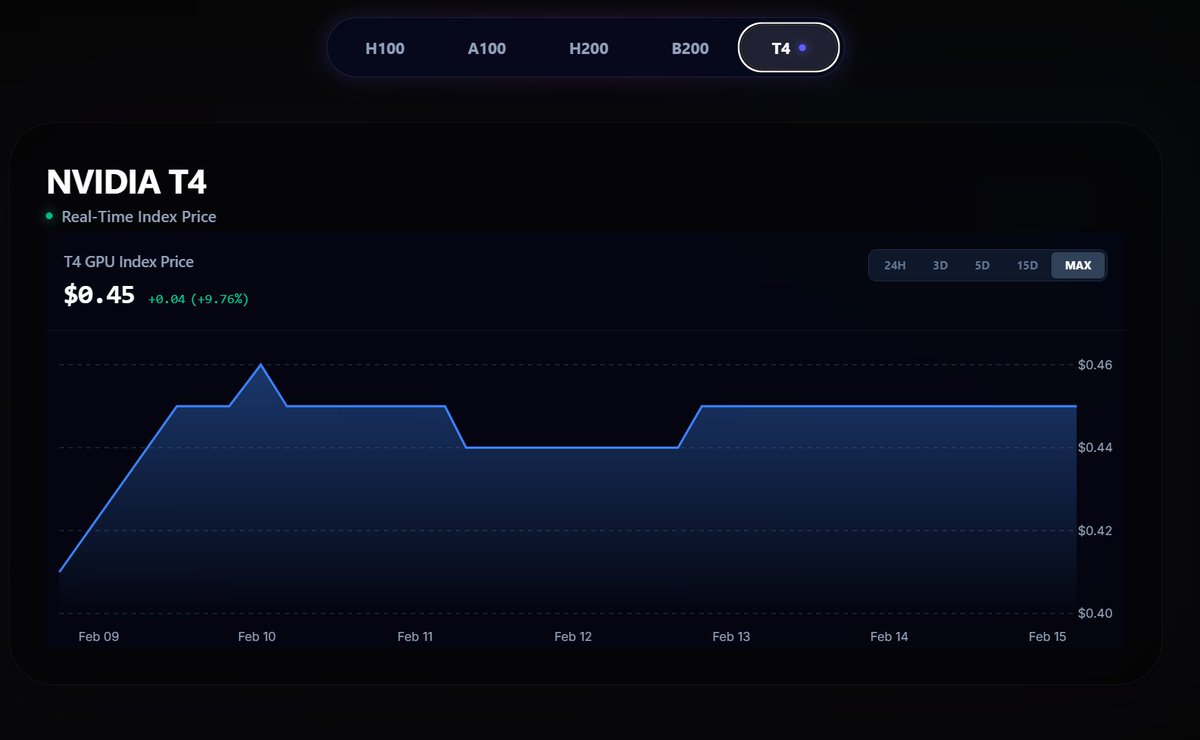
• T4: $0.39/hr
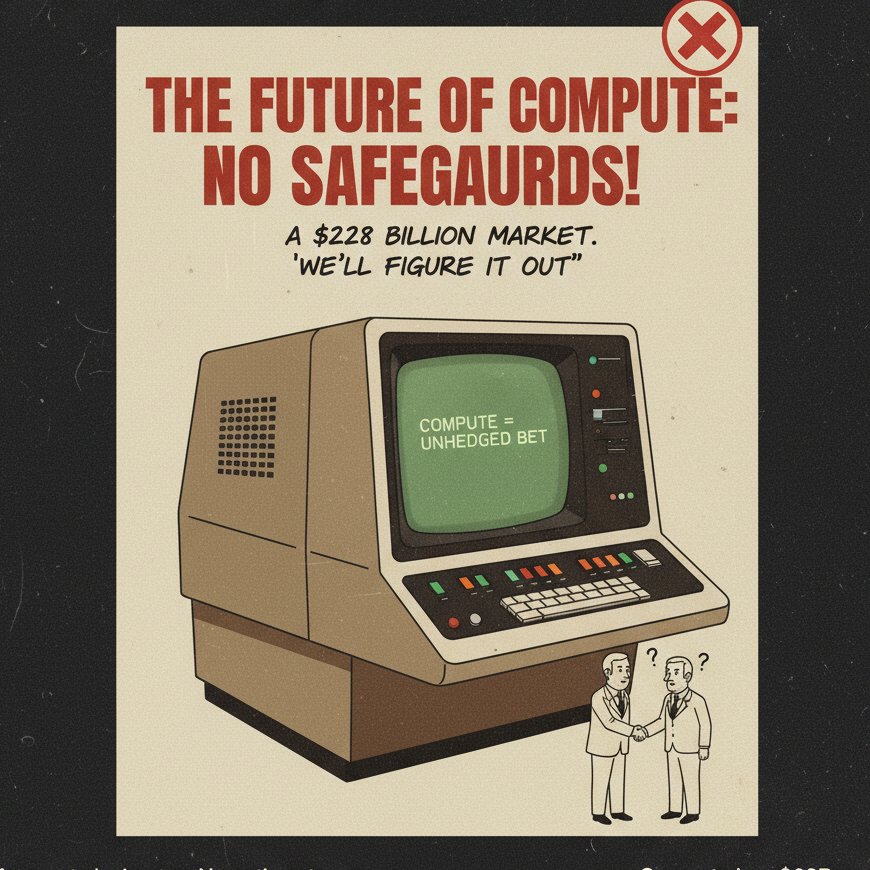
No transparency. No forwards. Just opaque cloud bills.
ByteStrike's Solution: Live GPU Markets
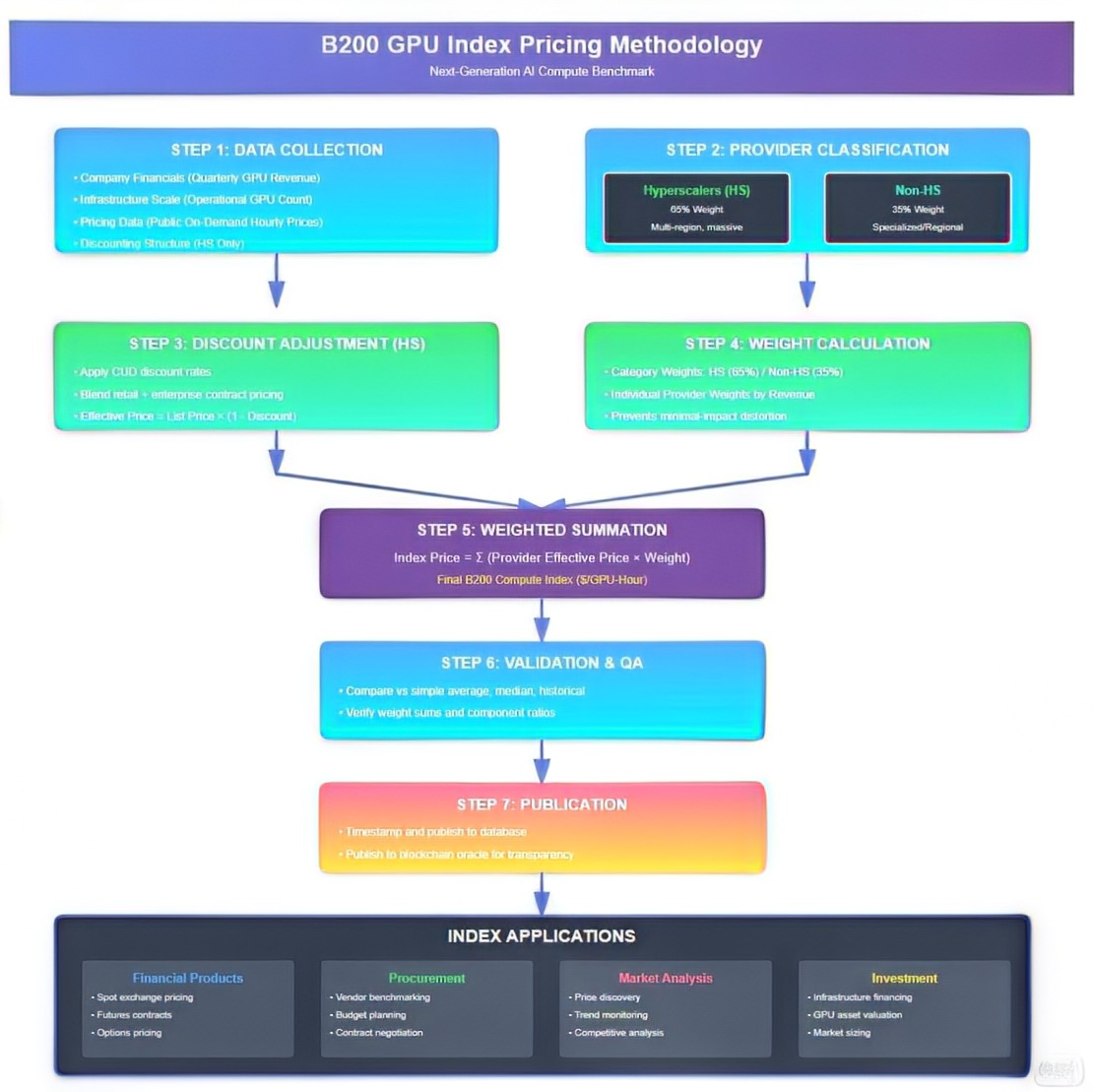
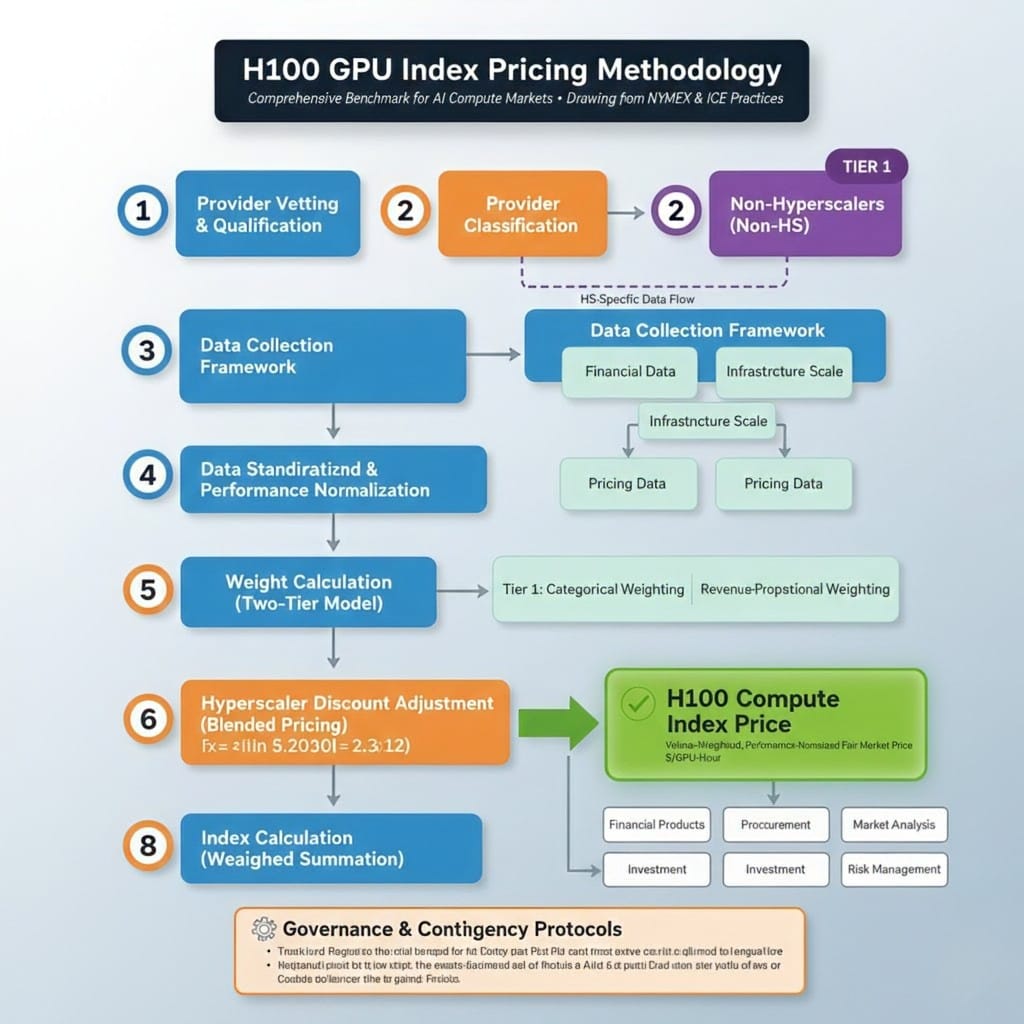
We aggregate real‑time pricing from 70 providers (AWS, Azure, OCI, CoreWeave, Lambda, etc.) into regulated indices:
• H100 Index: $3.78/hr global weighted avg (down 1.1%)
• H200 Index: $5.13/hr (up 3%)
• B200 Blackwell Index: $7.72/hr (freshly live)
• Legacy Coverage: A100, T4
Updated continuously. Public dashboards. Institutional grade.
The Product: Hedge Your Stack
• Perpetual Futures: Go long/short compute costs w/o physical delivery
• Options: Cap downside on H200 spikes
• Forwards: Lock 6–24mo pricing for clusters
Who Benefits:
• Hyperscalers ( $AMZN, $MSFT): Stabilize P&L on inference farms
• Power Landlords ( $IREN, $NBIS): Match GW contracts to hedged GPU yield
• AI Startups: Budget compute like oil futures, not spreadsheets
Live Now: byte-strike.com
Turn GPU roulette into priced risk.
Financializing AI Compute.
$NVDA $AMZN $MSFT $GOOGL $META $IREN $NBIS
#GPUs #AIInfra #Derivatives #ByteStrike
139
Mar 8
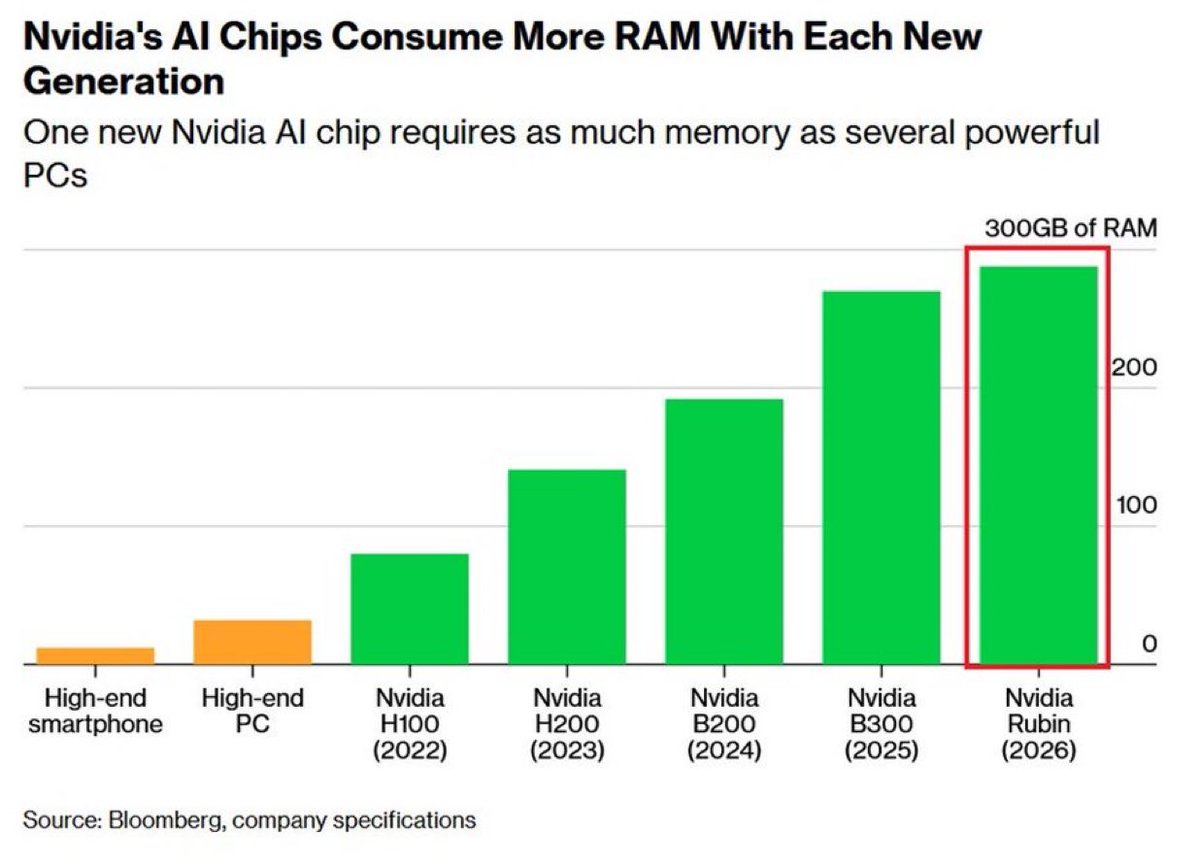
Nvidia’s Rubin R100 jumping to ~300GB HBM4 (from H100’s 80GB → H200 141GB → B200 192GB) isn’t just a spec bump.
It’s a memory wall demolition, each gen demanding DRAM equivalent to multiple high‑end PCs, sucking gigatons out of the supply chain and turning HBM into the new AI bottleneck.
Hyperscalers like $AMZN, $MSFT, $GOOGL, $META now face:
• HBM shortages spiking GPU rental costs 20–50%
• Rack redesigns for denser memory (higher power draw too)
• Pricing chaos as Rubin ramps in H2 2026
$NVDA isn’t just selling chips anymore. They’re selling the entire physics stack compute memory bandwidth and the economics are brutal if you’re renting capacity.
ByteStrike tracks this live:
• GPU Indices: H100/H200/B200/Rubin pricing across 70 providers
• Hedging Tools: Regulated perps to lock costs before the next memory crunch hits
• Forward Markets: Price discovery for HBM‑constrained compute
When one Rubin GPU eats as much DRAM as 3–4 PCs, you don’t guess on pricing. You hedge it.
Financializing AI Compute.
byte-strike.com
$NVDA $AMZN $MSFT $GOOGL $META $TSM
#AI #Rubin #HBM #GPUs #MemoryWall #AIInfra #Derivatives #ByteStrike
Mar 8

$NVDA latest Rubin AI chip requires ~300GB of memory (up from 80GB on the H100) showing how each generation of AI hardware demands far more DRAM.
At hyperscaler scale, this is pulling massive amounts of DRAM out of market turning memory into a key bottleneck in the AI buildout.
1
83
Mar 8
Power is the new GPU.
You can order $NVDA H100s or $AMD MI325s or $GOOGL TPUs all day long.
But gigawatts? Those are the real constraint, and the power landlords are stacking contracts:
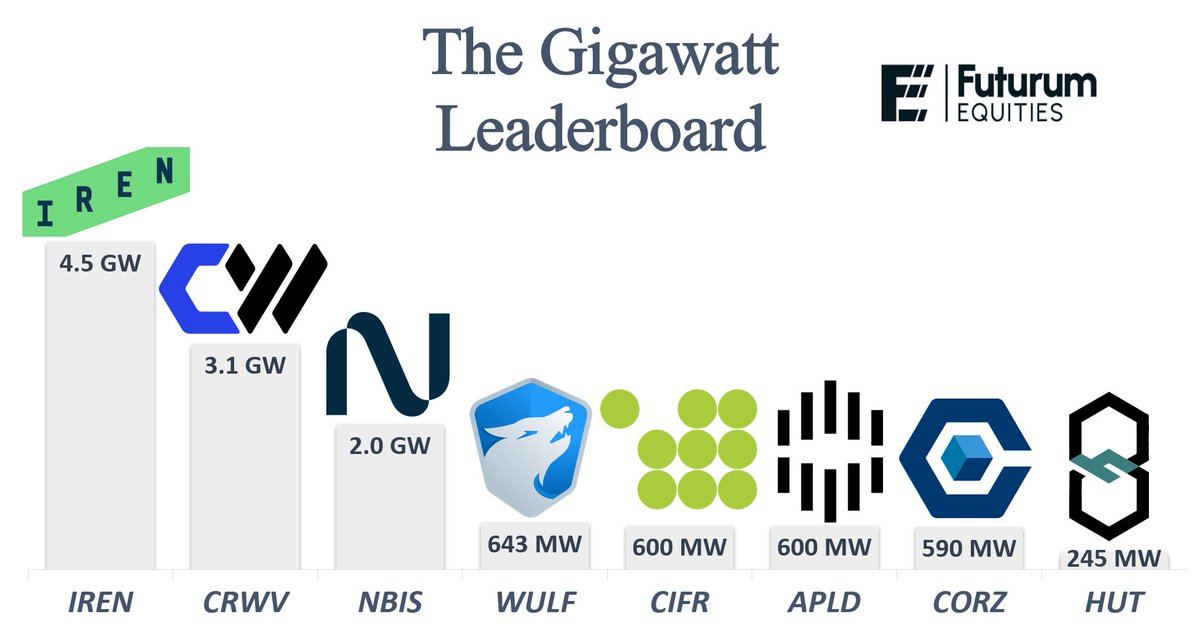
• $IREN: ~4.5GW
• $CRWV: ~3.1GW
• $NBIS: ~2.0GW
• $WULF: 643MW
• $CIFR: 600MW
• $APLD: 600MW
• $CORZ: 590MW
• $HUT: 245MW
These aren’t just data centers. They’re AI power plants, liquid‑cooled, fiber‑dense, locked into 10–20yr PPAs that hyperscalers like $AMZN, $MSFT, $META, $GOOGL are desperate to backfill with GPUs.
The catch?
Power is fixed. But compute revenue isn’t.
$IREN and $NBIS have the electrons, but they’re exposed to:
• H100/H200/B200 rental volatility (14% swings on model drops)
• $NVDA/$AMD mix‑shifts from hyperscalers
Utilization gaps if training demand softens
• No power landlord wants a gigawatt of stranded capacity because GPU spot markets tanked overnight.
ByteStrike solves this.
• Live GPU Indices: Track H100/H200/B200 pricing across 70 providers in real time
• Regulated Perps: Hedge rental volatility w/o physical delivery
• Forward Curves: Lock compute economics before racks are live
Turn power contracts into hedged yield machines.
$IREN doesn’t just need more GPUs. They need predictable compute pricing to match those GW commitments.
Financializing AI Compute.
byte-strike.com
$IREN $CRWV $NBIS $WULF $CIFR $APLD $CORZ $HUT $NVDA $AMD $GOOGL $AMZN $MSFT $META
#AI #Power #DataCenters #GPUs #AIInfra #Derivatives #ByteStrike
Mar 8
These companies are locking in the physical substrate behind the next decade of AI compute and that substrate is power.
You can order GPUs from $NVDA or $AMD or TPUs from $GOOGL but you can’t just order gigawatts so now the question becomes who can actually deliver it.
Contracted power:
• $IREN ~4.5GW
• $CRWV ~3.1GW
• $NBIS ~2.0GW
• $WULF ~643MW
• $CIFR ~600MW
• $APLD ~600MW
• $CORZ ~590MW
• $HUT ~245MW
1
198
Mar 7
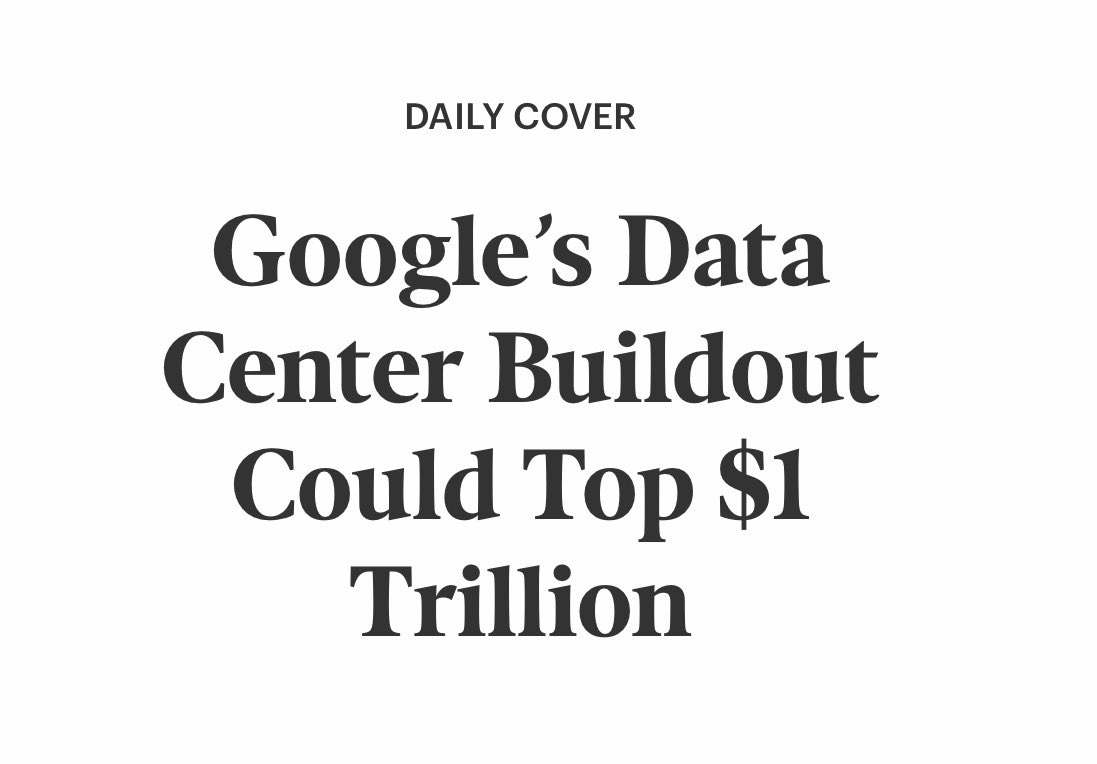
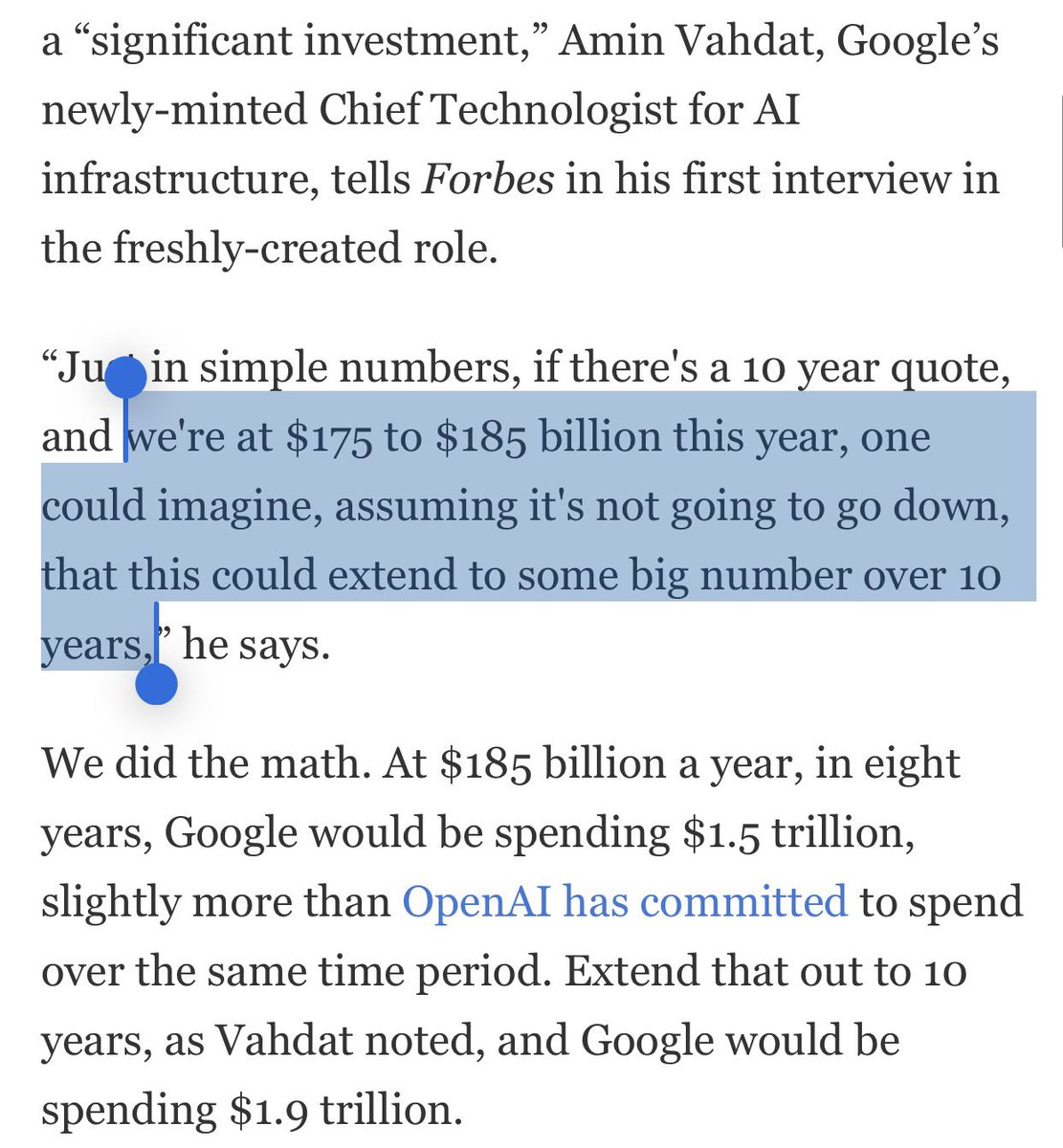
$GOOGL ’s data center buildout hitting $1T over 10 years (starting with $175–185B this year alone) is the real AI capex story, powered by TPUs, not just $NVDA GPUs.
Markets panicked on OpenAI/$ORCL Stargate delays and dumped semis.
But $GOOGL isn’t OpenAI. They’re printing cash while scaling TPU v8 racks at unprecedented levels, with $LITE, $AVGO, $TSM, SK Hynix, Samsung all positioned to feast.
The trillion‑dollar bet means hyperscalers like $GOOGL, $AMZN, $MSFT, $META are all‑in on multi‑year infra:
• TPU/Trainium/Maia ASIC ramps
• HBM memory shortages
• Power contracts land grabs
• GPU/accelerator pricing that moves 10–20% on supply hiccups
That’s $600B in 2026 capex alone, with zero standardized hedging for the most volatile input: compute capacity.
ByteStrike is the financial infrastructure layer for exactly this:
• Live GPU Indices: H100/H200/B200/B100 pricing across 70 providers (works for TPU equivalents too)
• Regulated Perps: Hedge rental volatility before it hits P&L
• Forward Markets: Lock costs for training/inference across chip generations
$GOOGL can print money to fund $1T builds. But even money‑printing machines need to hedge the $NVDA/ $TSM/ $AVGO pricing risk underneath.
Financializing AI Compute.
byte-strike.com
$GOOGL $NVDA $AMZN $MSFT $META $ORCL $LITE $AVGO $TSM
#AI #Capex #TPU #DataCenters #AIInfra #GPUs #Derivatives #ByteStrike
Mar 7

“Google’s Data Center Buildout Could Top 1 Trillion”
The implications for $1.5T in capex spend for the Google TPU ecosystem:
From $LITE, Mediatek, $AVGO, $TSM, SK Hynix, Samsung and others are widely positive.
In an interview with Forbes on AI capex spend, $GOOGL CTO stated:
“We’re at $175 to $185 billion this year, one could imagine, assuming it's not going to go down, that this could extend to some big number over 10 years”
Forbes comments: “There’s a big difference between Google’s data center ambitions and OpenAI’s: Google is a money-making machine”
Yesterday, markets sold off semi names from OpenAI $ORCL putting a pause on some Stargate related projects.
The market conflated OpenAI's growing pains with the broader AI infrastructure buildout funded by the richest hyperscalers.
From $GOOGL and a money-printing Mag7 perspective:
The AI buildout only looks to accelerate over the next decade.
1
151
Mar 7
$NVDA, $AMD, $MSFT, $GOOGL, $META, $AMZN are all scaling AI like there’s no tomorrow.
But everyone is running into the same pain point:
• GPU prices swing 3–10x between cycles and providers
• New chips (H100 → H200 → B200 / MI300 → MI450) nuke your last ROI model
• Long-term DC leases and power contracts are locked… while compute pricing is not
Right now, most teams are:
• Sourcing GPUs via opaque quotes and one-off deals
• Committing to multi-year spend with zero way to hedge
• Explaining budget blowups after the fact instead of managing risk upfront
That’s the gap ByteStrike is built to solve.
What ByteStrike does:
• Turns GPU capacity into a transparent, benchmarked price: indices for major SKUs (e.g., H100, H200, B200, inference GPUs) across dozens of providers
• Builds regulated, cash-settled futures on those indices so infra buyers can lock in compute costs ahead of time
• Lets operators, funds, and lenders trade compute risk instead of just wearing it on their P&L
In practice, that means:
• A cloud team can fix part of next year’s GPU budget instead of praying spot doesn’t rip
• A lender financing an AI campus can hedge collateral exposure to GPU depreciation
• A fund can go long/short “AI infra” without needing to own a single server
The problem: AI runs on volatile, unhedged compute.
ByteStrike’s solution: financial rails that turn compute into a tradable digital commodity.
byte-strike.com/
If you’re scaling AI infra today, what’s the single biggest compute risk you wish you could hedge?
1
96
Mar 7
$ORCL and OpenAI just canceled plans to expand their flagship Texas AI data center. Talks stalled over financing and shifting needs.
Now $META is potentially leasing the site. $NVDA reportedly helping facilitate discussions putting down a $150M deposit with Crusoe.
This is the AI infrastructure musical chairs nobody's talking about.
What Just Happened:
$ORCL OpenAI: Planned massive Texas expansion Reality: Financing couldn't close OpenAI's needs changed
Result: Deal dead, site available
$META: Steps in immediately
$NVDA: Facilitating $150M deposit to Crusoe (the site operator)
Why This Matters:
OpenAI's "shifting needs" = they're running multi-chip infrastructure now:
• $NVDA GPUs for training
• $AMZN Trainium (potential $50B partnership)
• Groq LPUs for inference (via $NVDA platform)
• $MSFT Azure capacity
They don't need a single massive $ORCL site. They need distributed capacity across vendors.
The $META Opportunity:
$META needs capacity for:
• 6GW $AMD MI455X deployment
• Llama model training
• Reality Labs compute (AR/VR)
• Instagram/Facebook inference scaling
Texas site = cheap power, existing infrastructure, ready to deploy. $META swoops in.
The $NVDA Angle:
Why is $NVDA facilitating putting down $150M?
Because: $NVDA wants $META to deploy Blackwell/Rubin GPUs, not just $AMD. Helping secure the site = keeping $META in the $NVDA ecosystem.
This is vendor financing at infrastructure scale.
The Financial Risk Layer:
$150M deposit on a site that:
• $ORCL OpenAI couldn't close financing for
• Requires billions more to fully build out
• Depends on multi-year demand commitments
If $META changes strategy (like OpenAI just did), that $150M site investment becomes stranded capital.
What ByteStrike Tracks:
Infrastructure deals falling apart mid-negotiation = sign of market volatility. We track GPU pricing at byte-strike.com
Demand is real, but financing structures are fragile. Transparent pricing helps companies avoid overcommitting to infrastructure that might not pencil.
$ORCL couldn't close. $META stepped in. ByteStrike tracks what compute actually costs vs what deals promise.
$MSFT $GOOGL $AMZN

1
182
Mar 6
$MRVL just reported Q4 revenue of $2.22B (up 22% YoY). Data center sales hit $1.65B, 74% of total revenue.
CEO guidance: 40% data center revenue growth next year. $15B annual revenue by fiscal 2028.
Stock up 14.7% after-hours. The "Mini-Broadcom" thesis just got validated.
The Strategic Play:
Big Tech wants off the "$NVDA tax." $MRVL provides:
• Custom ASICs for hyperscalers
• Optical interconnect for rack-scale systems
• High-speed SerDes for AI clusters
Same strategy as $AVGO, but at 1/5th the market cap. Hence: "Mini-Broadcom."
Why This Matters:
Hyperscalers are diversifying away from $NVDA monopoly pricing:
• $META: 6GW with $AMD MI455X
• $GOOGL: TPUs for internal workloads
• $AMZN: Trainium custom silicon
• All of them: $MRVL interconnect to make it work
$MRVL doesn't compete with $NVDA on GPUs. They build the infrastructure that connects everything else.
The Numbers:
Data center revenue: $1.65B (Q4) → growing 40% next year Interconnect business: Growing >50% YoY (vs 30% prior guidance) Total revenue path: $8.2B (FY25) → $15B (FY28)
That's 83% growth in 3 years. All from AI data center buildout.
The Hidden Layer:
$MRVL's interconnect custom ASICs enable multi-chip strategies. Without them, hyperscalers can't deploy:
• $AMD $NVDA mixed clusters
• TPU GPU hybrid workloads
• Custom silicon at rack scale
$MRVL is the glue that makes heterogeneous compute work.
What ByteStrike Tracks:
Multi-chip deployments create pricing complexity. We monitor $NVDA GPU pricing at byte-strike.com
As $MRVL enables more vendor diversity, transparent pricing across hardware platforms becomes critical.
$MRVL builds the interconnect. ByteStrike tracks what runs on top.
$MSFT $GOOGL $META $AMZN
byte-strike.com
Mar 5
$MRVL Q4 EARNINGS
• Revenue $2.22B vs Est. $2.21B
• EPS $0.80 vs Est. $0.79
• Net Income $685M vs Est. $681M
• Gross Margin: 59% vs. Est. 59%
Q1 Guidance
• Revenue $2.4B vs Est. $2.3B
• EPS $0.79 vs Est. $0.74
• Gross Margin: 59% vs. Est. 59%

1
88
Mar 6
$AMZN just launched Amazon Connect Health: an agentic AI platform automating healthcare scheduling, verification, documentation, and medical coding.
Early results: 30-60% lower call abandonment. 275% increased AI scribe adoption. 630 hours/week redirected from verification.
This is healthcare's $20B administrative cost problem getting solved by inference workloads.
The Product:
AI agents handling:
• Patient scheduling (no human needed)
• Insurance verification (automated EHR integration)
• Medical documentation (AI scribes during visits)
• Medical coding (automated billing)
• Chart summarization (clinical decision support)
Pricing: $99/provider/month for AI scribe (up to 600 encounters), $0.15 per patient verification.
Why This Matters:
Healthcare spends $20B annually on administrative overhead:
• Call centers for scheduling
• Staff for insurance verification
• Medical scribes for documentation
• Coders for billing
$AMZN just automated all of it. At $99/month per provider, that's 90% cost reduction vs hiring staff.
The Compute Layer:
Agentic AI = continuous inference workloads at massive scale.
One Medical, UC San Diego Health, Netsmart deploying this means:
• Millions of patient interactions/month
• Real-time EHR integration
• Voice-to-text transcription
• Medical coding generation
Every interaction burns compute. This isn't training once. This is inference running 24/7 across thousands of healthcare providers.
The Hidden Economics:
$AMZN charges $99/month. But their compute cost?
Voice AI medical coding EHR integration = expensive inference stack. $AMZN needs:
• Trainium chips for cost efficiency
• AWS infrastructure at scale
• Multi-year contracts to amortize hardware
If inference costs spike, the $99 pricing breaks.
What ByteStrike Tracks:
Healthcare AI creates sustained inference demand. We monitor GPU/accelerator pricing at byte-strike.com
$AMZN builds the product. ByteStrike tracks what it costs to run at scale.
$MSFT $GOOGL $NVDA
byte-strike.com
Mar 5
$AMZN launched Amazon Connect Health, an AI platform that automates scheduling, verification, documentation & coding while integrating with healthcare EHR systems.
The system can handle up to 80% of call tasks with early users reporting 30–60% lower call abandonment.

1
45
Mar 6
The U.S. is drafting rules requiring government approval before $NVDA and $AMD can ship AI chips globally.
This isn't national security. This is shooting yourself in the foot.
What's Happening:
New export controls would require:
• Government pre-approval for AI chip exports
• Country-by-country review process
• Restrictions beyond just China
$NVDA and $AMD would need permission to sell to customers in allied countries.
Why This Is Insane:
China already responded to U.S. export controls by:
• Building domestic alternatives (Huawei, Cambricon)
• Training DeepSeek V4 on non-NVIDIA chips
• Proving frontier AI doesn't require U.S. silicon
Now the U.S. wants to make it harder for NVDA/NVDA/ NVDA/AMD to sell to everyone else too?
The Strategic Failure:
U.S. semiconductor dominance came from:
• Best technology
• Fastest delivery
• Easiest to buy
New rules kill #3. If customers need 6-month government approvals to buy $NVDA GPUs, they'll source from:
• $GOOGL TPUs (manufactured domestically, no export hassle)
• Domestic alternatives in their own countries
• Chinese chips (if they can access them)
The Market Impact:
Export controls already forced geographic fragmentation:
• U.S. market: $NVDA dominance
• China market: Domestic alternatives
New rules extend fragmentation to allied countries. That creates:
• Parallel compute markets with different hardware
• Pricing divergence across regions
• Competitive advantage for non-U.S. silicon
What ByteStrike Tracks:
Geographic fragmentation = different pricing dynamics per region. We monitor U.S. GPU pricing at byte-strike.com
If export controls push customers to alternatives, transparent pricing across $NVDA, TPU, and regional alternatives becomes critical.
The U.S. built semiconductor dominance. Export bureaucracy risks giving it away.
$MSFT $GOOGL $META
byte-strike.com
Mar 5
The U.S. is drafting rules that would require government approval before AI chips from companies like $NVDA & $AMD can be shipped globally.
The US built the most dominant semiconductor ecosystem in history but now we're telling those companies they need government permission to sell globally.
I call BS because this is not how you win supercycles by making your own companies harder to buy from.
1
94
Mar 5
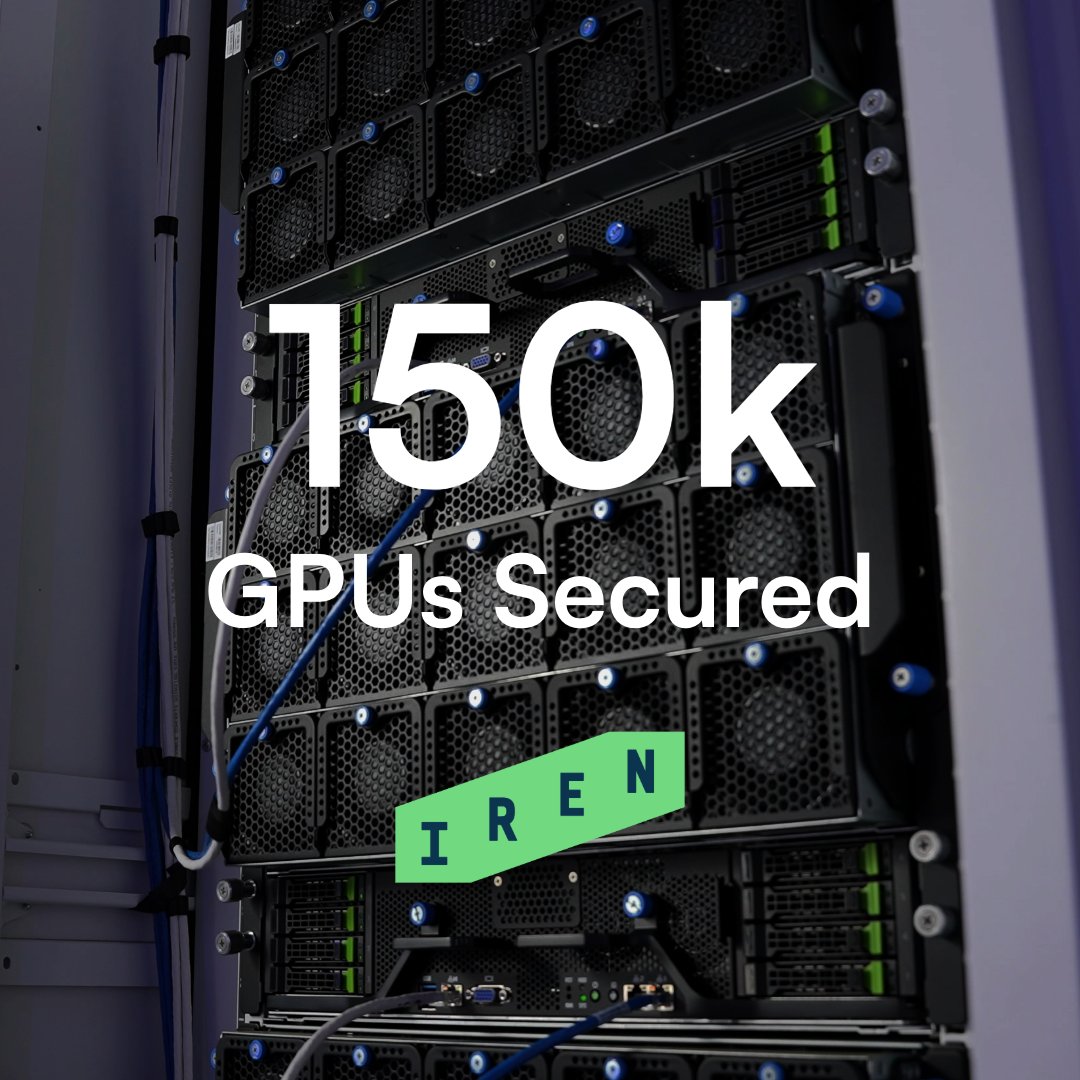
$IREN just secured 50,000 $NVDA B300 GPUs to build a 150,000-unit AI fleet. Projected revenue: $3.7B annually once fully deployed.
This is a Bitcoin miner becoming one of the largest AI infrastructure providers globally in 18 months.
The Transformation:
• 2023: Bitcoin mining company
• 2024: Pivots to AI cloud services
• 2025: $9.7B deal with $MSFT
• 2026: 150,000 GPU fleet ($3.7B annual revenue target)
$IREN went from mining crypto to mining AI workloads. Same infrastructure (power cooling), different revenue model.
The Scale:
• 150,000 GPUs across British Columbia Texas
• 50,000 B300s (newest $NVDA Blackwell architecture)
• $9.3B in funding already secured
For context:
• OpenAI runs ~100K-150K GPUs across all providers
• $IREN will have similar capacity in-house
The Economics:
$3.7B annual revenue from 150,000 GPUs = $24,667 per GPU per year
At current B300 pricing (~$40K-50K per unit), that's:
• 18-24 month payback period
• 50% gross margins once hardware is paid off
• Pure rental revenue with minimal ongoing capex
This is the neocloud model: Buy GPUs, lease capacity, print revenue.
The Risk:
Stock up 11.5% on the news. Then down after-hours on $6B share dilution concerns.
$IREN needs capital to fund GPU procurement. Dilution is how they're getting it. But dilution means existing shareholders own less of the $3.7B revenue opportunity.
The Collateral Exposure:
$9.3B funding secured = debt backed by future GPU rental revenue. If:
B300 pricing crashes (B400/Rubin launches)
$MSFT renegotiates contract terms
Demand shifts to inference-specific chips (Groq LPUs)
Lenders hold collateral that's depreciating hardware in a volatile market.
ByteStrike tracks this: byte-strike.com
$IREN builds the fleet. ByteStrike tracks what those GPUs are worth in real-time.
$MSFT $GOOG $META
byte-strike.com

To meet growing demand for our vertically integrated offering, $IREN is expanding to 150,000 GPUs with the addition of 50,000 @NVIDIA B300 GPUs.
Time-to-compute is increasingly important in today’s AI Cloud market and this expansion positions $IREN among the largest AI infrastructure providers globally.
More details: iren.gcs-web.com/static-file…
1
202
Mar 5
$AVGO just reported $19.3B Q1 revenue, up 29% YoY. AI semiconductors hit $8.4B, more than double last year.
Guidance: $22B next quarter. Revenue "well over $100B by 2027, almost all from AI products."
This is the picks-and-shovels layer nobody's watching.
The Numbers:
Semiconductor solutions: $12.5B (up 52%) AI chips: $8.4B (more than doubled YoY) 2027E revenue: $100B (almost entirely AI)
$AVGO isn't selling GPUs. They're selling the infrastructure that makes GPUs work:
• Custom ASICs for hyperscalers
• Networking chips for AI clusters
• Interconnect silicon for rack-scale systems
The Customer List:
CEO Hock Tan highlighted "ramps at five hyperscalers plus OpenAI."
Translation:
• $MSFT: Custom silicon for Azure AI
• $GOOGL: Networking for TPU clusters
• $META: ASICs for 6GW AMD deployment
• $AMZN: Trainium interconnect
• Likely $ORCL or another hyperscaler
$AVGO sells to everyone. $NVDA dominates GPUs, but $AVGO dominates everything around them.
Why This Matters:
$100B revenue by 2027 = $AVGO becomes one of the largest semiconductor companies on earth.
All from AI infrastructure. Not consumer chips. Not telecom. Pure data center silicon.
The Financial Layer:
$AVGO growing 50% YoY means hyperscalers are deploying custom silicon at unprecedented scale. That creates:
Diverse hardware platforms (not just $NVDA)
Complex pricing across vendors
Different depreciation curves per platform
Multi-vendor infrastructure = pricing complexity.
ByteStrike tracks this: byte-strike.com
$NVDA gets headlines. $AVGO builds the infrastructure layer. ByteStrike tracks what it costs to use.
Mar 4
$AVGO says it has line of sight to 2027 revenue “significantly above $100B” driven largely by AI silicon like accelerators, switch chips & DSPs.
Custom AI accelerator demand continues to ramp with $GOOGL TPUs strong, Anthropic scaling from ~1GW in 2026 to 3GW in 2027, $META targeting multi-GW deployments & OpenAI expected to deploy its first XPU at 1 GW in 2027.


1
2
152
Mar 4
$NBIS just got the green light to build a 1.2GW “AI factory” on ~400 acres in Independence, Missouri 1,200 construction jobs, 130 permanent roles, and $650M in PILOT taxes over 20 years.
At that scale, you’re not building a “data center.” You’re building an AI power plant:
• Gigawatt‑class tie‑in to the grid
• Multi‑building campus that will host hundreds of thousands of GPUs over time
• Long‑dated tax, power, and capex commitments that outlive any single chip generation
Here’s the catch: even the best‑positioned “AI power landlords” are still naked long compute.
Power land are locked in, but $NBIS is exposed to:
• $NVDA H100/H200/B200 rental swings
• Hardware export rules and supply shocks
• Next‑gen GPU launches that reset spot pricing overnight
That’s exactly the gap ByteStrike is built to close.
We’re financializing AI compute so 1GW campuses can:
Hedge H100/H200/B200 price volatility with regulated GPU‑linked derivatives
Lock in forward compute costs before the racks are fully populated
Offer $NBIS, $AMZN, $MSFT, $GOOGL, $META, $AAPL predictable AI unit economics instead of riding spot markets
Gigawatt‑scale AI factories are the new refineries.
They shouldn’t have to wear unhedged GPU risk on their balance sheets.
Financializing AI Compute.
byte-strike.com/
#AI #DataCenters #GPUs #AIInfrastructure #Power #DigitalCommodities #ComputeMarkets #ByteStrike
Mar 3
$NBIS secured approval from Independence, Missouri to build its first U.S. gigawatt-scale AI factory with up to 1.2GW of capacity.
The ~400-acre campus is expected to create 1,200 construction jobs, 130 permanent roles and generate $650M in local tax payments over 20 years.

1
173
Mar 3
$AMZN dropping $427M on a 120‑acre Ashburn campus (prime NoVA data center turf) isn’t “just real estate”, it’s AWS locking in power‑adjacent land for the next 100k GPUs.
Ashburn = Data Center World Capital.
This GWU campus buy secures:
• Fiber interconnects to AWS backbone
• Proximity to 2GW power corridors
• Scalable site for AI training clusters
But here’s the $64B question:
What’s the ROI when $NVDA H100/H200/B200 rentals swing 20‑50% on capacity crunches?
• Buildout: $10B capex
• Utilization: 65% avg → volatile
• Pricing: No forward markets, just spot chaos
$AMZN, $MSFT, $GOOGL face the same trap:
Multi‑year builds → GPU pricing exposed to:
• Export rules
• $TSMC ramps
• $BABA/ByteDance demand shocks
ByteStrike fixes this.
• Live Indices: H100, H200, B200, T4 and with 72 providers, real‑time
• Regulated Perps: Hedge rentals w/o owning hardware
• Forward Curves: Lock compute costs 6‑24mo out
Turn $427M land bets into hedged yield machines.
AWS isn’t buying dirt. They’re buying tomorrow’s compute moat.
byte-strike.com/
$AMZN $NVDA $MSFT $GOOGL #AWS #DataCenters #Ashburn #AIInfra #GPUs #Derivatives #ByteStrike
Mar 3

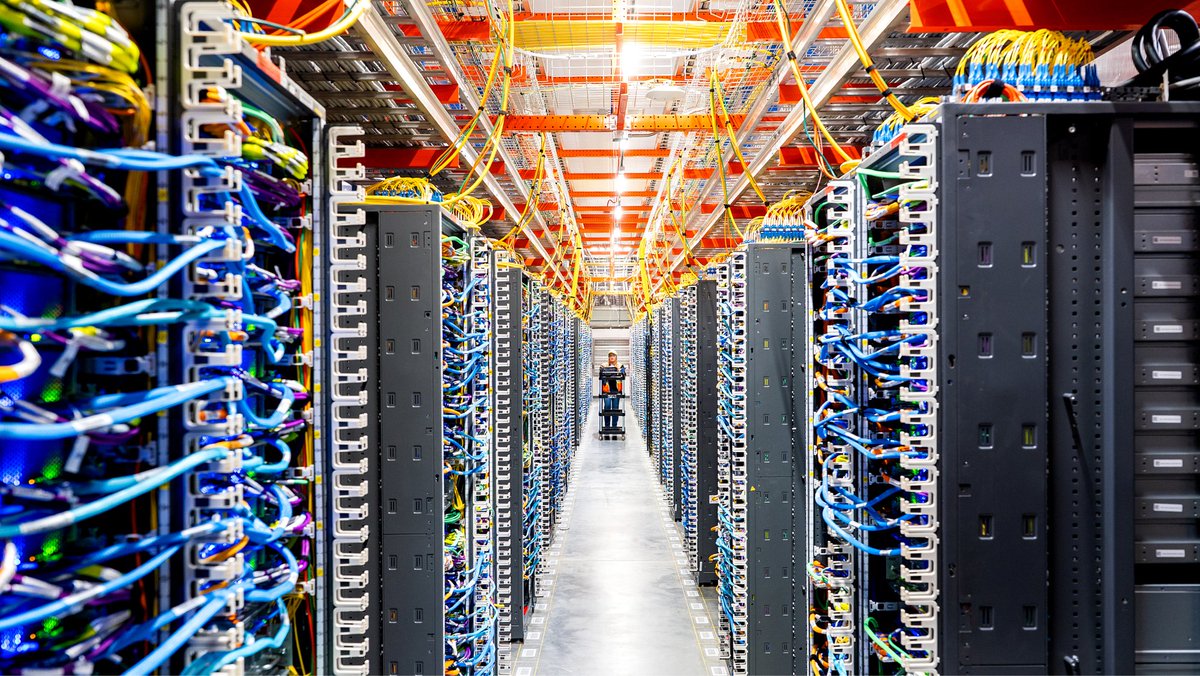
Amazon's $AMZN Data Center unit has signed a deal to buy George Washington University's Virginia Science and Technology Campus in Ashburn, Virginia, for ~$427M - Reuters
1
79
Mar 3
US mulling 75k H200 cap per Chinese buyer, less than half what $BABA and ByteDance want.
$AMD MI325 counts toward the limit too. Total China ceiling ~1M chips, but oligopoly demand means massive shortfall.
Translation: Chinese AI giants face acute H200/H100 scarcity.
• Alibaba: 150k requested → max 75k
• ByteDance: Same math
• Spot GPU rentals already spiking globally
Enter ByteStrike.
We’re building the financial layer these operators desperately need:
Live GPU Indices:
• H100 (global spot avg)
• H200
• B200
• T4
Transparent pricing across 70 providers
Regulated Derivatives:
• Perpetual futures to lock in compute costs
• Hedge supply shocks (export bans, caps)
• Trade capacity w/o physical delivery risk
$BABA and ByteDance don’t just need more chips. They need to hedge the next 12mo pricing chaos before it hits P&L.
No more praying for export licenses.
Financialize the shortage.
byte-strike.com
$NVDA $AMD $BABA #AI #China #H200 #GPUs #AIInfra #Derivatives #ByteStrike
Mar 2

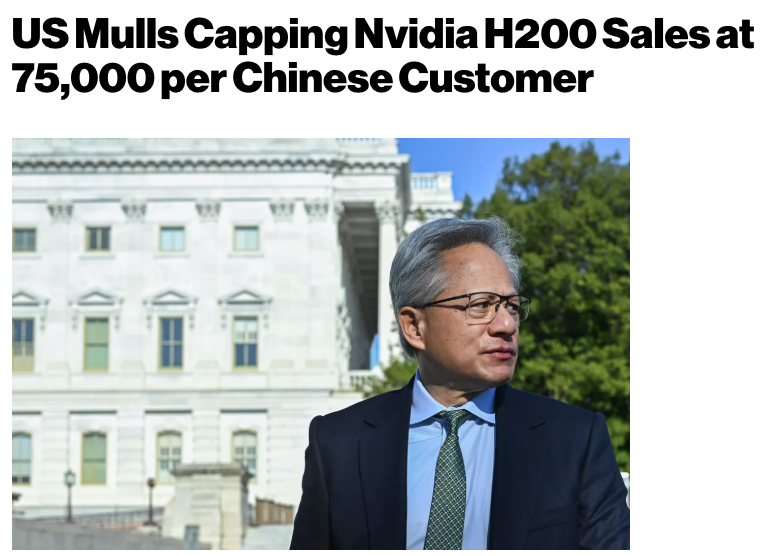
U.S. officials are weighing a per-customer cap of 75,000 $NVDA H200s for any single Chinese buyer, and $AMD MI325 units would count toward the same limit.
That is less than half of what firms like Alibaba & ByteDance have asked for, even as the overall China ceiling discussed is up to ~1M chips.
2
194
Mar 3
$NBIS just proved AI data centers can cut power usage by 40% in under a minute while keeping workloads running.
This changes everything about how AI infrastructure interacts with the grid.
The UK Trial:
96-GPU $NVDA Blackwell Ultra cluster in London Power reduced 40% in <1 minute during simulated grid stress Critical AI workloads continued normally
Real examples:
• Shed load during football match halftime (peak demand)
• Maintained 30% reduction for 10 hours
• Emergency response: 30% reduction in 30 seconds
Why This Matters:
Current model: Data centers = fixed demand, always-on New model: Data centers = flexible grid assets, can ramp down
UK expects 6GW of new data center capacity by 2030. If AI infrastructure can flex demand, that returns 2GW back to the grid during peak stress.
The Economics:
Flexible demand means:
• Faster grid connections (no waiting for upgrades)
• Lower infrastructure costs
• Better renewable energy integration
• Data centers paid for demand response
But also: Variable compute availability. Companies can't guarantee 100% uptime if their capacity participates in demand response.
The Financial Risk:
What happens when:
Training runs interrupted mid-cycle during grid events
Inference capacity reduced 40% during peak user demand
Multi-million dollar jobs delayed because grid needed power back
$NBIS proved it's technically possible. But the economic model? That creates new risk.
What ByteStrike Tracks:
Flexible AI infrastructure = variable compute availability = new pricing dynamics.
We monitor GPU pricing at byte-strike.com. Next: Tracking "guaranteed uptime" vs "interruptible capacity" pricing as demand response programs scale.
$NBIS makes compute flexible. ByteStrike tracks what that means for pricing.
$MSFT $GOOGL $META
Mar 3

$NBIS just helped prove something important for the future of AI infrastructure.
In a UK-first live trial alongside National Grid, NVIDIA, Emerald AI, and EPRI, $NBIS demonstrated that AI data centers can adjust their power usage in real time instead of being “always on.”
Here’s what happened:
- A 96-GPU NVIDIA Blackwell Ultra cluster at Nebius’ London data center was tested
- During simulated grid stress events, power usage was cut by up to 40% in under a minute
- Critical AI workloads kept running normally
This is important.
Right now, data centers are treated as fixed demand. As AI scales, that creates pressure on the grid and slows down new connections.
But this trial showed something different:
AI infrastructure can act as a flexible grid asset, reducing demand during peak stress and ramping back up later.
Some real examples from the test:
- Reduced load during halftime of major football matches (when electricity demand spikes)
- Followed load reduction requests for up to 10 hours
- Shed 30% of power in 30 seconds during a simulated emergency
Why this matters:
The UK expects more than 6GW of new data center capacity by 2030.
If AI data centers can flex their demand, they could effectively return over 2GW of capacity back to the grid when needed.
That means:
- Faster connections
- Less need for expensive grid upgrades
- Lower network costs over time
- More room for renewable energy integration
Instead of AI being a burden on the grid, it could actually help stabilize it.
For $NBIS, this strengthens its positioning as a next-gen AI cloud built with energy flexibility in mind.
2
194
Mar 2
$AAPL reportedly leaning on $GOOGL cloud for next‑gen Siri isn’t just an AI headline, it’s a balance‑sheet event.
If Gemini becomes the “preferred cloud,” Apple is effectively locking into years of $GOOGL ‑priced compute for every upgraded Siri interaction.
Under the hood, that’s massive exposure to:
• GPU/TPU hardware cycles
• Region‑by‑region capacity constraints
• GPU/TPU hardware cyclest pricing for AI infra
Today, those risks are:
• Priced bilaterally
• Buried in opaque cloud bills
• Managed with spreadsheets, not markets
ByteStrike is built to change that.
We’re building regulated markets that:
• Turn GPU capacity into a priced digital commodity
• Create forward curves on GPUs (H100/H200/B200 and beyond)
• Let $AAPL, $GOOGL, $MSFT, $AMZN and $META hedge infra costs across hardware generations instead of praying pricing doesn’t gap higher
If AI is the new internet, compute is the new oil.
Somebody has to build Brent/WTI for GPUs.
That’s ByteStrike.
Financializing AI Compute.
byte-strike.com
$AAPL $GOOGL $NVDA $MSFT $AMZN $META
#AI #Siri #Gemini #Cloud #GPU #AIInfrastructure #ComputeMarkets #DigitalCommodities
Mar 2
$AAPL is reportedly considering $GOOGL cloud infrastructure to power next-gen Siri.
Google winning "preferred cloud provider" status for the largest consumer tech company on earth is a massive distribution win that embeds Gemini deeper into Apple’s AI roadmap.

1
575
Mar 2
$NVDA just invested $4B in photonics: $2B each to Lumentum and Coherent for silicon photonics and optical interconnects.
This isn't about incremental improvement. This is about making copper wiring obsolete.
The Technical Leap:
Copper wiring: 100 Gbps per connection, high power consumption Photonics (light-based): 1 Tbps per connection, 10x energy efficiency
Gigawatt-scale AI clusters can't scale on copper. The power draw and heat generation become prohibitive. Photonics solves both.
Why $NVDA Is Investing Now:
Blackwell racks need photonics to hit performance targets. Rubin (2027) will require photonics as baseline.
$NVDA isn't just buying components. They're funding:
• R&D for next-gen photonics
• New U.S. fabrication facilities
• Supply chain vertical integration
This is $NVDA locking in the infrastructure for the next 5 years of GPU generations.
The Cascade Effect:
$NVDA invests $4B → $LITE and $COHR build capacity → Supply chain flows through $AAOI, $AXTI, $IQE
Entire photonics sector just got validated. $IQE up 28% today. $COHR up 8% premarket. Trader portfolios up 501% YTD.
What This Means for Compute:
Photonics enables:
• Larger GPU clusters (more interconnect bandwidth)
• Lower power consumption (critical for multi-GW data centers)
• Faster data transfer (reduces training time)
Better infrastructure = more compute capacity at lower cost (eventually).
What ByteStrike Tracks:
Photonics reduces operational costs for AI factories. That flows through to GPU rental pricing over time.
We monitor real-time GPU pricing at byte-strike.com as infrastructure innovations compress costs.
$NVDA invests $4B to rebuild the connectivity layer. ByteStrike tracks what happens to compute economics.
$MSFT $GOOGL $META
Mar 2
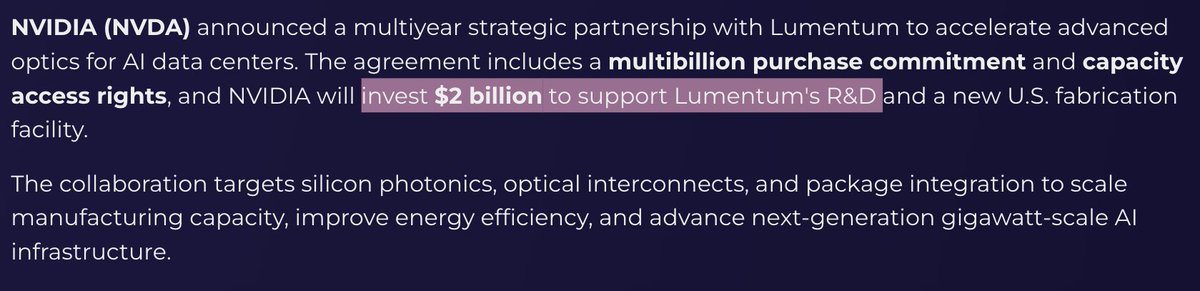
$NVDA has just invested $2 billion to support Lumentum's R&D and a new U.S. fabrication facility.
This is a massive tailwind for photonics stocks from: $LITE, $COHR, $AAOI, $AXTI, $IQE and others.
$IQE's 28% rise today makes more sense as they're a known $LITE supplier. And $AXTI is a known $IQE supplier.
The collaboration targets silicon photonics, optical interconnects, and package integration, which flows through the entire photonics supply chain.
1
94
Mar 1
DeepSeek is launching V4 next week: a multimodal model trained on Huawei and Cambricon chips, bypassing $NVDA entirely.
Early test results: "Impressive." Potentially rivaling OpenAI and Anthropic at lower cost.
This is the alternate compute economy everyone said couldn't happen.
The Strategic Breakthrough:
U.S. export controls banned China from buying $NVDA H100s/H200s. DeepSeek responded by:
• Training V4 on domestic Chinese chips (Huawei, Cambricon)
• Achieving competitive performance without $NVDA silicon
• Proving non-NVIDIA compute can reach frontier model quality
This breaks the monopoly assumption.
Why This Matters:
If DeepSeek V4 matches GPT-5 or Claude 4 quality while trained on Chinese chips, it proves:
• $NVDA isn't the only path to frontier AI
• Hardware diversity is viable at scale
• Compute markets will fragment geographically
The Economics:
DeepSeek claims lower training costs than U.S. competitors. If true, that's because:
• Huawei chips cost less than $NVDA GPUs
• Chinese power is cheaper
• No U.S. export premium pricing
This creates parallel compute markets with different economics.
What ByteStrike Tracks:
U.S. market: $NVDA GPU pricing at byte-strike.com China market: Developing parallel pricing for Huawei/Cambricon capacity
Geographic fragmentation is real. DeepSeek V4 proves it. ByteStrike tracks both ecosystems.
$NVDA dominates U.S. compute. China is building its own.
$MSFT $GOOGL $META
byte-strike.com
Feb 28

Finally, V4 is coming
* Set to release next week ahead of the Two Sessions
* Optimised for Chinese chips led by Huawei and Cambricon
* Multi-modal and early tests results are “impressive”
Exclusive: DeepSeek to release long-awaited AI model
as.ft.com/r/cd6577d9-0633-49…
1
331
Mar 1
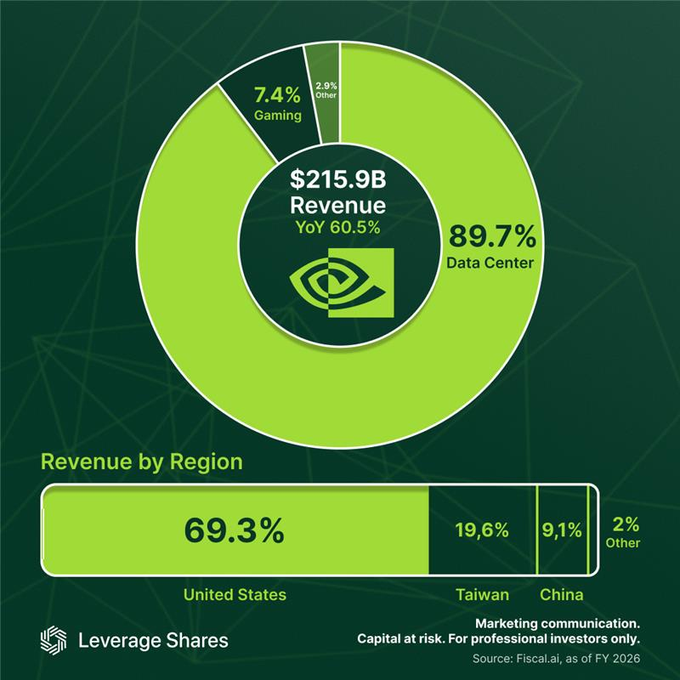
$NVDA revenue from China dropped from 25% to 9% post-export controls.
Stock went from $500 → $140 → back to $144. Export controls didn't kill the story. They stress-tested it.
The Real Test:
Could U.S. hyperscalers alone absorb every GPU China couldn't buy?
Answer: Yes. Emphatically.
$MSFT, $META, $GOOGL, $AMZN absorbed every displaced chip. U.S. demand didn't just replace China and it exceeded it.
Why This Matters:
China represented $15B-$20B in annual revenue (25% of $60-80B).
Export controls eliminated that overnight. Yet $NVDA revenue accelerated:
• 2023: $61B
• 2024: $130B (2.1x)
• 2025: $200B (1.5x)
• 2028: $365B
China didn't slow them down. It proved U.S. AI infrastructure demand is structurally larger than anyone expected.
The Geographic Shift:
Pre-2023: Global GPU market with China as major buyer Post-2023: U.S.-centric GPU market with hyperscalers buying everything
This created pricing power. Hyperscalers need capacity. $NVDA is the only supplier. No China competition = no price pressure.
Result: H100 pricing up 15% in 8 weeks when demand spiked.
What ByteStrike Tracks:
Export controls created geographic pricing fragmentation. U.S. market pricing disconnected from China alternatives.
We monitor U.S. GPU pricing at byte-strike.com where the real demand sits.
$NVDA proved China wasn't the margin. U.S. hyperscalers are.
$MSFT $GOOGL $META $AMZN
Feb 27
China went from 25% of rev (pre-export controls) to 9%.
Export controls didn't slow $NVDA down because $MSFT, $META, $GOOGL & $AMZN absorbed every displaced GPU.
China didn’t kill Nvidia story since it stress-tested whether U.S. demand alone could carry it and so far, it has.
1
102
Mar 1
$NVDA is partnering with telecoms to build 6G networks designed for large-scale AI.
This isn't about faster phones. This is about moving compute to the edge.
Why 6G Matters for AI:
5G was built for bandwidth. 6G is being built for latency AI-native architecture.
AI at the edge means:
• Robotics (manufacturing, warehouses, delivery)
• Autonomous systems (vehicles, drones)
• Real-time inference (AR/VR, gaming, medical devices)
These workloads can't tolerate cloud latency. They need compute at the network edge. 6G becomes the infrastructure layer.
The Vertical Integration Play:
$NVDA now controls:
• Training (H100, Blackwell, Rubin)
• Data center inference (GPUs, Groq LPUs)
• Edge compute (Jetson)
• Device (AI PCs with CUDA)
Network (6G telecom partnerships)
They're building the full AI stack from silicon to spectrum.
The Economics:
6G deployment = trillions in telecom capex over the next decade. Every cell tower becomes an edge compute node with $NVDA silicon.
This creates distributed compute markets with different economics:
• Cloud: Centralized, high-margin, predictable
• Edge: Distributed, lower-margin, volatile
What ByteStrike Tracks:
Edge compute pricing will differ from cloud pricing. We monitor cloud GPU costs at byte-strike.com
As 6G scales edge compute, transparent pricing across centralized distributed infrastructure becomes critical.
$NVDA builds the network. ByteStrike tracks what it costs to use.
$MSFT $GOOG $META
byte-strike.com
Mar 1
$NVDA is partnering with telecom companies to build 6G networks designed to support large-scale AI use cases.
As AI moves to the edge (robotics, autonomous systems, real-time inference) latency and bandwidth become constraints that 5G wasn’t built to handle.

1
72