Todd Thompson, a professor in @OSUAstro, has been appointed chair of the department. Thompson is a theoretical astrophysicist whose research focuses on the evolution and impacts of massive stars and what happens at the end of their lives. artsandsciences.osu.edu/news…
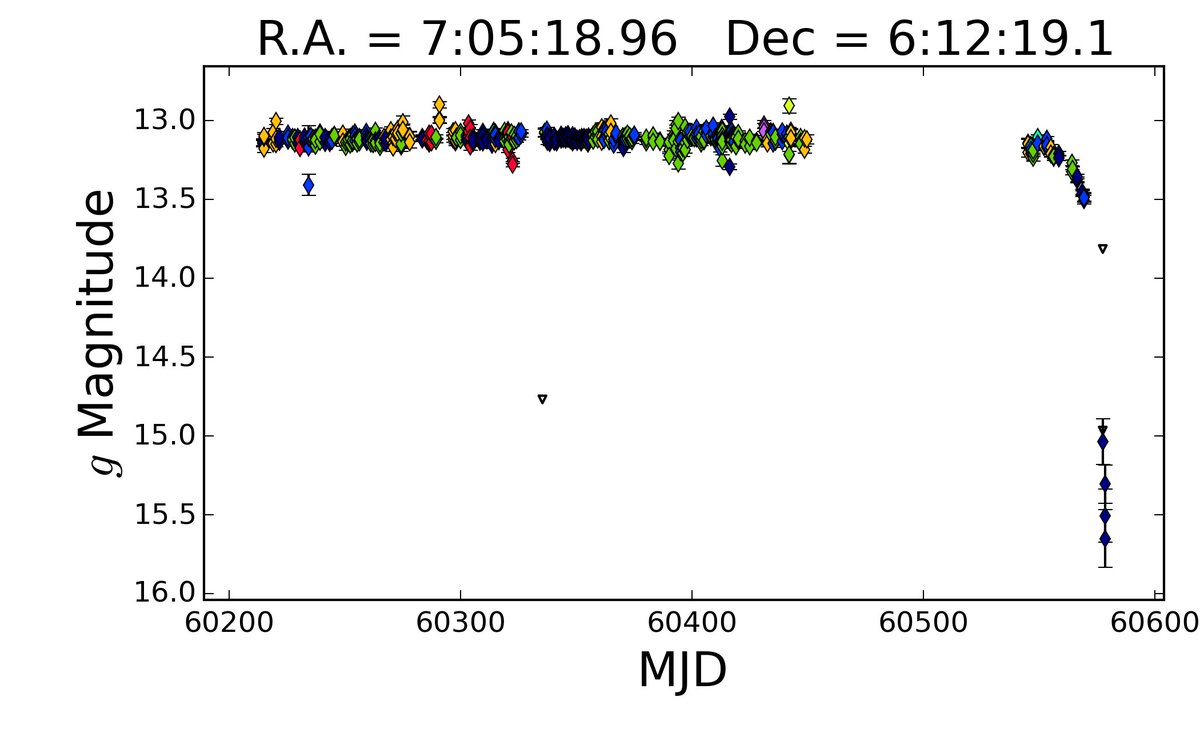
It is very cool to see some of our earlier discoveries still being studied almost 10 years later!
"Eight Years of Light from ASASSN-15oi: Towards Understanding the Late-time Evolution of TDEs"
arxiv.org/abs/2407.19019#VariableUniverse
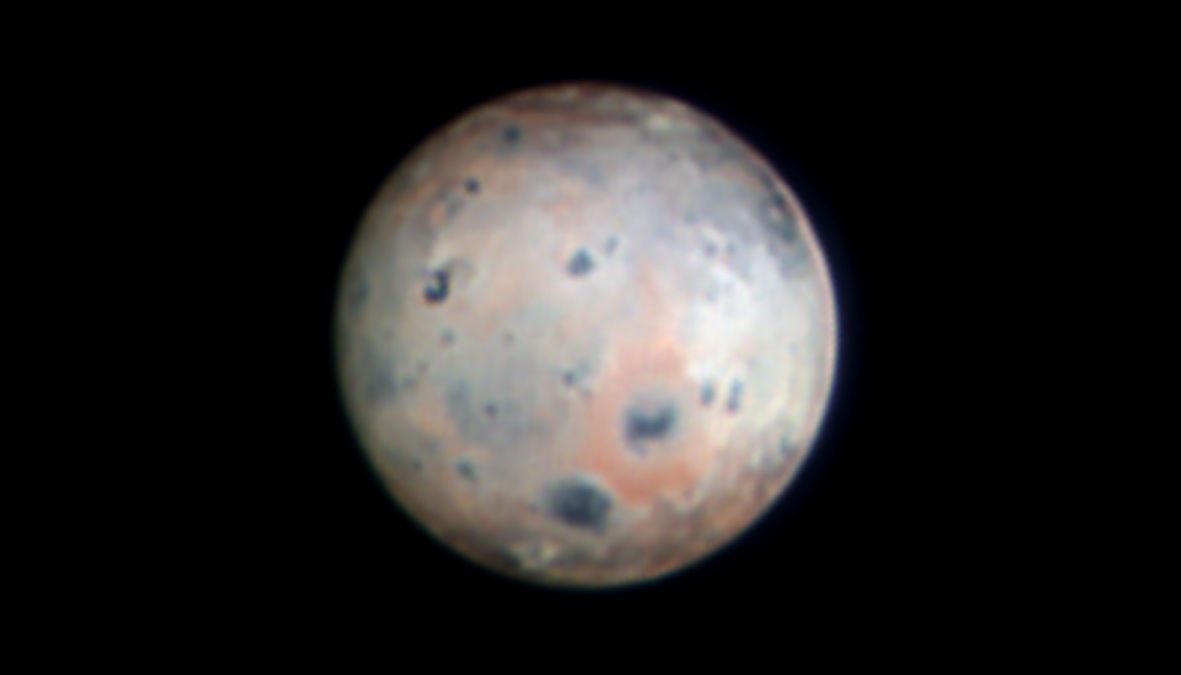
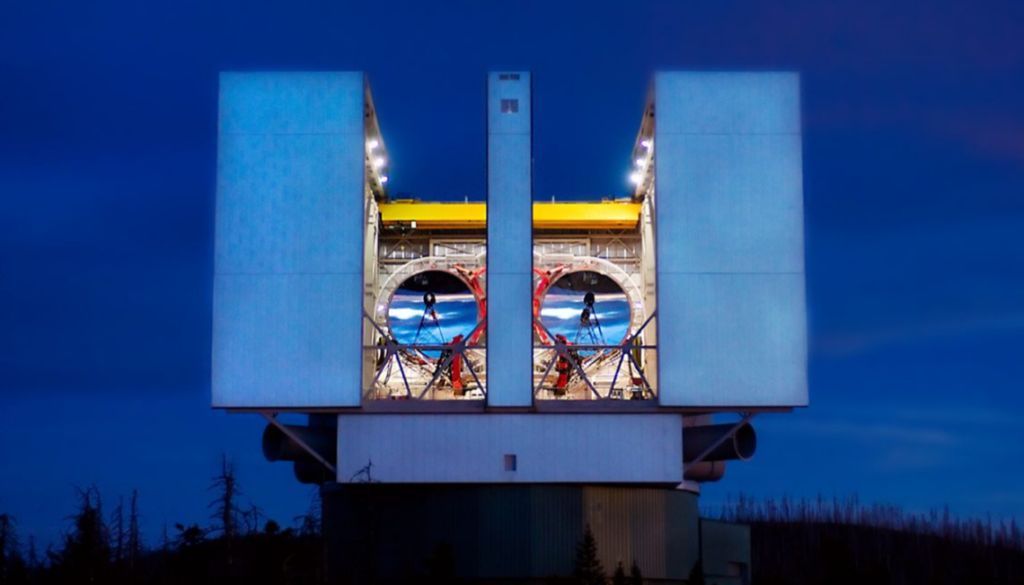
Io, satellite of Jupiter, seen in visible band with an adaptive optics system on the Large Binocular Telescope located in Arizona. We can now say than AO on ground-based telescope is now better than space telescopes even in optical. buff.ly/3KlRzvE
According to information obtained Friday, university spokesperson Ben Johnson said once the troopers began using force on the students around 10 p.m., the state troopers on the roof switched to long-range firearms as part of their protocol.
Read more:
thelantern.com/2024/04/unive…
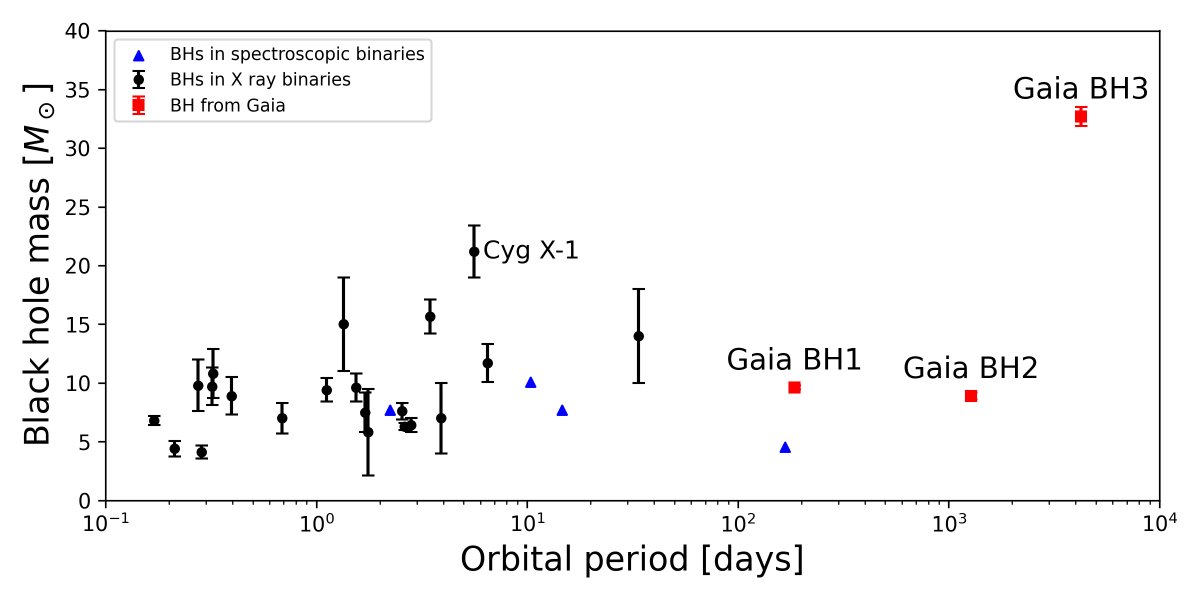
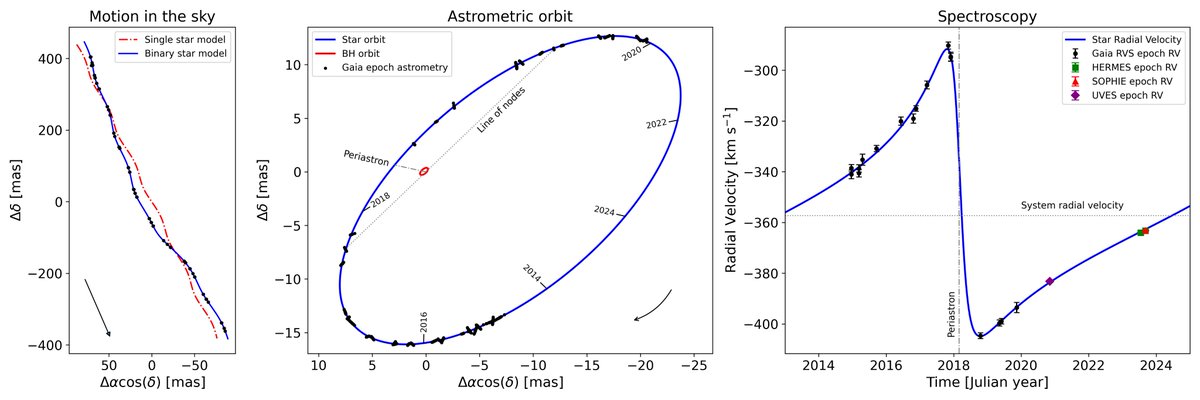
#GaiaBH3 is the new record holder in our Milky Way with its 33 solar masses. Most black holes with stellar origin have a mass of about 10 solar masses. The mass of this new Gaia #BlackHole is pinned down with unparalleled accuracy, putting it firmly in the 30 solar mass range!
While verifying preliminary #GaiaDR4 data, this source popped out! #GaiaDPAC initially thought the solution to be spurious & started to check the data! What a surprise to see this detection of #GaiaBH3! A finding worth publishing in advance of #GaiaDR4. cosmos.esa.int/web/gaia/iow_…
Gaia spots Milky Way's most massive black hole of stellar origin! It's 33 solar masses, dormant, 2nd closest to Earth at ~2000 light years away, part of a wide binary with an old giant star, with estimated age of 11 Gyr: youtu.be/cU00B-6DeSQ#GaiaBH3cosmos.esa.int/web/gaia/iow_…
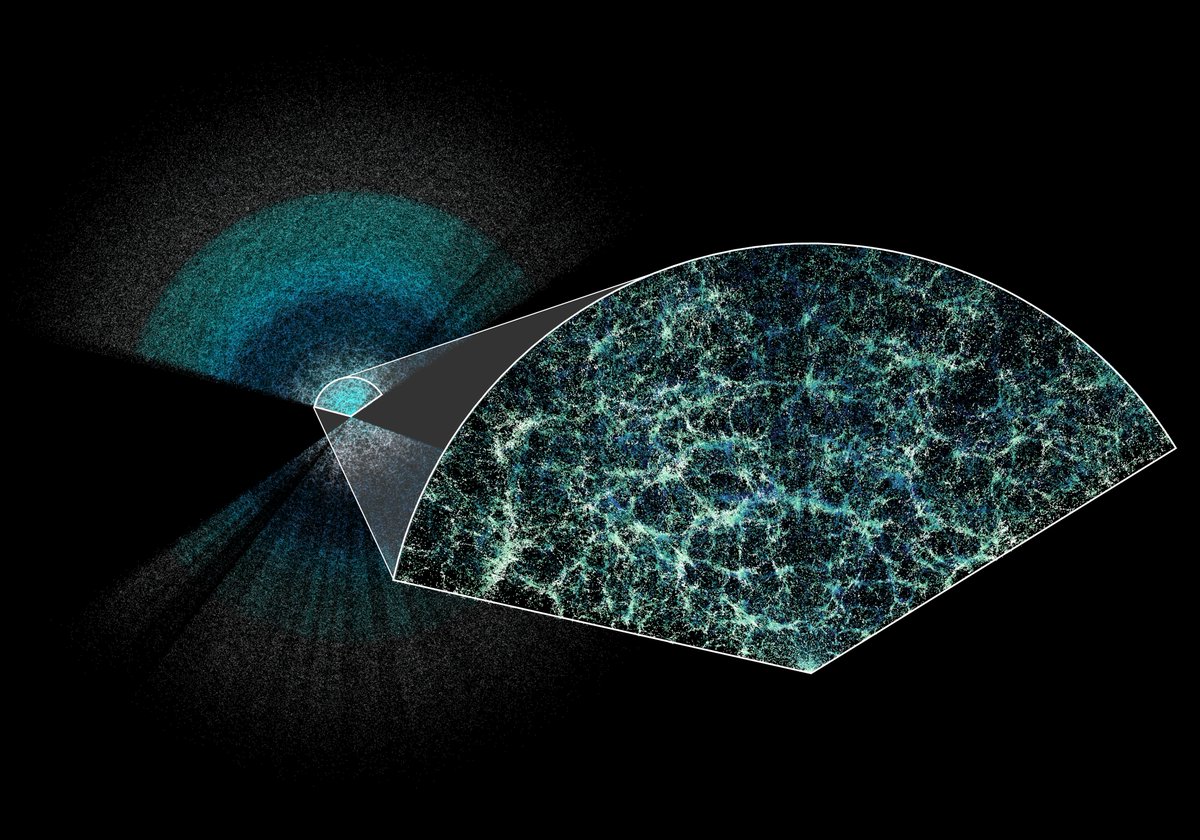
Breaking news!🎉 Today we announce the most precise measurements of our expanding Universe using the BAO signal in 6.1 Million galaxies and quasars from Year 1, tracing dark energy through cosmic time. See @BerkeleyLab PR at newscenter.lbl.gov/2024/04/0… 1/10
📸 Credit: @ClaireLamman
ALT DESI has made the largest 3D map of our universe to date. Earth is at the center of this thin slice of the full map. In the magnified section, it shows the underlying structure of galaxies in our universe.
Credit: Claire Lamman/DESI collaboration; custom colormap package by cmastro
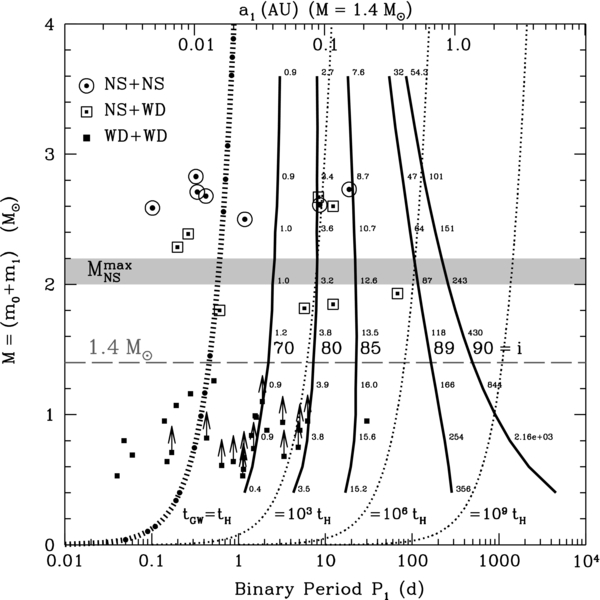
Interested in #threebodyproblem?
Here is a cool plot from a paper by @chargedcurrent:
"Accelerating Compact Object Mergers in Triple Systems with the Kozai Resonance: A Mechanism for "Prompt" Type Ia Supernovae, Gamma-Ray Bursts, and Other Exotica"
ui.adsabs.harvard.edu/abs/20…
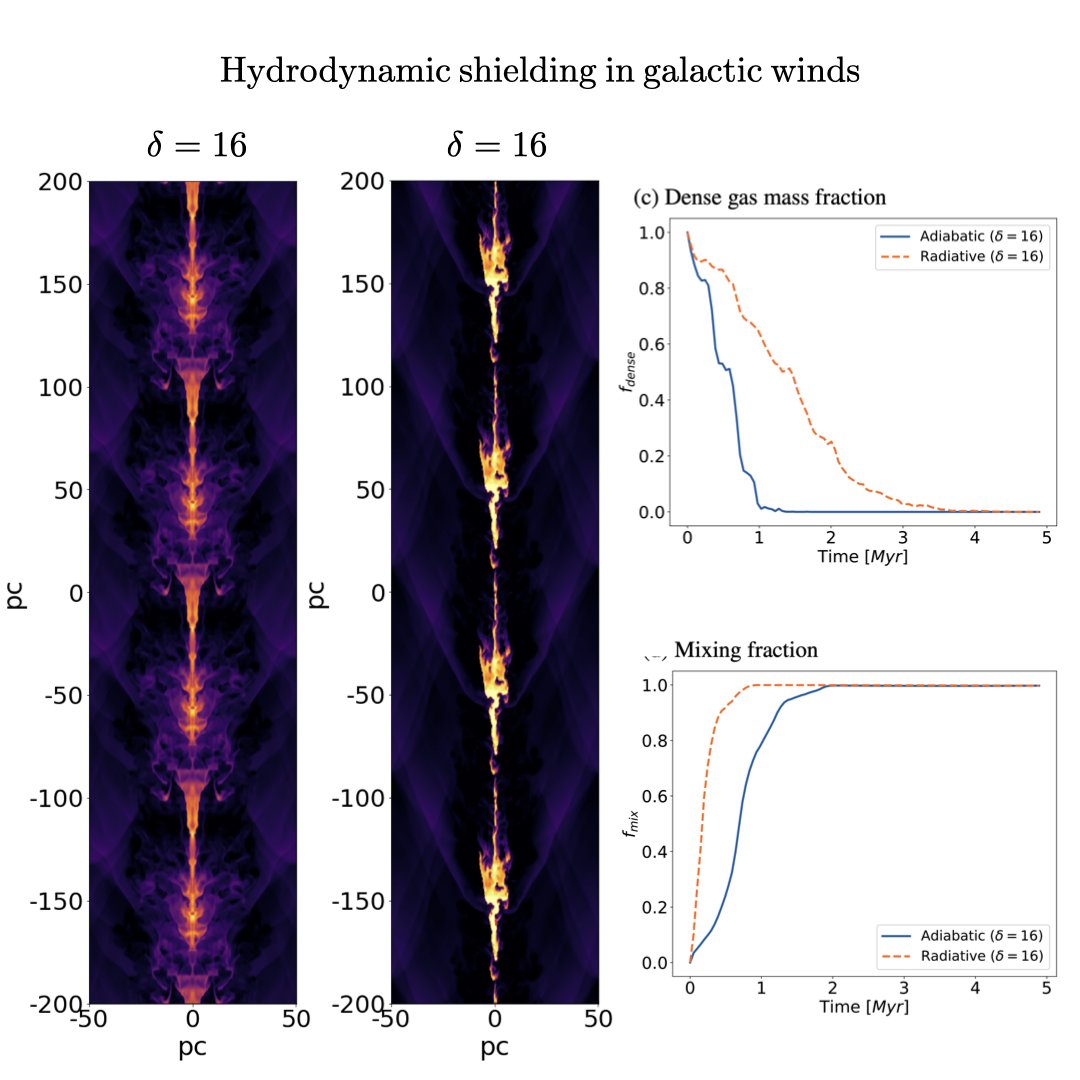
Our new paper is on arXiv today. Hydrodynamic shielding can operate in supersonic regimes and aid cloud survival in radiative galactic winds when the cooling length is much shorter than the cloud radius. Work led by my student @Iandrew81 at @fisicaynanoYTarxiv.org/abs/2402.08745
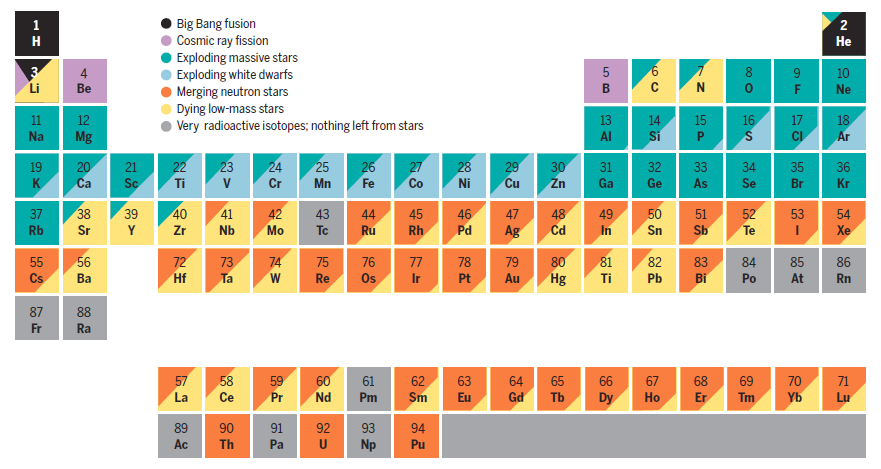
@PlotAstro can I nominate a plot from 5 years ago? Figure 1 of science.org/doi/10.1126/scie… by @JAJohnson51 shows the nucleosynthetic origins of each chemical element.
Dear Boomers and Gen X: This is a reminder that inflation since 2000 is a factor of ~1.75. So, if you made $25k, $50k, $100k/yr in 2000, that would be ~$44k, $87k, $175k/yr now.
Did you unwrap a new electronic device during the holidays? Here are some interplanetary ways to put it through its paces. Try spacing out with the new NASA channel plus.nasa.gov/
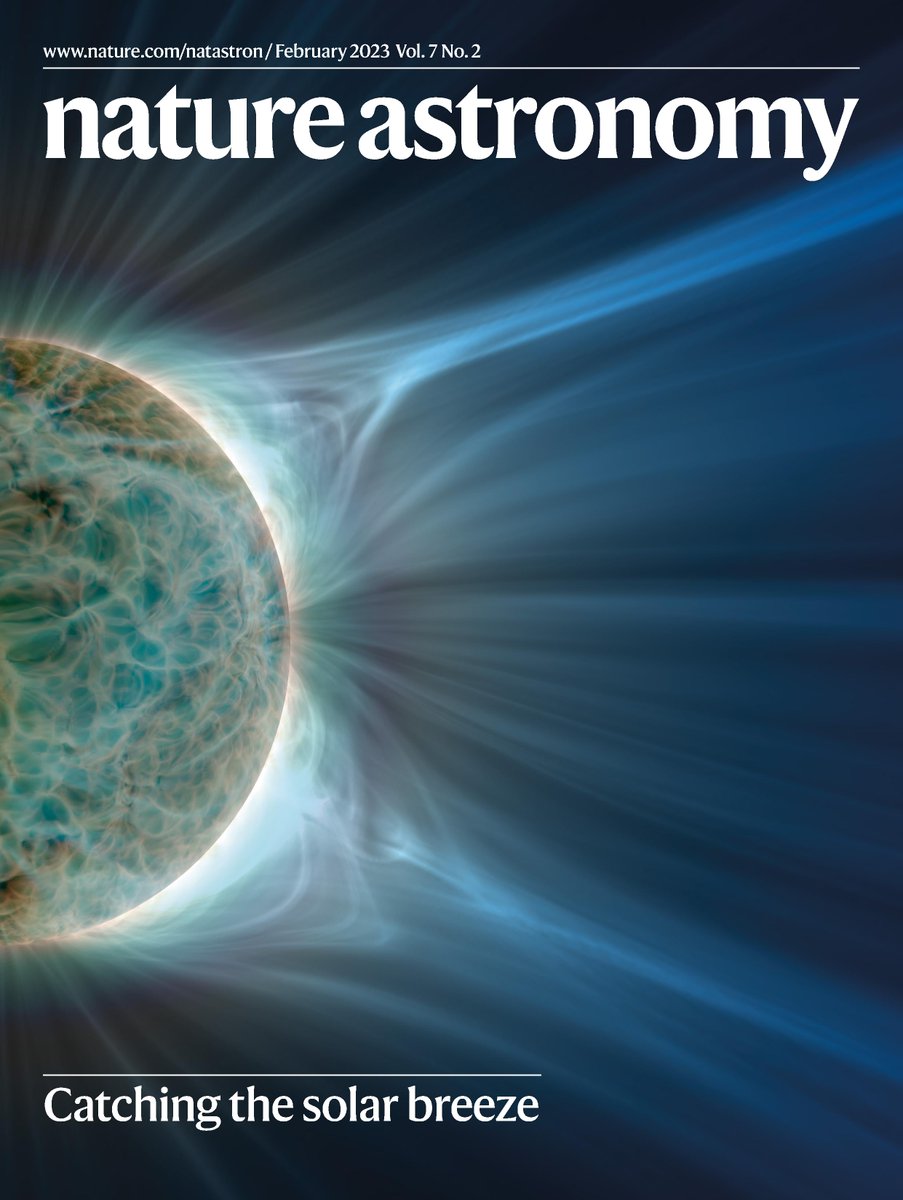
Congratulations to the winner of #NAstroCoverComp 2023, Chitta et al., with this view of the web of magnetized plasma found in the Sun's middle corona! This image gathered half the votes in the final, and featured on the front page of our February issue: nature.com/natastron/volumes…
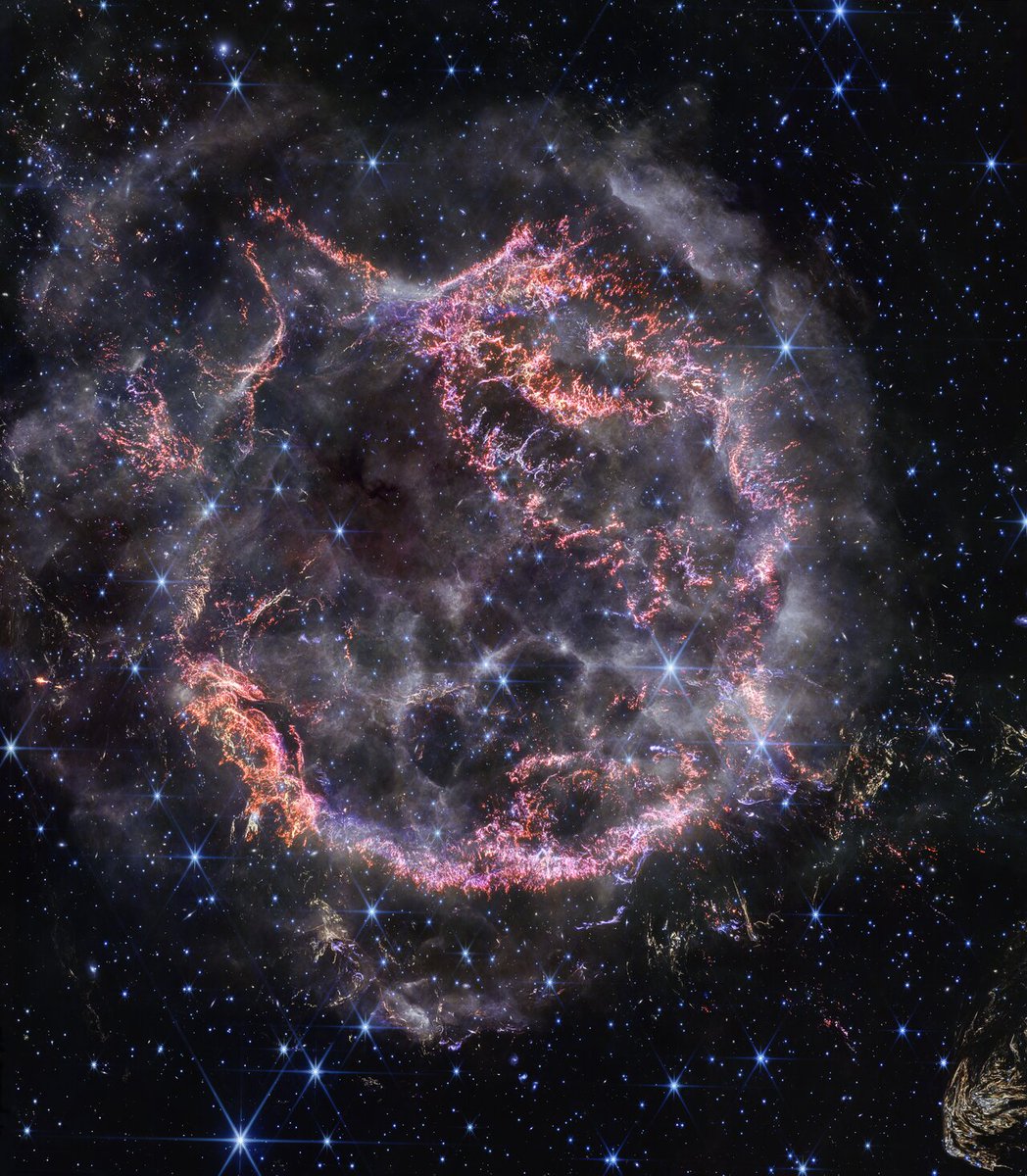
🆕 The supernova remnant Cassiopeia A (Cas A) has been captured by Webb’s NIRCam, revealing never-before-seen features.
ALT A roughly circular cloud of gas and dust with complex structure. The inner shell is made of bright pink and orange filaments studded with clumps and knots that look like tiny pieces of shattered glass. Around the exterior of the inner shell, there are curtains of wispy gas that look like campfire smoke. Around and within the nebula, various stars are seen as points of blue and white light. Outside the nebula, there are also clumps of dust, coloured yellow in the image.
We predicted peak mag 7 @ 15 kpc (for 1e26 g of ejecta) => mag 19 @ 3 Mpc, but only ~1e3 s after the flare. MASTER reported upper limits around this depth but on ~1e4 s, when the nova brevis would have faded to ~22. We need continuous 1m-telescope monitoring of nearby galaxies.