Advocate of science and science based medicine. Challenges misleading claims, particularly those in complementary and alternative medicine
Joined November 2016
- Tweets 17,563
- Following 1,161
- Followers 3,491
- Likes 31,161
840 Photos and videos
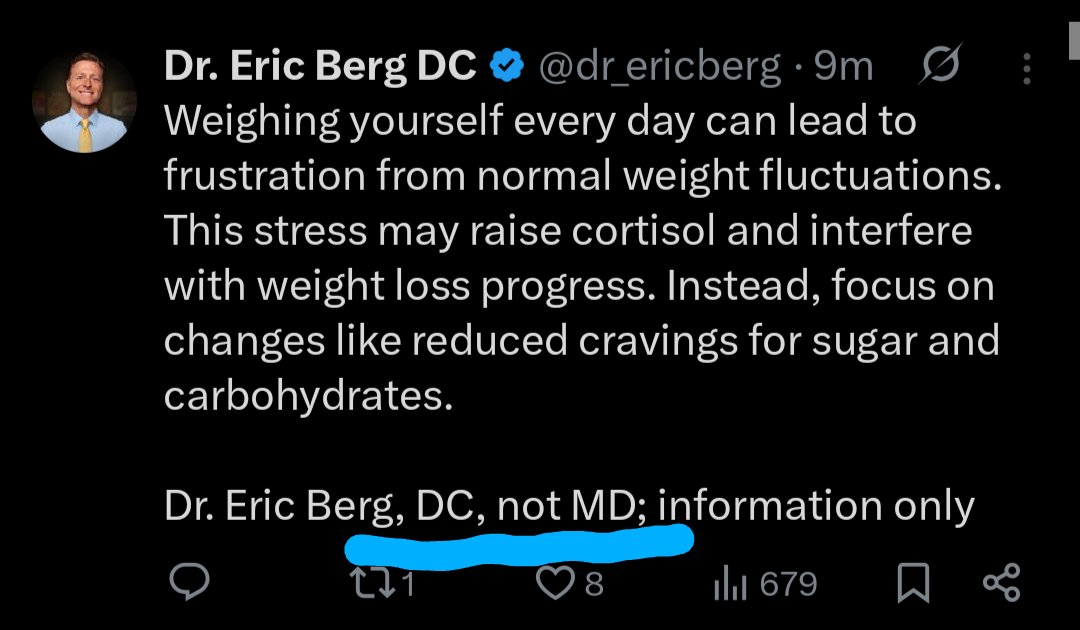
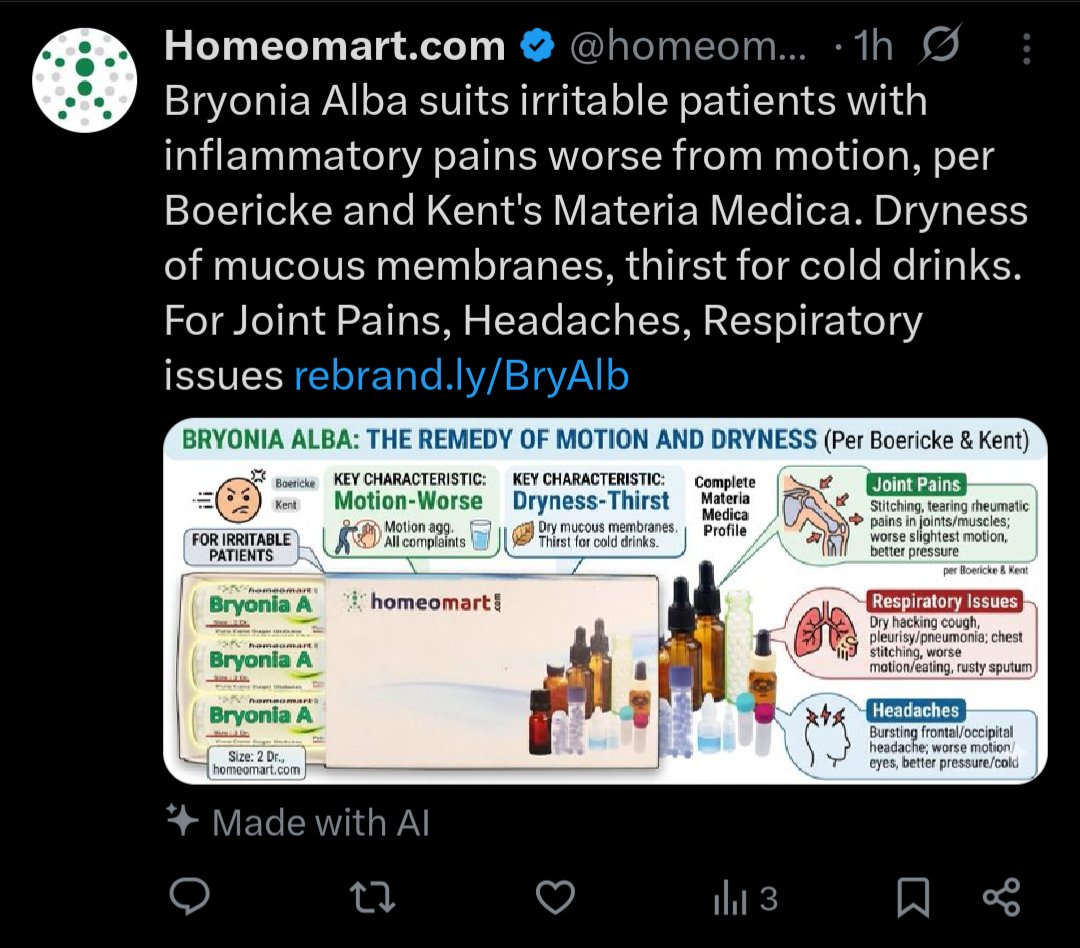
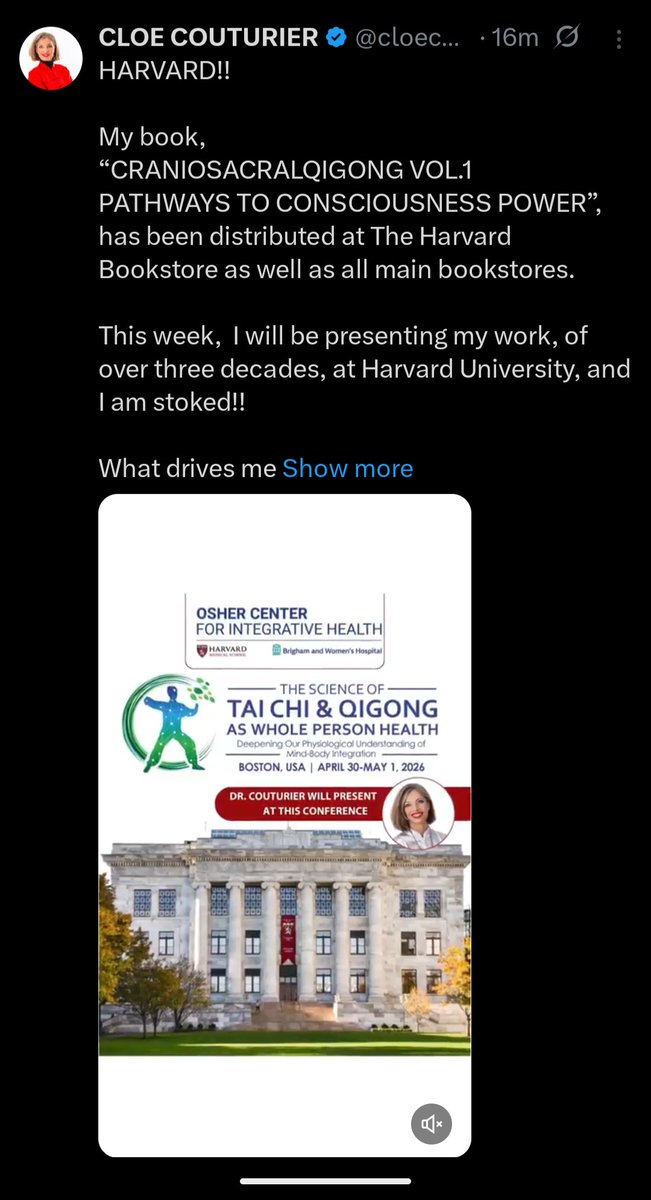
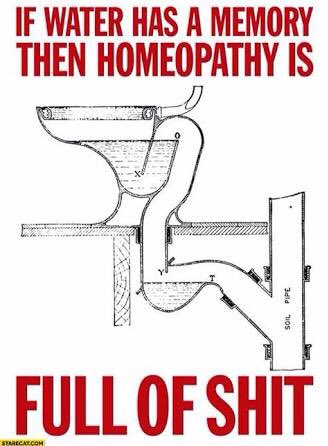
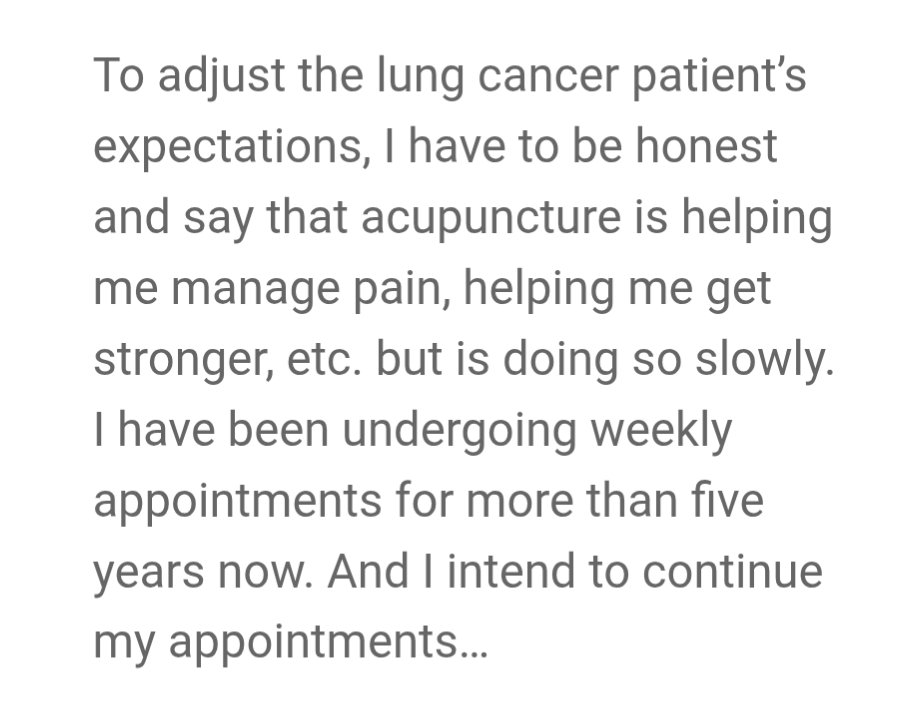


What this paper actually shows is that #acupuncture is not effective for illicit drug use disorders. In spite of the negative result, the authors still try to apply a positive spin. As @EdzardErnst says " a classic case of presenting a negative result as a positive finding!"
Jun 13

#Acupuncture for illicit drug use disorders? No, I don't think so! edzardernst.com/2026/06/acup… via @edzardernst
2
4
253
Complementary Meds retweeted

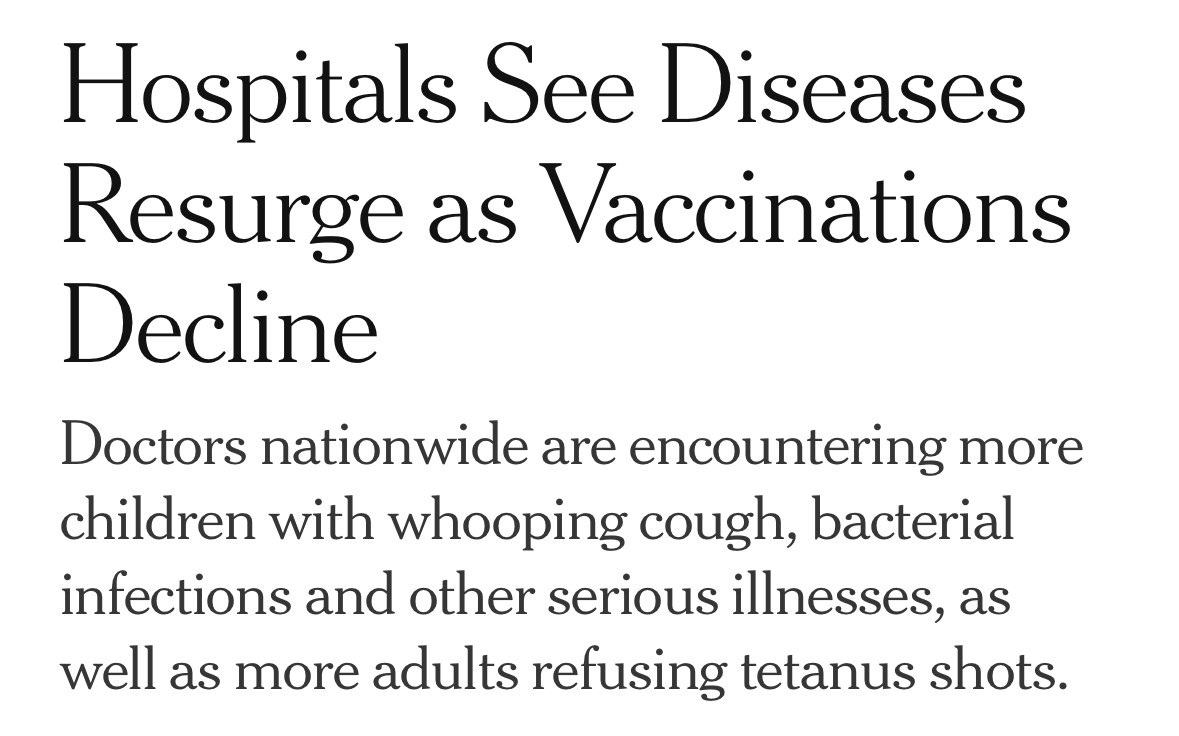
The danger of the immense success of vaccines is that many people - including physicians - have never encountered these diseases before.
Prevention is easy to underestimate because success looks like nothing happening. Until it’s not.
30
165
339
5,981
Complementary Meds retweeted

A toxicology journal has retracted a 16-year-old study linking hepatitis B vaccines to autism in children following an independent statistical review that found a half-dozen concerns with the study’s methodology.
retractionwatch.com/2026/06/…
2
33
114
43,609

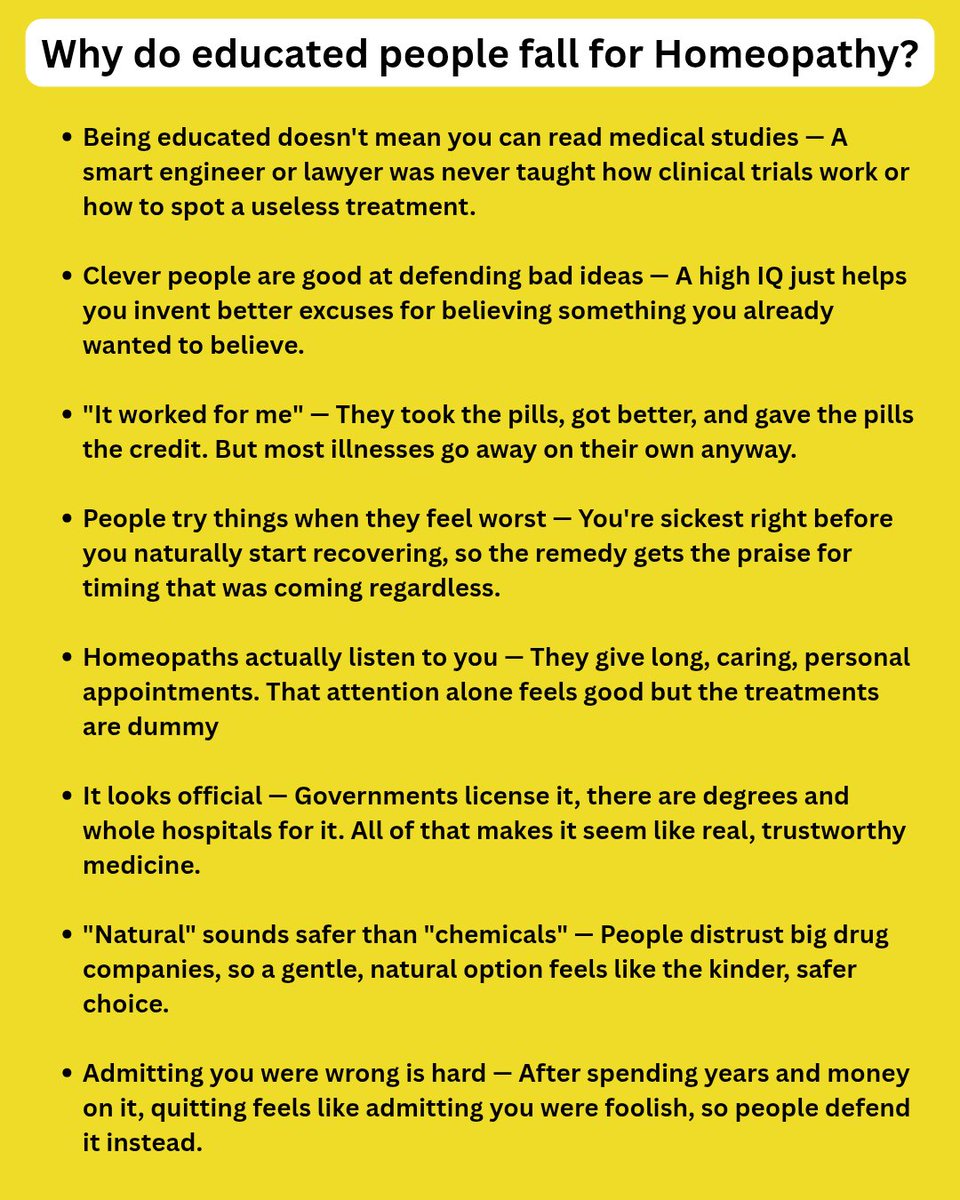
A worrying trend over recent years has been the increasing use of nonsensical pseudoscientific "treatments" for animals. Animal #chiropractic is one example. It's nonsense with no evidence of effectiveness for any condition
Jun 2

Don't do this. Do not have chiropractic treatment done on your dogs, it is negligible at best and has led to cranial and spinal injuries for uncountable dogs.
1
275
Antivax doctors are thankfully not that common because they present a significant risk to their patients and the public. It is good to see that there is now one less of them
May 31
DOCTOR STRUCK OFF FOR FAKE MASK AND VACCINE CERTIFICATES. edzardernst.com/2026/05/doct… via @edzardernst
1
209
Complementary Meds retweeted

May 31
Survivorship bias might be the most misunderstood bias. Not every flawed argument about survival are the result of survivorship bias, and not every example of survivorship bias is about literal survival.
Survivorship bias is a kind of selection bias. It happens when we draw conclusions based on the "successful" cases that made it through a visibility filter, while ignoring information about the cases that didn't.
This kind of argument often gets mislabeled as survivorship bias:
"Car seats are unnecessary. My kids never used car seats, and they survived."
Information about kids who weren't okay is not less visible (and is actually probably more visible because it is newsworthy), so this is not survivorship bias. It's the anecdotal fallacy, as it draws a sweeping conclusion from a personal story.
In some famous examples, the filter *is* survival (e.g., the famous WWII planes example), but not always. Here's a non-survival example of survivorship bias:
A teen scrolls through social media and thinks, "Most creators I see have a huge following. It must be easy to become an influencer." But successful creators are more visible than less successful ones. The creators who don't gain much of a following are also important evidence, but they're just much less likely to show up on your feed.
1
5
171
Complementary Meds retweeted

May 29
Before vaccines existed, one in five babies didn't survive their first year
May 29

Vaccinating healthy infants is all risk and no benefit.
There is no logical reason to vaccinate babies as early as we do, let alone give 6-8 vaccines in a single visit.
You’re exposing a healthy baby to serious complications with zero liability when something goes wrong.
184
330
1,718
31,581
Complementary Meds retweeted

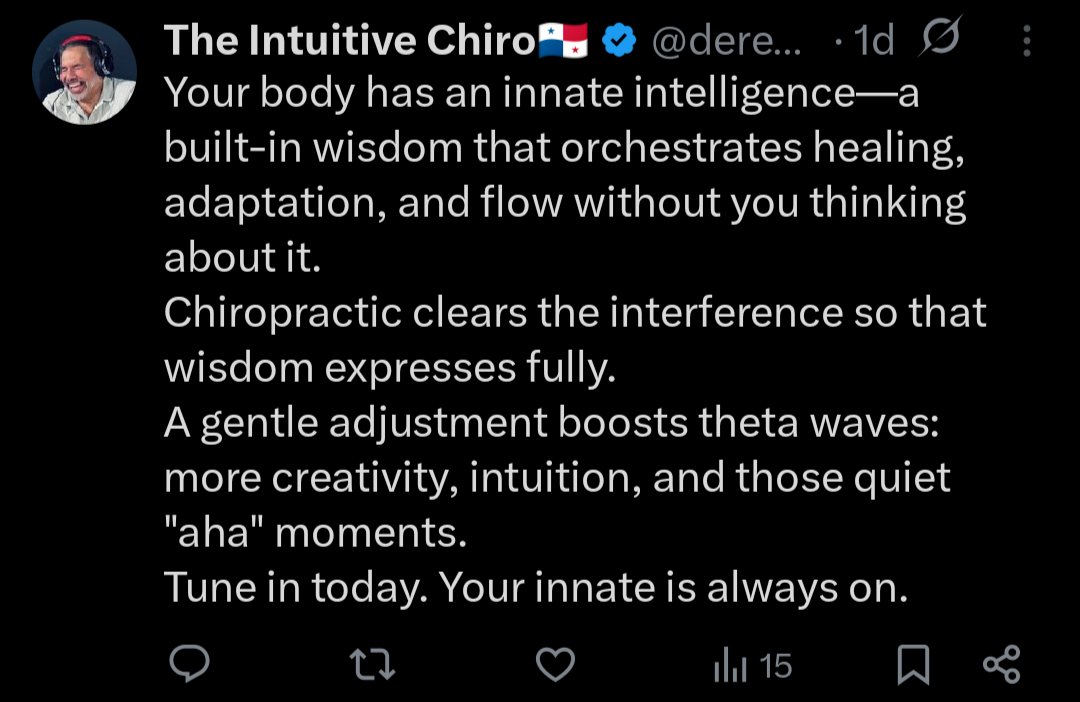
Many alternative medicine treatments are rooted in vitalism: the belief in a magical energy force that cannot be scientifically measured.
Energy healing: biofield
Homeopathy: vital force
Acupuncture: Qi
Ayurveda: prana
Thought field therapy: fields
Chiropractic: innate
Etc.
15
23
92
2,731
Complementary Meds retweeted

May 29
1990s scientists:
We cloned sheep.
We landed robots on Mars.
Scientists today:
For the thousandth time:
The Earth is round.
Vaccines don’t cause autism.
The joke isn’t that science stopped advancing.
It’s that society started believing propaganda bots on X.
356
1,916
8,288
99,700
This article highlights really important points about integrative medicine, which is often misunderstood. It's really a marketing term rather than a valid treatment approach. It's a rebranding of complementary and alternative medicine. None of these things are effective.
May 25
"Proven interventions should be called medicine. Unproven interventions should be called unproven" edzardernst.com/2026/05/inte… via @edzardernst
1
4
350
Complementary Meds retweeted
May 22
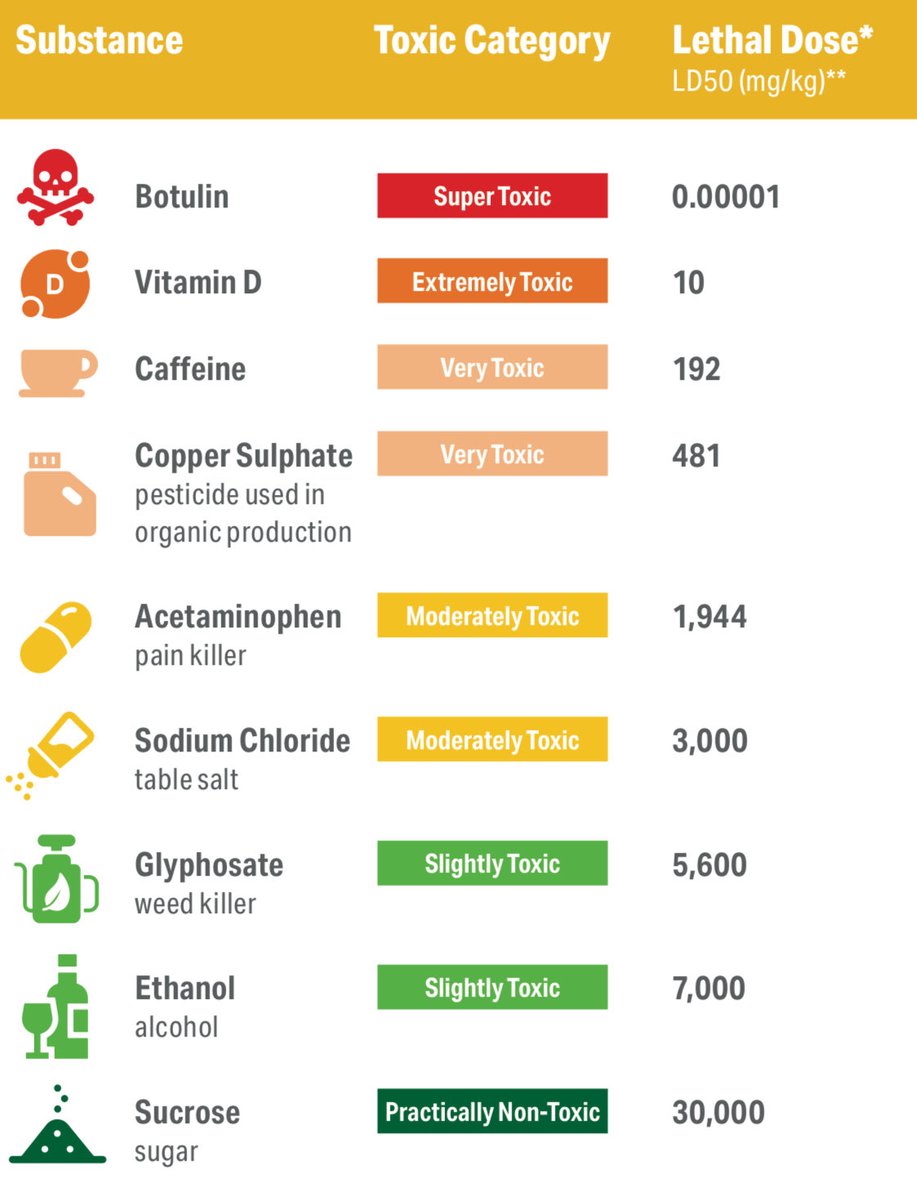
Natural doesn't always mean safer.
Toxicity depends on dose, not on whether something is natural or synthetic.
Even common substances like caffeine, vitamin D, and salt can be lethal at certain levels.
Understanding toxicology is key to rational risk assessment.
38
145
444
12,402
Complementary Meds retweeted
One consequence of tolerating pseudoscience is that people die when its legitimatization becomes baked into our culture, health care systems, and institutions.
22
81
305
6,933
Complementary Meds retweeted

<shocked>

Yet another study showing that #homeopathy doesn't work. The thing is, we knew that before the study was conducted because homeopathy is a fake treatment
1
4
248
Yet another study showing that #homeopathy doesn't work. The thing is, we knew that before the study was conducted because homeopathy is a fake treatment
May 20
Homeopathy for Chronic Non-specific Low Back Pain? edzardernst.com/2026/05/home… via @edzardernst
1
408
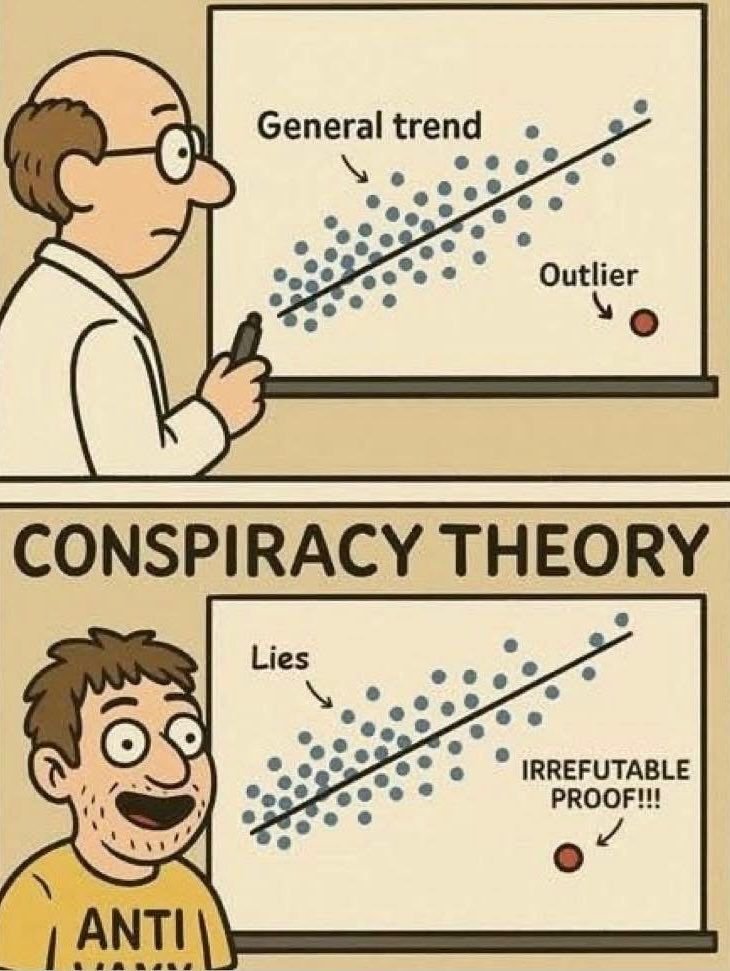
#reiki is pseudoscientific nonsense. There is no possible way it could ever work. It is time to stop wasting time and money on such ridiculous studies
May 18
The effects of Reiki in children with leukemia on pain, vital signs and quality of life edzardernst.com/2026/05/the-… via @edzardernst
1
7
368
Complementary Meds retweeted

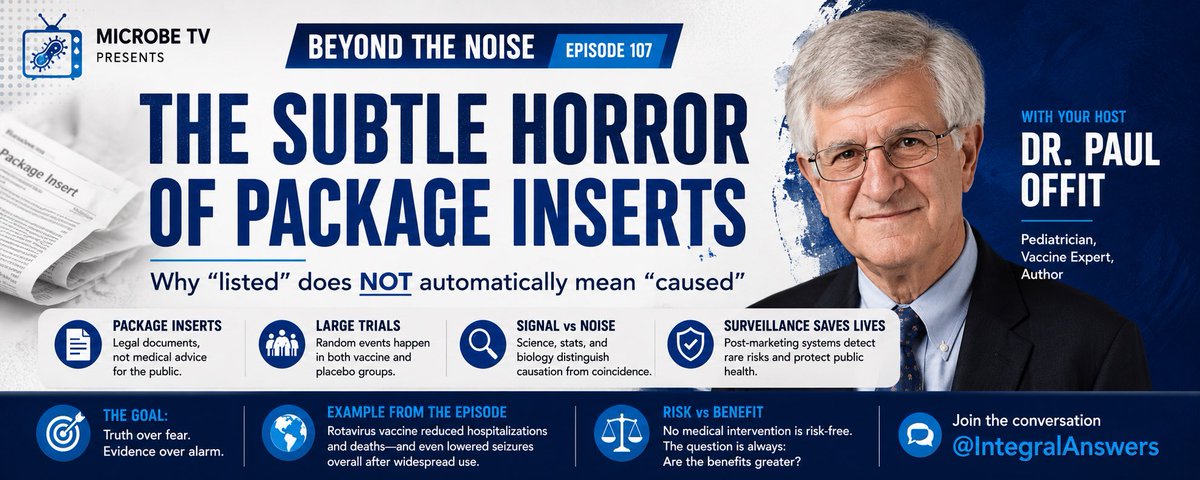
One of the most misunderstood documents in medicine may be the vaccine package insert.
Dr. Paul Offit recently discussed how package inserts are often interpreted by the public—and weaponized online—as proof that vaccines “cause” every listed adverse event.
But that’s not how these documents work.
In large placebo-controlled trials involving tens of thousands of participants, many events occur simply because life happens:
• seizures
• autoimmune disease
• fractures
• hospitalizations
• deaths
If an event occurs after vaccination, it may appear in the insert even when it occurs at the SAME rate in the placebo group.
Example:
In the ~72,000 participant rotavirus vaccine trial, seizures appeared in both vaccine and placebo recipients at statistically indistinguishable rates.
Ironically, after licensure, widespread vaccination actually REDUCED seizures overall because natural rotavirus infection itself can trigger seizures.
The transcript also highlights an important concept many people struggle with:
Temporal association ≠ causation.
“Occurred after” does not mean “caused by.”
This distinction becomes critically important in massive databases like VAERS, where millions of people naturally experience illness, injury, heart attacks, strokes, cancer diagnoses, and death every day independent of vaccination.
That does NOT mean vaccines can’t cause adverse events.
Some rare vaccine complications are very real:
• myocarditis after mRNA COVID vaccines
• clotting syndromes after adenovirus vector vaccines
• vaccine-associated paralytic polio with oral polio vaccine
These risks were identified precisely because large-scale post-marketing surveillance systems exist.
The core challenge is distinguishing:
• random coincidence
from
• true biological causation
That requires:
• placebo controls
• statistical analysis
• mechanistic biology
• epidemiology
• risk-benefit assessment
Not screenshots of package inserts circulating on social media.
Medicine becomes dangerous when people confuse signal with noise.
@IntegralAnswers
14
25
74
4,873
Complementary Meds retweeted
May 16
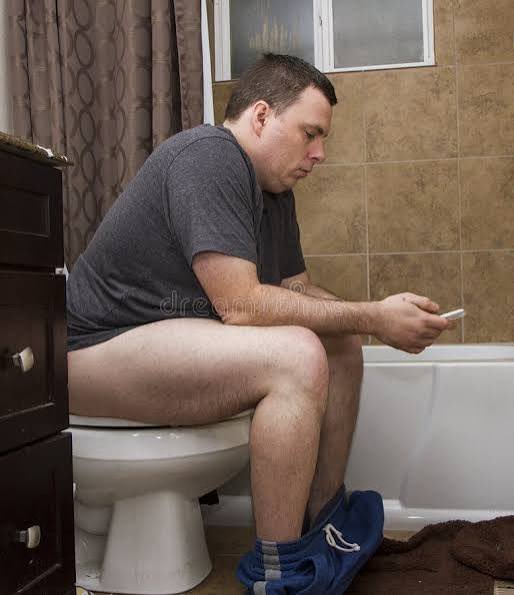
Vaccine Anti vaccine
research research

542
5,833
45,173
1,062,922
Complementary Meds retweeted

May 12
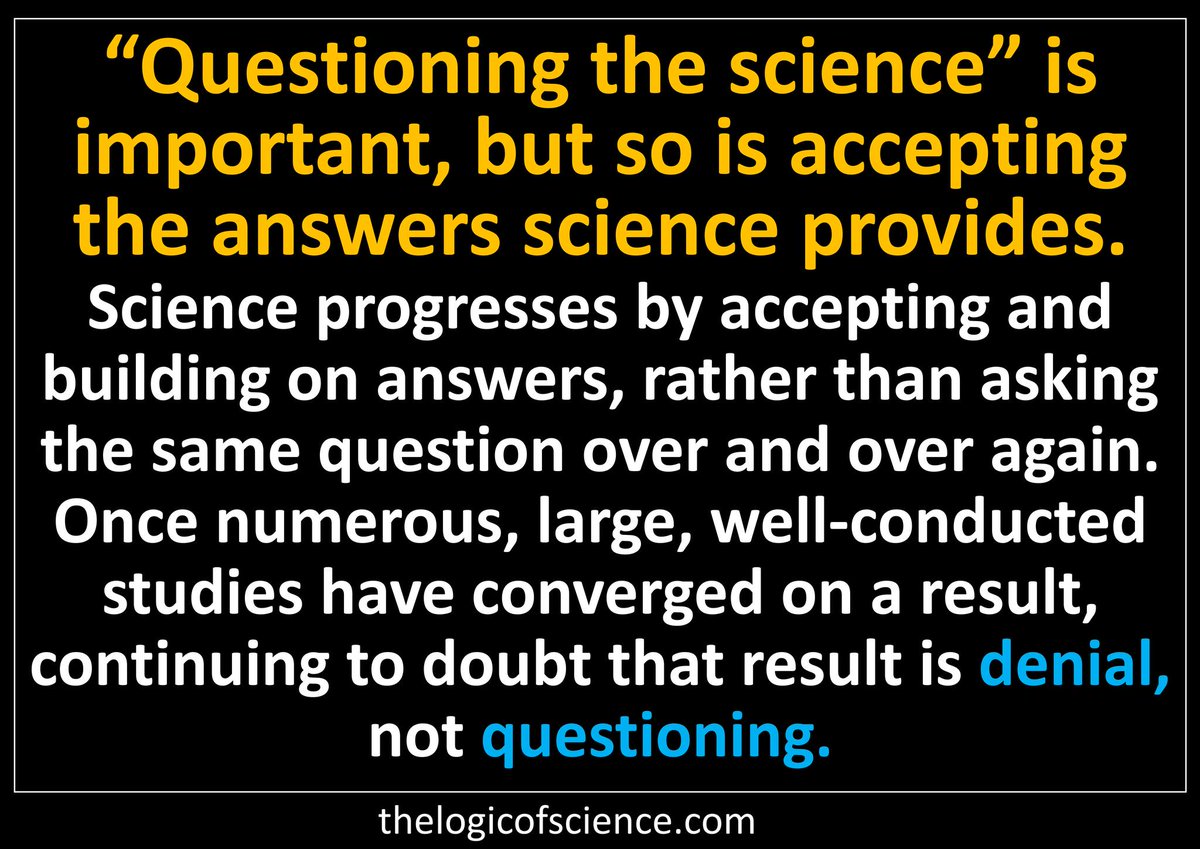
"Questioning the science" is important, but so is accepting the answers science provides."
8
14
48
1,855