
Reliability Layer for UI Autonomy | CEO @AISuccessors (Techstars ’24)
Joined May 2008
- Tweets 13,634
- Following 3,302
- Followers 1,856
- Likes 38,997
360 Photos and videos



Pinned Tweet

3 Nov 2025
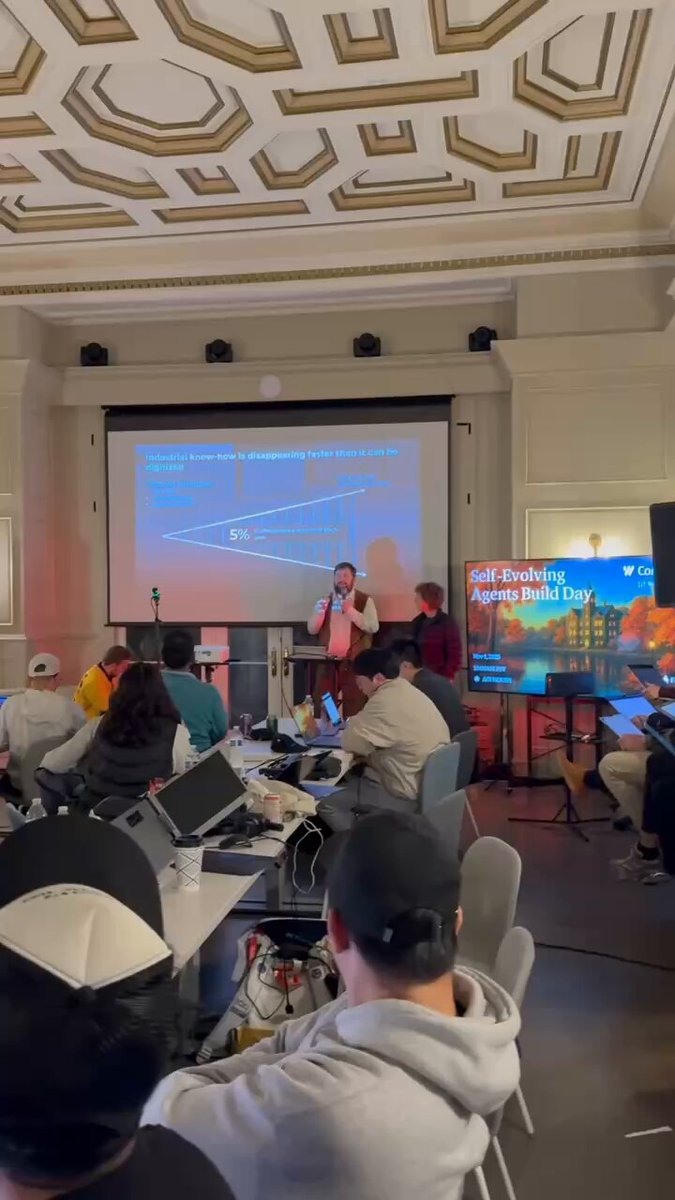
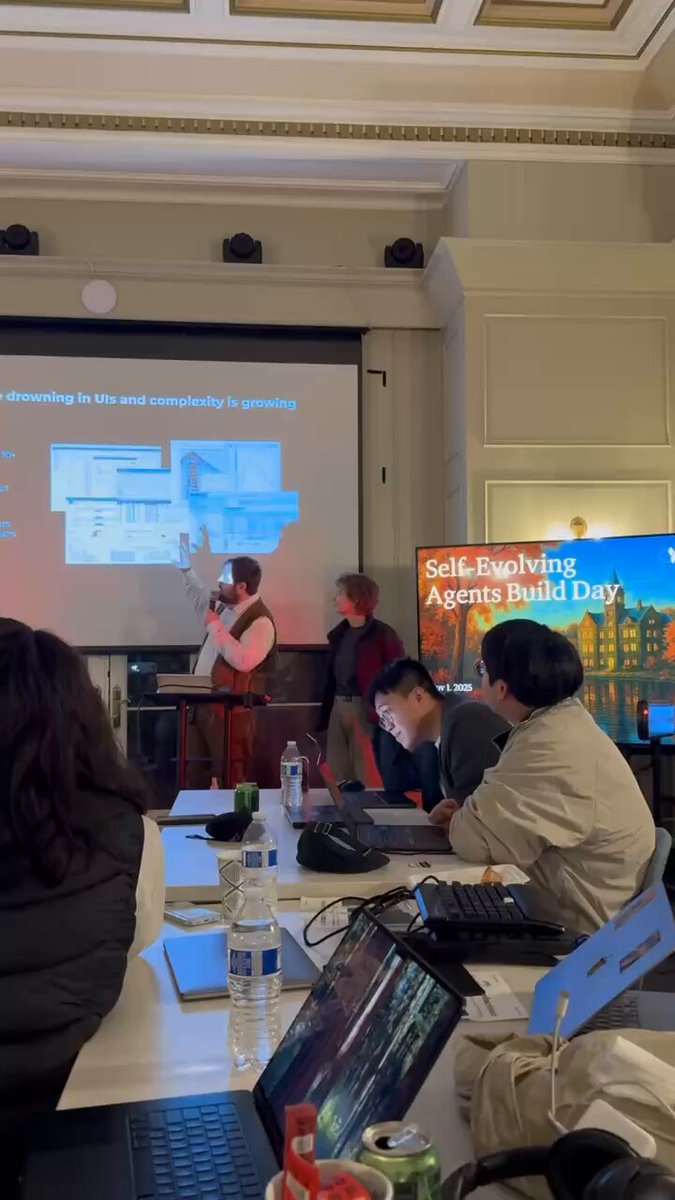
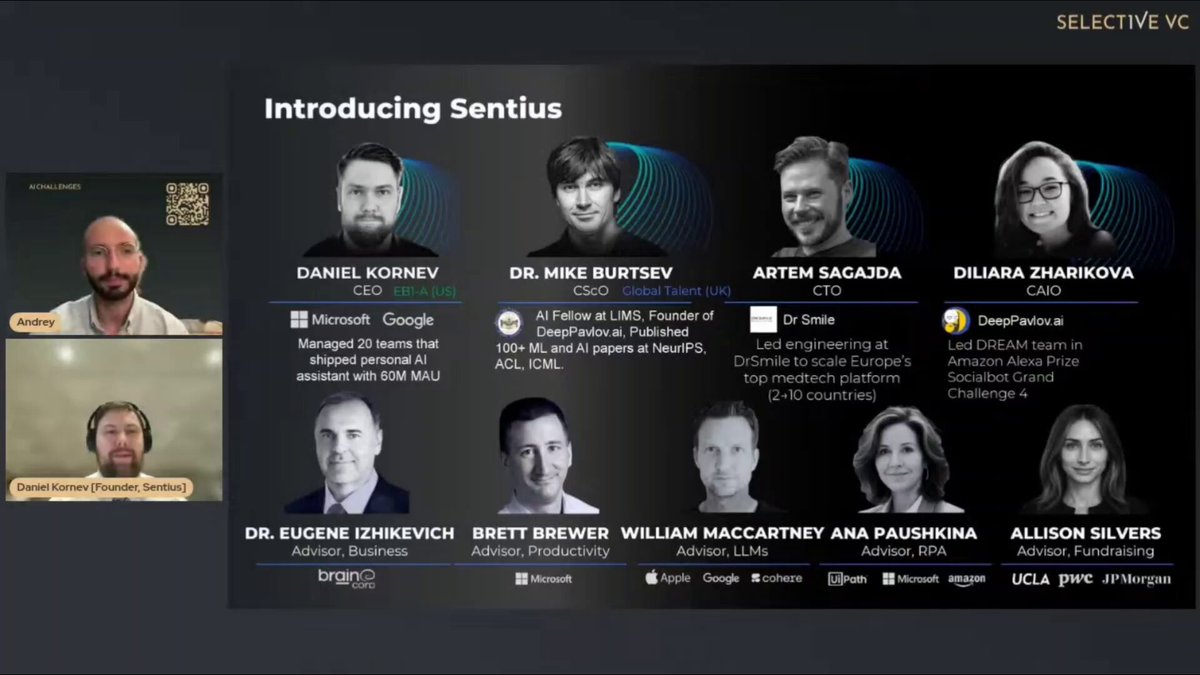
Fuller recording!
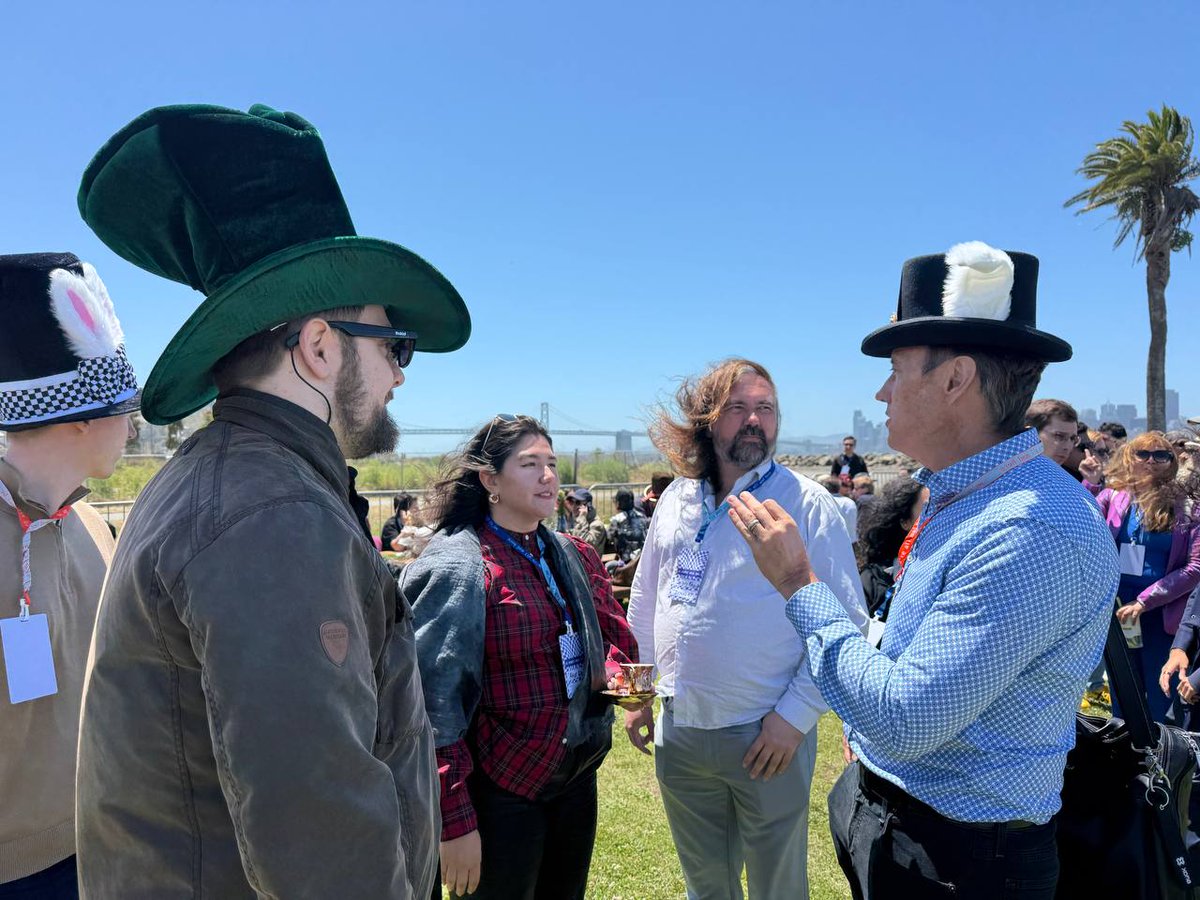
We won III place in Self-Evolving Agents Hackathon organized by @wandb at the legendary @agihouse_org last night!
@AISuccessors rock!!! ❤️❤️❤️❤️❤️
1
1
9
572
Jun 15
Exactly. Capturing domain knowledge and making it verifiable and reusable is the key.
And part of that knowledge belongs to people ability to do domain-specific tasks by controlling complex desktop software.
Modern computer-use systems are still early, too slow, too expensive, error-prone to get this done properly.
Someone has to step in.
We need Digital Autonomy.

1
55
Daniel Kornev retweeted

Jun 13
world models and simulation batch:
- @theworldlabs (@drfeifei, @chlassner)
- @amilabs (@pascalefung, @sainingxie)
- @DecartAI (@DLeitersdorf)
- @gen_intuition (@PimDeWitte)
- @aaruhq (@seekingtau)
- @imbue_ai (@kanjun)
x.com/i/lists/20617784890369…
Jun 10

last frontier labs batch for now
bio and world models coming next
- @_inception_ai (@adityagrover_, @StefanoErmon)
- @ElorianAI (@AndrewDai, @yinfeiy)
- @si_pbc (@_neelr_, @devanshpandey)
- @adaption_ai (@sarahookr)
- Sooth Labs (@rsalakhu)
x.com/i/lists/20617784890369…

8
8
189
32,727
Daniel Kornev retweeted
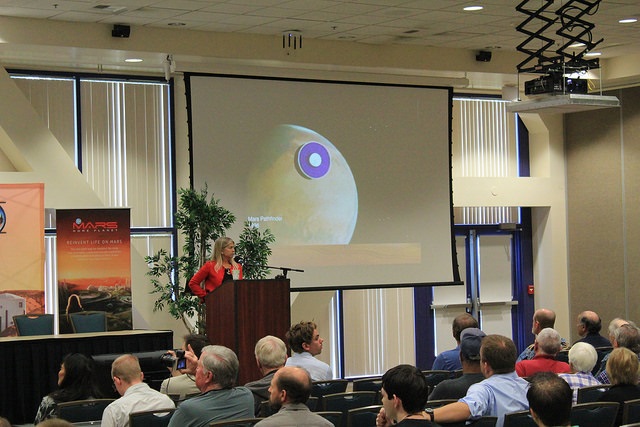
Calling all Mars thinkers! 🔴 Submit your abstract for the 2026 Int'l Mars Society Convention & help shape the future of human exploration, technology, policy & settlement on the Red Planet. bit.ly/4xgYEoz #mars2026 #publicspeaking #mars #research @USC #humanstomars

2
5
12
682
Jun 5
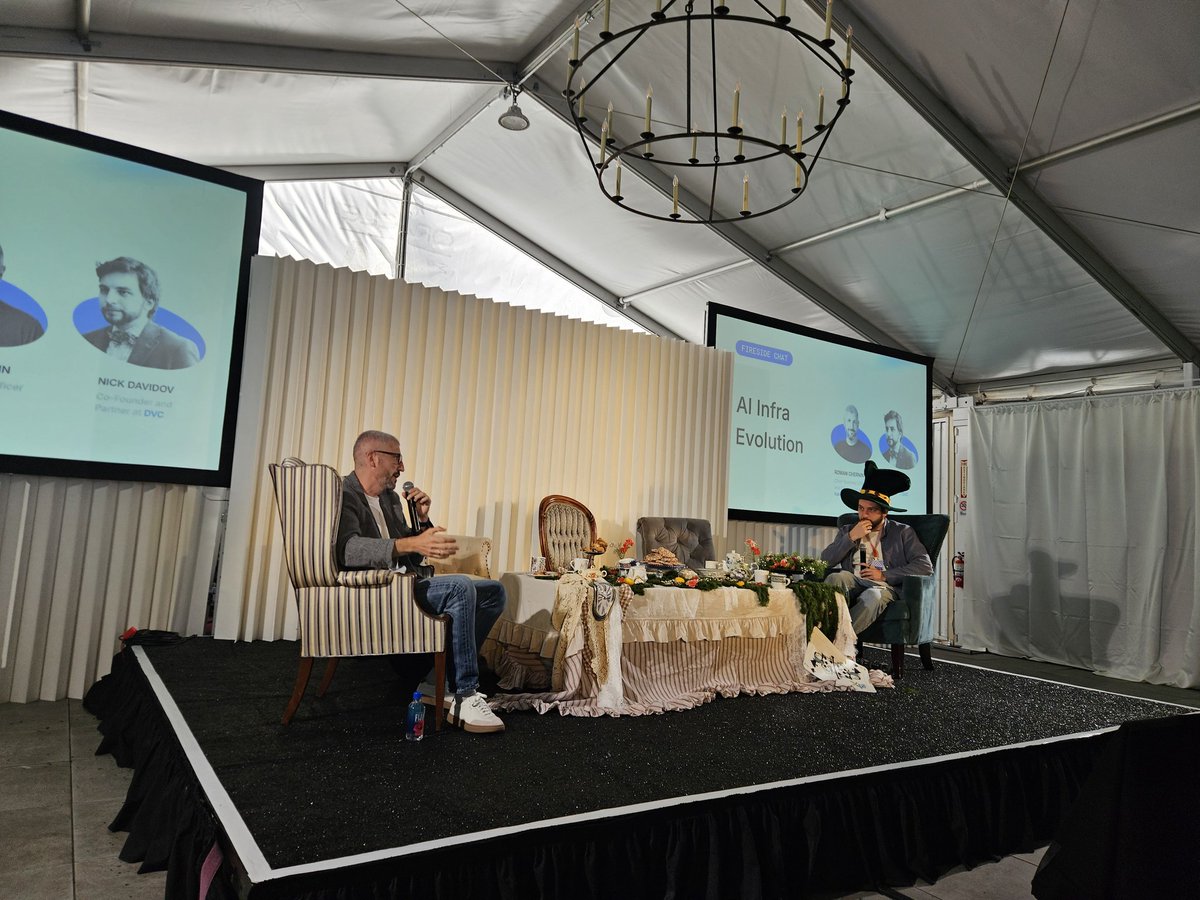
@AISuccessors and Perform It are at AI Rabbit Hole 2026.
Just listened to overview of AI Report by @vanessaparli from Stanford and now listening to @romanchernin and @Nick_Davidov discussing how @nebiusai is preparing it's business to scale beyond its deals with Microsoft, Meta, and others.
What a day!

1
1
5
71
Jun 5
Enjoyed opportunity to hear thoughts of @FutureJurvetson himself on governing computer use systems at enterprise scale.
It's still early and someone has to solve this, vendor-neutral.
Shared our approach we've won an Agent Harness Hackathon with at @agihouse_org a few weeks ago.
Was a real pleasure, grateful for such exciting opportunity!
1
2
78
Daniel Kornev retweeted

Jun 3
Bring Back Stargate - Sign the Petition everyone!
c.org/7JRy49dN7k
#stargate @PopcastGuys @BeXDota @Come2theMiddle @BraneShow @NOTMYWATCH @iandaviddiaz @IstaPhobos @morningshowguy @SunsAndShadows @SkeeterOnSound @SensetheSphere @GateWorld @dial_the_gate @BaronDestructo @the_swap_shop1
30
429
1,091
603,284
Jun 5
This. Dear @AmazonMGMStudio we know that you look for a huge audience.
It makes sense.
But you can build a better audience by reusing the one you already have, and growing from there.
You did a great job with Fallout. The attention to details was spectacular.
#Stargate needs the same treatment.
Jun 4

I’m gonna simply say this: if you are at all interested in a Stargate show with ANY of the original creators/performers involved, now is the time to say something. Otherwise it really will be the end of that chapter forever. Let them know you are THERE
1
2
50
Jun 4
Love my memories from AI Cruise with @agihouse_org two years ago. Was super worth it! 😍
Jun 3

The AI Cruise is back for NY Tech Week. An evening on the water with the people actually building AI. Founders, engineers, and operators, with the Manhattan skyline in view.
Thank you to our partners: @FidelityPrivate, @MongoDB, and @ThineAI, alongside Alpha Square Group and Backcountry Ventures.
Space is limited. Request an invite below. partiful.com/e/bzH8pCNS375AW…
#NYCtechweek
1
51
Daniel Kornev retweeted

Jun 1
Introducing a powerful new chapter for @Windows PCs, accelerated by @nvidia RTX Spark blogs.windows.com/windowsexp…
40
112
840
69,470
Daniel Kornev retweeted

May 28
We've redesigned Copilot to be simpler, faster, and more intuitive, to help keep you in the flow of your work.
Try it out: microsoft.com/en-us/microsof…
326
283
2,305
407,486
Daniel Kornev retweeted
May 22
code as the reasoning medium is already a step beyond tokens
next real leap is doing it natively in latent space
May 20

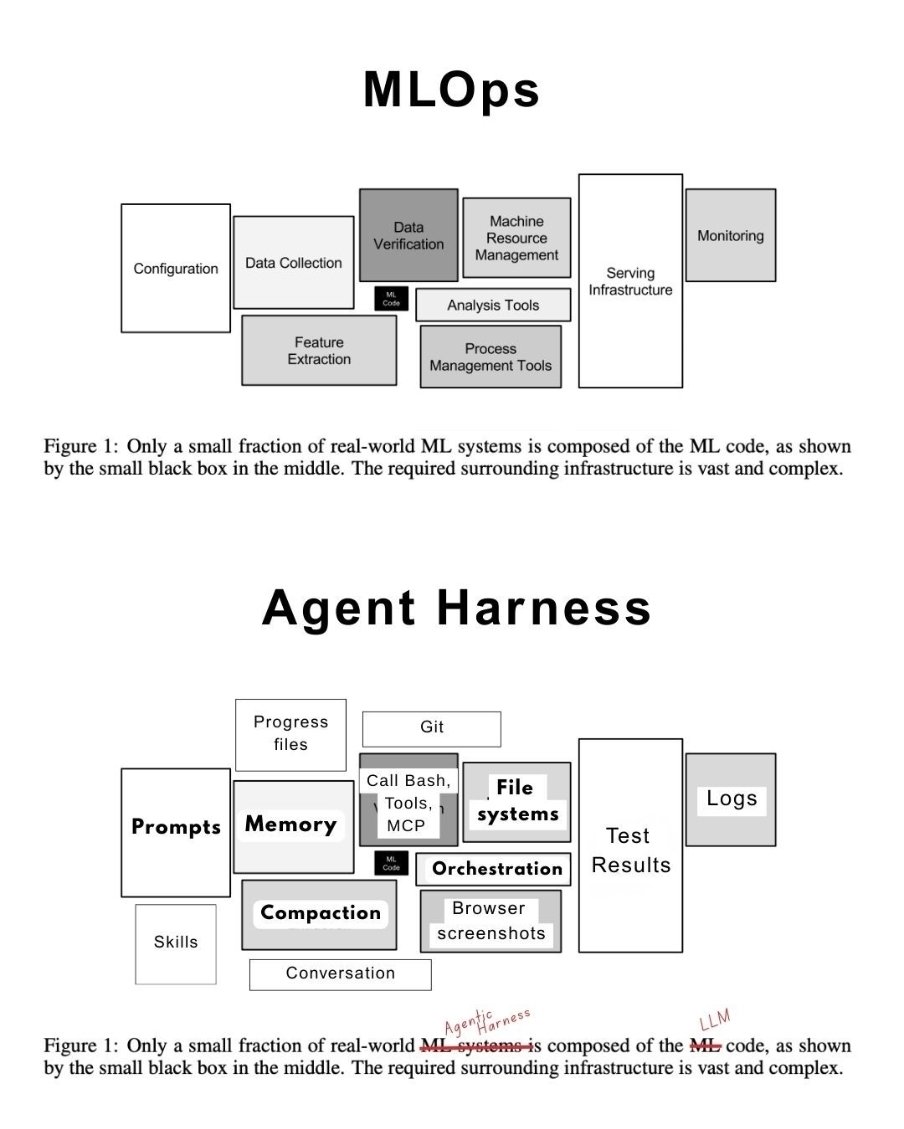
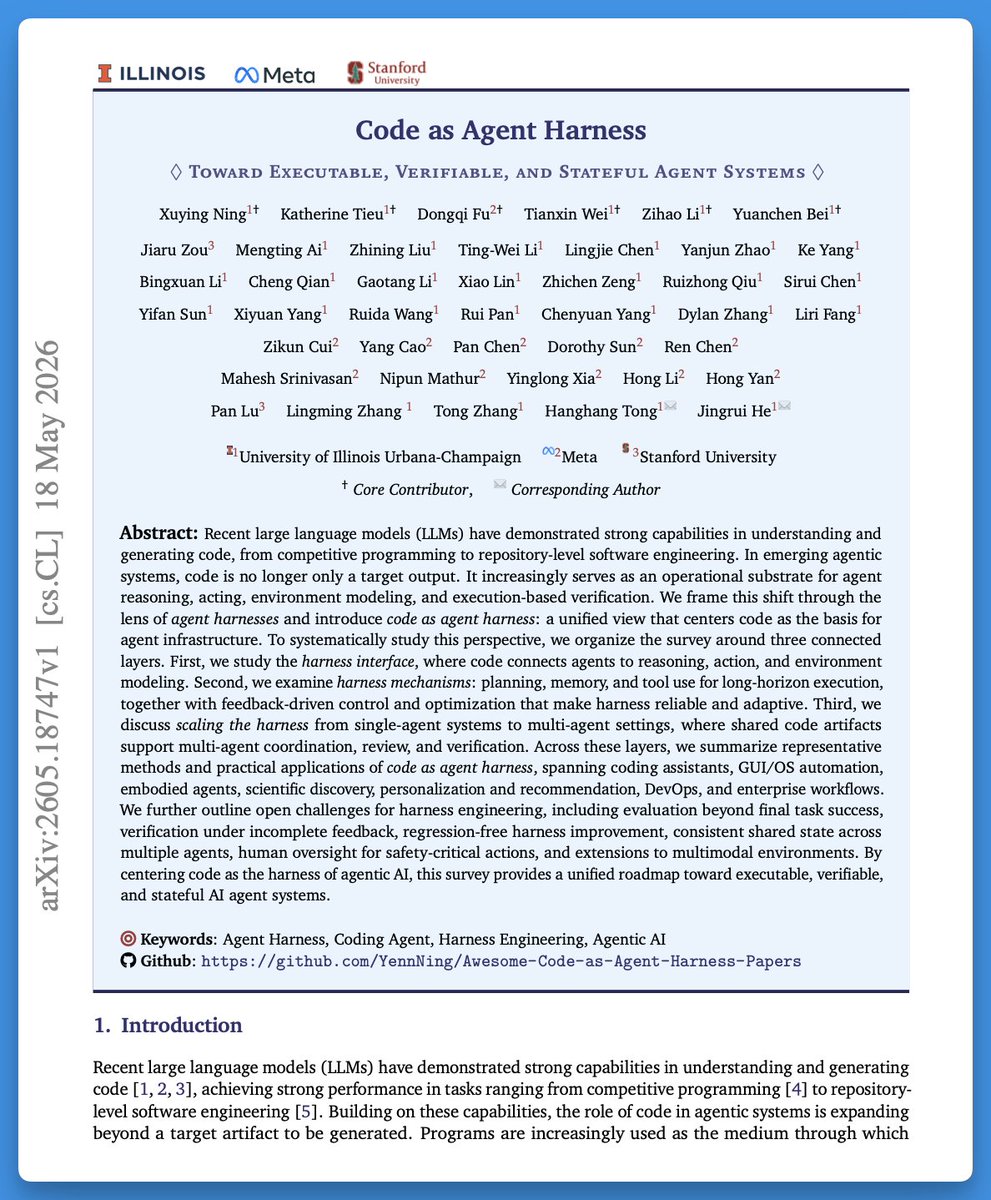
code as agent harness.
a 102-page survey from Stanford, Meta, and UIUC on agent harnesses.
the paper argues that code is no longer just the thing agents produce. it’s the medium through which they reason, act, and represent their environment.
it calls this “code as agent harness” and covers three layers: code as the interface between agents and their tasks; the mechanisms that keep agents reliable over long-horizon execution (planning, memory, tool use, verification); and how multi-agent systems coordinate through shared code artifacts.
core findings:
the paper introduces “evolution agents” that treat the harness itself as the optimization target. they collect telemetry, diagnose failures, propose infrastructure changes, and promote only mutations that pass regression. the harness improves itself.
in multi-agent systems, topology complexity inversely correlates with infrastructure quality. teams with better shared state use simpler coordination. teams without it build increasingly elaborate workarounds.
finally, the paper concludes that future agent systems need four properties:
- executable
- inspectable
- stateful
- governed
read more: arxiv.org/abs/2605.18747
i also published this deep dive (article) on agent harness engineering, covering the orchestration loop, tools, memory, context management, and everything else that transforms a stateless LLM into a capable agent.
the article is quoted below.
2
1
12
482
Daniel Kornev retweeted
May 23
Karpathy on RL in this Dwarkesh interview: it's terrible but everything else is worse. Churchill said the same thing about democracy.
Might Karpathy be the Churchill of AI?
dwarkesh.com/p/andrej-karpat…
3
1
10
1,259
Daniel Kornev retweeted
May 23
The same goes for taste and exposure

3
1
11
327
Daniel Kornev retweeted

May 26
ICYMI! #RedPlanetLive has released a new special episode exploring the Mars Technology Institute & technologies helping pave the way for human settlement on Mars — featuring guests from Unleashed Robotics, Space DIRT & Dynamik Orbits. Watch now: youtu.be/GN3zszVtkkE. #podcast


1
7
17
829
May 26
This

Everyone building AI agents is focusing on building the prefrontal cortex. Planning. Reasoning. Multi-step chains. There's value here. CEO-stuff.
But also, a reframe: there is value in building the cerebellum. It's offloading boring tasks into reflex so the complex thought can focus.
Your mortgage gets paid by a standing order, not a committee. The things that are not fun, not interesting, but have to be done? Done. Most agent frameworks will fail because they treat all cognition as high cognition.
The winners will nail the boring stuff first.
1
41

Daniel Kornev retweeted
May 23
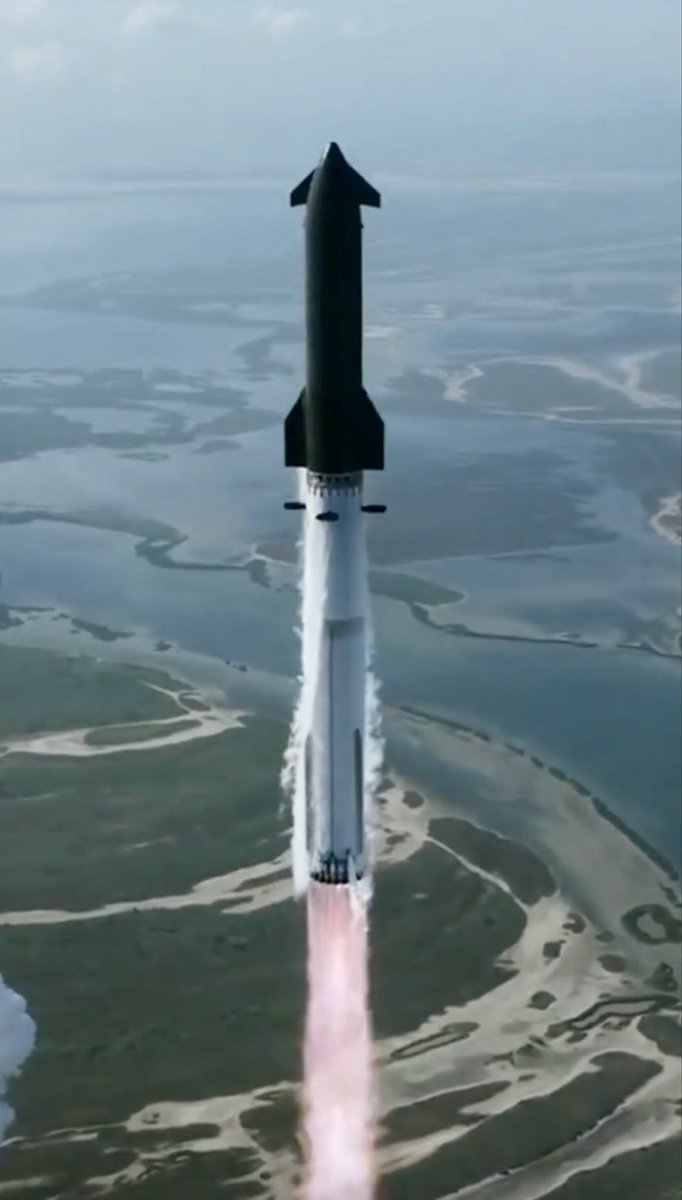
@SpaceX just launched #Starship V3 — its most powerful megarocket yet — into space for the 1st time in spectacular Flight 12 test (video) space.com/space-exploration/… #mars #moon #spacetech #spaceflight #ontomars
4
8
18
579
May 21
Catching up with FAM timeline... One Moon visit at a time.

We're building a Moon Base!
@NASAMoonBase will serve as a habitat where astronauts live and work during long-term science missions.
Join us at 2pm ET on Tuesday, May 26, for a live news event where we’ll share updates on our lunar exploration plans: go.nasa.gov/4uinkLi
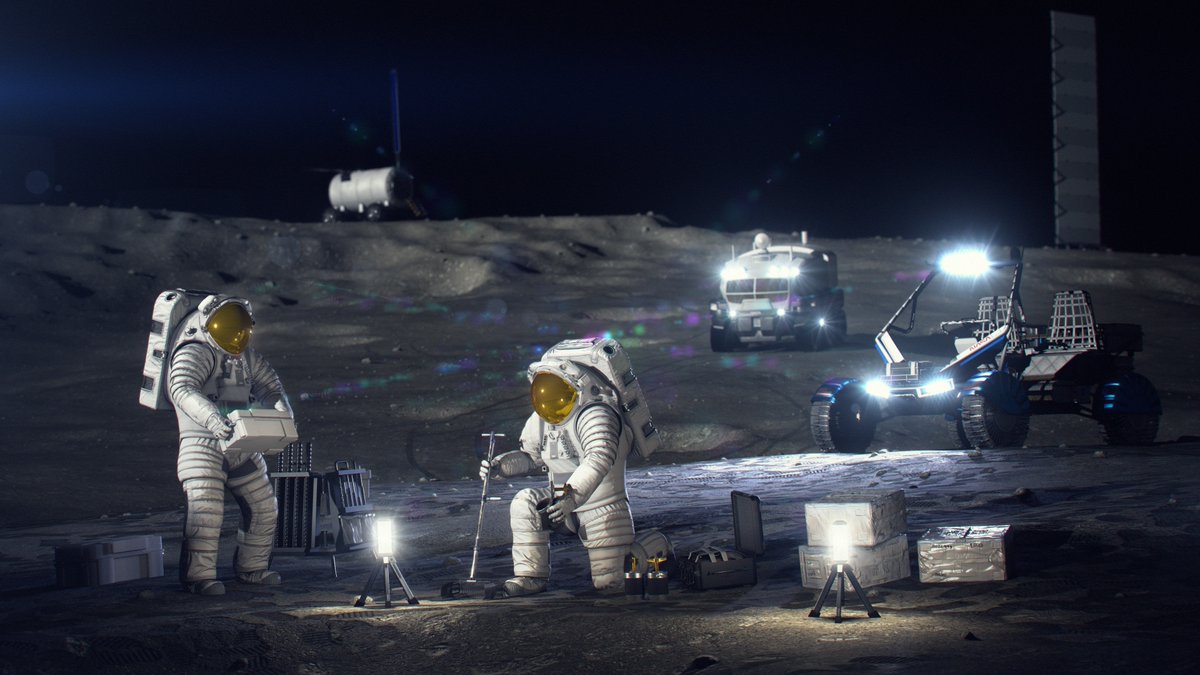
ALT An artist's concept depicting two suited astronauts working on the lunar surface. One is standing next to a surface light, while the other is kneeling; equipment, including rovers and habitations, dot the hilly landscape surrounding them. Credit: NASA
1
2
41

SpaceX is considering several locations domestically and internationally to build the world’s most advanced spaceports!

It’s no secret that we intend to launch Starship a lot, targeting thousands of flights per year. That cadence will require the ability to launch from many different locations, so we are constantly exploring to find viable sites to expand Starship operations in the future, both domestically and internationally
8,588
11,268
102,809
36,344,747