🩺 General physician. 🩺 | Clinical Cases & #MedX Quizzes| real OPD puzzles| Cricket lover💙
Joined November 2017
- Tweets 24,149
- Following 4,226
- Followers 4,837
- Likes 16,196
2,078 Photos and videos
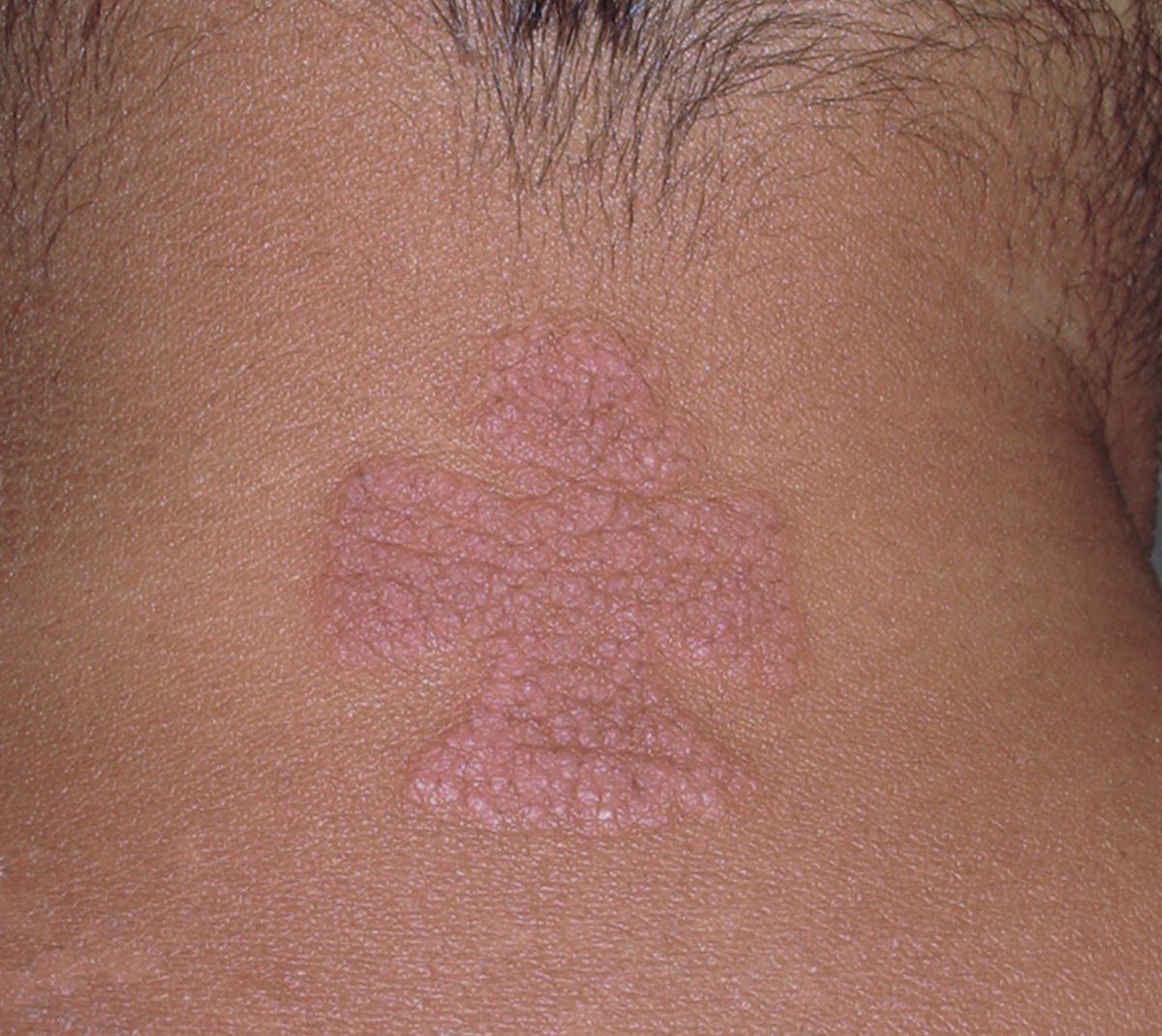
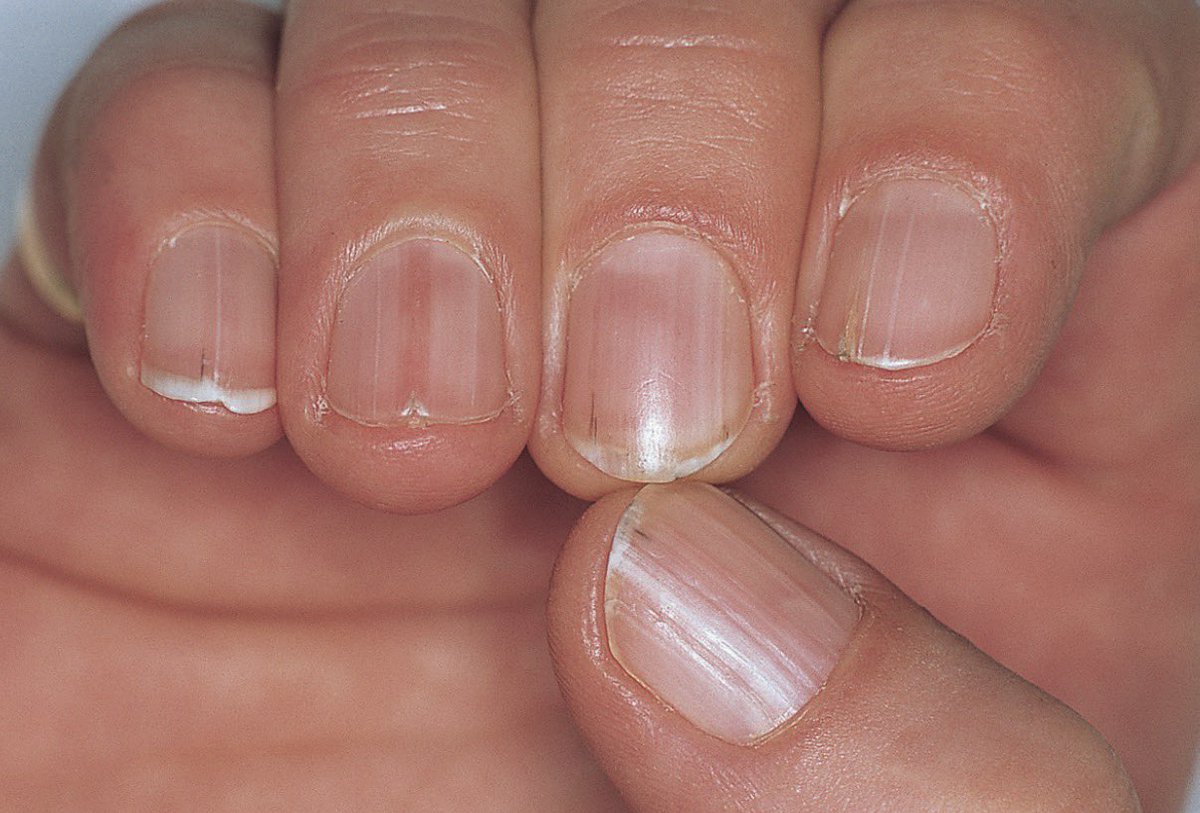
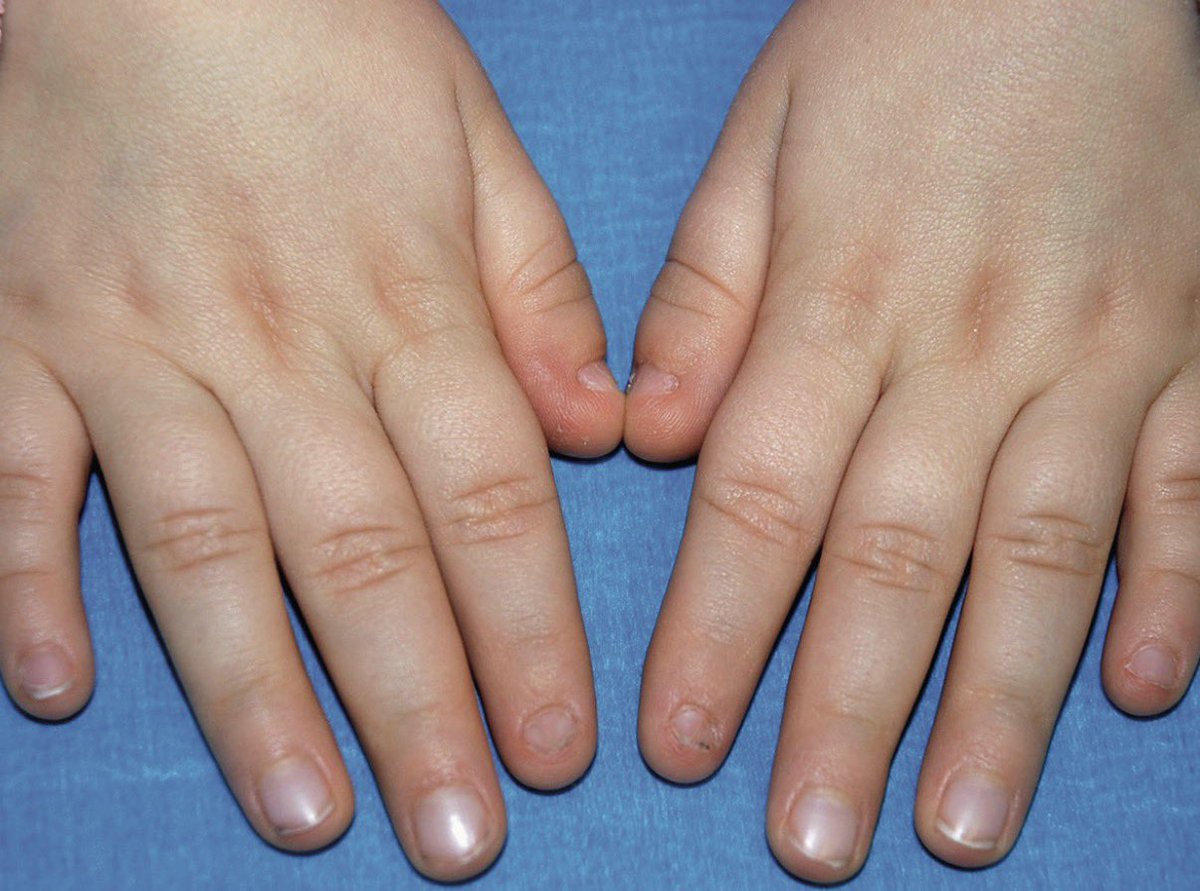
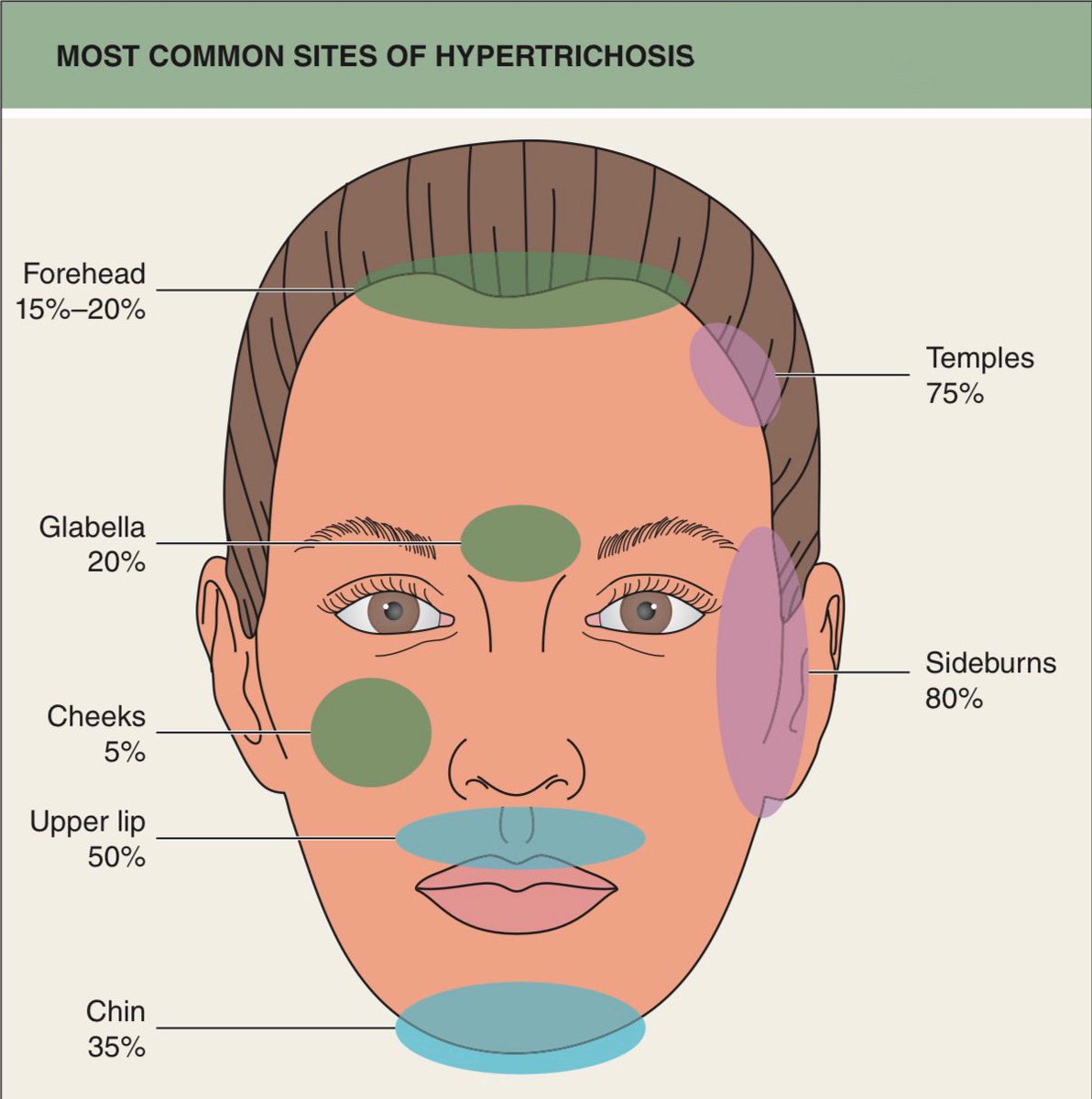
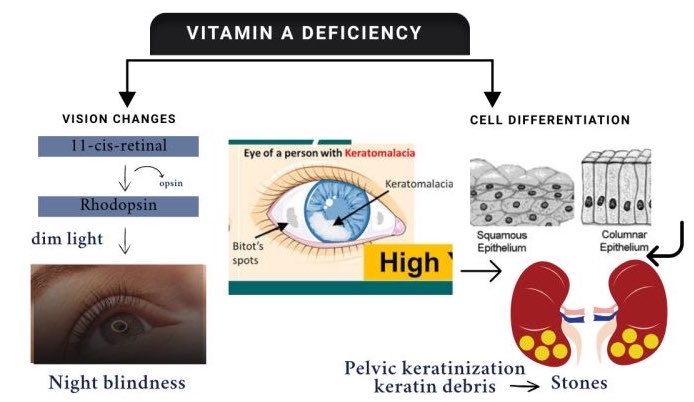

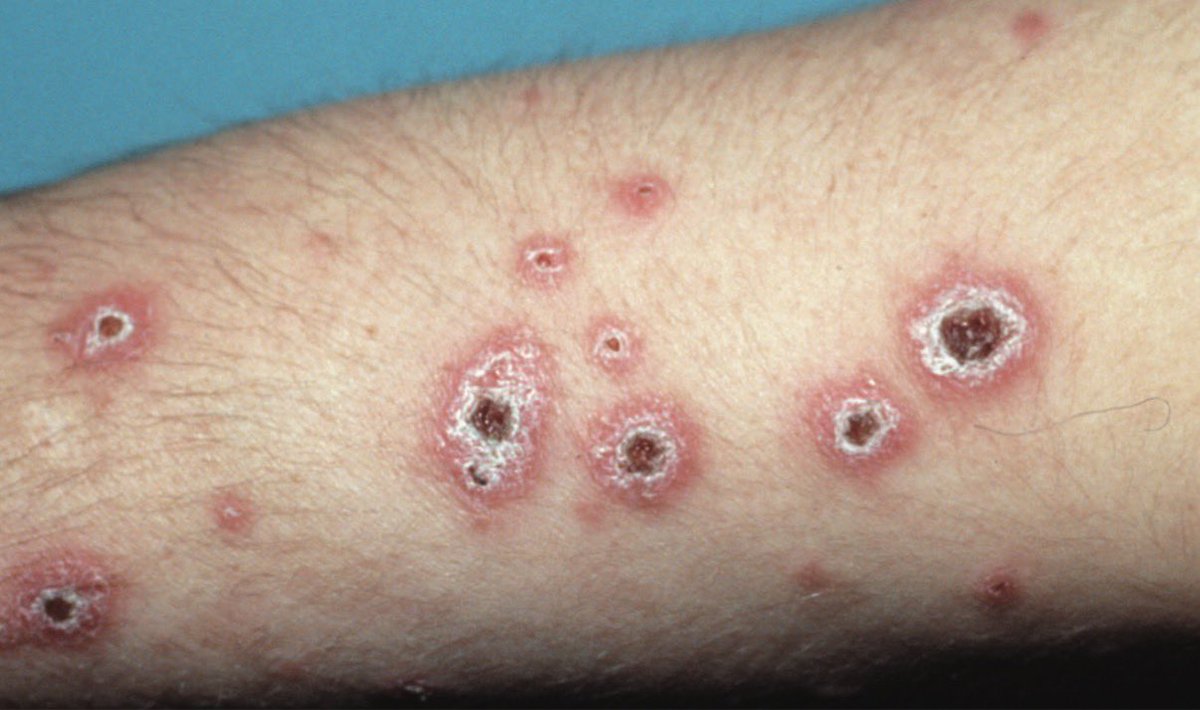
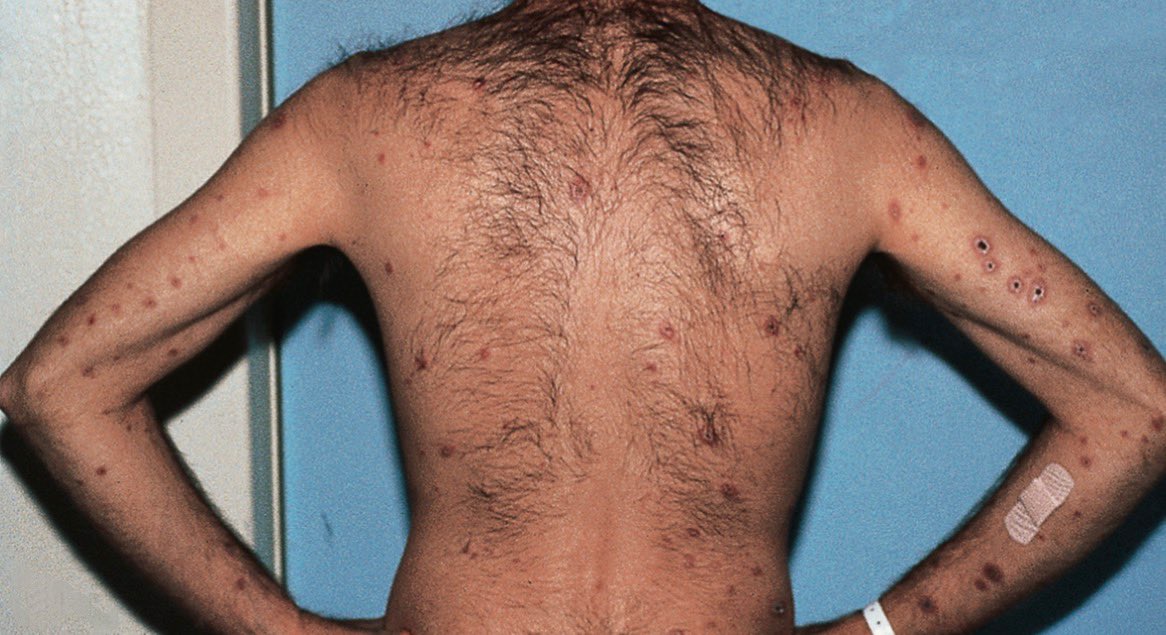
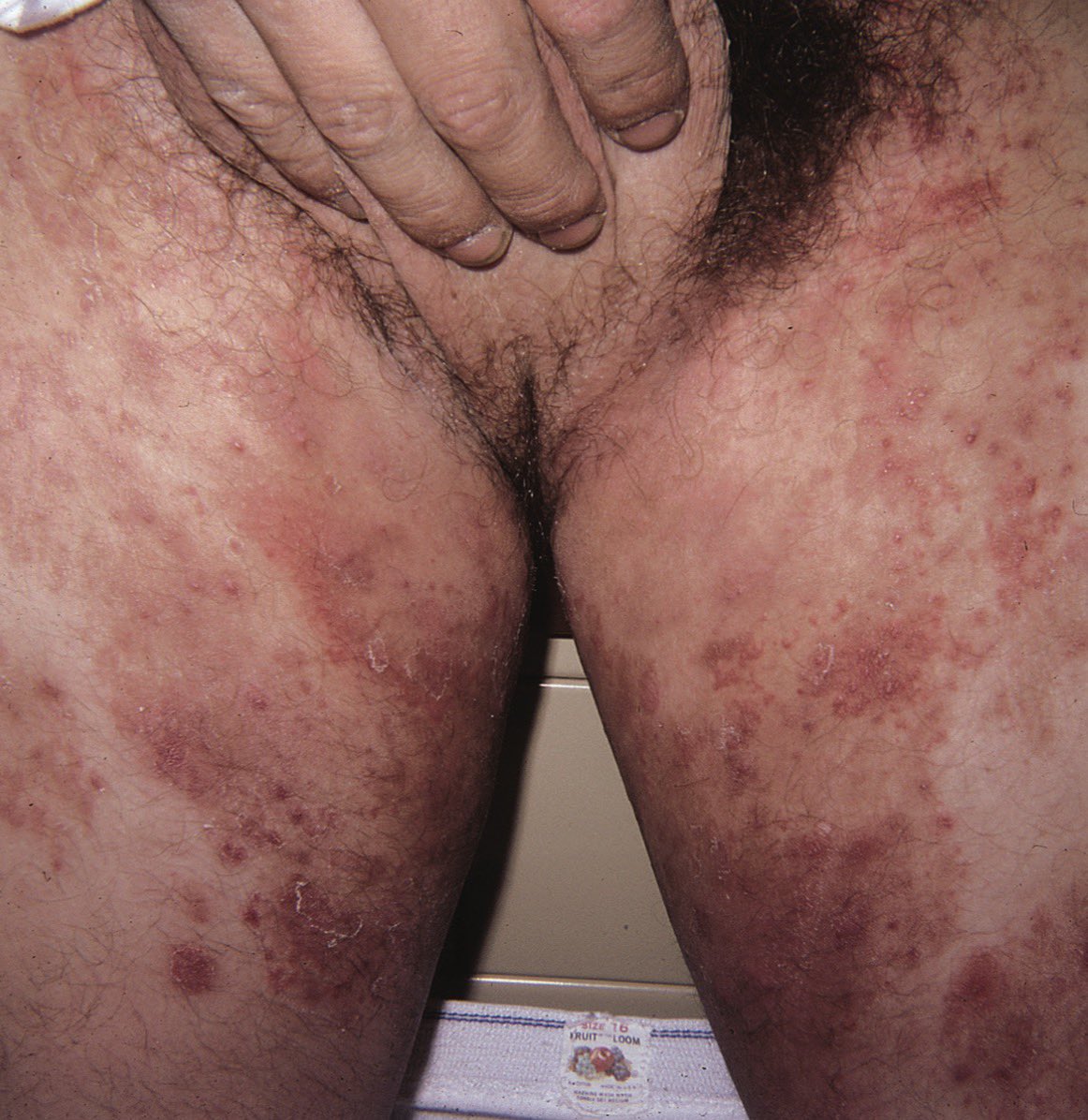

A college student returns from a beach vacation with a tattoo of black henna. What is your opinion?❓
A) Irritant contact dermatitis
B) Allergic contact dermatitis
C) Phytophotodermatitis
D) Tinea corporis
ALT The shape of the lesion clearly suggests an exogenous insult/ etiology.
17
5
24
4,070
Dau⚕️ retweeted

🚨New opinion piece @BMJ_Open
With @25Mehjabeen @KylePPatel
• Decolonizing global health through implementation science: defining the path to equity & structural transformation
• We argue that decolonizing global health means rethinking how evidence is generated, valued & applied
bmjopen.bmj.com/content/16/5…
@Dhananjayasha19 @AnantBhan @DrKhan_do @Mundra08 @docVRK @juliomayo @smkaty @keithmartinmd @RantingSid @SushilaT36099 @hayfarani @pash22 @USIEF @khosla_rajat @MehrAdeelRiaz @drskyind
1
14
20
920
Dau⚕️ retweeted

Which enzyme shows the highest specificity for acute pancreatitis❓
A) Amylase
B) AST
C) Lipase
D) LDH
17
6
57
12,005
Dau⚕️ retweeted
Which infection is associated with undercooked eggs 🥚❓
7
2
18
3,964
Dau⚕️ retweeted
POV: You’ve completed your shift, but your shift hasn’t completed you. ☠️

3
3
14
447
Dau⚕️ retweeted

Jun 9
A patient's lactate continues to rise despite normalization of blood pressure. What important assumption should be questioned?
5
3
28
8,894
Dau⚕️ retweeted

Jun 9
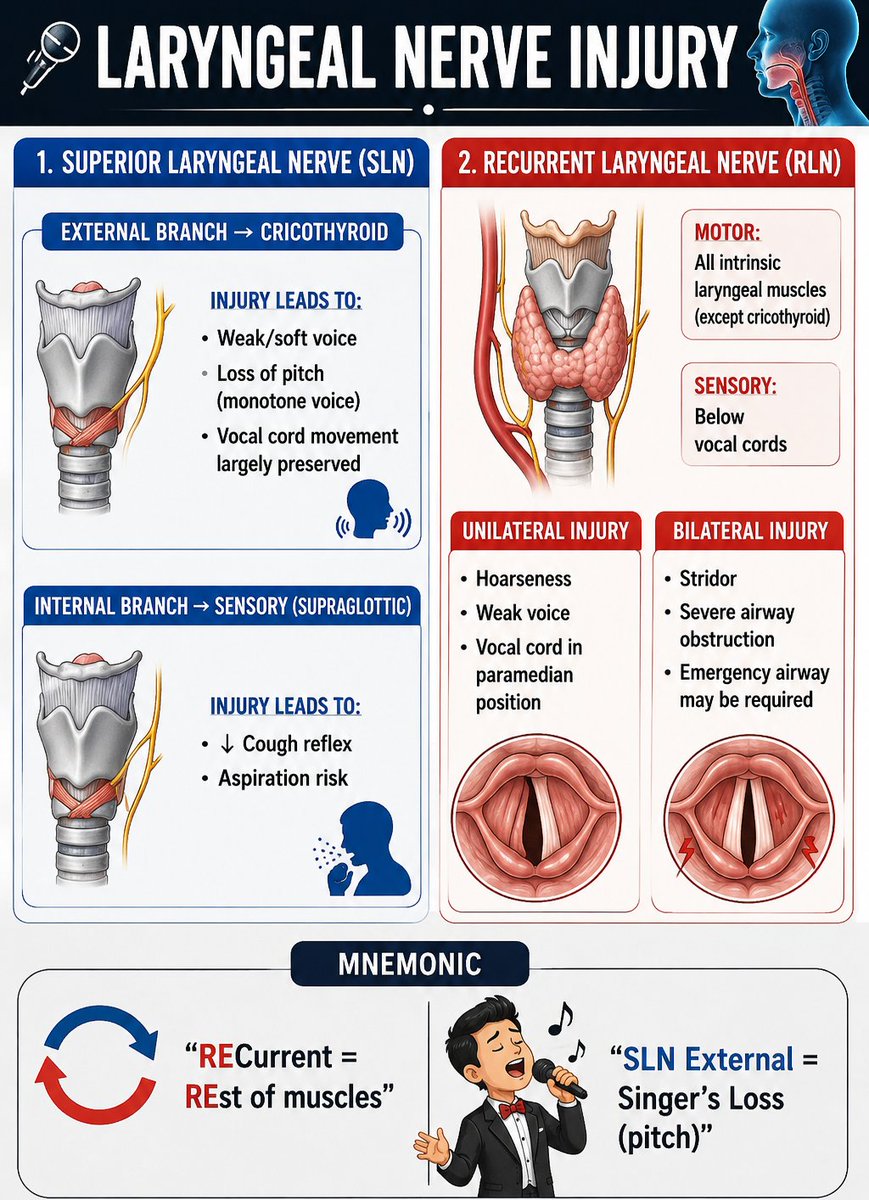
Laryngeal Nerve Injury
🔵 1. Superior Laryngeal Nerve (SLN)
🔸 External Branch → Cricothyroid ➡️ Injury Leads To: • Weak/soft voice
• Loss of pitch (monotone voice)
• Vocal cord movement largely preserved
🔸 Internal Branch → Sensory (Supraglottic) ➡️ Injury Leads To: • ↓ Cough reflex
• Aspiration risk
🔴 2. Recurrent Laryngeal Nerve (RLN)
🎯 Motor: All intrinsic laryngeal muscles (except cricothyroid)
🎯 Sensory: Below vocal cords
➡️ Unilateral Injury: • Hoarseness
• Weak voice
• Vocal cord in paramedian position
➡️ Bilateral Injury: • Stridor
• Severe airway obstruction
• Emergency airway may be required
🧠 Mnemonic
🔁 "RECurrent = REst of muscles"
🎵 "SLN External = Singer's Loss (pitch)"
Concepts. PYTs. Revision.
#Medx
10
16
565
Dau⚕️ retweeted

May 25
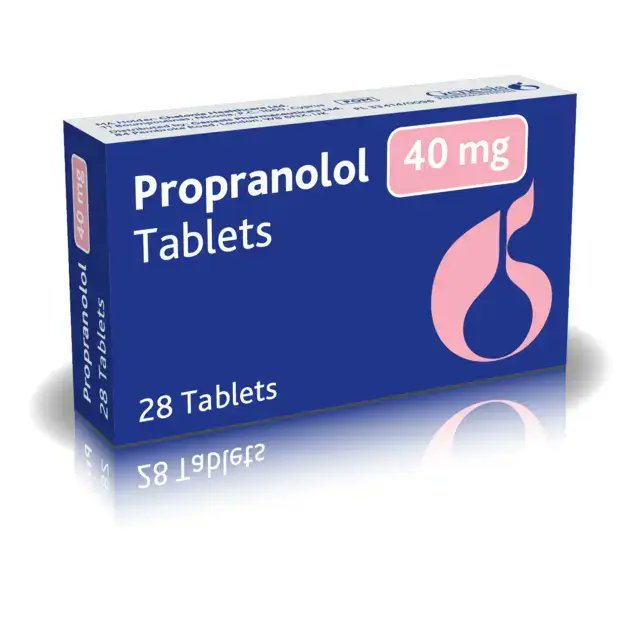
Propranolol is contraindicated in which condition ?
A. Hypertension
B. Asthma
C. Angina
D. Migraine
87
14
244
41,516
Dau⚕️ retweeted
May 25
🚨 #TrapOfTheDay
🫁 Asthma patient eosinophilia neuropathy sinusitis
👉 Don’t stop at “allergic asthma” ❗
❌ Allergic asthma
❌ Simple eosinophilia
✅ EGPA (Churg–Strauss Syndrome)
📌 Classic Clues:
• Severe asthma
• Peripheral eosinophilia
• Chronic sinusitis
• Vasculitis with neuropathy
🧠 What is EGPA?
A small-vessel necrotizing vasculitis associated with eosinophilic inflammation.
📌 Common Features:
✅ Asthma (almost always present)
✅ Mononeuritis multiplex / neuropathy
✅ Pulmonary infiltrates
✅ Skin purpura
✅ Eosinophilia
🧪 Important Marker:
p-ANCA (MPO-ANCA) may be positive
⚠️ MCQ Trap:
Asthma eosinophilia ≠ simple allergy ❌
👉 Add neuropathy/vasculitis → Think EGPA
💡 Exam Pearl:
Asthma eosinophils vasculitis = EGPA until proven otherwise
👍 = Clear
🔥 = Corrected mistake
#Medicine #EGPA #ChurgStrauss #Vasculitis #Pulmonology #Rheumatology #NEETPG #INICET #Medx26 #MedEd
2
8
27
1,045
Dau⚕️ retweeted
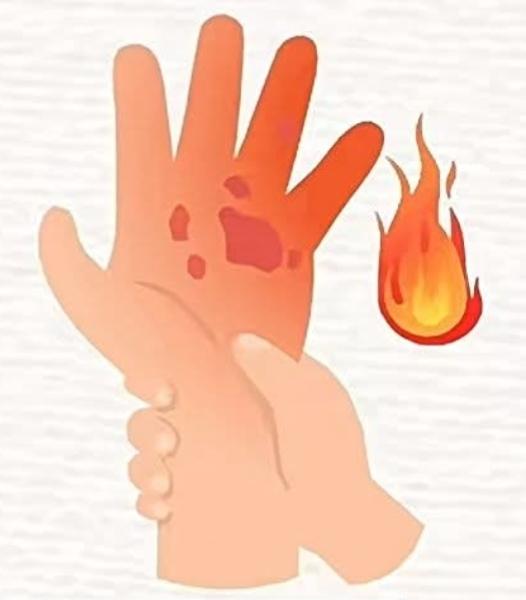
Which part of the body does not burn❤️🔥 ❓
A) Skin
B) Bone
C) Teeth
D) Nails
24
3
39
6,718
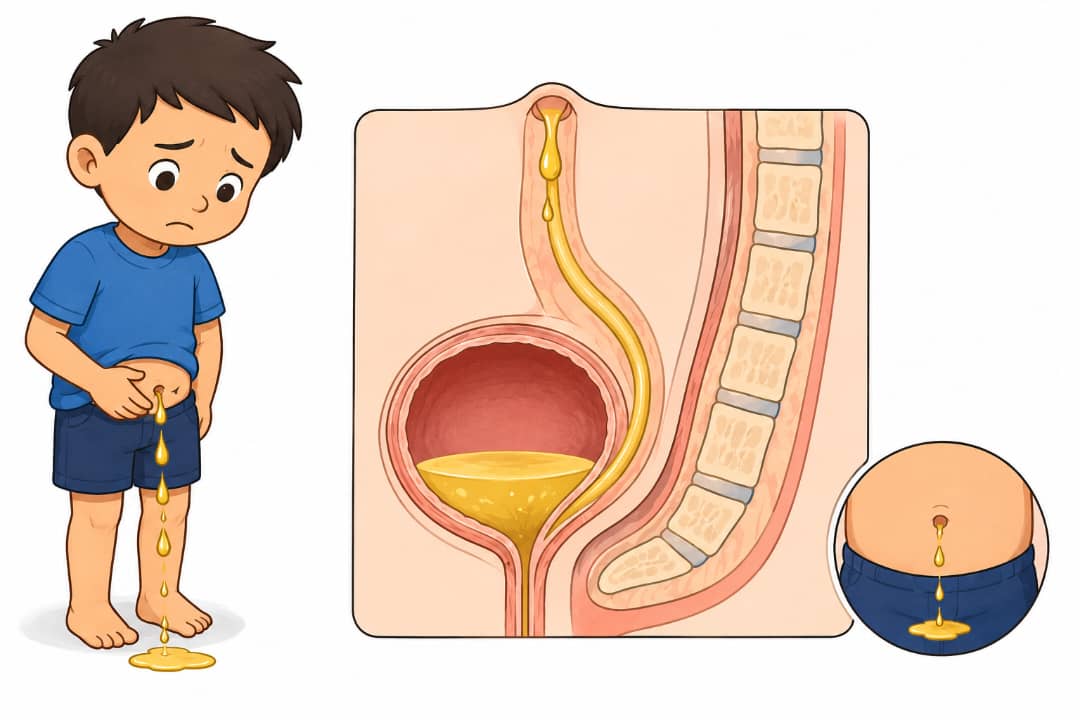
The urachus is a remnant of:
A) Yolk sac
B) Allantois
C) Amnion
D) Neural crest

8
2
14
1,226
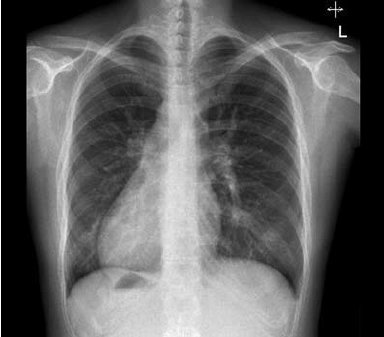
Situs inversus totalis (mirror-image reversal of thoracic and abdominal organs) with dextrocardia.

1
4
350
Dau⚕️ retweeted
May 24
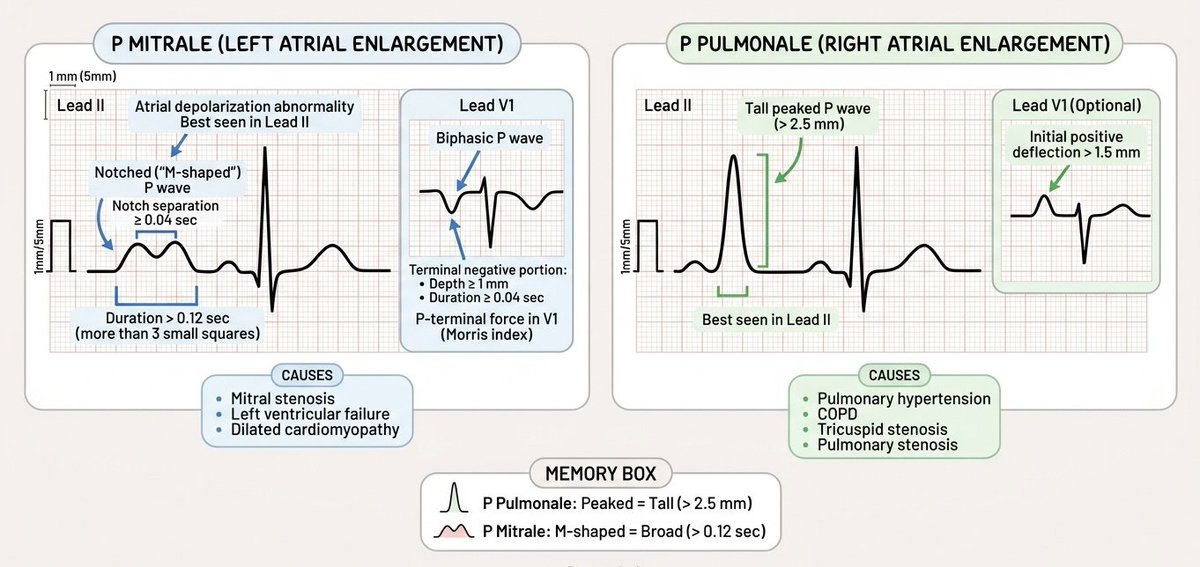
🚨 #ECGRevision | P Wave Abnormalities
🫀 P Mitrale = Left Atrial Enlargement (LAE)
📌 ECG Clues:
• Broad, notched “M-shaped” P wave
• Duration > 0.12 sec
• Best seen in Lead II
📌 Lead V1 clue (Morris Index):
Terminal negative P component
✅ Depth >1 mm
✅ Duration >0.04 sec
📌 Common Causes:
• Mitral stenosis
• LV failure
• Dilated cardiomyopathy
🫁 P Pulmonale = Right Atrial Enlargement (RAE)
📌 ECG Clues:
• Tall, peaked P wave
• Height > 2.5 mm
• Best seen in Lead II
📌 Common Causes:
• Pulmonary hypertension
• COPD
• Tricuspid stenosis
• Pulmonary stenosis
🧠 Memory Trick (Exam Gold):
✅ P Pulmonale = Peaked
✅ P Mitrale = M-shaped
⚠️ MCQ Trap:
Tall P wave ≠ LAE ❌
👉 Broad/notched = LAE
👉 Tall/peaked = RAE
💡 Exam Pearl:
“M” in Mitrale = M-shaped P wave
👍 = Revision done
🔥 = ECG concepts clear
#ECG #Cardiology #PMitrale #PPulmonale #NEETPG #INICET #Medx26 #MedEd
3
19
78
7,163
Dau⚕️ retweeted
✅ Correct Answer: B) Allergic Contact Dermatitis ⚠️🖤
This is the classic reaction seen with “Black Henna” tattoos.
🔬 Why?
Natural henna is usually reddish-brown and relatively safe 🌿
But so-called black henna often contains:
🧪 Para-phenylenediamine (PPD)
—a potent sensitizer added to make the tattoo:
⚫ Darker
⚡ Faster drying
⏳ Longer lasting
Unfortunately, PPD is notorious for causing:
🔥 Allergic Contact Dermatitis (Type IV hypersensitivity)
---
🩺 Clinical Clues in This Image
📍 Lesion perfectly matches the tattoo pattern
📍 Erythematous, raised, eczematous plaque
📍 Delayed hypersensitivity appearance after exposure
This geometric “exact-outline” reaction is highly characteristic of contact allergy.
---
❌ Why the Other Options Are Wrong
A) Irritant Contact Dermatitis
Usually:
⚠️ More immediate
⚠️ Burning > itching
⚠️ Less immune-mediated
Black henna reactions are classically allergic.
---
C) Phytophotodermatitis ☀️🌿
Occurs after plant psoralen exposure UV light:
🍋 Lime juice
🌱 Celery
🌿 Parsley
Typically causes:
🟤 Hyperpigmented streaks/blisters
—not a sharply tattoo-shaped eczematous plaque.
---
D) Tinea Corporis 🍄
Would show:
⭕ Annular scaly plaques
⭕ Central clearing
⭕ Fungal spread pattern
Not a tattoo-conforming dermatitis.
---
🧠 High-Yield Pearl:
⚠️ Black henna ≠ pure henna
Whenever you see severe inflammation exactly matching a temporary tattoo pattern, think:
🖤 PPD-induced Allergic Contact Dermatitis

A college student returns from a beach vacation with a tattoo of black henna. What is your opinion?❓
A) Irritant contact dermatitis
B) Allergic contact dermatitis
C) Phytophotodermatitis
D) Tinea corporis
ALT The shape of the lesion clearly suggests an exogenous insult/ etiology.
2
2
159
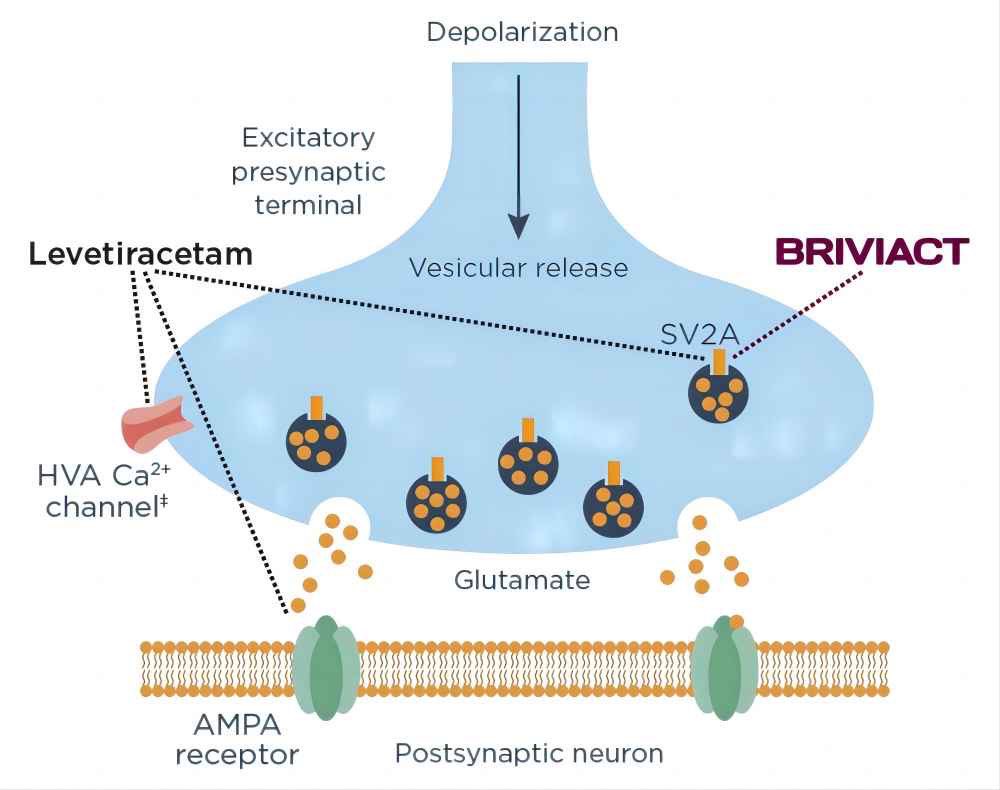
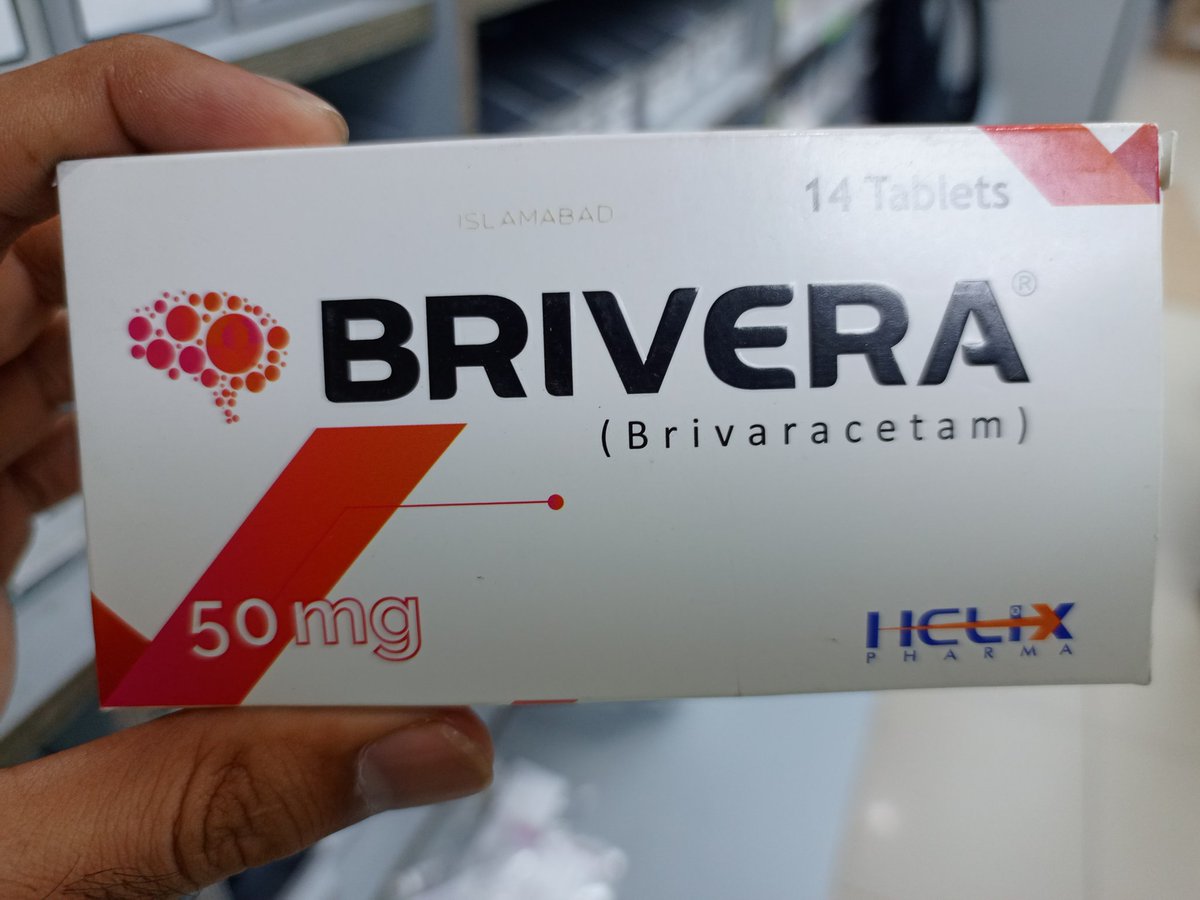
Brivaracetam binds with high affinity (15–30x stronger than levetiracetam) to synaptic vesicle protein 2A (SV2A) in the brain.
This modulates neurotransmitter release (mainly reducing excessive excitatory release like glutamate) during high-frequency neuronal firing, which helps prevent seizures.
It acts primarily presynaptically on recycling synaptic vesicles.
ALT MOA
May 23

Why is Brivaracetam prescribed in patients with epilepsy.? 🤔
1
149
Dau⚕️ retweeted
Which part of the body has no blood❓
A) Hair
B) Bones
C) Skin
D) Nails
20
5
37
10,545

Dau⚕️ retweeted
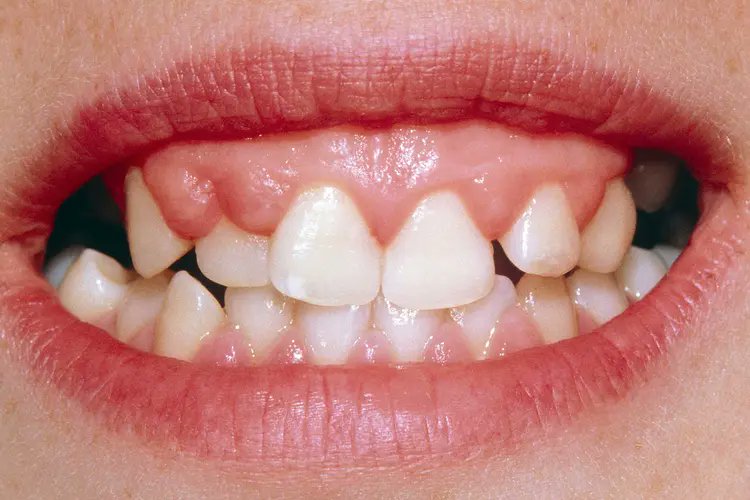
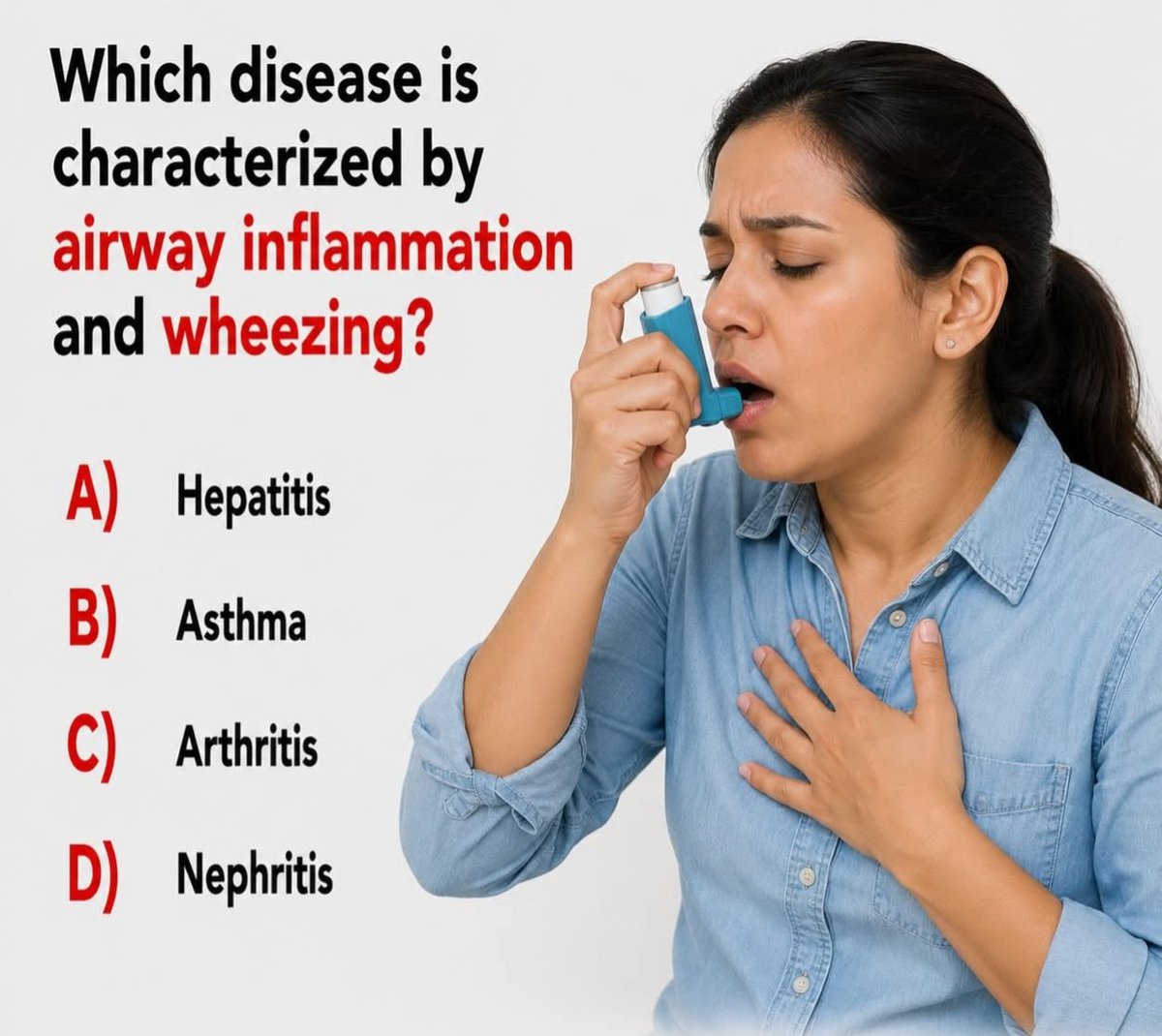
Share Your Knowledge Please ❓
20
5
25
1,806
Dau⚕️ retweeted

May 20
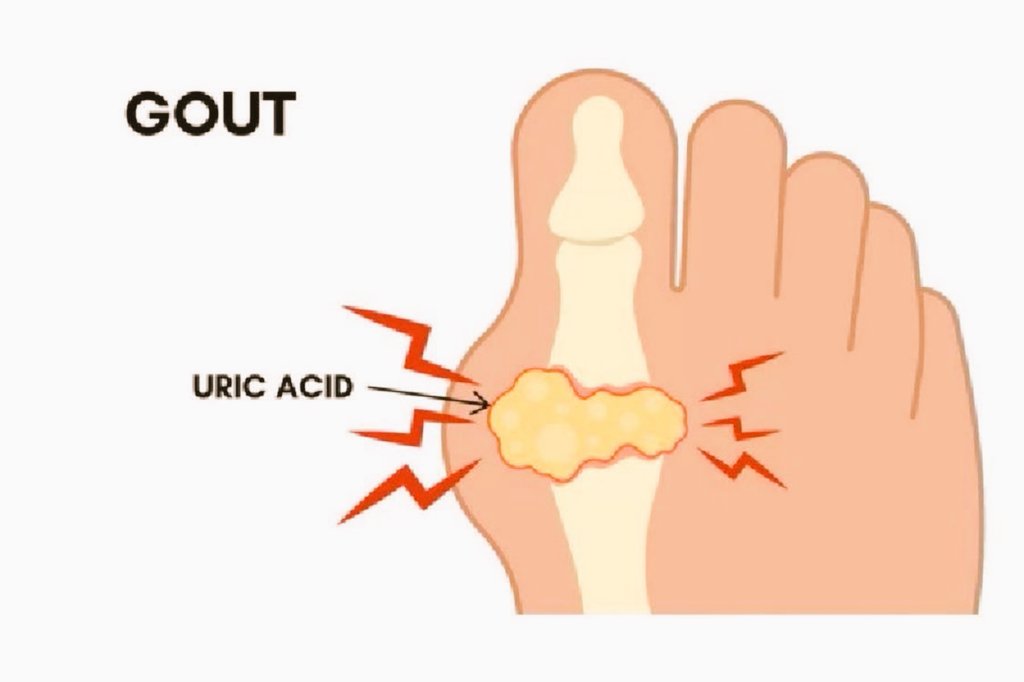
Drug of choice for acute gout attack ?
A- Allopurinol
B- Colchicine
C- Probenecid
D- Febuxostat
33
15
118
21,166
Dau⚕️ retweeted
May 20
Drug needing INR monitoring?
A) Dabigatran
B) Rivaroxaban
C) Apixaban
D) Warfarin
15
1
32
4,674