
Personal account: walking, flying, good food and wine. Occassionally, the day job: information security and business risk.
Joined July 2009
- Tweets 13,512
- Following 1,308
- Followers 260
- Likes 24,810
1,559 Photos and videos
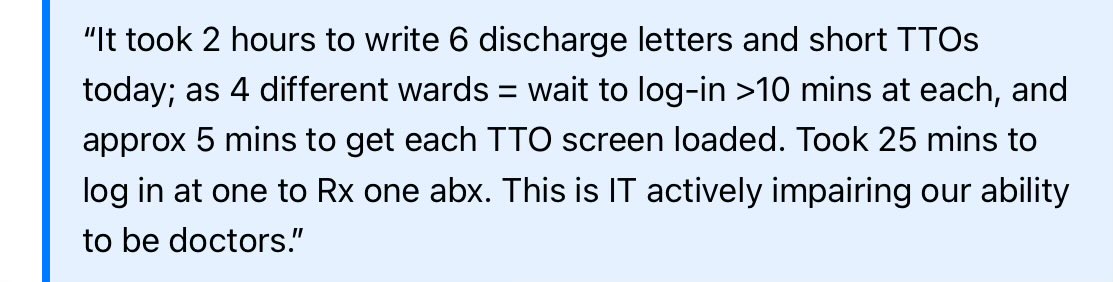

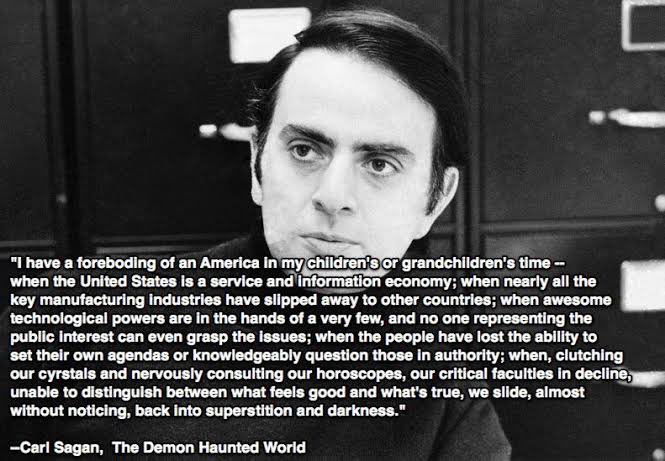
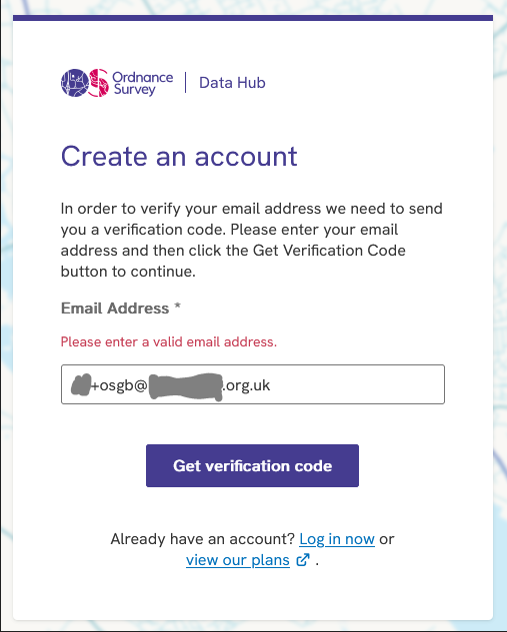


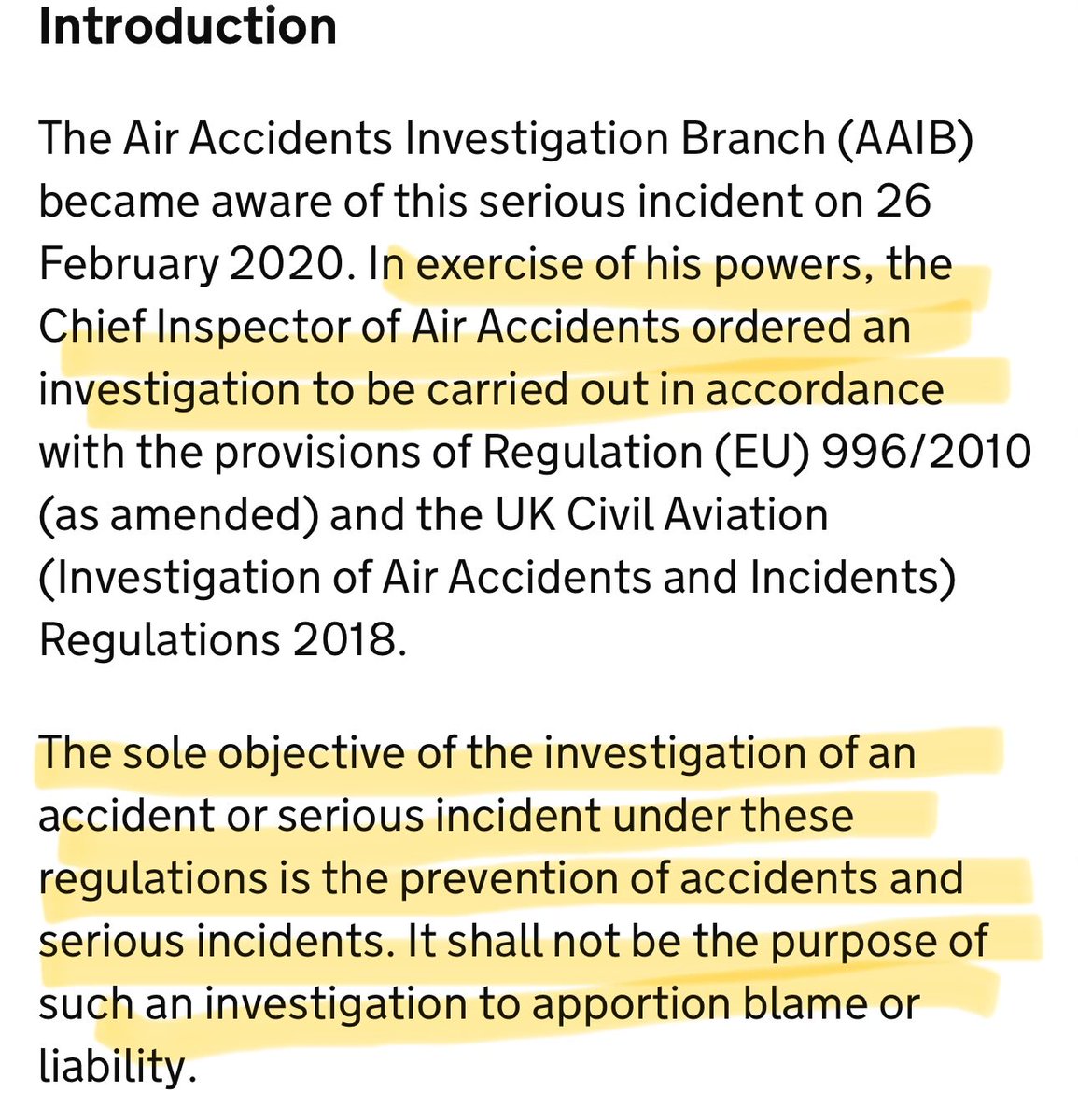
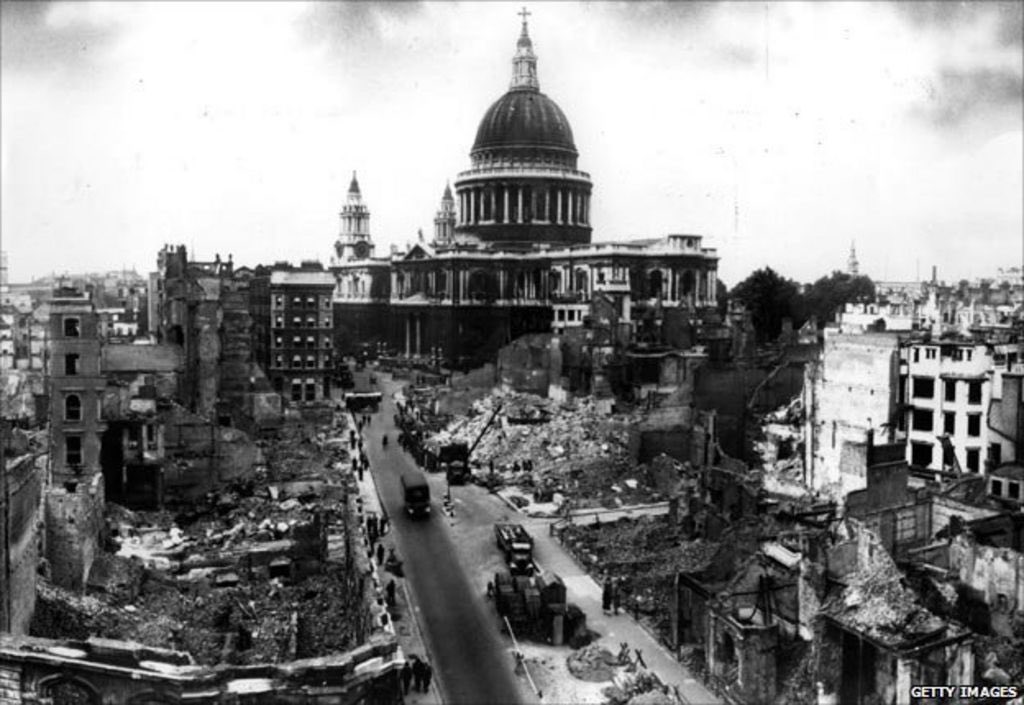

A number of folks I know have had their accounts hacked recently. Recovery is painful, if it happens at all. Prevention is better than cure:-
- Enable App-based 2FA
- Use a strong, unique password
- Do not click on unsolicited links, especially in DMs, but always, anyway.

ALT Always use 2-factor authentication.
1
3
237
David S retweeted

Jun 6
This past week, on a test bed in Britain, a Rolls-Royce jet engine ran at full take-off power on pure hydrogen, putting out water vapour instead of carbon.
Nobody on Earth had managed it before. It is the sort of thing that ought to stop the country in its tracks, and it will be forgotten by the weekend.
Leave aside the recent paroxysms of renewed net-zero insanity from Derelict Ed and the pervasive atmosphere of offended envy that greets much homegrown achievement nowadays in Britain. This engineering is a wonder, and it's British to the bone.
We gave the world the jet engine in the first place - Frank Whittle, a Coventry man and an RAF officer, patented it in 1930 while the Air Ministry assured him it was a curiosity. Rolls-Royce is today one of perhaps three firms anywhere that can build a large aero engine at the outer edge of the possible, and it has just done what most of the industry swore was twenty years away.
As usual, you marvel at how little the people who govern us had to do with it. The engineers in Derby are world-class; the stewardship above them is third-rate. They pulled off a global first while paying the most expensive industrial electricity in the developed world to keep the power on over the bench - a weight no German, American or Gulf rival has to carry. We produce frontier brilliance on the shop floor and fritter it away at the despatch box, and we have done for two generations.
That is the maddening shape of modern Britain: brilliance from below, sub- (or, indeed, ultra-) mediocrity from above. The people here who actually make things are still among the best in the world; the state that is meant to back them treats a firm like Rolls-Royce as a photocall today and a takeover target tomorrow, and prices its energy as though it would prefer the next plant were built in Texas.
Progress starts from the other end. Give these people what every rival government gives its champions and we beg ours to do without: the cheap, abundant power their competitors already enjoy, a supply chain built around them, and a state that guards a national asset rather than auctioning it. The hard part of a British revival - the talent, the nerve, the engineering - is already done, and was done again this week, by people who deserve a far better country than the one currently sitting above them.
We just taught an engine to breathe fire and exhale water. The least we owe the men and women who managed it is a government and a state as brilliant as they are.

274
1,171
3,848
127,664
David S retweeted

Jun 6
So, after roughly... forty seconds of digging into this, I can see that the whole thing is lipstick on a pig :)
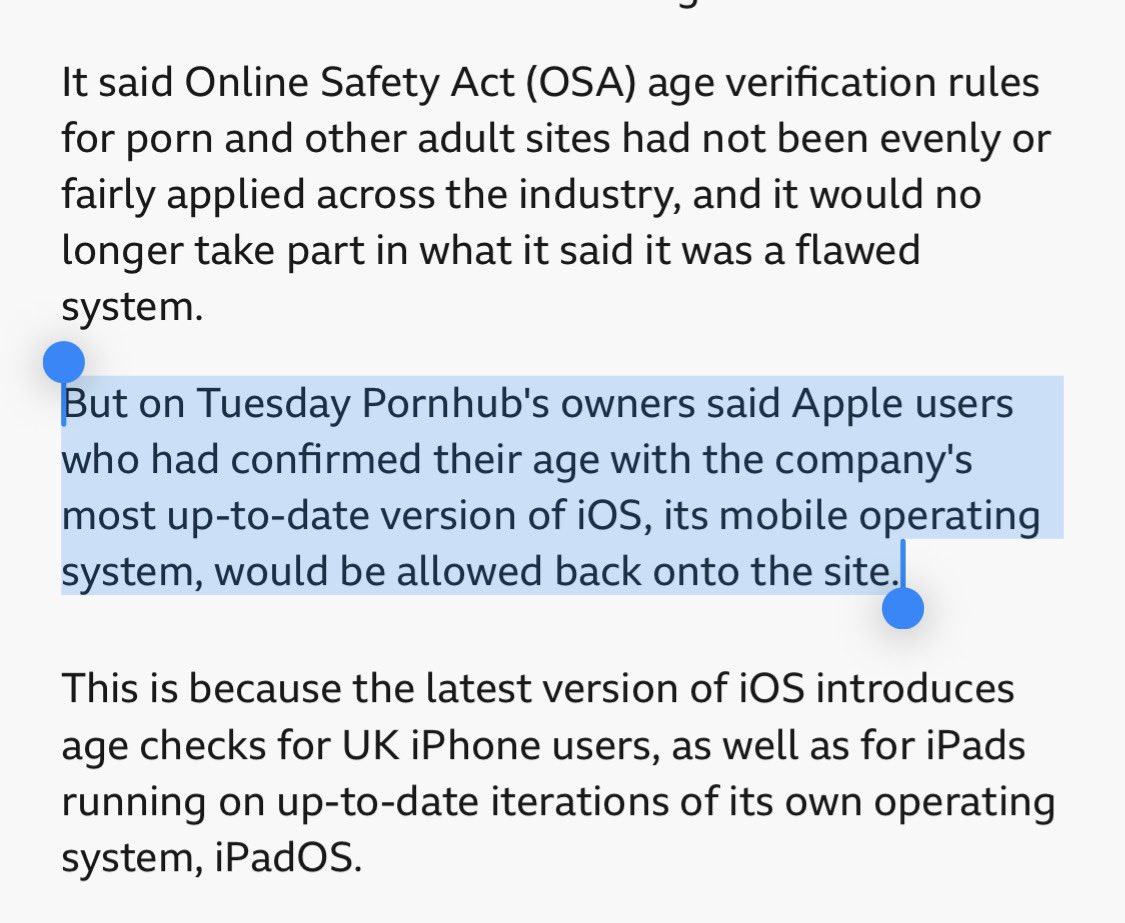
TL;DR - Pornhub checks that you're trying to access it on a phone running iOS v26.4, saying 'looks good, send it' if so and letting you in
It doesn't get (or ask for) any kind of credential or token, nary a sniff of authentication
Reader, it fucking can't even if it wanted to
The only thing that can get age verification out of Apple is their Age Range API, which provides ranges so you can check against the minimum bound, but it can only give that to native apps, not websites
Thing is, this isn't Apple's problem - rather, once again it's windmill tilting from @Ofcom, because of course it is
The Online Safety Act (OSA) requires that sites hosting 'age-sensitive' content implement HEAA (Highly Effective Age Assurance) before they can be accessed in the UK.
Ofcom, who are responsible for enforcing this shitpile of an Act, are on record saying that the iOS device level check is "a real win for children and families"
So of course, Aylo (who operate Pornhub) wandered over to Ofcom, said "aight we're using that then, can we stop enforcing our own site-level ID checks for users in the UK?" and Ofcom said yes
Which means that Pornhub got to walk back into the UK while knowing - since they'll have had to write their own authentication flow - that in order to comply all they had to do was... roll back their own checks, add a version sniff and exactly fuck-all else (based based based based ba)
Your Highly Effective Age Assurance, sir :)
Apple could facilitate a privacy-preserving yes/no check on 18 status the same way that they handle CAPTCHAs (privacy passes/access tokens), but they don't have to - the burden here isn't on them, and what they've done so far is apparently enough for Ofcom
To say nothing of the fact that even if they did enable that type of check and it was used, you could just give your phone to a minor and the entire effort ends up being all for nought anyway
So, unless Ofcom is inclined to go down the route of demanding constant biometric scans (in which case I pre-emptively apologise to Worldcoin, who would immediately become the kingmakers of the British internet) I'm afraid that little Timmy can still easily manage to find a way to discover that bukkake is not just a way of preparing udon noodles
But Ofcom's fine with it, since the letter of the law has been complied with, and it's privacy preserving too! (because there isn't a single byte of relevant data that ever hits a network!)
Aylo/Pornhub did all they needed to, as did Apple, and everyone is happy because literally nothing happened
So here we are: in the name of maintaining the kayfabe of compliance with a shitty law acting as a harbinger of a wonky-toothed panopticon, Ofcom has done it again
The UK is regulated by imbeciles, building chocolate teapots in the name of safety
Go pass an iPhone through a high school fence today
Jun 6

I accidentally updated my iOS yesterday, which annoyed me primarily because it crowbarred in a requirement under the OSA to provide ID proof of being over 18
I haven’t done so
Naturally, the Yookay can’t tell its arse from its elbow when implementing tech law
lol. lmao, even.

34
33
669
239,306
David S retweeted

Jun 2
Woman of the Day pilot Mona Friedlander, one of the first eight women to join the Air Transport Auxiliary during WW2. She specialised in night flying, having spent nine months in 1939 as a “human target” for anti-aircraft batteries to practise on so they could be ready for enemy aircraft.
Mona’s family was wealthy and she could have sat the war out in comfort but she was bitten by the flying bug at 21 when a friend took her to Brooklands and "gave me a couple of gins and tonics and sent me up in an aeroplane".
Her parents indulged her at first. They funded her flying lessons until she earned her 'B' licence, No. 14599, on 11 November 1936 at Brooklands in a De Havilland DH60 Moth, but they stopped when they realised it wasn’t just a hobby. She wanted to train as a flying instructor. Her mother was horrified. Nice girls didn’t fly professionally. Undeterred, Mona earned the money for tuition fees by trailing aerial advertising banners around the Scottish coast, especially over Aberdeen.
“Some pilots have them attached before they leave the ground, but I always preferred to pick them up after I took off, in the same way as the RAF pick up their messages. It is only a matter of judging your height.”
In early 1939, Mona became a pilot for Air Taxis Ltd of Croydon and when the Government used wartime powers to move the company to Barton Aerodrome, Manchester, she went too. That’s when she became an Army Cooperation Pilot, flying back and forth along a defined route during the hours of darkness so that anti-aircraft gun batteries could practise training their guns on her.
At first, she wasn’t allowed to fly because no wireless operator would fly after dark in all weathers with a woman. Eventually, one reluctantly said that he “didn't mind very much”. When Mona’s competence became clear, others stepped forward.
She had to design her own uniform. She was the only woman “human target” so she designed her own. “It Is not so dark a blue as the men's and I decided not to have too many pockets. Also I chose my own tailor. Otherwise, lt ls just a neat trouser-and-coat affair."
Every night for three or four hours after midnight, month after month without a break, Mona flew up and down a stipulated route — no lights — while anti-aircraft guns searched for her aircraft. Eventually, the War Office granted her a couple of nights off.
“The only thing I can think of doing, now I need not be at the Croydon aerodrome waiting for orders, is to sleep and sleep and sleep."
By the time the ATA was ready to accept women pilots on 1 January 1940, Mona was ready for the ATA test at Filton, Bristol, having already clocked up more than 600 flying hours, well over the minimum requirement of 200 hours.
One of the first intake of women pilots known as the First Eight, Mona was assigned to Pauline Gower’s all-women section. Initially, they were restricted to flying trainer or communications aircraft and paid 20% less than male pilots with the same responsibilities (of course they were!) but as pressure grew for the speedy delivery of replacement aircraft from factory to RAF airfields, Attagirls were allowed to fly any aircraft, and in 1943, awarded the same pay as men.
Mona flew 32 different types of aircraft, including the De Havilland Mosquito and Wellington bombers. She had three accidents but was exonerated each time: the defective undercarriage of an Oxford failed to descend and lock before landing, she made a forced landing in a Lysander when the engine failed, and another forced landing in March 1941 in a Hawker Hind.
She was promoted to First Officer in May 1942, but in October, suffered from carbon monoxide poisoning requiring a prolonged recovery. She resigned from the ATA in February 1943 and became a censor, inspecting press photographs to determine if they revealed secret information.
At its height, 650 ATA pilots delivered aircraft from factories to RAF airfields in all weathers. Of these, 164 were women. They were not honoured for their war service with a medal until 2012, and by then, only 15 of the 164 had survived.
Mona was not one. She died in 1993, aged 79, but her war service stands on its own merits.

10
48
164
2,646
🤬
May 24

This is nuts. A hang glider gets hit by a Cessna over Austria. She lived!
Visual Flight Rules (VFR) and “See and Avoid” are at play here. The Cessna dude missed the “avoid” part.
Video: sab_thi
19
David S retweeted

May 23
Winding down the Red Arrows is part of a broader retreat of the armed forces from public life. The Royal Tournament was once a pillar of British culture, as was the great British airshow. There used to be a dozen RAF station open days, but now there is only one official RAF airshow - at which the F35 makes only a cursory appearance, and most of the line up is classic aircraft in private hands. We have stopped showcasing our military. It plays no real part in boyhood anymore - and then the same pinheaded accountant class wonder why nobody wants to join the forces and any sense of national unity is collapsing.
They stopped the Royal Navy's Yeovilton Air Day because of Covid and then never re-started it, and I struggle to think of any military events north of the M62. The BBMF seldom ventures north of Bradford, and the main RAF presence is RIAT which is hundreds of miles away for most people, and costs £70 per adult. The airshow tradition is mainly upheld by small independent events, and though they are excellent, young people don't get the experience of being on an active military base. By the time I was of military age, I'd already been to RAF Valley, Cosford, Leeming, Culdrose, Alconbury, Finningley and Waddington.
Because of this, while I never joined the armed forces, I have maintained a lifelong appreciation for the armed forces and take a keen intertest in defence affairs. Politically, we suffer from defence illiteracy, and we're making it worse because defence of the realm is not integrated into public life.
cc: @thinkdefence @UKDefJournal

153
303
1,656
97,589
David S retweeted

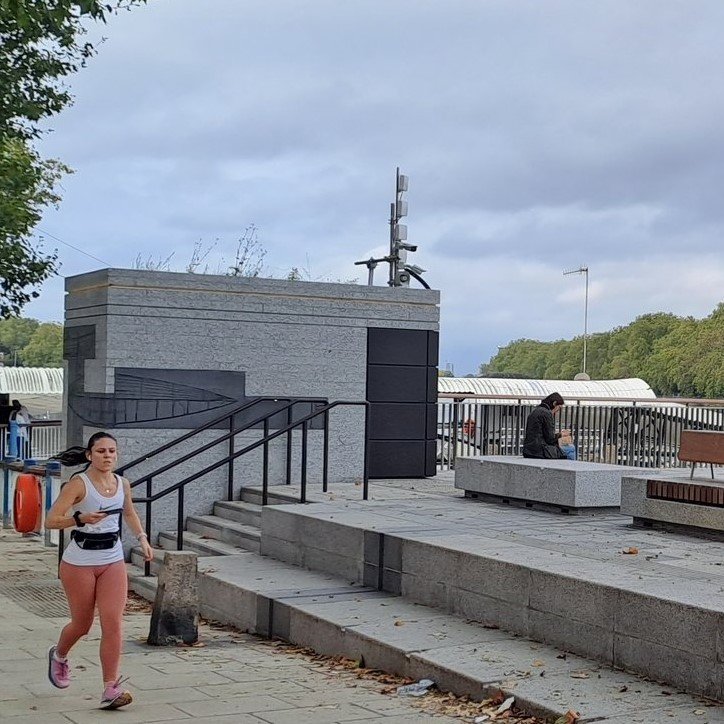
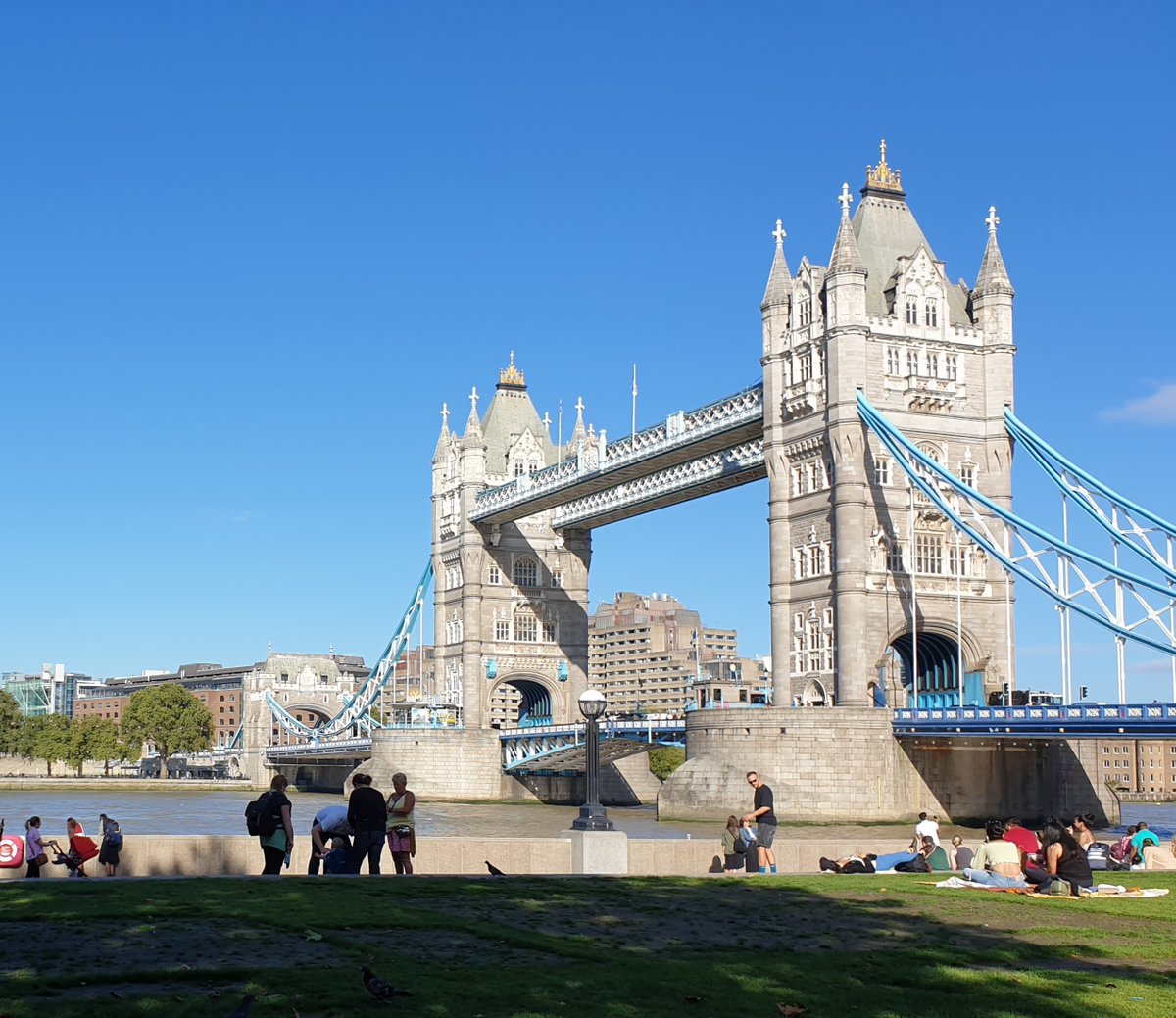
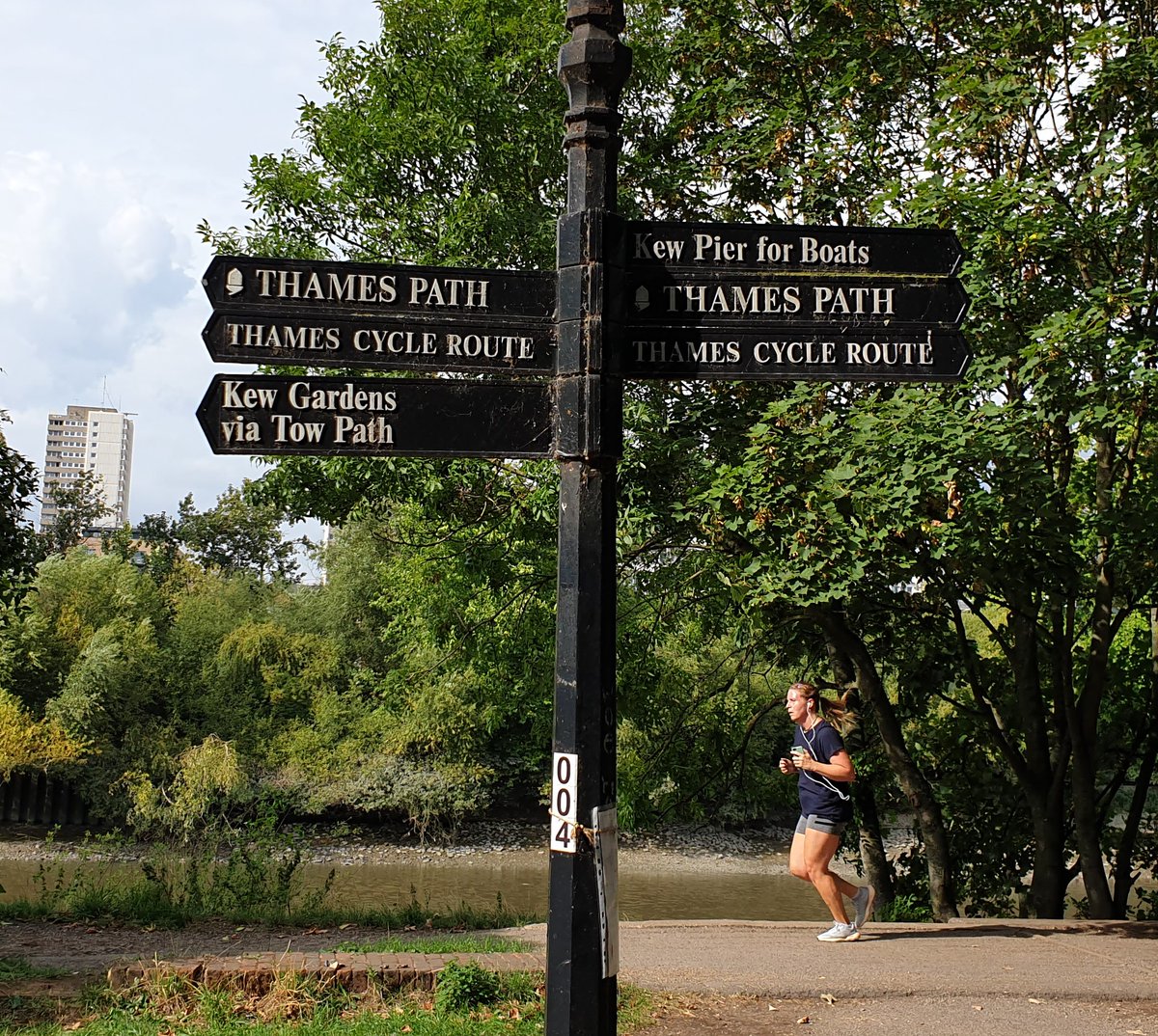
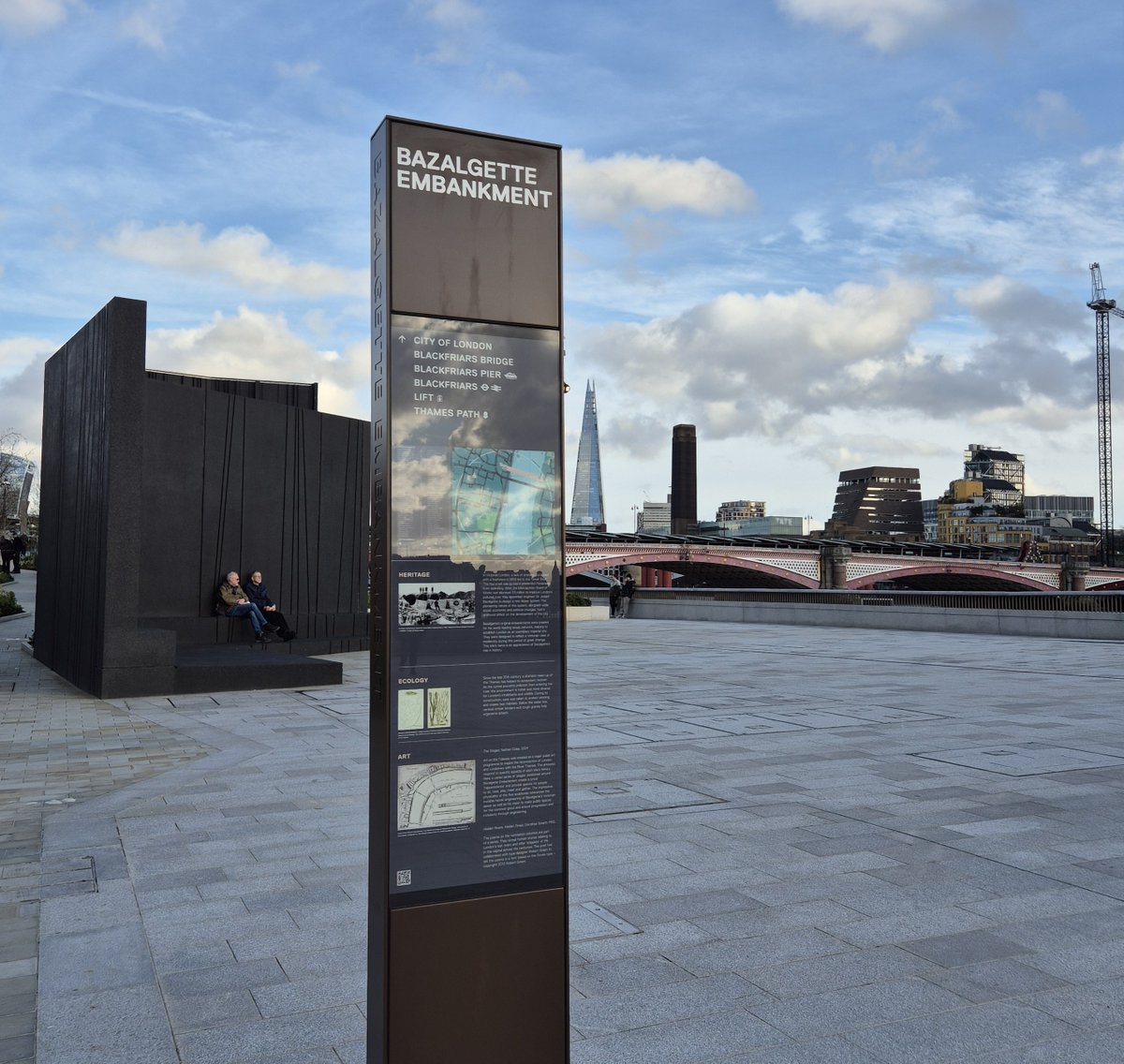
Take photos of the riverside route of the Thames Path through London this #bankholidayweekend and enter the 'Thames Path at 30' photo competition hosted by @ThamesFestTrust and @TidewayLondon Details ⏬
thamesfestivaltrust.org/arti…

While you're walking the Thames Path through London this #BankHoliday take a few photos of people enjoying the riverside walkway and @TidewayLondon public spaces, to enter 'Thames Path at 30' photo competition. Details ⏬
thamesfestivaltrust.org/arti…
#londonwalkingfestival
@LM_Westminster @gojauntly @LondonNPC
3
8
567
David S retweeted

May 24
2/ His article is here for free (slightly overpriced in my view): archive.is/vezq5. It appears that his entire argument is based on the premise that Tornado & Typhoon were rubbish, GCAP must be too. Leaving aside his multiple errors in the piece let’s look at his premise.
4
3
56
3,535
David S retweeted

May 18
There’s been some reporting that Meta contributed an unfathomable sum to promote age verification laws globally. This is broadly true, but actual situation is a bit more complex. Figured it was worth an update.
29
150
986
180,710
David S retweeted

The longitude problem was once one of the deadliest problems in navigation.
Sailors could find latitude by looking at the Sun and stars. But longitude was harder because it depended on time. Since Earth rotates 360 degrees in 24 hours, every hour of time difference equals 15 degrees of longitude.
So if a sailor knew the exact time back in London and compared it with local noon at sea, he could calculate how far east or west he had traveled.
The problem was simple in theory and brutal in practice, you needed a clock that could survive the ocean.
Ordinary clocks failed at sea. Pendulums were disturbed by waves. Metal parts expanded and contracted with temperature. Salt air caused corrosion. Humidity, pressure changes, and constant ship motion destroyed precision.
Many great scientists doubted that a sea clock accurate enough for longitude could ever be made. After disasters at sea, the British government passed the Longitude Act of 1714, offering rewards up to £20,000 for a practical solution.
Then came John Harrison.
He was not a university professor or a famous astronomer. He was a self-taught carpenter and clockmaker. In the 1720s, he was already building extremely accurate longcase clocks, some accurate to about one second in a month.
For the longitude problem, he aimed to build a portable sea clock accurate to within three seconds per day, far better than ordinary watches of the time.
His first major machine, H1, was tested on a voyage to Lisbon in 1736. It did not win the prize, but it impressed the Board of Longitude enough that they gave him money to continue. Harrison then built H2 and spent years on H3, learning through failure. H3 never fully solved the problem, but it gave the world important inventions, including the bimetallic strip and the caged roller bearing.
His masterpiece was H4.
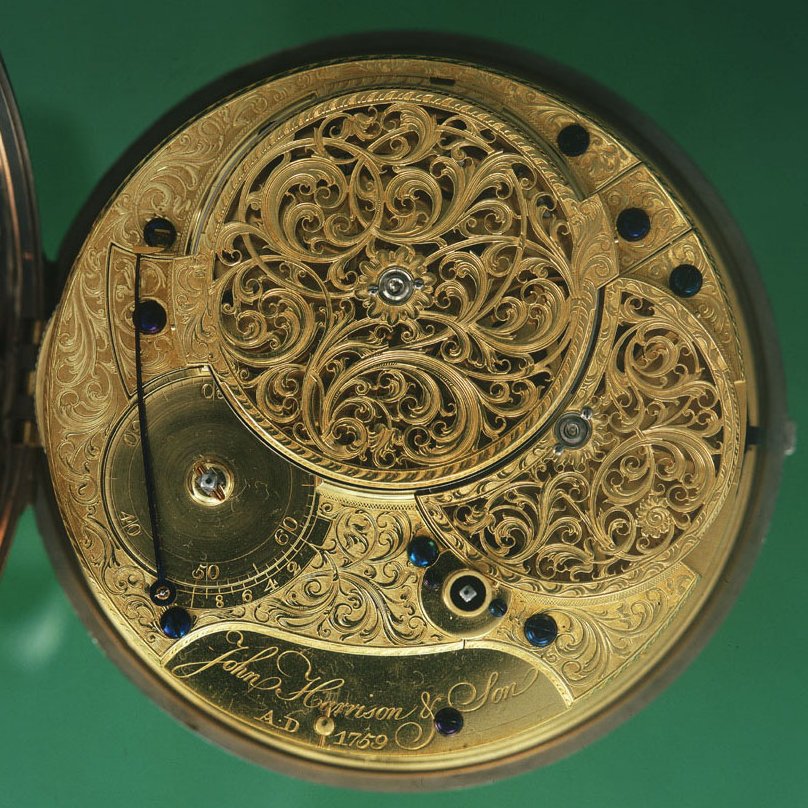
Unlike his earlier large sea clocks, H4 looked more like an oversized pocket watch. In 1761–62, it was tested on a voyage to Jamaica. After the long journey, it was only about five seconds slow relative to the known longitude of Kingston, corresponding to an error of roughly one nautical mile.
In another trial to Barbados, it again performed extremely well, reportedly within the accuracy needed for the longitude prize.
But Harrison’s victory was not simple. The Board of Longitude resisted giving him the full prize, partly because they questioned whether H4 could be reproduced practically and whether its success was repeatable.
Harrison fought for recognition for years. Eventually King George III personally supported him, and in 1773 Parliament awarded Harrison £8,750, though he never formally received the full official Longitude Prize.
The impact was enormous.
Harrison did not just build a better clock. He changed navigation. A reliable marine chronometer meant sailors could cross oceans with far more confidence. By carrying the time of a fixed reference point, a ship could calculate its position across the rotating Earth.
Later chronometers became essential tools of maritime trade and exploration.
The beautiful idea is this,
To know where you are, you first need to know when you are somewhere else.
John Harrison turned time into geography.
A clock became a map.
Navigation advanced because humans learned to carry another place’s time across the sea.
(📷John Harrison’s H4 marine timekeeper from Royal Museums Greenwich.)
6
56
221
7,996
David S retweeted

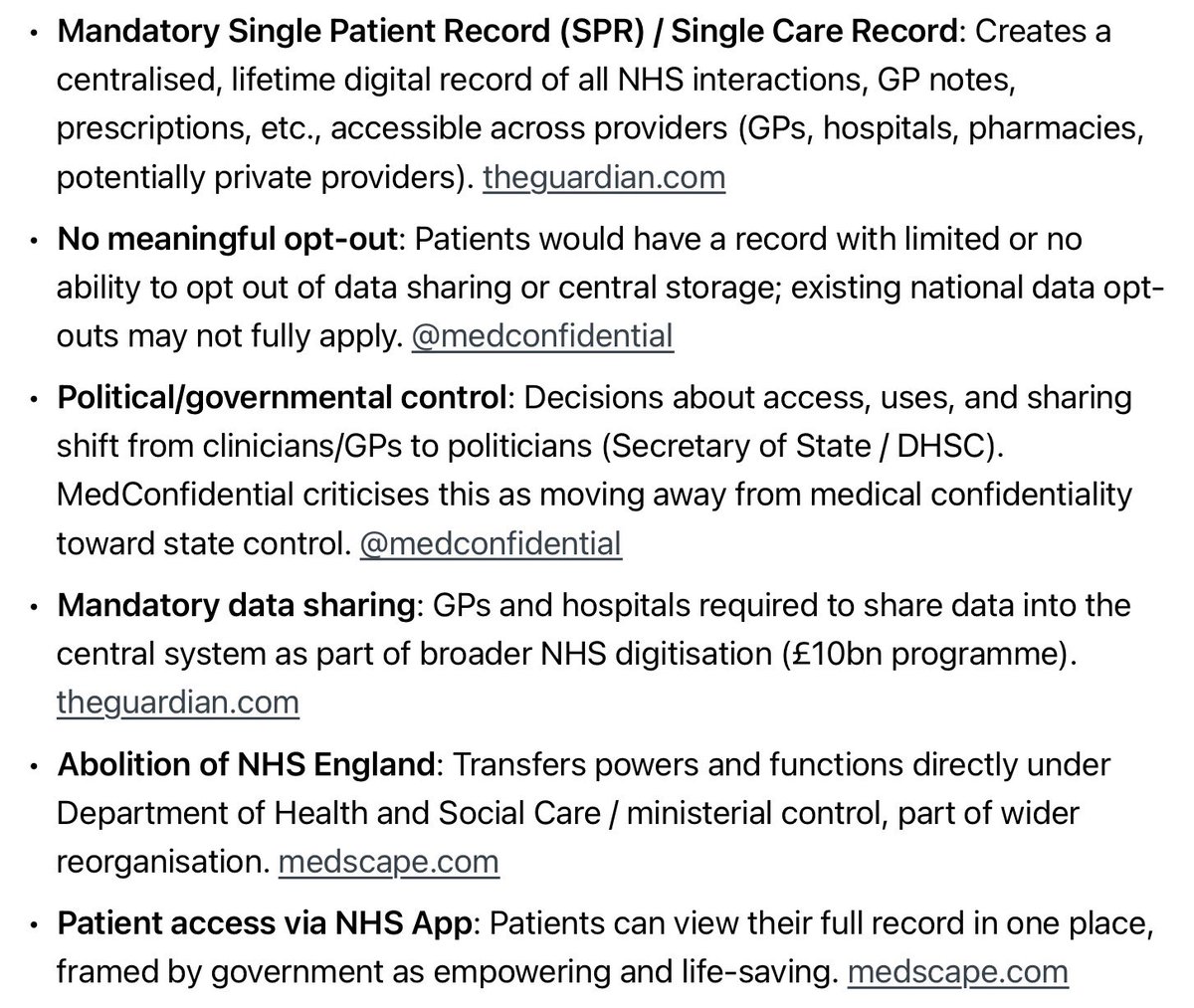
Wes Streeting’s final shot as he ran out the door
Your NHS data is not going to be safe
You will have NO option to OPT OUT of data sharing
GPs have seen this coming & will stand with their patients
Palantir et al will have access & Government controls
medconfidential.org/2026/wes…
58
1,215
1,495
68,553
David S retweeted

May 16
The legendary Concorde thundering down the infamous Kai Tak Runway 13 approach—swooping low across Kowloon before carving that razor-sharp visual turn at the checkerboard.
Blistering speed, a steep bank, and absolutely no margin for error. British Airways crews owned this high-stakes maneuver, blending pinpoint precision with pure piloting instinct—treating every passenger to a front-row view of one of aviation’s most iconic landings.
This wasn’t flying. This was controlled chaos at its absolute finest.
46
122
1,097
142,427
😬
May 13

... admitted one error in the procedure, and continues to investigate allegations of others
The PA allegedly:
- ignored doctor's instructions that Natalie needed a sedative
- inserted the needle seven times instead of the max two
- falsified records to say he only did so twice
9
David S retweeted

May 12
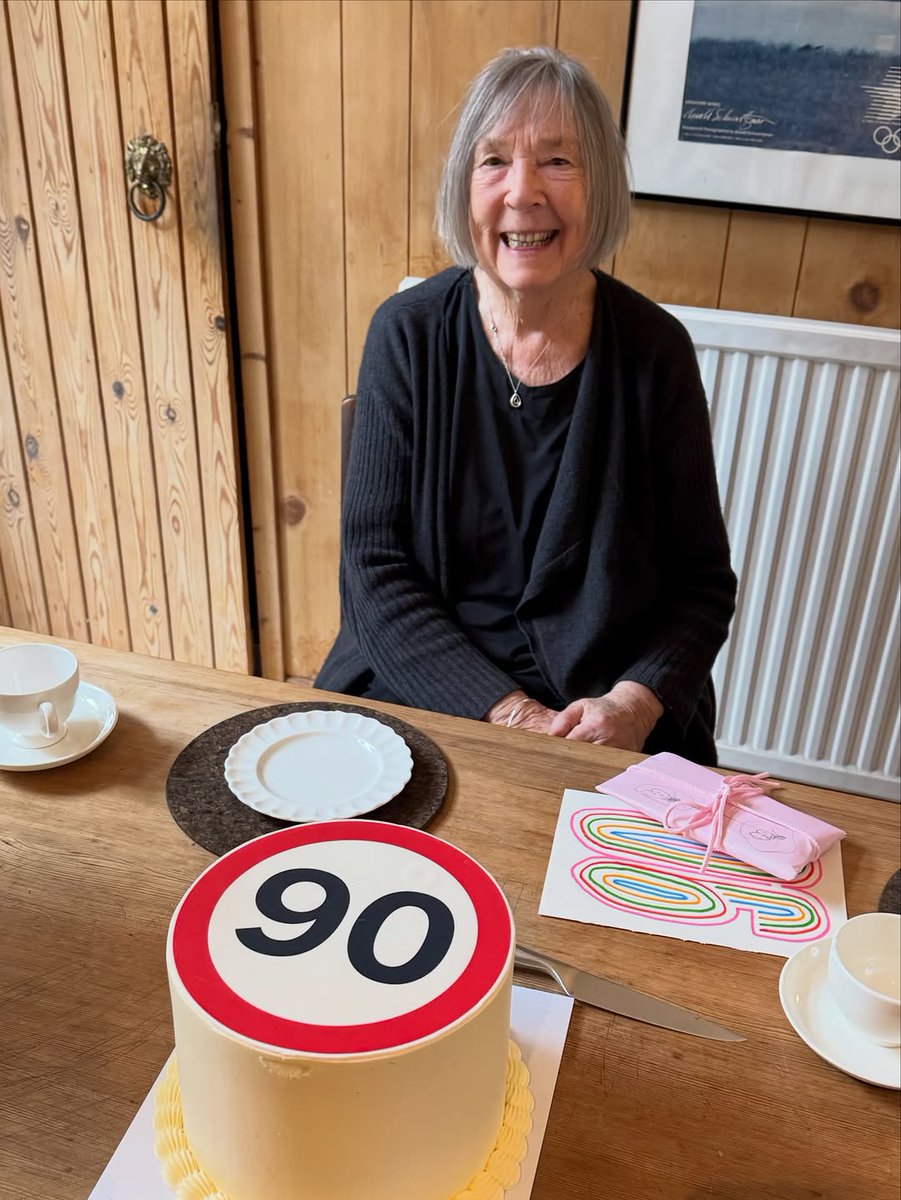
Design legend Margaret Calvert is 90 today.
Look at that cake!
If you've ever admired a road, rail or metro sign in Britain it's likely she had something to do with it.
One of Britain's design heroes.
Photo by: @oshgallerylondon (IG)
Cake by: mybaker.co
24
389
1,982
36,525
🗳️ ConstituencyClick
550/650 — Secretary of State
🟨🟩🟩🟥🟩🟨🟩🟩🟨🟩
play.jmoxley.co.uk
7
David S retweeted

May 6
My students asked me if it was true that the entire Internet was really coded by hand. All those kernels, protocols, router firmware, browsers, databases, etc. Somebody coded these and debugged them by hand?!?!? They used BBEdit?!?!??! The idea that this was even possible seems amazing to them. I can imagine some future Moon Landing like conspiracy theory that says it never happened.
147
570
5,696
249,593
David S retweeted

May 7
As information changes hands, it gets heavily distorted by the convenience of the present.
The actual trut that human beings typed this entire digital universe into existence by hand is too heavy for a timeline that expects instant generation.
We aren't just losing the memory of the code; we are allowing the truth of human capability to be distorted into folklore simply because the new tools make the old struggle look impossible.
1
1
8
1,525