
No.4 in India to join Twitter, Travel Writer, Tech Blogger, Digital Marketer, Dad, #avgeek , #DhempeTravelBlog, dhempe.com | dhempe at gmail dot com
Joined June 2007
- Tweets 58,905
- Following 7,833
- Followers 17,276
- Likes 12,719
4,650 Photos and videos

Pinned Tweet

25 Aug 2019
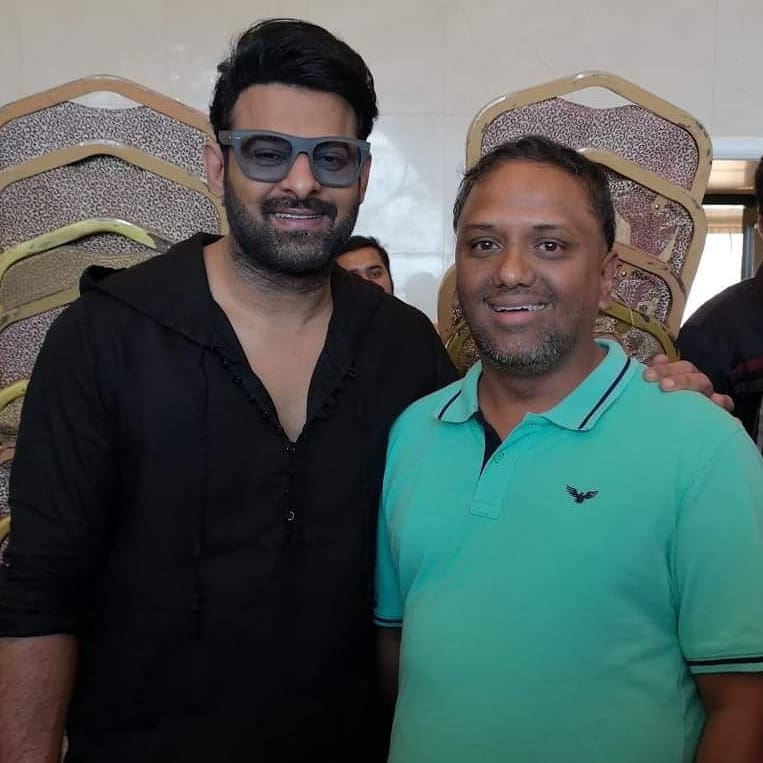
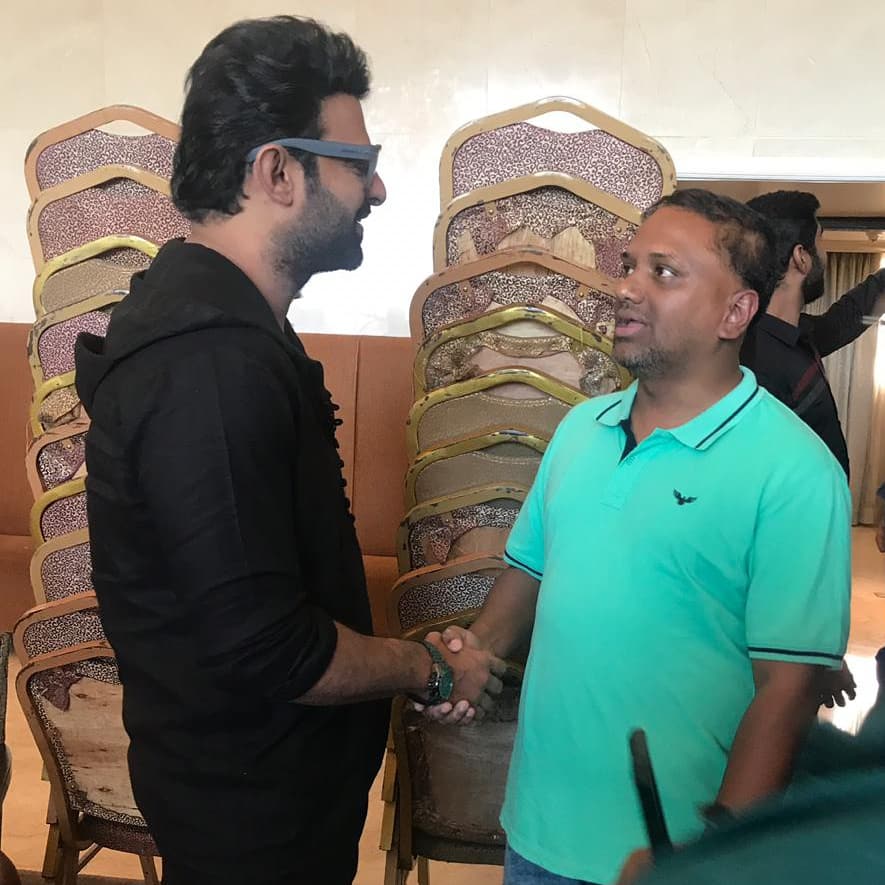
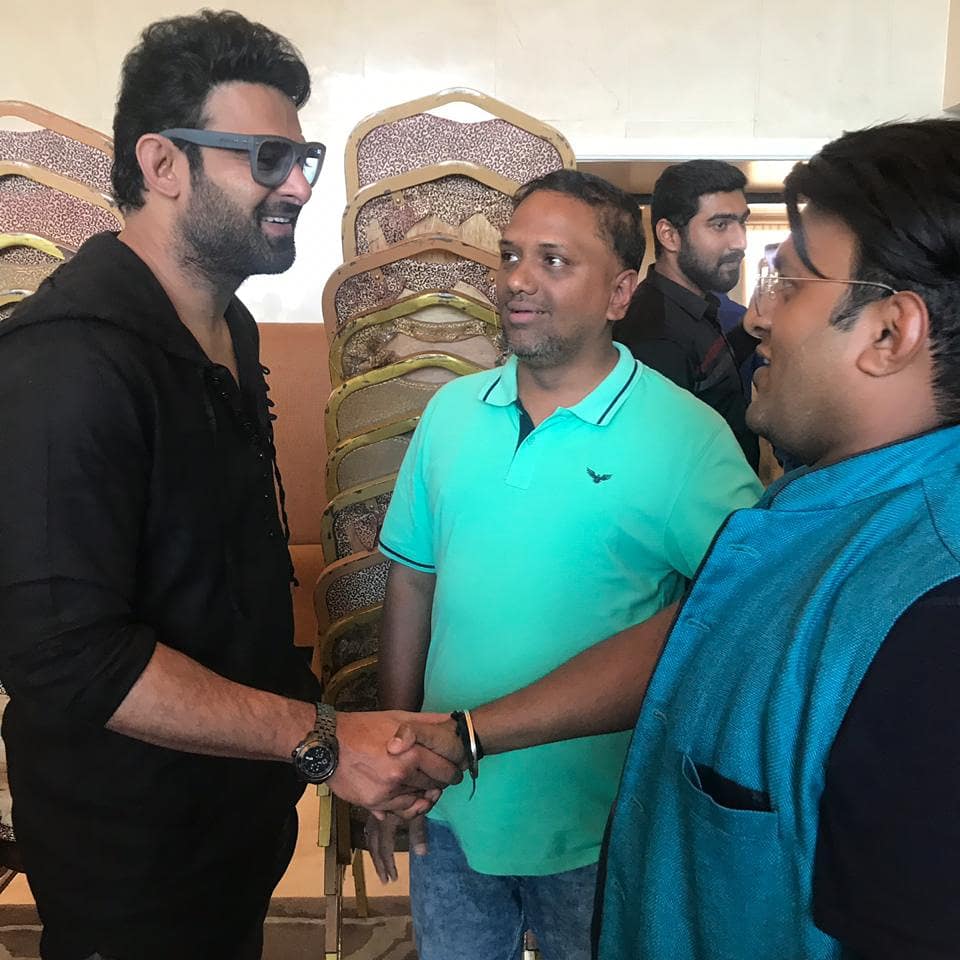
Wonderful to meet again after 25 years, my 10th class friend #Prabhas , who had taken the world by storm with his @BaahubaliMovie and now is gonna rock as #saaho in @SaahoOfficial Movie.. #DhempeTravelBlog
5
122
575

It's not just about Harsha, but this is a live example of how narratives are built. When CSK/MI win, the focus is mainly on the captains. When RCB wins, the focus is mainly on auction and backroom staff. Shreyas Iyer faced it too in 2024. It's always collective effort but the media will highlight one more than the other depending upon the narratives set.
Harsha Bhogle salutes RCB's backroom staff youtube.com/shorts/sWDqZrCtP… vi
5
9
98
34,623
Hrish Thota retweeted

Mr Nags is suffering from success 😎
Post match presentation party gatecrashed! Mr. Nags was our toughest challenge of the season, even on the night of the final. Find out what happened, when he spoke to some special guests. 😭😂
126
2,434
23,669
459,201
Hrish Thota retweeted

May 6
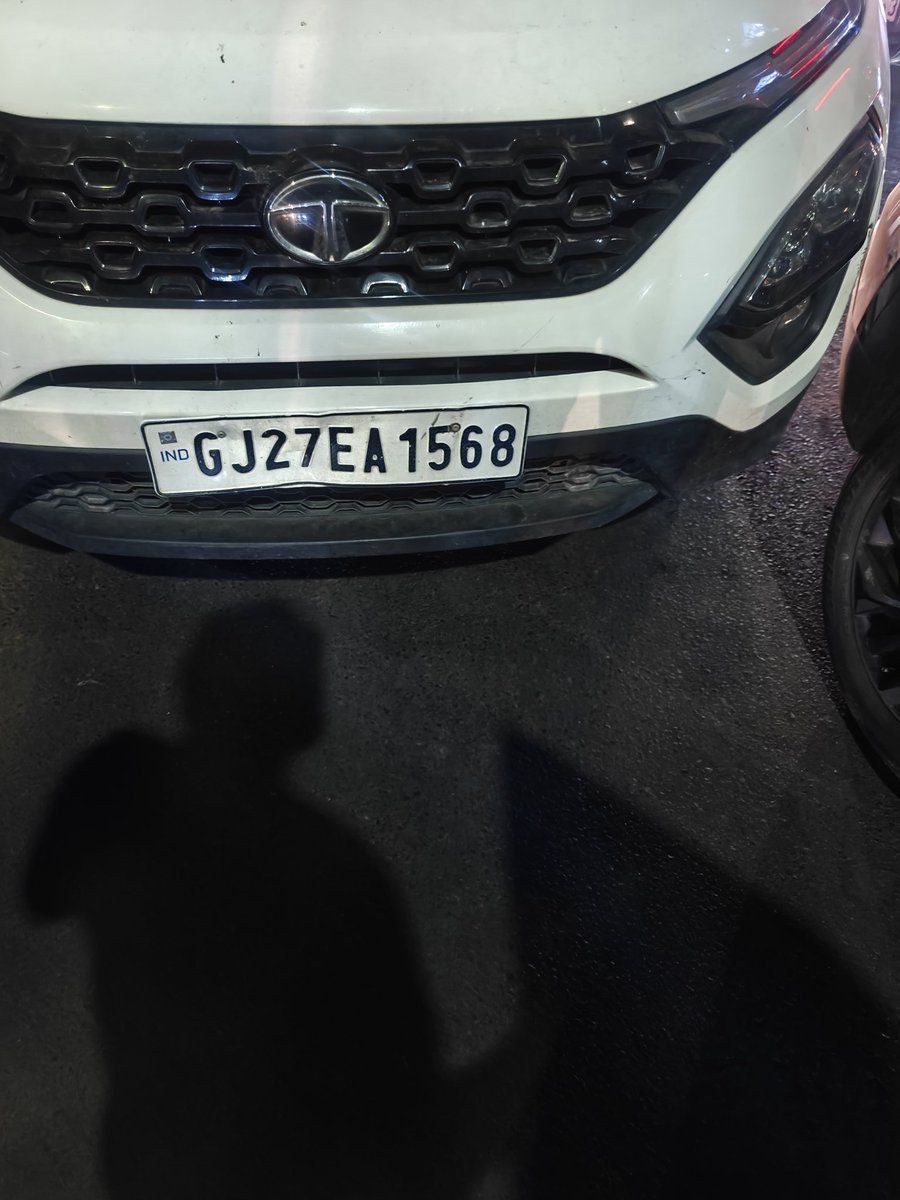
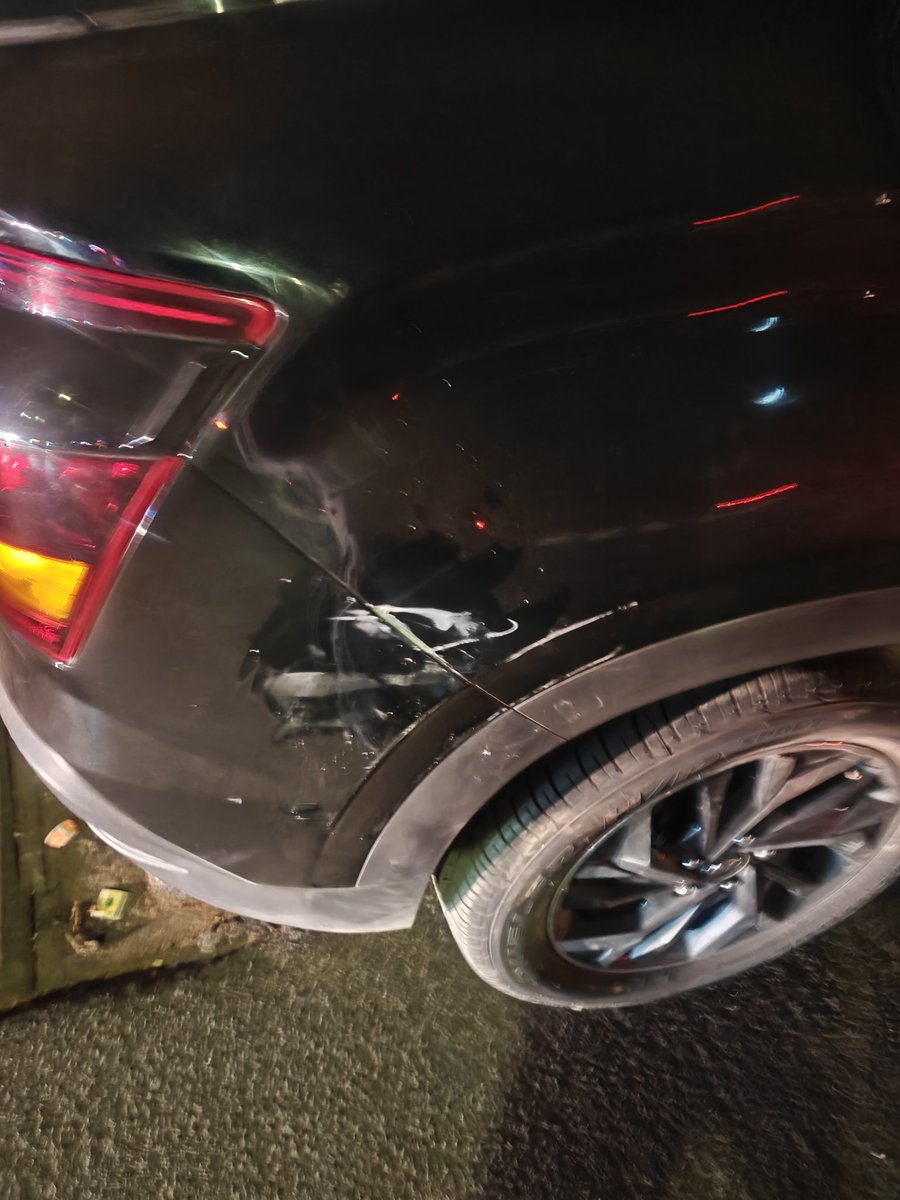
આ GJ 27 EA 1568 નંબરની કાર ચલાવનાર આજે સાંજે 8.35 વાગે જૂની કમિશનર કચેરી, કેન્દ્રીય વિદ્યાલયના કટ ખાતે મારી કારને ઠોકીને ભાગી ગયેલ છે. L ડિવિઝન ખાતે (સુભાષબ્રિજ) નોર્મલ કાચી ફરિયાદ આપેલ છે.
@GujaratPolice @AhmedabadPolice @PoliceAhmedabad
આની પર ત્વરિત કાર્યવાહી કરવામાં આવે, જે રીતે તે ભાગ્યો તે પરથી હોઈ શકે કોઈ રીઢો ગુનેગાર ભાગ્યો હોય.
22
139
237
50,240
Hrish Thota retweeted
The KSCA and state government didn’t help with that ticketing mess playing out so publicly. They gave those in charge even more reason to take the IPL final away.
7
13
148
4,358
Hrish Thota retweeted

Apr 23
Cars are protected in boxes these days, we know the reason.
21
354
11,840
509,754
Hrish Thota retweeted

Apr 23
One of my biggest professional regrets is that ESPN Star left all the episodes of Harsha Online behind. It would have been a recorded history of Indian cricket (and of a few other sports) with 45 min interviews of every top Indian sportsman.
Apr 23

I have a story about Border and Gavaskar. In 2000, ESPN Star Sports organized a quiz series against an Indian and an Australian team. India had Gavaskar, Venkat and Sidhu, while Border had Ponting, Moody and Gilchrist as teammates.
The Indians won comfortably, but I remember Allan coming to me on the last day of the quiz and presenting me his dark green game shirt for putting it all together.
I lost that shirt during a house shift, and it so hurts me, given that all the tapes of the shows were also tragically erased when ESPN Star Sports ended as a joint venture!
38
119
3,176
385,941
Hrish Thota retweeted

BCCI should not have had a game today. They should have allowed all the Tamil Nadu based players to vote. IPL comes every year. Elections which comes once in 5 years to determine the future of the state and country should be given more importance
169
120
2,488
325,971
Hrish Thota retweeted

Apr 23
on mangoes:
banganapelle >> alphonso
took me too long to realise!
173
189
2,157
93,479
Hrish Thota retweeted

Apr 24
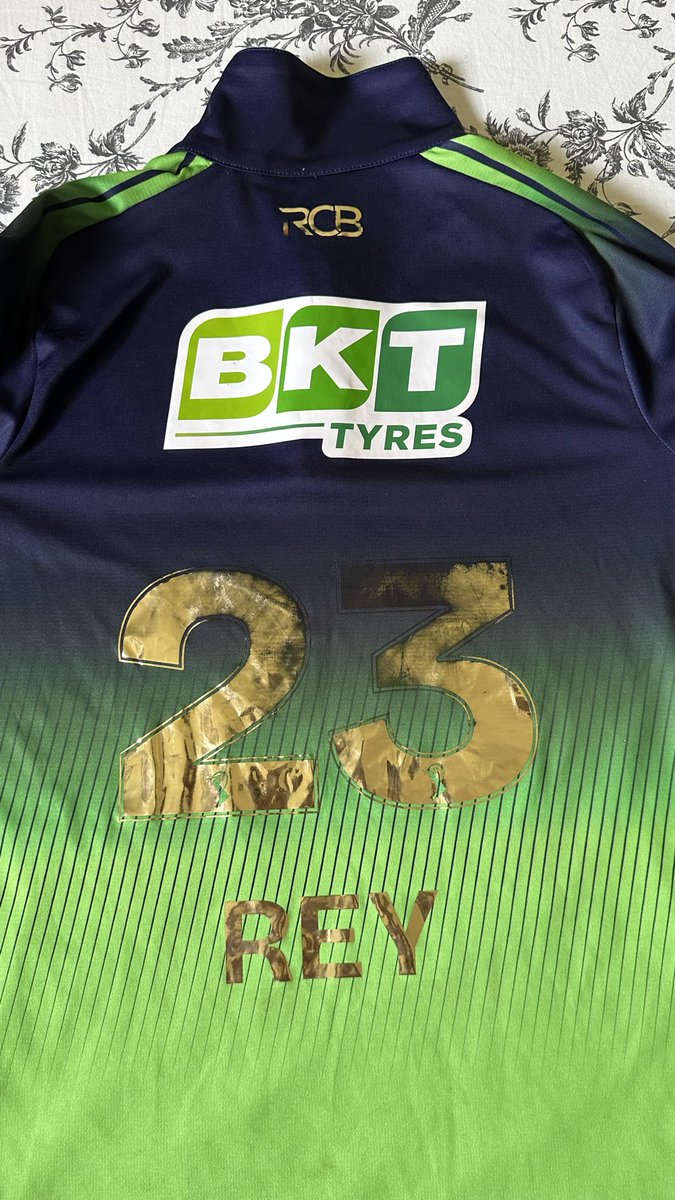
RCB were and are far ahead of the pack in adopting new things and it’s amazing that cricketers coming in are able to play along. It’s given us fans a lot of relatable content
2
12
132
3,577

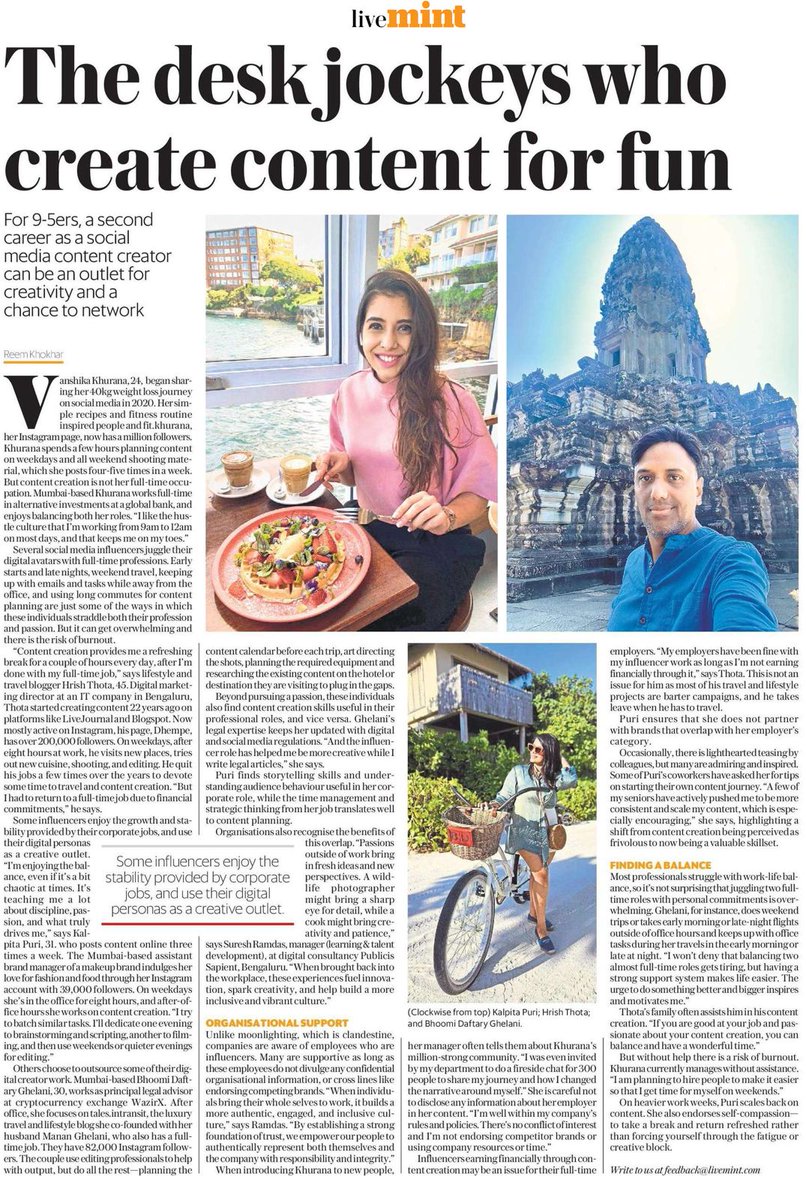
My piece in today’s @Mint_Lounge is on the wonderfully chaotic world of Old Twitter. Some of my longest friendships and most meaningful work relationships began here, and I’ll always be grateful for this network.
Thanks @shaaqT, @b50, @Samit, @lavsmohan, @dhempe, and Naina for walking down memory lane with me.
And thank you always, @ShephaliBhatt 🙌🏻
livemint.com/mint-lounge/bus…
9
13
50
7,778
Hrish Thota retweeted

Apr 20
Teams inviting players to trial mid-season shouldn’t be seen as a blow to someone’s ego. Last year, RCB invited @mayankcricket for trials before picking him. And he welcomed the move. And went on to play a role in Padikkal’s absence.
5
13
418
17,760
Jan 22
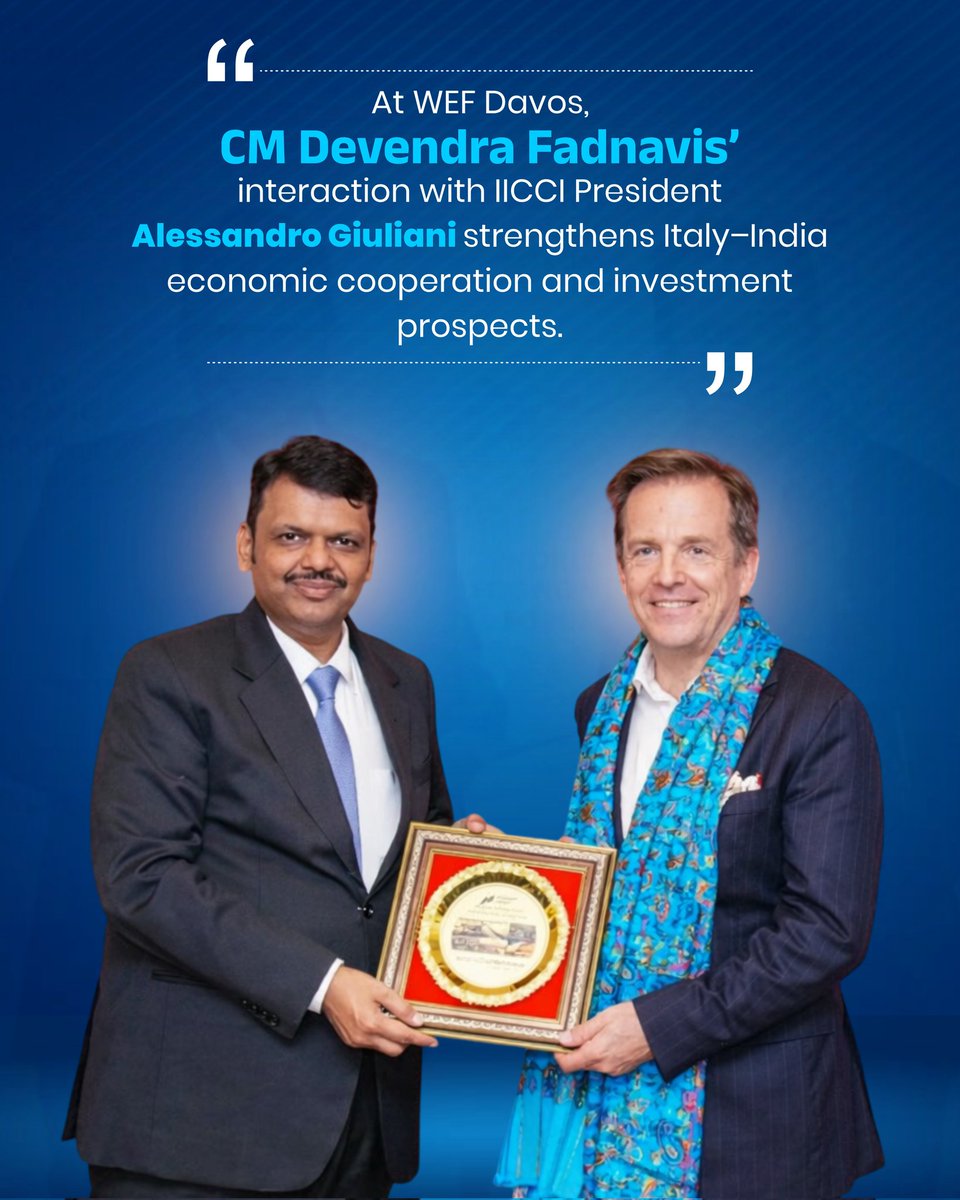
At #Davos2026, Maharashtra moved from discussion to demonstration.
Its solar energy journey was hailed as a Global South model, while new conversations on India Italy cooperation and Innovation City signalled what’s next.
Clean growth. Global trust. Future-ready Maharashtra.
6
32
19,021

Hrish Thota retweeted

Jan 1
One more thing. Our 10 minute delivery promise is enabled by the density of stores around your homes. It’s not enabled by asking delivery partners to drive fast. Delivery partners don’t even have a timer on their app to indicate what was the original time promised to the customer.
After you place your order on Blinkit, it is picked and packed within 2.5 minutes. And then the rider drives an average of under 2kms in about 8 minutes. That's an average of 15kmph.
I understand why everybody thinks why 10 minutes must be risking lives, because it is indeed hard to imagine the sheer complexity of the system design which enables quick deliveries.
Also, if you've ever wanted to know why millions of Indians voluntarily take up platform work and sometimes even prefer it to regular jobs, JUST ASK any rider partner when you get your next food or grocery order.
You will be humbled by how rational and honest they will be with you.
Having said that, no system is perfect, and we are all for making it better than today. However, it is far from what it is being portrayed on social media by people who don't understand how our system works and why.
If I were outside the system, I would also believe that gig workers are being exploited, but that's not true.
1,289
2,283
20,979
2,510,557
Hrish Thota retweeted

Jan 2
I worked at Uber and was closely involved during multiple driver strikes in Bangalore. This often meant long days at HSR/BTM traffic police stations, dealing directly with frustrated drivers.
Whenever we cut driver incentives at a per-trip level or introduced complex incentive structures, the pushback was immediate and intense. These decisions were driven by market share goal getting more drivers onboard to meet demand. In hindsight, this was never sustainable.
We later shifted focus: Increased trip fares,Non-monetary benefits (insurance, fuel, groceries), Alerts for drivers exceeding 60 hours/week, Regular focus group discussions via an initiative I launched called Uber Samaaj
Despite this, backlash continued. It simply became part of the job.
The real perspective shift came when I moved to Colombo.
There, I saw part-time drivers driving ~22 hours/week actually benefiting from the platform.
Higher fares meant decent earnings without overworking. That’s when it clicked: these platforms were designed for part-timers, not full-time dependency.
The market contrast explains a lot.
In 2019: Melbourne avg trip fare ≈ $8
India avg trip fare ≈ $3
When fares are low, drivers compensate by increasing hours. Longer hours lead to fatigue, dissatisfaction, and inevitable conflict with platforms.
This isn’t just an Uber issue.
It’s a structural problem across all gig platforms in price-sensitive markets, where platforms optimize for flexibility, but workers seek stability.
Until this mismatch is acknowledged honestly, tension between gig platforms and workers will remain a permanent feature not a temporary bug.
34
60
589
53,912
Hrish Thota retweeted

22 Nov 2025
.@JioHotstar please introduce a split-screen feature for watching two matches at once. 😅
119
256
5,632
221,815
Hrish Thota retweeted

4 Oct 2025
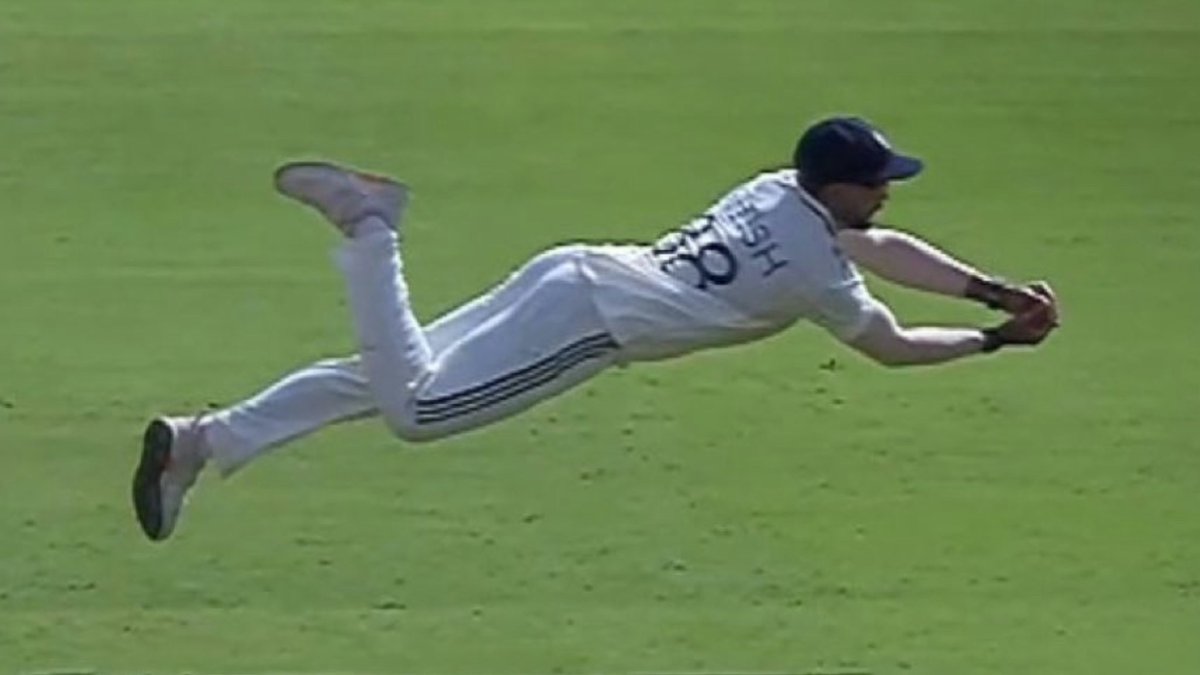
Check header 😉🤝

113
1,582
50,726
4,014,694
Hrish Thota retweeted

1 Oct 2025
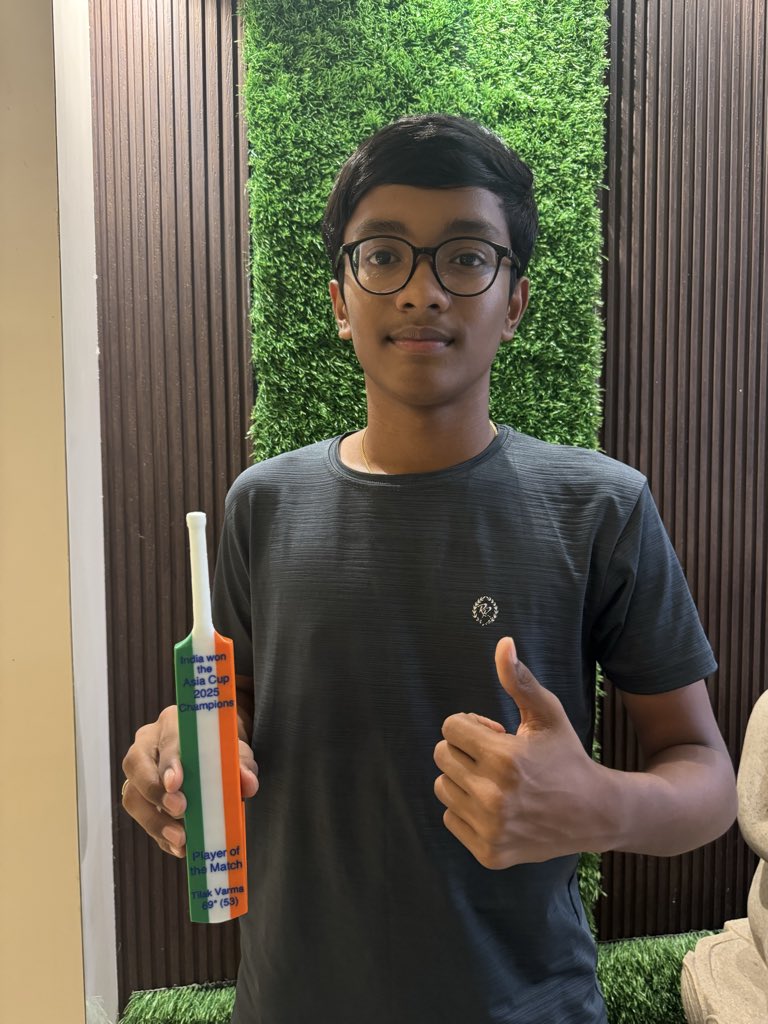
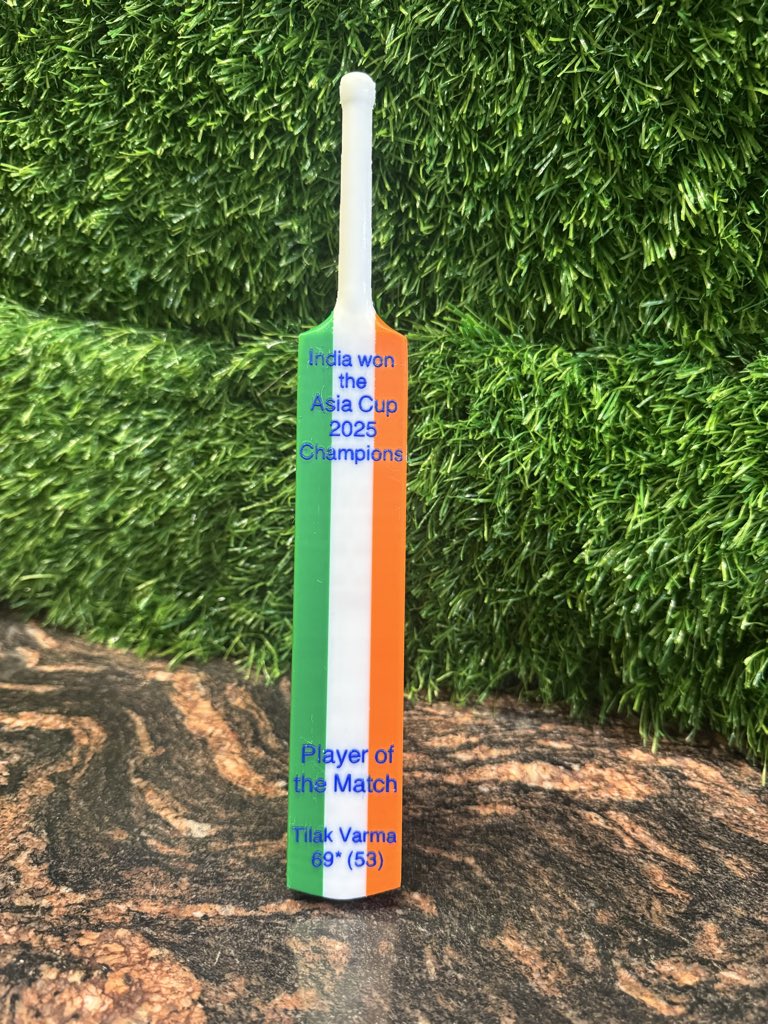
Namaste from Dil Se Creations
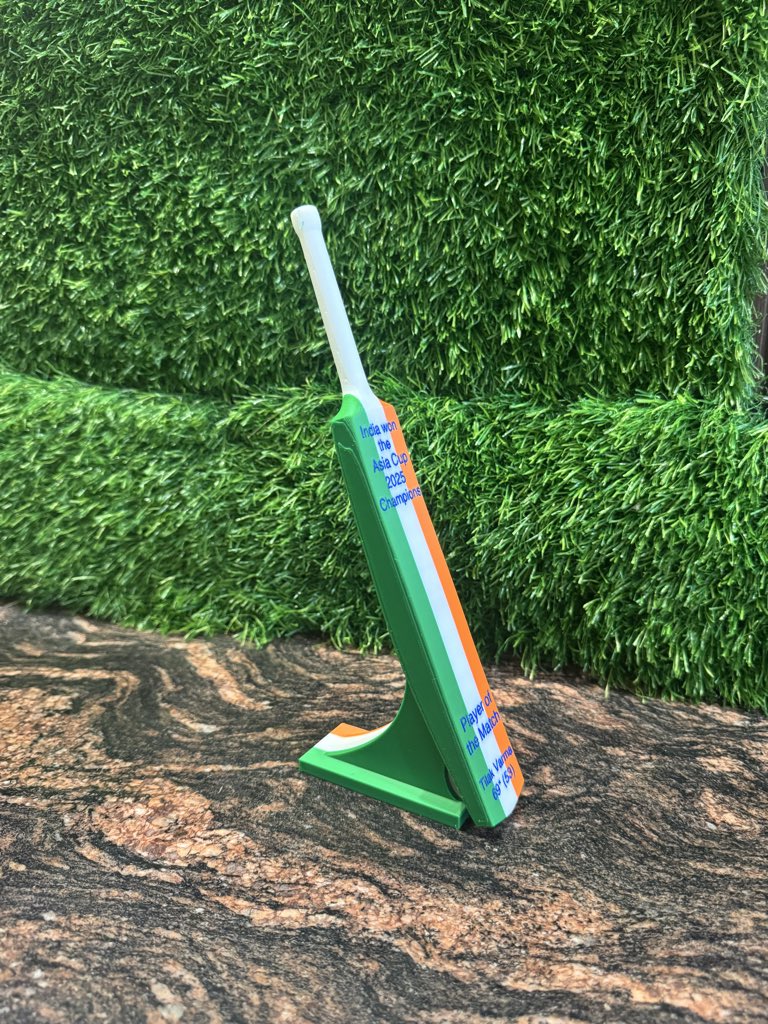
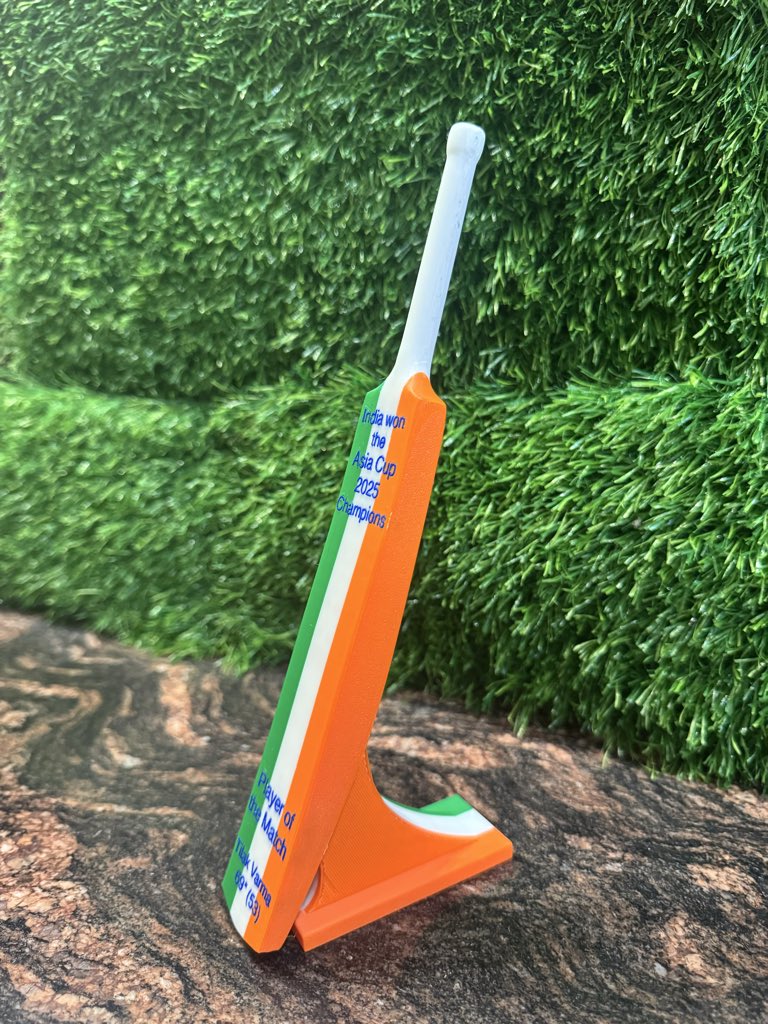
A 14-year-old boy from Vijayawada has designed and created this customised table-top bat all by himself 🏏as a gift for @TilakV9 for his outstanding performance in the Asia Cup Final 2025
Proud moment of cricket love from the heart of Vijayawada
1
1
129
26 Sep 2025
Middle-class families pay premiums year after year. In emergencies, they face rejection. This isn’t protection it’s betrayal. This has to be fixed @JPNadda - Read article for real stories of rejected claims & thousands more facing the same struggle. indiatoday.in/business/perso…
1
1
2
33,390