
Post-doc in the Brainard lab at UCSF| @LSRFdtn fellow | Studying neural and molecular mechanisms that underlie communication across vertebrates.
Joined November 2017
- Tweets 283
- Following 383
- Followers 333
- Likes 1,523
9 Photos and videos

Eric Schuppe retweeted

12 Nov 2024
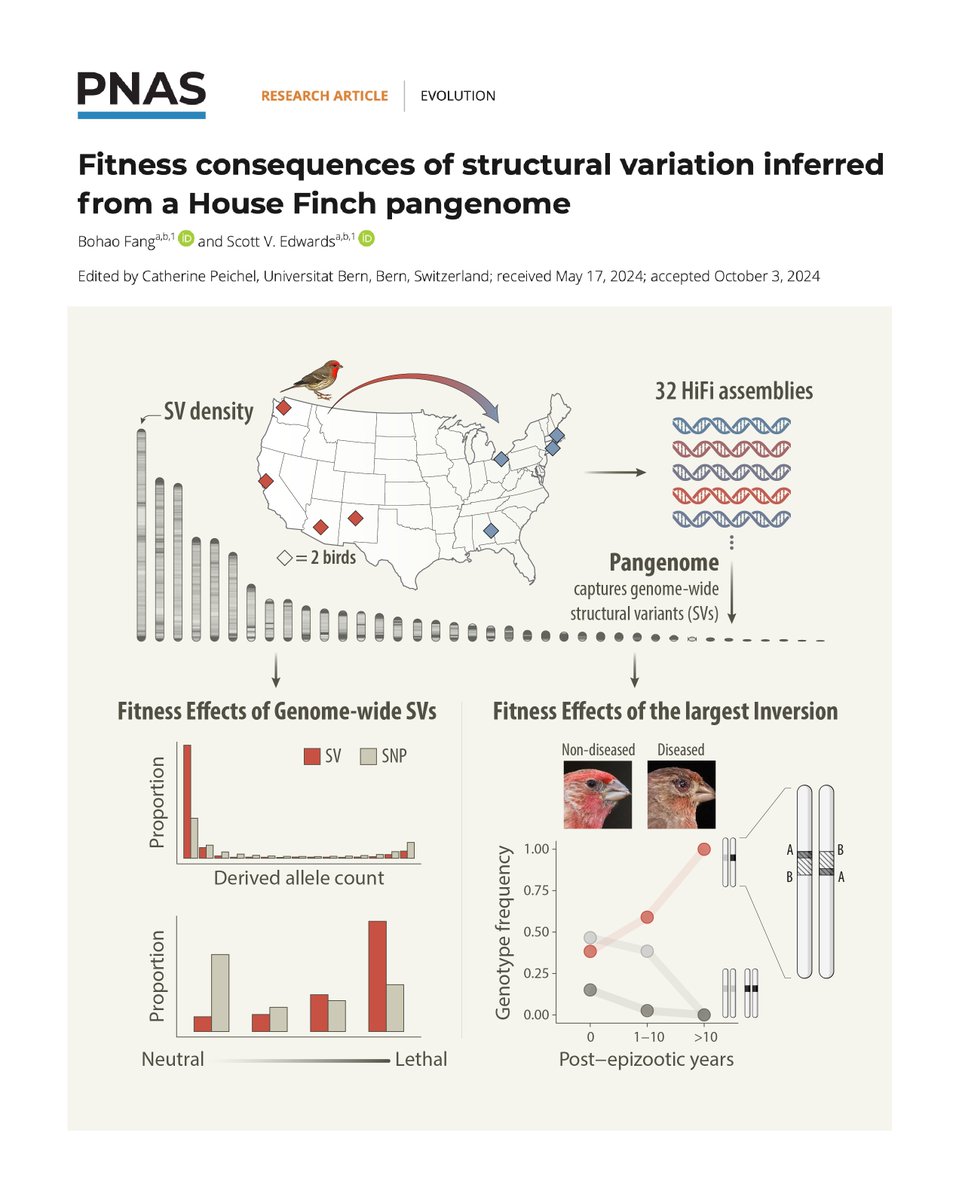
Thrilled to share that our new paper is now live in @PNASNews! pnas.org/doi/10.1073/pnas.24…
21 May 2024

We demonstrate that structural variants are more deleterious than smaller variants in natural populations, although some facilitate adaptation. (1/2)
7
42
136
19,202
Eric Schuppe retweeted

10 Oct 2024
Mating songs of Galápagos finches from a set of possible futures, played to territorial males, reveal links between adaptation and speciation.
Check out our new study—led by Dr. Jeff Podos @UMassAmherst—in @sciencemagazine! ⬇️
Summary 🧵below!
(1/10)
science.org/doi/10.1126/scie…
4
41
121
27,990
Eric Schuppe retweeted

5 Oct 2024
Early auditory and adult mating experiences interact with singer identity to shape neural responses to song in female zebra finches biorxiv.org/cgi/content/shor… #biorxiv_neursci
1
2
1,764
Eric Schuppe retweeted

25 Sep 2024
It's finally published! Working with @jordanmckinneyy @jmbutler18 @bcgoolsby @alaurenoconnell and other lovely Twitter-less scientists at @LOB_SU for my undergrad thesis on FoxP2 in social 🐸 tadpoles was such a joy. So happy this work is out in the world!
royalsocietypublishing.org/d…
1
1
10
478
Eric Schuppe retweeted

14 Sep 2024
Really excited to share the latest preprint from my lab @CSHL. Work done by @IskoEmily, a fantastic graduate student, in collaboration with @TonyZador.
So what is this paper about?
14 Sep 2024

Selective expansion of motor cortical projections in the evolution of vocal novelty biorxiv.org/cgi/content/shor… #biorxiv_neursci
8
37
133
25,527
Eric Schuppe retweeted

16 Sep 2024
Song "type" learning is happening in the auditory system at very young ages. Before the song sensitive period even opens! Proud of this work led by @katieschro8 .
16 Sep 2024

New from @katieschro8 @HealeyLab in @J_Exp_Biol, report that in zebra finches, brain cells in forebrain auditory areas are already selectively tuned to conspecific song before the sensitive period
Nice use of cross fostering w/Bengalese finches
journals.biologists.com/jeb/…
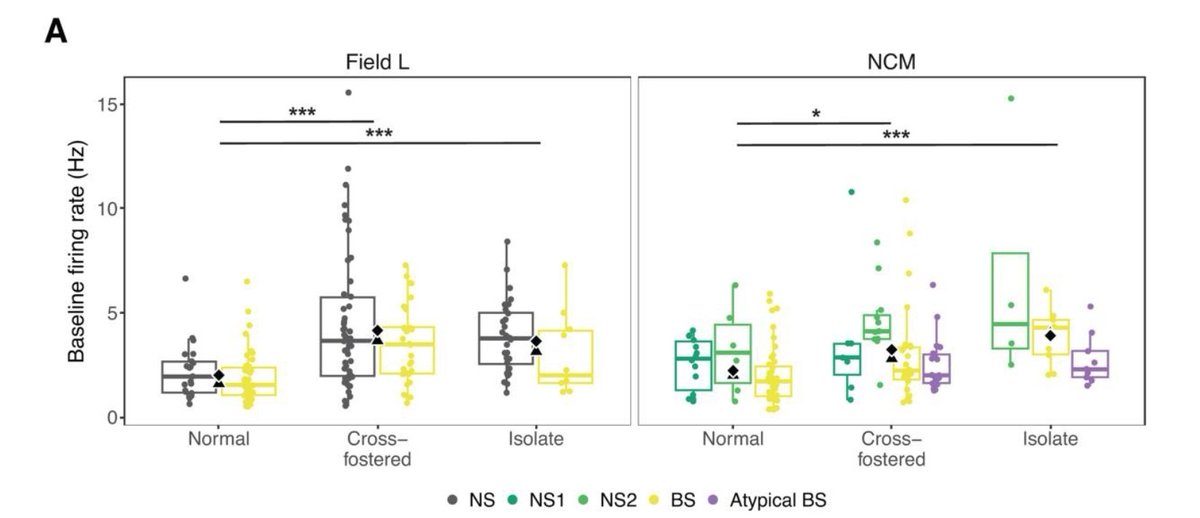
ALT Box and whisker plots with raw data points on top comparing baseline firing rates in two forebrain areas, Field L and NCM, across three groups, normal, cross fostered, and isolate. Firing rates are lowest in normal group
6
33
1,832
Eric Schuppe retweeted

11 Sep 2024
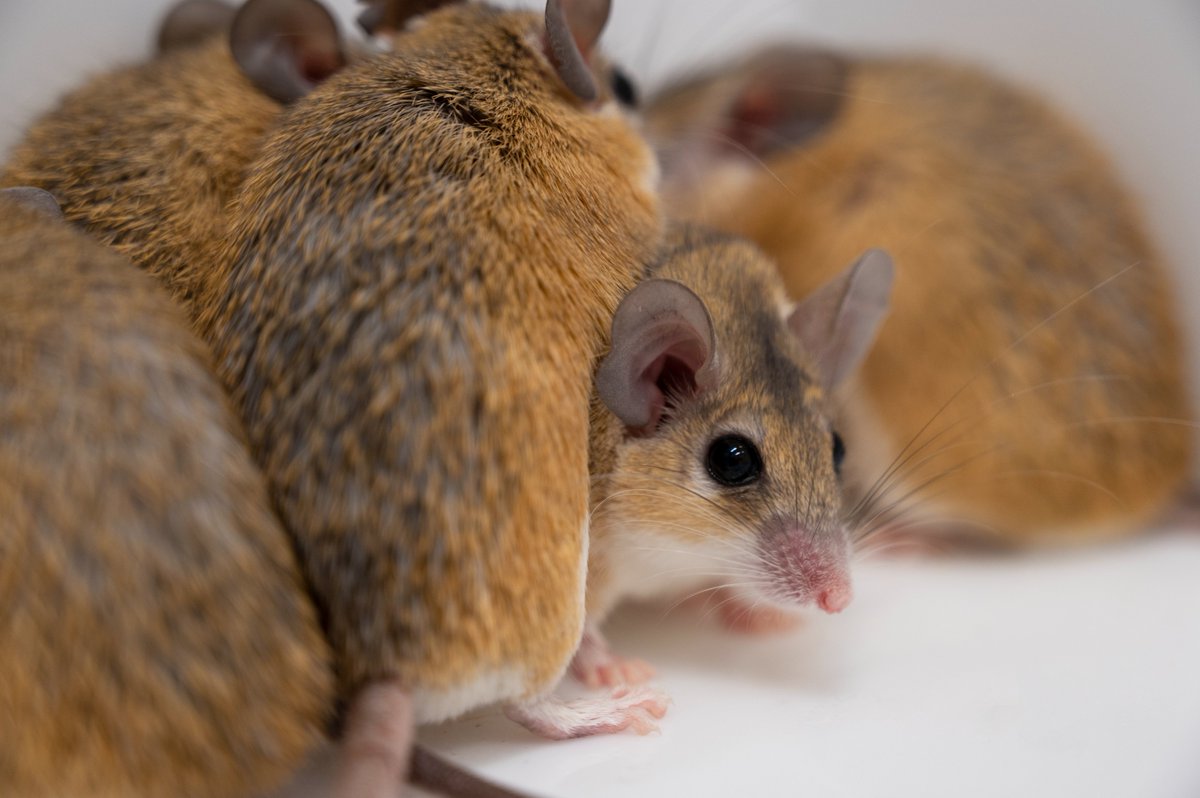
The latest from the lab is out now in @CurrentBiology! Led by the amazing @BrandonFricker, with help from @muruganmalu, we identified a neural circuit that facilitates affiliative peer-group preferences in spiny mice. @EmoryUniversity
sciencedirect.com/science/ar…
4
20
86
10,334
Eric Schuppe retweeted

9 Sep 2024
Out now in @CurrentBiology, our new paper identifies an olfactory receptor that mediates male attraction to females, but enforces avoidance of parental care. A thread that leads to an unexpected twist in regulation of social behavior! cell.com/current-biology/ful…
4
36
122
11,847
Eric Schuppe retweeted

27 Aug 2024
Tiny D. cerebrum produce super-loud clicks and now Antonia Groneberg @benjulab & co reveal how the cartilage hammers that hit the swim bladder develop. In addition, even 6-week-old fish click at full speed; they don't need to practice
journals.biologists.com/jeb/…
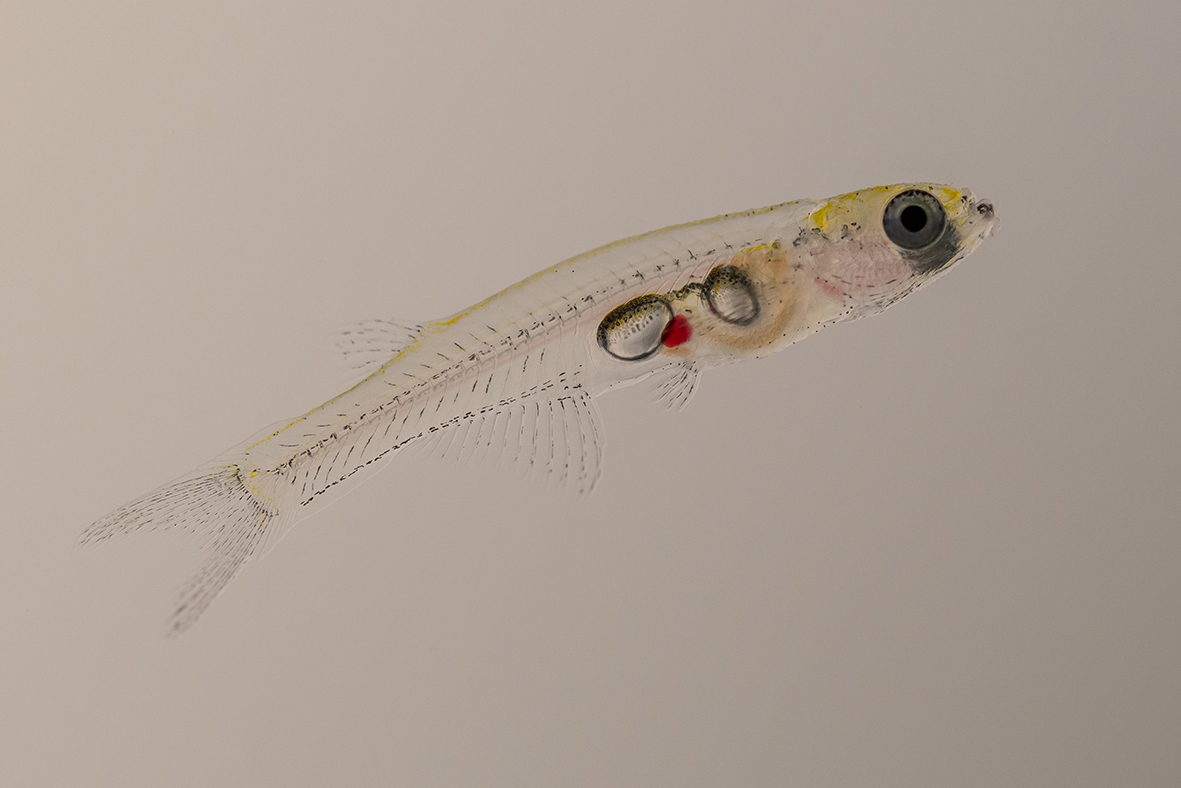
ALT A photo of a transparent male Danionella cerebrum showing the swim bladders (silver structures in the middle of the body) that produce the clicks when the hammers impact then and the muscles (yellow), around the top of the front swim bladder, that drive the hammer impacts. Photo credit: Mykola Kadobianskyi.
3
11
59
4,992
Eric Schuppe retweeted

26 Aug 2024
Super excited to share my postdoc work investigating how mating and parental behaviors evolve using wild species of mice combined with single nucleus RNA-sequencing of the hypothalamus 🐭🧠🧬!
biorxiv.org/content/10.1101/…
3
22
70
12,561
Eric Schuppe retweeted

25 May 2023
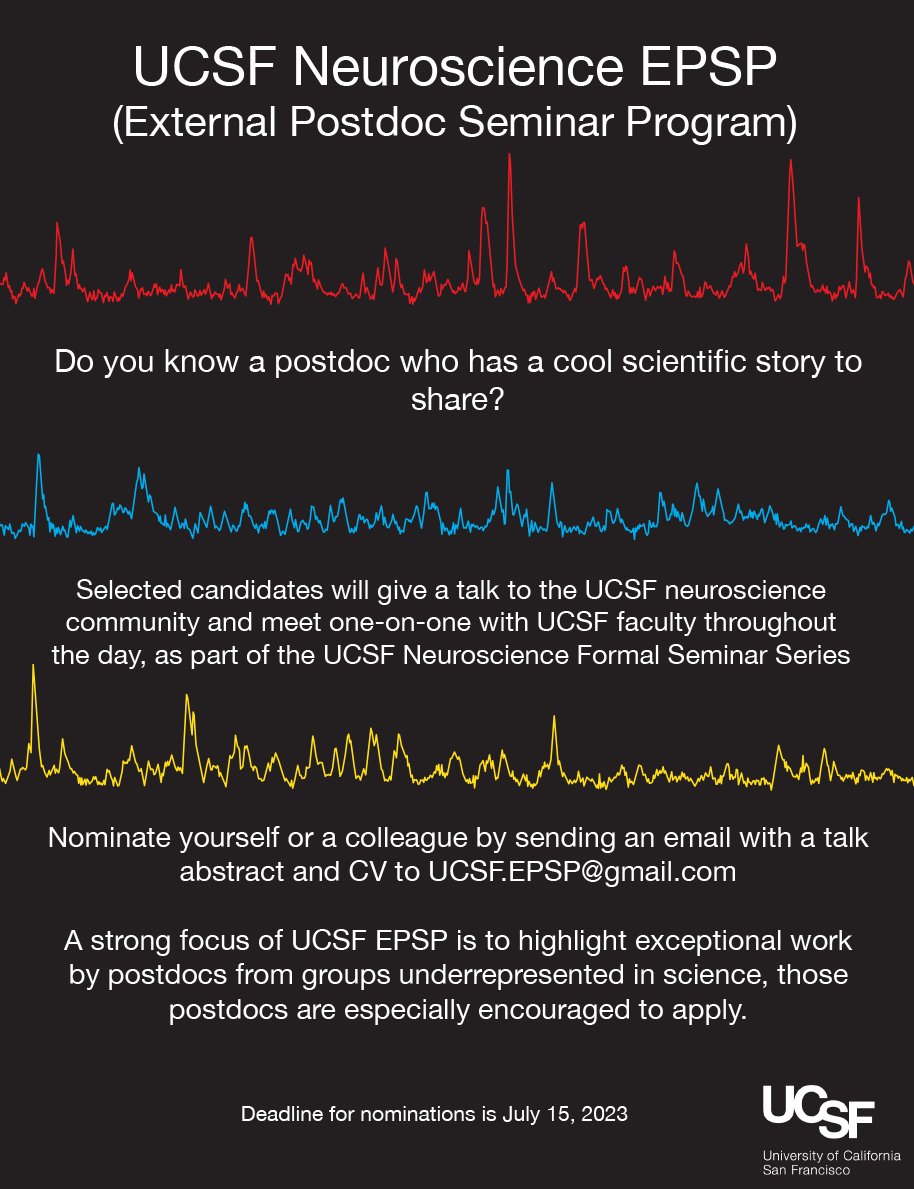
We are super excited to host the next round of UCSF EPSP talks! Postdocs, come give a talk in the 2023-2024 @UCSFNSGrad Neuroscience Formal Seminar Series. Great opportunity to show off your work and meet the UCSF neuroscience community. Please share with great candidates and RT!
3
98
169
80,764
Eric Schuppe retweeted

15 Jul 2024
I just learned that Harvey Karten passed away.
As a PhD student writer for @NeuWriteSD, I had the honor of interviewing him in 2015. His candor & passion left a huge impact on me -- even as an emeritus professor, he was still obsessed with brains.
neuwritesd.org/2015/04/30/bi…
3
8
29
6,279
Eric Schuppe retweeted

16 Jul 2024
A bit late, fun Friday evening with some of the Bay Area 2023 @LSRFdtn fellows. Eagerly waiting to meet up with the whole crew next year!

2
1
14
852

16 Jul 2024
Super cool working going on in @LOB_SU with @whisperina (in vivo imaging mol bio techniques) to understand parent-offspring interactions! Send your talented undergrads their way.
16 Jul 2024

@LOB_SU is hiring a technician to join me in the adventure of understanding poison frog tadpole brains!! ✨🧠🐸 JOIN US!! Or send to someone who can!! Please and thank you!!🥳
bit.ly/467ZJBQ
1
1
613

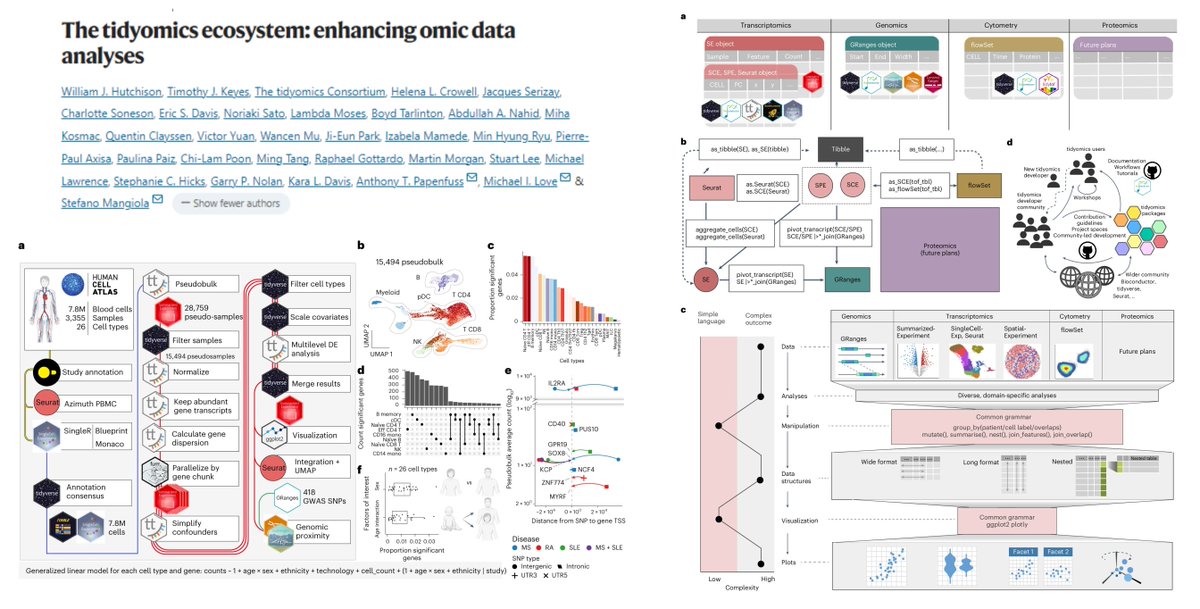
#TidyOmics
Harmonizing different omics packages with a common R syntax/grammar
tidySpatialExperiment "provides specialized operations such as gating based on geometric & hand-drawn shapes"😍
@hutchisonwj0 @timothykeyes @TonyPapenfuss @mikelove @steman_research @naturemethods 2024
nature.com/articles/s41592-0…
2
43
187
33,111
Eric Schuppe retweeted

25 May 2024
Our paper, Crows ‘count’ the number of self-generated vocalizations, is out! With this amazing team (@KatharinaBrecht, @lena_veit, A_Nieder), we uncovered that crows are able to control the number of vocalizations produced.
science.org/doi/10.1126/scie…
2
45
109
20,455
Eric Schuppe retweeted

23 Apr 2024
A genomic basis of vocal rhythm in birds | Nature Communications nature.com/articles/s41467-0…
2
20
65
5,033