
Trade and macro economist, policy-researcher, commentator, and failed squash star in Manila. Views expressed are mine, not my employer's.
Joined March 2012
- Tweets 9,003
- Following 1,105
- Followers 6,959
- Likes 17,756
877 Photos and videos


Gonzalo Varela retweeted

Jun 11
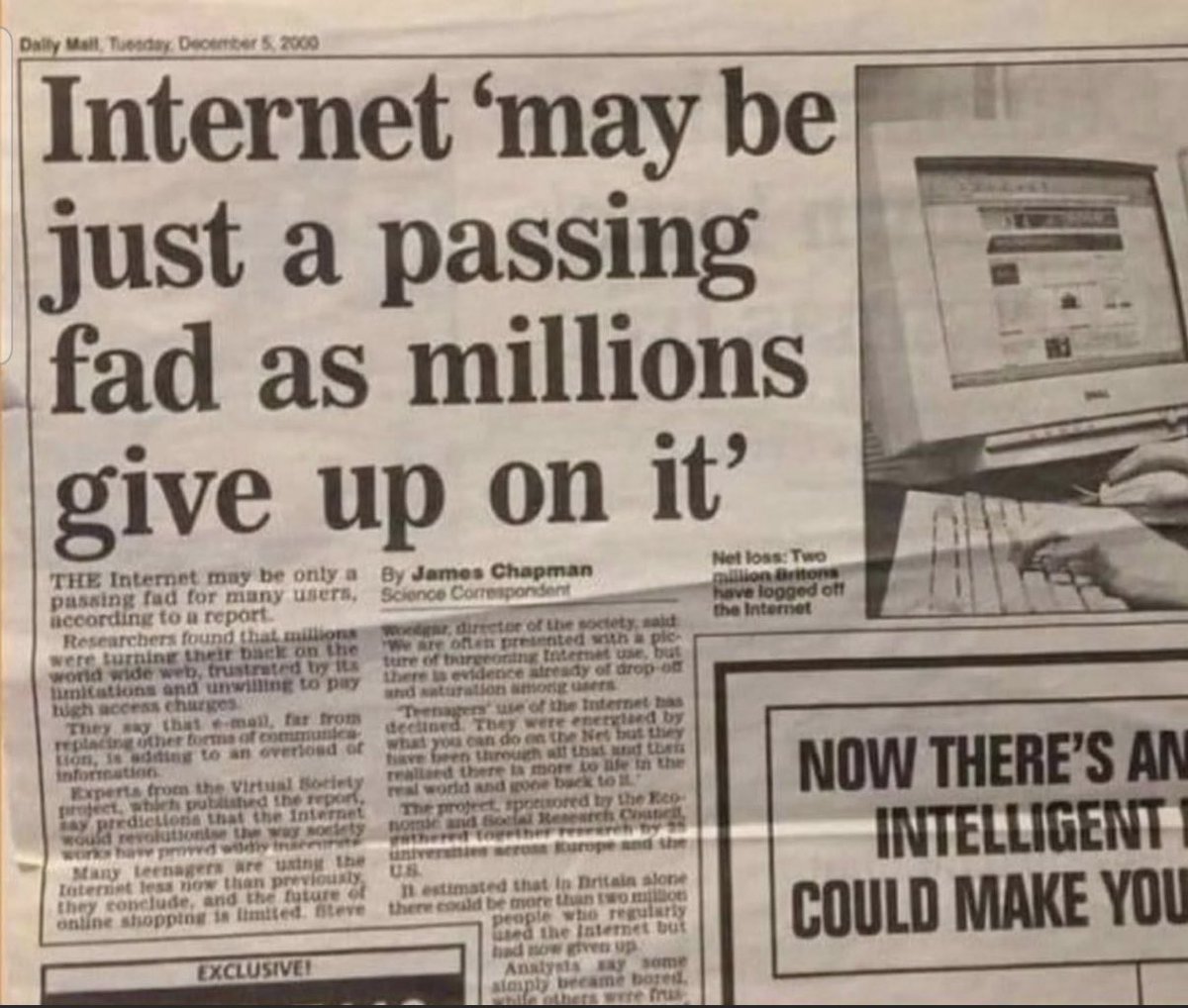
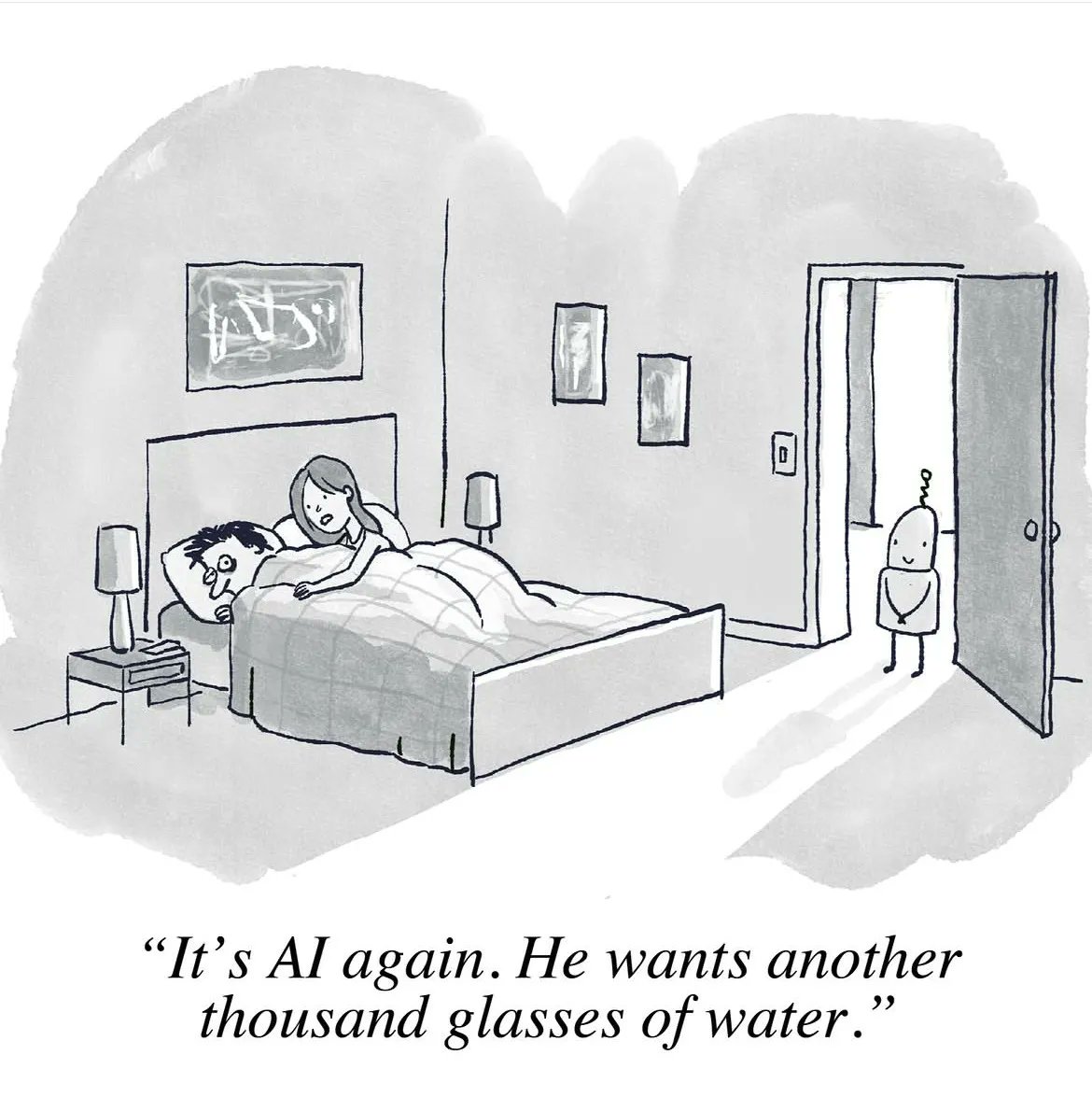
New Yorker recently. This idea will never die.
86
4,000
66,767
1,022,109

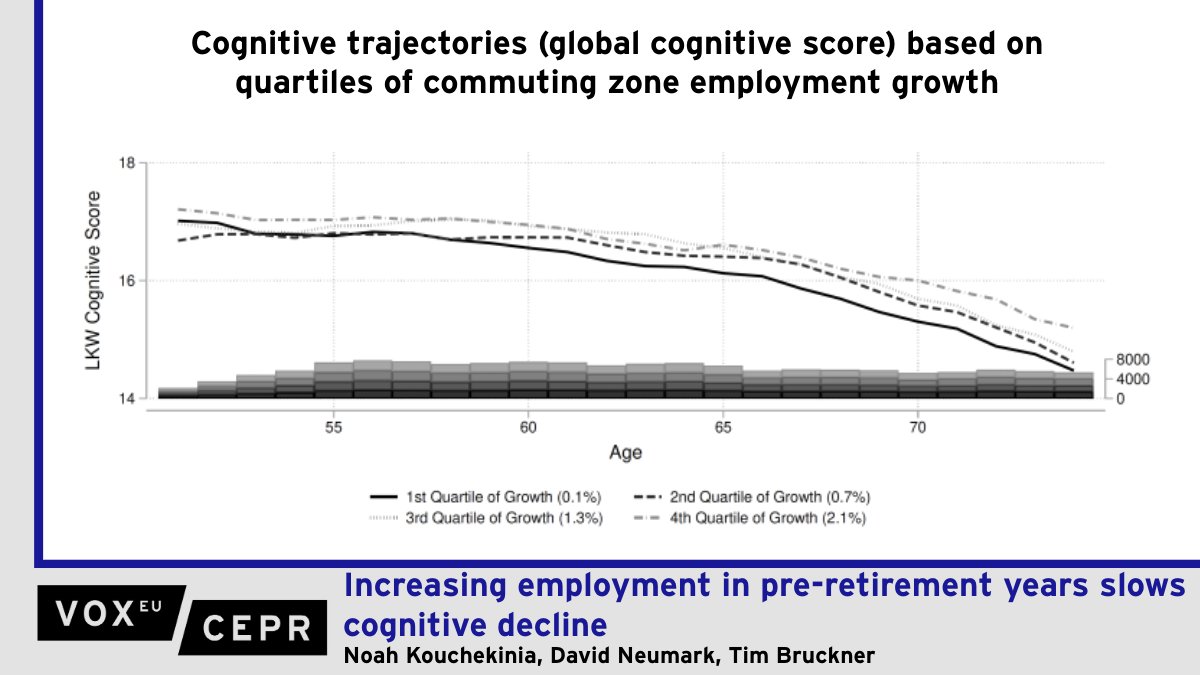
Increasing employment in pre-retirement years slows cognitive decline
Noah Kouchekinia, David Neumark @NeumarkEcon, Tim Bruckner @UCIrvine
ow.ly/rSHV50Z9LgA
4
12
1,684
Gonzalo Varela retweeted

Jun 10
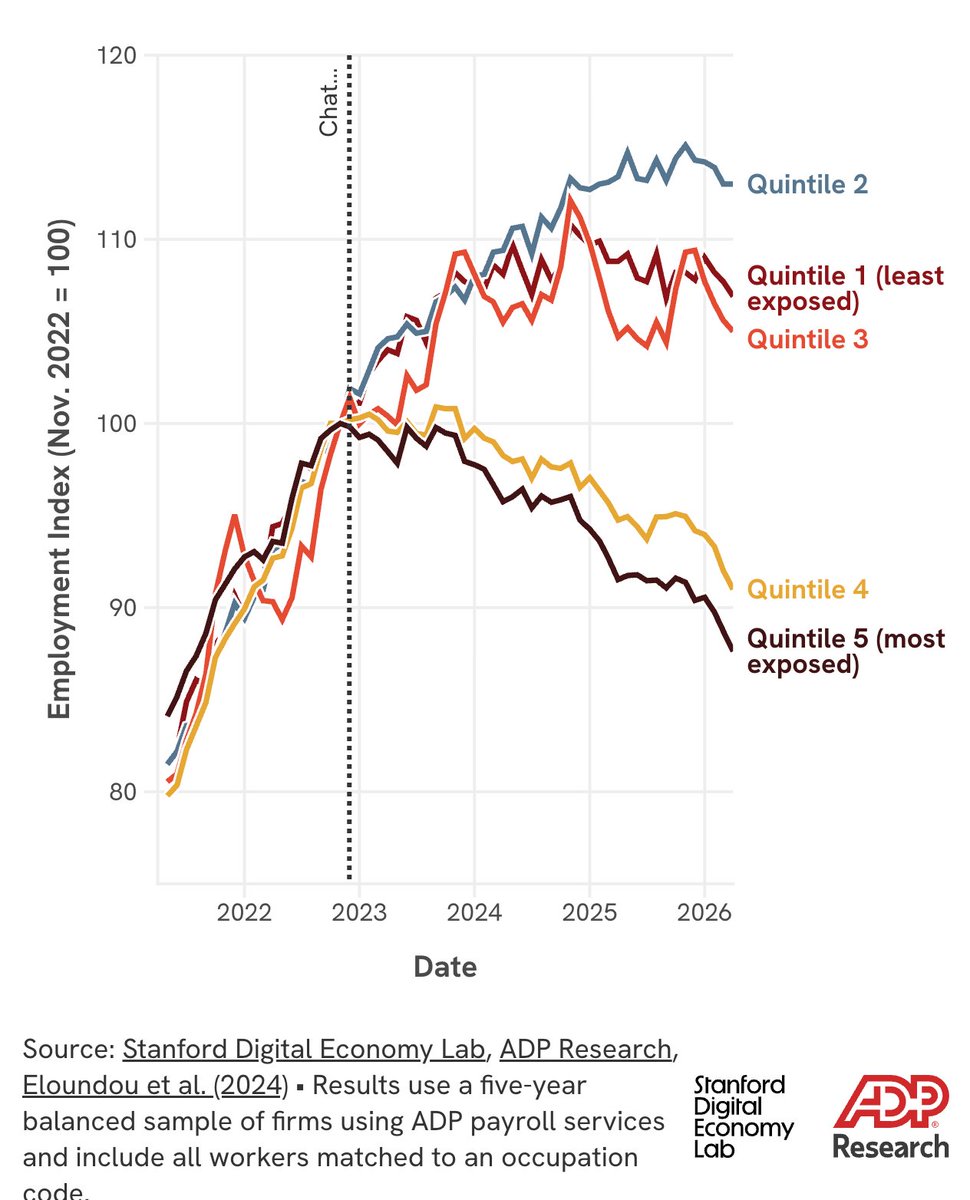
Today, the Stanford @DigEconLab launches the AI Economic Indicators, a new platform for tracking how AI is reshaping work, productivity, adoption, and the economy.
1/6
35
305
1,007
241,593
Gonzalo Varela retweeted

Jun 9
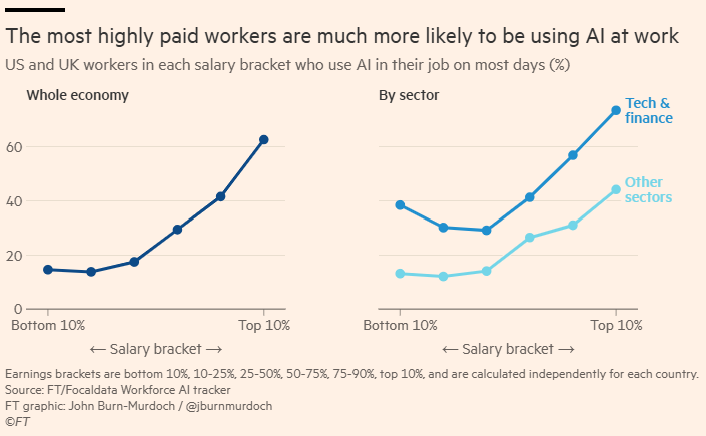
Dear followers,
Please see this discussion on AI and future work between myself, @deanwball @emollick and @clarashih
Somehow, I was again the least optimistic person in the debate.
In the Hybrid A.I.-Human Work Force, Who Will Actually Thrive? — NYT nytimes.com/2026/06/09/magaz…
7
66
258
33,733

Jun 9
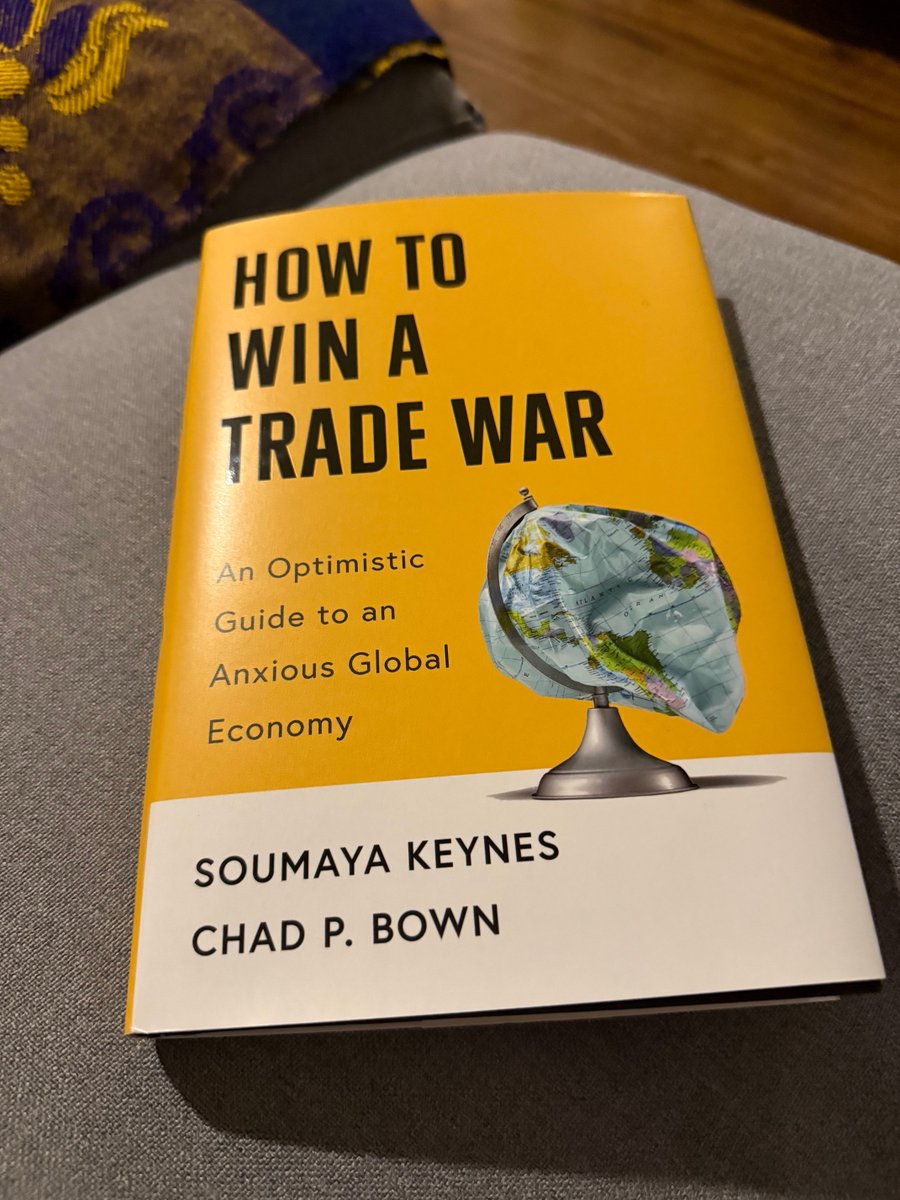
Good this one made it to #Manila, #Philippines. In the middle of all these discussions on #PaxSilica, @SoumayaKeynes and @ChadBown’s #HowtoWinaTradeWar seems appropriate reading.
2
6
1,696
Gonzalo Varela retweeted

Jun 7
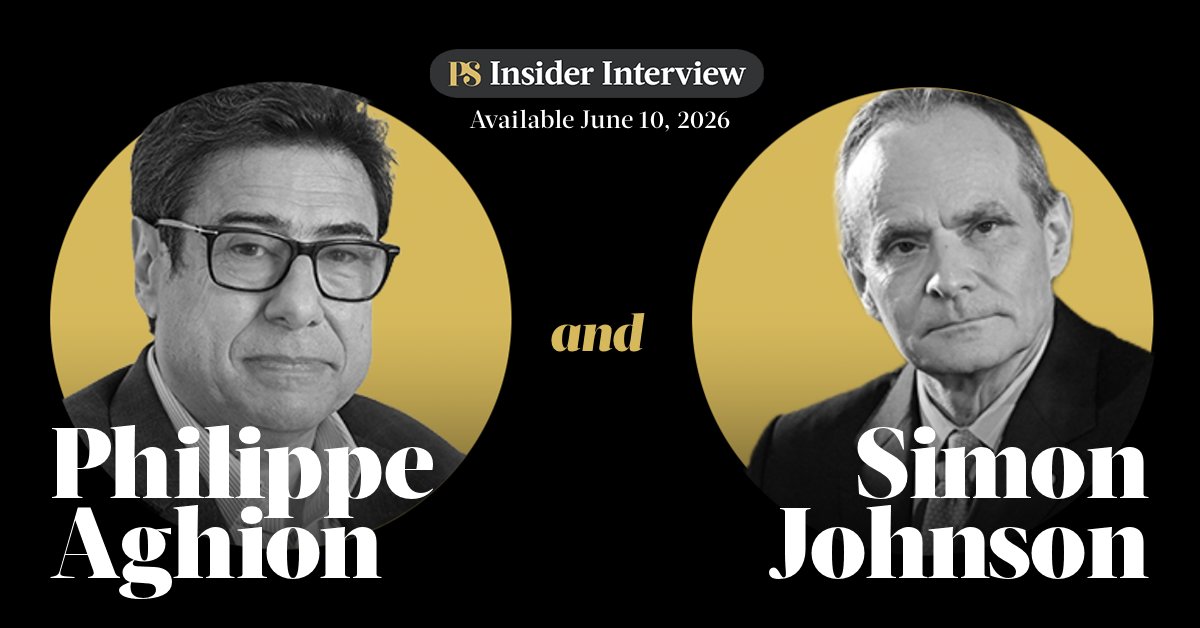
Does AI mark the death of creative destruction?
Nobel laureate @Ph_Aghion worries that Google, Microsoft, and Amazon could become so dominant in the age of AI that they kill the competitive forces that once enabled their own rise. Together with fellow laureate @baselinescene, he explores that challenge in our next Insider Interview.
Subscribe to the PS Longer Reads & Interviews newsletter so you don’t miss it: bit.ly/4v1A0Xz
10
22
2,129
Gonzalo Varela retweeted

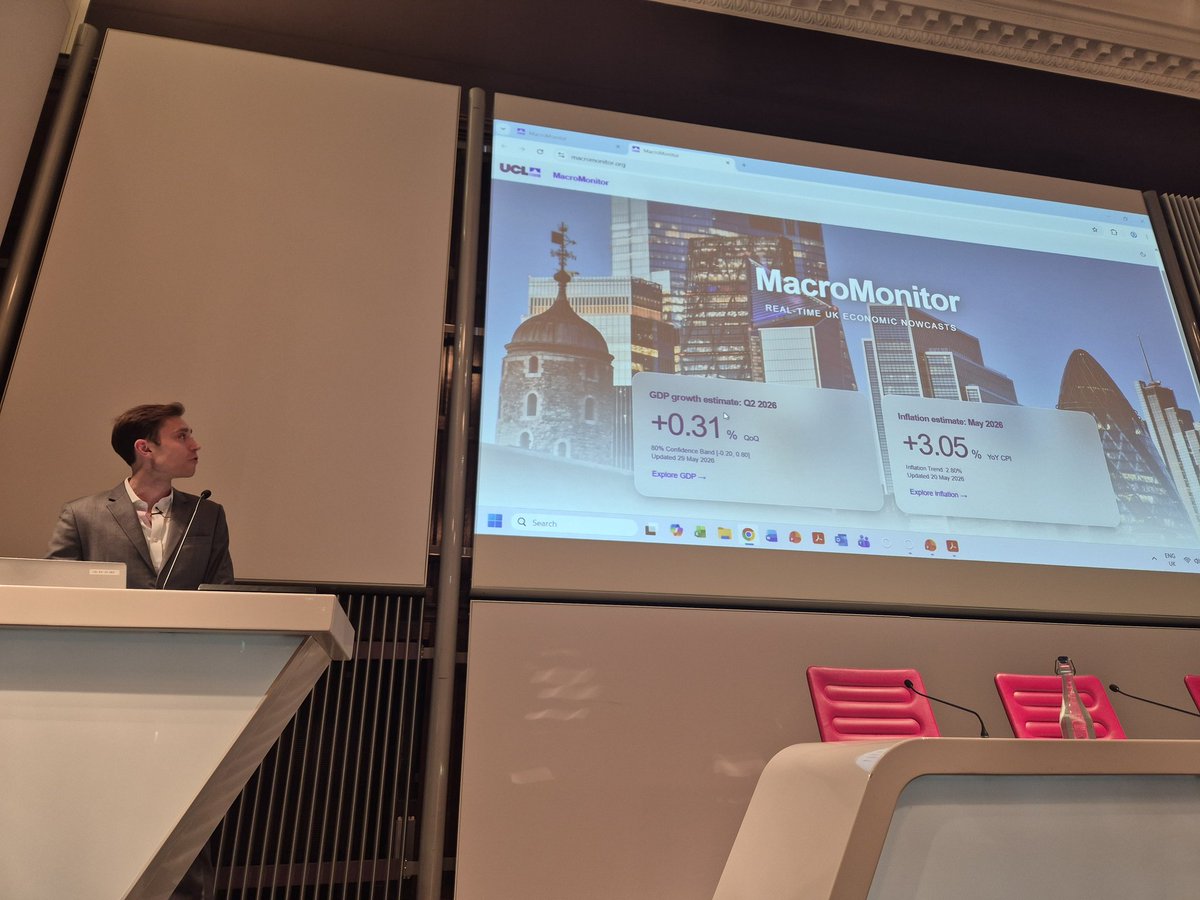
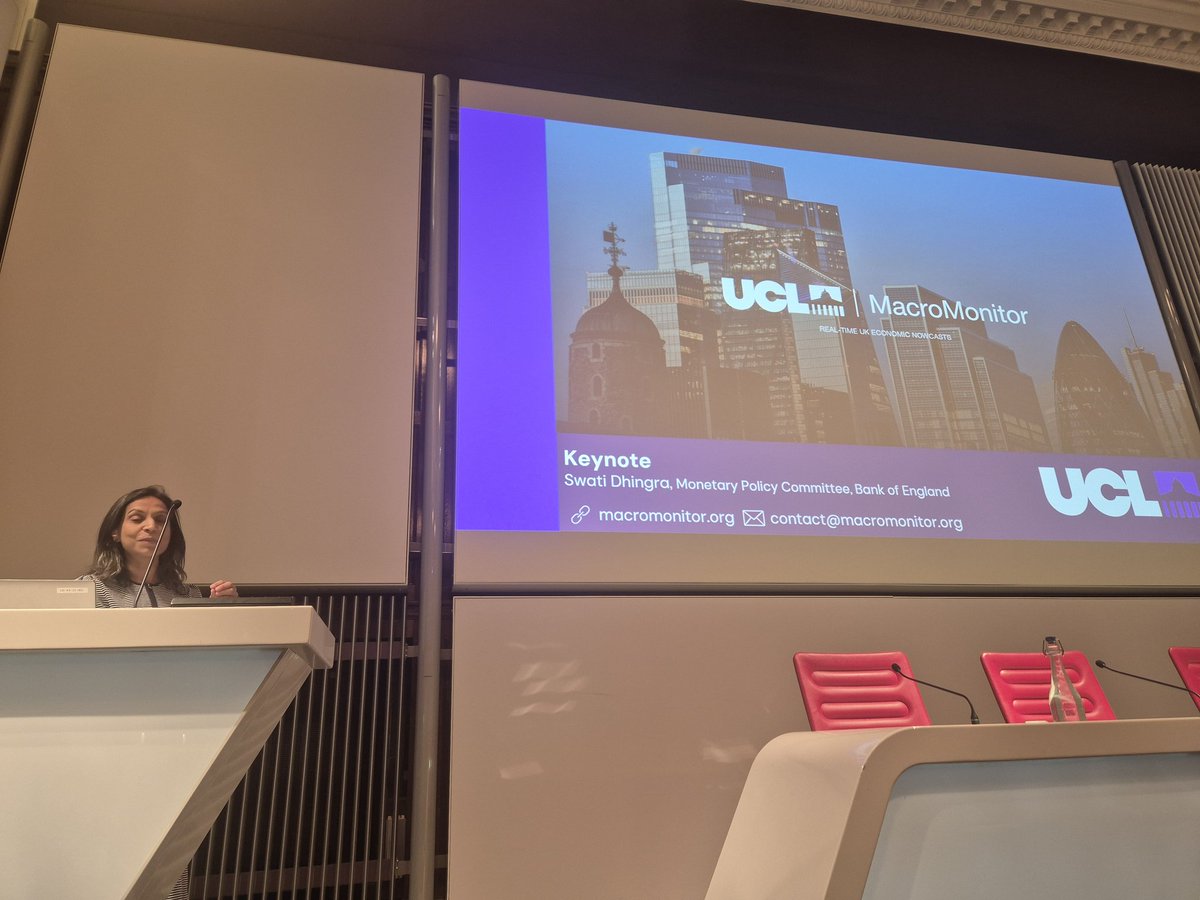
Today @EconUCL has launched macromonitor.org/ -- a free, cutting edge, transparent and v frequently regularly updated tool for nowcasting UK GDP and CPI. Congrats to my colleagues on a great public good and thanks to @swatdhingraLSE for a great keynote! @UCLPolicyLab

1
12
51
6,960
Jun 5
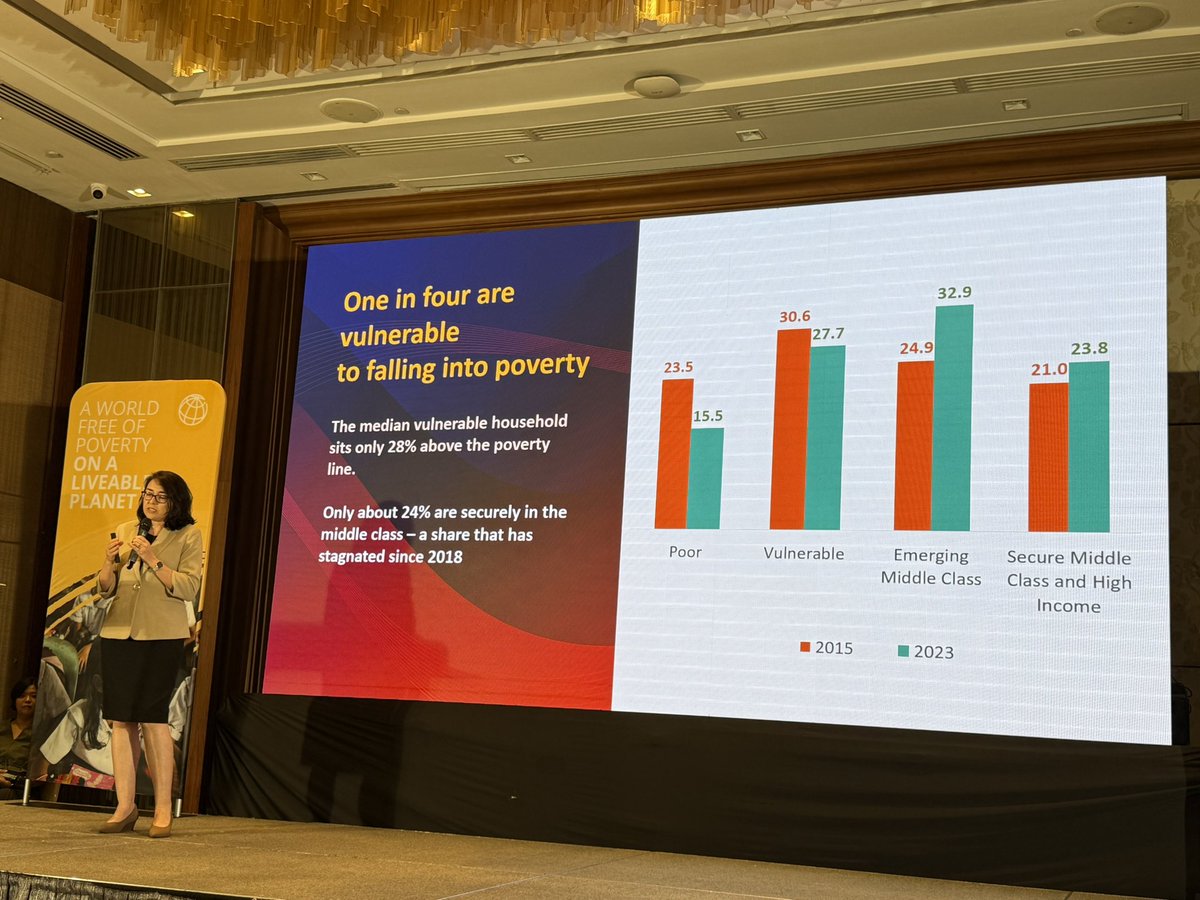
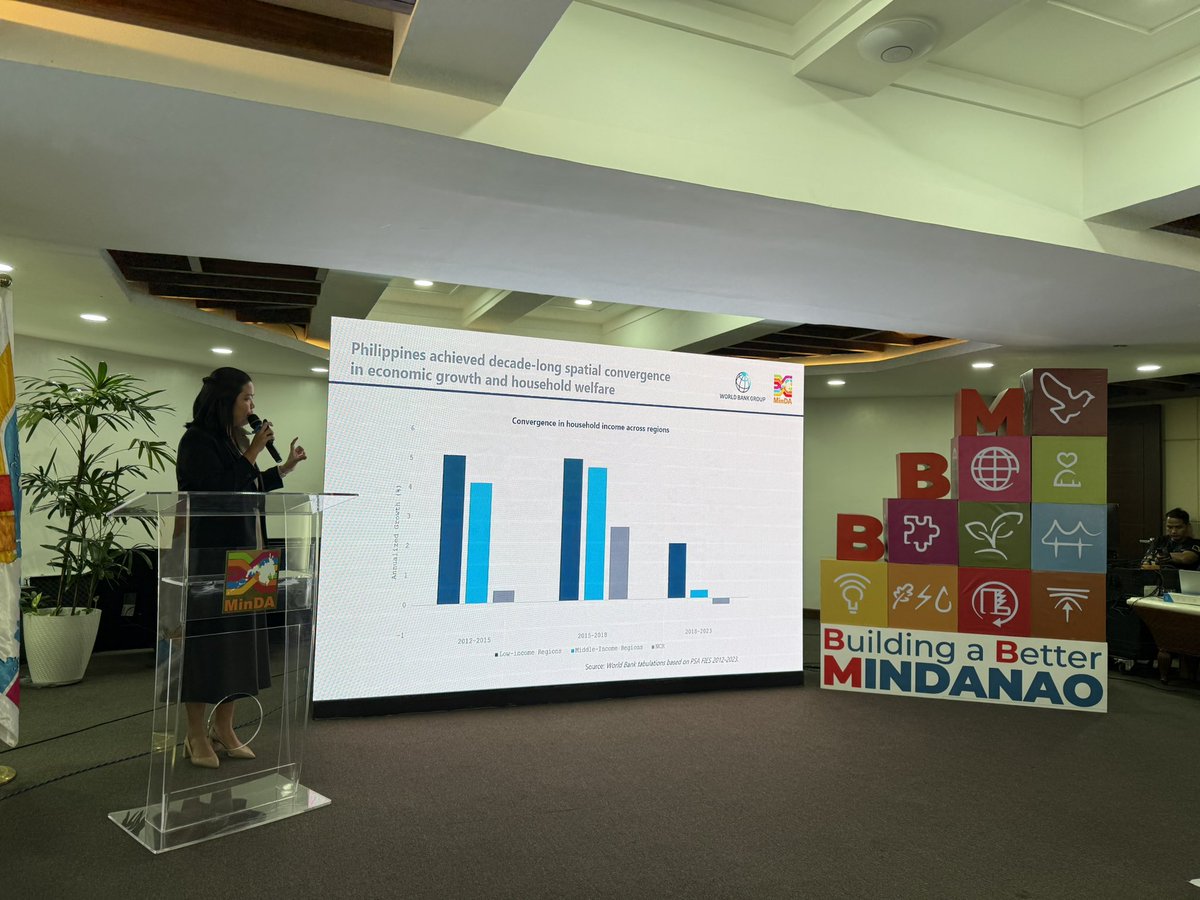
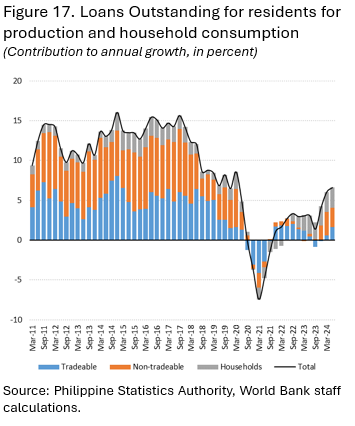
Liliana is presenting #Philippines Poverty and Equity Assessment @WB_AsiaPacific
Poverty reduction has been impressive, but 1/4 Filipinos remain at risk of falling back into #poverty.
1
81
Gonzalo Varela retweeted
Jun 3
Bad data is the real AI problem fastcompany.com/91552715/bad…
1
8
20
3,577
Jun 3
Jun 2

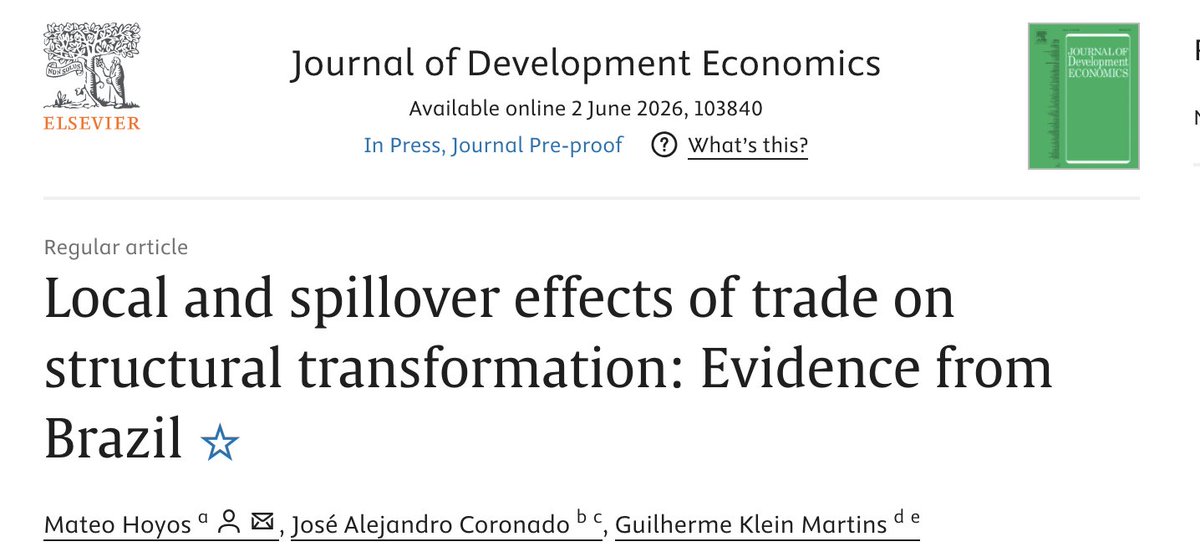
Enough with the bleak local politics for a minute. Very excited to share that pre-proofs are out for our JDE article, “Local and Spillover Effects of Trade on Structural Transformation: Evidence from Brazil,” with @JosecoronadoAr and @GuilhermeKlei11. Thread below. 1/9
1
1
4
1,460
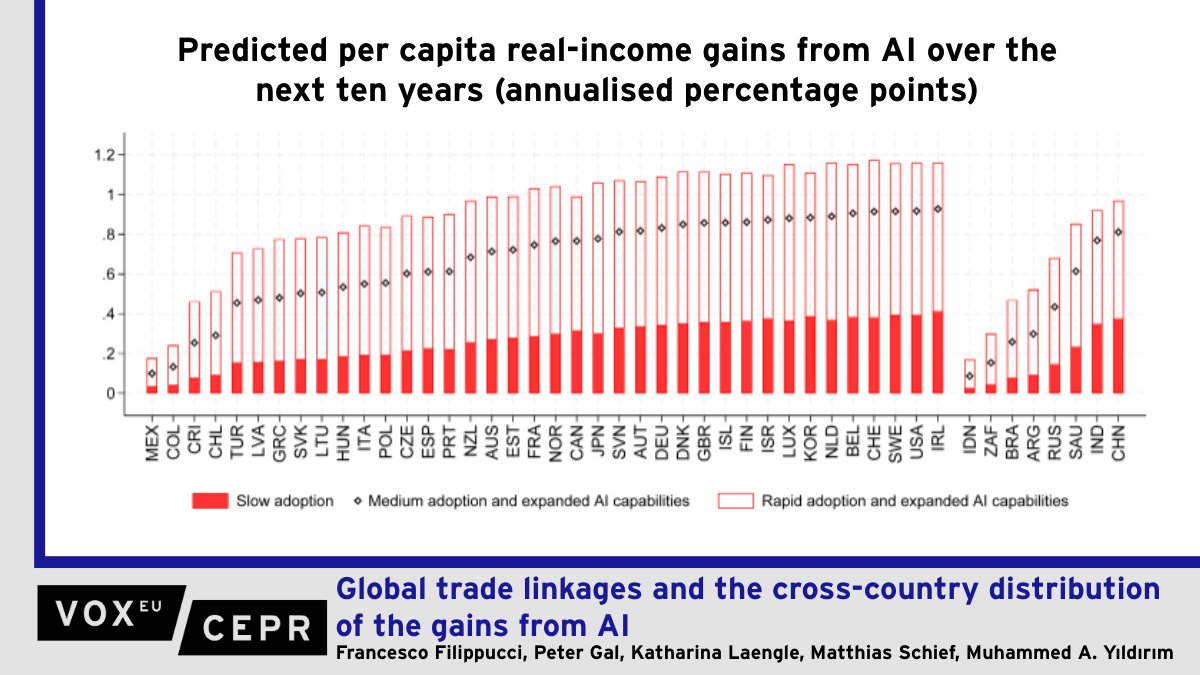
Global trade linkages and the cross-country distribution of the gains from AI
@f_filippucci, @P_N_Gal, Katharina Laengle, Matthias Schief @oecdeconomy, Muhammed A. Yıldırım @Harvard @HarvardEcon @BrownUniversity @kocuniversity
ow.ly/z82150Z50Pf
5
7
1,069
Gonzalo Varela retweeted

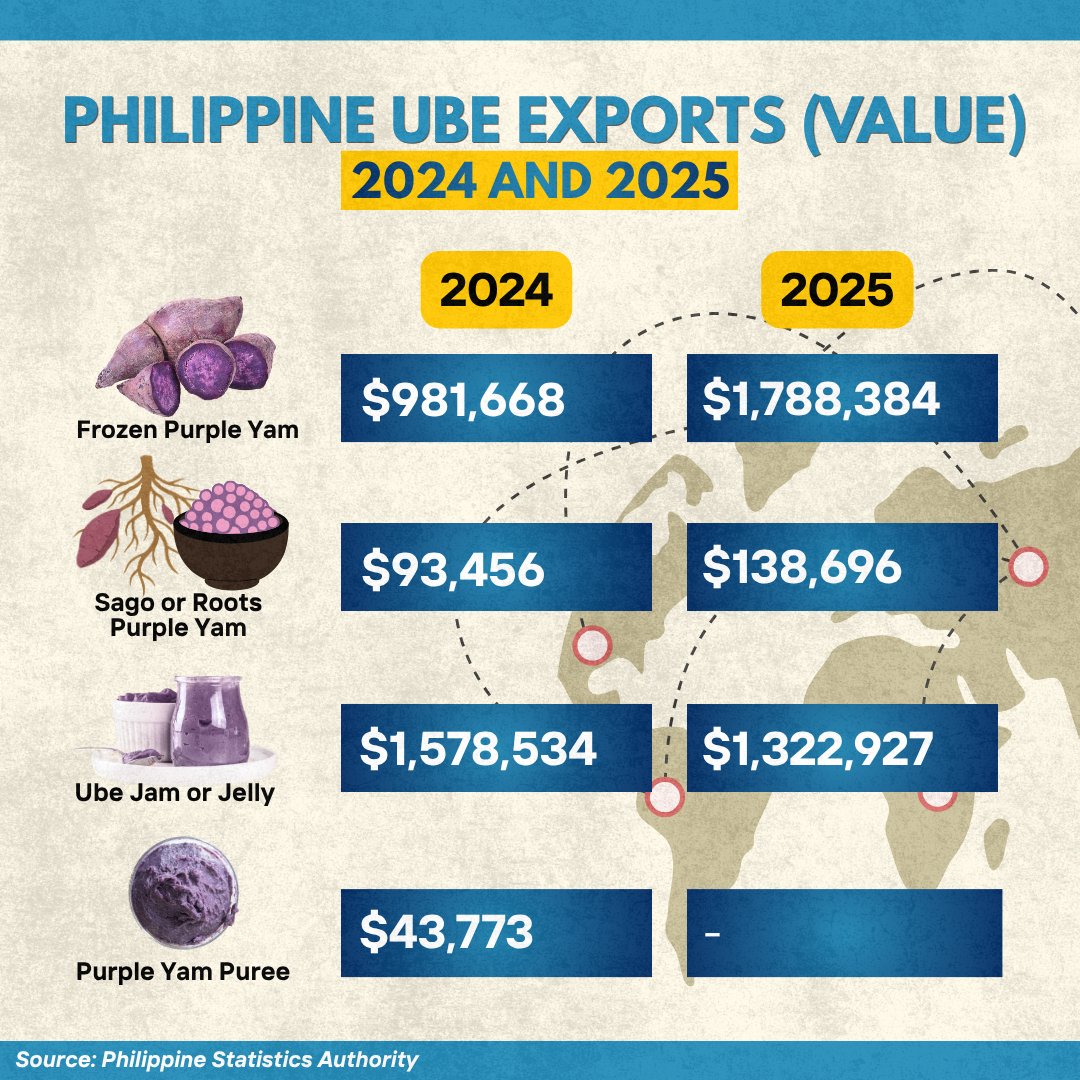
A THREAD: By now, ube means multiple things: the next Matcha, the rising export star, global craze, among others.
@PhilippineStar published a four-part special report that explores and tackles the status of the country's ube industry beyond the buzzwords and headlines.
2
36
86
3,068

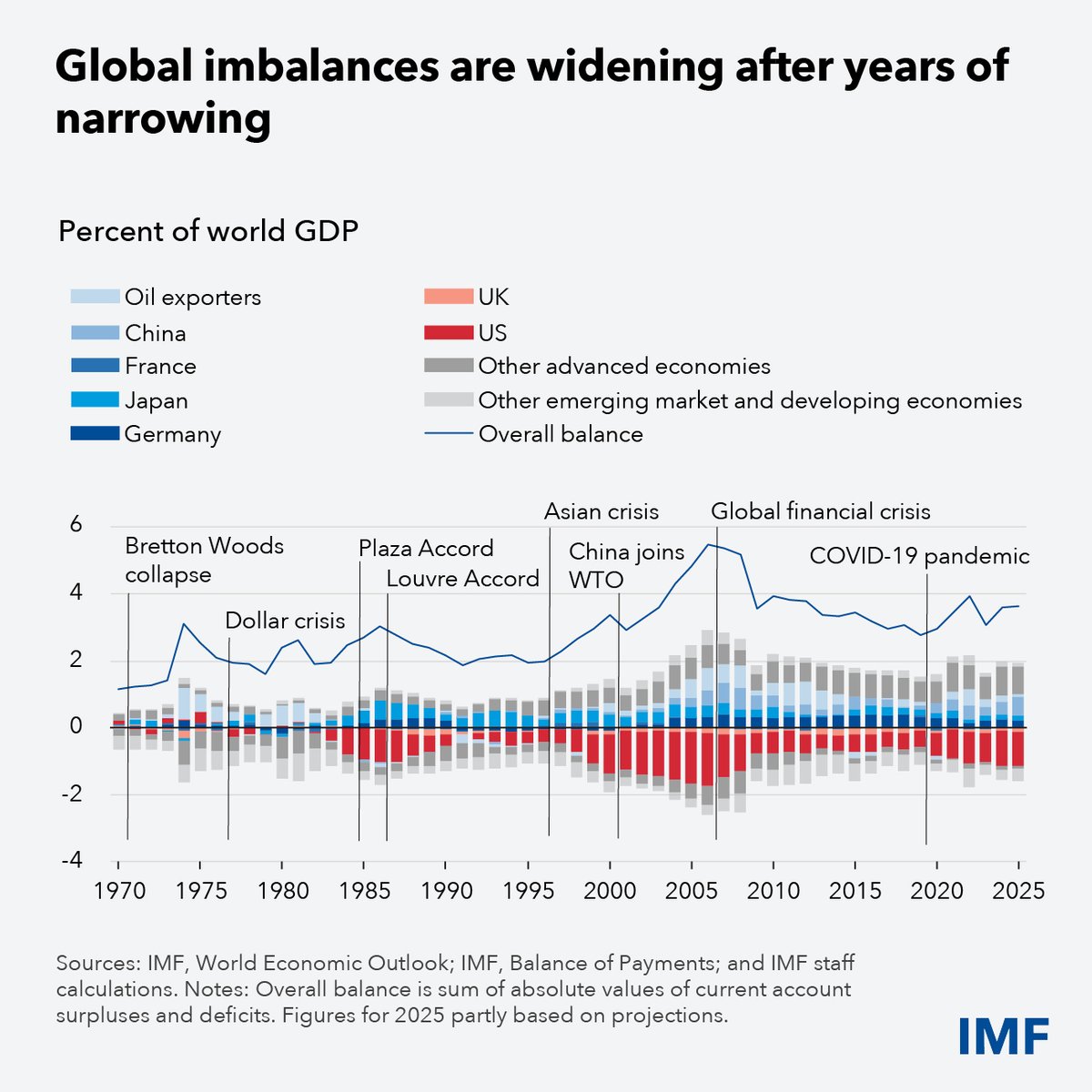
The gap between countries running large trade surpluses and those running large deficits is growing. Sound domestic policies, not trade barriers, remain the path to durable rebalancing. See our blog for more. imf.org/en/blogs/articles/20…
23
111
290
39,898
Gonzalo Varela retweeted

May 24
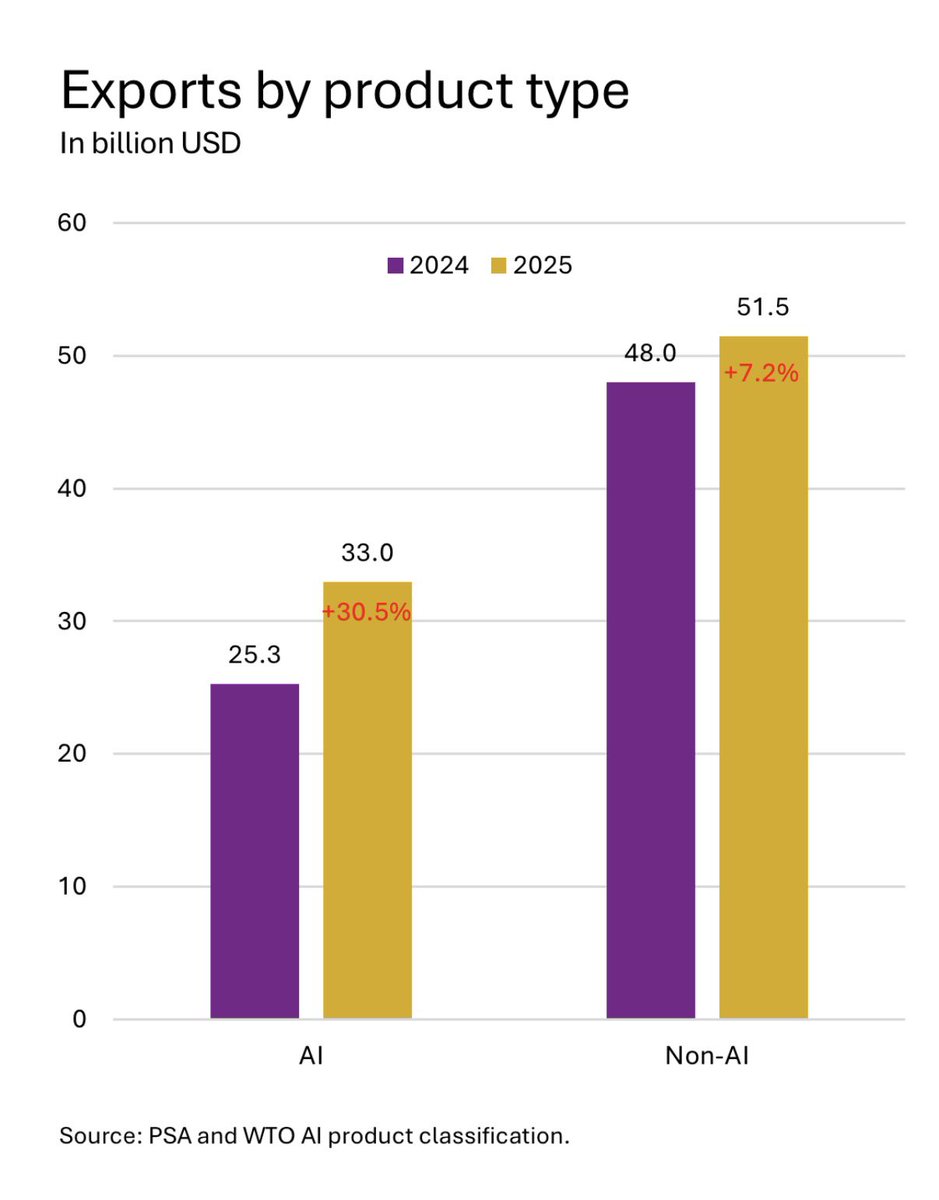
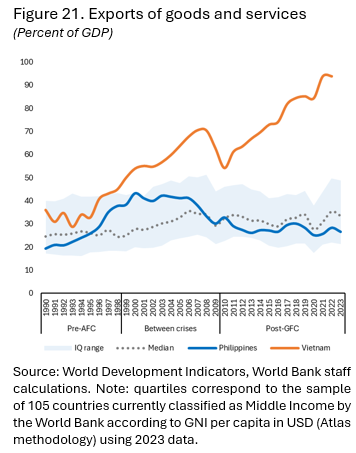
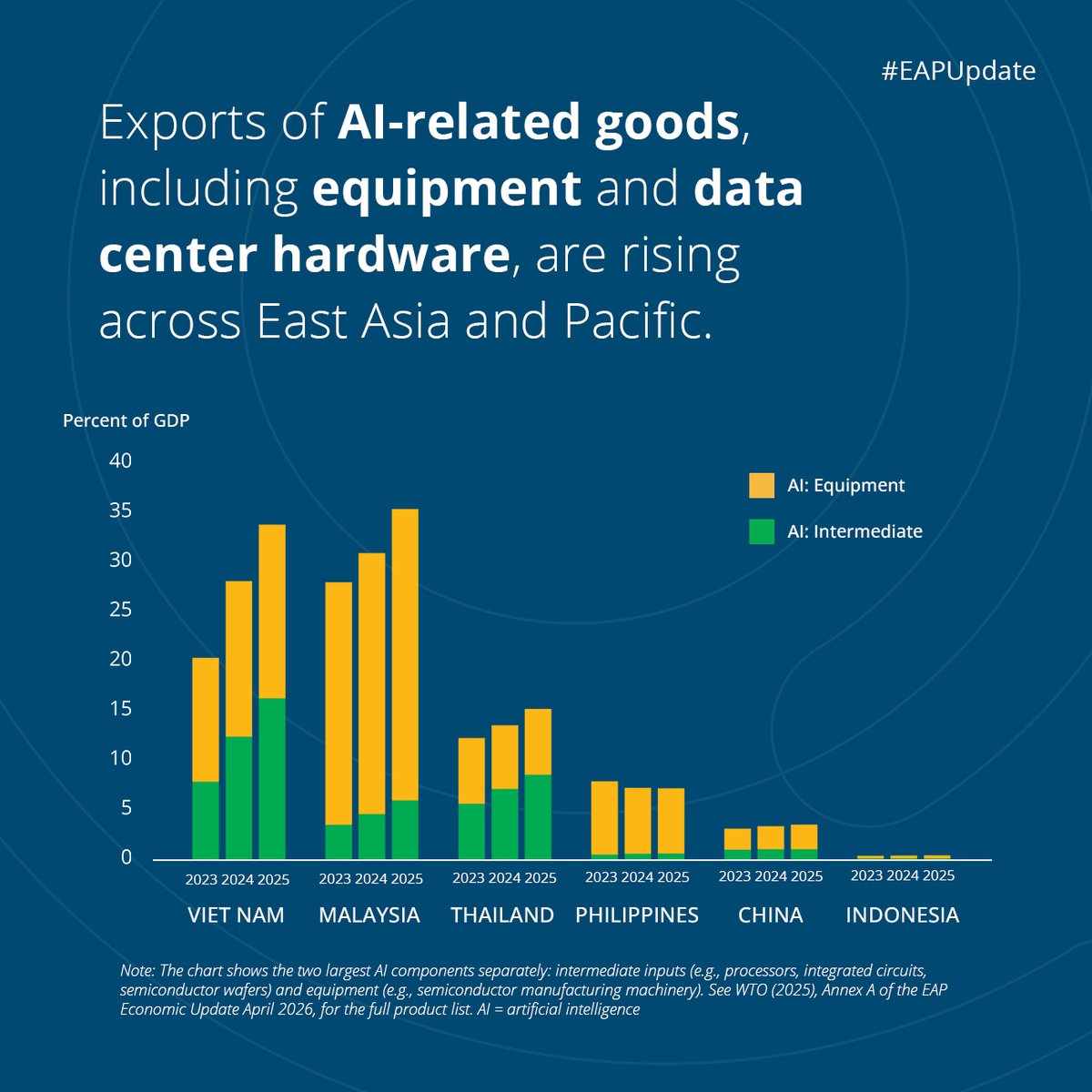
Surging AI-related exports and investment were a bright spot in the East Asia and Pacific region in 2025, especially in Malaysia, Thailand, and Viet Nam.
Learn what it will take for the region to unlock AI’s full potential: wrld.bg/vl9n50Z2q2K #EAPUpdate
9
17
53
6,082
Gonzalo Varela retweeted
May 25
Energy is not just infrastructure.
When we power a home, a business, or a hospital, we aren't just providing electricity—we are powering growth.
Learn how #Mission300 is creating jobs & opportunities for millions across Sub-Saharan Africa: wrld.bg/rf3I50Z2t3B #PoweringAfrica
5
24
43
7,079
May 25
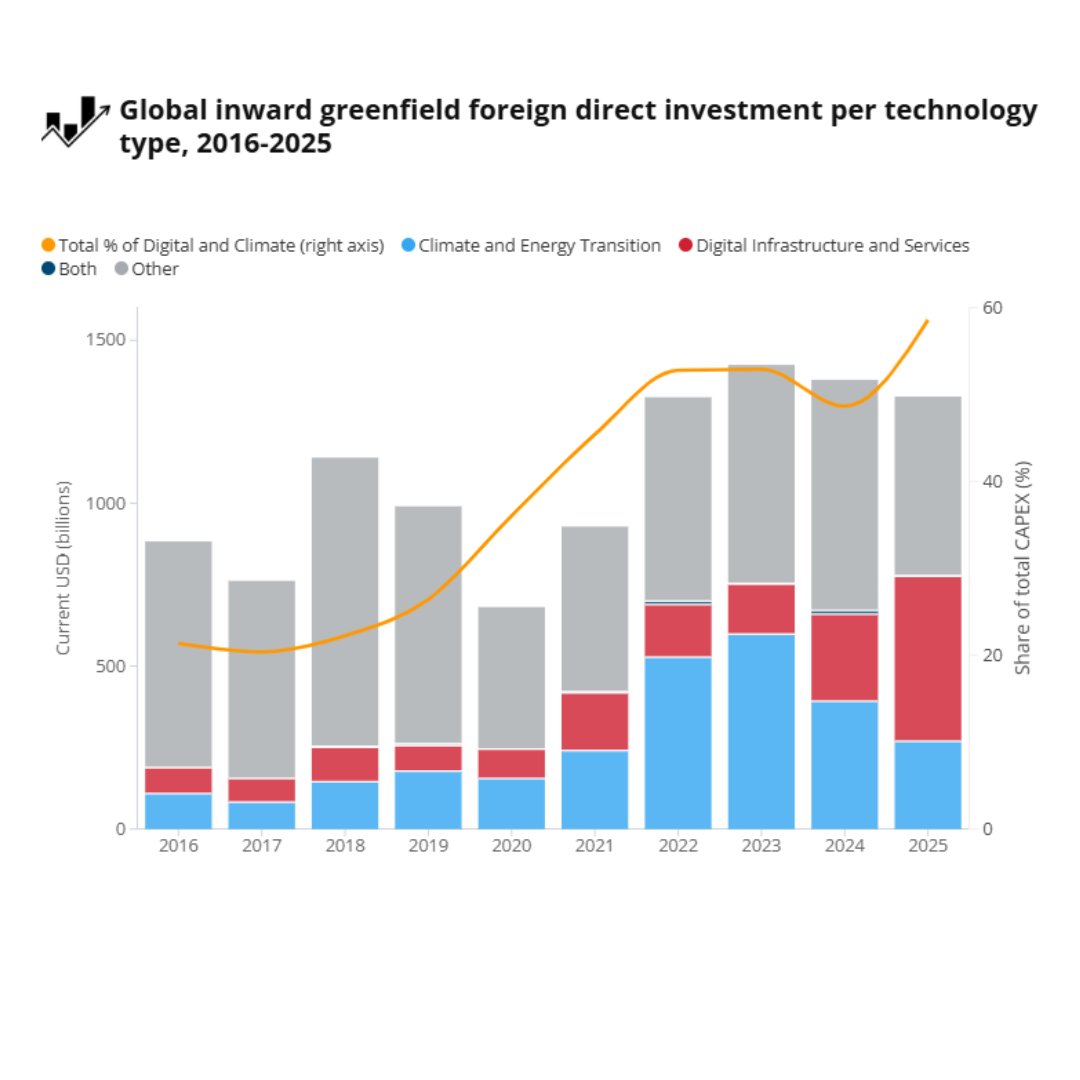
The growth in the importance of #digital infra & services investment is staggering.
May 25

Where is global investment heading?
See what the data reveal about digital innovation and the energy transition. wrld.bg/SSB550YQJFn
185
May 25
In an environment of dwindling public resources and mounting uncertainty, the central question is how to protect the public investments that promote growth and jobs. blogs.worldbank.org/en/voice… via @worldbank
82
Gonzalo Varela retweeted

NEW EPISODE: While Chinese exports of electric vehicles to Europe flood the headlines, developing countries suffer silently from another problem caused by China's trade. This week, @arvindsubraman joins to explain.
tradetalkspodcast.com/podcas…
4
7
1,938
May 25
Great off-cycle chart (@BaldwinRE didn't post it as a factful Friday ;-)). On this topic, also worth listening to @arvindsubraman with @ChadBown @Trade__Talks
x.com/Trade__Talks/status/20…

1
1,249
Gonzalo Varela retweeted

May 24
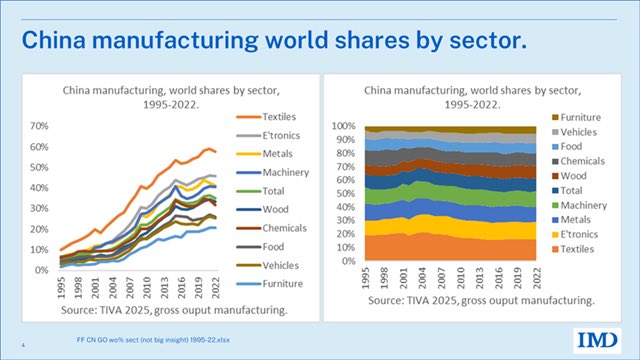
Here are the China dominance shares by sector 🔗 open.substack.com/pub/rbaldw…
May 24

There are two theories of how this came to pass
1. cunning quest for world domination
2. Unwillingness/inability to curb the waste caused by messed up domestic incentives
I’ve always thought that 2 was closer to the truth. But China’s weaponisation of other trade flows is going to be pushing more and more people toward 1
3
12
50
8,050