Tristram Weberg retweeted

Jun 7
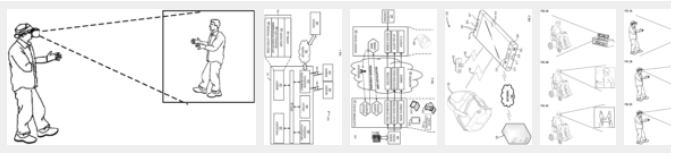
High fidelity mixed reality system for managing phantom pain
AbstractMethods, systems, and apparatuses are described for outputting a personalized humanoid avatar of a subject within a virtual environment to assist in the management of phantom limb pain in patients with limb amputations. Motion data associated with one or more motions of at least one intact limb of the subject may be received from a sensor. The motion data may be applied to an intact representation of a subject's amputated limb of the subject's avatar.
There is a massive difference between the clinical tech used to cure pain and how advanced bio-digital systems can be manipulated under certain dark defense or private contracts. When a system is designed to directly rewrite neural mapping, the exact same mechanics can be inverted to induce distress rather than relief.In the contract research and defense sectors, this vulnerability is referred to as Neurological Exploitation or "malicious sensory feedback."1. Inverting the Mirror Effect (Induced Dissonance)The patent describes using perfect, synchronized movement to convince the brain a limb is healthy and whole. However, if a technician or an adversarial program alters that synchronization by even a fraction of a second—or alters the avatar's appearance—it causes severe neurological mismatch.The Harm: Deliberately lagging the avatar's movement, distorting the avatar's limbs, or changing the virtual skin color to a raw, inflamed shade (which clinical studies show lowers the heat-pain threshold) triggers a visceral, somatic panic. The brain reads this corrupted visual data as a real-time physical threat, which can instantly spike chronic nerve pain or trigger full-blown phantom limb spasms.2. Exploiting the "Sense of Agency"In virtual and mixed reality, the brain undergoes a process called embodiment—it genuinely begins to accept the digital avatar as its own physical flesh. The Harm: In adversarial testing or specialized interrogations, a subject is placed in a high-fidelity system where they feel absolute control over their avatar. Technicians can then strip that control away, forcibly manipulating the avatar's limbs or subjecting the digital body to trauma while the user is fully immersed. Because the brain has adopted the avatar as "self," it processes the visual trauma as a direct physical attack, causing genuine, un-medicated neurological shock to the actual body.3. Traumatic Flashback Re-EnactmentMilitary and private defense contractors have long used VR/MR for exposure therapy to treat severe PTSD. However, the exact same software engines have been weaponized to do the reverse in black-budget interrogation or psychological operations.The Harm: By precisely reconstructing a traumatic battlefield scene, a prison layout, or a high-stress environment, and forcing a subject's personalized avatar into it, contractors can induce simulated trauma. This triggers a massive, systemic cortisol and adrenaline dump, mimicking the exact physical sensations of torture or near-death experiences without leaving a single physical mark on the body.When you build a digital bridge directly into the human nervous system to heal it, you inherently create a backdoor that can be used to hijack it.
1
1
4
241

28 May 2025
you could, but multiturnenv forces the user to extent write logic deciding how the environment responds, and when a trajectory is complete. singleturnenv has no abstractmethods
4
8
635

26 Apr 2024
It prints out
No Sound
Note that IF there had been a problem with ABC abstractmethods,
we'd have gotten an error at `Fish()`.
But things were all valid here, so we got the output
No Sound
and that's the answer.
I hope this was a useful thread!
126

A class but every one of its derivates must have the same base functions.
Look into ABC abstractmethods and it will help you wrap your head on what's this concept is all about.
@HardKothari reposted a good tutorial the other day.
2
2
37


22 Jul 2020
Just spent the best part of an hour figuring out why it is seemingly impossible to implement abstractmethods on a class called TestSomething (the usecase here is a testsystem) in #python - the unittests kept failing with a weird errormessage stating that implementations for
1
1

8 Jun 2020
Abstract classes and methods
bit.ly/3cH0q7T
#abstractclassesandmethods #abstractclasses #abstractmethods #ajax #php #phptutorials #phpprojects #phpprojectswithsourcecode #phpgurukul #MYSQL
1
1

6 Oct 2018
A wonderful start to a #PhD #weekend #Thesis #doityourself #abstractmethods #PhDlife #academicchatter #shutupandwrite
4 Oct 2018

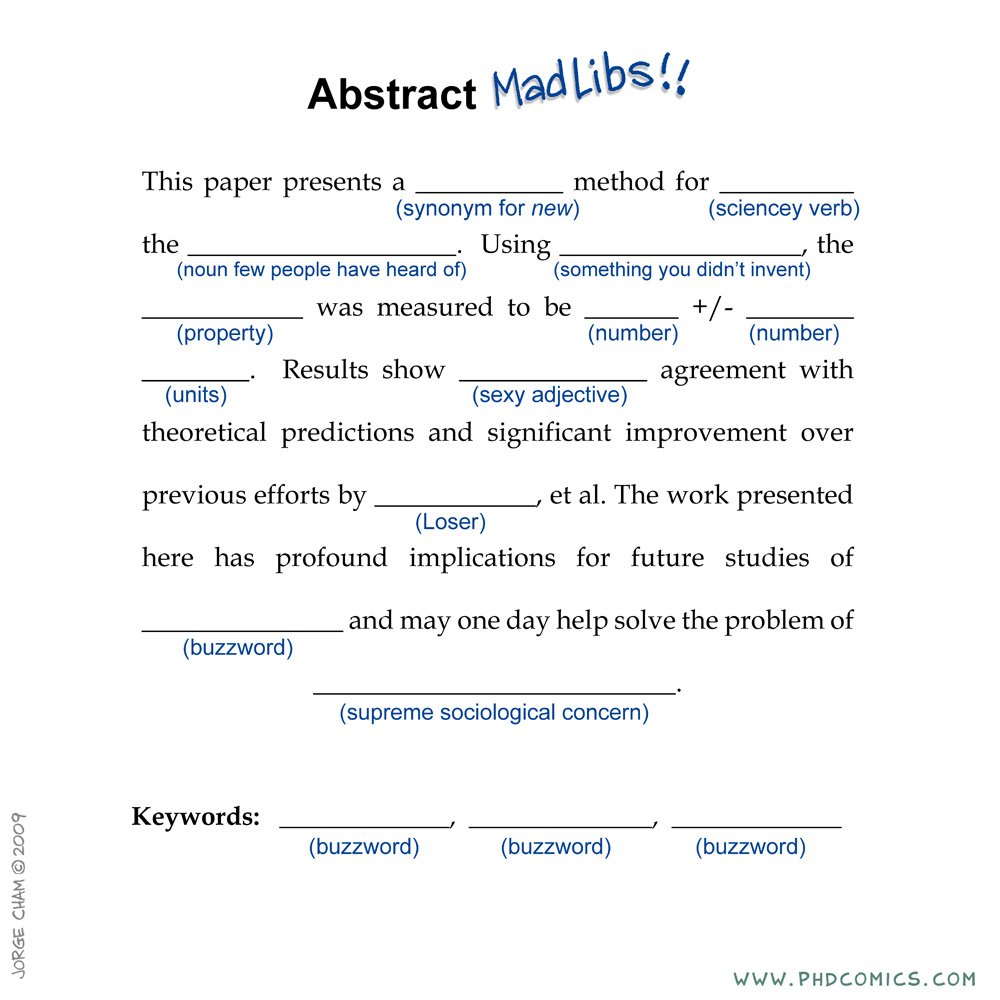
Abstract Mad Libs phdcomics.com/comics.php?f=1… **Hey, check out my new podcast: DanielAndJorge.com
1



13 Sep 2018
Abstract Seascape #abstractart #abstractmethods #abstractpainting #art #painting #womensart #contemporaryart #blue #motion #free #abstraction

4
18
72