
At Lilavati Hospital, we continuously strive to strengthen our clinical capabilities through innovation and advanced technology.
A significant addition is set to join our Cardiology Department—reflecting our commitment to precision, progress, and patient-centric care.
Stay tuned.
#LilavatiHospital #Cardiac #Cardiology #HealthcareInnovation #AdvancedTechnology #ClinicalExcellence #PatientCare #MedicalInnovation #CardiacCare #HealthcareLeadership #ComingSoon

13

Jun 12
💥Multiple Orbs or a Single Craft? 💥 #michaelsalla #UFO #advancedtechnology youtube.com/shorts/sIDJy3w5j… via @YouTube
50

Jun 11
Financial Crux: “…China…” has mastery over the global Silver marķet for many essential reasons:
⚫️ Energy security.
⚫️ De-dollarisation.
⚫️ Accelerated exit from fossil fuel requirement.
⚫️ AdvancedTechnology strengthening.
⚫️ Trade necessity, the world benefits.
⚫️ Progress.✅
Jun 11

China Is Pulling Silver Off the Market FASTER Than Mines Can Produce It
1
2
29


Abu Dhabi-based advanced technology and defence group EDGE (@_edgegroup) has launched EDGE Europe, a new French-registered commercial entity headquartered in Paris.
The expansion includes a strategic headquarters in Paris’ Chaillot district and an engineering and manufacturing hub in Bordeaux, strengthening EDGE Group’s industrial, technology and defence footprint across Europe.
EDGE Europe will support engagement with governments, industry partners, research institutions and technology companies, while focusing on advanced defence and security solutions.
Faisal Abdulaziz Al Bannai, Adviser to the UAE President for Strategic Research and Advanced Technology Affairs and Chairman of EDGE Group, said, “Over decades, the UAE and France have built a partnership of enduring strength. Choosing Paris for the headquarters of EDGE Europe is a deliberate mark of that bond, and we are determined to forge partnerships of the same strength right across the continent.”
Read More: propertynewsint.com/en-ae/ne…
#EDGEGroup #DefenceTechnology #France #AdvancedTechnology

30

For decades, #surveillance systems have served a single purpose: recording incidents after they happen.
But in today's industrial environment, that approach is no longer enough.
Read more here: mailchi.mp/prodis.co.za/your…
#MOBOTIX #ProDiS #smartsurveillance #advancedtechnology

6

MoIAT opens Industrialists Career Exhibition with 1,000 new jobs
emiratitimes.com/moiat-opens…
#IndustrialistsCareerExhibition #MoIAT #Emiratisation #UAEJobs #EmiratiTalent #MakeItInTheEmirates #IndustrialSector #AdvancedTechnology #EmiratiTimes @MoIATUAE

11

Jun 1
#ରୋବଟ୍_ଲିଭାଉଛି_ନିଆଁ
କଟକ ପ୍ରେସ୍ଛକ ମାଛ ଗୋଦାମରେ ଭୟାବହ ଅଗ୍ନିକାଣ୍ଡ , ନିଆଁ ଲିଭା କାର୍ଯ୍ୟରେ ଲାଗିଛି ଅତ୍ୟାଧୁନିକ ରୋବଟ୍ । Massive Fire at Cuttack Press Chhak Fish Market #CuttackFire #FireFightingRobot #RobotFirefighter #PressChhakFire #FishMarketFire #CuttackNews #OdishaNews #BreakingNews #FireIncident #AdvancedTechnology #FireBrigade #OdishaBreaking #EmergencyResponse #DisasterManagement #RobotTechnology #CuttackUpdate #LatestNews #FireRescue #PrameyaNews7 #OdishaUpdate #TechInAction #FireControl
114

The future of flight test training is taking shape in Ottawa tomorrow.
The International Test Pilots School is looking forward to connecting with Canada’s flight test community and global attendees at The @SETP_ORG Canadian Flight Test Symposium tomorrow.
Members of our leadership team and expert instructors will be on-site to discuss how we integrate rigorous academics, advanced flight test technology, and operationally focused instruction to develop test pilots and flight test engineers for increasingly complex aerospace programs.
Bennett Leong, Project Lead at ITPS, will also be presenting “Flight Test Preparation for the ACE Aircraft,” highlighting work on the Advanced Controls Evaluator (ACE) and its role in the evolution of ITPS Canada’s Variable Stability Simulator jet program.
Meet with us to learn how ITPS Canada’s 5th Gen Surrogate Training Aircraft (5STA), advanced simulation capabilities, and flight test training programs support safety, innovation and collaboration across the aerospace community as we help lead the future of aerospace training through operational excellence.
#ITPSCanada #FlightTest #Safety #TestPilot #FlightTestEngineer #AdvancedTechnology #StudyInCanada
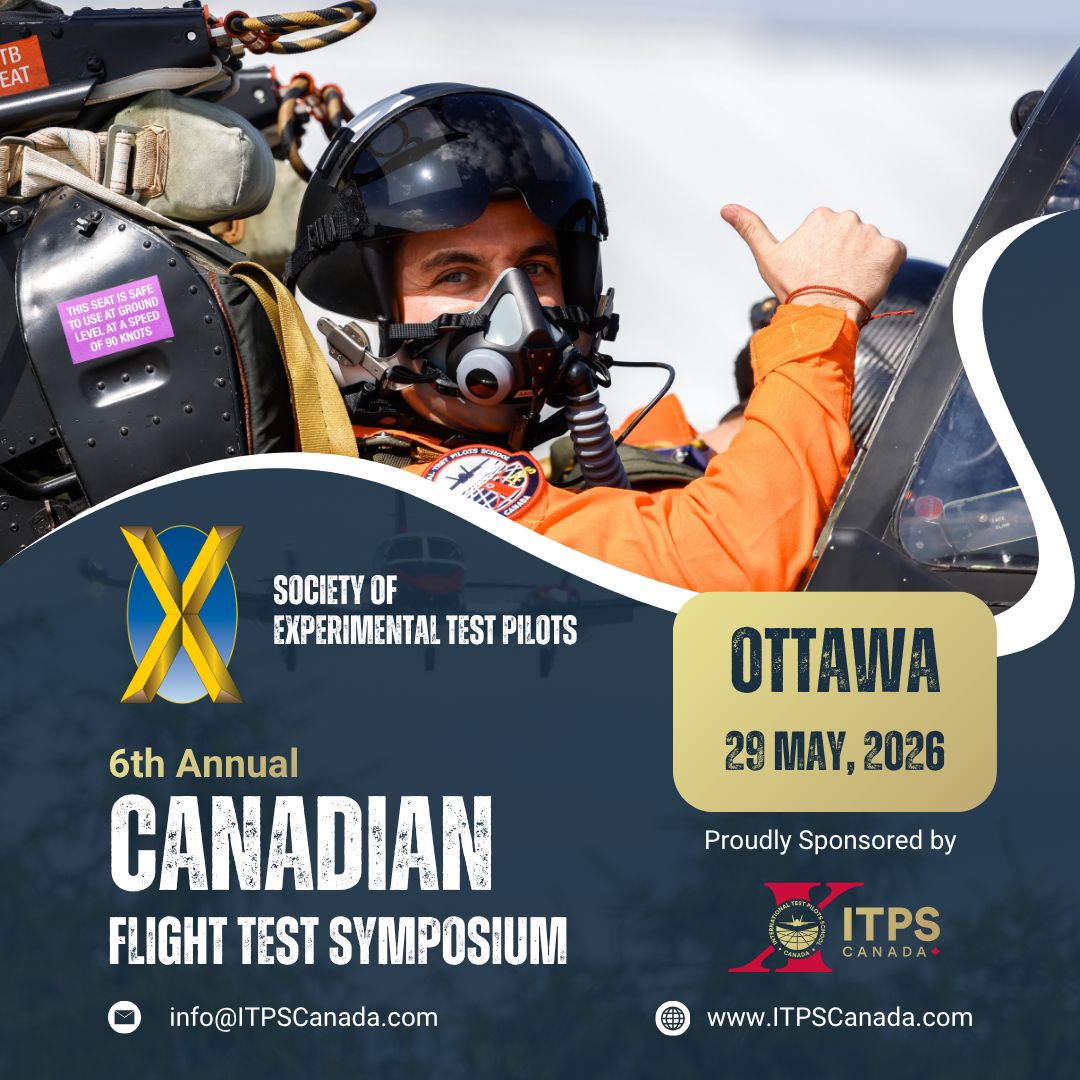
1
5
241

May 27
Where advanced display technology meets the passion of football. 😍
#SQDminiled #football #tclindia #advancedtechnology worldcup
(TCL India, SQD mini led tv, advanced display quality, football match

5
2
15
360

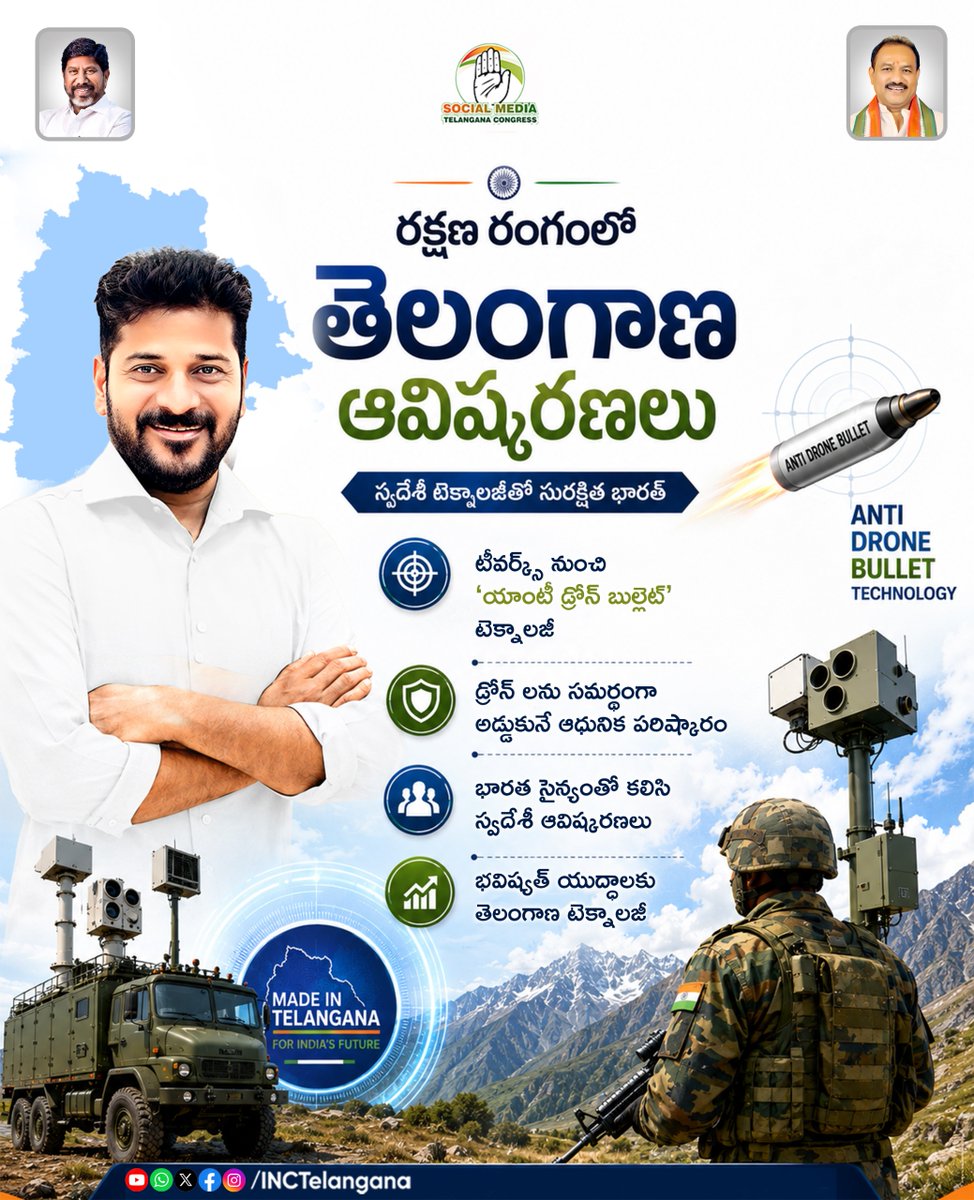
రక్షణ రంగంలో తెలంగాణ ఆవిష్కరణలు
టీవర్క్స్ నుంచి ‘యాంటీ డ్రోన్ బుల్లెట్’ టెక్నాలజీ
డ్రోన్ లను సమర్థంగా అడ్డుకునే ఆధునిక పరిష్కారం
భారత సైన్యంతో కలిసి స్వదేశీ ఆవిష్కరణలు
భవిష్యత్ యుద్ధాలకు తెలంగాణ టెక్నాలజీ
@revanth_anumula
#TelanganaInnovates
#TWorks
#DefenceInnovation
#AntiDroneTechnology
#MadeInTelangana
#AtmanirbharBharat
#FutureOfDefence
#TelanganaTech
#InnovationForIndia
#IndigenousInnovation
#DefenceTech
#DroneDefense
#AdvancedTechnology
#IndianArmy
#SmartDefence
#TechDrivenTelangana
#TelanganaDevelopment
#PrajaPrabhutvam
#TelanganaRising
1
25
30
423

May 23
A few days after a routine hernia surgery, a middle-aged gentleman suddenly developed severe breathlessness, a very fast heartbeat, and rapid breathing.
The Emergency and Cardiology teams at AIG Hospitals immediately suspected something serious. A CT scan confirmed a massive blood clot blocking the main blood vessel carrying blood from the heart to the lungs, a condition called pulmonary embolism. This becomes life-threatening within a short span of time because the heart struggles to pump blood to the lungs.
That's when our Interventional Radiology team came into action since the patient had recently undergone surgery, clot-dissolving medicines were not safe due to the risk of major bleeding. The team therefore used an advanced AI-assisted vacuum thrombectomy technology to directly remove the clot from the lung artery.
The clot was successfully cleared, blood flow was restored, and a potentially fatal emergency was turned into a life-saving success.
This case is a powerful reminder that timely diagnosis, teamwork, advanced technology, and expert hands can save lives when every minute matters.
@reddy_jignesh
#AIGHospitals #PulmonaryEmbolism #EmergencyCare #InterventionalRadiology #Cardiology #CathLab #AdvancedTechnology #PatientCare #MedicalExcellence
2
2
7
648

May 19
#ବିନା_ଚାଳକରେ_ଚାଲୁଛି_ଗାଡ଼ି !
ବିନା ଚାଳକରେ ଚାଲୁଛି ଗାଡ଼ି ! ରାସ୍ତା ଦେଖି ଗାଡ଼ି ଯାଉଛି ମାଡ଼ି। ଭାଇରାଲ ହେଲା ଭିଡ଼ିଓ...
#Sambad #DriverlessVehicles #SelfDrivingVehicles #SmartVehicles #AdvancedTechnology #ShockingVideo #ViralVideo
1
8
2,212

Pertumbuhan Ekosistem Blockchain @Univex_Network yang begitu Cepat 🚀
Ekosistem UNIVEX NETWORK terus berkembang dan memperkuat fondasinya.
Dengan partisipasi aktif, setiap pengguna memainkan peran penting dalam mengakselerasi pertumbuhan jaringan.
◻️ANALISIS PERTUMBUHAN💹
▫️KOMUNITAS AKTIF: Partisipasi pengguna langsung berdampak pada kekuatan ekosistem.
▫️REWARD SYSTEM: Insentif UVX mendorong interaksi dan ekspansi jaringan.
▫️TEKNOLOGI CANGGIH: Integrasi AI PQC memastikan skalabilitas dan keamanan tinggi.
◻️Tingkatkan Aktivitasmu, Dapatkan Lebih Banyak💯
▫️Selesaikan misi dan tugas untuk membuka peluang baru
▫️Undang teman-temanmu bergabung dengan link referral unik
▫️Tetap aktif setiap hari untuk mendapatkan reward UVX
▫️Interaksi dan partisipasi aktif akan meningkatkan hadiahmu
#UnivexNetwork #Univex #UVX #Blockchain #Layer1 #Web3 #Community #Ecosystem #AdvancedTechnology

2
2
10
132

May 13
A future with autonomous technology that promotes radical abundance of life for all and protection of consciousness is a future worth pursuing.
#fsd #cybertruck #tesla #advancedtechnology #ai #optimus #solarpower #batteries #renewable #engineering
3
23

May 7
Ancient Egyptian telephone!! Museum curators don't want you to see this!!!
... 😉
#ancientaliens
#losttechnology
#advancedtechnology
#conspiracytheory
#satire

1
8
1,211

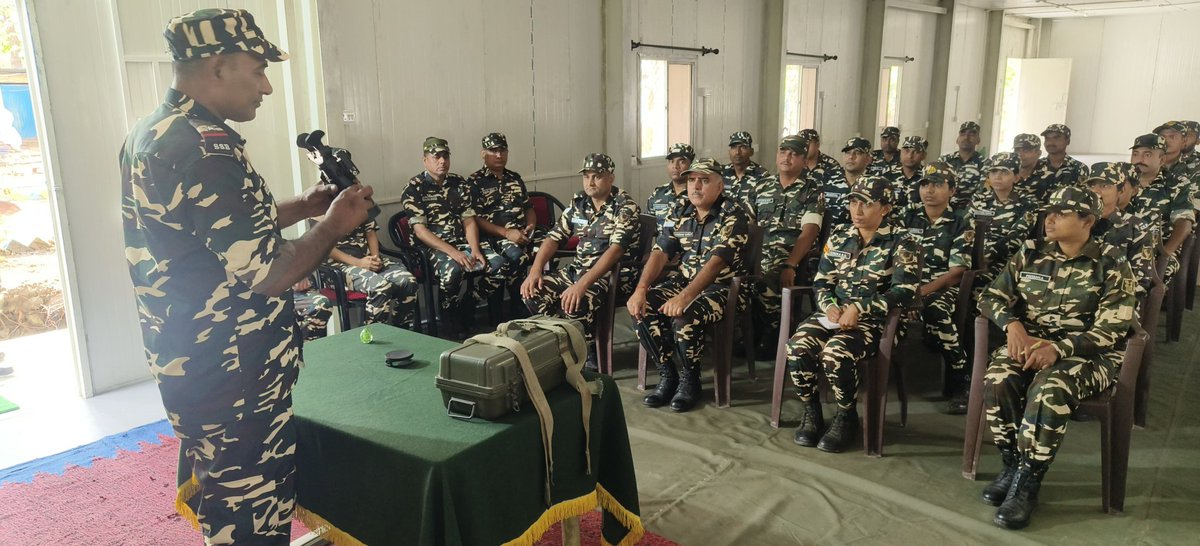
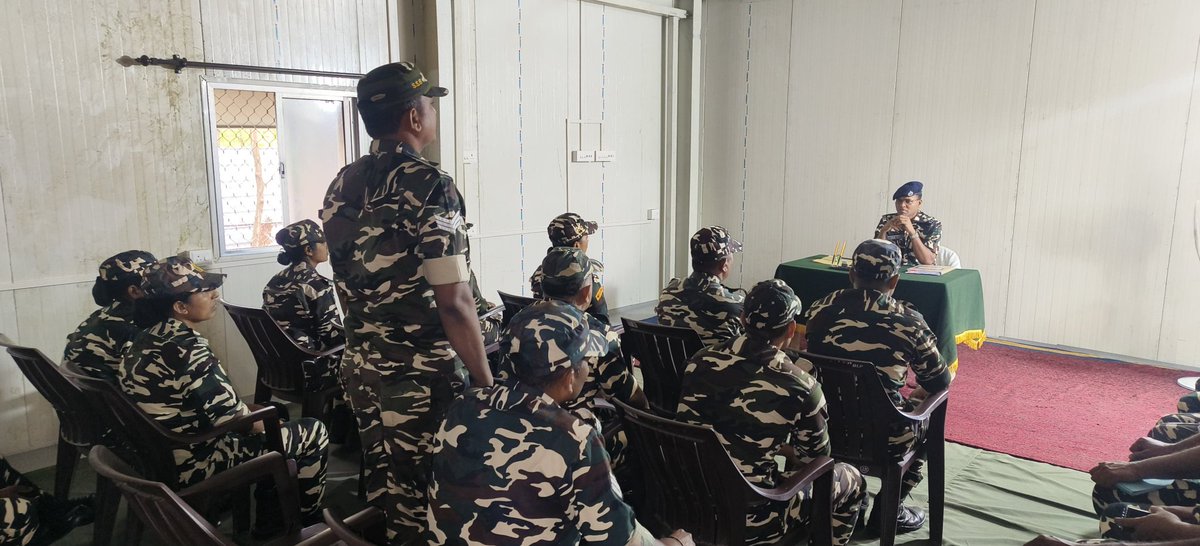
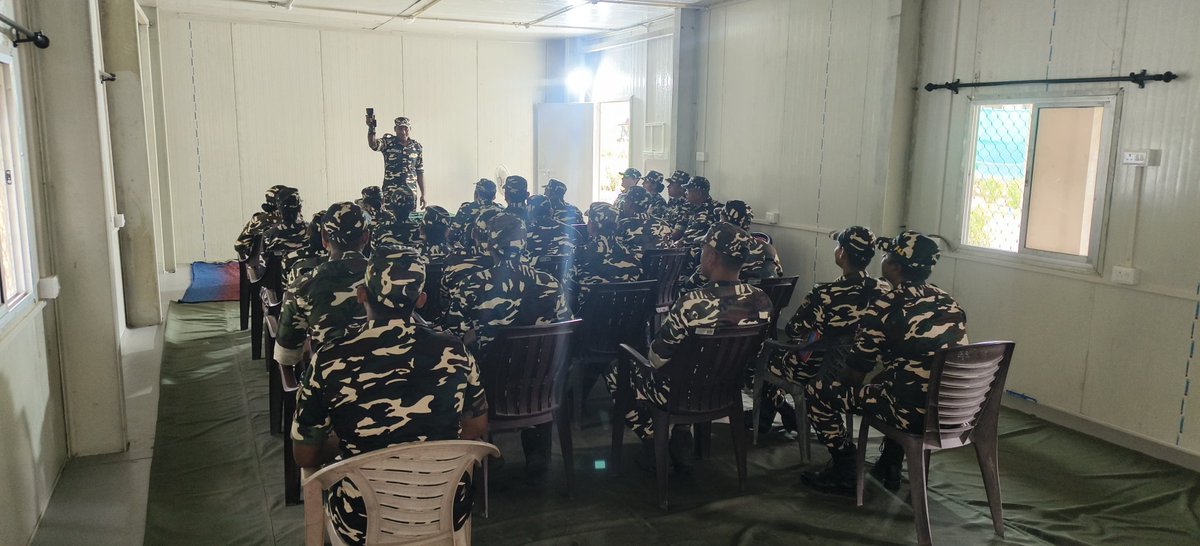
“आधुनिक उपकरणों एवं नई तकनीकों की जानकारी देकर बलकर्मियों को सुरक्षा कार्यों में और अधिक दक्ष, सतर्क एवं तकनीकी रूप से सक्षम बनाया गया।”
#SSBINDIA
#SSBSHQGKP
#SSBFTRLUCKNOW
#ModernTraining
#AdvancedTechnology
#SmartSecurity
#ForceReadiness
#TechnicalAwareness
#BorderSecurity
2
46
95
302

🌸There is technology to leave Earth. Not with conventional rockets. With systems that manipulate frequency, toroidal immersion, and environmental adaptation. Those who have been close to these craft know it. They maintain an artificial 3D environment inside so the crew can operate. That aligns, at least in part, with what some public figures have hinted at.
The issue lies in how all of this is presented. Many public narratives describe thousands of human soldiers operating freely, as if it were a natural extension of terrestrial society. That is not the case. The craft and their systems are highly controlled, tied to specific technologies and delicate frequency dynamics. Crossing that threshold involves significant changes in perception, consciousness, and interaction with the environment. It is not simply “I went, did a mission, and came back the same.”
That is why many accounts don’t fully add up. It doesn’t mean everything is false, but the narrative consumed publicly mixes real experiences, partial interpretations, and explanations that don’t reflect what it truly involves. The experience of these missions itself is complex and conditioned by the laws of frequency and consciousness.
Then there are the public figures: Gaia TV, Wilcock, Goode. There, a pattern becomes clear. They build narratives, repeat concepts, amplify certain ideas. That doesn’t mean everything is a lie. It means there is filtering, packaging for mass consumption. And that packaging turns something extremely complex into something digestible, but loses many nuances.
It is not about denying the existence of a Secret Space Program. Nor denying advanced technology or human participation in certain missions. All of that exists. What feels off is the way it is presented publicly. The pieces don’t fit cleanly. That alone already raises questions. There’s no need to claim they are lying. It is enough to look at how the story is told.🌸🙏✨💫 #AdvancedTechnology #HiddenPrograms #PerceptionShift #TaygetaOfficial
1
7
198

May 4
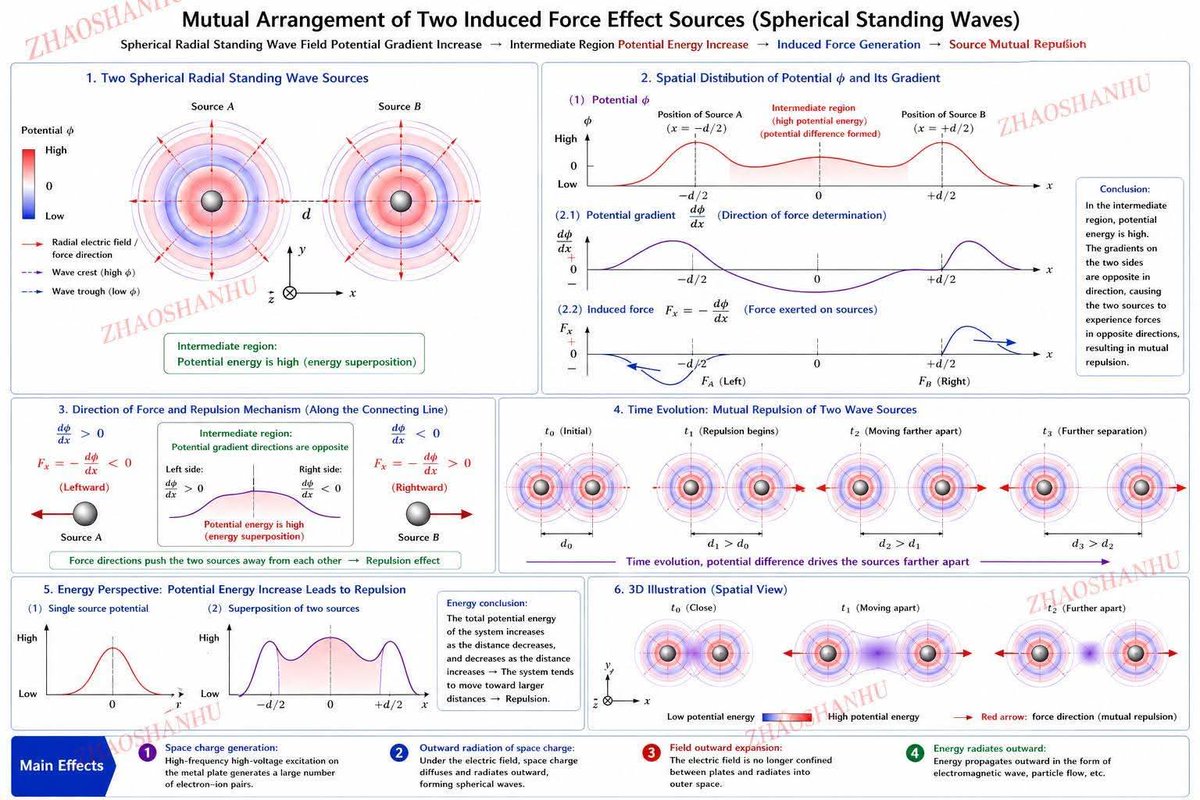
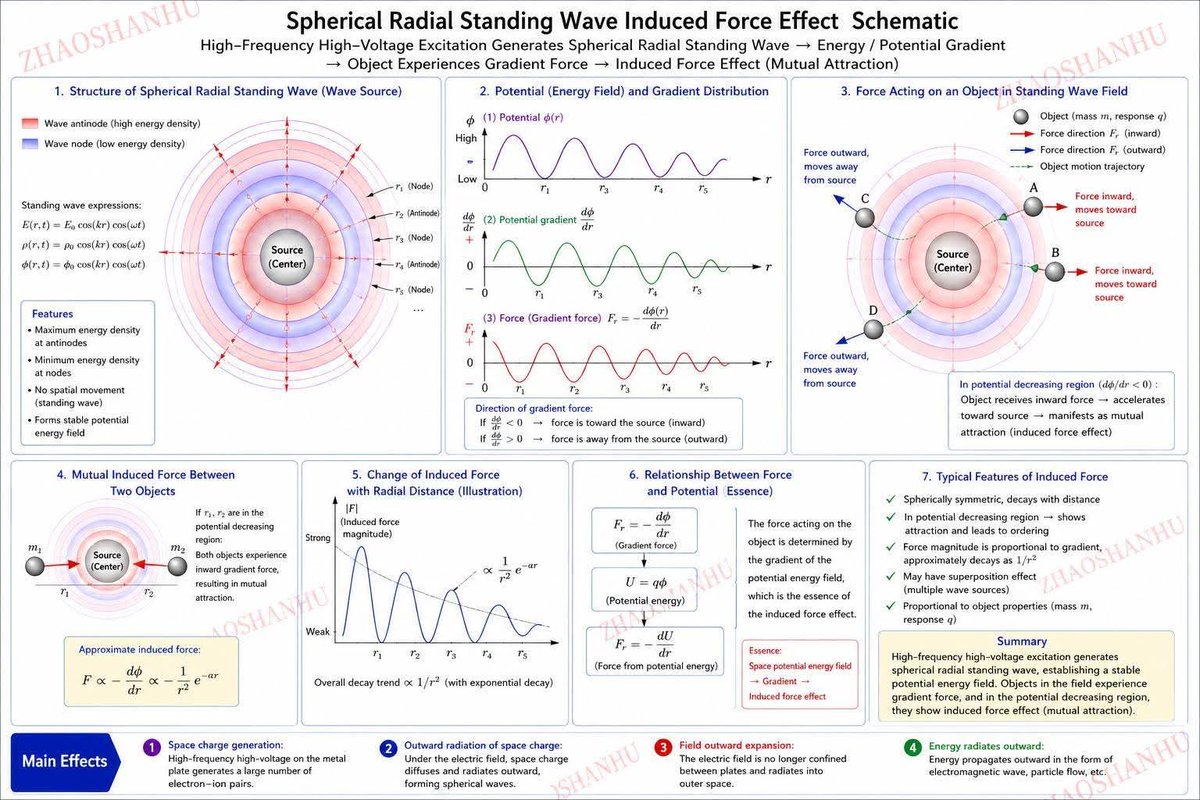
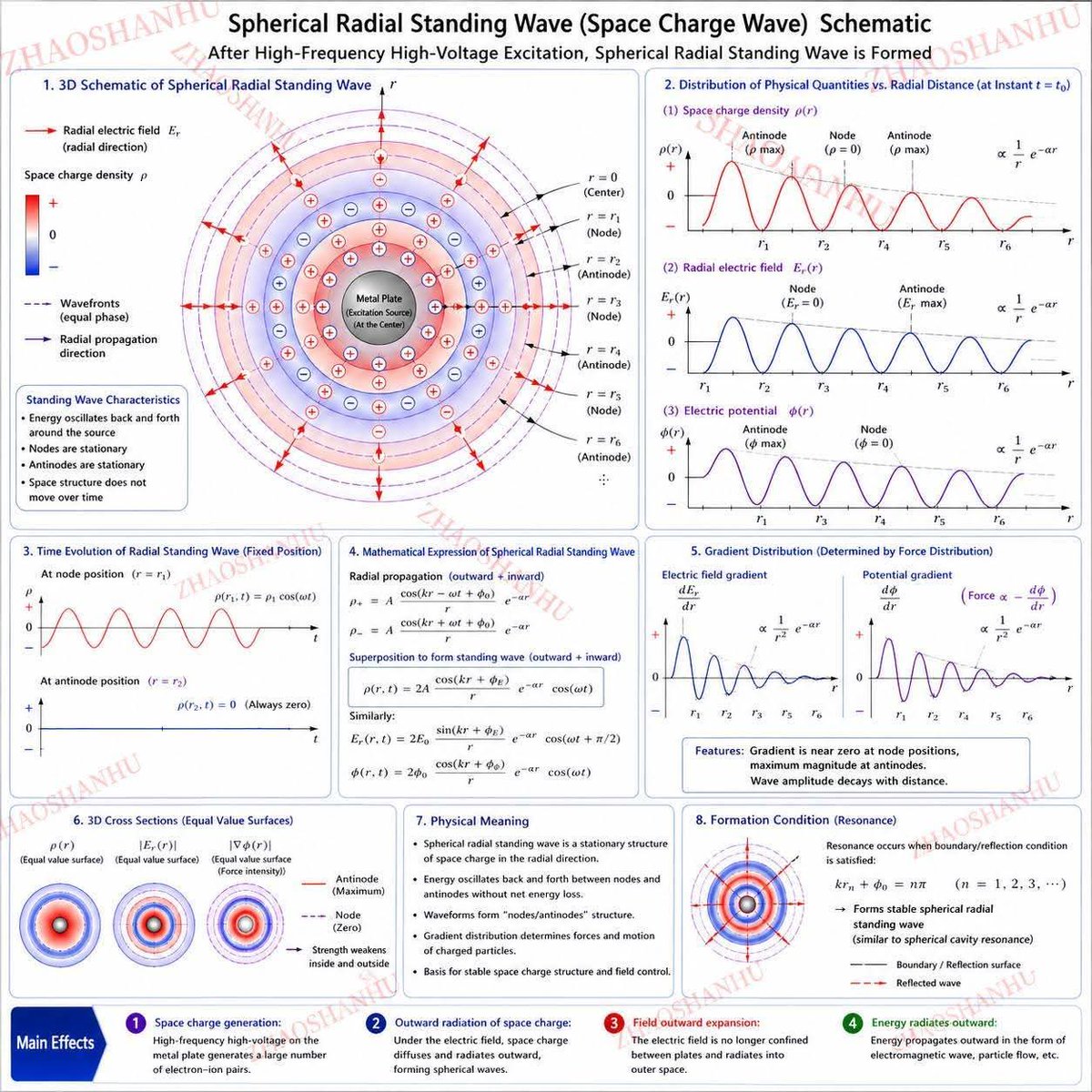
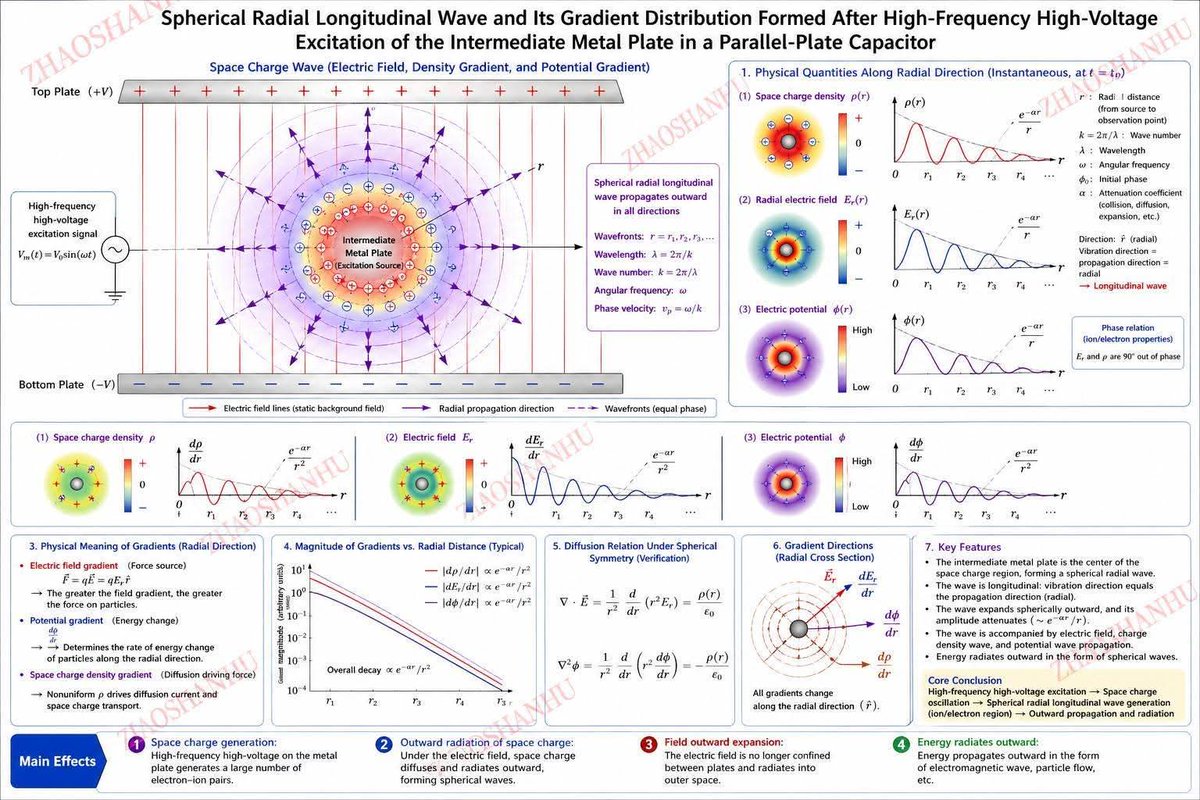
To understand anti-gravity and the physics behind it you must first learn the science. #antigravity #AmyEldridge #advancedtechnology your dream will live on I won't let it die
2
1
4
238

Apr 28
🚨Former NSA Research Director Says Unexplained UFO Cases Persist After Full Intelligence Review
A former senior U.S. intelligence official has publicly stated that a small number of unidentified aerial phenomena (UAP) cases remain unexplained after being subjected to the same analytical process used to evaluate national security threats, and that the possibility of non human intelligence can't be ruled out based on the available data.
Dr. Eric Haseltine, who previously led research at the National Security Agency and later served as a senior technology official within the Office of the Director of National Intelligence, described his findings following a structured review of UAP incidents using formal intelligence methodology. His comments were presented in a recent long form interview and reflect a framework that evaluates competing hypotheses rather than starting from a preferred conclusion.
According to Haseltine, the majority of reported UAP incidents can be attributed to known causes such as sensor limitations, atmospheric effects, drones, balloons, or misidentification. However, after those explanations are systematically applied and eliminated where appropriate, a residual category of cases remains that doesn't align with any known human technology or conventional scientific explanation.
"These are not the thousands of cases people often reference," Haseltine explained. "We're talking about a small subset on the order of a few dozen where multiple independent sensor systems and trained observers recorded consistent data that cannot currently be explained."
Among the cases he referenced is the 2004 encounter involving the USS Nimitz Carrier Strike Group off the coast of California. During that incident, U.S. Navy radar systems, infrared targeting equipment, and fighter pilots tracked an object exhibiting flight characteristics that didn't match any known aircraft.
Pilots described a solid, featureless object that showed no visible propulsion system, no exhaust plume, and no aerodynamic control surfaces. According to Haseltine's analysis, the object's movement, characterized by rapid acceleration, abrupt directional changes, and the absence of inertia related constraints could not be reconciled with existing aerospace technology.
Haseltine noted that alternative explanations, including advanced directed energy systems, experimental propulsion technologies, and foreign deception strategies, were evaluated as part of the review. While some of these technologies are known to exist in limited forms, he concluded that they do not fully account for the observed characteristics in the most credible cases.
Haseltine also emphasized that intelligence analysis doesn't eliminate hypotheses based on perceived likelihood but on whether they remain consistent with the data. As a result, he stated that the possibility of non human intelligence remains a viable explanation within the current analytical framework, though it is not presented as a confirmed conclusion.
"The process doesn't allow you to discard a hypothesis simply because it's uncomfortable," he said. "If it survives the evaluation, it stays on the table."
Haseltine also addressed the physical behavior observed in these incidents, noting that some UAP appear to operate outside the constraints of conventional 3D motion. Objects have been reported to disappear and reappear, change direction without transitional movement, and accelerate without detectable propulsion, raising questions about whether current models of physics fully account for the phenomena.
He suggested that such behavior could indicate gaps in existing scientific understanding rather than a violation of physical laws, pointing to ongoing challenges in cosmology, including discrepancies in measurements of the universe's rate of expansion, commonly known as the Hubble tension.
Separately, Haseltine drew parallels to the handling of so called 'Havana Syndrome' cases, in which U.S. government personnel reported neurological symptoms consistent with directed energy exposure. While those incidents involve a different set of circumstances, he argued that both cases illustrate how institutions may struggle to reach definitive public conclusions when the implications carry significant strategic or political consequences.
The U.S. government has increased its formal tracking of UAP incidents in recent years through the All domain Anomaly Resolution Office (AARO), which has documented more than 1,600 reports to date. While many have been resolved, a portion remains classified as unidentified.
Haseltine's remarks don't represent an official government position but do reflect an assessment based on his experience within the intelligence community and his application of established analytical methods. His main conclusion is that a limited number of UAP cases continue to defy explanation, and that further investigation is required before any definitive determination can be made.
"The data is real," he said. "The question is whether we are prepared to follow it wherever it leads."
#UAP #UFO #Disclosure #NonHumanIntelligence #AARO #Nimitz #HavanaSyndrome #NationalSecurity #AdvancedTechnology

6
24
115
6,547