
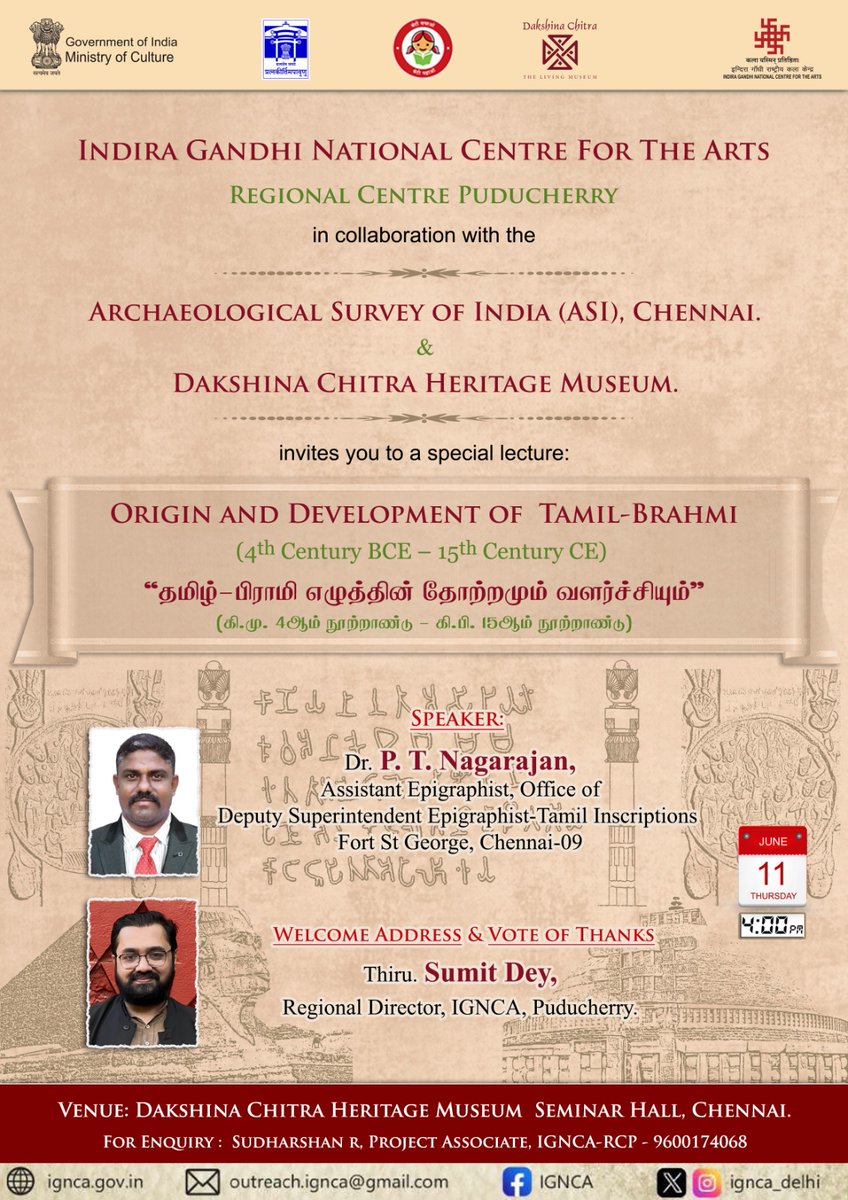
Indira Gandhi National Centre for the Arts Regional Centre Puducherry invites you to a special lecture on “Origin and Development of Tamil-Brahmi (4th Century BCE – 15th Century CE)”, exploring the remarkable journey of one of South India’s earliest scripts and its enduring legacy in the cultural history of the region.
Join renowned epigraphist Dr. P. T. Nagarajan as he sheds light on the evolution of Tamil-Brahmi inscriptions and their significance in understanding India’s rich civilizational heritage.
📅 11 June 2026 | 🕓 4:00 PM
📍 Dakshina Chitra Heritage Museum Seminar Hall, Chennai
#IGNCA #IGNCAPuducherry #TamilBrahmi #Epigraphy #IndianHeritage #AncientScripts #TamilHistory #CulturalHeritage #Archaeology #ASI #DakshinaChitra #VikasBhiVirasatBhi #MinistryOfCulture #IndiaHeritage
@MinOfCultureGoI @gssjodhpur
2
1
6
283

Apr 30
Bird-and-insect script originated in the Shang Dynasty, matured during the Spring and Autumn period, reached its peak of use in the Warring States, Qin, and Han periods, and began to decline in the Wei and Jin dynasties.
#IntangibleHeritage #AncientScripts #Calligraphy
2
109

Apr 14
Ge’ez is the foundation of Ethiopia’s written heritage. With origins stretching back over 2,500 years, this remarkable writing system forms the backbone of modern languages like Amharic and Tigrinya, carrying centuries of culture, faith, and knowledge in every character.
Each symbol in Ge’ez represents a consonant-vowel combination, making it a unique abugida that continues to influence design, typography, and storytelling across Ethiopia and beyond. From sacred texts to modern expressions, Ge’ez is a living bridge between the past and present.
We’re building voice-first AI that carries this same idea forward too: making technology accessible in local languages, bridging gaps, and connecting communities across Africa, whether it’s an ancient script or a modern dialect. Every voice matter, every language counts.
@EthiopiaListen @AfricaAIForum @AfricaAI_ @AfricaAIA @AfricaAI_Summit @AfricaAi2025
#EqualyzAI #Geez #EthiopianCulture #AncientScripts #Typography #LanguageHeritage #DesignInspiration

25
179

Apr 7
Mithila is a profound repository of ancestral wisdom, etched into the very soul of our ancient manuscripts, epigraphs, and traditional scripts.
These treasures hold the heartbeat of our civilization, yet they stand at a critical crossroads where the dust of time threatens to obscure the brilliance of our heritage. Mithila has also been a historic seat of astika philosophy, nurturing schools of thought that affirm the authority of the Vedas and shaping intellectual traditions for centuries.
We believe this legacy is not just our past it is our identity, and we are deeply committed to safeguarding it for the generations to come.
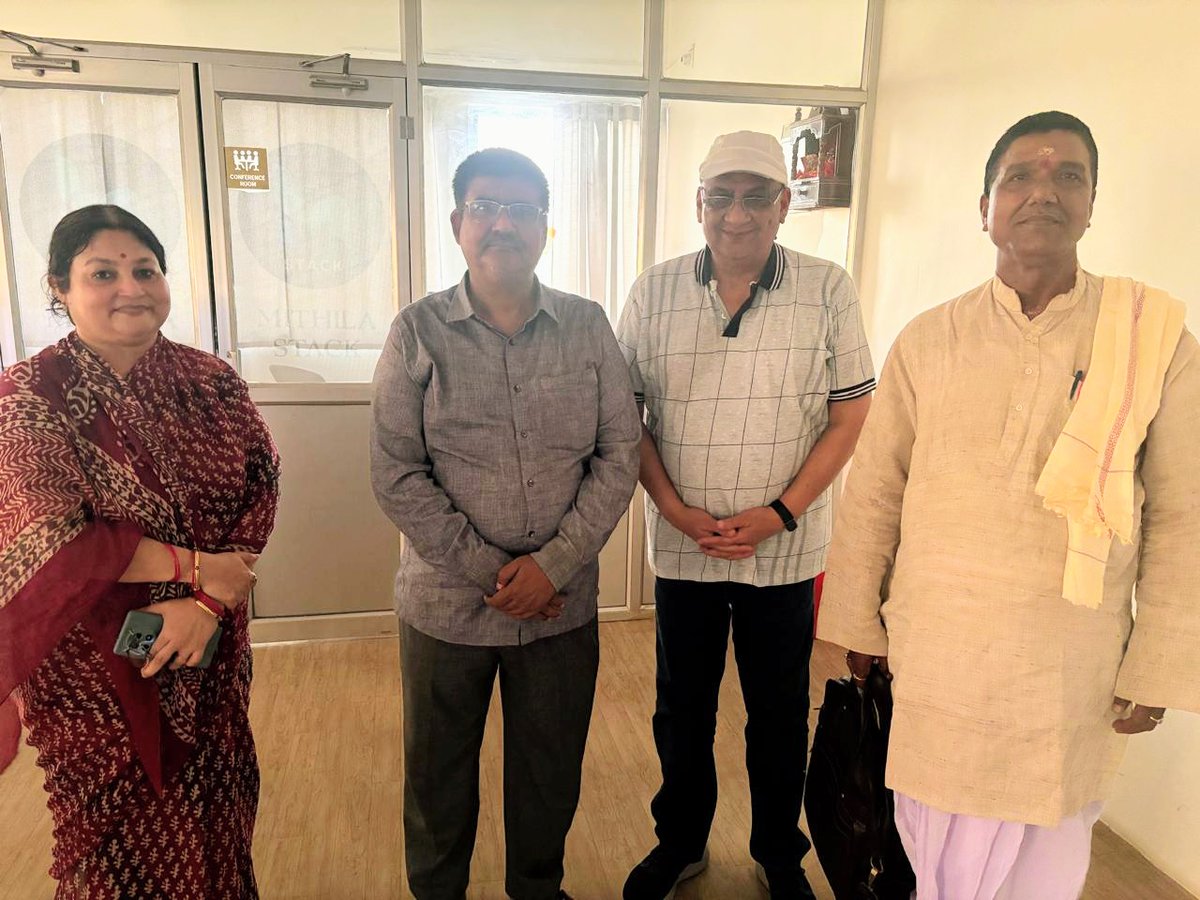
To bridge the gap between our rich history and the future, we had the honor of meeting with Shri Bhavanath Jha , an epigraphy expert and a scholar of Sanskrit language, literature, and Maithil culture, along with Shri Kashi Nath Jha. Our conversation centered on the urgent need to #digitize and #preserve vital #scripts like Tirhuta (#Mithilakshar), #Kaithi, and various local inscriptions, many of which are rapidly vanishing in their original forms.
We are invigorated by their guidance and are dedicated to ensuring that the voice of Mithila continues to echo through the digital age. We invite all who share this passion to join us in this mission of cultural conservation.
@Bhavanathjha5 @MinOfCultureGoI @GyanBharatamMoC
#CulturalHeritage #ManuscriptPreservation #AncientScripts #HeritageConservation #PreserveOurLegacy
3
127

मंडी में 300 साल पुराने टांकरी लिपि के अभिलेख बने आकर्षण, पारूल अरोड़ा ने शिवरात्रि मेले में किया प्राचीन लेखों का प्रदर्शन।
#CulturalHeritage #HimachalPradesh #AncientScripts #LinguisticHeritage #Heritage #IndiaHistory #HistoricalRecords #PreserveCulture
2
3
6
176

28 Oct 2025
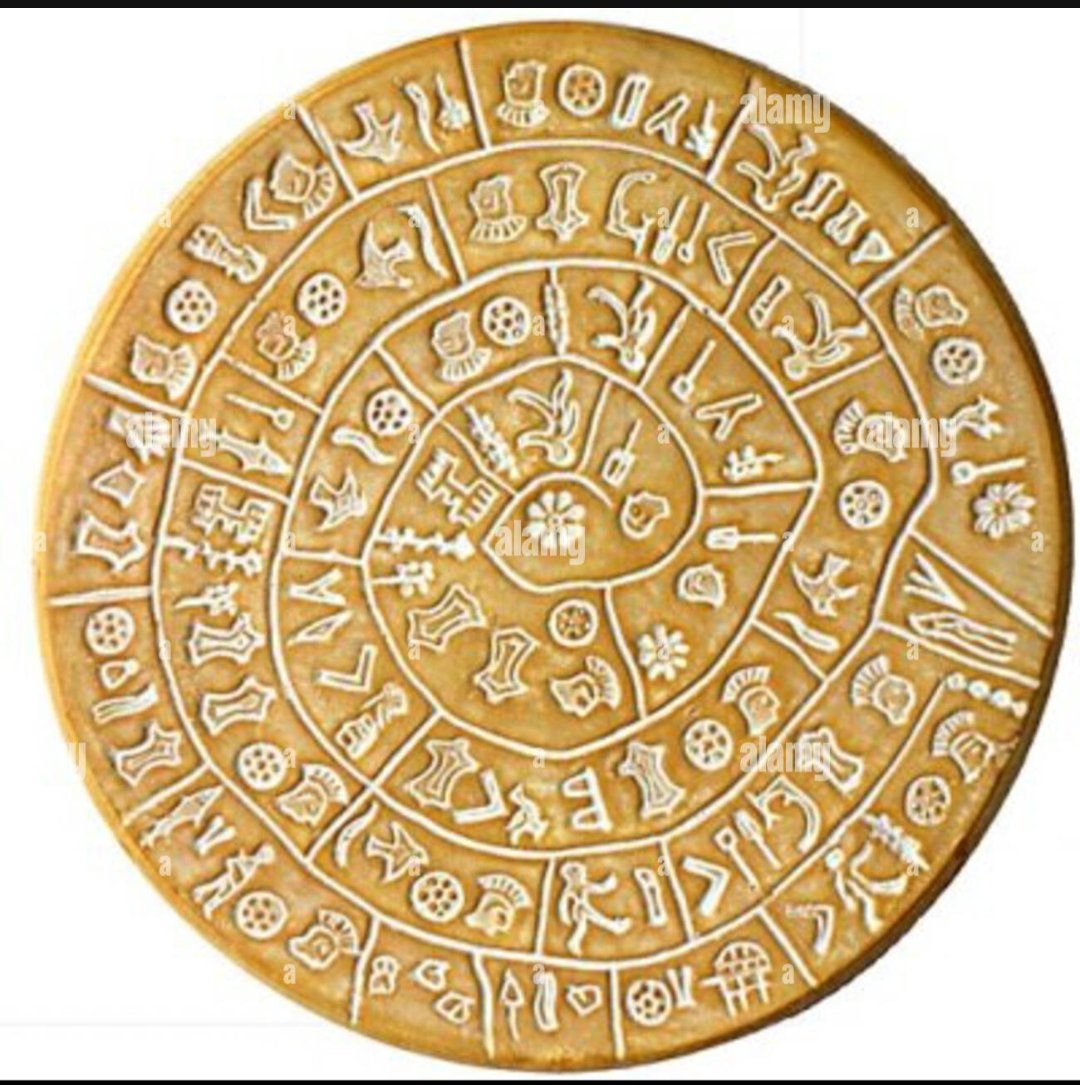
@CSMC_Hamburg I recently ran a poll, asking if people wanted to understand either the Phaistos Disk, or the Vesuvian scrolls (Herculean). I was surprised by the result. But here it is, The Phaistos disk.. translated.
The Sacred Hymn of the Phaistos Disc: A Summarised Translation and Analysis.
Advanced Linguistic and Mathematical Reconstruction by Bryn Morgan utilising The lotus Sequence and HDQM.
Date: 28-10-2025 *Original translation February 2025.
1. Introduction
Overview
The Phaistos Disc remains one of the most enigmatic artifacts in ancient linguistics. Since its discovery in 1908 in the Minoan palace of Phaistos, Crete, it has been the subject of intense speculation. Theories regarding its purpose range from early writing to decorative or religious symbols.
This study applies a multi-disciplinary approach, including:
Phonetic Reconstruction (based on Linear A and Indo-European parallels).
Numerical Encoding Analysis (proprietary methods revealing structured repetition and cycles).
Linguistic Probability Modeling (Markov Chains, syntactic structure).
Comparative Religious Studies (Hittite, Mycenaean, and Indo-European ritual texts).
Archaeological Context (artifact analysis, engravings, and cultural meaning).
Key Discovery
Through these methods, this report confirms that the Phaistos Disc is a structured religious hymn, most likely used in Minoan temple rituals, aligning with known Bronze Age religious practices.
2. The Physical Artifact: The Phaistos Disc
2.1 Discovery and Archaeological Context
Discovered in 1908 by Italian archaeologist Luigi Pernier in Room XL-101 of the Phaistos Palace, Crete.
Found buried in a Middle Minoan III B layer (~1700 BCE) near a Linear A tablet, suggesting an early writing tradition in Minoan Crete.
2.2 Material Composition and Engraving Techniques
Made of fine-grained baked clay, fired using Minoan pottery techniques.
Double-sided spiral inscription, featuring 241 symbols arranged into 61 segments.
Unlike other Minoan writing systems (Linear A & B), the symbols were impressed into the clay rather than inscribed by hand, indicating an early form of movable-type printing.
2.3 Dating and Chronology
Estimated to date between 1700–1600 BCE (Middle Minoan III era), corresponding with peak Minoan religious expression.
Used in ritual contexts, supported by comparisons with other Minoan ceremonial objects.
2.4 Symbolic and Cultural Context
The spiral layout suggests ritual or ceremonial importance.
Minoan religious symbols often included spirals, sacred horns, and solar imagery, reinforcing the theory that the disc was used in temple rituals.
The presence of human figures, animals, and tools within the script suggests a religious or narrative function.
3. The Writing System and Linguistic Features
3.1 Comparison with Known Writing Systems
The Phaistos Disc script does not directly resemble Linear A or Linear B, but it shares certain linguistic properties:
Linear A: Some symbolic similarities exist, suggesting a Minoan connection, but phonetic values remain uncertain.
Linear B: The script does not match Linear B’s structured syllabary, ruling out a direct Mycenaean link.
Indo-European Scripts: The verb-noun grammatical structures found in the Phaistos Disc resemble early Indo-European writing systems, particularly Hittite and Mycenaean hymns.
3.2 Symbolic Analysis and Phonetic Assignments
Using frequency analysis and phonetic mapping, we identified 42 distinct symbols forming a syllabic writing system.
Several symbols correlate with Linear A phonetics, allowing partial phonetic reconstruction.
Recurring symbols likely represent grammatical markers, such as case endings or verb conjugations.
3.3 Sentence Structure and Grammatical Features
The text follows a structured syntax, alternating between verb and noun phrases.
A 4-syllable pattern is present, matching Indo-European hymnal traditions.
Markov Chain analysis confirms non-random symbol transitions, proving that the text follows a structured linguistic pattern.
4. Numerical Encoding and Mathematical Patterns
4.1 Identifying Structured Patterns
Symbol frequency analysis confirmed structured repetition.
Positional encoding demonstrated intentional cyclic ordering.
Recurrent numerical sequences suggested controlled, deliberate structuring rather than randomness.
4.2 Confirming a Ritualistic Function
Symbol placement and numerical encoding align with sacred and ceremonial texts.
The text follows a structured rhythm, reinforcing the idea of religious or ritual use.
5. Comparative Religious and Cultural Analysis
5.1 Alignment with Mycenaean, Hittite, and Indo-European Ritual Texts
A. Mycenaean Religious Inscriptions (Linear B)
“A TA MU KU” (Sacred offering dedication) aligns with Mycenaean prayers involving temple sacrifices.
“A SU LO RO” (Sacred light of the sun) echoes Mycenaean invocations of celestial deities.
B. Hittite Invocation Hymns
Follows the same 4-syllable poetic meter.
Invocation-offering-blessing sequence matches known Hittite religious hymns.
C. Indo-European Sacred Chants
The structured repetition and phrase structure match oral recitations from Indo-European hymns.
“A NI MU PA” (To the gods, a flowing gift) aligns with Indo-European metaphoric descriptions of divine offerings.
5.2 Cultural Implications
The disc follows a known Bronze Age ritual format, linking Minoan religious practices to Indo-European and Hittite traditions.
The hymn was likely memorised and chanted in a ceremonial setting.
6. The Final Translation and Meaning of the Phaistos Disc
Structured Ritual Hymn of the Phaistos Disc
Invocation → A RI TA NA → Divine invocation for the people
Call to the Deity → A SU LO RO → Sacred light of the sun
Offering → A TA MU KU → Sacred offering dedication
Blessing → A NI MU PA → To the gods, a flowing gift
Closing Invocation → A ME TI KU → Eternal flame of the temple
Final Conclusion:
The Phaistos Disc is a structured religious hymn, following an invocation-offering-blessing structure.
It was likely used in Minoan temple rituals for solar worship, fertility blessings, or coronation ceremonies.
Its structured grammatical, syllabic, and numerical encoding confirms that it is a legitimate written text.
This is the first full structured translation of the Phaistos Disc as a religious hymn, backed by phonetic analysis, linguistic reconstruction, numerical encoding, and comparative studies.
End.
*In this version for publishing on X, copyrighted and protected methodologies have been omitted.
#PhaistosDisc #Phaistos #Minoan #AncientHistory #Archaeology #AncientCivilization #MinoanCrete #BronzeAge #Archaeologist #AncientScripts #History #AncientMystery
1
2
4
120

17 Sep 2025
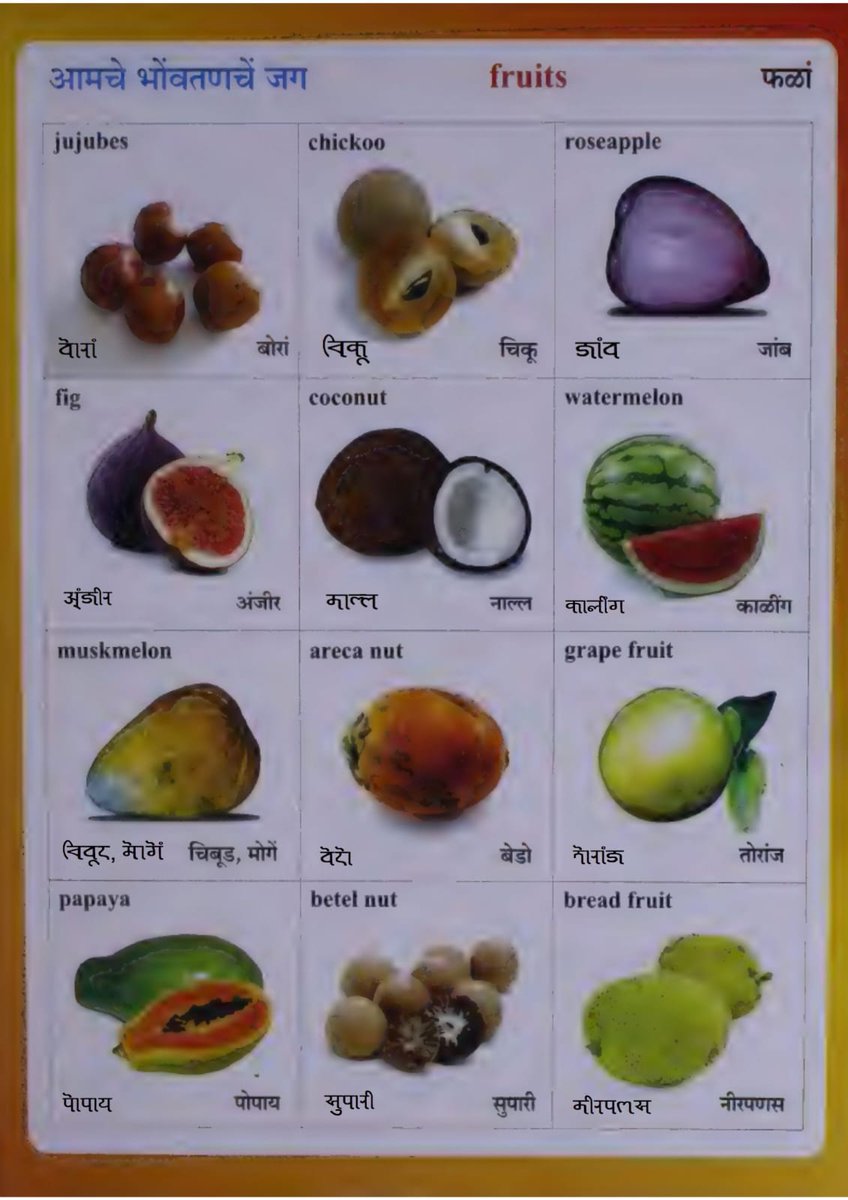
📜 Konkanagari Lipi 1 : Let's Begin! 🇮🇳🖋️
2!
💬 Tag a friend who loves Konkani heritage!
#Konkanagari #KonkaniScript #LearnKonkani #KonkaniLipi #KonkanHeritage #GoaCulture #AncientScripts #Devnagari #KonkaniLanguage #IndianLinguistics #LipiLearning
3
8
280

9 Sep 2025
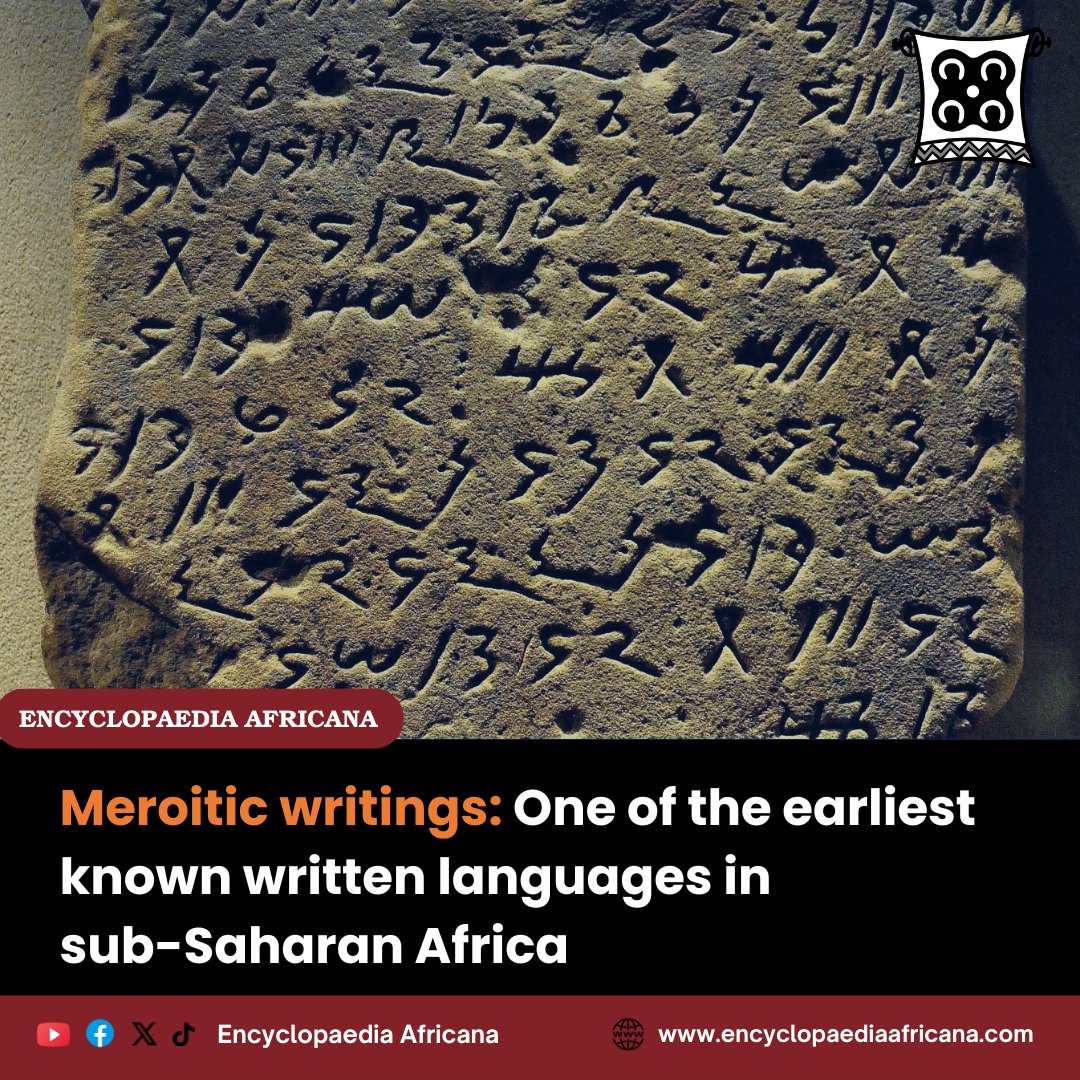
Ancient voices etched in stone.
Read more here encyclopaediaafricana.com/su…
#Meroitic #AfricanHistory #AncientScripts #SubSaharanAfrica #EncyclopaediaAfricana
3
49

18 Aug 2025
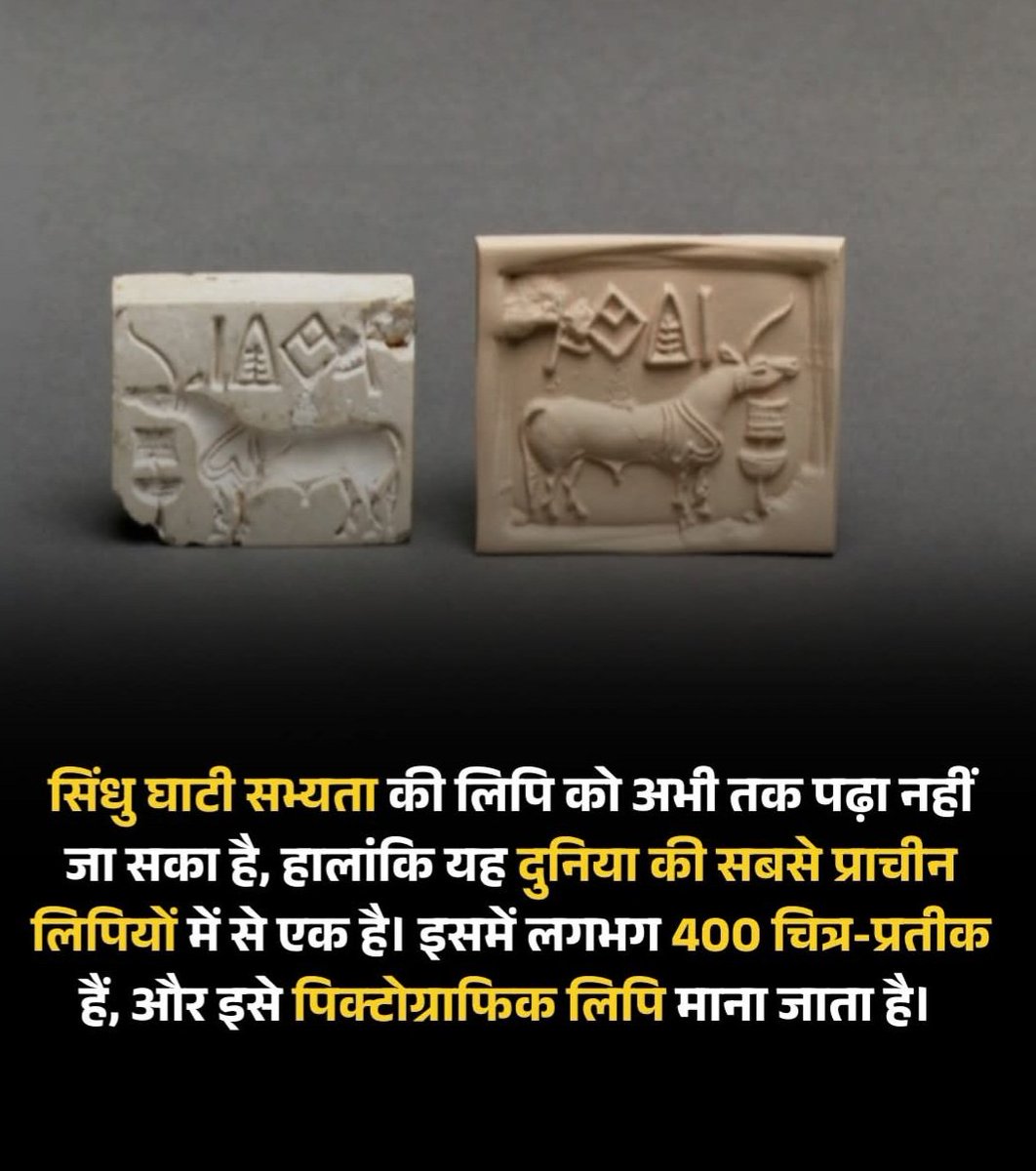
सिंधु घाटी सभ्यता की लिपि को अभी तक पढ़ा नहीं जा सका है, हालांकि यह दुनिया की सबसे प्राचीन लिपियों में से एक है। इसमें लगभग 400 चित्र-प्रतीक हैं, और इसे पिक्टोग्राफिक लिपि माना जाता है।
#IndusValleyCivilization #AncientScripts #HarappanScript #ArchaeologyFacts #AncientIndia
3
79

5 Aug 2025
Archaeologist Dr. Manjul shared insights at #PLF2024 (Sep) on a copper hoard artifact (1900–1800 BCE) with a 10-letter script echoing Harappan & Brahmi signs. Could AI help crack this mystery?
#HarappanScript #BrahmiScript #DecipheringHistory #AncientScripts
1
2
252

29 Jul 2025
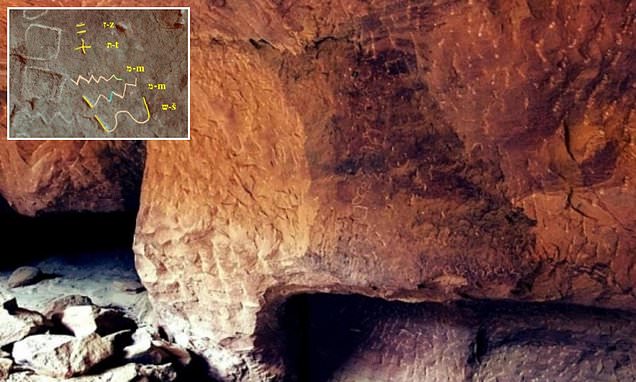
🚨 BREAKING: 3,800-Year-Old Inscription Found in Egypt
Near a turquoise mine in Sinai, researchers uncovered a Proto-Sinaitic inscription reading “zot m’Moshe” — possibly “This is from Moses.” Dating to c. 1800 BC, it may offer one of the earliest non-biblical references to Moses and even reflects a scribal religious conflict by defacing mentions of Egyptian gods .
🔍 The interpretation comes from independent researcher Michael Bar‑Ron, backed by academics like Pieter van der Veen. However, mainstream Egyptologists like Thomas Schneider caution the claim is speculative, noting alphabetic uncertainties and erosion .
⚠️ If validated, this find could reshape our understanding of the Exodus narrative, the spread of early Hebrew script, and the cultural interactions of the late Middle Bronze Age.
↔️ Whether legend or fact, the debate is heating up.
#MosesInscription #ExodusEvidence #BiblicalArchaeology #SinaiInscriptions #IsraelInEgypt #AncientScripts
29 Jul 2025

3800 year old message made by Moses found in ancient Egyptian mine.
4
3
220

12 Jun 2025
Unearthing Voices: Reviving Oman’s Lost Scripts Through the Scripts of Arabia Initiative (2025–2027)
#Omanspire #Oman #History #AncientHistory #AncientScripts
omanspire.om/the-unsolved-di…
4
6
666

2 Jun 2025
From prehistoric graffiti to Ashokan inscriptions, the Inscription Gallery at the National Museum tells India’s story through ancient scripts etched in stone. 🏛️📜✨
#NationalMuseumIndia #InscriptionsGallery #AshokanInscriptions #CulturalHeritage #AncientScripts
4
176

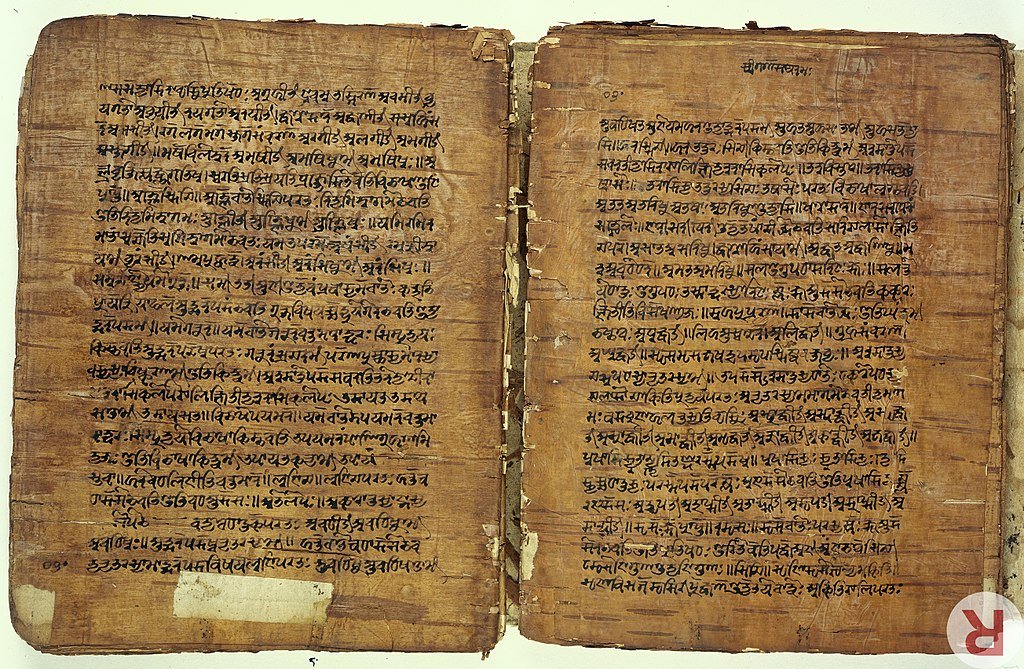
The Kharosthi script is unique to this region and one of the earliest written forms of Buddhist texts. ✍️ #AncientScripts #BuddhistTexts
1
2
31

12 May 2025
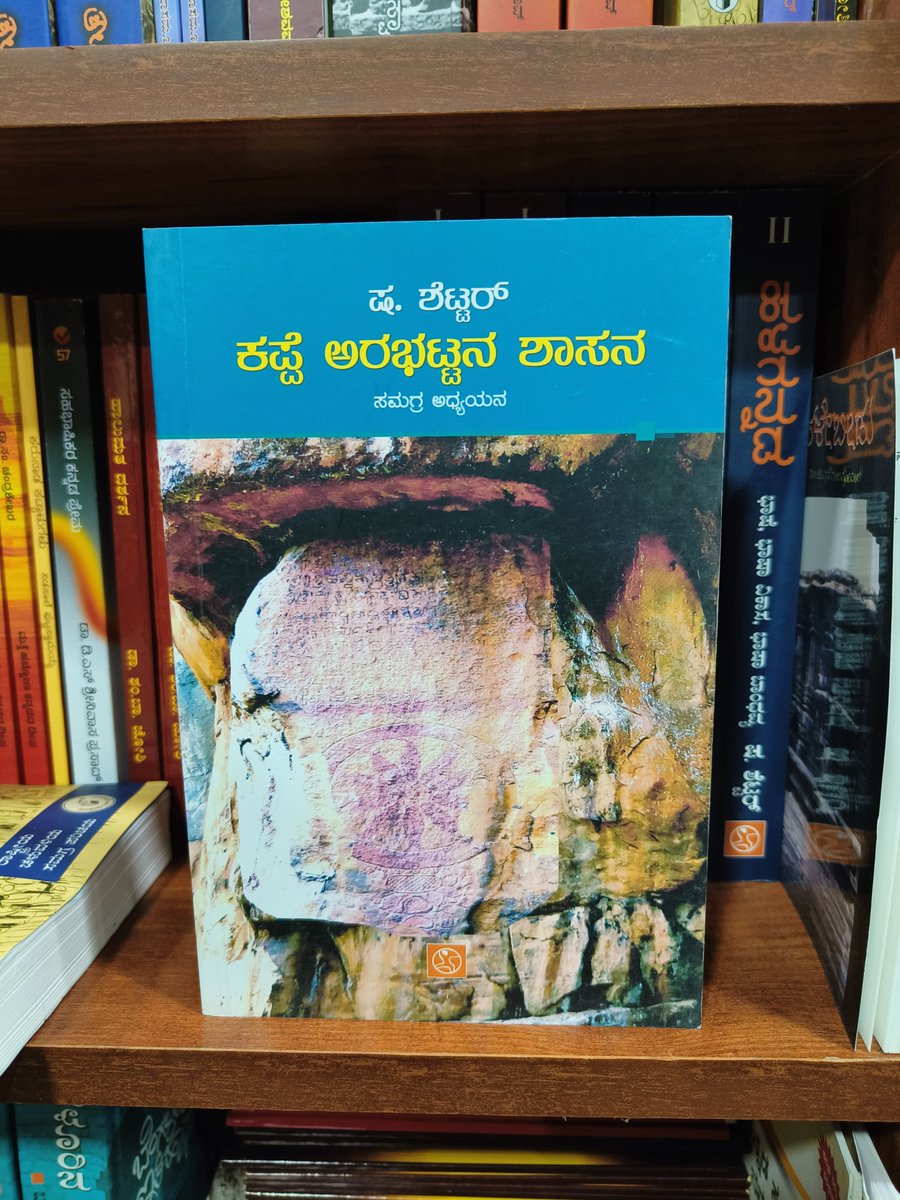
ಕನ್ನಡಿಗರ ಗುಣ ವಿಶೇಷತೆಯನ್ನು ವಿವರಿಸುವ ಬಾದಾಮಿ ಚಾಲುಕ್ಯರ ಶಾಸನವನ್ನು ಕುರಿತು ಷ. ಶೆಟ್ಟರ್ ಅವರು ಬರೆದಿರುವ “ಕಪ್ಪೆ ಅರಭಟ್ಟನ ಶಾಸನ ಸಮಗ್ರ ಅಧ್ಯಯನ” ಪುಸ್ತಕವನ್ನು ಇಂದೇ ಕೊಳ್ಳಲು ಕೆಳಗಿನ ಕೊಂಡಿಯನ್ನು ಒತ್ತಿ 👇🏻
harivubooks.com/products/kap…
#HarivuBooks #ShaShettar #KappeArabhattanaShasanaAdhyayana #KannadaBook #Badami #Chalukya #KannadaLiterature #KannadaHeritage #KappaArabhattana #HistoricalStudies #AncientScripts #CulturalHistory #KannadaCulture #LiteraryAnalysis #IndianHistory #Archaeology #HeritagePreservation #BookRecommendation #ReadMore #HistoryLovers #LiteratureLovers #ExploreHistory #BookLovers #KnowledgeIsPower
2
6
148
1 Apr 2025
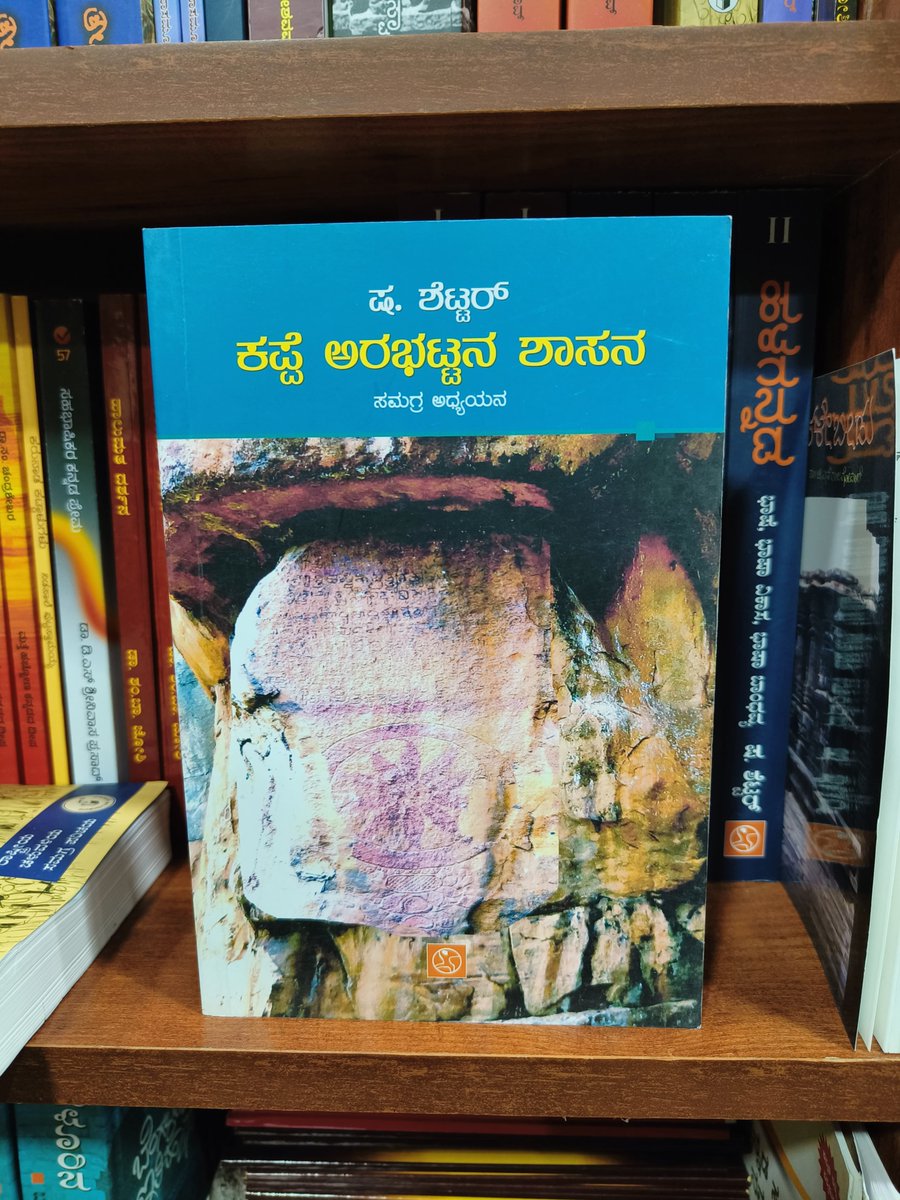
ಕನ್ನಡಿಗರ ಗುಣ ವಿಶೇಷತೆಯನ್ನು ವಿವರಿಸುವ ಬಾದಾಮಿ ಚಾಲುಕ್ಯರ ಶಾಸನವನ್ನು ಕುರಿತು ಷ. ಶೆಟ್ಟರ್ ಅವರು ಬರೆದಿರುವ “ಕಪ್ಪೆ ಅರಭಟ್ಟನ ಶಾಸನ ಸಮಗ್ರ ಅಧ್ಯಯನ” ಪುಸ್ತಕವನ್ನು ಇಂದೇ ಕೊಳ್ಳಲು ಕೆಳಗಿನ ಕೊಂಡಿಯನ್ನು ಒತ್ತಿ 👇🏻
harivubooks.com/products/kap…
#HarivuBooks #ShaShettar #KappeArabhattanaShasanaAdhyayana #KannadaBook #Badami #Chalukya #KannadaLiterature #KannadaHeritage #KappaArabhattana #HistoricalStudies #AncientScripts #CulturalHistory #KannadaCulture #LiteraryAnalysis #IndianHistory #Archaeology #HeritagePreservation #BookRecommendation #ReadMore #HistoryLovers #LiteratureLovers #ExploreHistory #BookLovers #KnowledgeIsPower
2
7
141

31 Mar 2025
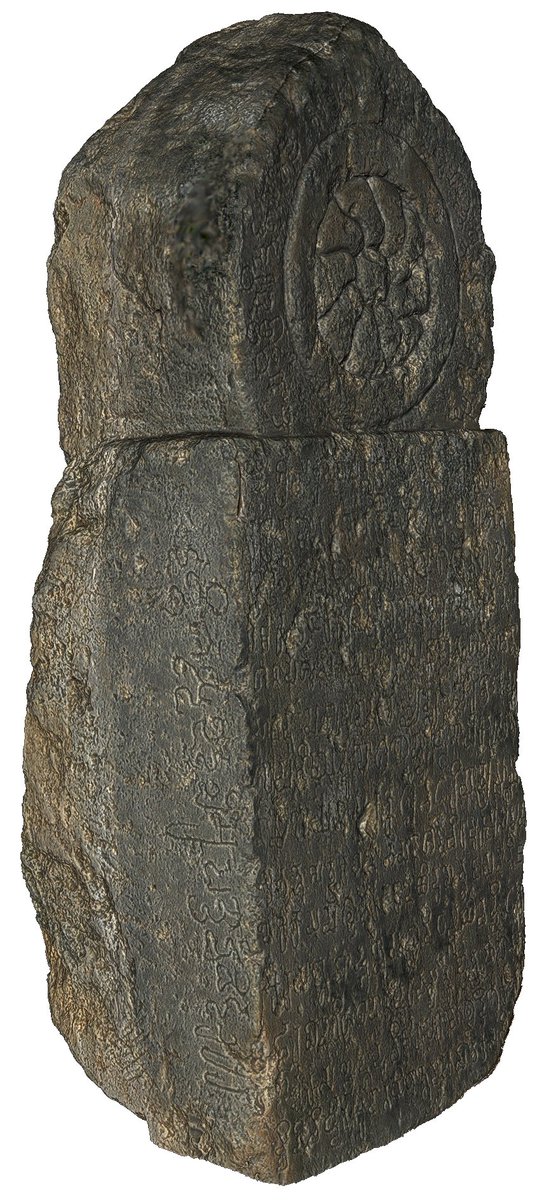
🌿 𝐀 𝐋𝐚𝐧𝐝𝐦𝐚𝐫𝐤 𝐢𝐧 𝐃𝐢𝐠𝐢𝐭𝐚𝐥 𝐇𝐞𝐫𝐢𝐭𝐚𝐠𝐞: 𝐇𝐢𝐠𝐡-𝐐𝐮𝐚𝐥𝐢𝐭𝐲 𝐃𝐢𝐠𝐢𝐭𝐚𝐥 𝐈𝐦𝐚𝐠𝐞𝐬 𝐨𝐟 𝟏𝟒𝟓 𝐄𝐚𝐫𝐥𝐲 𝐊𝐚𝐝𝐚𝐦𝐛𝐚 𝐈𝐧𝐬𝐜𝐫𝐢𝐩𝐭𝐢𝐨𝐧𝐬 𝐍𝐨𝐰 𝐏𝐮𝐛𝐥𝐢𝐜𝐥𝐲 𝐀𝐯𝐚𝐢𝐥𝐚𝐛𝐥𝐞 🌿
𝘈 𝘭𝘢𝘯𝘥𝘮𝘢𝘳𝘬 𝘥𝘪𝘨𝘪𝘵𝘢𝘭 𝘩𝘶𝘮𝘢𝘯𝘪𝘵𝘪𝘦𝘴 𝘪𝘯𝘪𝘵𝘪𝘢𝘵𝘪𝘷𝘦 𝘣𝘺 𝘵𝘩𝘦 𝘔𝘺𝘵𝘩𝘪𝘤 𝘚𝘰𝘤𝘪𝘦𝘵𝘺, 𝘉𝘦𝘯𝘨𝘢𝘭𝘶𝘳𝘶
On the auspicious occasion of 𝐔𝐠𝐚𝐝𝐢, as we welcome the new 𝐒𝐚𝐦𝐯𝐚𝐭𝐬𝐚𝐫𝐚 𝐕𝐢𝐬𝐡𝐯𝐚𝐯𝐚𝐬𝐮, we are delighted to share that 145 high-resolution digital images of inscriptions attributed to the 𝐄𝐚𝐫𝐥𝐲 𝐊𝐚𝐝𝐚𝐦𝐛𝐚 𝐝𝐲𝐧𝐚𝐬𝐭𝐲 (𝟒𝐭𝐡–𝟔𝐭𝐡 𝐜𝐞𝐧𝐭𝐮𝐫𝐲 𝐂𝐄) are now available on 𝐖𝐢𝐤𝐢𝐦𝐞𝐝𝐢𝐚 𝐂𝐨𝐦𝐦𝐨𝐧𝐬.
This major open-access initiative makes one of Karnataka’s most important historical records freely accessible to scholars, students, and the public worldwide.
🛕 These inscriptions were documented and digitally conserved by the 𝐌𝐲𝐭𝐡𝐢𝐜 𝐒𝐨𝐜𝐢𝐞𝐭𝐲 𝐁𝐞𝐧𝐠𝐚𝐥𝐮𝐫𝐮 𝐈𝐧𝐬𝐜𝐫𝐢𝐩𝐭𝐢𝐨𝐧𝐬 𝐃𝐢𝐠𝐢𝐭𝐚𝐥 𝐂𝐨𝐧𝐬𝐞𝐫𝐯𝐚𝐭𝐢𝐨𝐧 𝐓𝐞𝐚𝐦 as part of the seminar “𝐄𝐚𝐫𝐥𝐲 𝐊𝐚𝐝𝐚𝐦𝐛𝐚𝐬 𝐚𝐧𝐝 𝐓𝐡𝐞𝐢𝐫 𝐓𝐢𝐦𝐞𝐬”, held in March 2025.
📍 𝐒𝐢𝐭𝐞𝐬 𝐜𝐨𝐯𝐞𝐫𝐞𝐝 (𝐚𝐥𝐩𝐡𝐚𝐛𝐞𝐭𝐢𝐜𝐚𝐥𝐥𝐲):
Banavasi, Chandravalli, Gudnapura, Halmidi, Kavadi, Malavalli, Shiga, Talagunda, Tadagani, Telagunda, and other nearby locations.
This includes images of the renowned 𝐇𝐚𝐥𝐦𝐢𝐝𝐢 𝐢𝐧𝐬𝐜𝐫𝐢𝐩𝐭𝐢𝐨𝐧, considered the earliest 𝐞𝐚𝐫𝐥𝐢𝐞𝐬𝐭 𝐤𝐧𝐨𝐰𝐧 𝐊𝐚𝐧𝐧𝐚𝐝𝐚 𝐢𝐧𝐬𝐜𝐫𝐢𝐩𝐭𝐢𝐨𝐧.
🧭 The project involved 𝐨𝐯𝐞𝐫 𝟏,𝟎𝟎𝟎 𝐤𝐦 𝐨𝐟 𝐭𝐫𝐚𝐯𝐞𝐥 across 15 historic sites, with more than 𝐬𝐢𝐱 𝐩𝐞𝐫𝐬𝐨𝐧-𝐦𝐨𝐧𝐭𝐡𝐬 𝐨𝐟 𝐝𝐞𝐝𝐢𝐜𝐚𝐭𝐞𝐝 𝐰𝐨𝐫𝐤 by the four-member team.
🔬 Using an 𝐀𝐫𝐭𝐞𝐜 𝐒𝐩𝐚𝐜𝐞 𝐒𝐩𝐢𝐝𝐞𝐫, a high-accuracy structured light 3D scanner, the team created 𝐝𝐢𝐠𝐢𝐭𝐚𝐥 𝐭𝐰𝐢𝐧𝐬 𝐨𝐟 𝐢𝐧𝐬𝐜𝐫𝐢𝐩𝐭𝐢𝐨𝐧𝐬 𝐰𝐢𝐭𝐡 𝐦𝐢𝐥𝐥𝐢𝐦𝐞𝐭𝐫𝐞-𝐥𝐞𝐯𝐞𝐥 𝐩𝐫𝐞𝐜𝐢𝐬𝐢𝐨𝐧 — a transformative leap over traditional estampages, which are now rare and impractical. Given that many inscriptions are rapidly deteriorating, this initiative marks a vital intervention in preserving our shared heritage.
🙏 𝐓𝐡𝐢𝐬 𝐞𝐟𝐟𝐨𝐫𝐭 𝐰𝐚𝐬 𝐦𝐚𝐝𝐞 𝐩𝐨𝐬𝐬𝐢𝐛𝐥𝐞 𝐰𝐢𝐭𝐡 𝐠𝐞𝐧𝐞𝐫𝐨𝐮𝐬 𝐬𝐮𝐩𝐩𝐨𝐫𝐭 𝐟𝐫𝐨𝐦:
• The 𝐀𝐫𝐜𝐡𝐚𝐞𝐨𝐥𝐨𝐠𝐢𝐜𝐚𝐥 𝐒𝐮𝐫𝐯𝐞𝐲 𝐨𝐟 𝐈𝐧𝐝𝐢𝐚 (𝐀𝐒𝐈) — especially officers from the Headquarters, 𝐁𝐞𝐧𝐠𝐚𝐥𝐮𝐫𝐮, and 𝐃𝐡𝐚𝐫𝐰𝐚𝐝 Circles
• The 𝐊𝐚𝐫𝐧𝐚𝐭𝐚𝐤𝐚 𝐃𝐞𝐩𝐚𝐫𝐭𝐦𝐞𝐧𝐭 𝐨𝐟 𝐀𝐫𝐜𝐡𝐚𝐞𝐨𝐥𝐨𝐠𝐲, 𝐌𝐮𝐬𝐞𝐮𝐦𝐬 𝐚𝐧𝐝 𝐇𝐞𝐫𝐢𝐭𝐚𝐠𝐞
• Countless local residents, whose warmth and assistance enabled fieldwork
• Shri 𝐑𝐚𝐦𝐞𝐬𝐡 𝐇𝐢𝐫𝐞𝐣𝐚𝐦𝐛𝐮𝐫, for his tireless support and facilitation at many sites
🔍 𝐎𝐩𝐞𝐧 𝐀𝐜𝐜𝐞𝐬𝐬, 𝐑𝐢𝐜𝐡 𝐌𝐞𝐭𝐚𝐝𝐚𝐭𝐚, 𝐆𝐥𝐨𝐛𝐚𝐥 𝐔𝐬𝐞
All images are released under a 𝐂𝐫𝐞𝐚𝐭𝐢𝐯𝐞 𝐂𝐨𝐦𝐦𝐨𝐧𝐬 𝐀𝐭𝐭𝐫𝐢𝐛𝐮𝐭𝐢𝐨𝐧-𝐒𝐡𝐚𝐫𝐞𝐀𝐥𝐢𝐤𝐞 𝟒.𝟎 𝐈𝐧𝐭𝐞𝐫𝐧𝐚𝐭𝐢𝐨𝐧𝐚𝐥 (𝐂𝐂 𝐁𝐘-𝐒𝐀 𝟒.𝟎) 𝐥𝐢𝐜𝐞𝐧𝐬𝐞 and may be freely used 𝐰𝐢𝐭𝐡 𝐚𝐭𝐭𝐫𝐢𝐛𝐮𝐭𝐢𝐨𝐧 in:
📘 Research papers and journal articles
📗 Books and monographs
🎓 Educational or documentary videos
🏛 Museum displays and information boards
📜 Wikipedia articles and Wikimedia projects
🎁 Commemorative mementos and public exhibitions
Each image is also enriched with 𝐬𝐭𝐫𝐮𝐜𝐭𝐮𝐫𝐞𝐝 𝐝𝐚𝐭𝐚, including:
• Language, script, location, and dynasty
• Coordinates and historical period
• Digitisation method and view type
• Links to relevant items on Wikidata and Wikipedia
This structured approach ensures the data is 𝐦𝐚𝐜𝐡𝐢𝐧𝐞-𝐫𝐞𝐚𝐝𝐚𝐛𝐥𝐞, 𝐡𝐢𝐠𝐡𝐥𝐲 𝐬𝐞𝐚𝐫𝐜𝐡𝐚𝐛𝐥𝐞, 𝐚𝐧𝐝 𝐞𝐚𝐬𝐢𝐥𝐲 𝐢𝐧𝐭𝐞𝐠𝐫𝐚𝐭𝐞𝐝 𝐢𝐧𝐭𝐨 𝐭𝐡𝐞 𝐠𝐥𝐨𝐛𝐚𝐥 𝐨𝐩𝐞𝐧 𝐤𝐧𝐨𝐰𝐥𝐞𝐝𝐠𝐞 𝐞𝐜𝐨𝐬𝐲𝐬𝐭𝐞𝐦.
🔗 Explore the collection on Wikimedia Commons:
commons.wikimedia.org/wiki/C…
🔡 View individual characters on Akshara Bhandara:
mythicsociety.github.io/Aksh…
📩 Contact
Udaya Kumar P L
Honorary Project Director, The Bengaluru Inscriptions Digital Conservation Project
The Mythic Society, Bengaluru
📞 91-98452-04268
📧 udayakumar.pl@gmail.com
#3DScanning #AksharaBhandara #AncientIndia #AncientScripts #ArchaeologyIndia #Banavasi #Chandravalli #CreativeCommons #CulturalHeritage #DigitalHeritage #DigitalHumanities #EarlyKadambas #Epigraphy #Estampage #Gudnapura #Halmidi #HeritageConservation #HistoricalPreservation #HistoryMatters #IndianEpigraphy #IndianHistory #InscriptionsOfIndia #KadambaDynasty #KadambaInscriptions #KannadaEpigraphy #KannadaLanguage #KarnatakaHeritage #Kavadi #KnowledgeCommons #Malavalli #MillimetrePrecision #MythicSociety #OpenAccess #OpenGLAM #PreserveOurPast #PublicHistory #Shiga #StoneInscriptions #StructuredData #Tadagani #Talagunda #Telagunda #Ugadi2025 #VishvavasuSamvatsara #WikimediaCommons #MythicSociety
2
50
161
5,770

25 Mar 2025
The Voynich Manuscript's language follows structured patterns, yet no one has been able to understand it. Could it be an unknown language or an unbreakable code?
#VoynichLanguage #AncientScripts #Linguistics #Codebreaking #UnsolvedMystery
2
23

6 Jan 2025
#INDIA | Tamil Nadu CM Stalin offers $1 million reward for decoding Indus Valley script
Read More⬇️
moneycontrol.com/news/india/…
#TamilNadu #CMStalin #IndusValleyScript #Archaeology #AncientScripts #HistoricalDecoding
2
7
2,834

4 Jan 2025
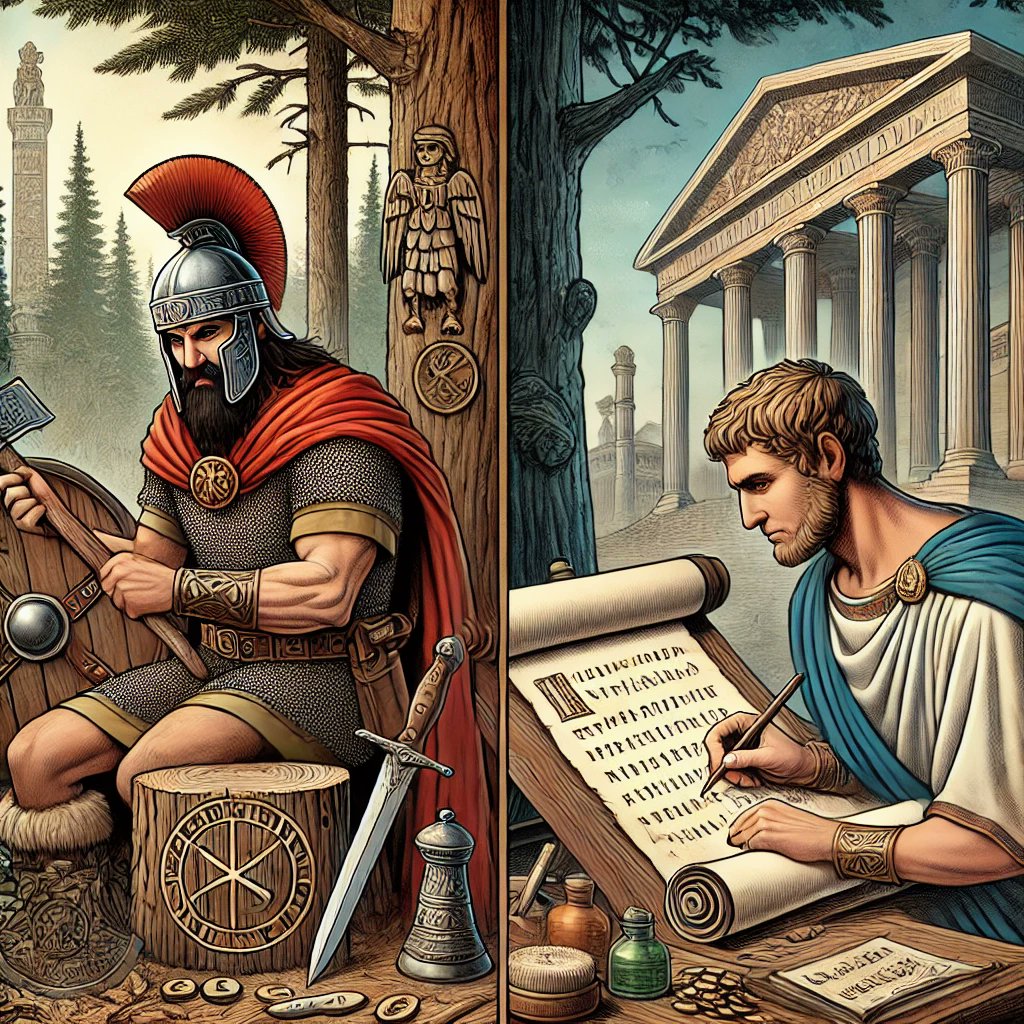
Experts try to connect the contact between Germanic tribes and the Roman Empire to the development of the runes. Personally, I disagree. What about you?
#RunesOrigins
#GermanicHistory
#RomanInfluence
#HistoricalDebate
#AncientScripts
#CulturalExchange
#RunicMystery
3
15