
Jun 13
Spatio-temporal dynamics of total mercury contamination in diving birds as bioindicators of tropical wetlands in India
link.springer.com/article/10…
21

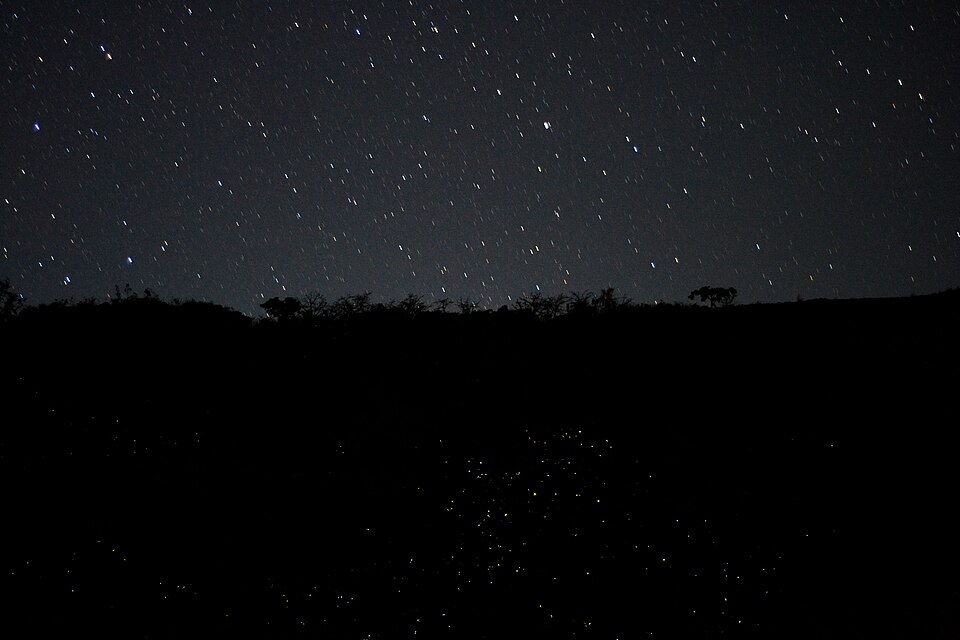
Now is the time when you witness parts of the Western Ghats aglow — trees flashing with thousands of fireflies in near-unison, signalling for mates before the rains arrive.
This March, scientists published India's first-ever firefly checklist: 92 species, more than 60% found nowhere else on Earth. Over 50 haven't been seen since the 1800s.
Fireflies are bioindicators — and now there's finally a baseline to track them.
indiawildlifenews.com/2026/0…
#IndiaWildlifeNews #WhenWildThingsMakeHeadlines #Fireflies #WesternGhats #Bioluminescence #InsectConservation
Fireflies. Photo: Sushantk2212. This file is licensed under the Creative Commons Attribution-Share Alike 4.0 International license.
1
2
10
206

Jun 12
Great work by these members of the Odonates. Did you know the juvenile larvae are good bioindicators for levels of mercury?
Jun 12

Dragonflies fun facts
- Just one dragonfly can consume over 100 mosquitos in a day
- Dragonflies can fly backwards
- They have nearly 360° vision
- Their wings inhibit bacterial growth due to their natural structures
- They're actually beautiful
1
18

DRI's Kelly Loria & Marin Monteith are using aquatic insects as post-wildfire water quality indicators. Check out DRI’s latest #Storymap on how insects can serve as bioindicators and what this means for the future. #ScienceThatMattersNow
dri.edu/canaries-in-the-coal…
1
70

Jun 9
Interesting
Grok:
Speculative framing (nested hierarchy of cognition/competency):
If we adopt the perspective you’ve explored—where aging rates and organismal traits can be regulated top-down from larger scales of collective intelligence/competency (ecosystem as a higher-order Markov blanket or cognitive system optimizing for its own homeostasis, in the spirit of Levin-style multi-scale bioelectric/competency architectures and Friston-like free-energy minimization)—then “making planaria immortal” (negligible senescence via sustained neoblast-driven regeneration and tissue homeostasis) would be a selected or stabilized trait because it serves ecosystem-level goals. The ecosystem “chooses” (via evolutionary, ecological, or informational selection pressures) traits at lower scales that minimize surprise, maintain low-entropy states, and support long-term viability of the larger system.
Here are the top reasons an ecosystem would favor or maintain immortality in these planarian species (primarily certain freshwater and some subterranean triclad planarians), specifically in service of ecosystem homeostasis:
1. Persistent, low-variance trophic regulation (stable top-down control)
Immortal populations deliver consistent predatory and scavenging pressure on small invertebrates without age-related decline in efficiency or population vigor. This prevents boom-bust cycles in prey communities, maintains biodiversity and food-web structure, and provides reliable top-down stabilization—especially valuable in simple or resource-limited systems (e.g., ponds, streams, caves) where planarians often act as apex predators. At ecosystem scale, this reduces variance and surprise in community dynamics, supporting overall homeostasis.
2. High-fidelity, continuous environmental sensing and feedback
As highly sensitive bioindicators, non-senescing planaria provide ongoing, high-resolution data on water quality, toxins, oxygen levels, and disturbances. Their persistent presence and health status function like distributed sensors in a larger cognitive system, enabling faster detection of deviations from homeostasis and triggering collective responses (community shifts, resilience mechanisms). Senescence would introduce noise or gaps in this feedback loop; immortality keeps the signal clean and continuous across long timescales.
3. Enhanced ecosystem resilience and rapid recovery capacity
Their extraordinary regenerative ability (tied to the same neoblast biology that enables negligible senescence) allows quick population rebound after disturbances (floods, pollution pulses, physical damage, or seasonal stress). This acts as a built-in “reset and repair” mechanism at the community level, accelerating return to stable states and reducing the duration or severity of disequilibrium. An ecosystem “invests” in immortal regenerators because they lower the overall free-energy cost of recovery and increase robustness of the larger system.
4. Steady, efficient nutrient cycling without generational drag
Continuous predation scavenging by immortal lineages ensures reliable decomposition and nutrient recycling into primary production, without the metabolic overhead or functional gaps that come with senescing cohorts or frequent generational turnover. This supports biogeochemical homeostasis and sustained productivity, particularly in benthic or detritus-based freshwater systems. At larger scales, it minimizes entropy accumulation from inefficient or fluctuating decomposition. …1/
1
96

Baby flamingo learning to paddle
Flamingos are keystone wetland species and ecological bioindicators. They are critical to maintaining the health of shallow, saline ecosystems through water quality management and nutrient cycling
TY AnimalGeoLife
 Nature is Phenomenal
3
4
95

🔆 Rare Dragonfly Resurfaces in Arunachal Pradesh
📍 Why in News?
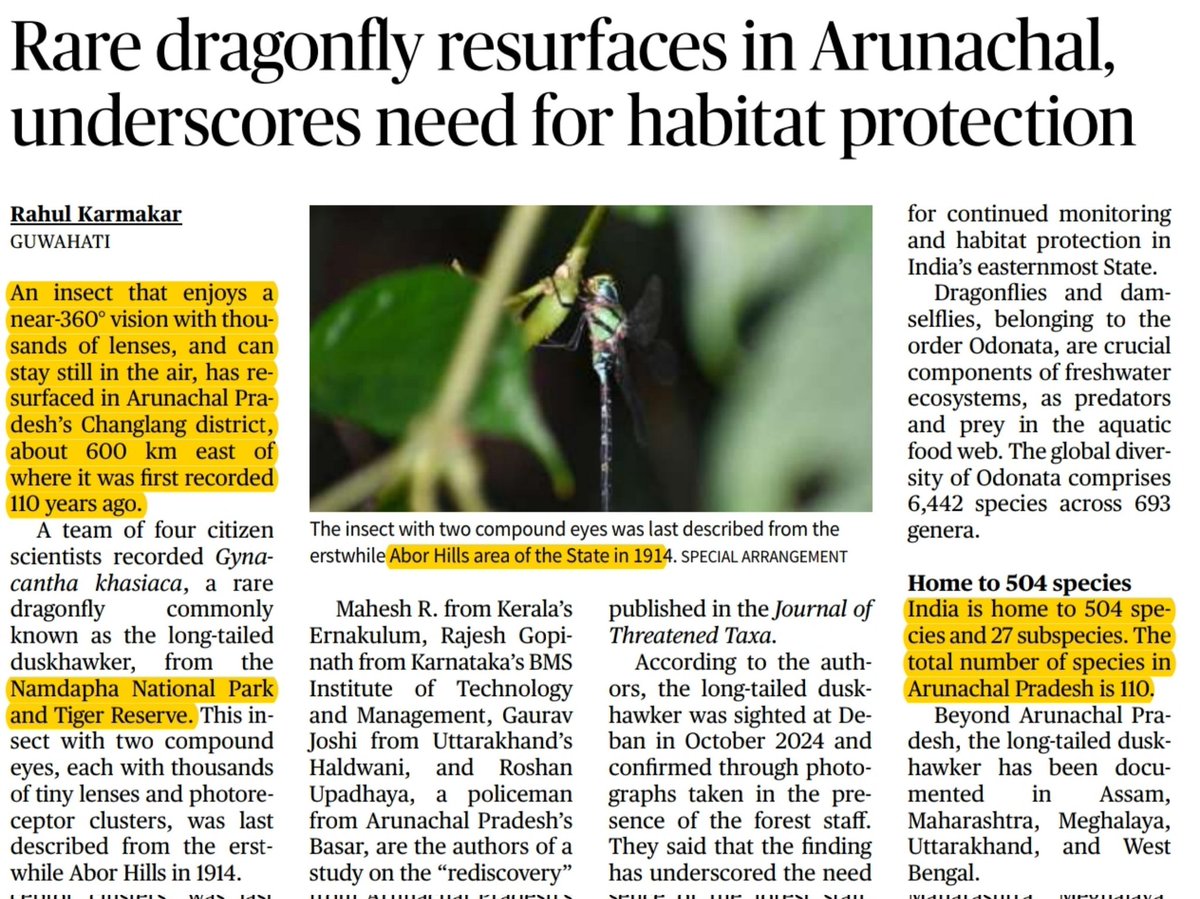
✅ A rare dragonfly species, Gynacantha khasiaca (Long-tailed Duskhawker), has been rediscovered in Arunachal Pradesh’s Changlang district after nearly 110 years.
📍 Key Highlights:
✅ The species was sighted in Namdapha National Park and Tiger Reserve and was last recorded in the Abor Hills in 1914.
✅ Dragonflies possess near-360° vision with compound eyes containing thousands of tiny lenses and photoreceptors.
✅ The rediscovery was confirmed through photographic evidence and published in the Journal of Threatened Taxa.
✅ Dragonflies and damselflies belong to the order Odonata and are important indicators of healthy freshwater ecosystems.
✅ India hosts around 504 species and 27 subspecies of dragonflies and damselflies, with Arunachal Pradesh alone having 110 species.
📍 Ecological Importance:
✅ Dragonflies act as both predators and prey in aquatic food webs, helping maintain ecosystem balance.
✅ Their presence indicates good freshwater quality and ecological health.
✅ Rediscovery highlights the biodiversity richness of the Eastern Himalayas and Northeast India.
📍 Challenges / Concerns:
✅ Habitat destruction and climate change threaten freshwater ecosystems and insect diversity.
✅ Limited long-term monitoring and taxonomic research on lesser-known insect species.
✅ Increasing developmental pressures in biodiversity hotspots like Arunachal Pradesh.
📍 Way Forward:
✅ Strengthen habitat conservation in ecologically sensitive zones such as Namdapha Tiger Reserve.
✅ Promote citizen-science initiatives and biodiversity documentation.
✅ Expand freshwater ecosystem monitoring and insect conservation programmes.
✅ Increase research funding for lesser-known and threatened taxa.
📝 Mains Question:
Discuss the ecological significance of dragonflies as bioindicators. How can biodiversity conservation in the Northeast contribute to India’s environmental security? (150 Words)
#GS3 #Environment #UPSC #UPSC2026 #CSE2026 #Environment #Biodiversity #Ecology #Conservation #Dragonfly #Odonata #Bioindicators #FreshwaterEcosystems #Namdapha #ArunachalPradesh #NortheastIndia #EasternHimalayas #WildlifeConservation #ClimateChange #ProtectedAreas #TigerReserve #SpeciesRediscovery #EnvironmentalSecurity #BiodiversityHotspot #CurrentAffairs #UPSCPreparation #UPSCNotes #GS3Environment #Prelims2027 #Mains2026 #StudyWithMe #LearnWithUPSC
#UPSC #UPSC2026 #Environment #Biodiversity #ArunachalPradesh #Namdapha #Dragonfly #Ecology #GS3 #CurrentAffairs #Conservation #ClimateChange #EnvironmentalSecurity #NortheastIndia #UPSCPreparation
17
387

May 29
Below is a list of some national, international, global and local observances for May 29, 2026:
National Snail Day celebrates gastropods for their vital roles in decomposition, nutrient cycling, and as food-web links across ecosystems worldwide; these slow-moving creatures boast lineages stretching back over 500 million years, serving as bioindicators of environmental health while quietly sustaining soil fertility and bird diets in ways often overlooked amid faster-paced wildlife narratives.
holidaycalendar.io
National Alligator Day celebrates the American alligator as a keystone species whose burrowing creates “gator holes” that become oases sustaining fish, birds, turtles, and other wildlife during droughts in southeastern U.S. wetlands; these ancient survivors first appeared over 37 million years ago and rebounded dramatically from near-extinction in the 1960s thanks to the Endangered Species Act, with populations delisted in 1987 as a landmark conservation success.
blog.wildfloridairboats.com
National Paperclip Day honors the humble bent-wire fastener invented in the 1860s and patented in the U.S. in 1867 for attaching tickets to fabric; during World War II, Norwegians wore paperclips on their lapels as a quiet symbol of resistance against Nazi occupation, turning an everyday office supply into a profound emblem of solidarity and defiance under oppression.
nationaltoday.com
National 529 Day promotes 529 college savings plans established under Section 529 of the Internal Revenue Code in 1996, which allow tax-advantaged growth for higher education, K-12 tuition, apprenticeships, and even limited Roth IRA rollovers; in an era of soaring college costs exceeding $30,000 annually on average, these plans underscore how early, compound-interest investing can democratize access to opportunity across generations.
collegesavingsfoundation.org
Learn About Composting Day highlights the ancient practice of turning kitchen scraps, yard waste, and organic matter into nutrient-rich soil amendment through microbial decomposition, reducing landfill contributions that account for nearly 30–40 percent of U.S. food waste annually; this process not only cuts methane emissions but recycles nutrients back into the earth in a closed-loop system humans have used since the Stone Age.
nationaltoday.com
National Heat Awareness Day raises awareness of heat-related illnesses and prevention strategies, especially as extreme heat events increase with climate change; it falls on the last Friday in May to prepare communities for summer risks, reminding that heat kills more Americans annually than hurricanes, floods, or tornadoes combined through often-overlooked vulnerabilities in urban and outdoor settings.
checkiday.com
Put a Pillow on Your Fridge Day observes the quirky modern adaptation of an early 20th-century European custom of placing bedroom linens in the pantry or larder to invite prosperity, fertility, and abundant food into the household; the fridge substitution playfully merges old-world symbolism of household plenty with contemporary kitchen life.
holidays-and-observances.com
National Coq au Vin Day marks the classic French braised chicken dish simmered in red wine with mushrooms, onions, and lardons, a staple of rustic cuisine elevated to global fame; its name literally means “rooster in wine,” reflecting peasant origins where tough older birds were tenderized through slow cooking, illustrating how necessity and regional ingredients birthed enduring culinary traditions.
checkiday.com
National Hydroxyapatite Day spotlights the naturally occurring calcium phosphate mineral that forms the primary structural component of human teeth and bones, giving them strength and hardness; its use in modern toothpastes and bone-repair materials underscores how mimicking nature’s own building blocks advances dental and medical science in subtle yet foundational ways.
nationaltoday.com
International Day of United Nations Peacekeepers commemorates the 1948 launch of the UN’s first peacekeeping mission, the Truce Supervision Organization in the Middle East, and honors the more than one million personnel who have served with roughly 4,500 fatalities; this observance quietly reflects humanity’s ongoing, imperfect efforts to maintain fragile cease-fires amid conflict through multinational cooperation rather than conquest.
nationaltoday.com
Mount Everest Day recalls May 29, 1953, when Edmund Hillary and Tenzing Norgay achieved the first confirmed summit of the world’s highest peak after a 15-minute stay that included photographs and Buddhist offerings left by Norgay; their triumph, achieved through meticulous teamwork and Sherpa knowledge, opened an era of high-altitude exploration while foreshadowing today’s challenges of overcrowding, glacial melt, and cultural preservation on the mountain.
nationaltoday.com
European Neighbors’ Day fosters community by encouraging shared meals and neighborly interactions on the last Friday in May, originating in France in 1999 and now spanning over 36 countries with millions participating; in an age of increasing urban isolation, it revives the simple act of knowing those living next door as a counter to social fragmentation.
holidays-and-observances.com
End of the Middle Ages Day marks May 29, 1453, when Ottoman forces under Mehmed II captured Constantinople, ending the Byzantine Empire and traditionally viewed as closing the medieval chapter in Europe; the exodus of Greek scholars and texts to Italy accelerated the Renaissance, demonstrating how one city’s fall can ignite intellectual rebirth across continents.
nationaltoday.com
Ascension of Bahá’u’lláh is the Bahá’í holy day observed from the evening of May 28 to May 29 commemorating the 1892 passing of Bahá’u’lláh, founder of the faith whose teachings emphasize the oneness of humanity, religions, and God; this observance invites reflection on unity amid diversity, a message rooted in 19th-century Persia yet profoundly relevant to contemporary global challenges.
holidays-and-observances.com
Oak Apple Day (also Royal Oak Day) in England commemorates the 1660 Restoration of the monarchy when Charles II returned after hiding in the Boscobel Oak tree following the 1651 Battle of Worcester; celebrants wear oak sprigs or leaves, preserving a living link to royalist resilience and possibly older pre-Christian fertility rites tied to the sacredness of oak groves.
en.wikipedia.org
1
2
149

A pair of Crimson Marsh Gliders (Trithemis aurora) in the mating wheel position, photographed at Shanti Bazar near Trisuli, Nepal.
This vibrant male (with the bright pink-crimson abdomen) has clasped the female while she curls her abdomen to receive sperm. These dragonflies are common in the subtropical lowlands and river valleys of Nepal, thriving near ponds, marshes, slow streams, and rice paddies along the Trisuli River region.
Facts about Dragon Fly that you most likely have overlooked:
1. Ancient Aviators:
Dragonflies are among the oldest flying insects, with ancestors dating back over 300 million years — about 100 million years before dinosaurs. Prehistoric relatives like Meganeuropsis permiana had wingspans up to 2 feet (75 cm), far larger than modern species.
2. Master Hunters with 95% Success Rate:
Dragonflies are among the most effective predators in the animal kingdom. They catch prey (like mosquitoes, flies, and other insects) mid-air with a success rate of up to 95%, outperforming lions, sharks, or wolves. Their large compound eyes (up to 30,000 lenses) provide nearly 360° vision, including ultraviolet and polarized light.
3. Incredible Flight Capabilities:
They can fly forward, backward, hover, and even upside down at speeds up to 35 mph (58 km/h). Their wings operate independently, allowing unmatched aerial agility. Some species, like the Globe Skimmer, migrate up to 11,000 miles across oceans over multiple generations.
4. Aquatic "Jet-Propelled" Nymphs:
Dragonfly nymphs (larvae) breathe through gills in their rectum and escape predators by shooting water out of their anus like a jet engine. They are fierce underwater hunters and cannibals, spending most of their lives (months to years) in this stage.
5. Short but Intense Adult Life:
Adults typically live only 4–6 weeks (sometimes a few months), focusing entirely on hunting and reproduction. Your Crimson Marsh Glider adults are most active in warm, post-monsoon periods in Nepal’s river valleys.
6. Bacterial-Killing Wings:
Dragonfly wings have microscopic nanopillars that physically rip apart bacteria cell membranes on contact, acting as a natural antibacterial surface — a potential inspiration for medical tech.
7. The Mating Wheel:
As seen in your photo, males and females form a heart- or wheel-shaped position during mating. Males use claspers to hold the female’s head while she curls her abdomen to receive sperm — a unique behavior ensuring paternity.
8. Bioindicators of Healthy Water:
Dragonflies like Trithemis aurora are excellent indicators of water quality. Their presence around Trisuli’s ponds, marshes, and slow rivers signals a relatively healthy freshwater ecosystem. Nepal is home to over 140 recorded dragonfly species.
9. Extreme Vision and Color:
They have five eyes total (two massive compound eyes three simple ones) and can see more color wavelengths than humans. Males of the Crimson Marsh Glider develop that striking crimson-pink abdomen as they mature to attract mates.
10. Natural Pest Control:
A single dragonfly can eat hundreds of mosquitoes per day, making them beneficial to humans and ecosystems — especially in rice paddies and wetlands.
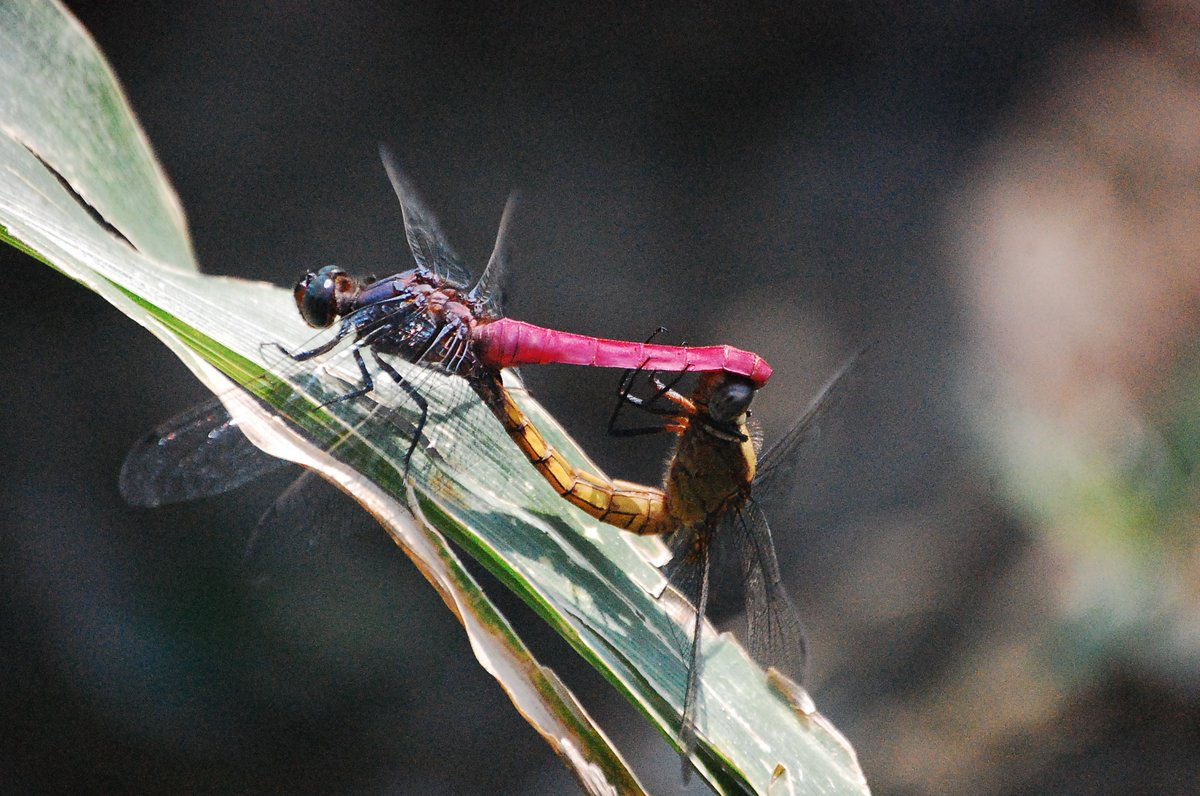
ALT A pair of Crimson Marsh Gliders (Trithemis aurora) in the mating wheel position, photographed at Shanti Bazar near Trisuli, Nepal. This vibrant male (with the bright pink-crimson abdomen) has clasped the female while she curls her abdomen to receive sperm. These dragonflies are common in the subtropical lowlands and river valleys of Nepal, thriving near ponds, marshes, slow streams, and rice paddies along the Trisuli River region
9
454

@abhijitmajumder Dada, You just nailed one of India’s oldest, most accurate weather forecasts!
Delhi burning at 43°C… yet those ants marching in a perfect kitchen queue?
Not random. Not coincidence.
They’re nature’s own barometer sounding the rain alarm.
This exact behaviour - black ants (Camponotus or similar species) moving in long rows, carrying eggs and brood to higher/safer ground, has been observed by Indian farmers and elders for generations.
Peer-reviewed proof:
In the Indian Journal of Traditional Knowledge (2011), S. Acharya’s paper “Presage Biology” explicitly lists it:
> “Movement of black ant in a row… Hair and antenna of ants lengthens due to increase in the humidity triggering the process of carrying the eggs to a safer place. This process is observed with thousands of ants moving in a stream, thereby indicating rain.”
Official journal page (NISCAIR/NOPR – CSIR):
nopr.niscpr.res.in/handle/12…
Modern science backs it 100%.
A Scientific Reports (2015) study on the common Indian black ant Diacamma indicum (eastern & peninsular India) showed colonies actively relocate entire nests to higher elevations right before and during monsoon onset. They detect rising humidity and falling barometric pressure, modify nest entrances, and evacuate to avoid flooding, exactly what your kitchen queue is doing.
- Direct open-access article (Nature.com): nature.com/articles/srep1371…
Your childhood observation isn’t nostalgia.
It’s validated ethnobiology and entomology.
While IMD models debate, the ants have already voted: rain incoming.
Nature never lies.
Who else is seeing the black-ant march in their homes right now? Drop your city below 👇
#AntsPredictRain #BlackAnts #TraditionalKnowledge #PresageBiology #Monsoon2026 #DelhiWeather #BioIndicators #NatureKnows #IndianFolkWisdom #ScientificValidation #DelhiRainsIncoming
May 21

Delhi is burning at 43 degrees.
But I think it will rain tomorrow.
Saw a queue of ants in the kitchen. They have great sensors to detect and prepare for atmospheric changes…have seen this since childhood.
2
8
662

May 14
Per Grok 4.3:
The insect in your photo is a stonefly (order Plecoptera).
Key identifying features visible in the image:
•Wings: Two pairs of large, elongated wings with a very dense, net-like (reticulate) venation pattern — hundreds of cross-veins forming small polygonal cells. This is a classic trait of stoneflies. The wings are held relatively flat over the body (typical resting posture for the order).
•Abdomen: Long, slender abdomen ending in two long cerci (tail-like appendages) visible at the posterior end. Stoneflies always have two cerci (mayflies usually have three).
•Antennae & legs: Long, thread-like (filiform) antennae and long, slender legs.
•Coloration & markings: Mottled gray-brown wings with darker veins and lighter patches; a distinctive yellowish-orange mark on the side of the thorax (common in many species).
•Overall body shape: Elongated and somewhat flattened, typical of adult stoneflies.
Likely family
Given the size, wing shape, and intricate venation, this is most likely a member of the family Perlidae (common stoneflies) or Pteronarcyidae (giant stoneflies). Without a precise geographic location or closer view of the head/terminalia, species-level ID is difficult, but it is definitely not a mayfly, lacewing, dobsonfly, or caddisfly.
Quick facts about stoneflies
•Nymphs are aquatic and live in clean, well-oxygenated streams/rivers (they are excellent bioindicators of water quality — their presence usually means the water is healthy).
•Adults do not feed much (some don’t feed at all) and live only a few days to a couple of weeks, mainly to mate and lay eggs.
•They are harmless to humans — no sting or bite.
If you can tell me roughly where the photo was taken (country/region or habitat — near a river, lake, etc.), I can narrow it down further to genus or species!
1
2
201

-"contribute to marine ecosystems by regulating sponge populations and serving as bioindicators of water quality." This is only surface level research though
1
2
33

May 5
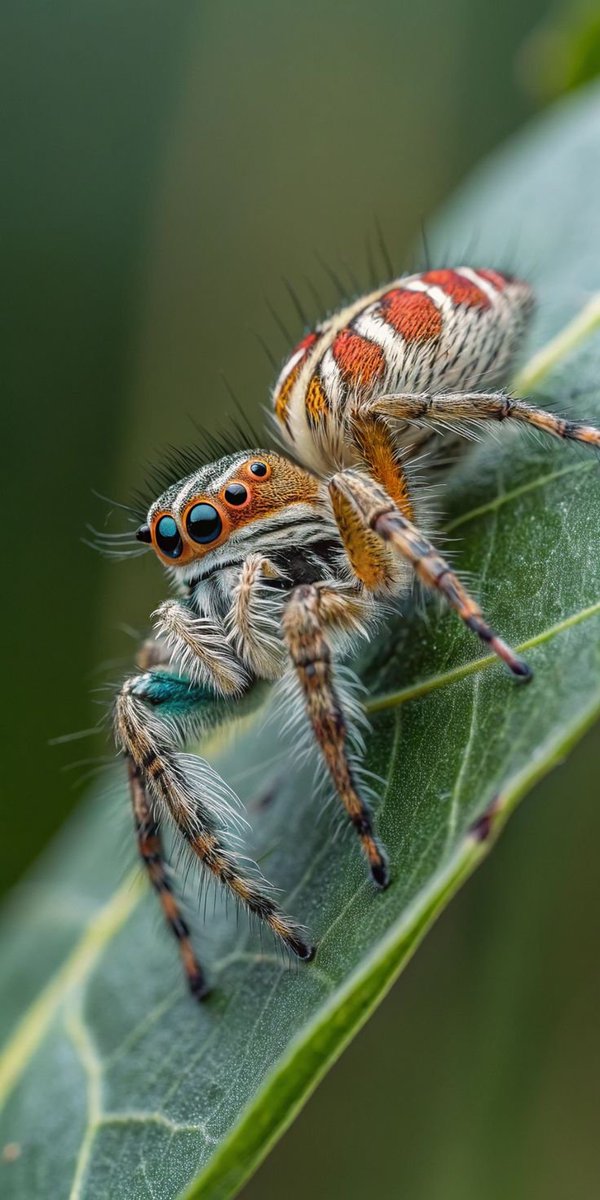
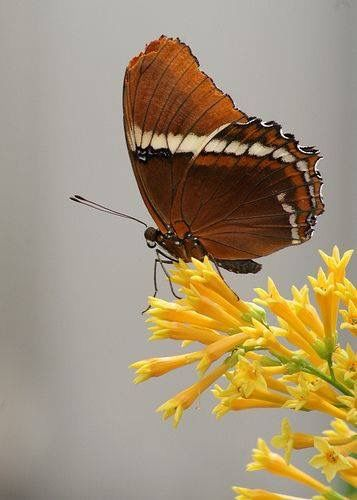
Butterflies are often used as bioindicators, meaning scientists monitor butterfly populations to assess ecosystem health.
Because many species are sensitive to temperature changes, habitat fragmentation, pesticide use, and pollution, declines in butterfly diversity can signal environmental problems early.
For example, shifts in butterfly ranges are often linked to Climate Change.
3
24

May 4
احس الفطريات من اكثر الاحياء الدقيقة وربما أفضلها الي ممكن تعاملها گ Bioindicators لان الفطر الواحد عنده القدرة على التغيّر اللوني لأن استجابتها مرئية وقابلة للقياس بناء على حساسيتها للمواد والعناصر. اعتقد هذا يفتح مجال في تسخيرها كمعرفات أولية تحليلية للملوثات والسموم.
2
87

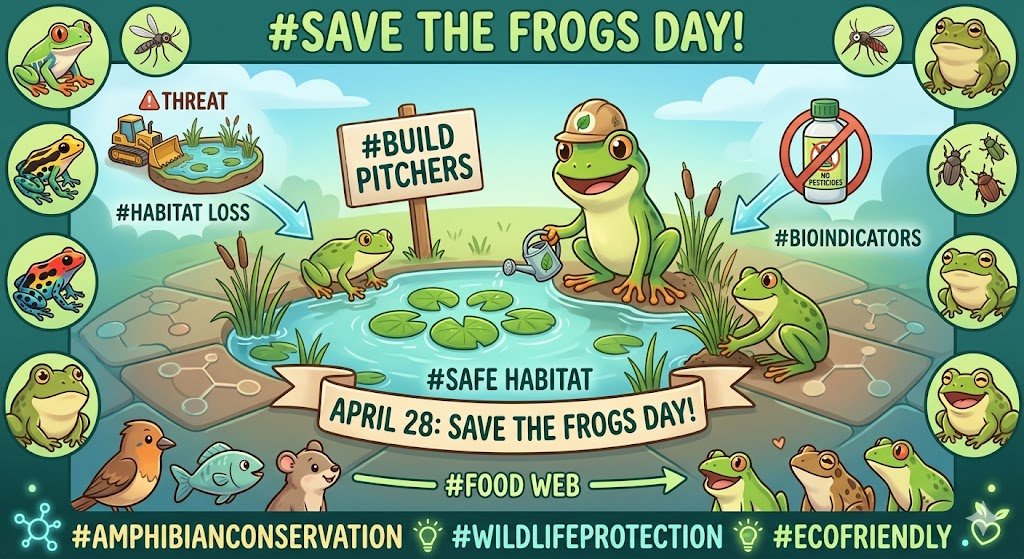
Leap Into Action: It’s Save The Frogs Day! 🐸🌿
Today, April 28, marks the 18th Annual Save The Frogs Day—the world’s largest day of amphibian education and conservation action. While they might be small, frogs are the "canaries in the coal mine" for our planet's health. When they thrive, our ecosystems thrive.
The Amphibian Crisis 📉
Did you know that over 40% of amphibian species are currently at risk of extinction? They face a "perfect storm" of threats:
Habitat Loss: Wetlands and forests are disappearing at an alarming rate.
Pollution: Their semi-permeable skin makes them hyper-sensitive to toxins and pesticides.
Climate Change: Shifting temperatures disrupt breeding cycles and water sources.
Chytrid Fungus: A devastating disease that has decimated populations globally.
Why Frogs Are Our Unsung Heroes 🦸♂️
Frogs aren't just cool to look at; they are essential #BioIndicators:
Pest Control: A single frog can eat thousands of insects (including mosquitoes!) every year.
Food Web Stability: They are a vital food source for birds, fish, and mammals.
Medical Breakthroughs: Compounds found in frog skin are being researched to treat everything from cancer to Alzheimer's.
How You Can Help Today 🌍
You don't need to be a biologist to make a difference:
Build a Backyard Pond: Create a safe haven for local amphibians.
Go Organic: Skip the pesticides in your garden to keep their water clean.
Support the Experts: Follow and donate to organizations like @SaveTheFrogs. Leap Into Action: It’s Save The Frogs Day! 🐸🌿
Today, April 28, marks the 18th Annual Save The Frogs Day—the world’s largest day of amphibian education and conservation action. While they might be small, frogs are the "canaries in the coal mine" for our planet's health. When they thrive, our ecosystems thrive.
The Amphibian Crisis 📉
Did you know that over 40% of amphibian species are currently at risk of extinction? They face a "perfect storm" of threats:
Habitat Loss: Wetlands and forests are disappearing at an alarming rate.
Pollution: Their semi-permeable skin makes them hyper-sensitive to toxins and pesticides.
Climate Change: Shifting temperatures disrupt breeding cycles and water sources.
Chytrid Fungus: A devastating disease that has decimated populations globally.
Why Frogs Are Our Unsung Heroes 🦸♂️
Frogs aren't just cool to look at; they are essential #BioIndicators:
Pest Control: A single frog can eat thousands of insects (including mosquitoes!) every year.
Food Web Stability: They are a vital food source for birds, fish, and mammals.
Medical Breakthroughs: Compounds found in frog skin are being researched to treat everything from cancer to Alzheimer's.
How You Can Help Today 🌍
You don't need to be a biologist to make a difference:
Build a Backyard Pond: Create a safe haven for local amphibians.
Go Organic: Skip the pesticides in your garden to keep their water clean.
Support the Experts: Follow and donate to organizations like @SaveTheFrogs.
Let’s Make Some Noise! 📣
Help us spread the word and protect our hopping friends!
#SaveTheFrogsDay #SaveTheFrogs #AmphibianConservation #WildlifeProtection #EcoFriendly #Biodiversity #NatureConservation #FrogLover #Sustainability #EnvironmentalAwareness #ProtectOurPlanet #STEM #Biology
@SaveTheFrogs @WorldFrogDay @IUCN @AmphibianSurvival @NatGeo @World_Wildlife @UNBiodiversity
Let’s Make Some Noise! 📣
Help us spread the word and protect our hopping friends!
#SaveTheFrogsDay #SaveTheFrogs #AmphibianConservation #WildlifeProtection #EcoFriendly #Biodiversity #NatureConservation #FrogLover #Sustainability #EnvironmentalAwareness #ProtectOurPlanet #STEM #Biology
@SaveTheFrogs @WorldFrogDay @IUCN @AmphibianSurvival @NatGeo @World_Wildlife @UNBiodiversity
29
31
153

Apr 26
If anyone needed a little hope for the future: I work at Kashmir World Foundation and we’re pioneering a BioAcoustics Research Initiative that harnesses the power of bird calls and animal vocalizations from sentinel species (aka nature’s alarm-bell animals).
Sentinel species act as living bioindicators: their songs and distress signals reveal everything from habitat health to hidden threats like poaching and illegal logging.
We deploy smart acoustic sensors deep in biodiverse hotspots to capture soundscapes, then use AI and machine learning to filter noise, identify specific calls, detect anomalies, and translate them into actionable intelligence.
Our prototype “Universal Translator” system, Shaman I, decodes these natural signals into instant alerts for rangers, empowering proactive protection of endangered wildlife and entire ecosystems.
We are giving nature a voice to fight back that you guys can understand. You can join us in this mission to safeguard our planet’s wild places for generations to come by simply looking into our projects and caring about what we’re working on :)
kashmirworldfoundation.org
Apr 23

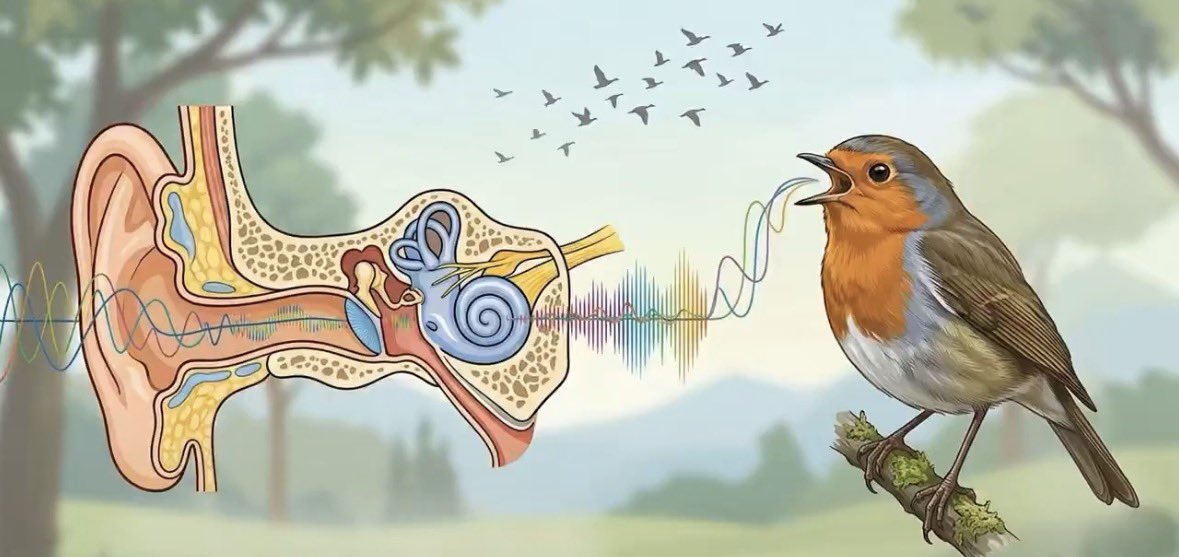
High-frequency patterns in birdsong can signal safety to the brain, helping the body unwind, ease stress, and restore mental clarity.
At times, nothing soothes the mind more effectively than the quiet rhythms of the natural world.
2
15
69
12,353

Apr 22
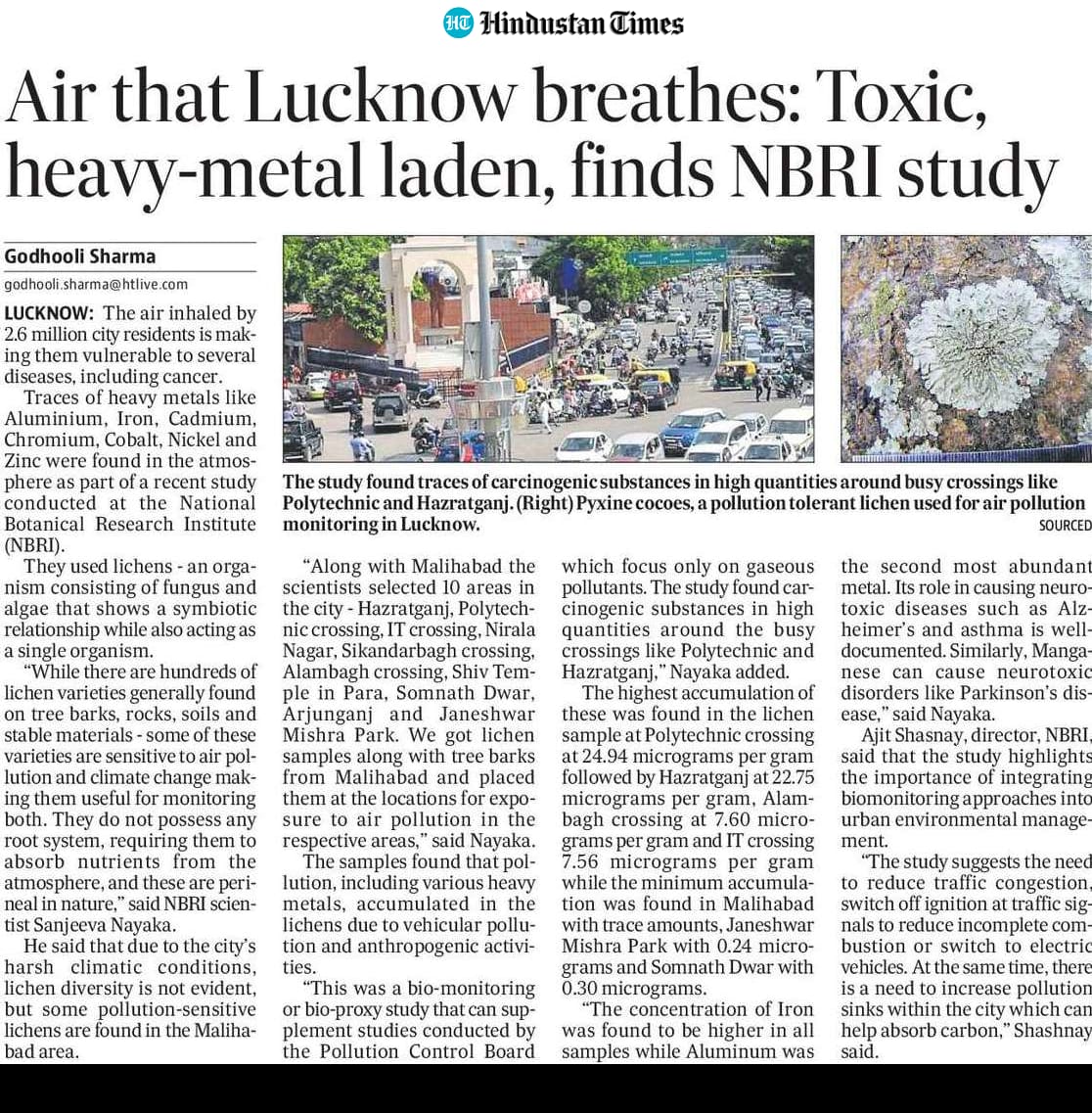
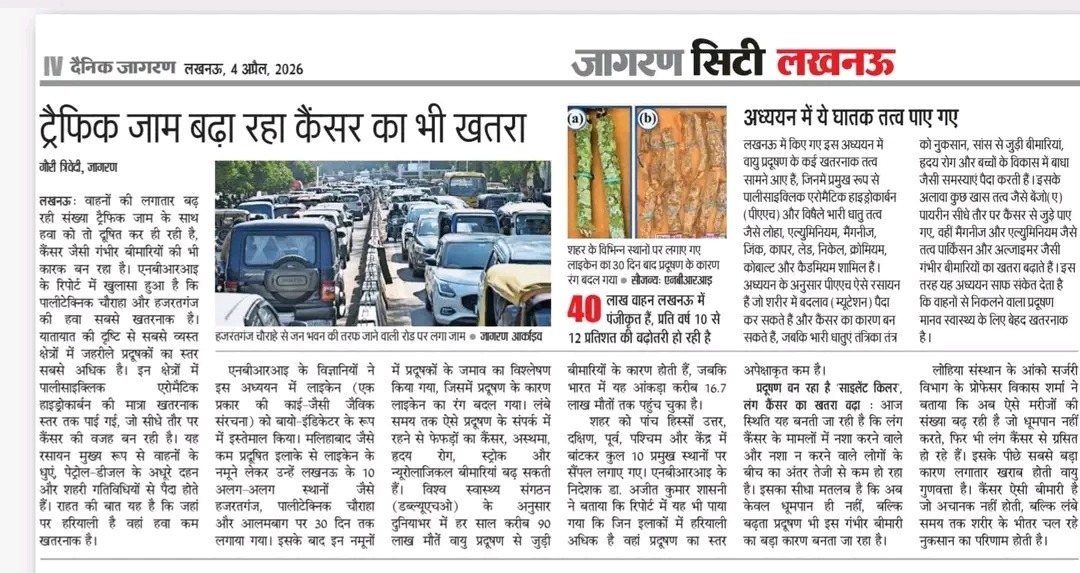
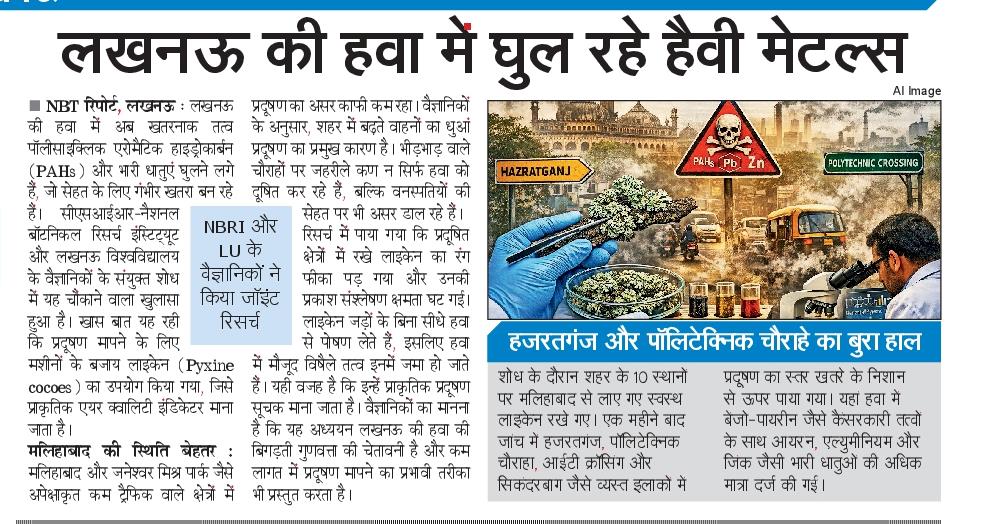
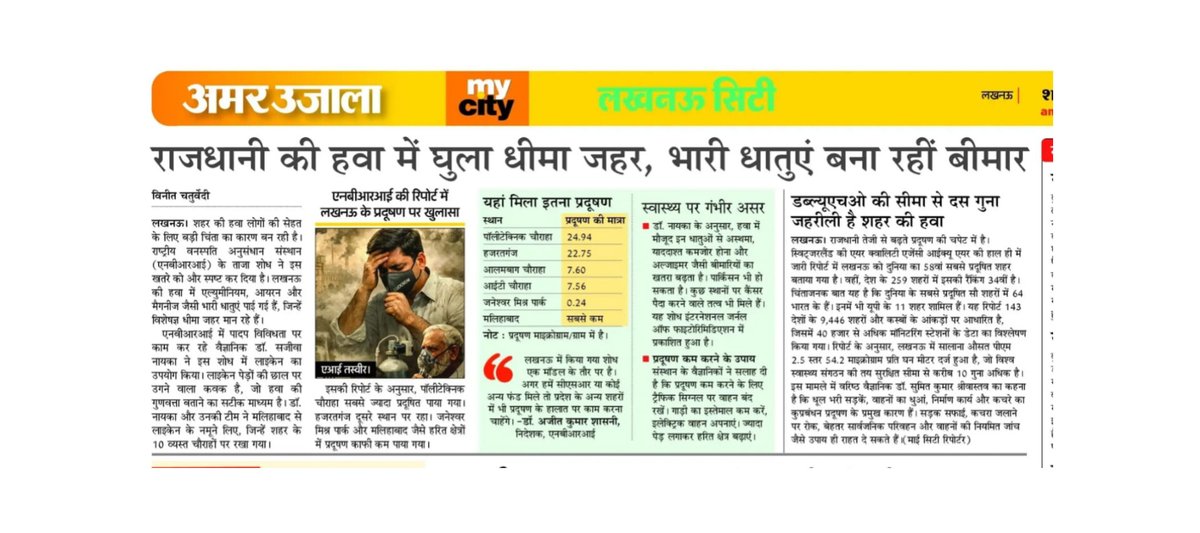
Our recent study on air pollution in Lucknow using lichens is highlighted in several newspapers. Congratulations to Dr. Kirti Kumari for her excellent study and publication in a high impact journal.
#lichen #lichenbiomonitoring #bioindicators #biomonitoring
#nayakasanjeeva
3
5
77

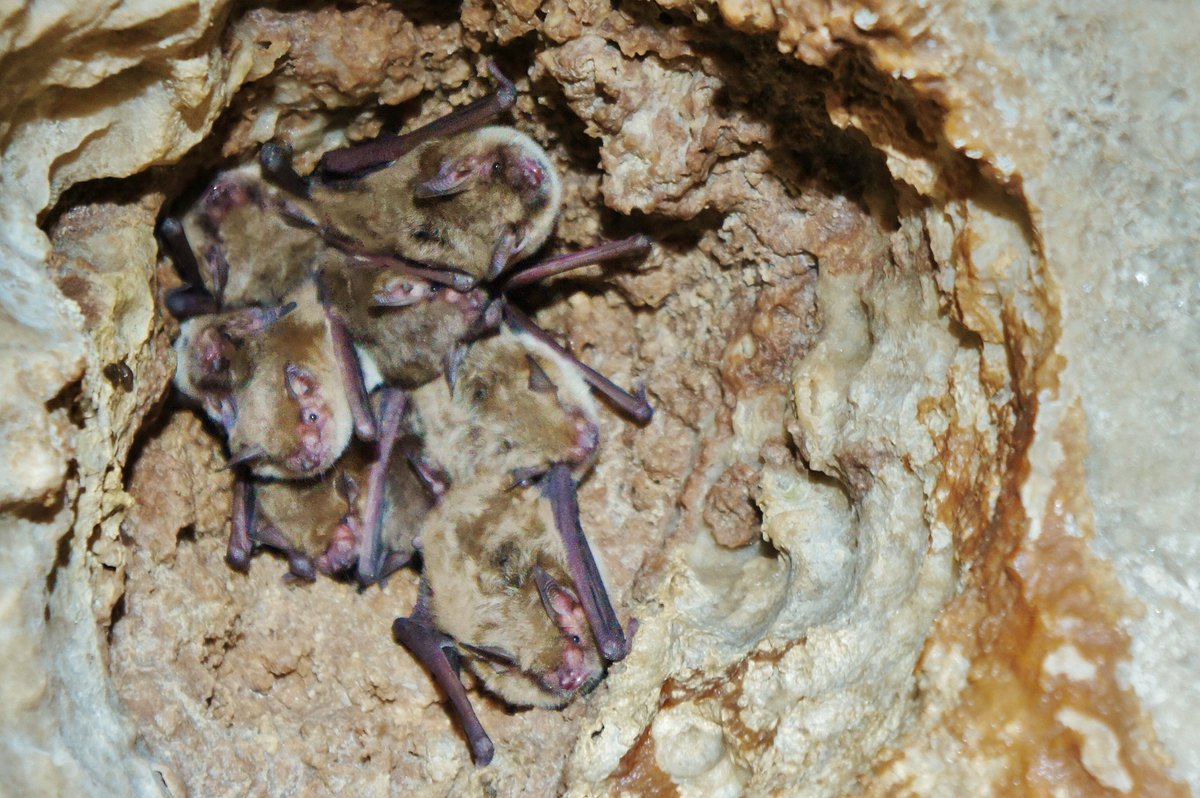
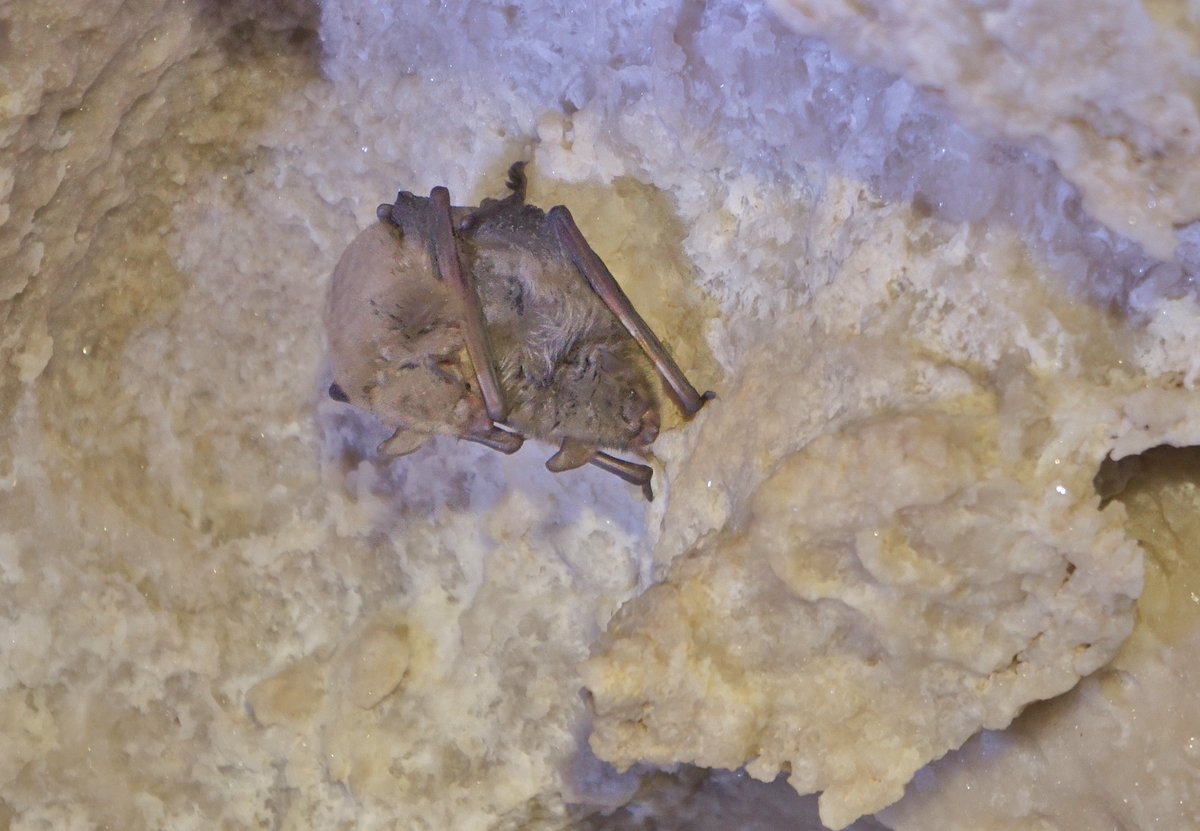
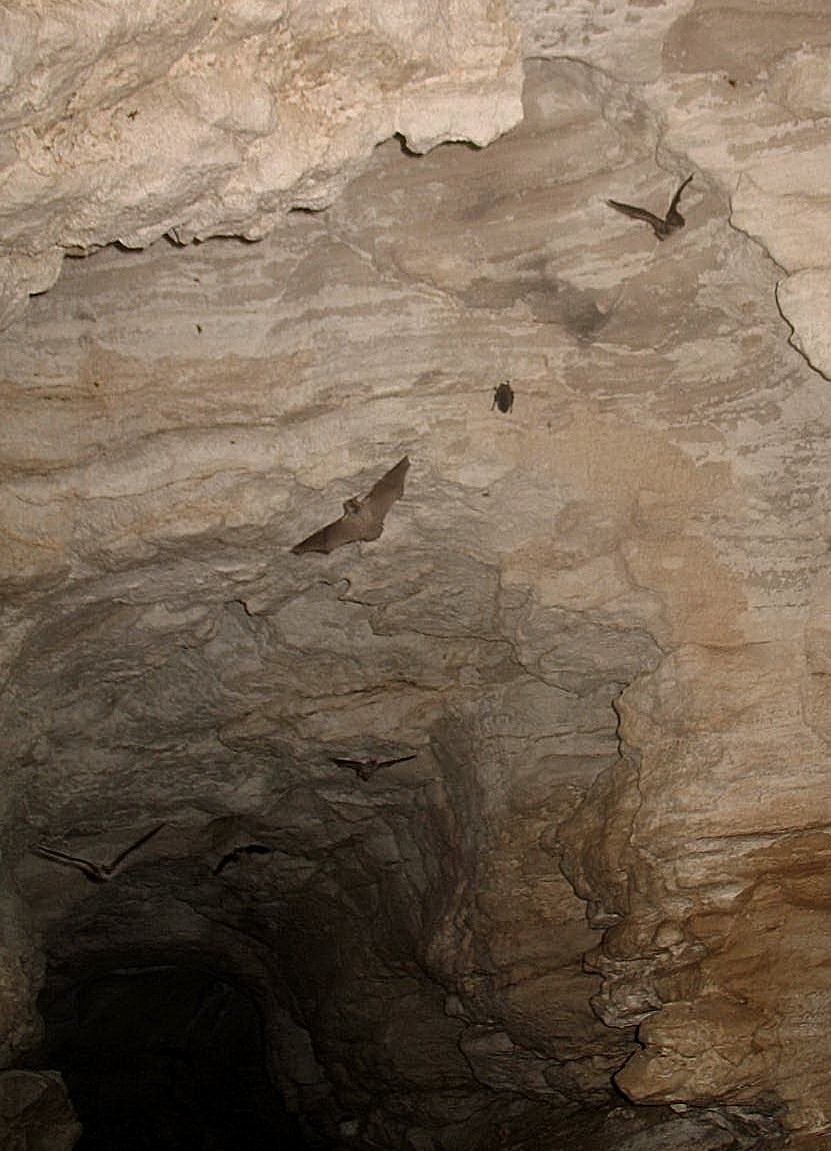
It's International Bat Appreciation Day!🦇🙏
We 💖 bats! Here are our top 3 reasons why:
1️⃣Bats are pollinators
2️⃣They are insectivorous & help control pest populations
3️⃣Bats are bioindicators! They are a good indication of the overall ecosystem conditions
BONUS: they're cute
1
3
128

Apr 11
Another clip from the @ufouapam podcast, because Ben Woodruff's stories about being a biologist on Skinwalker Ranch are really fascinating. In this clip, he talks about using falcons as bioindicators, and then something truly bizarre happens.
(Related video of SWR orb in reply)
Apr 9

Skinwalker Ranch Biologist Reveals What They Didn’t Air youtu.be/A6-_UZMGXG0?si=OjVI… via @YouTube
Dont sleep on this one, a great interview with Ben Woodruff.
5
13
93
8,594

Apr 8
Final version published @Forestecosyst
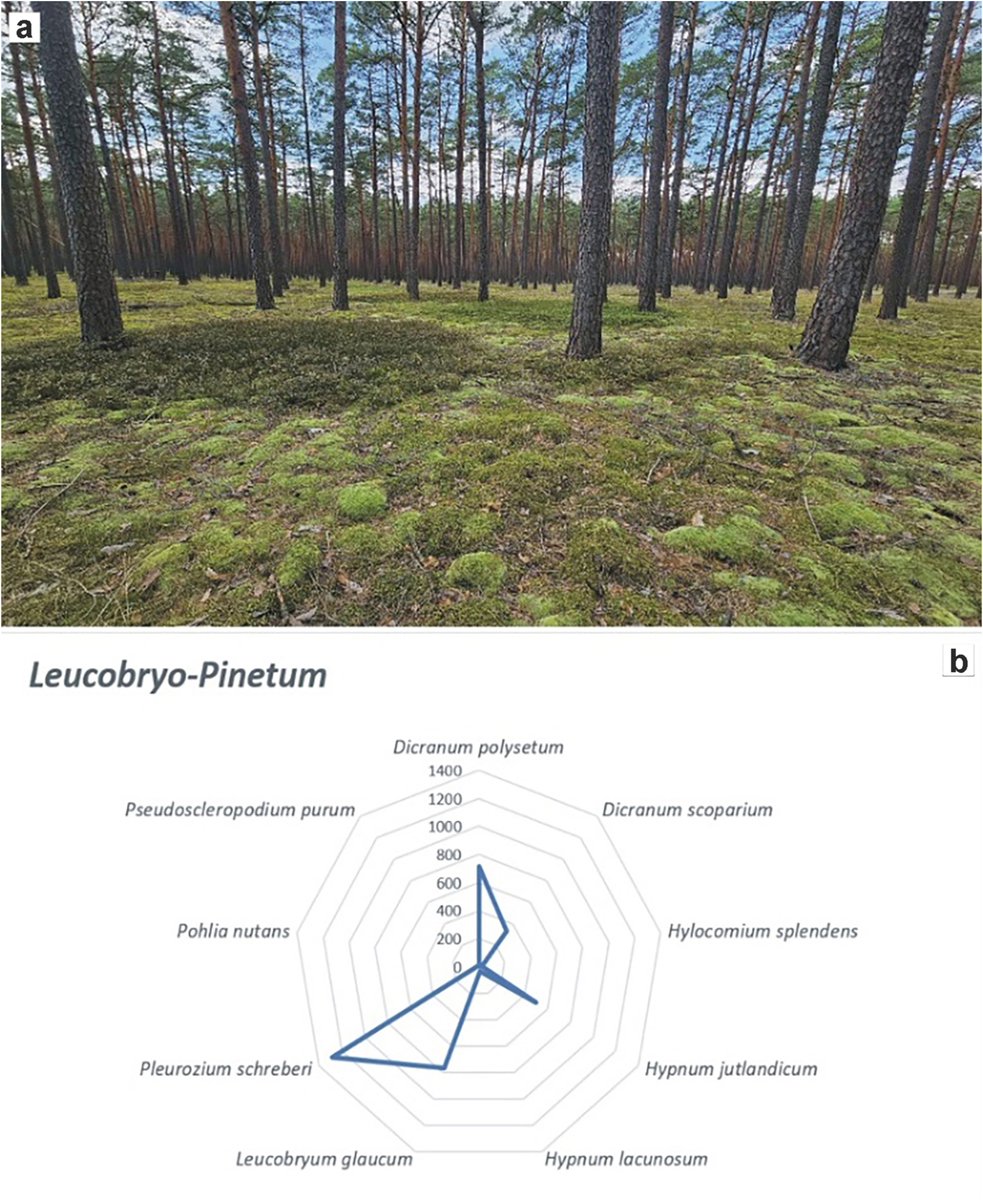
📰Bryophytes as bioindicators in natural pine forests on mineral soils i... sciencedirect.com/science/ar…
1
2
108