
Bioprinting from lab to applied healthcare ✅Tissue constructs✅ Bioinks & hydrogels✅Clinical use (wound healing, implants) ✅ Clinical use (wound healing, implants).Join us at #WOTS 👉fhi.nl/en/seminar-bioprintin…

1

Jun 10
Blood vessels are the bottleneck.
In 2025, Science reported vascular-tree design 230x faster, across >200 organ/tissue models [1]. Harvard/Wyss showed printed branching vessels with endothelial smooth-muscle layers in cardiac tissue [2]. Meanwhile, 103,223 Americans are waiting for organs; 13 die each day [3]. 🧬
This is not a lab curiosity. It is a manufacturing race: bioinks, printers, cells, QA, surgeons, regulators, and talent clusters. ⚙️
Fund perfusion, standards, and GMP scale-up now not after the science looks “finished.”
🤔 What will slow bioprinted vessels more: biology, regulation, reimbursement, or public trust?
[1] [science.org/doi/10.1126/scie…](science.org/doi/10.1126/scie…)
[2] [sciencedaily.com/releases/20…](sciencedaily.com/releases/20…)
[3] [organdonor.gov/learn/organ-d…](organdonor.gov/learn/organ-d…)
#Bioprinting #Vascularization #RegenerativeMedicine #MedTech
1
1
96

Recreating the Native Airway Microenvironment Using Tissue-Specific Extracellular Matrix Bioinks for Proximal Airway Engineering
ift.tt/F43hKQp
#biorxiv_bioE
17

Jun 8
3D Bioprinting for Cartilage Regeneration: Thiolated Bioinks, Scaffold Design, and Clinical Readiness
A technical review of 3D bioprinting for cartilage repair: thiolated bioinks, scaffold optimization, MSC chondrogenesis, and the path to clinical tr...
blog.cell-lavie.com/2026/06/…
27

Jun 1
Here's a recent interview I did on #3dbioprinting and #bioinks @Axolotl_Biosci pharmafocusasia.com/intervie…
1
3
94

May 29
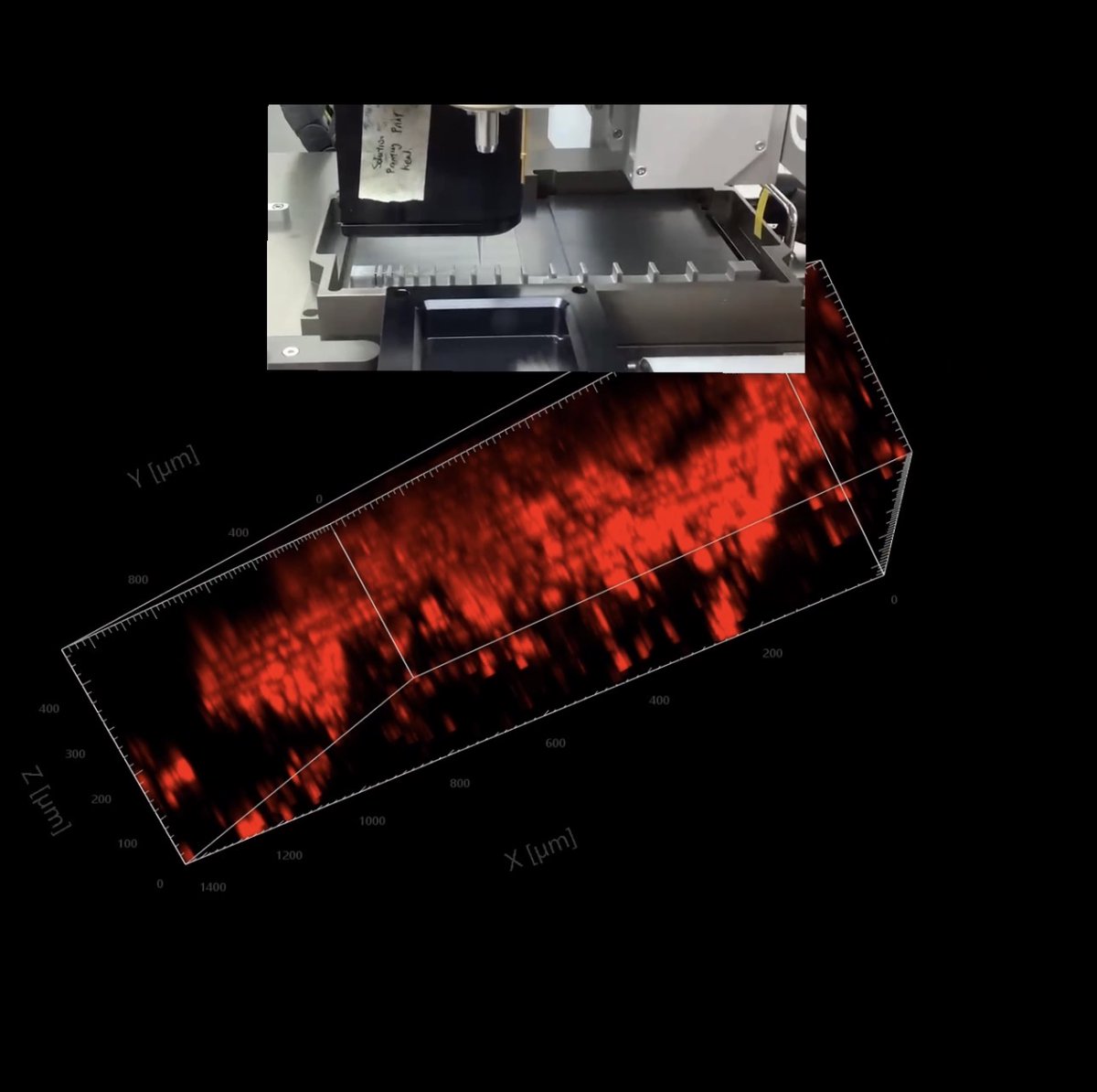
This video shows the printing process and 3D cellular distribution within the construct, highlighting the potential of nanocomposite bioinks for regenerative medicine and tissue engineering.
pubs.rsc.org/en/content/arti…
@RoySocChem
2
17

🌟 Featured Article | Editor’s Choice 🌟
#Micromachines #OpenAccess
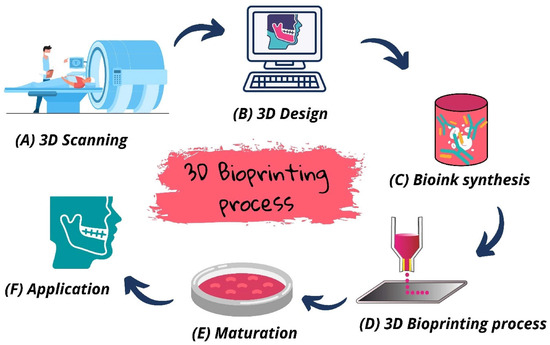
📄 Advances in 3D Bioprinting: Materials, Processes, and Emerging Applications
🔗 Full text free access: mdpi.com/2072-666X/17/3/282
#Bioprinting #Bioinks #TissueEngineering #OrganOnChip #HydrogelScaffolds
2
4
104

🖨️ "Advanced Biomaterials for 3D Bioprinting and Tissue Engineering" is open for submissions!
🕑 Deadline: 16 November 2026
🎉 Submit your research now!
🔗 brnw.ch/21x2Aej
#Bioinks #Vascularisation #StimuliResponsiveMaterials
2
3
68

May 4
Advancements in 3D-bioprinting involve the use of living cells and other biological components, enabling the creation of biomimetic drug delivery systems that can locally and continuously release medications while integrating with the host.
mdpi.com/2504-4494/9/8/285
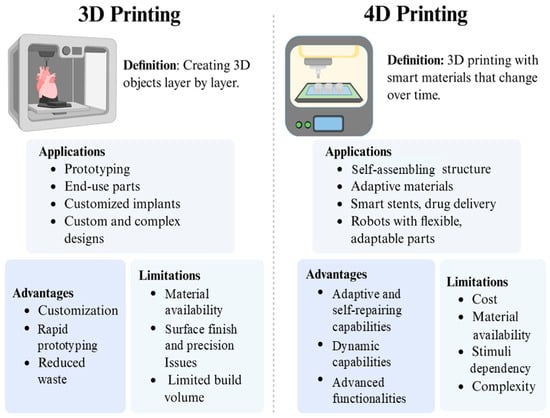
While conventional 3D-printed structures are perceived as static, 4D-bioprinting introduces the ability to fabricate materials capable of self-transforming their configuration or function over time in response to external stimuli such as temperature, pH, light, or electric field.
mdpi.com/1999-4923/15/12/274…
By transforming 3D-printing from static models to living, breathing entities that can respond to their environment, 4D-bioprinting represents a paradigm shift in biofabrication.
pubs.rsc.org/en/content/arti…
4D-bioprinting with biopolymers opens up fascinating new possibilities for tissue engineering and intelligent drug delivery.
sciencedirect.com/science/ar…
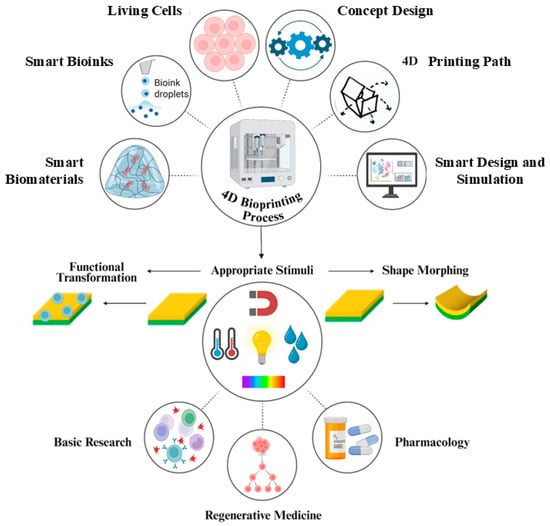
The core of the process is the 4D-bioprinting platform, which includes multiple input components. Smart bioinks are formulations containing cells and stimuli-responsive materials, while the biological components consist of living cells.
mdpi.com/2218-273X/12/1/141
Smart Biomaterials (SBMs), which can change their structure or function in response to external stimuli, are another key element. The process begins with concept design, which involves envisioning the final form and purpose of the construct.
researchgate.net/profile/Moh…
This is followed by the specification of the printer’s layer-by-layer material deposition procedure, known as the 4D-printing path. Smart design and simulation techniques digitally model the expected behavior under various conditions to enhance the printed product before manufacturing.
researchgate.net/profile/Jie…
The printed structure is then exposed to appropriate external stimuli that induce transformation. These stimuli can include changes in ambient conditions such as light, magnetic fields, humidity, or pH. The printed structure may undergo a form change, like folding or bending, or an operational change, such as material release or bioactivity activation.
tandfonline.com/doi/full/10.…
1
20
35
1,000
May 4
Advancements in 3D-bioprinting involve the use of living cells and other biological components, enabling the creation of biomimetic drug delivery systems that can locally and continuously release medications while integrating with the host.
mdpi.com/2504-4494/9/8/285
While conventional 3D-printed structures are perceived as static, 4D-bioprinting introduces the ability to fabricate materials capable of self-transforming their configuration or function over time in response to external stimuli such as temperature, pH, light, or electric field.
mdpi.com/1999-4923/15/12/274…
By transforming 3D-printing from static models to living, breathing entities that can respond to their environment, 4D-bioprinting represents a paradigm shift in biofabrication.
pubs.rsc.org/en/content/arti…
4D-bioprinting with biopolymers opens up fascinating new possibilities for tissue engineering and intelligent drug delivery.
sciencedirect.com/science/ar…
The core of the process is the 4D-bioprinting platform, which includes multiple input components. Smart bioinks are formulations containing cells and stimuli-responsive materials, while the biological components consist of living cells.
mdpi.com/2218-273X/12/1/141
Smart Biomaterials (SBMs), which can change their structure or function in response to external stimuli, are another key element. The process begins with concept design, which involves envisioning the final form and purpose of the construct.
researchgate.net/profile/Moh…
This is followed by the specification of the printer’s layer-by-layer material deposition procedure, known as the 4D-printing path. Smart design and simulation techniques digitally model the expected behavior under various conditions to enhance the printed product before manufacturing.
researchgate.net/profile/Jie…
The printed structure is then exposed to appropriate external stimuli that induce transformation. These stimuli can include changes in ambient conditions such as light, magnetic fields, humidity, or pH. The printed structure may undergo a form change, like folding or bending, or an operational change, such as material release or bioactivity activation.
tandfonline.com/doi/full/10.…

2
4
111
Organs won’t be printed overnight.
But tissue engineering just crossed a practical threshold: MIT reported a faster “deep-tissue” bioprinting method, while Nature flagged vascularization as the key bottleneck for implantable tissues [1][2]. Translation is moving from lab demos to manufacturing problem 🧬
The economics are catching up too: regenerative medicine/tissue engineering held 31.88% of the 3D bioprinting market in 2025, with precision-medicine use cases forecast to grow 16.21% CAGR through 2031 [3]. That means jobs, IP, and clinical competitiveness will cluster where biofabrication talent exists.
The challenge for leaders: fund the boring layer standards, QA, bioinks, vascular models not just the headline “printed organ” moment ⚙️
🤔 What will decide the winners: better science, smarter regulation, or manufacturing scale?
[1] [news.mit.edu/2025/new-3d-bio…](news.mit.edu/2025/new-3d-bio…)
[2] [nature.com/articles/s41551-0…](nature.com/articles/s41551-0…)
[3] [mordorintelligence.com/indus…](mordorintelligence.com/indus…)
#Bioprinting #TissueEngineering #RegenerativeMedicine
6
10
488

Smarter bioinks for printing? Innovative Tsinghua team develops an AI framework that uses rheology data to explain print defects and predict print fidelity, reducing trial and error and speeding up material design for embedded 3D bioprinting.
1
2
731

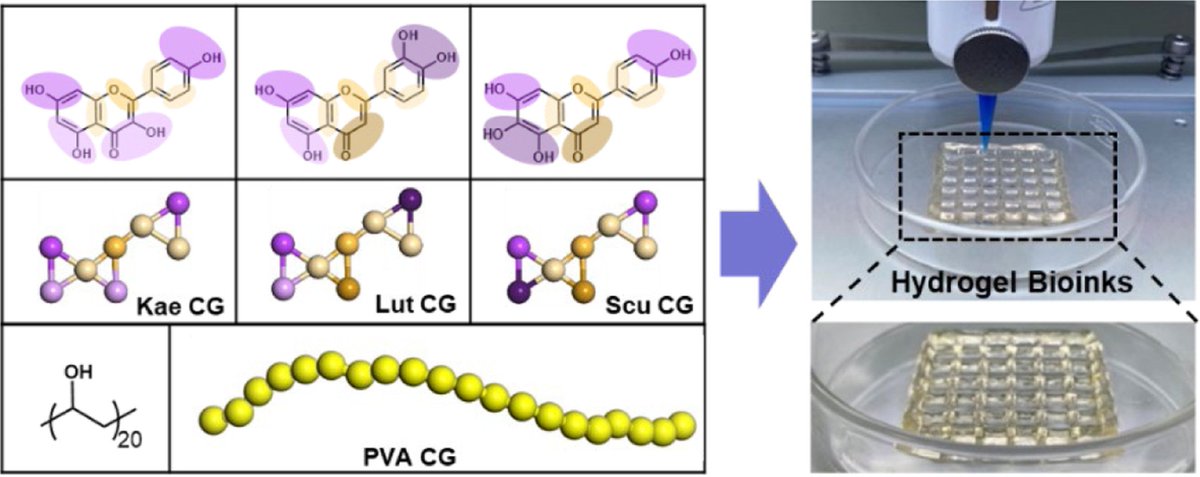
Tetrahydroxyl-dominated multiple H-bonding gelation: A predictable design strategy for 3D-printable hydrogel bioinks
doi.org/10.1016/j.ccle…

Tetrahydroxyl-dominated multiple H-bonding gelation: A predictable design strategy for 3D-printable hydrogel bioinks
doi.org/10.1016/j.cclet.2026…
4
7
848

Tetrahydroxyl-dominated multiple H-bonding gelation: A predictable design strategy for 3D-printable hydrogel bioinks
doi.org/10.1016/j.cclet.2026…
11
24
10,350
💥Check out the Third Edition of our Title Story Collection from 2024
📌 #Organoids #ReproductiveBioengineering #3DPrinting #Bioinks #CancerTheranostics #MedicalImaging #Mammography #AutomationInBiology #CellEngineering #TissueEngineering #Neuroimaging #MEGEEG

1
2
17
Feb 24
3D bioprinting is crossing from promise to products faster than most teams expect.
MIT reports a method that boosts speed and consistency for printing living tissue 🧫 [1]. Market pull is real: $2.3B (2023) → $5.3B by 2030 🧬 [2].
Winners will industrialize bioinks, QC, and GMP workflows not just publish papers.
Act now: standardize materials, validate early, and track FDA’s stance on 3D-printed medical products [3].
🤔 What’s the biggest blocker: vascularization, QC/regulation, or economics?
[1] [news.mit.edu/2025/new-3d-bio…](news.mit.edu/2025/new-3d-bio…)
[2] [grandviewresearch.com/indust…](grandviewresearch.com/indust…)
[3] [fda.gov/medical-devices/3d-p…](fda.gov/medical-devices/3d-p…)
#3DBioprinting #TissueEngineering #RegenerativeMedicine #BioManufacturing
1
2
90
💥Check out the Third Edition of our Title Story Collection from 2024
📌 #Organoids #ReproductiveBioengineering #3DPrinting #Bioinks #CancerTheranostics #MedicalImaging #Mammography #AutomationInBiology #CellEngineering #TissueEngineering #Neuroimaging #MEGEEG

1
4
32

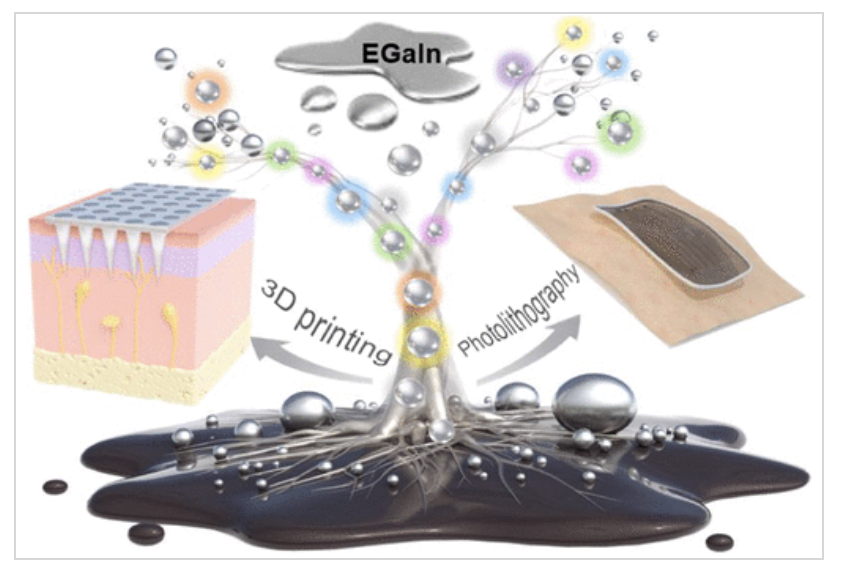
Liquid metals are revolutionizing wearable healthcare! Engineered into "bioinks", they create smart patches & sensors for real-time monitoring, healing, and drug delivery with the aid of 3D printing. #WearableTech #BiomedicalEngineering
Read it here 🔗 go.acs.org/dLY
7
23
1,600

Feb 10
Damn looks exactly like "layer lines" in a 3D print 🧃
3D bioprinting (or extrusion-based layering with bioinks):
Printers layer living cells (muscle, fat, sometimes endothelial for blood-vessel mimics) in precise patterns using edible gels (alginate, etc.) as scaffolding.
Cells fuse/mature post-print into real tissue-like structure.
Goal: replicate the marbling, chew, juiciness of traditional cuts without a cow growing the whole damn thing.
Key players hitting this hard (status as of early 2026)
Aleph Farms (Israel): Pioneers. Dropped the world's first cultivated 3D-bioprinted ribeye back in 2021 (no genetic mods). They've pushed thicker/marbleized versions via bioprinting platforms. Commercial prototypes rolling, approved in Israel.
4
1,049

Jan 30
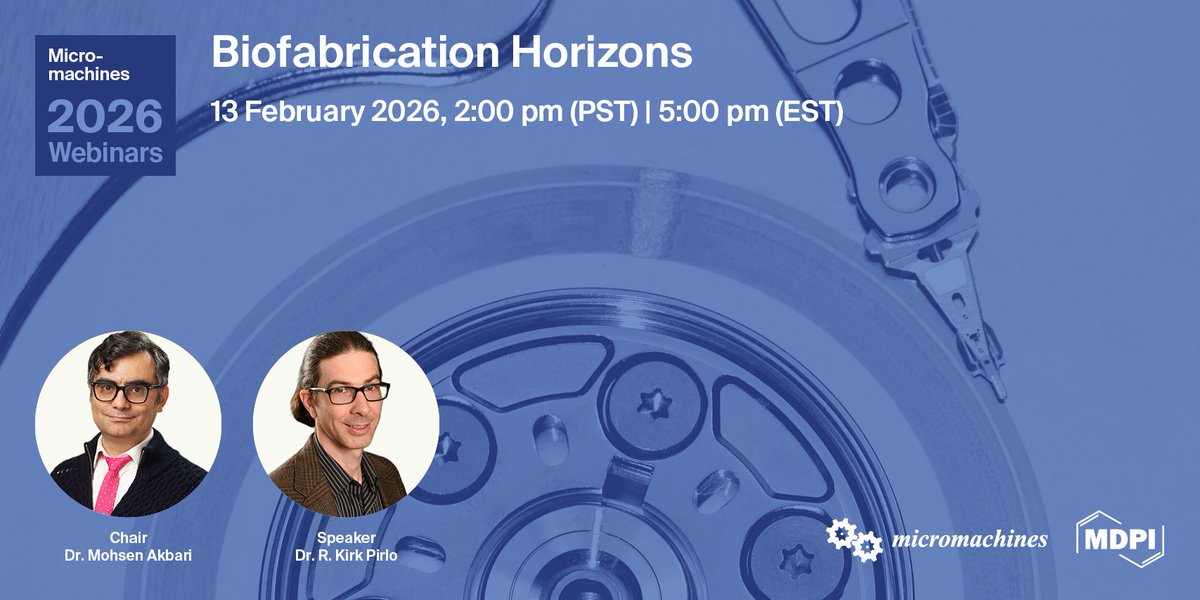
Join @MDPIOpenAccess & @micromach_mdpi for a talk on cutting-edge advances in 3D/4D bioprinting, bioinks, organs-on-chips, scaffold-free tissue engineering, microphysiological systems & more.
Learn more: sciforum.net/event/micromach…
Register: us02web.zoom.us/webinar/regi…
#mdpi #Webinar
1
1
2
102