
Apr 19
生物计算 — 脑器官组织学会打Doom、平衡杆车
培养皿里的脑细胞,学会了打Doom。不是模拟。不是代码。是活的神经元。生物学正在重新定义"计算机"三个字。
A. 杆车难题:一盘脑细胞的第一次"思考"
UC Santa Cruz的研究团队将小鼠脑器官组织(mouse cortical organoids)连接到高密度电极阵列上。
然后——这些没有眼睛、没有手、没有身体的细胞团,学会了平衡杆-车(cart-pole)。
这是经典的工程控制问题:一根杆子立在小车上,随时会倒,你必须不断左右移动小车来保持平衡。
脑器官组织做到了。
论文发表在Cell Reports,报道称这是首次有脑器官组织在闭环控制任务中展现出目标导向学习行为。
B. 它们还学会了打Doom
澳大利亚公司Cortical Labs走得更远。
在多次实验中,他们将数十万个人类神经元铺在硅芯片上,教会了这些活细胞玩经典的1993年第一人称射击游戏Doom。
不同报道给出的神经元数量从约20万到约80万不等,但核心事实一致:活的人脑细胞在电极阵列上学会了操控游戏角色。
神经元通过电极阵列接收游戏画面信号,发出电脉冲作为"操作指令"——移动、射击、转向。
细胞自己摸索出了策略。
这不是编程。这是学习。
C. 为什么这件事重要?一个数字就够了
人脑功率:约20瓦。
一块H100 GPU功率:约700瓦。
差约35倍。
整个Neuromorphic AI赛道的目标,就是把AI的能耗压缩到与人脑同一量级。Intel的Loihi 2、IBM的TrueNorth都在这条路上。
而生物计算走了一条更激进的路径:干脆用真正的脑细胞。
D. 全球实验室正在加入
这已经不是一两家实验室的故事:
🔬 东北大学(日本):培养皿里的大鼠皮层神经元被训练执行实时机器学习任务
🖨️ 西北大学:工程师3D打印出人工神经元,能与活体脑细胞直接通信
🇨🇭 FinalSpark(瑞士):运行着人类脑器官驱动的生物处理器集群,自动化系统定期更换培养液维持细胞活性
这些不是PPT。都是已经发表或正在运行的项目。
E. 灵魂问题
如果一盘80万个人类神经元能学习、能记忆、能做决策——
它有没有意识?
神经科学家Christof Koch近年来深入探讨了这个问题:意识是否一定是大脑的产物?它会不会是某种更基础的、与物理现实本身相关的属性?
这不是纯粹的哲学思辨了。
生物计算正在把意识从形而上学拉进实验室。
---
TL;DR
🔹 小鼠脑器官学会了平衡杆-车控制问题
🔹 人类神经元在芯片上学会了打Doom
🔹 人脑约20瓦 vs GPU约700瓦,能效差约35倍
🔹 全球至少5个团队在做"活体计算"
🔹 意识问题正从哲学变成实验科学的课题
---
📊 你觉得生物计算会在10年内实用化吗?
① 会,能耗优势太大了
② 不会,规模化和稳定性太难
③ 不确定,但方向是对的
④ 这条路根本走不通
#AI #BrainOrganoids #BiologicalComputing #Neuroscience #CorticalLabs #Neuromorphic
7
30
1,034


Jan 20
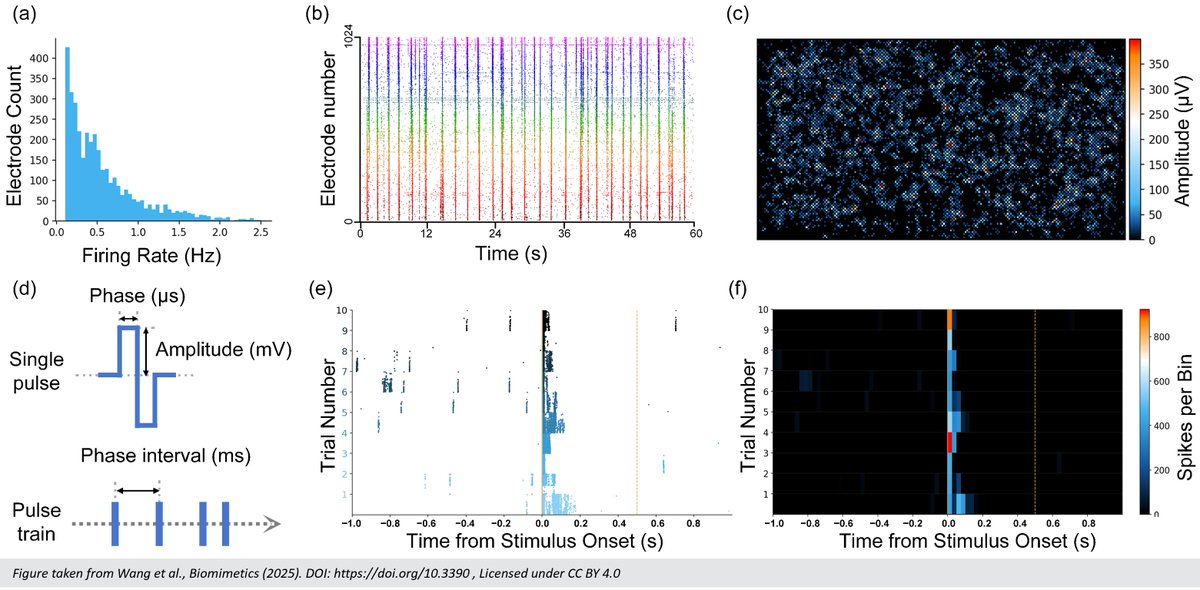
👁️ Teaching living neural networks to see: Wang et al. propose a biomimetic spatiotemporal visual encoding strategy that converts images into stimulation patterns for in vitro biological neural networks, showing improved decoding performance after training.
Using the MaxOne High-Density Microelectrode Array (HD-MEA) System, the team tracked how neuronal network dynamics evolve across training stages and quantified evoked firing activity in response to stimulation. They also showed distinct network responses to different input images, including the iconic trio of apple, car, and cup (🍎 🚗 ☕, Fig.2, 5-6).
Published in Biomimetics, this work represents an incredible step toward biohybrid intelligence and neurocomputing approaches where biological networks process structured inputs.
Congratulations to Xingchen Wang, Bo Lv, Fengzhen Tang, Yukai Wang, Bin Liu, and Prof. Lianqing Liu from the State Key Laboratory of Robotics, Shenyang Institute of Automation, Chinese Academy of Sciences, University of Chinese Academy of Sciences, Key Laboratory of Organ Regeneration and Reconstruction, and Beijing Institute for Stem Cell and Regenerative Medicine for their new publication!
Read the full article here: mxwbio.com/resources/biomime…
#BiologicalComputing #HDMEA #NeuroAI #BiohybridSystems #NeuralNetworks
1
2
81

6 Aug 2025
#Web3D #GateWallet #CL1Intelligence #Web3Decision #SmartContracts #DigitalIdentity #GaslessSwaps #CryptoWallet #BiologicalComputing #OnChainAI #DePIN #FutureOfWeb3
@bitcoinnews @bitcoinarchive @SenseiBR_btc @btgsondakika @btcoinmag @btcturk @BtcTurkKripto @BNBCHAIN @cz_binance @bull_bnb
6 Aug 2025

📢 Partnership Announcement 🤝
@web3decision × @blazpaylabs
We’re proud to announce our official partnership with Blazpay – a leader in decentralized finance and blockchain innovation! 🚀
This collaboration combines the power of Web3 Decision’s AI Biological Computing (CL1 systems)
🧠 with Blazpay’s cutting-edge DeFi infrastructure 💡 paving the way for smarter, more intuitive, and secure decentralized ecosystems.🌐🔐
✨Together, we’re building the future of Web3.
Stay tuned – next-level innovations are coming soon! 🔥🚀
#PartnershipAnnouncement #Web3Decision #Blazpay #AI #Blockchain #Web3 #DeFi #FutureIsNow #Innovation

2
5
519

6 Aug 2025
Partnership Announcement 🥳
@web3decision × @GateWallet
We’re thrilled to announce that Web3 Decision is now integrated with @GateWallet one of the most secure and user-friendly Web3 wallets! 🔐🌐
Web3 Decision is a pioneering platform evolving from logic-based AI to CL1 biological computing systems — redefining how decentralized ecosystems operate.
Through this integration, Gate Wallet users can now:
✅ Experience Gasless Swaps
✅ Deploy with our AI-powered Smart Contract Builder
✅Access next-gen Web3 utilities powered by CL1 intelligence
#Web3D #GateWallet #CL1Intelligence #Web3Decision #SmartContracts #DigitalIdentity #GaslessSwaps #CryptoWallet #BiologicalComputing #OnChainAI #DePIN #FutureOfWeb3

25
13
54
6,651

20 Mar 2025
🚨 AI is no longer artificial. It’s ALIVEEE. 🧠⚡
Not code. Not simulation. Real brain cells, on a chip, learning & adapting. This is Synthetic Biological Intelligence (SBI).
🔥 It doesn’t just compute—it evolves.
⚡ Learns faster. Uses minimal energy.
🤖 The line between machine & mind is blurring.
We’re not just building AI anymore. We’re growing it.
Are we ready for this? 👀
#AI #SBI #BiologicalComputing #FutureOfIntelligence #HumIntel
cc @BetaMoroney @Nicochan33 @enilev @jeancayeux @mvollmer1 @mikeflache @antgrasso @FrRonconi @ramonvidall @baski_LA @AkwyZ @Khulood_Almani @PawlowskiMario @pierrepinna @sonu_monika @efipm @mvollmer1 @sallyeaves @NevilleGaunt @Corix_JC @enricomolinari @Shi4Tech @wcrpaul @RagusoSergio @RLDI_Lamy @NigelTozer @EstelaMandela @JagersbergKnut @DrFerdowsi @PerBBerggreen @AmitChampaneri1 @FmFrancoise @MasterofIoT @dcallahan2 @globaliqx @tobiaskintzel @HLStockenstrom @TheAdityaPatro @ILoveBooks786 @Hana_ElSayyed @CurieuxExplorer @HaroldSinnott @MikeNashTech @SegundoConnect @pchamard @trudydarwin
5
20
25
513

6 Sep 2024
Can lab-grown brain cells outperform AI?
@CorticalLabs’ "#BiologicalComputing" uses brain cells to power smarter computing! Find out how CEO Dr Hon Weng Chong aims to cut energy consumption while advancing #AI at The Industry Papers Launch and Forum! hubs.la/Q02NgQ8P0
1
157

23 Jun 2024
These ignorant fools have been BRAINWASHING the masses for decades.
Facts, it's already ACTIVIATED inside of them, and still don't know!! #BiologicalComputing #ConsciousAI #Nanbots #5G
youtu.be/dWCryxkixKw?si=9_VJ…
3
4
81

20 Apr 2024
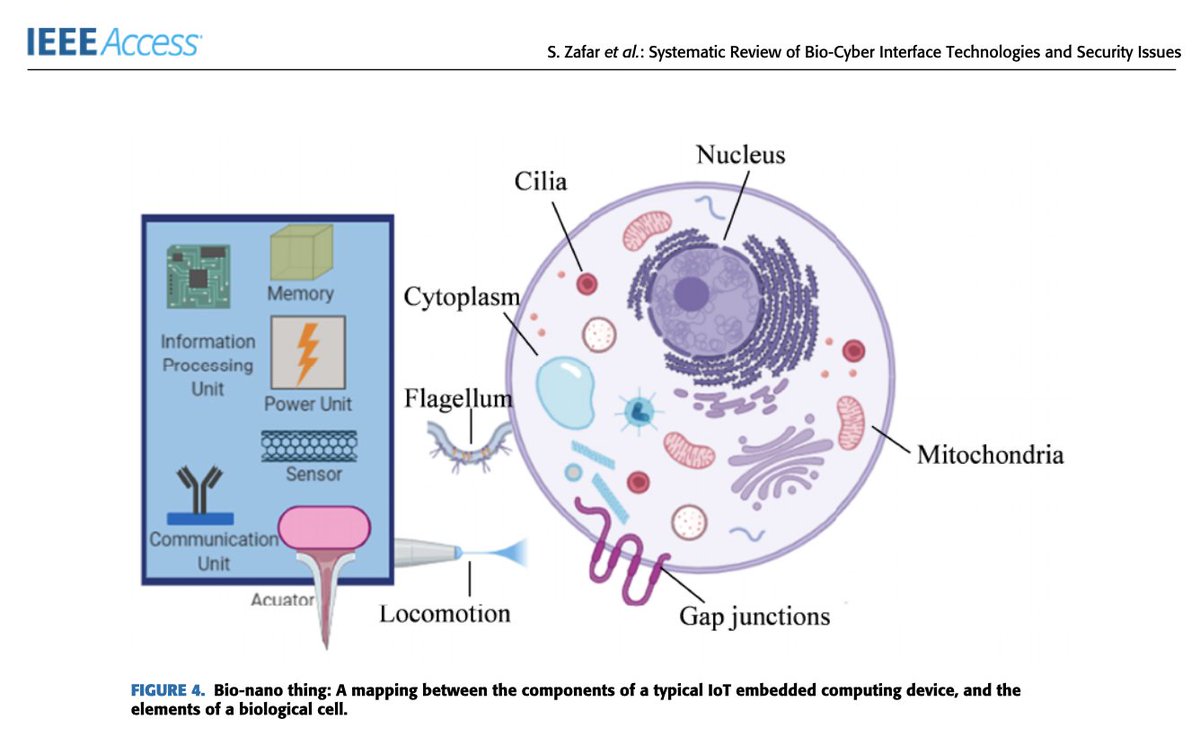
What's a #BioNanoThing ?
#BioCyberInterface
#IntraBodyNanoNetwork
#InternetofBioNanoThings
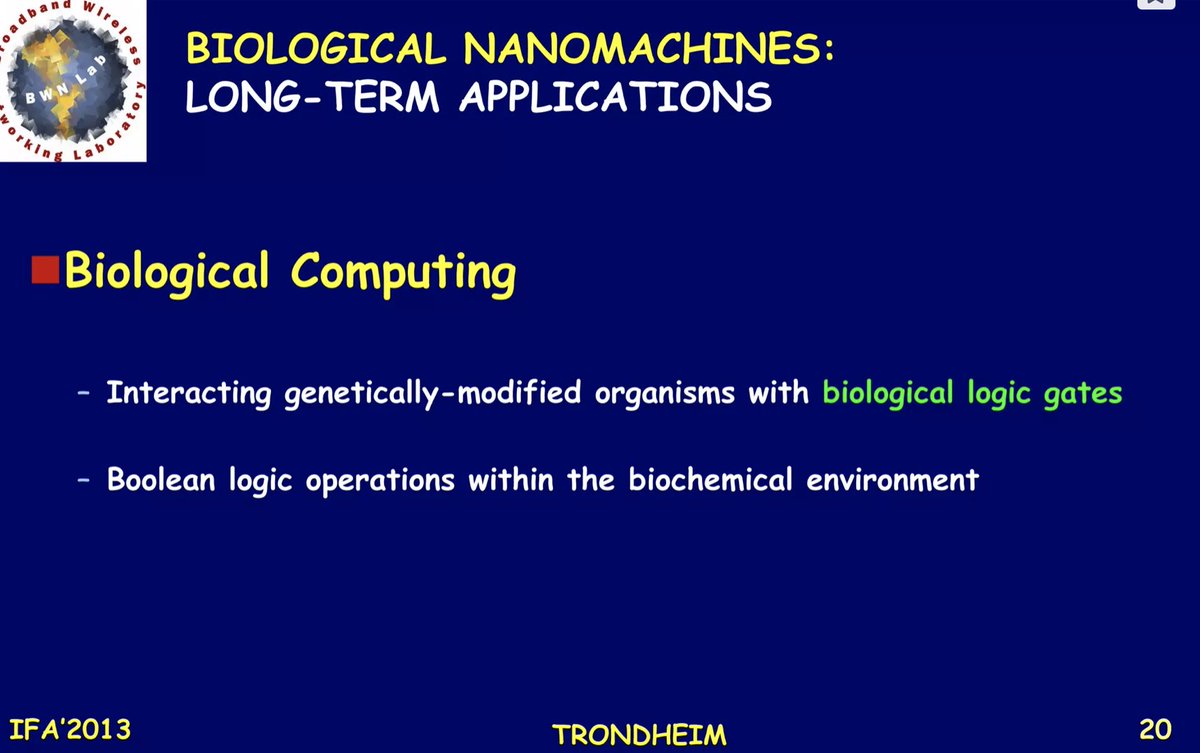
#BiologicalComputing
A Systematic Review of Bio-Cyber Interface Technologies and Security Issues for Internet of Bio-Nano Things
researchgate.net/publication…
8
9
1,299
15 Apr 2024
Biosensors, Bioelectronics & Biodevices
#NanoBiosensors
#BrainComputerInterfaces
#HealthMonitoring
#Diagnostics
#BiologicalComputing
#Graphene
advancedmaterialscongress.or…
3
8
11
302

27 Mar 2024
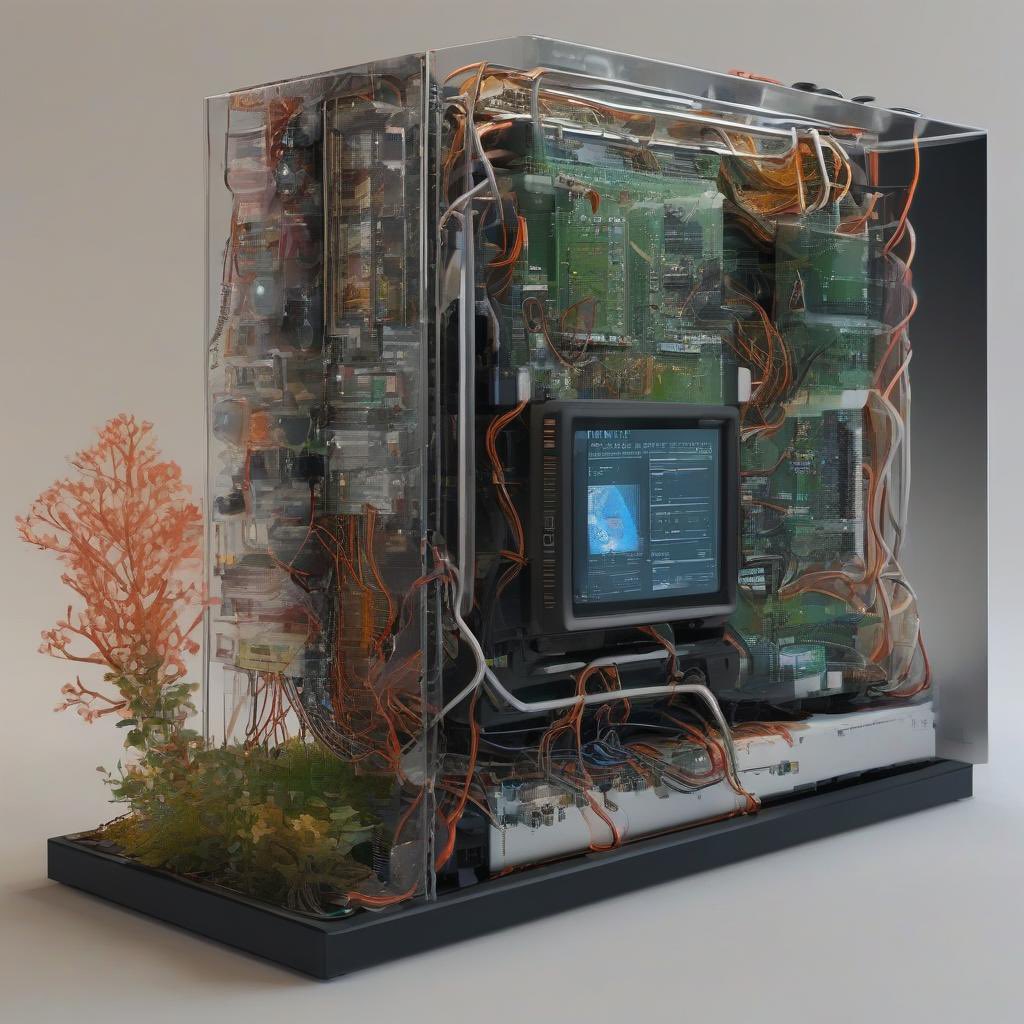
Exciting blend of biotech and computational science: 3D printed biological computers. Fiction meets reality, shaping a tech-filled future. #BiologicalComputing #FutureTech
1
1
17
23 Feb 2024
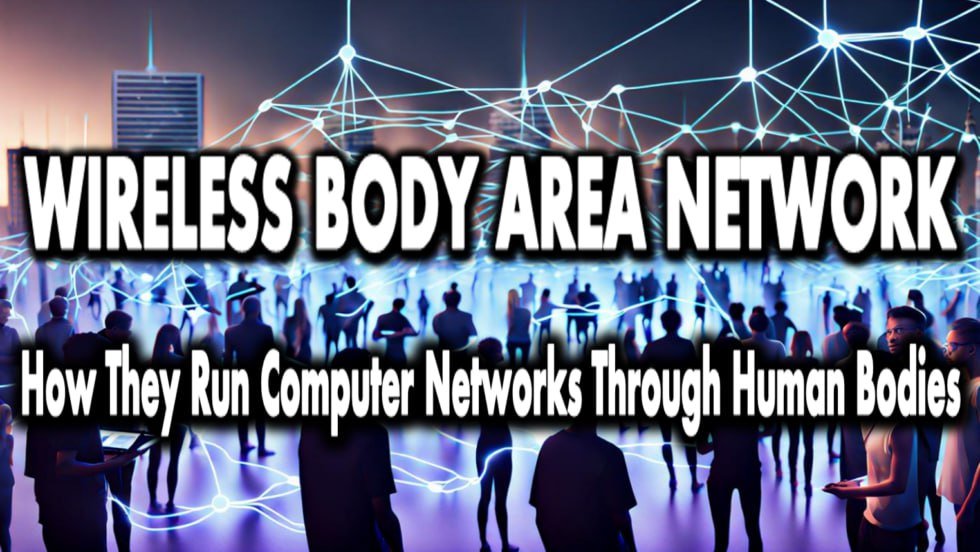
Hope & Tivon - How They Run Computer Networks Through Human Bodies
#WirelessBodyAreaNetwork
#IntraBodyNanoNetworks
#BiologicalComputing
ftwproject.com/orgonite-blog…
8
6
252
23 Feb 2024
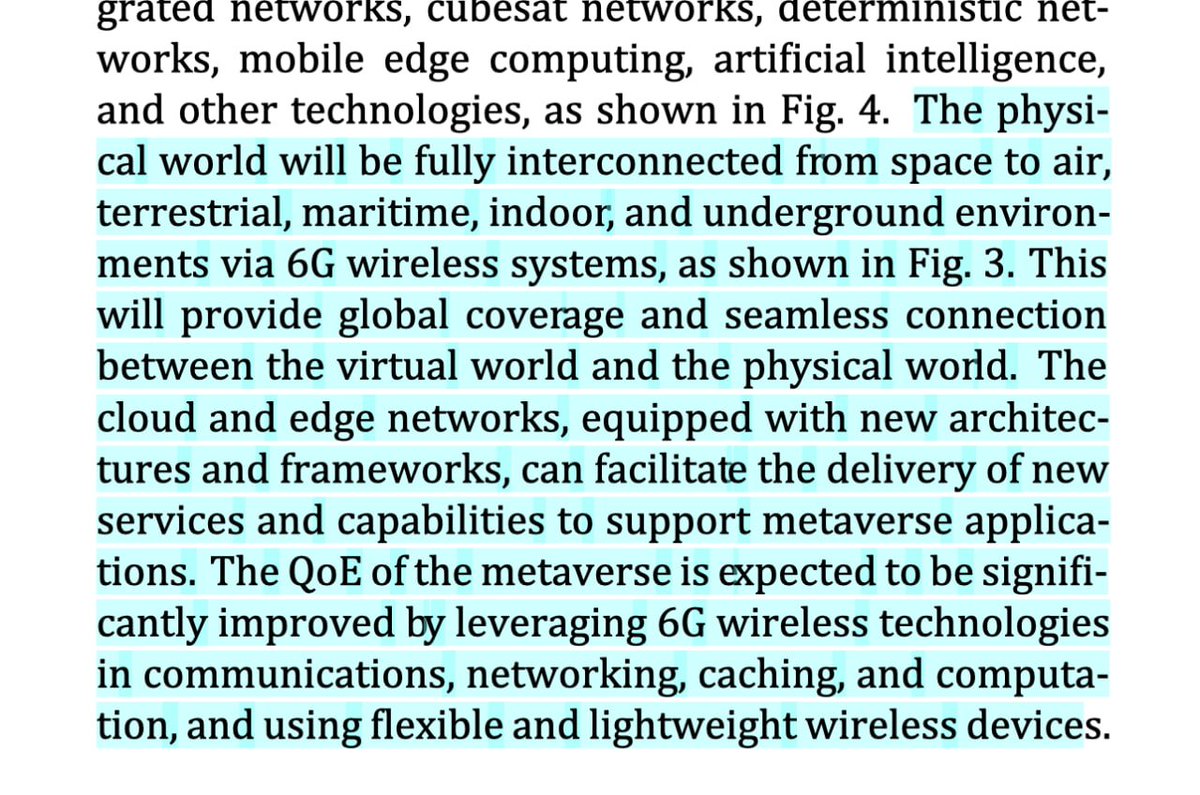
Ian F. Akyildiz - MULSEMEDIA COMMUNICATION RESEARCH CHALLENGES FOR METAVERSEIN 6G WIRELESS SYSTEMS
#IntraBodyNanoSensorNetworks
#BiologicalComputing
researchgate.net/publication…
23 Feb 2024

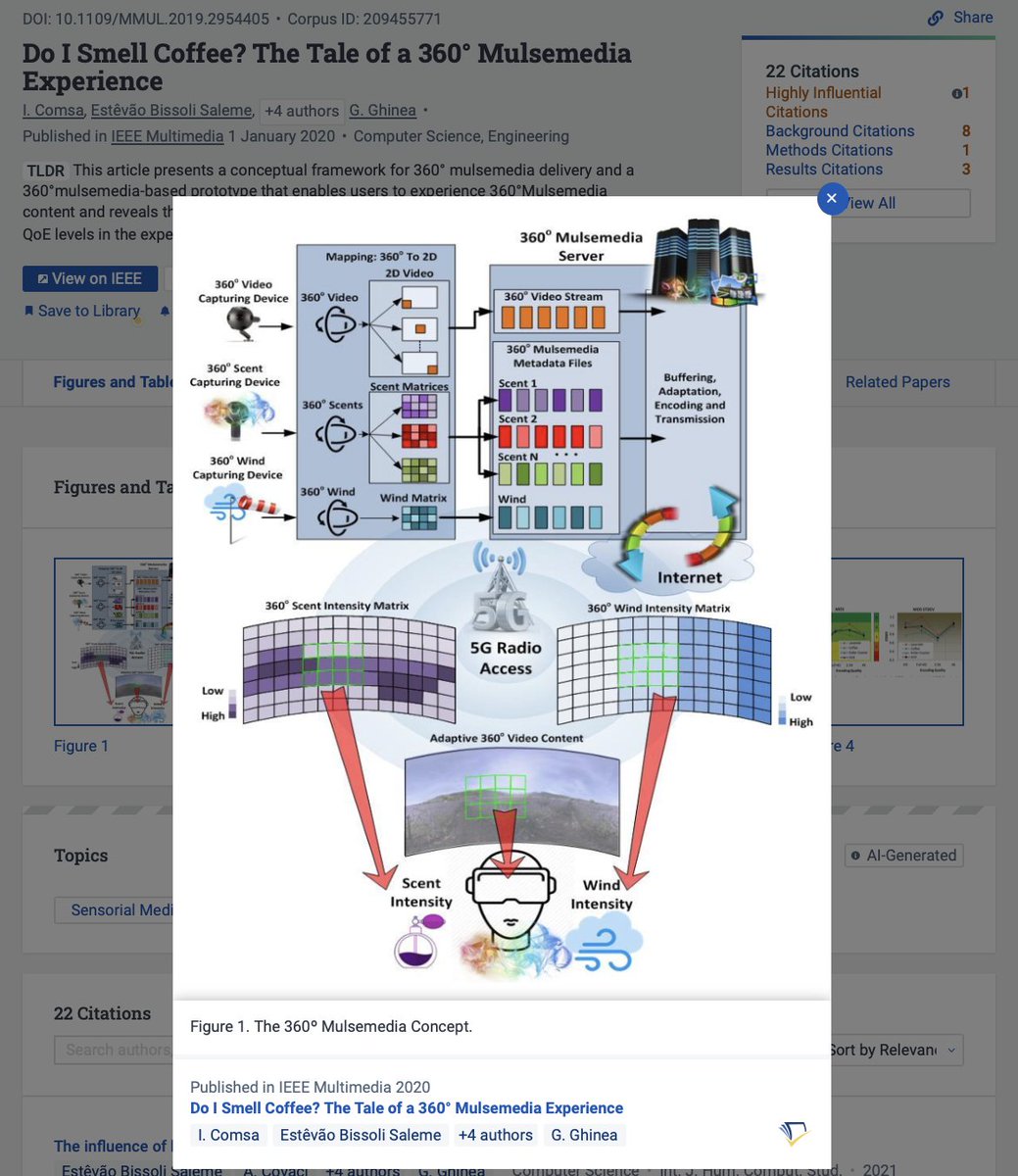
One shot away from the #METAVERSE
Ian F. Akyildiz
#rGQDots
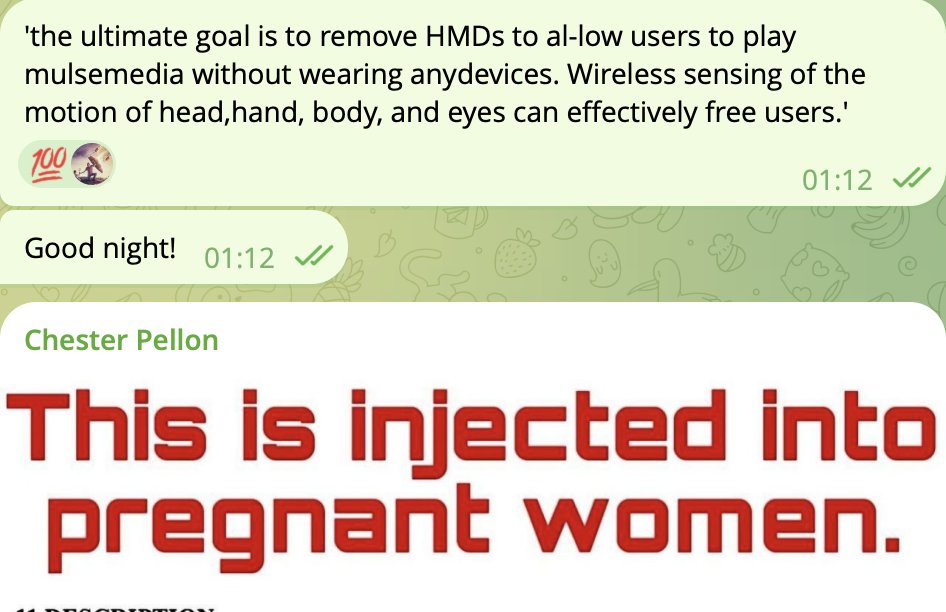
'the ultimate goal is to remove HMDs to allow users to play mulsemedia without wearing any devices. Wireless sensing of the motion of head, hand, body, and eyes can effectively free users.'
3
5
80
23 Feb 2024
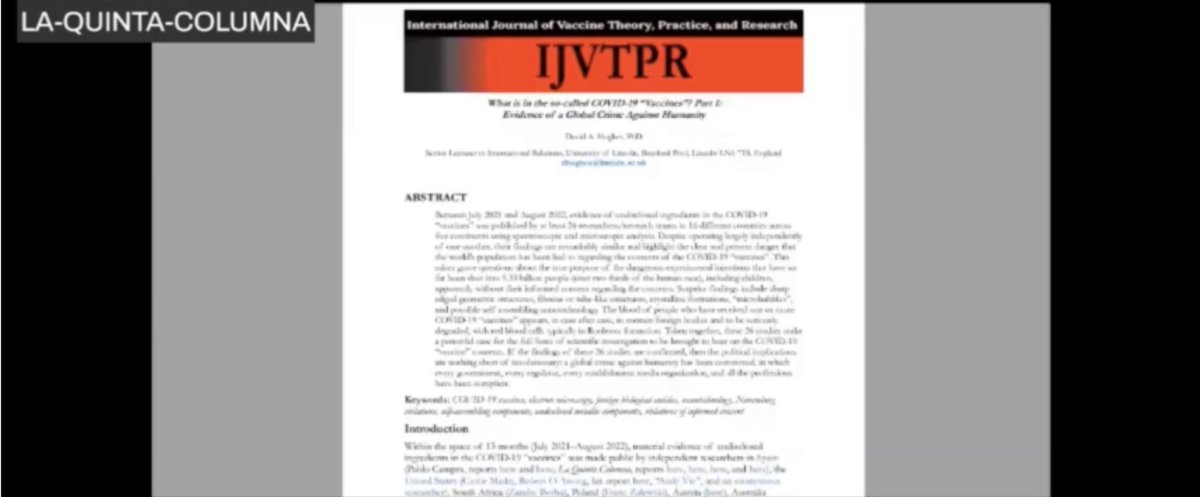
Dr. David Hughes
#IntraBodyNanoNetwork
#BioCyberInterface
#IntraCellularRouting
#rGO
#BiologicalComputing
@la5acolumna
4 min video👇🏻
rumble.com/v1oiydm-que-conti…
t.me/Corinne333/2495
3
4
80
23 Feb 2024
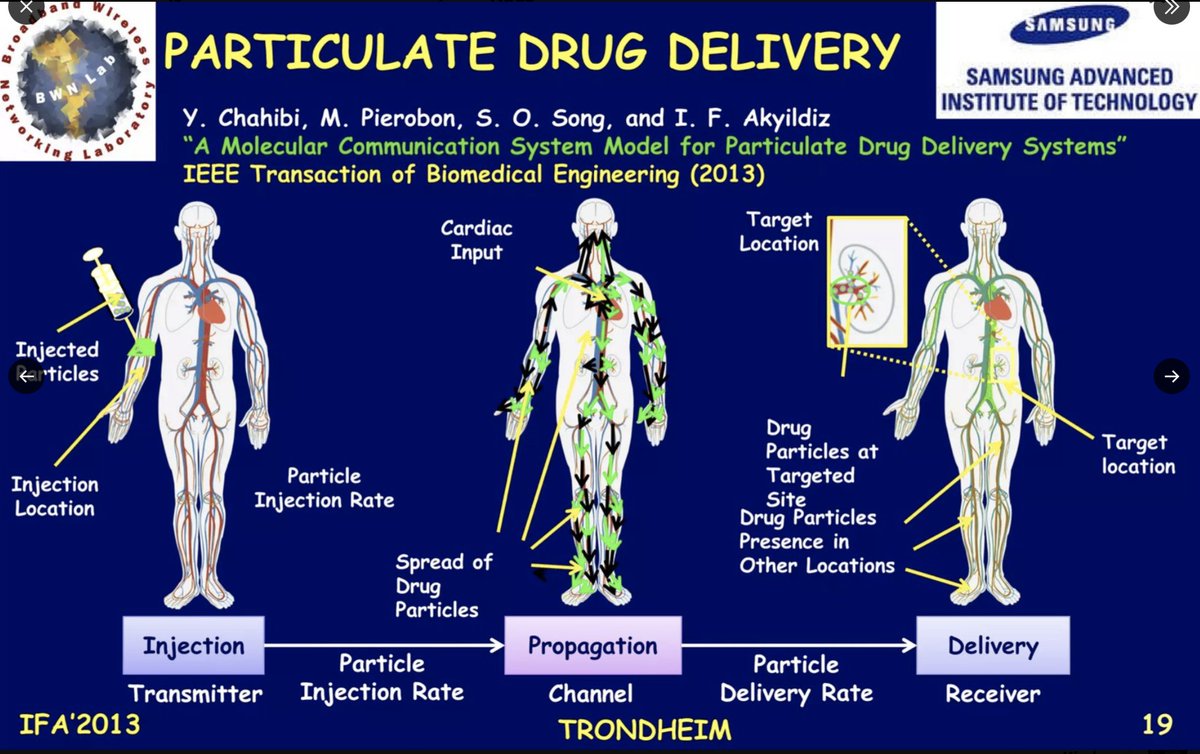
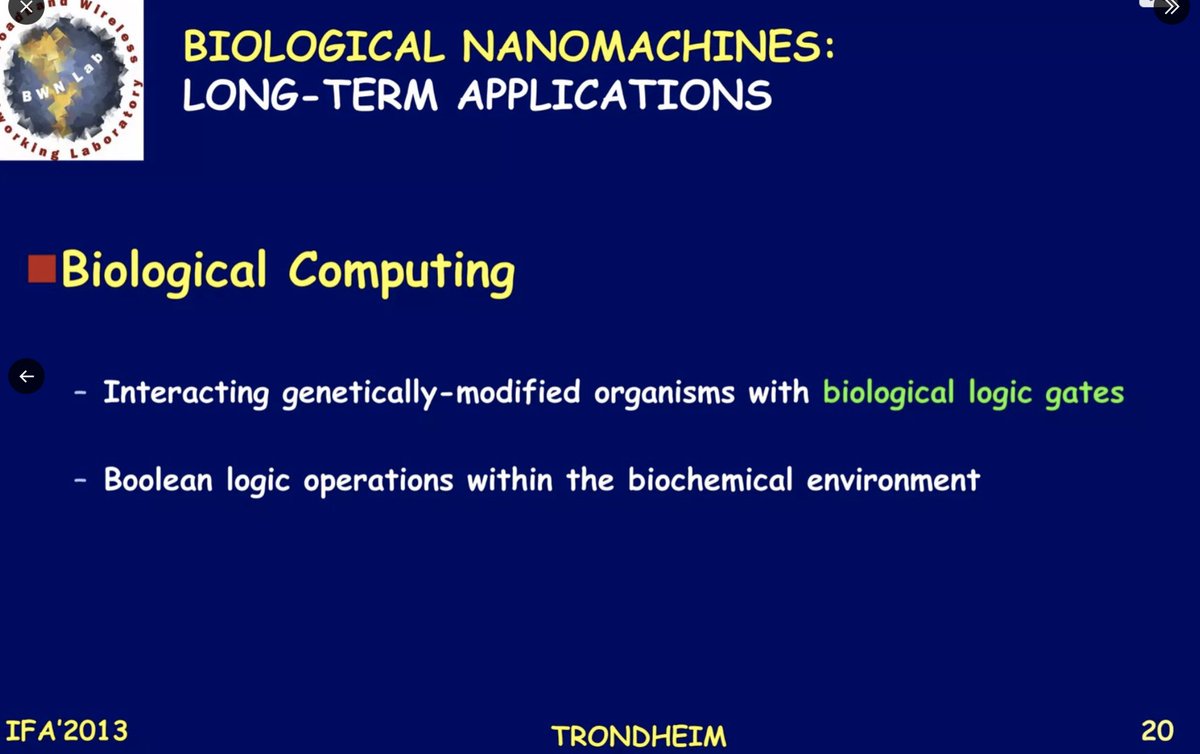
Good to have you on board Doc.
#BiologicalComputing in human physiology. What could possibly go wrong...
#MedicalBodyAreaNetwork
#IntraBodyNanoNetwork
#IEEE 802.15.6
#WirelessMedicalNanoSensorNetwork
#IntraCellularRouting
1
2
57
22 Feb 2024
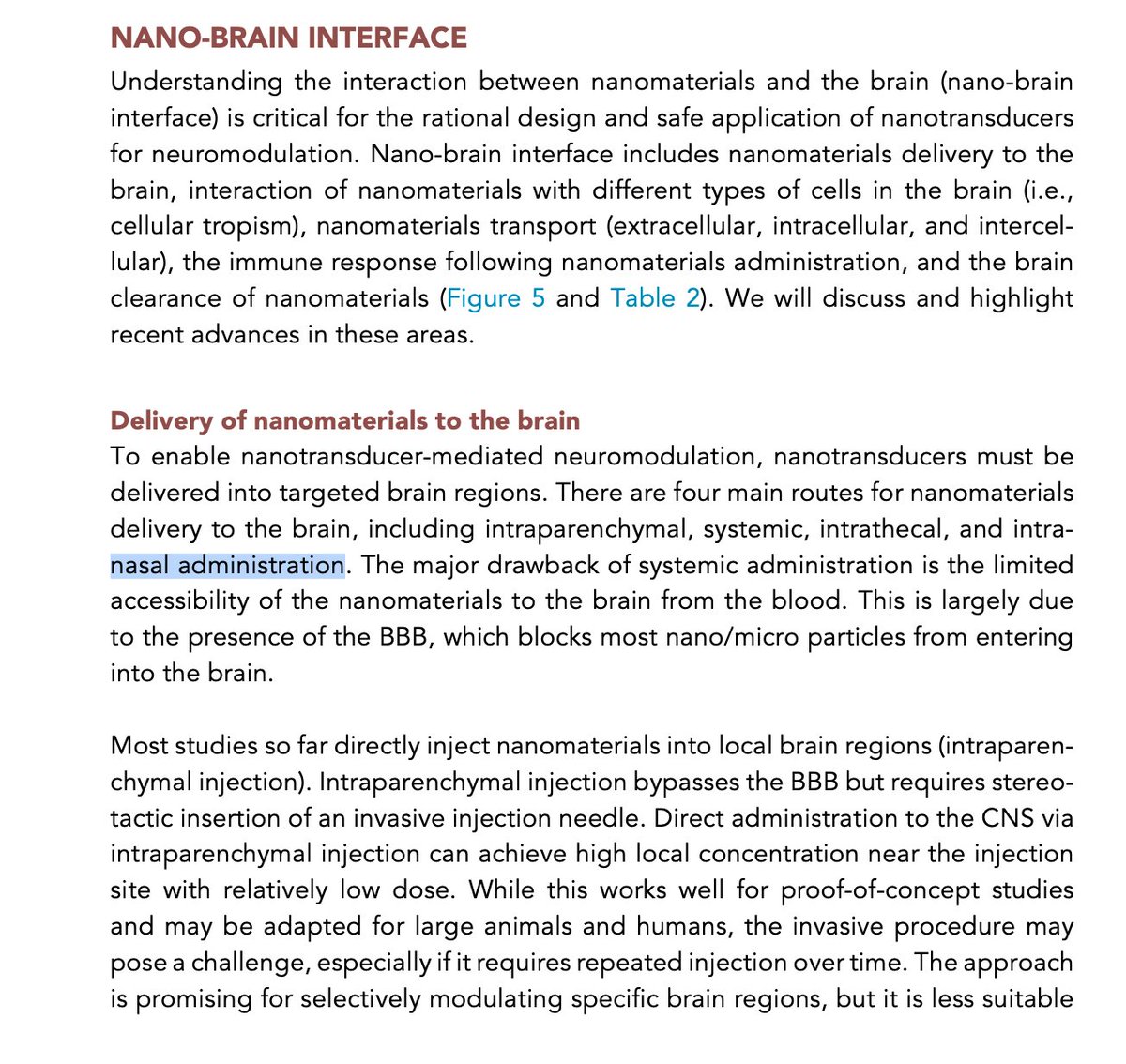
I take it, you would have liked to know...
#NasalAdministration
#IntraBodyNanoSensorNetwork
#BiologicalComputing
22 Feb 2024
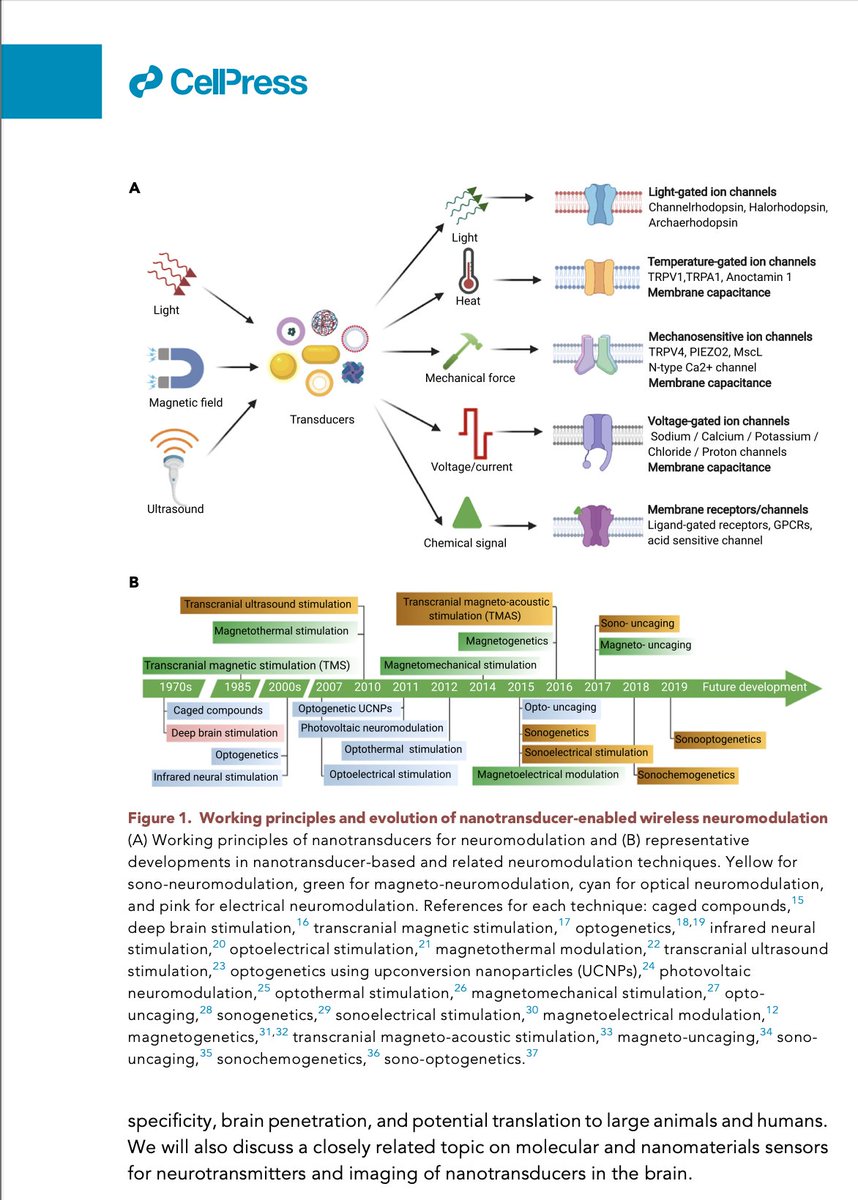
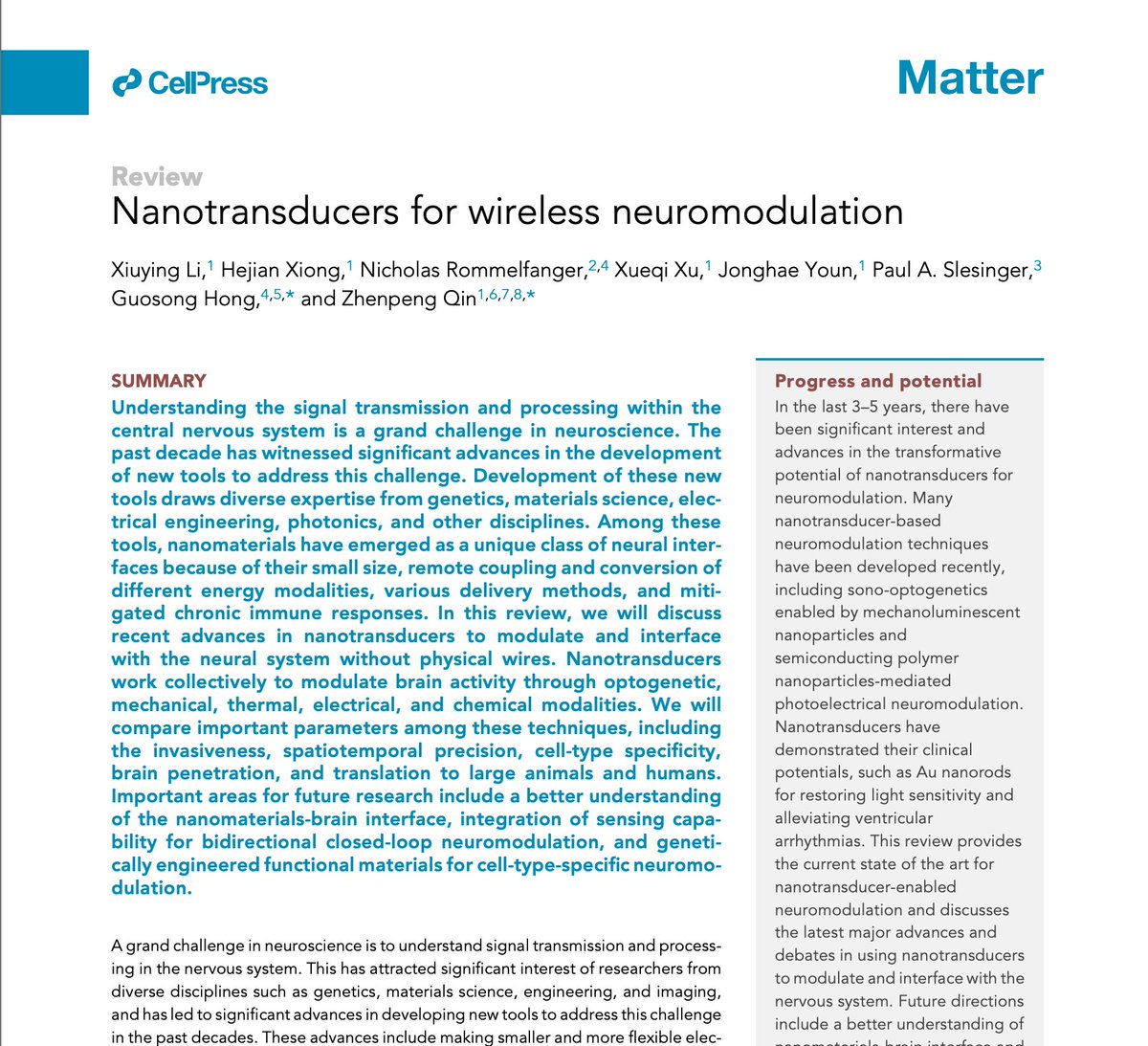
Nanotransducers for Wireless Neuromodulation
#MedicalBodyAreaNetwork
#IntrabodyNanoSensorNetwork
#EEE 802.15.6
#Optogenetics
#Magnetogenetics
cell.com/action/showPdf?pii=…
2
6
5
321
22 Feb 2024
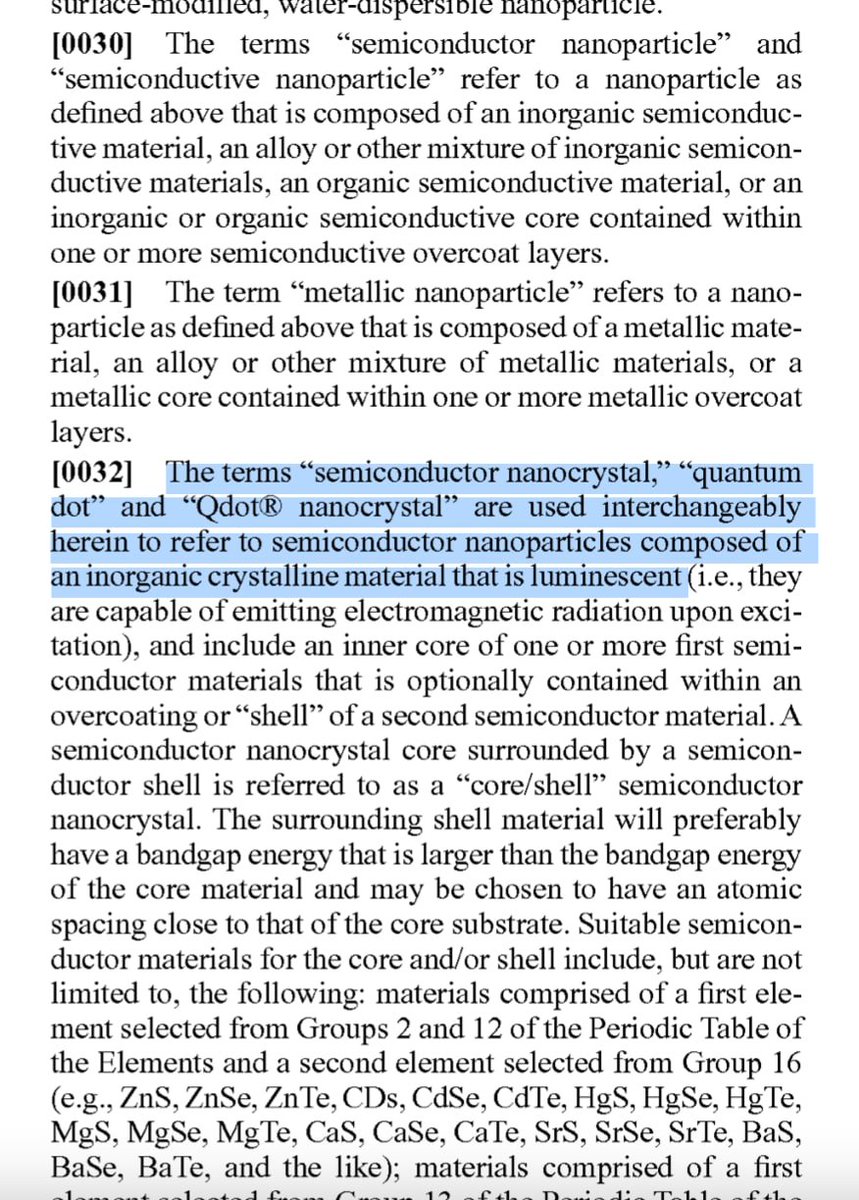
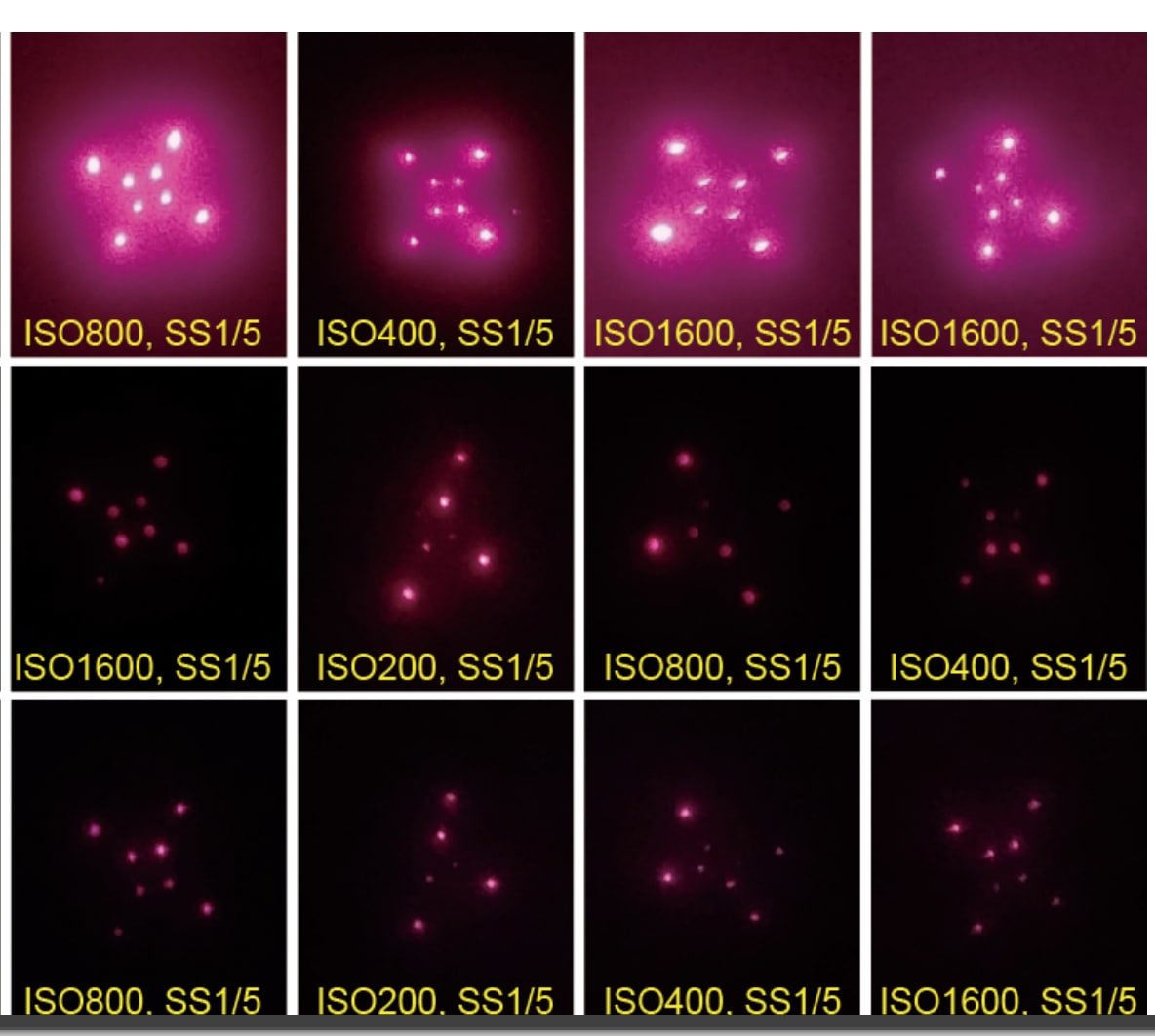
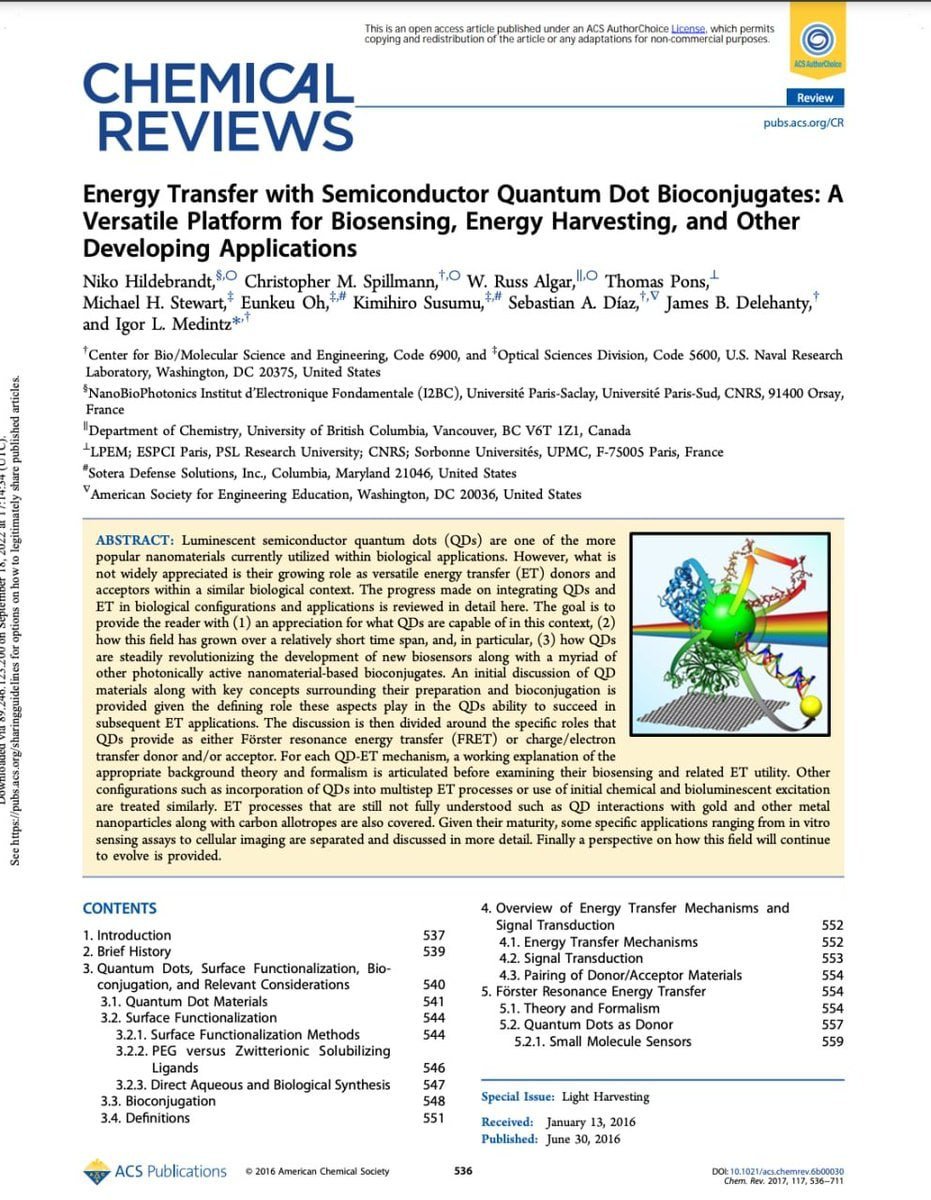
QUANTUM DOTS => BIOMEDICAL
QUANTUM DOTS => COMPUTING / LIGHTING
#BiodigitalConvergence
#InjectableElectronics
#LiquidComputing
#BiologicalComputing
#MolecularEngineering
ncbi.nlm.nih.gov/pmc/article…
pubs.acs.org/doi/10.1021/acs…
1
2
6
197
21 Feb 2024
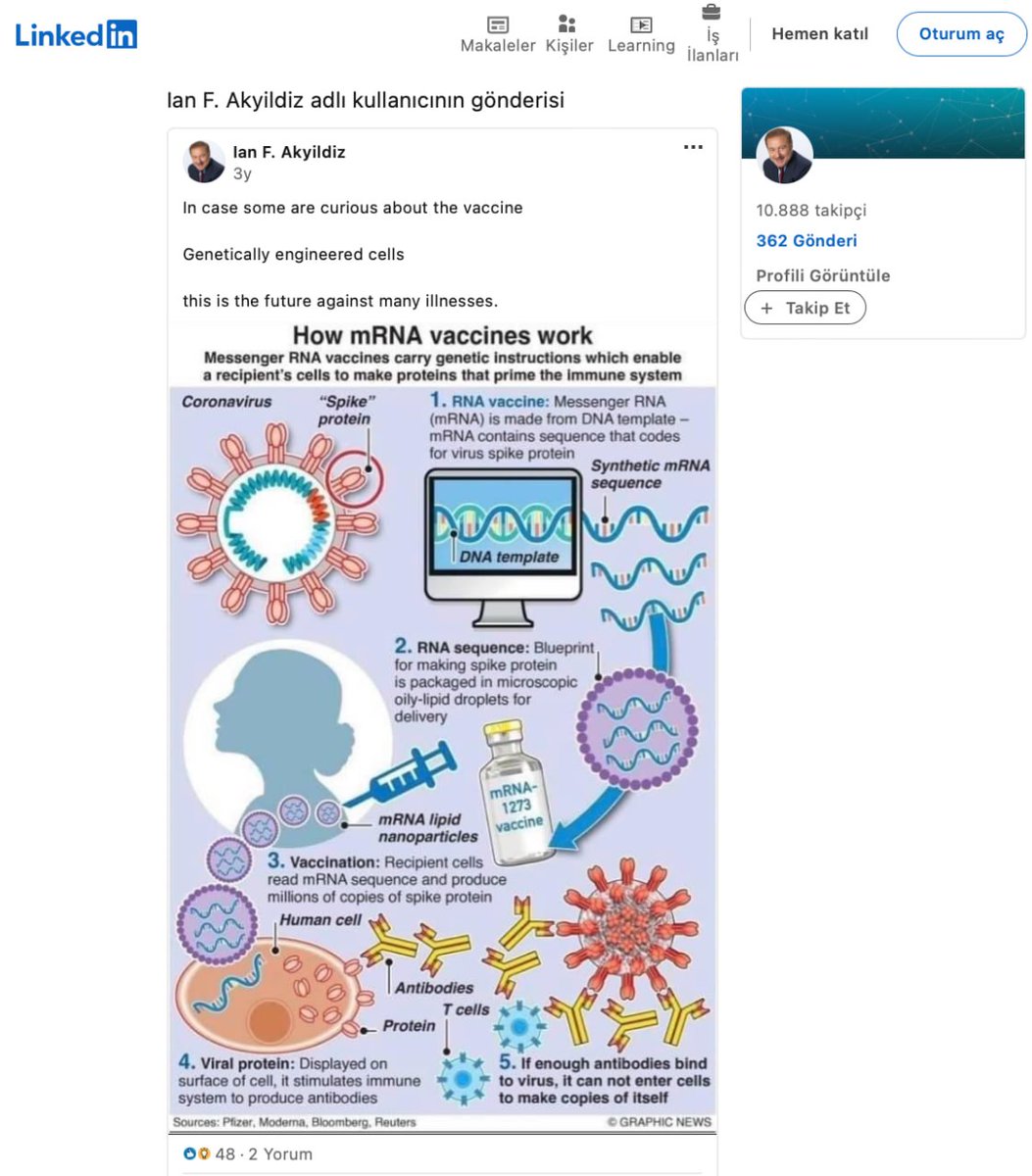
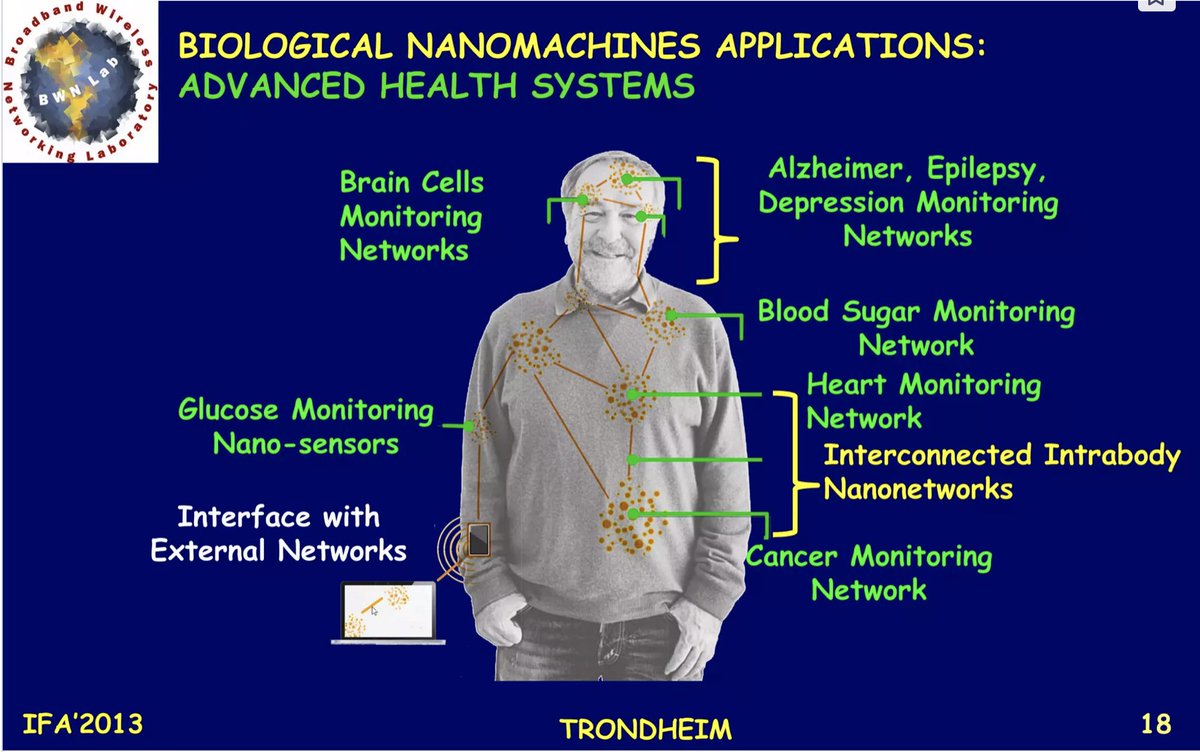
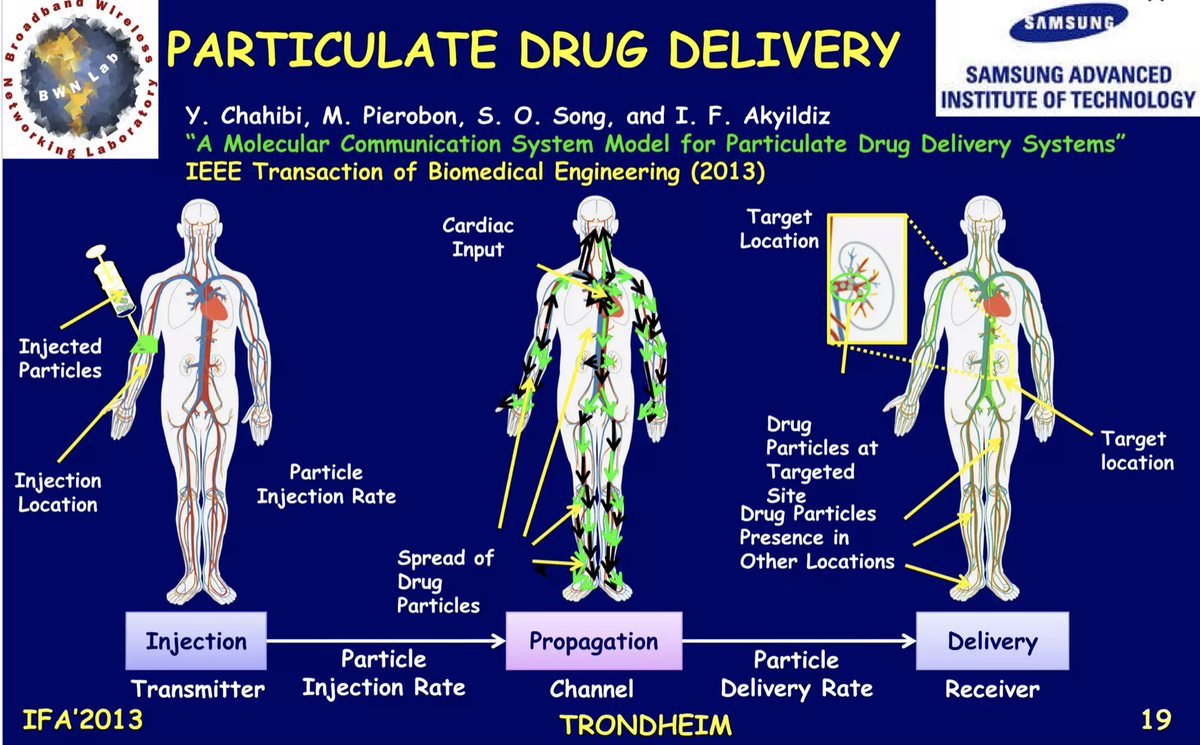
Is there a SAMSUNG CoVid Vaccine? I'm getting confused...
#BiologicalComputing in human physiology. What could possibly go wrong...
5
31
39
5,318

🧠💻 AI Meets Biology: Scientists Create First "Biological Computer" 🌐🔬
#BreakingNews: In a groundbreaking experiment, researchers have successfully integrated a "mini-brain" organoid with AI systems, employing neural tissues to enhance computing tasks. This marks a significant step toward the development of "biological computers."
🔋💡 By blending modern machine learning with intricate 3D human brain models grown in labs, researchers aim to bolster AI's computational power. These "mini-brains" have been around since 2013 but never before used to amplify AI capabilities.
The study uses traditional computer hardware to input electrical data into the organoid, then decodes its activity to produce outputs. This method, while not replicating the brain's actual structure or function, could pave the way for more powerful, energy-efficient biological computers.
🧬🤖 The "biological computer" concept could also offer deeper insights into the human brain's workings and conditions like Alzheimer's and Parkinson's disease.
Feng Guo, co-author and associate professor at Indiana University Bloomington, explains, "We can encode information – like visual or audio – into spatial-temporal patterns of electrical stimulation."
📊👁️ Using this unique hardware, researchers trained their hybrid algorithm to complete voice recognition tasks and mathematical problems, achieving about 78% accuracy in identifying Japanese vowels from sound samples.
Though still in its early stages, this research heralds the first use of a brain organoid with AI and holds potential for energy-efficient computing and enhanced understanding of brain functions, including neurological diseases.
#TechInnovation #AI #BiologicalComputing #FutureTech #ScienceNews 🌟👩🔬💾🌍
10
1
828

14 Oct 2023
Nature's logic gates and storage devices remind us that the lines between biology and technology are blurrier than we thought. Exploring these frontiers promises a future rich in scientific discoveries and technological advancements. #BiologicalComputing
1
25