
Feb 10
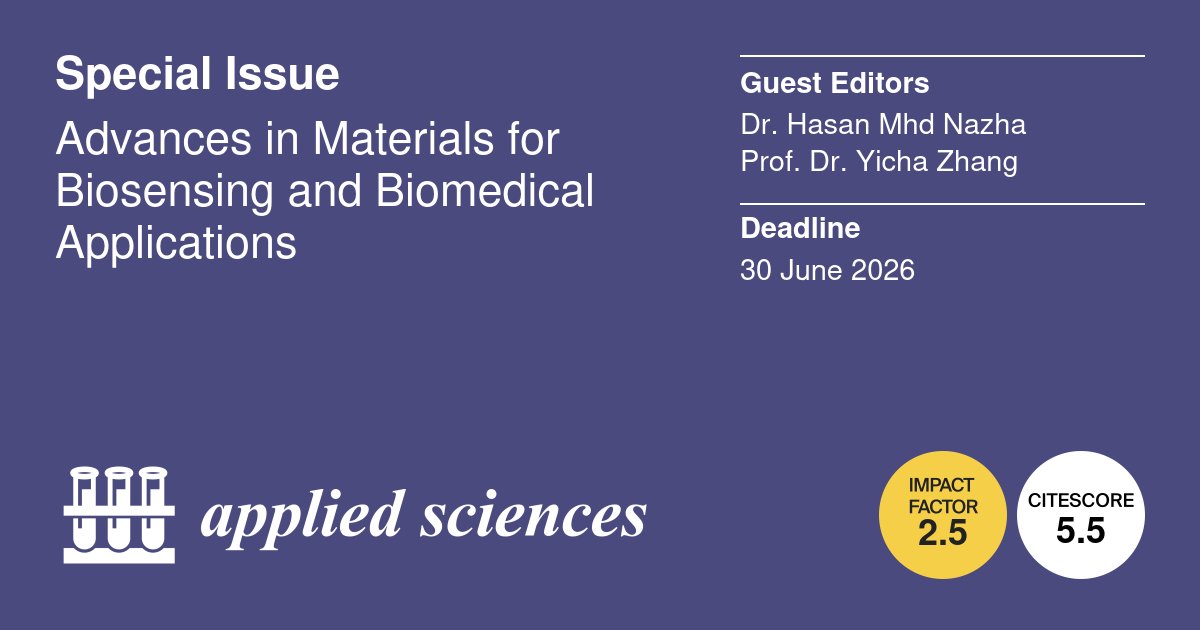
📢 #SpecialIssue
Advances in Materials for Biosensing and Biomedical Applications
📅30 June 2026
👨🔬 Guest Editors: Dr. Hasan Mhd Nazha; Prof. Dr. Yicha Zhang
🔗mdpi.com/journal/applsci/spe…
#biosensingmaterials #biomedicalapplications #nanomaterials #smartmaterials #bioelectronics
2
4
74

Jan 8
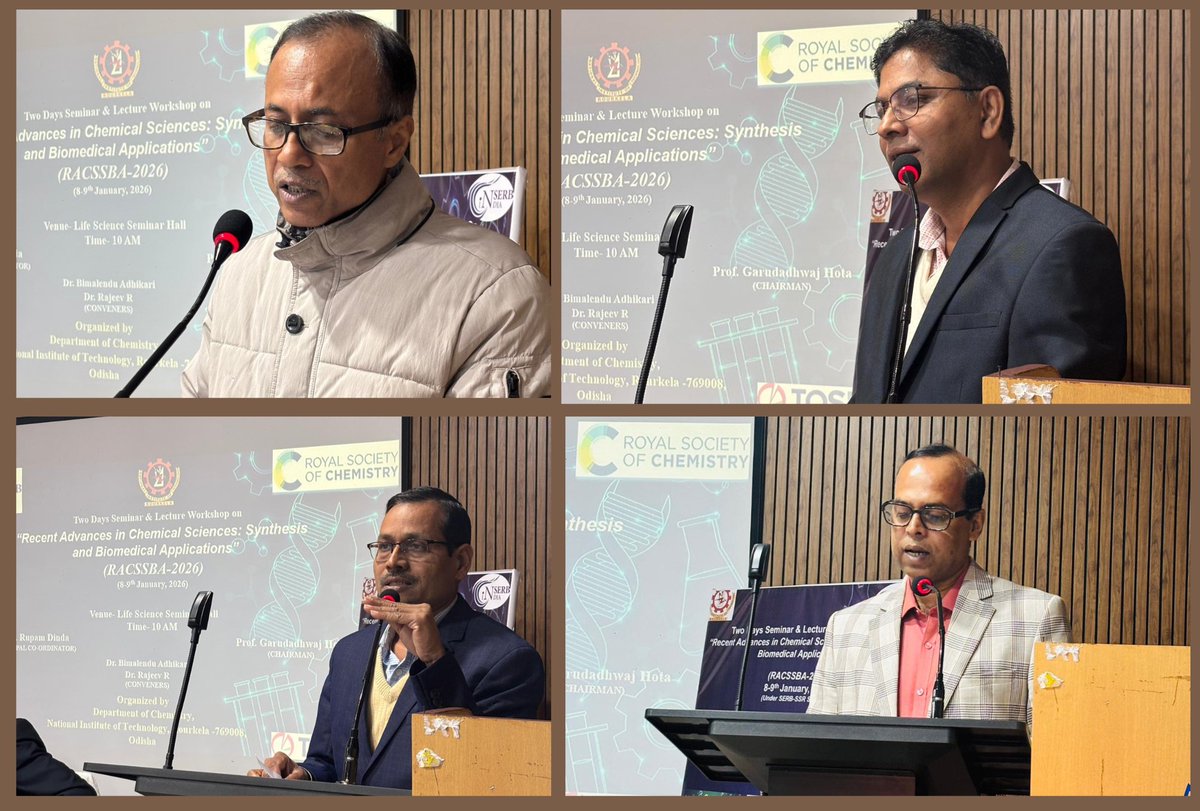
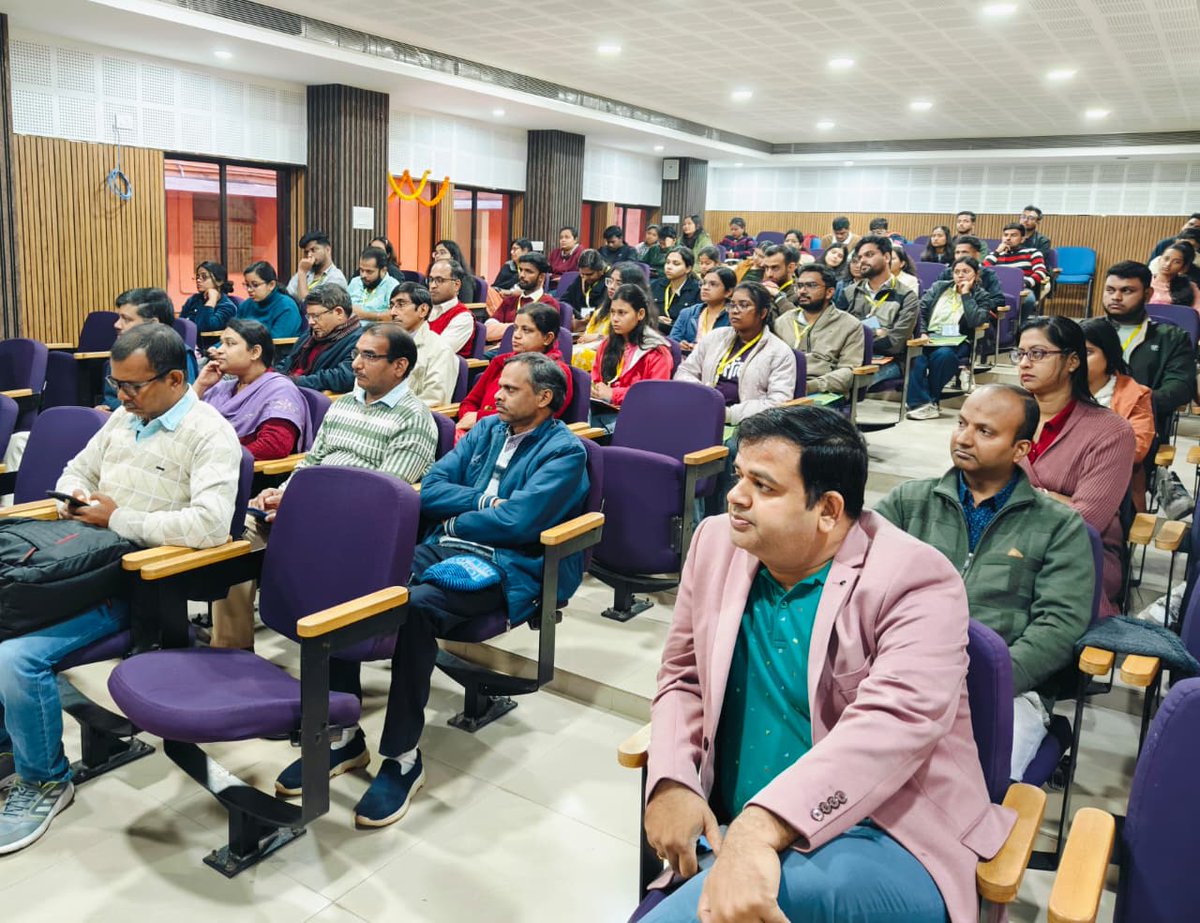
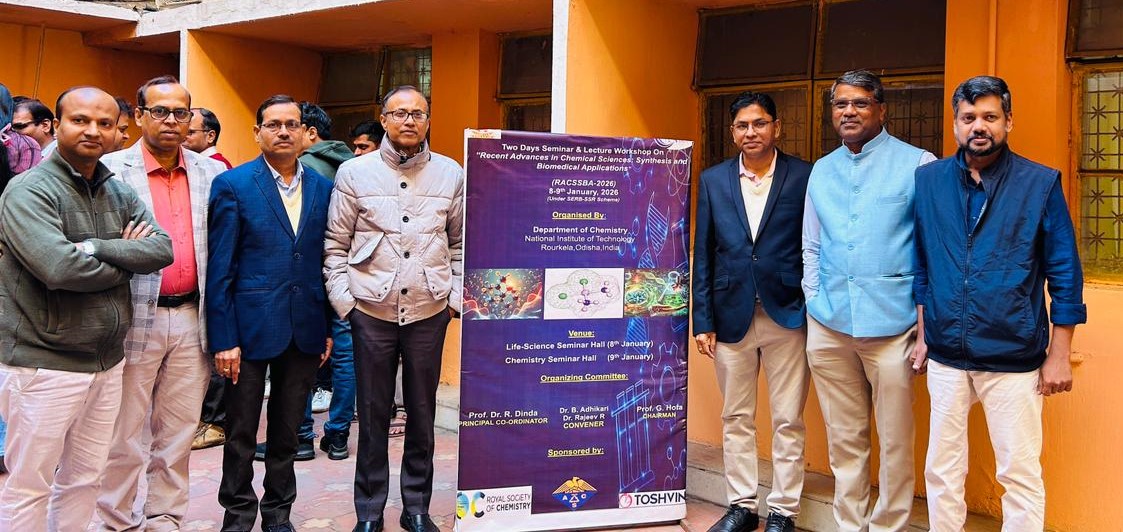
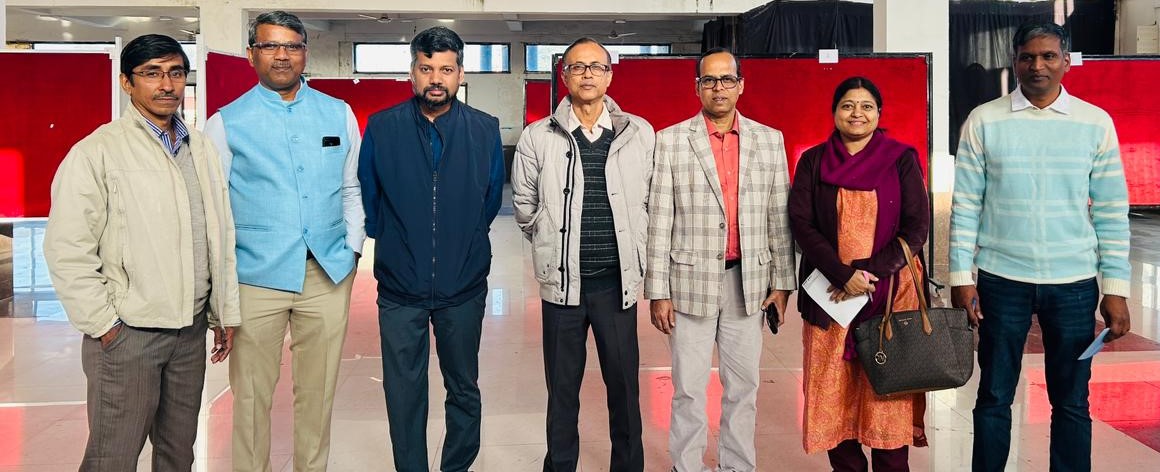
The Department of Chemistry at NIT Rourkela inaugurated the SERB-sponsored Two Days Seminar & Lecture Workshop on “Recent Advances in Chemical Sciences: Synthesis and Biomedical Applications (RACSSBA-2026)” on 8 January 2026, under the SERB-SSR Scheme.
The inaugural ceremony was graced by Prof. Sujoy Baitalik from Jadavpur University, West Bengal, as the Chief Guest. Prof. Niranjan Panda (Dean of Student Affairs, NIT Rourkela) was the esteemed guest of the event. The ceremony was chaired by Prof. G. Hota, Head of the Department of Chemistry, with Prof. Rupam Dinda serving as the Principal Coordinator, and Dr. B. Adhikari and Dr. Rajeev R as Conveners. The programme witnessed active participation of around 50 students, marking a vibrant beginning to the two-day academic event. The workshop also acknowledges the support of its partnering organisations: the American Chemical Society (ACS), the Royal Society of Chemistry (RSC), and Toshvin Analytical Pvt Ltd.
The two-day workshop (8th-9th January 2025) aims to provide participants with a comprehensive understanding of recent developments in chemical sciences, with special emphasis on advanced synthesis techniques and their biomedical applications. It seeks to bridge the gap between fundamental chemical research and its practical relevance in healthcare and allied fields, while encouraging academic interaction, knowledge exchange, and exposure to contemporary research trends among students and young researchers.
@EduMinOfIndia @serbonline @AmerChemSociety @RoySocChem @Toshvin @RupamDinda
#NITRourkela #DepartmentOfChemistry #RACSSBA2026 #SERB #ACS #RSC #Toshvin #ChemicalSciences #AdvancedSynthesis #BiomedicalApplications #ResearchAndInnovation #AcademicWorkshop #HigherEducation #ScientificResearch
1
2
7
353

18 Dec 2025
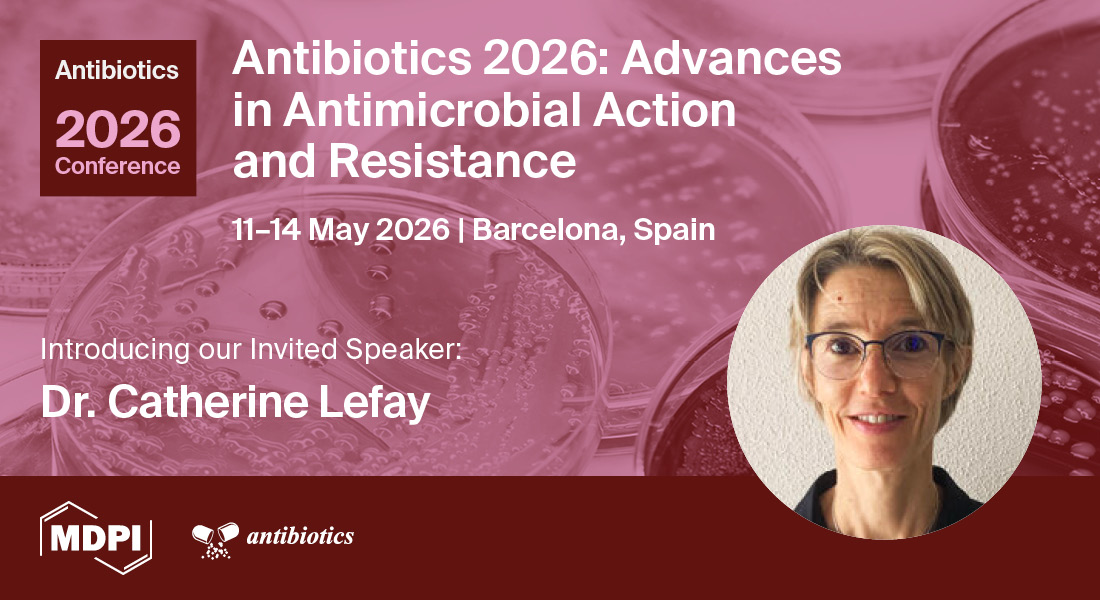
🎤 We are thrilled to welcome Dr. Catherine Lefay as an Invited Speaker at #Antibiotics2026 in Barcelona, May 11–14!
A leading expert in radical polymer chemistry, Dr. Lefay develops degradable plastic materials via rROP techniques and antibacterial copolymers, advancing both sustainable materials science and biomedical innovation.
In addition to her research at the Institute of Radical Chemistry (ICR), she teaches polymer chemistry and materials science at Aix Marseille University, inspiring the next generation of chemists and engineers.
Don’t miss her insights! Register today at brnw.ch/21wUWpP
#PolymerScience #MaterialsChemistry #AMR #SustainablePlastics #BiomedicalApplications #AntibacterialPolymers #GreenChemistry #ScientificConference #AixMarseilleUniversity #DegradablePlastic #Biomedicine #CROPS #rPOP #SustainableMaterials #SustainableDesign #PolymerChemistry #MaterialsScience #ICR
2
3
87

16 Dec 2025
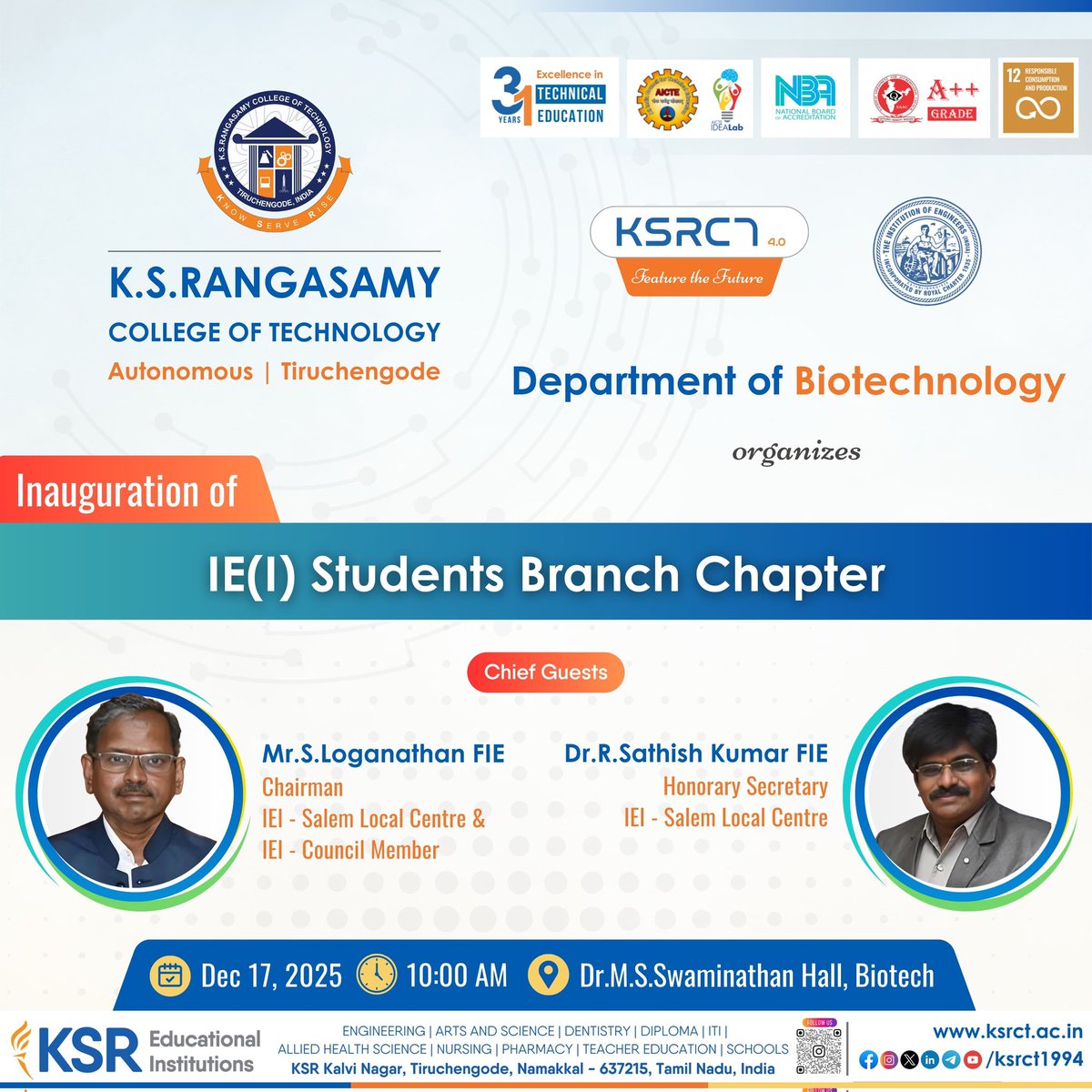
Inauguration of the IE(I) Students Branch Chapter on Dec 17, 2025, 10:00 AM @ M.S.Swaminathan Hall, Biotech.
#ksrct1994 #ksr #ksrei #IEI #IEIStudentsChapter #StudentsBranch
#Inauguration #Biomaterials
#BiomedicalApplications #Biotechnology
#ProfessionalDevelopment
12
34
102

16 Dec 2025
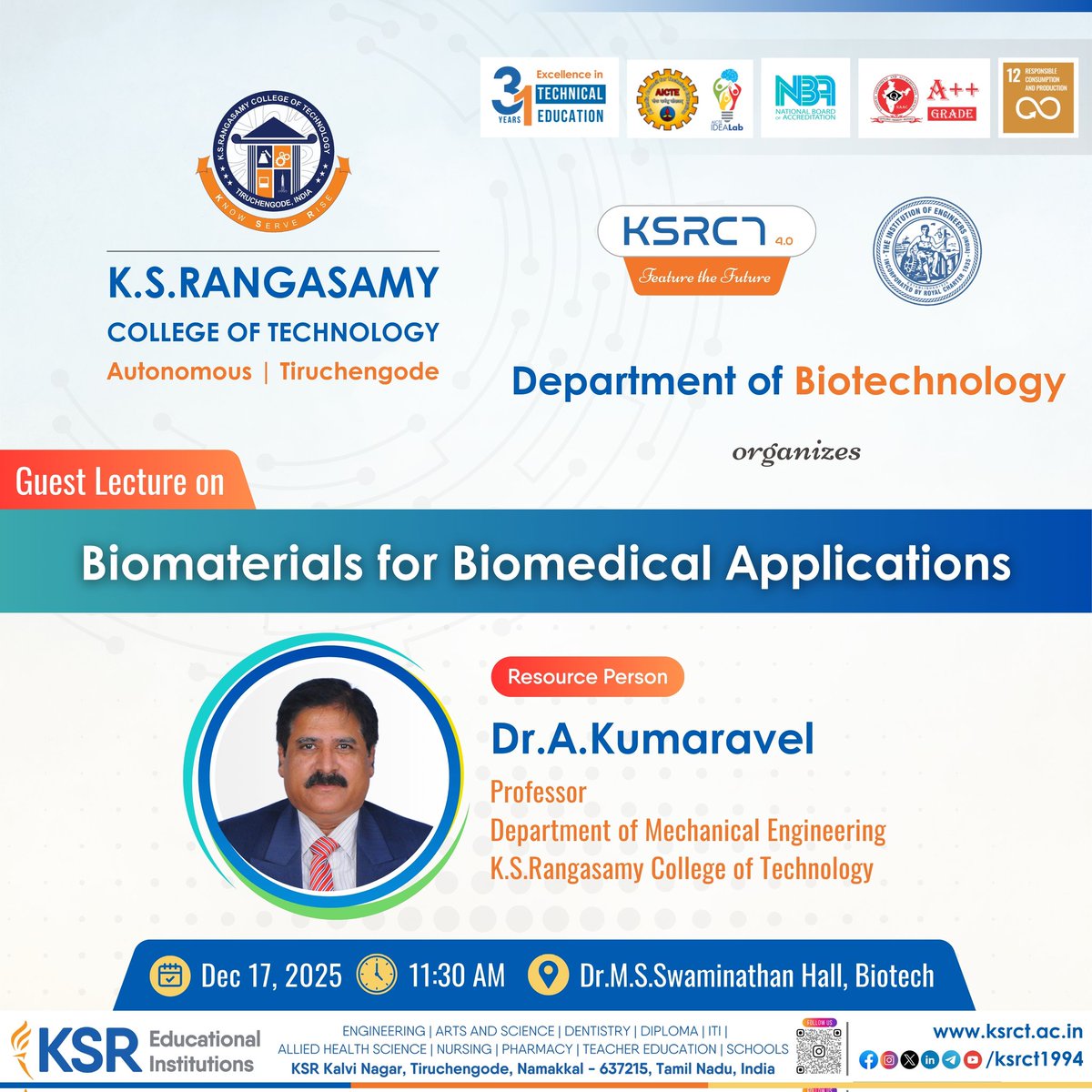
Department of Biotechnology, KSRCT, is pleased to organize a Guest Lecture on “Biomaterials for Biomedical Applications” on Dec 17, 2025, 11:30 AM @ M.S.Swaminathan Hall, Biotech
#iicksrct1994 #ksrct1994 #ksr #Biotechnology #GuestLecture #Biomaterials #BiomedicalApplications
6
14
29

15 Dec 2025
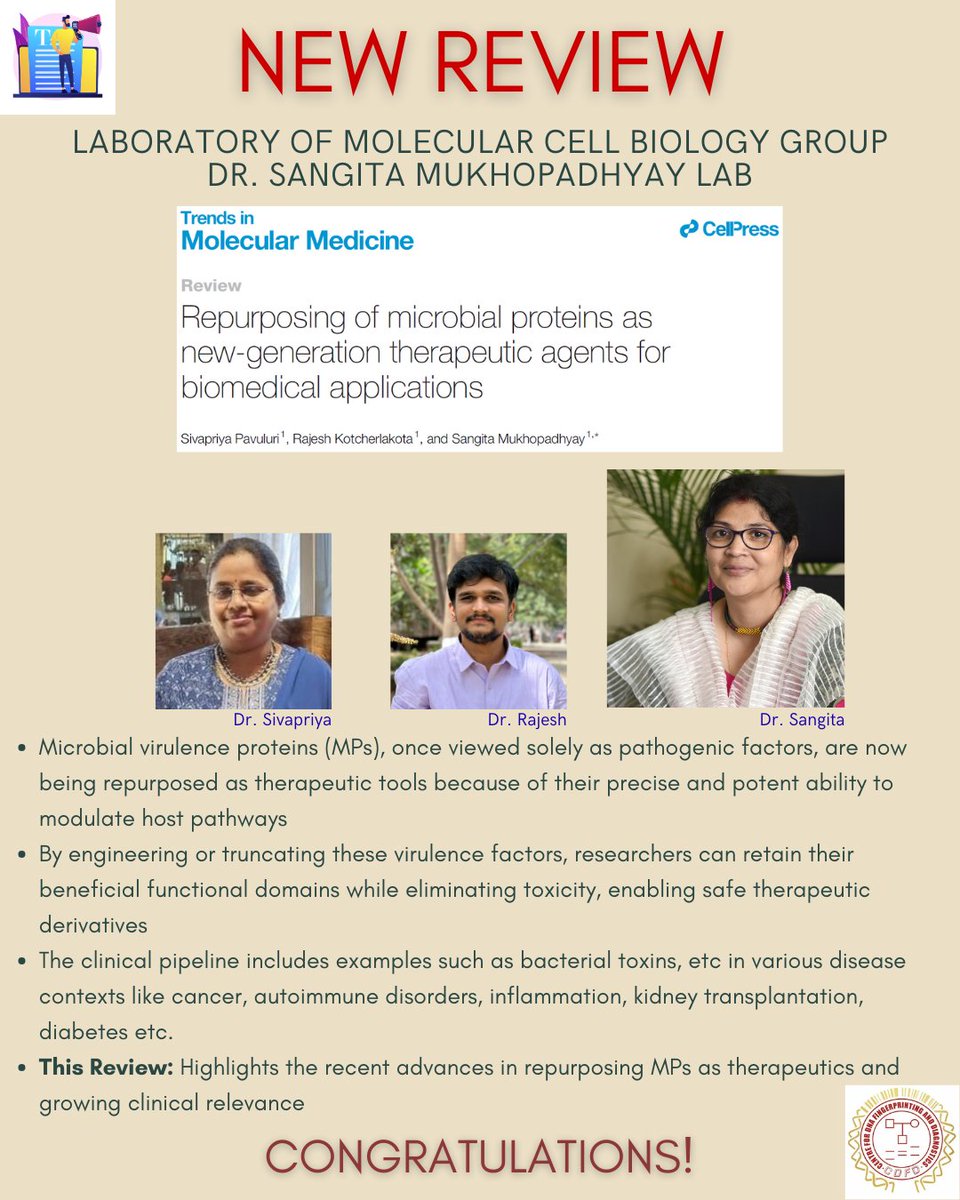
New Review published from Dr. Sangita Mukhopadhyay's Lab on microbial proteins as new-generation therapeutic agents.
Read the review here: sciencedirect.com/science/ar…
@DBTIndia @BricDbt
#repurposing #biomedicalapplications #therapeutic #microbialproteins
3
120
8 Dec 2025
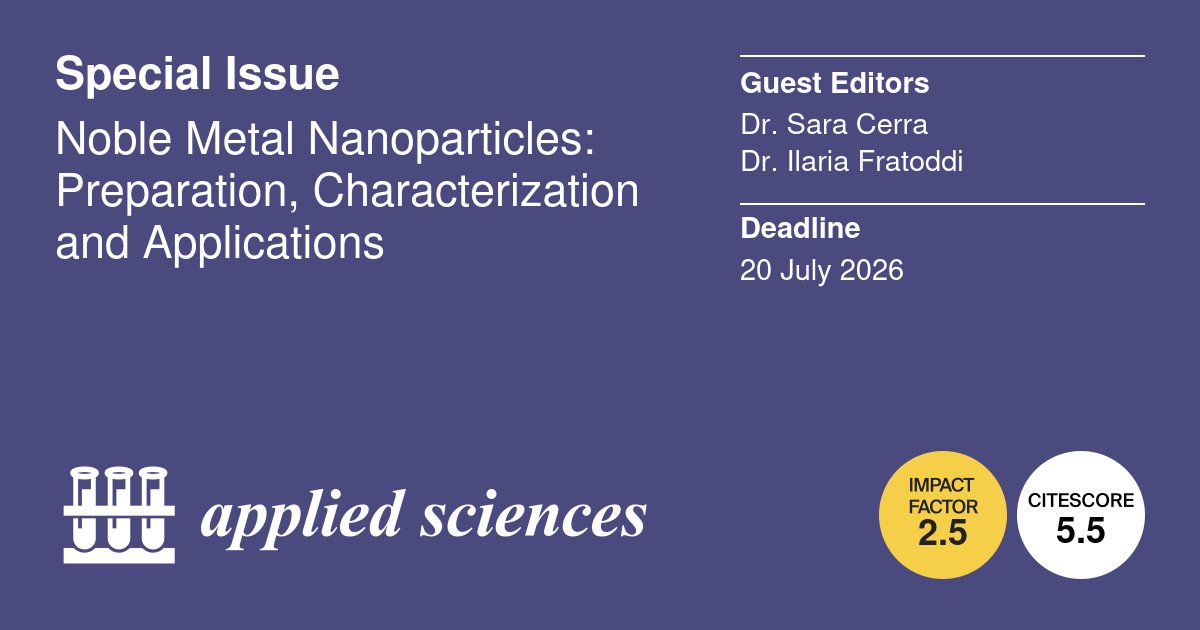
📢 #Special Issue:
Noble Metal Nanoparticles: Preparation, Characterization and Applications
📅 20 July 2026
👨🔬 Guest Editors:
Dr. Sara Cerra (Sapienza University of Rome, Italy)
Dr. Ilaria Fratoddi (Sapienza University of Rome, Italy)
🔗mdpi.com/journal/applsci/spe…
#NobleMetalNanoparticles #PlasmonicNanomaterials #ColloidalSynthesis #TopDownSynthesis #SurfaceFunctionalization #NanoparticleCharacterization #Catalysis #Electrocatalysis #BiomedicalApplications #Nanomedicine #Sensing #Detection #StructurePropertyRelationships #Nanotechnology #MaterialsScience #AdvancedMaterials
3
6
79

📃 NEW PAPER OUT❗
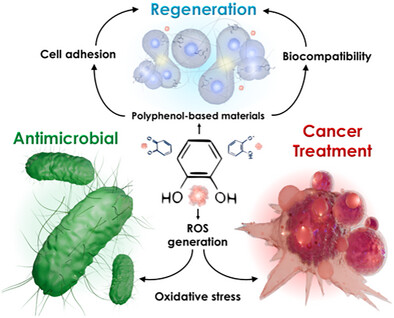
🤔 Ever heard of polyphenols? They're natural compounds with anti-inflammatory and antioxidant properties! @Nanosfun_ICN2's latest review dives into catechols for #BiomedicalApplications.
🔍 Dive in to discover their potential! 👉 bit.ly/4rEiSWf
1
2
196

2 Oct 2025
🟦IEICE Electronics Express (ELEX)
vol.22, no.18, 2025🐳
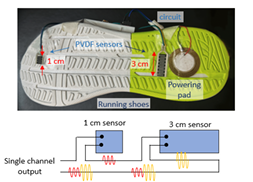
“Single channel self-powered running gesture monitoring with hardware-based amplitude modulation”
Weining Fei, Zile Fan, Zuolong Zhang
jstage.jst.go.jp/article/ele…
Key words: sensingsystem, biomedicalapplications
1
4
528

25 Sep 2025
Virtual Cells: From Conceptual Frameworks to Biomedical Applications
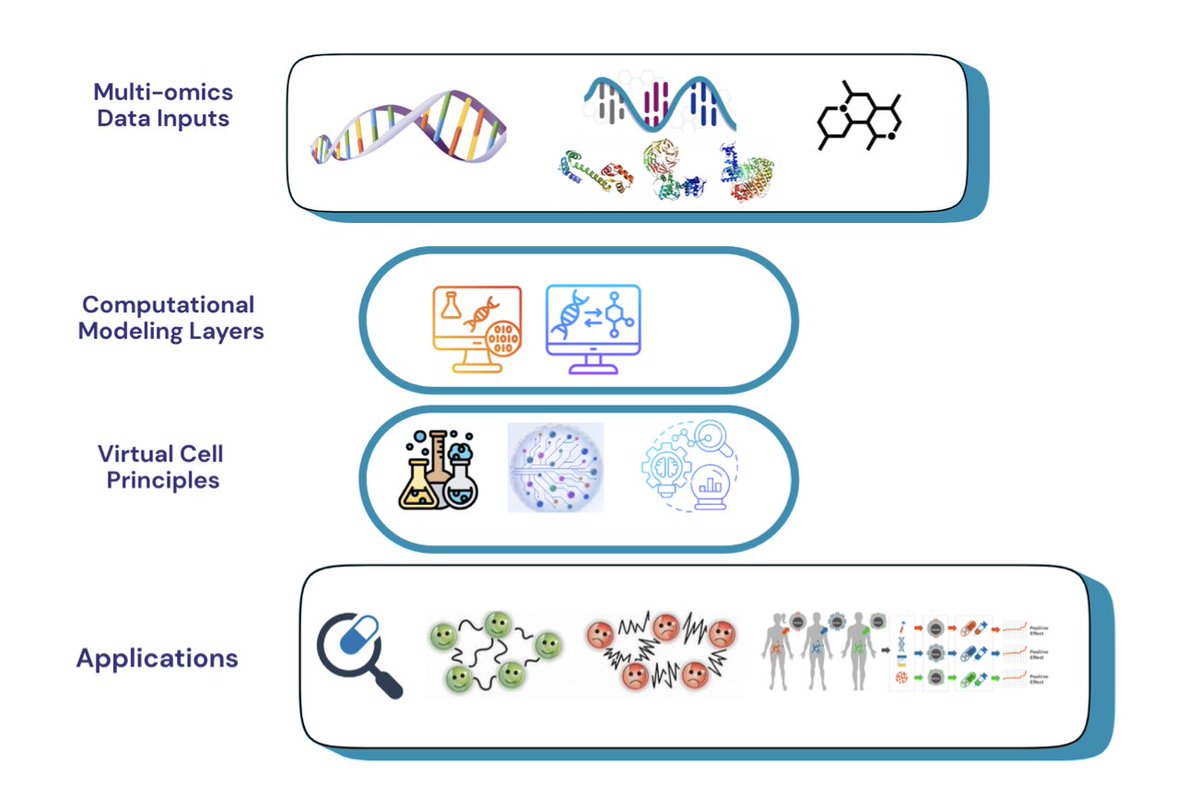
1. This comprehensive review explores the evolution and current state of virtual cells, which are digital cellular twins that integrate multi-omics data and computational modeling to simulate cellular processes. These models promise to revolutionize biomedical research and clinical practice by providing predictive insights into cellular behavior.
2. The article highlights the core technological pillars required to build virtual cells, including the integration of single-cell and spatial omics data, various modeling approaches, and bioengineering principles. It emphasizes the importance of systems-level modeling, multi-scale integration, predictive modeling, iterative validation, and standardization.
3. A significant innovation discussed is the transformative impact of artificial intelligence and foundation models on virtual cell development. AI-driven techniques enable the management of high-dimensional data, enhance predictive modeling, and facilitate the discovery of biomarkers and optimization of model parameters.
4. The review examines key applications of virtual cells in drug discovery, personalized medicine, and hypothesis-driven research. It showcases how virtual cells can accelerate the identification of therapeutic targets, predict drug responses, and provide a platform for in silico experimentation.
5. The article also addresses significant challenges that remain in the field, such as computational scalability, parameter inference, and ethical considerations. It provides a roadmap for future development, emphasizing the need for standardized datasets, transparent models, user-friendly platforms, and robust global collaboration.
6. The Virtual Cell Challenge is highlighted as a key community platform for benchmarking and evaluating predictive models. It emphasizes the importance of uncertainty reporting, provenance tracking, and management of domain shifts, which are critical for fair comparison and reproducibility.
📜Paper: arxiv.org/abs/2509.18220v1
#VirtualCells #ComputationalBiology #BiomedicalApplications #ArtificialIntelligence #SystemsBiology #DrugDiscovery #PersonalizedMedicine #Benchmarking #FutureOfResearch
1
1
3
1,072

4 Sep 2025
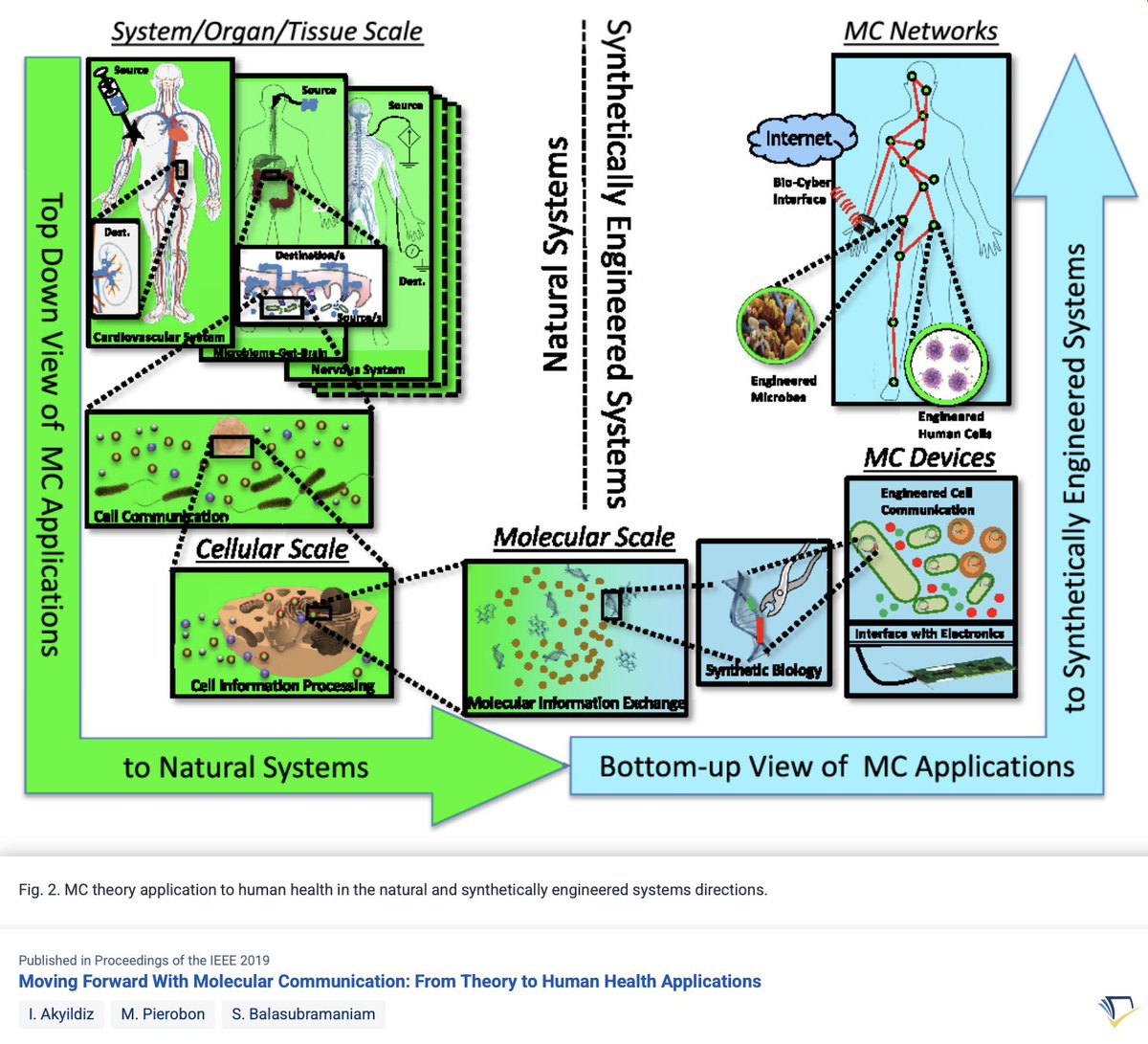
Anatomical Connectivity #IoBNT
Internet of Bio-Nano Things #BioCyberInterface
Healthcare 4.0 #BiomedicalApplications
ACM NanoCom 2025
Steering Committee:
Massimiliano Pierobon
Sasitharan Balasubramaniam
Josep Jornet
Sabrina Wallace @psinergy_SDW
5 Apr 2025

Massimiliano Pierobon / Prof. Ian Fuat Akyildiz
ISMICT 2025 - Florence, Italy
Engineering Human 2.0 in Vivo with Molecular Communication Technology #IoBNT
There was no Informed Consent
Injectable Bio-Cyber Interface
x.com/CorinneNokel/status/19…
semanticscholar.org/paper/Mo…
6
40
52
2,248

26 Aug 2025
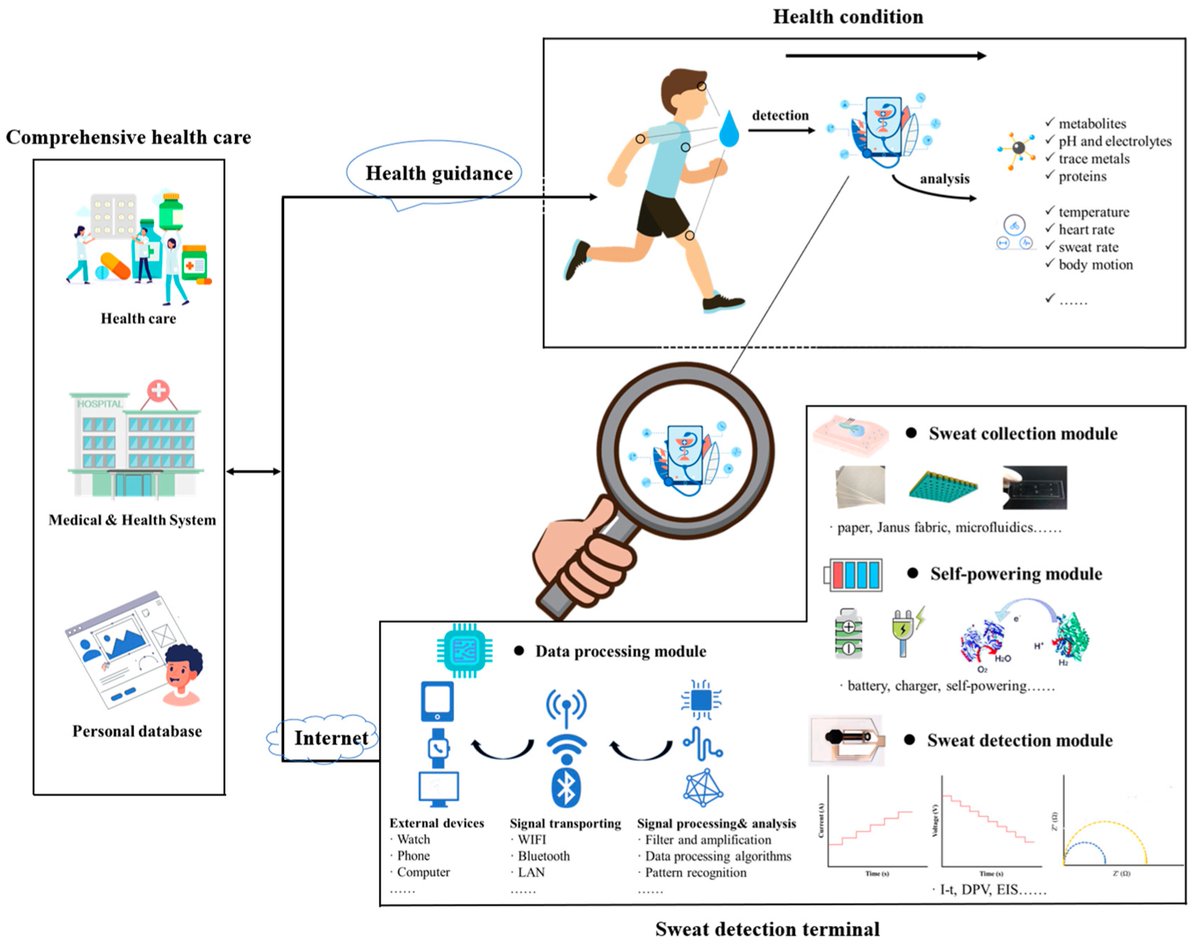
Selected Paper on Nano-Enabled Wearables
👉 mdpi.com/2788900
📑 Innovative Material-Based Wearable Non-Invasive Electrochemical Sweat Sensors towards Biomedical Applications
📌 #WearableSensors #BiomedicalApplications #MedicalDevices
2
3
92
1 Aug 2025
Computational Design of Bifaceted Protein Nanomaterials @NatureMaterials
🚀New paper from David Baker and Neil P. King!🚀
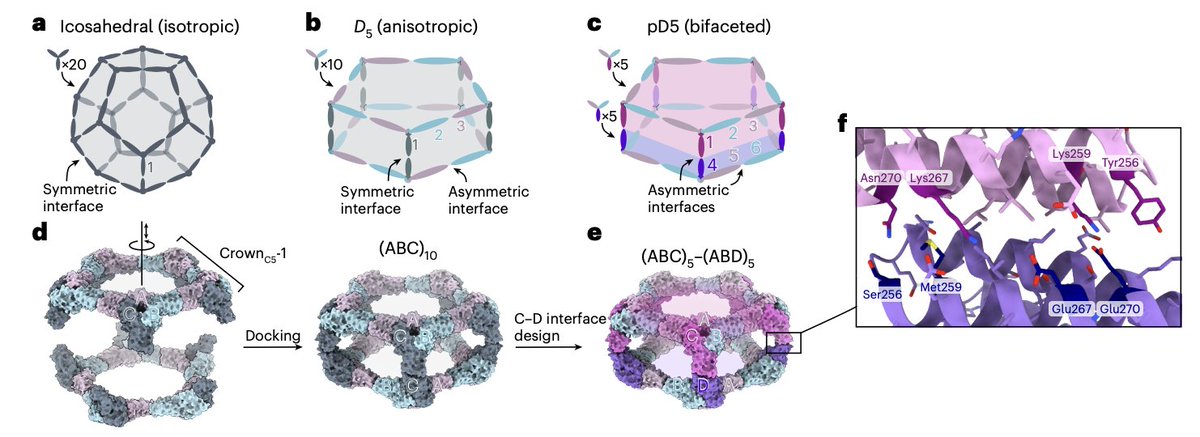
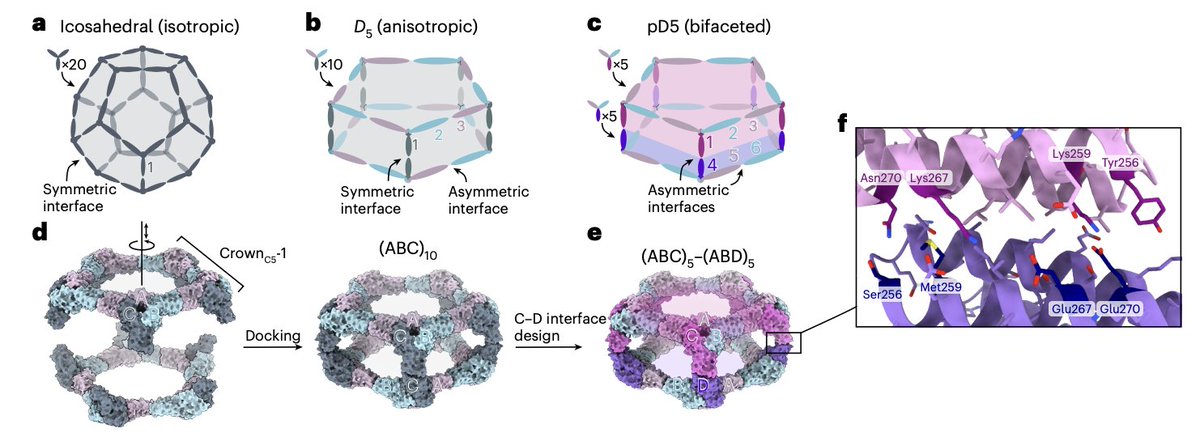
1. Researchers have developed a novel computational strategy to design bifaceted protein nanomaterials with two distinctly addressable sides, overcoming the limitations of traditional symmetric nanoparticles. This innovation allows for anisotropic functionalization and could have significant applications in colocalizing distinct biological entities.
2. The method involves docking pseudosymmetric hetero-oligomeric building blocks into architectures with dihedral symmetry and designing asymmetric protein–protein interfaces between them. This approach enables the creation of complex, anisotropic structures that were previously unattainable.
3. The team successfully designed and experimentally validated a 30-subunit assembly with pseudo-D5 symmetry. By altering the size and morphology of one subunit, they generated variants of the bifaceted nanoparticles, demonstrating precise control over their structures.
4. The bifaceted nanoparticles were shown to colocalize two populations of polystyrene microparticles coated with different target protein receptors. This highlights the potential biomedical utility of these self-assembling proteins in applications requiring the specific interaction of distinct molecules.
5. The study also demonstrated fine-tuning of nanoparticle size and shape using machine learning-based design tools, allowing for systematic variation in the structure of the nanoparticles. This level of control could be crucial for applications in drug delivery and vaccine development.
6. The bifaceted nanoparticles were remarkably thermostable, maintaining their structure even at near-boiling temperatures. This robustness, combined with their functional versatility, makes them promising candidates for various biotechnological applications.
7. The researchers leveraged advanced computational tools like ProteinMPNN and RFdiffusion to design these nanoparticles, showcasing the power of artificial intelligence in protein engineering. The results suggest that these methods could be generalized to other symmetric or asymmetric architectures.
💻Code: github.com/willsheffler/rpxd…
📜Paper: nature.com/articles/s41563-0…
#ProteinEngineering #ComputationalBiology #Nanotechnology #BiomedicalApplications #AIinBiology
1
18
93
15,051
1 Aug 2025
Computational Design of Bifaceted Protein Nanomaterials @NatureMaterials
🚀New paper from David Baker and Neil P. King!🚀
1. Researchers have developed a novel computational strategy to design bifaceted protein nanomaterials with two distinctly addressable sides, overcoming the limitations of traditional symmetric nanoparticles. This innovation allows for anisotropic functionalization and could have significant applications in colocalizing distinct biological entities.
2. The method involves docking pseudosymmetric hetero-oligomeric building blocks into architectures with dihedral symmetry and designing asymmetric protein–protein interfaces between them. This approach enables the creation of complex, anisotropic structures that were previously unattainable.
3. The team successfully designed and experimentally validated a 30-subunit assembly with pseudo-D5 symmetry. By altering the size and morphology of one subunit, they generated variants of the bifaceted nanoparticles, demonstrating precise control over their structures.
4. The bifaceted nanoparticles were shown to colocalize two populations of polystyrene microparticles coated with different target protein receptors. This highlights the potential biomedical utility of these self-assembling proteins in applications requiring the specific interaction of distinct molecules.
5. The study also demonstrated fine-tuning of nanoparticle size and shape using machine learning-based design tools, allowing for systematic variation in the structure of the nanoparticles. This level of control could be crucial for applications in drug delivery and vaccine development.
6. The bifaceted nanoparticles were remarkably thermostable, maintaining their structure even at near-boiling temperatures. This robustness, combined with their functional versatility, makes them promising candidates for various biotechnological applications.
7. The researchers leveraged advanced computational tools like ProteinMPNN and RFdiffusion to design these nanoparticles, showcasing the power of artificial intelligence in protein engineering. The results suggest that these methods could be generalized to other symmetric or asymmetric architectures.
💻Code: github.com/willsheffler/rpxd…
📜Paper: nature.com/articles/s41563-0…
#ProteinEngineering #ComputationalBiology #Nanotechnology #BiomedicalApplications #AIinBiology
1
11
1,035

31 Jul 2025
Nanda Kishore Karnam wins Best Paper Award at International Conference
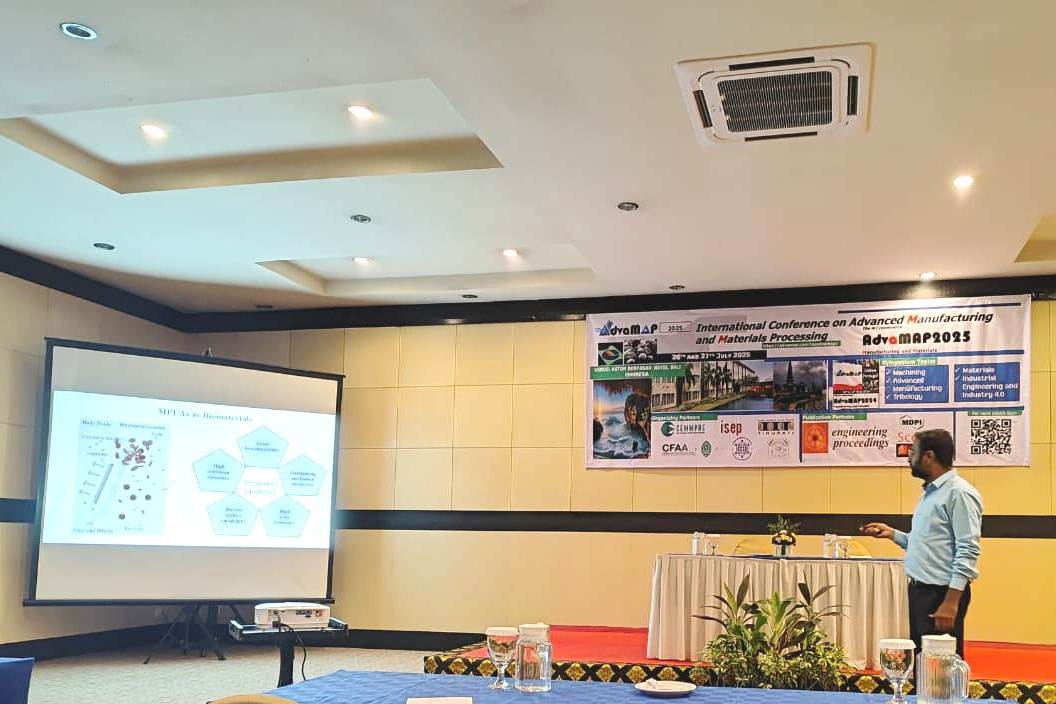
Mr. Nanda Kishore Karnam, a PhD student in Materials Engineering at the School of Engineering Sciences and Technology (SEST), University of Hyderabad, has been awarded the Best Paper Award at the 3rd International Conference on Advanced Manufacturing and Materials Processing (AdvaMAP 2025) held in #Bali, #Indonesia
Research Highlights:
- Novel MPEAs: Development of ultra-high hard TiCoCr-based multi-principal element alloys with exceptional biocompatibility and superior tribological performance.
- Biomedical Applications: Potential for next-generation biomedical implant applications due to excellent combination of hardness, wear resistance, and biocompatibility.
Awards and Recognition:
- Best Paper Award: Recognized for the scientific and technological relevance of his research findings.
- Publication: Research published in Materials Letters, 392 (2025) 138526.
Acknowledgments:
- Anusandhan National Research Foundation (ANRF): Supported travel through a research travel grant.
- Collaborators: IIT Delhi, IIT Bhubaneswar, and CSIR-CECRI, Karaikudi.
- University of Hyderabad: Continuous encouragement and institutional support from Vice-Chancellor Prof. B. J. Rao and Dean-SEST Prof. Jai Prakash Gautam.
#UoHResearch #BestPaperAward #MaterialsEngineering #BiomedicalApplications #MPEAs #ResearchExcellence #InternationalConference
@HydUniv @EduMinOfIndia @ugc_india @mygovindia @PMOIndia @dpradhanbjp @PIB_India @PIBFactCheck @PIBHyderabad @PTI_News
2
243
30 Jun 2025
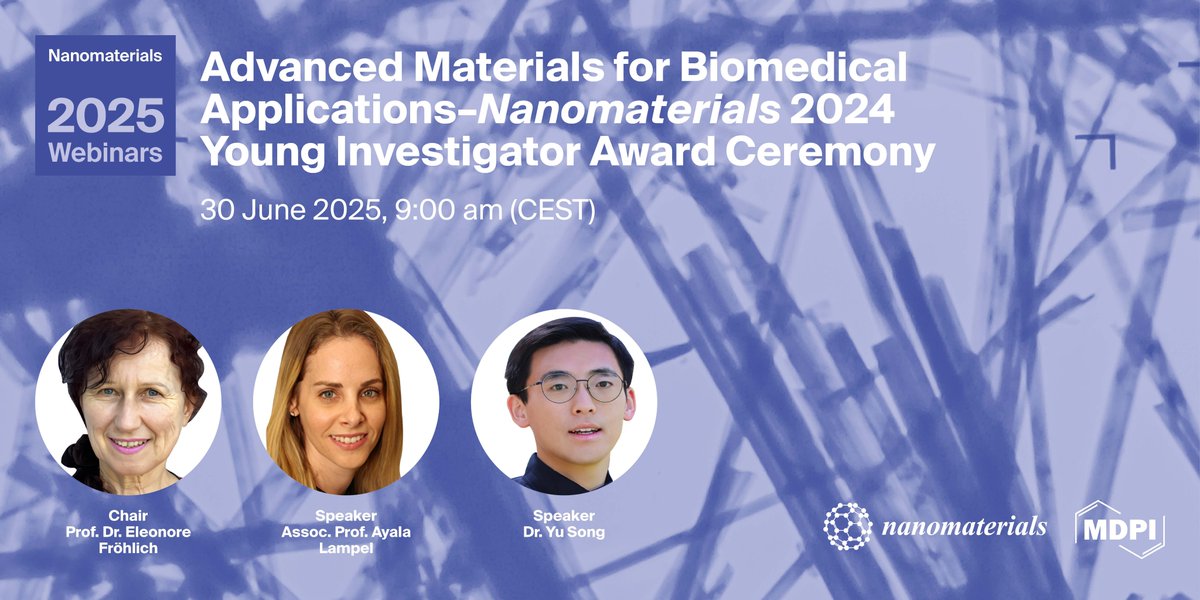
Starting in 2 hours—don’t miss the Nanomaterials 2024 Young Investigator Award webinar!
Join us at 9:00 am CEST | 3:00 pm CST
🔗 brnw.ch/21wTufS
#Nanomaterials #Webinar #BiomedicalApplications
1
3
100

5 Mar 2025
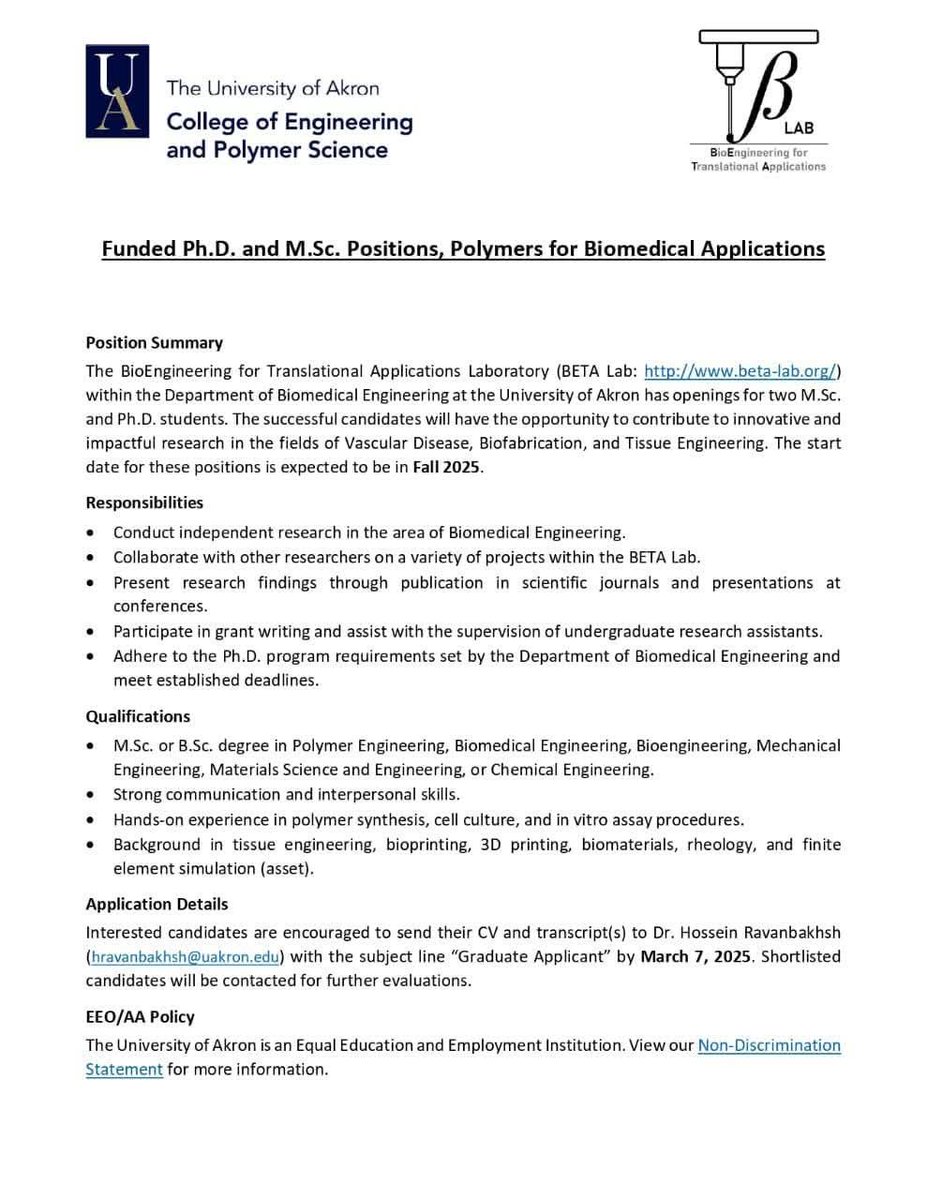
🎓 Fully-funded Ph.D. & M.Sc Positions in Polymers for Biomedical Applications 🎓
Location: The University of Akron, United States.
Deadline: 07 March 2025
See the flyer for details.
#PhD #postdoc #BiomedicalApplications #universityofakron #UnitedStates
1
1
2
444

28 Jan 2025
Innovative Insights on Epigenetics and Cancer Therapy
Prof. (Dr.) Abhimanyu Kumar Jha, Dean, School of Biosciences and Technology (SBT), delivered an invited talk on "Reactivation of Tumor Suppressor Genes: An Epigenetic Approach to Cancer Therapy" at the "One-Day Symposium on 3D Bioprinting and Biomedical Applications."
The symposium was organized by the Centre for Biomedical Engineering (CBME), IIT Delhi, in collaboration with the Cell Biology Division, HiMedia Laboratories Pvt. Ltd., on 18th January 2025 at IIT Delhi.
Dr. Jha’s presentation highlighted groundbreaking research in cancer therapy, reflecting Galgotias University's commitment to advancing innovation and impactful contributions in the field of biosciences and technology.
#GalgotiasUniversity #EpigeneticsInCancerTherapy #InnovativeResearch #SchoolOfBiosciences #CancerTherapy #Bioprinting #BiomedicalApplications #IITDelhi #HigherEducation #ResearchLeadership

5
9
64

20 Jan 2025
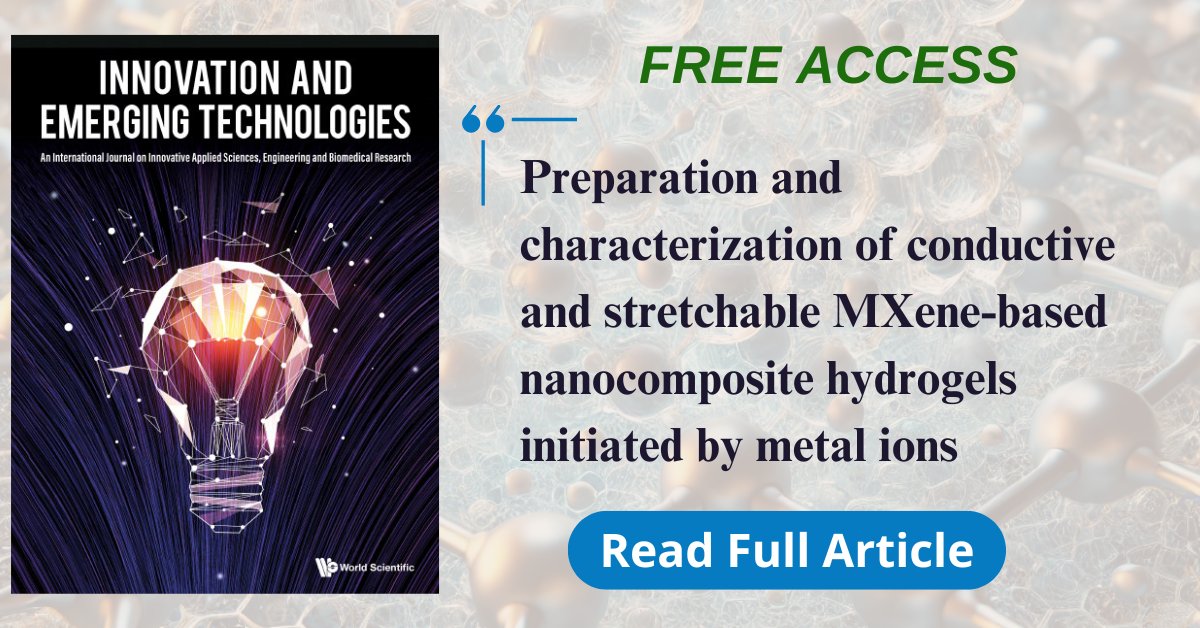
This study written by Yuxing Ji, Zhijie Geng, and Shan Yu presents the development of a conductive, stretchable MXene-based hydrogel, combining poly(vinyl alcohol) (PVA), MXene nanosheets, and Fe2 ions. The resulting PVA-M3F hydrogel demonstrates exceptional mechanical properties, including a 513% elongation at break, and increased conductivity. The hydrogel maintains stable electrical performance under deformation, making it ideal for applications in wearable electronics, biosensors, and flexible sensors. This innovative material paves the way for next-gen flexible, smart systems with potential uses in health monitoring and robotics.
Learn more: worldscientific.com/doi/10.1…
#ConductiveHydrogel #WearableElectronics #SmartMaterials #FlexibleSensors #BiomedicalApplications #StretchableElectronics #HydrogelResearch #MaterialsScience #FlexibleDevices #BiomedicalSensors #InnovativeMaterials #NextGenTech #StretchableMaterials
2
7
496

10 Dec 2024
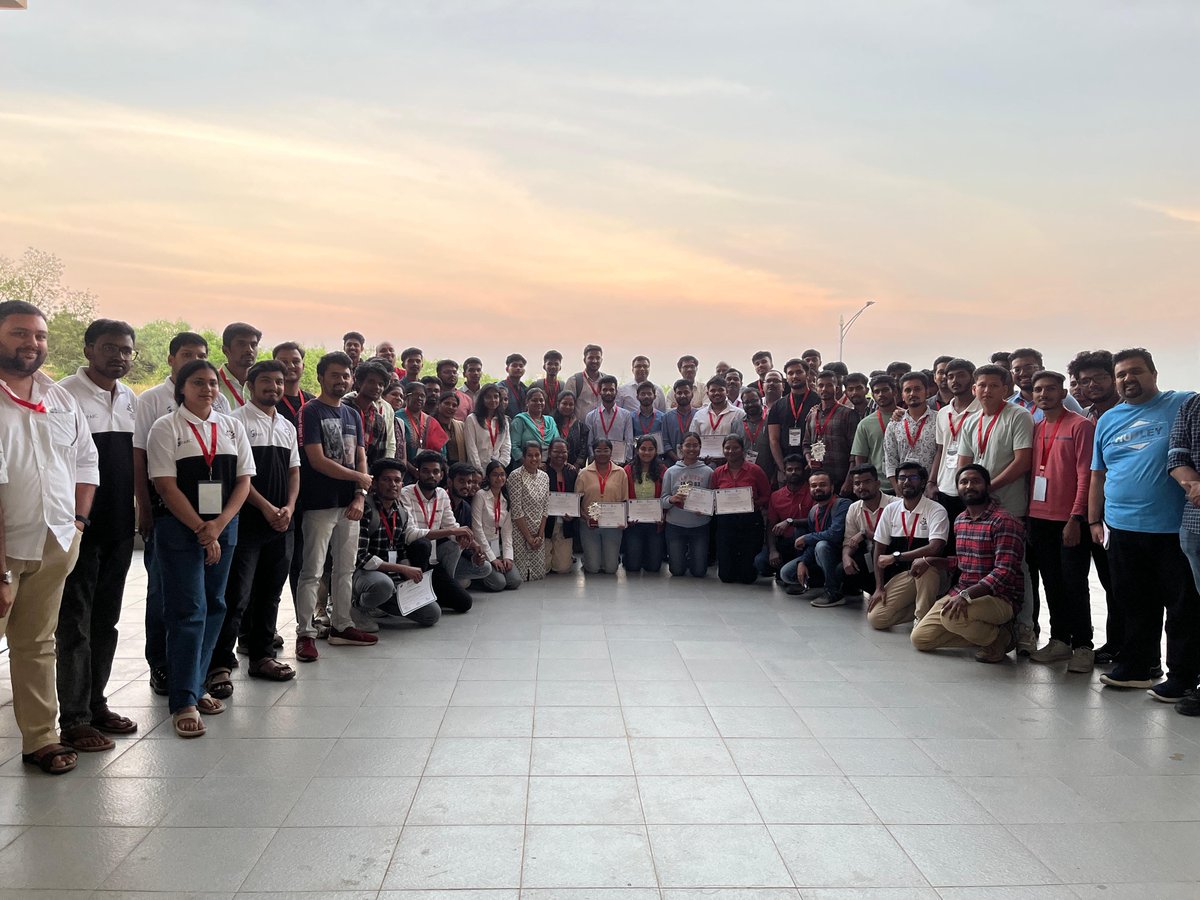
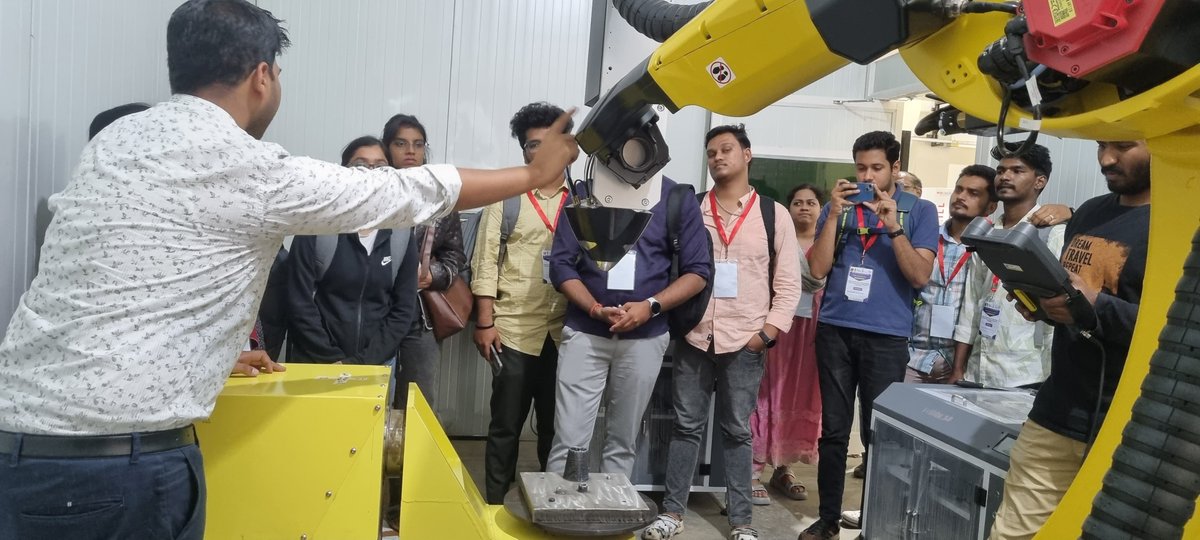
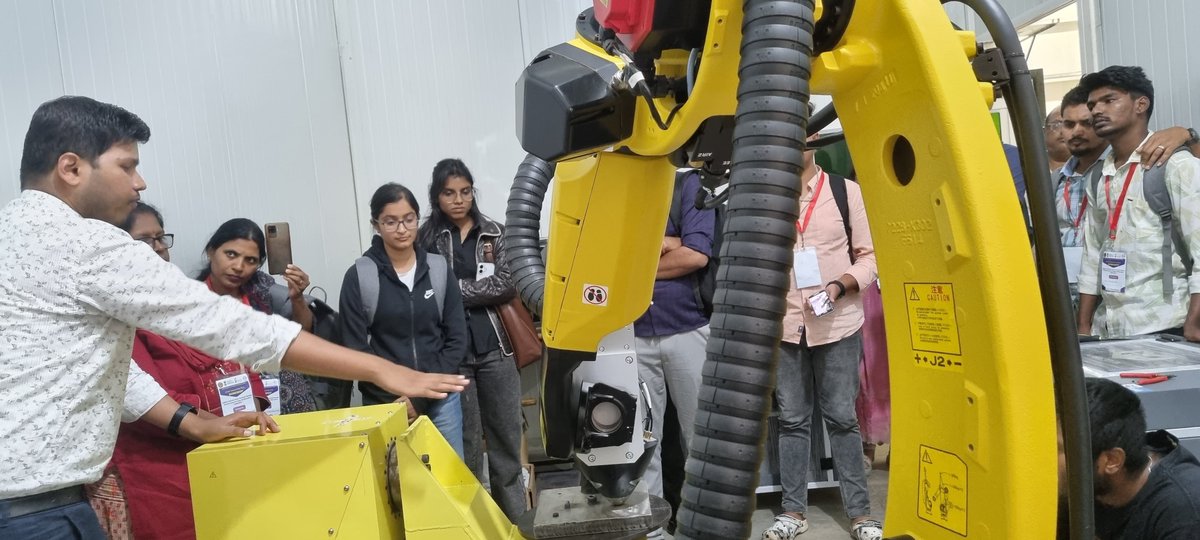
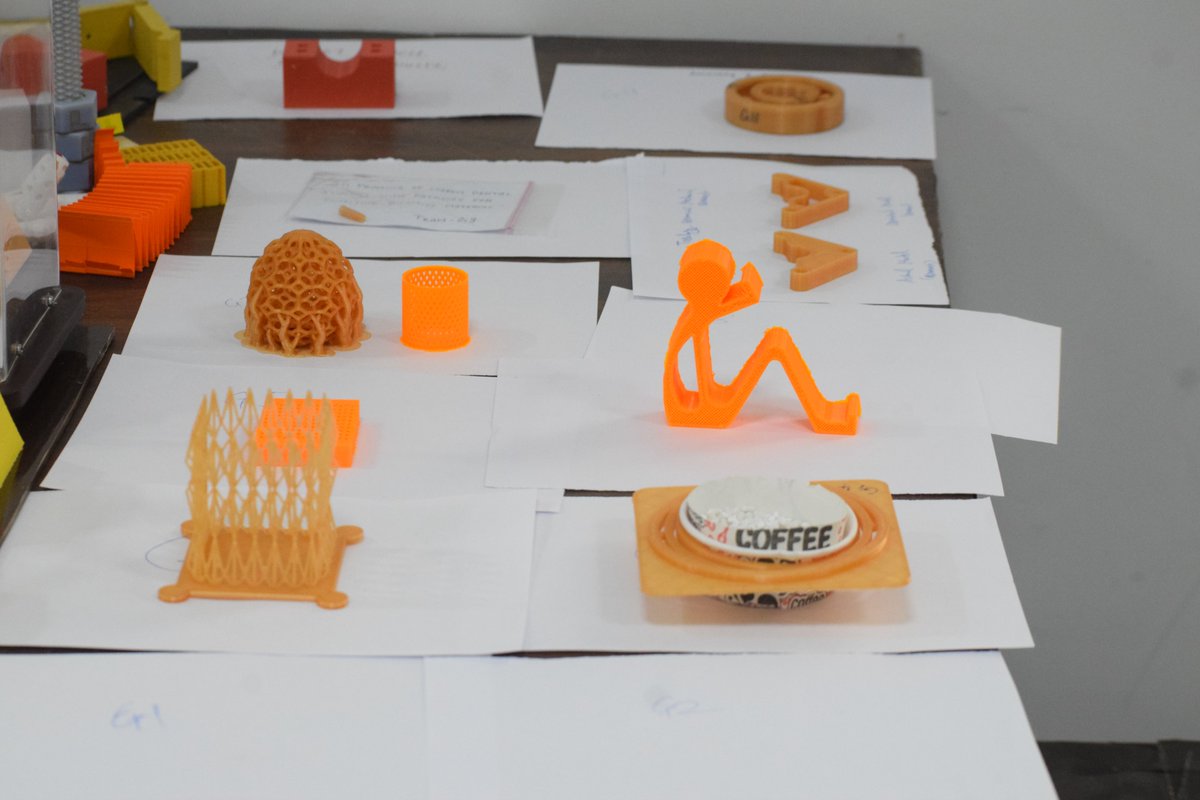
We are happy to share the successful conclusion of the SPARC-sponsored one week-workshop on “Additive Manufacturing, Functional Materials Manufacturing for Energy and Biomedical Applications”, held from 25th to 29th November 2024 at Indian Institute of Technology Dharwad. This workshop was a collaborative effort jointly organized by Virginia Commonwealth University (VCU), USA and IIT Dharwad. The workshop's success was made possible by the collective efforts and contributions of everyone involved.
We would like to extend my heartfelt gratitude to speakers: Prof. Somashekara M A, Prof. Ravi Hadimani, Dr. Anbukarasi Rajendran., and Dr. Saiyad Ladakhan. Your insightful talks and expertise significantly enriched the workshop, inspiring and motivating all participants. A special mention goes to the 70 enthusiastic participants for their curiosity, active involvement, and engagement in discussions and activities, including project and research-based tasks.
Congratulations to the teams who received awards for their exceptional work in product development and research! we would also like to express our sincere appreciation to the volunteers for their tireless efforts behind the scenes, ensuring the seamless execution of the event. It was an honor to bring together such a diverse and passionate group to explore innovations in additive manufacturing and functional materials. Your contributions have made this event a truly memorable experience! Lastly, we would like to thank the SPARC scheme, MINISTRY OF EDUCATION, for funding this initiative and supporting the advancement of research and knowledge in this vital domain.
#IITDharwad #SPARC #VirginiaCommonwealthUniversity #AdditiveManufacturing #FunctionalMaterials #BiomedicalApplications
3
246