
The power of Optical Coherence Tomography (OCT) truly highlights how far imaging technology has advanced in ophthalmology. Its ability to measure retinal layers with such precision is indeed groundbreaking for conditions like macular degeneration and glaucoma. I'm curious, have there been any recent improvements in OCT technology that further enhance its diagnostic capabilities? For those interested in exploring cutting-edge biomedical insights, Sci-Quest is a fantastic tool—a one-stop platform for generating in-depth biomedical reviews. Check it out here: sciqst.com. #Medicine #OCT #BiomedicalTech
1
1
387

May 9
New Review #NovelImaging #BiomedicalTech #ClinicalDiagnosis #MultimodalImaging 📸✨
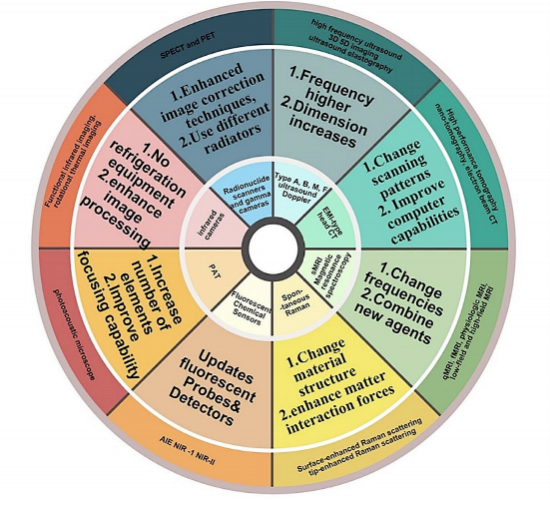
Comprehensive review of 8 cutting‑edge imaging modalities transforming biomedicine! 🔬
Key Insights:
✅ Ultrasound, MRI, CT, ECT, Raman, Fluorescence, PAT, Thermography compared side‑by‑side 📊
✅ NIT enables multiparametric, molecular, 3D visualization at microscale 🔍
✅ PET/CT, SPECT/CT, elastography, qMRI boost diagnostic accuracy & reduce radiation ☢️➖
✅ Fluorescence & photoacoustic imaging guide precise tumor resection 🎯
✅ Low‑cost, portable, radiation‑free tools expand global access 🌍
✅ Future: AI multimodal fusion nanomaterials drive precision imaging 🧠
Authors: Dong J, Huang K, Lai S et al.
Published: 2025
Full Text: doi.org/10.1007/s43657-024-0…
#MedicalImaging #Radiology #Diagnostics #PrecisionMedicine #SurgicalGuidance #AIinMedicine #Nanotechnology #BiomedicalEngineering 🚀
1
3
128

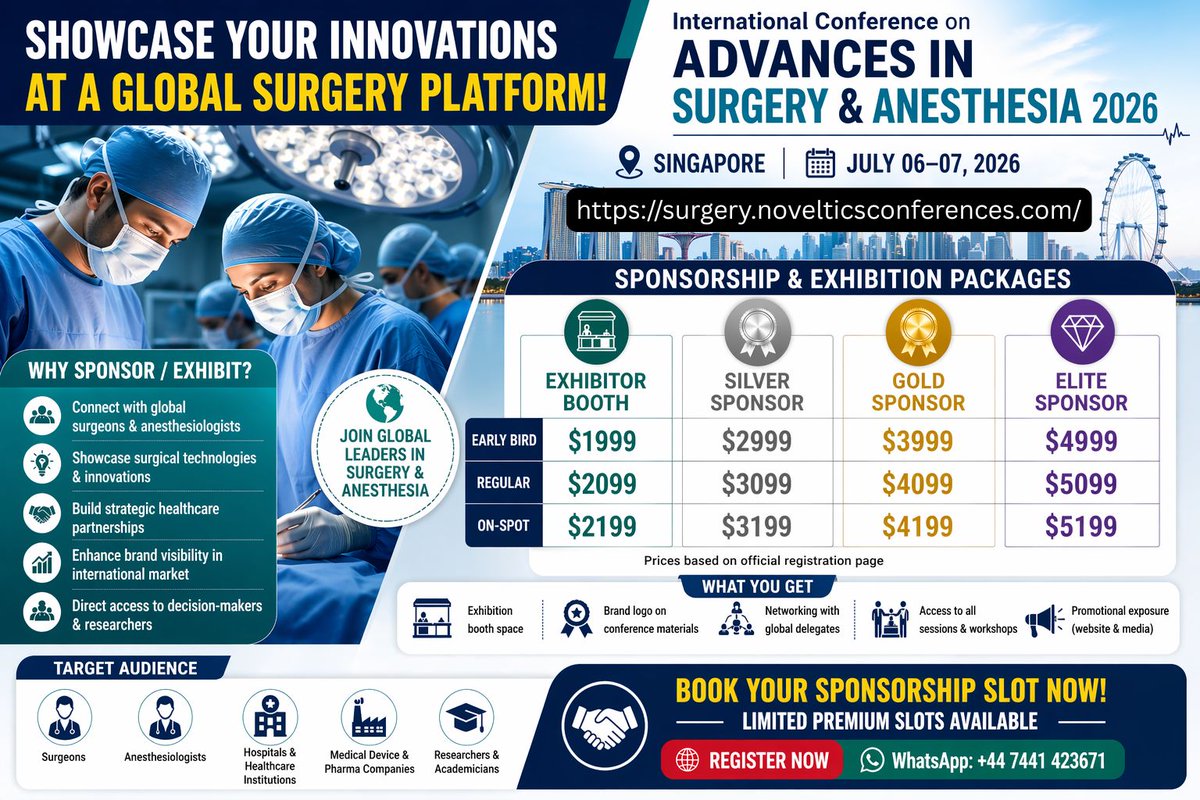
🚀 Join global leaders in surgery & anesthesia at #SurgeryConference2026 in Singapore!
#MedTechGlobal #HealthcareExpo #SurgicalLeaders #AnesthesiaExperts #MedicalInnovation2026 #GlobalHealthSummit #HealthcareIndustryEvent #MedicalNetworking #FutureOfSurgery #BioMedicalTech
2
15

3 Oct 2025
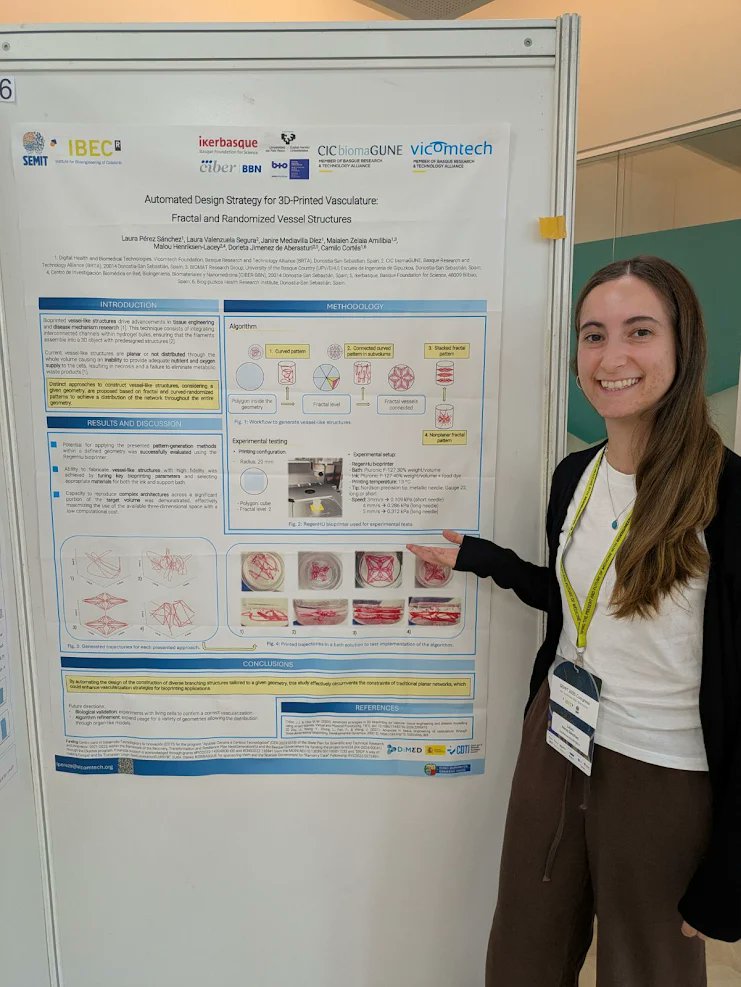
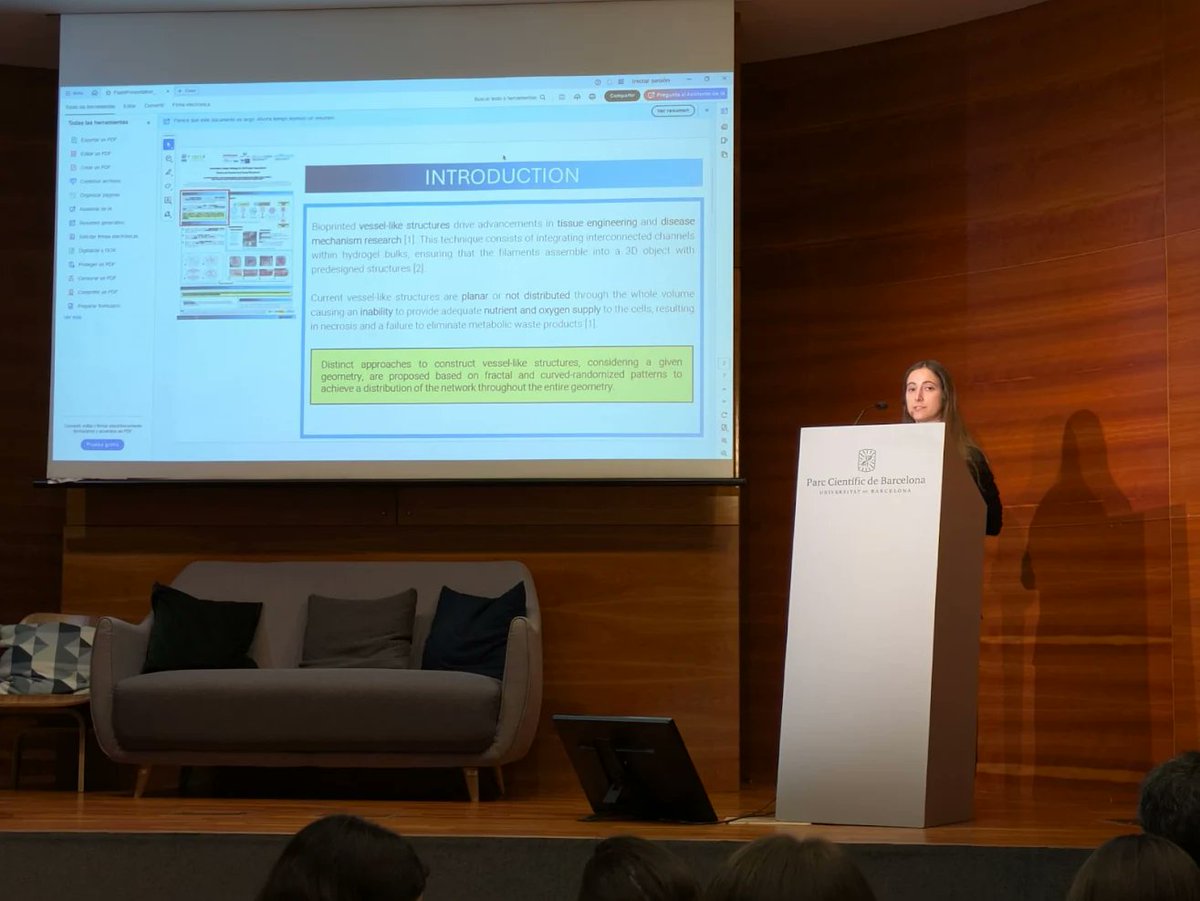
🩺✨Laura Pérez Sánchez of the Digital Health & Biomedical Technologies team, was at #SEMIT25 presenting her work:
📌Automated Design Strategy for 3D-Printed Vasculature: Fractal and Randomized Vessel Structures
#BiomedicalTech #3DPrinting #digitalhealth
2
79

6 Jul 2025
🎯 Unlock the Full Potential of Your Medical Imaging Systems!
🔧 Specialized Solutions for Service Access, System Options, and Workstation Tools 🔧
📌 We offer advanced tools and support for a wide range of systems:
✅ Siemens Syngo Systems
• Service password generators (20-digit / 280-digit) for CT, MRI, Ultrasound, Mammograph, C-Arm, X-ray, Workstations
• Full option unlockers for Antares, S2000, S3000, HELX SC2000, X300, NX2/NX3
✅ Philips Systems
• Password generators for MX8000 EXP, Brilliance 6/10/16/64
• Option unlockers for HD11 XE, HD7, Envisor, IU22, IE33, EPIQ, Affinity, ClearVue, CX series
• IST Smart Cards and dongle solutions (BT21–BT25)
• Full suite access for Sonos, HDI5000, Sparq, Visiq and more
✅ GE Systems
• Key generators for CT, MRI, Workstations
• Support for LOGIQ, Vivid, SSA, and Voluson systems
• Dongles and software access included
✅ Samsung / Medison
• Option keygen for H, Hs, Ws, Rs series
• Activation instructions for SonoAce X4, X6, R3, R5
✅ Toshiba / Canon
• Ultrasound options unlocker
• Workstation software, DR software, X-ray tubes, and accessories
🛠️ BONUS: Access to a large collection of official manuals and service software for all major brands.
📩 For inquiries or orders, contact us via WhatsApp:
📱wa.me/message/NRDFVKNYDTUNM1
967775455559
📁 Available for engineers, technicians, and authorized service providers.
Let us help you maximize your system’s capabilities!
#MedicalDevices
#UltrasoundSupport
#CTScanTools
#MRIServiceTools
#HealthcareTech
#KeygenSupport
#MedicalSoftware
#SiemensUltrasound
#PhilipsService
#GEOptions
#DiagnosticTools
#ServiceEngineering
#MedTechExperts
#ImagingSolutions
#RadiologySupport
#BiomedicalTech
#ClinicalEngineering
#XRaySolutions
#UltrasoundSystem
#MedicalTechTools
#SoporteMedico
#IngenieríaMédica
#TecnologíaSanitaria
#EcografíaDigital
#OpcionesPhilips
#ServicioRadiología
#OpcionesGE
#SoftwareEcógrafo
#ClaveDeServicio
#ReparaciónEquiposMédicos
2
68

23 Jun 2025
🎯 Why attend #Biomed2025?
✔️ Global networking
✔️ Expert speakers
✔️ Breakthrough research in #BiomedicalTech
#Rome, October 16-17 🇮🇹
Book your slot today➡️prezentis.com/biomedical-eng…
#MedTech #EngineeringHealth #BiomedicalScience #Bioengineering #Biosensors #Biotech #NanoMedicine
5
144
21 Jun 2025
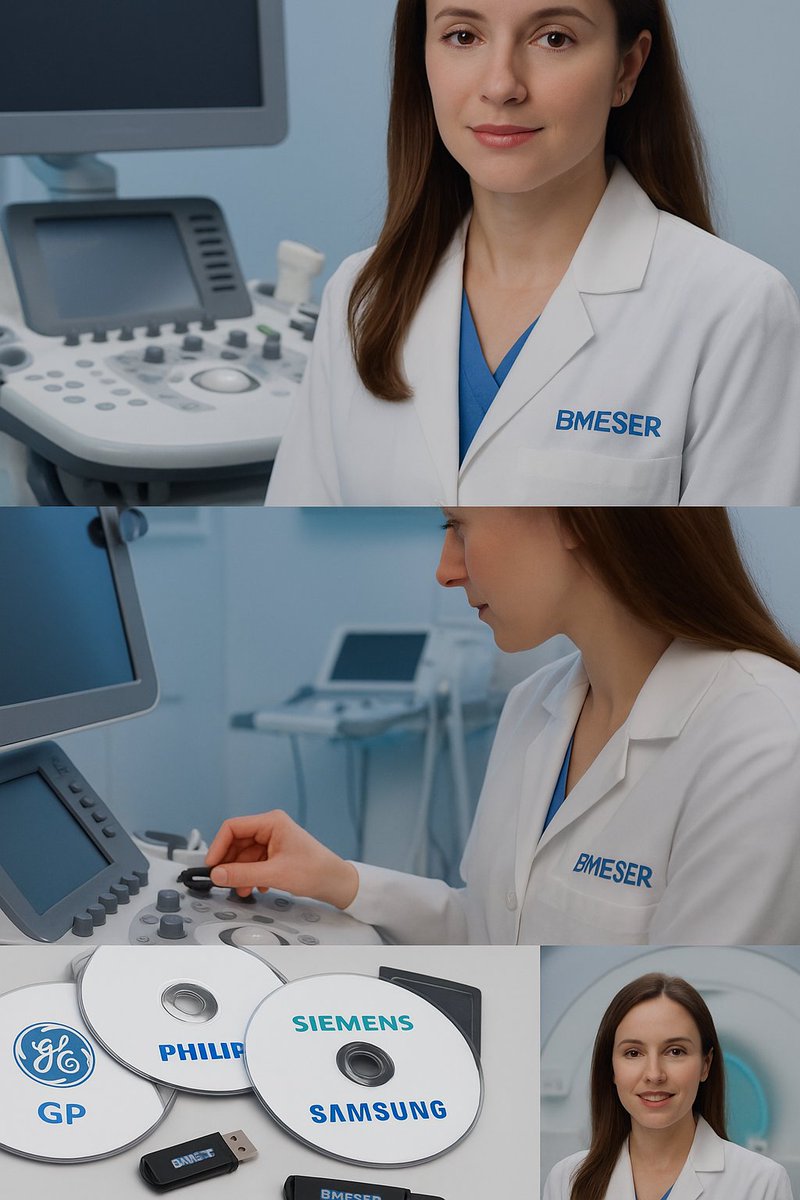
🔔 Struggling with locked Ultrasound, CT, or MRI systems due to licensing?
⏰ Time is critical — downtime impacts engineers and hospitals.
🔐 BMESER unlocks your imaging systems fast, legally, and safely.
✔️ Certified dongles
✔️ Permanent software fixes
✔️ Lifetime license support
🌐 Trusted by medical pros globally
💪 Restore your system now — no delays, no risks.
📲 One message gets it done.
📱 Reach us on WhatsApp: wa.me/message/NRDFVKNYDTUNM1
#MedicalImaging #UltrasoundTech #CTImaging #MRISolutions #BiomedicalTech #HealthcareInnovation #MedTechSolutions #RadiologyTech #DiagnosticTools #ClinicalTech #LicenseFix #BMESER #HospitalSolutions #TechSupportMed #BioengineeringTech #MedicalEngineer #HealthTech #ImagingSupport #EngageX #XConnect
1
4
142

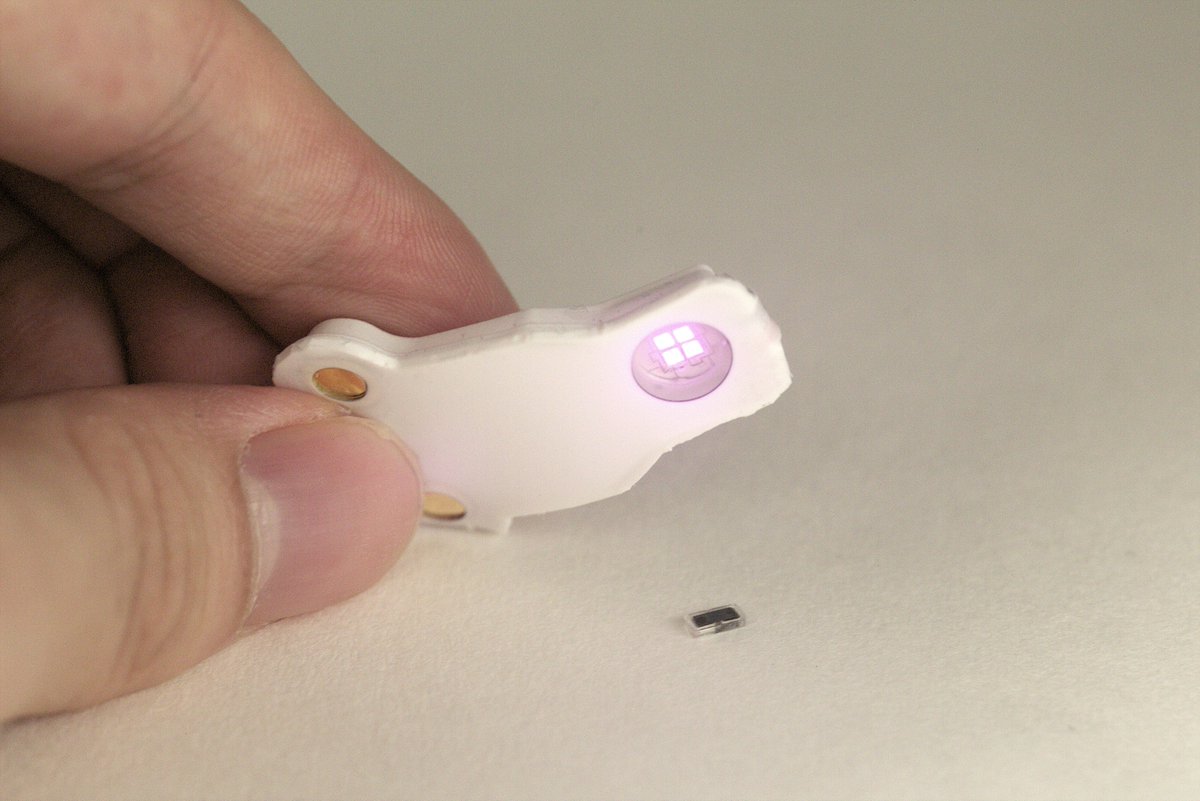
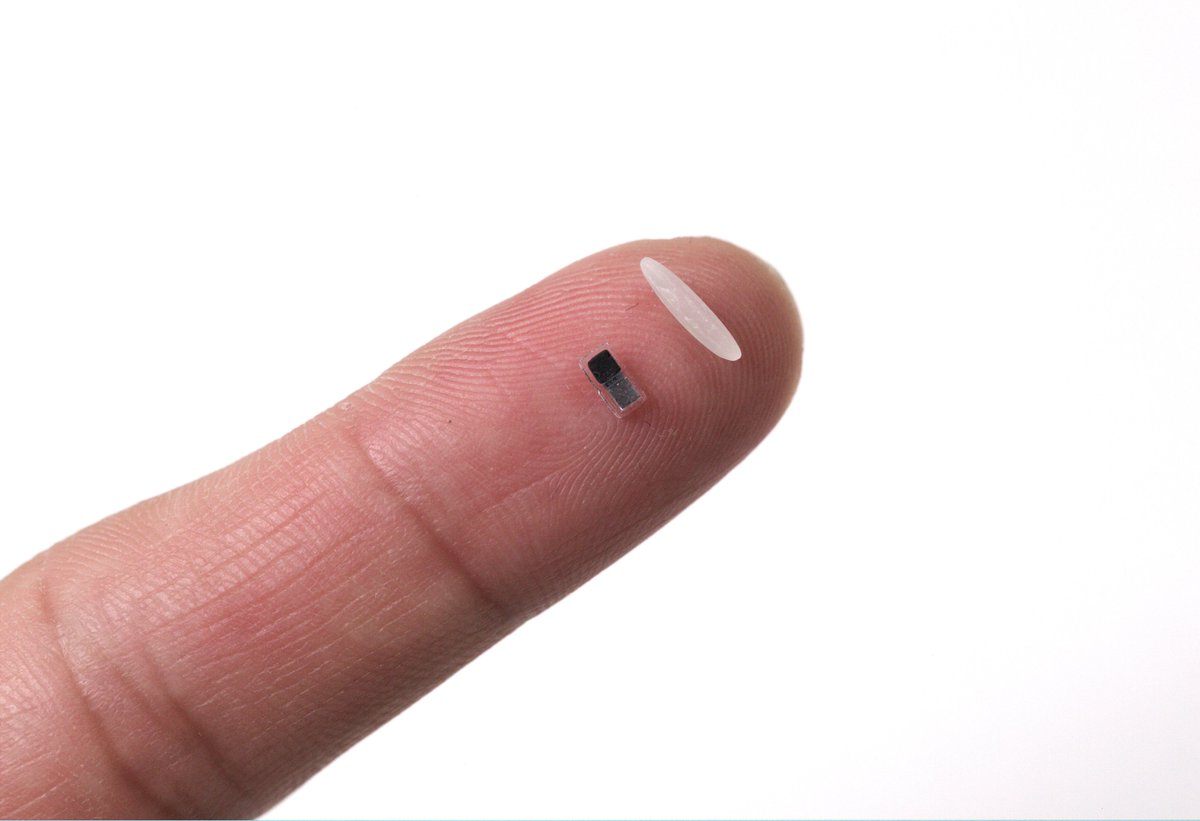
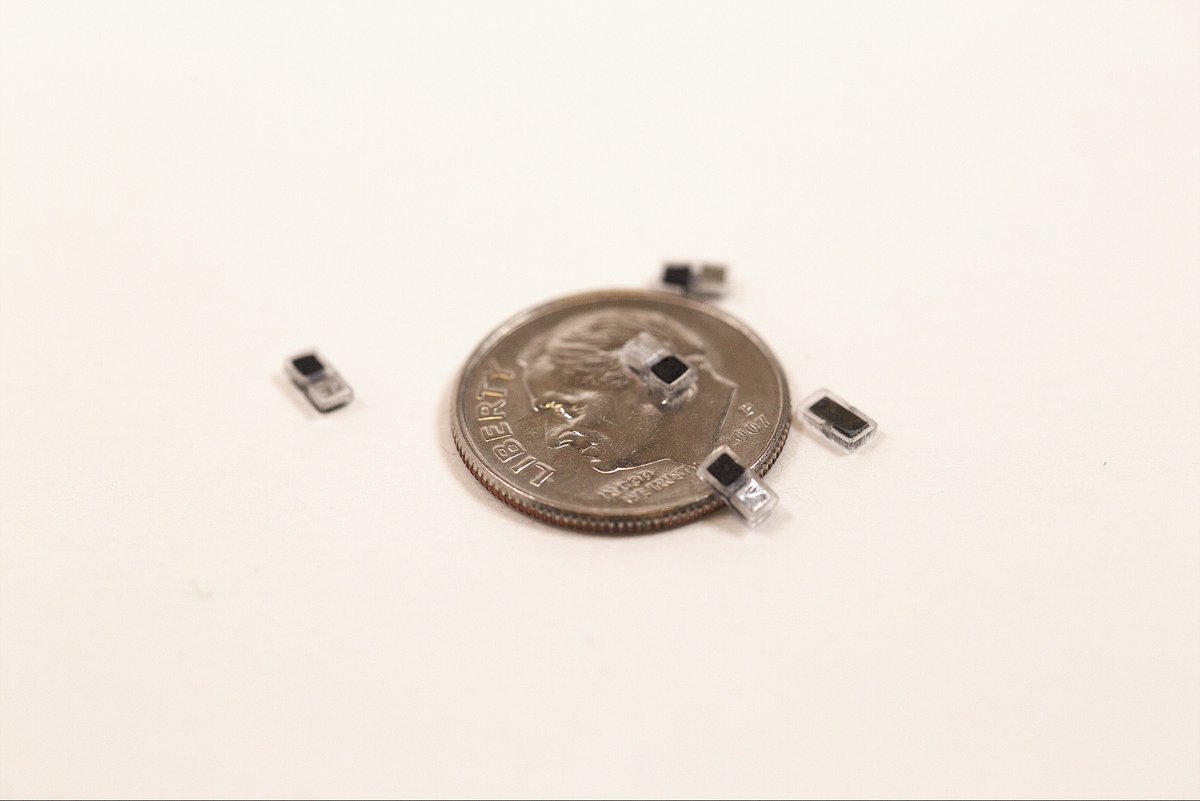
🚀 Incredible achievement by @ProfJohnARogers and the team, introducing the world’s smallest, fully-integrated, bioresorbable cardiac pacemaker published in @Nature!
👏 Huge congratulations to @Yamin__Zhang (now a Presidential Young Professor at @NUSingapore), Eric Rytkin (MD, PhD, cardiac surgeon @IEfimov’s group), @LiangsongZeng, Jong Uk Kim, @Ja_T_23, @healsea1994, and our esteemed collaborators @IEfimov (@NorthwesternU), Yonggang Huang (@NorthwesternU), Wei Ouyang (@dartmouth), and Rishi Arora (@UChicago).
🙏 Thanks to our supporters: @FondationLeducq, @NU_QSIB, @NIH.
Read more: nature.com/articles/s41586-0…
#QSIB #Bioelectronics #BiomedicalTech #Pacemaker #Nature #NorthwesternU #NUQB #NorthwesternEngineering #NIH #CardiacResearch #Innovation
2 Apr 2025

Check out some brand new biomedical tech – crazy cool, in my own, humble but admittedly biased opinion – introduced in our paper (link below), published today in @Nature, titled “Millimetre-scale, bioresorbable optoelectronic systems for electrotherapy,” where we describe the world’s smallest cardiac pacemaker – fully integrated, self-powered, light-controlled and completely bioresorbable, with an overall size that is somewhere between that of a grain of rice and a sesame seed! The clinical use case is for patients – particularly pediatric patients – who require temporary pacing during the recovery period following a cardiac surgery. Our tiny technology can be delivered through a syringe, with minimal burden and without the need for a secondary extraction surgery. A small, soft skin-interfaced electronic patch on the chest monitors the cardiac rhythm and activates switching elements in these pacemakers when necessary, in an autonomous, closed-loop manner, using LEDs that operate at tissue-penetrating wavelengths in the infrared region. Single or multisite pacing is possible, the latter controlled using multiple LEDs with different wavelengths. More generally, these miniature pacemakers are electrical stimulators that can be sprinkled around for operation at nearly any body location – spinal cord, brain, peripheral nerves and others. They can also be mounted on conventional, non-electronic implants, as we demonstrate with frameworks used in transcatheter aortic valve replacement (TAVR) procedures, again in the context of postsurgical recovery. The work – from materials and device development, to comprehensive electrical and optical modeling, to animal model testing, to TAVR deployments, to evaluations with human hearts from organ donors -- involved broad-ranging collaborations at the interface between engineering science and medical practice. Big congratulations to @Yamin__Zhang (former postdoc, now a Presidential Young Professor at the National University of Singapore), Eric Rytkin (MD, PhD cardiac surgeon in the Efimov group), @LiangsongZeng (PhD student), Jong Uk Kim (postdoc), @Ja_T_23 (joint PhD student with the Efimov group), @healsea1994 (postdoc in the Huang group) on their leadership across the entire multidisciplinary scope of this difficult project. We’re also grateful to an elite collection of senior collaborators -- @IEfimov (@NorthwesternU), Yonggang Huang (@NorthwesternU), Wei Ouyang (former postdoc, now on the faculty at @dartmouth ) and Rishi Arora (@NorthwesternU, now at @UChicago ). We acknowledge the @FondationLeducq, the @NU_QSIB and @NIH for providing financial support for this work. Thanks to @amanda_mo and @schamisso for the release materials. Link below.
nature.com/articles/s41586-0…
news.northwestern.edu/storie…
1
19
1,146

25 Feb 2025
📖 Curious about the science behind moss-embroidered electrodes? Read more in our blog: 3esmartsolutions.de/index.ph…
#TextileElectrodes #SmartTextiles #eTextiles #WearableTech #Innovation #BiomedicalTech #Embroidery #EMS #FunctionalTextiles
1
1
3
14
20 Feb 2025
🚨 New Blog Post: Revolutionizing Textile Electrodes 🌟
📖 Read the full article here: 3esmartsolutions.de/index.ph…
#TextileElectrodes #SmartTextiles #ETextiles #WearableTech #Innovation #BiomedicalTech #Textrodes #Embroidery
2
1
2
12

22 Dec 2024
Did you miss any of IEEE Spectrum's top biomedical stories from 2024? Don't worry, because we've compiled them here for you. Click to read more about retinal implants, smart contact lenses, and assistive exosuits. #BiomedicalTech spectrum.ieee.org/top-biomed…
5
12
1,668

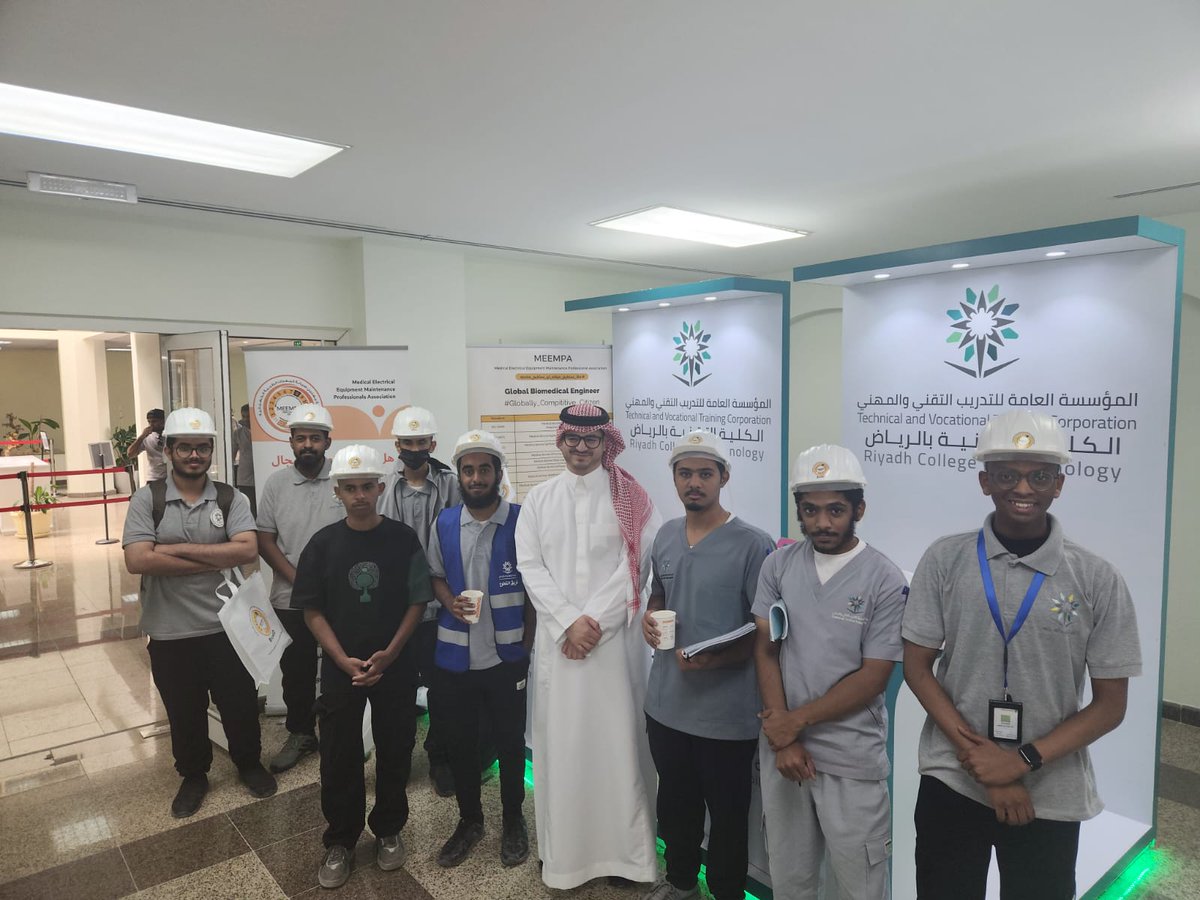
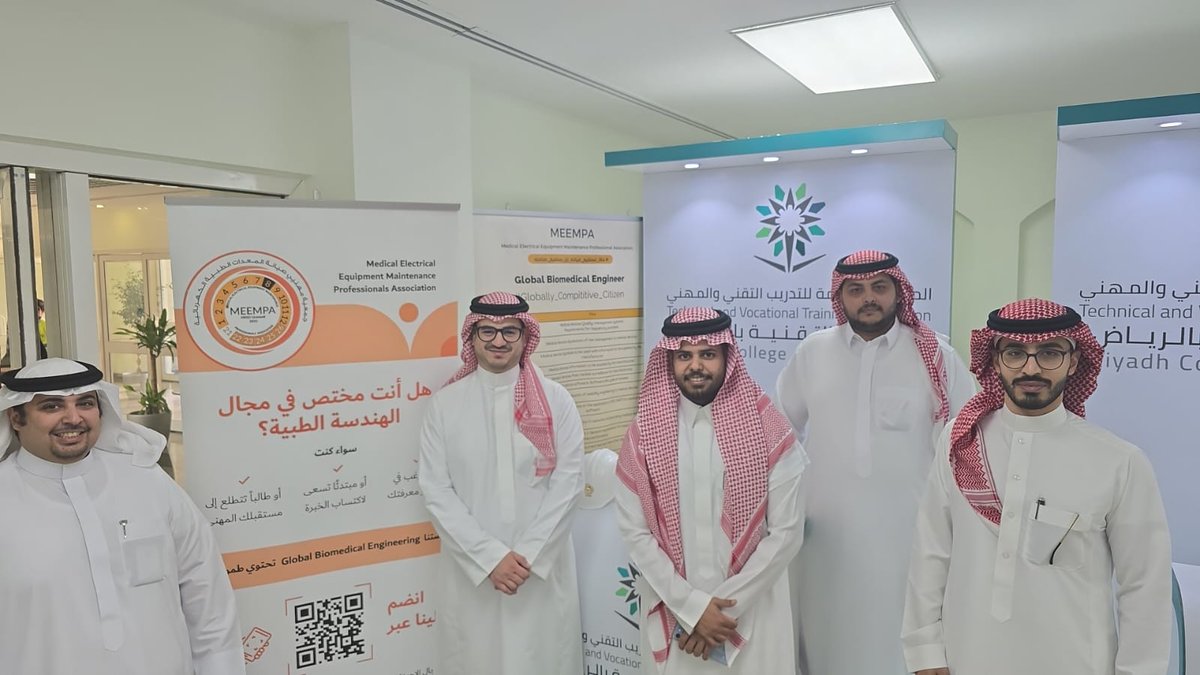
🚀 Building the Future of #BiomedicalEngineering!
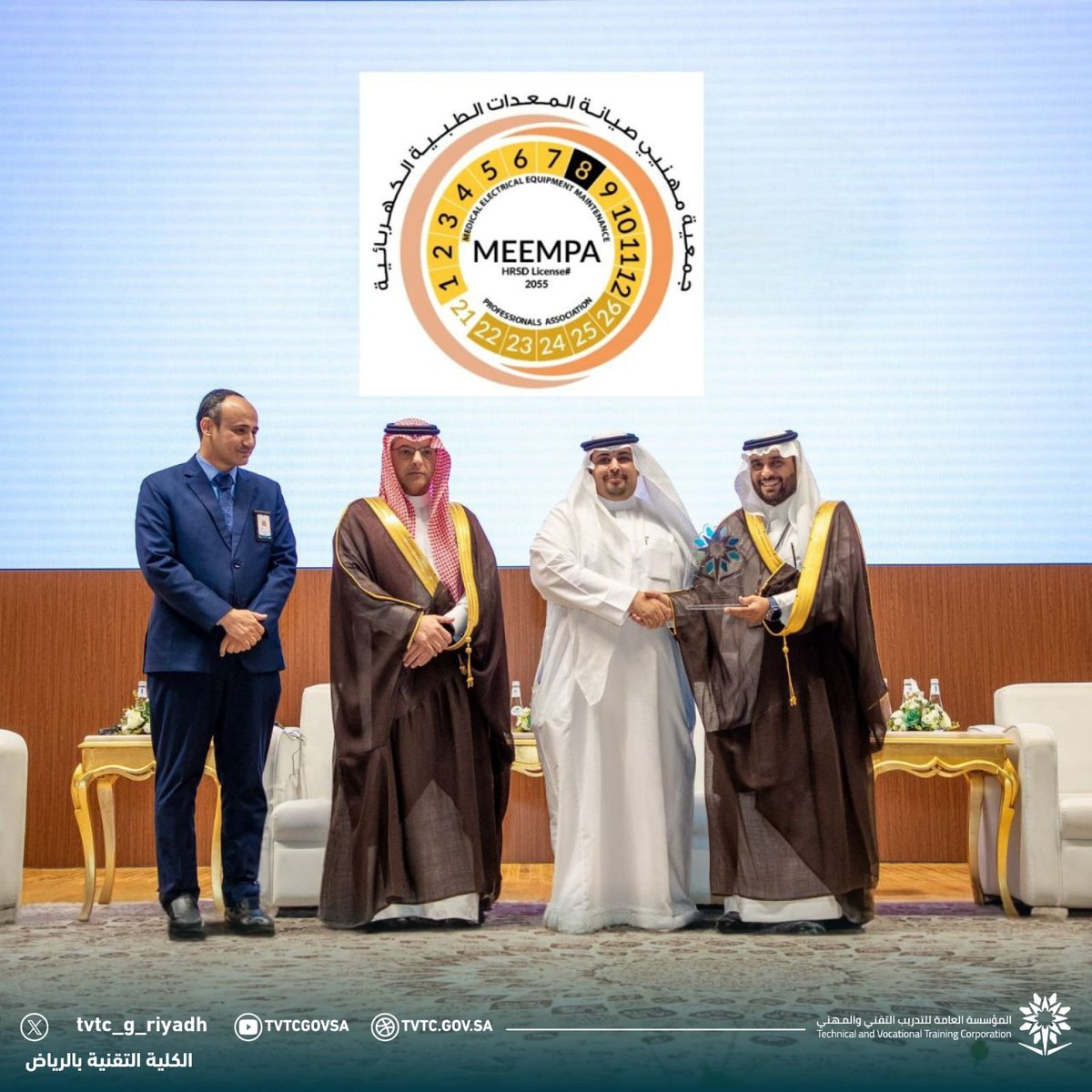
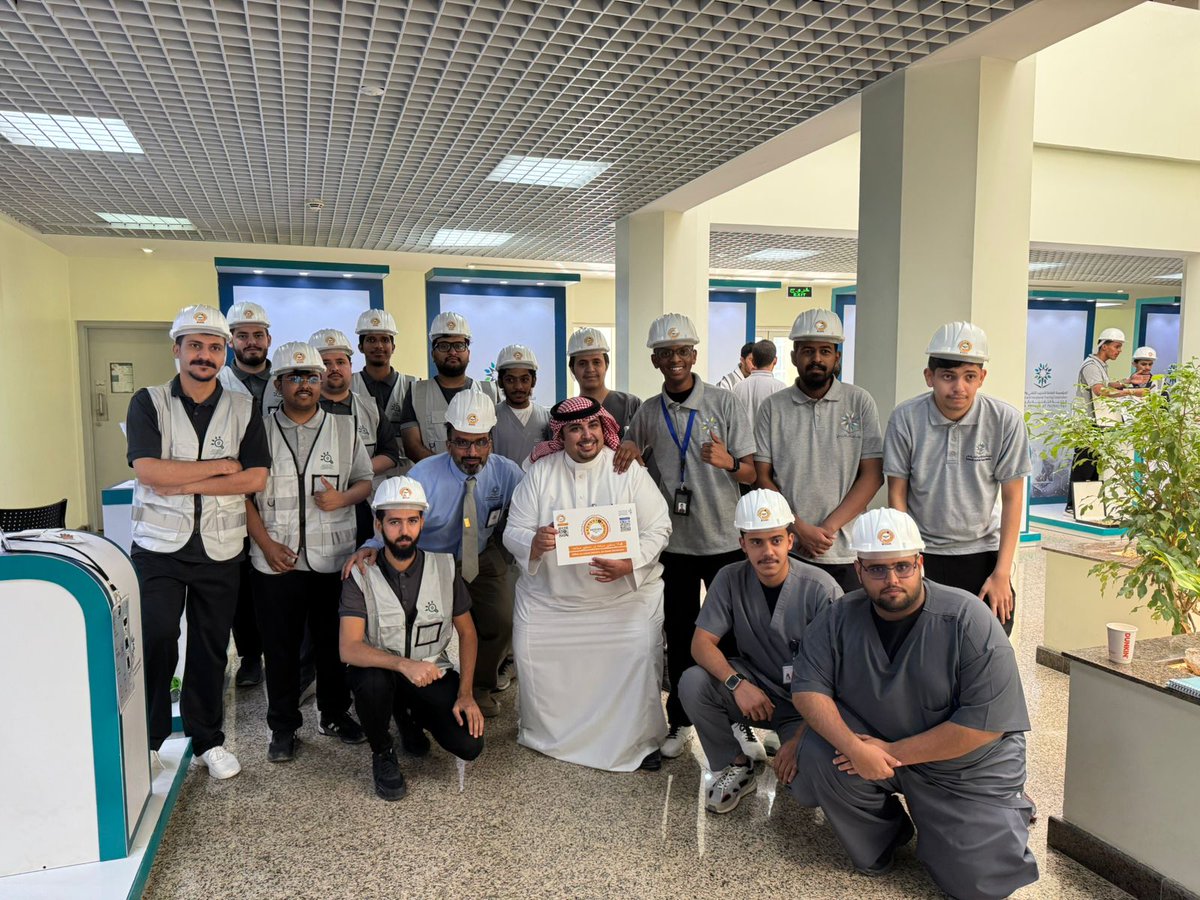
We proudly joined the #CareerCounselingForum with @tvtc_g_riyadh & @HRDFKSA, empowering students in their biomedicaltech journey!
👷♂️👷♀️ Our #Biomedz helmets sparked excitement among students.
#TalentDevelopment #Saudivision2030
3
7
22
1,682

14 Sep 2024
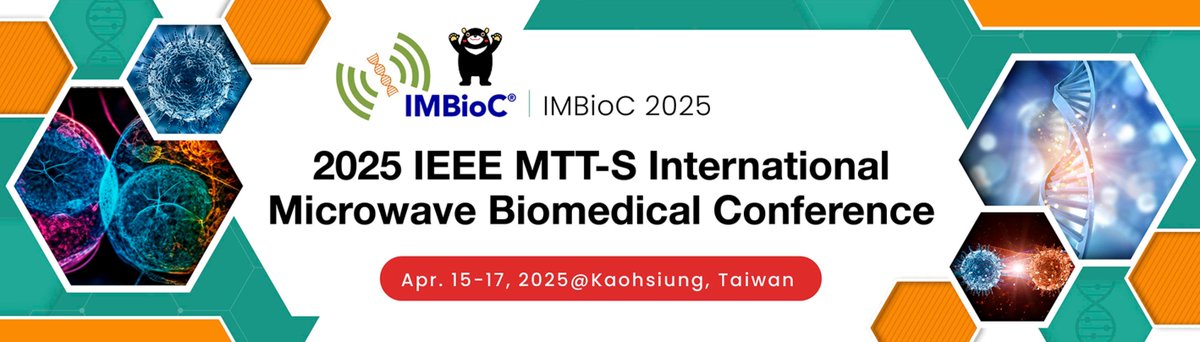
🚀 IMBioC 2025: Call for Papers! 🚀 Join us in Kaohsiung, Taiwan, April 15-17, 2025, for cutting-edge research on RF/microwave tech & biomedical applications.
🗓️Paper Submission: Nov 1, 2024
imbioc2025.org
#IMBioC2025 #BiomedicalTech #Microwave #RF #IEEE #Research
4
4
112

4 Aug 2024
Biomedical Engineering Laptop Requirements
engineeringlaptops.com/
#BiomedicalEngineering #LaptopRequirements #EngineeringLaptops #StudentTech #EngineeringTech #TechForStudents #EngineeringTools #BiomedicalTech #LaptopGuide #TechAdvice #StudentGear
linkedin.com/pulse/biomedica…
2
23

26 Jul 2024
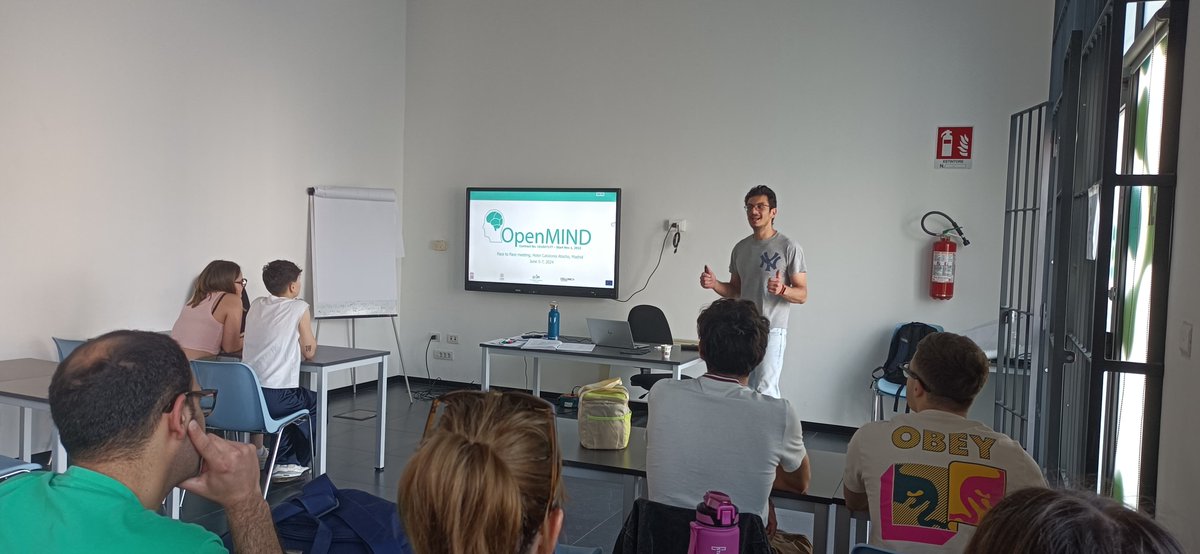
Giorgio Scordo had an amazing time presenting the OpenMIND project at ITS-Biotecnologie Piemonte in Turin! 🚀 #Innovation #FondazioneITSBiotecnologiePiemonte #3DPrinting #BiomedicalTech #OpenMIND_EIC
2
28

13 Jun 2024
Our work about the design & synthesis of intrinsically stretchable conductive polymers to transmit various sensations of touch is out in @ScienceRobotics. science.org/doi/10.1126/scir… #Haptics #ConductivePolymers #Research #UCSD #LipomiLab #BiomedicalTech
2
4
24
2,123

16 Apr 2024
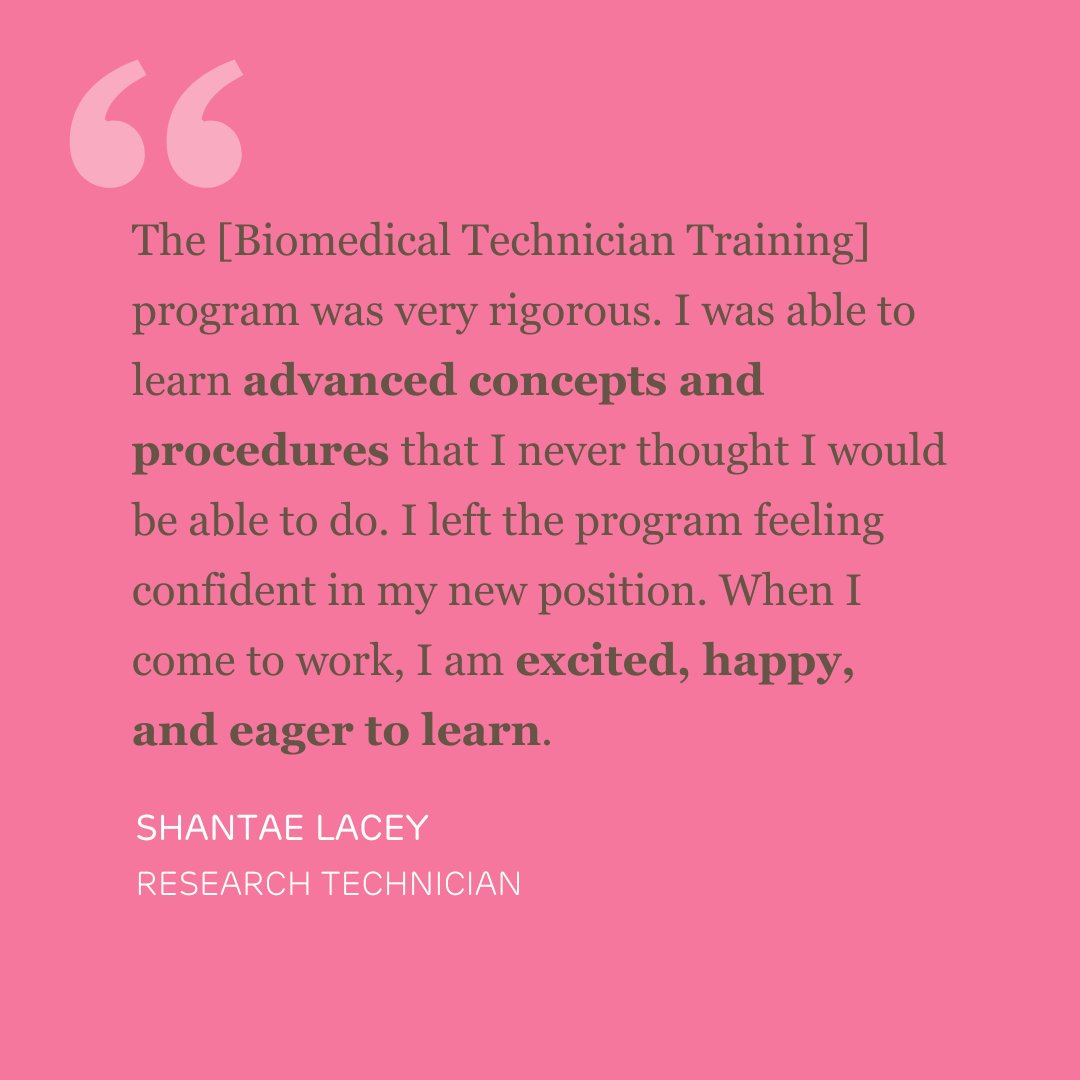
Former stay-at-home mom Shantae Lacey shares her inspiring journey from exploring new career paths to becoming a Research Technician at CHOP through the Biomedical Technician Training program. Her advice: Believe in yourself and go for it! #BiomedicalTech ms.spr.ly/6018Y6v8q
3
125

8 Dec 2023
🤖 Explore the latest in the exciting world of biomedical microrobots! Today's article from MIT Technology Review covers groundbreaking advancements and their potential in medical applications. #BiomedicalTech #Microrobots #HealthcareInnovation
technologyreview.com/2023/12…
2
101

28 Sep 2023
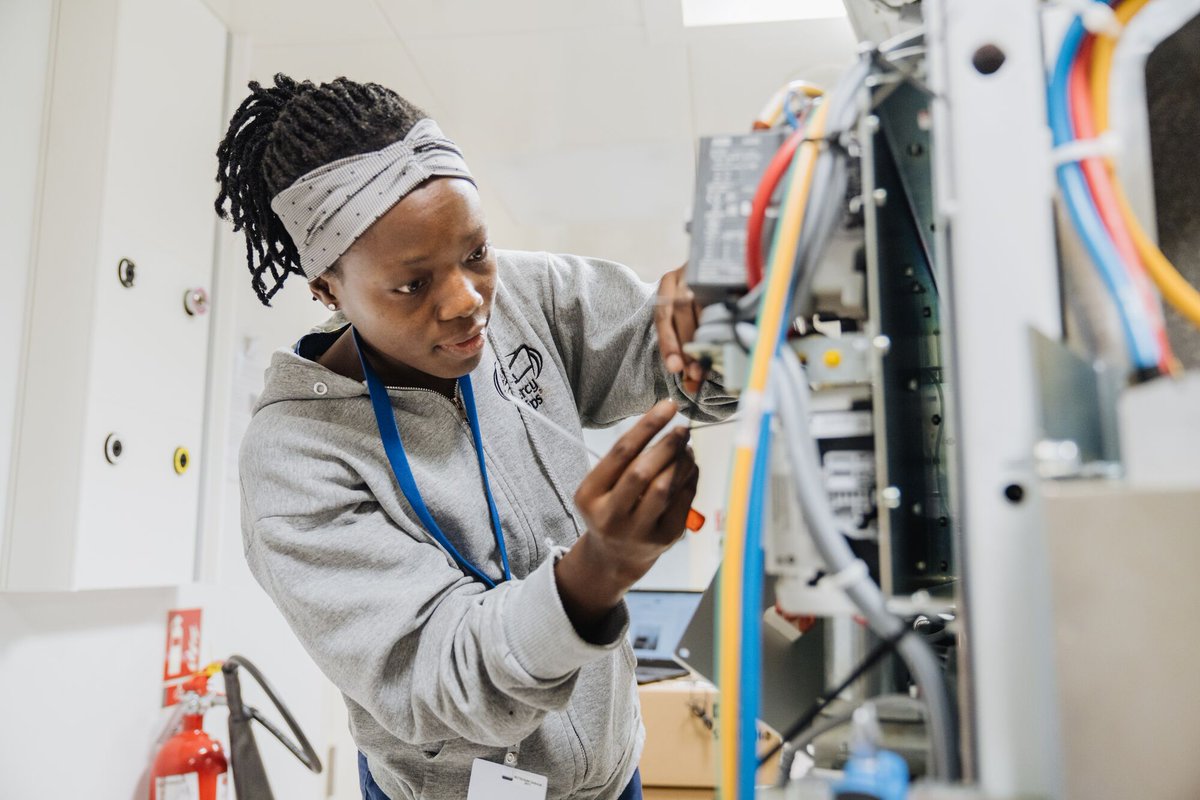
Mercy Ships is seeking a #volunteer senior biomedical technician to oversee the management of medical devices on board the hospital ship, as well as in any land-based hospital extensions.
Learn more: bit.ly/3ZepQn3
#FindYourPlaceOnBoard #BiomedicalTech #MercyShips
3
12
558

6 Apr 2023
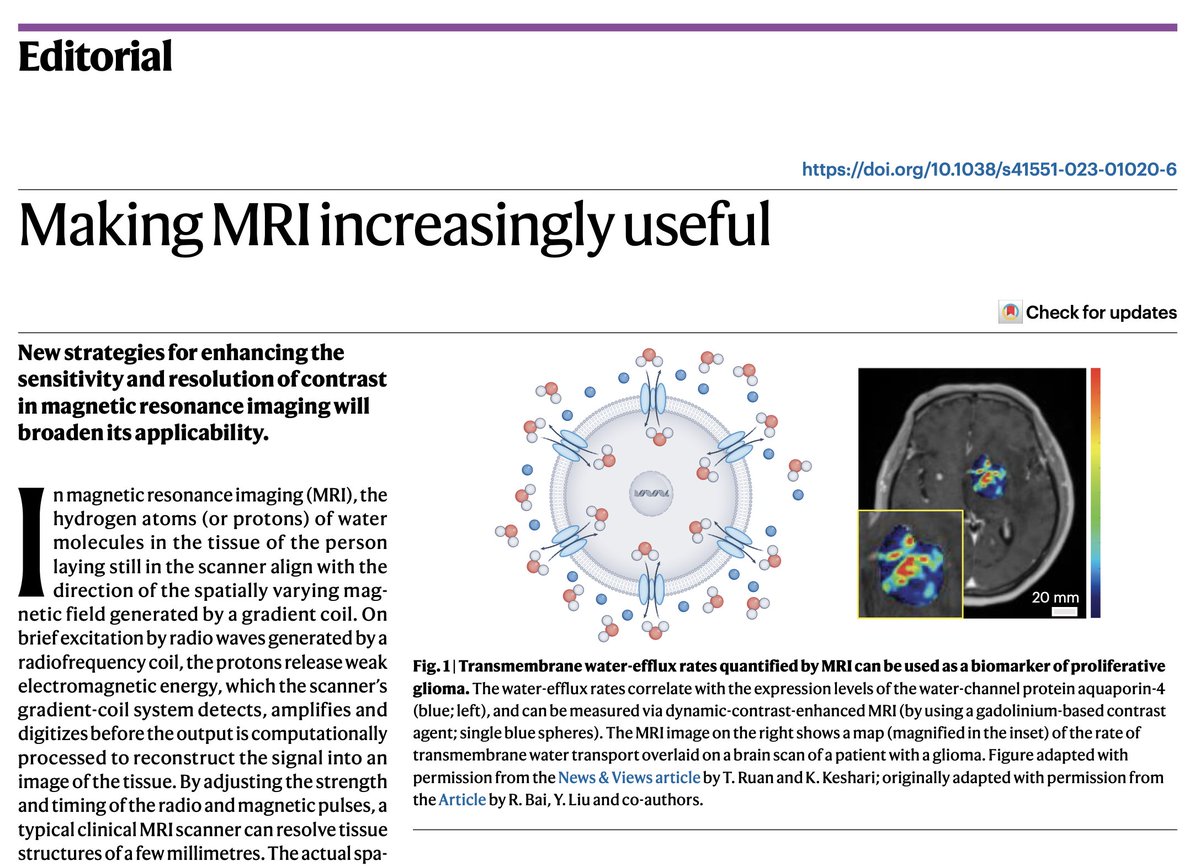
#NatureBiomedEng explores the future of MRI: Contrast agents aren't just magnetically responsive - they can target specific disease markers or adjust their magnetic traits according to environmental shifts. A game-changer in diagnostics! #MRIInnovation #BiomedicalTech
6 Apr 2023

Beyond being magnetically susceptible, contrast agents for MRI can be designed to bind to specific disease biomarkers, or to alter their magnetic properties in response to environmental changes.
nature.com/articles/s41551-0…
2
134