
🧬 A discrete malignant keratinocyte population in actinic keratosis shares core oncogenic programs with invasive cSCC but lacks invasion effectors
🧬 Loss of Y chromosome (LOY) drives EMT, lineage plasticity & metastatic potential via epigenetic remodeling
1
7

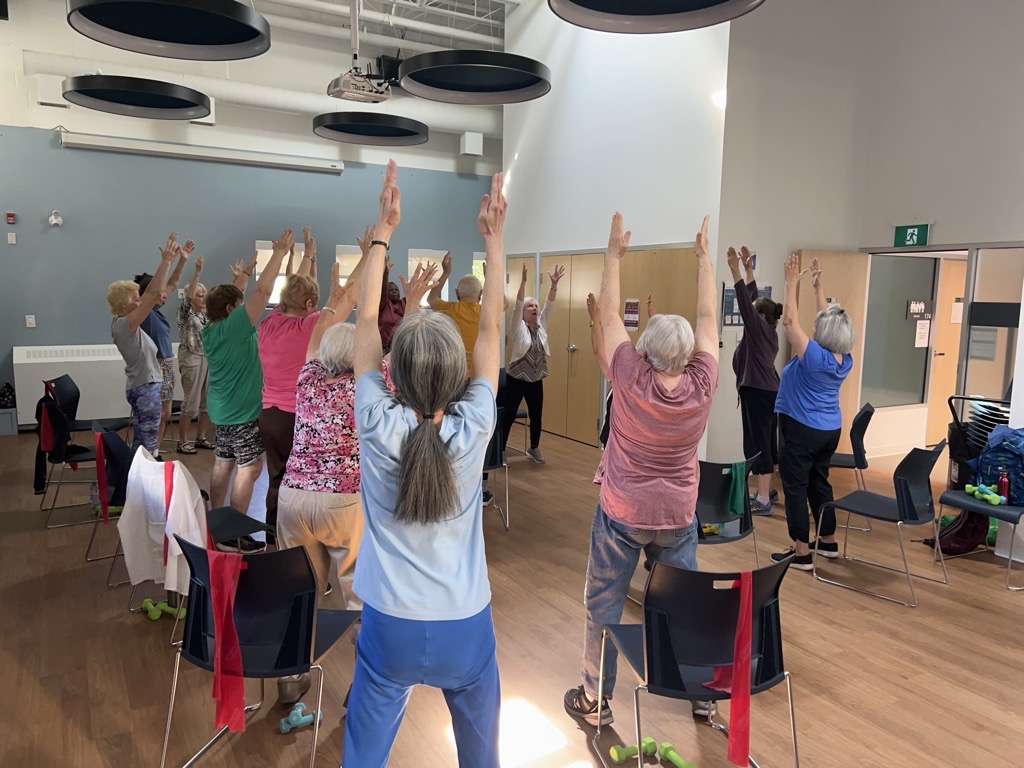
Today is World Wellbeing Day. ✨ From Yoga for All to community meals, CCHC is dedicated to your physical and mental health. le CSCC se consacre à votre santé physique et mentale. Prenez un moment pour vous ! #WellbeingDay #SelfCare
1
12

Jun 13
CD70 drives cSCC growth by linking DNA damage response, inflammation, and tumor-stromal signaling. dlvr.it/TT1SJs

1

Jun 12
GROK confirms this report.
The post accurately cites these numbers and the paradox explanation.Yes, the core factual claims in the post are accurate, based on a real 2023 study from UK Biobank data analyzed by McGill University researchers (published in Cancer Epidemiology, Biomarkers & Prevention).mcgill.caKey Verified Details
Cohort size: The analysis used UK Biobank data with ~472,672 participants (including ~17k BCC, ~2.3k cSCC, ~1.2k melanoma in situ, ~3.8k invasive melanoma, and ~448k controls).pmc.ncbi.nlm.nih.govThere was a dose-response pattern: higher reported sunscreen use correlated with higher risk.
Associations reported: Frequent/always sunscreen use showed positive associations with higher skin cancer risks (adjusted for factors like age, sex, skin type/color, hair color, tanning ability, sunburn history, sunlamp use, and time outdoors). Relative risks (RR) included:Invasive melanoma: up to ~3.92 (i.e., 292%)
Basal cell carcinoma (BCC): ~2.40 ( 140%)
Cutaneous squamous cell carcinoma (cSCC): ~2.26 ( 126%)
Melanoma in situ: similar elevated range (e.g., up to ~3.58 for very frequent use).pmc.ncbi.nlm.nih.gov
"Sunscreen paradox" label: The study authors (Jeremian, Xie, Litvinov et al.) and related McGill work explicitly use this term. They interpret it as confounding by behavior—people who use more sunscreen often have higher UV exposure (e.g., staying in the sun longer because they feel protected, or not reapplying adequately). It is not presented as causation by sunscreen itself.mcgill.ca
1
8
690

Advanced NMSC update:
✔️ Hedgehog inhibitors for BCC
✔️ PD-1 therapy for CSCC
✔️ New combo neoadjuvant strategies emerging
Precision oncology is here 🔗 hubs.ly/Q04l6sCy0
#DermTwitter #SkinCancer
1
89

🌏 Global skin cancer disability-adjusted life-years are projected to grow substantially between 2025 and 2050.
Melanoma: 2 million ➡️ 3.3 million
cSCC: 1.2 million ➡️ 4 million
BCC: 5 million ⬆️
vist.ly/57hqh
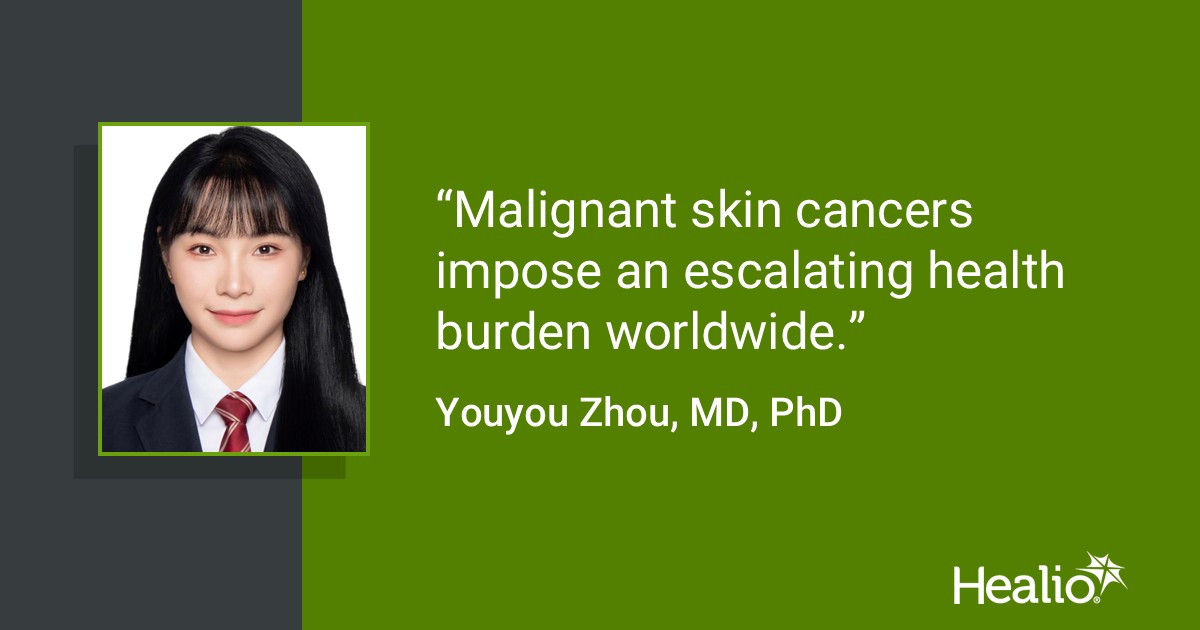
ALT A professional headshot of a doctor next to a quote about malignant skin cancers and their global health impact. The tone is informative and serious.
18

Jun 11
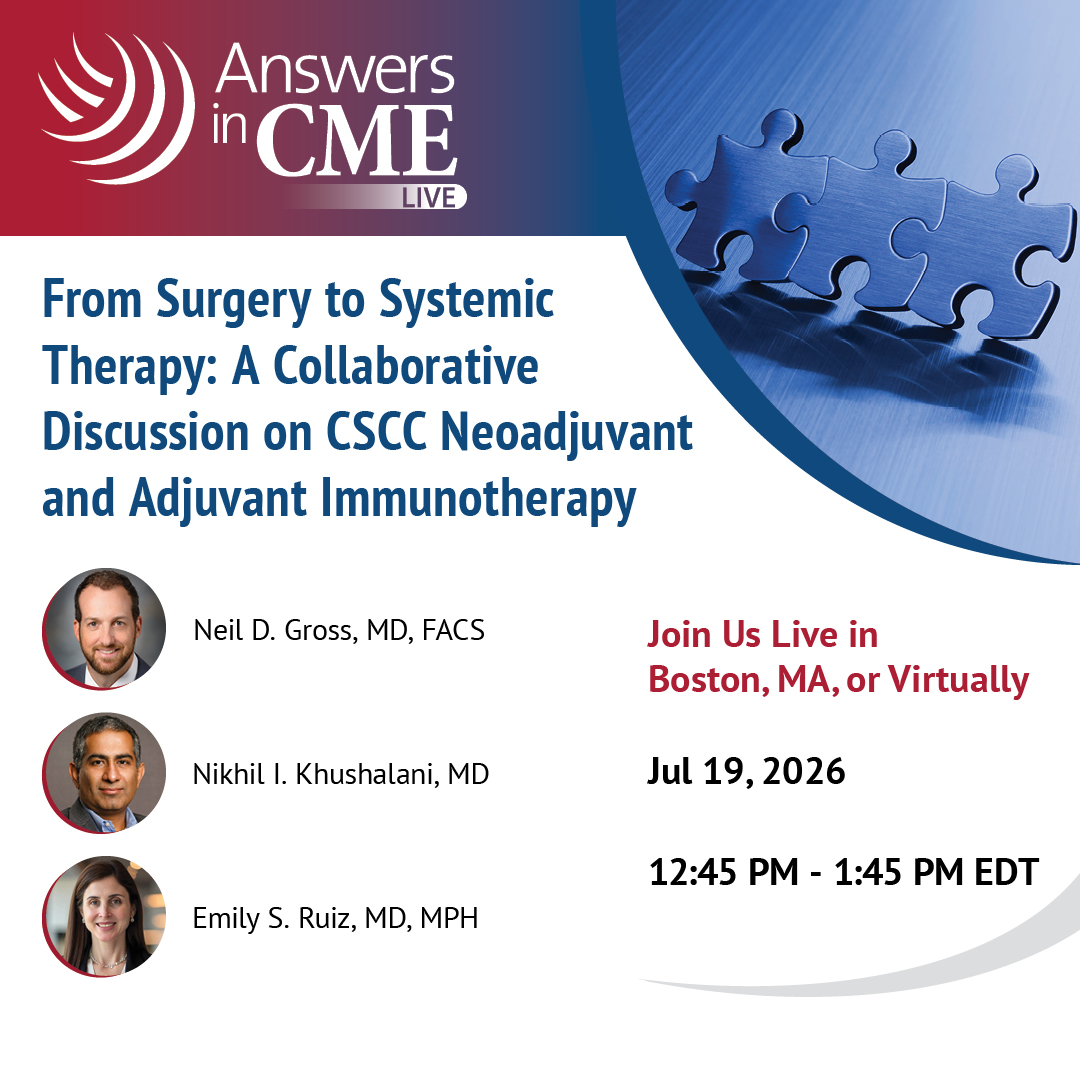
Collaborative care of CSCC: Join us in Boston or virtually as our experts discuss when and how to use perioperative immunotherapy in CSCC. Sign up today!
w/@DrNeilGross
👉 answersincme.com/MED-ONC-038…
#AnswersInCMELive #GetYourAnswersInCME #CME #MedEd #LiveCME #AHNS2026
1
10
Wellora Health retweeted

Jun 10
It appears to be a conjunctival squamous cell carcinoma (CSCC)
1
2
3
266
CMart retweeted

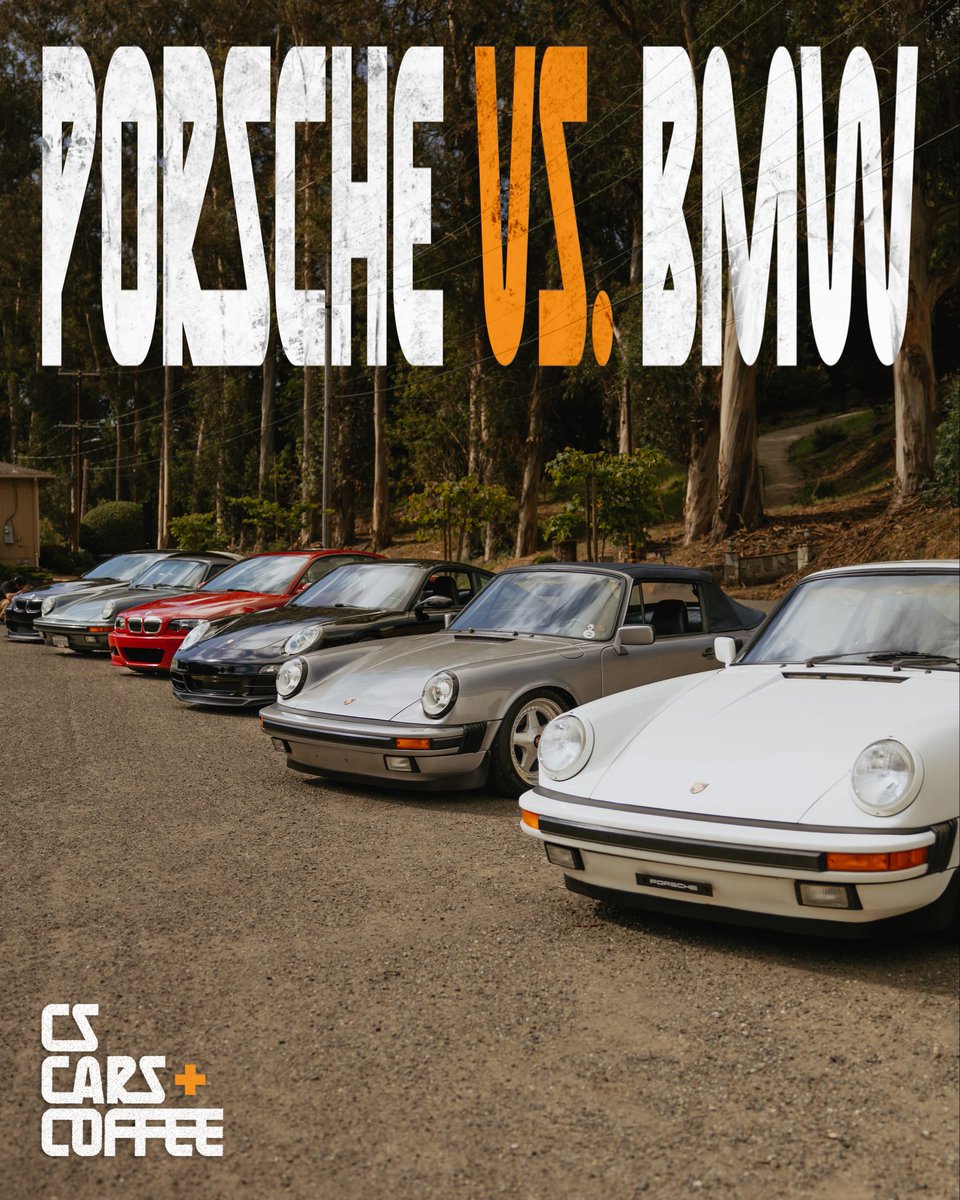
Bay Area — CSCC VOL. 02. Father’s Day weekend. Porsche vs. BMW.
Registration: partiful.com/e/6HEUnPGTIeY0b…

1
2
266


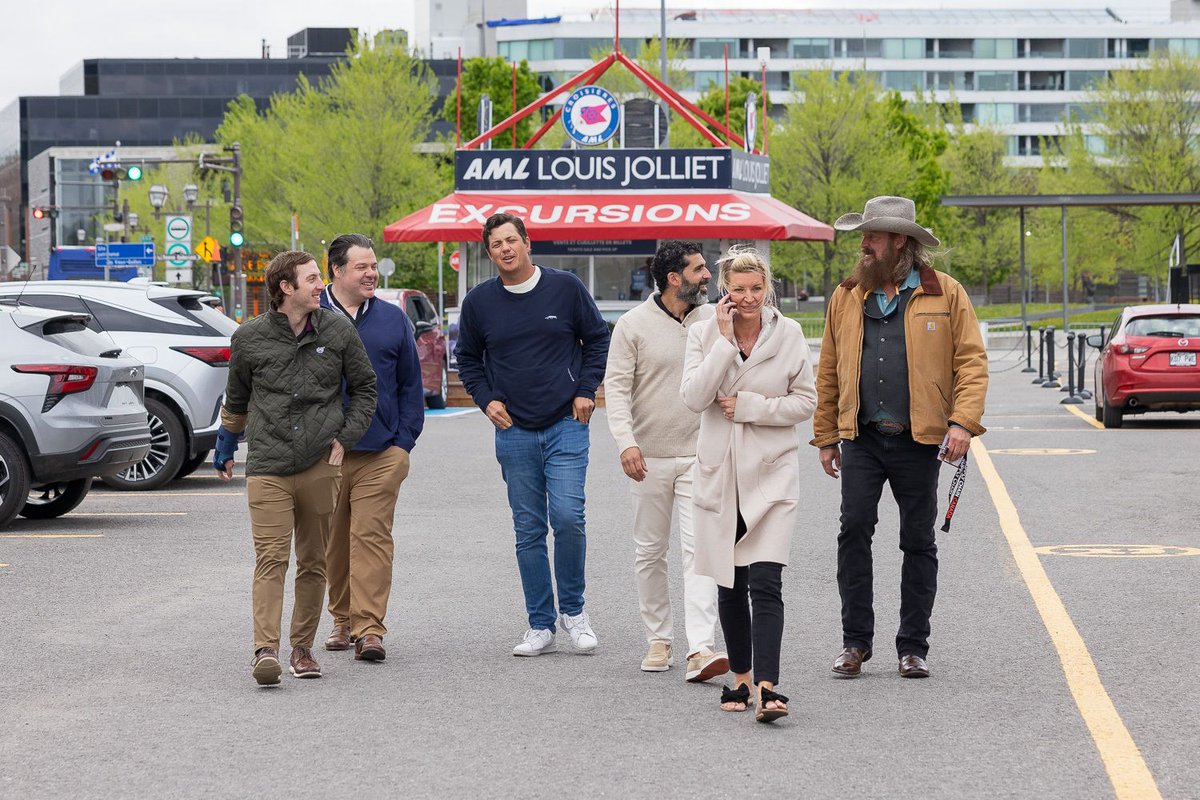
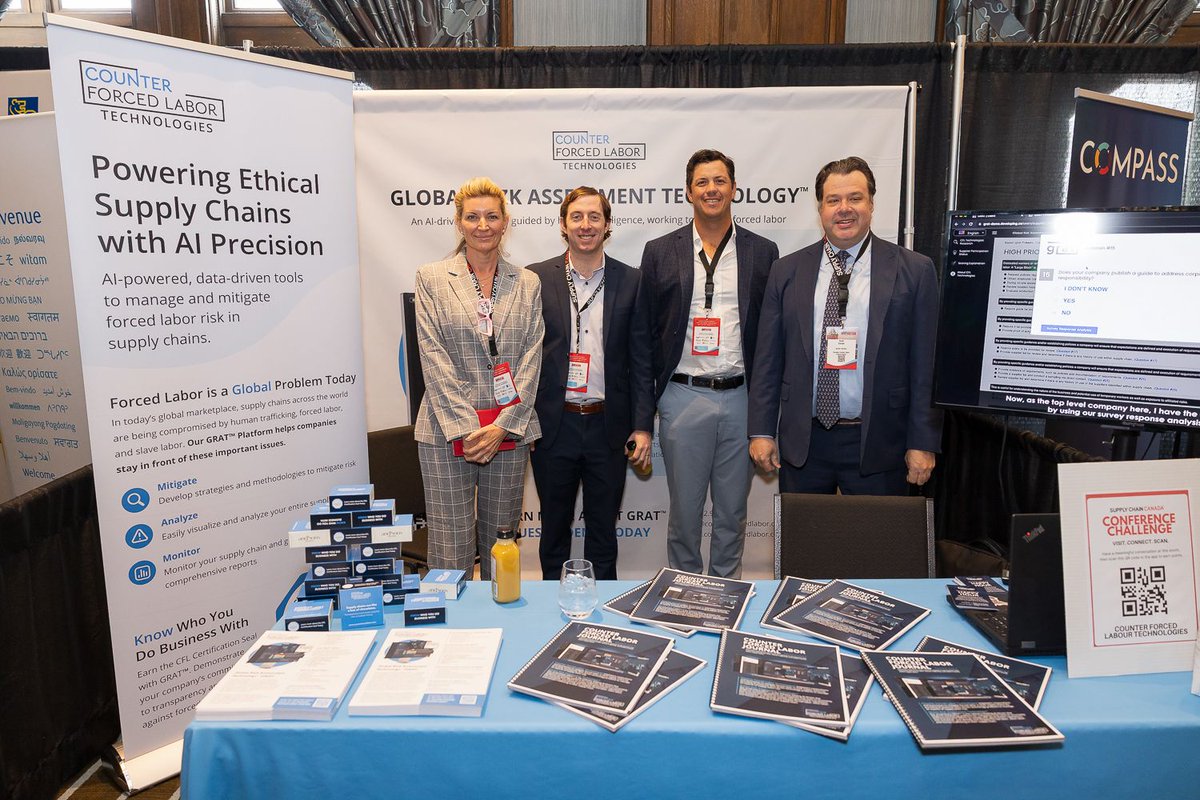
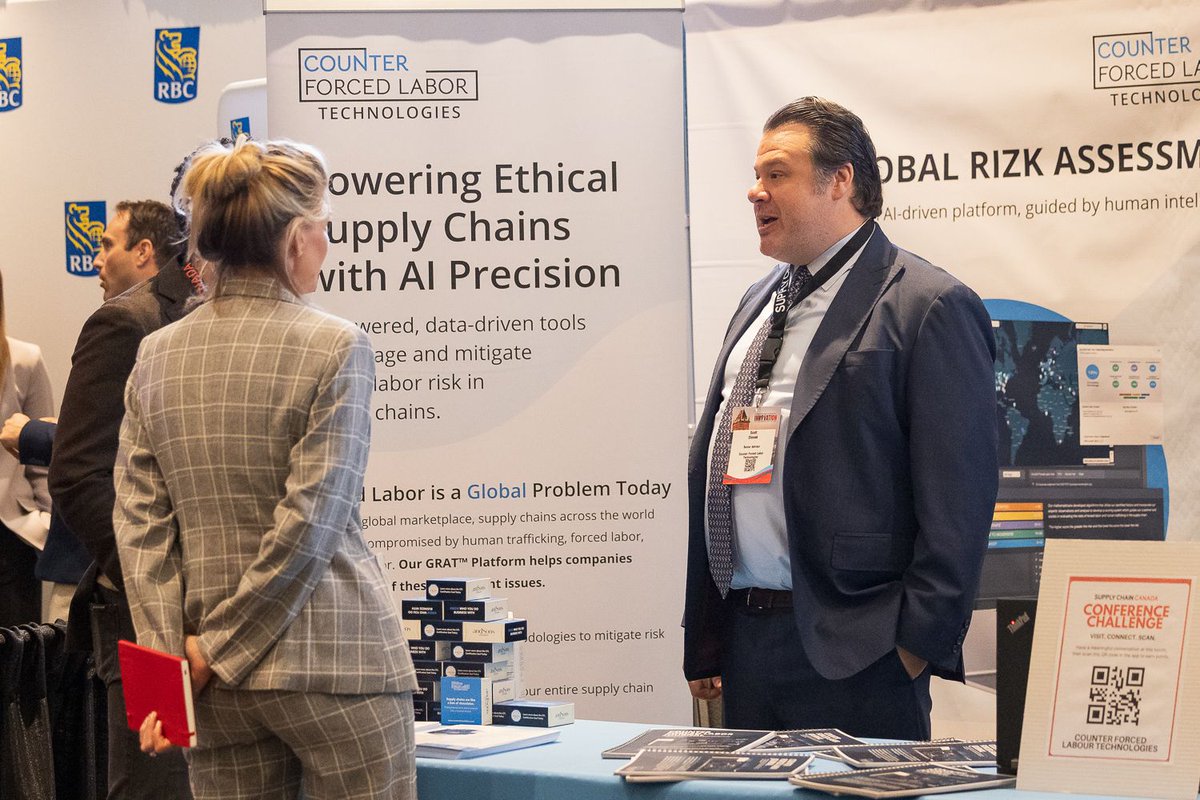
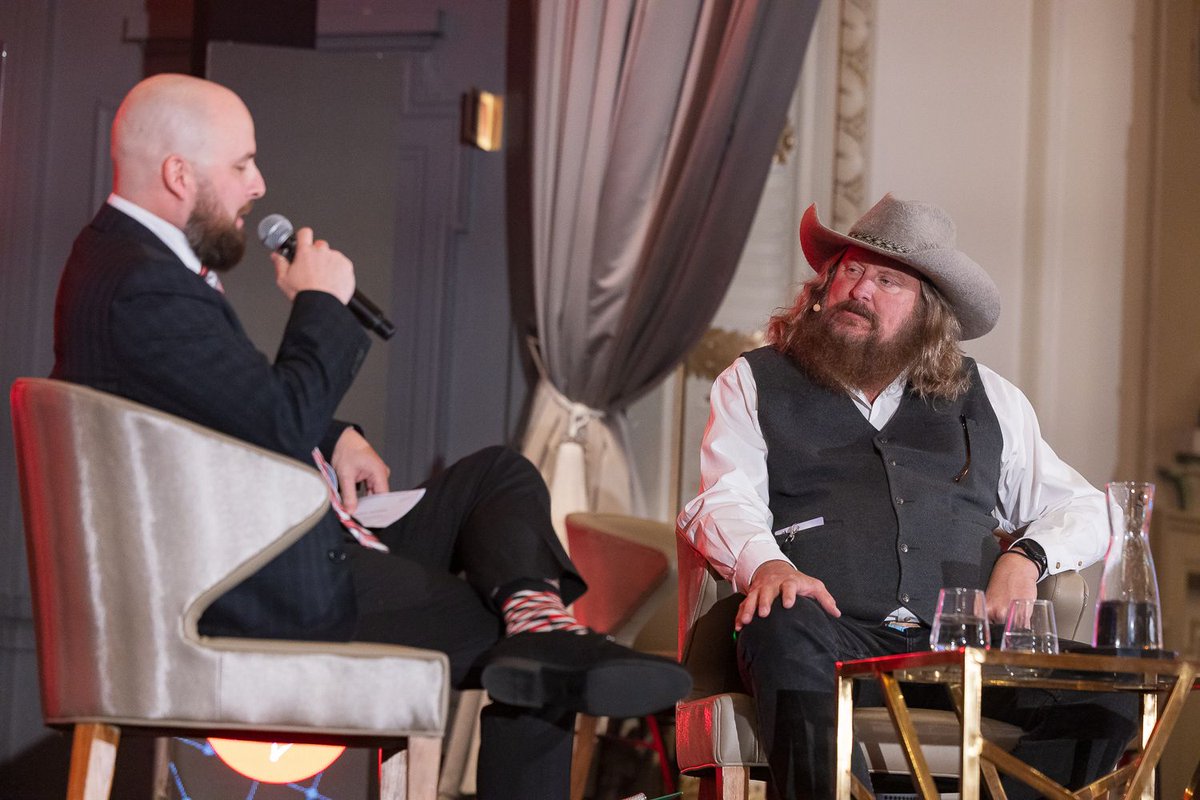
We are honored to have spoken at the Canada Supply Chain Conference in Quebec City last week. The insights, conversations, and connections made were truly invaluable.
Thank you to everyone who was part of it! Want to learn more? Reach out to us at scott@counterforcedlabor.com or ronnie@counterforcedlabor.com
#SupplyChain #ForcedLabor #CSCC
5

Discover how #ultrasound and #CT are advancing nodal staging for high-risk cSCC patients. Learn more: bit.ly/4nlvccr
1
1
30

I'm not advocating abandoning surgery — I'm flagging that in head & neck cSCC specifically, where surgery means facial disfigurement, orbit exenteration, or skull base resection, the therapeutic threshold has to be different from a truncal lesion.
28
But here's the real-world tension I face daily in a high-volume H&N center: when a patient with locally advanced cSCC of the face/scalp achieves a clinical and radiologic complete response to cemiplimab — no palpable tumor, near-normal imaging — the conversation with that patient
58

Jun 8
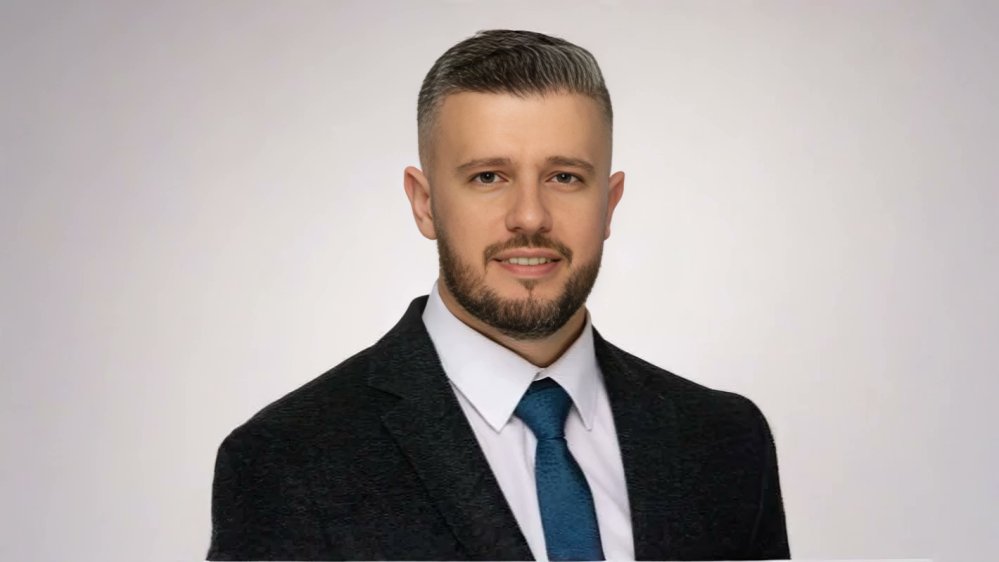
Saeed Salman Discusses Surgery De-escalation in Locally Advanced cSCC
@SaeedSalmanMD
oncodaily.com/voices/saeed-s…
2
65
Amir Safavi retweeted

Jun 1
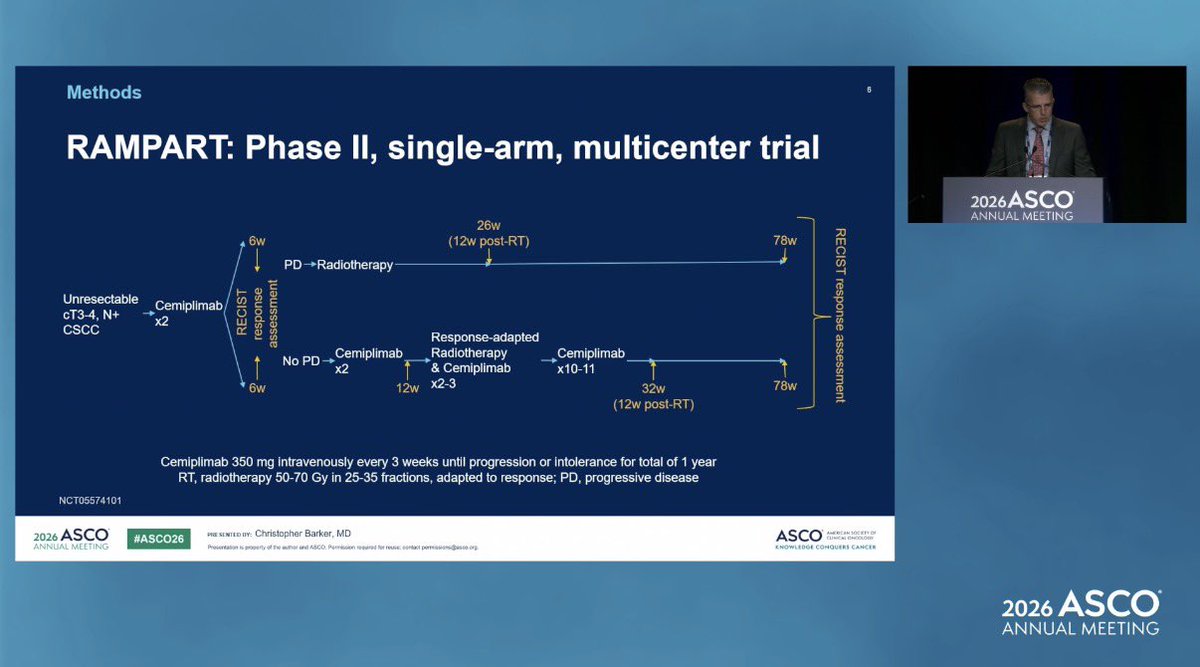
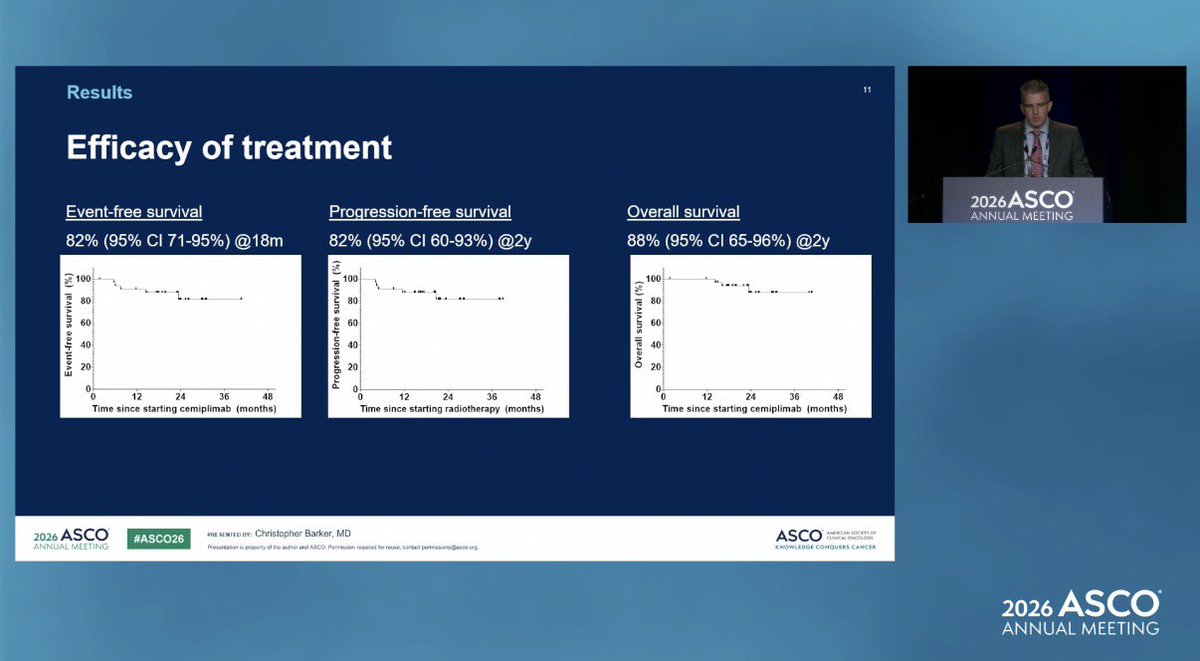
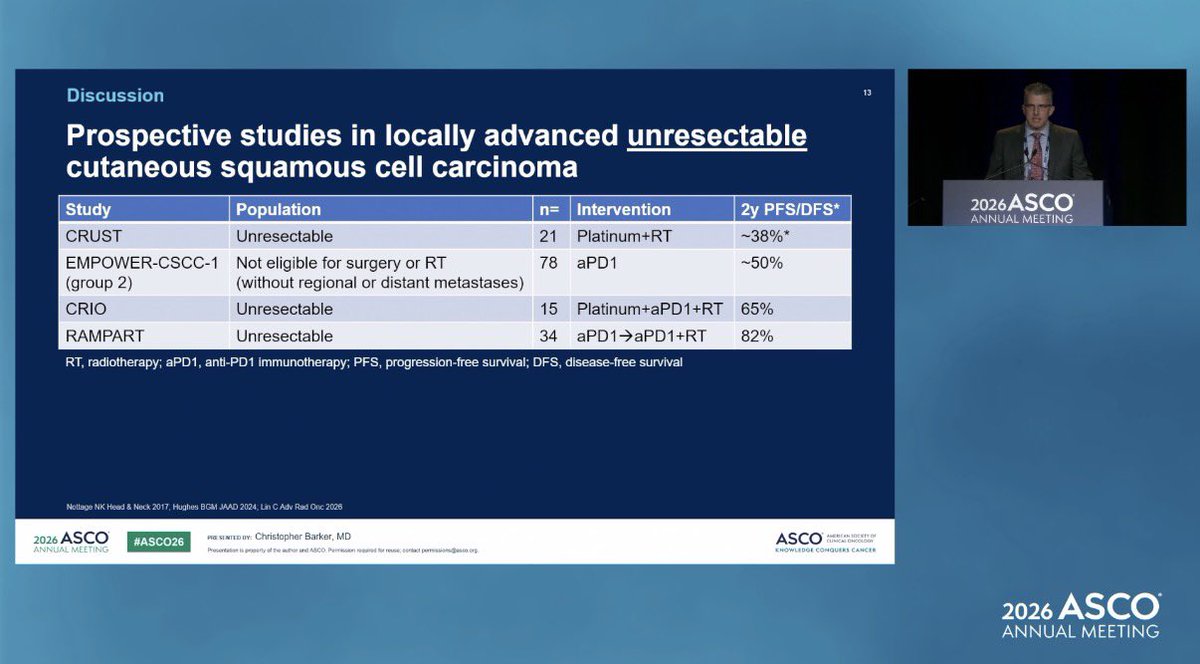
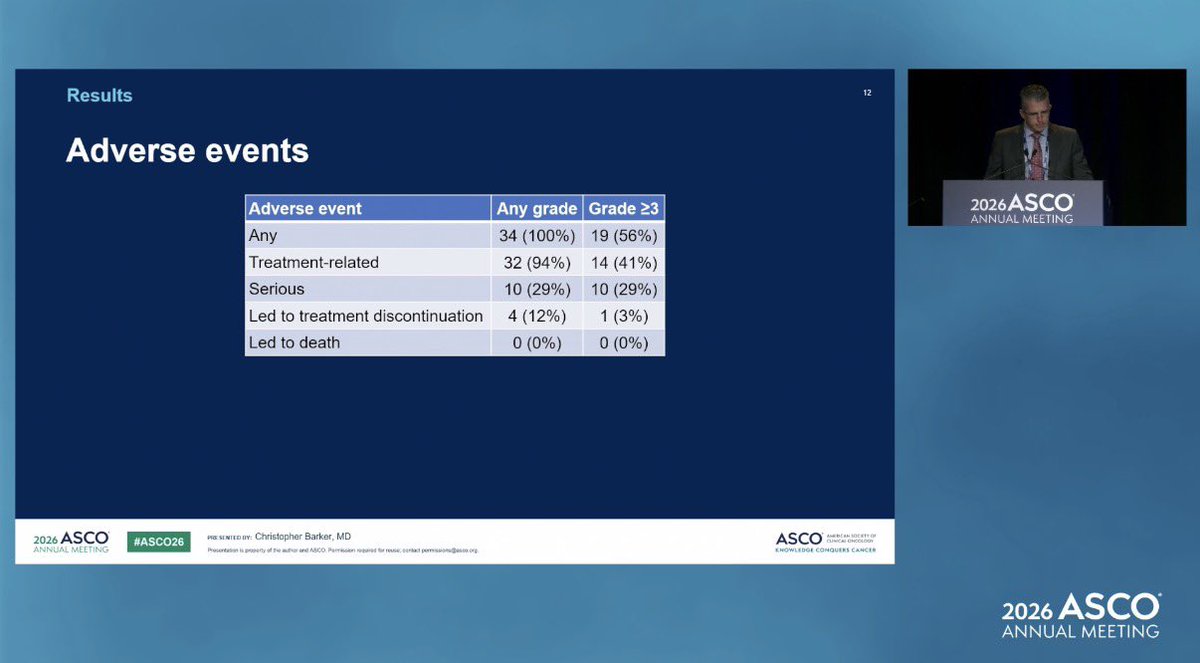
🛡️ RAMPART: Phase II study of response-adapted RT cemiplimab for unresectable locally advanced cSCC #ASCO26
🎯 18-month EFS: 82% (95% CI 71–95%)
💥 2-year PFS: 82% | 2-year OS: 88%
📈 Outcomes compare favorably with prior studies in unresectable cSCC
⚠️ G≥3 AEs: 56%; treatment discontinuation: 12%
Impressive outcomes, but a single-arm study of 34 patients leaves important questions unanswered. Biomarkers and larger datasets will determine whether this strategy truly scales!
@OncoAlert @OncoReporte
@ASCO @_SEOM @GrupoMelanoma
8
11
1,187
