

Jun 13
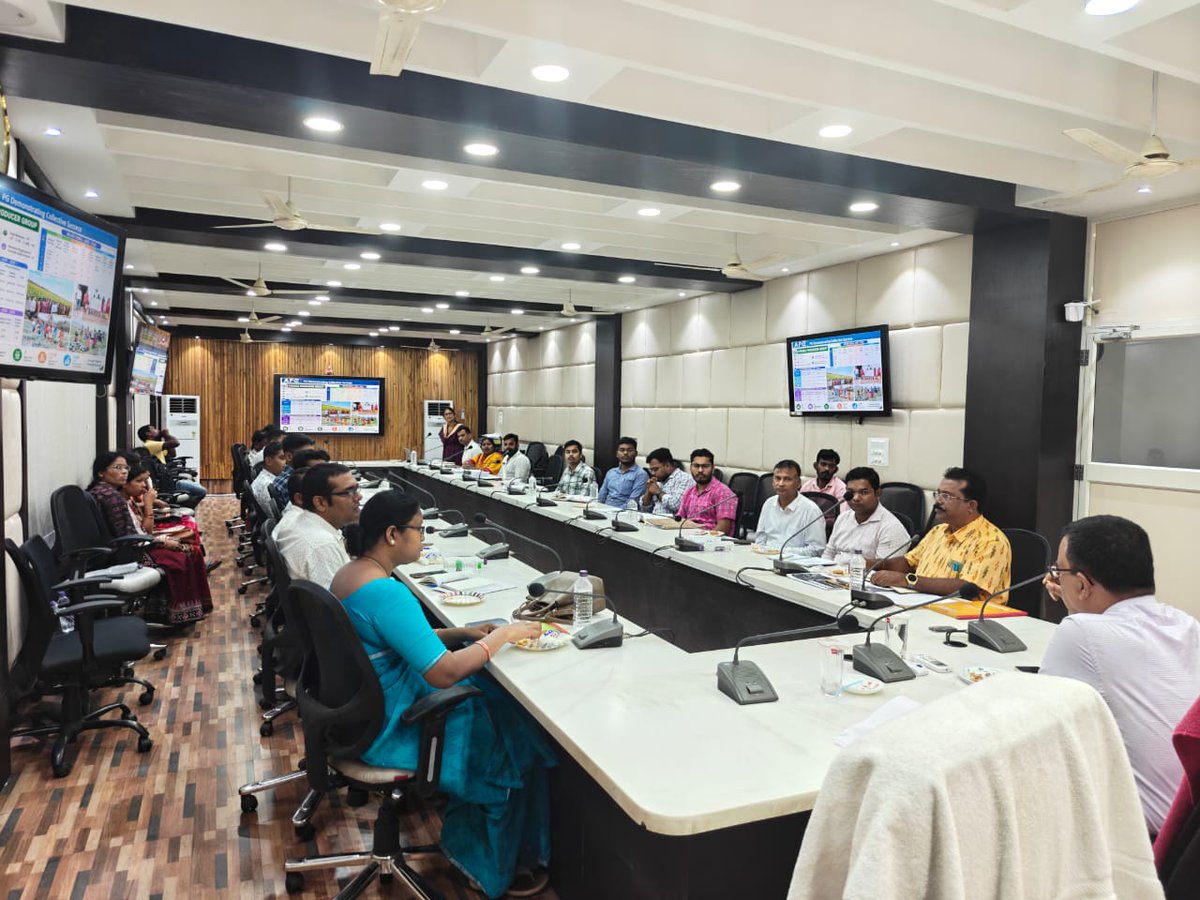
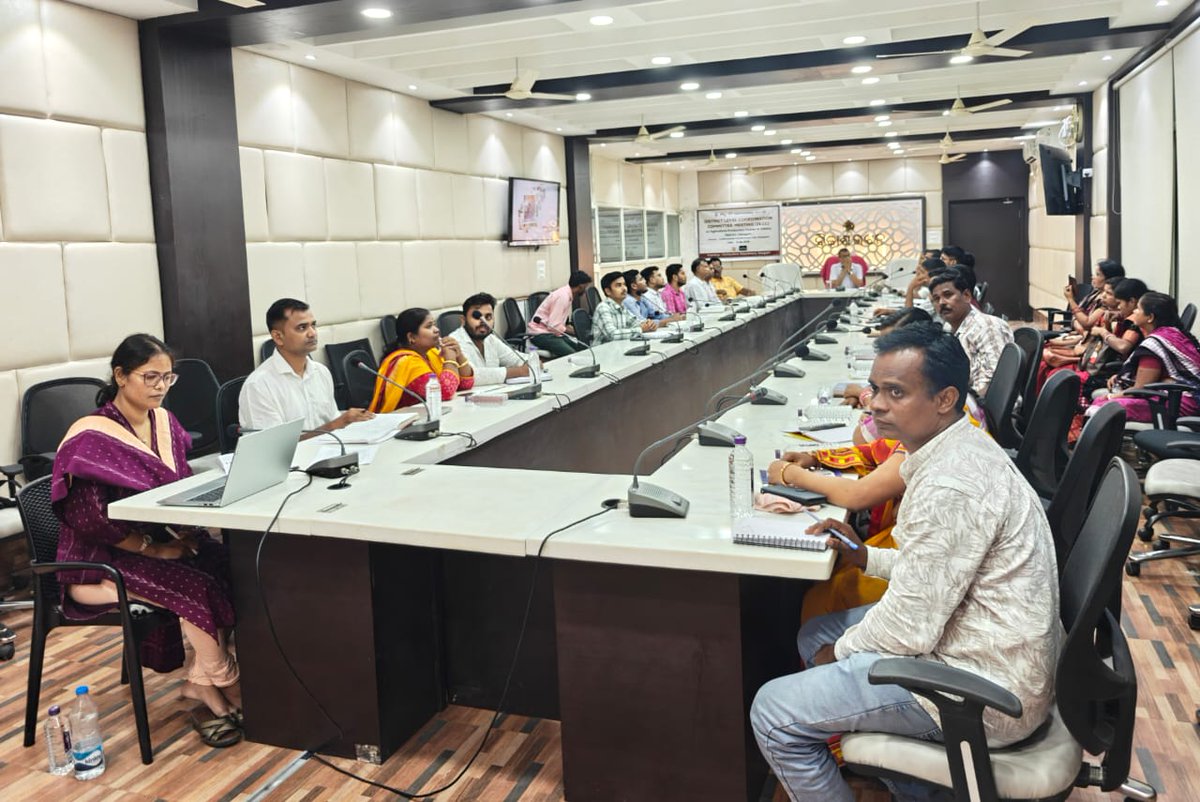
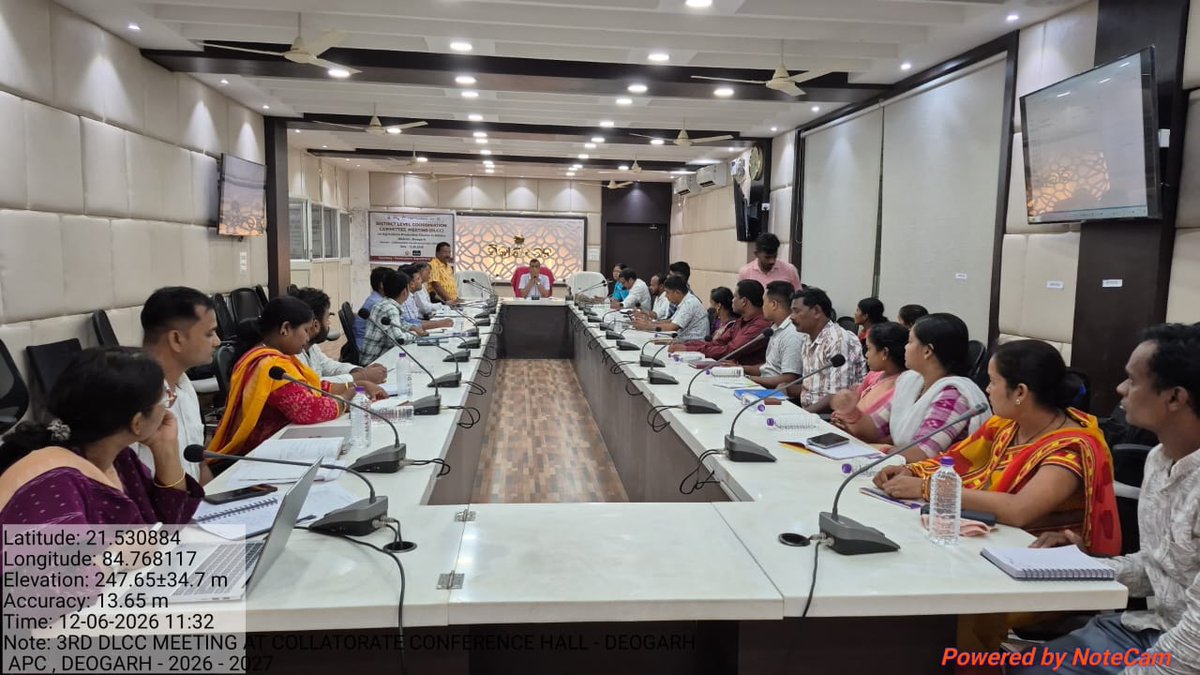
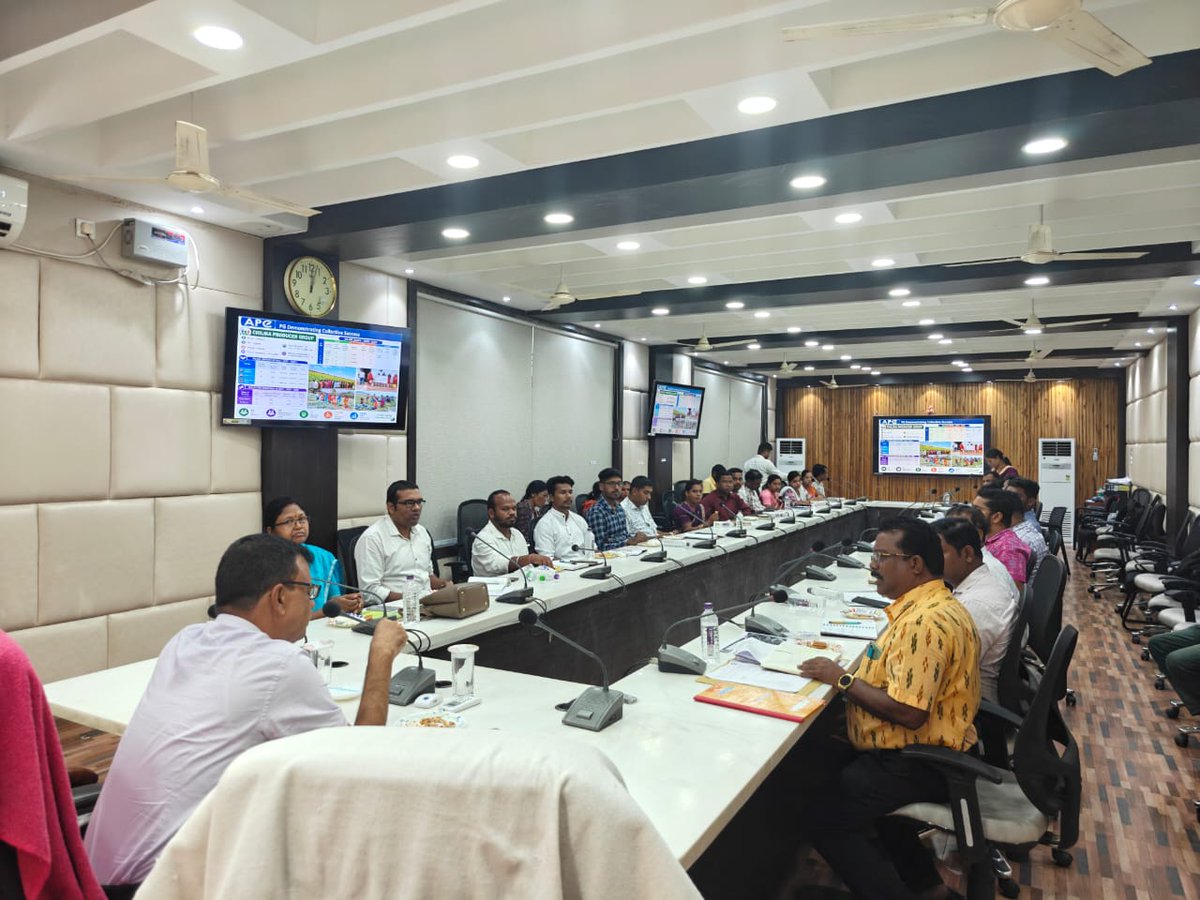
The District Level Coordination Committee (DLCC) meeting of Deogarh district was held on 12 June 2026 at the Collectorate Conference Hall under the chairmanship of the Collector & District Magistrate, Deogarh. Officials from various line departments and representatives from partner NGOs, CSDR and IRDMS, participated in the meeting.
Key discussions focused on mushroom cultivation, fisheries, agriculture and horticulture interventions, timely delivery of Package of Practices (PoP), livestock cluster development, and the creation of irrigation infrastructure under the APC Program.
The meeting concluded with a shared commitment to strengthen inter-departmental convergence and scale up sustainable agri-based livelihood interventions, benefiting women APC farmers from Deogarh district.
@cmo_odisha @SecyChief @ipr_odisha @Deogarhdistadmn @krushibibhag #Horticultureod
@OLM_Antyoday @mission_shakti #CSDR #IRDMS
@PRADAN_India
2
78

Jun 11
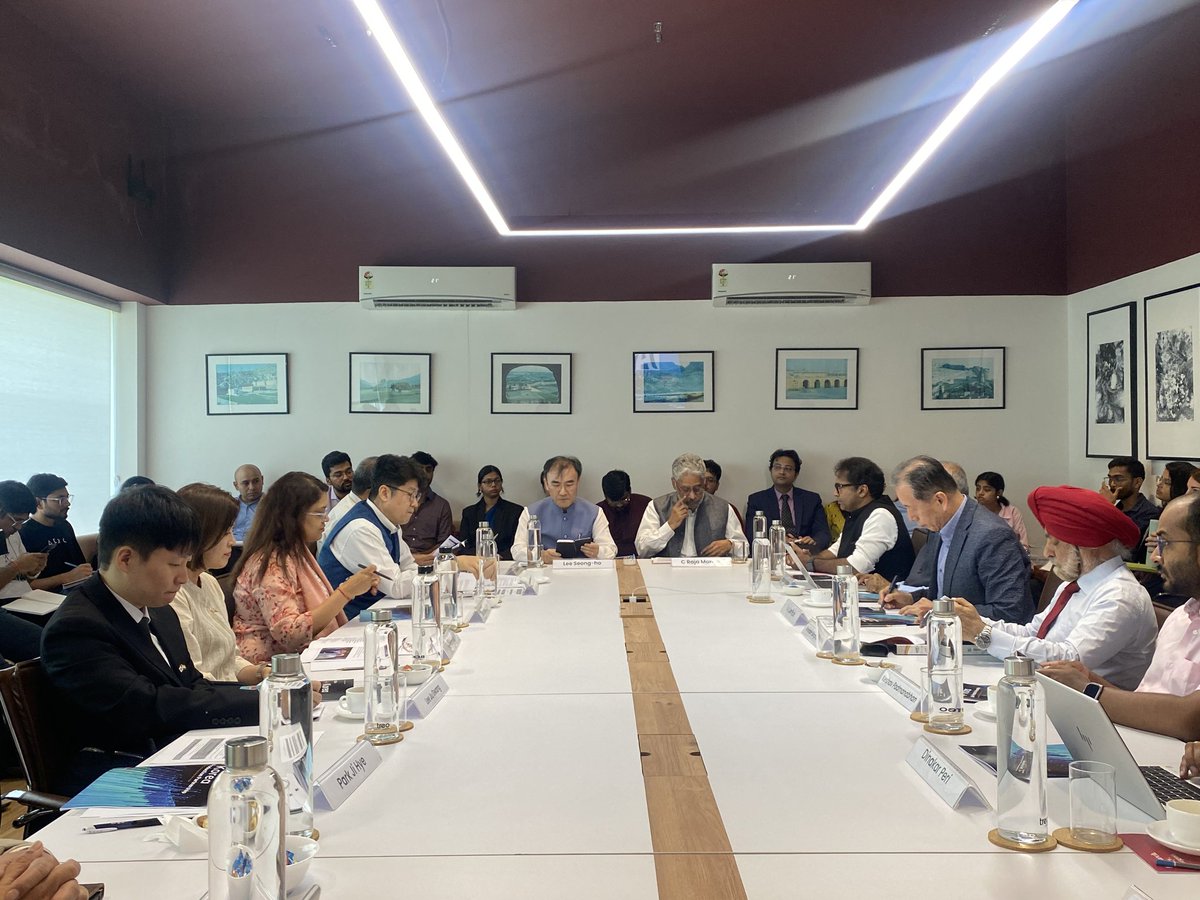
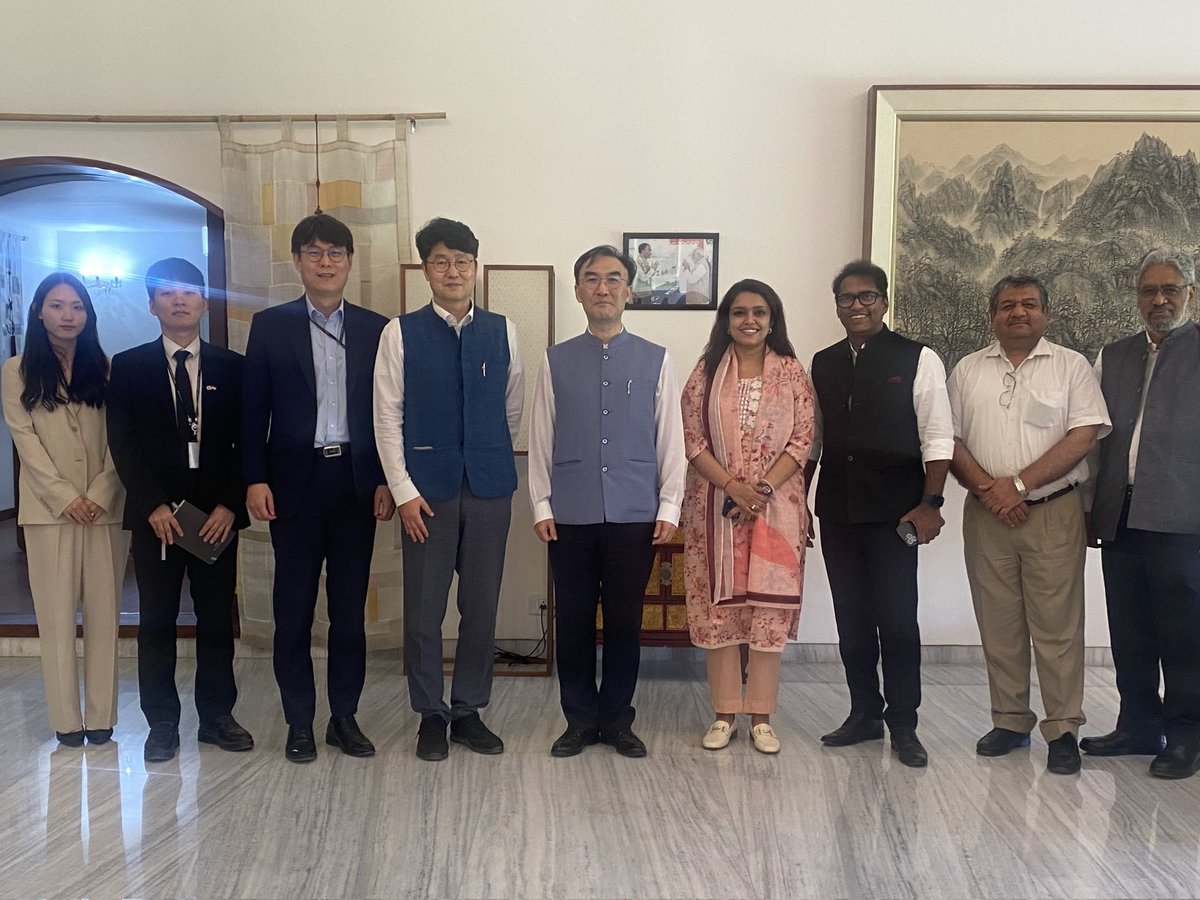
On June 10, Ambassador Lee Seong-ho attended the roundtable "From Chips to Ships: Assessing the Modi-Lee Summit and the Road Ahead," hosted by @csdr_india. (1/4)
#KoreaIndia #CSDR #FromChipsToShips #ModiLeeSummit
1
3
9
624

Jun 10
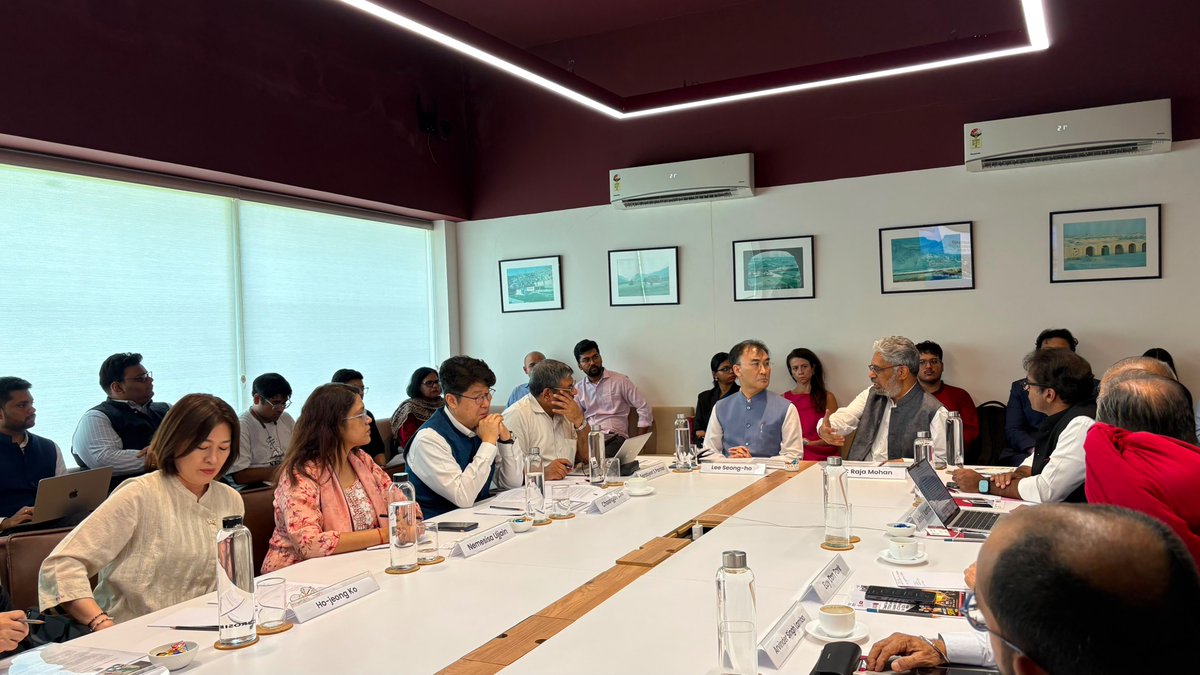
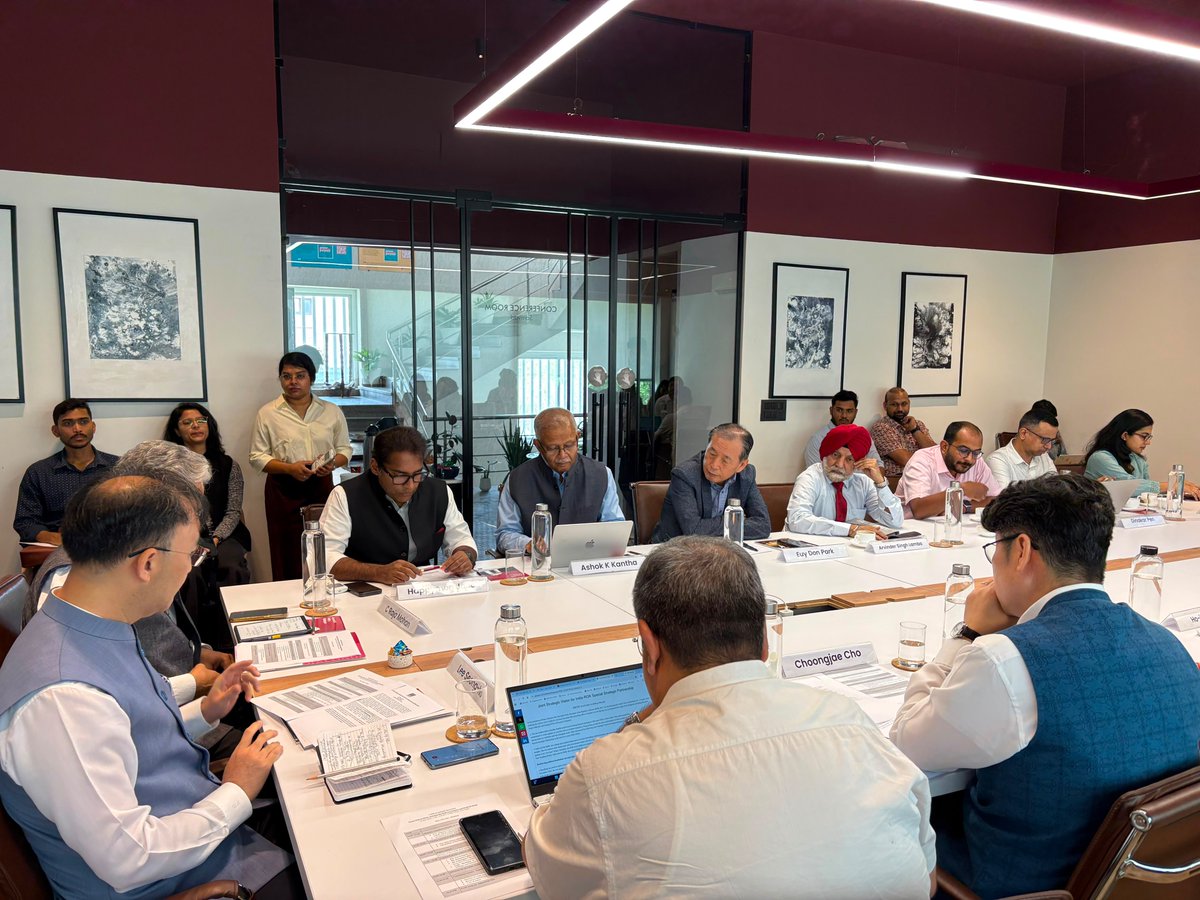
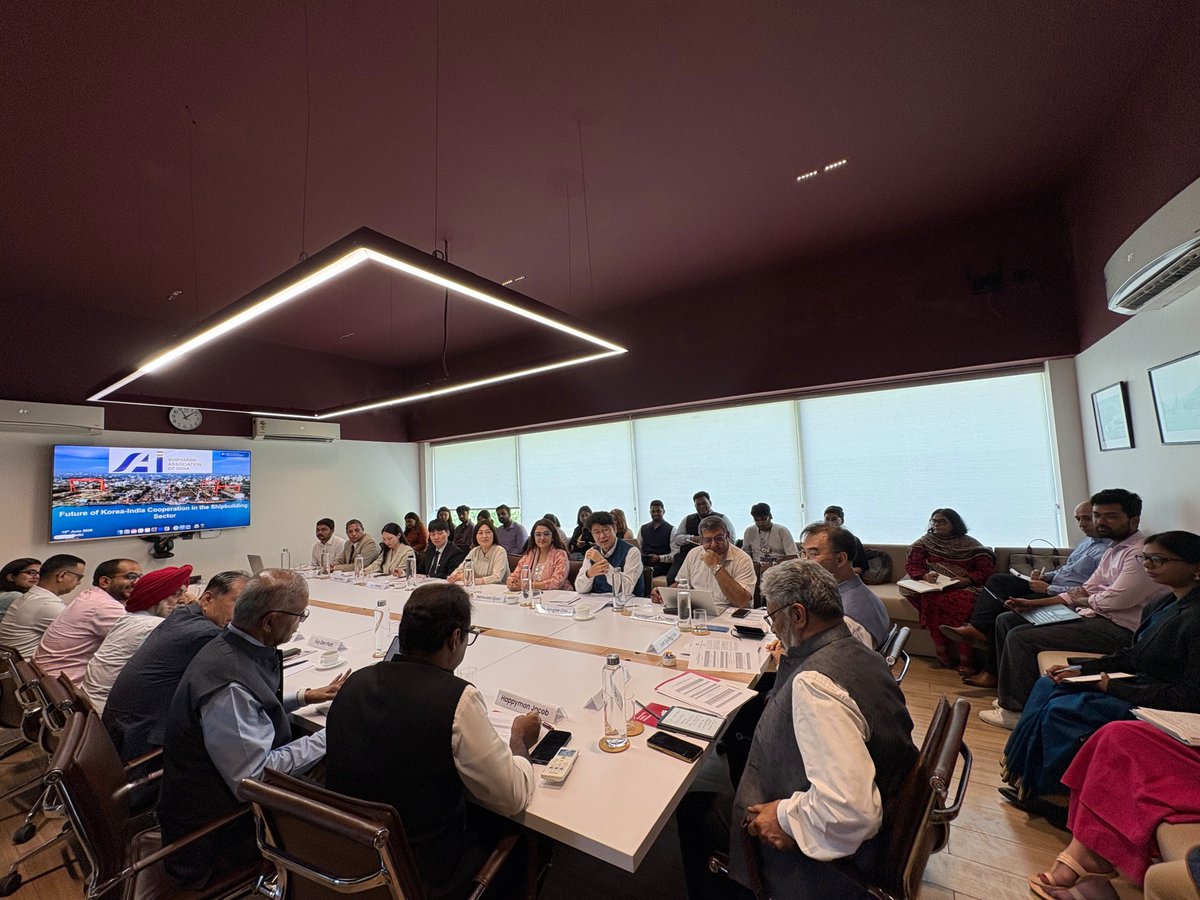
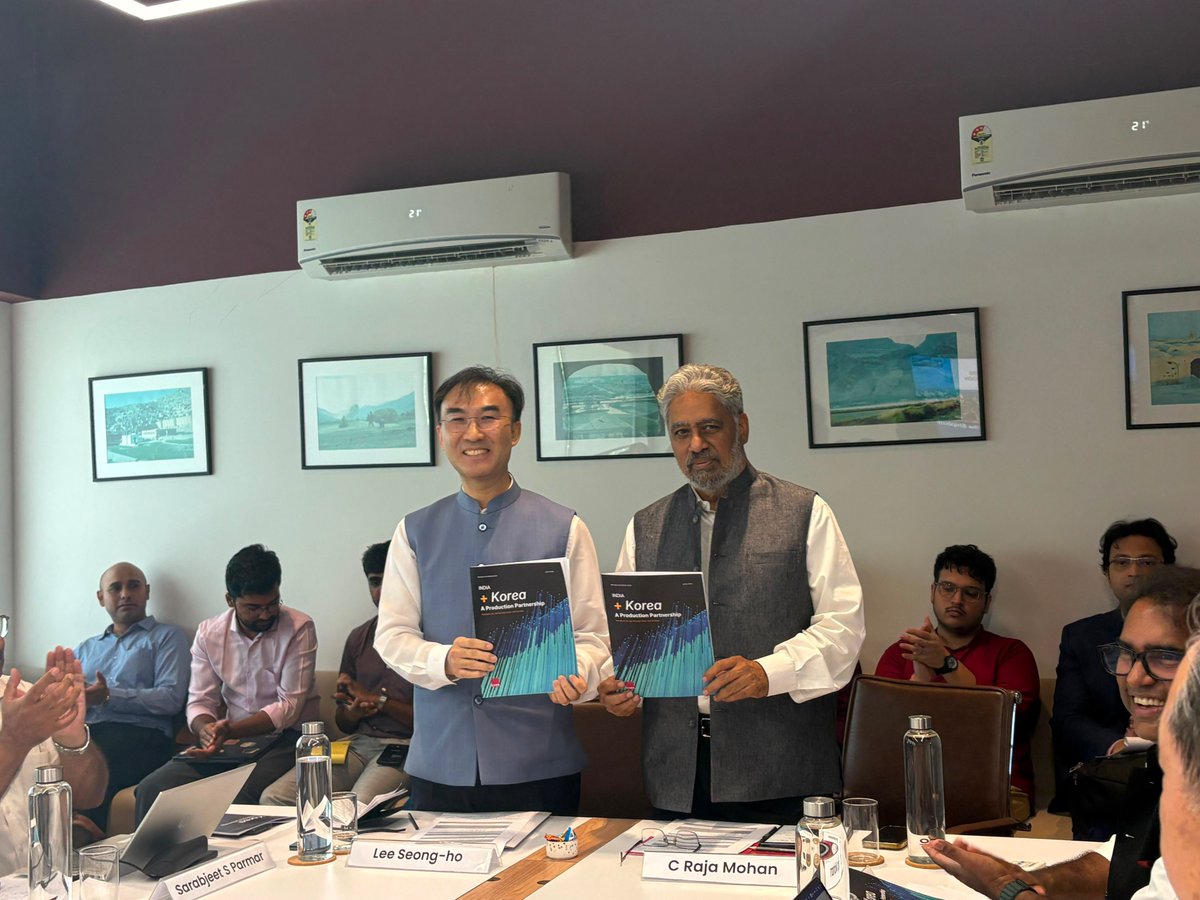
Delighted to host HE Mr Lee Seong-ho (@RokEmbIndia) & other experts @Harpoonleader @nemo_ujjain
Dr. Choongjae Cho (Director, KIEP) for a discussion on "Chips to Ships: Assessing the Modi–Lee Summit and the Road Ahead”, moderated by @MohanCRaja (ROK Chair, CSDR).
@HappymonJacob
@LtGenHooda
@KoreaFoundation
@TorunikaR
1
5
12
1,330

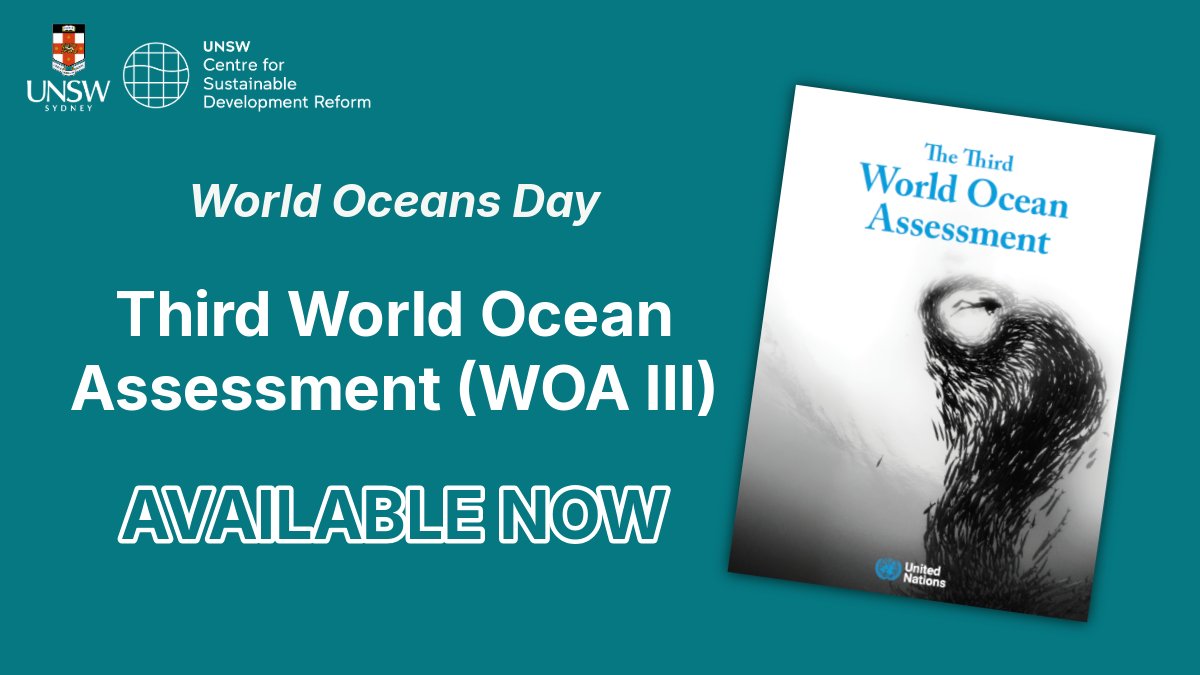
🚀 On #WorldOceansDay - third World Ocean Assessment (#WOAIII) launched!
The only global integrated assessment of the ocean covering env, economic & social dimensions. @undoalos
CSDR Director @liza__jane is proud lead author of Ch4 on Tourism.
🔗unsw.edu.au/research/centre-…
22

Jun 8
The Architectural Overture – The Confluence of Regional Destinies
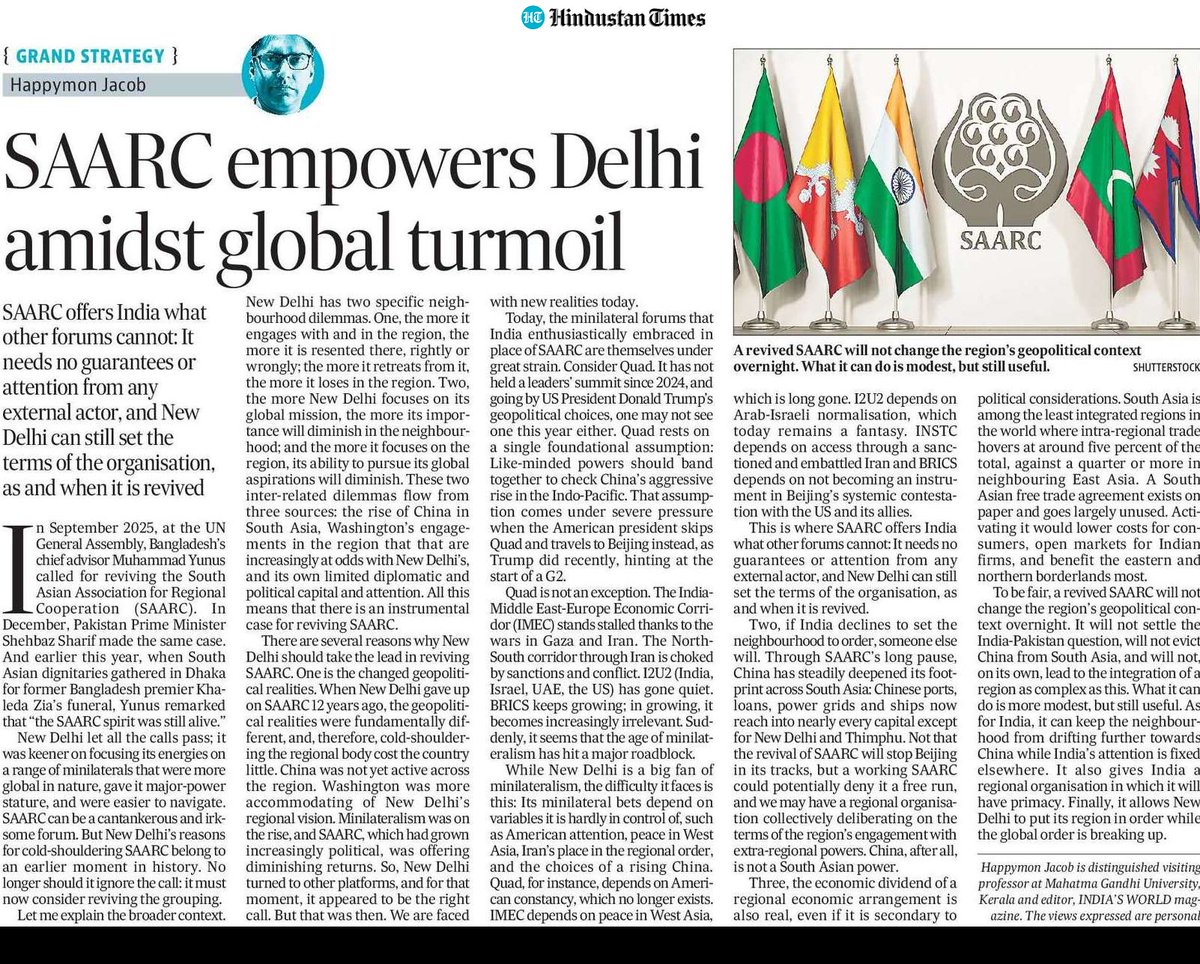
Happymon Jacob @HappymonJacob, to read your masterful essay in The Hindu, titled “SAARC empowers Delhi amidst global turmoil,” is to step onto an intellectual bridge that connects the physical geography of the Indian subcontinent with the grand strategies of a changing world.
At this moment, as the minilateral architectures of the Indo-Pacific—from the Quad to the India-Middle East-Europe Economic Corridor (IMEC)—face severe disruptions caused by shifting American priorities and regional conflicts, your words bring a necessary clarity.
You have looked past the fashionable trends of modern diplomacy to describe a core reality: the South Asian Association for Regional Cooperation (SAARC), despite its long pause, remains an essential, sovereign instrument for India to manage its immediate neighborhood and protect its strategic space.
Your essay opens by identifying a significant structural paradox.
For the past twelve years, New Delhi chose to set aside SAARC, focusing its diplomatic energy on newer, minilateral groupings that promised global status and a simpler path forward without regional friction.
Yet, as you ruthlessly document, the international environment of 2026 has completely changed.
The minilateral forums that India embraced are now under great strain.
The Quad has not held a leaders' summit since 2024, impacted by the transactional approach of U.S. President Donald Trump and his recent diplomatic moves toward Beijing.
Simultaneously, the IMEC stands stalled due to the ongoing conflicts in West Asia, and the International North-South Transport Corridor (INSTC) remains complicated by external sanctions.
In this chaotic global landscape, SAARC offers India what no other forum can: a regional framework that requires no external guarantees, operates entirely within our immediate geographic space, and allows New Delhi to help set the terms of regional engagement as and when it is revived.
This opening provides a direct challenge to the dominant, Western-centric liberal institutionalist models that have guided international policy for decades.
For generations, global theorists argued that regional cooperation could only succeed if it was integrated into open global markets and supported by a single global superpower.
Your analysis completely alters this view.
By showing how global shifts can disrupt far-reaching minilateral networks, you present an alternate model of regional organization.
Real stability does not come from distant, complex alliances; it is built through the steady, patient work of neighborhood management.
This realist perspective forms the core theme of your extensive body of work, including your widely acclaimed books like Line on Fire: Ceasefire Violations and India-Pakistan Escalation Dynamics and your strategic columns for the Council on Strategic and Defense Research (CSDR).
In those foundational texts, you argued that India’s global ambitions are permanently tied to its capacity to maintain peace and stability in its immediate neighborhood.
Today, you apply that exact strategic framework to the crisis facing modern minilateralism, proving that if India wishes to protect its sovereign future, it must return to the foundational geography of South Asia and lead the revival of SAARC.
1
5
33
1,638

3/ The broader jurisdictional map is becoming more differentiated:
→ Switzerland remains one of the most complete and operationally tested environments for tokenized securities and DLT-based financial infrastructure.
→ Singapore continues to advance institutional tokenization through Project Guardian.
→ The UAE, particularly ADGM and DIFC, has become one of the most active regional environments for tokenized asset platform formation.
→ Hong Kong and the UK are becoming more important bridges between regulated financial products, digital asset infrastructure, and secondary-market access.
→ The US is beginning to move from fragmented uncertainty toward a more legible framework for tokenized finance.
→ Europe remains active through MiCA, MiFID II/CSDR treatment for tokenized securities, and the EU DLT Pilot Regime, though the compliance environment remains more fragmented.
1
6
68

📋 EU settlement will move from T 2 to T 1 on 11 Oct 2027 under CSDR - a major operational shift across #trading & post trading chain.
📝 To better understand how prepared the market is, 2⃣ EU‑wide surveys are open until 9 June.
🔗 link.europa.eu/q9hDqT
2
3
579

May 24
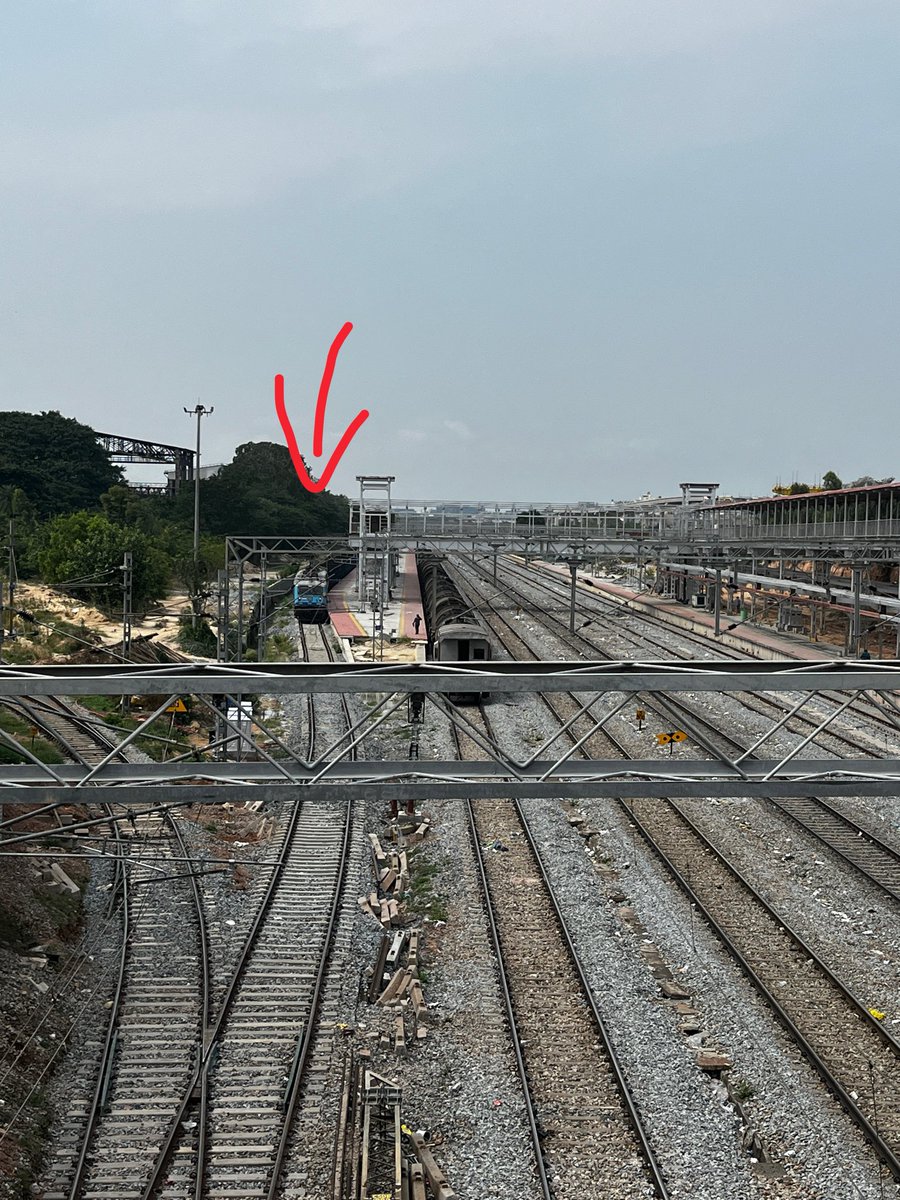
Looks like track 6 (Platform 3) of Channasandra Railway Station is ready for commercial ops
Our own #EF12K parked with mixed freight at CSDR.
The curving lines on the left goes toward TATA Steel plant
@ChristinMP_ @NatarajanYDM4 @bengalurupost1 @KARailway
1
4
29
1,430

May 18
Will ‘strategic stability’ lead to the end of the #USA’s containment of #China?
Is the #TradeWar between the USA and China going to continue?
How has the war on #Iran altered the relative global standing of the USA and China?
Could the USA reduce or stop weapons sales to #Taiwan and abandon it to a Chinese takeover?
What is the fate of #Quad and the #IndoPacific if the USA is disinterested in counterbalancing China?
How can #India and other regional powers in #Asia manage the China challenge amidst an unpredictable and unreliable USA?
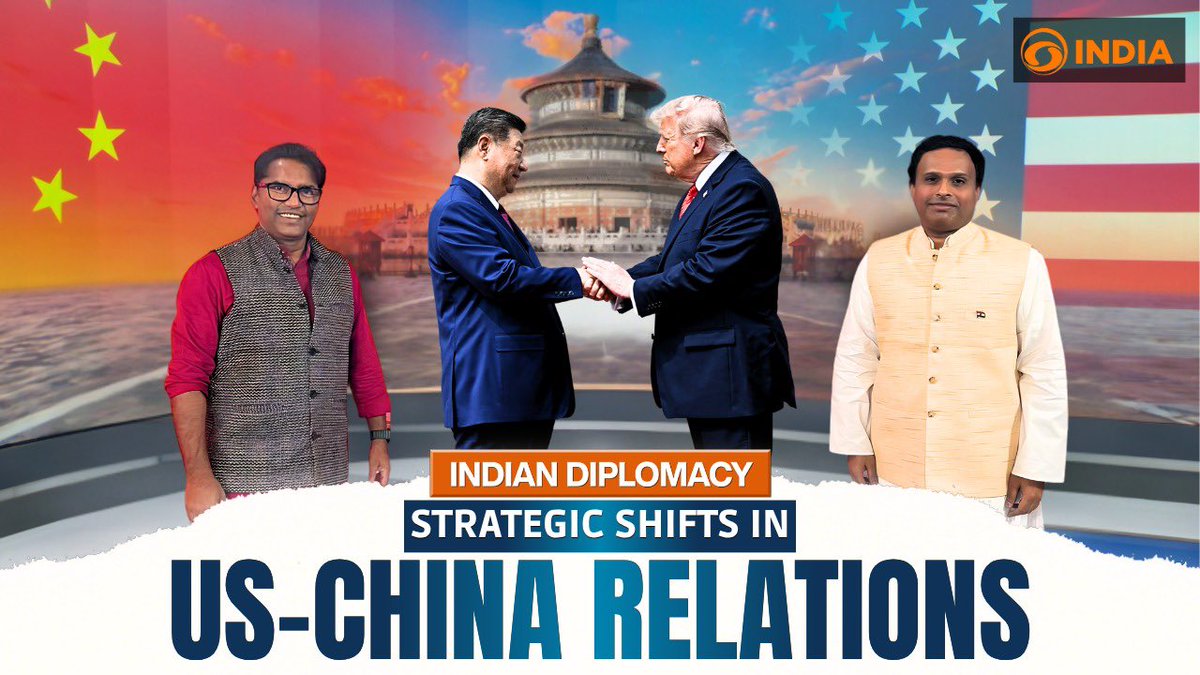
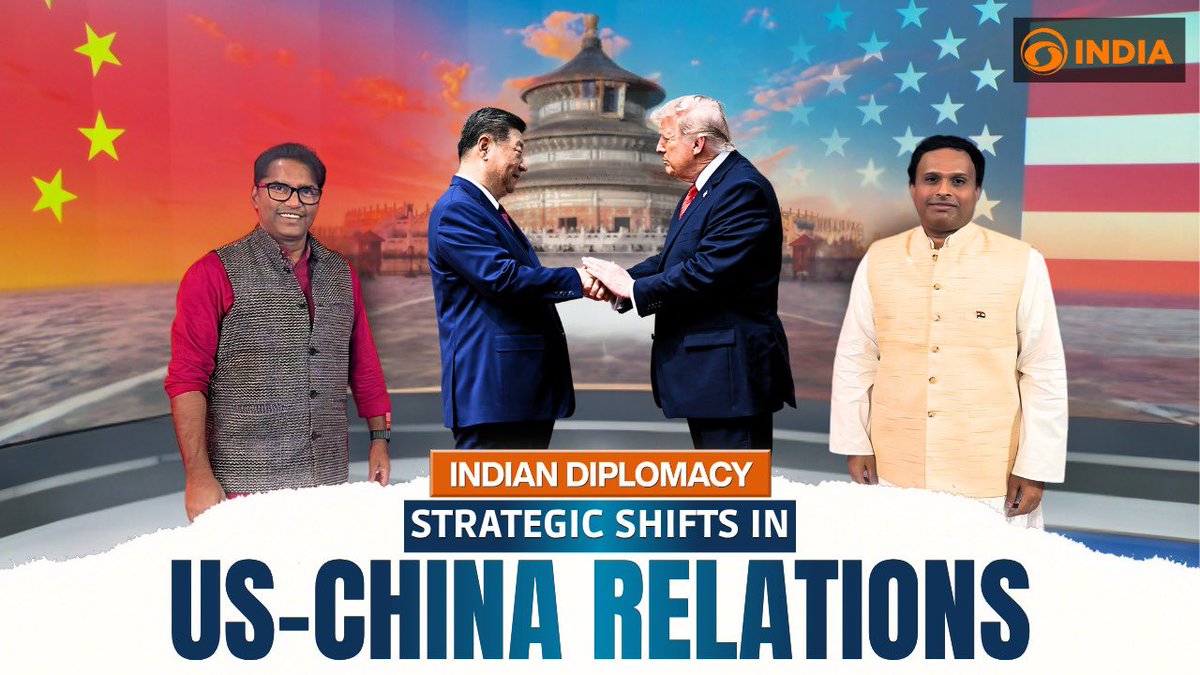
For answers, watch "Indian Diplomacy: Strategic Shifts in US-China Relations" a discussion with Dr. Happymon Jacob, Editor of ‘India’s World’ magazine and founder of the Council for Strategic and Defense Research (CSDR).
🔗 youtu.be/_5ynPkrGG-Q
@DDIndialive @sreeramchaulia
3
2
802

May 17
Will ‘strategic stability’ lead to the end of American containment of China?
Is the trade war between the US and China going to continue?
How has the war on Iran altered the relative global standing of the US and China?
Could the US reduce or stop weapons sales to Taiwan and abandon it to a Chinese takeover?
What is the fate of Quad and the Indo-Pacific if the US is disinterested in counterbalancing China?
How can India and other regional powers in Asia manage the China challenge amidst an unpredictable and unreliable US?
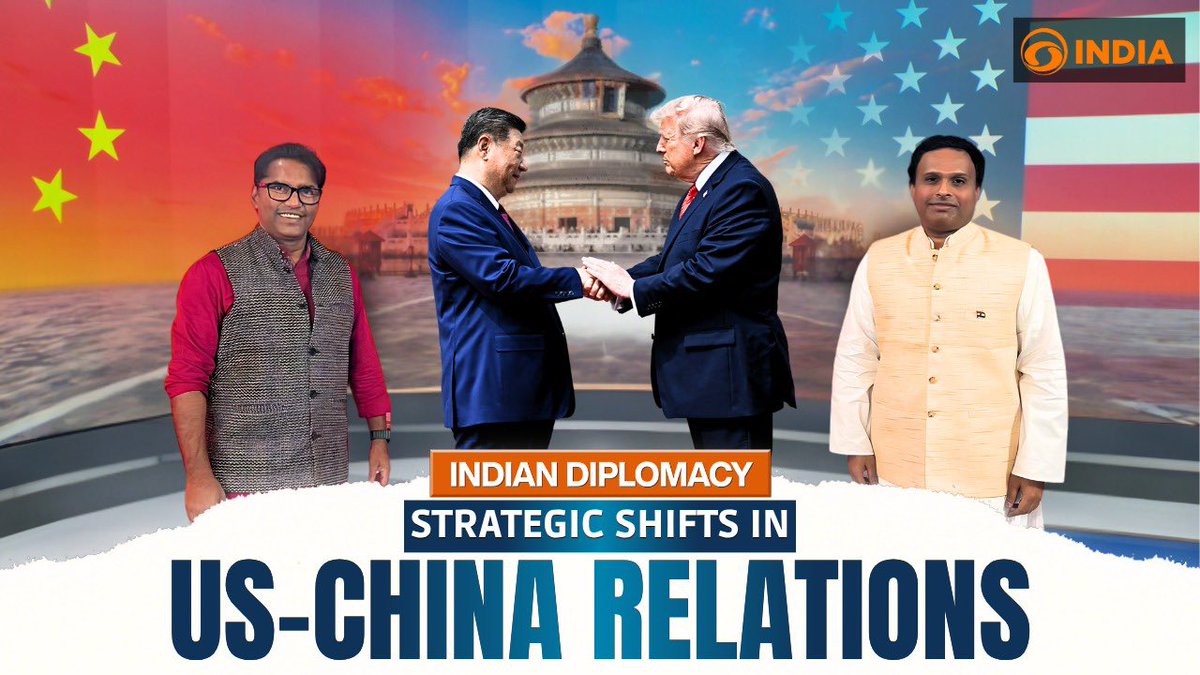
For answers, watch Episode 173 of my TV show on Doordarshan, featuring a discussion with Dr. Happymon Jacob, Editor of ‘India’s World’ magazine and founder of the Council for Strategic and Defense Research (CSDR).
🔗 youtu.be/_5ynPkrGG-Q?si=voOQ…
1
5
126
May 17
Will ‘strategic stability’ lead to the end of American containment of China?
Is the trade war between the US and China going to continue?
How has the war on Iran altered the relative global standing of the US and China?
Could the US reduce or stop weapons sales to Taiwan and abandon it to a Chinese takeover?
What is the fate of Quad and the Indo-Pacific if the US is disinterested in counterbalancing China?
How can India and other regional powers in Asia manage the China challenge amidst an unpredictable and unreliable US?
For answers, watch Episode 173 of my TV show on Doordarshan, featuring a discussion with Dr. Happymon Jacob, Editor of ‘India’s World’ magazine and founder of the Council for Strategic and Defense Research (CSDR).
🔗 youtu.be/_5ynPkrGG-Q?si=voOQ…
3
165
May 17
Will ‘strategic stability’ lead to the end of the #USA’s containment of #China?
Is the #TradeWar between the USA and China going to continue?
How has the war on #Iran altered the relative global standing of the USA and China?
Could the USA reduce or stop weapons sales to #Taiwan and abandon it to a Chinese takeover?
What is the fate of #Quad and the #IndoPacific if the USA is disinterested in counterbalancing China?
How can #India and other regional powers in #Asia manage the China challenge amidst an unpredictable and unreliable USA?
For answers, watch Episode 173 of my TV show on #Doordarshan, featuring a discussion with Dr. Happymon Jacob, Editor of ‘India’s World’ magazine and founder of the Council for Strategic and Defense Research (CSDR).
🔗 youtu.be/_5ynPkrGG-Q?si=voOQ…
8
20
3,732

May 16
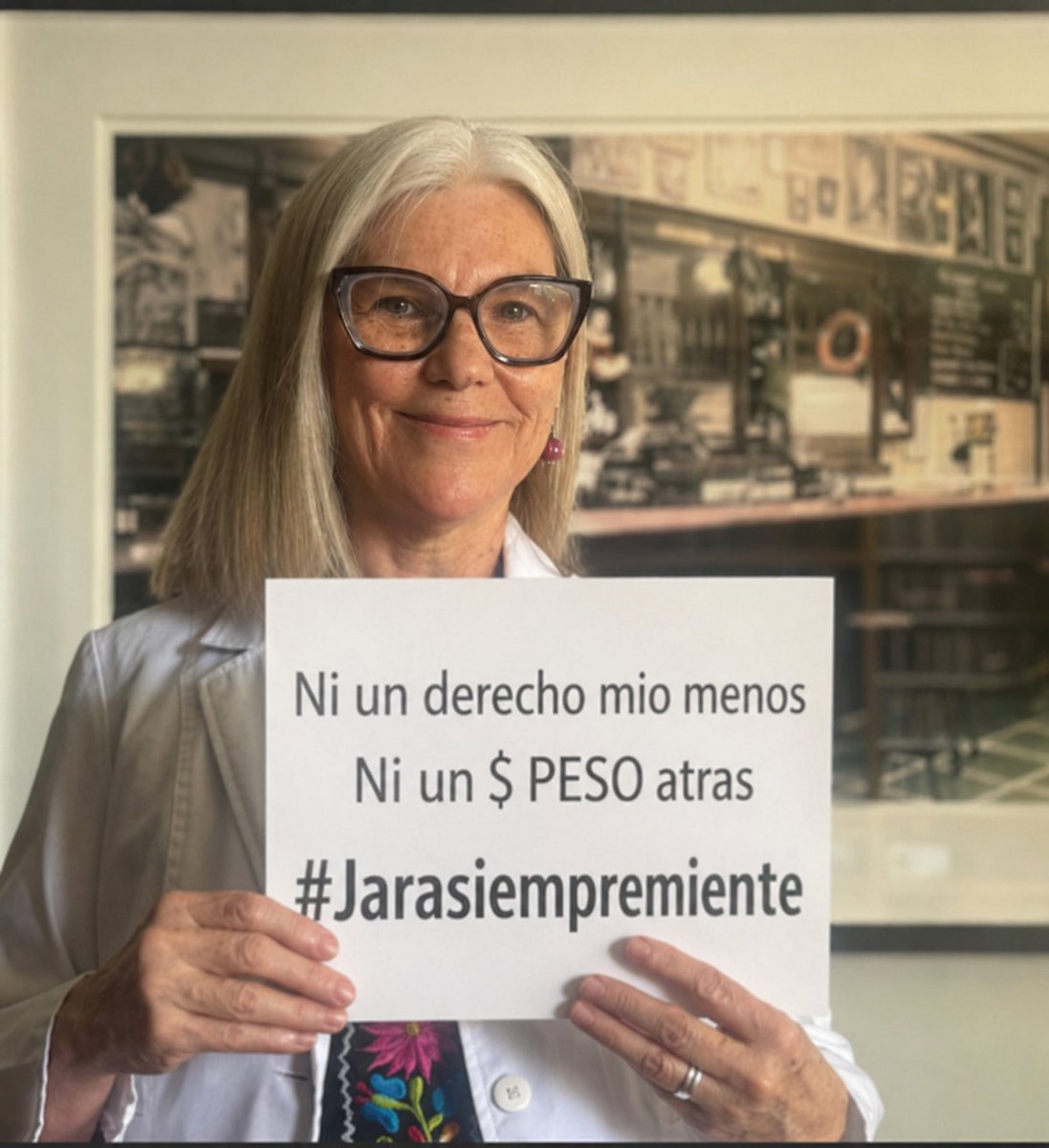
Escuelas y consultorios q obviamente tus hijos y nietos, NO VISITAN! CsDR!!!
3
49

CsDR
Y hoy se llenan la boca con los super ricos
La generacion torcida
La izquierda mas capitalista en muchos años
No era el pueblo, era envidia.
Acabaron con la pobreza, la propia y de sus cercanos.
3
6
8
808

May 15
The most critical link is Bellandur to BYPL, not an inch of doubling progress.
This creates a massive bottle neck at CSDR Bypass cabin.
2
219

May 13
'India just doesn’t want to go into the real reasons behind wars. It’s our blind spot'
Sidharth Raimedhi @SidharthRaimed1, fellow at CSDR, writes
#ThePrintOpinion
theprint.in/opinion/india-ju…
2
19
55
16,985

May 2
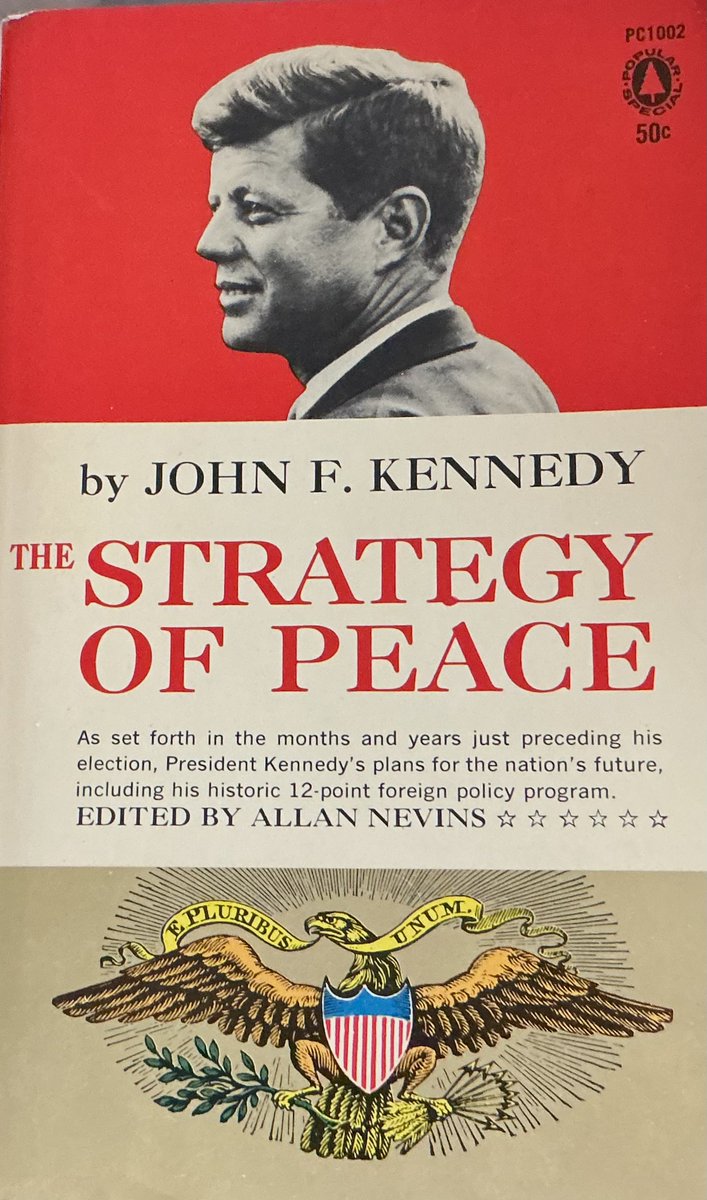
Walk & Talk - Beware Trump’s misdirection to some things terrible, so we don’t consider what’s really important, esp. where king fascist Donald is focused on a war he started, an invasion, itself a war crime; csdr how JFK might approach such matters - youtu.be/oxaj7lV1scQ?si=DWOu…

6
16
258
Apr 28
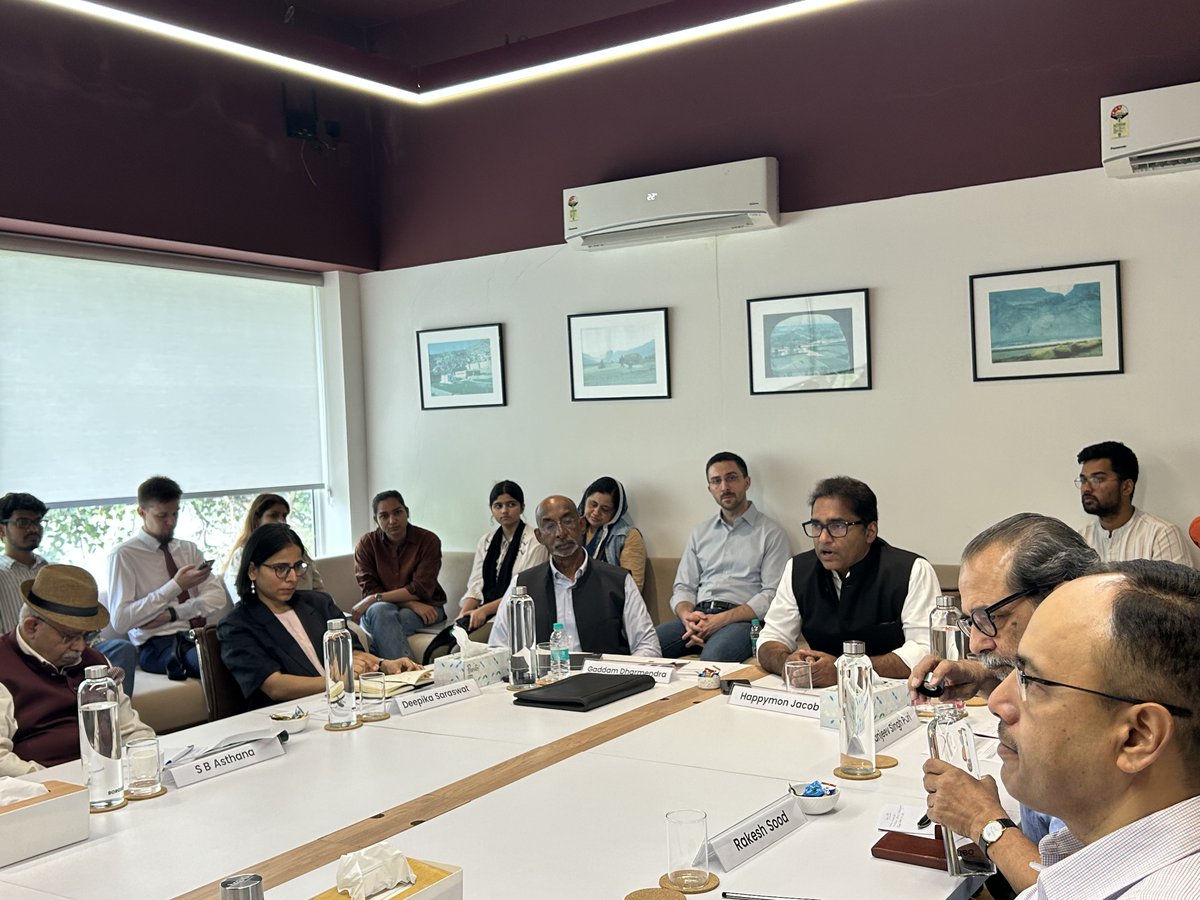
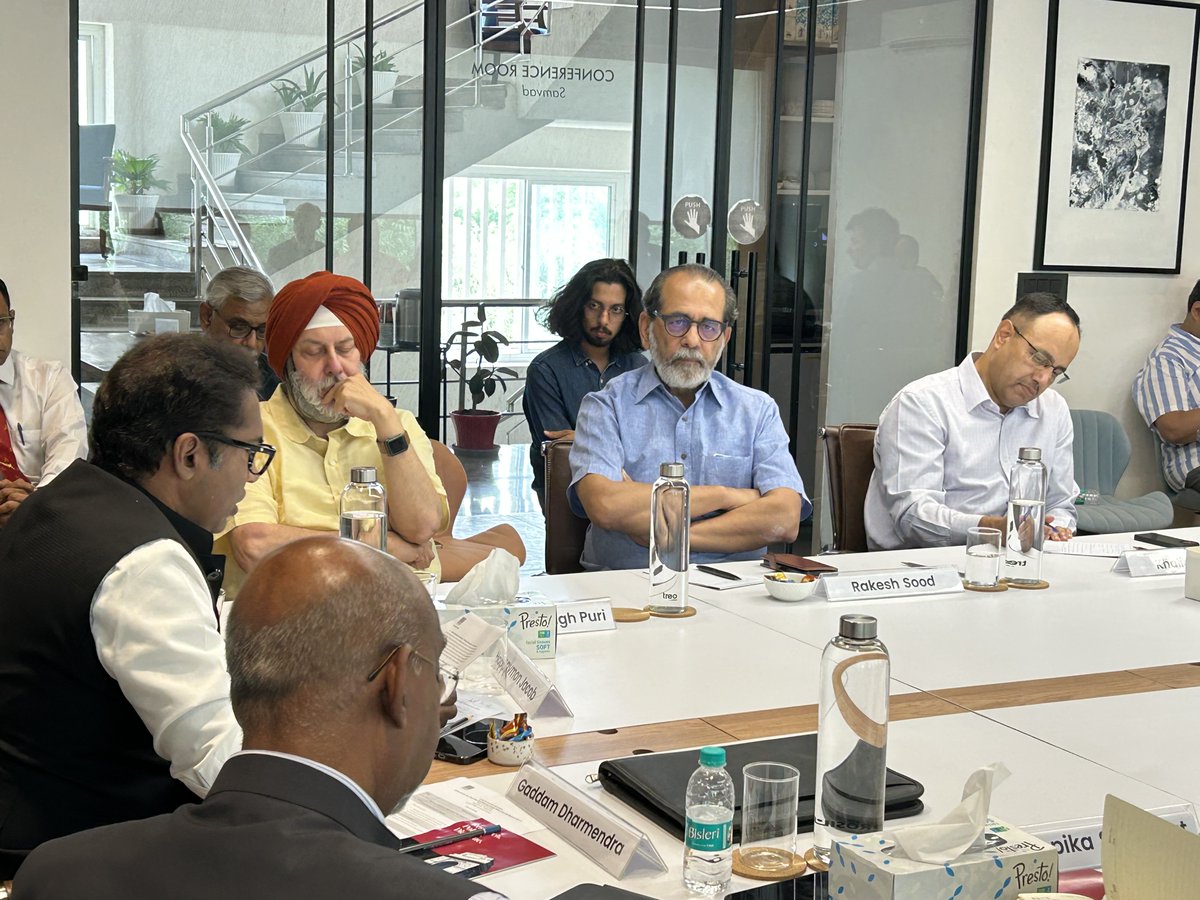
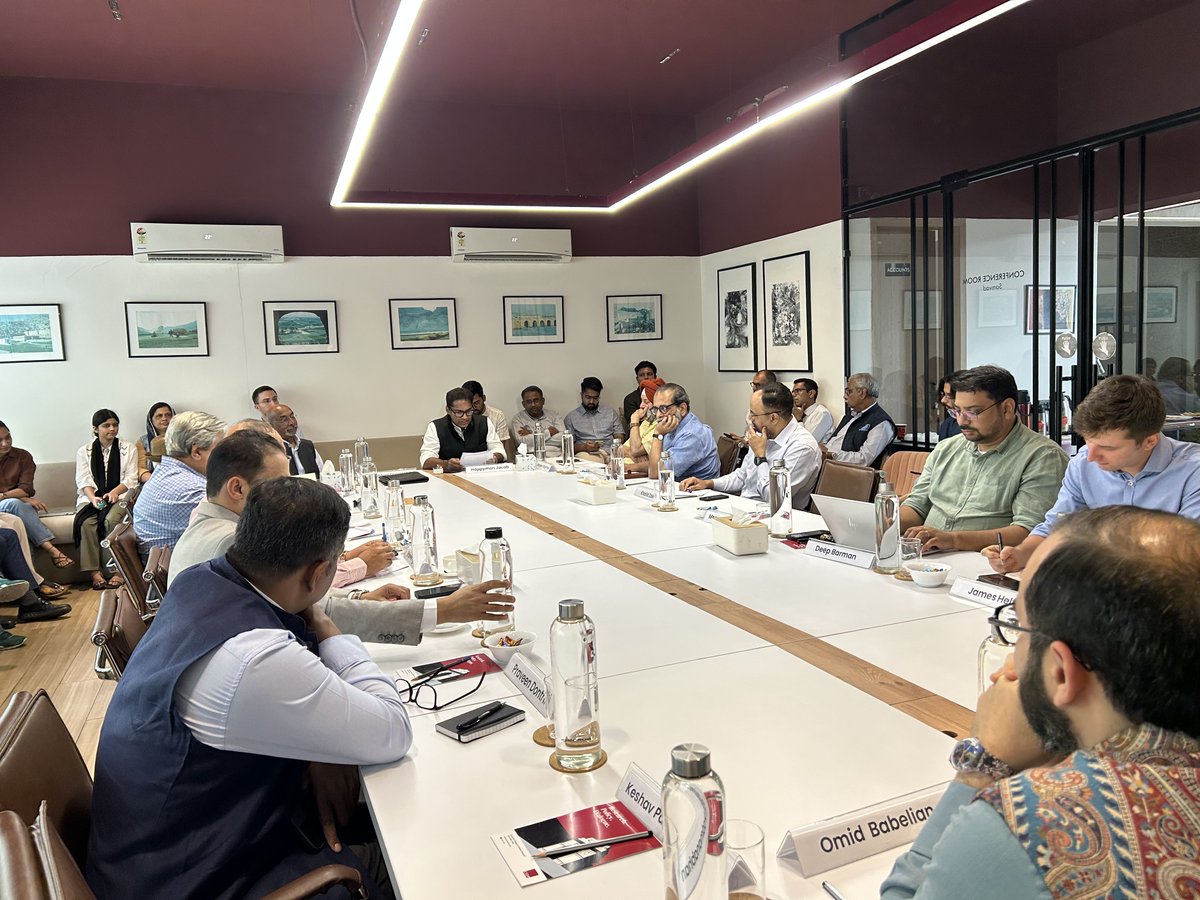
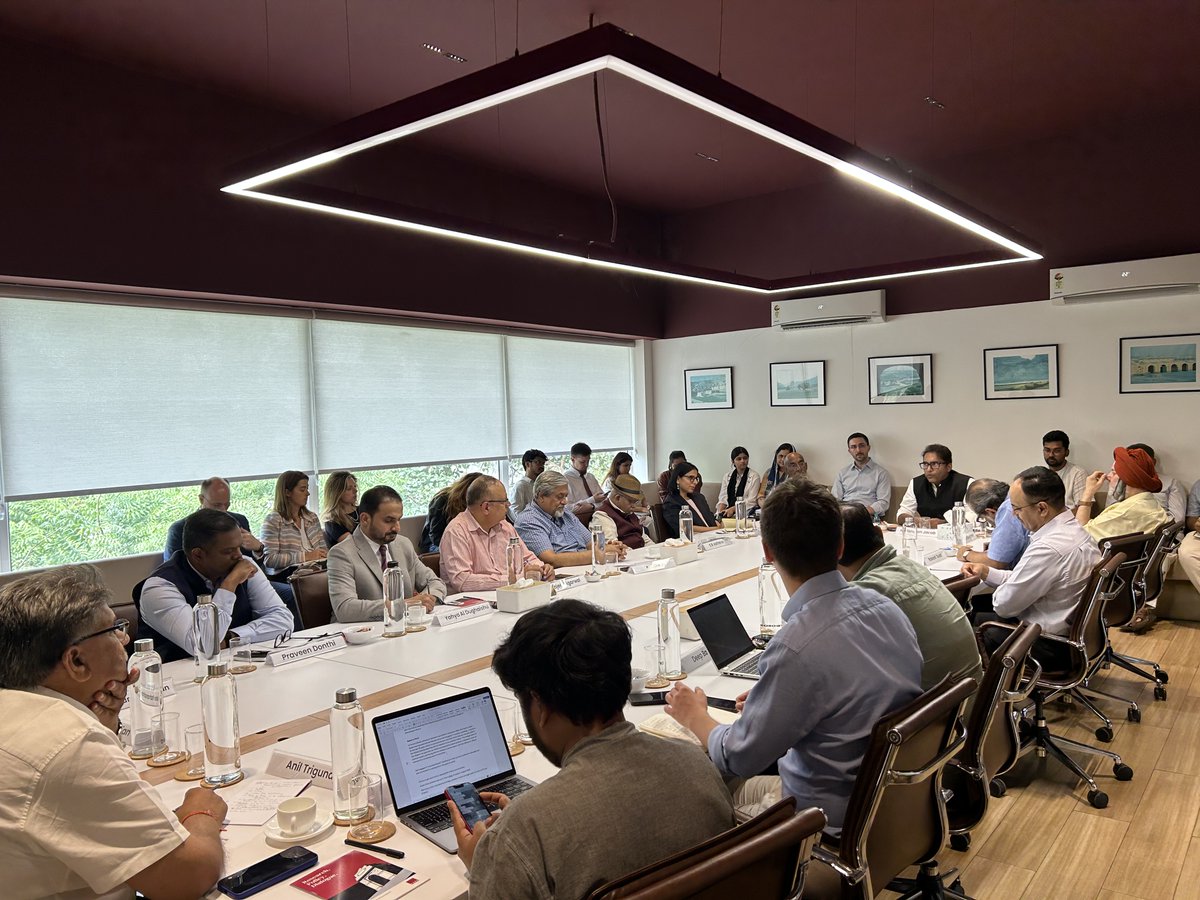
Fascinating discussion today at CSDR on “India and the New West Asia: Recalibrating Foreign Policy After the Wars of 2025-26.”
Experts @HappymonJacob, @dhamugaddam, @ambmanjeevpuri, and @saraswatisdeepi explored how recent conflicts in West Asia have reshaped regional dynamics and narrowed India’s strategic space.
@LtGenHooda @AmbTrigunayat @BashirAliAbbas @rakeshnms
10
14
2,296

Apr 26
Apart from slow-paced&lop-sided work on #BSRP, track doubling of YPR-CSDR&BYPL-HSRA is an insult to SNAILS
@KridePrm
@MBPatil
@chiefsecy_gok
@AshwiniVaishnaw
@RailMinIndia
@SWRRLY
High time u stop lowering yr own credibility&start showing final results in terms of commissionings
Apr 26

@rajdugar Rajkumar ji, forget the suburban railway: why is the track doubling between Baiyapanhalli-Hosur so much delayed. Between Bellandur and Baiyapanhalli, no track laying work is happening at all. The deadline was promised to be Dec 2025. I see no ground work at all.
3
10
568