
7 Oct 2025
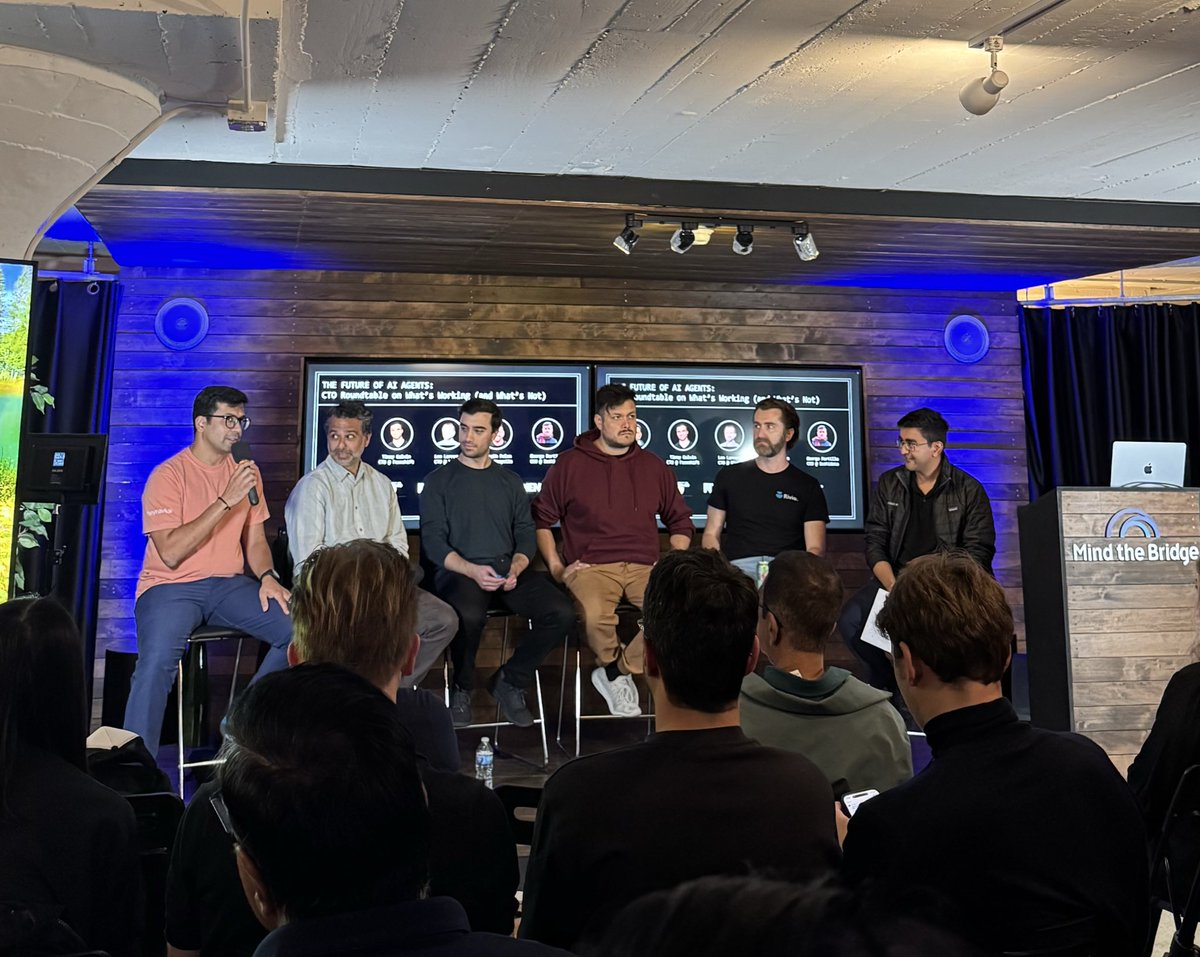
Learning the Future of AI Agents at the CTO Roundtable at @a16z @Techweek_ with:
• Jeson Patel (CTO @11x_official - 11x.ai)
• Saurabh Palan @iRoboticist (CTO @neopolis_ai - heynavii.ai)
• Timmy Galvin (CTO @FazeshiftHQ - fazeshift.com)
• Leo Larrere (CTO @ Rivio - rivio.ai)
• George Portillo (CEO @ Sushidata @ChainFuse - sushidata.com)
2
5
775

The Agent Era is here.
We’re hosting a roundtable on the Future of AI Agents with CTO's building this next frontier. Join our CTO @iRoboticist along with CTO's from @11x_official @FazeshiftHQ @ChainFuse and Rivio
If you’re curious about where AI is headed — and how agents are changing the way we work, connect, and build — join us in San Francisco.
@TECHWEEK by @a16z for #SFTechWeek
partiful.com/e/rTNzy2XEELanO…
1
2
75

NEAR has just introduced Rath Finance into its ecosystem.
A next-gen yield protocol designed to make passive income more accessible , powered by smart vault strategies.
Think about this:
What if any app could embed DeFi yield directly without writing a single smart contract?
That’s exactly what @rathfinance is building.
Developed by ChainFuse and deployed on @NEARProtocol , Rath is here to make DeFi simpler, automated, and more rewarding.
It’s a plug-and-play DeFi infrastructure that enables:
• Yield vaults and structured products
• Live liquidity auctions
• Direct integration into any wallet, app, or aggregator
• Zero need to touch Solidity
So how does it work?
• Through Vaults - you deposit once, and automated backend strategies handle the rest.
• Through Yield automation - no micromanaging, the system hunts for best returns.
• Through Low gas & fast execution - because everything runs on NEAR, fees stay low and UX remains smooth.
But here’s the real kicker:
Rath isn’t just another yield protocol , it’s natively chain-abstracted, built for the next era of composable finance.
That’s why NEAR Protocol is the perfect home for it.
How NEAR powers Rath:
-> Intent-based flows - no manual transactions, just state your intent
-> FastAuth - onboarding with zero friction
-> Chain Signatures - native multichain access, no bridges or wrapped assets
-> Gasless UX - Web2-like simplicity with Web3 power under the hood
NEAR’s infrastructure allows Rath to embed yield generation directly inside wallets and apps with zero complexity.
So whether you’re building a wallet, an aggregator tool, or a DeFi app:
Rath NEAR :
Real Yield
Real Users
Real Web3 Experience
This is what the next wave of DeFi looks like , and it’s already live.
#NEAR

ALT @XRJ37
3
61

11 Jun 2025
AI MODELS FOR COMMUNITY MANAGERS / MODERATIRS: BOTH WEB 2/3 MANAGERS (Links included):
➢ Mava App: mava.app
➢ SupportGPT (@Support_GPT):
➢ Supermoon: getsupermoon.com
➢ Serwell: serwell.com
➢ Hiver (@hiverhq ): hiverhq.com
➢ SamurAI (@samuraipreneur): thesamur.ai
➢ HouseParty: housepartyapp.com
➢ Klyr AI (@Klyr__AI): klyr.xyz
➢ Curipod (@curipodofficial): curipod.com
➢ ChainFuse: chainfuse.com
➢ BrainFish (@BrainfishAI): brainfi.sh
➢ Chat GPT (@ChatGPTapp): chatgpt.com
➢ Claude (@AnthropicAI): claude.ai/new
➢ Chain GPT (@Chain_GPT): app.chaingpt.org/
➢ Deep Seek (@deepseek_ai): chat.deepseek.com
1
1
35
484

2 May 2025
16
160

16 Sep 2024
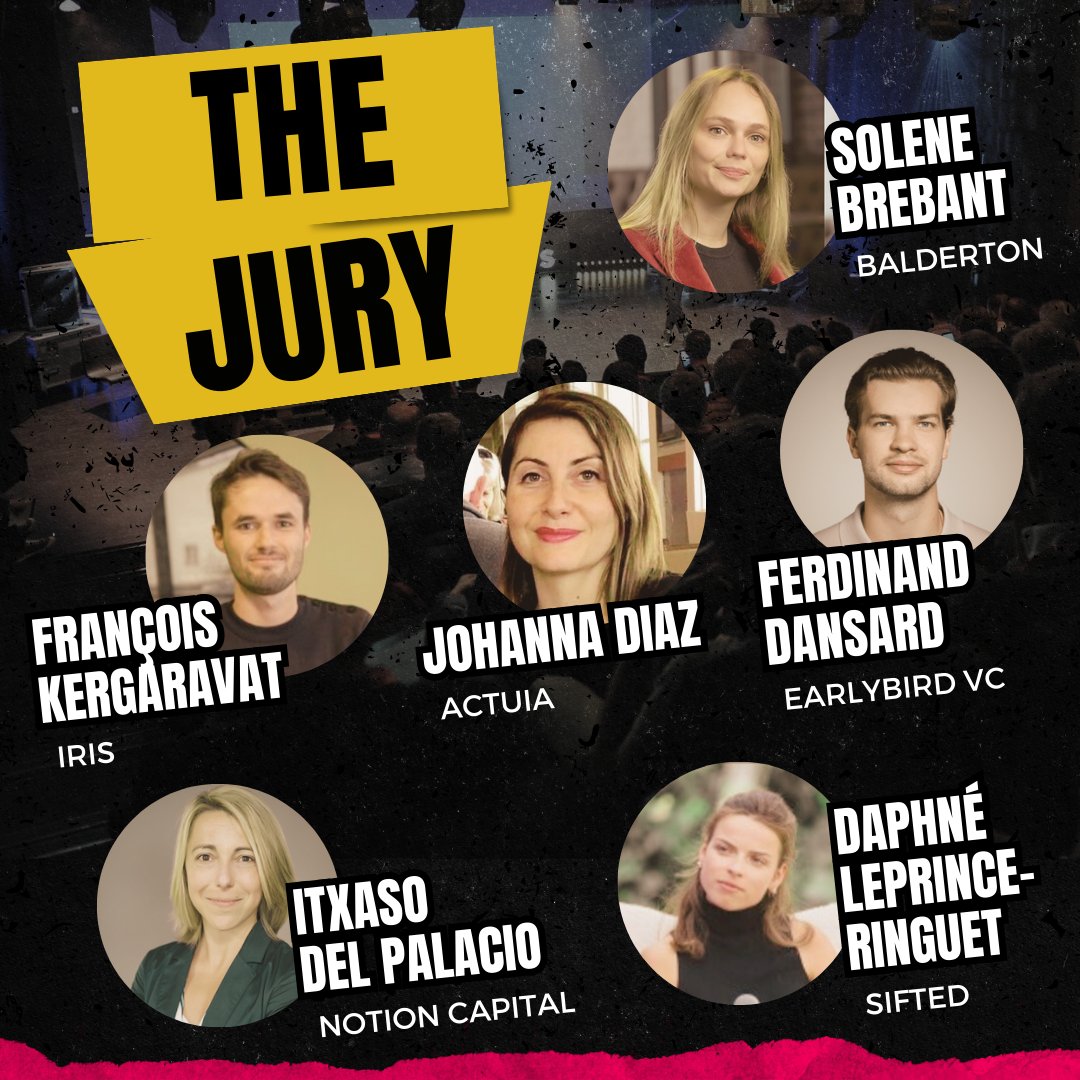
Here are the 10 finalists of the #WPC2024! 🔥 👊
Beink Dream
ChainFuse
Crono
Metagora.tech
OUTFINDO
PinMy
Pitch Avatar
QuickLegal
Salesforge
Sensia.ai
They'll pitch their vision at the Finals, live, on 09/25 at B2B Rocks. 💥

1
1
3
190

11 Sep 2024
AppLayer Explained: Modular EVM Layer for Cross-chain Applications
@AppLayerLabs is a modular EVM layer offering scalable, seamless cross-chain application development, empowering GameFi and DeFi with enhanced efficiency and user engagement. Let's dive into it 👇🧵
🔵 Introduction 🔵
The AppLayer actually has a rather long development history focused on scaling solutions. Initially, the team worked on Æverest , which emerged during a hackathon at the Avalanche Summit 2022. The project had a simple goal — to build a deterministic subnet that met two key requirements: support high throughput and be built using C . This development later evolved into SparqNet — a protocol with tools for creating subnets and decentralized applications with record-breaking transaction speeds, enabling what was once thought impossible.
SparqNet offered great value in a range of protocol-level services, starting with a bridge that processes transactions from any EVM chain within the SparqNet network and beyond. Additionally, SparqNet is not language-dependent, and its bridge is compatible with any chain, ensuring seamless transfer of smart contracts and assets. Even back in 2022, the team leaned towards GameFi and DeFi, and they continue along this trajectory.
Currently, we see this project as the AppLayer — a modular EVM layer for cross-chain applications. How does it work, and how is it different from other solutions? Let's take a closer look.
🔵 AppLayer review 🔵
First, it's worth noting that while the AppLayer is EVM-specific, it has several unique features. In particular, the App Layer aims to solve inherent EVM issues. For example, in the case of the Ethereum Virtual Machine, you won't be able to perform any of the following actions:
🔹 Execute a function loop more than 50 times due to gas limit restrictions;
🔹 Have a stack size greater than 16 variables due to EVM limitations;
🔹 Parallelize the execution of multiple contracts (for instance, each time a new block contains multiple transactions interacting with different contracts, you need to load the contract, analyze it, and save the changes to the database for each contract in a specific order).
As quoted by @ItaCraft, the AppLayer’s developer and CTO: "The biggest problem is that everyone is sharing the same computer, and that computer is a Commodore 64."
Thus, @AppLayerLabs, being a modular blockchain with multiple layers, aims to address these limitations. It introduces a blockchain system that includes pre-compilation with state tracking, allowing third parties to deploy and initially maintain these contracts within a unified network that shares its state. This is all supported by EVM integration, pre-compilation with state preservation, and chain abstraction.
Moreover, one of the biggest challenges in blockchain development is handling block rollbacks. For instance, in the Bitcoin chain, if we assume there's a final block followed by another block, and a node receives a block that replaces the last one, the next block and all transactions within it are also replaced, leading to a rollback of the blockchain state by one block.
Bitcoin and other derivative blockchains follow the "longest chain rule." However, rollbacks expose problems in this rule. For example, when a developer creates dApps where they have to deal with such special conditions, it can require significant effort depending on the size and/or complexity of the application.
The solution to this problem is to completely avoid the rollback condition. This can be achieved by deterministically defining which network node can create a block, thus eliminating block race conditions and synchronizing everyone in the network with the same final block.
AppLayer implements this concept as random deterministic proof-of-stake (rdPoS), which combines a block overload system and a random number generator system, allowing only one validator to create a block at any given time, thereby avoiding rollbacks and achieving consensus in ultra-fast networks.
🔵 AppLayer Components and Network Participants 🔵
At a basic level, the AppLayer network consists of three parts:
🔹 A Blockchain Development Kit (hereinafter referred to as BDK) with extensive developer documentation, allowing them to easily create their own AppLayers with unprecedented freedom.
🔹 An EVM network built using the Blockchain Development Kit, which allows developers to deploy EVM smart contracts and scale them with C pre-compilation and state tracking.
🔹 A network that enables data and asset aggregation between these application chains and external chains, referred to as the Chain Abstraction Network (CAN).
Thus, blockchains created using the BDK can interact with each other through the AppLayer.
For this system to function, the AppLayer has several participants and auxiliary components:
🔷 Validator — a computer, usually hosted in a data center and often referred to as a server, whose sole purpose is to operate and secure the blockchain network. Validators are required to stake at least 200,000 $APPL tokens and are responsible for creating blocks, generating the "random" seed used to select the next block creator, and collecting and signing bridge and block data. According to the documentation, the team is exploring the possibility of implementing slashing mechanisms.
🔷 Sentinels are similar to Validators, except that they cannot create blocks or operate independently. Both randomly selected Validators and Sentinels must submit the same data to the requesting party; otherwise, they will be reported to the network as a malicious node. AppLayer Labs and its partners host them to ensure this doesn’t happen. Sentinels are open to being hosted by trusted third parties and are subject to a rigorous KYC process. Eventually, as the network and core technology evolve, Sentinels will be gradually phased out in favor of a fully permissionless system. Sentinels are also required to stake 200,000 $APPL.
🔷 Application Chain — the central part, also known as AppLayer™, consists of blockchains built using the AppLayer's Blockchain Development Kit (BDK) and deployed on the AppLayer's Chain Abstraction Layer. AppLayer's BDK currently supports C and Solidity for development, with plans to add other languages such as Rust, C#, Golang, and more. These application chains are compiled into binary files for efficient execution alongside Solidity bytecode.
🔷 Bridge — a component that allows AppLayer-supported blockchains to communicate natively with each other, using the Chain Abstraction Network (CAN) as an intermediary, where AppLayer serves as the bridge between two dApp chains trying to communicate. The bridge is also maintained by sets of Validators and Sentinels.
🔷 rdPoS (Random Deterministic Proof of Stake) — allows Validators and Sentinels to handle block overloads and random number generation. The core of rdPoS is RandomGen, a deterministic uint256_t generator, used for almost everything related to consensus. This deterministic randomness ensures that each node has a chance to respond to a given request (block, randomness, bridge, etc.), while also ensuring that the selected nodes are truly random and not compromised by malicious actors.
🔵 Transaction lifecycle in AppLayer 🔵
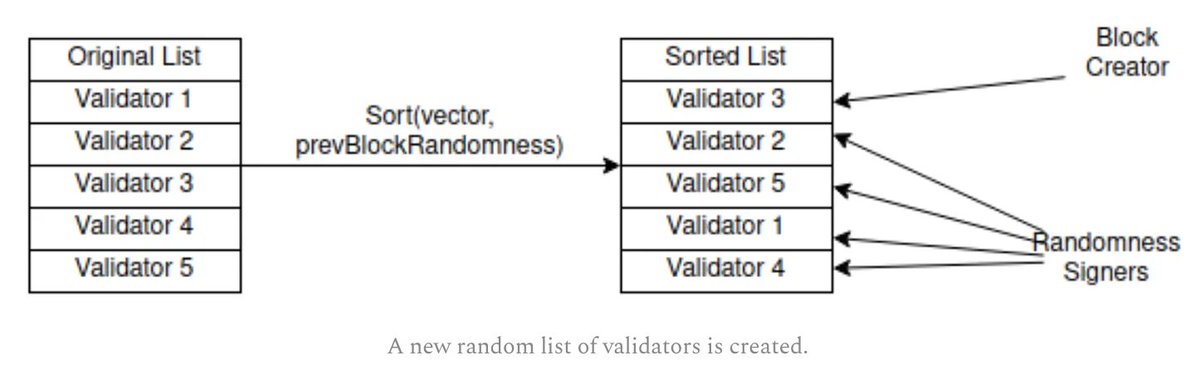
1⃣ The list of network validators is generated randomly and sorted using the "randomness" seed from the previous block.
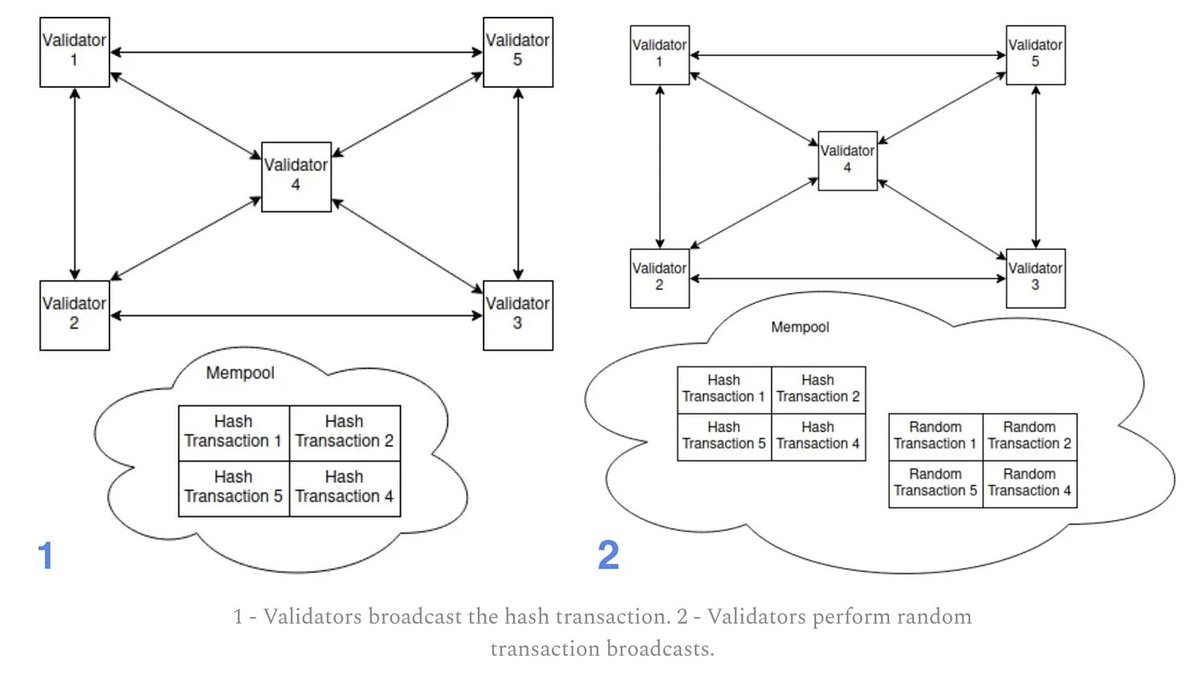
2⃣ The first validator from the list becomes the block creator, while at least four others generate a random 32-byte string and perform two transactions with it: one containing the hash of the specified string and the other containing the string itself, both signed.
3⃣ The hashes are verified to ensure they match their corresponding random strings.
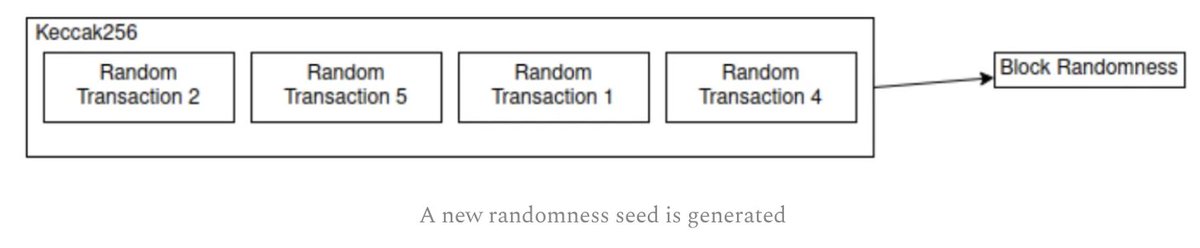
4⃣ The first validator creates a new block by combining and hashing the random strings of the other validators to generate a new "randomness" seed, which will be used in the next block.
5⃣ The block is signed and published to the network by the first validator, while the other validators verify that all transaction signatures (both random and hashed) match the list generated at the beginning.
6⃣ The genesis block (the very first block in the chain) provides a valid fixed randomness since there is no previous block before the genesis from which randomness could be derived. Additionally, at least five hard-coded validators are required to bootstrap the network, as each block requires at least four validators to confirm the string and hash transaction signatures and one to sign the block itself.
🔵 Partnerships and integrations 🔵
AppLayer has a wide variety of partnerships in different areas, including those inherited from SparQnet before the rebranding: L2, DeFi, infrastructure solutions, AI and tools, but with a special focus on partnerships in Gaming.
In the L2 and Infrastructure track, AppLayer has partnerships and integrations with projects and products such as@iotex_io, @KCCOfficialTW, @avvydomains, @Covalent_HQ, @p2pcloud_io, @BioFiGlobal, @nuvosphere. These integrations are aimed at both increasing the performance of existing solutions and creating new products or add-ons through AppLayer technology. And they are also implemented to introduce additional functionality into AppLayer itself.
In the DeFi and NFTs track, AppLayer has partnerships and integrations with projects such as @oliswap, @EZswapProtocol, @streamnfthq. This track involves user experience improvements with mutual integrations.
In the AI and Tools track, AppLayer has ties with projects such as @openfabricai, @ChainFuse, @Sending_Network, @MisesID. Shared ambition fuels these partnerships, paving the way for seamless integration between decentralised finance and artificial intelligence.
The most extensive track that stems from the previous section is partnerships and intgerations towards Gaming, where AppLayer can fully deploy the essence of its product as Appchains, offering impressive speed, scalability and multilingual support. In particular, gaming projects are utilising AppLayer's OrbiterSDK to create complex smart contracts to take the gaming experience to the next level. These projects include @MetastrikeHQ, @cheers_land, @kingdom_karnage, @Meta2150s, @WavemStudios, @Yesports_gg, @ReadyPlayerDAO, @LULU_Markets, @BionicOwls, @ApesPlanetMeta, @BFGiostone, @NetworkJanus, @hypaverseLLC, @Play_Eternis, @official_MMaze, @stratagems_eth, @WeAreGGNation, @battledogsarena.
🔵 Backers 🔵
Due to its experience and extensive connections, AppLayer has Backers like @DewhalesCapital, @CogitentV, @BigBrainVC, @Magnus_fund, @BuilderVC, @CapitalZephyrus, @FrensSyndicate, @Connectico_CON, Brian Johnson from @_rcapital_ and others.
🔵 Conclusion 🔵
The AppLayer represents a significant advancement in blockchain technology, addressing long-standing limitations within the Ethereum Virtual Machine (EVM) ecosystem. By leveraging its modular architecture and advanced features, such as Random Deterministic Proof-of-Stake (rdPoS) and enhanced blockchain development tools, App Layer is poised to offer unparalleled scalability, efficiency, and flexibility for cross-chain applications.
For developers in the GameFi and DeFi sectors, @AppLayerLabs delivers substantial improvements. Its automation features, such as dynamic contract registration and enhanced P2P communication protocols, streamline development processes, reduce debugging complexity, and enhance application performance. These advancements promise to significantly boost user experience, making the platform highly attractive for new and existing projects alike.
The AppLayer’s strategic partnerships and integrations with key industry players across L2 solutions, DeFi, NFTs, and AI demonstrate its broad utility and collaborative approach. The focus on gaming, supported by a robust ecosystem of gaming projects, further emphasizes its potential to transform and elevate the gaming experience within the blockchain space.
📖 Read the full research with more details about team and an extended review of usecases at DeFi and GameFi: dewhales.substack.com/p/appl…
💡 For insightful updates & more, connect with us:
• Twitter: x.com/dewhalescapital
• DeBank: debank.com/official-account/…
2
2
8
1,684

2 Sep 2024
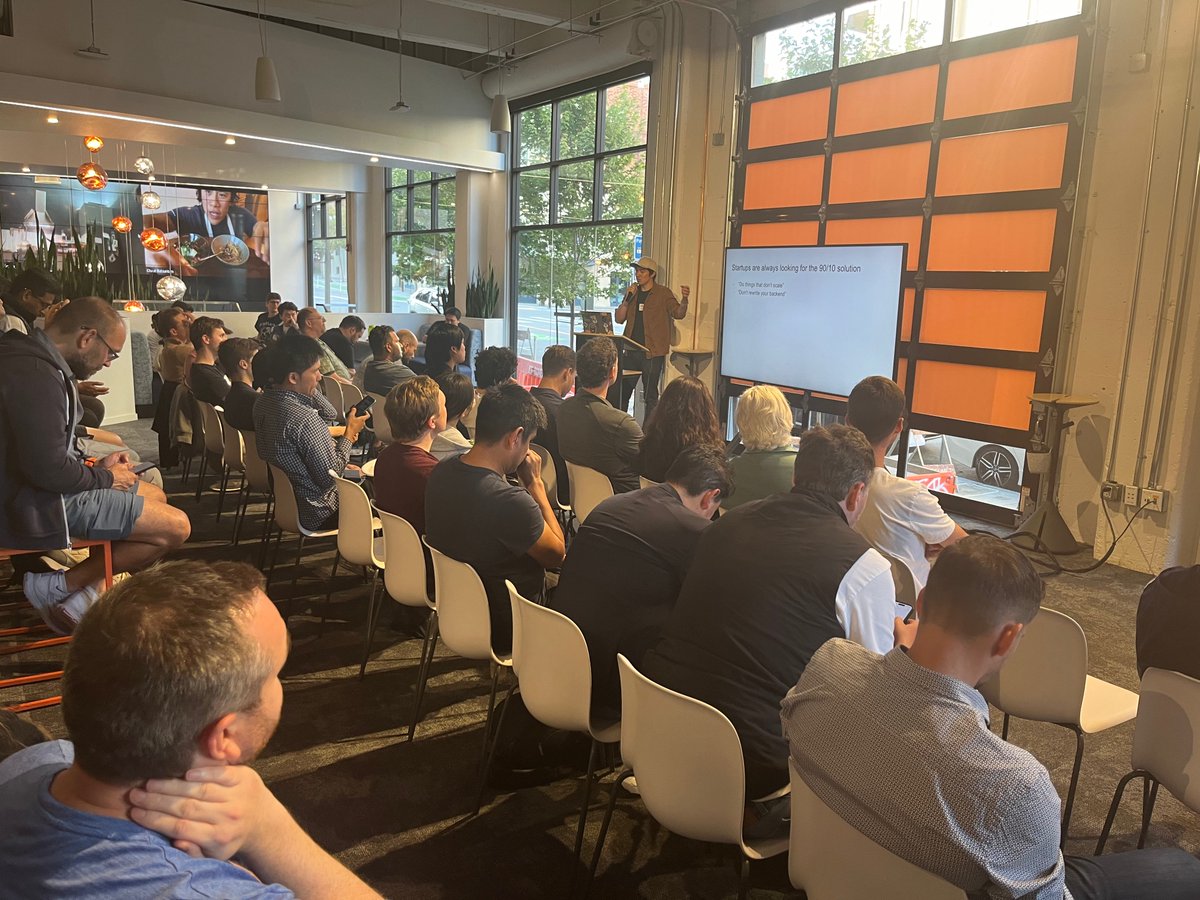
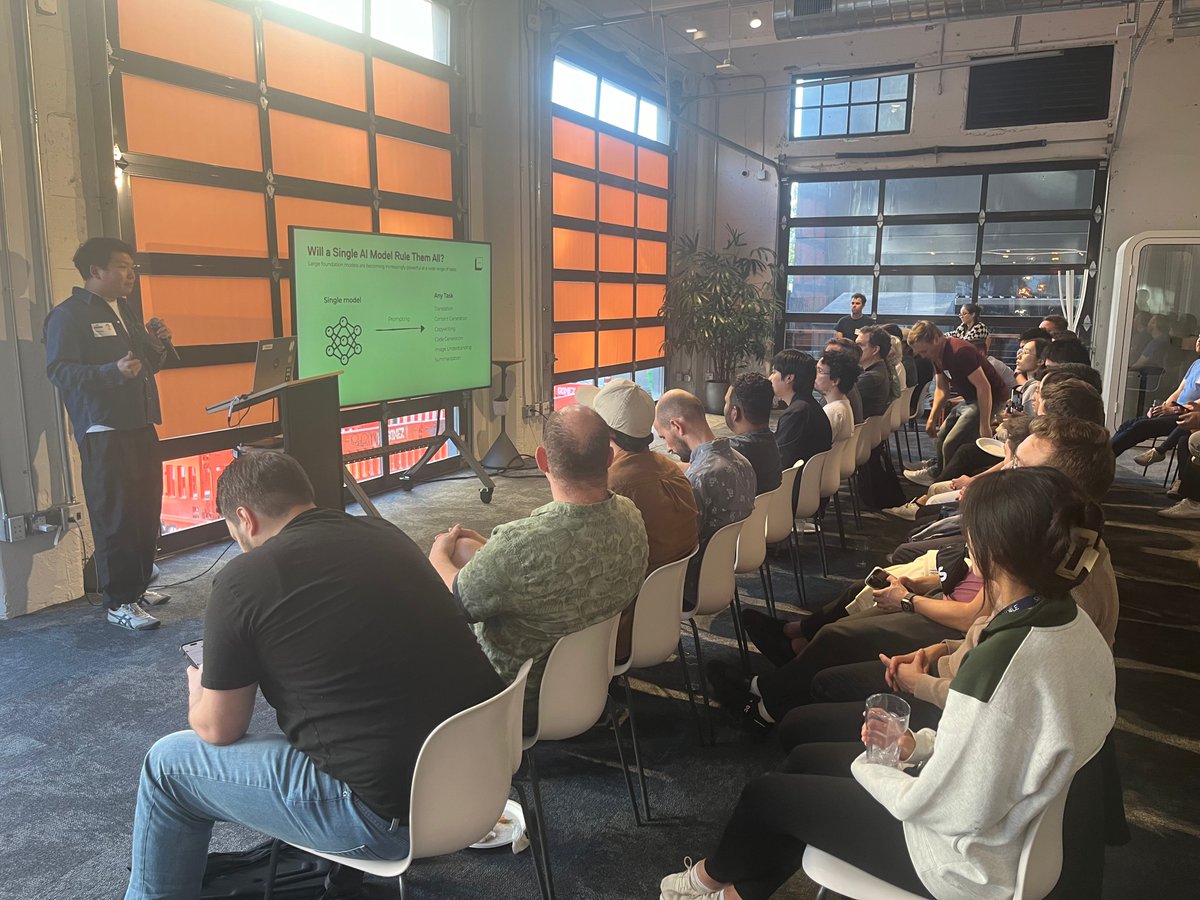
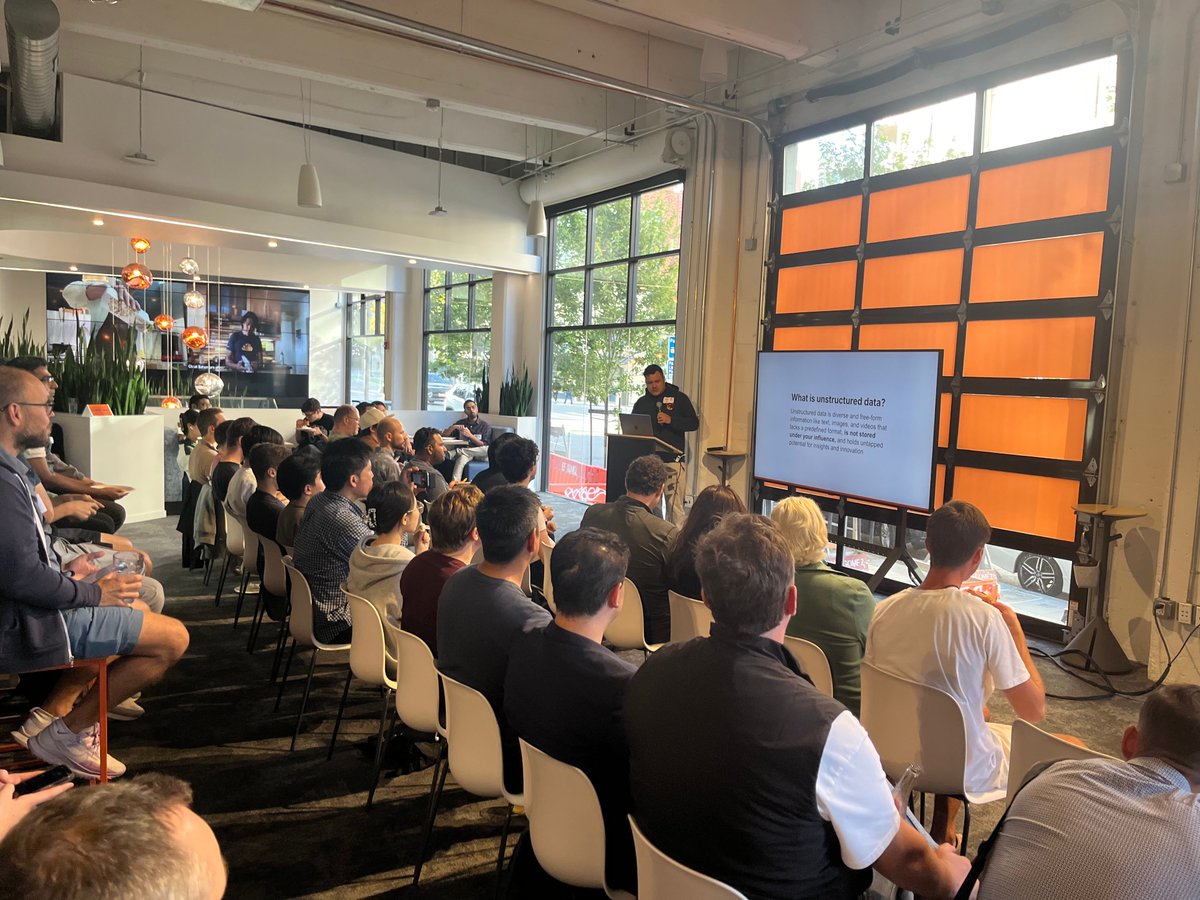
🌟 Thank everyone who joined us at the #AGIBuildersMeetup SF last Thursday! It was a wonderful evening filled with inspiring discussions, tech insights, and new connections! We look forward to seeing you all again in the next gathering! Stay tuned!
📸 Swipe to see highlights from the event! #ChainFuse #BentoML #Helicone
1
2
230

30 Aug 2024
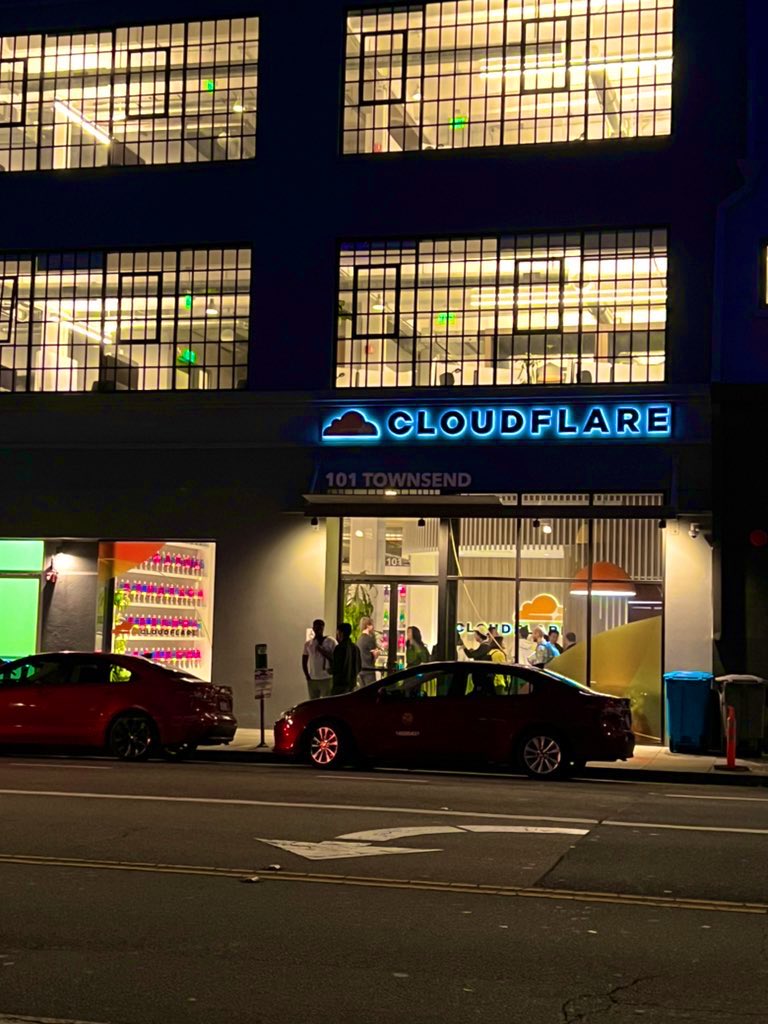
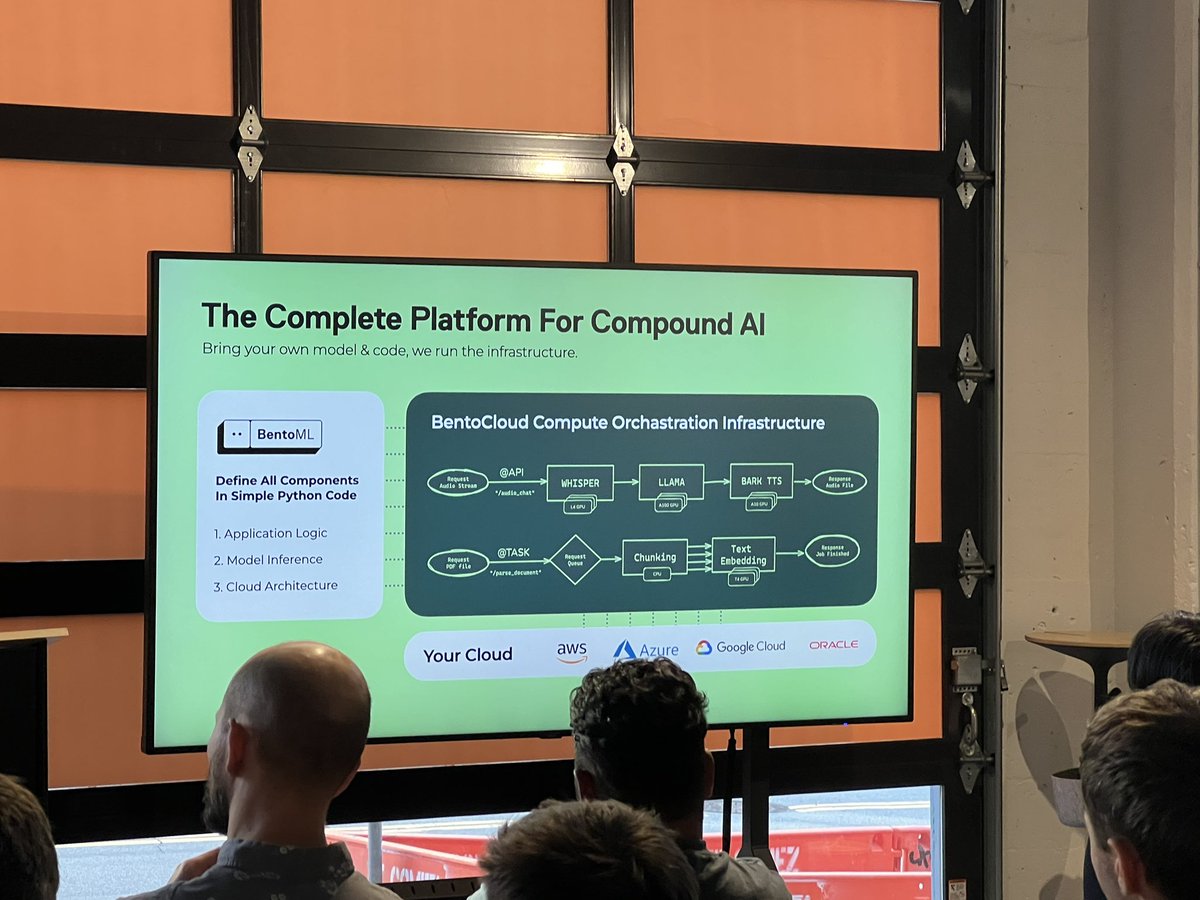
evening @Cloudflare with @bentomlai, @helicone_ai, and @ChainFuse
key takeaways-
> compound AI systems and agentic workflows are almost synonyms.
> AI is making customer service a profit center.
> keep it simple and “build things that scale just enough” - @justinstorre
1
3
195

30 Aug 2024
4
576
26 Aug 2024
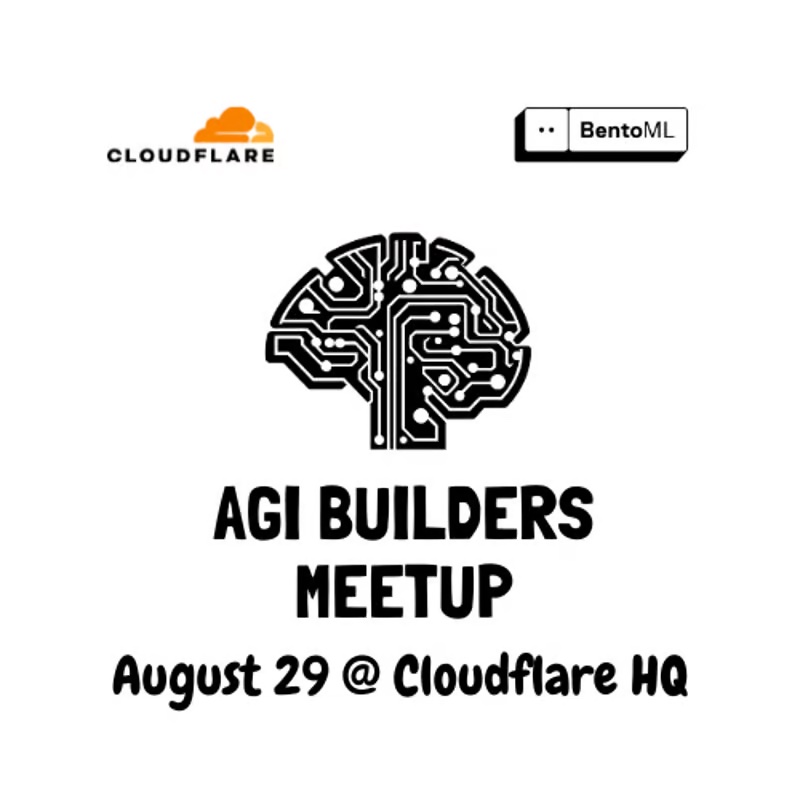
🚀 The next #AGIBuildersMeetup SF is coming!
🗓️ When: August 29 | 🕠 5:30 - 8:00 PM PDT
🏙️ Where: San Francisco
👀 Come meet fellow #AI builders, researchers, and enthusiasts! Expect an evening filled with enlightening tech talks and great networking opportunities!
🔍 Discovering Issues and Opportunities with LLMs by George Portillo, Founder & CEO, @ChainFuse
🍱 A Guide to Compound AI Systems by Chaoyu Yang, Founder & CEO, @bentomlai
📊 Do Things that Scale just Enough by Justin Torre, Founder & CEO, @helicone_ai
⚡️ Secure your spot now! See comments for the link to register ⬇️
2
3
504

26 Jul 2024
🚀 Thanks, George Portillo, for the amazing session on Unstructured Data Processing!
🌟Missed it? Watch here:youtube.com/watch?v=Ej84taB8…
Key points:
- LLMs in unstructured data
- CX team impact
- Advanced analytics
#UnstructuredData #DataAnalytics #LLMs #CX #ChainFuse

3
562
24 Jul 2024
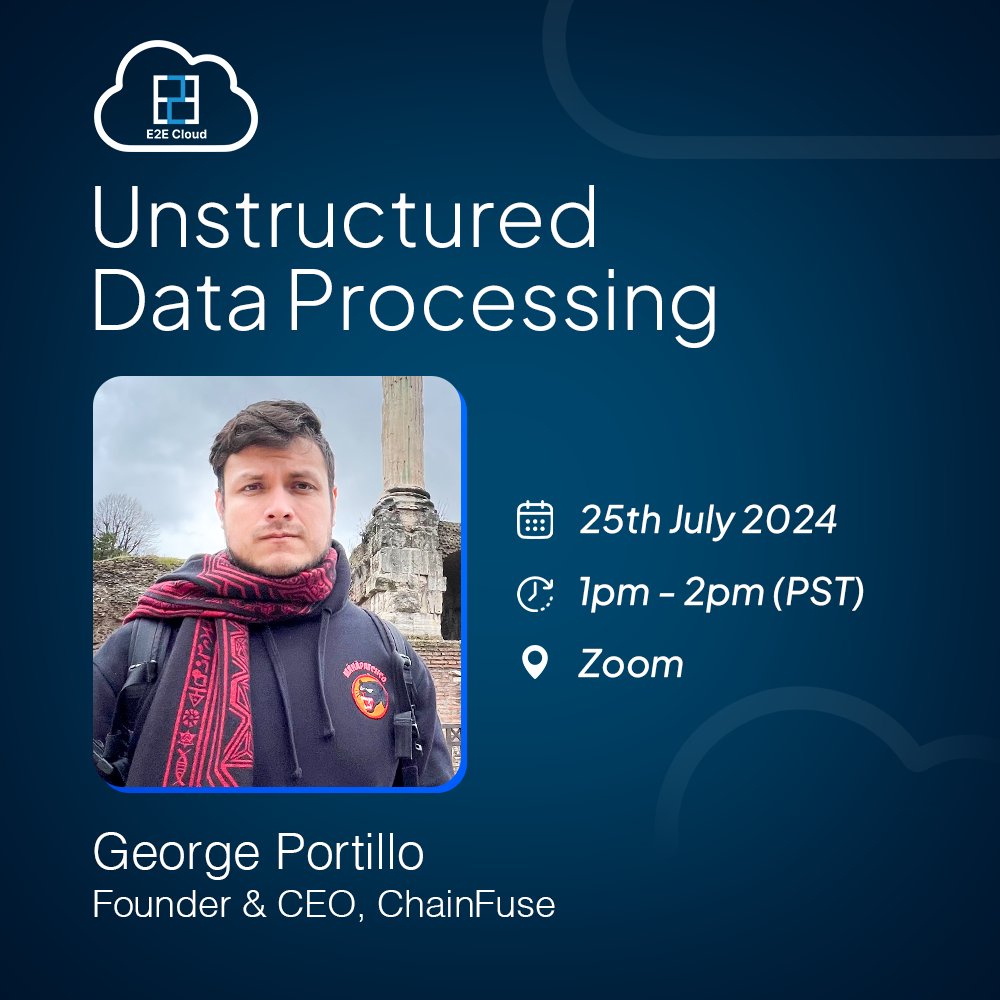
🚀 Don't miss our session on Unstructured Data Processing with George Portillo, Ex-Googler & CEO of @ChainFuse ! 🌟
📅 July 25th, 2024
🕒 1-2pm PST
🔗 Register: lu.ma/cn40azq8
Learn to harness LLMs for high-value insights and enhance your CX strategies! 🌐 #UnstructuredData #DataAnalytics #LLMs #CX #ChainFuse
2
368
17 Jul 2024
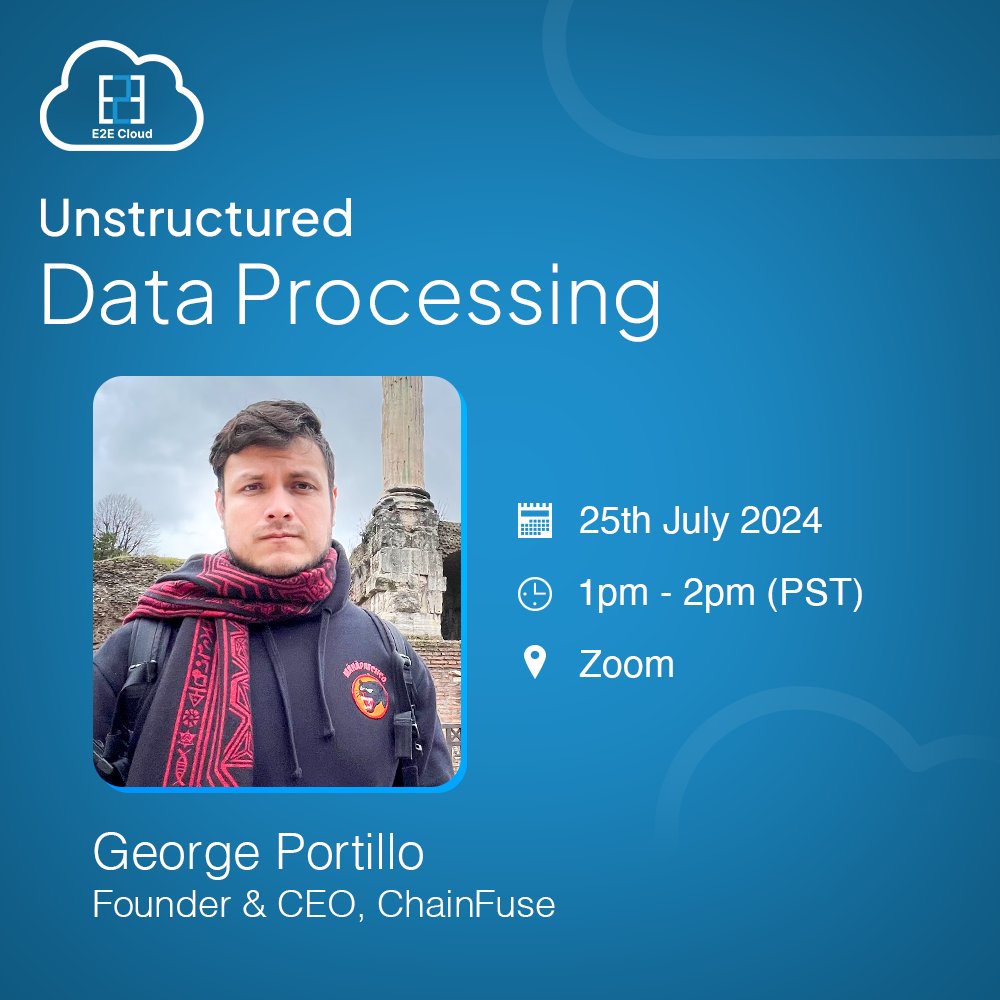
🚀 Join us for Unstructured Data Processing with George Portillo, Ex-Googler & CEO of @ChainFuse ! 🌟
Why Attend?
- Leverage LLMs to uncover key opportunities from unstructured data.
- Enhance your business success with advanced data analytics.
📅 July 25th, 2024
🕒 1-2pm PST
🔗 Register now: lu.ma/cn40azq8
#DataAnalytics #UnstructuredData #LLMs #CX #ChainFuse
4
573
17 Jul 2024
🚀 Unlock the potential of unstructured data with George Portillo, Founder & CEO of @ChainFuse . Learn how to leverage LLMs to drive customer satisfaction and uncover hidden opportunities.
📅 Date: July 25th, 2024
🕒 Time: 1-2pm PST
🔗 Register here: lu.ma/cn40azq8
💡 Don't miss this webinar for data enthusiasts and business leaders alike
#DataScience #AI #MachineLearning #BigData #BusinessIntelligence #CX #CustomerExperience #Webinar #DataDriven #Tech #Leadership
6
879

27 Jun 2024
1⃣ L1 and L2 🌉:
@iotex_io @KCCOfficialTW
2⃣ Infrastructure 🔧:
@avvydomains @Covalent_HQ @p2pcloud_io @BioFiGlobal @nuvosphere
3⃣ DeFi and NFTs 🖼️:
@oliswap @EZswapProtocol @streamnfthq @econhubs
4⃣ AI and Tools 👾:
@openfabricai @Sending_Network @ChainFuse @MisesID
5⃣ Gaming 🎮:
@MetastrikeHQ @cheers_land @kingdom_karnage @CatacombCrawler @Meta2150s @WavemStudios @Yesports_gg @ReadyPlayerDAO @LULU_Markets @BionicOwls @ApesPlanetMeta @BFGiostone @NetworkJanus @hypaverseLLC @Play_Eternis @official_MMaze @stratagems_eth @WeAreGGNation
1
4
562

10 Jun 2024
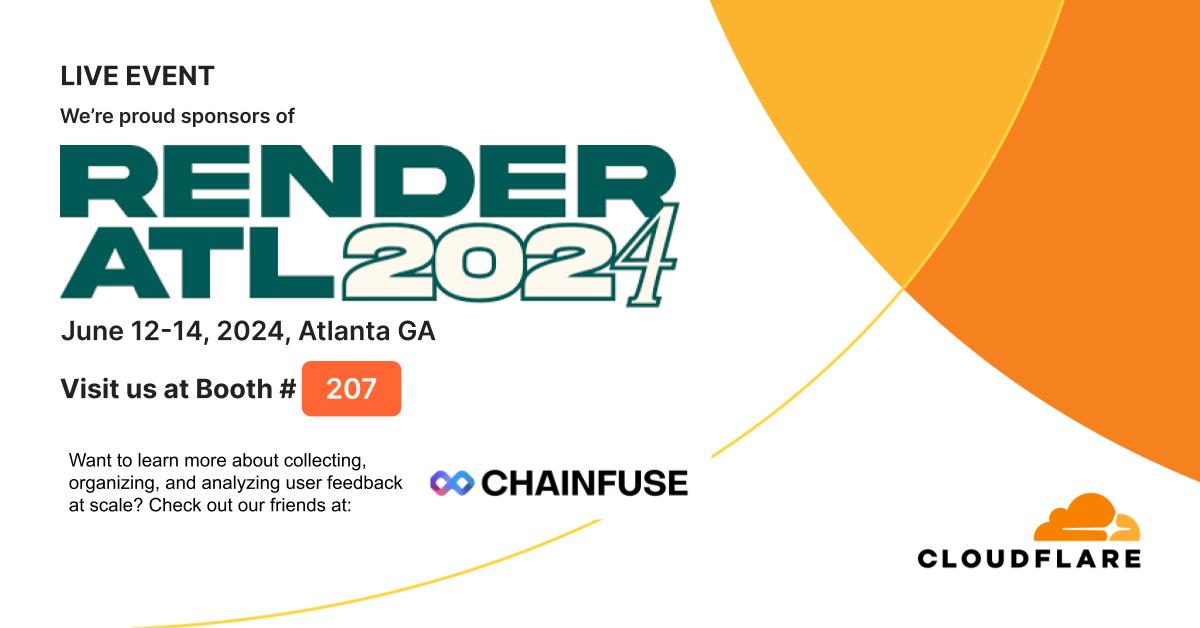
Ready for @RenderATL24? Stop by booth #207 to say hello to the
@Cloudflare team to learn more about our developer platform!
And with all the buzz around @RenderATL, be sure to check out our friends @ChainFuse to learn how you can collect and analyze user feedback at scale!
1
4
8
2,434

29 Feb 2024
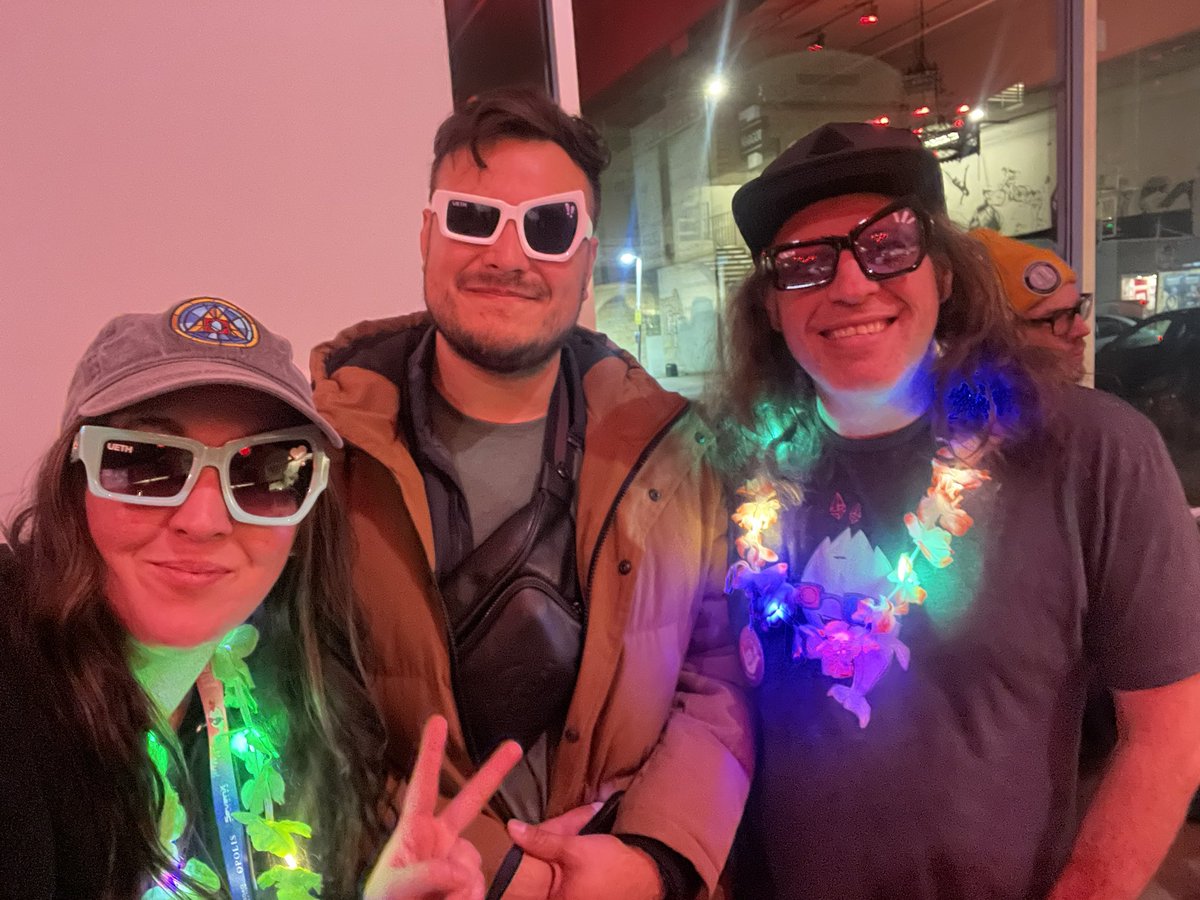
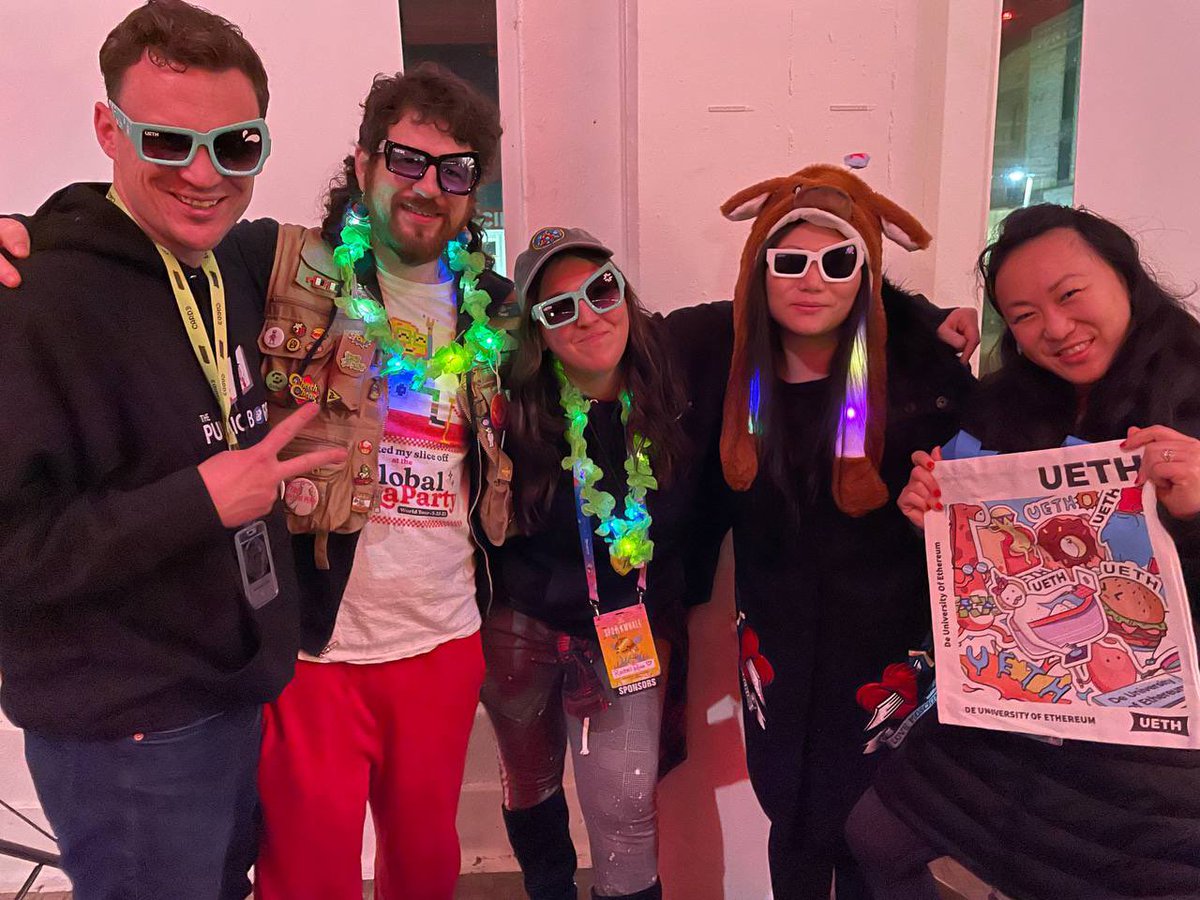
What started as a convo between @snack_man & I last year ended up becoming the epic @Pizza_DAO Pizza Castle! 🍕🏰
Super grateful that @deUETH was able to participate 💗
@EthereumDenver @JacobLill @memebrains @carrotcakesol @howdai27 @mmjustin @wizardofhex @ChainFuse @DougHype
3
3
22
917

23 Oct 2023
Whoa thats even above the scale of 1-10
must be high then…
haha what is the hardest part of your life to “not procrastinate” in chainfuse
lets identify it and make it a bit easier to work with
2
75