
5 Aug 2025
🔥 Wildfire smoke now blankets 10 U.S. states.
🌫️ 81 million Americans living under hazardous air quality alerts.
🚨 This isn’t weather—it’s climate in action.
#SmokeCrisis #ClimateFail #AirQuality #Accountability

1
4
4
145

31 Jul 2025
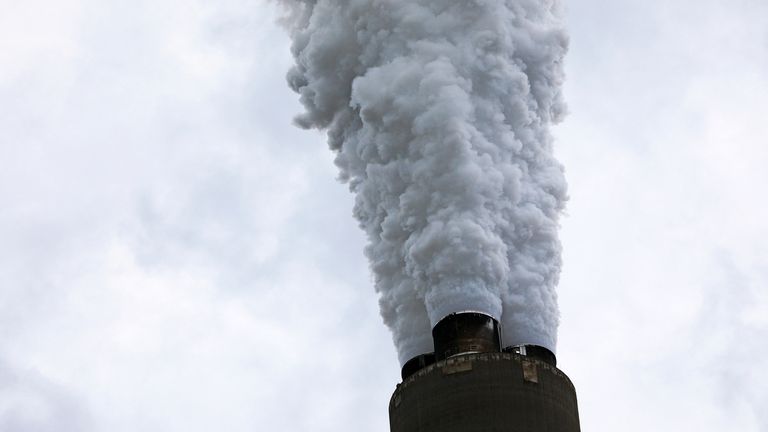
Trump admin killed EPA climate rules to 'save costs'—but legal chaos awaits. Automakers, utilities now face regulatory whiplash lawsuits. So much for 'certainty'. Meanwhile, China just launched its 5th carbon market. Who's really leading on clean energy now? #ClimateFail
32
26
27
12,933

22 Mar 2025
The purpose of the recently proposed Gene Technology Bill is to "enable the safe use of gene technology and regulated organisms in New Zealand".
But now, a few Māori activists are demanding special treatment under the guise of “honoring Te Tiriti”—even when it makes zero sense in a scientific or regulatory context.
The fact that they are trying to force "tikanga-based genetic frameworks" into gene editing and biotechnology is not only absurd, but dangerous.
1. They Want a Co-Governance Model for Genetic Research Decisions
🔴 Right now, genetic technology is regulated like any other science—by evidence-based safety assessments, technical advisory panels, and environmental protections.
🔴 Māori activists don’t want to just be consulted—they want a permanent seat at the decision-making table and the ability to veto or control genetic research.
🔴 This means:
✅ A dedicated Māori regulatory panel embedded into the system
✅ All genetic research proposals would have to go through a tikanga (customary law) assessment
✅ Scientists would have to get “Māori approval” before certain research is allowed
👉 In practice, this means Māori groups could block or delay genetic research—even if it’s scientifically safe—if they think it violates their cultural beliefs.
2. They Want "Tikanga-Based Frameworks" to Be Mandatory for Research Approvals
🔴 Tikanga Māori (customary law) is based on spiritual beliefs, ancestral stories, and traditional practices—not science.
🔴 Māori activists want scientists to be forced to use tikanga Māori when conducting genetic research.
🔴 In practice, this would mean:
✅ Scientists must justify their research in a way that aligns with Māori spirituality.
✅ Research proposals would have to explain how they respect Māori traditions, even if those traditions have nothing to do with genetics.
✅ Certain genetic modifications might be banned outright because they "violate whakapapa" (ancestry).
👉 This would force scientists to follow mystical, non-scientific rules when conducting genetic research.
3. They Want All Genetic Material to Be Treated as "Māori Whakapapa"
🔴 Philip Wilcox and other Māori activists claim that genes are "whakapapa" (ancestral lineage).
🔴 This means they view genetic research as a cultural and spiritual issue, not just a scientific one.
🔴 In practice, this could lead to:
✅ Restrictions on modifying the DNA of indigenous plants and animals.
✅ Limitations on genetic pest control programs (e.g., modifying rats or possums for conservation).
✅ Māori groups claiming special rights over genetic research involving native species.
👉 They are essentially claiming “ancestral ownership” over DNA itself.
4. They Want Funding for Māori-Led Genetic Research
🔴 Māori activists often demand money to fund "indigenous-led" research, even when the science has nothing to do with Māori culture.
🔴 This means:
✅ More research grants set aside specifically for Māori researchers, even if their proposals are weaker than non-Māori scientists'.
✅ Millions of taxpayer dollars funneled into “Māori genomic studies” with no accountability.
✅ Race-based hiring for government advisory roles on genetic research.
👉 This turns the genetic research sector into another race-based funding sinkhole.
5. They Want Genetic Research to Be Slowed Down Until Māori Approval Systems Are in Place
🔴 They know they can’t stop genetic technology outright, so instead, they push for endless consultation, delays, and bureaucratic barriers.
🔴 In practice, this means:
✅ Every genetic research project has to go through a Māori review process, adding months or years of delays.
✅ Activists get to influence laws and policies to ensure Māori control over decision-making.
✅ Scientific progress is stalled because Māori groups want to “assess” every project for tikanga compliance.
👉 This is about power—not ethics.
So What Does This Actually Look Like in Real Life?
Imagine you’re a genetic scientist in New Zealand under the system Māori activists want. Here’s what you’d have to go through:
Example 1: Developing a GMO Crop for Climate Resilience
✅ You develop a new gene-edited wheat strain that resists drought.
🚨 Before you can get approval, you must:
Submit an application to a Māori advisory panel.
Explain how your genetic modifications respect tikanga Māori.
Prove that the modified wheat does not violate Māori spiritual beliefs.
Wait months for iwi consultations and wānanga (meetings) before getting approval.
👉 Outcome: Research is delayed or blocked, even though the modification is completely safe.
Example 2: Using Gene Editing to Control Possums
✅ You develop a gene-editing method to reduce possum fertility and protect native bird populations.
🚨 Before approval, you must:
Get sign-off from Māori regulators who see possums as part of the natural whakapapa.
Prove that gene editing aligns with Māori beliefs about the environment.
Fund a separate “Māori-led study” to ensure cultural considerations are met.
Modify your research to comply with tikanga-based restrictions, even if they have no scientific basis.
👉 Outcome: Pest control research is delayed or scrapped entirely due to cultural objections.
Example 3: Developing a Gene Therapy for a Rare Genetic Disorder
✅ You create a gene-editing therapy to fix a mutation that causes blindness.
🚨 Before proceeding, you must:
Get permission from a Māori advisory board.
Justify the genetic change in a way that aligns with tikanga Māori.
Fund a separate Māori-led ethics review.
Wait for cultural consultations that have no basis in medical science.
👉 Outcome: Life-saving treatments are delayed because activists demand cultural oversight.
Final Verdict: Māori Activists Want Total Power Over Genetic Science
🔴 They don’t want to be "consulted"—they want full control over approvals and regulations.
🔴 They want tikanga Māori (a spiritual and cultural system) to be treated as a legitimate regulatory framework in science.
🔴 They want all genetic material treated as “whakapapa,” giving Māori groups special oversight powers.
🔴 They want race-based funding and hiring policies in genetic research.
🔴 They want research delayed until they can dictate the terms of progress.
👉 This isn’t about ethics, safety, or science—it’s about securing permanent race-based control over genetic technology.
🔴 If these demands are accepted, New Zealand’s ability to innovate in genetic research will be crippled by race-based bureaucracy and spiritual interference.
🔴 Scientists will be forced to justify their work using cultural beliefs instead of evidence.
🔴 We will become the only country in the world where gene technology is controlled by race-based spiritual advisors instead of scientific experts.
👉 This is a dangerous, regressive move that threatens scientific progress. It must be rejected outright.
#GeneTechNZ #TeTiritiRort #NZScience #ClimateFail #WokeWaste @nzherald
@NZStuff
@theplatform_nz
@rnz_news
@radionz
@dbseymour
@JudithCollinsMP
@NZGreens
@otago
rnz.co.nz/news/political/544…

13
6
37
30,680

30 Oct 2024
So there will be a major increase in public transport bus fares and a major increase in train tickets and railcards. But fuel duty is frozen.
Those of us with cars are winning.
#UKBudget #ClimateFail
1
5
199

29 Oct 2024
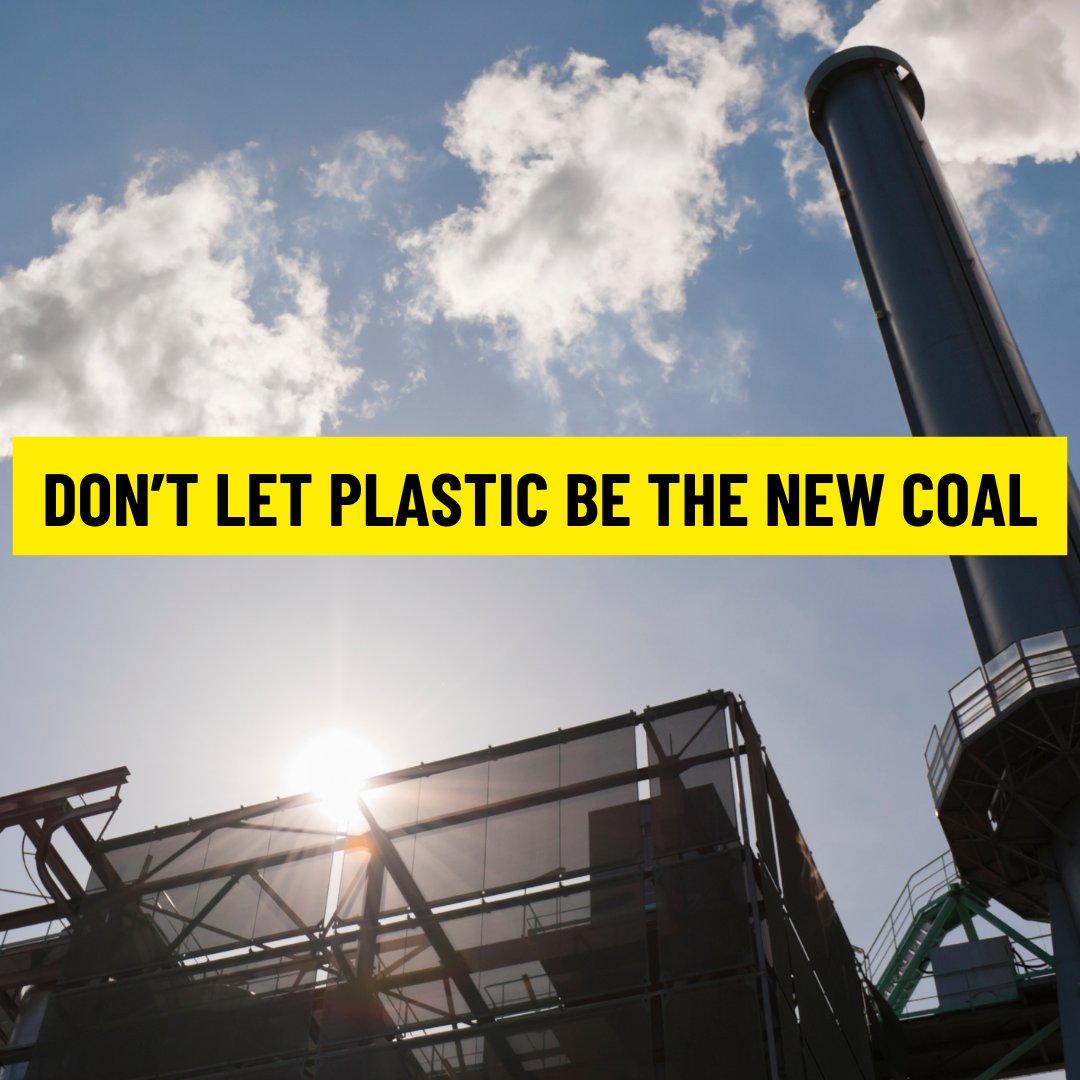
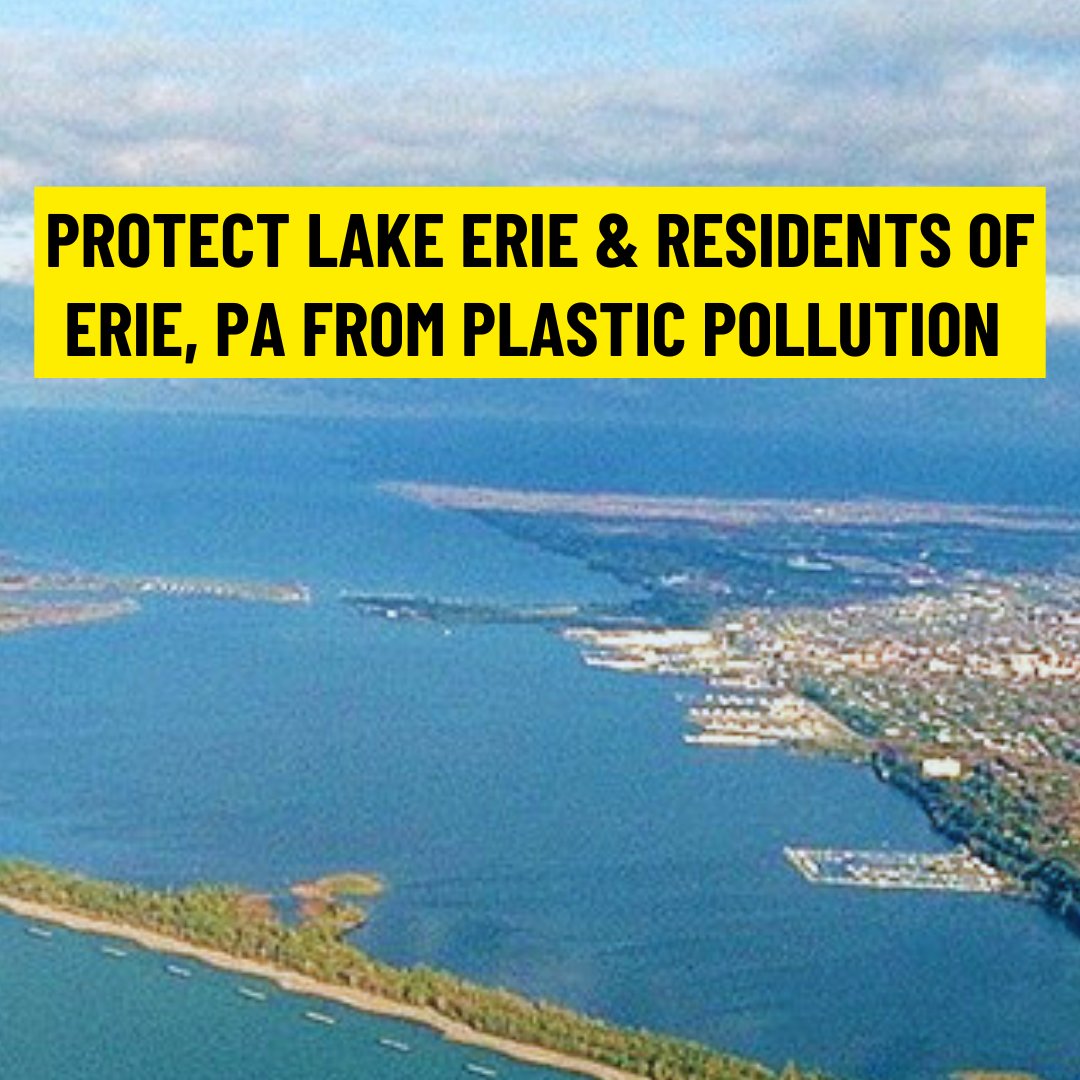
😡IRA climate change mitigation funds should NOT be used to fund projects that send plastics to be burned at steel plants, creating GHGs, air pollution, microplastic pollution & fire risks. 📢Urge @ENERGY Sec. Granholm to reject this mistake: bit.ly/doe-burning #toxicplastic #climatefail
7
13
717

24 Aug 2024
Safeguard Mechanism @Bowenchris is a case in point. Where is the ‘just pass it’ brigade now? Will anyone #auspol pursue accountability for the pile on that shepherded its passage through Parlt? Massive #ClimateFail after Climate election. It will deliver decade of inaction.
24 Aug 2024

BREAKING: study reveals 95% of climate policies worldwide aren't significantly reducing emissions sustainableviews.com/climate…
2
16
35
4,653

5 Jun 2024
Come on @GovKathyHochul, we have so much work to do to meet our climate goals - don't kick off what will likely be the hottest summer ever by backtracking on congestion pricing and failing to pass #NYHEAT and the Climate Superfund Act!! #ClimateFail
5 Jun 2024

Delaying congestion pricing will only hurt millions of transit riders relying on improvements and is contrary to our state climate goals.
We're calling on @GovKathyHochul to stay firm on her commitment to #CongestionPricing #HochulsMTA @FundTransitNow
rpa.org/latest/news-release/…
2
9
641

27 Mar 2024
Es ist eine Schande dass unter grünem Wirtschaftsminister Habek #Solar und #Windindustrie abgebaut wird. Und Wärmepumpenindustrie ins Ausland verkauft wird. #Climatefail #Erneuerbare @GrueneBundestag Wiedermal hatten diese kein Konzept gegen die Blockade der FDP…. 😭
1
1
181
29 Feb 2024
Where is the ‘Just pass it’ cheer squad now? It screamed that @Greens couldn’t possibly vote against @AlboMP @Bowenchris 43% or Safeguard Mechanism in pursuit of something better. It would be CPRS all over again @murpharoo Well cheer squad got what it wanted. #ClimateFail #auspol

An annual emissions reduction of six-tenths of f#ck all...
This is the result of a Labor climate policy built on sham offsets: it produces no significant real reduction.
8
6
936

5 Dec 2023
Don't worry y'all, the fossil fuel lobbyists at #COP28 will totally solve all our problems... I mean all @Chevron @exxonmobil @Shell @bp_plc problems.
#ClimateFail #EndFossilFuels
5 Dec 2023

There are at least 2,456 fossil fuel lobbyists at #COP28 in Dubai — nearly four times as many as last year's U.N. climate summit. "It’s definitely impossible to ignore how front and center the fossil fuel influence is," says Rachel Rose Jackson with @StopCorpAbuse.
2
3
389

1 Oct 2023
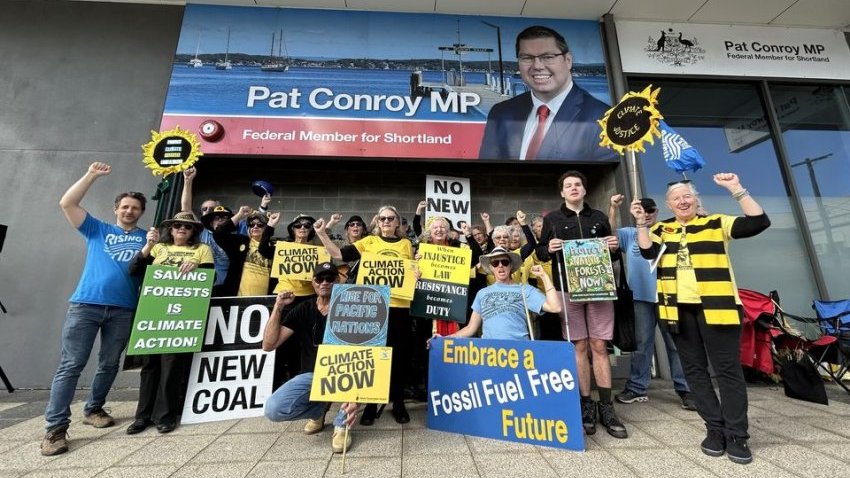
Thank you @knitnannasSYD!
Keep up the pressure on @AustralianLabor's planet-, life- & neighbour-harming #ClimateFail policies & practices
1 Oct 2023

The climate campaign 'Knitting Nannas' are holding monthly 'knit-ins' outside the office of Pat Conroy, Australia’s Minister for International Development and the Pacific, to highlight ALP government support for the expansion of oil and gas exploration and coal exports.
18
36
1,976

27 Sep 2023
ClimateFail CovidFail AukusFail PeaceFail PovertyFail TransparencyFail - Some major legacies
wrought by Anthony Albanese The 31st (only Morrison preventing him being THE worst ) PM of Australia #AlbaneseBeGone
26 Sep 2023

That’s why we held the first ever National Disaster Preparedness Summit.
We’re listening to frontline workers, fire chiefs, state and local governments, and local communities so that we’re better protected into the future.
1
27
4 Sep 2023
Hello members of the @PressClubAust, anyone planning on asking @Bowenchris why emissions are increasing & how Labor's going to meet emissions reduction targets with only 76 months left?
Or are you not bothering with accountability anymore? #ClimateBreakdown #ClimateFail
4
35
65
6,030

Just three of the banks #AjayBanga has added to this @WorldBank 'expert group' - MUFG, HSBC & Standard Chartered - provided over $410bn in fossil fuel financing between 2016-2022: bankingonclimatechaos.org/
Trebles all around!
#WallStreetConsensus #ClimateFail
CC: @PriceofOil
11 Jul 2023

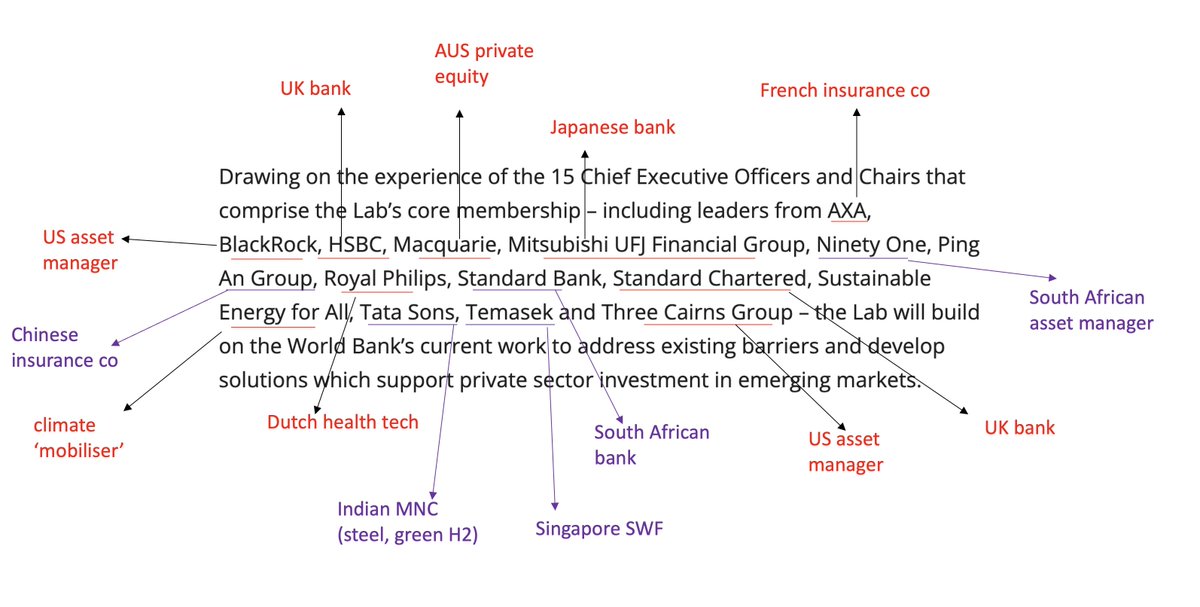
the Wall Street Consensus is marching on, seemingly isolated from geopolitical tensions - here the configuration of the World Bank's new Private Sector Investment Lab, with a ratio of 12 financiers/ 2 MNC (health tech/steel, green hydrogen) / 1 climate mobiliser
1
4
5
2,309

But let’s just keep approving new fossil fuel developments ….. like …. there is no tomorrow. Hey @tanya_plibersek @Bowenchris @AlboMP @CatherineKingMP ?
Well it sure seems like the tomorrows as we know them are short lived.
#climateFail
#ClimateWars
8 Jul 2023

The world just broke a stunning slew of heat records. Why right now? » Yale Climate Connections yaleclimateconnections.org/2…
1
16
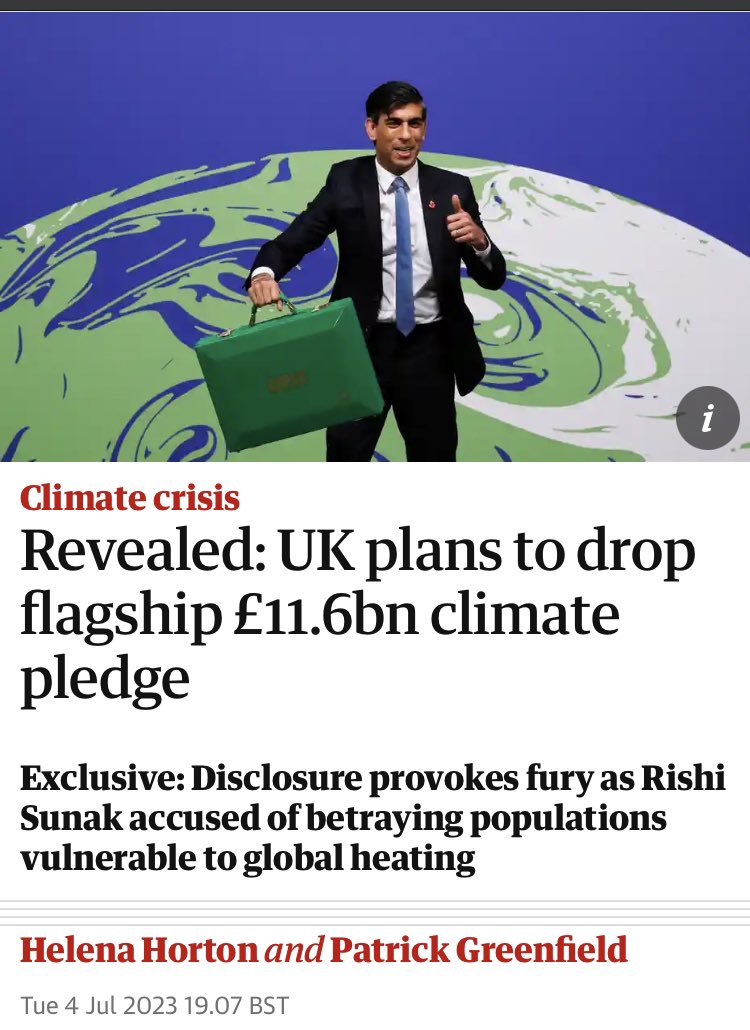
Yet another #ClimateFail by @RishiSunak
This is an abdication of the UK’s historical responsibility for the #ClimateCrisis, at a time when public finance for climate action is urgently needed
#PolluterPays
theguardian.com/environment/…
1
18
34
9,251


9 Jun 2023
Funny, the fossil fuel, chemicals, utilities, & packaging industries don’t have to do a damn thing to win, while bills crafted over years with almost universal support from everyone except them, remain blocked. #nyheat #packaging #ccpf @CarlHeastie @AndreaSCousins
#climatefail
1
5
6
153

29 Apr 2023
Of note:
@ATT refunds customers with “gift cards”
* Refund≠ Gift
Obviously it’s connected to third party data brokers.
It does not help the environment?
It does not help my privacy?
Why didn’t you send a check or deposit as agreed?
#CorporateFail #ClimateFail #PrivacyFail
1
7
895

11 Apr 2023
Climate change will mean increasing natural disasters....lets fight climate change by building things particularly susceptible to natural disasters.... 🤔😂👌
riskandinsurance.com/oh-the-…
#ClimateFail
1
2
73