
Jun 8

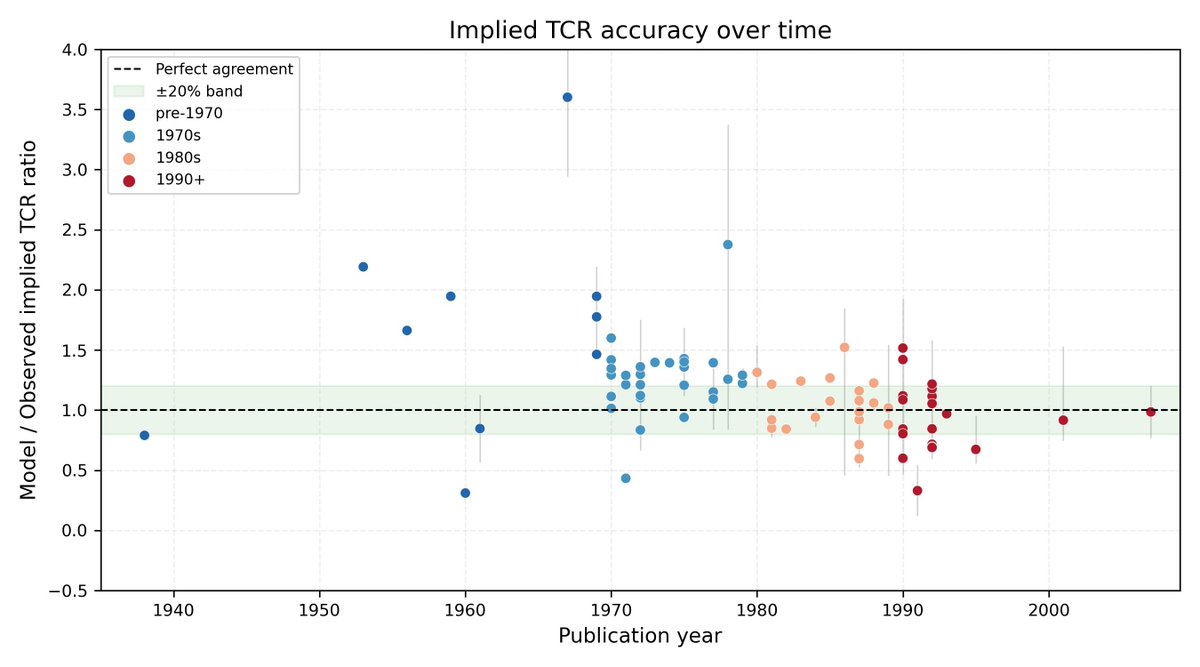
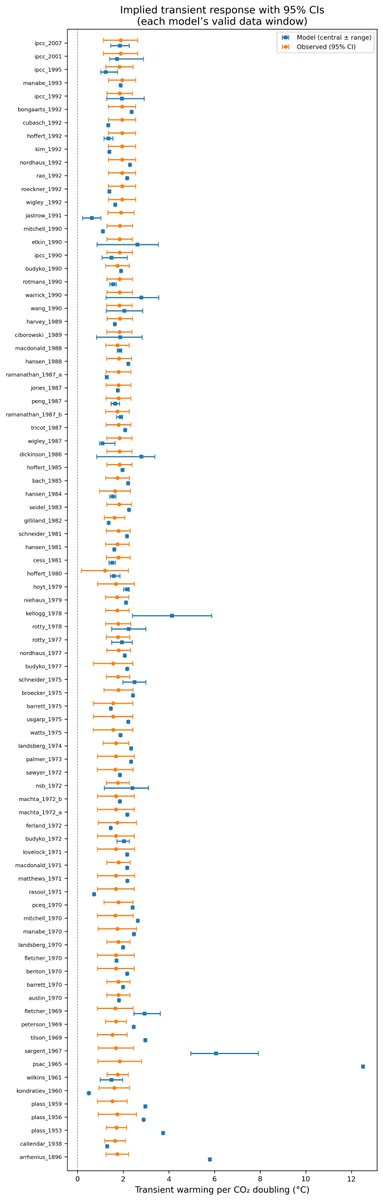
New GitHub repo detailing the work of @hausfath &al. evaluating many of the (often surprisingly accurate) historical climate models github.com/hausfath/old-mode…. Fig1: Implied transient climate response accuracy over time. Fig 2: Implied TCR per model w/ 95% CI's. (See "figures" dir.)
2
141


May 30
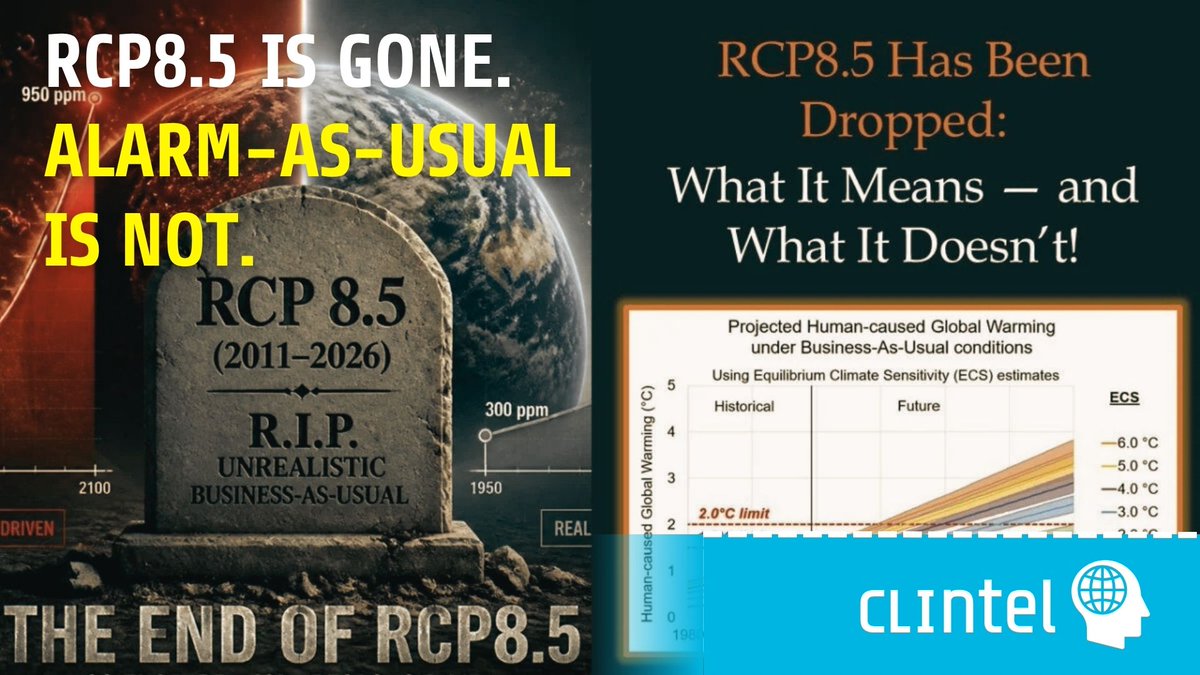
RCP8.5 is finally gone.
For years, it was treated as a “business-as-usual” climate future, despite mounting evidence that it was never realistic.
A welcome correction.
But don't expect the alarming projections to disappear. The models — and their high climate sensitivities — remain.
RCP8.5 is gone. Alarm-as-usual is not.
#ClimateChange #RCP85 #IPCC #ClimateModels #ClimateScience #NetZero #Clintel
5
18
36
979

May 10
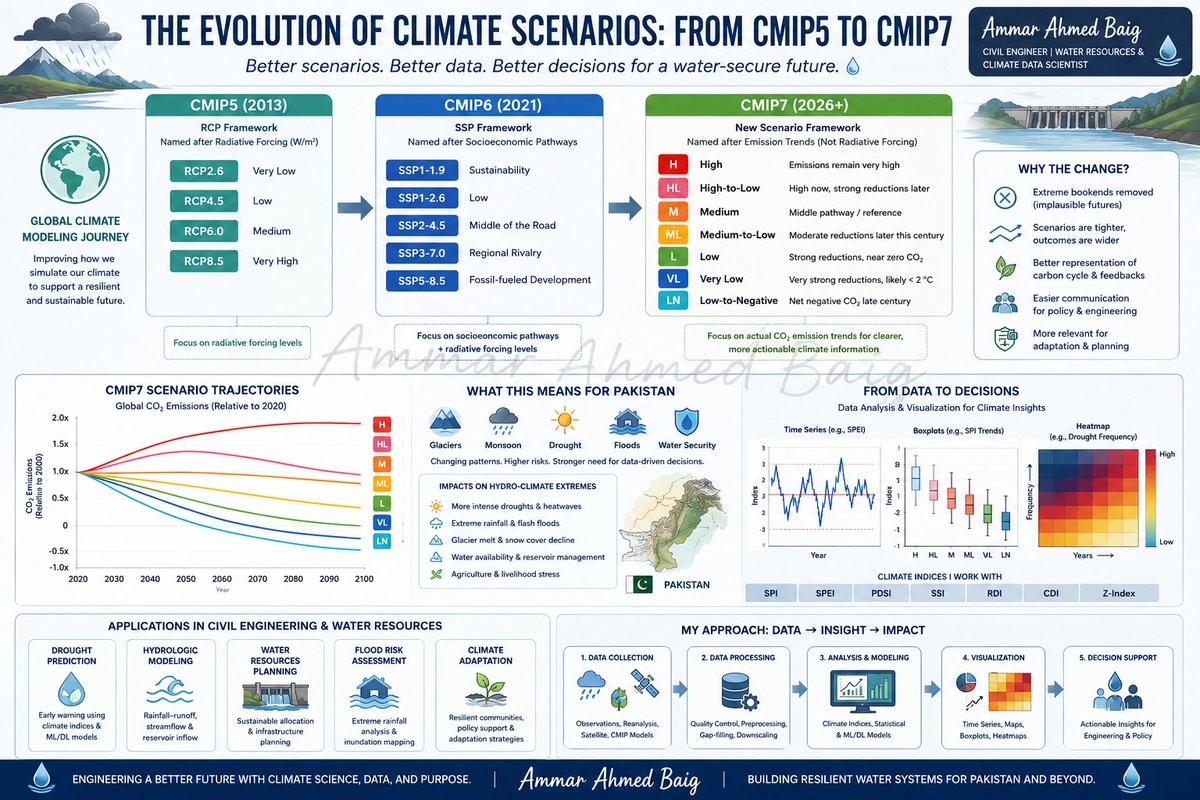
Climate science is evolving — from RCPs to SSPs, and now toward the new CMIP7 emission pathways. 🌍📊
CMIP7 has removed the worst case scenario and terminology is changing.
After the official CMIP7 releases, I will try to work on climate and drought indices, as mentioned in diagram, to analyze how these new pathways may reshape future hydro-climatic conditions across the world. 💧📈
CMIP7 simplifies future climate scenarios into clearer emission-based pathways like H, M, L, VL and LN, making climate projections more practical for engineers, hydrologists and policy makers.
Tighter scenarios. Better regional understanding. Wider insight into droughts, floods, monsoon shifts and water security.
The future of hydro-climate research is becoming more actionable than ever.
#CMIP7 #ClimateChange #Hydrology #WaterResources #CivilEngineering #ClimateScience #Drought #Floods #ClimateModels #EarthSystem #Research #HydroClimate
2
2
32
864

Apr 8
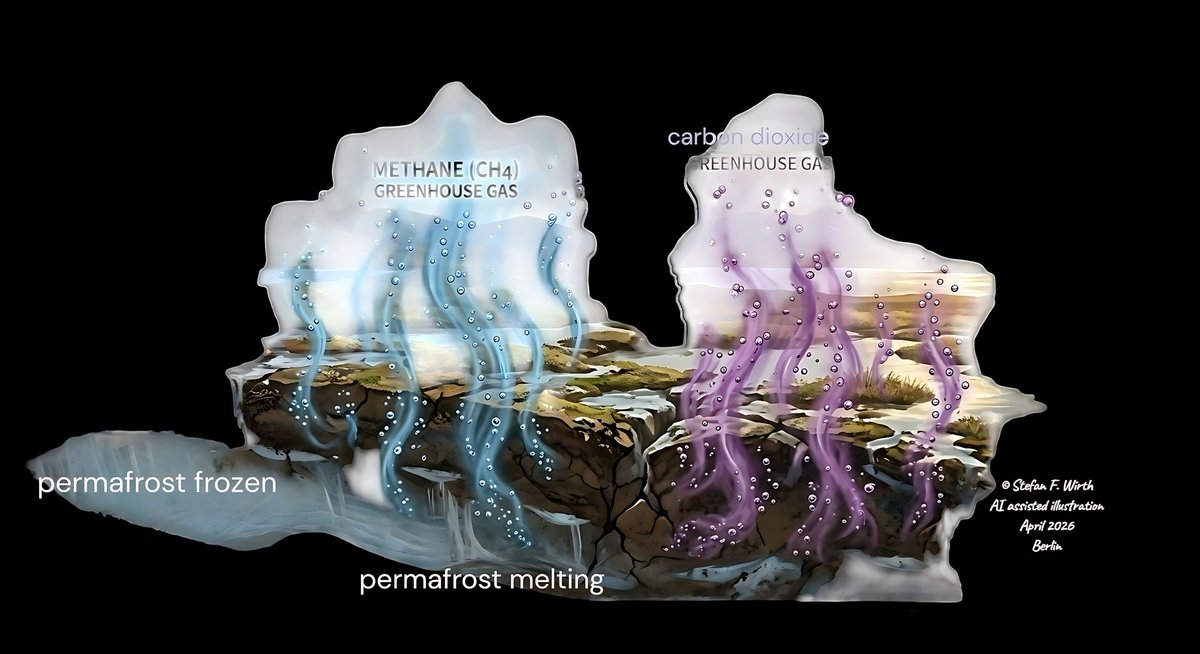
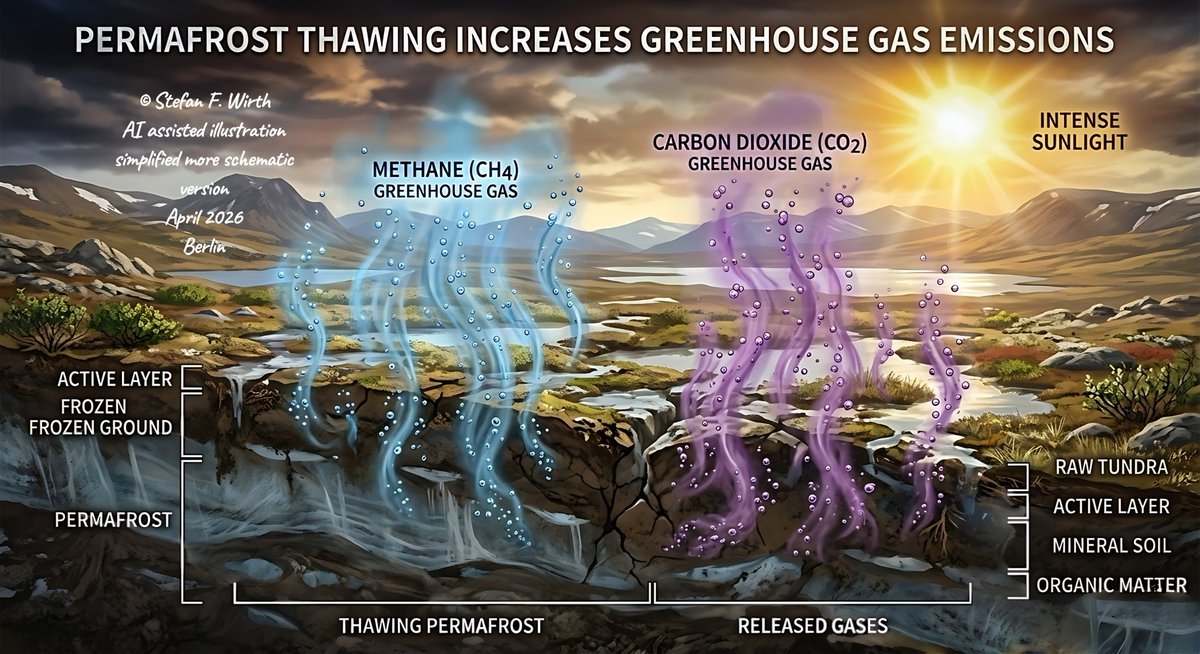
This is a revised version of my #sciencecommunication article about the effect of #greenhousegas #outgassing from #thawing #permafrost. I have updated aspects of the #illustrations created using #AI and my manual storyboards. I have also added further information to the text.
Several factors can help prevent further increases in greenhouse gases during #globalwarming, in addition to #humancaused #emissions. For example, ocean floors can generally bind carbon dioxide. Permafrost can also play a significant role, as large parts of our #NorthernHemisphere are (still) covered by permafrost, along with smaller parts of the Southern Hemisphere and portions of the #oceanfloor.
Our #polarregions are particularly vulnerable to global warming, which is primarily caused by humans. The poles, in particular, are largely responsible for the concrete #climaticimpacts worldwide, as they influence both climate-forming #aircurrents and climate-influencing #oceancurrents. Detailed and technologically up-to-date studies on the stability of greenhouse gases bound in the soil are therefore crucial for the #future.
It is known that #frozen permafrost acts as a #barrier that prevents the release of greenhouse gases such as #methane and #carbondioxide, and it can also reduce the formation of these gases. However, it has not yet been thoroughly investigated how this barrier changes with increasing #permeability as a result of melting due to the global #climatechange.
Using a specially developed #pycnopermeameter, the authors PWJ Glover et al. (2026) addressed the question of the #magnitude of changes in the permeability of this previously reliable protective barrier during thawing and #refreezing.
According to the researchers, the permeability increases by several orders of magnitude during thawing, specifically from 4.94 mD to 112.54 mD and from 0.26 mD to 21.43 mD, respectively, in the samples studied. The study data indicate that the #highestpermeability occurs in the #temperaturerange of -5 °C to -1 °C. Upon refreezing, the permafrost fully returns to its original state as a barrier, except for a time lag (#hysteresis). The authors believe their findings can contribute to the integration of permafrost data into general #climatemodels.
Precise scientific climate models, which illuminate the causes and effects of global climate change from many different perspectives, help us to take measures to mitigate future deterioration of our living conditions as much as possible. Naturally, any general effort to reduce our own greenhouse gas emissions is the most important foundation. But we also need to know what we can do to best protect important binding sites for CO2 and methane, such as our green biospheres, the sediments of marine and freshwater grounds, and also permafrost soils. #Basicresearch must also develop technological innovations that make greater climate neutrality possible in the first place. Furthermore, we need concrete action models to secure food and water supplies for future generations. This includes knowledge on optimizing agricultural soils, developing new food resources, efficient alternative energy production, and ultimately, even knowledge about which #resources we can additionally obtain from space will be important.
© #StefanFWirth, Berlin, April 2026
Please support my science communication efforts, my own scientific work, and my art with a small coffee; I depend on such support:
ko-fi.com/sfwirth
Reference:
PWJ Glover et al. (2026):
doi.org/10.1029/2025EF007232
Pictures:
© Stefan F. Wirth, AI assisted illustrations based in my handmade storyboard sketches, manually edited, April 2026, Berlin
1) permafrost landscape with hypothetical section through the ground
2) permafrost #landscape with hypothetical section through the ground, emphasizing the ground composition and indicating melting #icelayers due to global warming with outgassing greenhouse gases
1
11
200
941
Mar 30
CO₂: warming the planet.
CO₂: cooling the planet.
Is there anything CO₂ can’t do? 🤷♂️
👉 clintel.org/co₂-can-…
#CO2 #ClimateScience #ClimateModels
7
15
270

Many climate models predict an increase in the variability of extreme precipitation and flood events. But, it is unclear how this will affect coastal deltas and #wetlands. 🌧️
In Geophysical Research Letters, scientists find that variable flood discharge results in steeper delta slopes, leading to smaller delta and wetland areas.
🔗 Learn more: doi.org/10.1029/2025GL119769
#AGUPubs #ClimateModels #ClimateChange #Floods
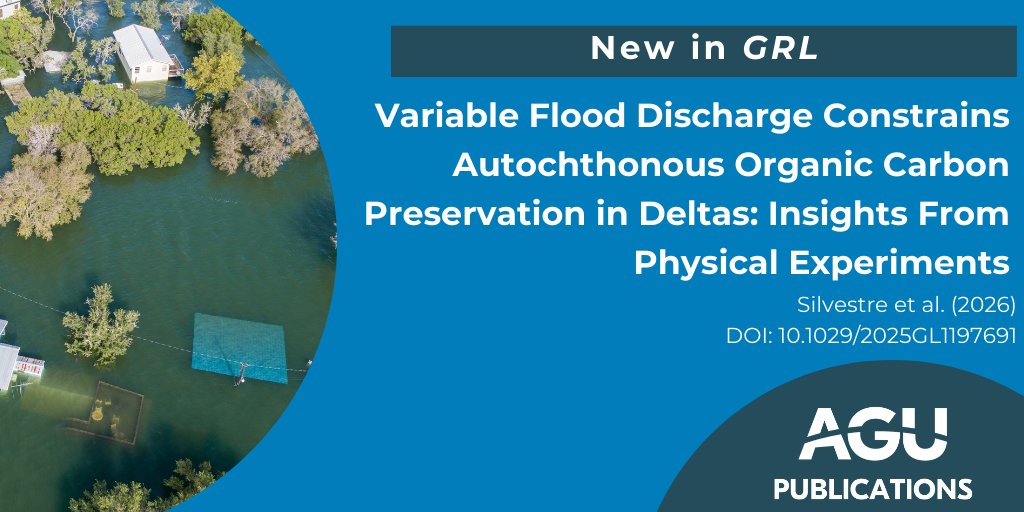
ALT New in GRL\nVariable Flood Discharge Constrains Autochthonous Organic Carbon Preservation in Deltas: Insights From Physical Experiments\nBy Silvestre et al. 2026
1
3
515
Tropical cyclones are a key focus of climate research, but models often disagree on storm behavior even with identical sea surface temperature data. 🌀
A new study in Geophysical Research Letters identifies a major, overlooked factor: temperature biases at the tropopause.
🔗 Learn more in @AGU_Eos: eos.org/editor-highlights/tr…
#AGUPubs #TropicalCyclones #ClimateChange #ClimateModels #Atmosphere
2
4
878
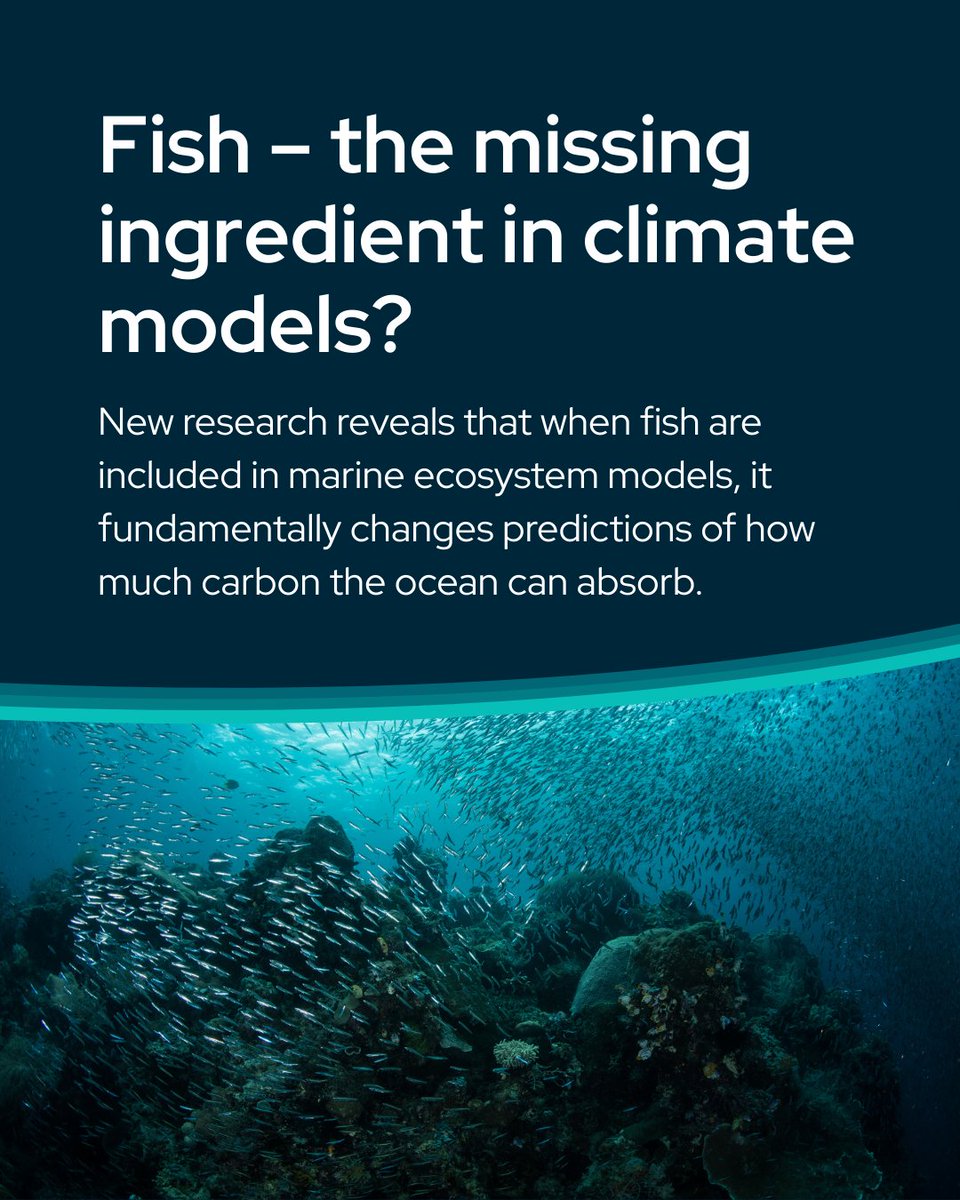
⚠️Fish are missing from #ClimateModels - and this fundamentally changes predictions of how much #carbon the ocean can absorb 🐟
In our latest study, when fish were included in models, the ocean’s estimated CO₂ uptake fell by 7% 📉
🔗pml.ac.uk/news/fish-the-miss…
1
1
2
196

Feb 10
#China’s air quality improvements have sharply reduced sulfate #Aerosols, lessening their cooling effect and contributing to global warming. Accurate #ClimateModels must reflect this shifting atmospheric balance. @theAGU doi.org/hbn477 phys.org/news/2026-02-china-…
3
9
21
2,735
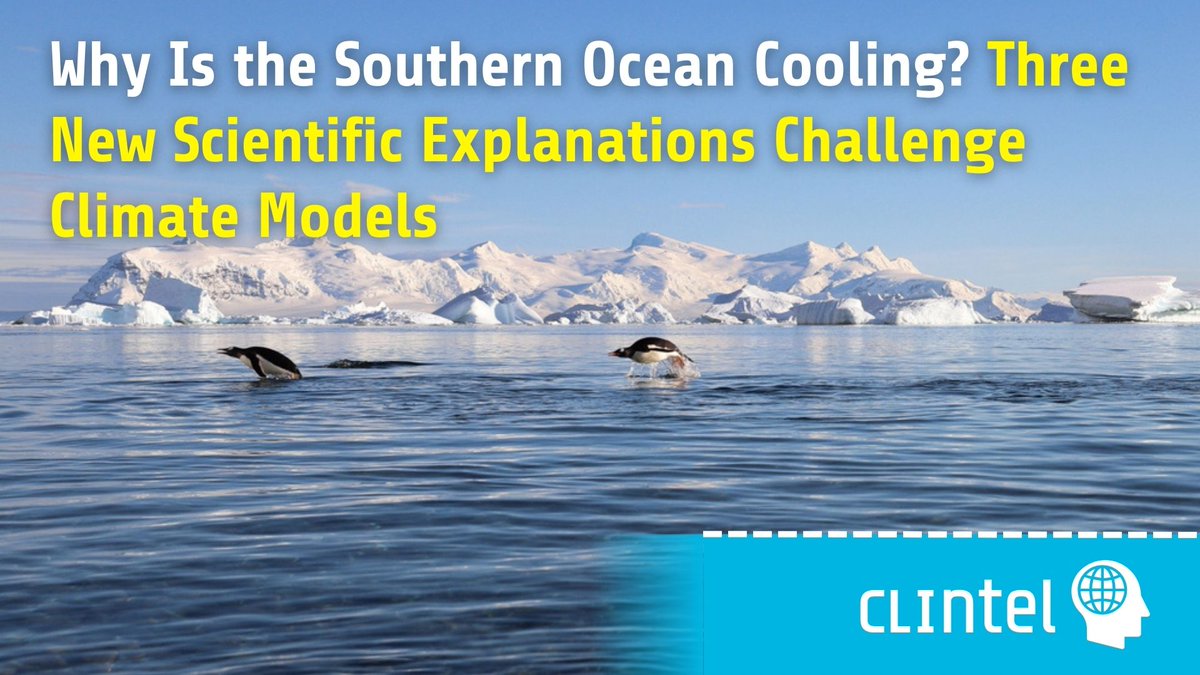
Why has the Southern Ocean around Antarctica cooled despite decades of global warming projections? 🌊❄️
Retired physicist Ralph B. Alexander explores three new scientific studies pointing to marine sulfur emissions, freshwater influx, and stronger storms as possible explanations — highlighting a growing gap between observations and climate models.
Read more: clintel.org/why-is-the-south…
#SouthernOcean #ClimateScience #Antarctica #ClimateModels #OceanCooling
1
7
21
387

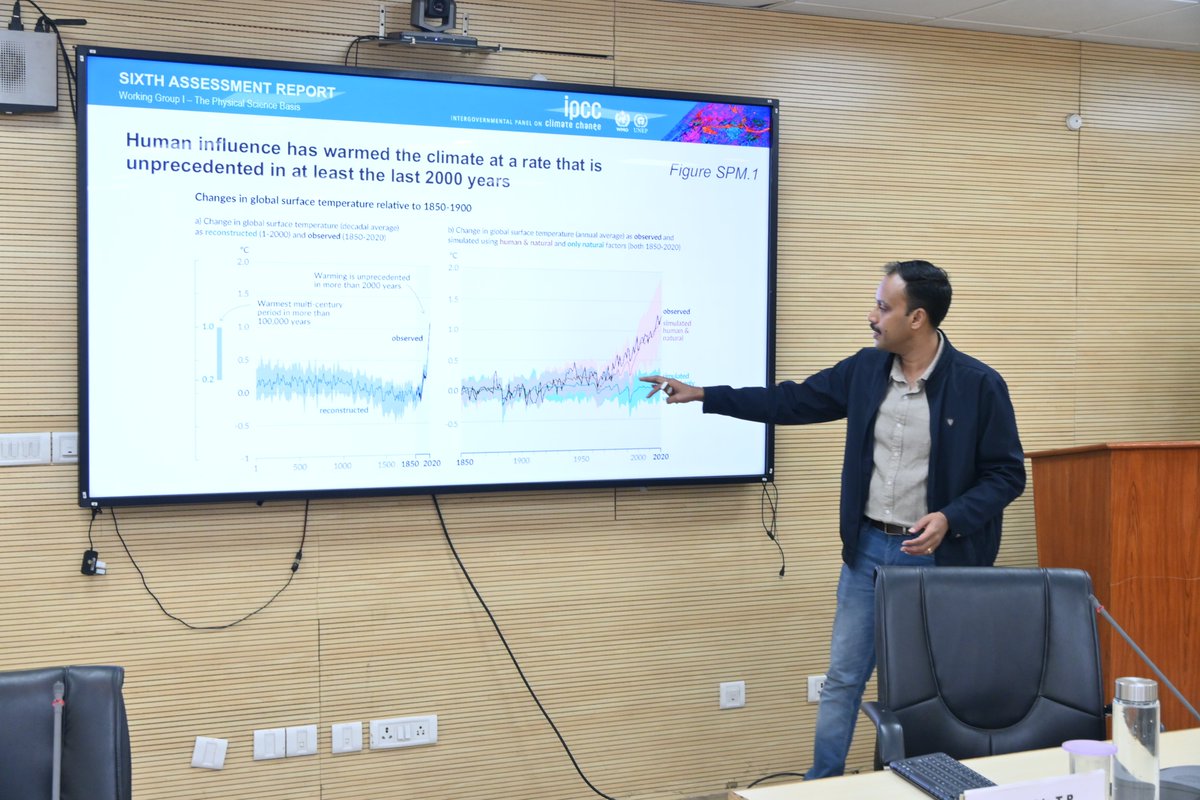
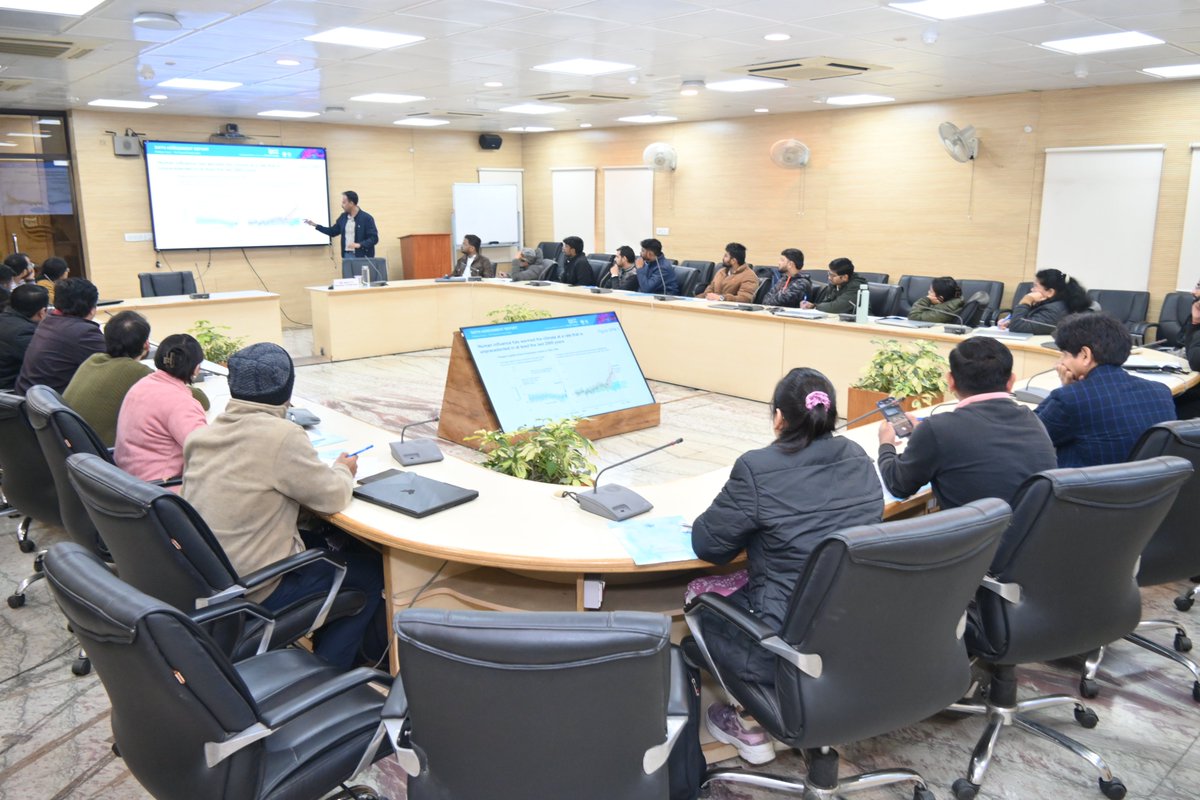
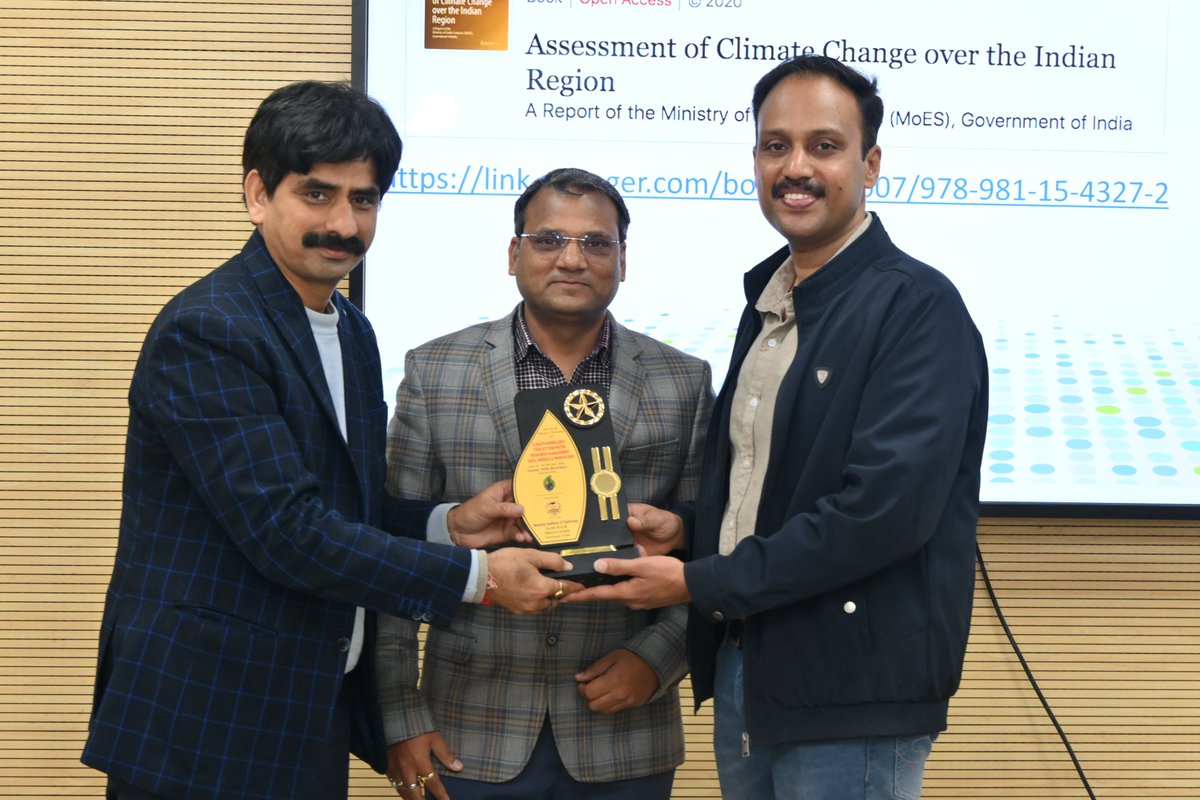
As part of the One Week Training Course on “Climate Modeller’s Toolkit for Water Resource Management: Data, Models & Workflows”, sponsored by the National Water Mission, Ministry of Jal Shakti, Government of India, and organized at NIH Roorkee, Dr. Sabin TP, Scientist ‘F’, IITM Pune, delivered lectures on Global Climate Models, CMIP6 frameworks, and CORDEX-based regional climate modelling, strengthening understanding of future climate scenarios for water resources planning.
#NIHRoorkee #IITM #NWM #ClimateModels #CMIP6
@DoWRRDGR_MoJS
3
3
74

Thankyou @reformparty_uk followers.
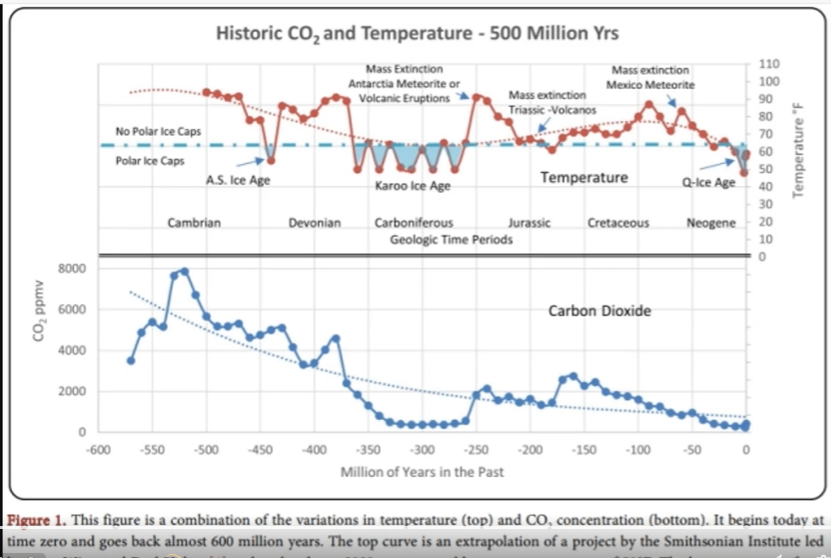
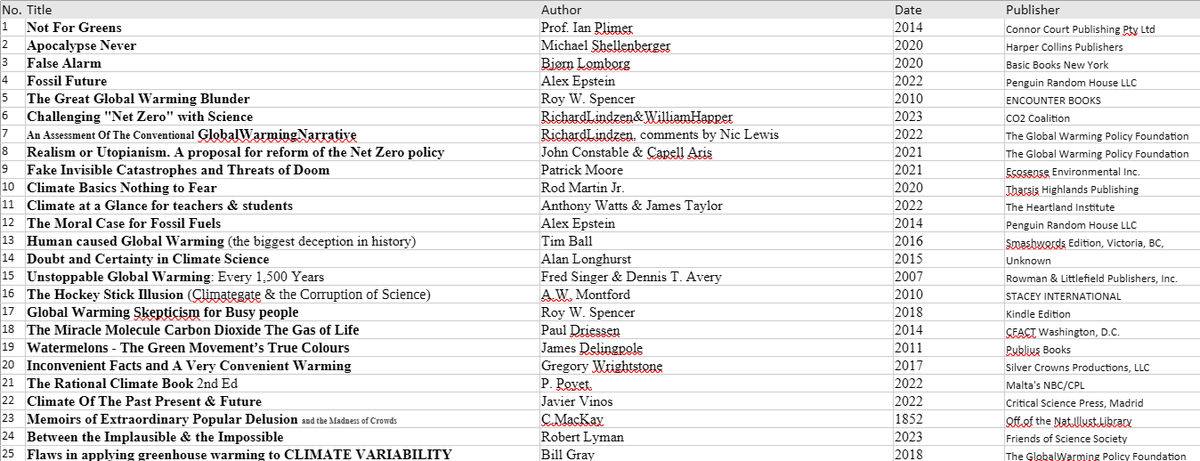
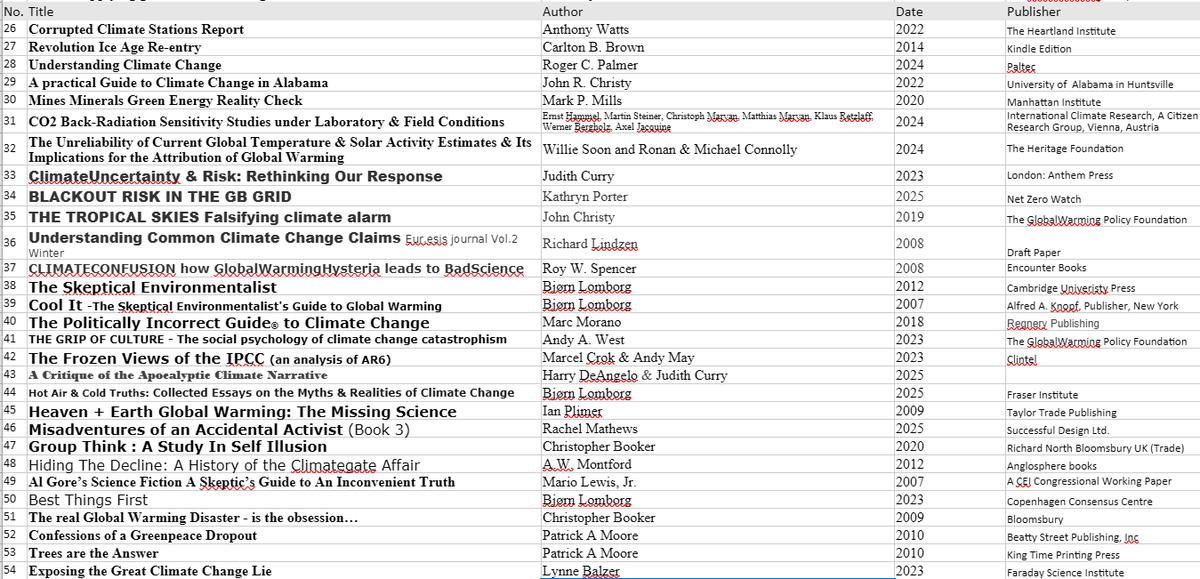
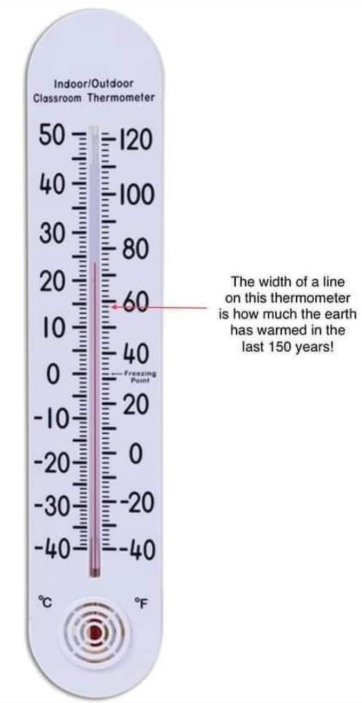
As a Physicist who worked in engineering for 45yrs & investigated ClimateChange for 25 of them since ClimateModels all ran too hot, along with colleagues we can say with confidence its a total Exaggeration & to humans detriment.
SeePinnedTweet
1
3
35
Jan 24
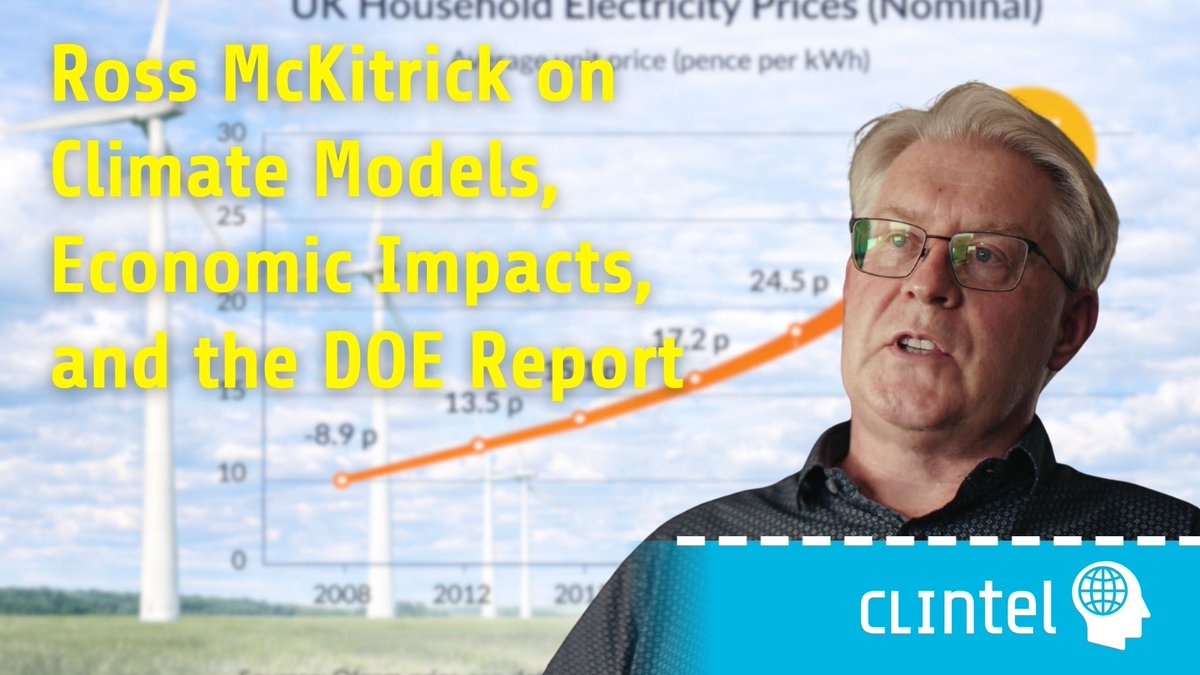
In a revealing interview, economist Ross McKitrick questions the foundations of today’s climate agenda: heavy reliance on uncertain climate models, inflated damage estimates, and weak empirical support. Policies built on these models risk higher energy costs, economic harm, and reduced living standards.
👉 clintel.org/ross-mckitrick-o…
#ClimateModels #Economics #EnergyPolicy #EvidenceMatters #ClimateDebate
10
30
906

#FasterThanPreviouslyExpected #GlacialMelt #Alaska #Earth #ClimateModels @Muchfaster @Blueoceanarctic @DanCady @DavidUllrich202 @skykiss22 @Msmariablack @MarkRid31548165
Link to paper in article. 3/
phys.org/news/2026-01-north-…
3
3
9
178

17 Dec 2025
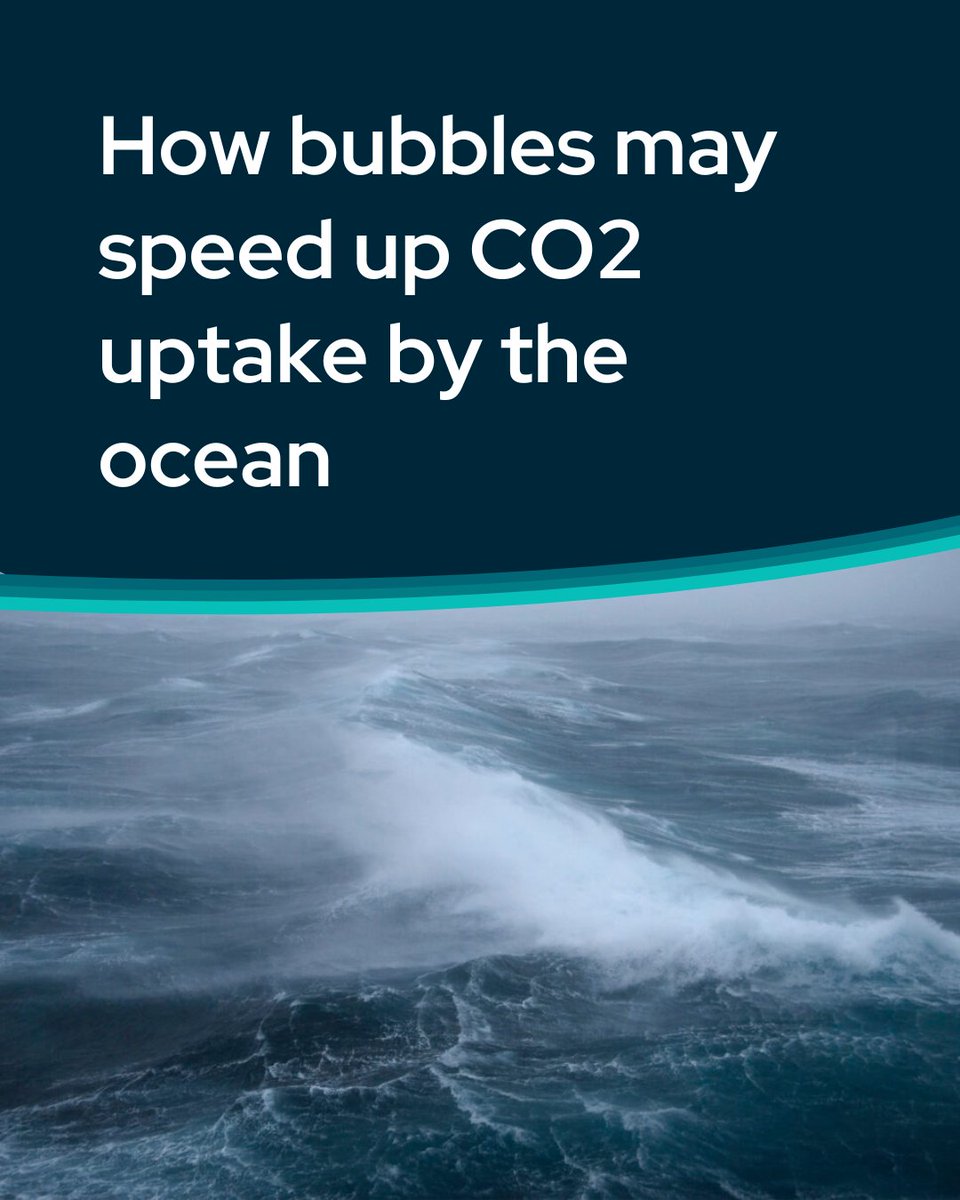
#NewStudy from the lab provides evidence that the ocean may have absorbed as much as 15% more #CarbonDioxide than previously thought, requiring a re-think of future #CO2 flux assessments and global #ClimateModels 👇 pml.ac.uk/news/how-bubbles-m…
1
4
193
7 Dec 2025
#A new method combining #ClimateModels with observations narrows uncertainty in future warming and refines the carbon budget for limiting global temperature rise to 2°C, strengthening #ClimatePolicy guidance. @OneEarth_CP doi.org/hbdr6f phys.org/news/2025-12-approa…
4
14
45
4,629

4 Dec 2025
📢Catch @MetEireann climate scientist Dr Enda O'Dea discussing the impact of changes in the Atlantic Ocean on Ireland's weather and climate on the next instalment of @10Things_ToKnow About!
Monday, December 8th at 8:30pm on @RTEOne. 📺
#10ThingstoKnowAbout #AMOC #ClimateModels
3 Dec 2025

🌊In Monday’s @10Things_ToKnow About, we meet researchers monitoring and modelling changes in the #AMOC - the complex transfer of heat in the Atlantic Ocean – and discuss how they might impact on our future climate 🌍 #10thingstoknowabout #carbon
👀📺Mon 8th Dec, 8.30pm, @RTEOne
@MetEireann @Researchirel @GeolSurvIE @iCRAGcentre @teagasc @NewDecadeFilms @uniofgalway @MarineInst @followtheboats @MorPalaeo
#rvtomcrean #climateaction #atlantic
1
3
7,021

20 Nov 2025
Climate models run way too hot.
Satellites, weather balloons, and surface data show less than half the warming predicted by CMIP6 models. If they can’t model the past, why trust their future forecasts?
#ClimateFactCheck #ClimateModels
2
4
12
370

9 Oct 2025
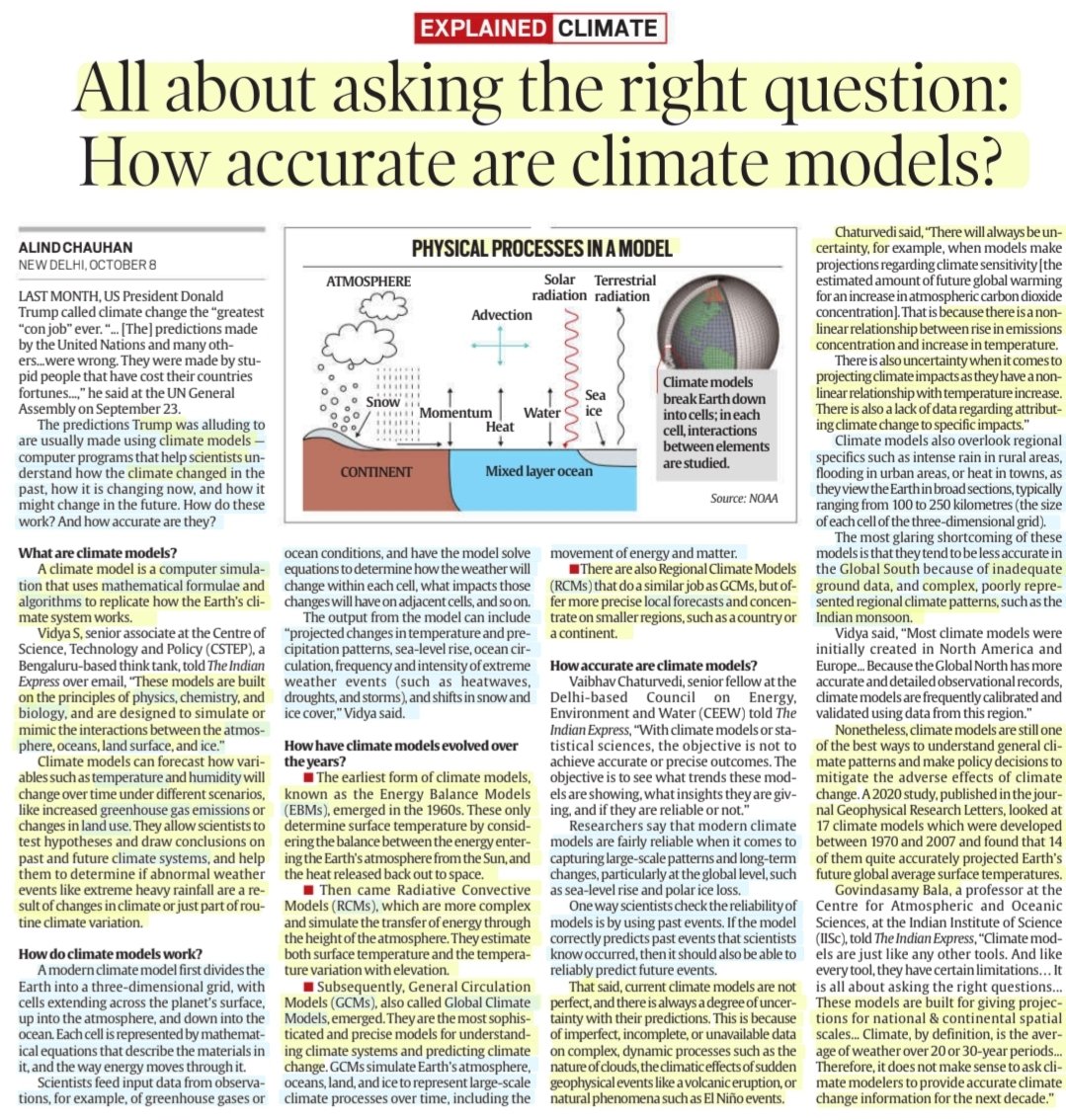
All about asking the right question
How accurate are Climate models?
:An informative article by Sh @alindchauhan
#ClimateModels
#EBMs #RCMs #Local #Forecast
#GCMs #GlobalClimateModels
#ComputerStimulation #maths #Algorithms
#atmosphere #Ocean #Land #ICE
#ClimateChange
#UPSC
1
20
160
4,162