
İklim Koruma İçin Şimdi Hareket Zamanı 🌍
İklim değişikliği, etkilerini her geçen gün daha görünür hale getirirken; alınacak önlemler için zaman daralmaktadır.
Bu süreçte güçlü politikalar, teknik kapasite ve sürdürülebilir yatırımlar kadar; farkındalık ve ortak hareket de belirleyici bir rol oynamaktadır.
İklim koruma, yalnızca kurumların değil; toplumun tüm kesimlerinin katkısıyla mümkün olan bir dönüşüm sürecidir.
Bugün atılan her adım, yarının daha dirençli şehirlerini ve daha sürdürülebilir bir geleceği şekillendirir.
Şimdi harekete geçme zamanı.
#İklimKoruma #İklimEylemi #SürdürülebilirGelecek #İklimUyumu #Gelecekİçin
---
Now is the Time to Act for Climate Protection 🌍
As the impacts of climate change become increasingly visible, the time available to take action is narrowing.
In this process, not only strong policies, technical capacity and sustainable investments matter, but also awareness and collective action play a decisive role.
Climate protection is a transformation that requires the contribution of all parts of society, not just institutions.
Every step taken today shapes more resilient cities and a more sustainable future
Now is the time to act.
#ClimateProtection #ClimateAction #SustainableFuture #ClimateAdaptation #ActNow
@csbgovtr
@EUDelegationTur
@ABBaskanligi
1
2
53

May 19
On the #ArtificialEgg by #ColossalBiosciences—and Why Such a thing is being #developed at all today
Colossal Biosciences is a U.S.-based company that has made it its mission to bring #extinctspecies #backtolife. One justification for this approach is that the return of extinct species could help #preserve threatened #ecologicalsystems to which they were originally adapted. Even #climateprotection could be bolstered by large herd animals—for instance, if #mammoths were to once again roam vast stretches of #permafrost, thereby promoting soil compaction and potentially reducing the release of subterranean greenhouse gases.
A common #criticism of such methods is that the seemingly resurrected species—created through gene-editing techniques and so-called #exovo #development (artificial eggs)—do not, in reality, truly correspond to their extinct counterparts. For example, behaviors passed down through generations are absent, and specific #adaptations to specific modern environmental conditions have not had the opportunity to evolve. Furthermore, ecosystems adapt over time to changing climatic and geological conditions—including their biodiversity—meaning that ecosystems which appear to have remained unchanged for centuries have, in truth, fundamentally altered their underlying character. Consequently, it is questionable, for instance, whether the South Island Giant #Moa (#Dinornis #robustus)—a bird that went extinct approximately 600 years ago—could genuinely fulfill a structuring ecological role within #NewZealand's modern ecosystems.
Nevertheless, Colossal Biosciences reports new technical breakthroughs—achievements that could, at the very least, facilitate the recreation of extinct birds. Specifically, the company has now announced the development of an artificial egg, consisting of a #latticelike #shell that encases and protects a transparent #siliconemembrane. One unique feature of this artificial shell lies in its #oxygenpermeability, which mirrors that of real #eggshells, thereby eliminating the need for a separate oxygen supply. In my view, this represents an interesting development that—beyond the recreation of extinct species—also offers new opportunities for the conservation of currently living, yet endangered, animal species. It is regrettable, however, that the company has thus far refrained from publishing a scientific paper regarding this new achievement.
This text © StefanFWirth
References:
Science communication by
Antonio Regalado (2026):
technologyreview.com/2026/05…
Science communication by
Ewen Callaway (2026):
nature.com/articles/d41586-0…
1
4
110
491

May 13
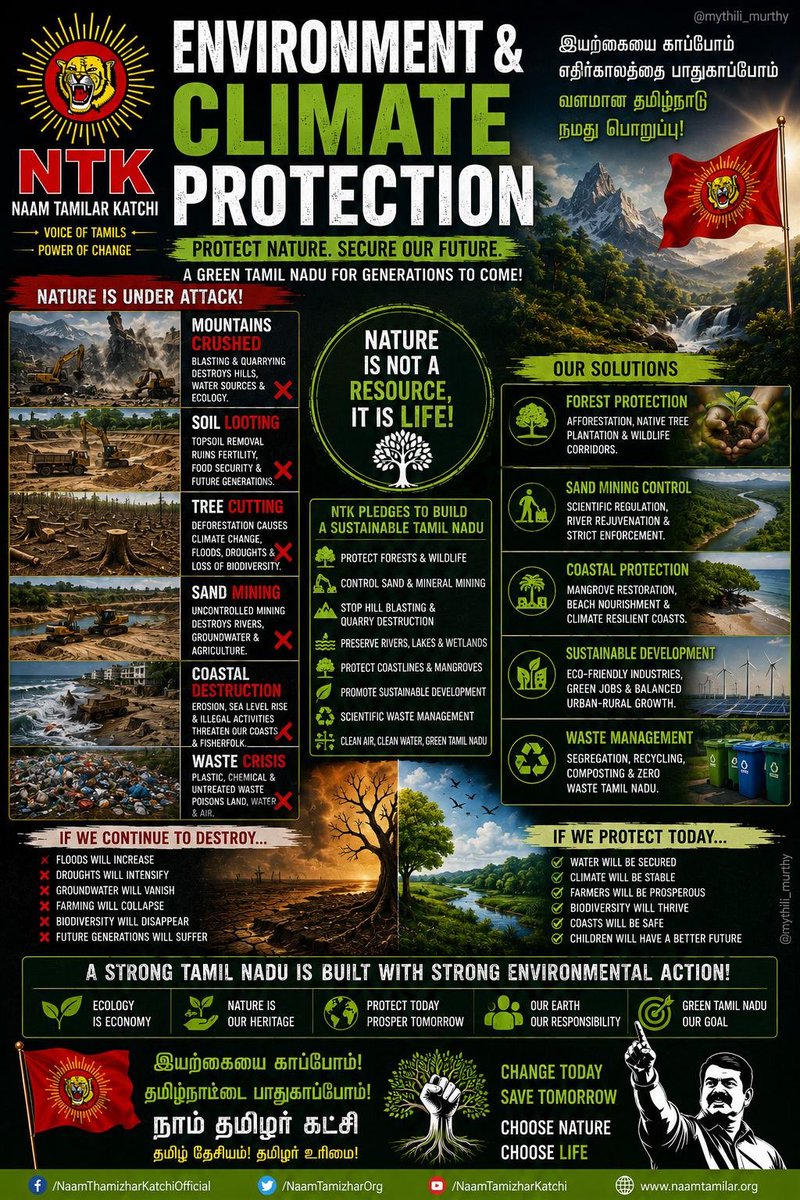
🇰🇬 ENVIRONMENT & CLIMATE PROTECTION
Nature is not a resource to be looted endlessly.
🌱 Nature is life.
Today, Tamil Nadu is witnessing:
⛰️ Hill & mountain destruction
🚜 Illegal soil extraction
🪓 Deforestation & tree cutting
🏞️ Sand mining
🌊 Coastal destruction
🗑️ Waste pollution
All of these directly affect:
💧 Water security
🌾 Agriculture
🌍 Climate stability
🐟 Fisheries
🧑🌾 Farmers
👨👩👧 Future generations
━━━━━━━━━━━━━━━
🐯 A strong Tamil Nadu must protect:
🌳 Forests & wildlife
🏔️ Hills & water sources
🏞️ Rivers, lakes & wetlands
🌊 Coasts & mangroves
🌱 Soil fertility & biodiversity
Development should not mean destroying nature.
Real development means:
✓ Sustainable growth
✓ Scientific resource management
✓ Clean environment
✓ Long-term ecological balance
✓ Responsible industrialization
━━━━━━━━━━━━━━━
🐯 NTK’s environmental vision focuses on:
🌳 Forest protection & afforestation
🚫 End of illegal sand & mineral mining
🌊 Coastal & mangrove protection
♻️ Scientific waste management
💧 Water-body restoration
🌱 Sustainable agriculture
⚡ Green & renewable energy
🏘️ Eco-friendly development
━━━━━━━━━━━━━━━
If we continue destroying nature:
❌ Floods will increase
❌ Droughts will worsen
❌ Groundwater will disappear
❌ Agriculture will suffer
❌ Climate instability will rise
❌ Future generations will pay the price
━━━━━━━━━━━━━━━
If we protect nature today:
✓ Water will be secured
✓ Farmers will prosper
✓ Biodiversity will survive
✓ Climate stability will improve
✓ Public health will improve
✓ Tamil Nadu will become sustainable
━━━━━━━━━━━━━━━
🐯 Ecology is economy.
Protecting nature is not anti-development.
Destroying nature is anti-future.
A strong Tamil Nadu must grow with environmental responsibility, scientific planning, and sustainable development.
வாழ்க தமிழ், வளர்க தமிழ்நாடு!
#NTK #EnvironmentProtection #ClimateAction #SaveNature #SustainableDevelopment #TamilNadu #ForestProtection #StopSandMining #WaterSecurity #GreenTamilNadu #ClimateProtection
2
34
36
460

Good afternoon, dear friends! ❤️
This is Mr. Serge and the Lucy Dudko community.
Yesterday the whole world celebrated Earth Day. My entire team and I are active defenders of the climate and our planet. We have already participated many times in actions to protect the climate and the Earth.
Lucy took part twice in major environmental campaigns together with Schwarzenegger, and then we decided to go our own way and became completely independent.
We sincerely congratulate you on Earth Day! 🌍
We wish everyone good health, happiness, and a clean bright future for our children.
And now my main appeal to each of you:
Let’s not remain indifferent! Clean up the trash after yourself and around you. Don’t walk past discarded bottles, bags, and waste. Protect our Earth every day, not just on holidays.
Every small action matters a lot. One person is already a force. Together we are a huge force!
Let’s start with ourselves — and together we will preserve our beautiful planet for future generations.
Thank you to everyone who is already helping and ready to act! 🙏 Let’s make our Earth cleaner together! 🌱
#EarthDay #ClimateProtection #SaveOurPlanet #Ecology #LucyDudko #MrSerge
5
7
129
👧 Geleceğin Şehirleri Çocukların Hakkıdır
Ulusal Egemenlik ve Çocuk Bayramı, yalnızca bir kutlama değil; gelecek nesillere karşı sorumluluğumuzu hatırlatan bir gündür.
Daha serin kamusal alanlar, temiz hava, güvenli su kaynakları ve yeşil altyapı; çocukların sağlıklı gelişimi için temel unsurlardır. İklim değişikliğine karşı atılan her adım, aslında onların yaşam kalitesini korumaya yöneliktir.
Kuşaklar arası adalet, iklim politikalarının merkezinde yer almalıdır.
Daha dirençli şehirler, daha güvenli bir gelecek demektir.
#23Nisan
#GelecekNesiller
#İklimKoruma
#SürdürülebilirGelecek
#İklimDirenci
---
👧 Future-Ready Cities Are a Right for Children
National Sovereignty and Children’s Day is more than a celebration; it is a reminder of our responsibility towards future generations.
Cooler public spaces, clean air, secure water resources and green infrastructure are essential for children’s healthy development. Every step taken to address climate change directly contributes to safeguarding their quality of life.
Intergenerational equity should remain at the heart of climate policy.
More resilient cities mean a safer and more sustainable future.
#FutureGenerations
#ClimateProtection
#SustainableFuture
#UrbanResilience
#ClimateAction
@csbgovtr
@EUDelegationTur
@ABBaskanligi


1
2
47

Apr 7
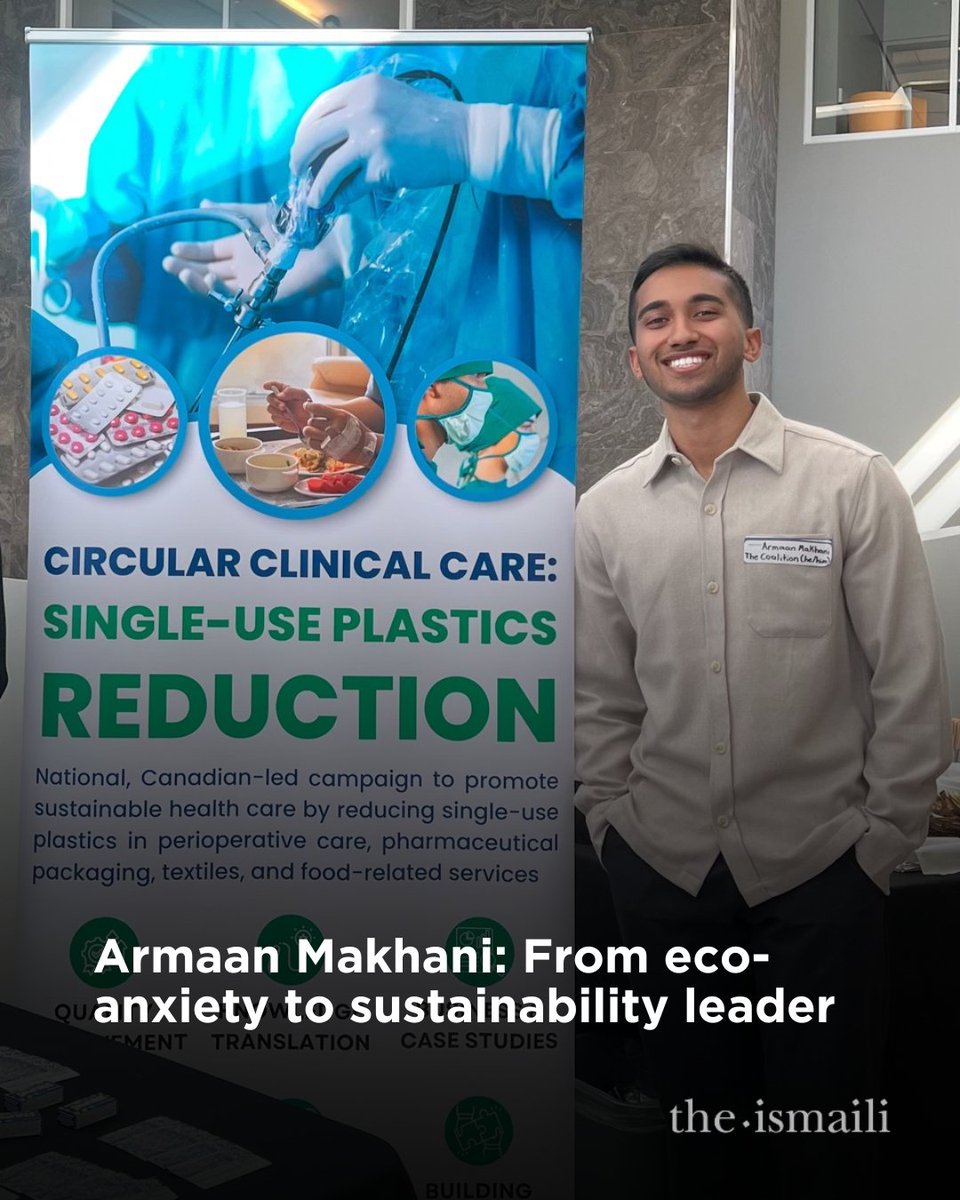
Read the story of Armaan Makhani, from the Canadian Coalition for Green Health Care, and his journey to becoming a climate advocate.
the.ismaili/news/how-eco-anx…
#ClimateProtection #Sustainability #Environment
6
34
902

Mar 28
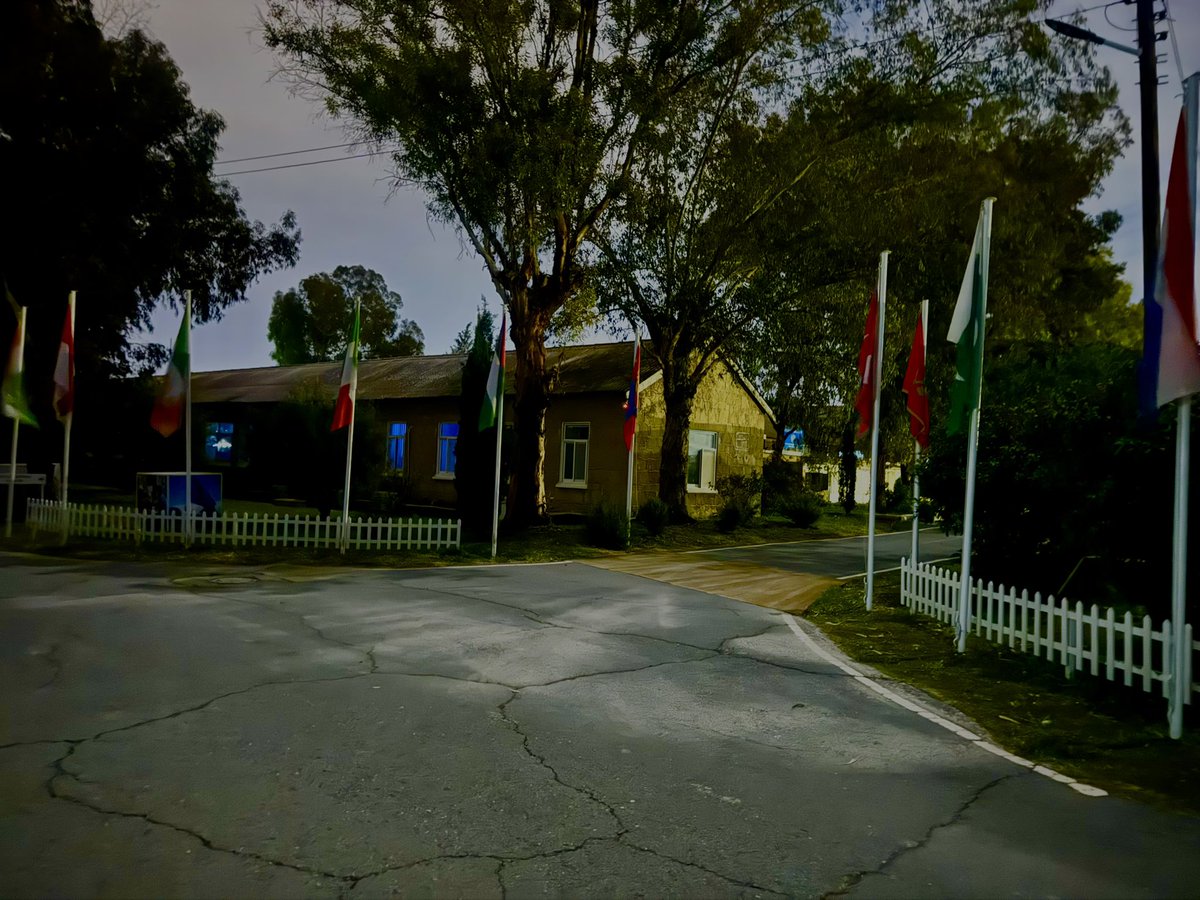
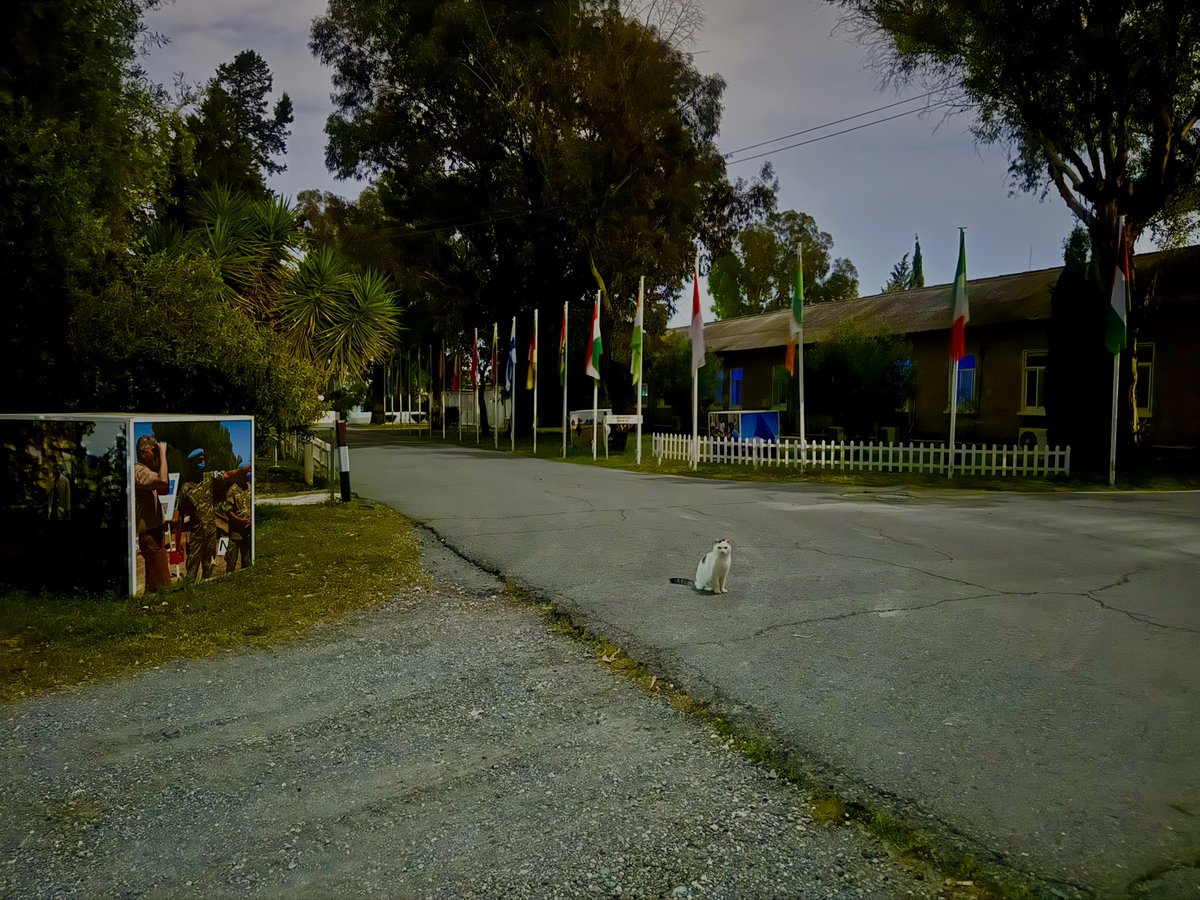
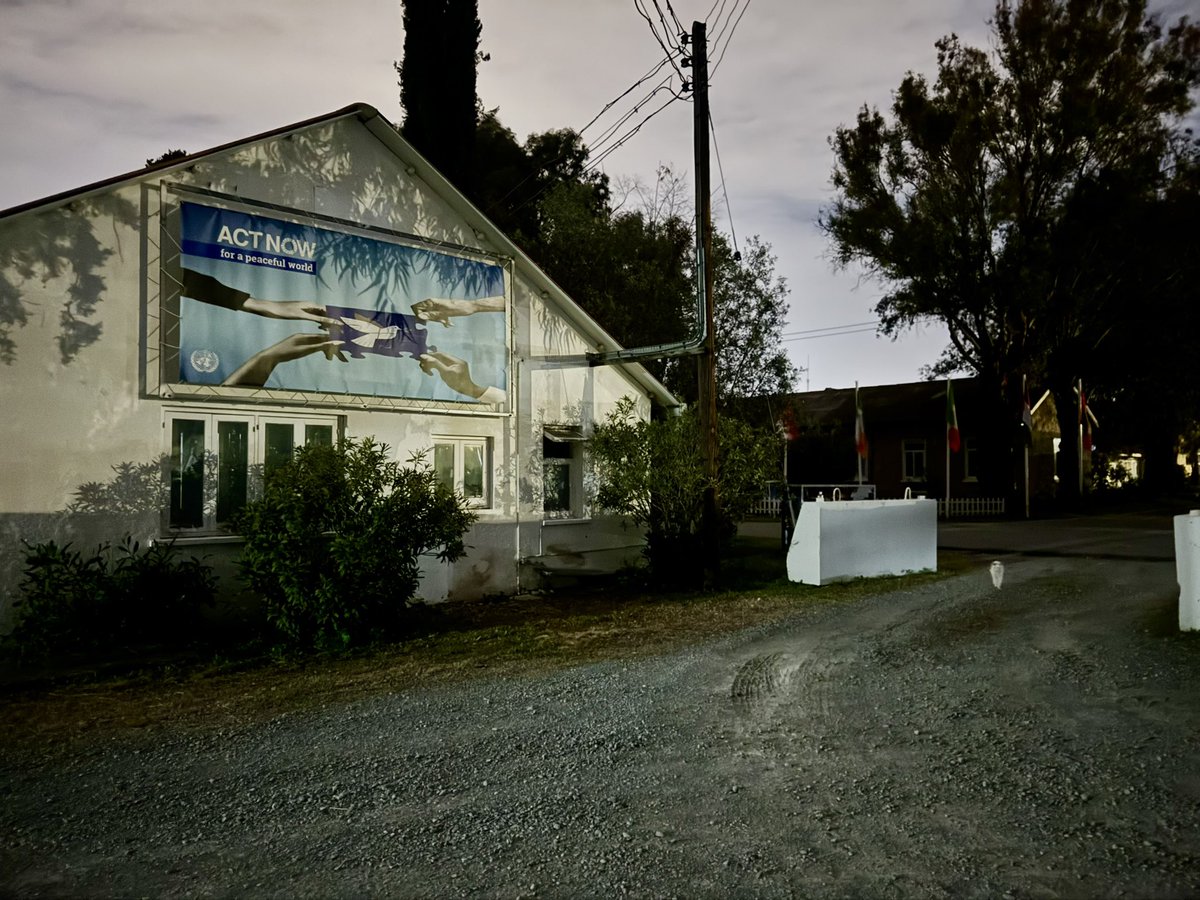
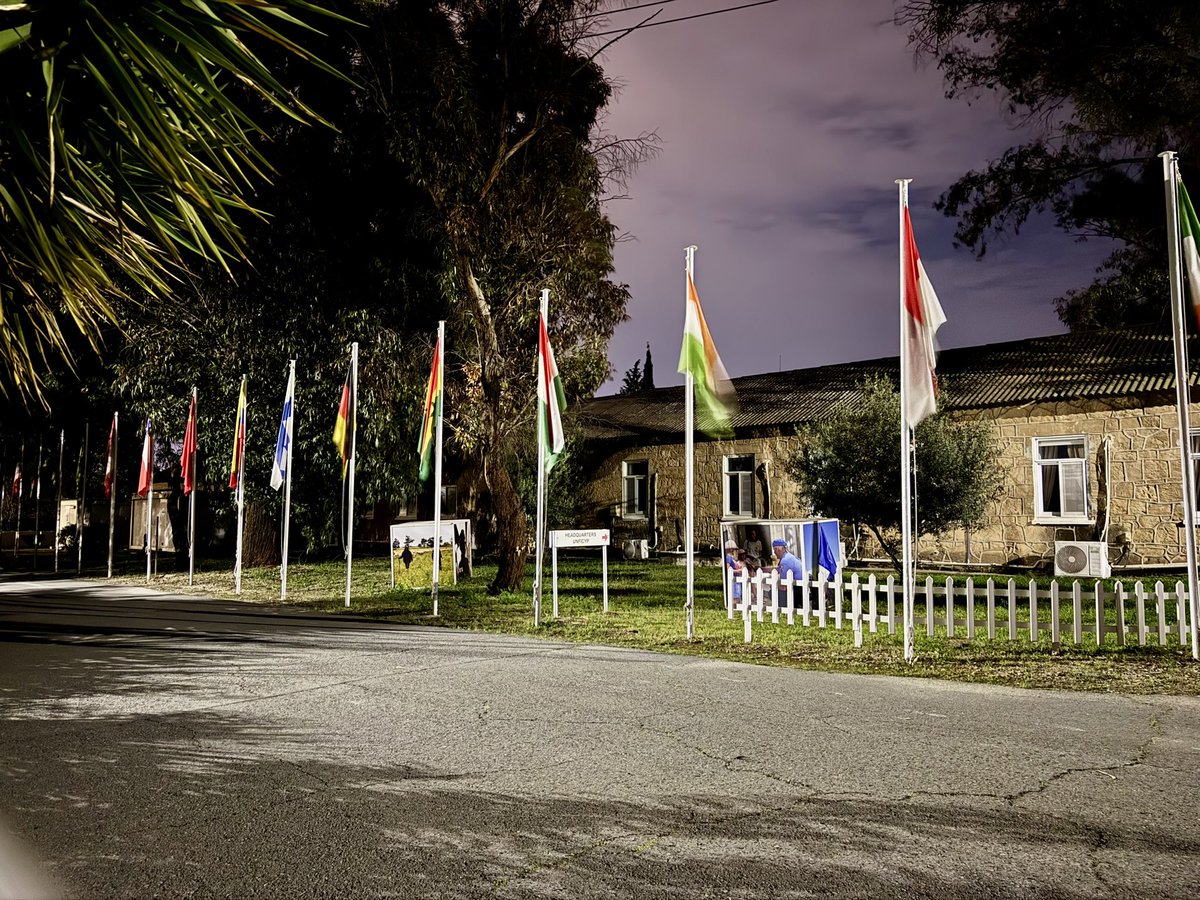
This Saturday evening, #UNFICYP is joining the @UN and people around the world for #EarthHour 2026.
#ActNowForPeace: Switch off your lights from 8:30 - 9:30 p.m. local time and show your support for #climateprotection and planet Earth. 🌍
➡ Learn more here earthhour.org/take-part/give…
1
3
340

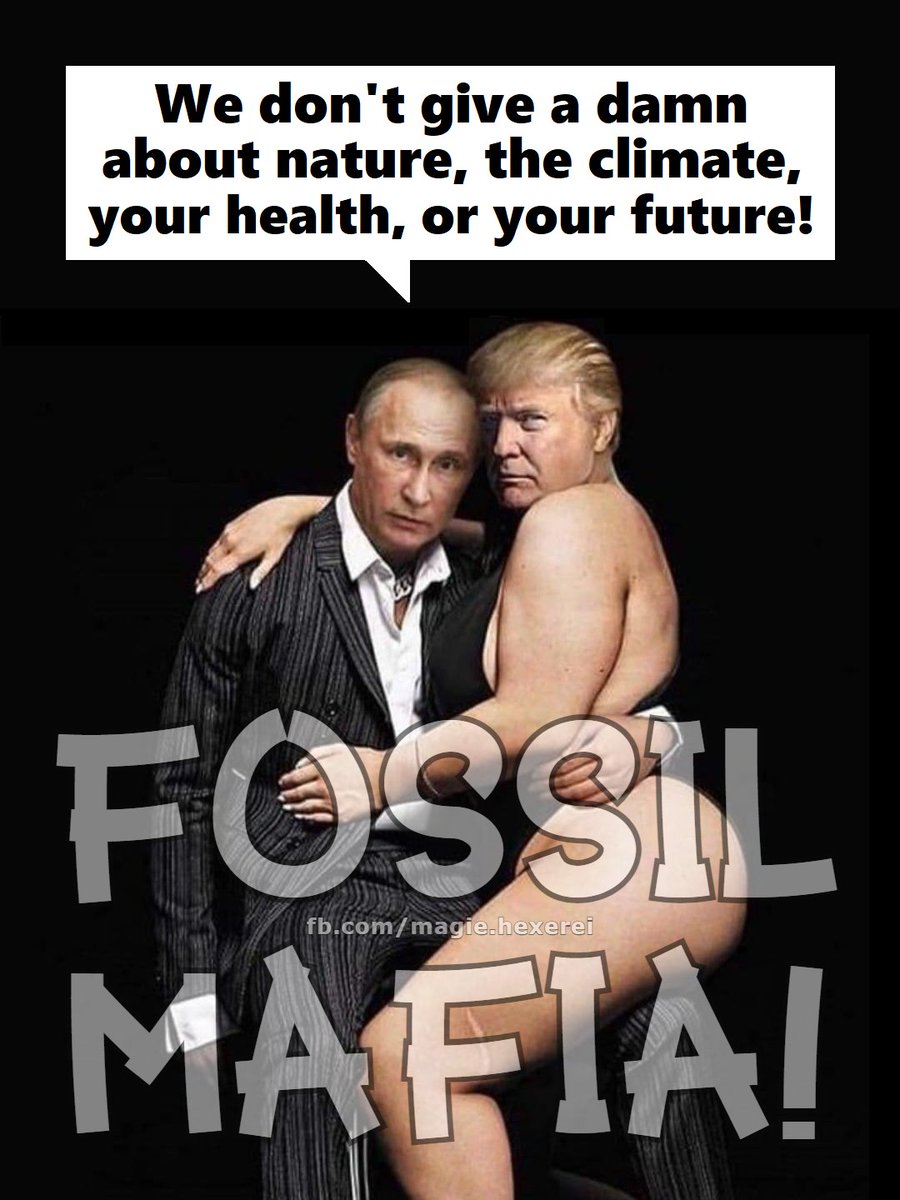
Stop the #FossilMafia ‼️
#StopTrump #StopPutin #StopMAGA #StopRepublicans #FossilLobby #AirPollution #nature #climate #health #future #freedom #EndFossilFuels #renewables #energy #ClimateChange #ClimateProtection #ClimateEmergency #ClimateCrisis #SavePlanet #SaveNature #SaveEarth
5 Feb 2025

Burn #earth, burn! (2/4) 🔥
#Trump #DrillBabyDrill #BurnEarthBurn #Oil #Gas #Coal #Uranium #eFuel #Wood #Pellet #ClimatePollutionParty #oPenNesStoTecHnoLogY #fReedOmtoiNnoVatiOn #Populism #Trumpism #FossilLobby #FossilMafia #AirPollution #Climate #ClimateProtection #ClimateCrisis
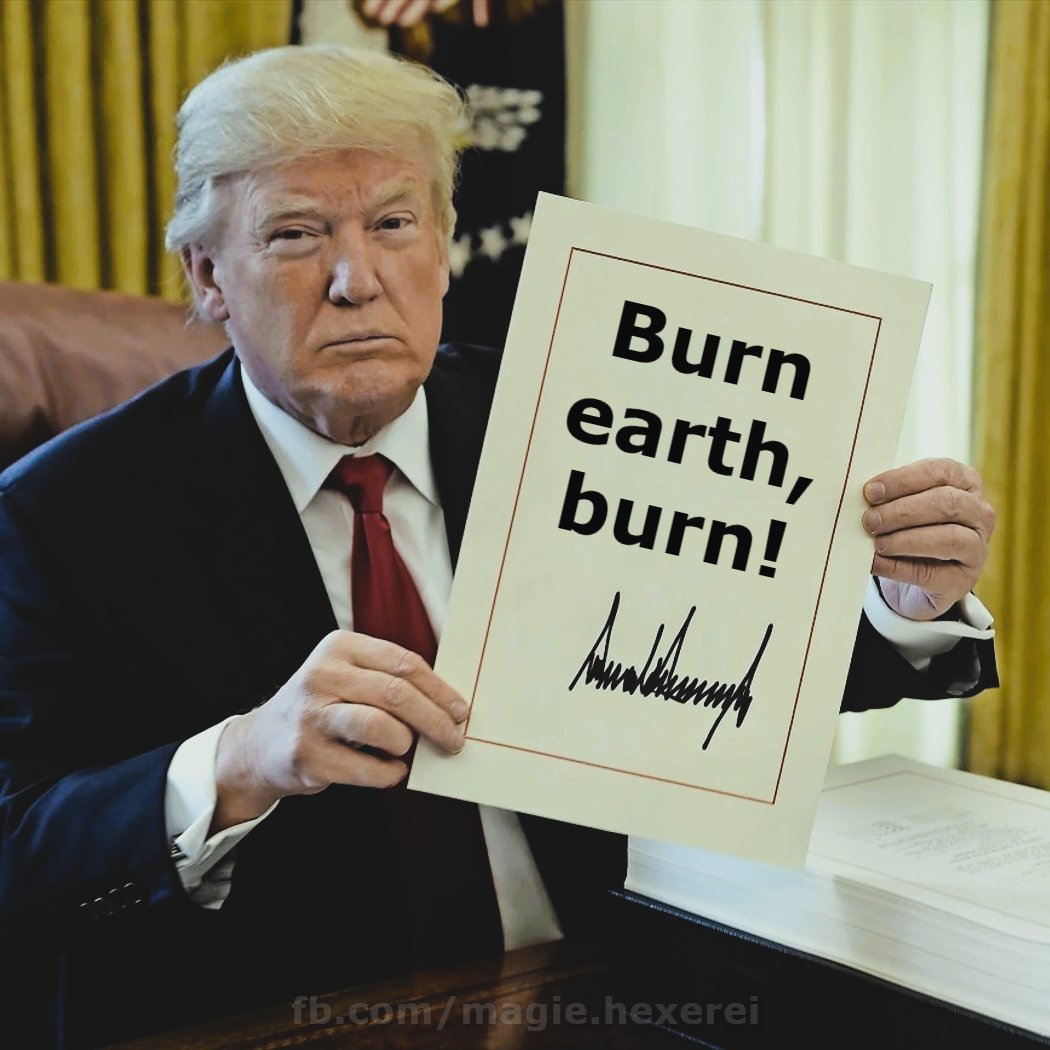
ALT Trump shows his executive order: Burn earth, burn! (called before: Drill baby, drill!)
2
96


28 Dec 2025
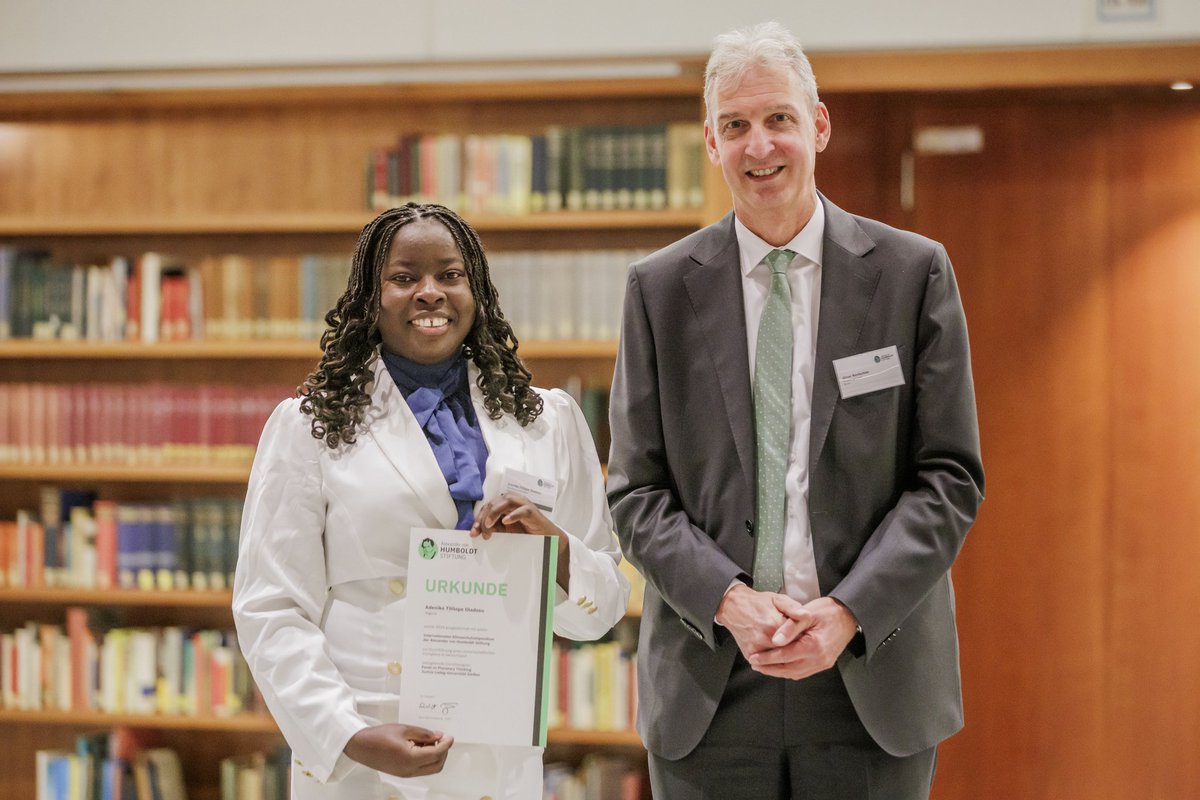
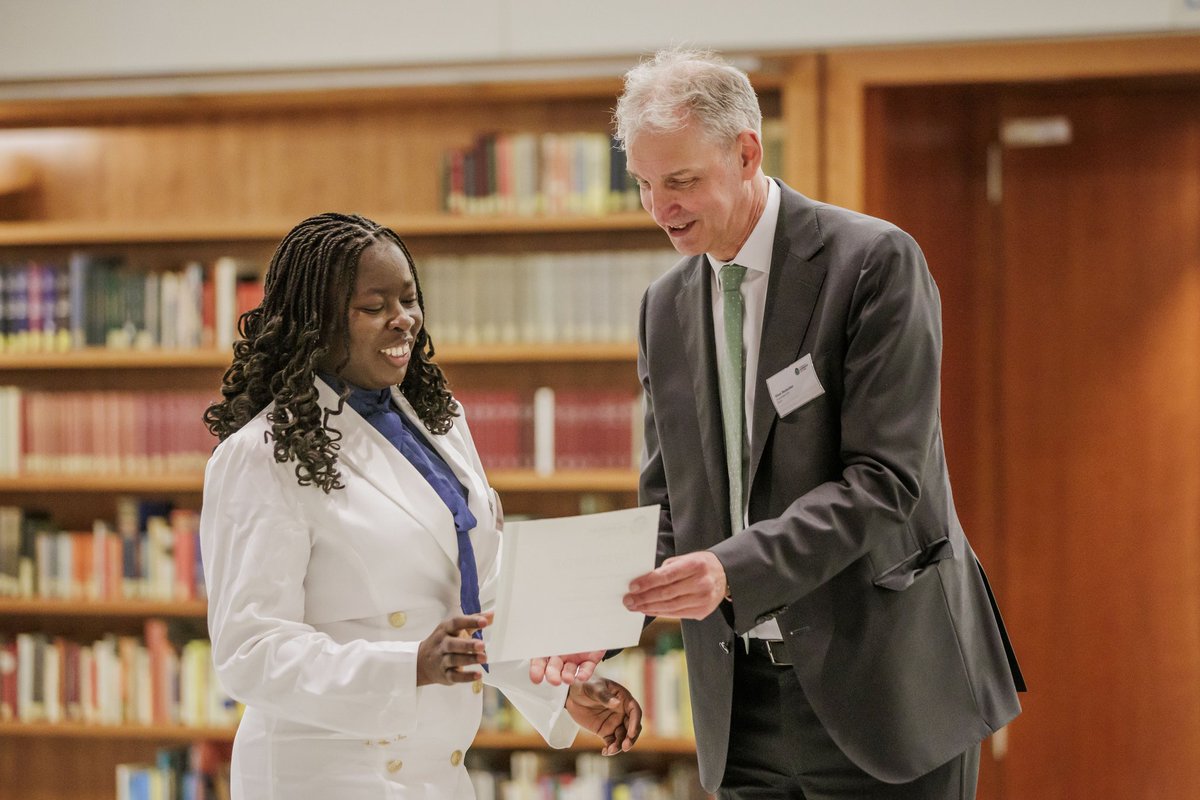
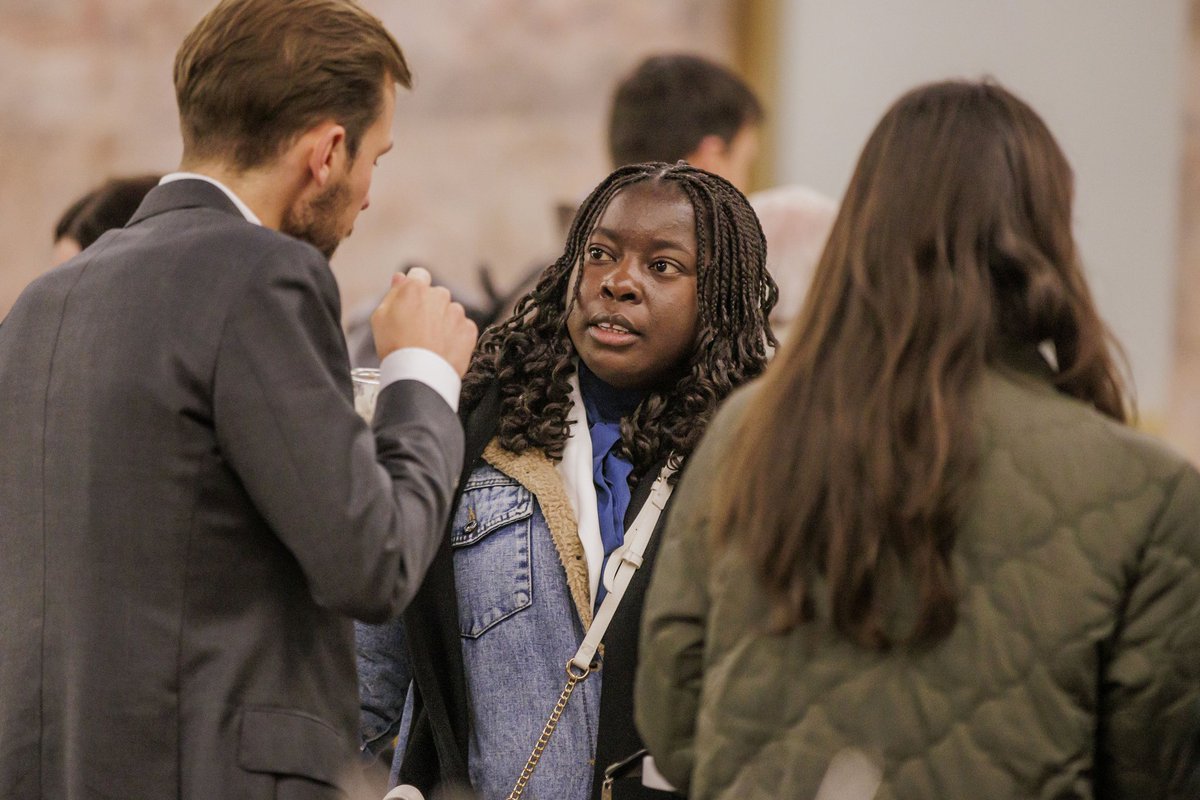
Officially awarded the certificate upon the completion of my one year fellowship as an Alexander von Humboldt's international climate protection fellow.
Tuesday, 13th 2025.
Foreign office, Berlin. Germany.
#climateresearcher
#climateprotection
1
5
128

18 Dec 2025
राजस्थान की लाइफलाइन है अरावली पर्वत शृंखला #lokmatrajasthan
#AravaliRange #LifelineOfRajasthan #SaveAravali #EnvironmentProtection #GreenRajasthan #EcoBalance #ClimateProtection #RajasthanNature #SustainableFuture #EnvironmentalAwareness
1
2
4

14 Nov 2025
🇩🇪 🎓 In Germany, #climateprotection is taught in a practical manner at many universities.
🌍 These five degree programmes prepare students to develop sustainable solutions for the climate crisis.
👇 Learn more deutschland.de/en/topic/envi…
2
1
3
655
30 Oct 2025
Please watch and like (if you like it) my newest YouTube #animation #video about #microscopic #lifestories inside #dinosaur #dung:
youtu.be/gzv-TZmU5G4?si=OGCC…
Why would anyone decide to bring the #distantpast to life on #film? Why should it be interesting to delve into events that took place some 70 million years ago? And: why #telling #stories about what happens in animal #excrements?
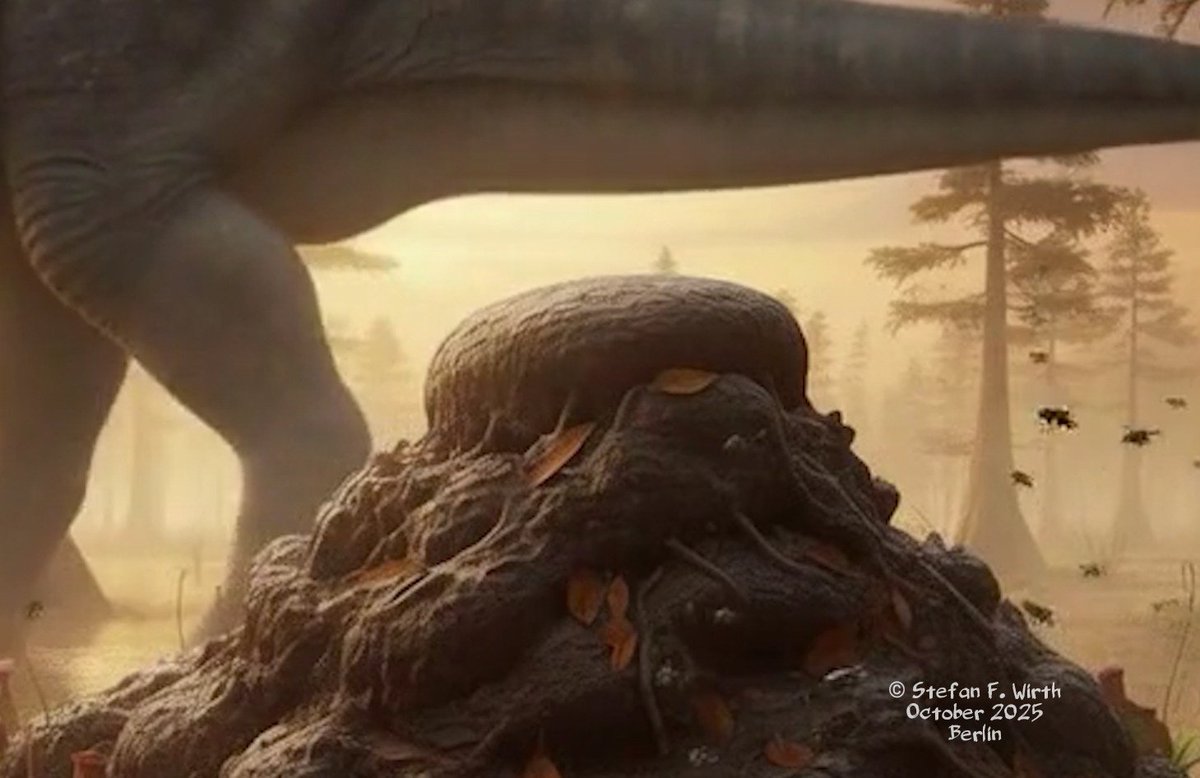
Because the dung of large animals can have a significant impact on the surrounding #ecosystem. Therefore, it's important to understand how dung actually #decomposes in its natural environment. Anyone concerned with #climateprotection and greenhouse gases knows that cow dung is a source of the greenhouse gas methane, which is released during its decomposition. On the other hand, under natural conditions, cow dung transforms into fertilizer that provides #nutrients to the surrounding vegetation. Thus, organisms that decompose dung return organic pollutants to the natural #carboncycle. Therefore, being interested in dung and the details of its decomposition is by no means bizarre or tasteless, but highly significant and surprisingly #interesting.
Dung, especially from large herbivorous animals, is a haven of hidden #biodiversity. And not only that, it's also a stage on which great dramas and beautiful success stories can unfold. A stage with complexly interwoven #storylines, which we humans can only truly appreciate when these stories are brought into the spotlight. Numerous biologists could easily provide this. Every tiny group of organisms has a scientific specialist dedicated solely to it. And the biodiversity in cow dung is so vast that there's plenty of work for many specialists worldwide. However, it's not so common for such research findings to be visualized and presented in a clear and engaging way to a wider audience. A story needs to be told, with a beginning and an end, with protagonists and supporting characters, with the overcoming of small challenges and the overcoming of existential ones. This is what I've attempted to achieve in the form of my short animated film. I could have reported on recent #lifestrategies in mammal dung, but I chose to focus on dinosaurs.
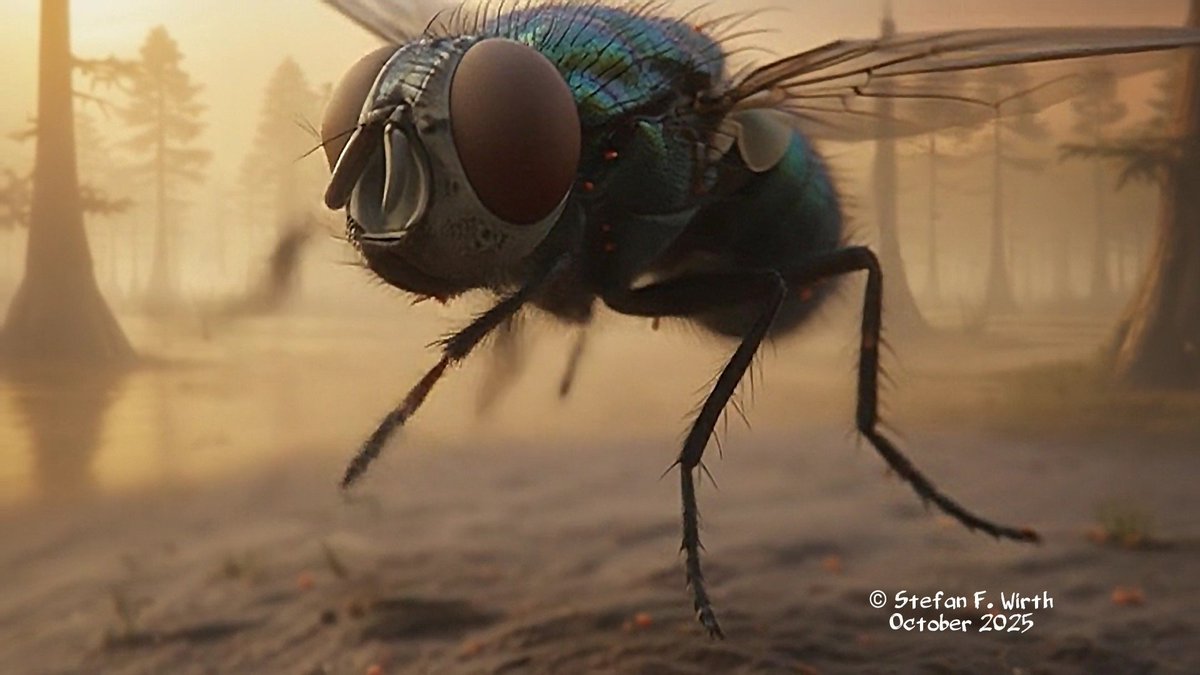
Why? Firstly, to emphasize that everything that lives originated through #evolution at some point. And that the necessary basic conditions were often complex. My focus is on mites, which develop in #ephemeral, bacteria-rich #habitats and travel as #stowaways on insects for further propagation, a phenomenon known as #phoresis. However, a close interaction between insect and mite could only arise if suitable insects were available in the first place. The evolution of #insects is a fundamental prerequisite, and this depended on the evolution of #floweringplants, which first took place in the Cretaceous period. That's why my film is set in the Cretaceous period and not today. But another reason I decided to make a film about the time of the dinosaurs is because it was actually feasible for me. Manual CGI animation would not have been proportionate for a three-minute film. New possibilities for creating moving images based on an illustrated, self-made #storyboard using suitable #AIassistance require time and patience, but lead to a result faster than the (of course much more precise and flexible) work we know from large animation production companies.
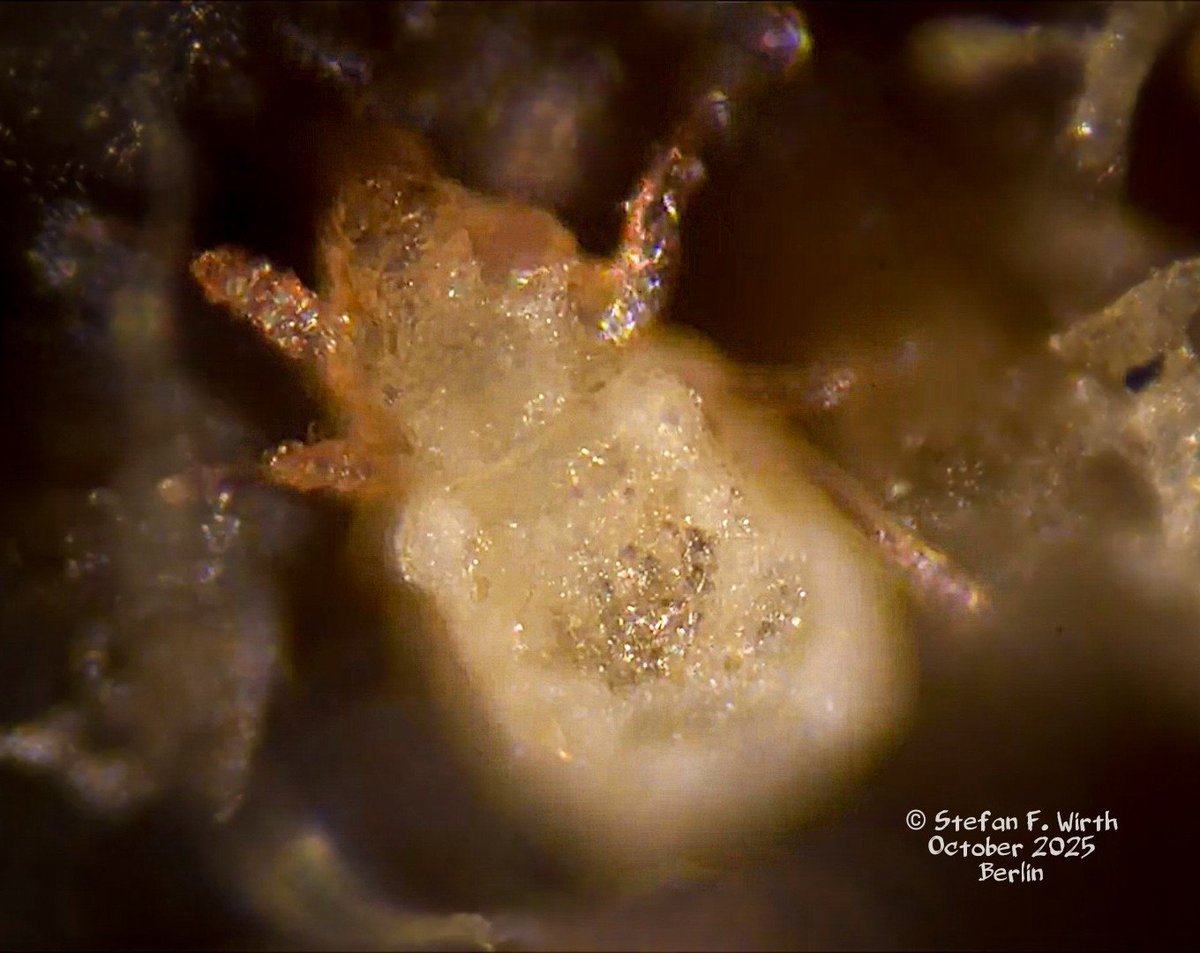
Please note the high-resolution footage of the #Histiostomatidae mites in my video. They are the only subjects of my short film that I haven't animated.
I hope that while watching my short animated film, you will be able to share some of my #enthusiasm for telling stories from the animal world. Follow with me as we move from the defecating dinosaur to the defecating microscopic mite that inside dinosaur dung.
© #StefanFWirth Berlin 2025
#Pictures:
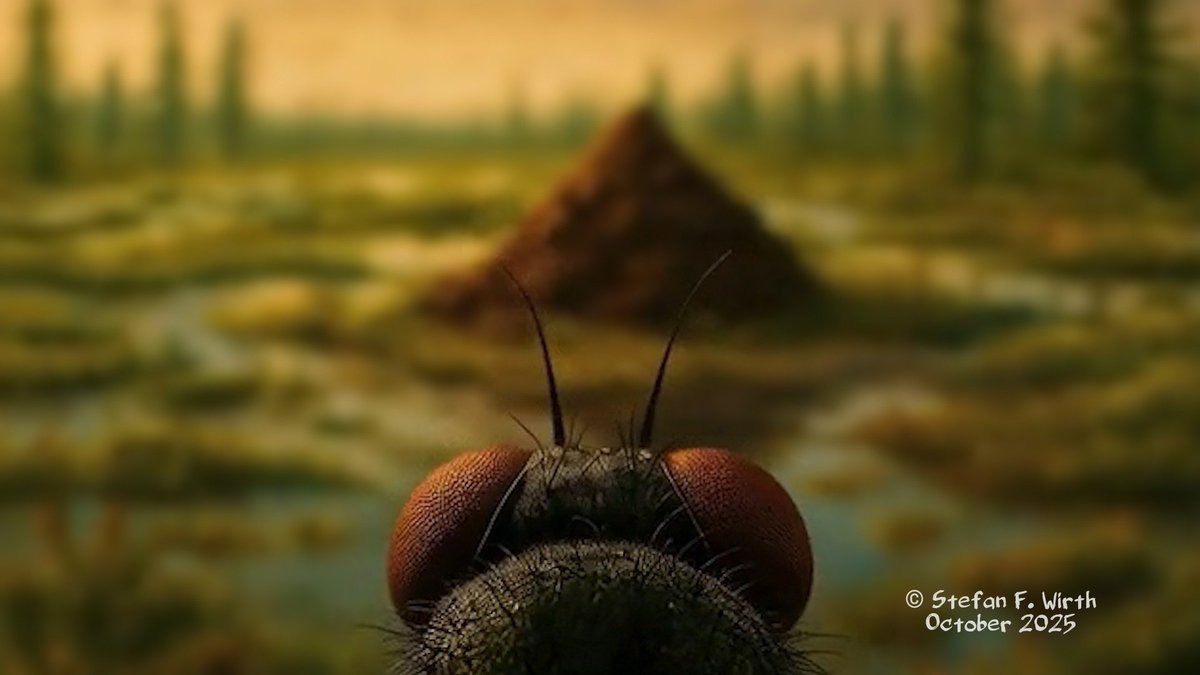
Dinosaur dung and flies designed with KI assistance, free living mites filmed via light microscope and 4K recording during my research of the last years, © Stefan F. Wirth 2025
1
12
262
1,854

25 Oct 2025
PhilNews24 | October 25, 2025
For the latest news, visit: philnews24.org
#phstockexchange #PESO #destabilization #PresidentMarcosJr #coconuttrees #plantdrive #smallfishers #climateprotection #MalaysianInvestors #Mindanao #StudentProtests #govcorruption
99
69
88
323

24 Sep 2025
🌱 Is #seagrass the ultimate superpower? At least, that's what its fascinating properties suggest!
🧑🔬 It is being used to enable various innovative #ClimateProtection projects in Germany.
👇 Find out more!
deutschland.de/en/topic/envi…
1
3
1,297
24 Sep 2025
🌱 Is #seagrass the ultimate superpower? At least, that's what its fascinating properties suggest!
🧑🔬 It is being used to enable various innovative #ClimateProtection projects in Germany.
👇 Find out more!
deutschland.de/en/topic/envi…
2
864

18 Aug 2025
Congrats to our #student teams who won first and second place at the 2025 #EuroTeQaThon with ideas that aim to improve the lives of smallholder farmers in Uganda and contribute to #climateprotection: go.tum.de/433180 👏
#sustainability
📷L. Baruch
2
1,007

24 Jun 2025
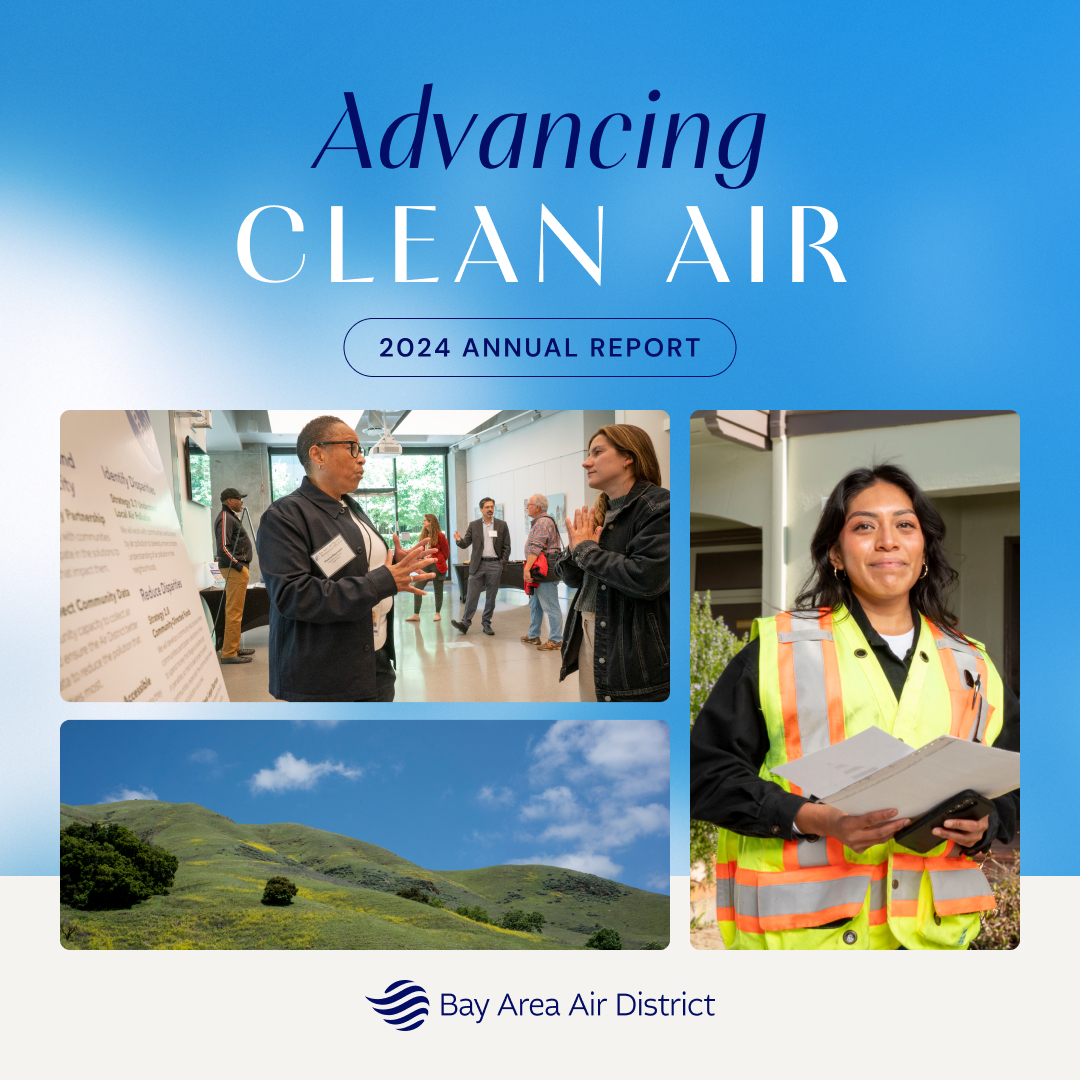
Our 2024 Annual Report is LIVE! 🎉
See how we continue our groundbreaking #EmissionReduction & #ClimateProtection work and expand our partnerships with the most impacted communities to provide clean air for all ▶️ annualreport.baaqmd.gov/.
1
3
509

12 Jun 2025
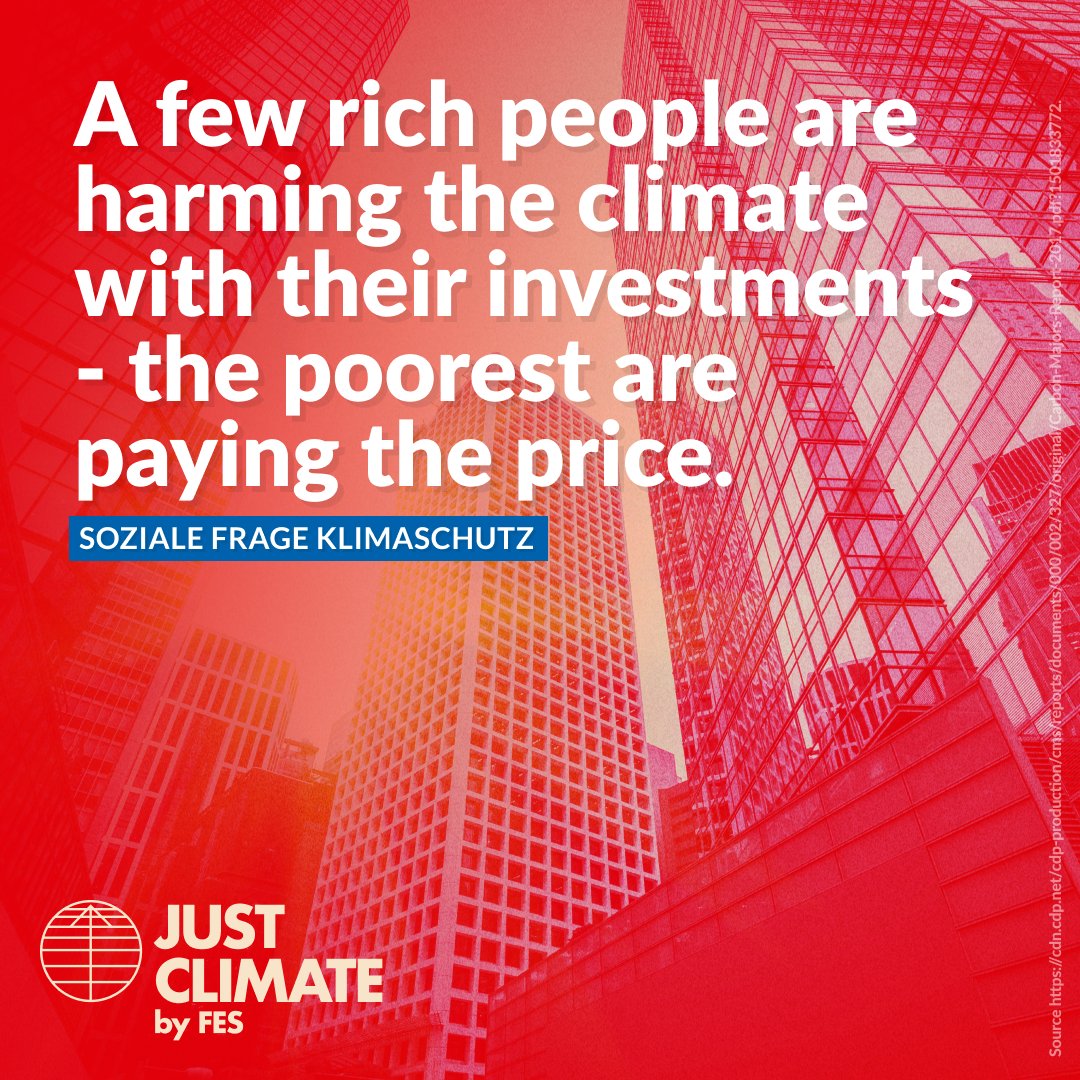
The climate crisis and social inequality are closely linked.
Rich people and large corporations are the main contributors to CO₂ emissions.
If the fight against global warming is to be successful, they in particular must be held more accountable.
♦️Did you know that 71% of emissions in the industrial sector come from just 100 companies that extract fossil fuels such as oil and gas?
♦️And that the investments of one super-rich person are equivalent to those of one million people in the bottom 90%? 🤯
A fairer world requires action: Billions could be raised through higher taxes on large fortunes and on investments in polluting businesses to fund the climate-neutral modernisation.
This is not only fairer, but also relieves the burden on the general population. It is time to hold the most powerful players to account.
This is the only way we can combat climate change and promote social justice at the same time.
#socialjustice #climateprotection #taxes
1
3
64

27 May 2025
This webinar promises valuable insights into advancing climate protection through a wider lens. #ClimateProtection #Webinar2025
2
29