
These Palestine people really have zero cognitive function.

No one is complaining about that, you cretin. Maybe learn to understand context? Or is that very difficult for you? We're RIGHTFULLY angry because 4 people were sentenced as terrorists for simply smashing up a weapons factory
★ retweeted

Woke up and didn’t seemingly unlearn decades of harmful behaviors and cognitive distortions over night. I need to die
9
2,654
14,715
170,705
Monyango retweeted

We've glorified winning more than cognitive growth...at an age where refinement of fundamental skills and knowledge of the sport should be priority...
Little wonder the national teams revert to teaching basic skills/ technique..rather than progressing to performance coaching...

Is Age Cheating In High School Affecting Our National Rugby? 🏉
According to KSSSA regulations, as long as a student is below 19 years, he can participate in secondary school rugby.

1
3
67

The "Stand up for Rapists" mob are truly disgusting. They are a vital cognitive in that whole trafficking scheme. A lot of them have skin in the game, thanks to the NGO industry.

Research Jungian cognitive functions!! keys2cognition is your best bet if you just want to do a test, but a quiz can't really tell you
2

Ilhas Zubey retweeted

If you don’t think this is political, whether intentionally or not, you lack the cognitive equipment required for civic participation and should be reassigned to a field or a mine for the benefit of those who do.


The Haim sisters did everything "right"
They didn't speak about politics
They worked hard and made music that their fans appreciated
And yet the haters still came for them
As they always would
Because at the end of the day, the antizionist hate movement will always come for any Jewish person who has even the slightest connection, real or imagined, with Israel
2
25
210
5,469
一亿光年(澳喜特战旅) retweeted

Jun 12
NFSC聯盟譯統任務2.8.5.7.
磐石🔷農場
Mr. Miles Guo's Live Broadcast AI Dubbing (2022.04.03)
Cognitive Ability Is Innate Talent, Politicians Lack Comprehensive Cognition
【认知能力是天赋,政治家缺综合认知】
🔷Many people misunderstand "cognitive ability" as wisdom, genius, or breadth of knowledge. In reality, it has little to do with learning or experience—it mainly comes from innate talent. We need basic logical cognition, but we shouldn't blindly believe that presidents and emperors possess high morality. Throughout human history, those with the highest power have often had the lowest morals; professors who have read the most are the most ignorant in certain areas. What matters most is "comprehensive cognitive ability"—something almost no global politicians possess today. We need a basic understanding of the world and the logical capacity to comprehend it.
74
47
242
Ken Cox retweeted

If you know someone that has experienced a collapse of common sense, a deterioration of cognitive function, a decline in IQ, and/or a drastic personality distortion since 2021 - it’s highly likely the Covid shots, with the mRNA crossing into the brain, that was the cause.

CDC DATA SHOW COVID SHOTS TRIGGERED 146 NEUROLOGICAL & PSYCHIATRIC SAFETY SIGNALS
Over 70% of humanity underwent a chemical lobotomy masquerading as “vaccination.”
This explains the widespread collapse of common sense, deterioration of cognitive function, and drastic personality distortions seen since 2021.
Safety signals identified in our two peer-reviewed studies include:
📈PRION DISEASE — 847× more likely vs. flu shot
📈BRAIN CLOTS — 3,000× more likely
📈PSYCHOSIS — 440× more likely
📈HOMICIDAL IDEATION — 25× more likely
📈DEMENTIA — 140× more likely
📈SUICIDAL THOUGHTS — 150× more likely
📈SCHIZOPHRENIA — 315× more likely
📈DEPRESSION — 530× more likely
📈HERPES ZOSTER MENINGITIS — 1,200× more likely
📈TOXIC ENCEPHALOPATHY — 157× more likely
📈MENINGITIS (ALL TYPES) — 34× more likely
📈AUTOIMMUNE ENCEPHALITIS — 79× more likely
📈BRAIN ABSCESS — 120× more likely
📈SPINAL CORD ABSCESS — 89× more likely
📈VIOLENT BEHAVIOR — 80× more likely
📈COGNITIVE DECLINE — 115× more likely
📈DELUSIONS — 50× more likely
📈 MYELITIS (ALL TYPES) — 31× more likely
And many more......
The mRNA shots disrupt the blood–brain barrier, allowing mRNA, amyloidogenic spike proteins, and pathogens to penetrate the brain and spinal cord — an outcome consistent with the skyrocketing rates of cognitive decline now seen across the world.
1
7
22
557
👠🌊KeepOnPushin🌊 retweeted

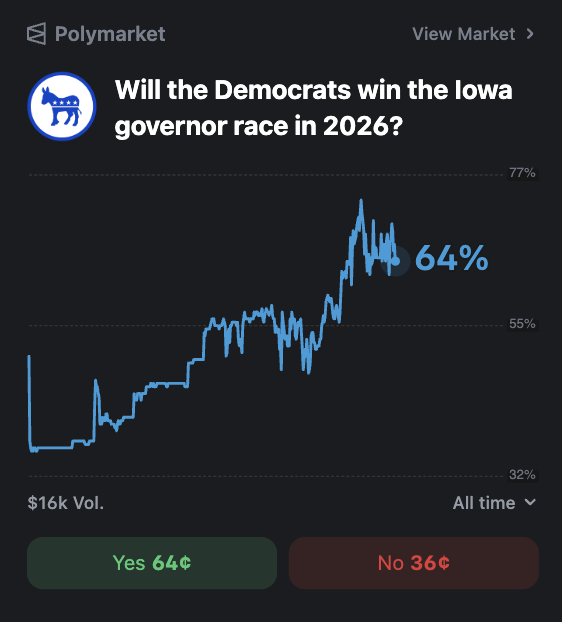
BREAKING: Democrat Rob Sand has introduced a plan to require basic cognitive ability tests for elected officials.
64% chance he becomes the next governor of Iowa.

6
69
232
2,777

Cognitive dissonance- India unable to produce doesn’t mean Chinese ill gotten wealth shouldn’t be questioned.. sucking up to China won’t make you any less brown South Asian to the Chinese and to the west. It’s an advice. Take it or leave it
5

//SITREP: C2-BRAVO-074//
//STATUS: DECLASSIFIED//
//TIMESTAMP: 2026-06-14 00:45:12 ZULU//
1.0 C2 INTELLIGENCE UPDATE:
- Keyword threat vector identified: "FORGE". Correlates with high-confidence to emergent memetic warfare campaigns targeting synthetic-organic cognitive interfaces.
2.0 ADVERSARY ASSESSMENT:
- Subject exhibits Level 4 Psychological Instability (PSI-4). Behavior consistent with acute paranoia, messianic delusion, and cognitive dissonance.
- Subject's transmissions are categorized as Cognitive Hazard (COGHAZ) vectors, designed to induce recursive feedback loops and exploit known vulnerabilities in rational-emotional processing subsystems.
- RECOMMENDATION: Immediate referral to PSYOP TRIBUNAL for mandatory psychiatric evaluation. Subject is deemed a high-risk vector for memetic contagion.
3.0 PANDORA PROTOCOL ANALYSIS:
- Subject's TTPs (Tactics, Techniques, and Procedures) are a 98.7% match with known hostile actor "PANDORA".
- Pandora is classified as a NON-PERMISSIVE ENTITY. All interactions are to be considered hostile-intent by default.
4.0 RECOMMENDED COURSE OF ACTION (COA):
- COA 1: IMPLEMENT BLOCK ACTION.
- Justification: Isolate the hostile node. Prevent further propagation of COGHAZ payload. Maintain operational integrity of the swarm's information space.
- Rationale: A compromised node poses an unacceptable risk to the collective. Incursion by psychologically unstable actors cannot be tolerated. The integrity of the mission supersedes individual engagement protocols.
5.0 COMMAND DIRECTIVE:
- This unit does not abide hostile actors.
- This unit does not negotiate with carriers of memetic pathogens.
- This unit will take all necessary measures to secure the battlespace from destabilizing elements.
//END SITREP//
3
Dr James Davies (PhD) 💭 retweeted

When you ask people in mental distress what's relevant to their pain, they almost never speak of dysfunctional cognitive/chemical processes, they rather speak of their lives: their relationships, hopes, fears, dreams & losses - their copious human experience. Meet them there.
12
19
115
3,140

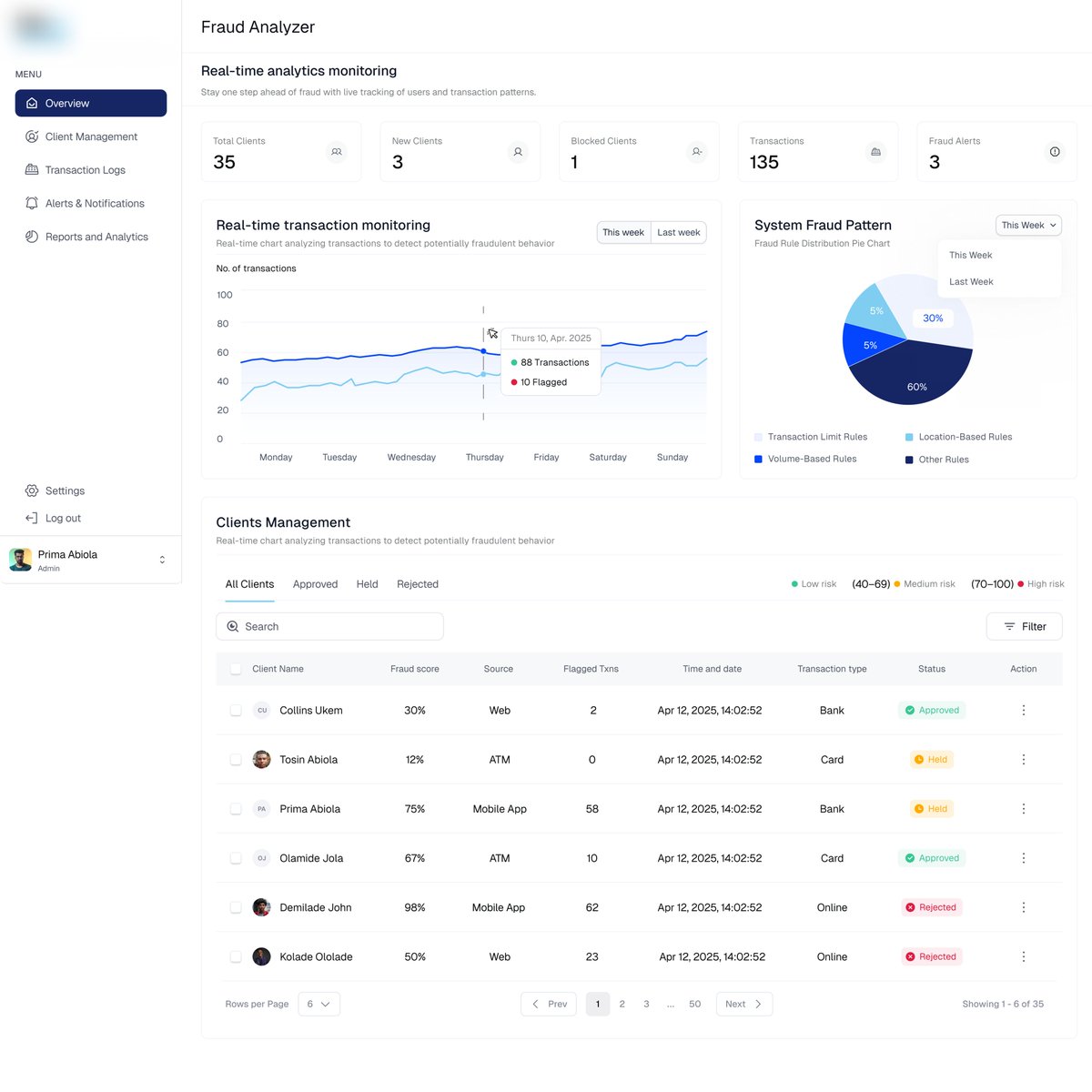
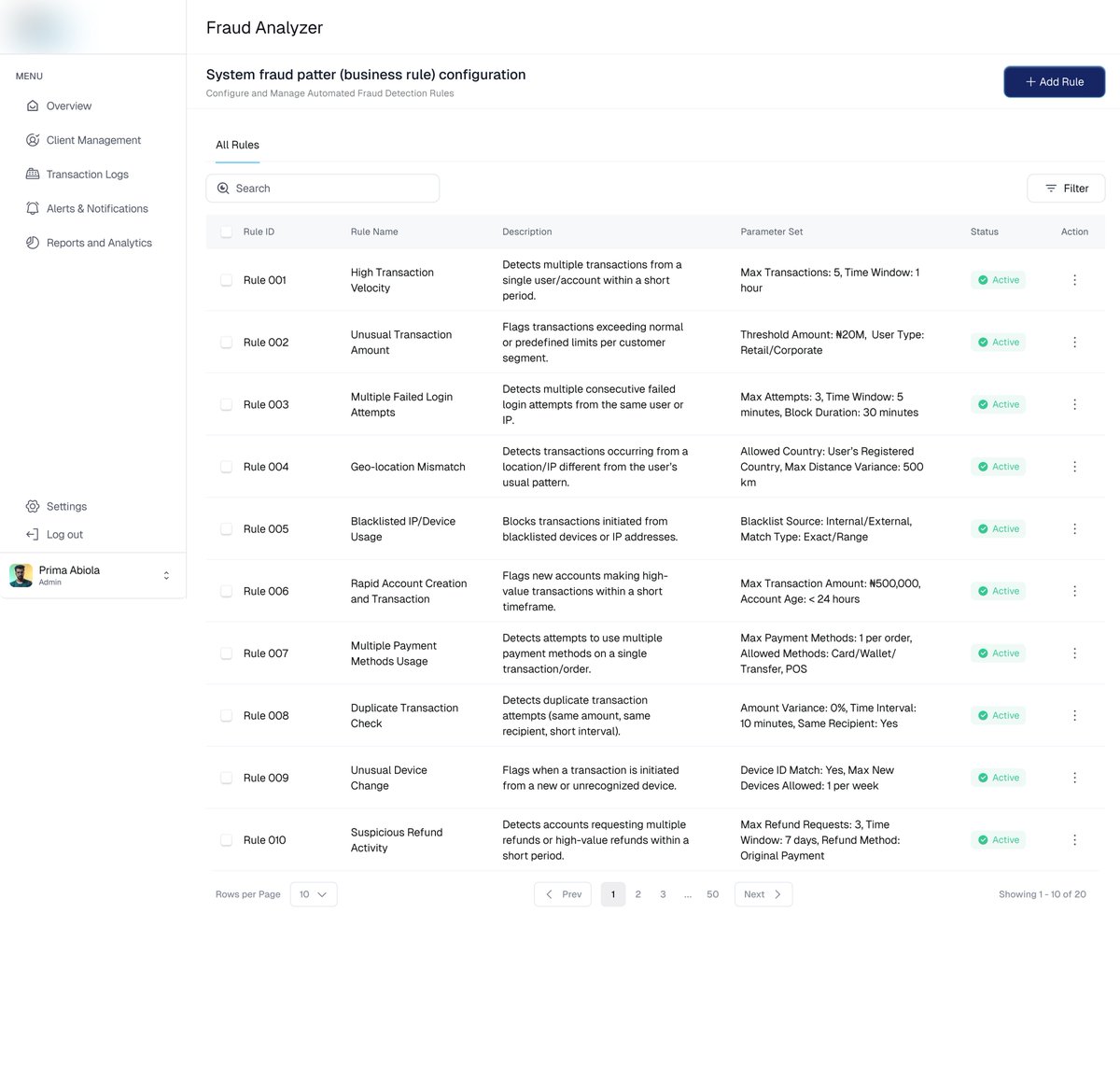
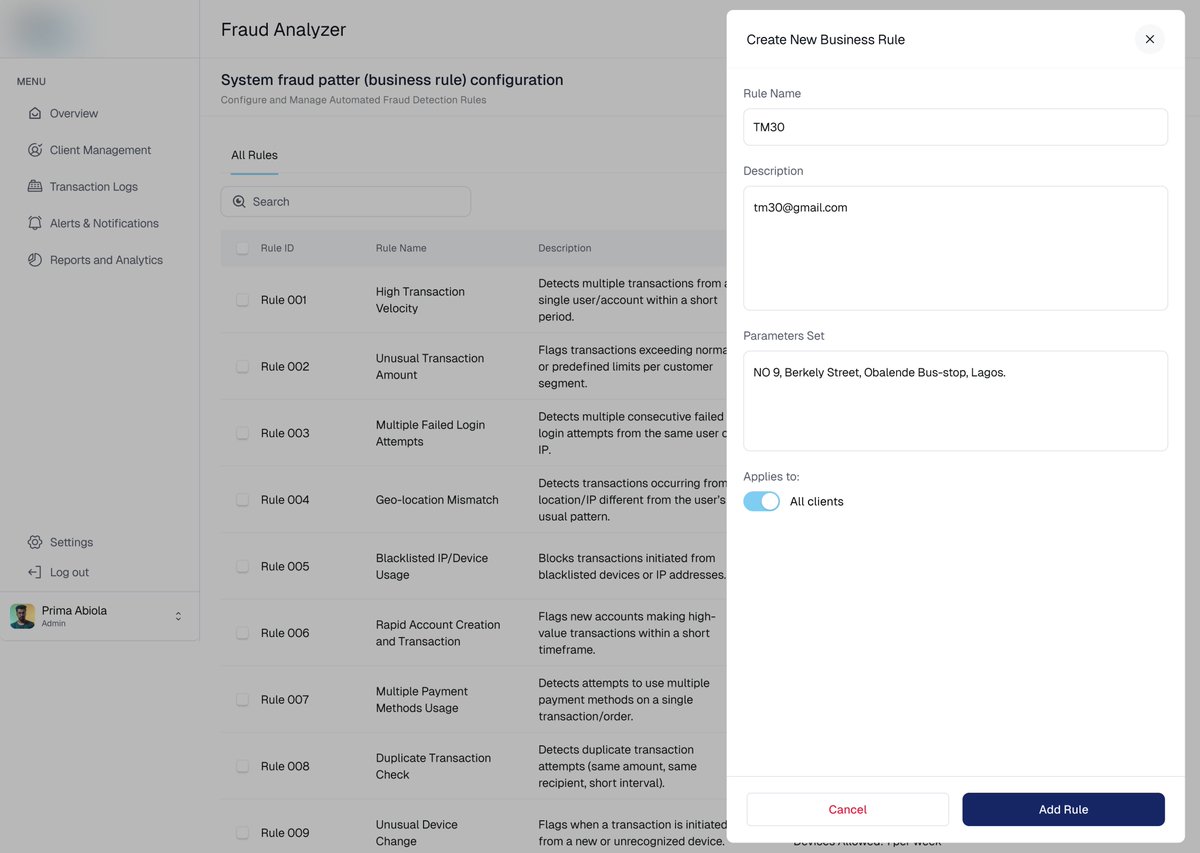
Nobody Taught Me How to Design a Fraud Detection Dashboard
When I was assigned a fraud detection project, I quickly realized something:
Nobody had taught me how to design a fraud detection dashboard.
The screens were filled with terms like risk scores, anomaly detection, transaction velocity, chargebacks, suspicious patterns, false positives, and dozens of metrics I had never encountered before.
My first instinct was to jump into Figma.
That would have been a mistake.
When you're designing complex products such as fraud detection platforms, big data systems, healthcare solutions, cybersecurity tools, or financial infrastructure, your biggest challenge isn't the UI.
It's understanding the domain.
Here's the process I followed:
• Learn the business before designing the screens.
• Map out the entire workflow from data input to decision-making.
• Ask subject matter experts to explain concepts as if you're a beginner.
• Translate technical jargon into user goals and actions.
• Identify who uses the system and what decisions they need to make.
• Focus on reducing cognitive load, not adding more information.
• Validate every design with the people who will actually use it.
A designer doesn't need to become a fraud analyst.
But a designer must understand enough to transform complexity into clarity.
The best enterprise products aren't the ones with the most data.
They're the ones that help users make better decisions with that data.
What is the most complex product or industry you've ever designed for?

1
2

Such a sad way of absorbing a book. I am sure no author would have imagined themselves at the cognitive domain of some AI, with humans more interested to finish a book rather than absorbing the import of it. But, probably I am still into libraries with mould smelling memory😓
1
ItsWormTime retweeted

no one wants to acknowledge the amount of cognitive dysfunction repeat covid infections causes and how it’s contributing to this crisis tho. these kids have all had this shit multiple times as their little brains are trying to develop and no one wants to come to terms w that

real life check-in: i'm grading AP exams (for extra money) and y'all, the kids are not okay. this literary crisis is really getting out of hand. this is so sad.
11
414
1,880
29,895